It really bothers me how often I see darker-skinned actresses seemingly replaced by lighter-skinned or biracial women in Hollywood. It happens everywhere – on TV shows, in big movies, even biopics! Sometimes they’ll even change an actress mid-series! It feels like they’re constantly rewriting stories and characters, and it always seems to erase the visibility of talented, dark-skinned women who deserve those leading roles. It makes you wonder what the industry standard even is, and why this keeps happening.
‘The Fresh Prince of Bel-Air’ (1990–1996)
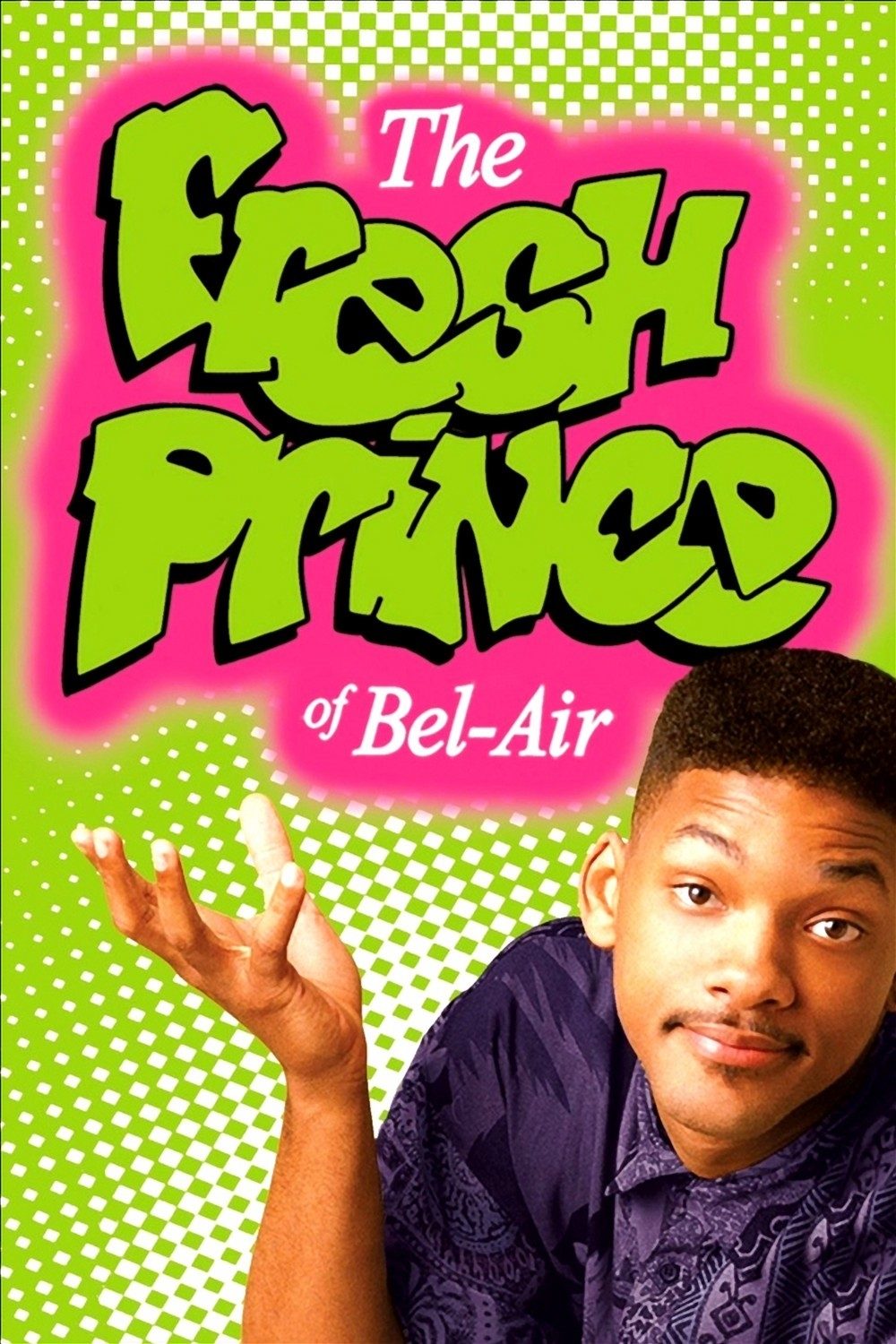
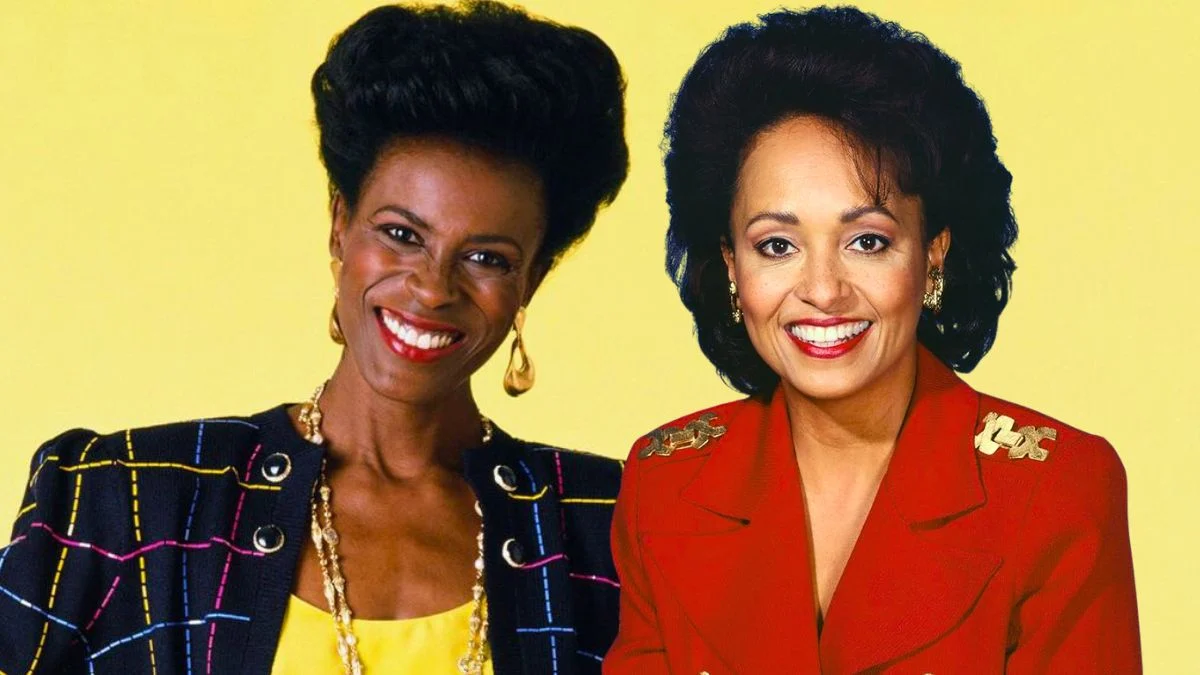
Janet Hubert first brought Vivian Banks to life as a sharp-witted and visibly Black character, connecting with many viewers. After three seasons, she was unexpectedly replaced by Daphne Maxwell Reid, who has a much lighter skin tone. This change drastically altered the character, shifting her from a strong, ambitious woman to a quieter, more traditional homemaker. This recasting is still widely discussed as a prime example of colorism in television and continues to fuel conversations today.
‘My Wife and Kids’ (2001–2005)
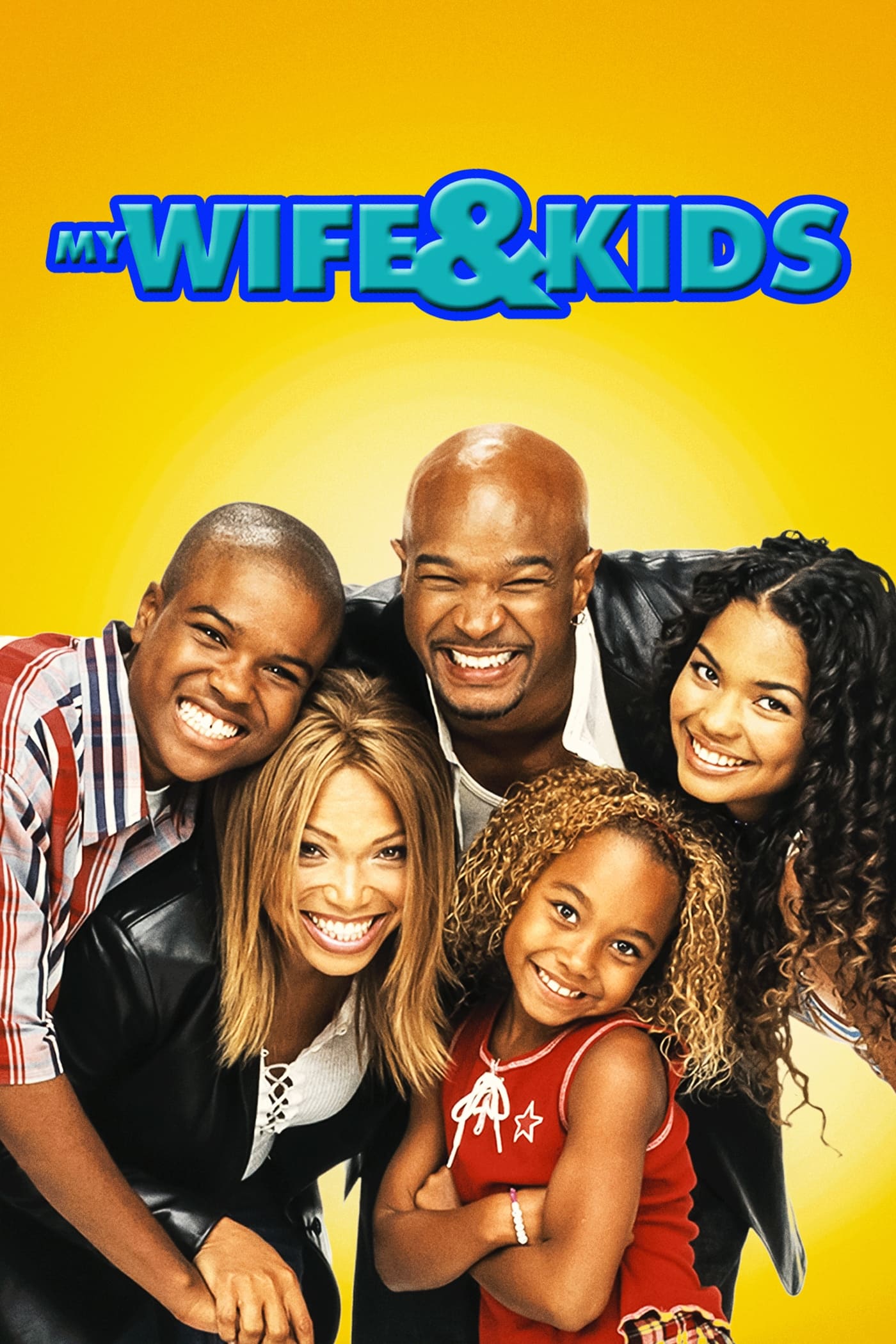
In the first season of the show, Jazz Raycole played Claire Kyle, bringing a relatable and charming energy to the role of the middle child. However, for the second season, Jennifer Freeman took over the part. Freeman, who has a lighter complexion, portrayed Claire with a different personality. The show explained this change by saying the character had quickly matured, but viewers immediately noticed the difference in skin tone. This recasting is often brought up when discussing how sitcoms sometimes replace darker-skinned actresses with lighter-skinned ones.
‘Family Matters’ (1989–1998)
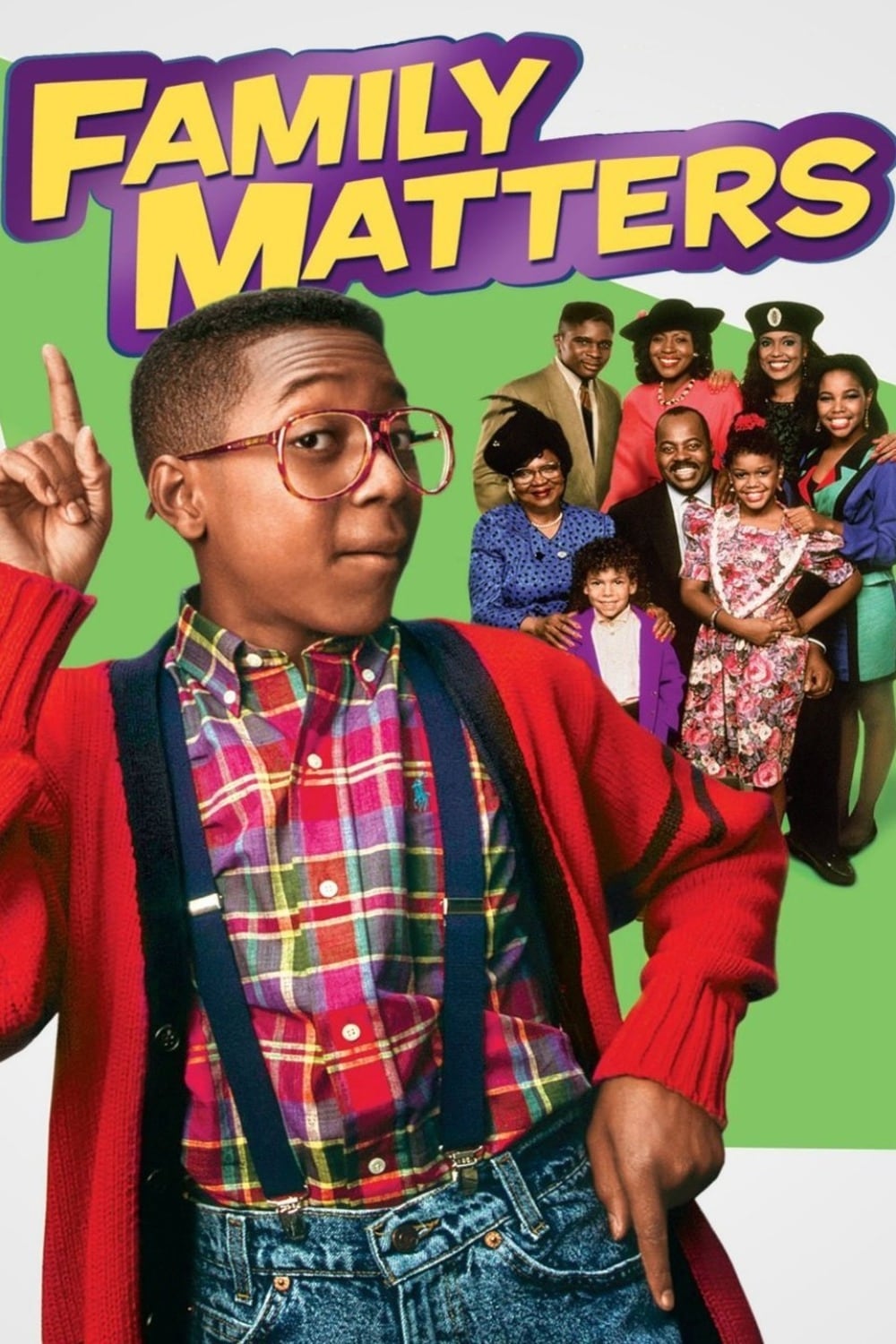
Jo Marie Payton was the heart of the show as Harriette Winslow for most of its run, providing a stable and relatable presence. Later in the series, she was replaced by Judyann Elder, who has a different skin tone. Although the character’s personality didn’t change, the sudden visual difference was noticeable to longtime viewers. This casting change is frequently brought up when discussing how Black actresses are sometimes seen as interchangeable in the entertainment industry.
‘General Hospital’ (1963–Present)

As a long-time viewer, I really loved Vinessa Antoine as Jordan Ashford – she brought so much to the role and truly made the character her own for years. When she left, I was surprised to see the role go to Briana Nicole Henry, who, while talented, presents differently – she has a lighter skin tone than Vinessa. It was impossible not to notice the change, and honestly, it brought up a bigger conversation about how consistently shows represent people of color. It felt like a step backward, and it’s something daytime TV really needs to address.
‘The Young and the Restless’ (1973–Present)
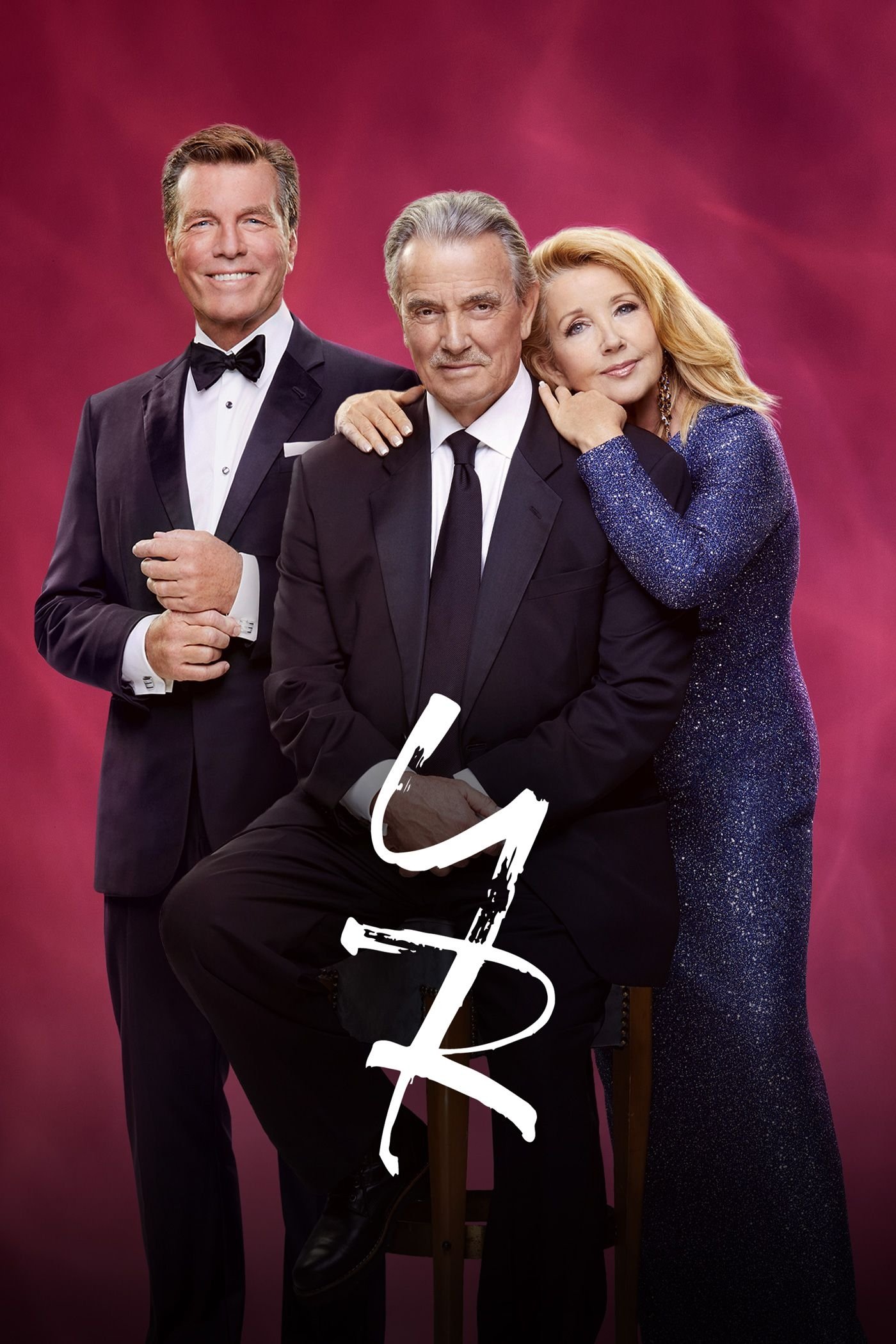
As a long-time fan of the show, I was really surprised when Ana Hamilton reappeared, but not in a good way. The original Ana was played by the incredibly talented Jamia Simone Nash, a beautiful dark-skinned actress, and it felt like a real blow when Loren Lott, who is lighter-skinned, took over the role years later. A lot of viewers, myself included, felt like it completely disregarded who Ana was visually. It’s frustrating because this kind of recasting – changing an actor’s skin tone for the same character – keeps happening and always sparks this conversation about why lighter skin seems to be favored in casting decisions. It just feels wrong to erase someone’s original portrayal like that.
‘Nina’ (2016)
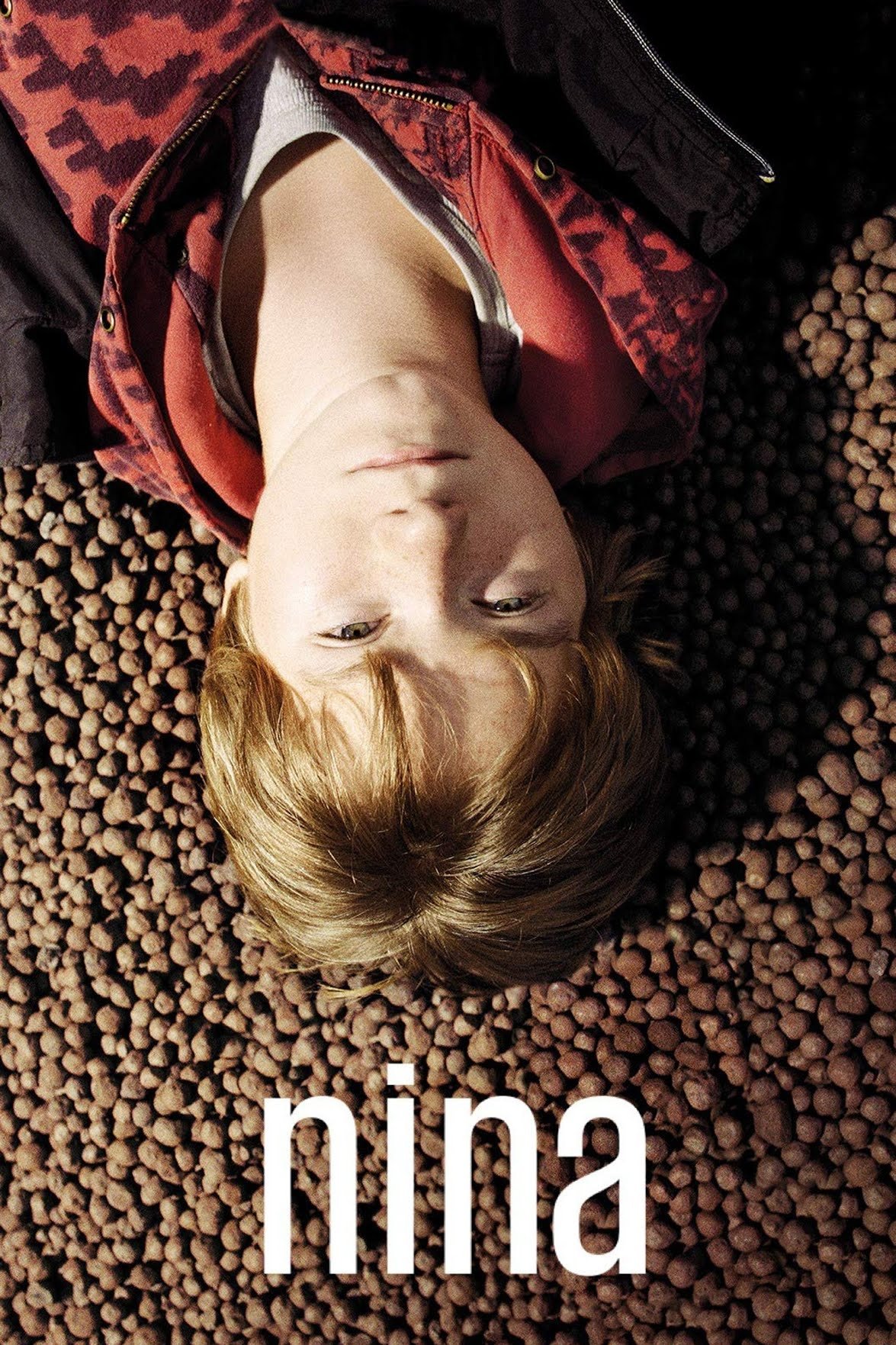
Zoe Saldana, an actress with lighter skin and Afro-Latina heritage, was chosen to portray Nina Simone, a celebrated singer known for her dark skin and African features. To look more like Simone, Saldana wore dark makeup and a prosthetic nose, which caused significant criticism. Many felt it was disrespectful to cast a lighter-skinned actress in the role of someone whose identity and career were so closely tied to being a dark-skinned Black woman. The resulting controversy drew attention away from the film itself and started a larger conversation about colorism in biographical movies.
‘The Hate U Give’ (2018)
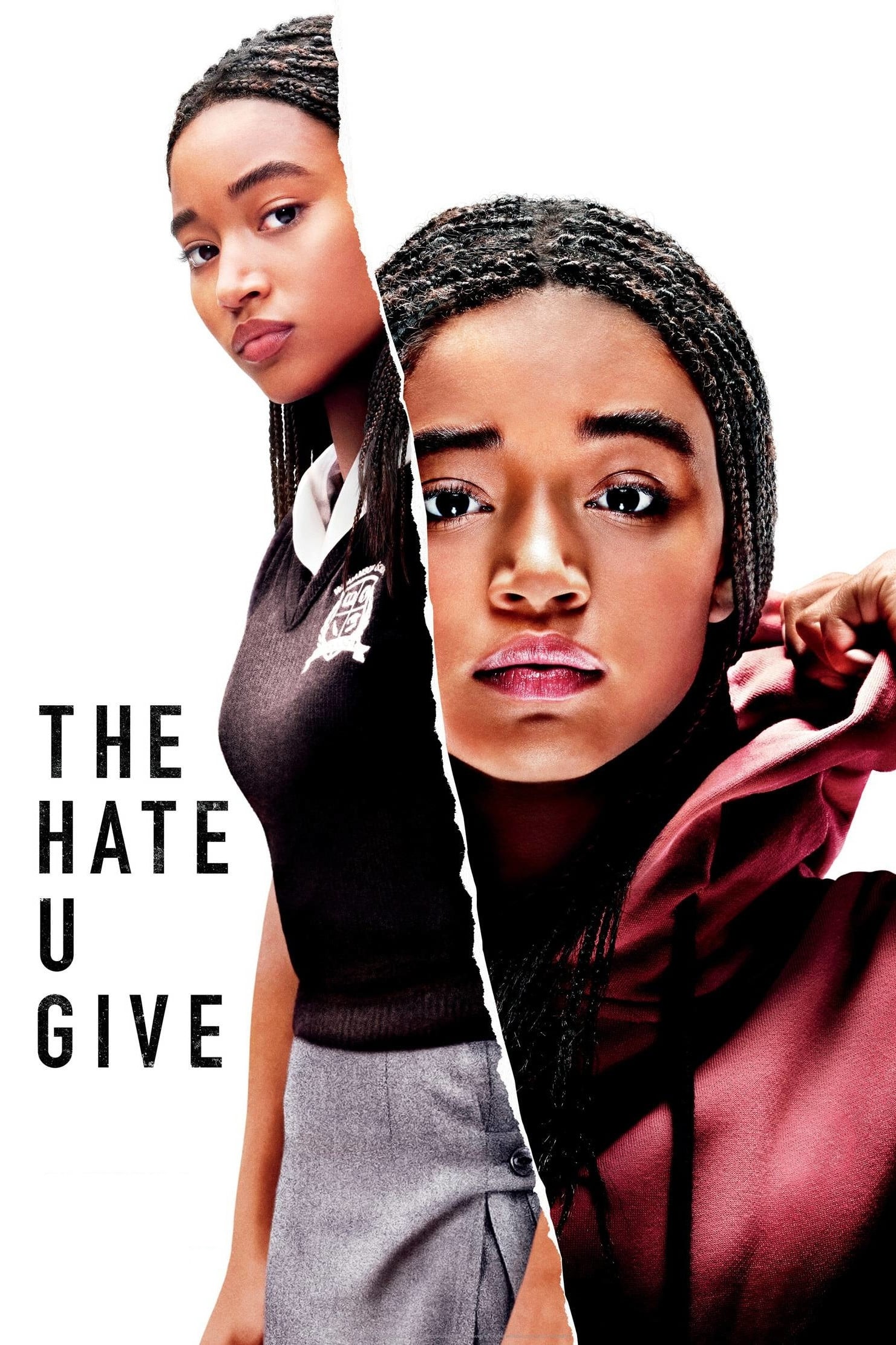
Angie Thomas’s novel features Starr Carter, a character whose dark skin is a key part of who she is and the challenges she faces. When the book was made into a movie, the role went to Amandla Stenberg, an actress who is biracial and has lighter skin. Although Stenberg’s performance was well-received, some people criticized the casting choice, arguing that it overlooked the specific difficulties Starr experiences due to colorism. Stenberg later recognized the issue was complicated and understood why members of the dark-skinned community were upset.
‘Straight Outta Compton’ (2015)
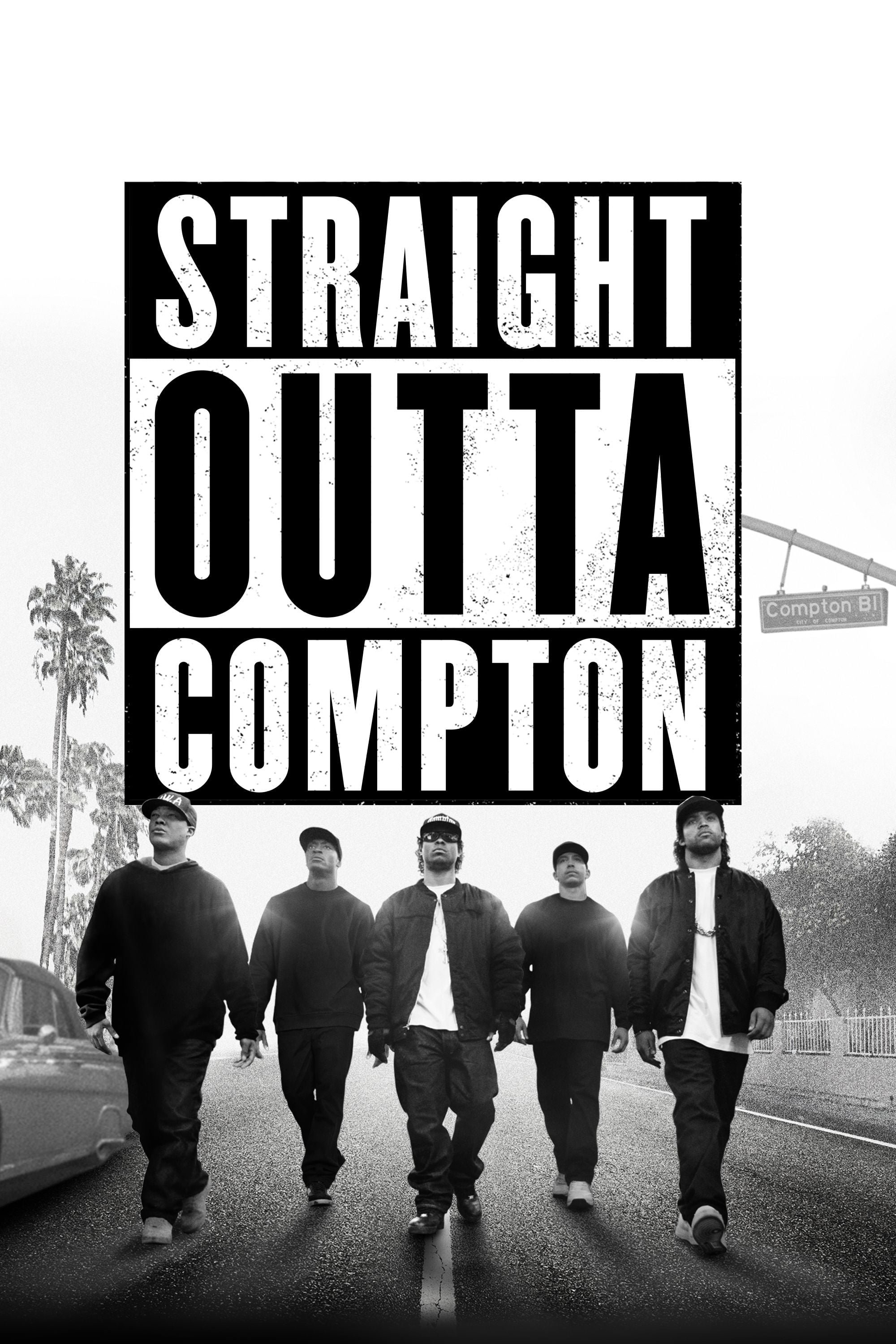
The movie tells the story of N.W.A.’s success and includes the character of Michel’le, a singer with a darker complexion. The actress chosen to play her, Rhyon Nicole Brown, has lighter skin, and this casting decision sparked criticism. Both reviewers and Michel’le herself pointed out that it changed the historical record by seemingly prioritizing lighter skin tones. This adds to a larger conversation about how dark-skinned women are represented in films based on real life stories.
‘Aaliyah: The Princess of R&B’ (2014)
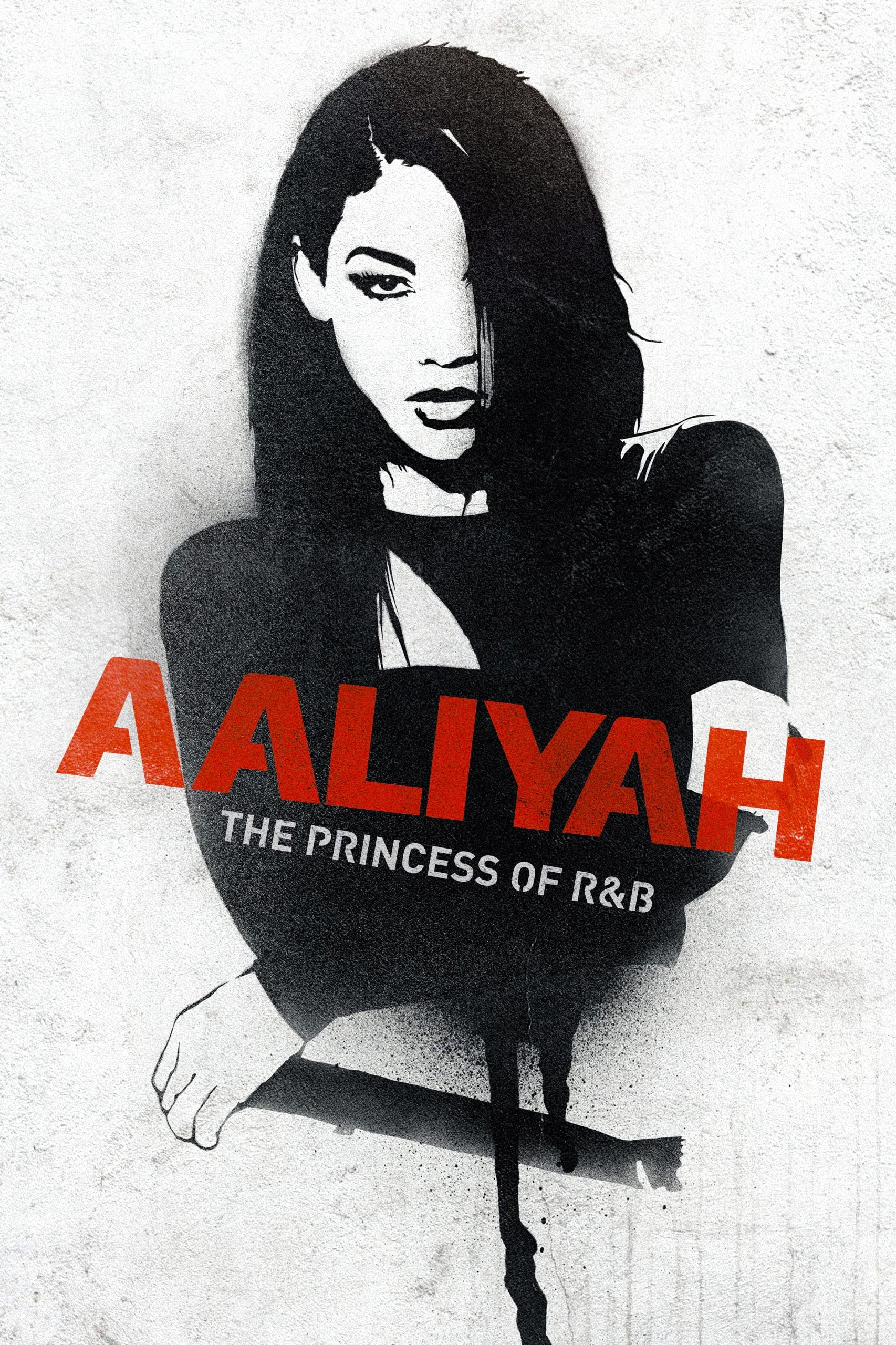
Alexandra Shipp, who is biracial, played singer Aaliyah in a Lifetime movie about her life. Some fans criticized the casting because Shipp is lighter-skinned than Aaliyah was, and they didn’t feel she looked similar enough. This criticism was also connected to broader concerns about the movie’s overall quality and how accurately the actors resembled the people they were portraying. It showed how closely people examine casting choices when a film is based on a real person, especially when it comes to physical appearance.
‘X-Men’ (2000)
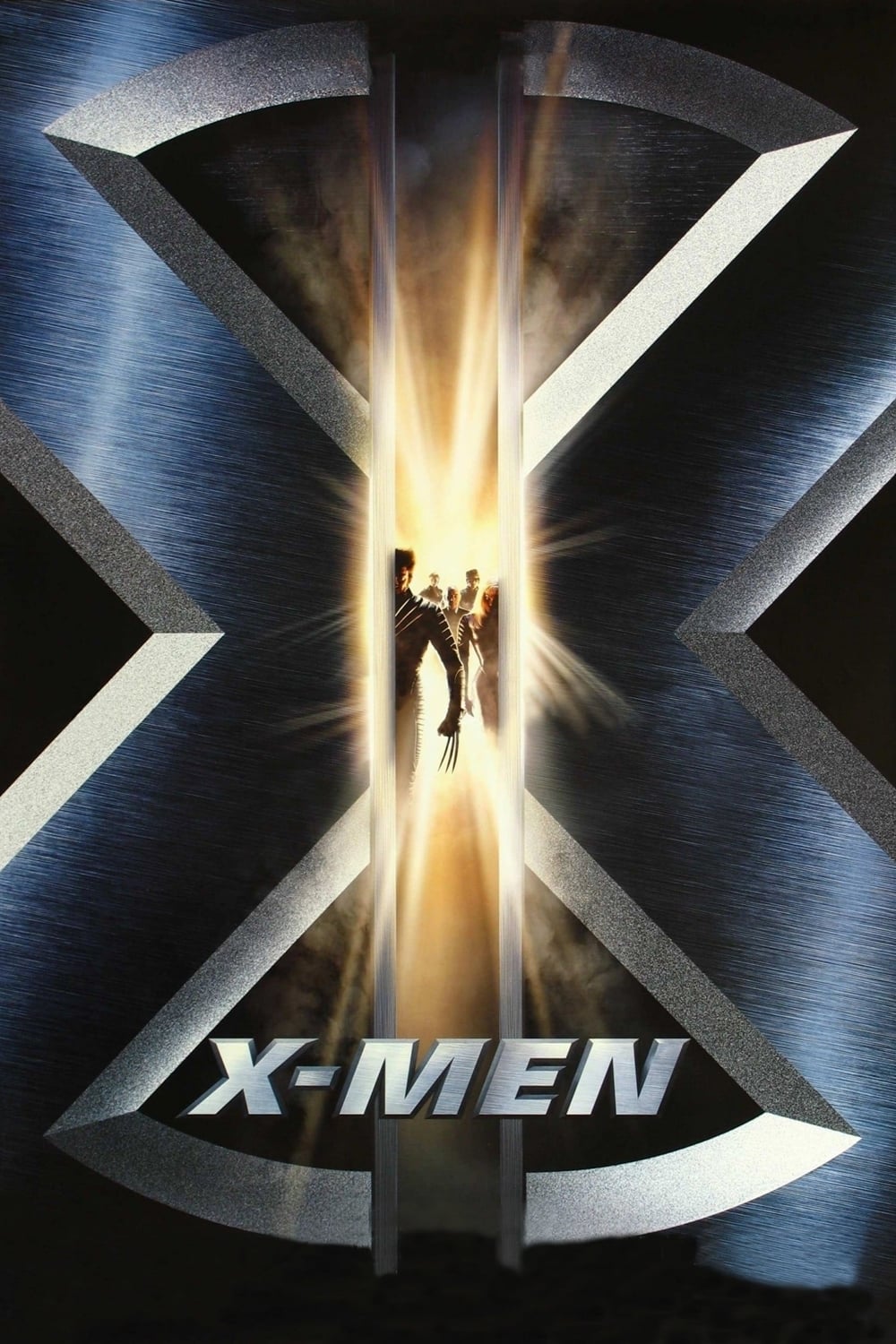
Storm, a powerful mutant in the comics, is originally portrayed as a dark-skinned African woman with roots in Kenya. When the character was adapted for the big screen, Halle Berry, a light-skinned biracial actress, was chosen for the role. Though Berry became well-known as Storm, some comic book fans and cultural commentators have pointed out that a darker-skinned actress would have been more faithful to the original character. This casting choice is frequently used as an example of Hollywood’s pattern of making Black characters appear lighter-skinned to attract a wider audience.
‘Star Trek’ (2009)

Uhura, a groundbreaking character originally played by Nichelle Nichols – a Black actress who challenged stereotypes in the 1960s – was later portrayed by Zoe Saldana in the recent film series. While Saldana’s performance was praised, the change in actresses also meant a change in skin tone, altering the visual image of this iconic Black character. This recasting often sparks conversations about how to handle established characters in reboots and remakes.
‘Harry Potter and the Half-Blood Prince’ (2009)
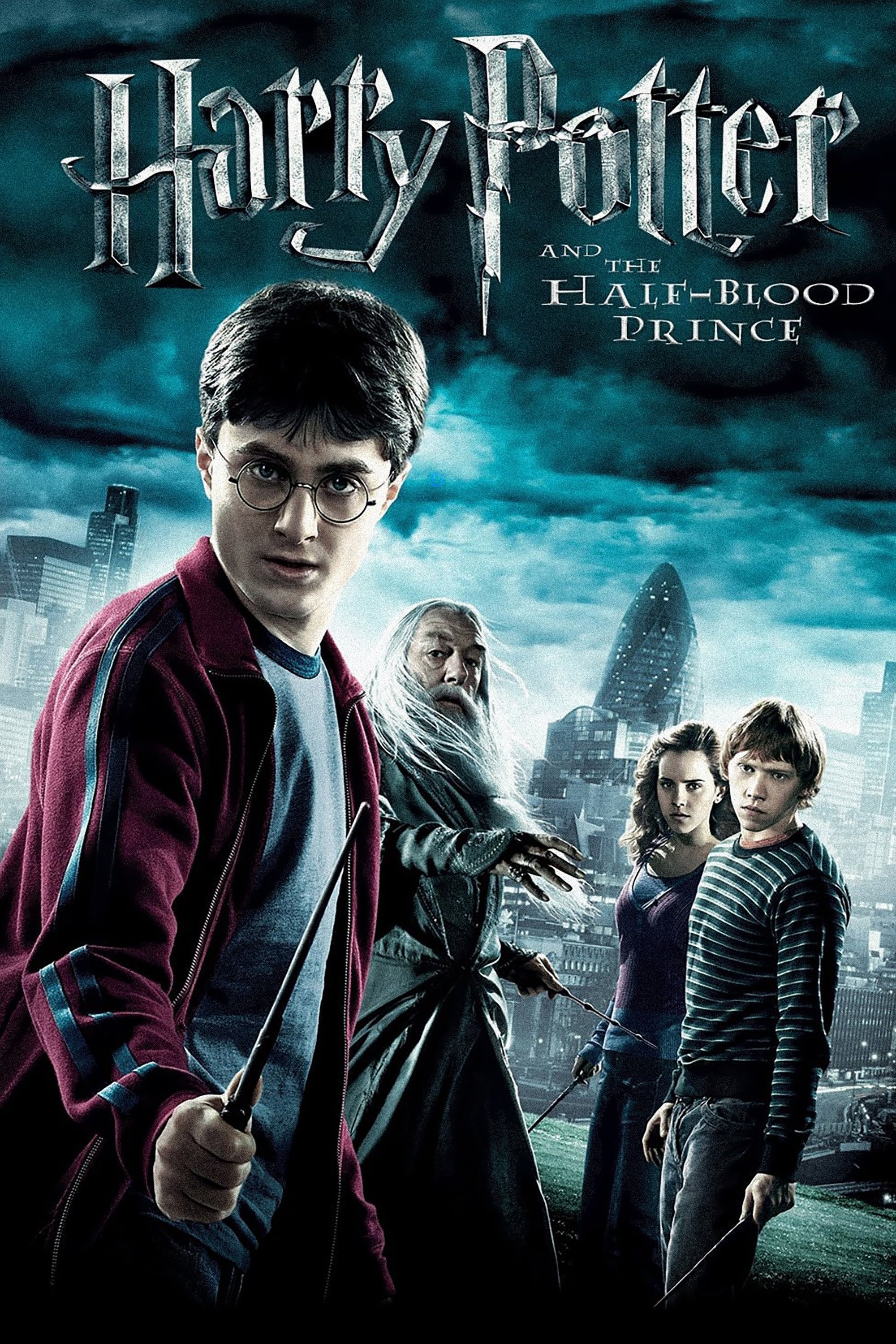
In the earlier Harry Potter films, Lavender Brown was played by Black actresses like Jennifer Smith, appearing in non-speaking roles. When the character became more important to the story and had lines, the role was given to Jessie Cave, a white actress. This change eliminated the previous Black representation, even though it was limited. This recasting is frequently cited as an example of ‘whitewashing’ – changing a character’s race when they become a significant part of the plot.
‘Show Boat’ (1951)
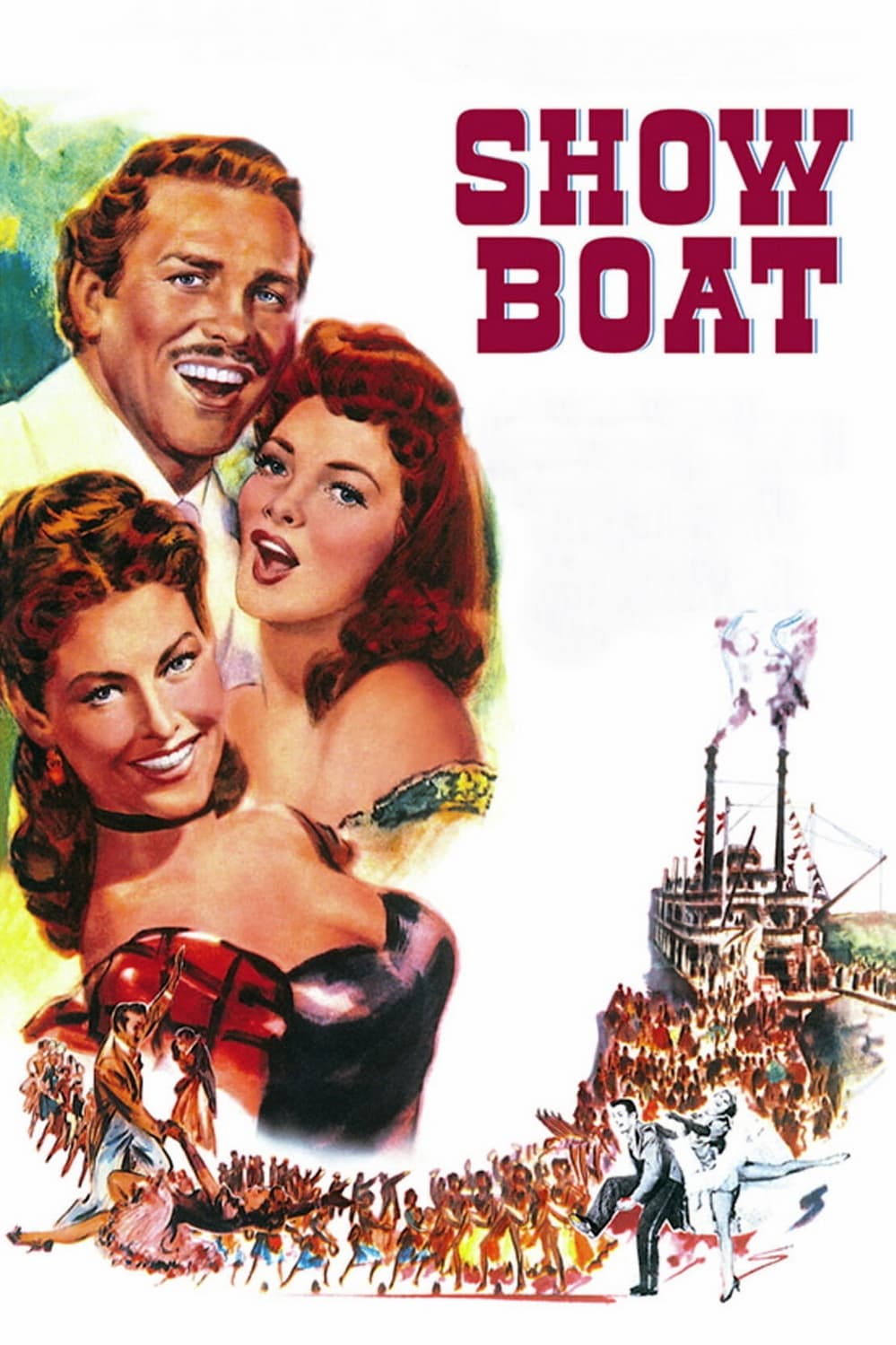
Julie LaVerne is a heartbreaking character in the film—she’s of mixed race but pretends to be white, and eventually, her true identity is revealed. Lena Horne, a talented light-skinned Black actress, desperately wanted the part, but the studio chose Ava Gardner, a white actress, instead. Gardner was then made to look like she had mixed heritage with makeup. This casting choice is a prime example of how Black actresses were often passed over for roles that were clearly written for someone who looked like them.
‘Pinky’ (1949)
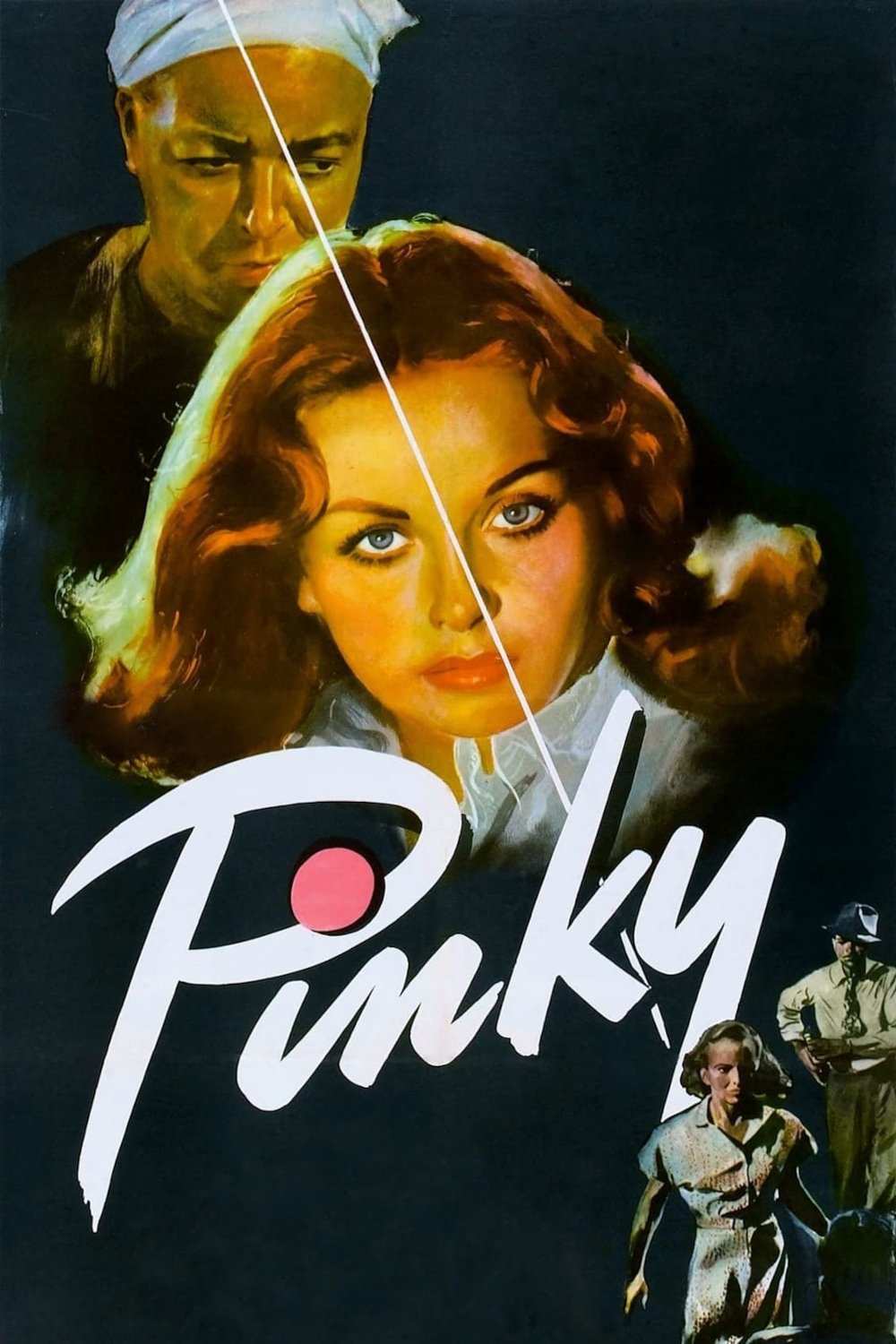
Like the film ‘Show Boat,’ ‘Pinky’ features a main character who is a light-skinned Black woman pretending to be white. While several talented Black actresses – including Lena Horne and Dorothy Dandridge – were considered for the role, the studio ultimately chose Jeanne Crain, a white actress, to play the part. This decision was a product of the segregation of the era and the film industry’s practice of not giving leading dramatic roles to Black women.
‘Imitation of Life’ (1959)
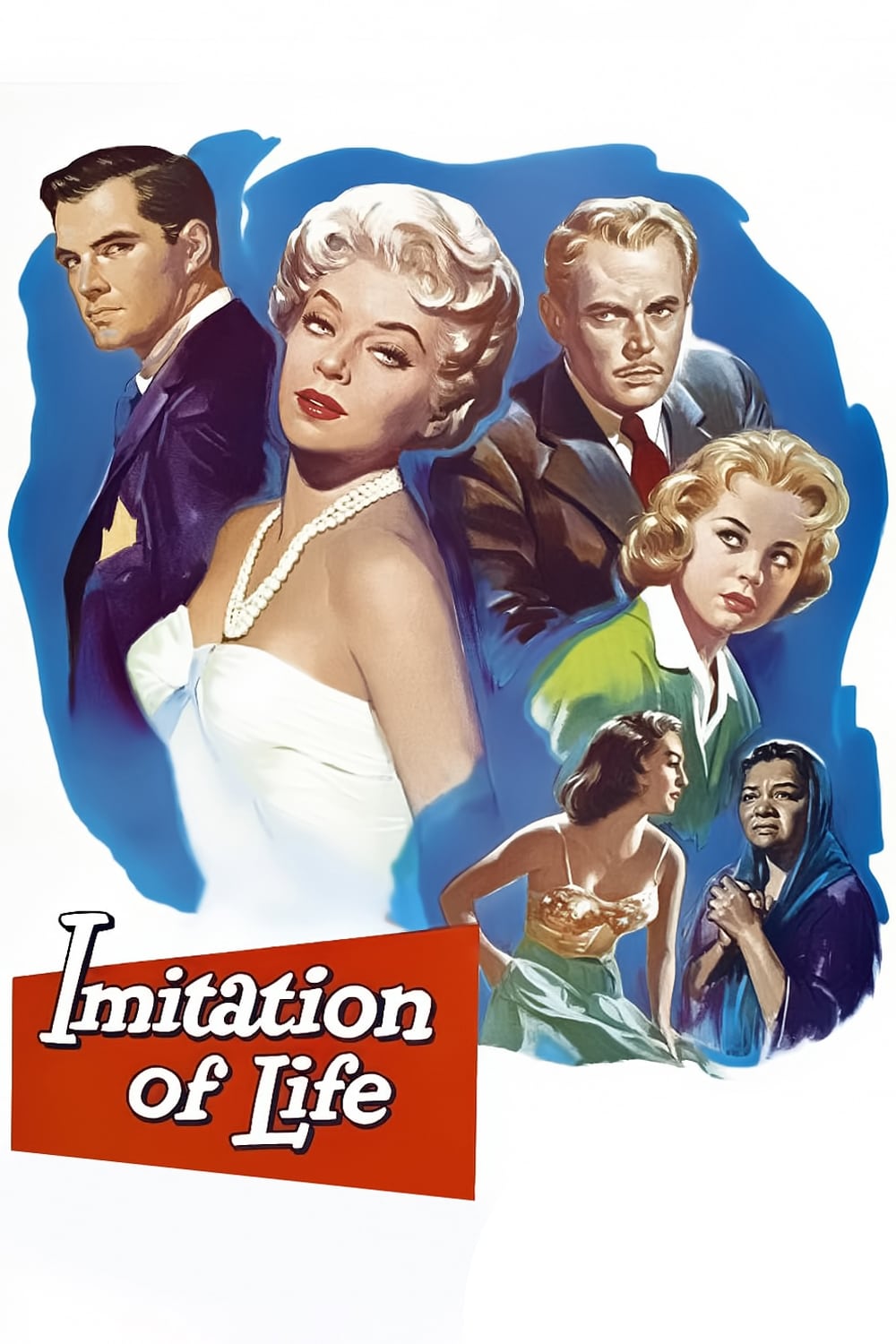
Sarah Jane is a character in a classic film who is meant to be a Black woman pretending to be white, having rejected her heritage. Despite the availability of talented light-skinned Black actresses who could have realistically played this role and explored the nuances of her experience, the part went to Susan Kohner, a white actress with Mexican and Czech roots. Kohner was nominated for an Oscar, while Black actresses were overlooked. Though the film is well-regarded, the casting choice stands as a stark example of historical exclusion in Hollywood.
‘A Mighty Heart’ (2007)
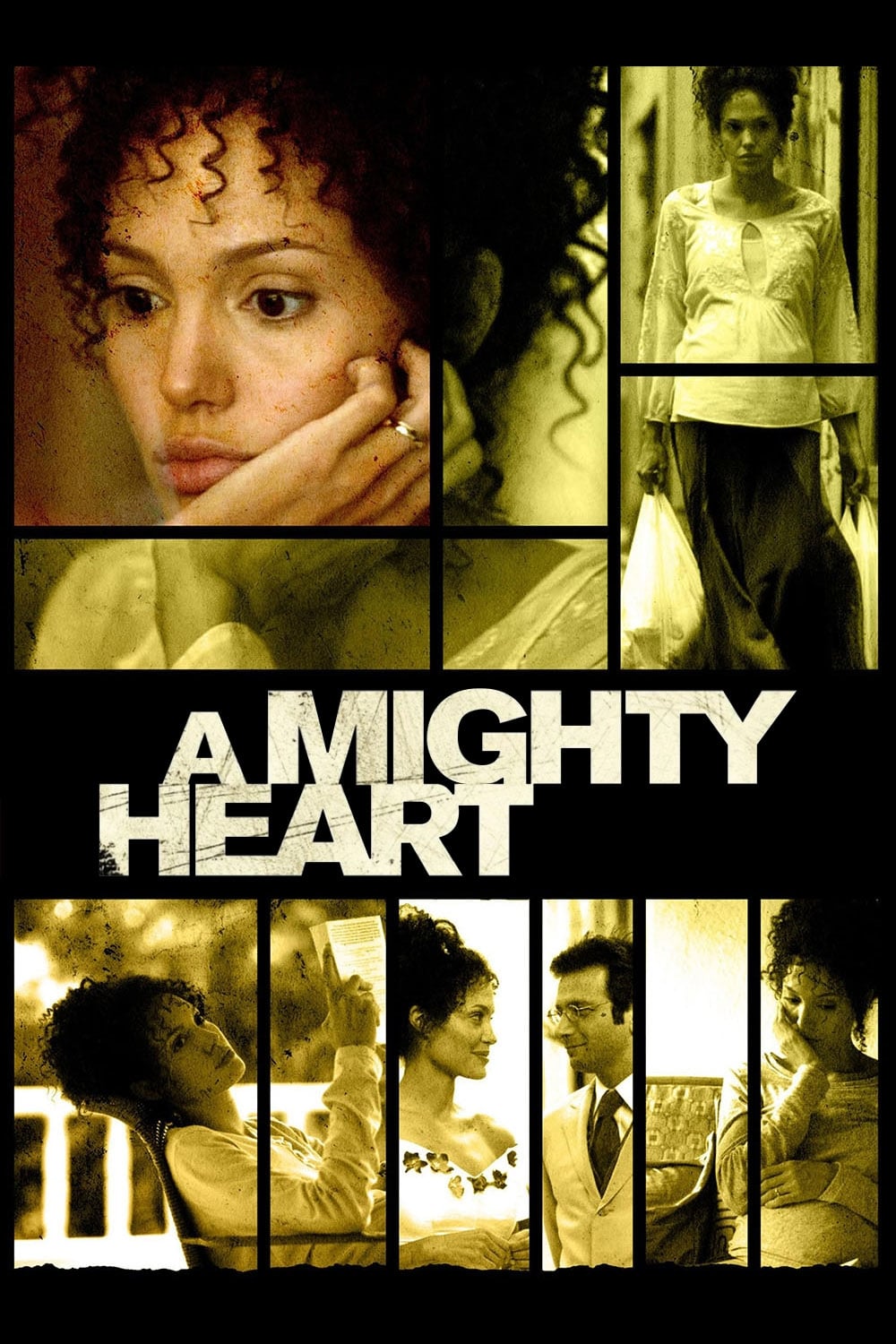
Angelina Jolie played journalist Mariane Pearl, who is of Afro-Chinese-Cuban heritage and has naturally curly hair and darker skin. Jolie used makeup and a wig to look like Pearl, which led to criticism of “blackface” and accusations that a lighter-skinned actress was chosen over someone who better fit the role. While Pearl herself supported the casting, it sparked a debate about why an actress of color wasn’t chosen, and the issue continues to be discussed as part of broader conversations about accurate and inclusive representation in film.
‘Jem and the Holograms’ (2015)
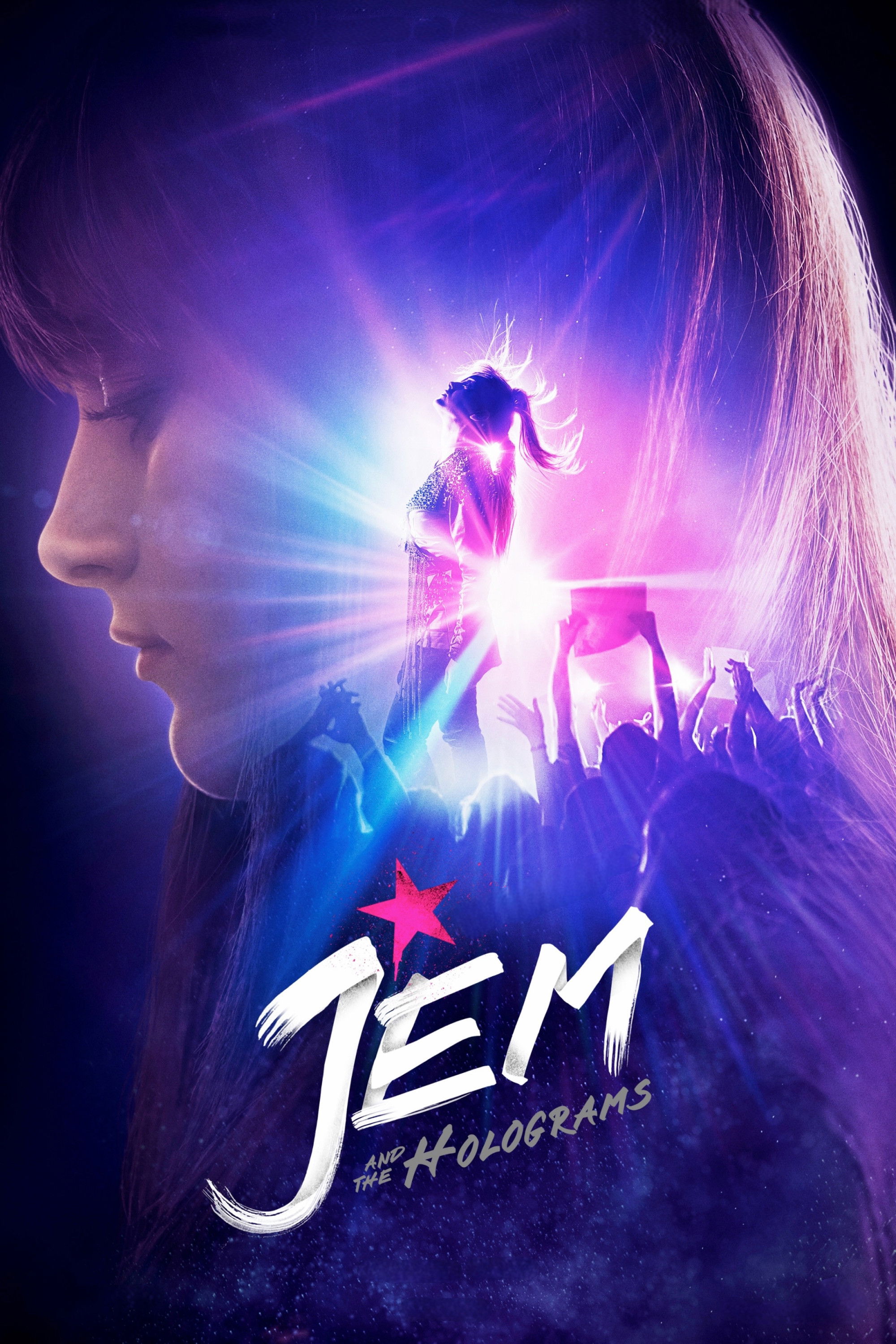
The animated version of Shana Elmsford was a Black woman with dark skin and purple hair. However, the live-action movie cast Aurora Perrineau, a biracial actress with much lighter skin, in the role. This change upset many fans who felt it ignored the character’s original identity and contributed to the film’s poor performance in theaters.
‘Uncharted’ (2022)

Chloe Frazer is a well-known video game character with a mixed background and distinctive, darker complexion reflecting her Indian-Australian heritage. In the film version, actress Sophia Ali, who is Pakistani-American and has lighter skin, played the role. Many fans observed that the movie softened the character’s traditionally rugged and darker appearance. This change highlights a common issue with adaptations of video games, where characters of color are often portrayed with lighter skin tones than in the original game.
‘Wanted’ (2008)

The comic book character Fox was designed to look like Halle Berry, a dark-skinned actress. But when the story was made into a movie, Angelina Jolie, a white actress, played the part instead. This change upset many comic book fans, as it completely ignored the character’s original visual representation. It’s a common issue where the appearance of Black women in original stories isn’t respected when famous white actresses are cast in film adaptations.
‘Pan’ (2015)

As a movie fan, I was really disappointed by the casting of Rooney Mara as Tiger Lily. Traditionally, Tiger Lily is portrayed as an Indigenous woman, and sometimes with darker skin. Seeing a white actress take on the role felt like a step backwards, especially since Hollywood has a history of casting white actors in roles originally meant for people of color. It wasn’t about taking a role from a Black actress, but it definitely fit that frustrating pattern of whitewashing characters, and it just felt like a real setback for diversity in films.
Let us know what you think of the actors chosen for these roles and if it changes how you enjoy the show or movie. Share your opinions in the comments below!
Read More
- Invincible Season 4 Gender Swaps Tech Jacket As Fans Question Major Comic Change
- Gold Rate Forecast
- Silver Rate Forecast
- 15 Films That Were Shot Entirely on Phones
- Building Agents That Learn and Improve Themselves
- 20 Movies Where the Black Villain Was Secretly the Most Popular Character
- 22 Films Where the White Protagonist Is Canonically the Sidekick to a Black Lead
- Celebs Who Narrowly Escaped The 9/11 Attacks
- Games That Faced Bans in Countries Over Political Themes
- 14 Movies Where the Black Character Refuses to Save the White Protagonist
2025-12-02 23:48