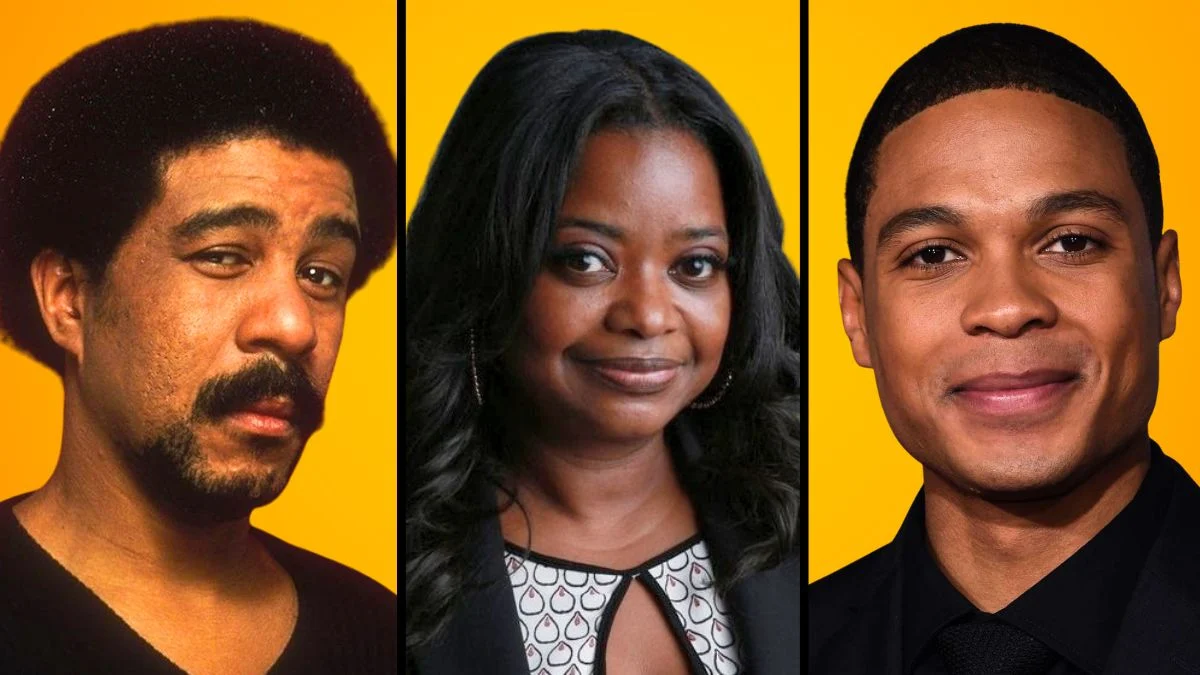
For Black actors in Hollywood, it’s often been a tough choice: take on limited, stereotypical roles, or risk not finding work at all. Many have worked hard to land parts that could bring them recognition, only to later feel those characters reinforced negative stereotypes or didn’t allow them to truly express themselves. Even some award-winning performances are now viewed with complicated feelings by the actors themselves. This article looks at the challenging connection these performers have with the roles that made them well-known.
Viola Davis
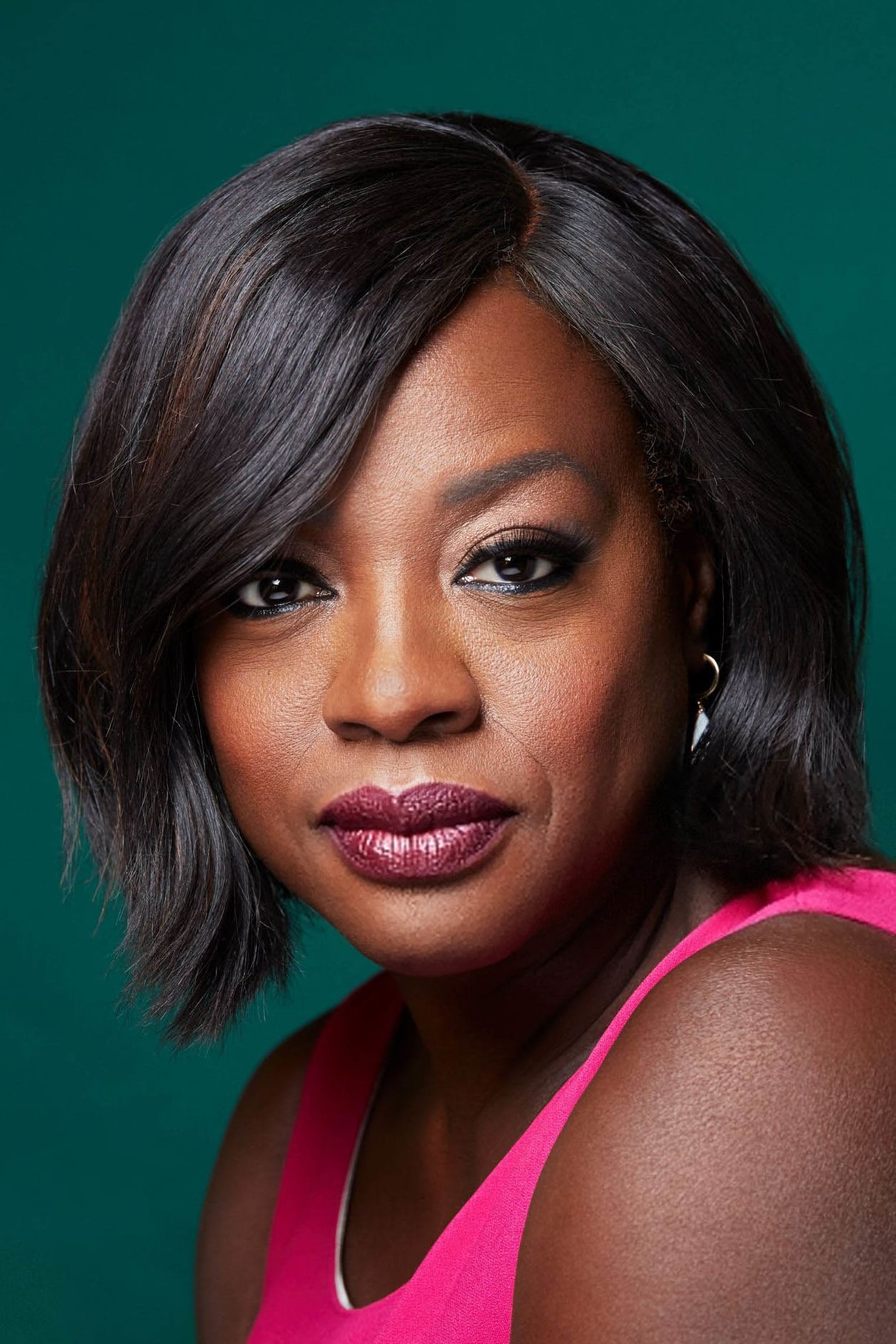
Viola Davis was eager to play Aibileen Clark in ‘The Help’ (2011), hoping it would be her big break in Hollywood. However, she now regrets being part of the film. Davis felt she compromised her values and let down her community by appearing in a movie that focused on a white character’s journey instead of truthfully representing the experiences of the Black maids. She admits the film offered a professional opportunity, but ultimately believes it was made for a white audience and didn’t give a genuine voice to the women she portrayed.
Zoe Saldana
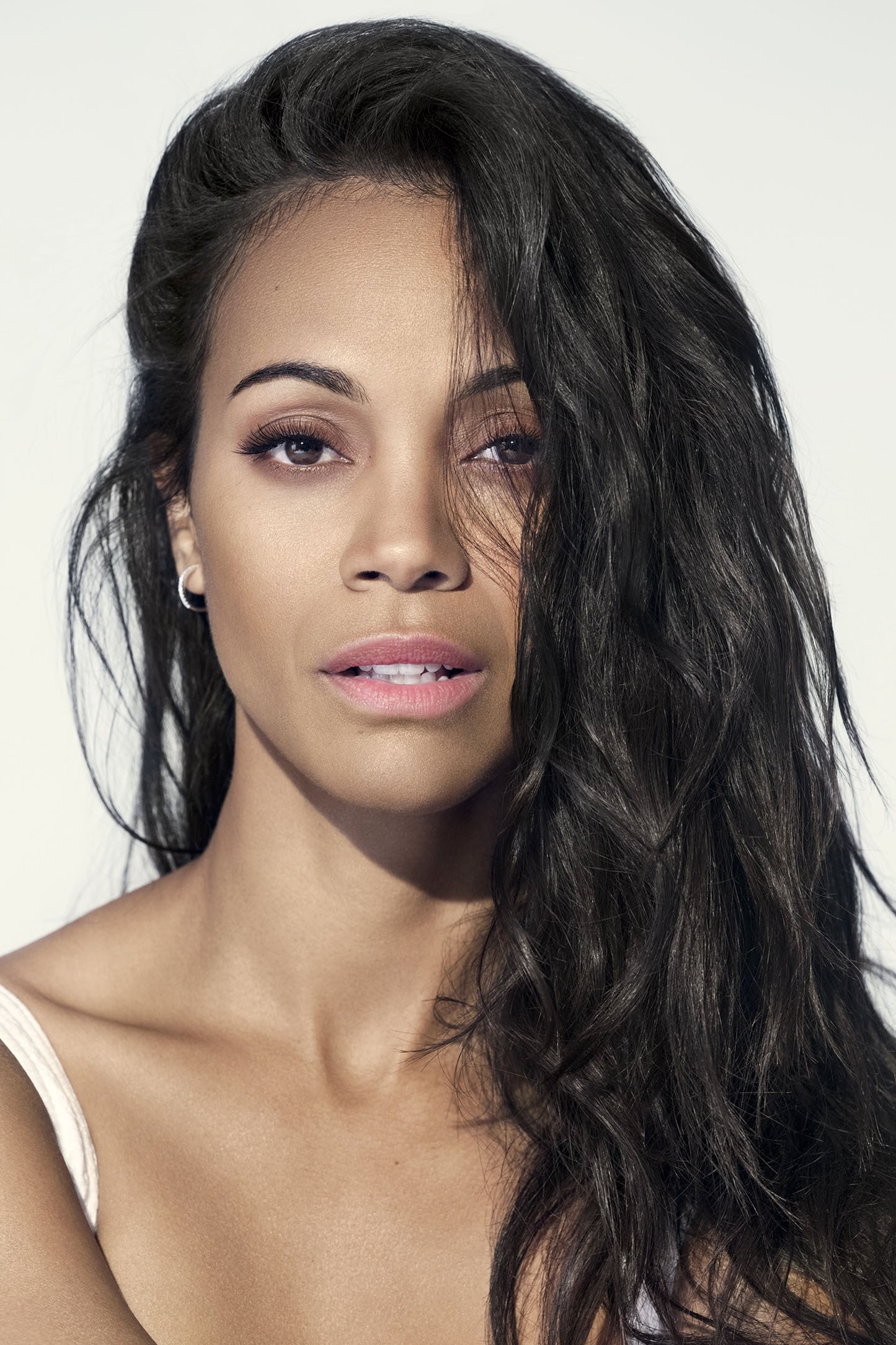
Zoe Saldana faced criticism when she was chosen to play Nina Simone in the 2016 film ‘Nina’ because of her lighter skin. While she initially defended her casting, she later apologized, admitting she should have advocated for a darker-skinned actress to play the role. Saldana now recognizes that using makeup and a prosthetic nose to darken her appearance was insensitive and minimized the unique challenges Nina Simone faced. She understands now that taking the part was a mistake, stemming from a lack of awareness about colorism in Hollywood.
Richard Pryor
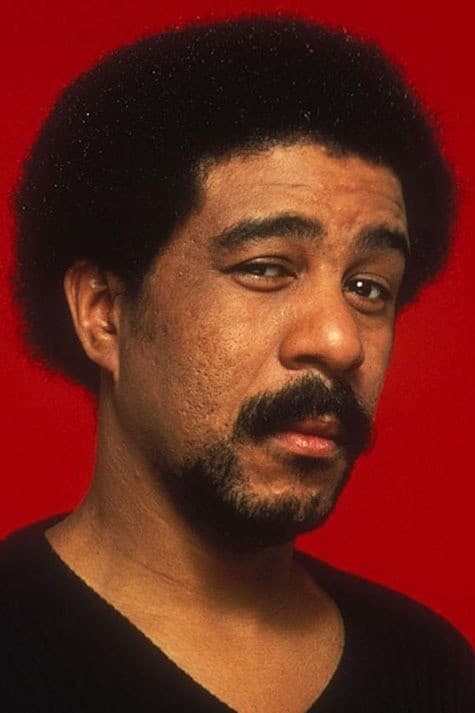
Richard Pryor, a celebrated comedian, earned $4 million for his role in the 1982 film ‘The Toy,’ where he played a man bought to be a companion for a wealthy white child. However, Pryor later said the movie was a career low point, as he felt it damaged his self-respect. He disliked how the film portrayed a Black man as an object for entertainment and was embarrassed by its problematic depiction of race. ‘The Toy’ remains a contentious part of his work, embodying the kind of demeaning roles he often satirized in his stand-up comedy.
Butterfly McQueen
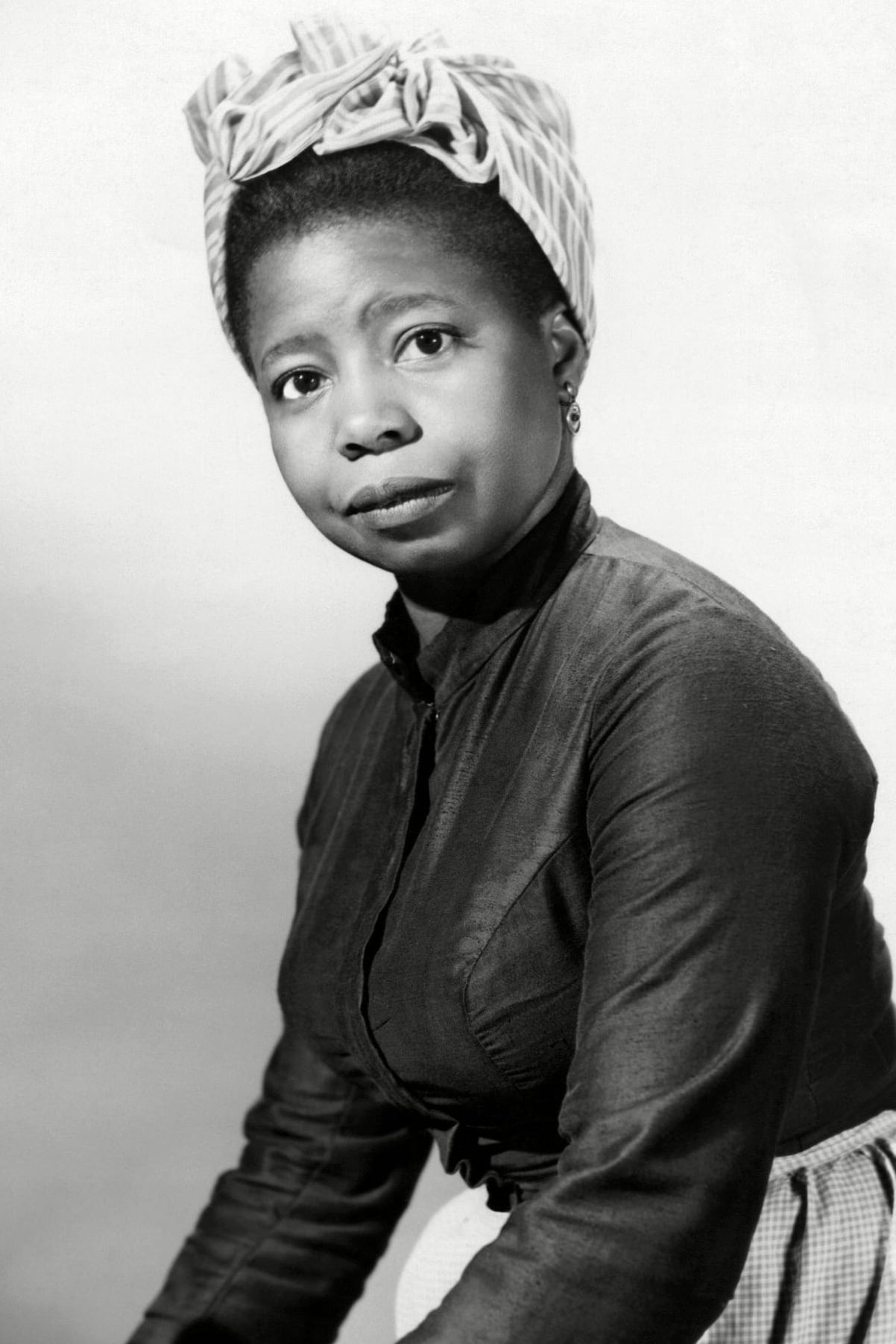
Butterfly McQueen worked hard to get the role of Prissy in the 1939 film ‘Gone with the Wind,’ playing the excitable and anxious enslaved housemaid. Despite the film’s success, McQueen later deeply disliked the character, believing it was a demeaning and inaccurate portrayal of Black people’s intelligence. She stopped attending the film’s anniversary events and even left acting for a period, choosing other types of work. For much of her life, McQueen tried to move away from the ‘simple-minded’ image she’d been required to portray.
John Boyega
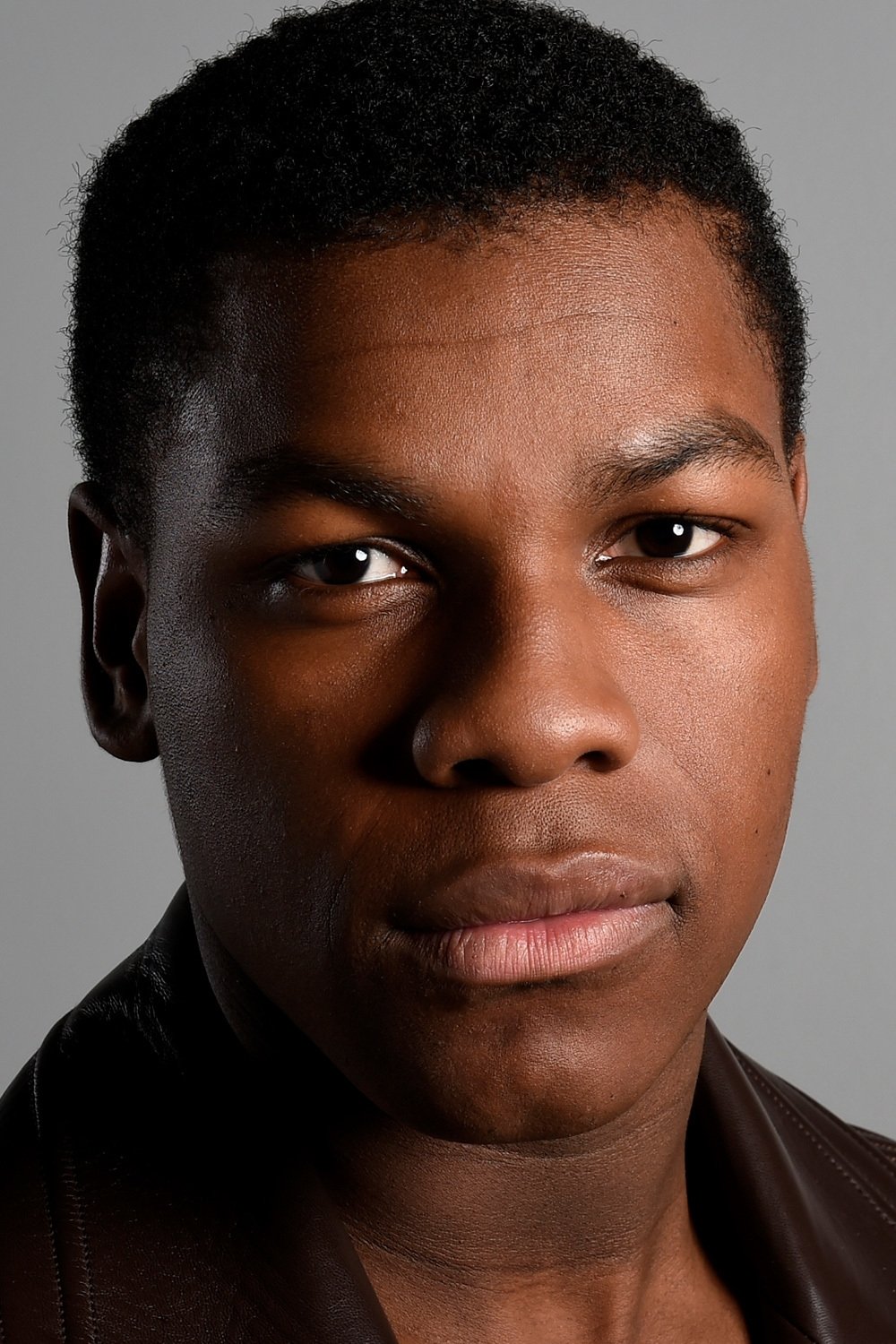
John Boyega was thrilled to be cast as Finn in ‘Star Wars: The Force Awakens,’ hoping his character would be a key hero throughout the new series. However, he later criticized Disney, saying they knew how to develop their white characters but didn’t give Finn the same opportunity. Boyega was disappointed that Finn was turned into a mostly comedic, supporting character instead of the powerful, Force-sensitive leader hinted at in the first movie. He felt this showed how franchises often prioritize appearing diverse without fully investing in meaningful and complex roles for Black actors.
Ray Fisher
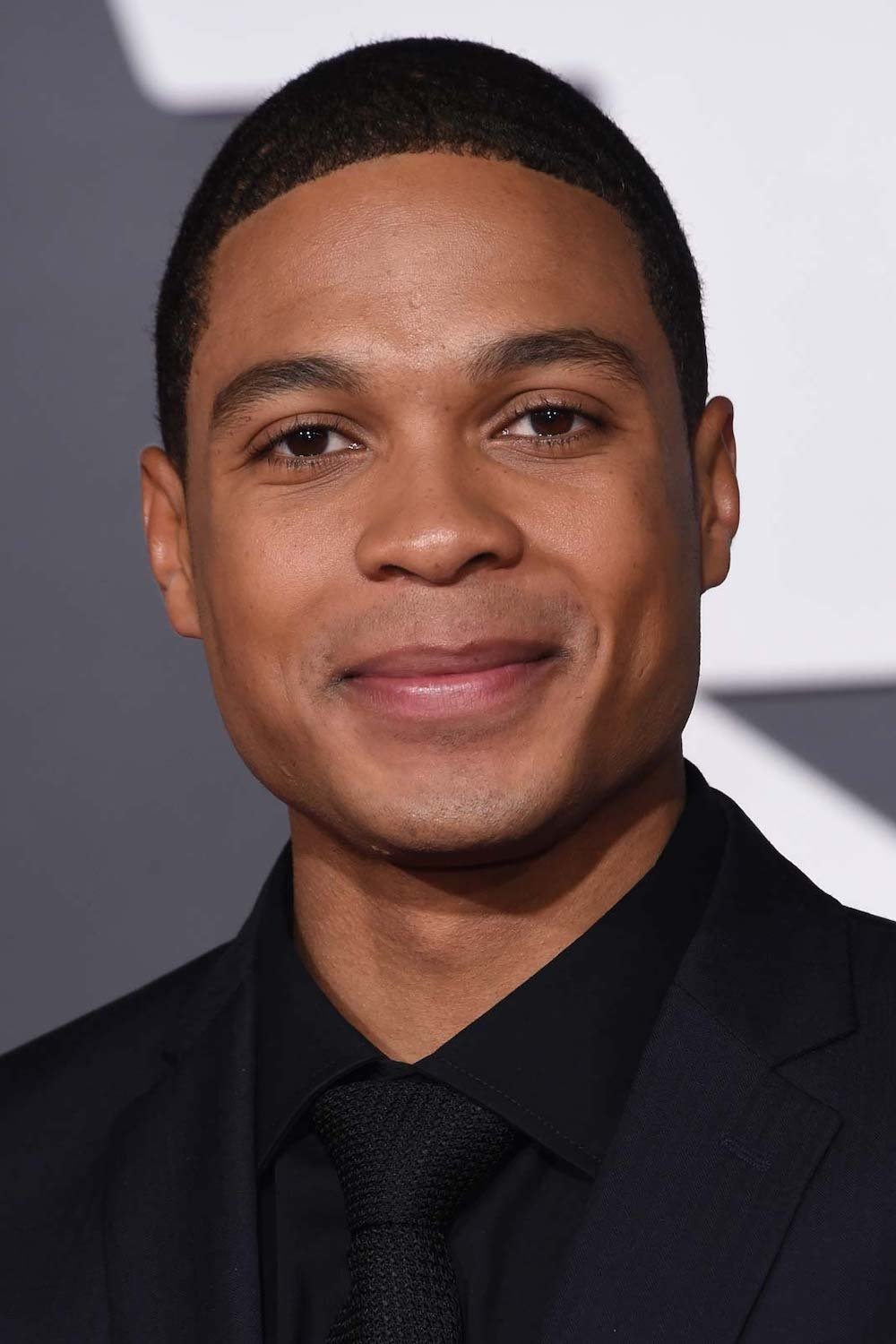
Ray Fisher was thrilled to be cast as Cyborg in the 2017 film ‘Justice League,’ hoping to portray a nuanced and compelling Black superhero. However, his experience quickly became negative during additional filming. He claimed the studio and director Joss Whedon significantly altered his character, stripping away his history and reducing him to a one-dimensional figure focused on simple lines. Fisher believes these changes removed the emotional depth of Cyborg, and he has since dedicated himself to advocating for better treatment of actors of color in the film industry.
Halle Berry
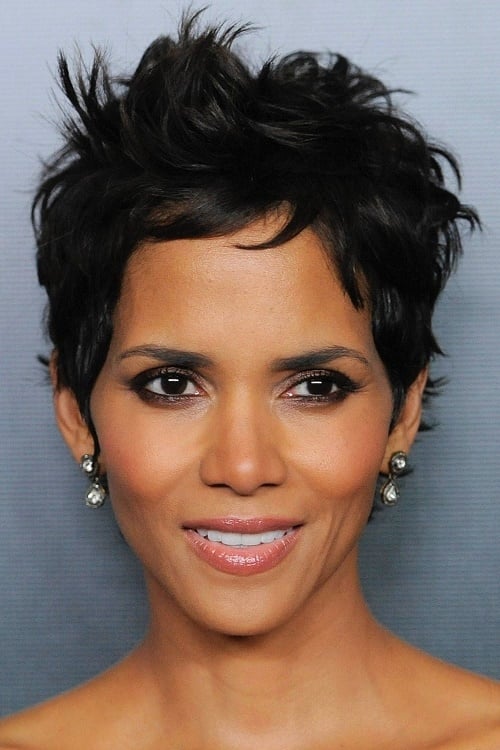
Halle Berry worked tirelessly to get the lead role in the 2001 film ‘Monster’s Ball,’ a performance that earned her the historic distinction of being the first Black woman to win the Academy Award for Best Actress. However, Berry has openly discussed the criticism surrounding her character, Leticia Musgrove, who is portrayed as impoverished and in a desperate situation. She’s confessed to being concerned that the role’s explicit content and its reliance on the “tragic Black woman” stereotype could have harmed her career instead of helping it. Though she stands by her performance, she recognizes the debate about using stereotypes to achieve Oscar success.
Idris Elba
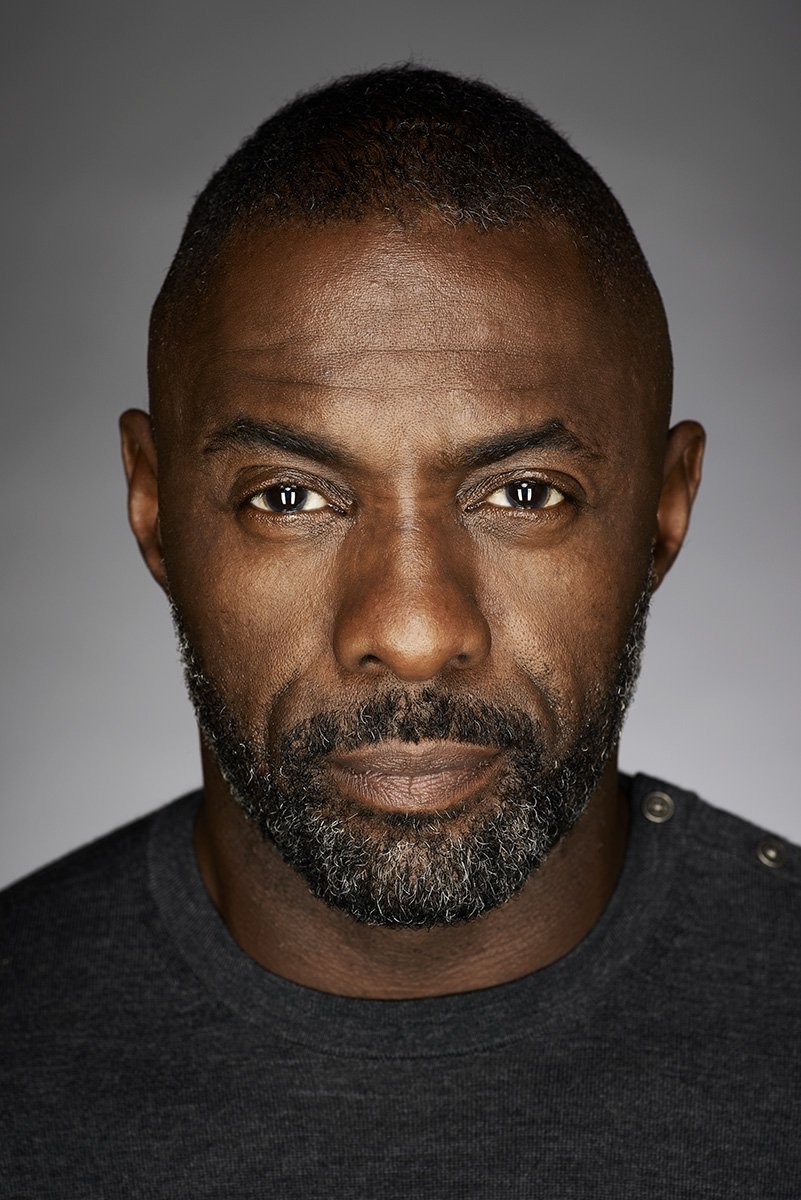
Idris Elba came to the United States looking for acting jobs and found success with his role as Stringer Bell in the TV show ‘The Wire.’ Though he’s proud of the show’s impact, Elba has said he was uneasy with how the character reinforced the stereotype of a drug dealer for many viewers. He worried being typecast as a criminal would limit his future opportunities. Since then, he’s intentionally chosen a wide range of roles to move beyond that initial image and show his versatility.
Will Smith
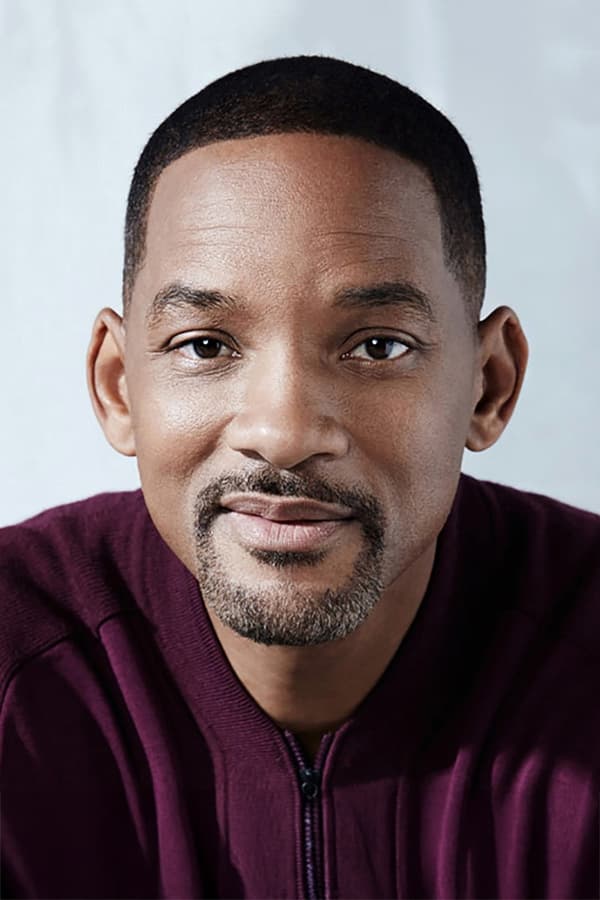
Okay, so I remember when ‘The Legend of Bagger Vance’ came out – I was really excited because Will Smith was working with Robert Redford! But honestly, the movie didn’t really land with critics or audiences. Looking back, that role of Bagger Vance… it’s become a prime example of something called the ‘Magical Negro’ trope, which is basically when a Black character exists just to help a white character find themselves. Will Smith himself has talked about realizing that was a limitation, and it really changed his career path. After that, he started focusing on big, blockbuster movies where his race wasn’t the main focus of the story. He’s been pretty open about intentionally avoiding roles that focused on Black suffering or historical servitude after that experience.
Octavia Spencer
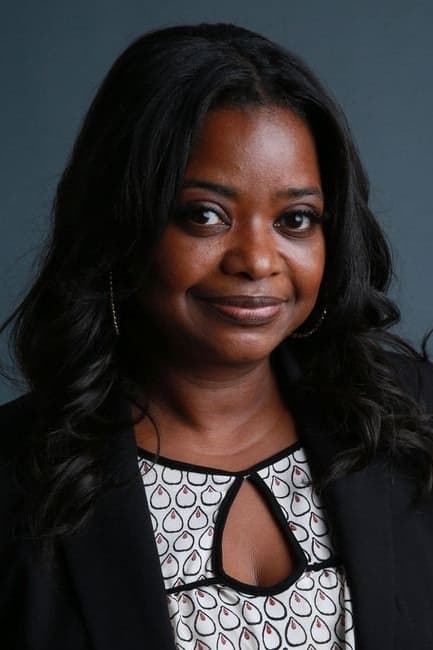
Octavia Spencer received an Academy Award for her performance as Minny in the 2011 film ‘The Help,’ and she acted in it with her friend Viola Davis. Although the role helped her career, Spencer has talked about how frustrating it was to be repeatedly offered similar parts – specifically, roles as a maid, which she’s played around twenty times. She’s explained that Hollywood often has difficulty seeing Black women in powerful or romantic roles, instead frequently casting them as domestic workers. Because of this, Spencer has started producing films and television to create more diverse roles for herself and other actors.
Thandiwe Newton

Thandiwe Newton initially accepted the role of Christine in the 2004 film ‘Crash’ because she thought it offered a complex look at race relations in Los Angeles. However, she later became critical of the film, particularly a scene involving sexual assault by a police officer, believing it was exploitative instead of thought-provoking. Newton regretted that ‘Crash’ presented a superficial and sensationalized version of racism, offering audiences comfort rather than genuine challenge. She also felt her character was reduced to a victim solely to further the story of a white male character’s redemption.
Leslie Jones
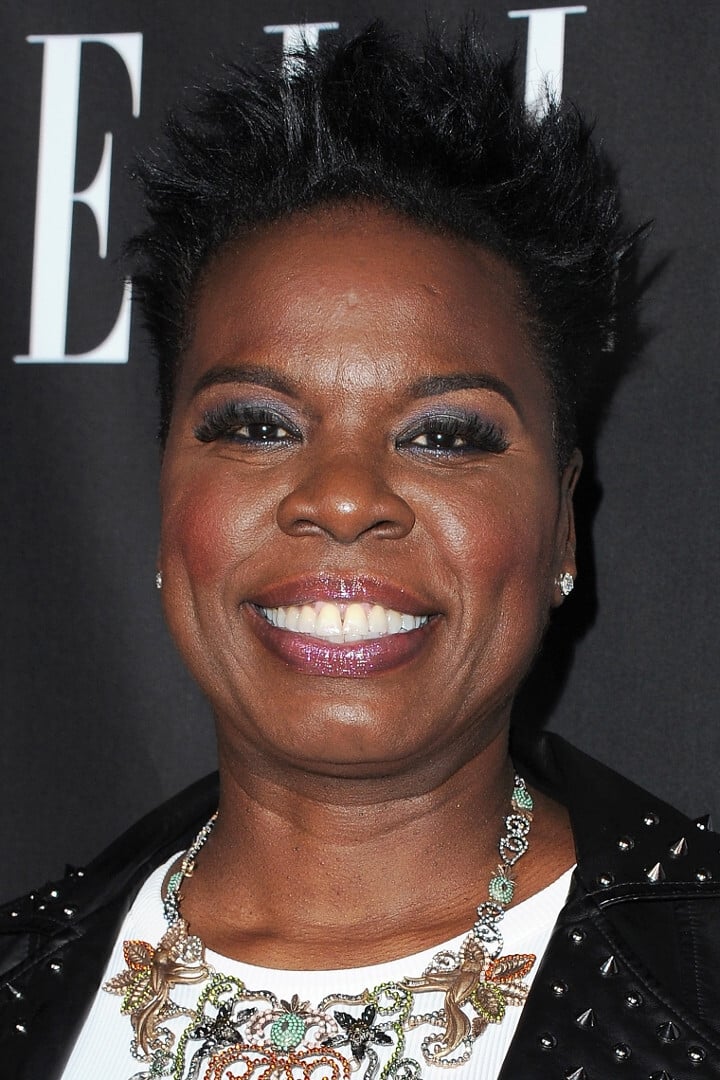
Leslie Jones was excited to be part of the 2016 ‘Ghostbusters’ reboot, hoping it would be a big opportunity in her career. However, she quickly faced criticism because her character was a boisterous, working-class city employee, while her white colleagues played more traditionally intellectual roles like scientists. Although she initially defended the part, Jones later spoke about the hurtful racist attacks she received online and how Hollywood seemed to limit her to certain types of characters. She’s shared how challenging it was to feel pressured to always be the most outspoken person just to get screen time.
Ahmed Best
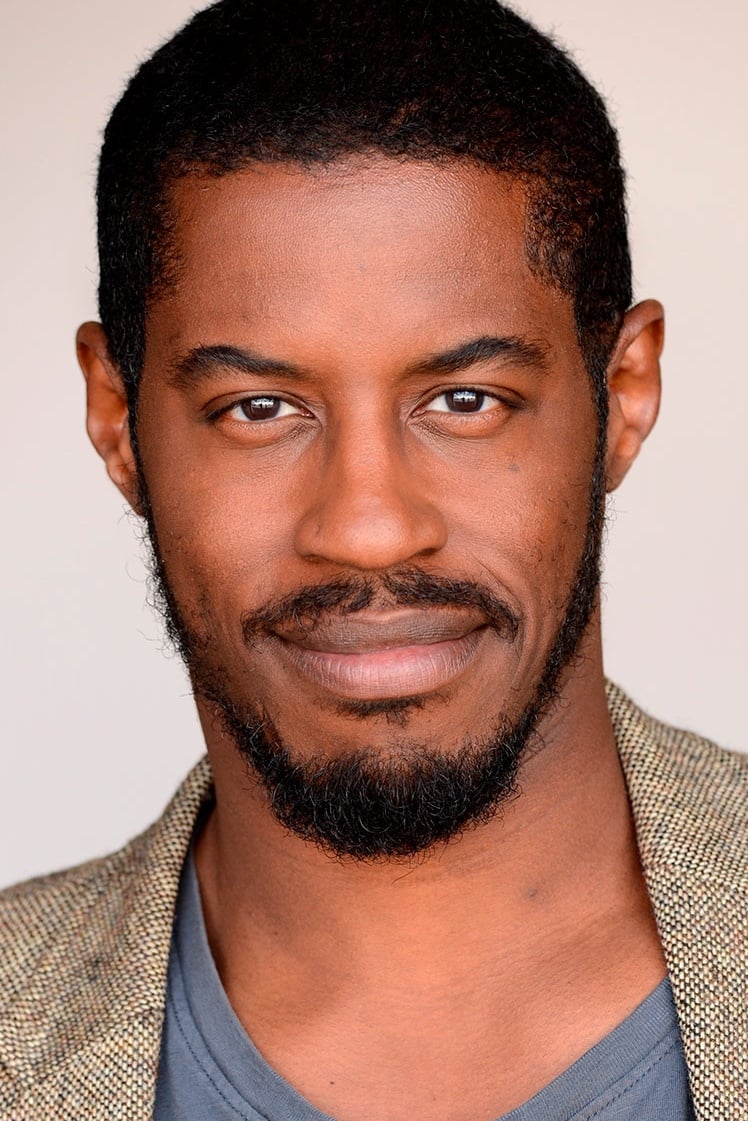
Ahmed Best actively campaigned for the role of Jar Jar Binks in ‘Star Wars: Episode I – The Phantom Menace’ (1999), even performing the character’s movements through motion capture. He saw it as a groundbreaking moment for film technology, but the character was quickly criticized as a harmful racial stereotype, reminiscent of old minstrel shows. This led to intense negative reactions and accusations that Best was reinforcing Caribbean stereotypes, causing him significant emotional distress. While he has since made peace with the ‘Star Wars’ universe, he has openly discussed how the film industry didn’t support him against claims that he was performing in a stereotypical way at the direction of a white director.
Morgan Freeman
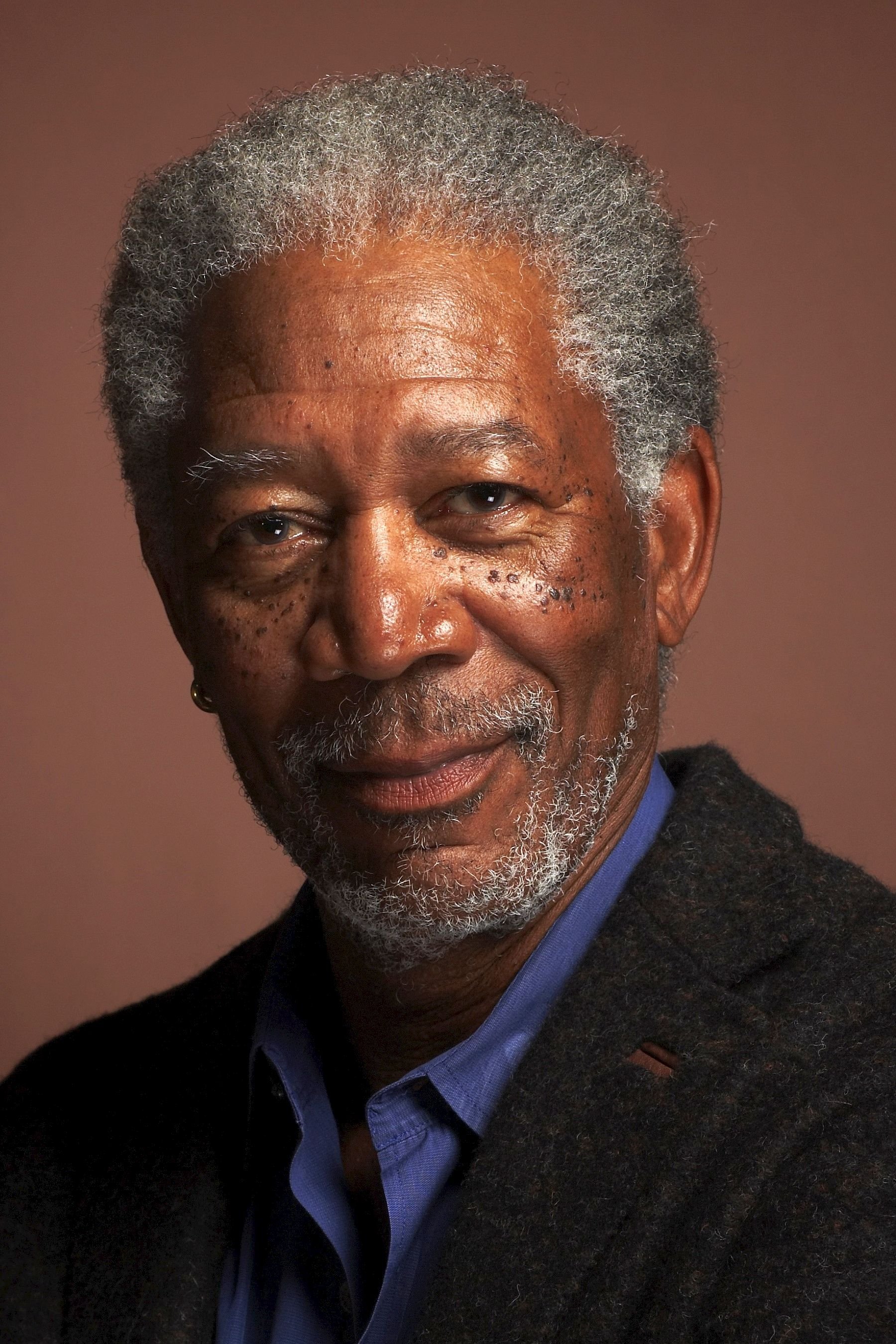
Morgan Freeman’s performance as Hoke Colburn in the 1989 film ‘Driving Miss Daisy’ is one of his most famous and earned him an Oscar nomination. However, the film has faced criticism over the years for presenting an unrealistic view of race relations, with some arguing that the Black character is portrayed as overly submissive and perfect despite facing prejudice. While Freeman has sometimes defended the film as a reflection of the era in which it was made, he understands the concerns about the depiction of a servant-employer relationship. This role contributed to a recurring image of Freeman as a wise, older mentor figure that he’s played in many films throughout his career.
Cuba Gooding Jr.
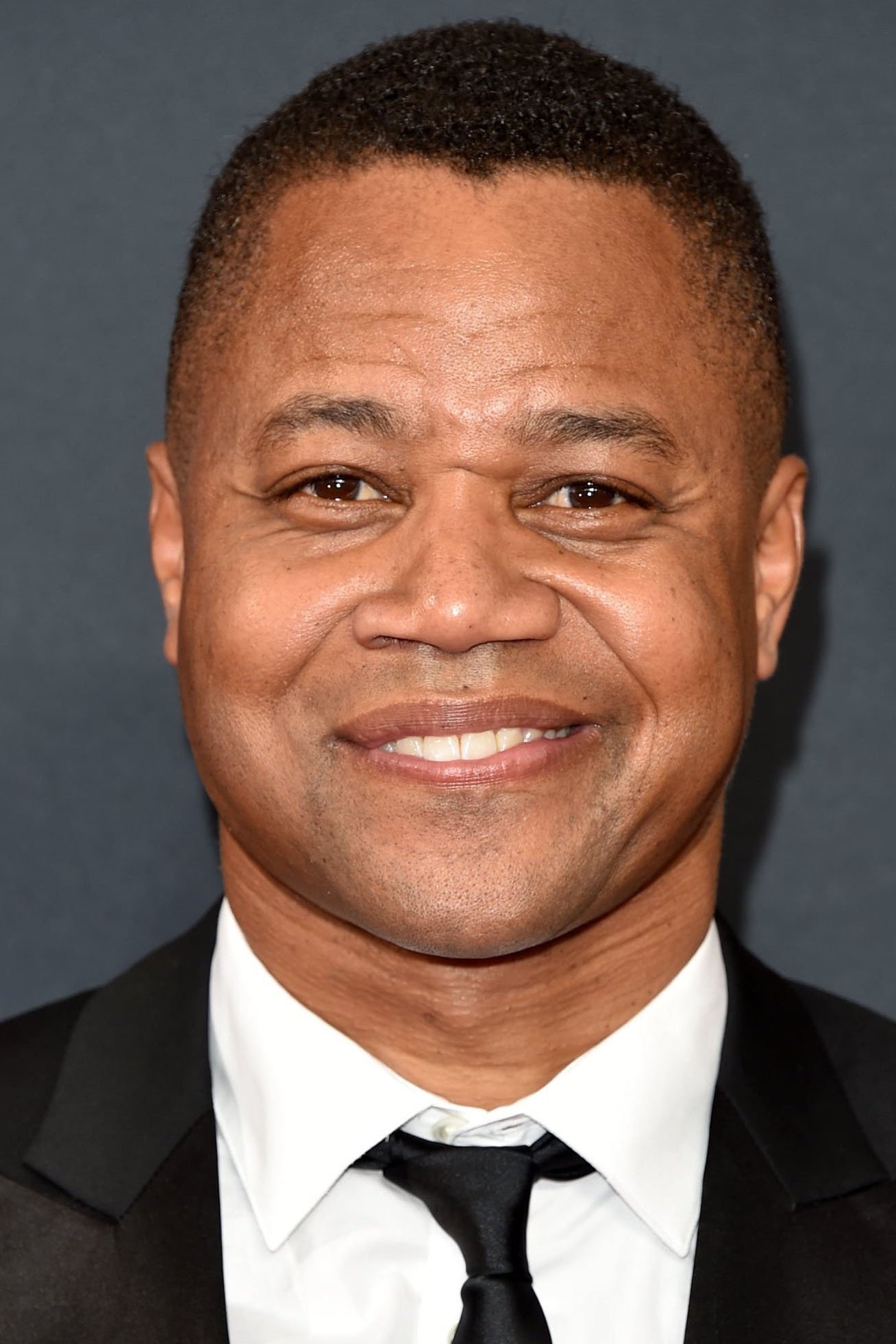
Cuba Gooding Jr. really wanted the lead role in the 2003 film ‘Radio,’ portraying a man with intellectual disabilities who becomes friends with a football coach. However, the performance was widely criticized as a calculated move to win an Academy Award by playing a character with a disability in a way that felt manipulative and relied on tired clichés. Many consider this role a mistake in Gooding’s career, as it focused on emotional stereotypes instead of creating a believable character. The negative reaction to this type of role significantly hindered his career’s progress afterward.
Terrence Howard
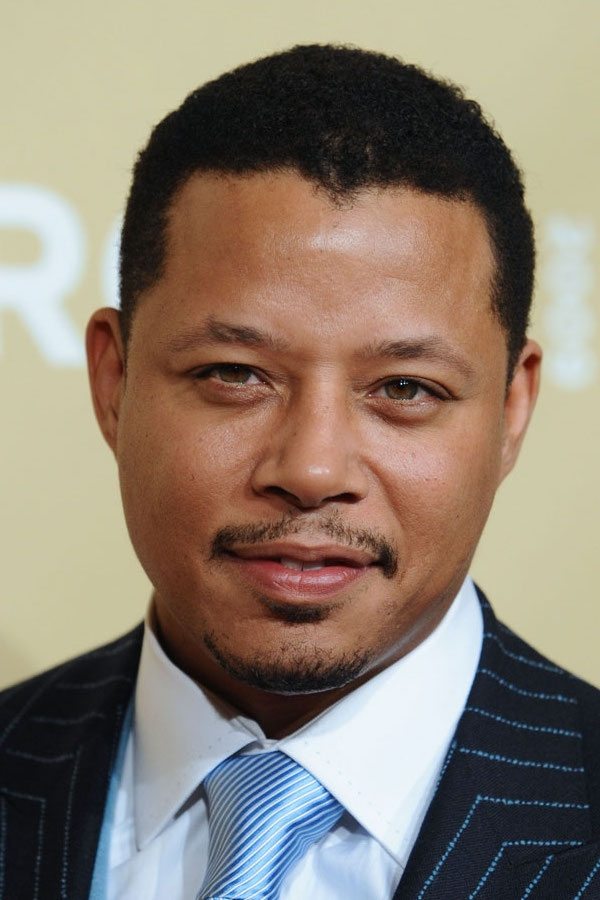
Terrence Howard powerfully portrayed Djay, a pimp and rapper, in the 2005 film ‘Hustle & Flow,’ a performance that earned him an Oscar nomination. However, he later voiced his disappointment that Hollywood often only recognizes Black actors when they play characters like criminals or pimps. He felt the industry wrongly saw this type of role as the ultimate representation of Black men on screen. Since then, Howard has actively pursued roles that showcase Black men as intelligent professionals or successful business leaders, hoping to challenge that limited perception.
Hattie McDaniel
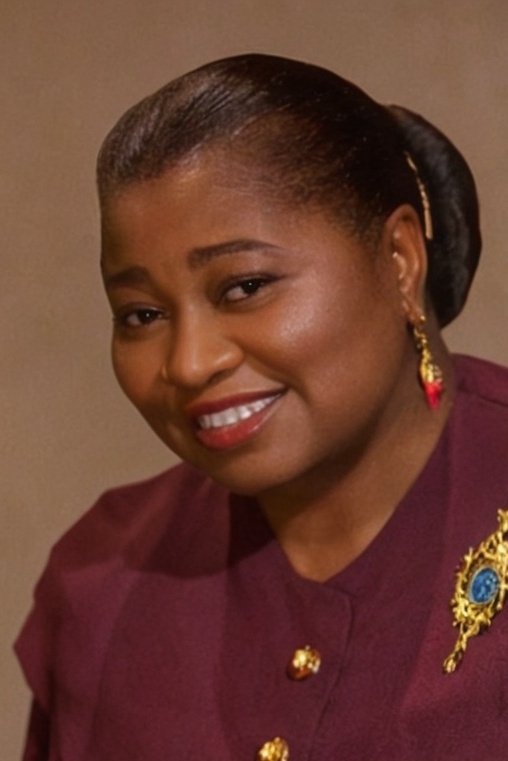
Hattie McDaniel made history as the first African American to win an Academy Award, receiving the honor for her portrayal of Mammy in the 1939 film ‘Gone with the Wind.’ Though she once stated she’d prefer to play a maid rather than be one, she understood the restrictions placed on Black actors at the time. She worked to maintain her dignity within the role, but faced discrimination, being excluded from the film’s premiere and seated at a separate table during the Oscars ceremony. Her story is complex, as she accepted a role embodying the “Mammy” stereotype, a decision driven by the limited opportunities available to her in a segregated film industry.
Eddie Murphy
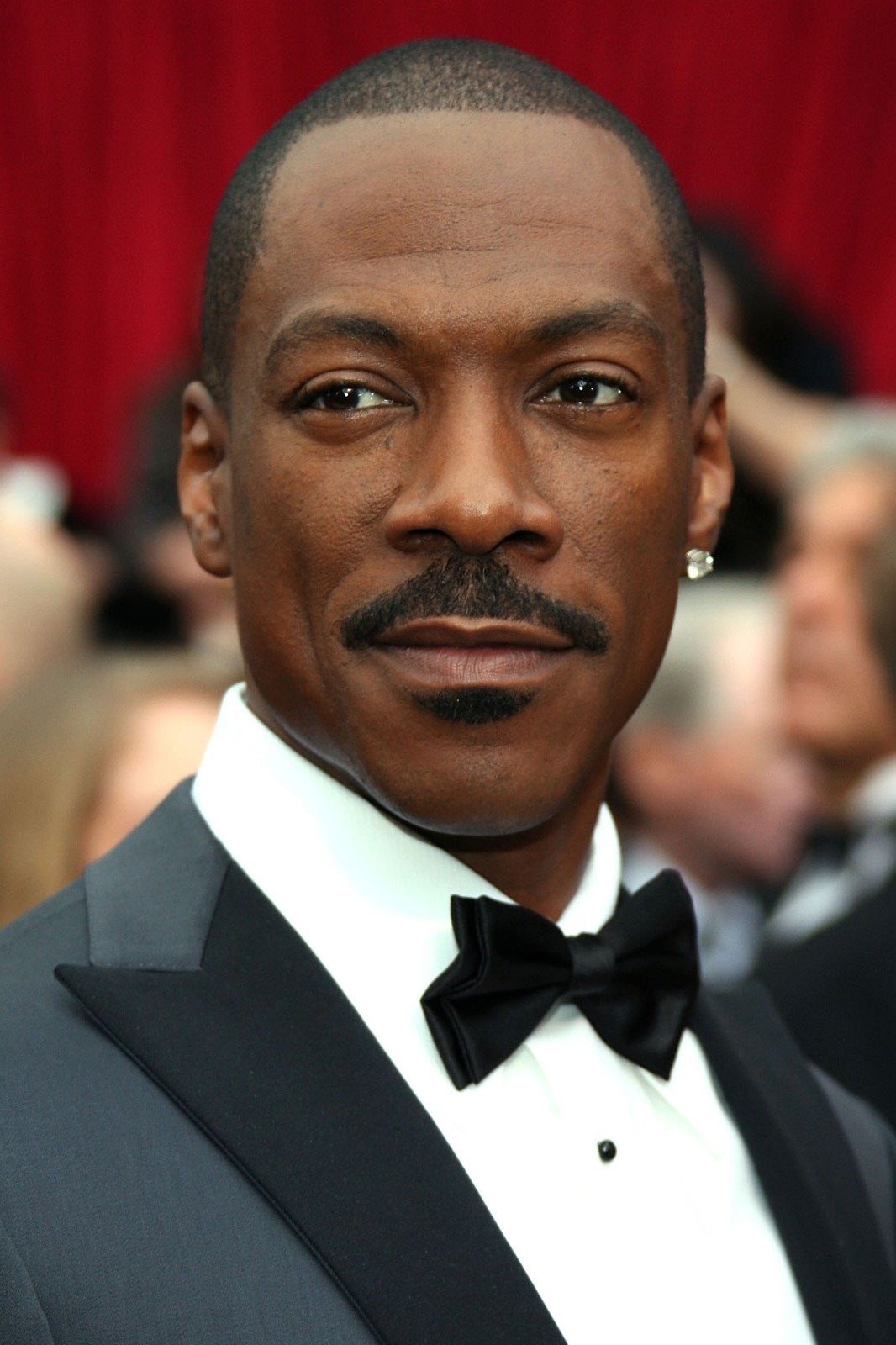
In the 2007 film ‘Norbit,’ Eddie Murphy wrote and played several characters, including the controversial Rasputia, a large and confrontational woman. Although the movie made a lot of money, it received harsh criticism from reviewers and social critics who felt it relied on harmful and negative stereotypes about Black women. Murphy largely dismissed the backlash, but many believe the film contributed to him losing the Best Actor Oscar for ‘Dreamgirls’ that year, as voters disliked the exaggerated portrayal. The role continues to be a divisive part of his career, with some viewing it as a return to outdated and offensive performance styles.
Martin Lawrence
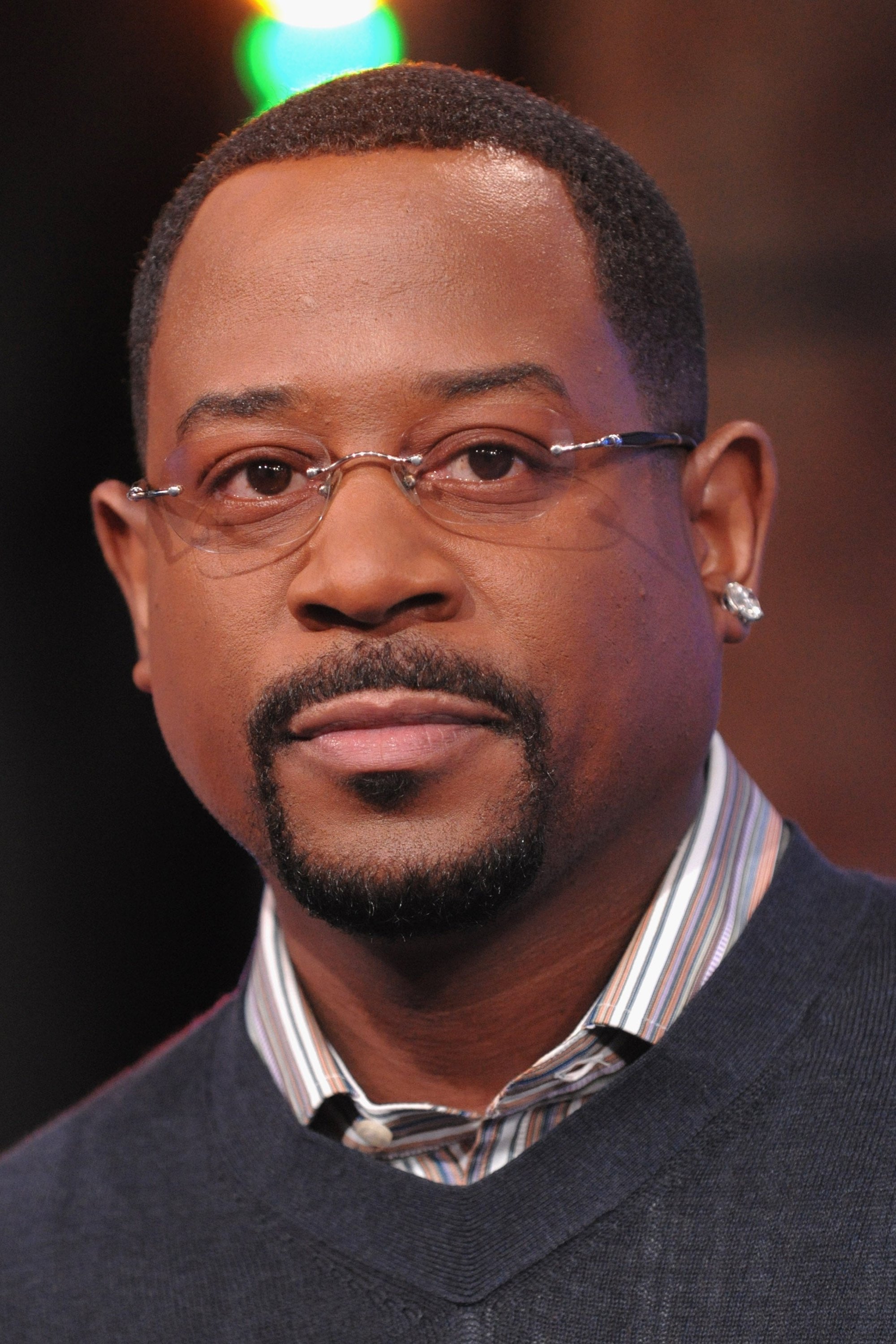
As a movie fan, I remember when Martin Lawrence really hit it big with the ‘Big Momma’s House’ films. It was hilarious watching him transform into this grandmotherly character with the help of a fat suit! But, looking back, I’ve also seen discussions about how that character, while funny to some, unfortunately played into some really old and problematic stereotypes. Lawrence himself has talked about how tough it was physically and creatively to play the role, which is why he eventually stopped. It always comes up when people talk about Hollywood’s tendency to have Black male comedians dress in drag for laughs, and whether that’s really okay.
Adewale Akinnuoye-Agbaje
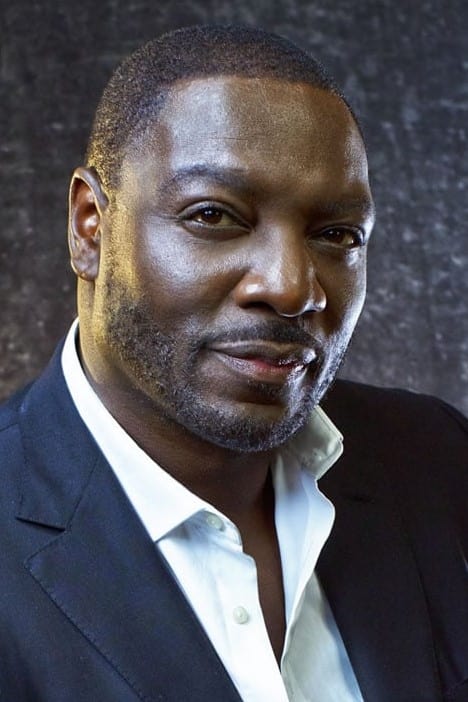
Adewale Akinnuoye-Agbaje was excited to play Killer Croc in ‘Suicide Squad’ (2016) and hoped for a nuanced villainous role. However, he ended up covered in heavy prosthetics and had very little to say, essentially becoming a silent, growling figure in the background. He felt frustrated, as he’d gone from playing complex characters to portraying a monster with no real personality or control. He also felt the role unfortunately fell into the harmful “Black brute” stereotype, presenting the character as animalistic and speechless instead of intelligent and capable.
Michael B. Jordan
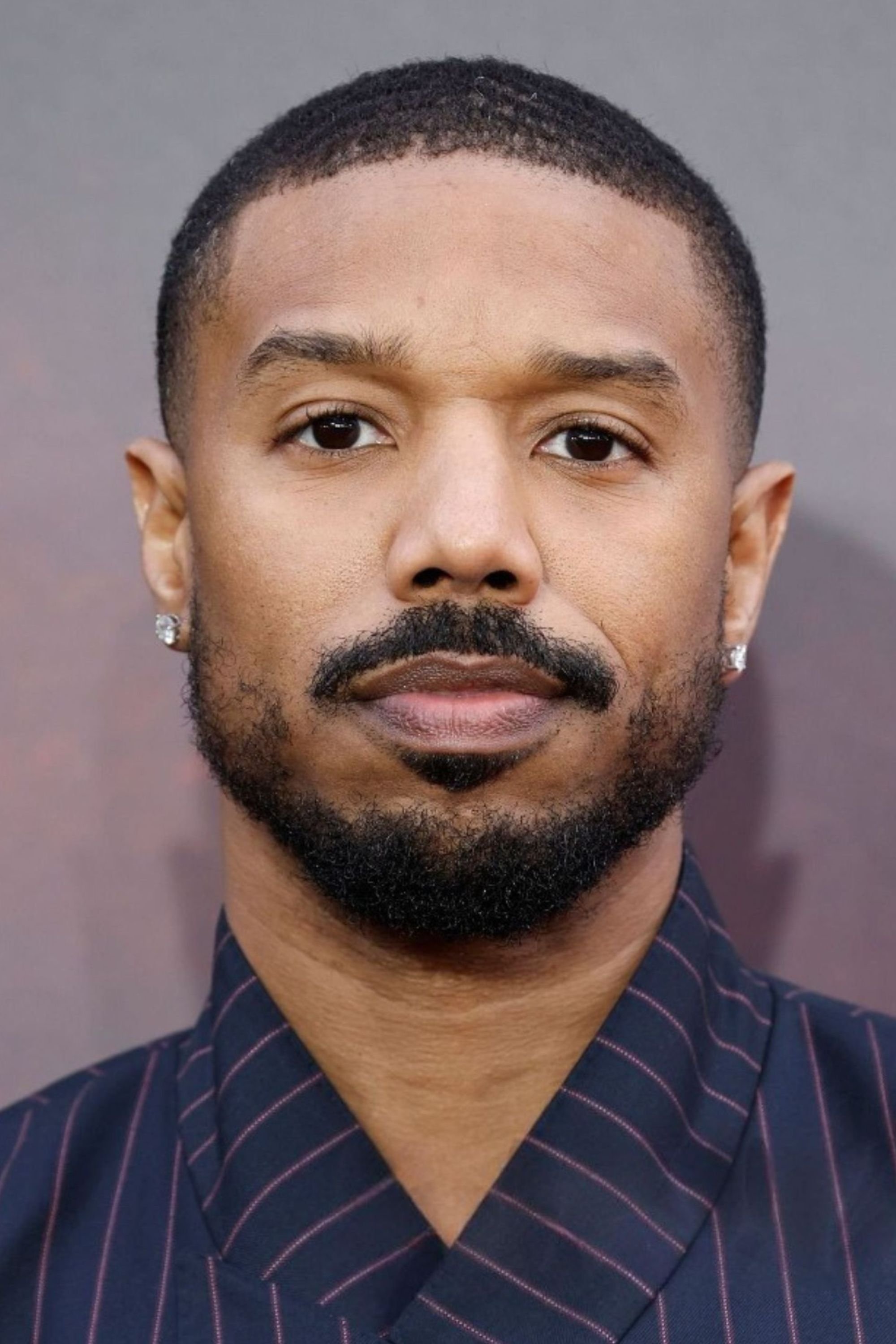
Michael B. Jordan first gained recognition for his role as Wallace in the acclaimed series ‘The Wire’ when he was a young actor. He was excited to audition for the part, but later worried about being forever known as the “kid who dies” or simply as a victim of his character’s background. After ‘The Wire,’ Jordan intentionally avoided roles where his character died quickly or played into negative stereotypes. He skillfully transitioned into leading roles in action and dramatic films, determined to move beyond the expectation of portraying Black characters defined by tragedy.
Kevin Hart
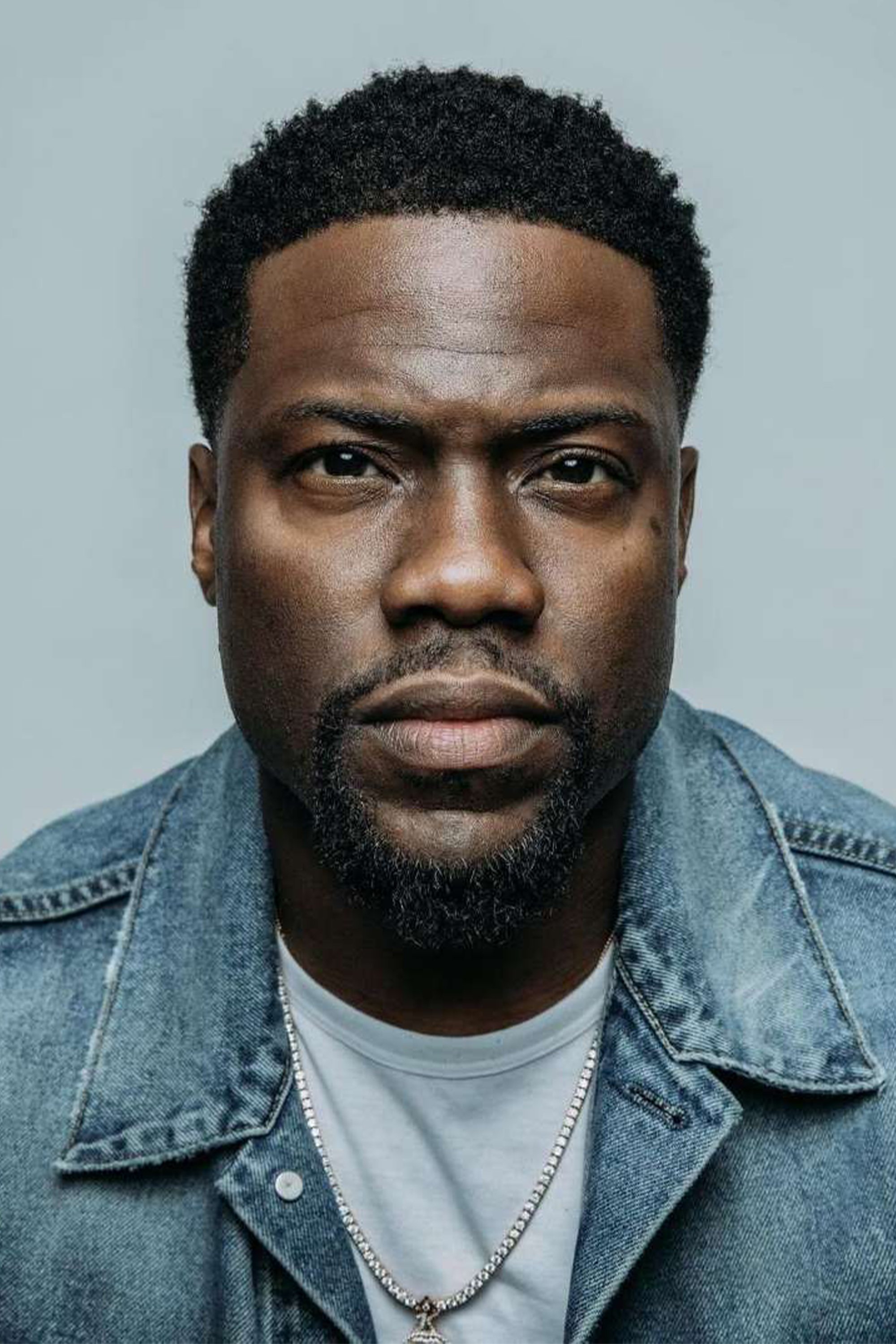
Kevin Hart appeared in the 2004 comedy ‘Soul Plane,’ which he originally envisioned as a parody of ‘Airplane!’ geared towards Black audiences. However, the film was widely panned by critics and faced criticism for using outdated and harmful racial stereotypes, with some arguing it hindered progress in Black filmmaking. Hart has acknowledged the film didn’t live up to its potential, calling it a flawed attempt, but maintains he learned valuable lessons about maintaining quality and building his brand from the experience. He used the film’s failure to improve how he approaches future projects.
Tiffany Haddish
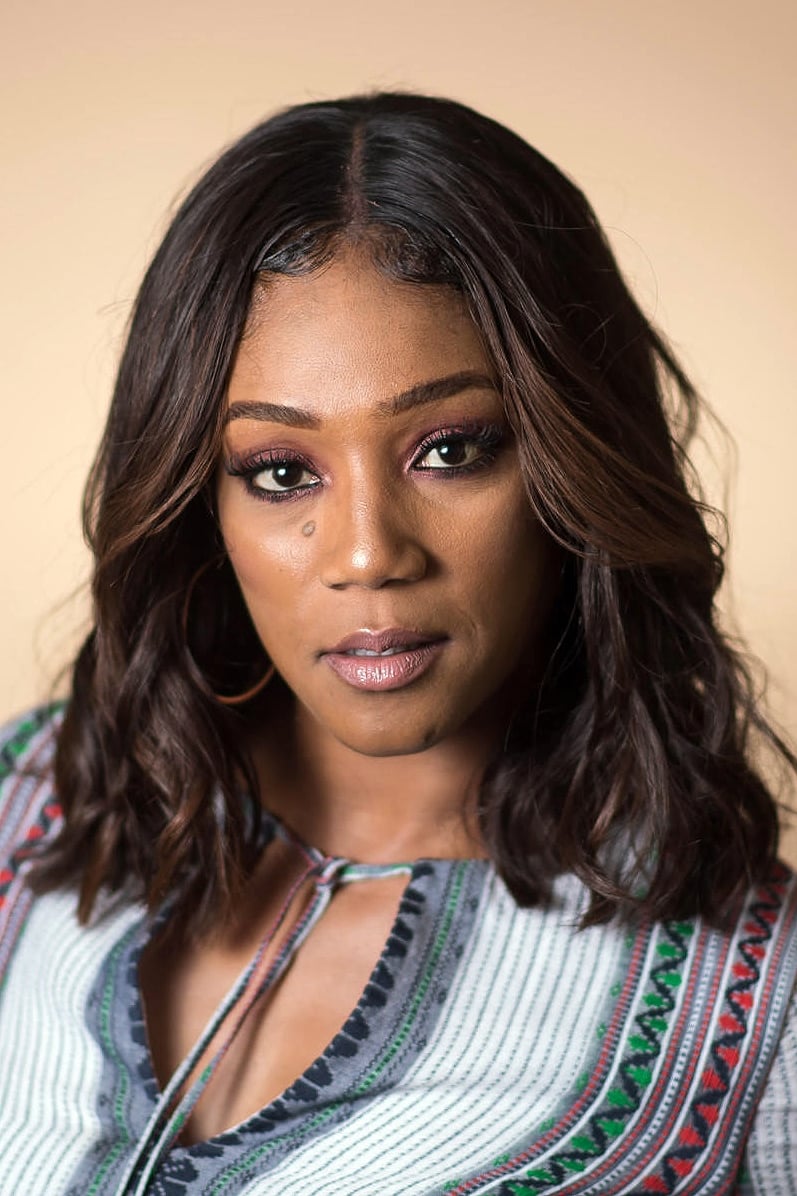
Tiffany Haddish worked hard to land her starring role in the 2017 hit movie ‘Girls Trip,’ which made her a household name. Though she enjoys the character she played, she’s disappointed that she mostly receives scripts for similar roles – the boisterous, outspoken, and energetic best friend. She’s found it challenging to demonstrate her ability to play more serious characters because Hollywood seems determined to cast her in the same high-energy, stereotypical part. To prove her range, Haddish is now producing her own projects.
Damon Wayans
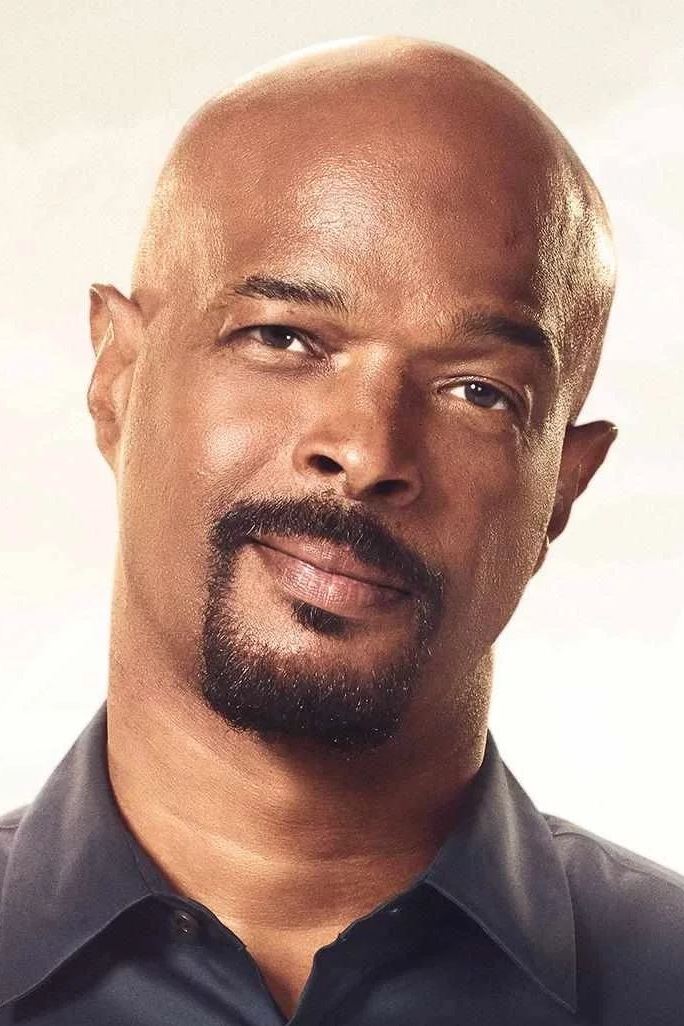
In Spike Lee’s 2000 film ‘Bamboozled,’ Damon Wayans played a television writer who unexpectedly creates a popular show resembling an old-fashioned minstrel show. Although Wayans grasped the film’s satirical message, he found the experience of acting in blackface and performing tap dances to be emotionally difficult and upsetting. The role forced him to portray harmful stereotypes, something he had actively worked against throughout his career, particularly in ‘In Living Color.’ He’s explained that the movie, while important, was a painful look at the challenges faced by Black actors in the entertainment industry.
Nicole Beharie
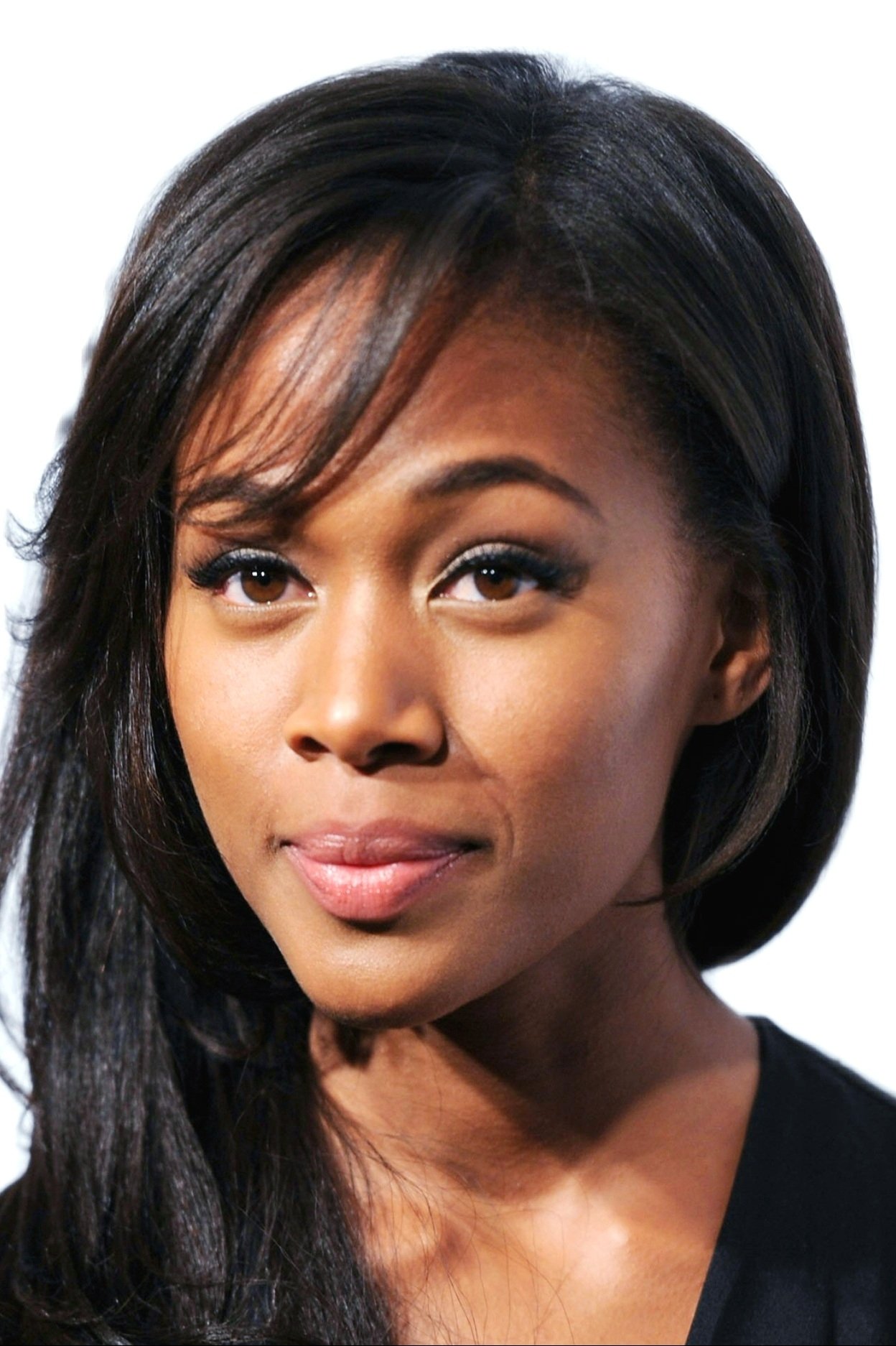
Nicole Beharie worked hard to get the main role of Abbie Mills in the TV series ‘Sleepy Hollow’ (2013–2017). Despite being a co-lead, she later shared that she was treated like a secondary character compared to her male co-star, received much lower pay, and ultimately her character was killed off to further his storyline. Beharie explained that she was unfairly labeled as ‘difficult’ when she asked for equal treatment and necessary health support while filming. She believes her departure from the show highlights a larger problem: Black women in genre television are often seen as easily replaceable.
Please share your thoughts on these roles and the actors’ reactions in the comments.
Read More
- Invincible Season 4 Gender Swaps Tech Jacket As Fans Question Major Comic Change
- Gold Rate Forecast
- Silver Rate Forecast
- Building Agents That Learn and Improve Themselves
- 15 Films That Were Shot Entirely on Phones
- 20 Movies Where the Black Villain Was Secretly the Most Popular Character
- 22 Films Where the White Protagonist Is Canonically the Sidekick to a Black Lead
- Games That Faced Bans in Countries Over Political Themes
- Celebs Who Narrowly Escaped The 9/11 Attacks
- 14 Movies Where the Black Character Refuses to Save the White Protagonist
2025-12-02 22:18