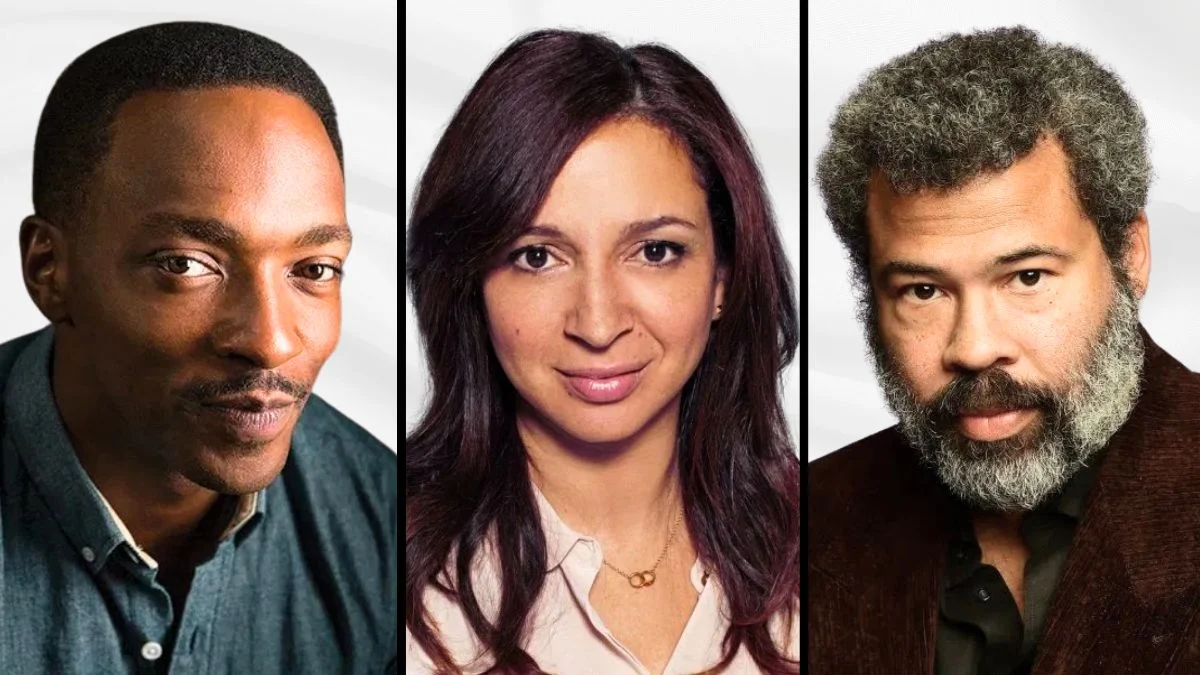
It’s common to see debates in the entertainment industry about what truly represents Black culture and identity. Sometimes, Black actors are criticized if their performances or the roles they choose don’t fit how some people expect them to portray the Black experience. This is often called ‘acting white’ or not showing enough recognizable cultural traits. This criticism can come from an actor’s background or the kinds of characters they often play – especially if those characters primarily exist in white environments. These actors have all dealt with this tricky situation as they’ve built their careers in Hollywood.
Wayne Brady
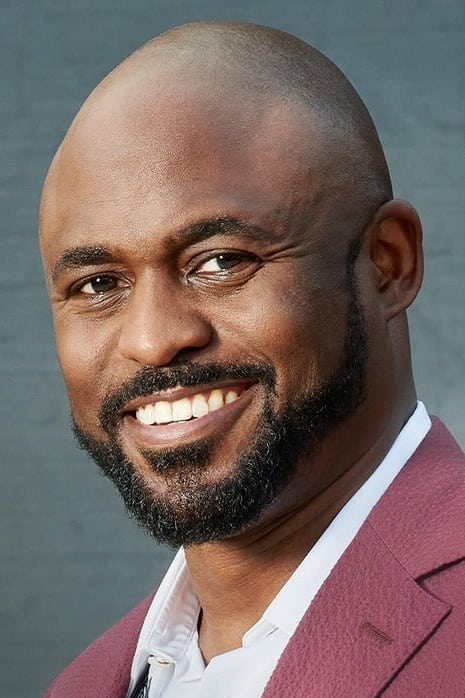
Wayne Brady faced criticism during his time on ‘Whose Line Is It Anyway?’ with some claiming his clean, family-friendly humor resonated more with white audiences than with Black viewers. He famously responded to this perception with a sketch on ‘Chappelle’s Show,’ playing a much tougher and more aggressive version of himself. Since then, Brady has talked candidly about how hurtful these labels were and the challenges of meeting expectations in Hollywood.
Alfonso Ribeiro
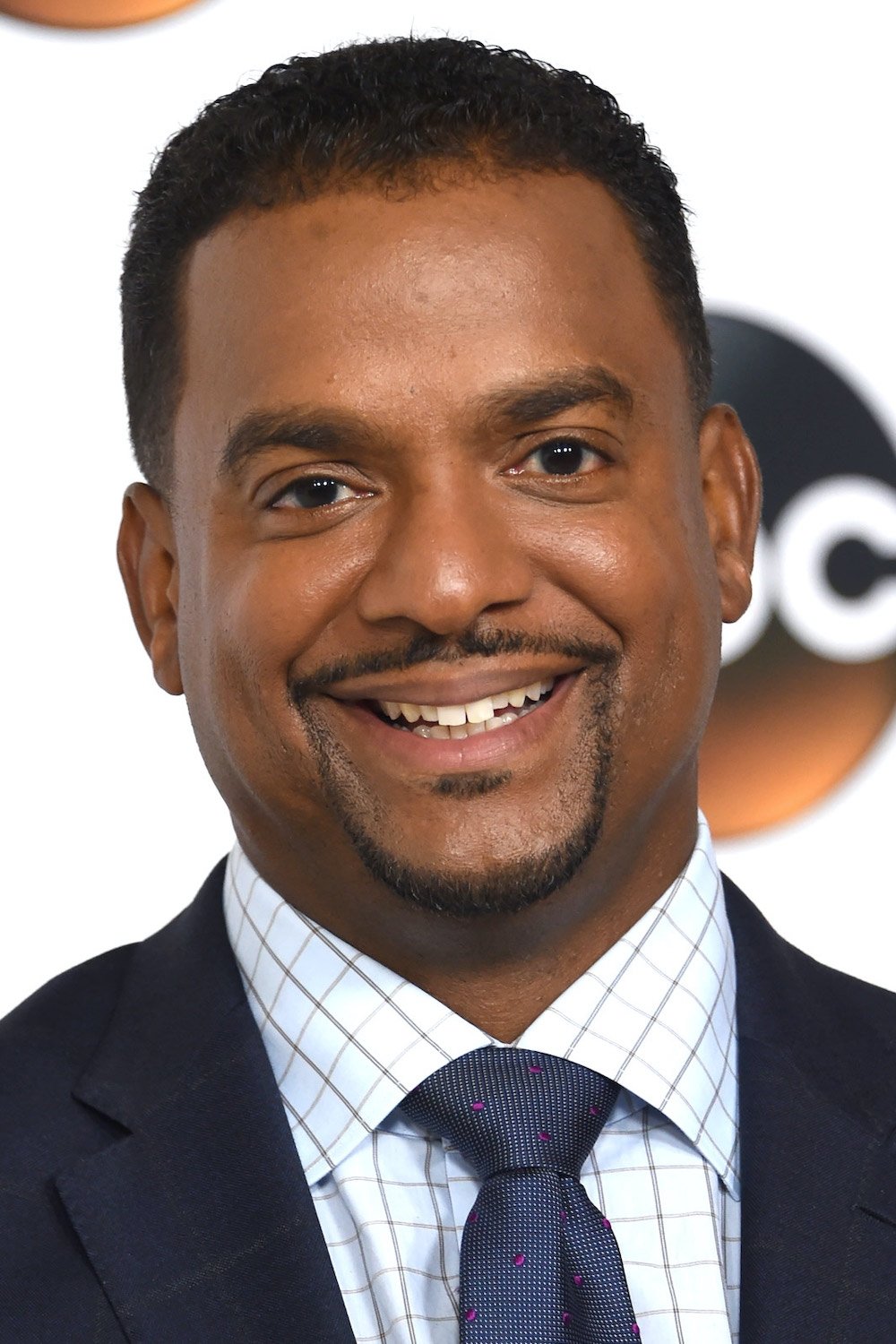
Alfonso Ribeiro is best known for playing Carlton Banks on ‘The Fresh Prince of Bel-Air’. The character was intentionally created as the opposite of Will Smith’s character. Because of this, many fans began to see Ribeiro as Carlton – the preppy, Tom Jones-loving character known for his cautious dancing. This made it hard for Ribeiro to find roles that weren’t similar to Carlton for a long time, as he was often seen as unable to play tougher or more streetwise characters.
Raven-Symoné
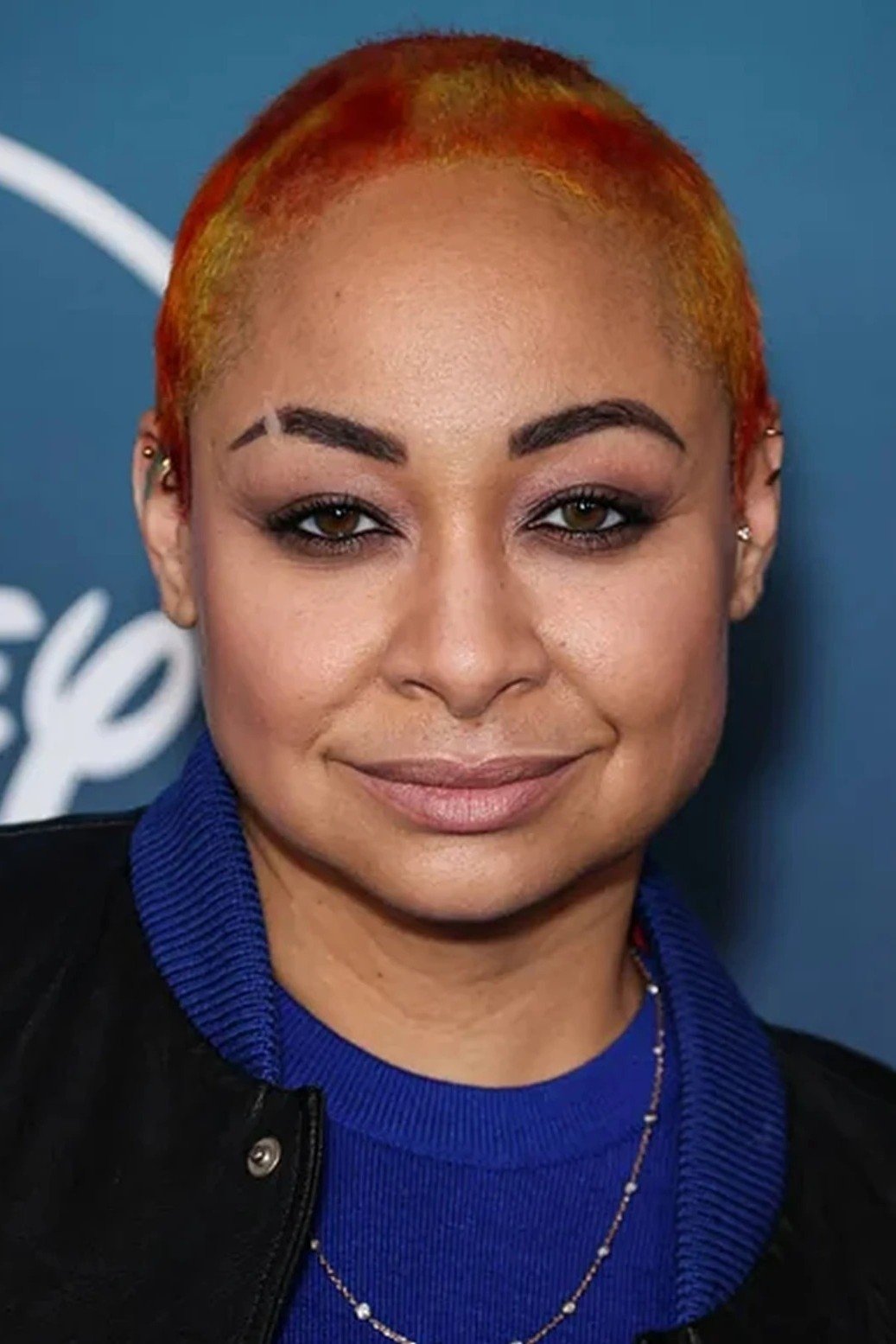
Raven-Symoné caused a lot of discussion when she said she didn’t want to be called African American, preferring to be seen just as an American and as someone who loves all people. Her comments on ‘The View’ about stereotypes led to criticism that she wasn’t connected to her community. Because of these statements, she’s often faced criticism about her sense of cultural identity.
Stacey Dash
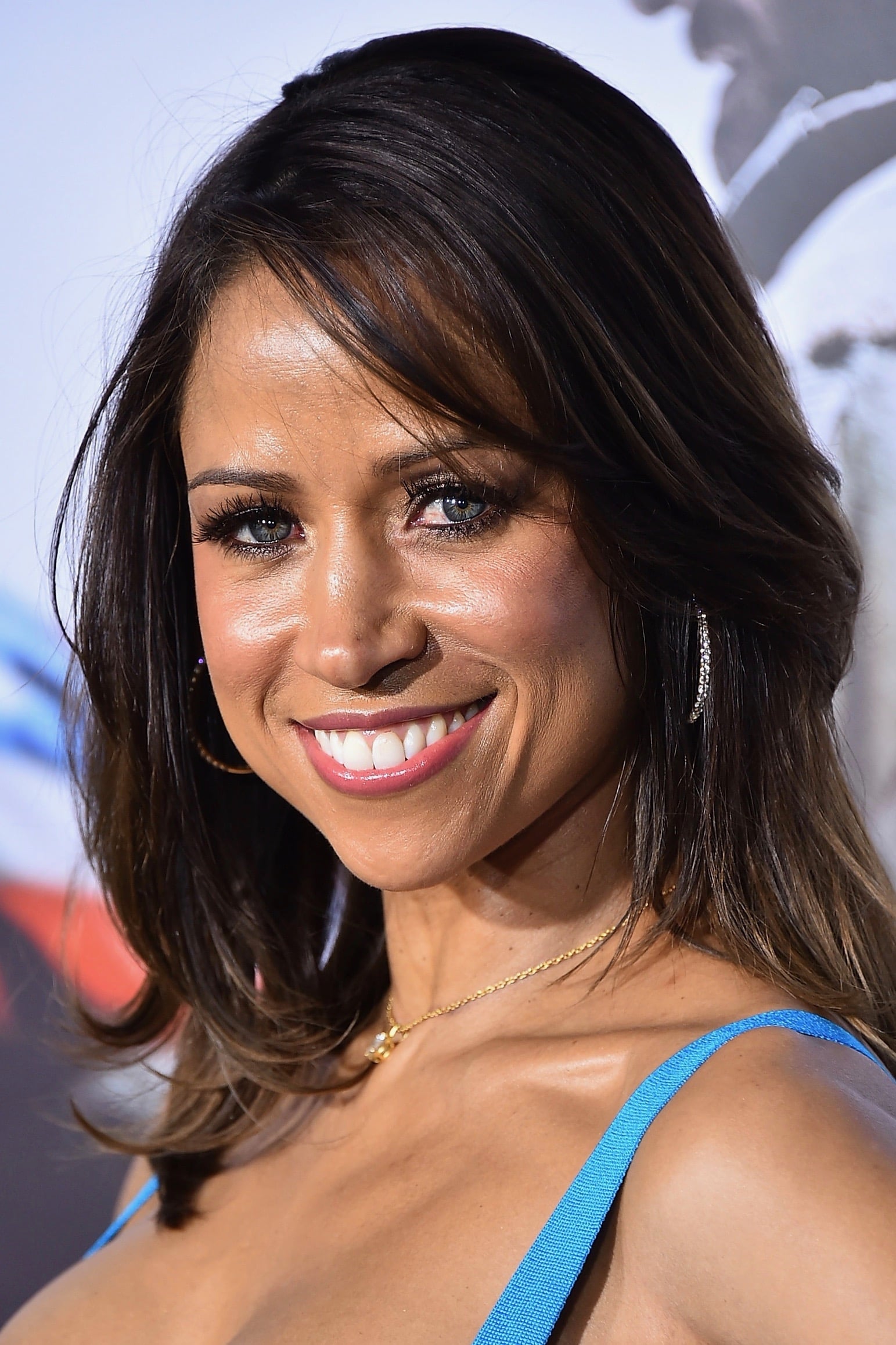
Stacey Dash first became well-known for her role as Dionne in the popular movie ‘Clueless.’ Later, she became a conservative voice in politics. However, her strong support for certain politicians and ideas caused many of her original fans, particularly within the Black community, to feel disconnected from her. She has publicly questioned the need for channels like BET and dedicated months to celebrate Black history. This change in her views led many to believe she was distancing herself from her background in an attempt to gain support from a different audience.
Taye Diggs
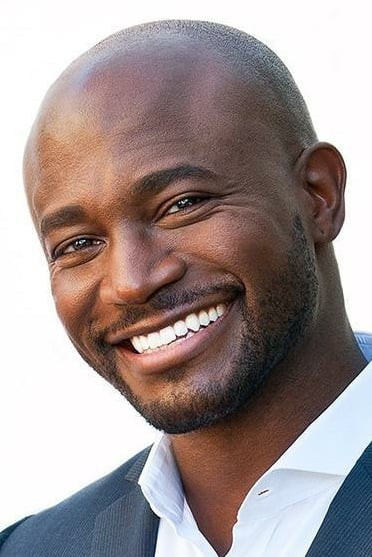
Taye Diggs has received criticism about both his personal dating life and the romantic comedy roles he chooses. He frequently plays the charming, successful partner in films involving relationships between people of different races. Diggs has spoken out about this criticism, expressing his annoyance at being judged. Some critics suggest his on-screen image seems designed to appeal primarily to white female audiences.
Donald Glover
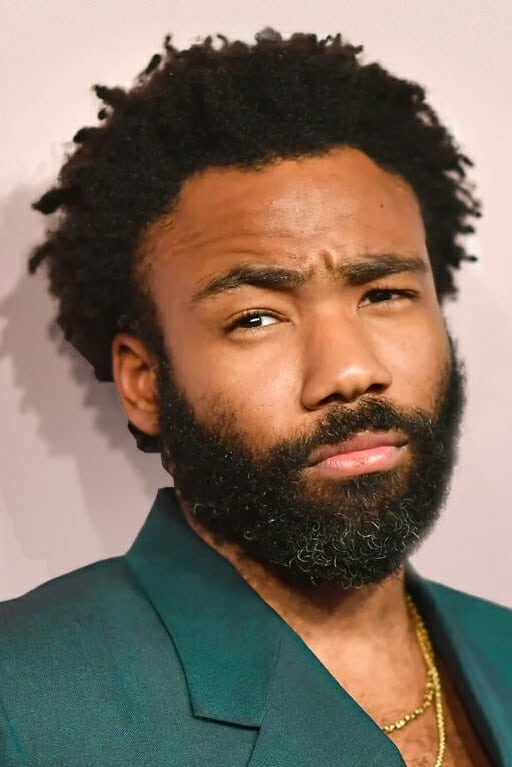
Donald Glover has been grappling with questions about who he is since his early career on the show ‘Community’. His character, Troy Barnes, was a charming and intelligent guy who broke away from the usual tough stereotypes often given to Black men on television. Glover explored these feelings in his music as Childish Gambino, rapping honestly about being labeled an ‘Oreo’ and feeling like he didn’t quite fit in with what people expected from young Black men.
Rashida Jones
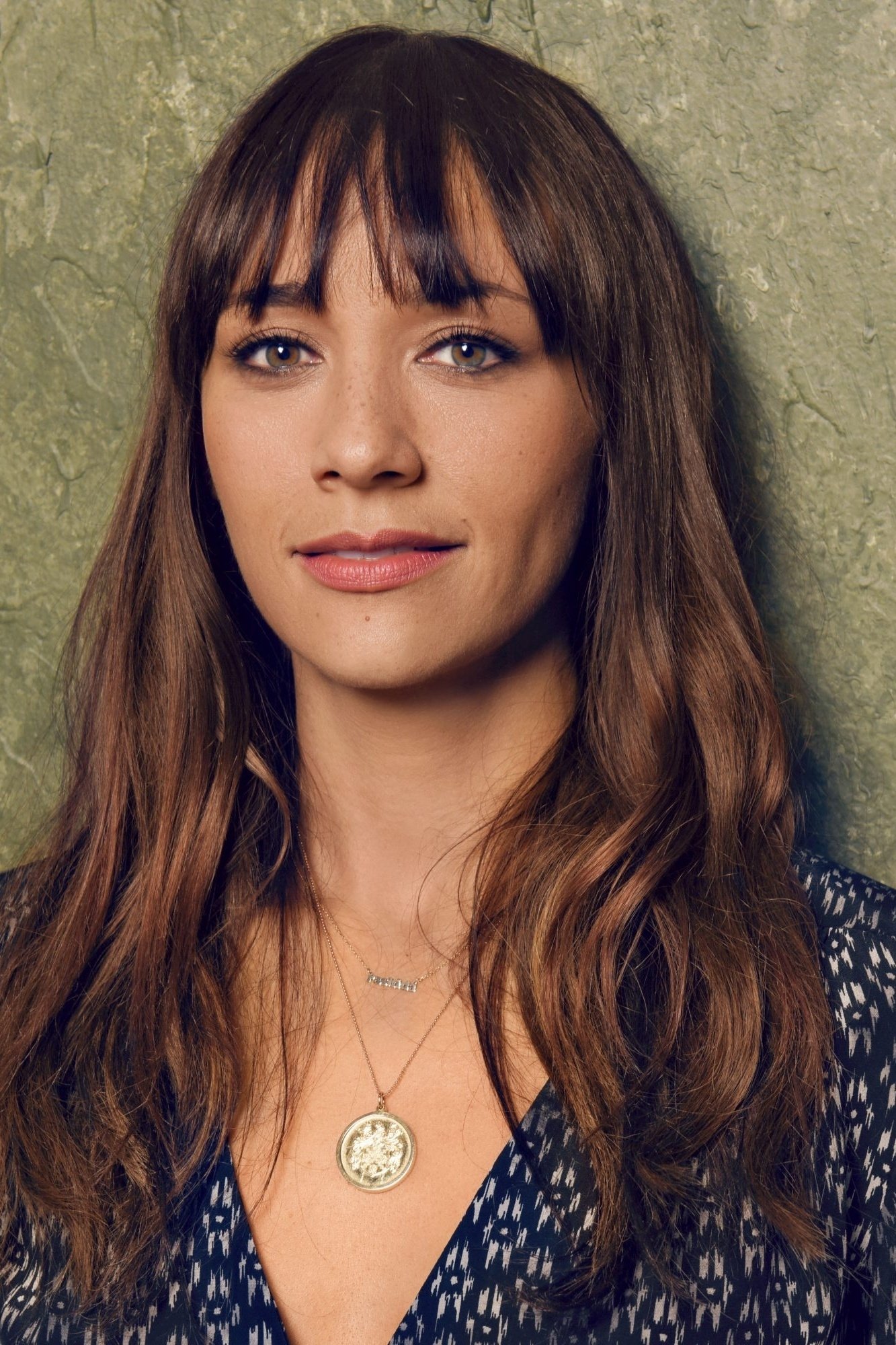
Rashida Jones, the daughter of musician Quincy Jones and actress Peggy Lipton, is known for playing characters who are racially mixed or who work in mostly white workplaces, as seen in shows like ‘Parks and Recreation’. Because she grew up with privilege, some have questioned how well everyday Black viewers can connect with her roles. Jones herself has often discussed the challenges and nuances of being biracial and experiencing life through two different cultural perspectives.
Keegan-Michael Key
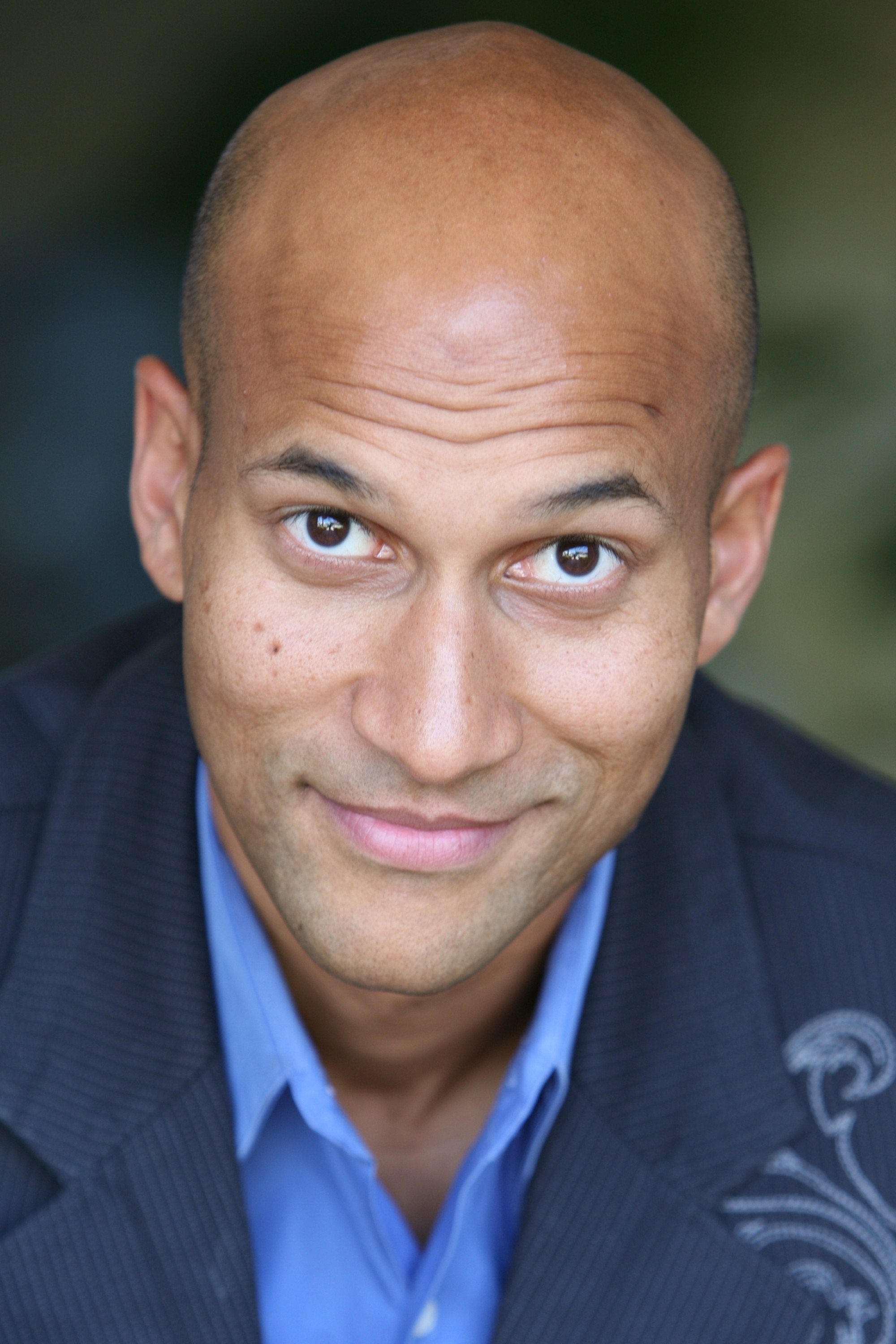
Keegan-Michael Key became well-known for his work on the sketch comedy show ‘Key & Peele,’ where he often explored what it’s like to navigate different cultures as a biracial person. His sketches frequently contrasted the behaviors people show in suburban and urban environments. Key draws on his own experiences to play diverse characters, avoiding simple labels of what it means to be Black. Some early reviews suggested his refined comedic style was particularly appealing to white audiences.
Jordan Peele
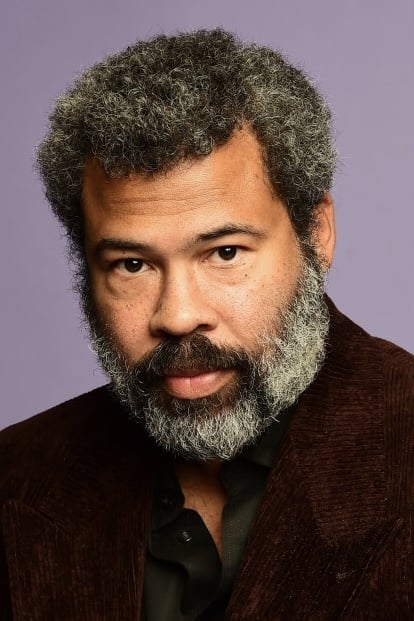
Jordan Peele and Keegan-Michael Key teamed up to make comedy that cleverly examined social rules and racial biases. Before he became famous for horror with ‘Get Out,’ Peele often joked about the uncomfortable situations Black people face when interacting with white communities. Because of his background in comedy focused on nerd culture and alternative scenes, some people initially didn’t realize his work was deeply connected to the Black experience.
Thandiwe Newton

Thandiwe Newton, a British actress, has received some criticism about her accent and the types of roles she’s cast in, particularly those originally intended for women with darker skin tones. Because she grew up in the UK and speaks with a more polished accent, she’s different from many African American actresses. She’s openly discussed the issue of colorism and how it’s given her advantages, and how she sometimes feels she doesn’t fully fit the expectations for roles requiring a specifically Black identity. Newton continues to work towards more diverse representation in the industry while also recognizing her own privileged position.
Zoe Saldaña
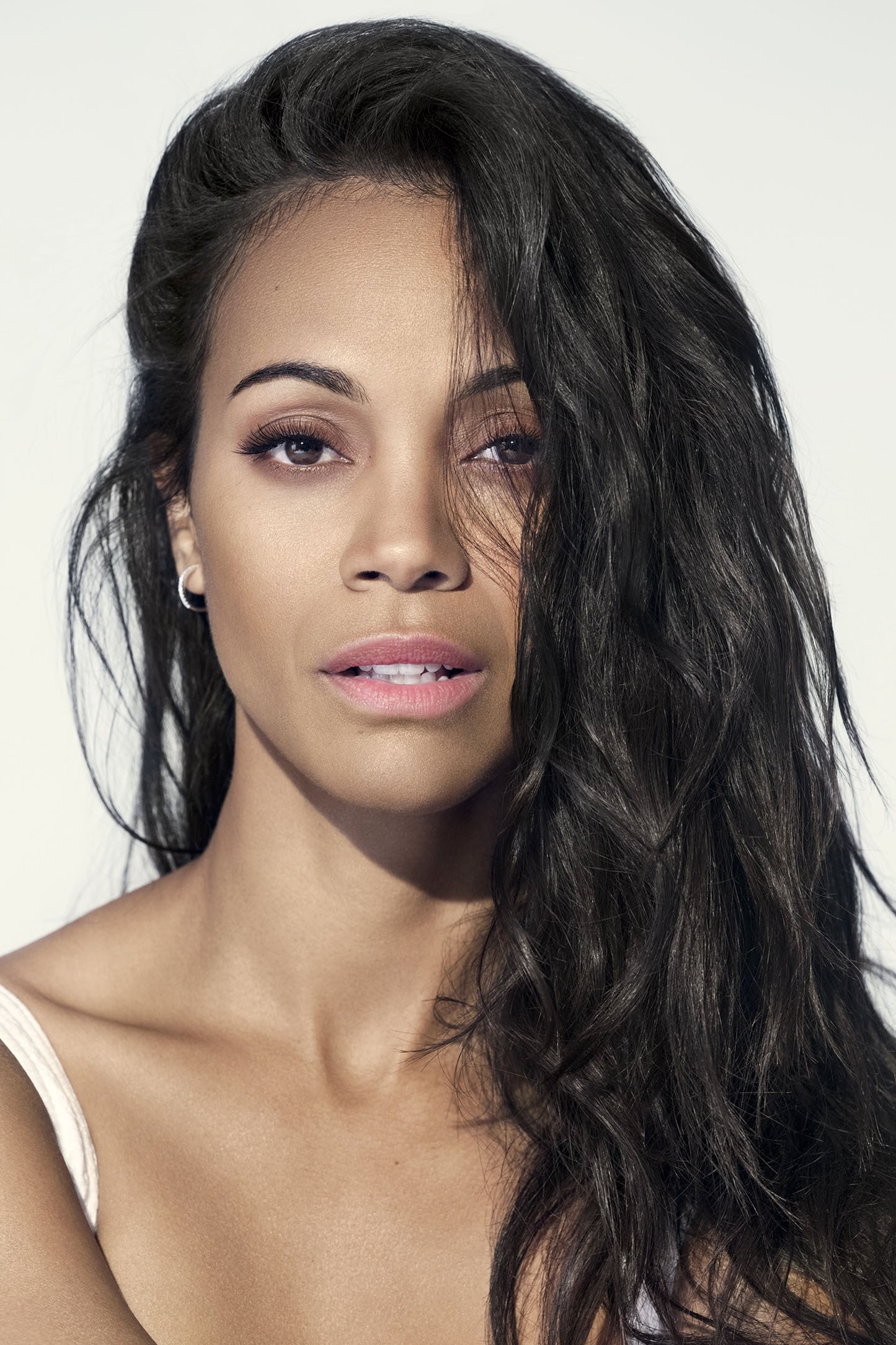
Zoe Saldana faced criticism regarding issues of colorism and casting when she was chosen to play Nina Simone in a biopic. The controversy grew because she used makeup to darken her skin for the role, and many felt she didn’t physically resemble Simone and wasn’t the right choice to portray her. Saldana later apologized and admitted the criticism was valid.
Lenny Kravitz
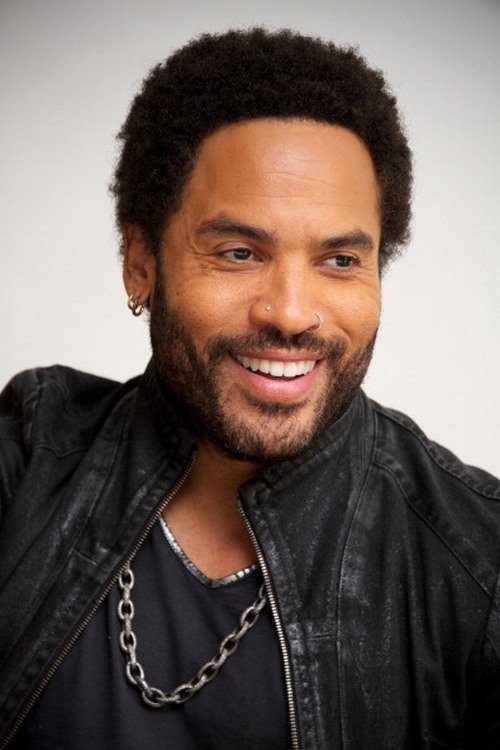
Lenny Kravitz, a rock musician and actor, has always had a unique, free-spirited style that stands apart from mainstream trends. His part as Cinna in ‘The Hunger Games’ demonstrated his comfort with cutting-edge and futuristic designs. Growing up surrounded by many different cultures and art forms shaped his creative vision. Because of this diverse background, he’s sometimes seen as different within the Black entertainment industry.
Jaden Smith
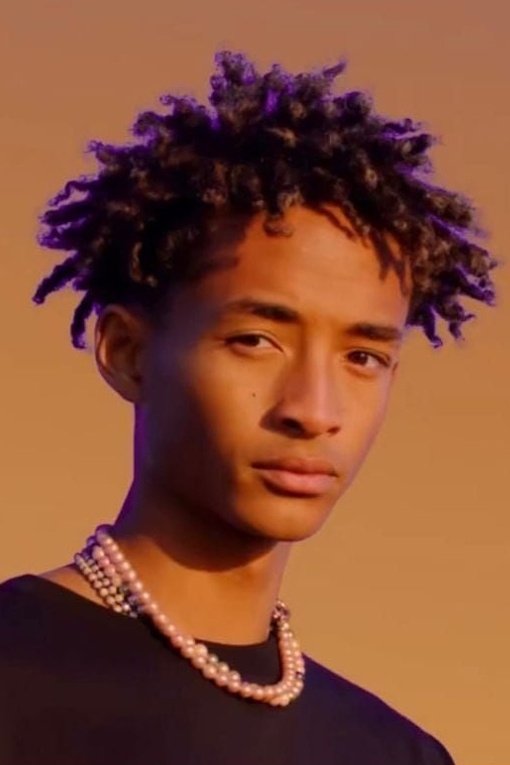
Jaden Smith is known for his unique and unconventional style, often challenging typical ideas about gender and fashion. He frequently shares thoughtful, and sometimes puzzling, ideas on social media and experiments with daring clothing choices. Smith proudly connects with skateboarding and alternative rock – interests traditionally popular among white, suburban teenagers. While many admire his individuality, his rejection of norms can be divisive.
Willow Smith
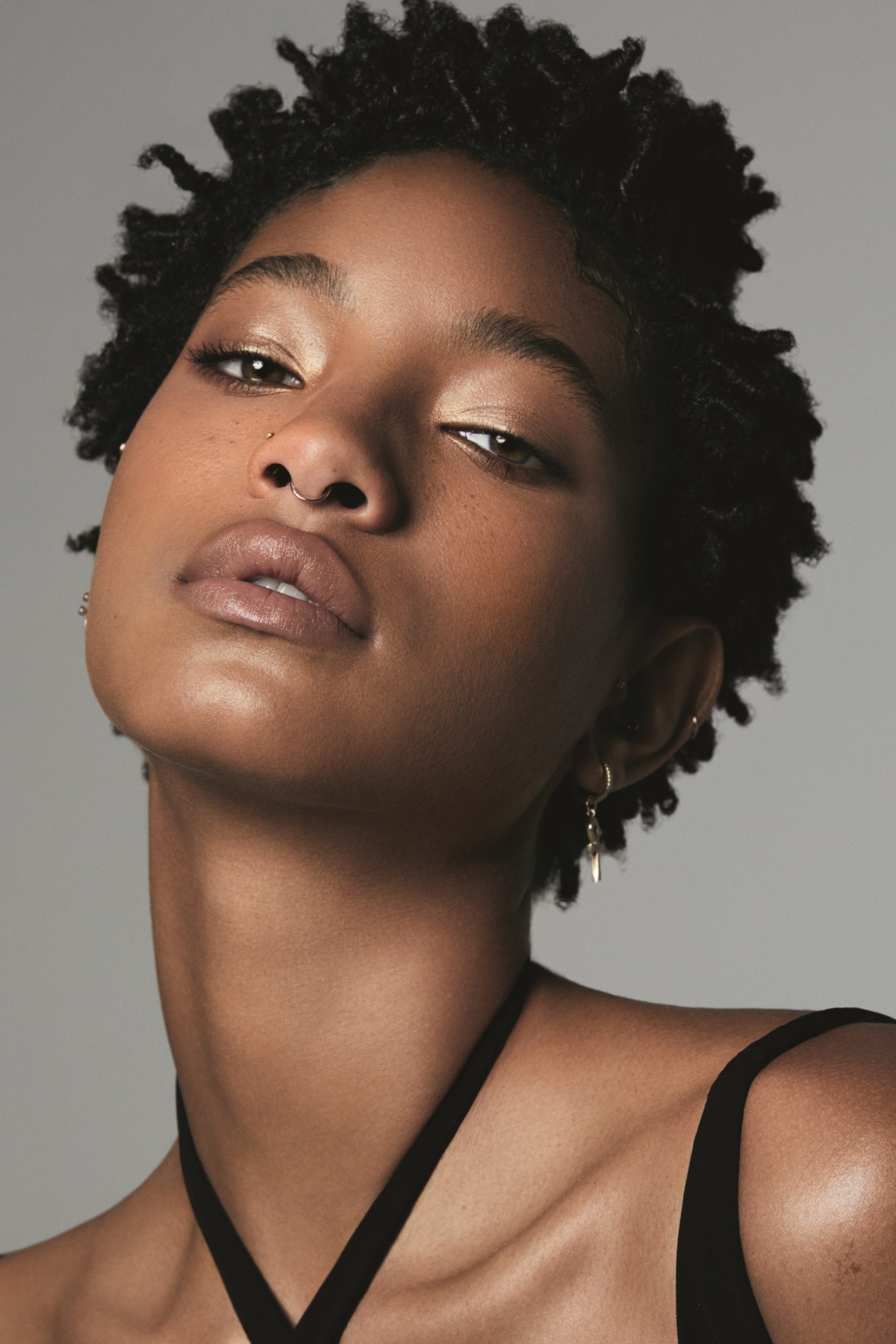
Willow Smith first became well-known with a pop song, but she quickly shifted to playing alternative rock and punk music. She’s openly talked about her passion for metal and emo – scenes where Black women aren’t often seen. Some people have criticized her style and music choices, expecting her to stick to R&B or hip-hop. However, Smith consistently challenges the idea that Black artists should be limited to certain types of music.
Terrence Howard
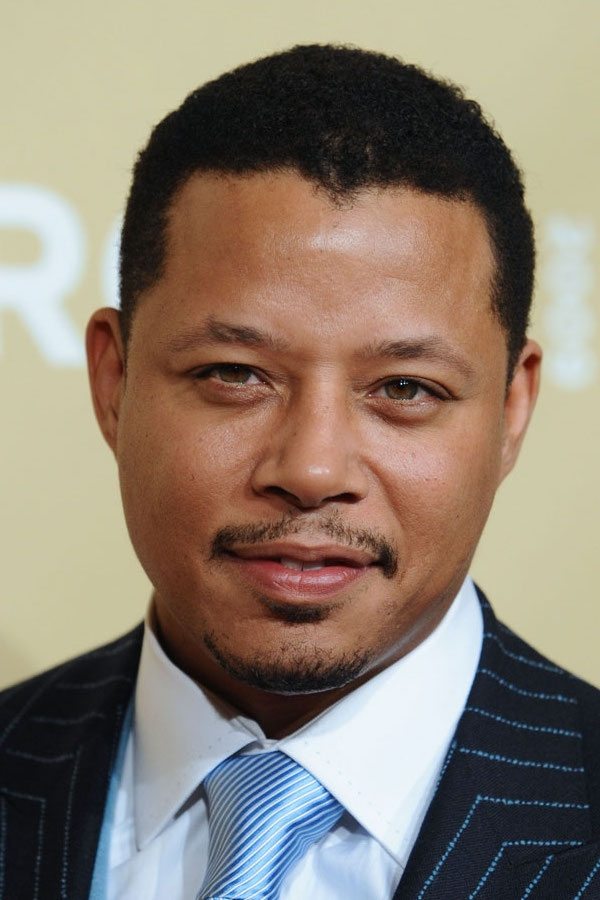
Terrence Howard is known for his unusual ideas about math and science. He often shares complex explanations of his own way of thinking in interviews, which many find confusing. Although he’s delivered powerful performances in films like ‘Hustle & Flow’ and ‘Empire,’ his behavior outside of acting is often seen as strange and out of touch. This has led to speculation and jokes about him living in a different world than most people.
Anthony Mackie
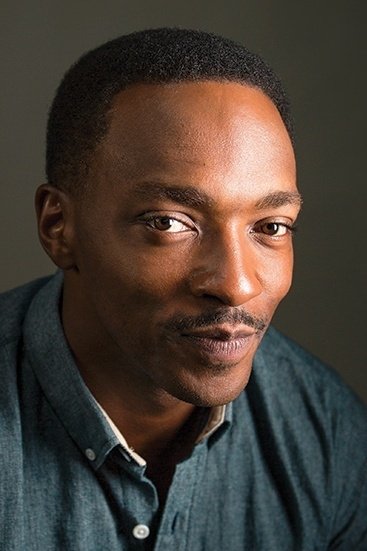
As a huge MCU fan, I’ve always enjoyed Anthony Mackie as the Falcon – he’s really become a big star! But I’ve also noticed some controversy around his comments about how Black men ‘should’ present themselves, which some people see as leaning conservative. Specifically, he once spoke critically about dreadlocks, and a lot of fans felt like he was being judgmental about cultural expression, and it created some friction. It’s a tricky spot, because you admire his work but then question some of his views.
Cuba Gooding Jr.
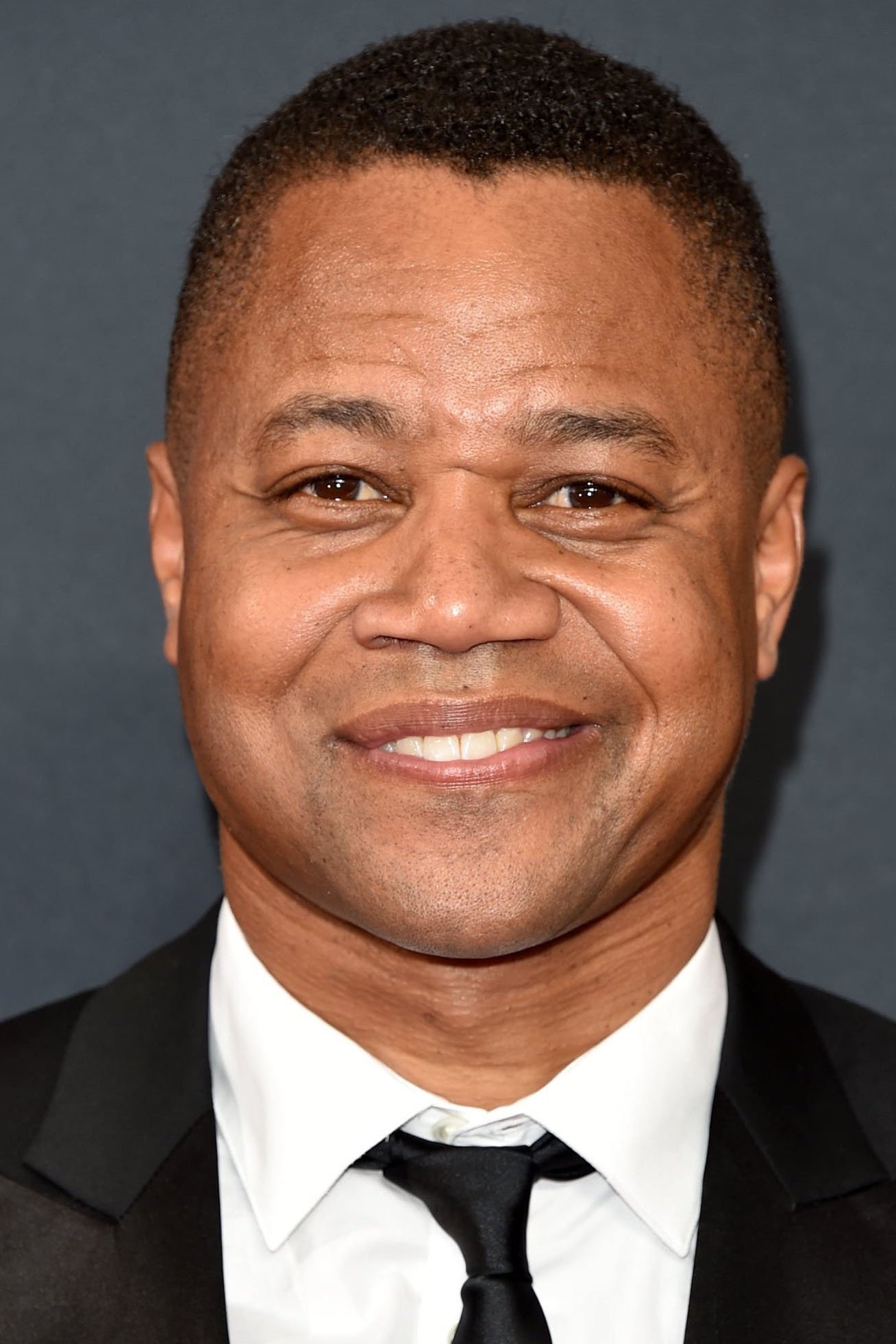
Cuba Gooding Jr. became hugely successful after winning an Oscar for his role in ‘Jerry Maguire’. However, he then appeared in a lot of family comedies and movies released directly to home video, which some fans thought weren’t challenging enough. Critics pointed out he often played supporting roles to white actors or took on silly characters. This led to accusations that he wasn’t using his acting skills to their full potential, possibly to stay on the good side of major film studios.
Jesse Williams
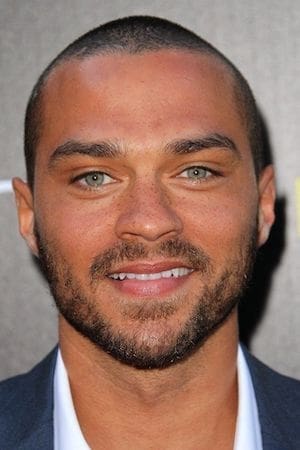
Jesse Williams is a dedicated activist known for speaking out against racial injustice and unfair systems. Because he’s a light-skinned man with blue eyes, some people question how much he truly understands these issues, bringing up his closeness to white privilege. Williams recognizes his own advantages and actively uses his influence to support those whose voices are often unheard. Despite his progressive views, some critics unfairly focus only on his appearance, suggesting it makes his activism less genuine.
Maya Rudolph
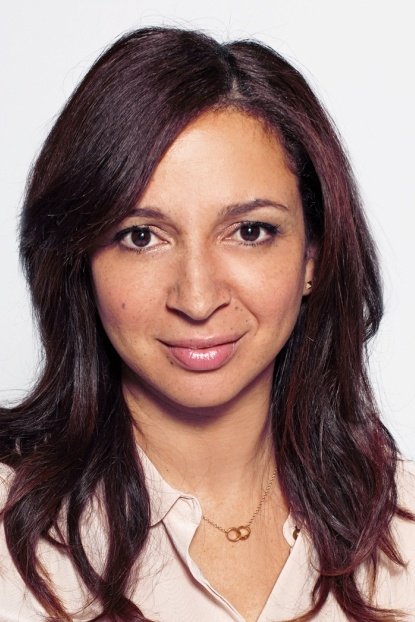
Maya Rudolph is a hilarious and incredibly adaptable comedian, famous for her work on ‘Saturday Night Live’ where she skillfully portrayed people from many different backgrounds. Growing up with a Black mother, Minnie Riperton, and a white father has shaped her distinctive sense of humor. She often plays characters who are comfortable and well-off, which sets her apart from typical city-based stereotypes. Rudolph cleverly uses this background to her advantage in her comedy, though it sometimes sparks conversations about her own cultural identity.
Tracee Ellis Ross
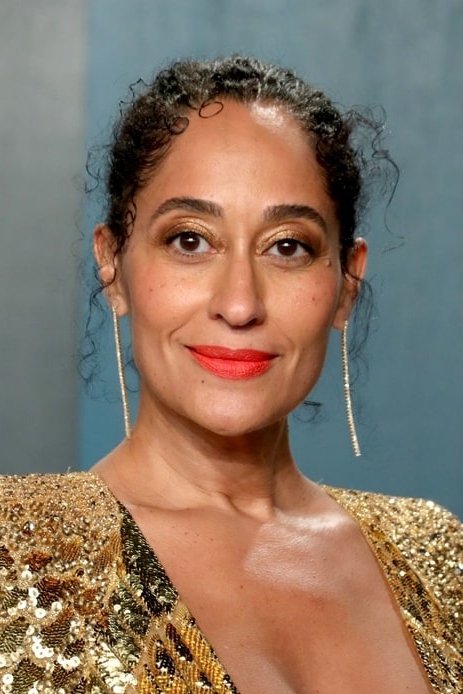
Tracee Ellis Ross is well-known for playing Rainbow Johnson on the show ‘black-ish’. Her character is a doctor of mixed race who often disagrees with her husband due to their different backgrounds and viewpoints. The show often uses Rainbow to explore what it feels like to not be seen as ‘Black enough’. Ross draws on her own experiences as a biracial woman and the daughter of famous parents to bring authenticity to the role.
Meghan, Duchess of Sussex
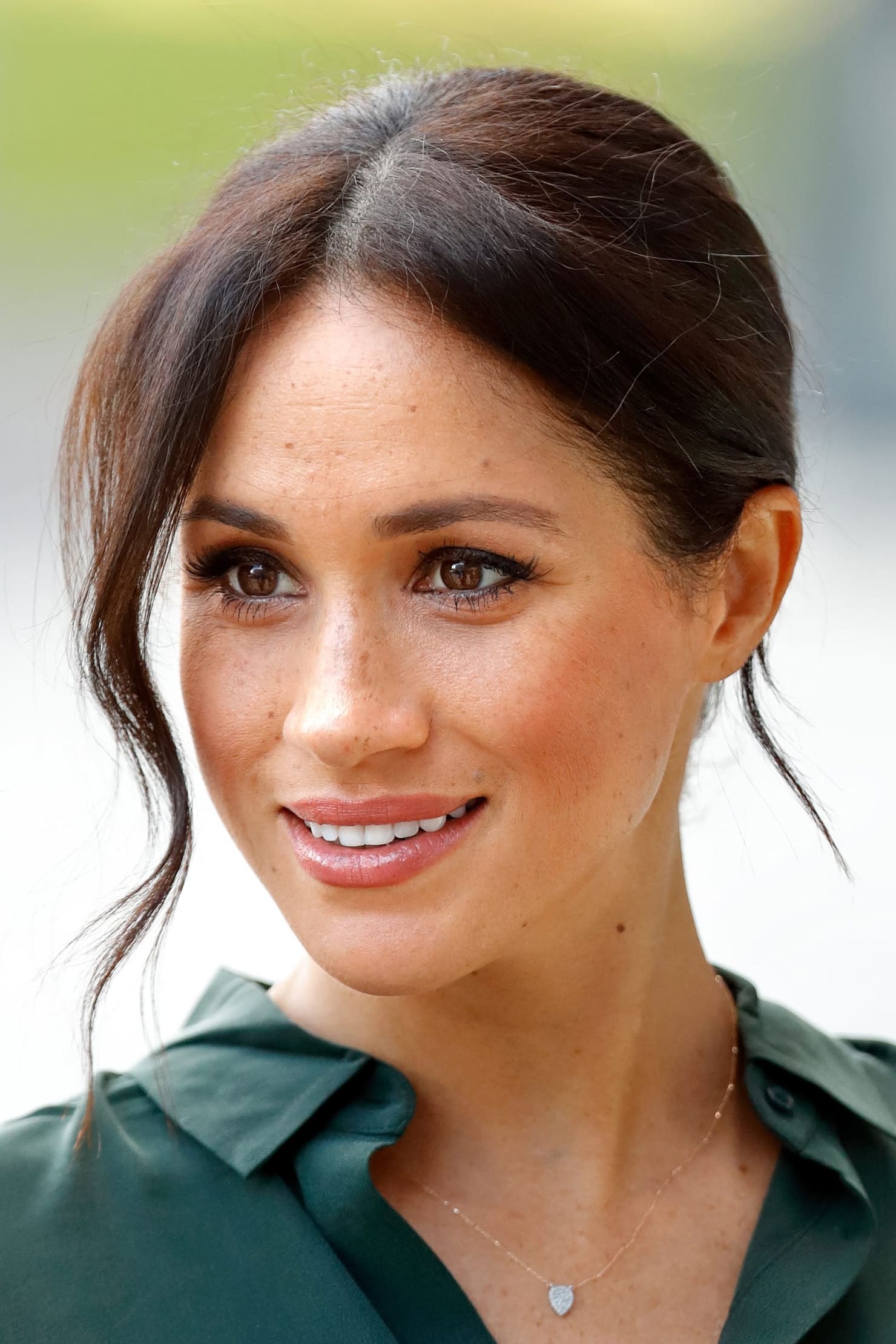
After marrying Prince Harry, Meghan Markle experienced intense attention and criticism from the British media and public. Before becoming a royal, she was an actress on the show ‘Suits,’ playing a character with a background similar to her own. Conversations often focused on how her ability to be seen as white influenced how people treated her. Her role in the royal family brought widespread discussion about colorism and privilege within the Black community.
Halle Berry
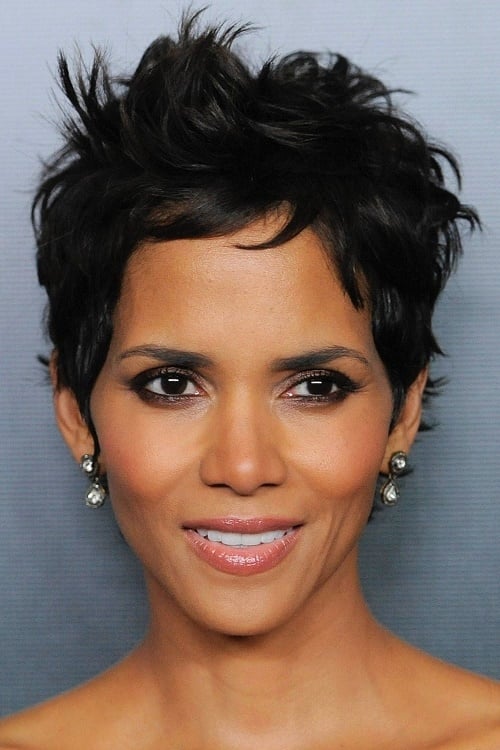
Halle Berry broke barriers when she became the first Black woman to win an Oscar for Best Actress. However, throughout her career, she’s often been asked to define her identity because of her biracial background. Early on, she worked to be recognized as a Black actress, not just someone considered ‘different.’ While Berry consistently identifies as Black, the roles she’s played sometimes spark discussions about how skin tone affects opportunities in Hollywood.
Tessa Thompson
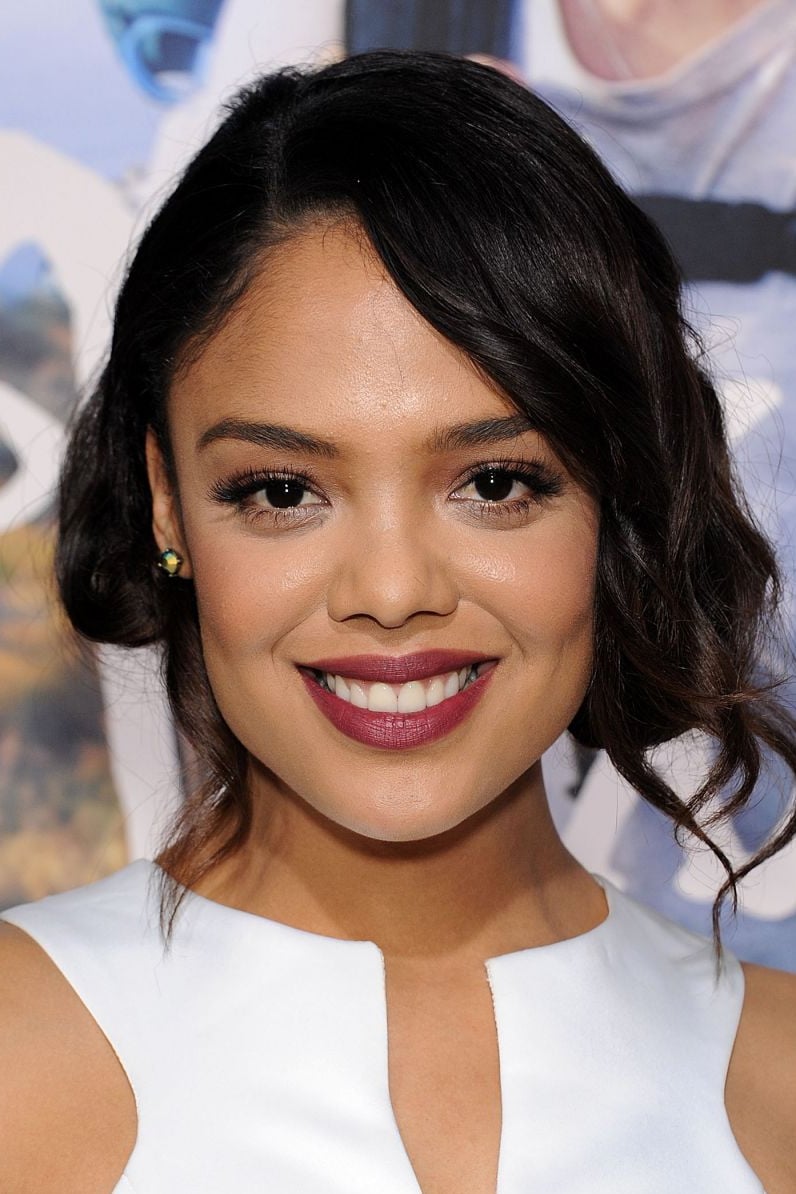
Tessa Thompson is a versatile actress known for her work in popular franchises like ‘Thor’ and ‘Creed’. Some critics have commented on her unique way of speaking, occasionally describing it as sounding inauthentic. Thompson openly discusses her identity and her attraction to people of all genders. Her diverse acting choices and willingness to challenge norms often set her apart from traditional Hollywood expectations.
Charles Michael Davis
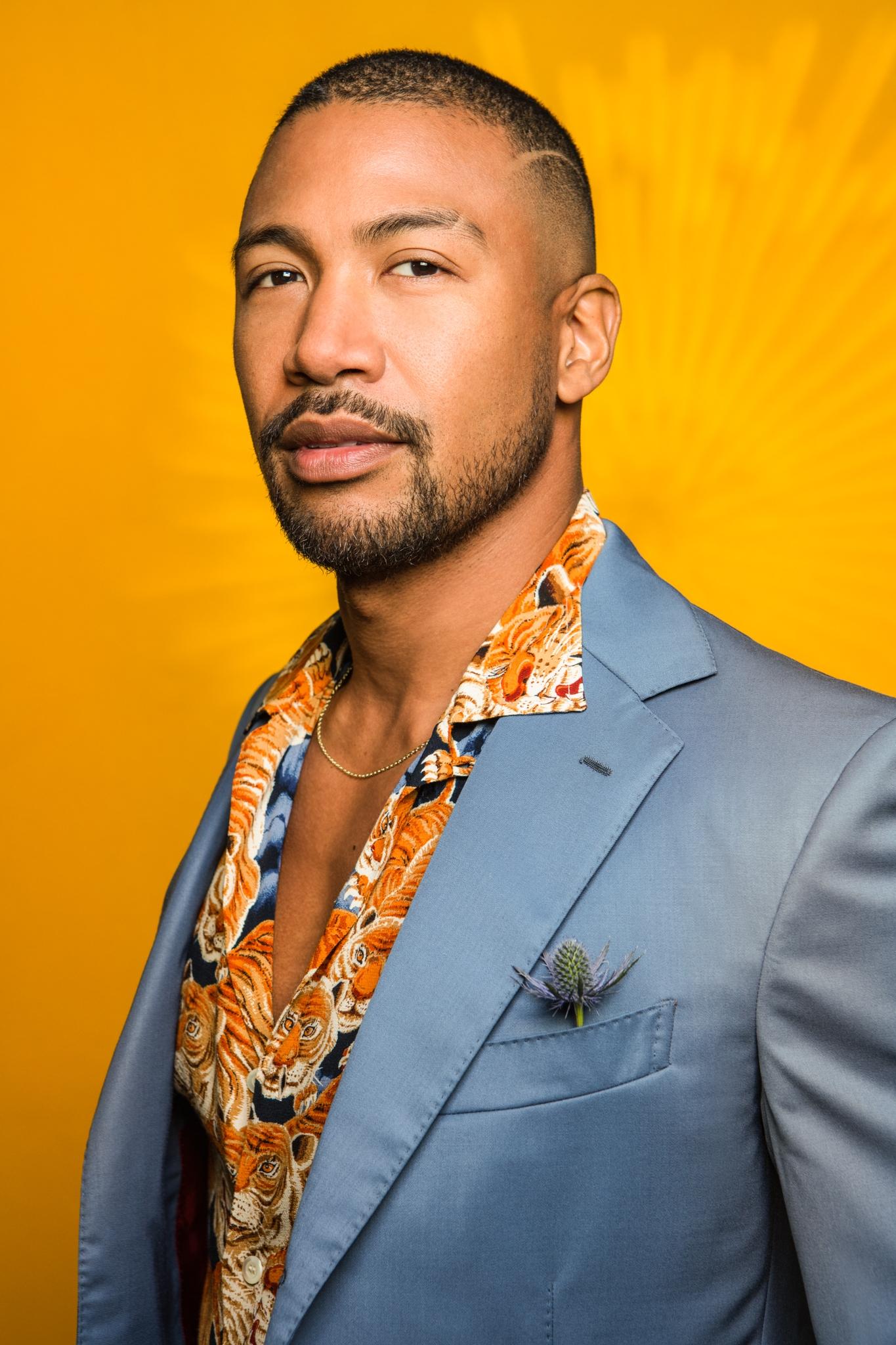
Charles Michael Davis is famous for playing Marcel Gerard on ‘The Originals’. He portrayed a charming and powerful leader who was well-respected in New Orleans. Before acting, Davis worked as a model, and he often has a clean-cut, mainstream appearance. While this look has helped his career, it sometimes leads to him being cast in roles that don’t require a lot of depth or cultural background.
Corey Hawkins
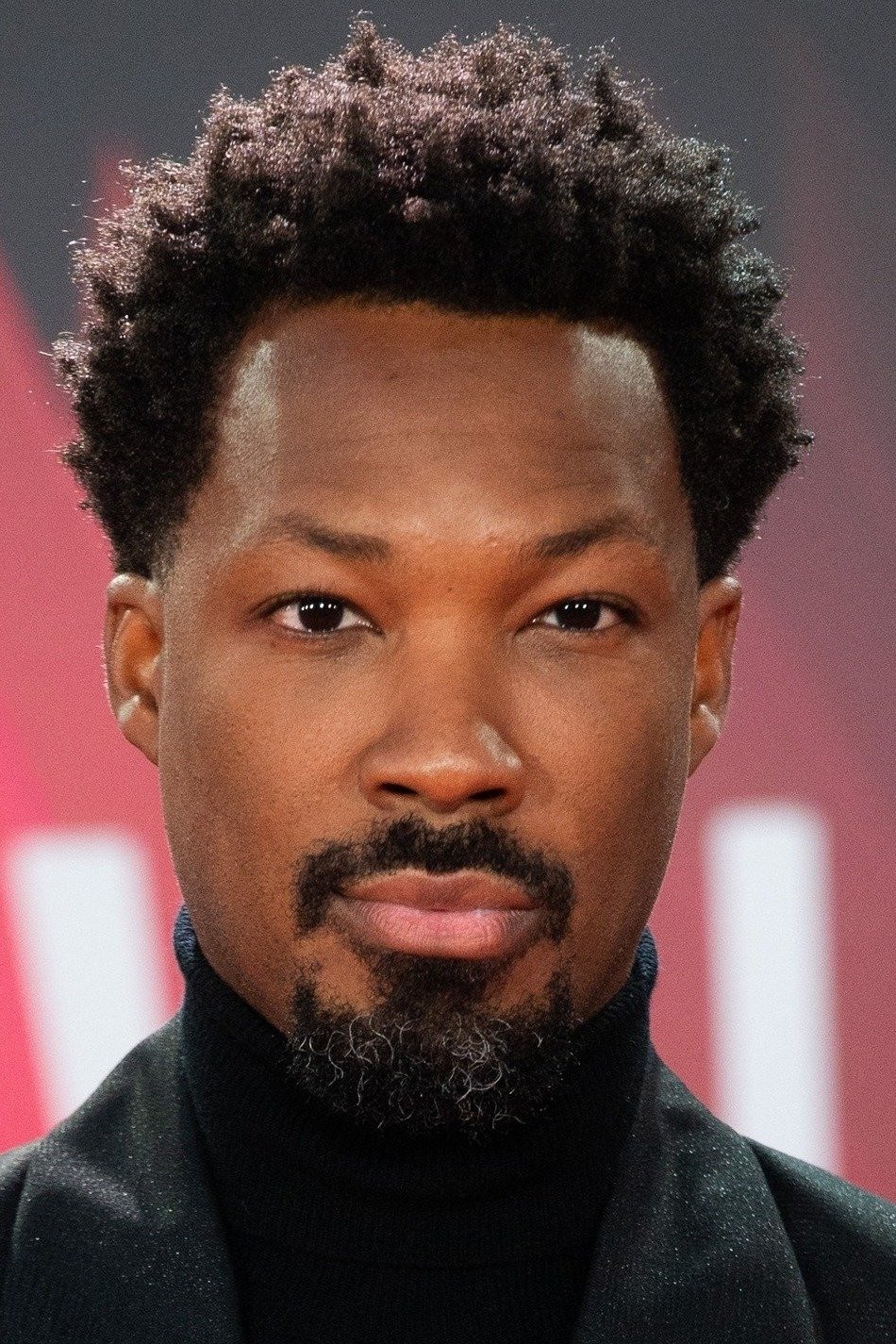
Corey Hawkins first became well-known for his portrayal of Dr. Dre in ‘Straight Outta Compton,’ but he’s since chosen roles that are quite different. He’s played positive, admirable characters in shows like ‘24: Legacy’ and the film ‘In the Heights.’ A Juilliard-trained actor, Hawkins brings a refined technique to everything he does. This careful training creates a precise style that’s a bit unexpected in the often more spontaneous world of urban dramas.
We’d love to hear your opinion on whether these actors are being judged too harshly for the roles they choose. Please share your thoughts in the comments below.
Read More
- Invincible Season 4 Gender Swaps Tech Jacket As Fans Question Major Comic Change
- Building Agents That Learn and Improve Themselves
- Gold Rate Forecast
- Games That Faced Bans in Countries Over Political Themes
- Silver Rate Forecast
- Trading Crypto with AI: A New Approach to Portfolio Management
- 15 Films That Were Shot Entirely on Phones
- Why Won’t It Just *Do* What You Ask? Unpacking the Quirks of AI Language
- Unveiling the Schwab U.S. Dividend Equity ETF: A Portent of Financial Growth
- Thinking Before Acting: A Self-Reflective AI for Safer Autonomous Driving
2025-12-02 19:19