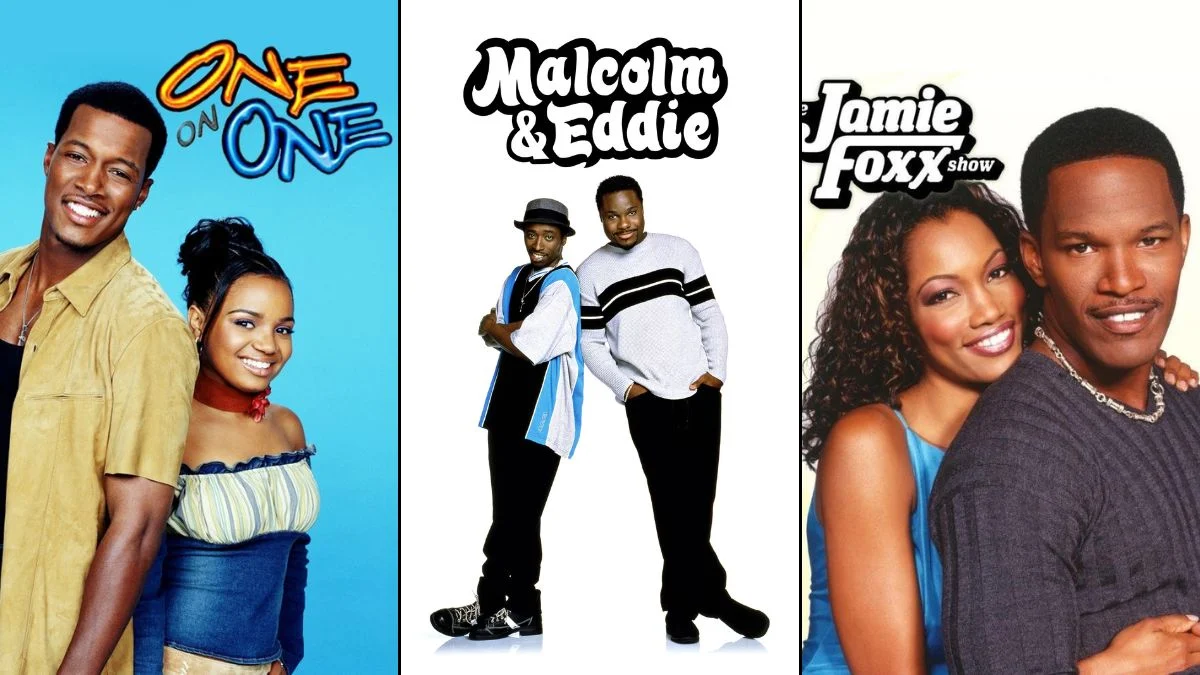
Throughout television history, many shows that beautifully portrayed Black life haven’t received lasting support from network bosses. These series often built dedicated followings by realistically showing everyday Black experiences and a unique sense of humor, which advertisers didn’t always understand. When The WB and UPN combined to form The CW, a lot of these popular Black sitcoms were suddenly canceled to make way for shows aimed at different viewers. This change created a noticeable gap in television comedy that audiences still feel today.
‘South Central’ (1994)
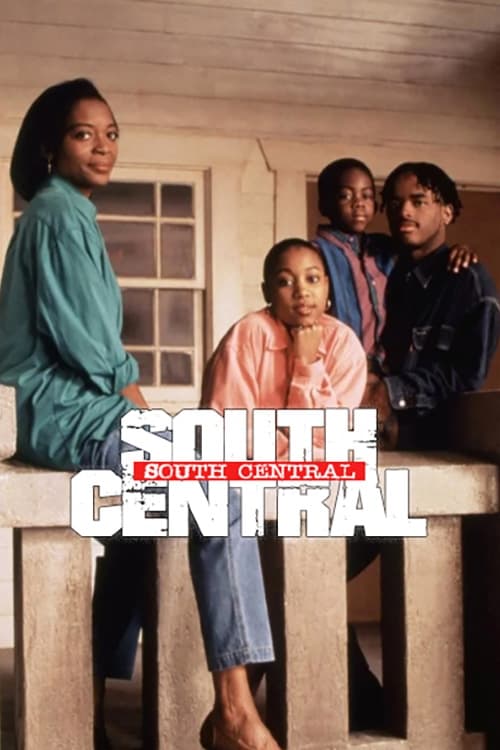
The show realistically depicted life in South Central Los Angeles, blending humor and drama. Though critics praised its honest portrayal of a single mother and her children, it struggled to gain a large audience on Fox. Network executives felt the serious tone and unflinching look at the setting didn’t fit with their usual comedies, leading to a quick cancellation after just one season.
‘Method & Red’ (2004)
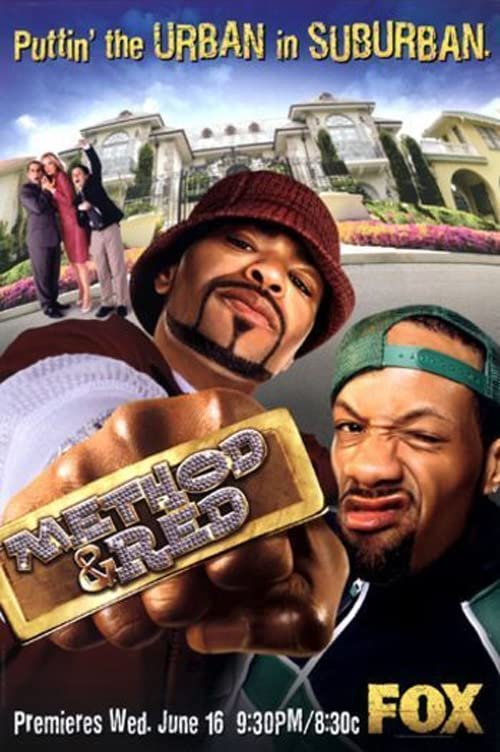
The sitcom starred hip hop legends Method Man and Redman as rappers navigating life in a wealthy, mostly white neighborhood. However, the show faced problems due to disagreements between the actors and the network. Method Man and Redman were unhappy with the network’s attempts to tone down the show’s humor and remove elements of their unique culture, and they openly disliked the added laugh track. These creative clashes ultimately led to the show’s cancellation, as the stars felt it no longer reflected their style or comedic voice.
‘The Wayans Bros.’ (1995–1999)
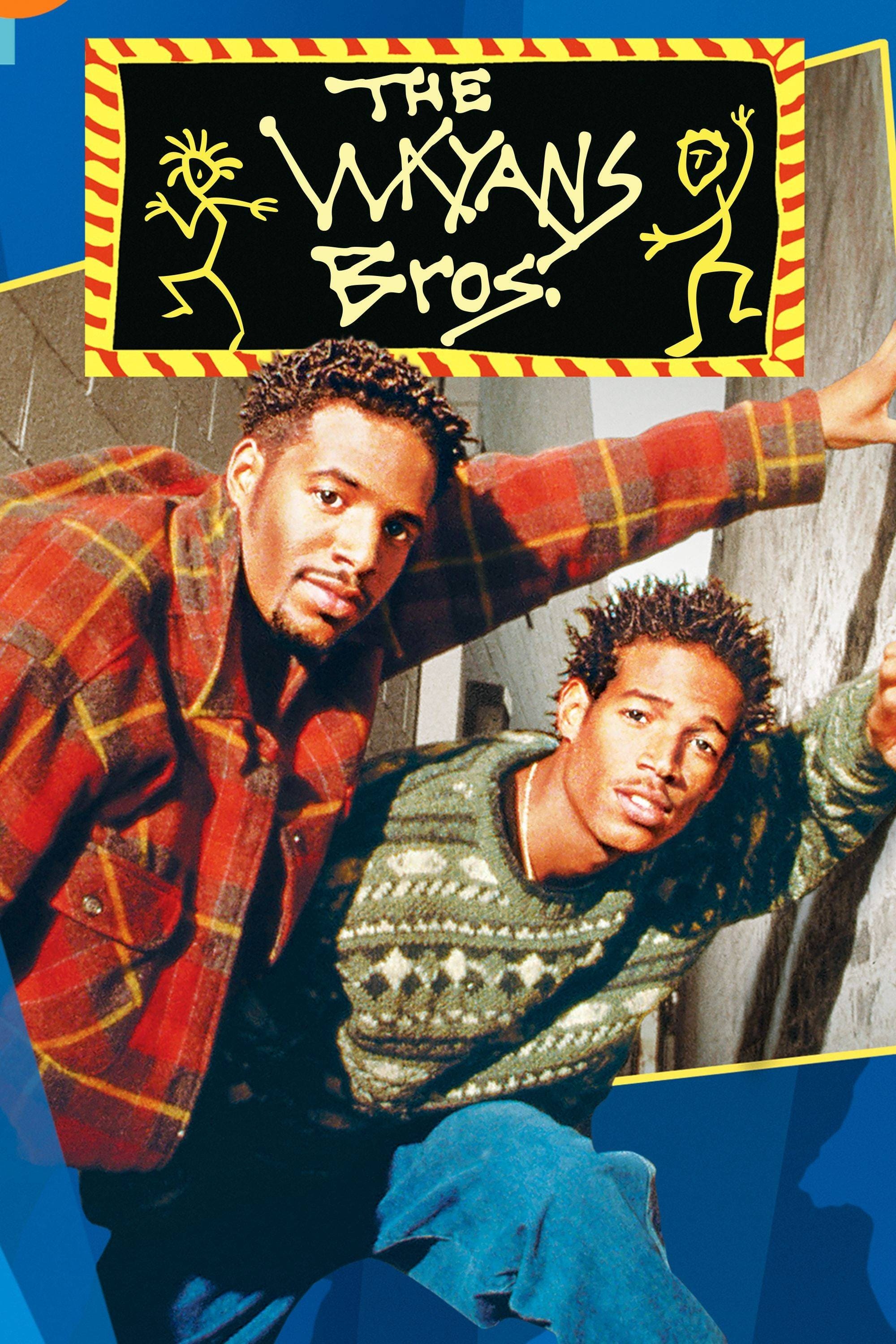
Shawn and Marlon Wayans starred in a hilarious comedy that was a hit on The WB for five seasons. The show helped define the network’s early years, but it was unexpectedly canceled before the story could reach a satisfying conclusion. This left fans disappointed with unresolved plotlines and a lack of closure for the Williams brothers. Despite this, the show has remained a beloved favorite, with many feeling it was unfairly dropped as the network aimed to attract a wider audience.
‘Homeboys in Outer Space’ (1996–1997)
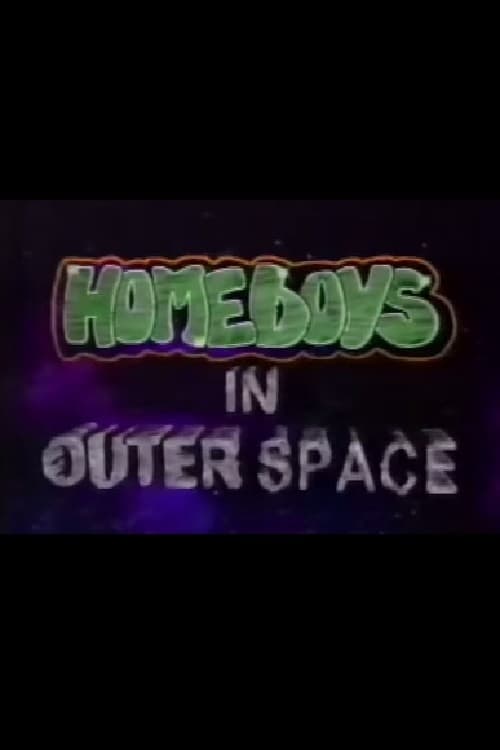
The show followed two astronauts journeying across the galaxy in a rundown spaceship called the Space Hoopty. However, it received negative reviews from both critics and viewers, who found it relied too much on tired stereotypes and cheap jokes. After just one season, UPN canceled the series because it didn’t appeal to fans of science fiction or comedy. It’s frequently mentioned when people talk about TV networks approving ideas that negatively portray Black culture instead of showcasing it positively.
‘The PJs’ (1999–2001)
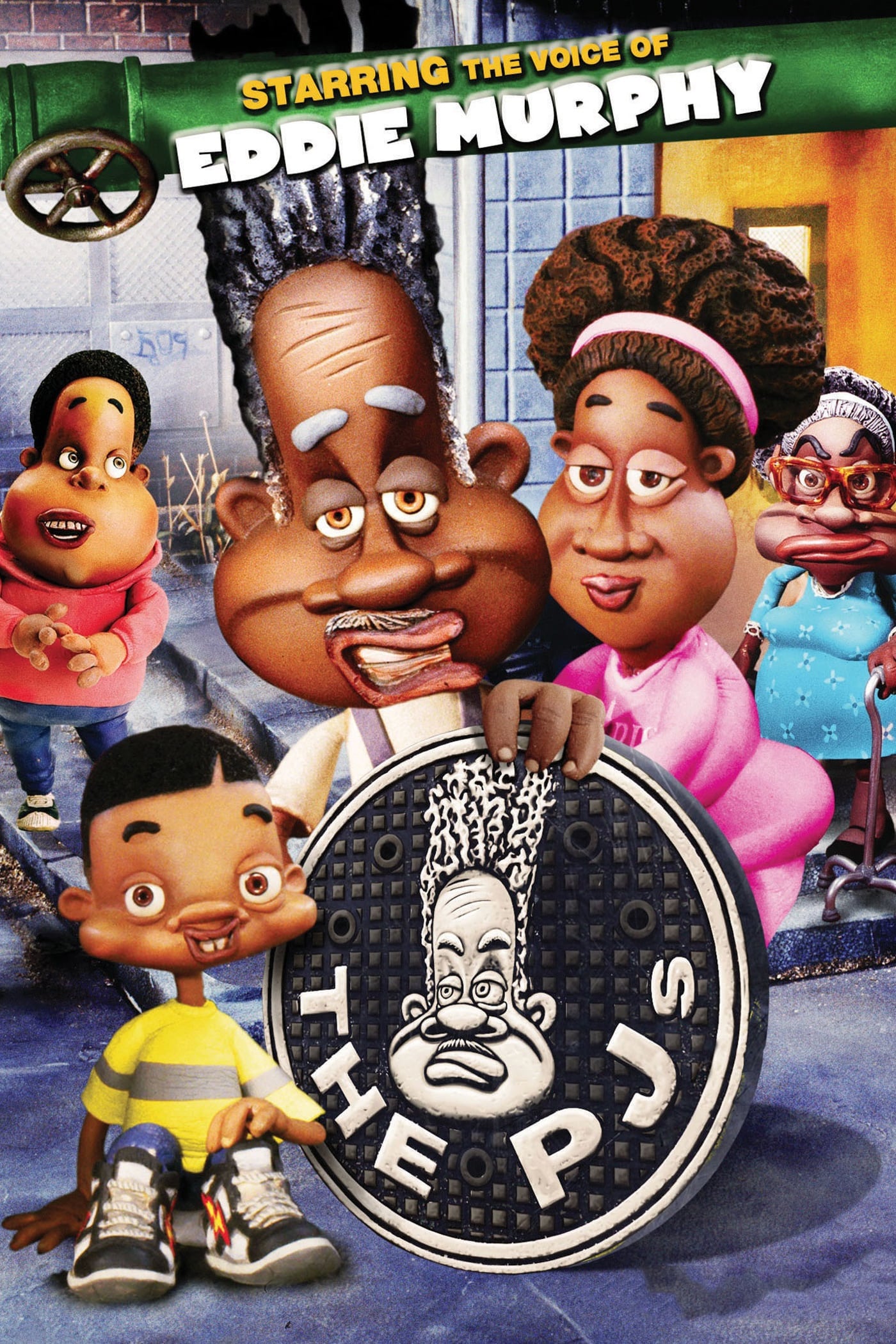
This stop-motion animated series, created by and starring Eddie Murphy, was set in a public housing complex. However, it sparked criticism from political groups and reviewers who believed it perpetuated harmful stereotypes about life in inner cities. Despite its distinctive animation style, the show was canceled by Fox due to expensive production and falling viewership, and had a short run on The WB. Ultimately, the controversy surrounding its portrayal of poverty overshadowed its creative aspects.
‘Malcolm & Eddie’ (1996–2000)
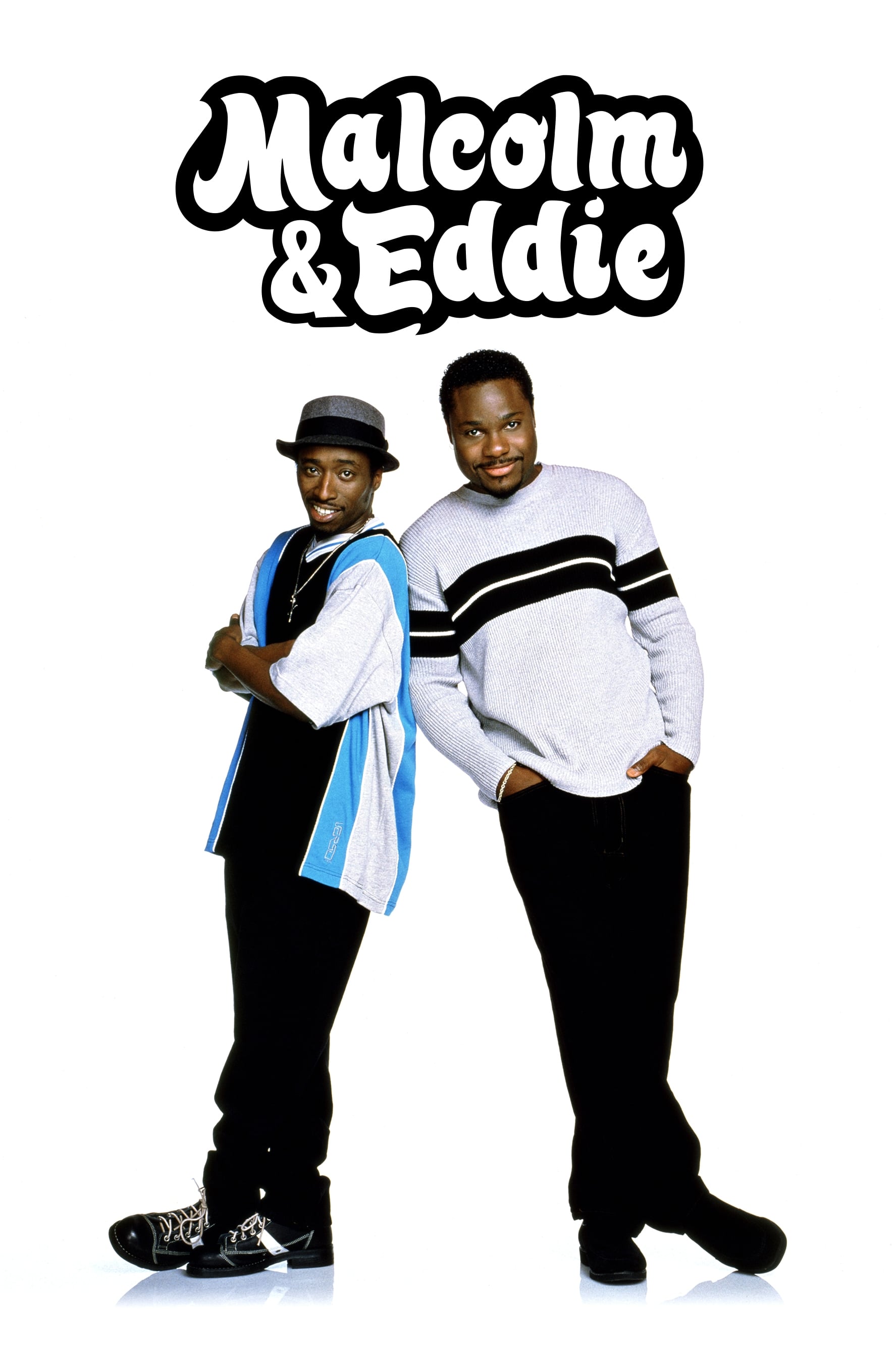
Malcolm-Jamal Warner and Eddie Griffin played roommates and business partners who ran a bar together in Kansas City. The comedy came from their contrasting personalities – Malcolm was the responsible one, while Eddie was full of energy and unpredictable. The show lasted four years on UPN, but was canceled when the network decided to change its image. Many viewers remember the show fondly for the real connection between the two lead actors, which made the funny situations even better.
‘Sparks’ (1996–1998)
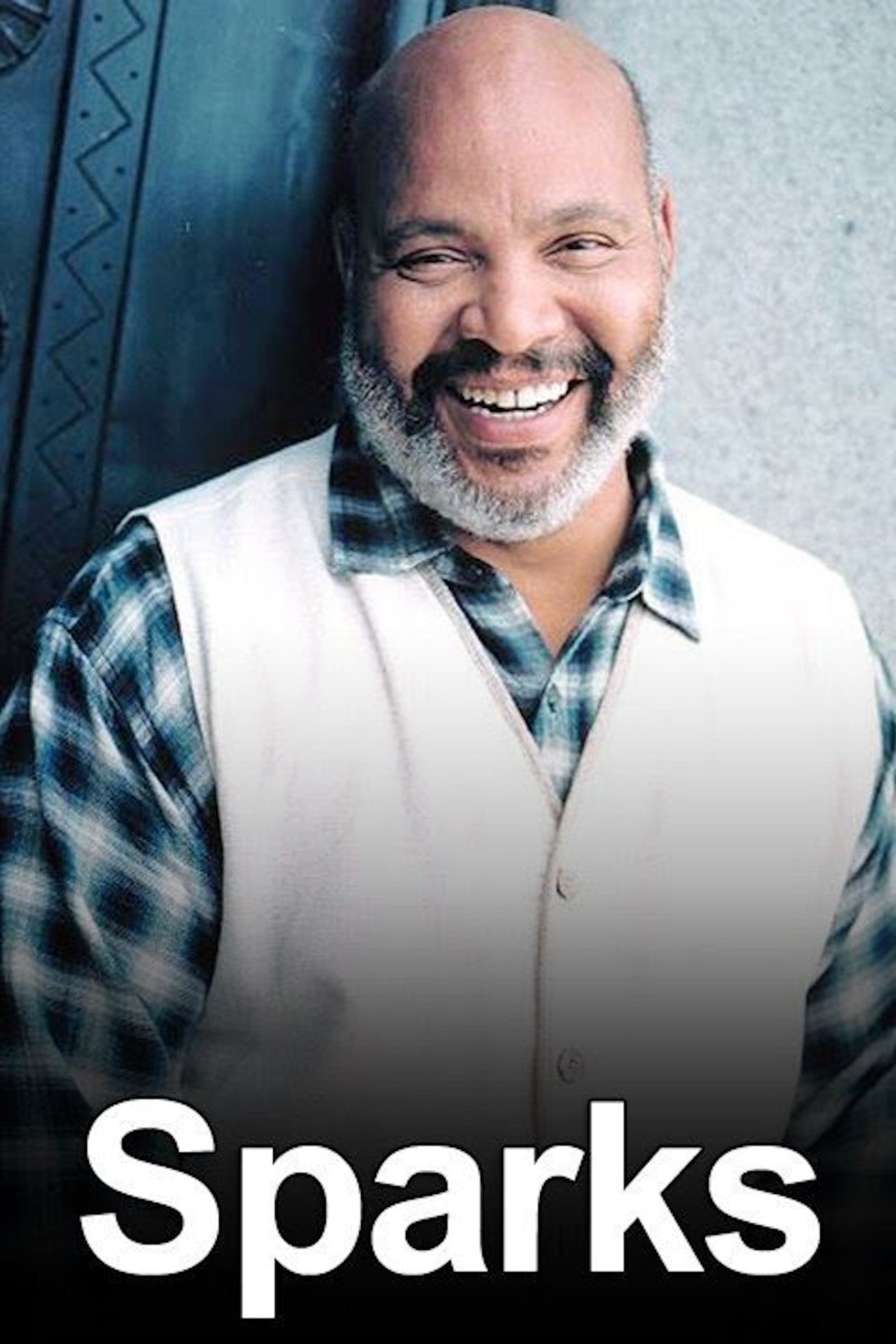
As a movie and TV buff, I remember this sitcom – it had a really talented cast! James Avery was fantastic, and it was cool seeing Terrence Howard and Miguel A. Núñez Jr. playing lawyers together, all working at a family firm. The show was funny, following their cases but also diving into the lives of the brothers and their dad, set in Compton. It’s a shame it didn’t get much support from UPN and was cancelled after just two seasons. Honestly, it’s mostly remembered now because of how successful the actors became later on – it was a great cast!
‘Good News’ (1997–1998)
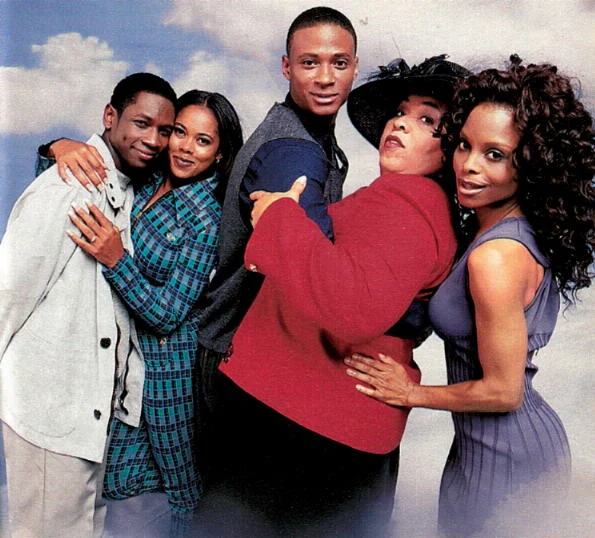
David Ramsey played a young pastor trying to guide a lively and outspoken church community in the show. It was designed to showcase the important role churches play in Black communities, using humor and heart. Unfortunately, it didn’t gain enough viewers on UPN to continue, which disappointed those who enjoyed its focus on faith and how communities interact.
‘The Jamie Foxx Show’ (1996–2001)
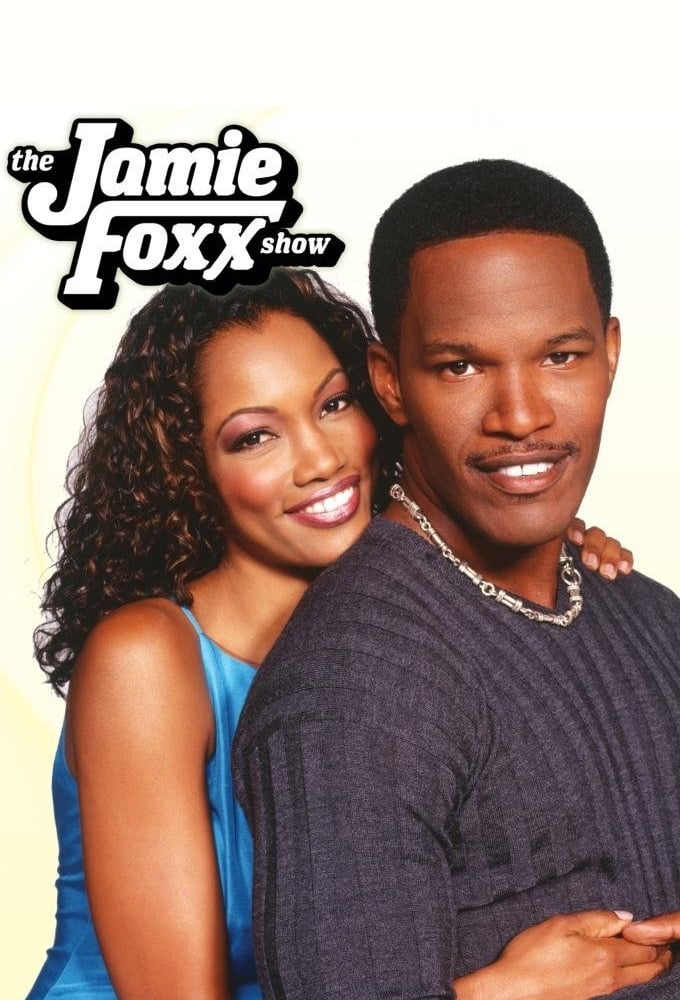
Jamie Foxx’s talents as a singer, actor, and impressionist were on full display in this popular sitcom, which took place in a Los Angeles hotel. The show was a big success for The WB, but it was canceled as the network shifted away from comedies geared towards urban audiences. Although it ran for five seasons and had a satisfying finale, the network’s change in direction marked the end of this kind of show. Even today, reruns remain popular, demonstrating that the show’s humor still resonates with viewers.
‘Moesha’ (1996–2001)
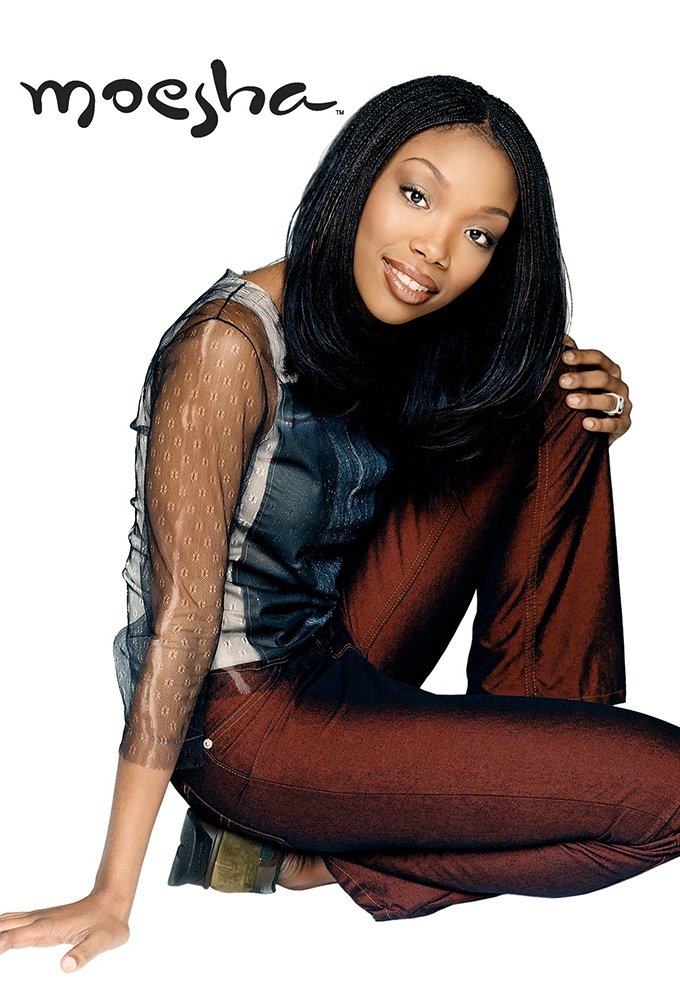
Brandy Norwood played a teen dealing with the challenges of high school and family in the vibrant Leimert Park area of Los Angeles. The show combined relatable teen storylines with important social issues and became a key program for UPN. However, it was unexpectedly canceled after six seasons, leaving many storylines unfinished and viewers on a major cliffhanger. This cancellation is often remembered as a case of a network not valuing its Black viewers while trying to change its image.
‘The Parkers’ (1999–2004)
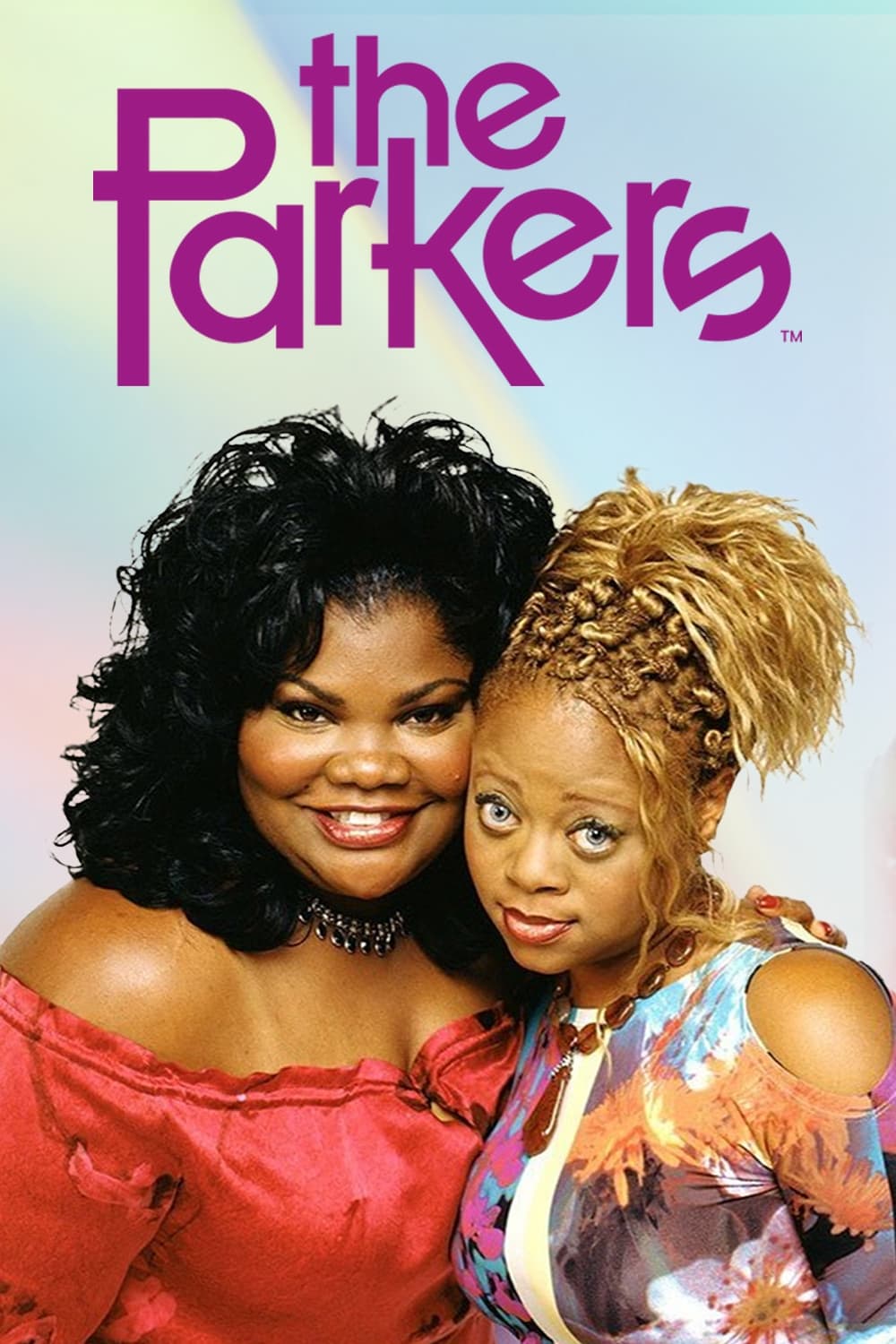
‘The Parkers,’ a spin-off from ‘Moesha,’ starred Countess Vaughn and Mo’Nique as a mother and daughter both attending junior college. It actually became more popular than ‘Moesha’ thanks to the hilarious dynamic between the two lead actresses. The show was cancelled shortly before a major network change eliminated many programs aimed at Black audiences. Even today, fans still love ‘The Parkers’ for its exaggerated comedy and lively performances.
‘One on One’ (2001–2006)
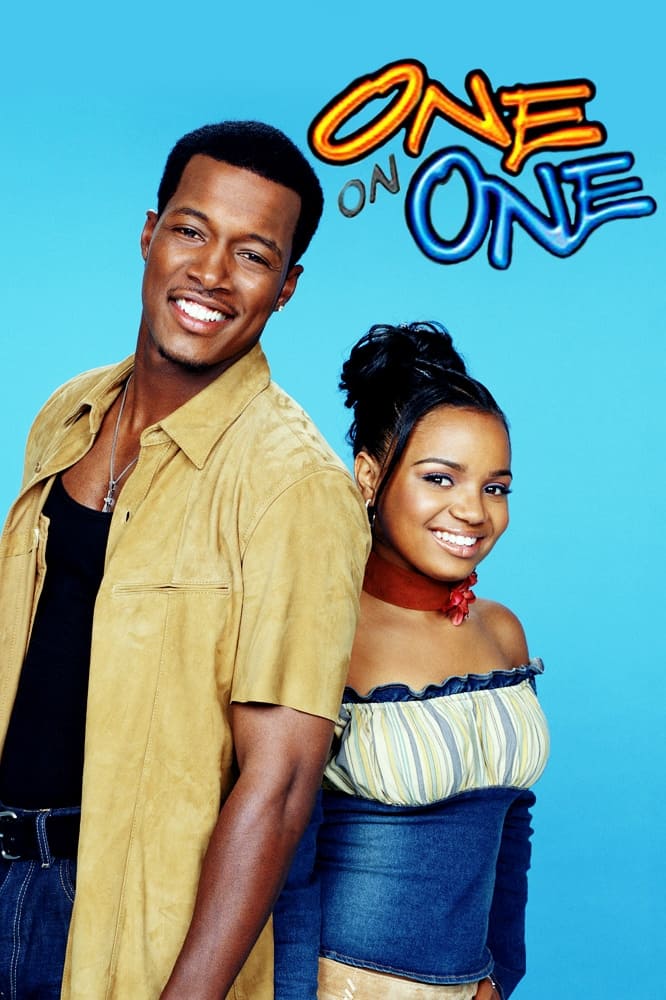
Flex Alexander starred in a sitcom about a sportscaster who unexpectedly becomes a full-time dad when his teenage daughter comes to live with him. The show was praised for its realistic and positive portrayal of Black fatherhood and enjoyed a good run for several seasons. Unfortunately, it was canceled when The CW network underwent changes and new management decided to start fresh with new programming. The show’s final season suffered from cast changes that disappointed viewers, ultimately leading to its end.
‘Half & Half’ (2002–2006)
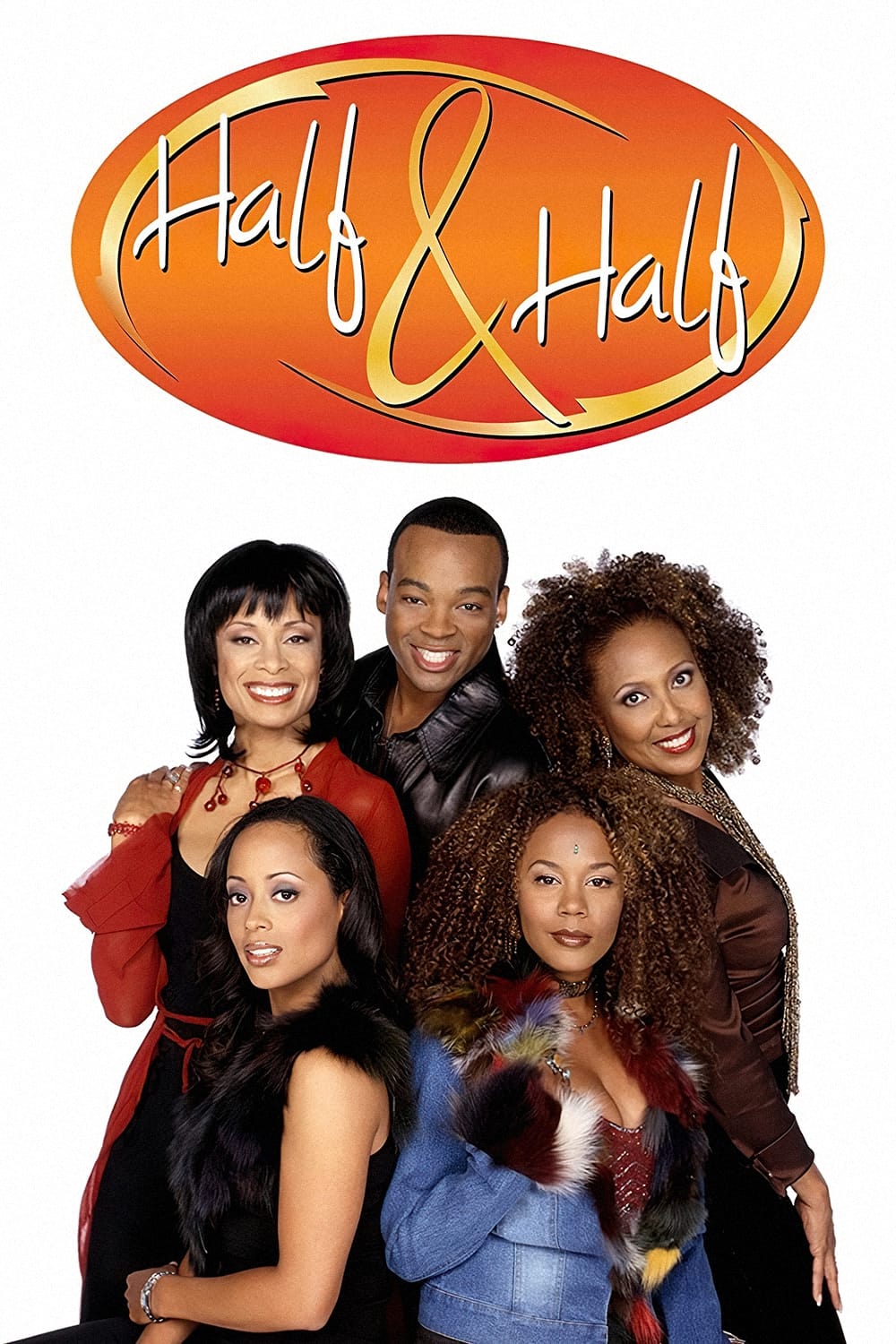
This popular sitcom followed the lives of two half-sisters as they balanced their careers and complicated relationship in San Francisco. The show was known for its smart writing and realistic portrayal of family dynamics. It was surprisingly canceled when UPN and The WB combined to create The CW. Despite fan efforts to revive the series through petitions, the new network decided to prioritize shows aimed at teenagers.
‘Eve’ (2003–2006)
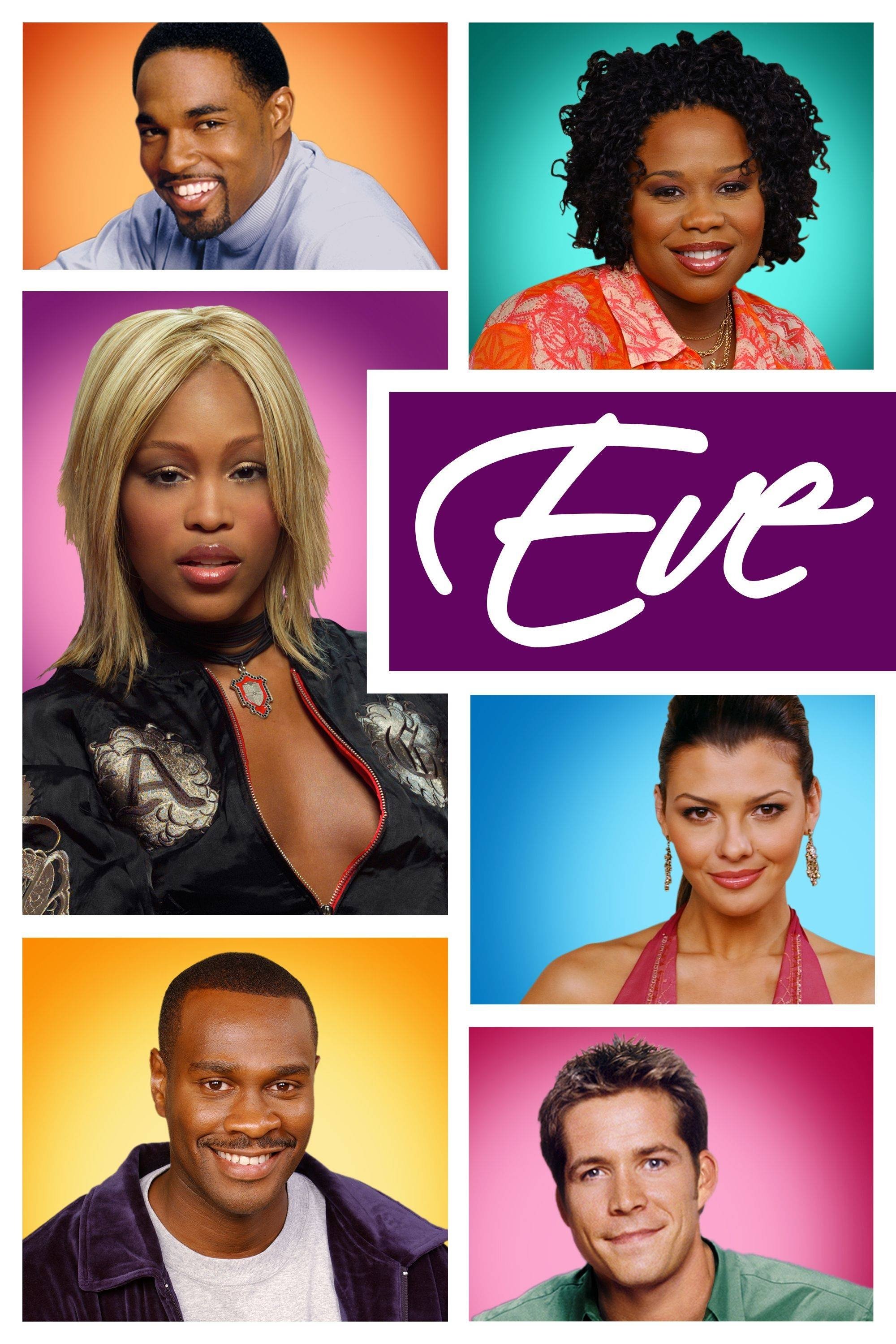
Eve played a fashion designer balancing work and romance in Miami, surrounded by her friends. The show was known for its trendy style and popular music, attracting a young, city-dwelling audience. Unfortunately, it was canceled during the 2006 merger of The WB and UPN, which led to many Black sitcoms being taken off the air. Despite good ratings and promise, it didn’t align with the new direction The CW wanted to take.
‘All of Us’ (2003–2007)

Will and Jada Pinkett Smith created this sitcom, which was inspired by their own blended family. The show offered a contemporary portrayal of co-parenting and divorce within a wealthy African American community. Although it moved to The CW for one season, it was ultimately canceled when the network shifted its focus. The show’s end signaled the close of an era for family-focused comedies centered on urban life.
‘Cuts’ (2005–2006)
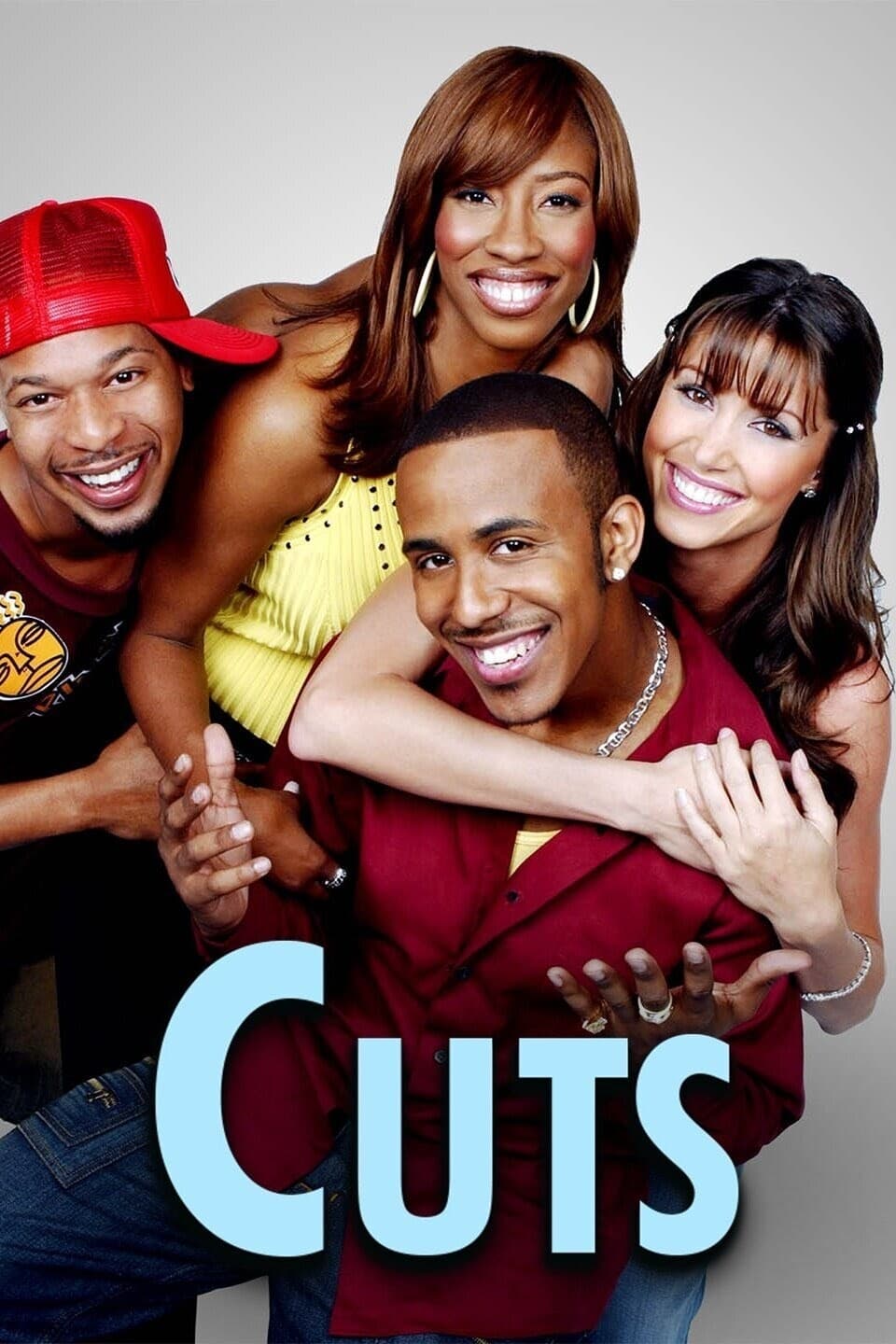
‘One on One’ got a spin-off starring Marques Houston and Shannon Elizabeth, centered around a barbershop and beauty salon. The show aimed to explore different cultures through the relationship between its main characters, who ran the business together. Unfortunately, it only lasted two seasons before being cancelled due to changes at the network. Its cancellation also meant the loss of a familiar setting for urban comedy on network television.
‘Between Brothers’ (1997–1999)
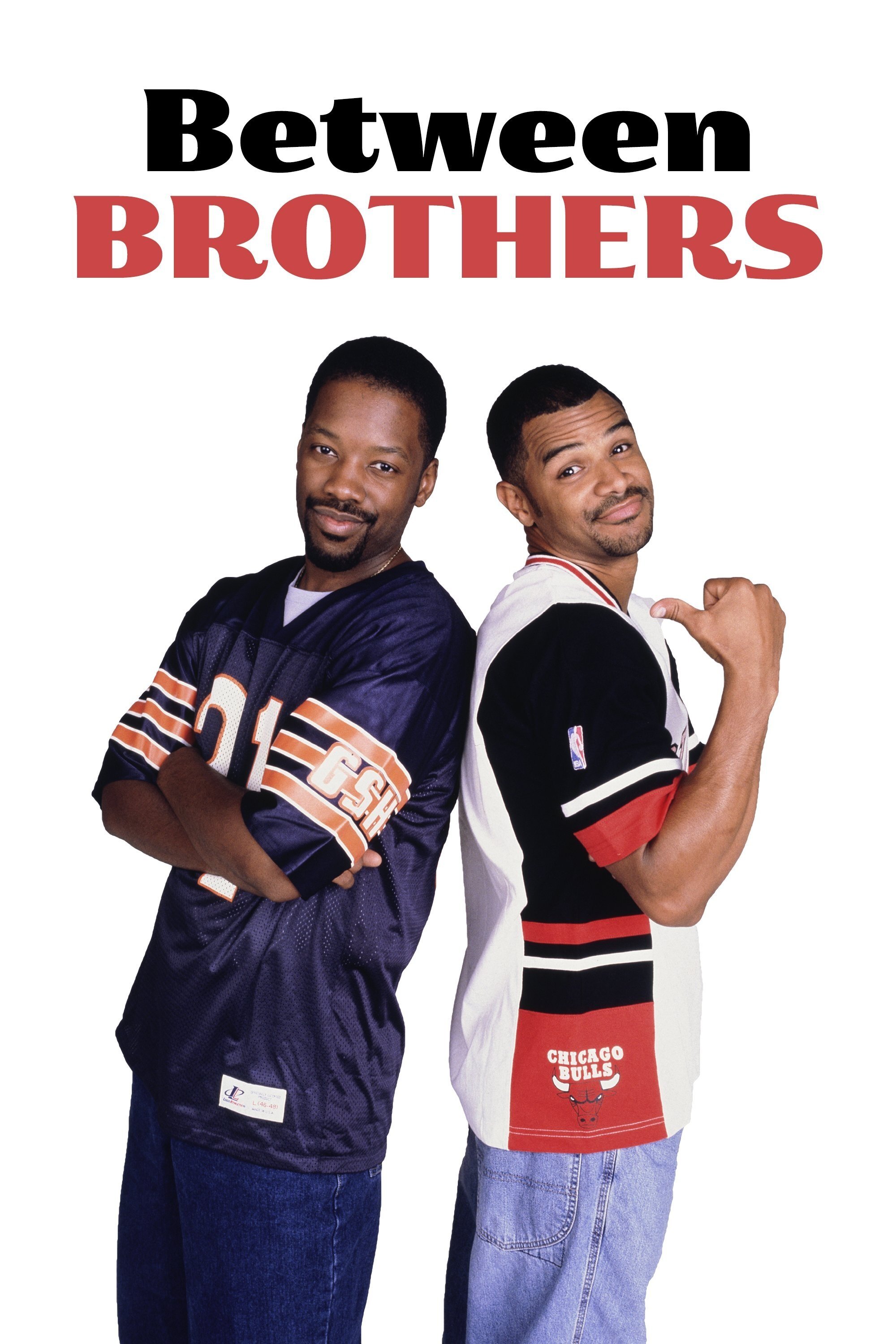
Kadeem Hardison and Dondré T. Whitfield starred as brothers sharing a life in New York City, despite having very different approaches to it. After one season on Fox, the show switched to UPN hoping to find a better audience, but it wasn’t enough to ensure its survival and it was canceled after two seasons. Despite a strong cast, the series had trouble gaining traction among the many similar comedies already on television.
‘Out All Night’ (1992–1993)
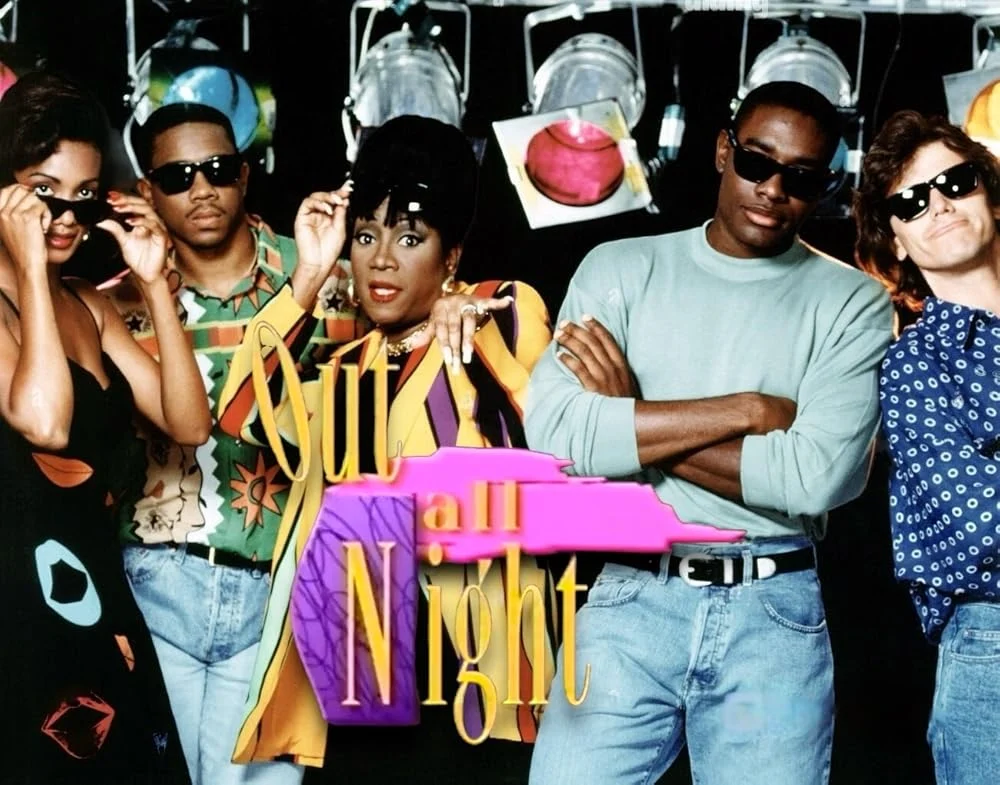
Patti LaBelle played the owner of a Los Angeles nightclub who had two young men as tenants. The show blended comedy with musical performances and appearances by popular R&B artists, giving it a unique feel. Despite LaBelle’s popularity, NBC canceled the series after only one season, deciding to focus on other shows instead.
‘The Sinbad Show’ (1993–1994)
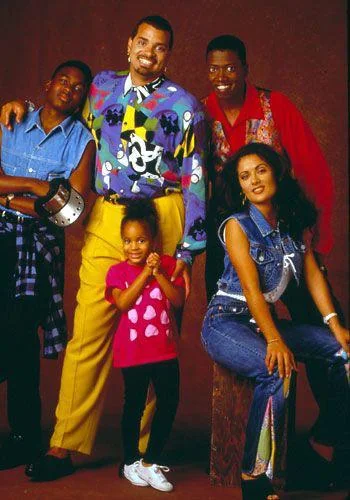
I recently checked out ‘The Sinbad Show,’ and it’s a shame it didn’t last longer. Sinbad is genuinely funny as a bachelor unexpectedly becoming a foster parent to two kids. What really stood out to me was how heartwarming and positive the show was in its depiction of adoption and, especially, a Black father figure. It was a solid show with good ratings, even earning Sinbad a Golden Globe nod, so its cancellation felt pretty unfair. Apparently, the network decided to go with something they thought would appeal to a broader audience, which just didn’t sit right with me after watching it.
‘Roc’ (1991–1994)

Charles S. Dutton played a sanitation worker in Baltimore in this highly praised TV series. Initially a lighthearted comedy, the show evolved into a more dramatic exploration of difficult topics like drug abuse and gang activity. After three seasons, Fox canceled it because the serious tone didn’t fit well with their comedy programming. While its honest portrayal of city life was different and impactful, it also made the show susceptible to pressure from the network.
Please share your favorite canceled sitcom from this list in the comments.
Read More
- Invincible Season 4 Gender Swaps Tech Jacket As Fans Question Major Comic Change
- Silver Rate Forecast
- Gold Rate Forecast
- 22 Films Where the White Protagonist Is Canonically the Sidekick to a Black Lead
- 15 Films That Were Shot Entirely on Phones
- Building Agents That Learn and Improve Themselves
- 20 Movies Where the Black Villain Was Secretly the Most Popular Character
- Celebs Who Narrowly Escaped The 9/11 Attacks
- Trading Crypto with AI: A New Approach to Portfolio Management
- 18 TV Series Filming Rehearsals as Bonus Content
2025-12-02 04:46