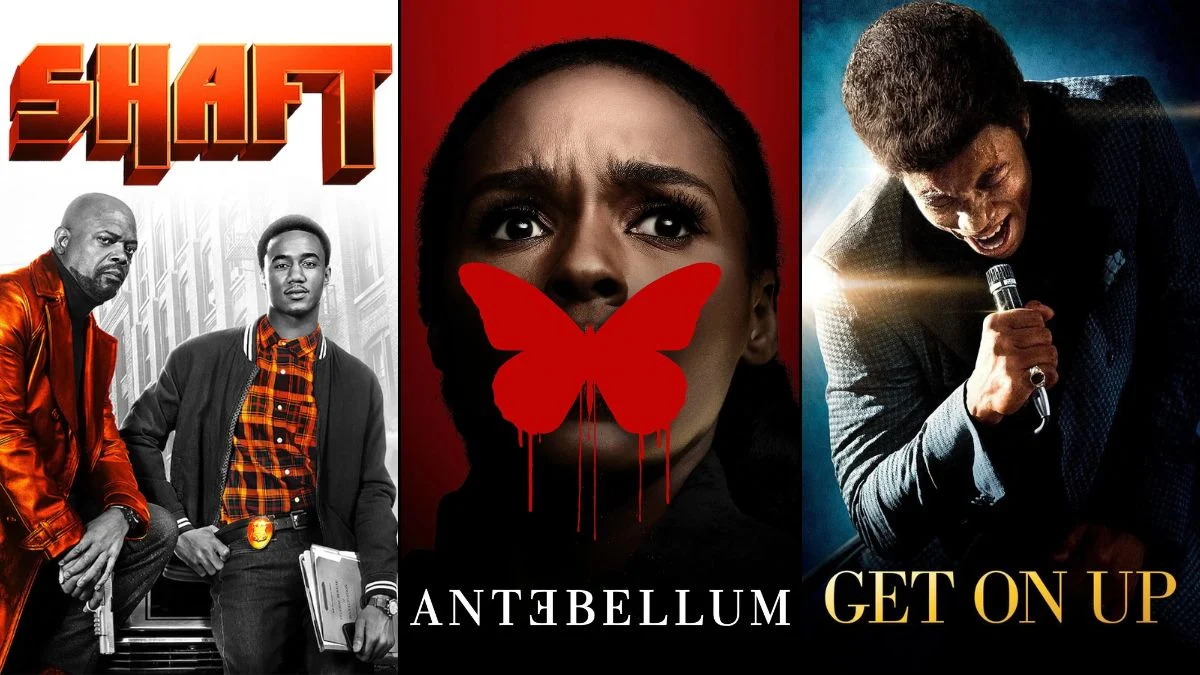
Hollywood is having more and more trouble appealing to Black male viewers, often releasing movies that depend on harmful stereotypes or oversimplified stories. These films frequently portray Black men as weak or one-dimensional – whether by making heroes seem powerless or turning historical figures into simple villains – and this has repeatedly turned off the audience they were trying to reach. Several films have faced strong criticism and performed poorly in theaters after viewers and critics rejected their depictions of Black men.
‘The American Society of Magical Negroes’ (2024)
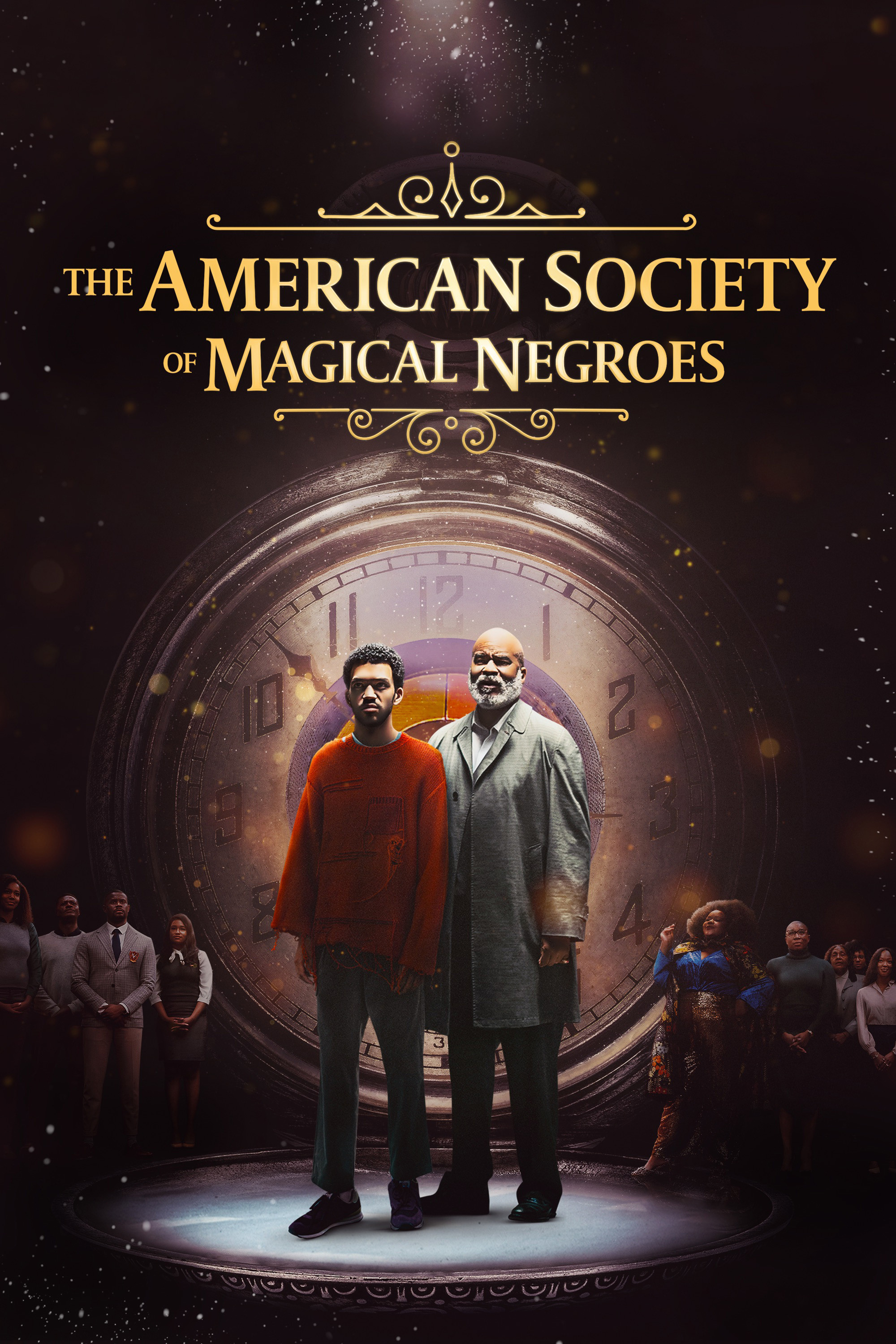
The movie tried to challenge the harmful “Magical Negro” stereotype, but it ended up turning off many viewers because of its core idea. The story revolves around a hidden group of Black men who prioritize making white people feel at ease as a means of protecting themselves. Many viewers found the film problematic because it focused on accommodating white people’s sensitivities instead of celebrating Black strength and resilience. The main character’s passive behavior and lack of a clear sense of self contributed to the film’s failure at the box office.
‘The Color Purple’ (2023)
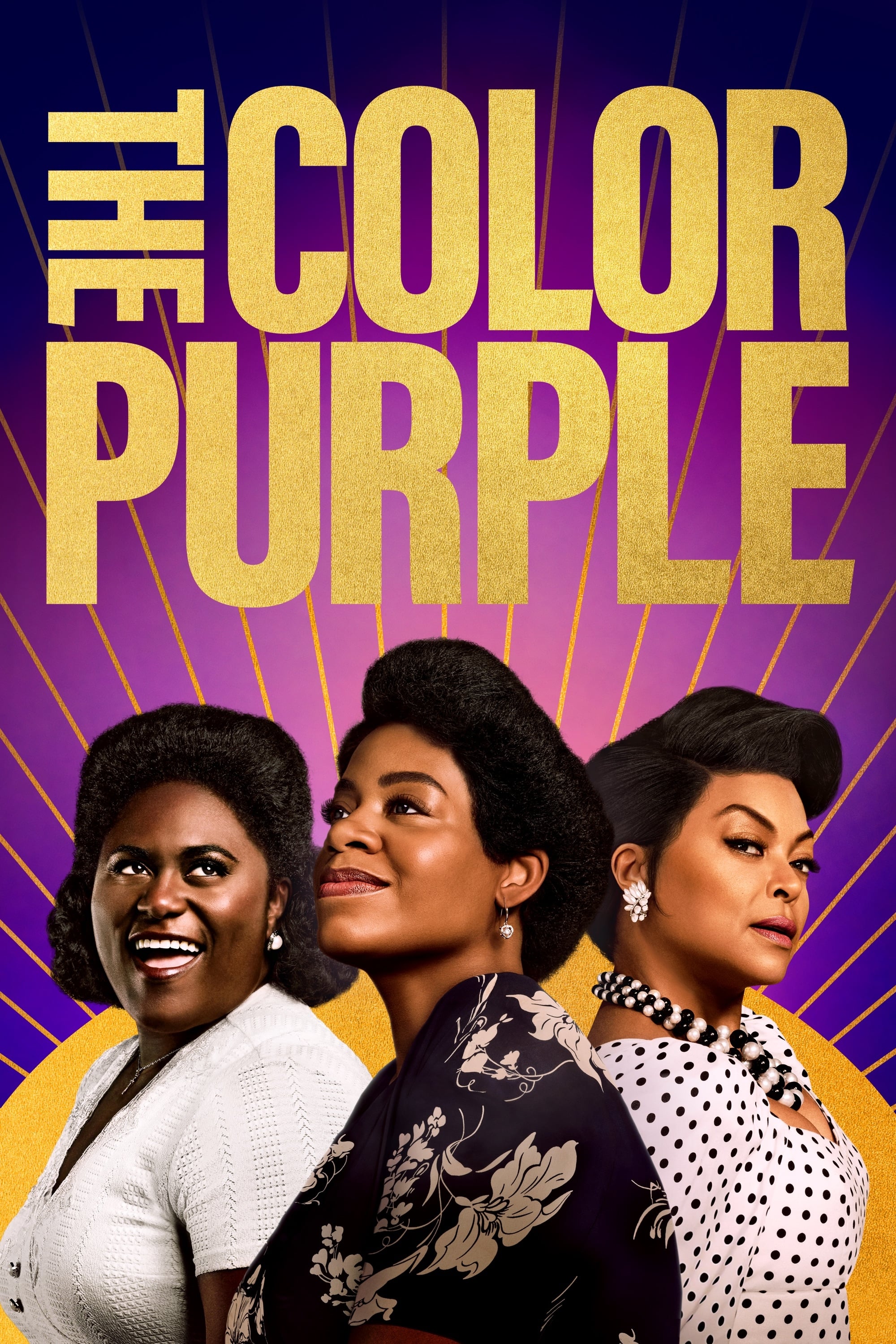
Although the musical version of the story was well-received by critics for its acting, it didn’t earn much money at the box office. A key concern for many in the Black community was how the male characters, especially Mister, were shown. Some felt he was presented as purely evil, lacking the growth and change seen in the book. Critics felt the film removed the complexities of these characters, focusing only on their negative traits and harmful actions. This one-sided portrayal likely led to less support from Black male viewers.
‘Shaft’ (2019)
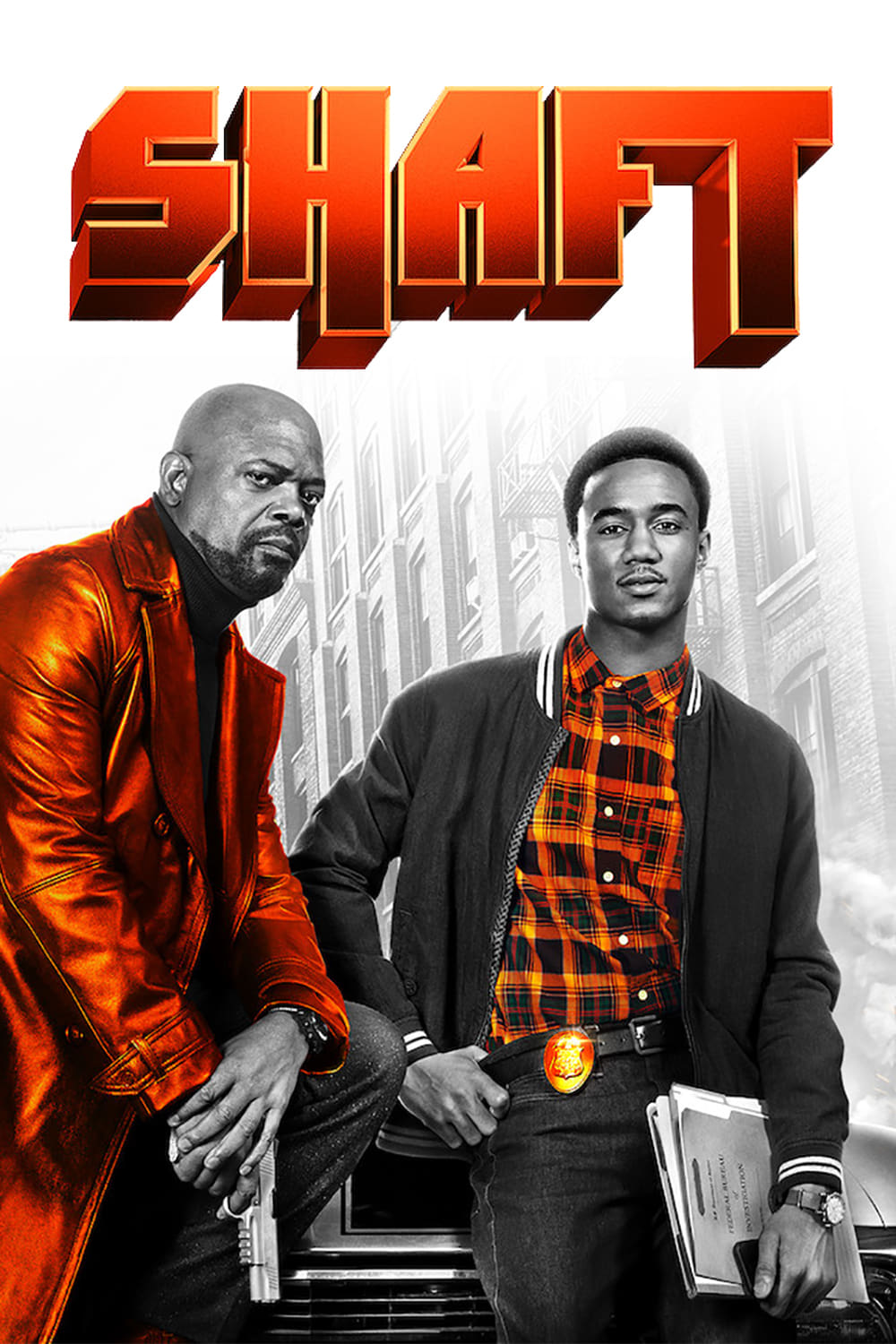
The recent attempt to bring back the classic blaxploitation series didn’t succeed because it missed what people loved about the original character. The new film introduced John Shaft’s millennial son as a cautious, tech-savvy data analyst who avoided guns and didn’t connect with the original’s streetwise culture. This created a strange disconnect with the tough, confident image of the original John Shaft. Fans of the original felt the movie made fun of its cool vibe and turned the whole series into a clumsy generational joke. Ultimately, the film flopped at the box office and ended any chance of continuing the franchise.
‘Honk for Jesus. Save Your Soul.’ (2022)
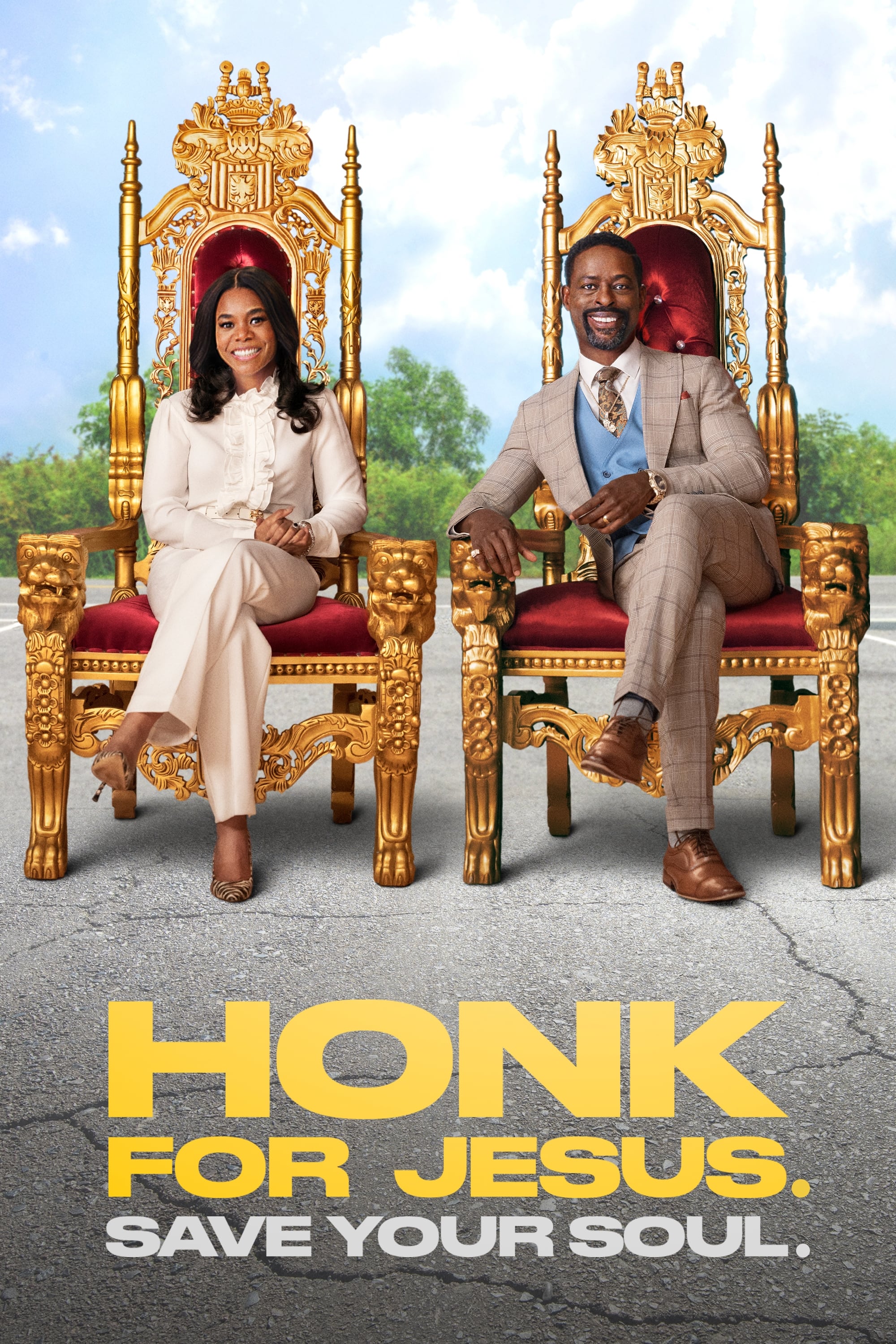
Despite featuring a well-known actor, this satirical film about a controversial megachurch pastor didn’t earn back its production costs. Many viewers felt the portrayal of the pastor, played by Sterling K. Brown, was simply embarrassing instead of offering any real commentary. The film frequently made the Black pastor the target of jokes, which felt disrespectful and stripped him of dignity, especially for religious viewers. This constant undermining of the main character alienated the audience who might have otherwise enjoyed a comedy about faith.
‘Respect’ (2021)

Biographical films can be tricky, and this movie about Aretha Franklin faced criticism for concentrating too much on the difficult relationships she had with men. Some viewers felt the film unfairly painted her first husband, Ted White, as simply an abuser, which took away from other important parts of her story. Many people have grown tired of stories that suggest Black women only achieve success by escaping abuse from Black men. Ultimately, the film didn’t attract enough moviegoers and didn’t make back its production budget.
‘Whitney Houston: I Wanna Dance with Somebody’ (2022)

Like many recent biographical films, this one received criticism for how it portrayed Bobby Brown and for concentrating on unhealthy relationships. Although the movie aimed to showcase Whitney Houston’s incredible voice, the story kept returning to familiar, negative stereotypes about her husband. Some viewers felt these portrayals were overdone or lacked depth. Ultimately, the film didn’t perform well in theaters, with many people saying they’ve seen this type of “tragic singer” story too many times – a story that often blames the partner for the star’s problems.
‘Get On Up’ (2014)
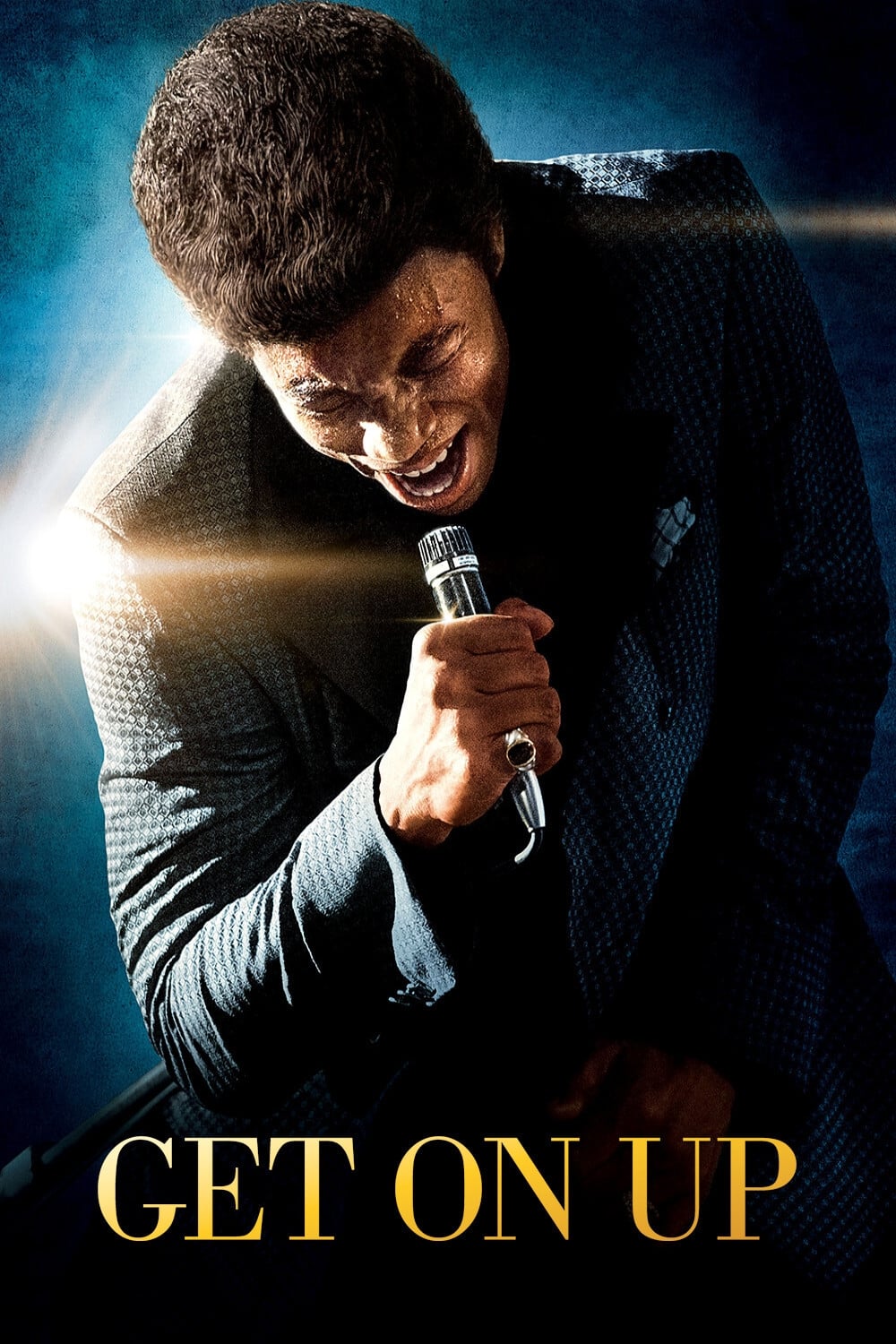
While Chadwick Boseman delivered a powerful performance in the James Brown biopic, the film wasn’t financially successful. Critics pointed to a disorganized storyline and an overemphasis on Brown’s abusive behavior and instability, which overshadowed his incredible musical talent. The movie focused too much on the negative aspects of his personal life without providing enough background or a balanced perspective, ultimately disappointing fans who hoped for a celebratory portrayal of the ‘Godfather of Soul’.
‘Jimi: All Is by My Side’ (2013)
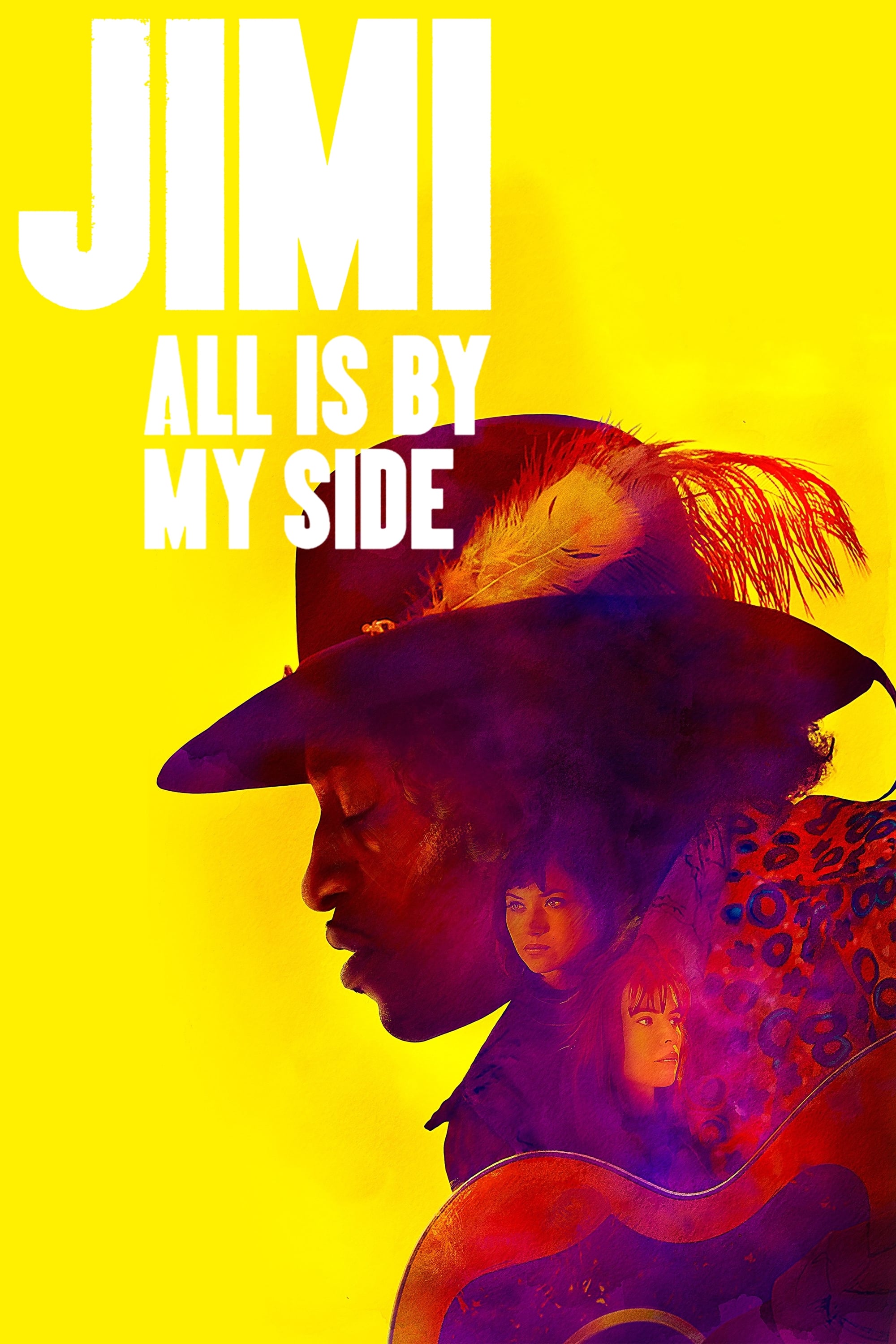
The Jimi Hendrix biopic was a major failure, mainly because it couldn’t secure the rights to his famous songs. It also faced criticism for its story, which heavily focused on accusations of domestic abuse, portraying Hendrix as violent towards women. Many who knew and admired Hendrix strongly disputed these scenes, claiming the film unfairly damaged his reputation. The resulting negative buzz kept audiences away from theaters.
‘All Eyez on Me’ (2017)
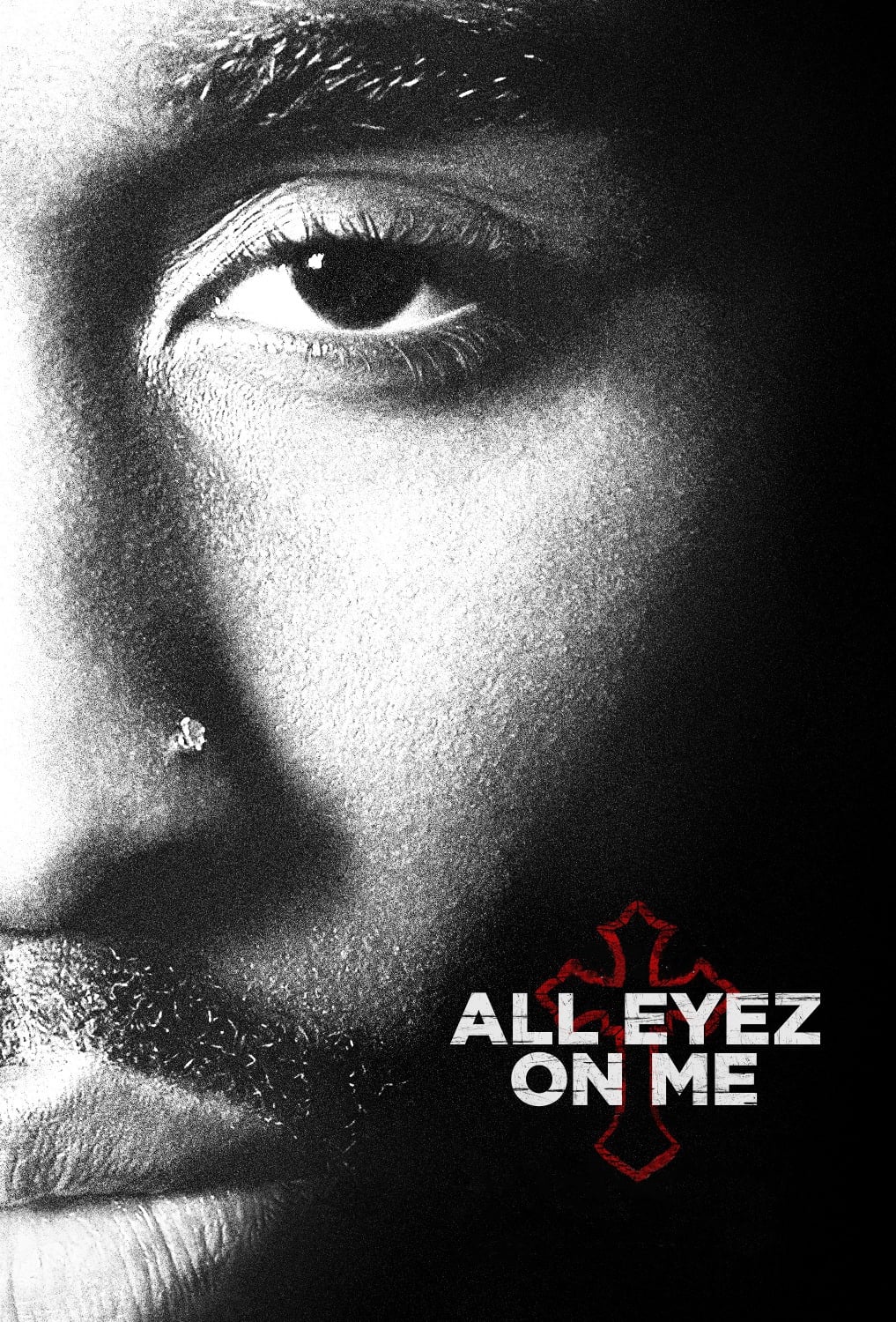
Despite aiming to be the ultimate Tupac Shakur biography, the film was a critical and commercial disappointment. Many, including people close to Tupac like Jada Pinkett Smith, criticized it for being inaccurate and offering a simplistic view of his life. The movie focused too much on the ‘thug life’ image, ignoring Tupac’s intelligence and depth as a poet and activist. This shallow approach offended many who admired him and alienated his dedicated fans.
‘Detroit’ (2017)

Kathryn Bigelow’s film about the Algiers Motel incident didn’t resonate with viewers because of its harsh portrayal of Black suffering. Critics accused it of being exploitative, calling it “trauma porn” and arguing that it presented Black men as powerless victims of police brutality without giving them fully developed characters or a sense of control. The constant violence and humiliation were seen as harmful rather than meaningful, and the film ultimately failed at the box office, suggesting audiences didn’t want to see Black men depicted as being tortured.
‘Antebellum’ (2020)

Though promoted as a psychological horror film, this movie faced strong criticism for its concept: placing Black characters in a simulated slavery setting. Many viewers found the intense violence and dehumanizing treatment of the characters – especially the silencing and killing of the men – to be excessive and unnecessary. Critics felt the film didn’t offer any meaningful social message, simply showcasing suffering, which sparked a quick and negative reaction. It quickly became seen as an example of the film industry focusing on Black pain rather than Black success.
‘Soul Plane’ (2004)
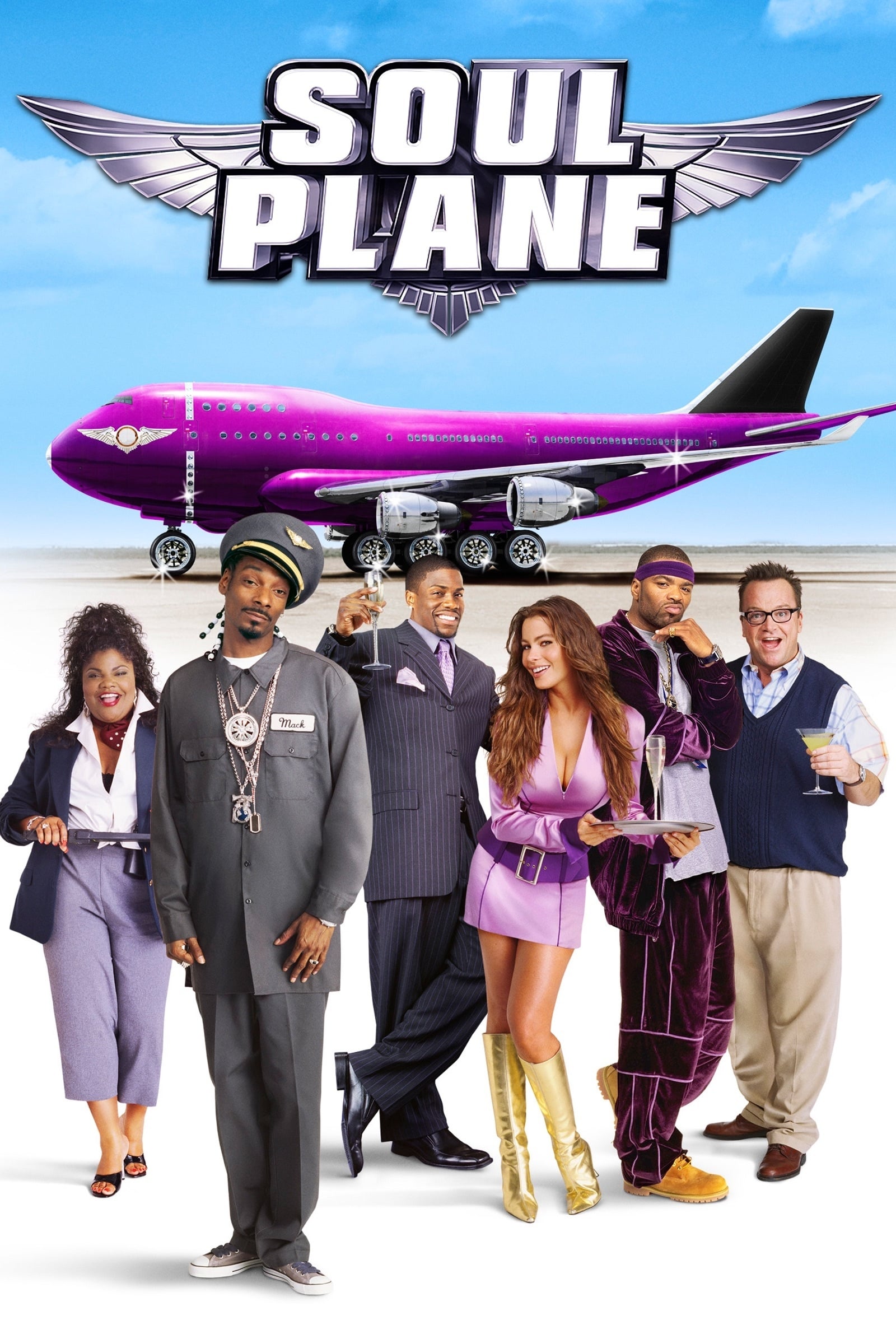
Despite gaining a small group of dedicated fans over time, this comedy flopped when it first came out and received harsh reviews. Critics heavily criticized it for using outdated and offensive stereotypes reminiscent of minstrel shows. Many felt the film harmed Black representation in cinema by portraying Black men as exaggerated, foolish characters – either overly sexualized, drug users, or incompetent. Spike Lee famously called out the film’s reliance on these harmful tropes, and most audiences avoided it, finding the crude caricatures unfunny and offensive.
‘House Party’ (2023)
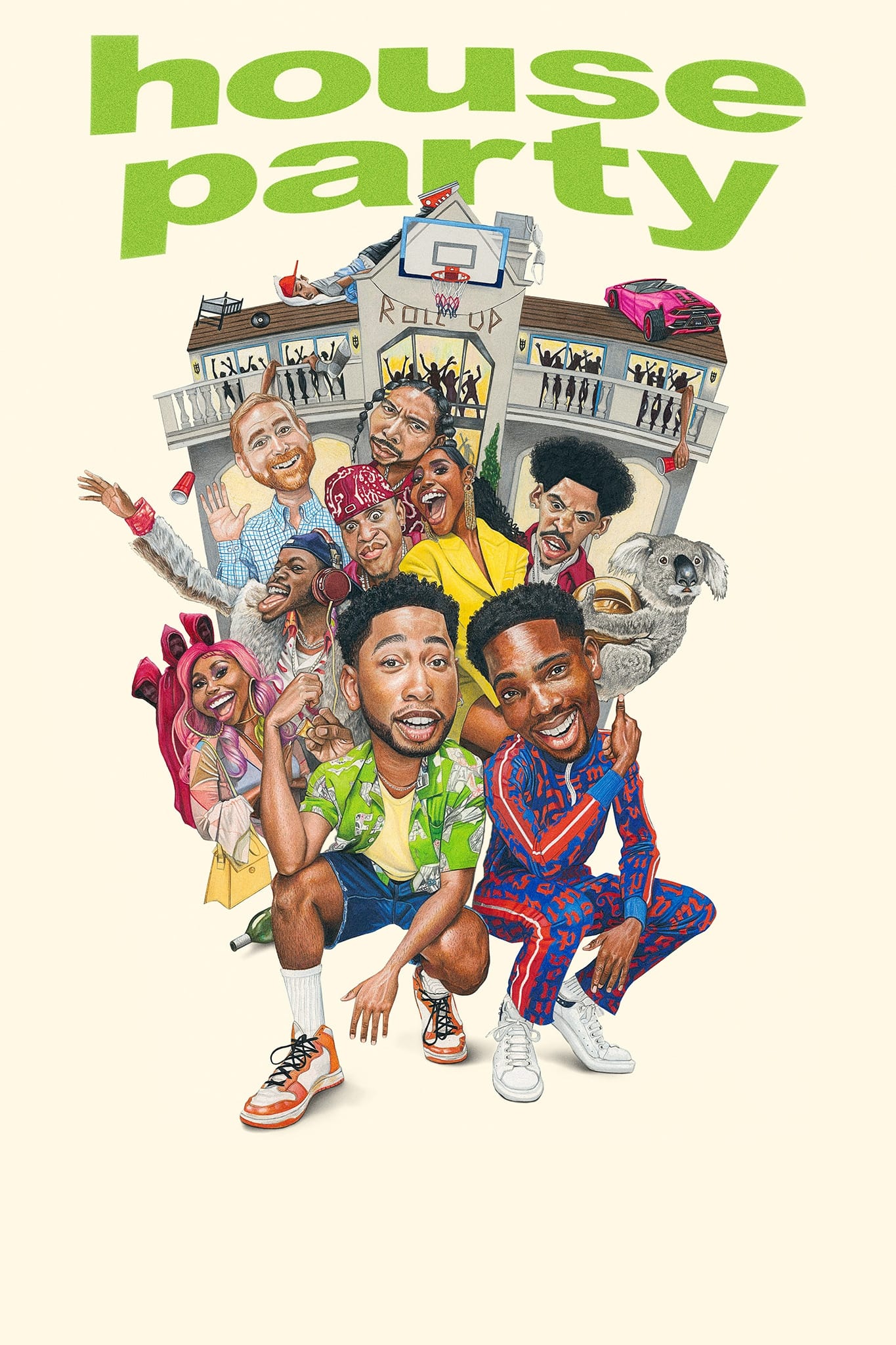
The recent remake of the beloved 1990 film flopped with both critics and audiences, failing to connect with the generation it aimed to attract. Fans of the original found the new version lacked the original’s engaging characters, portraying them instead as unlikeable and reckless. Critics pointed out the film relied on negative clichés about young people and missed the warmth and strong bonds that made the first movie so memorable. It quickly disappeared from cinemas after a disappointing release.
‘Alice’ (2022)

Like the movie Antebellum, this film centers around a character who escapes what appears to be a 19th-century plantation, only to find out it’s actually the 1970s. Critics found the film’s focus on revenge unsatisfying and felt it used images of slavery simply to shock viewers. The male characters played minor roles or existed mainly to drive the plot forward as victims. Ultimately, audiences didn’t connect with the film’s story, and it performed poorly in theaters.
‘The Birth of a Nation’ (2016)
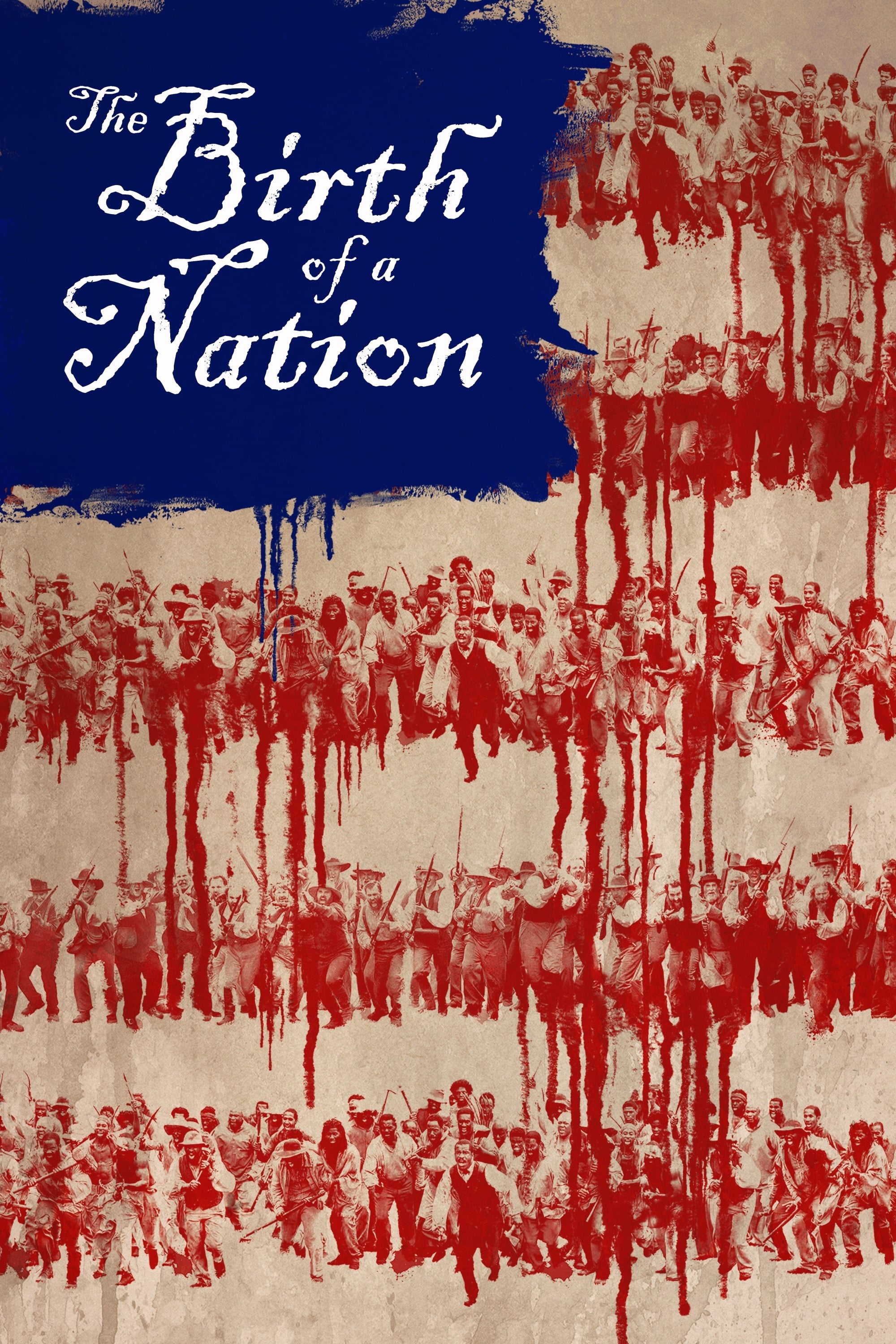
Nate Parker’s movie about Nat Turner’s revolt wasn’t successful, and the reasons were complicated. It faced both public controversy and criticism of the story itself. Some critics felt the film focused too much on the sexual assault of Black women as the main reason for the protagonist’s actions, instead of highlighting the horrors of slavery. This approach was seen as relying on women’s suffering to create a heroic narrative for a male character. Ultimately, the film didn’t earn back the money it cost to make.
‘Beloved’ (1998)

Oprah Winfrey poured her heart into a film that unfortunately didn’t resonate with most moviegoers. Though the movie tackled difficult themes of slavery and the supernatural, some viewers struggled with the portrayal of the main character, Paul D. His emotional and psychological struggles were seen by some as exploitative, contributing to a pattern of depicting Black men as solely defined by their pain. Ultimately, the film’s relentlessly bleak and somber mood kept audiences from seeing it.
‘Pootie Tang’ (2001)

Louis C.K.’s satirical take on blaxploitation films was a critical and commercial failure, largely due to its confusing nature. The film’s main character, who speaks in nonsense, was widely seen as a problematic imitation of Black culture, resembling a modern minstrel show that made fun of Black language and intellect. Though meant as a parody, the humor didn’t land with most viewers and came across as silly and disrespectful. It’s now considered a key example of a white filmmaker failing to understand how to satirize Black culture without causing offense.
‘Meet the Blacks’ (2016)

This movie, which tries to be like The Purge, received criticism for using lazy and offensive racial jokes. The main character, played by Mike Epps, was portrayed as a harmful stereotype: a scared and dishonest father who puts his family at risk. Both reviewers and audiences felt the humor was outdated and relied on tired, negative clichés about Black communities. The film’s failure showed that people are increasingly unwilling to accept comedy that makes fun of Black poverty and family struggles.
‘The Honeymooners’ (2005)
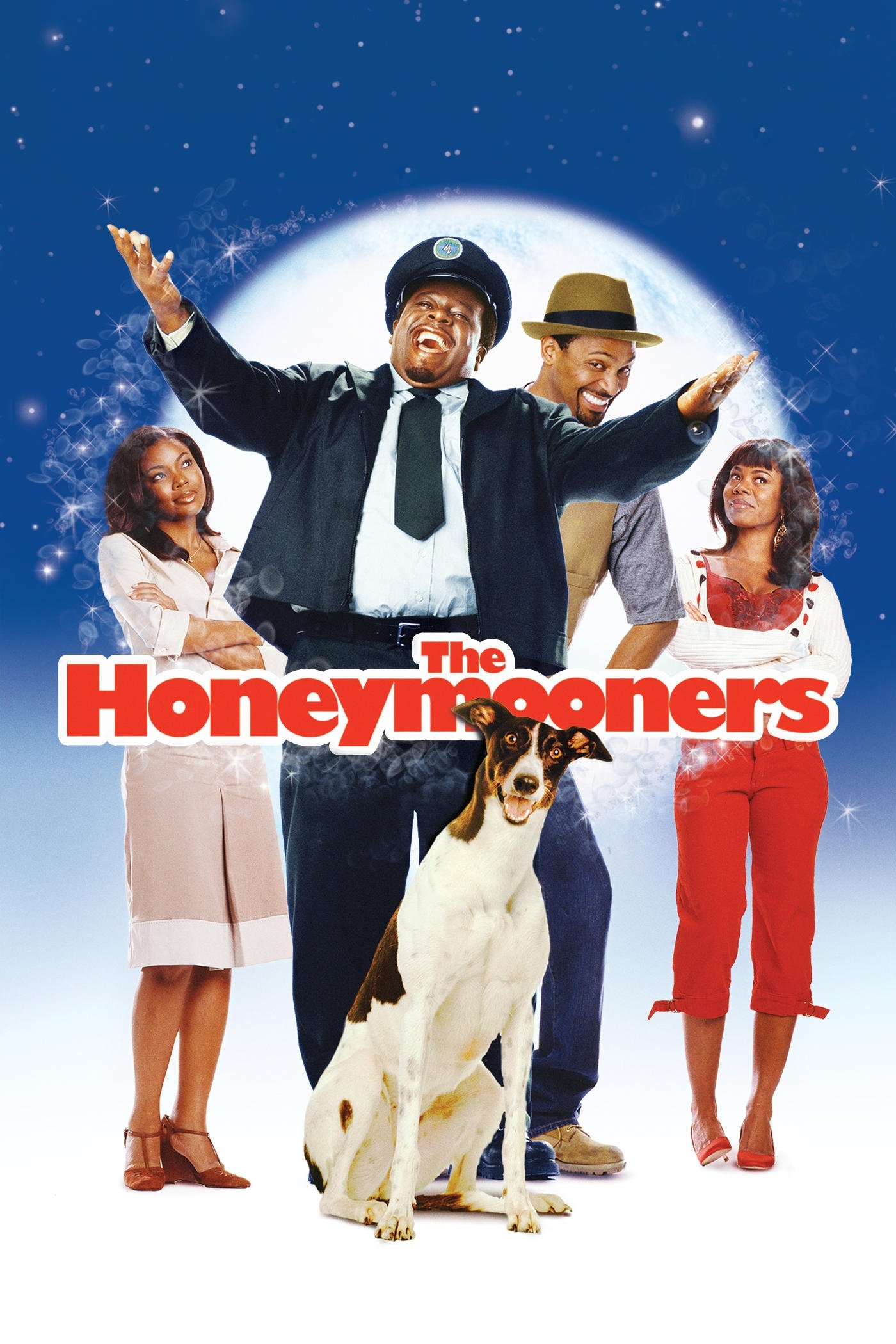
While updating the classic sitcom with a Black cast seemed like a good business decision, the movie wasn’t successful. Critics thought it dishonored the original characters, especially by portraying Ralph Kramden as a foolish and manipulative figure instead of a relatable, good-hearted man. The film’s humor depended too much on clumsy physical comedy and tired stereotypes, making the main characters appear inept. Viewers didn’t respond well to this new take, preferring the respectful and dignified portrayal of the original series over the exaggerated, cartoonish version.
‘Miracle at St. Anna’ (2008)

Spike Lee’s ambitious World War II film didn’t do well at the box office and received criticism for its realistic, and sometimes difficult, depiction of the Black soldiers known as the Buffalo Soldiers. A storyline where a soldier betrayed his fellow unit members was especially upsetting to some viewers, who felt it unfairly damaged the reputation of actual historical figures. Though Lee intended to show a complex and truthful account, the focus on betrayal and inner struggles didn’t resonate with audiences expecting a simple tribute to Black soldiers’ bravery.
Share your thoughts on these films and how Hollywood portrays Black men in the comments.
Read More
- Invincible Season 4 Gender Swaps Tech Jacket As Fans Question Major Comic Change
- Gold Rate Forecast
- Silver Rate Forecast
- 15 Films That Were Shot Entirely on Phones
- 22 Films Where the White Protagonist Is Canonically the Sidekick to a Black Lead
- Building Agents That Learn and Improve Themselves
- 20 Movies Where the Black Villain Was Secretly the Most Popular Character
- Celebs Who Narrowly Escaped The 9/11 Attacks
- Games That Faced Bans in Countries Over Political Themes
- 20 Films Where Black Directors Subverted Hollywood’s White Savior Tropes
2025-12-01 20:27