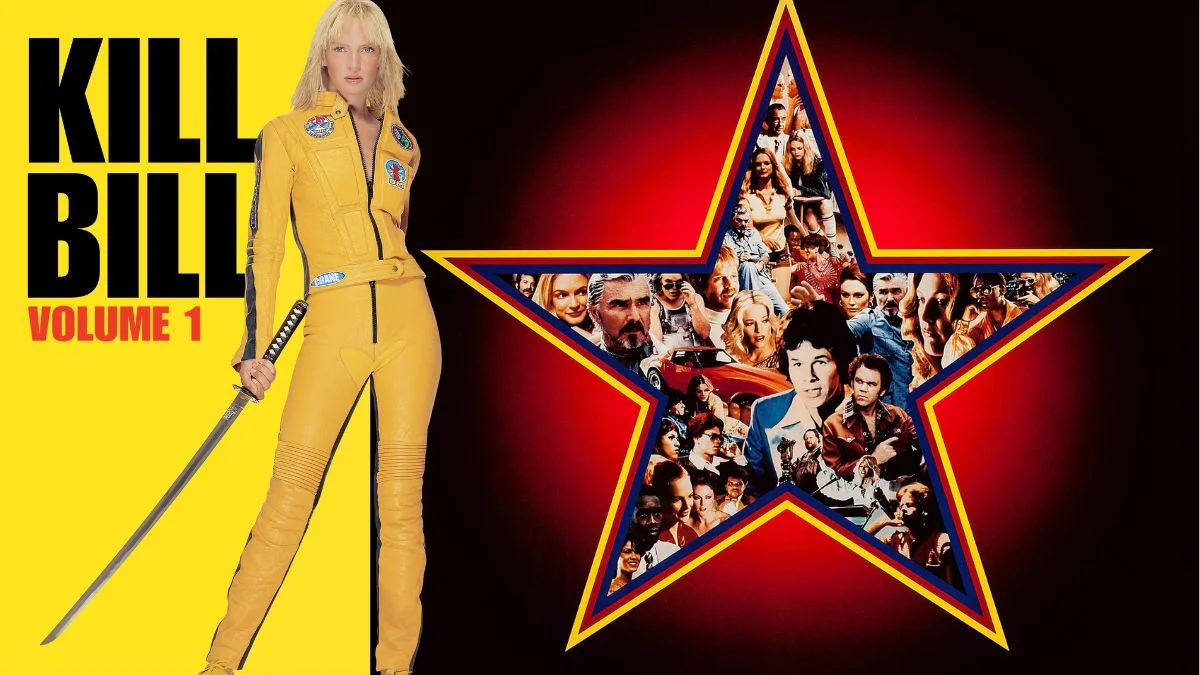
Many movie lovers feel that film has a special emotional quality that digital cameras can’t match. The slightly grainy look and the way film reacts to light create images that feel natural and alive, unlike the often-perfect precision of digital. Some directors still prefer shooting on film because they believe it helps them connect more deeply with the story. The films below make excellent use of film’s unique characteristics to create visually rich and immersive experiences.
‘Uncut Gems’ (2019)

This thriller is incredibly energetic, and the filmmakers enhance that feeling with the look of traditional 35mm film. The Safdie brothers use this technique to create a visually chaotic and confined atmosphere. Close-up shots feel immediate and unpolished as the main character moves through the diamond district, and the film’s grainy texture adds a sense of gritty realism that perfectly suits the story’s intense pressure.
‘Call Me by Your Name’ (2017)
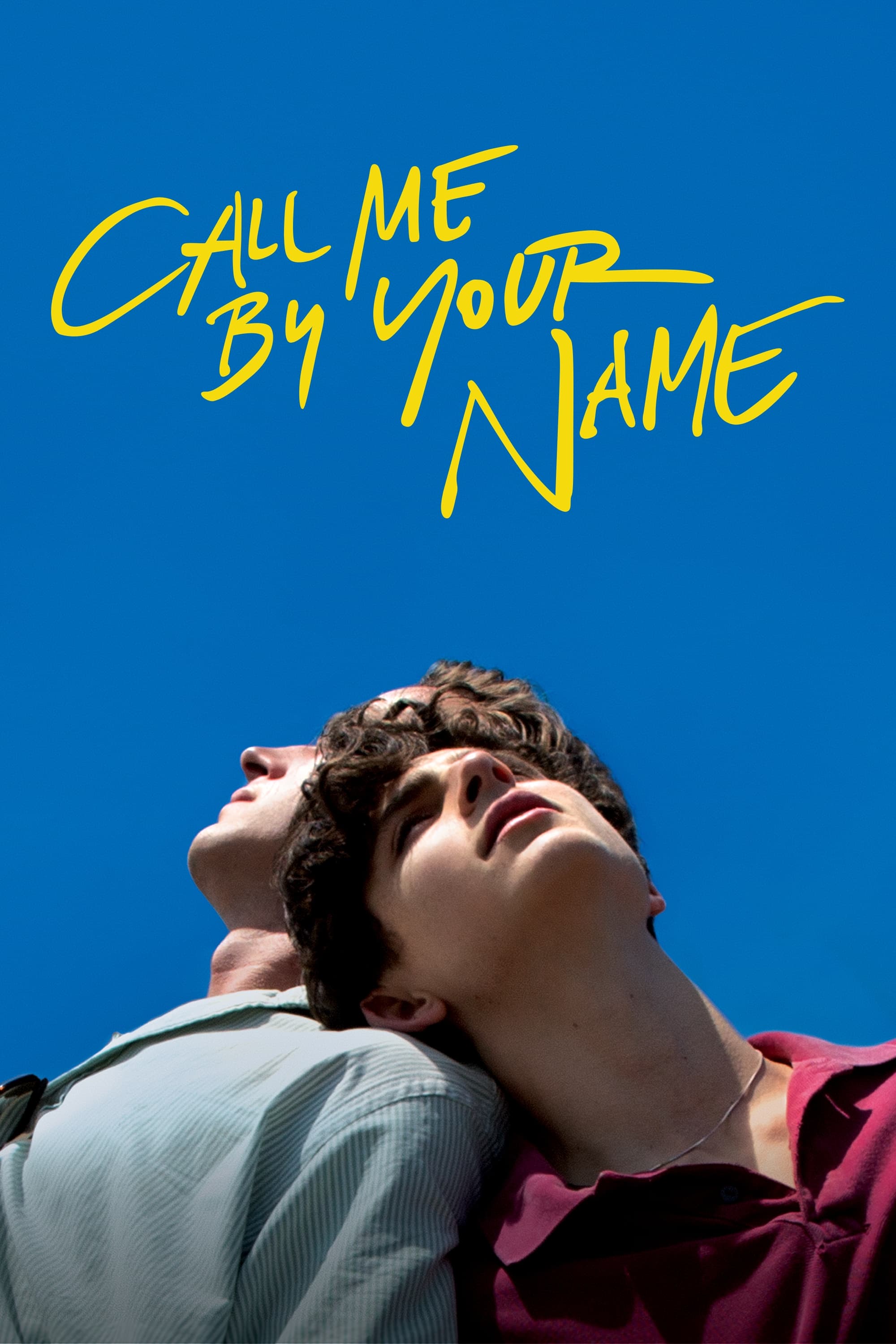
Luca Guadagnino, the director, used traditional 35mm film to beautifully capture the feeling of a hot Italian summer. This choice gives the movie a soft, slightly grainy look that feels both romantic and real. This style visually reflects how quickly the central love story unfolds. The film feels personal and authentic, avoiding a slick or artificial appearance.
‘La La Land’ (2016)
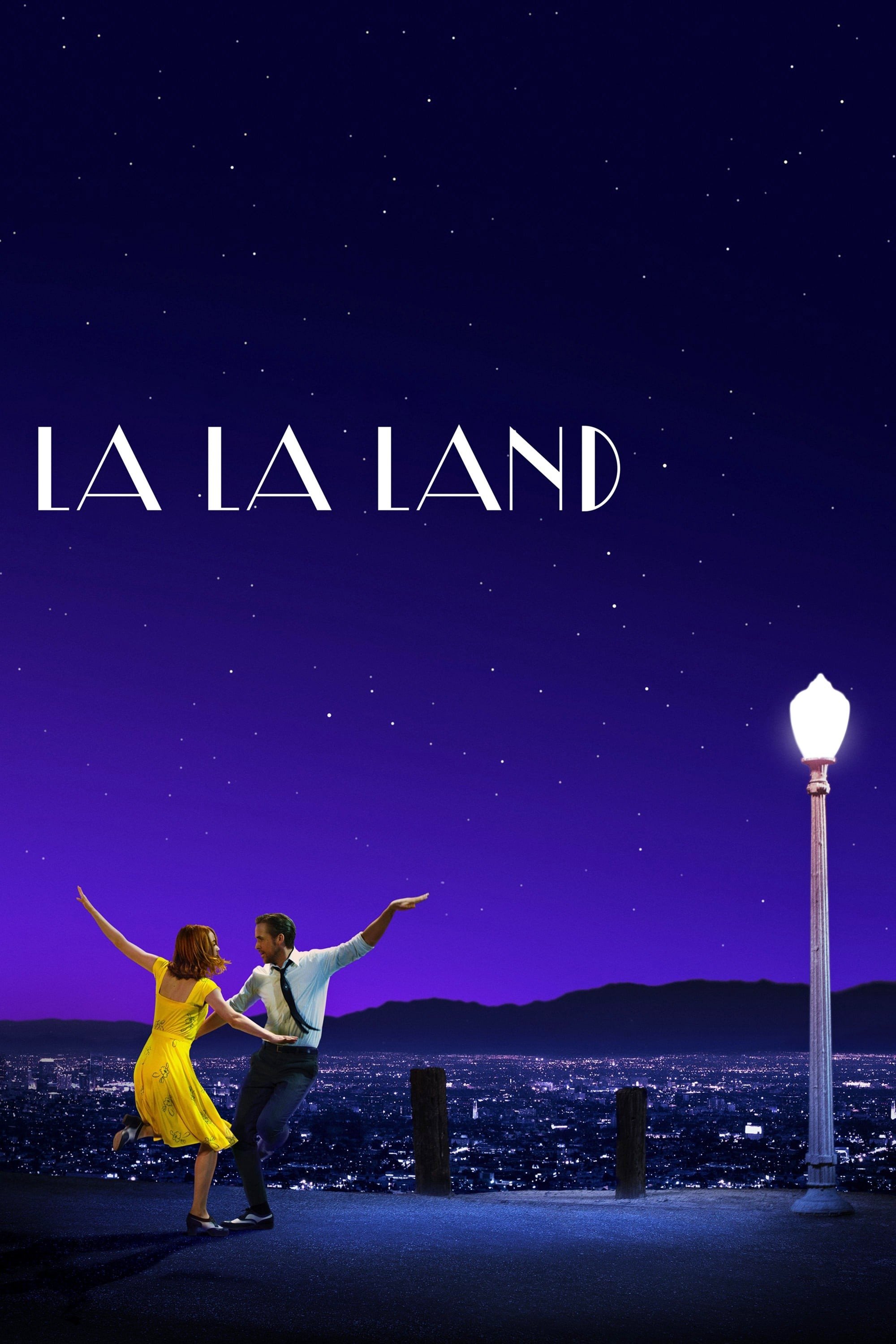
Damien Chazelle brought back the visual style of classic musicals by filming using CinemaScope 35mm film. This gives the movie rich, vibrant colors that really stand out against the Los Angeles scenery. It successfully blends the feel of old Hollywood with a contemporary setting. The film’s texture also makes the fantastical dance numbers feel remarkably real.
‘The Grand Budapest Hotel’ (2014)
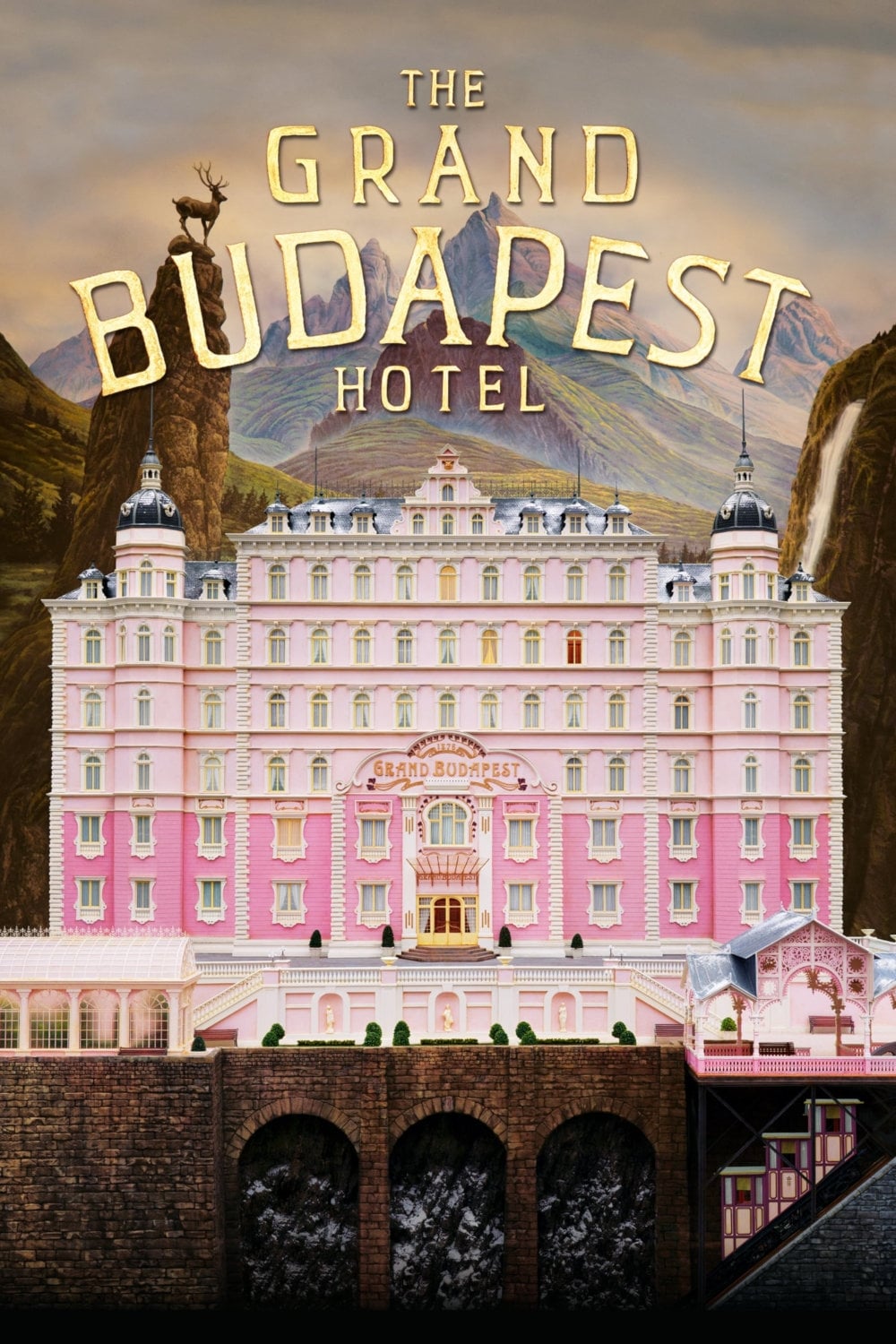
Wes Anderson prefers shooting on 35mm film, which helps create his distinct, balanced visual style. This film format gives his signature pastel colors a richer, more detailed look that’s hard to achieve with digital cameras. The result is that each scene feels like a beautifully painted illustration. The film itself also adds a touch of fairytale magic to his already imaginative stories.
‘Inglourious Basterds’ (2009)

Quentin Tarantino chose to film this war movie using 35mm film to give it a classic, movie-like feel. This choice helps the intense conversations look natural and also connects the film visually to movies from the 1940s, all while keeping the picture sharp and clear. The deep, dark colors and shadows build tension and make the dramatic scenes even more suspenseful.
‘There Will Be Blood’ (2007)
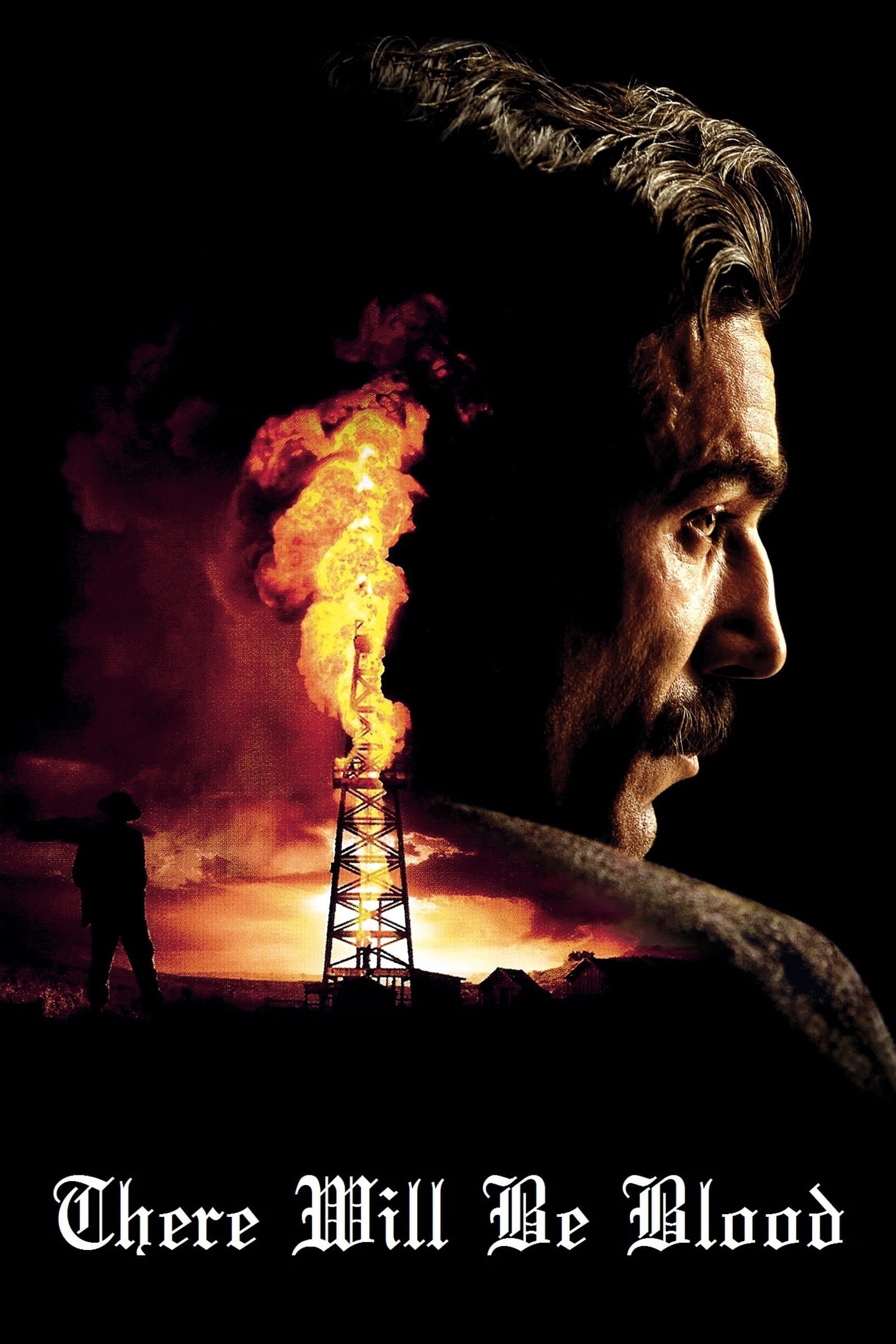
Wow, Paul Thomas Anderson really transports you to early 20th century California with this film. It’s visually stunning – he uses 35mm film to really highlight the grit and grime of the era, and it just feels real. Everything looks naturally lit, and the film grain adds to this incredibly intense, almost brooding mood. Honestly, the way he shoots it perfectly captures the vastness and raw energy of the story. It’s a beautiful match of style and substance.
‘Lost in Translation’ (2003)
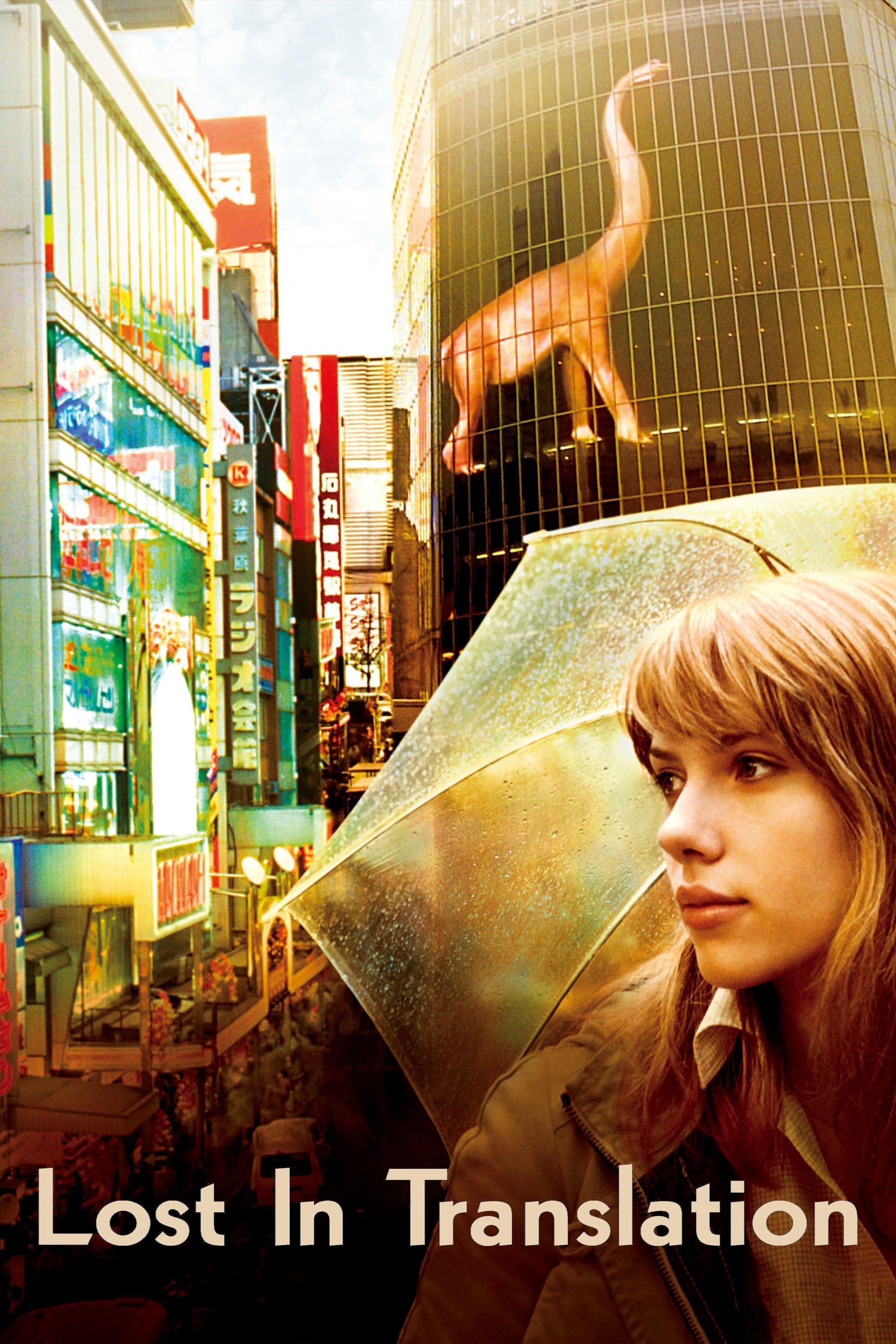
Sofia Coppola beautifully films the vibrant Tokyo nightlife, using a classic, soft 35mm style. The film captures the city’s varied lights in a way that feels both lonely and stunning. By shooting with fast film, she avoided harsh artificial lights, which helps to visually emphasize the characters’ isolation.
‘Kill Bill: Vol. 1’ (2003)
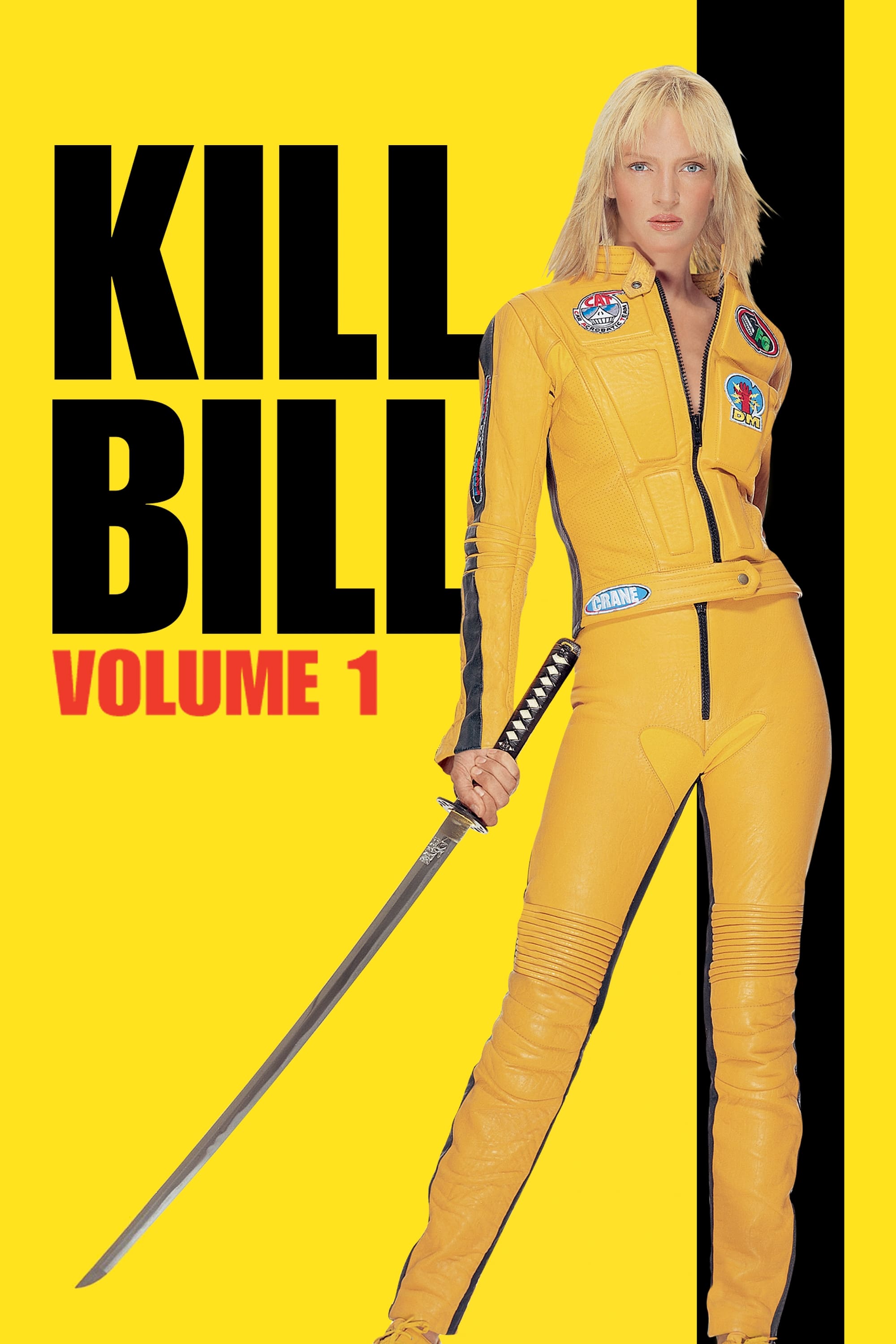
This film pays tribute to classic martial arts movies by intentionally mimicking the visual style of 1970s grindhouse films. It uses bold reds and yellows with a warm, film-like quality, and a grainy texture that enhances the energetic action. The result is a film that feels authentic to the era it celebrates.
‘Mulholland Drive’ (2001)
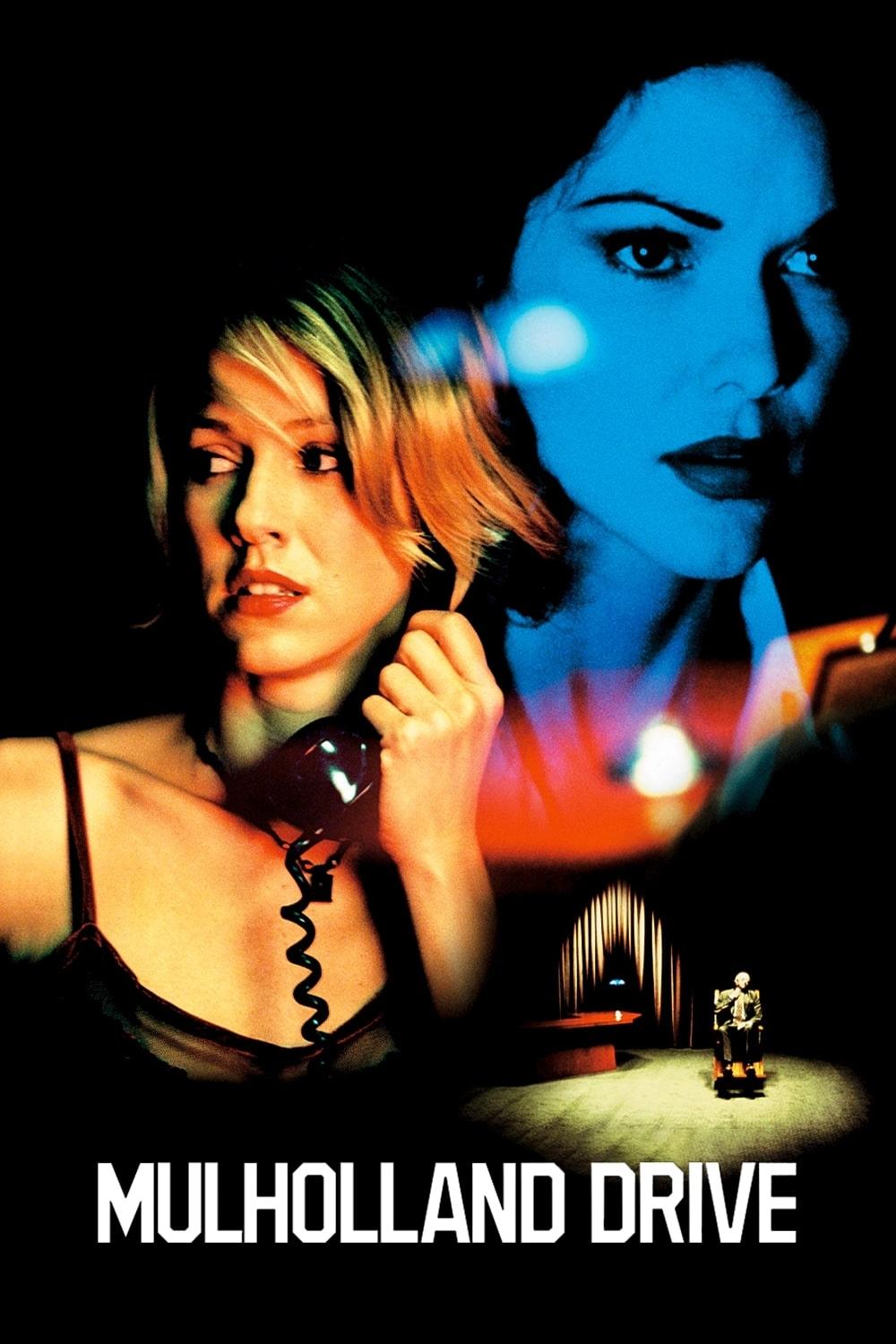
David Lynch creates a dreamlike quality in his Los Angeles films by carefully manipulating the visual texture. He achieves this with traditional film techniques, creating deep, atmospheric shadows that digital cameras often struggle to replicate. This adds to the film’s noir feel and enhances the story’s unsettling, surreal mood.
‘In the Mood for Love’ (2000)
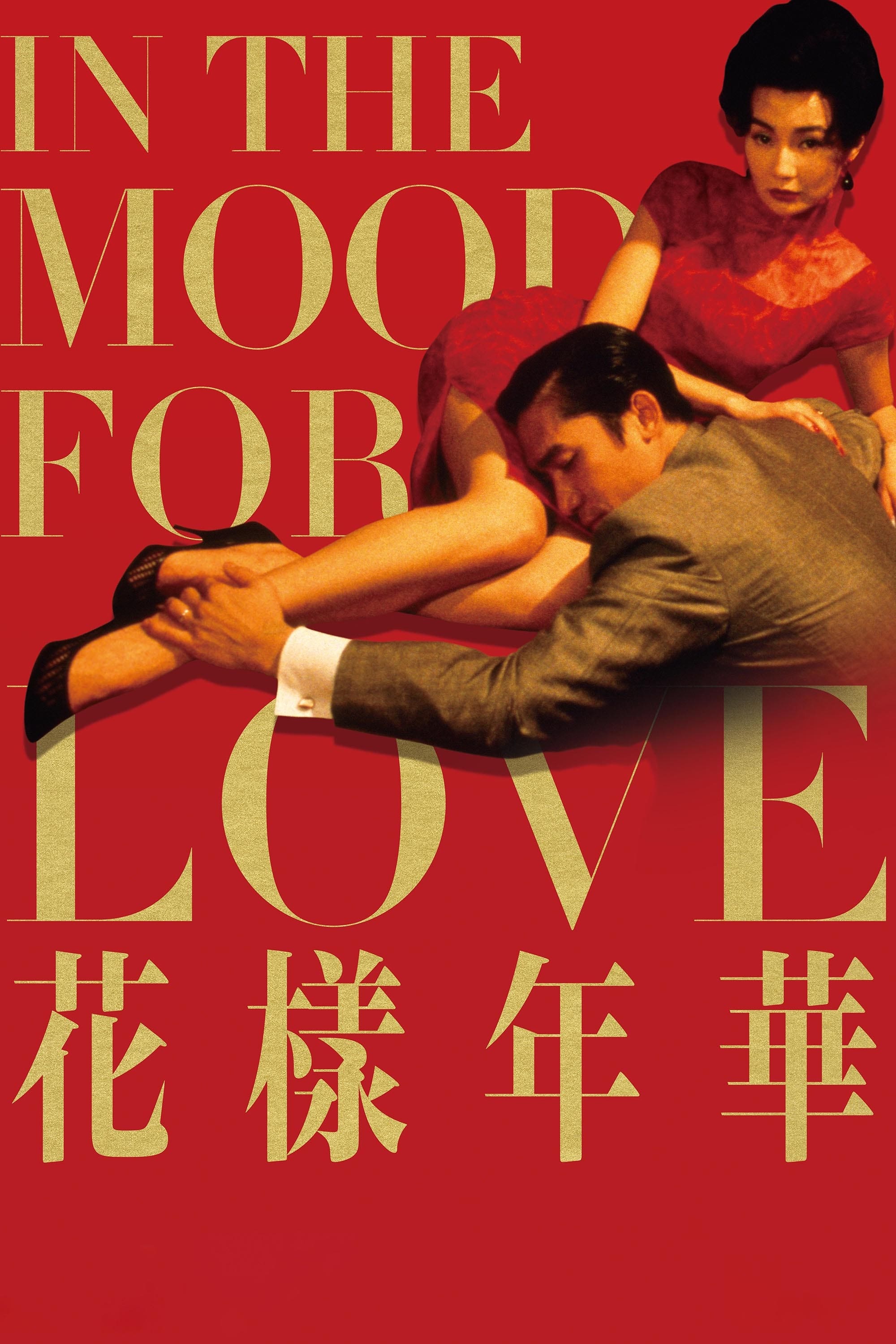
Wong Kar-wai crafts a visually stunning and intensely emotional world through his use of vibrant color and deep shadows. Filmed on rich 35mm, the grainy texture enhances a sense of hidden feelings and the lingering impact of the past. Each shot feels heavy with time and memory.
‘American Beauty’ (1999)

Conrad Hall’s work on the film used 35mm film to create a visually striking style – both realistic and subtly dreamlike. The camera work and lighting cleverly reveal the imperfections hidden beneath an outwardly perfect surface. A gentle softening of the image adds to this effect, particularly in important scenes. The film is still considered a gold standard for visual storytelling in dramatic movies.
‘Eyes Wide Shut’ (1999)

Stanley Kubrick was a master of filmmaking who famously used 35mm film in innovative ways. He often shot in very low light, which created a grainy texture that adds to the suspenseful and unsettling atmosphere of his night scenes. The film captures light realistically, with practical lights and even Christmas bulbs appearing with natural flares. This unique visual style powerfully supports the protagonist’s increasingly dreamlike and paranoid experience.
‘Fight Club’ (1999)

This film’s gritty look is largely due to the specific film stock used – 35mm Super 35. Director Fincher intentionally boosted the contrast and muted the colors, creating a dark and worn visual style that reflects the brutal world of underground fighting. This visual deterioration also mirrors the narrator’s declining mental state.
‘Magnolia’ (1999)
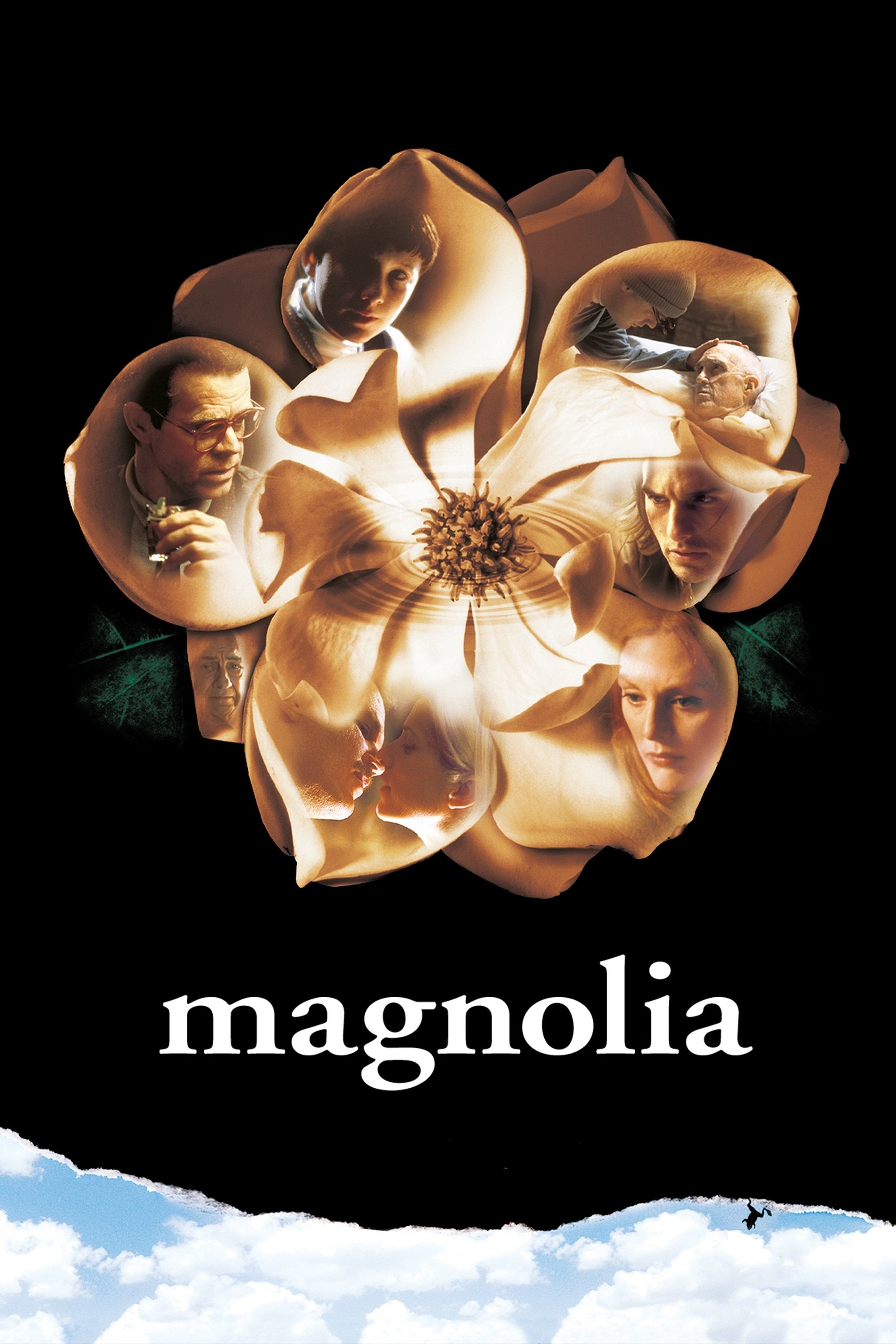
As a critic, I was immediately struck by how beautifully this film moves. The camera work feels classic, reminiscent of traditional 35mm film, gliding through the lives of its characters. Even with some really tough emotional moments, the visuals remain stunning – the colors pop, and everything has a polished, cinematic look. The filmmakers wisely used film grain, which actually helps tie all the different stories together. And the final scene, set during a downpour, is a technical marvel. The lighting is incredibly complex, but the camera handles it with a fantastic dynamic range – you can see everything without it feeling washed out or muddy. It’s a truly gorgeous film to watch.
‘Boogie Nights’ (1997)
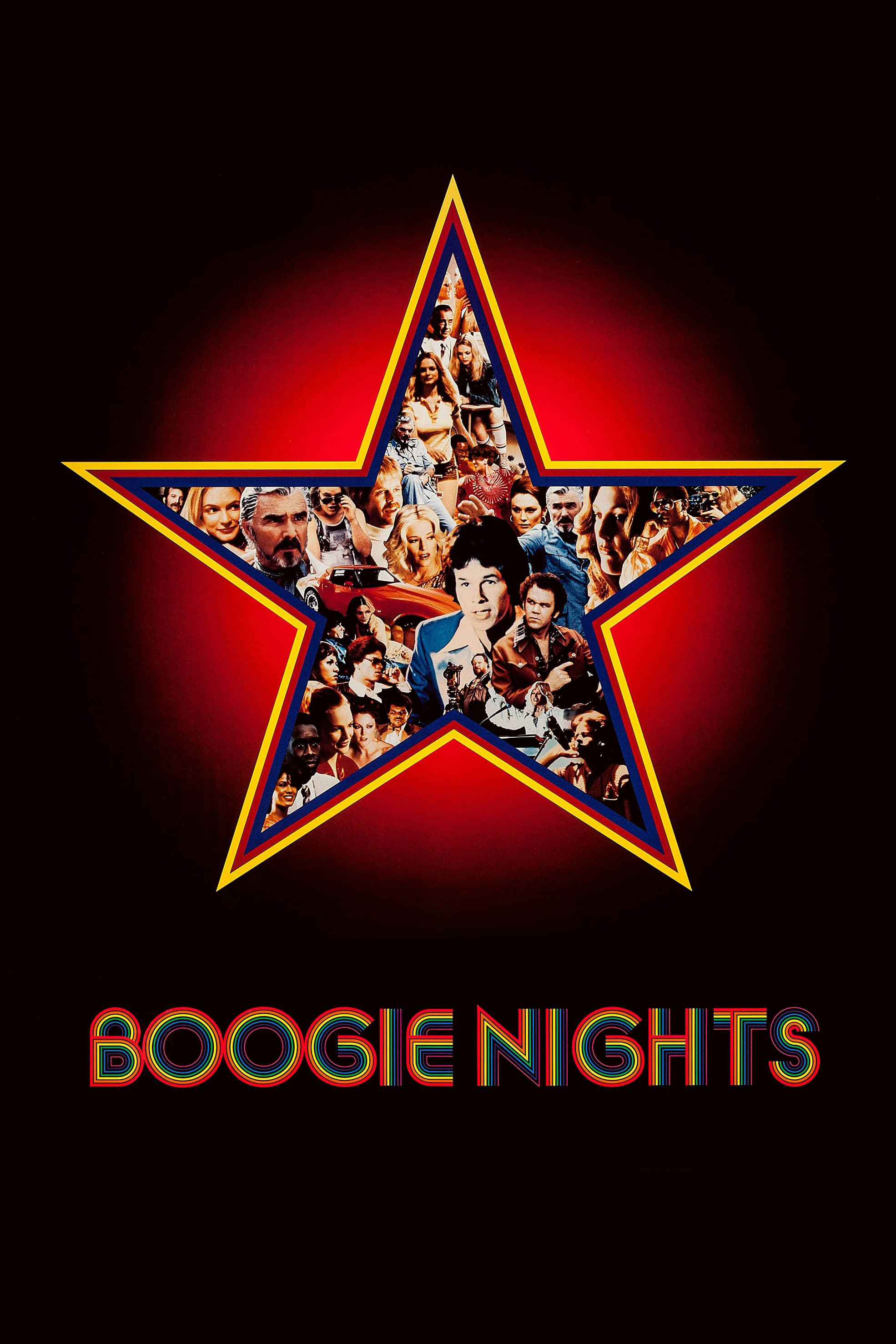
I was really struck by how authentically this movie recreated the look of the 70s and 80s. They didn’t just try to show those eras, they really felt like them, thanks to the way they used lighting and film. Shooting on 35mm was key – it gave everything a warm feel at first, which gradually shifted to something cooler as the story moved forward. What I found amazing was how beautifully it captured both the glamorous side and the grittier, more underground parts of the adult film world. Visually, the film really mirrored the main character’s journey – you could see his rise and fall just by watching how the movie looked.
‘Titanic’ (1997)
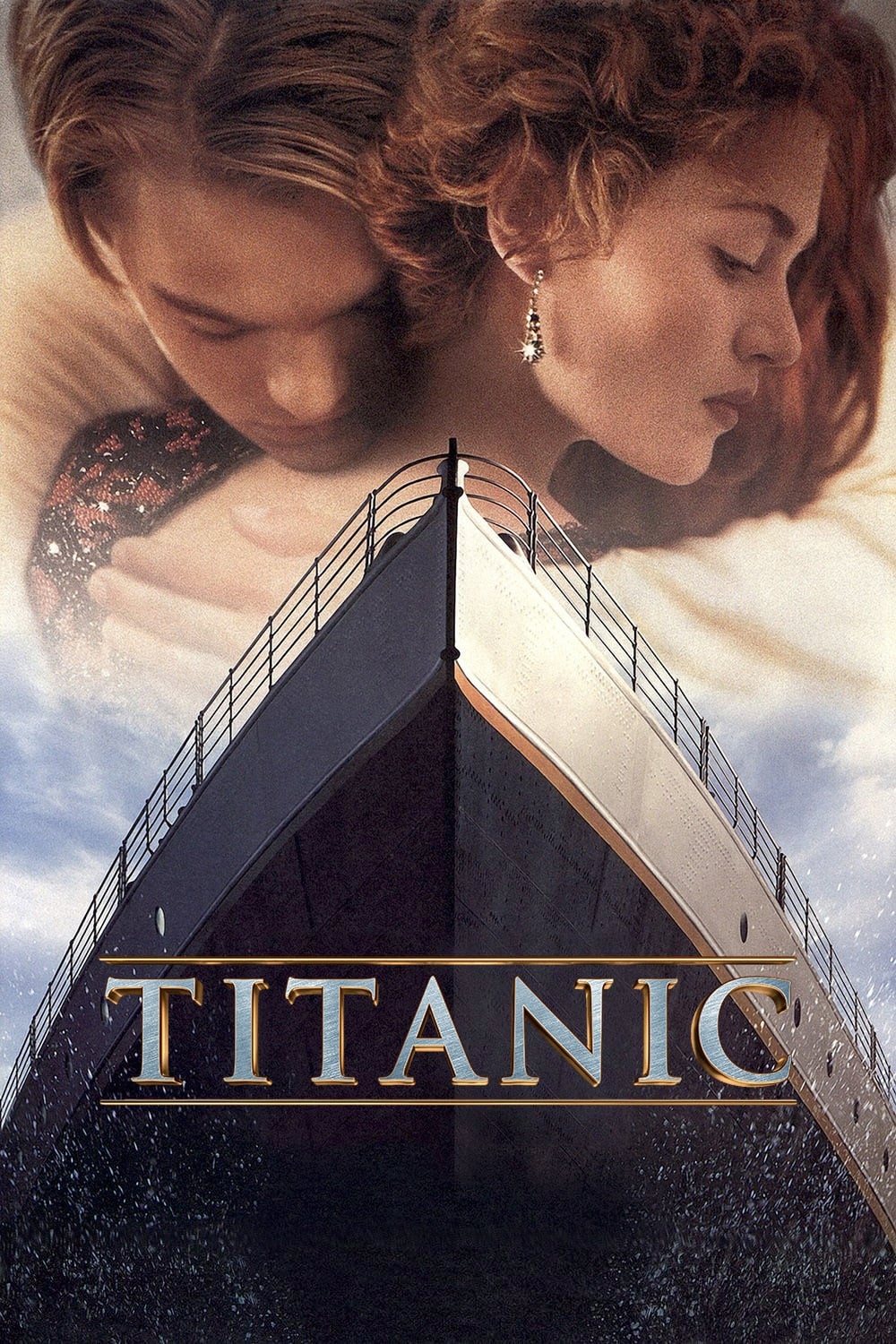
James Cameron chose to film the historical epic on 35mm film to create a visually stunning and classic look. This format was crucial for blending the extensive visual effects with the live action footage, and it captured both the vastness of the ocean and the rich details of the ship’s interiors beautifully. The film seamlessly transitions between close, personal scenes and large-scale moments of action and destruction.
‘Fargo’ (1996)
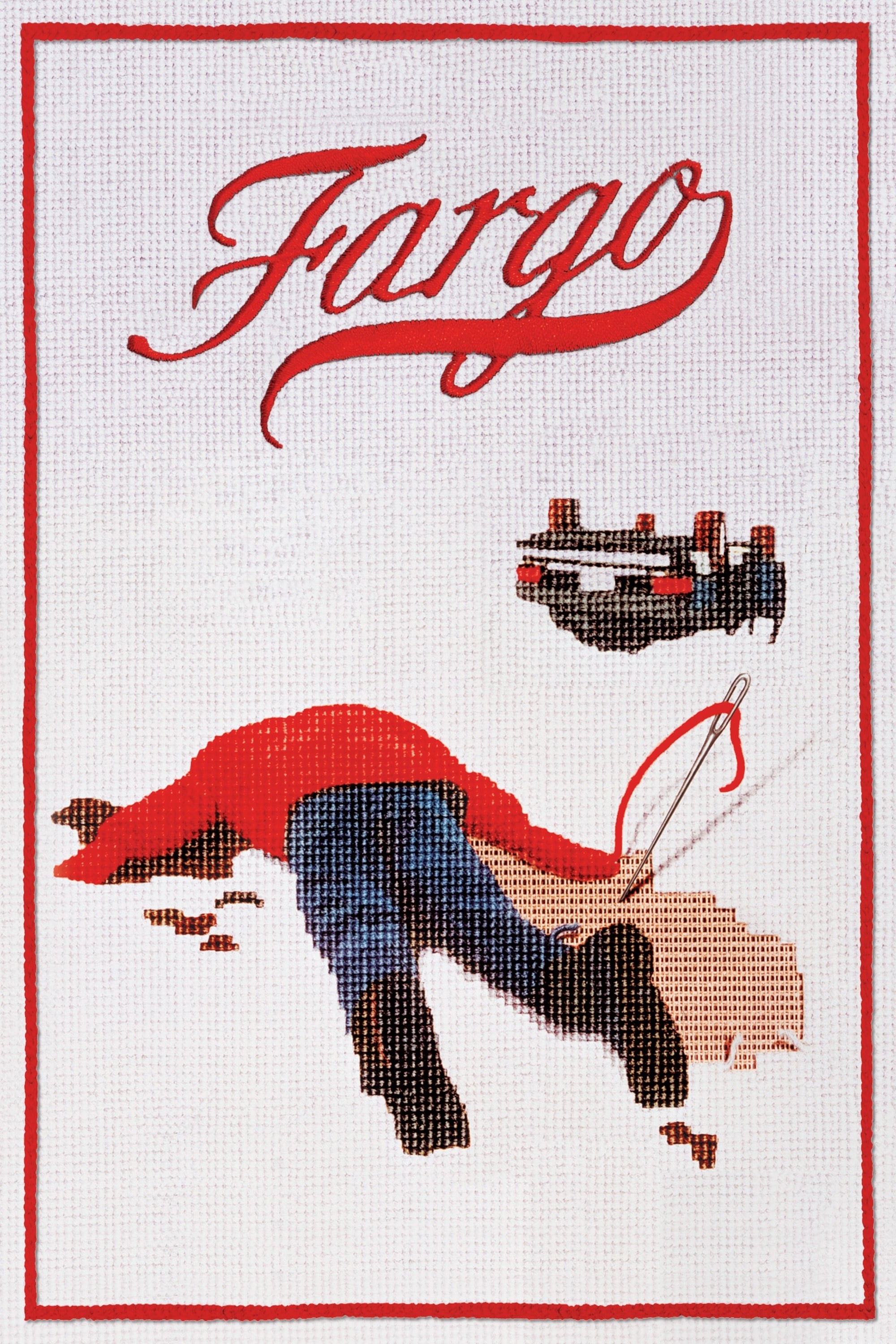
The film beautifully captures the harsh, white winter landscapes of Minnesota using 35mm film. Cinematographer Roger Deakins skillfully manages the challenge of filming bright snow and shadowy figures. The film’s grainy texture enhances the cold, realistic feel, and this visual style perfectly matches the movie’s dark, often violent, and surprisingly funny story.
‘Heat’ (1995)
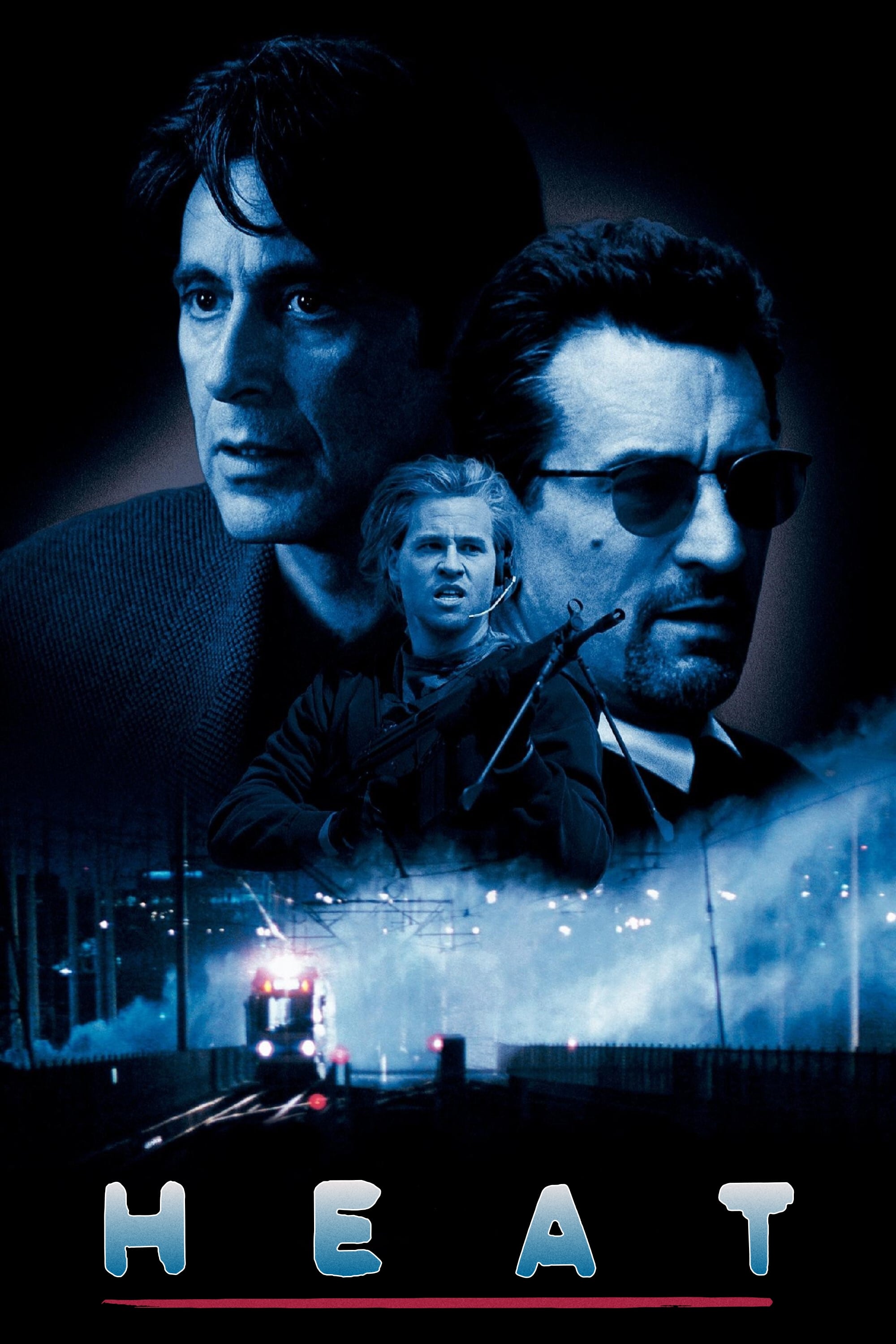
Michael Mann’s film uses cool colors and a metallic look to vividly portray Los Angeles. Shooting on 35mm film creates rich, dark scenes, especially at night. The action sequences feel realistic and impactful thanks to the specific lenses and film used. Ultimately, the film changed how Los Angeles is visually depicted in crime movies.
‘Se7en’ (1995)
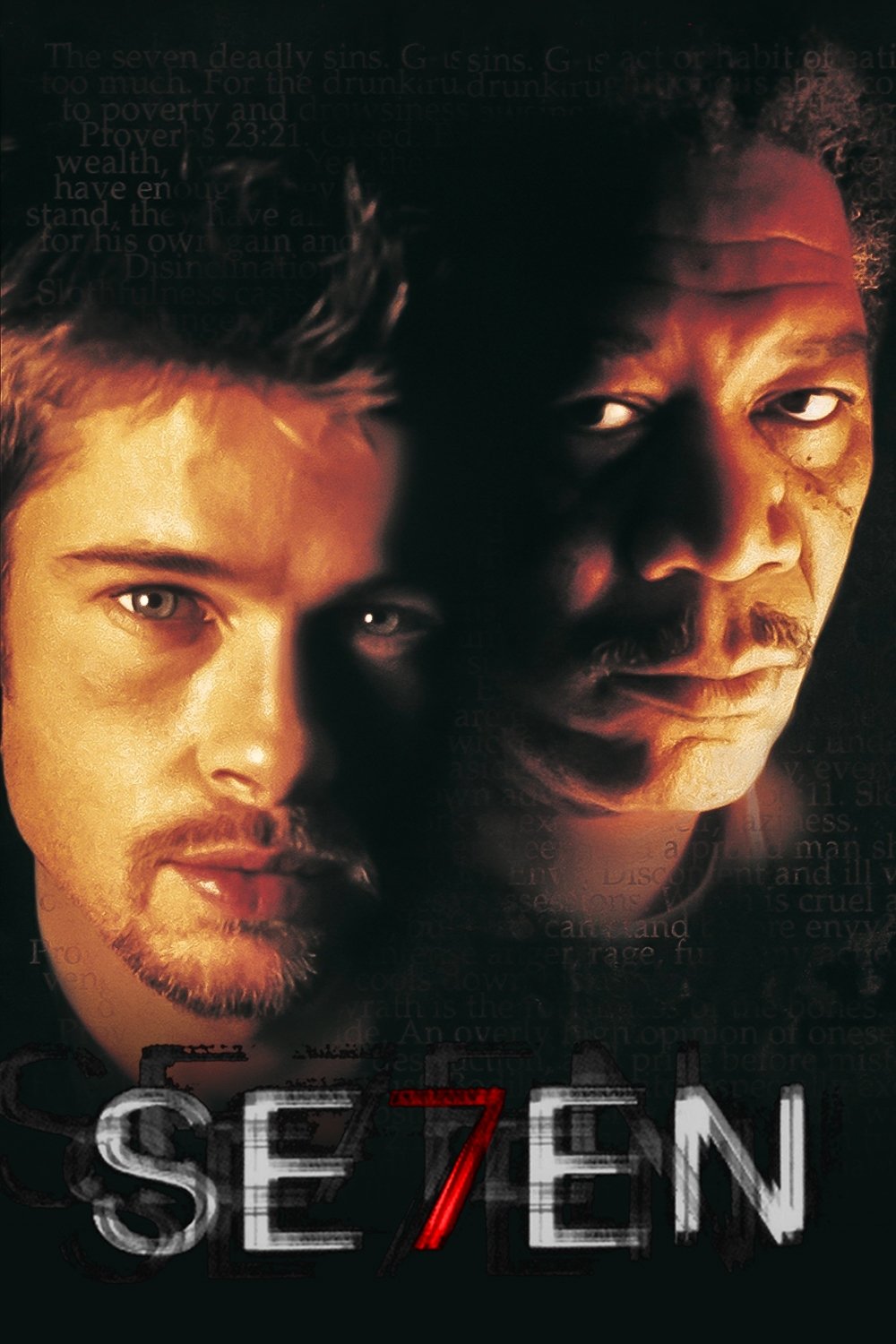
Using a bleach bypass effect on the 35mm film results in a striking image with strong contrasts and a silvery tone. This technique emphasizes the grim and deteriorating atmosphere of the rain-swept city. Details in the shadows are lost, adding to the feeling of fear and unease. The way the film itself is physically altered is key to creating the film’s dark, noir-inspired horror look.
‘Pulp Fiction’ (1994)
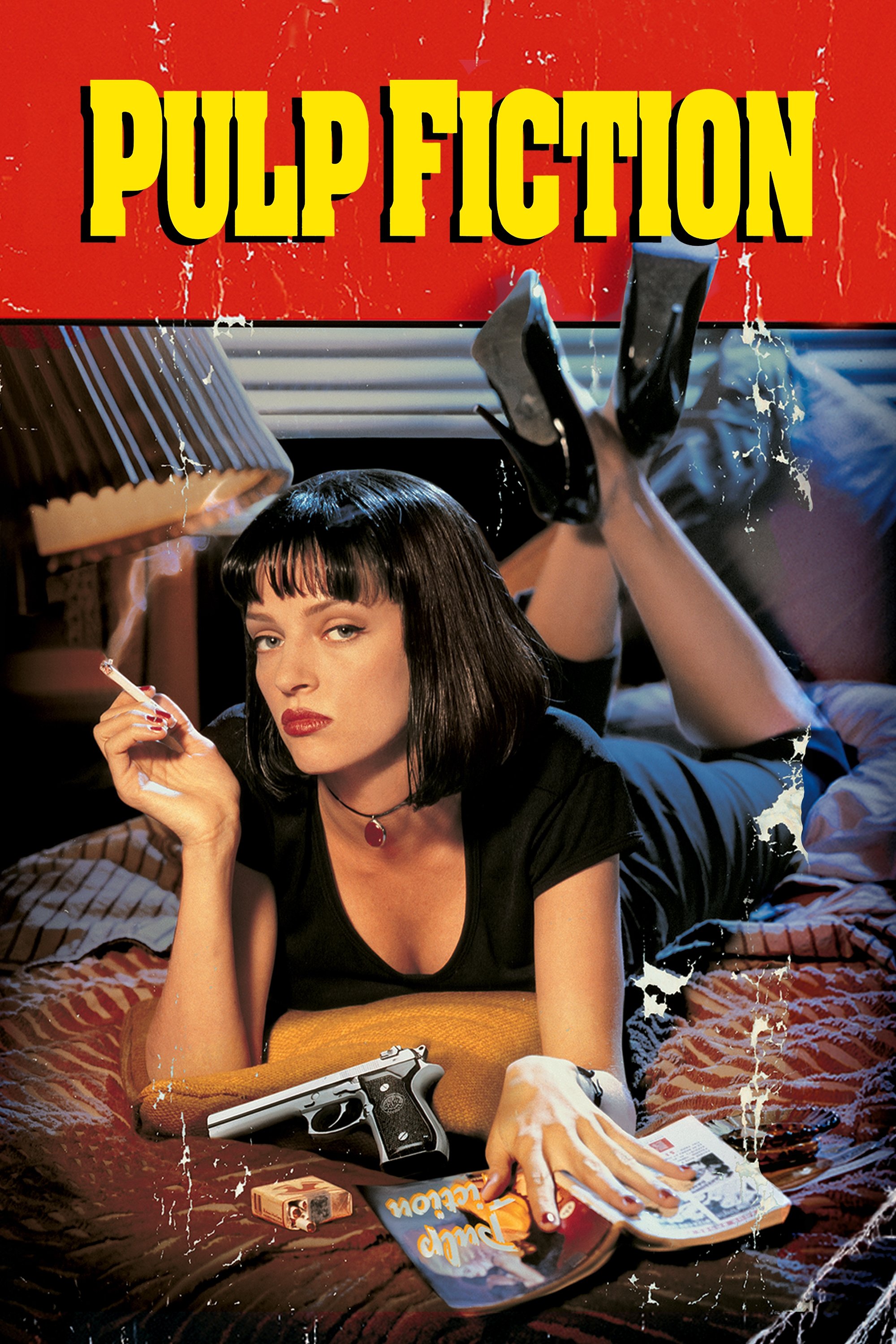
Andrzej Sekula filmed this successful independent movie using a high-quality, low-speed film to achieve incredibly sharp visuals. This choice gives the film a bright, colorful, and polished appearance, setting it apart within the crime genre. The costumes and sets really stand out thanks to the strong contrast between the vivid colors and the dark shadows. The film demonstrated that even with a limited budget, you can create a visually stunning and professional-looking movie.
‘Good Time’ (2017)
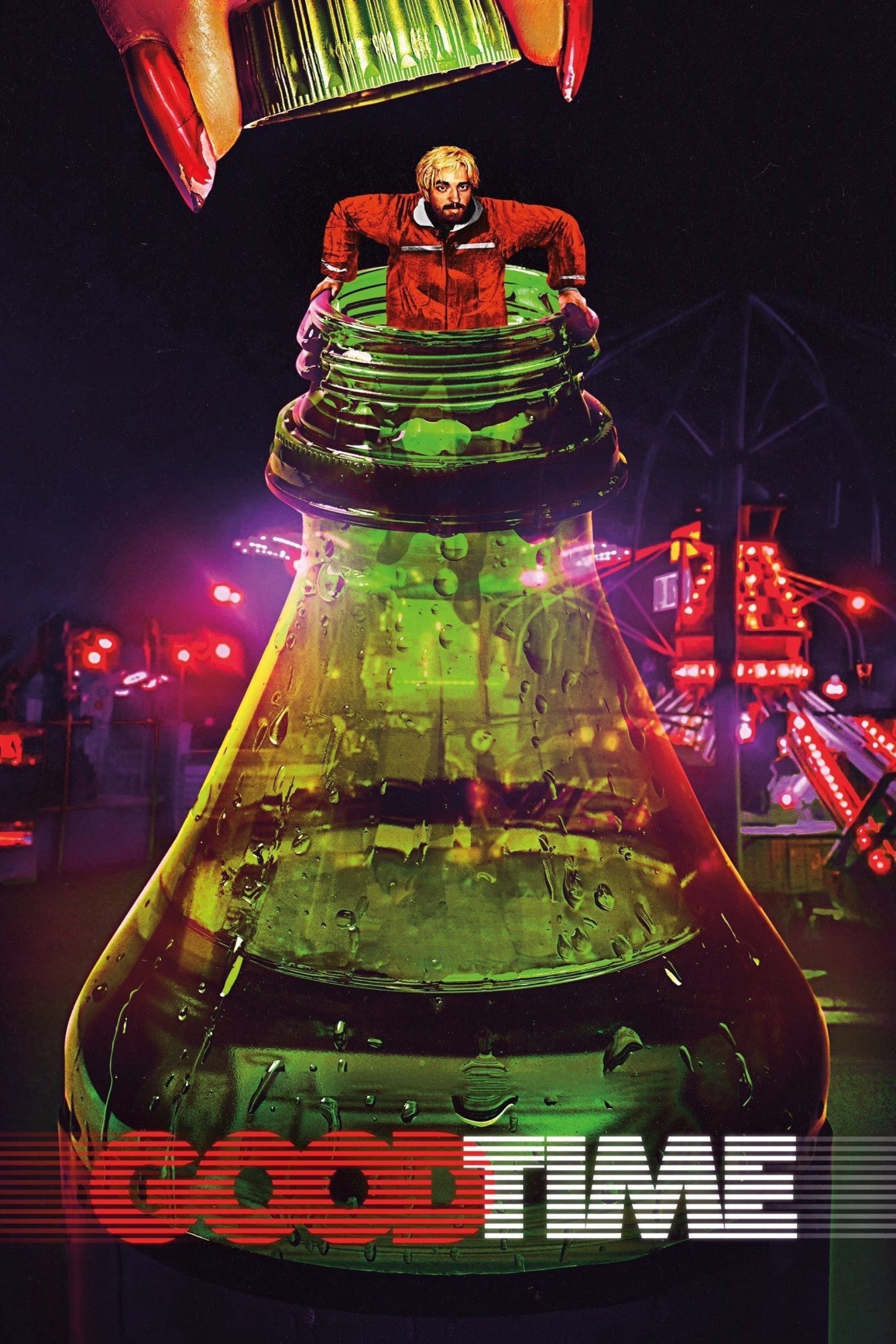
The film’s dark, vibrant look reflects the characters’ urgent struggle. Filming with 35mm created a rough, realistic style the directors wanted. Intense close-up shots feel uncomfortably personal, and the grainy texture emphasizes the characters’ nervousness. This realistic visual style makes even the strangest moments feel believable and connected to a tough, real world.
Tell us which of these movies has your favorite visual aesthetic in the comments.
Read More
- Invincible Season 4 Gender Swaps Tech Jacket As Fans Question Major Comic Change
- Building Agents That Learn and Improve Themselves
- Gold Rate Forecast
- Superman Flops Financially: $350M Budget, Still No Profit (Scoop Confirmed)
- Silver Rate Forecast
- Games That Faced Bans in Countries Over Political Themes
- Trading Crypto with AI: A New Approach to Portfolio Management
- 15 Films That Were Shot Entirely on Phones
- 22 Films Where the White Protagonist Is Canonically the Sidekick to a Black Lead
- Unveiling the Schwab U.S. Dividend Equity ETF: A Portent of Financial Growth
2025-12-01 14:18