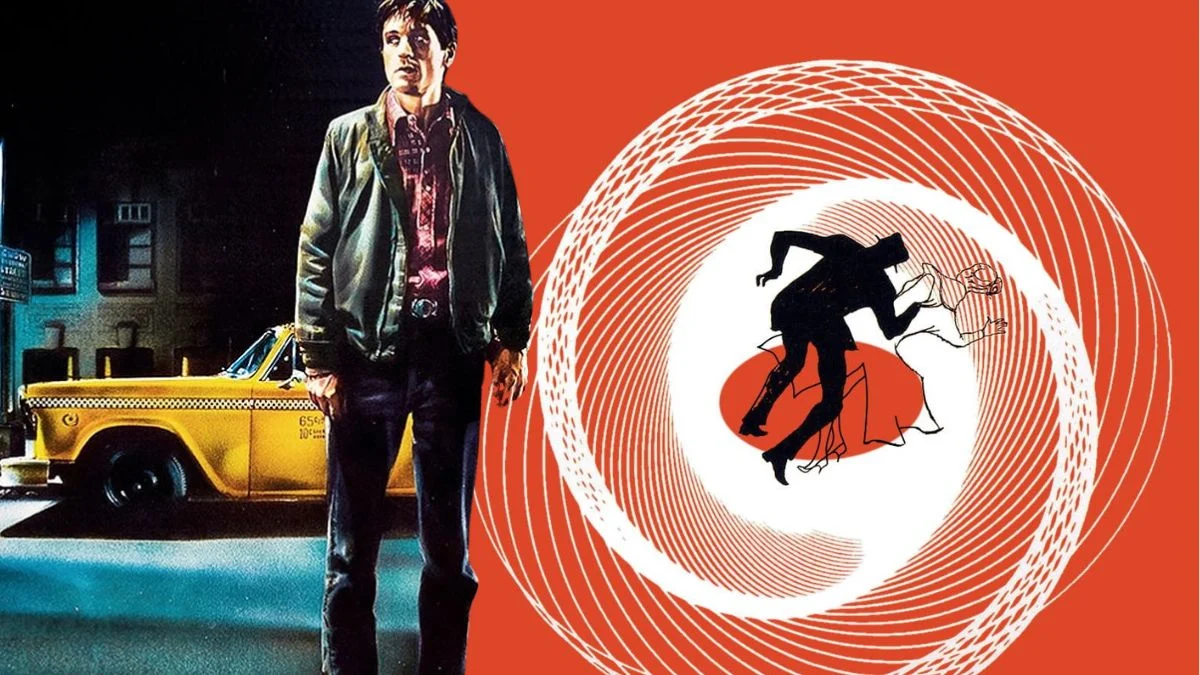
Filmmakers frequently use mirrors to show a character’s inner struggles or contrasting sides. Mirrors can reveal a lot about identity and self-image without any dialogue. They can even suggest a shift in time or a character losing touch with reality. This collection highlights movies where mirrors aren’t just background details – they’re essential to how the story is told visually.
‘The Lady from Shanghai’ (1947)

Directed by and starring Orson Welles, this classic film noir is famous for its thrilling finale. The last scene is a shootout in a hall of mirrors, creating a confusing and disorienting effect as characters can’t tell who is real and who is just a reflection. This visually represents the film’s central ideas of trickery and illusion, and the breaking glass symbolizes the breakdown of the characters’ lies and the false images they present.
‘Black Swan’ (2010)
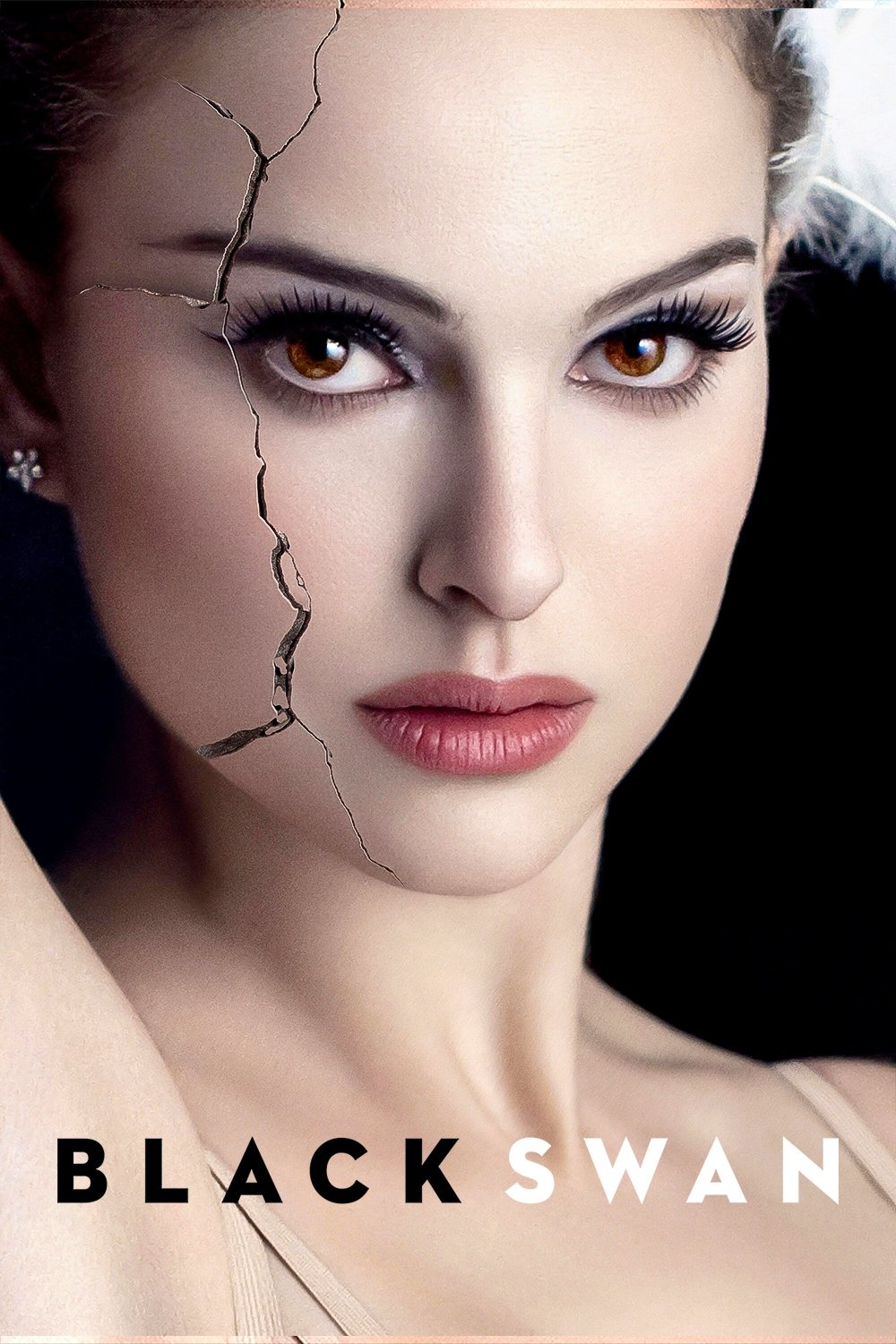
In Darren Aronofsky’s film, mirrors are used to show how a ballerina named Nina Sayers is falling apart mentally. Throughout the movie, Nina obsessively checks her reflection while trying to perfect her dancing, but she begins to see her reflection move on its own. As she prepares for the lead role and her mental state deteriorates, these reflections become increasingly warped and distorted, visually representing the conflict between her pure, innocent side (the White Swan) and her darker, more dangerous side (the Black Swan).
‘Taxi Driver’ (1976)
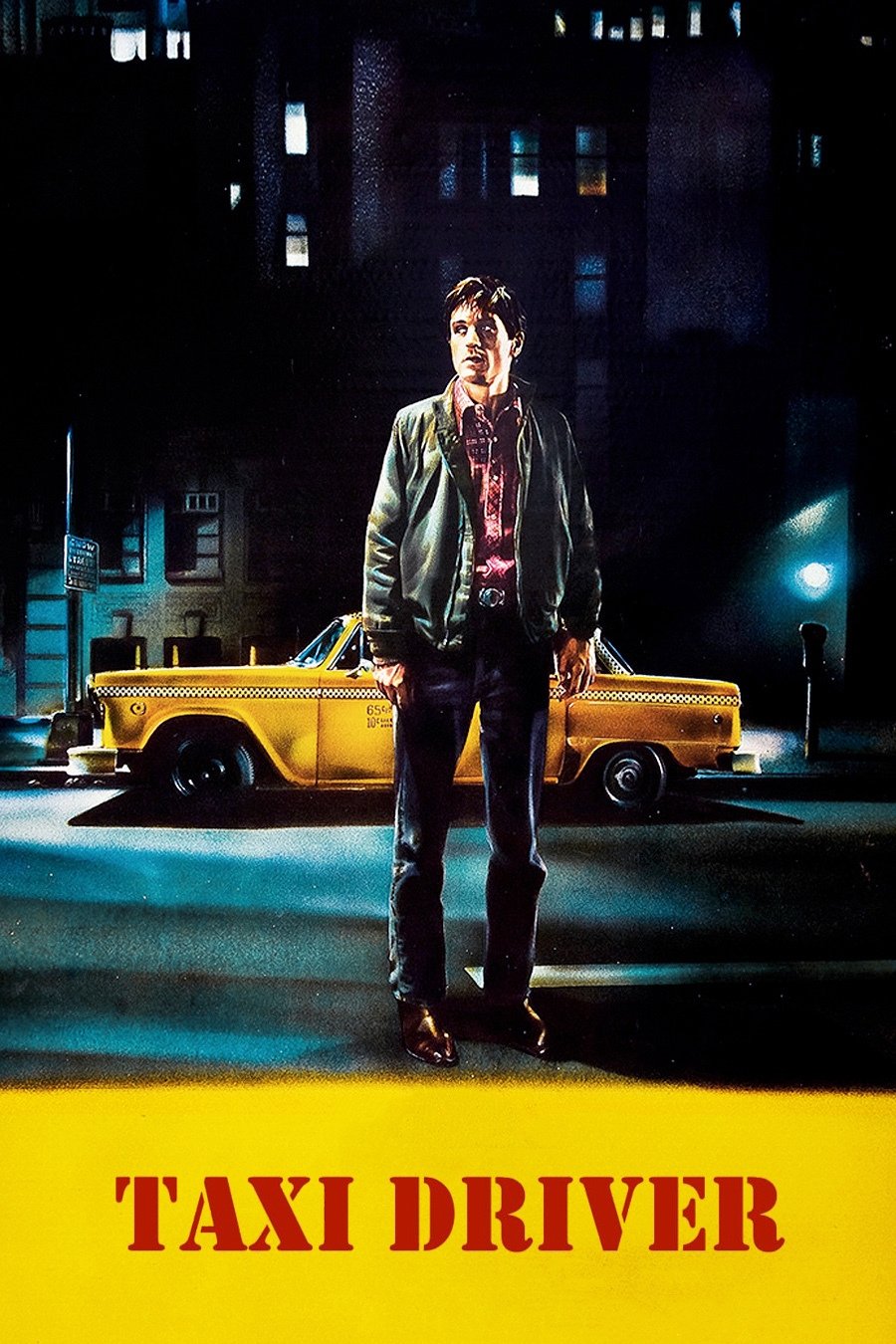
In a famous scene, Travis Bickle practices confronting someone who threatens him, using only a mirror. He stares at his reflection, pulls out his weapon, and asks if it’s speaking to him. This powerfully shows how alone he is and how much he craves control. The mirror is the only thing he ‘talks’ to, emphasizing his complete disconnection from the world and other people.
‘Enter the Dragon’ (1973)
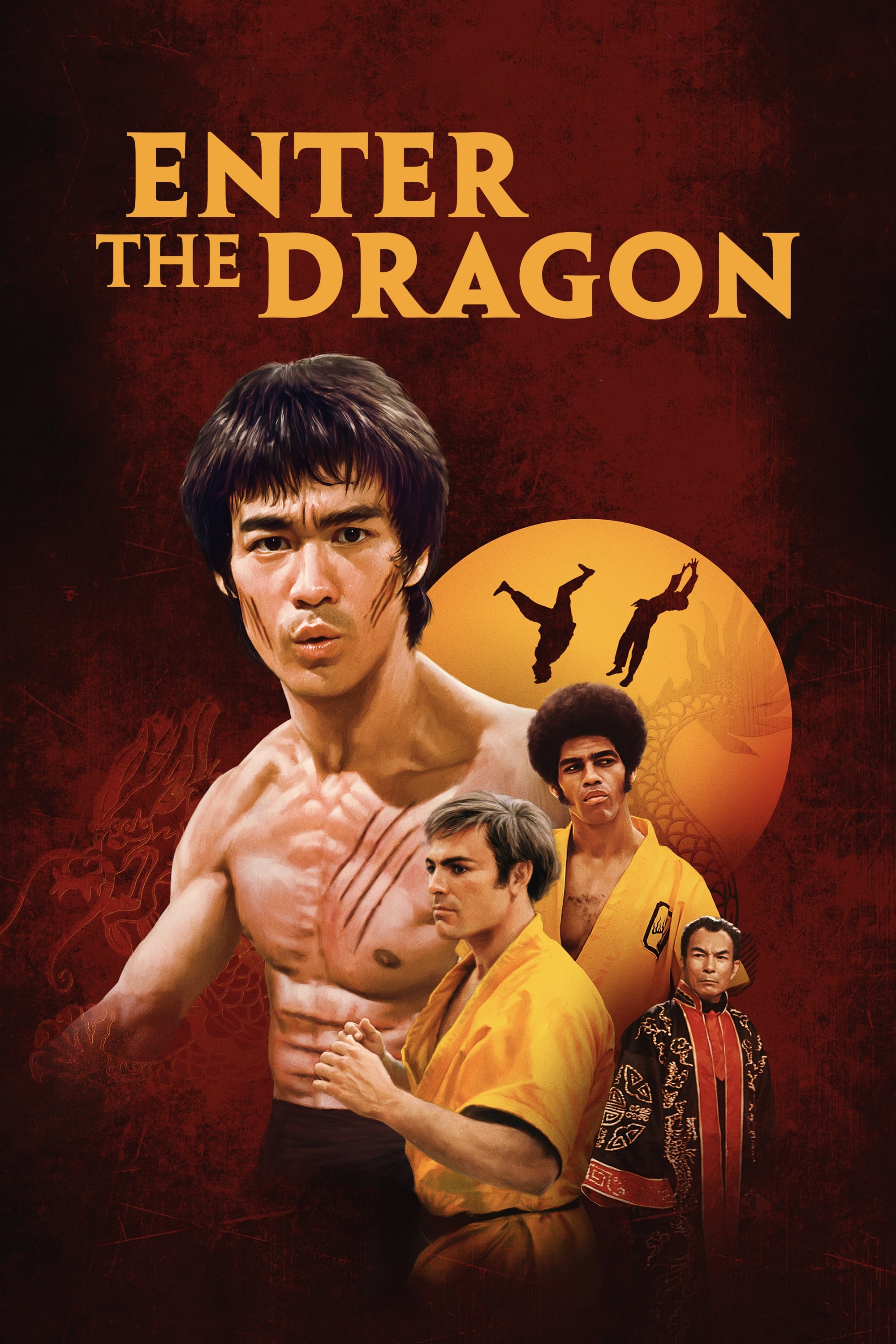
Bruce Lee has a final showdown with his main opponent, Han, in a room covered in mirrors. To win, Lee needs to use the wisdom his teacher imparted, as Han relies on illusions to stay hidden. Lee ultimately breaks the mirrors, destroying the deceptive reflections and forcing Han to fight him directly. This scene powerfully shows how honesty and gut feeling can overcome trickery and lies.
‘Persona’ (1966)
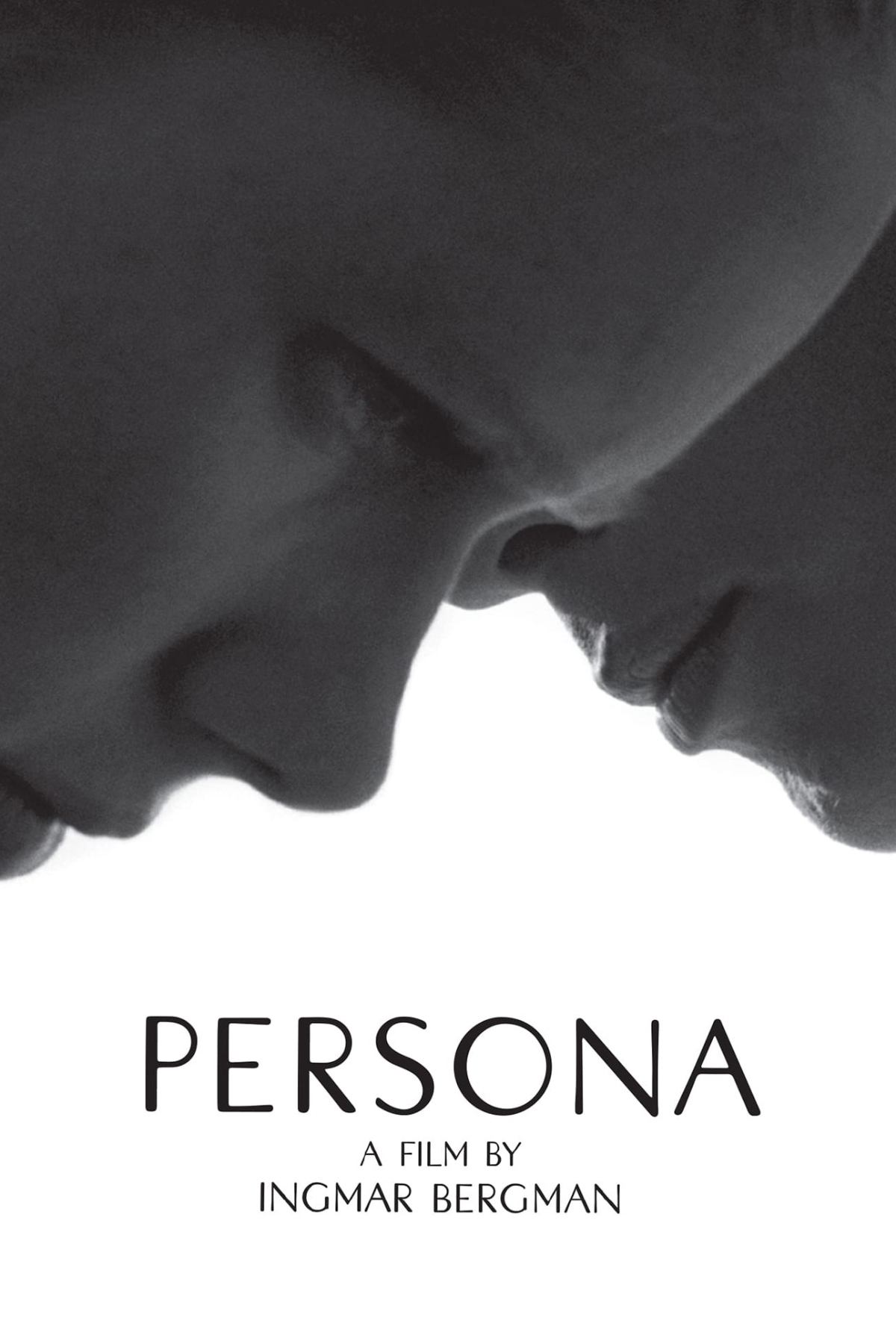
In Ingmar Bergman’s film, he often frames shots so the faces of a nurse and her silent patient appear to merge or reflect together in mirrors. This visual technique highlights how the two women, cut off from others, begin to lose their individual identities and psychologically become one. Mirrors are central to showing this breakdown of self. The film’s use of black and white adds to the unsettling and ghostly effect of these mirrored images.
‘Candyman’ (1992)

The movie’s central myth centers around a spooky ritual: saying a name five times in front of a mirror. Helen Lyle researches this urban legend and discovers the mirror acts as a doorway, allowing a vengeful spirit to cross over into our world. The film cleverly uses mirrors and other reflective surfaces to trap the main character and make it hard to tell what’s real and what’s not. Ordinary mirrors are reimagined as dangerous tools for summoning this entity.
‘Last Night in Soho’ (2021)
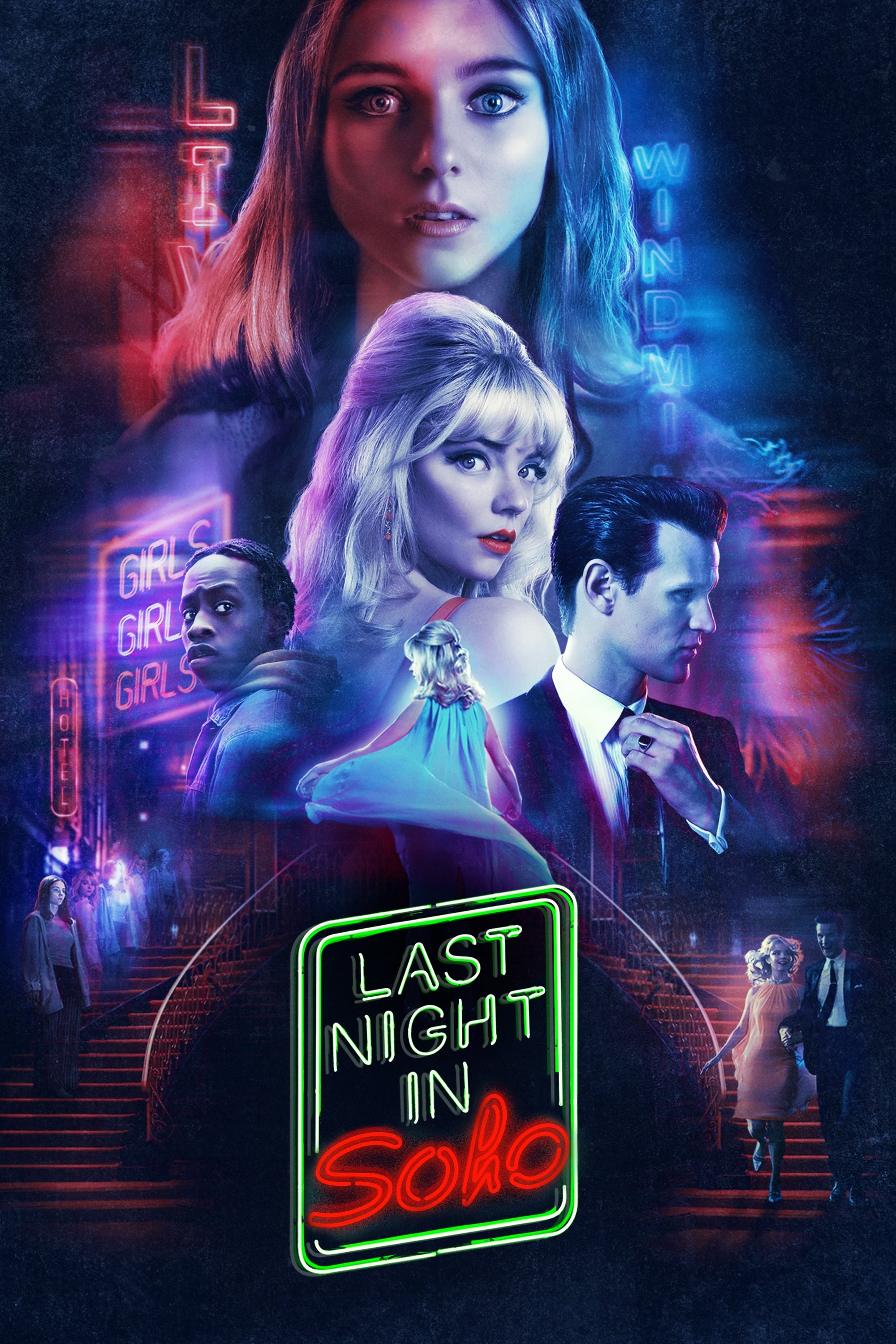
In Edgar Wright’s film, a clever use of mirrors allows a fashion student to magically switch places with a singer from the 1960s. The main character sees the singer in the mirror instead of herself, letting both actresses appear in the same scene without any obvious editing. What starts as a glamorous fantasy quickly turns unsettling as the past begins to affect the present.
‘Us’ (2019)
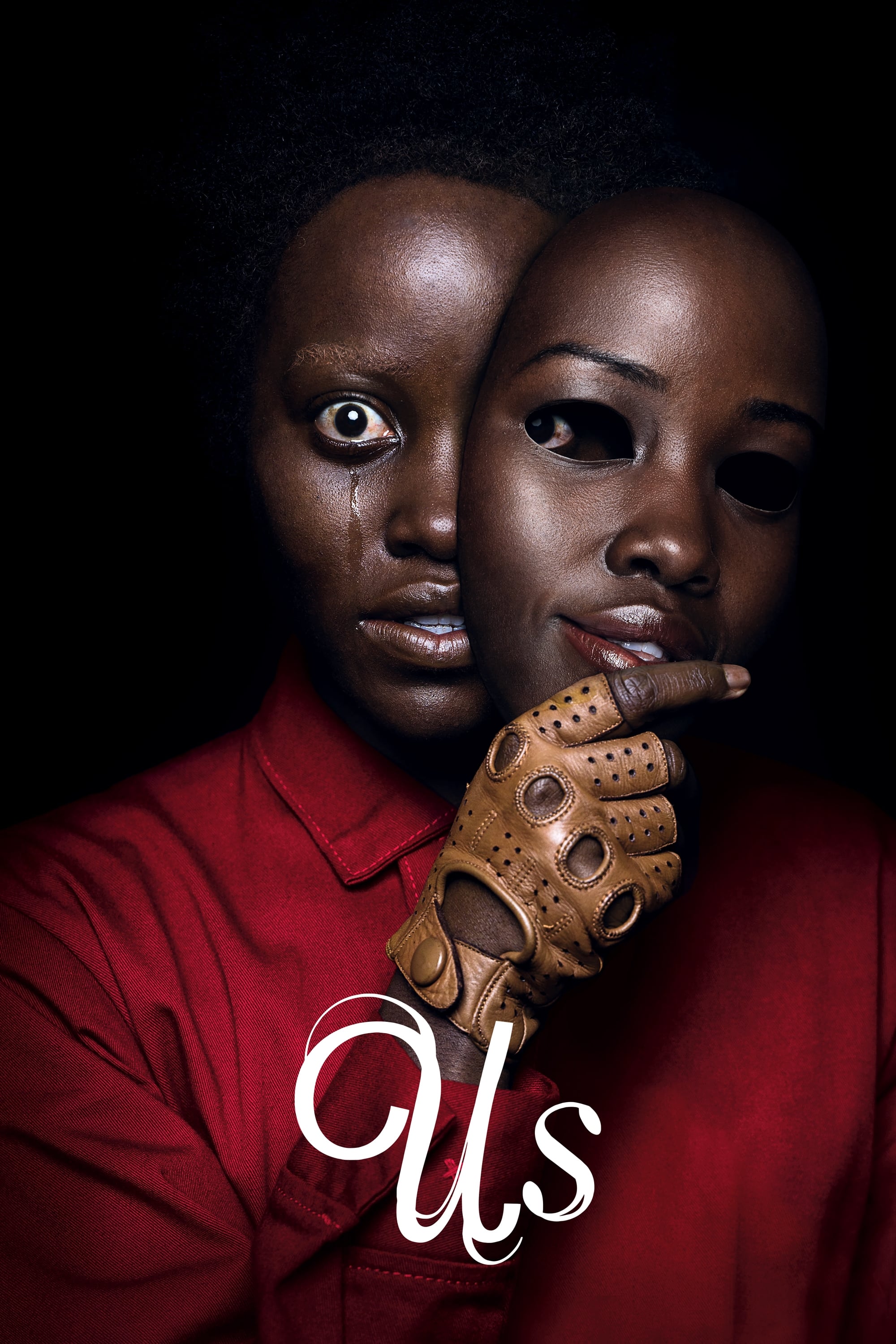
The film begins with a disturbing scene: a young girl meets her exact double in a funhouse mirror maze at the Santa Cruz boardwalk. This unsettling experience introduces the central idea of the movie – everyone has a hidden, darker counterpart. The mirrors symbolize the boundary between our world and a secret, underground realm, which is eventually shattered. As the story unfolds, the characters are forced to face these disturbing reflections of themselves.
‘Citizen Kane’ (1941)
In the final scene of the film, Charles Kane walks down a hallway lined with mirrors, creating an endless series of his reflections. This powerful image shows how his wealth and public image, while seemingly limitless, are actually empty and unfulfilling. With just one shot, Orson Welles captures Kane’s deep loneliness – a man who has everything materially, but lacks anything truly meaningful. The many reflections also suggest the different ways those around him perceived and understood Kane.
‘Oculus’ (2013)
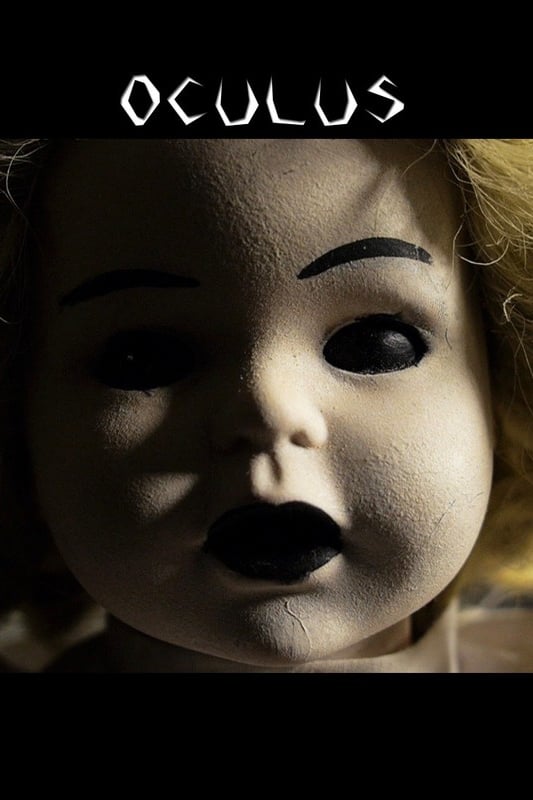
This horror movie centers around an old mirror with the frightening ability to twist what people see and feel. The story follows two siblings as they try to record the mirror’s strange powers, but the mirror fights back by messing with their minds. It bends time and deceives the characters, leading them to hurt each other. The mirror itself is portrayed as a sinister force that thrives on the emotional pain of those who gaze into it.
‘The Matrix’ (1999)
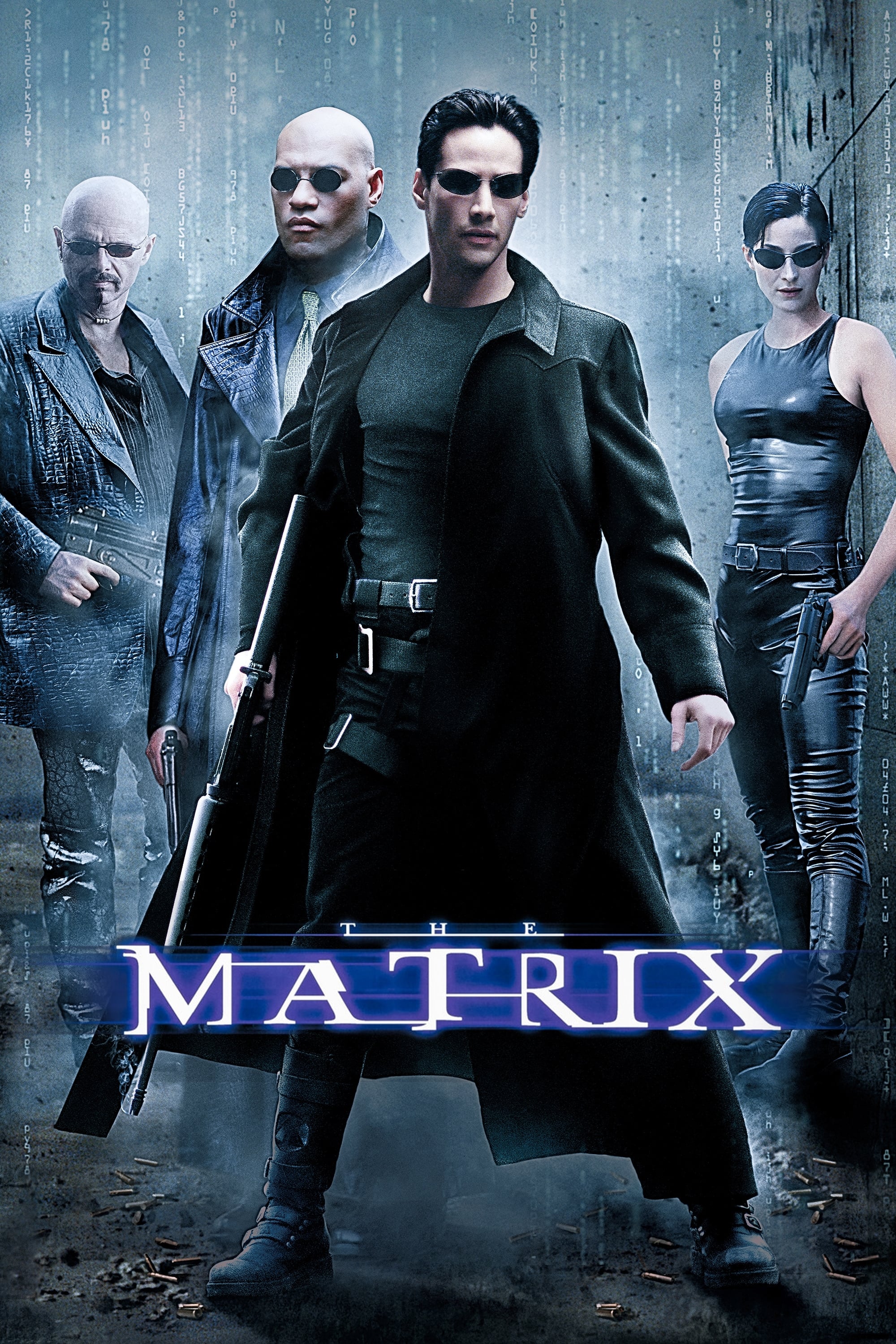
When Neo touches a shattered mirror, it unexpectedly fixes itself, then begins to flow over his body like a liquid. This strange event pulls him out of the artificial world he’s been living in and brings him into reality. Throughout the film, the filmmakers use reflections – like those in the agents’ sunglasses – to subtly hint at the truth. The mirror symbolizes how easily the digital world can be broken and the choice Neo makes to escape it.
‘La Haine’ (1995)
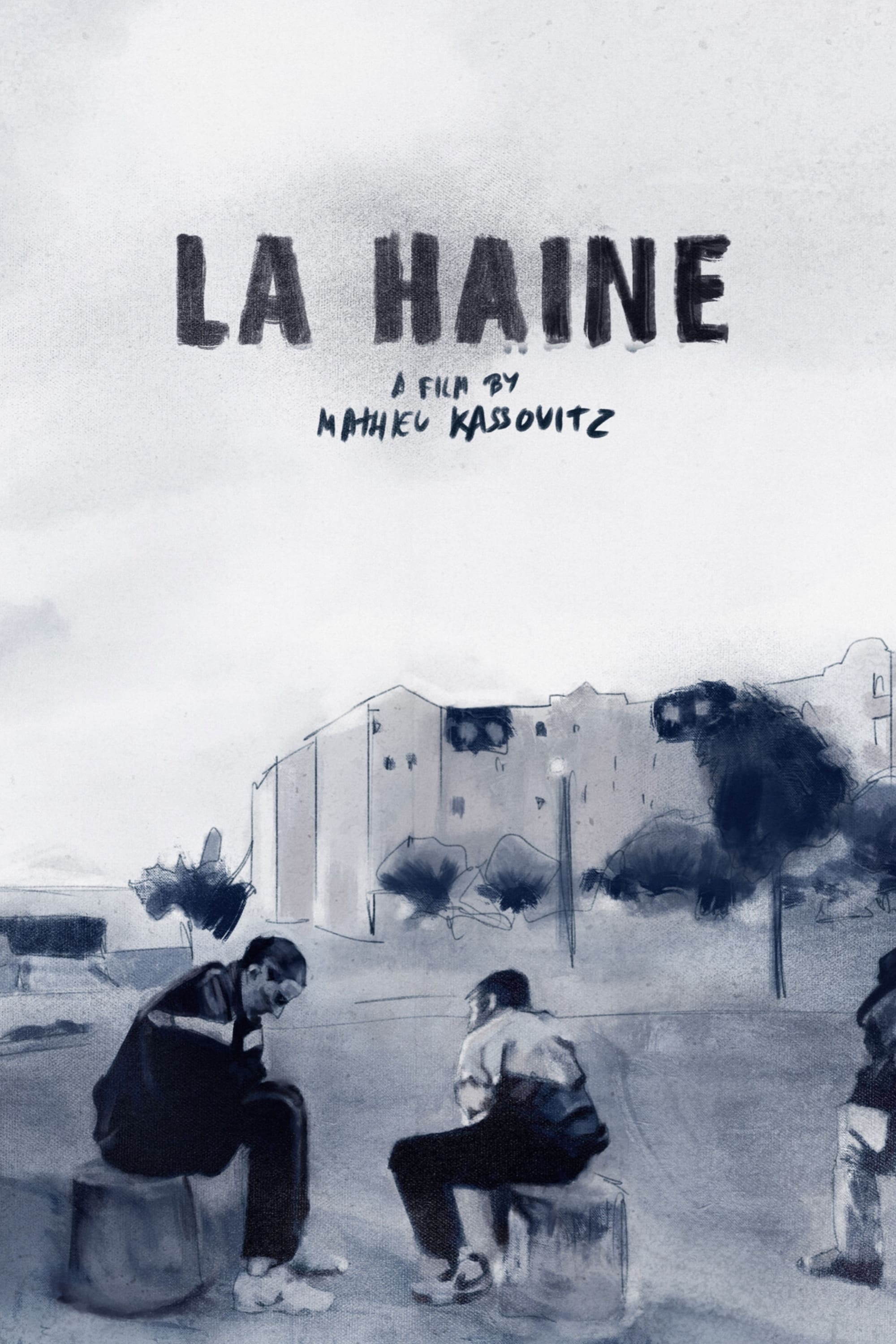
Vinz practices acting tough in front of the bathroom mirror, imitating a gangster from a movie. This scene reveals a softer side to him, showing that his tough act is just a front, before he goes out into his neighborhood. The black and white film style makes his reflection seem harsh and forces the audience to confront his anger. This moment highlights his need for respect and the struggle he has with using violence.
‘Mulholland Drive’ (2001)
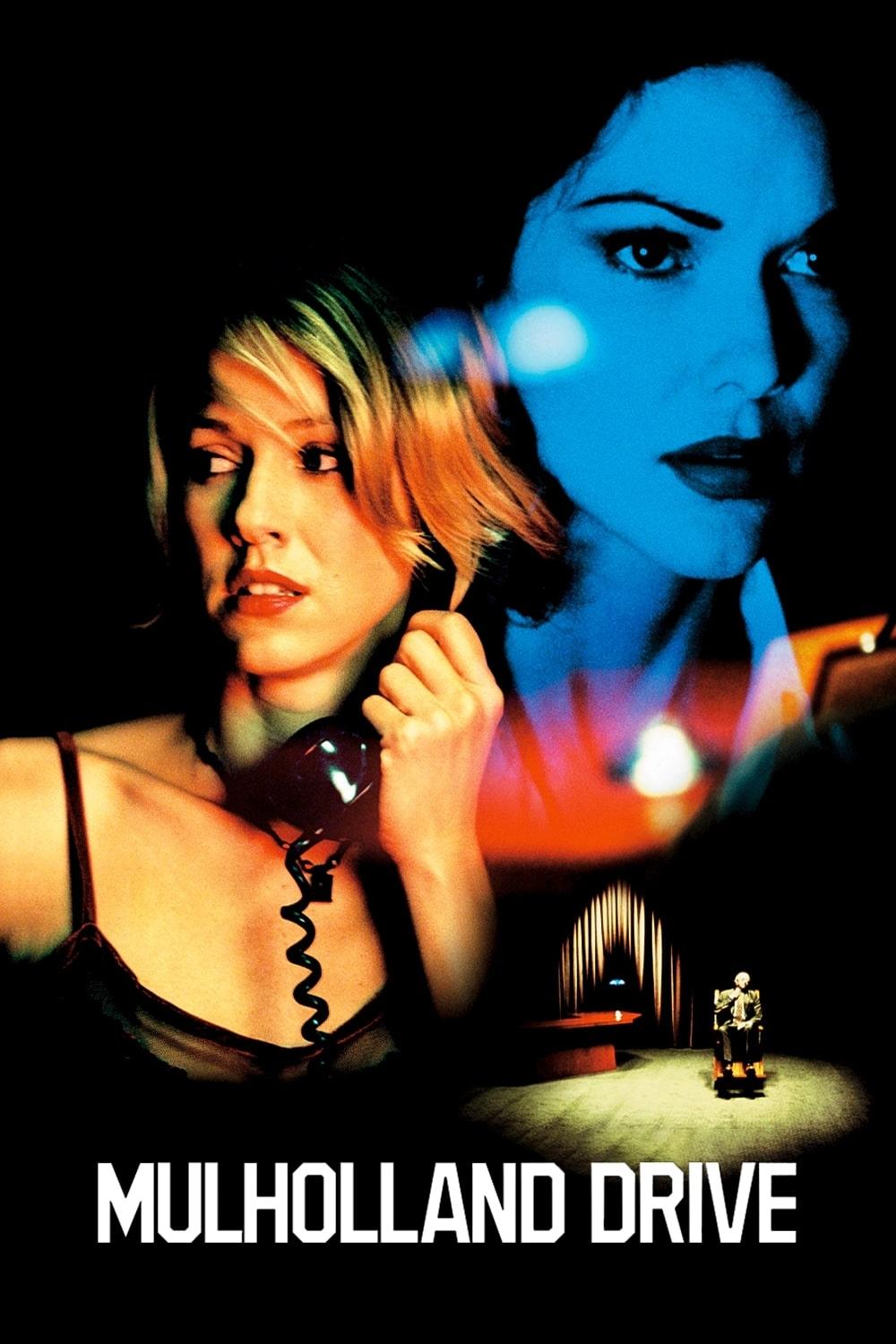
David Lynch frequently employs mirrors in his films to represent the changing identities of his characters, particularly within the surreal setting of Los Angeles. One notable example shows Rita and Betty looking into a mirror together, blurring their faces and hinting they are two sides of the same person. Later, reflections are used to expose the dark reality hidden beneath the glamorous facade of Hollywood. Essentially, the mirror symbolizes the line between illusion and harsh truth.
‘Perfect Blue’ (1997)

In this thrilling anime, Mima Kirigoe is haunted by a reflection that doesn’t mimic her actions, but instead seems to criticize her choice to leave the world of pop stardom. This unsettling phenomenon represents a deep struggle with who she is. The reflection becomes independent and starts to terrorize Mima, embodying her feelings of guilt and fear. Director Satoshi Kon skillfully uses these animated reflections to make viewers question what is real and what is a hallucination.
‘Duck Soup’ (1933)
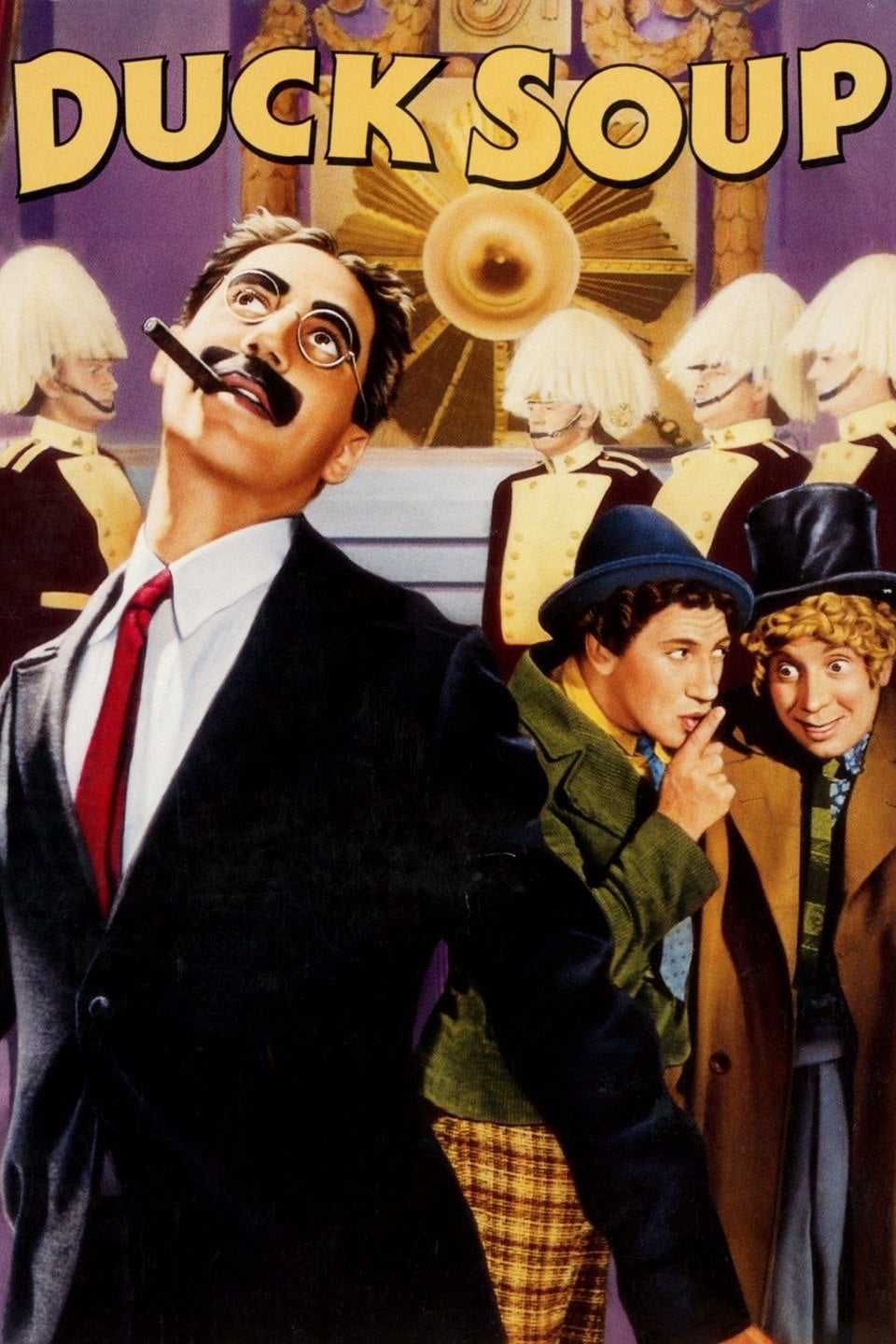
In a classic comedy bit, Harpo Marx disguises himself to look just like Groucho and secretly copies everything Groucho does while standing in a doorway. Groucho, thinking he’s seeing his own reflection, performs more and more complicated actions to test what he believes is his mirrored image. The humor comes entirely from precise timing and physical comedy, creating the illusion of a mirror without actually using one. This bit is widely considered one of the most famous ‘mirror gags’ in comedy history.
‘Suspiria’ (1977)
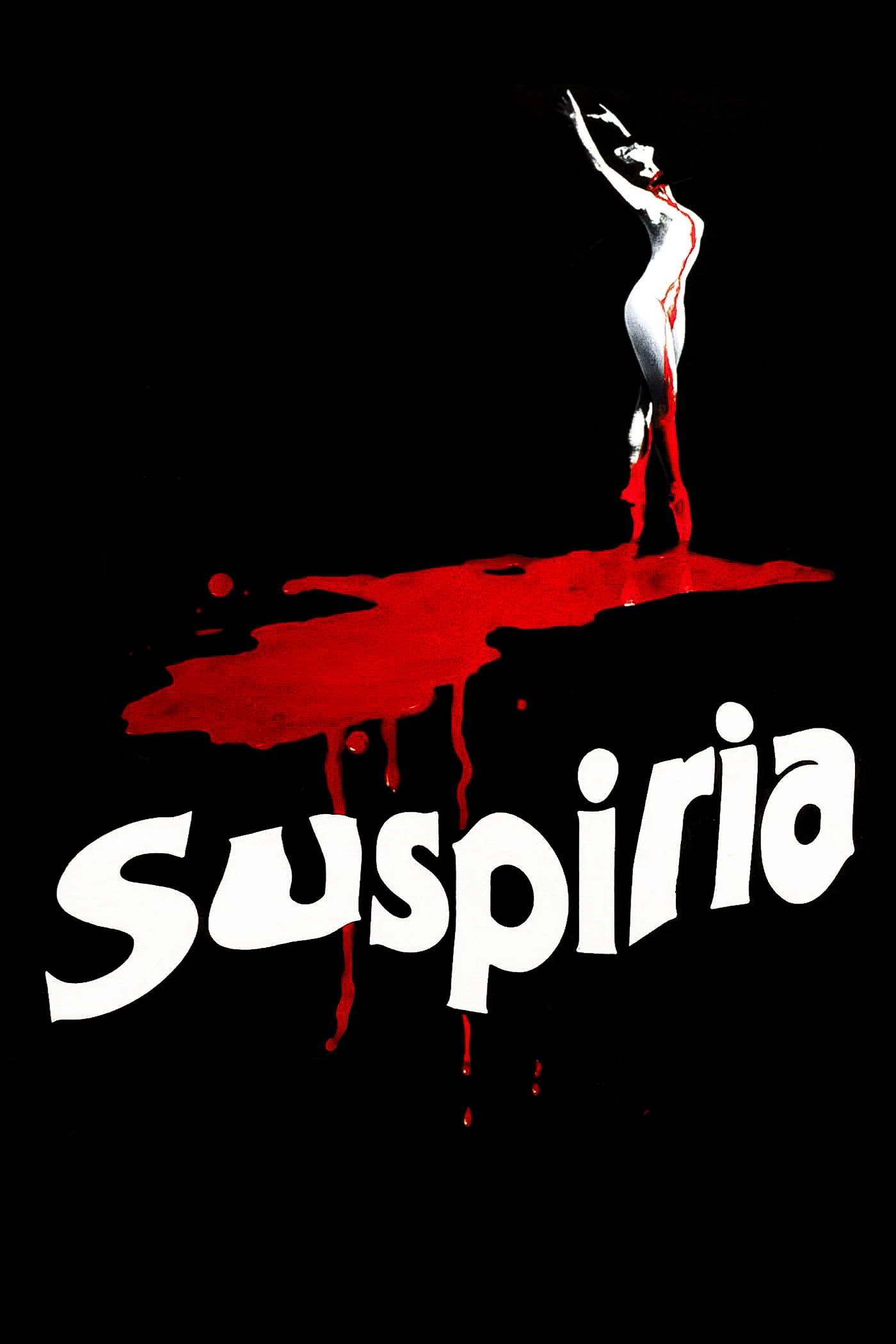
In Dario Argento’s film, a fancy dance academy hides a dark secret: it’s also a gathering place for witches. The main character soon realizes the mirrors in the dance studio aren’t just for dancers – they hide secret passages. Characters use flashlights to follow reflections off the mirrors, leading them further into the mystery. These mirrors cleverly disguise the school’s truly sinister side, acting as deceptive barriers.
‘Vertigo’ (1958)
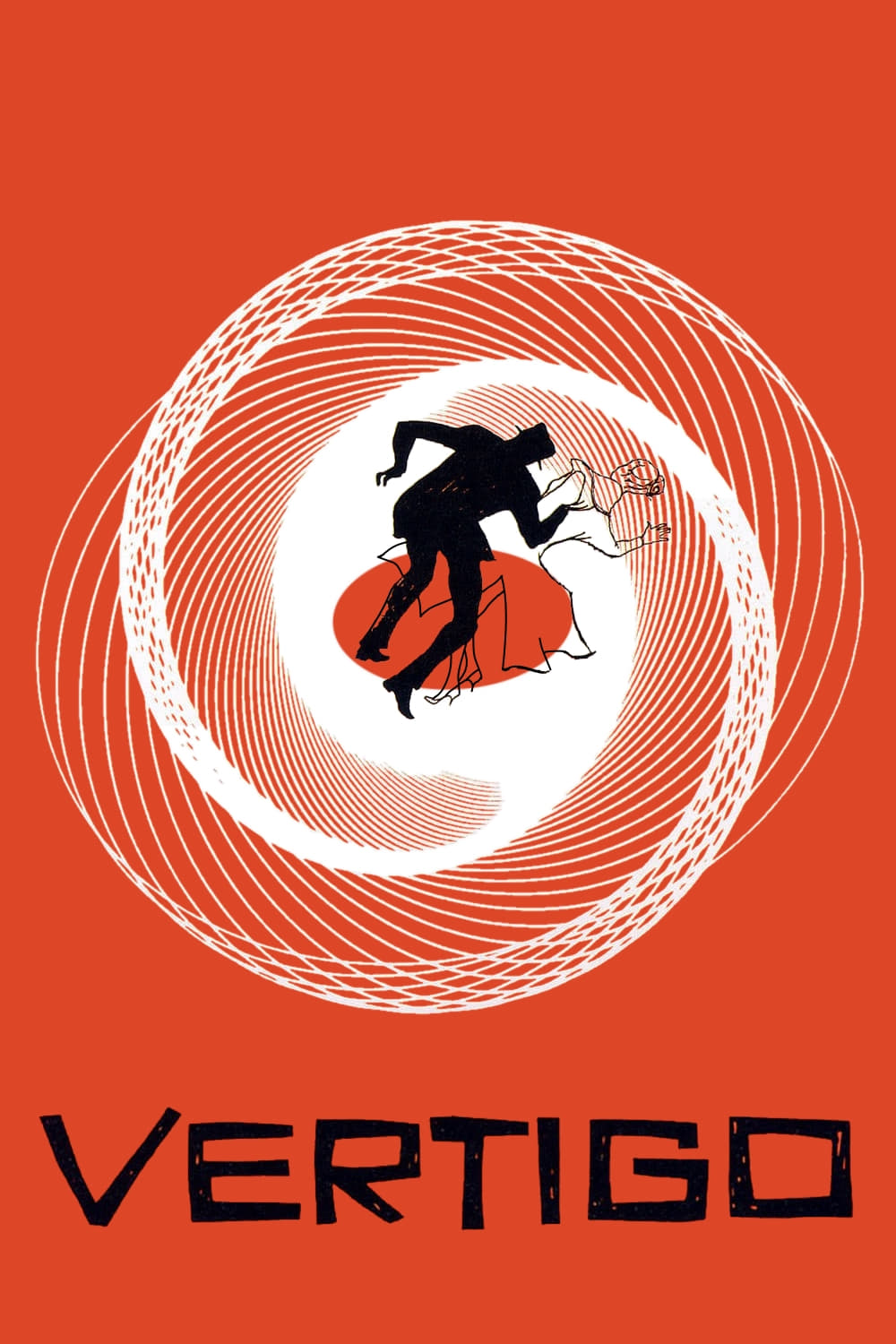
In Alfred Hitchcock’s psychological thriller, mirrors are a key element, highlighting themes of hidden identities and obsessive behavior. Throughout the film, Scottie often watches Judy in mirrors as he tries to transform her into a replica of his deceased love, Madeleine. These reflections don’t portray the women as fully realized individuals, but rather as objects for Scottie to observe and control. This repeated visual motif emphasizes Scottie’s preference for his idealized image of Madeleine over the real Judy.
Please share which of these reflective cinematic moments stood out to you the most in the comments.
Read More
- Invincible Season 4 Gender Swaps Tech Jacket As Fans Question Major Comic Change
- Silver Rate Forecast
- Gold Rate Forecast
- Building Agents That Learn and Improve Themselves
- 15 Films That Were Shot Entirely on Phones
- 22 Films Where the White Protagonist Is Canonically the Sidekick to a Black Lead
- 20 Movies Where the Black Villain Was Secretly the Most Popular Character
- Celebs Who Narrowly Escaped The 9/11 Attacks
- Games That Faced Bans in Countries Over Political Themes
- 18 TV Series Filming Rehearsals as Bonus Content
2025-12-01 07:19