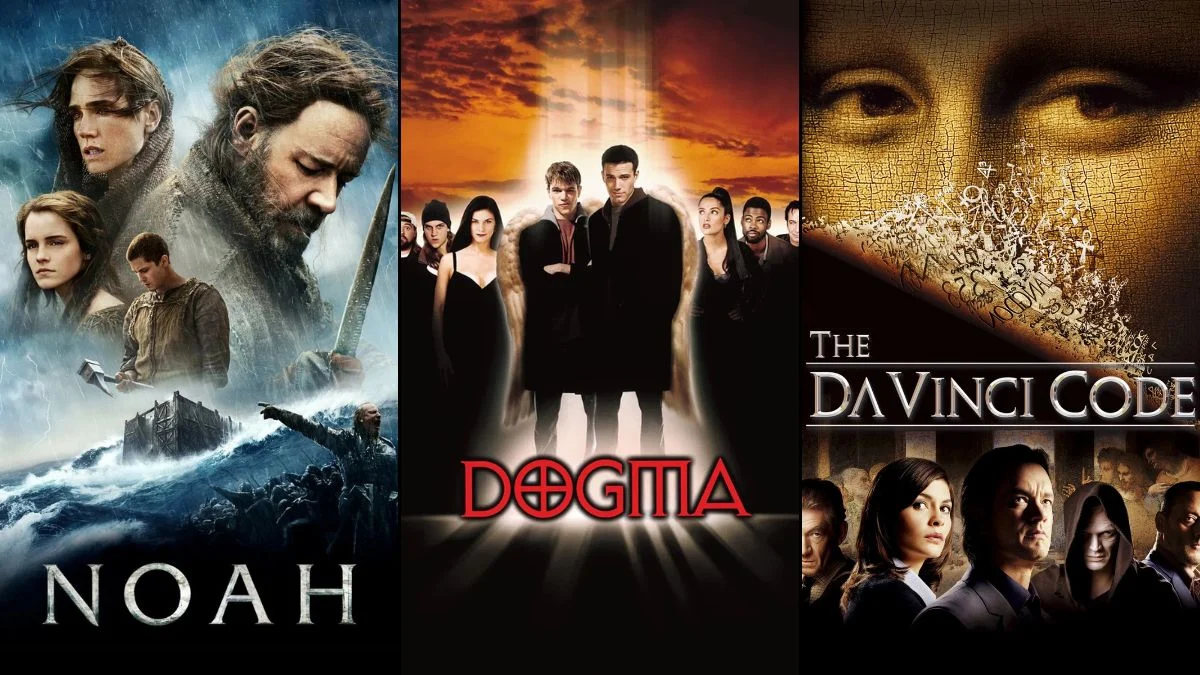
Movies have a history of pushing boundaries and questioning beliefs, often tackling faith and spirituality in ways that can be seen as critical or controversial. This frequently leads to heated discussions about how far filmmakers can go and whether they’re being respectful to religion. As a result, many governments and religious groups around the world have censored or banned certain films. Here’s a look at some movies that caused major international controversy and were prohibited due to their portrayal of religious themes.
‘The Last Temptation of Christ’ (1988)
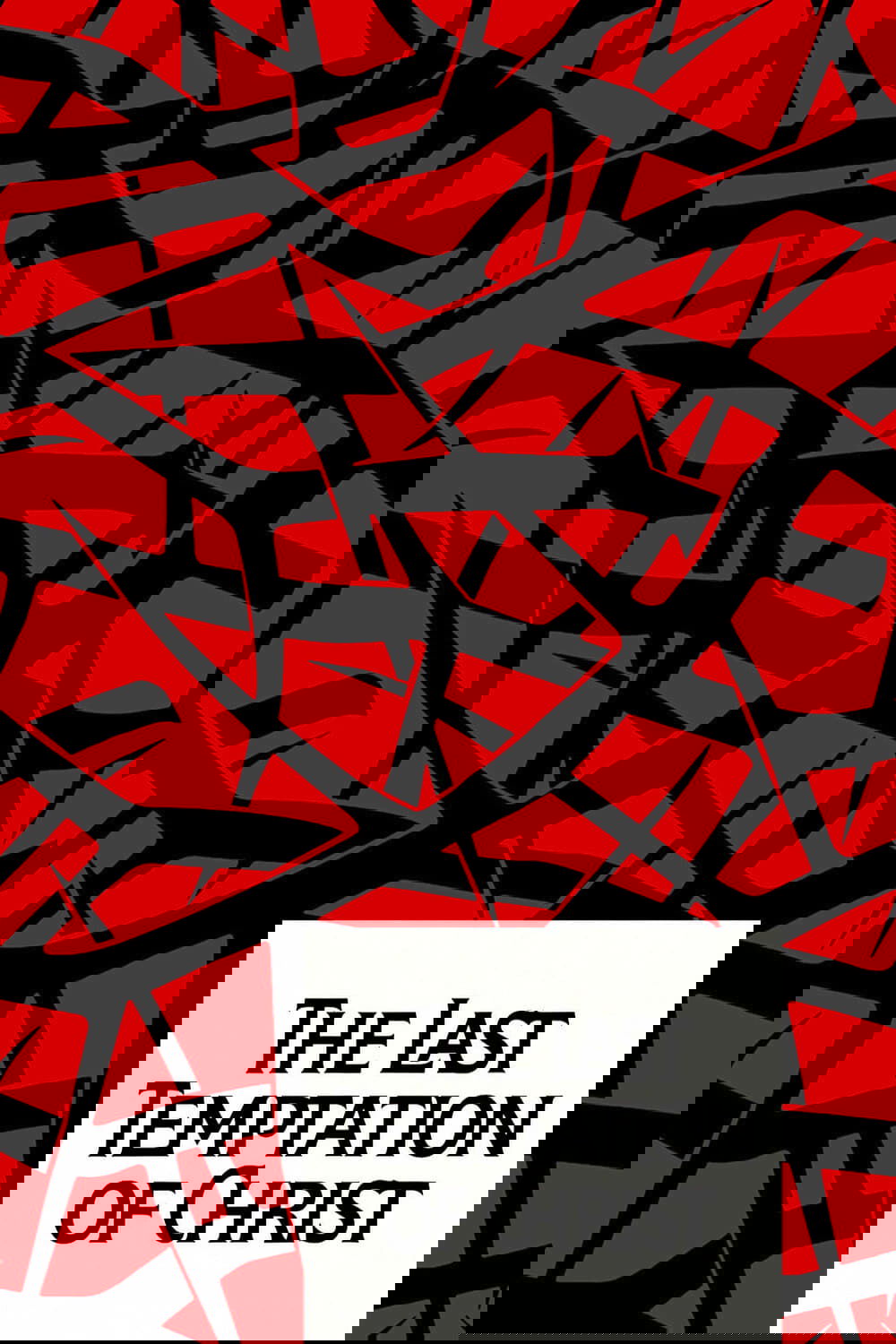
Martin Scorsese’s film is based on a novel by Nikos Kazantzakis and offers a more human portrayal of Jesus. It shows him grappling with feelings like doubt and desire, and even picturing an ordinary life with Mary Magdalene. This sparked global protests from religious organizations who felt it strayed from traditional biblical stories and disrespected the sacredness of Jesus. The film was even banned in countries like Chile and the Philippines when it came out, due to its controversial and potentially offensive content.
‘Monty Python’s Life of Brian’ (1979)
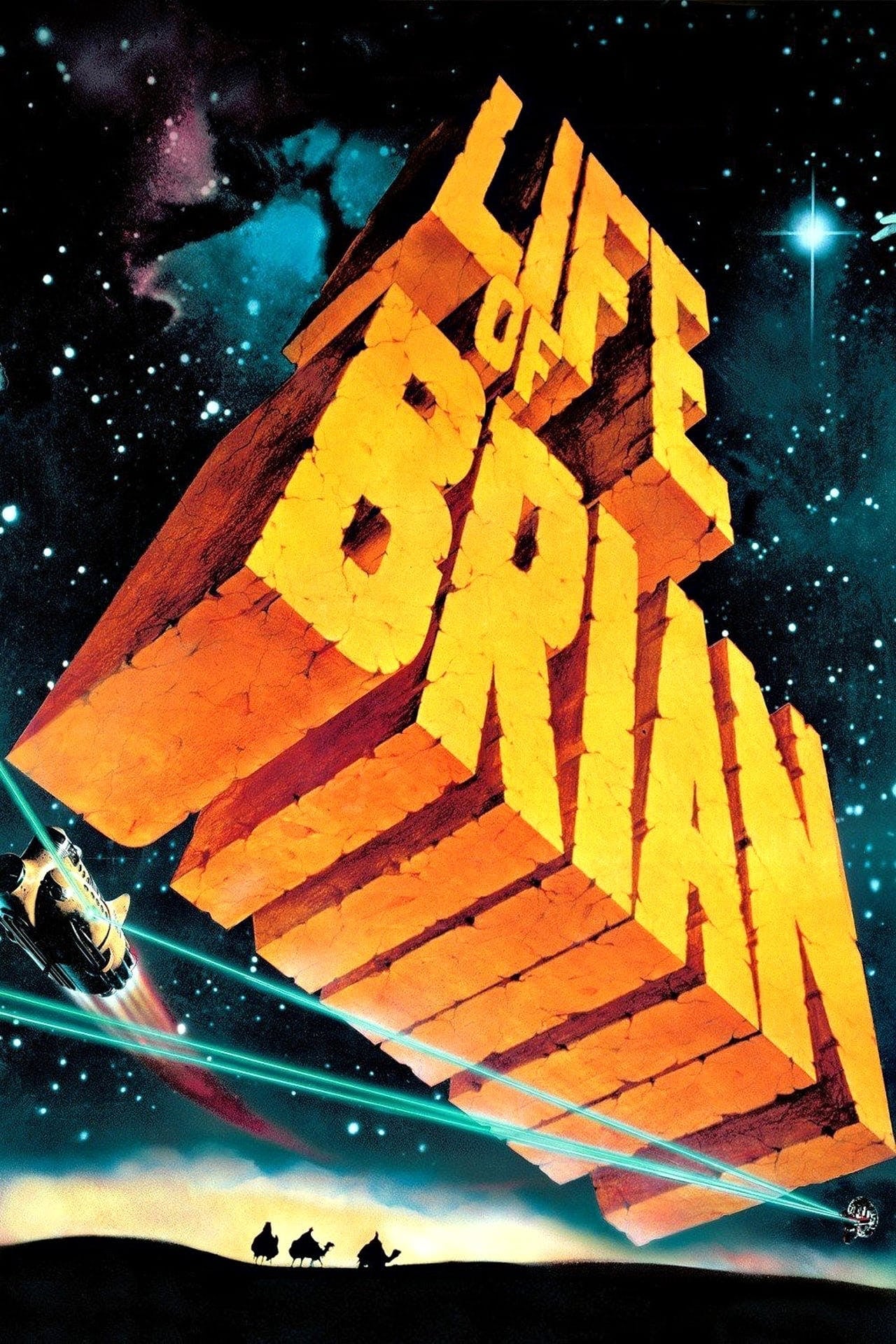
Monty Python’s film ‘Life of Brian’ is a humorous take on the story of a man born near Jesus. It sparked controversy, with many religious groups criticizing its playful treatment of Christian figures and religious symbols. The film was even banned in Ireland and Norway, which aimed to avoid offending religious beliefs. Ironically, the filmmakers cleverly used these bans to generate publicity and promote the movie elsewhere.
‘The Devils’ (1971)
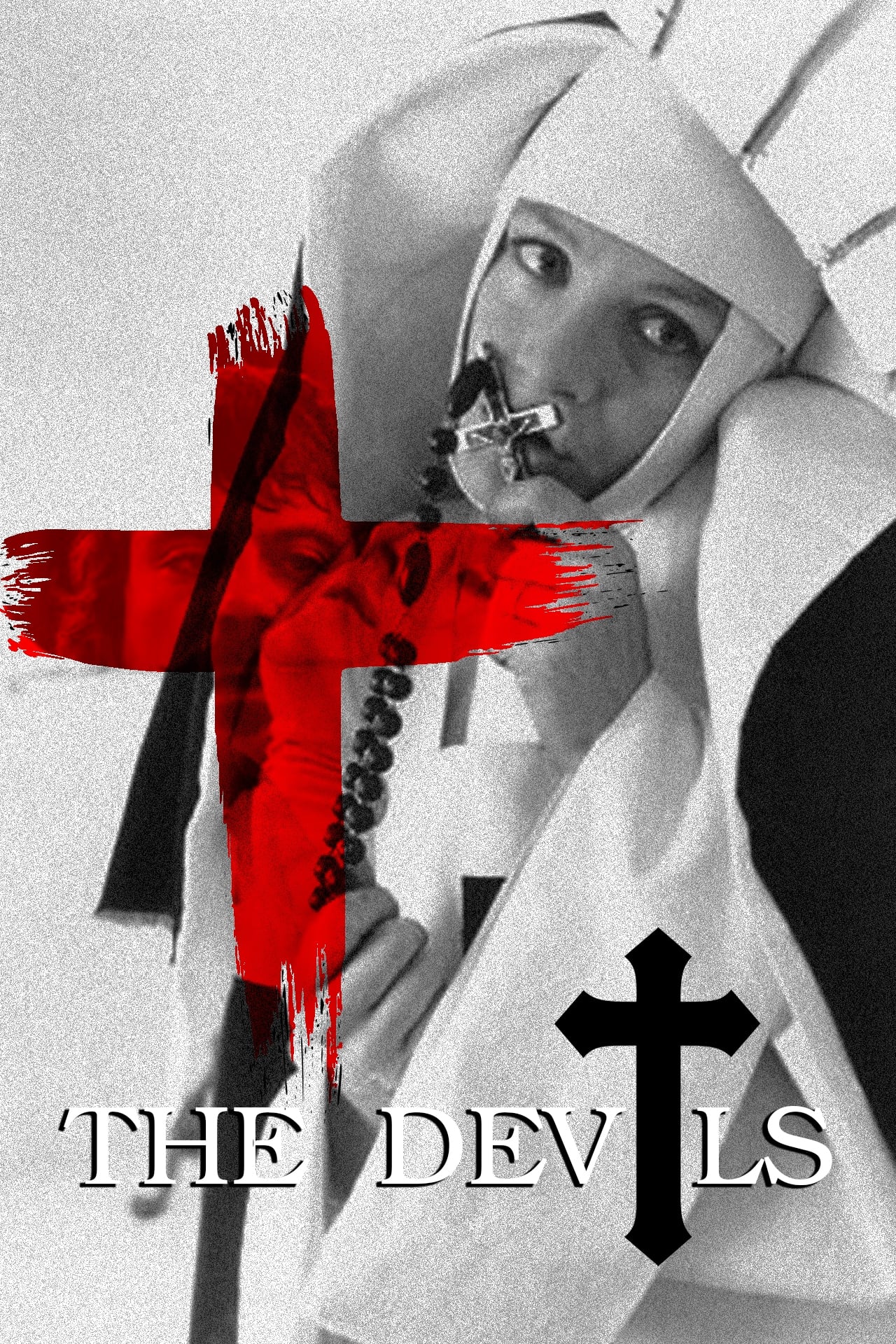
This historical drama, directed by Ken Russell, is based on the true story of alleged possessions in 17th-century Loudun. It centers on a priest accused of witchcraft and a group of nuns struggling with their desires. Before its release, Warner Brothers significantly cut the film because of its explicit content, which combined religious imagery with sexual themes. To this day, the movie is still banned in some countries and a complete, unedited version has never been widely available.
‘Noah’ (2014)
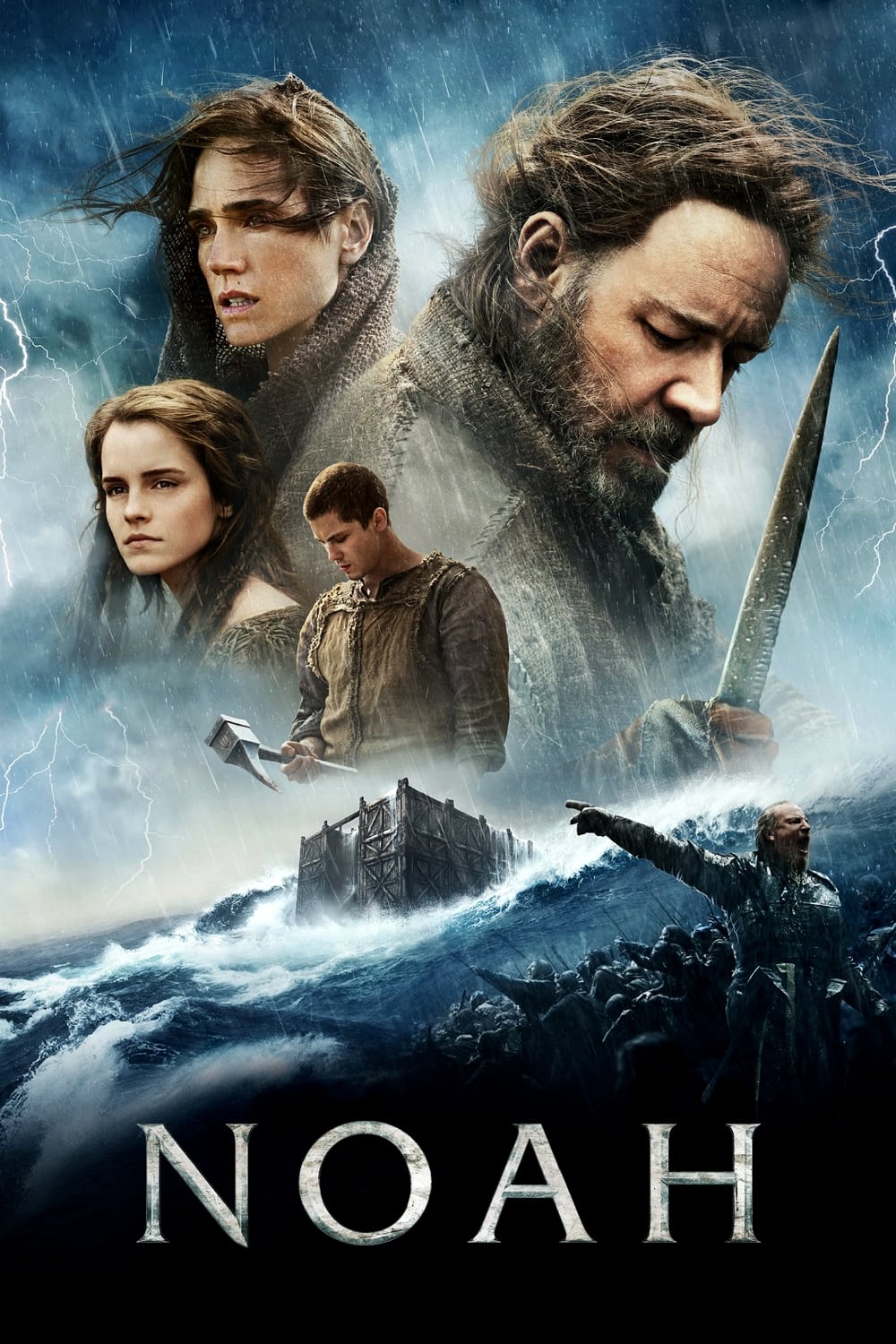
Darren Aronofsky’s film offered a new, more environmentally-focused and somber take on the story of Noah’s Ark. Before it was released, countries like Qatar and the United Arab Emirates banned the movie, citing Islamic rules against showing images of prophets. At the same time, some conservative Christian groups disapproved of the film because it differed significantly from the original story in the Book of Genesis.
‘The Da Vinci Code’ (2006)

Ron Howard’s film, based on Dan Brown’s popular novel, proposes that Jesus Christ was married to Mary Magdalene and had a child. The Vatican asked people not to see the film, arguing it contained religious errors and unfairly criticized the Catholic Church. Some countries, including Samoa and the Solomon Islands, actually banned the movie to avoid upsetting religious peace. Despite these objections, the film still sparked protests in many places where it was shown.
‘Exodus: Gods and Kings’ (2014)
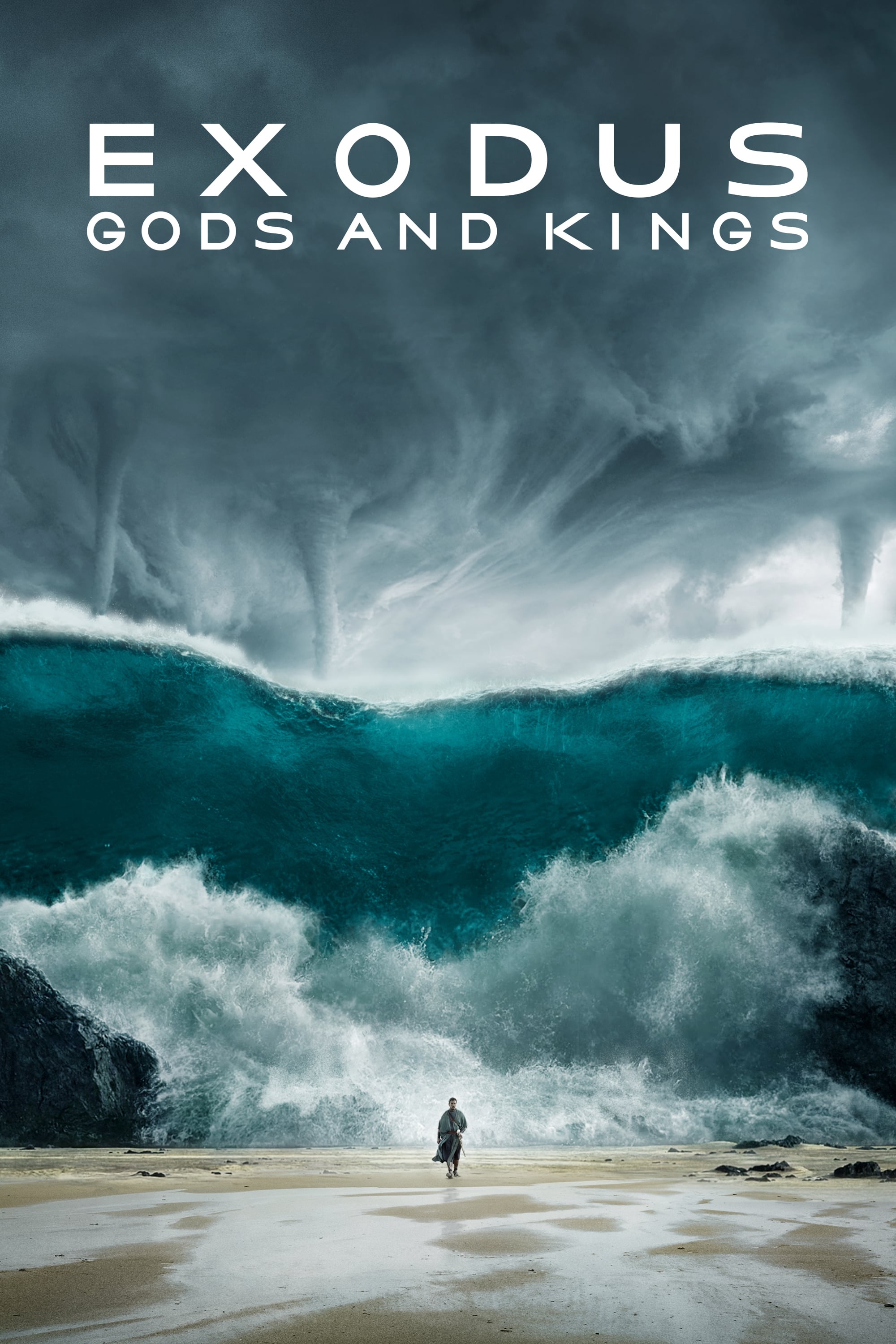
Ridley Scott’s film offers a grand-scale reimagining of the story of Moses and the Exodus from Egypt. However, it faced bans in both Egypt and Morocco. Egyptian officials objected to what they considered historical errors and a pro-Israel bias, while Morocco prohibited the film because it showed a visual depiction of God as a child. These reactions demonstrate the ongoing sensitivity surrounding portrayals of religious figures in the Middle East.
‘Bruce Almighty’ (2003)
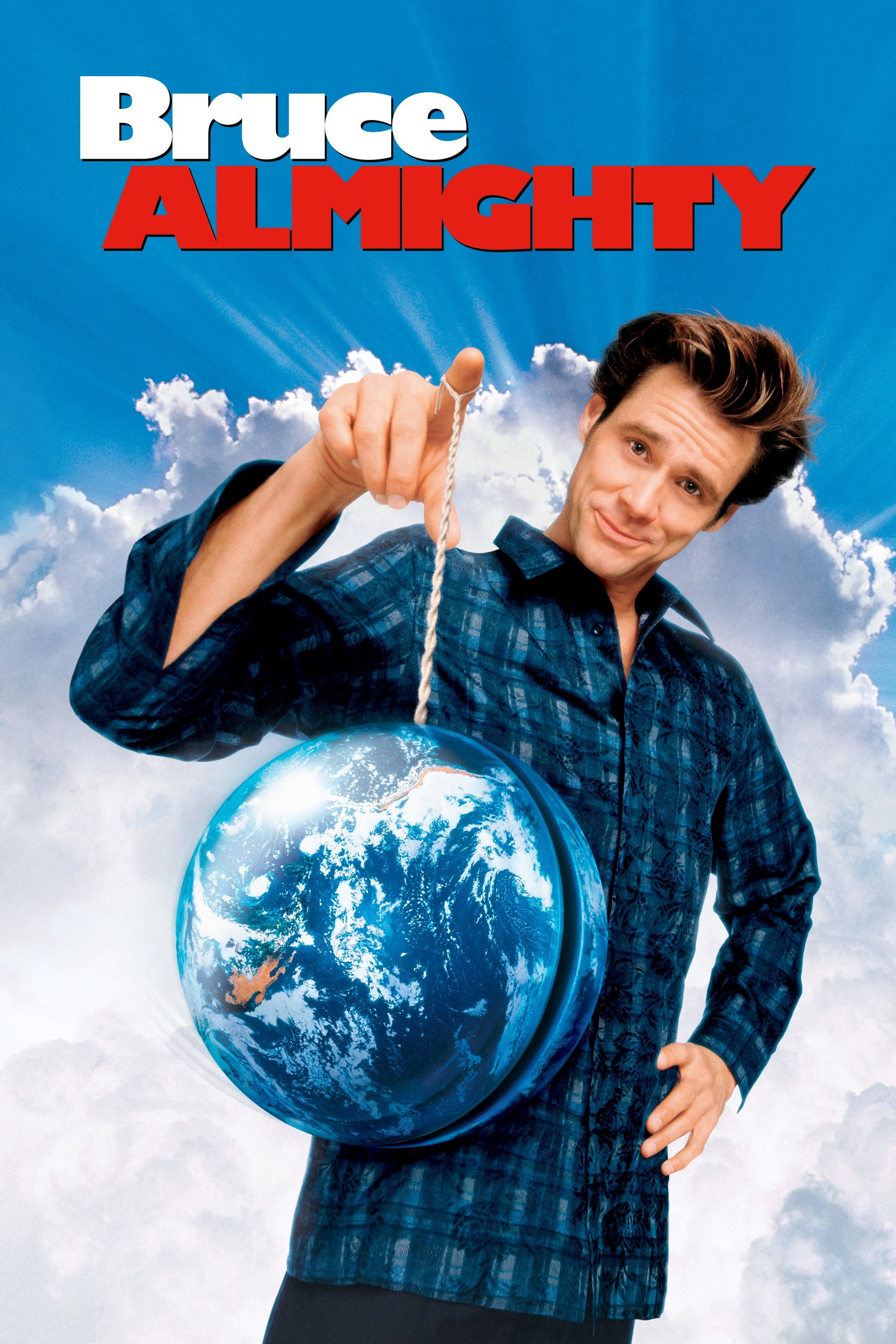
Jim Carrey plays a man who argues with God in this funny movie, and as a result, he’s given God-like powers. The film was banned in Egypt and Malaysia because showing God with human flaws and weaknesses was considered disrespectful to religious beliefs. Censors in both countries felt the movie made light of the idea of an all-powerful God.
‘Viridiana’ (1961)
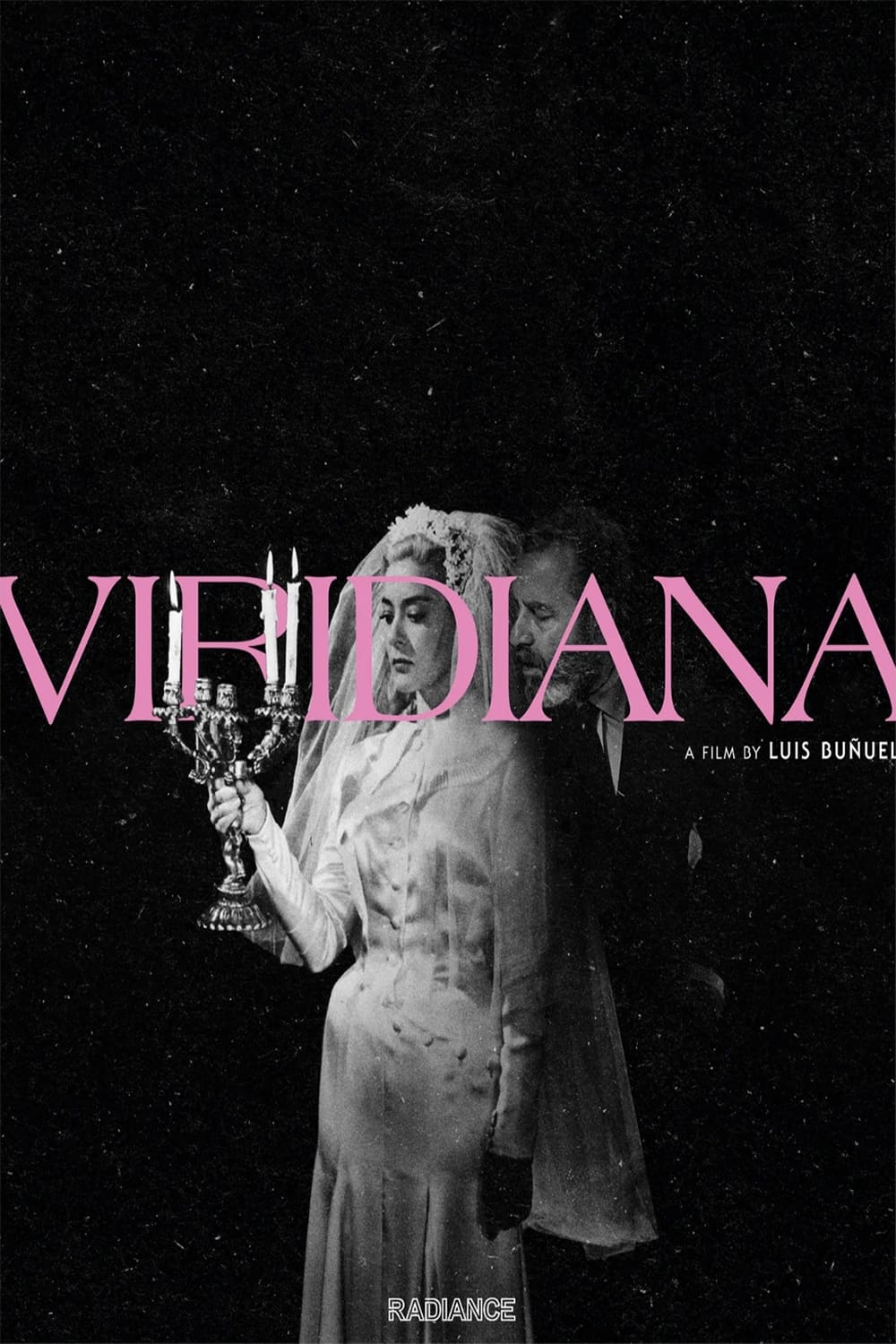
This film, directed by Luis Buñuel, tells the story of a young nun struggling to stay true to her beliefs in a world filled with corruption. Despite winning the top prize at the Cannes Film Festival, the Vatican newspaper strongly condemned it as blasphemous. The Spanish government, led by Francisco Franco, banned the film and even tried to destroy the original copy. It wasn’t shown in Spain again until Franco’s dictatorship ended.
‘Hail Mary’ (1985)
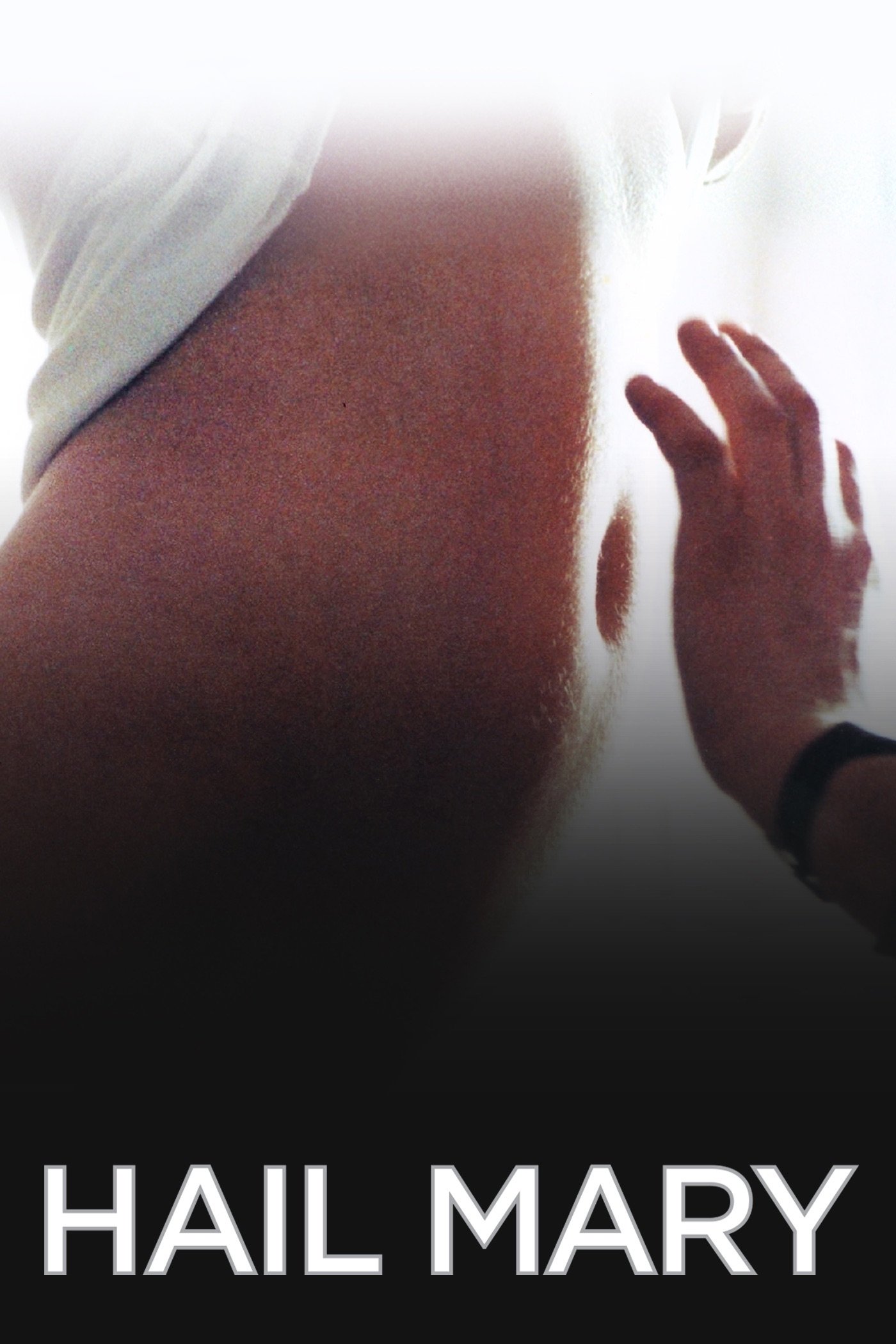
Jean-Luc Godard’s film offered a contemporary take on the story of the Virgin Birth, set in modern Switzerland. The film sparked strong reactions, including public condemnation from Pope John Paul II, who said it offended religious believers. When the movie was shown in France and the United States, it led to protests, and countries like Argentina and Brazil completely banned it.
‘Water’ (2005)
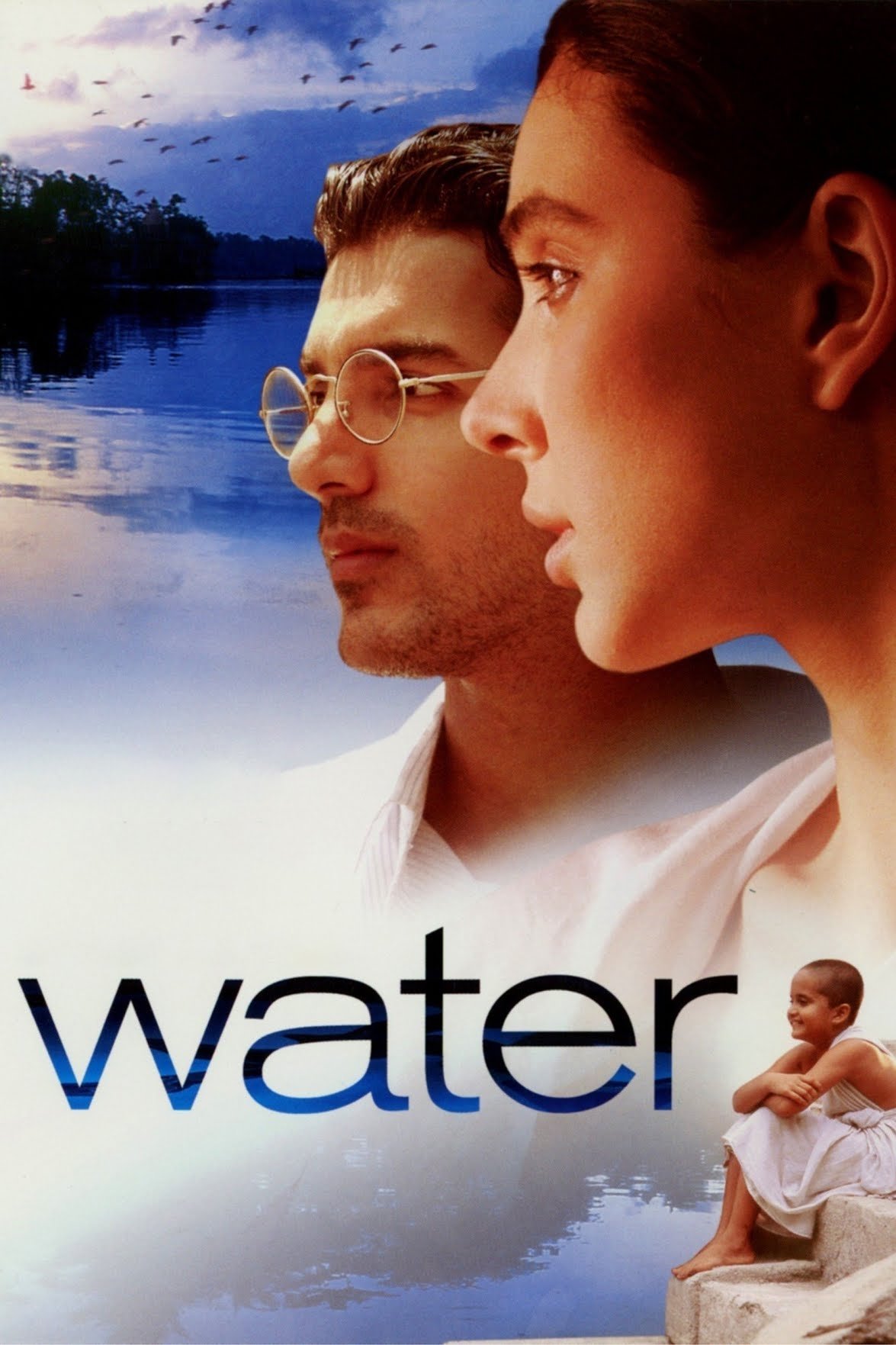
Deepa Mehta’s film examines the difficult lives of widows in India before it gained independence. During filming, Hindu extremists damaged the sets and threatened the director, claiming the movie unfairly criticized the way widows were treated and was hostile towards Hinduism. The film was banned in Pakistan and faced challenges getting released in India.
‘Persepolis’ (2007)
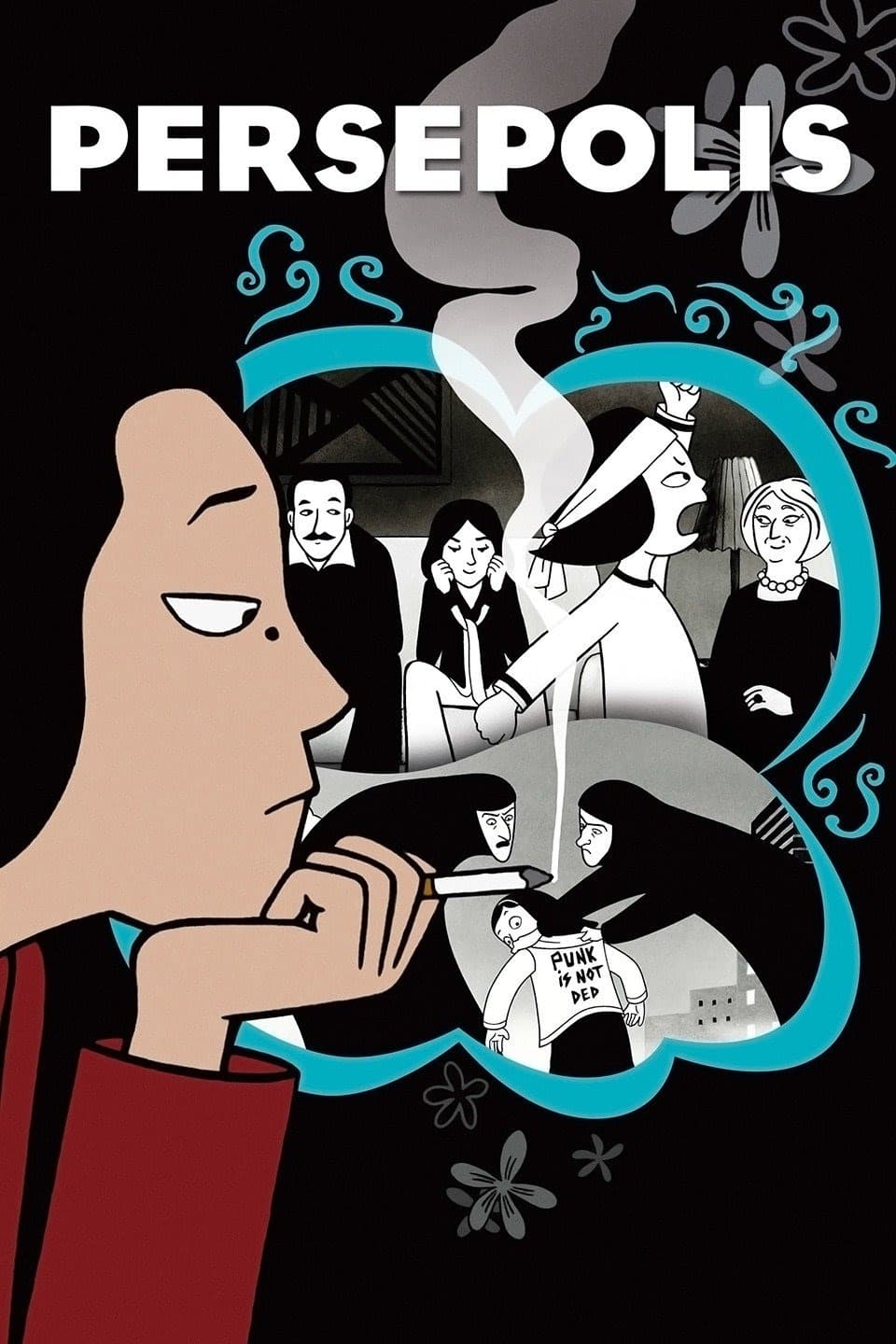
This animated movie tells the story of a girl growing up during the Iranian Revolution. The Iranian government strongly protested the film, taking issue with its critical portrayal of the ruling Islamist regime. For a short time, Lebanon also banned the movie when religious leaders said it insulted Islam. However, the ban was lifted in Lebanon after many people spoke out against the censorship.
‘Submission’ (2004)

This short film, directed by Theo van Gogh and written by Ayaan Hirsi Ali, offers a critique of how women are treated in some Islamic cultures. It controversially depicts Quranic verses written on the bodies of women who have experienced abuse. The film sparked immediate and intense backlash, ultimately leading to van Gogh’s murder by an extremist. As a result of the widespread outrage, the film was largely removed from distribution globally.
‘Visions of Ecstasy’ (1989)
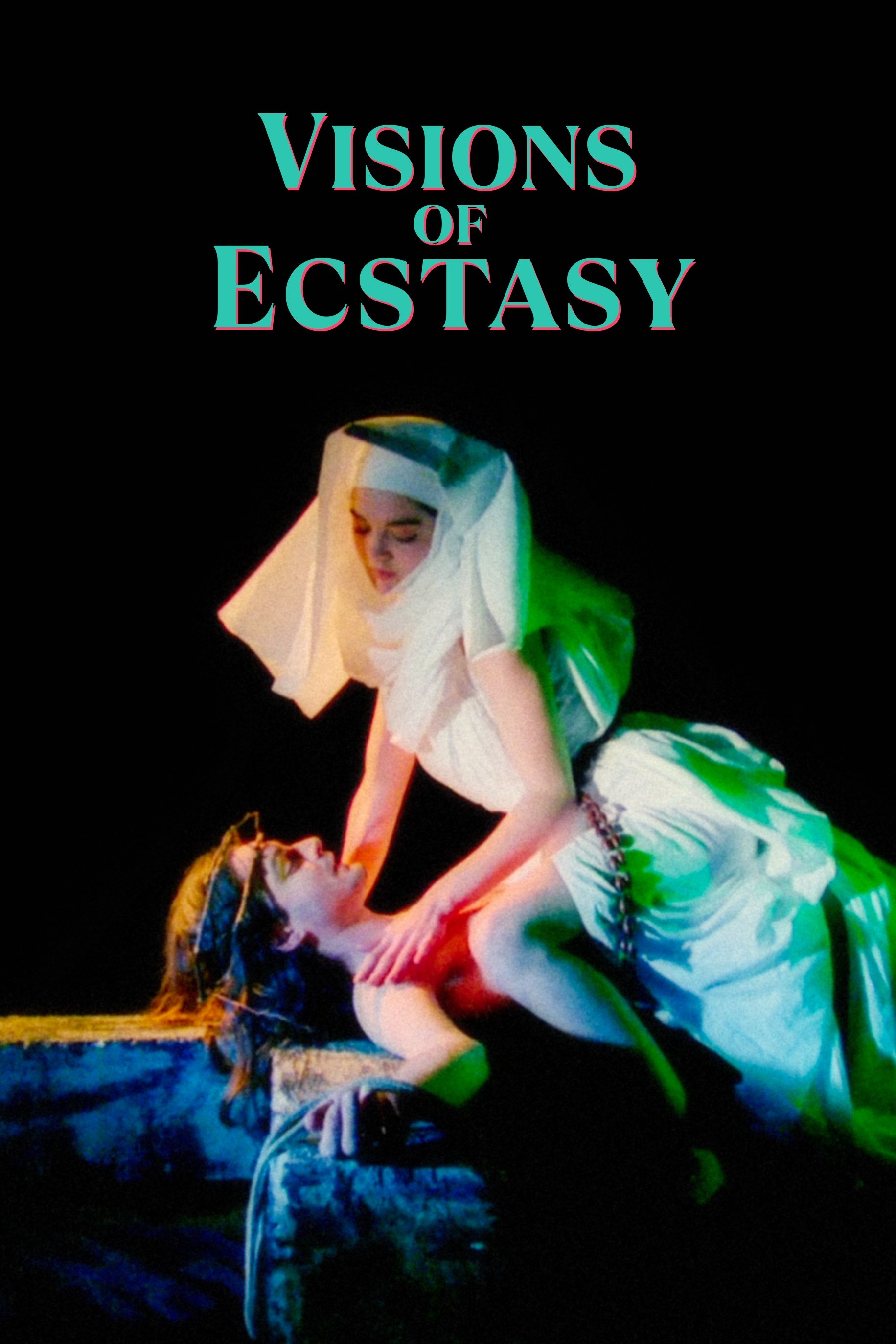
I was absolutely fascinated when I first learned about this short film, which portrays the intensely spiritual experiences of Saint Teresa of Avila – experiences that are depicted with a strong, almost sensual quality. It caused quite a stir when it was released, and the British Board of Film Classification actually refused to allow it to be shown, believing it was blasphemous. Incredibly, it became the only film ever banned in the UK specifically for blasphemy, and it stayed that way for almost twenty years! Thankfully, the law was changed in 2012, and the ban was finally lifted when the UK removed its old blasphemy laws.
‘Priest’ (1994)
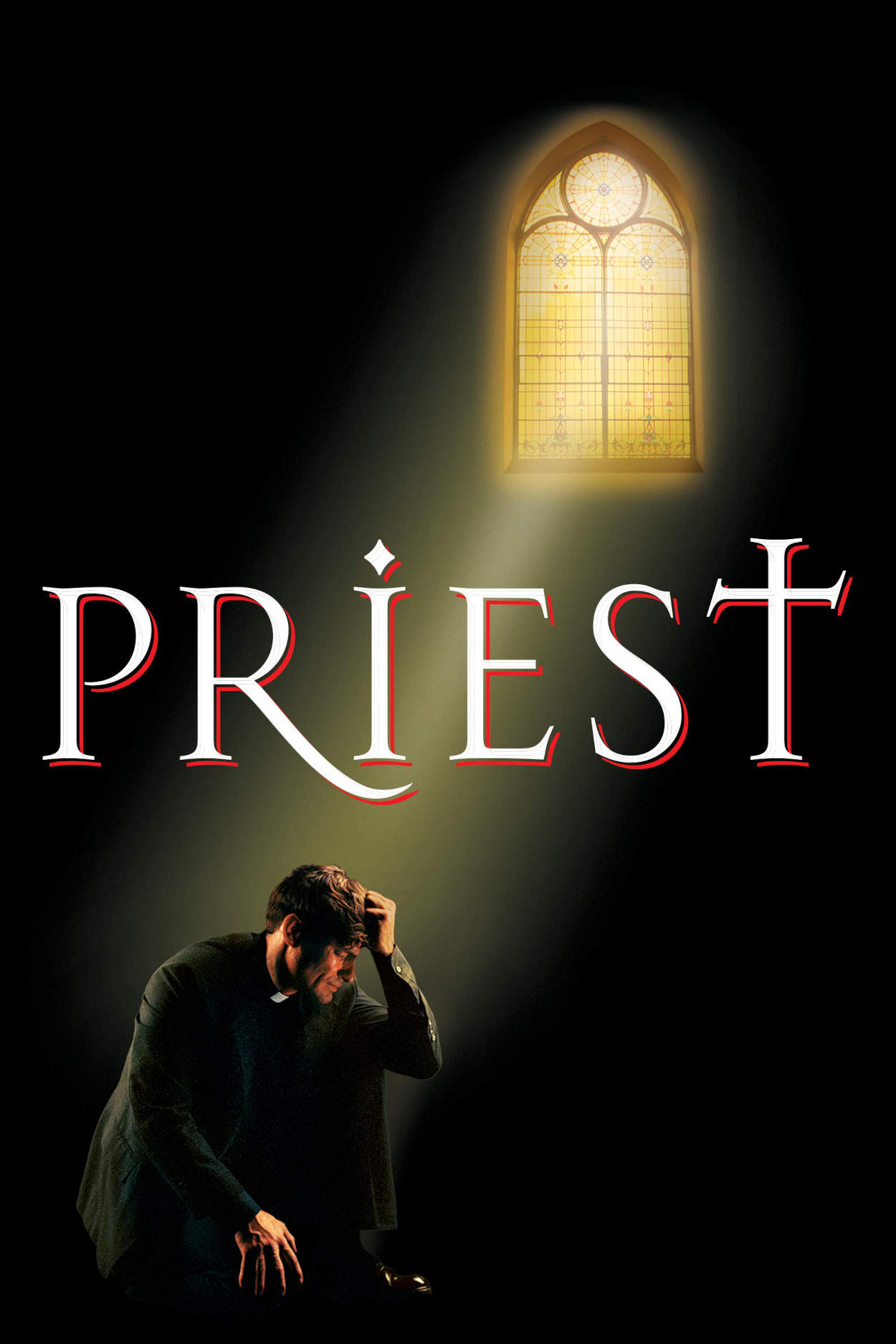
Antonia Bird’s film explores the internal conflict of a Catholic priest grappling with his sexual orientation. The movie sparked controversy and condemnation from the Catholic Church in both Ireland and the United States due to its depiction of a member of the clergy. This sensitive subject matter led to public outcry and demands for people to stop supporting the film. Although not officially banned in all places, it faced significant limitations and was largely unavailable in more conservative areas.
‘Salò, or the 120 Days of Sodom’ (1975)

Pier Paolo Pasolini’s film is a controversial adaptation of the Marquis de Sade’s work, placing the story within the context of Fascist Italy. It’s known for its shocking violence and explicit sexual content, which are interwoven with political and religious themes. Due to its intense nature, the film was banned in several countries, including Australia and New Zealand, for many years and remains one of the most debated films ever created.
‘L’Âge d’or’ (1930)
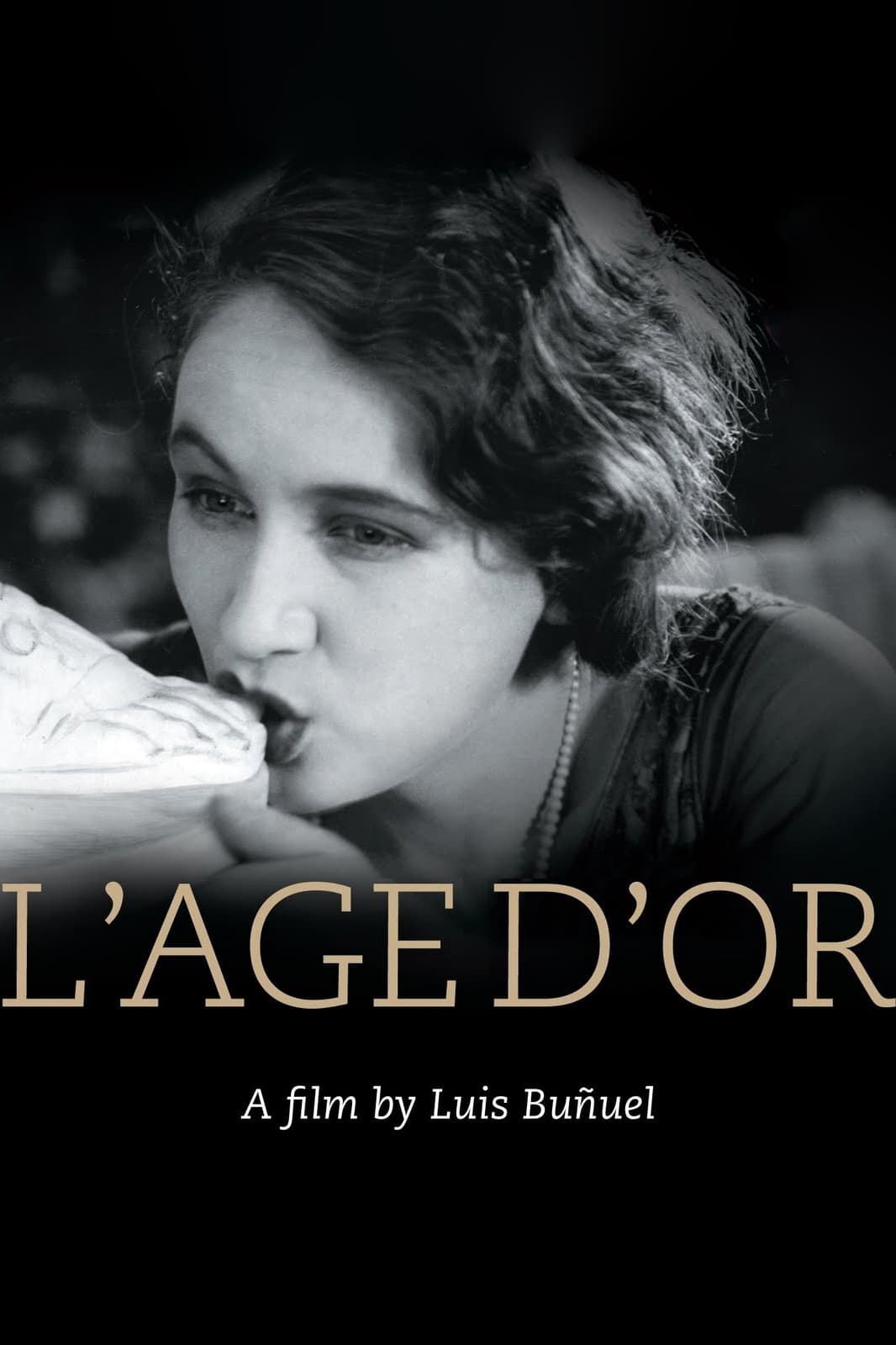
This surrealist film, a collaboration between Luis Buñuel and Salvador Dalí, sharply criticizes the values of middle-class society and the Catholic Church. Its premiere in Paris was disrupted by right-wing groups who vandalized the theater, leading the police to ban it to prevent further unrest. The film remained officially prohibited in France for fifty years because of its controversial religious depictions.
‘Dogma’ (1999)
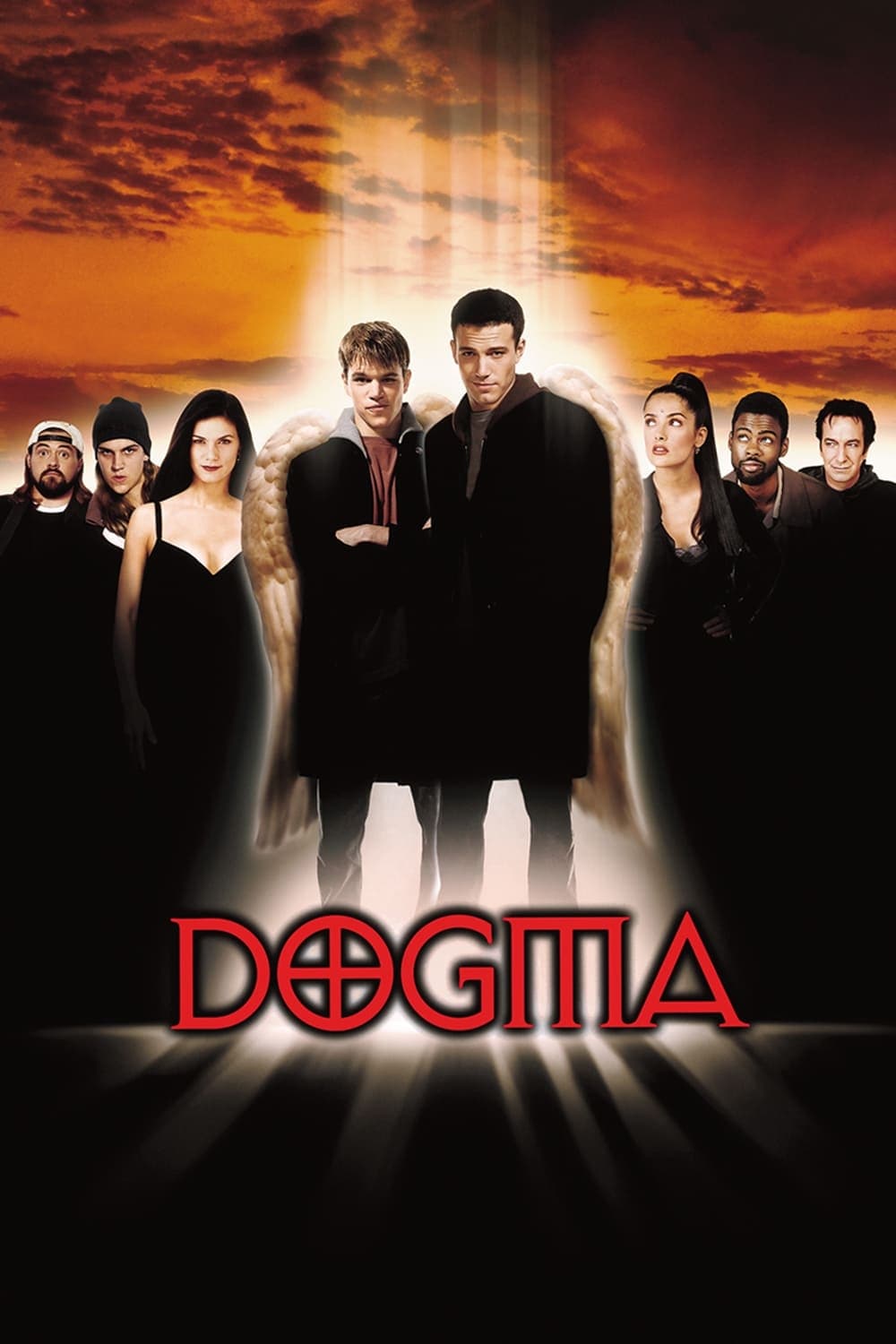
Kevin Smith’s fantasy comedy follows two angels attempting to return to Heaven. The film sparked outrage from the Catholic League, who labeled it blasphemous and led demonstrations against it. Disney, wanting to avoid the resulting controversy, sold the film’s distribution rights. Consequently, the movie was banned in several countries with laws against blasphemy.
‘Agora’ (2009)
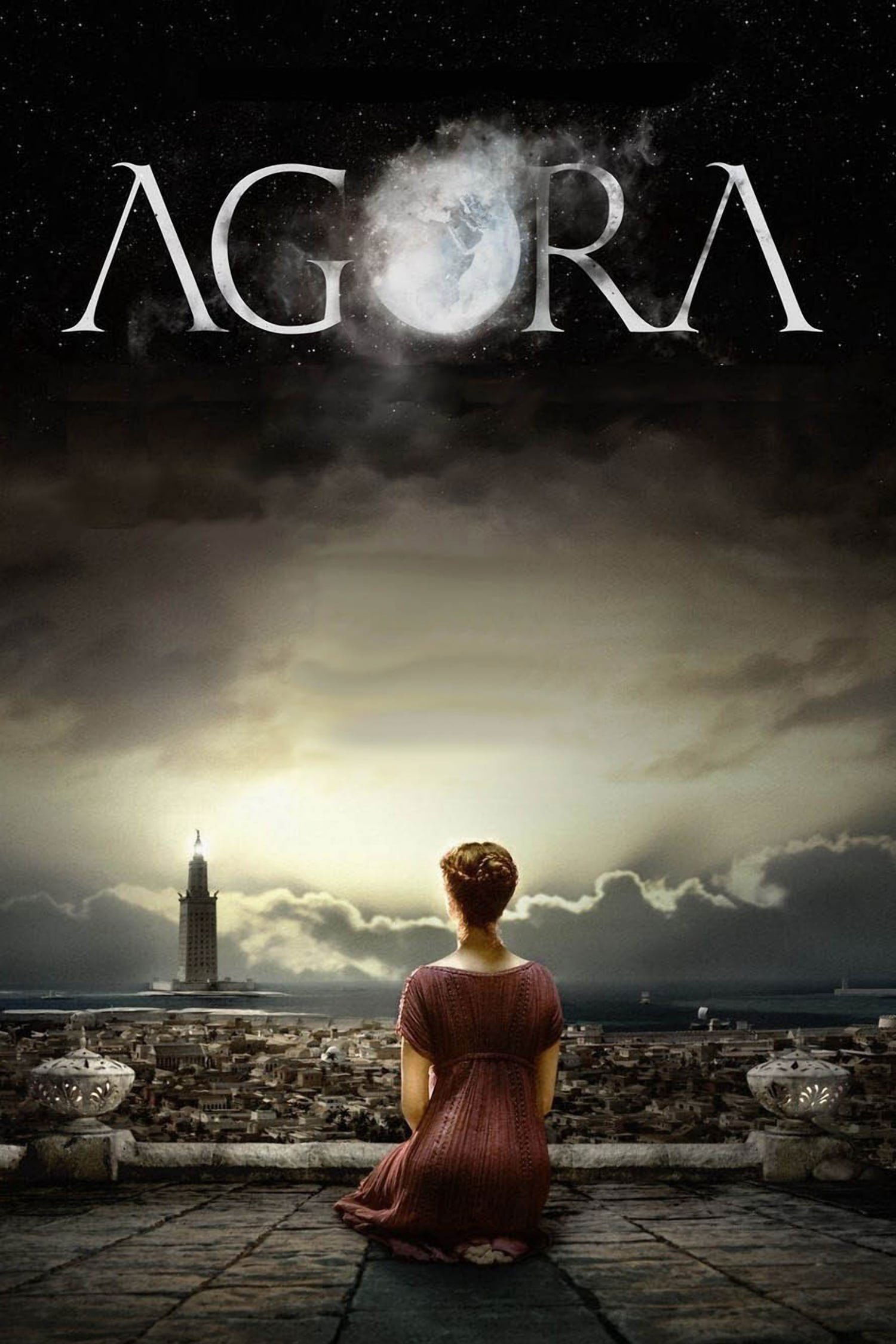
Alejandro Amenábar’s historical drama tells the story of Hypatia, a philosopher living in Roman Egypt. The film portrays early Christians as a radical and violent group responsible for the destruction of the Library of Alexandria. This depiction led to criticism from an Italian religious organization, which accused the movie of promoting religious hatred. The film faced difficulties finding a distributor in the United States and was strongly protested by Coptic Christians in Egypt.
‘The Exorcist’ (1973)

This classic horror film, directed by William Friedkin, tells the story of a young girl possessed by a demon. When it was released, religious groups protested, believing the film promoted Satanism and interest in the occult. As a result, some towns in the UK and parts of the Middle East banned it, particularly due to its frightening portrayal of religious struggles.
‘Antichrist’ (2009)
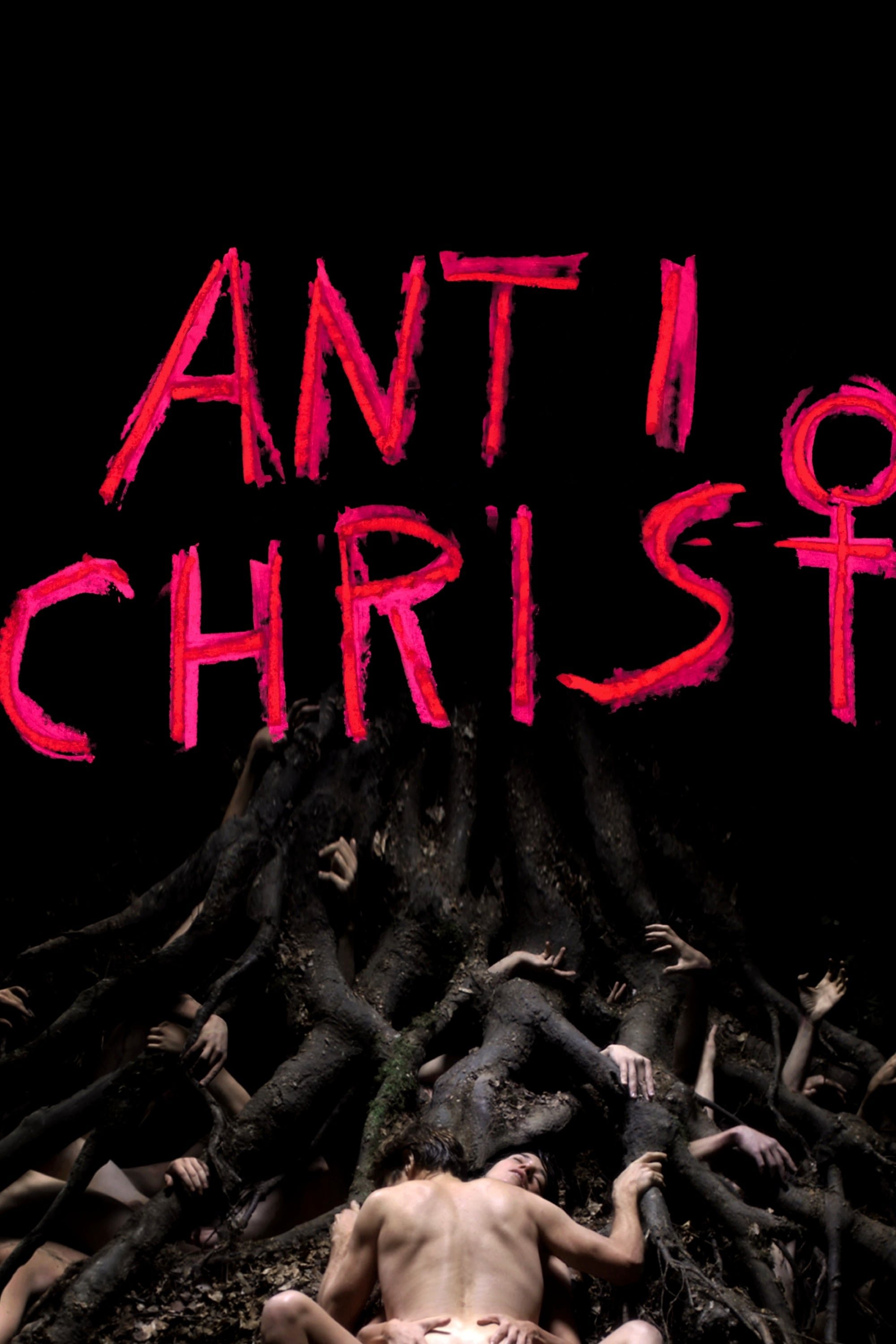
Lars von Trier’s film is a disturbing horror movie featuring intense violence and sexual content. It uses a bleak and symbolic story to explore themes of nature and religion. The film caused significant controversy, receiving a special award at the Cannes Film Festival for its negative portrayal of women and perceived disrespect towards faith. As a result, it was either banned or heavily edited in countries with strong moral and religious guidelines.
‘Benedetta’ (2021)
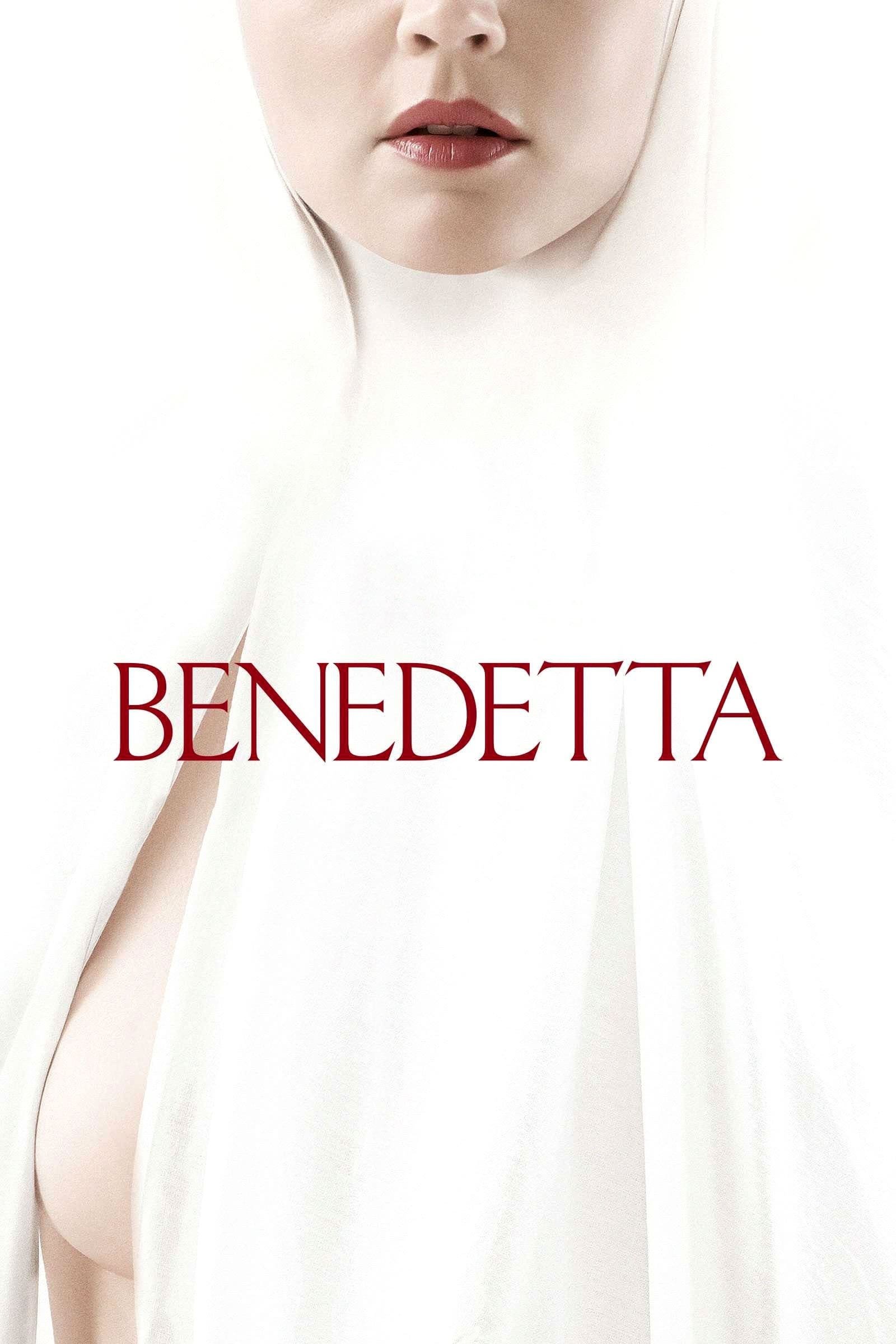
Paul Verhoeven’s film is a historical drama based on the life of a 17th-century nun who falls in love with another woman. The movie controversially mixes intense religious experiences with explicit sexual content, sparking outrage from Catholic organizations. Singapore essentially banned it by refusing to give it a rating, citing its disrespectful depiction of religious characters. In the United States, the film faced protests and accusations of blasphemy from various activist groups.
‘The Crime of Father Amaro’ (2002)
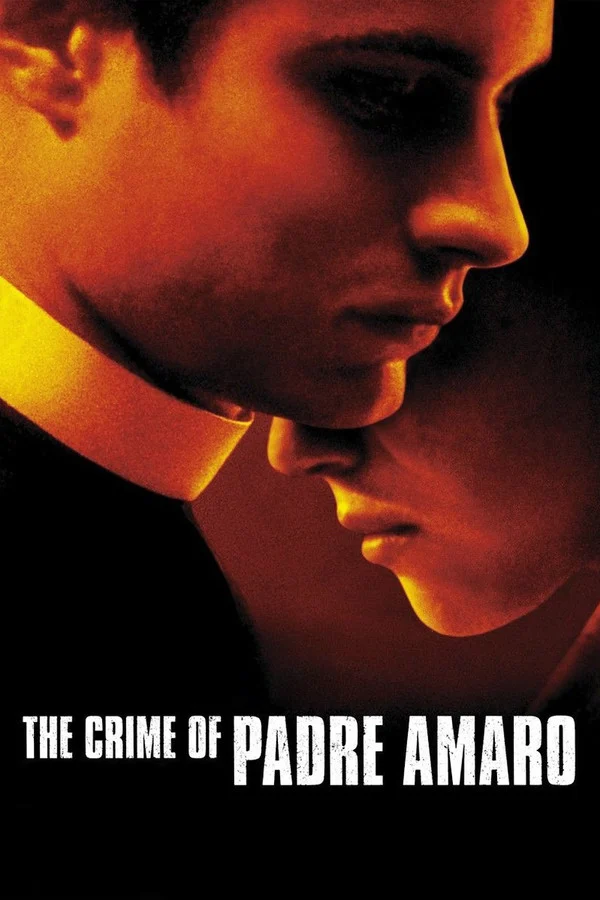
This Mexican film, starring Gael García Bernal, tells the story of a young priest who develops feelings for a teenage girl. The film faced strong opposition from the Catholic Church in Mexico, which asked the government to ban it, and conservative groups even tried to block its release through legal action. Despite the controversy, it became a huge success at the Mexican box office.
‘The Matrix Reloaded’ (2003)
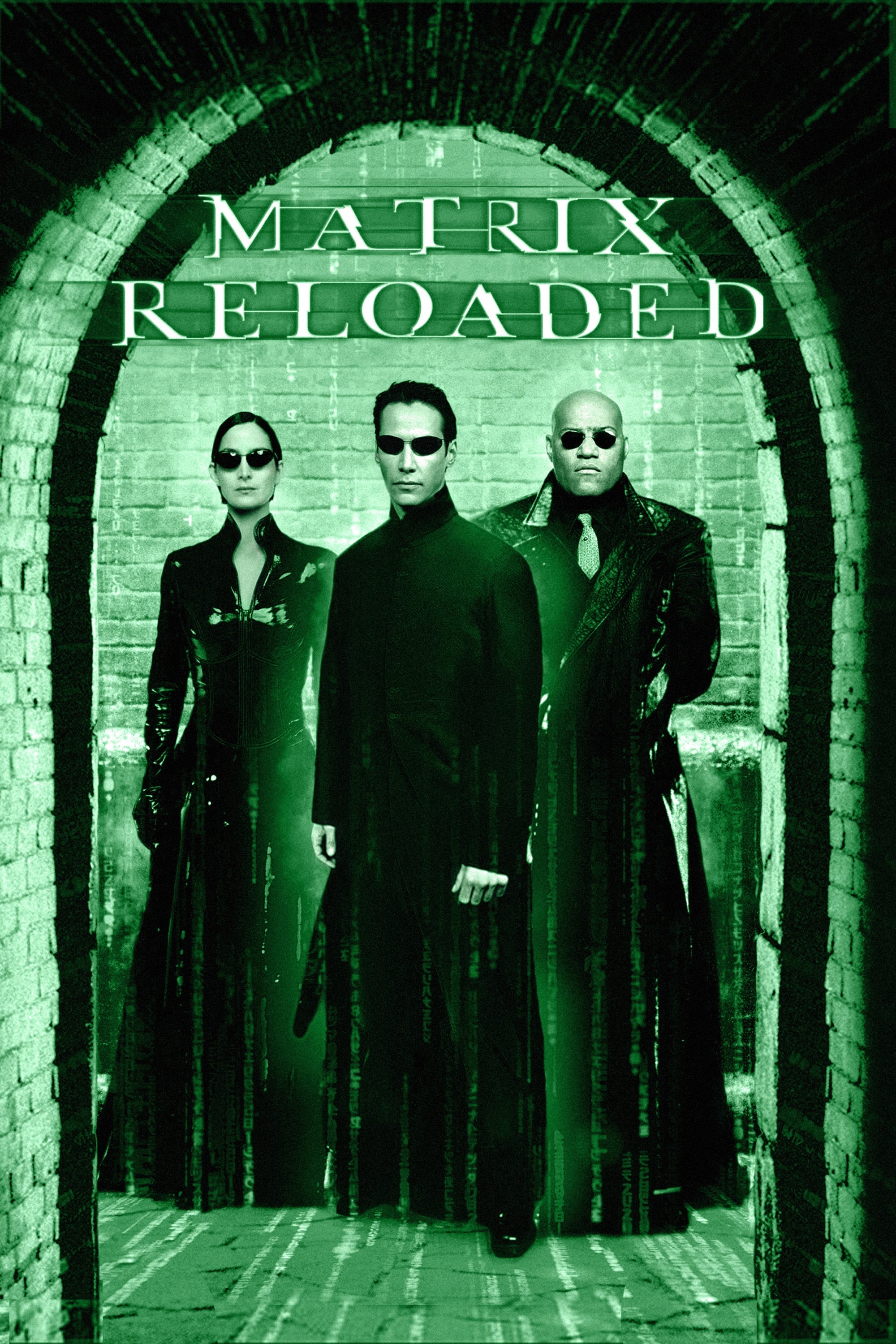
The Wachowskis continued their science fiction story, delving into questions about reality and who’s in charge. Egypt banned the film because it conflicted with their religious beliefs about how the world was created. Egyptian censors claimed the movie supported both Zionist viewpoints and a lack of belief in God. The film also faced criticism in other traditionally conservative areas due to its complicated religious ideas.
‘Black Narcissus’ (1947)
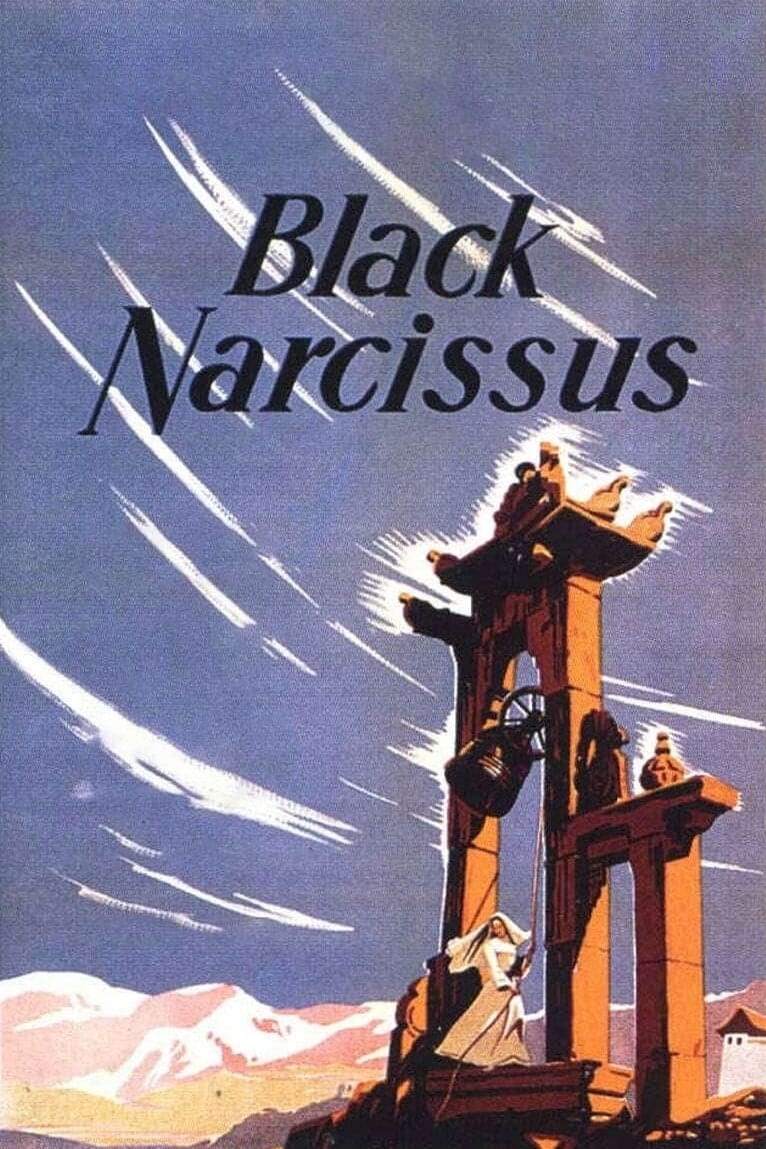
Directed by Michael Powell and Emeric Pressburger, this film tells the story of Anglican nuns creating a new convent in the Himalayas. It delves into the sisters’ struggles with suppressed desires and the resulting mental breakdown, all set against a striking and unfamiliar landscape. The film sparked controversy, with the Catholic Legion of Decency objecting to its depiction of religious life, and Ireland banning it completely due to concerns about public morality and religious sensitivity.
‘The First Temptation of Christ’ (2019)
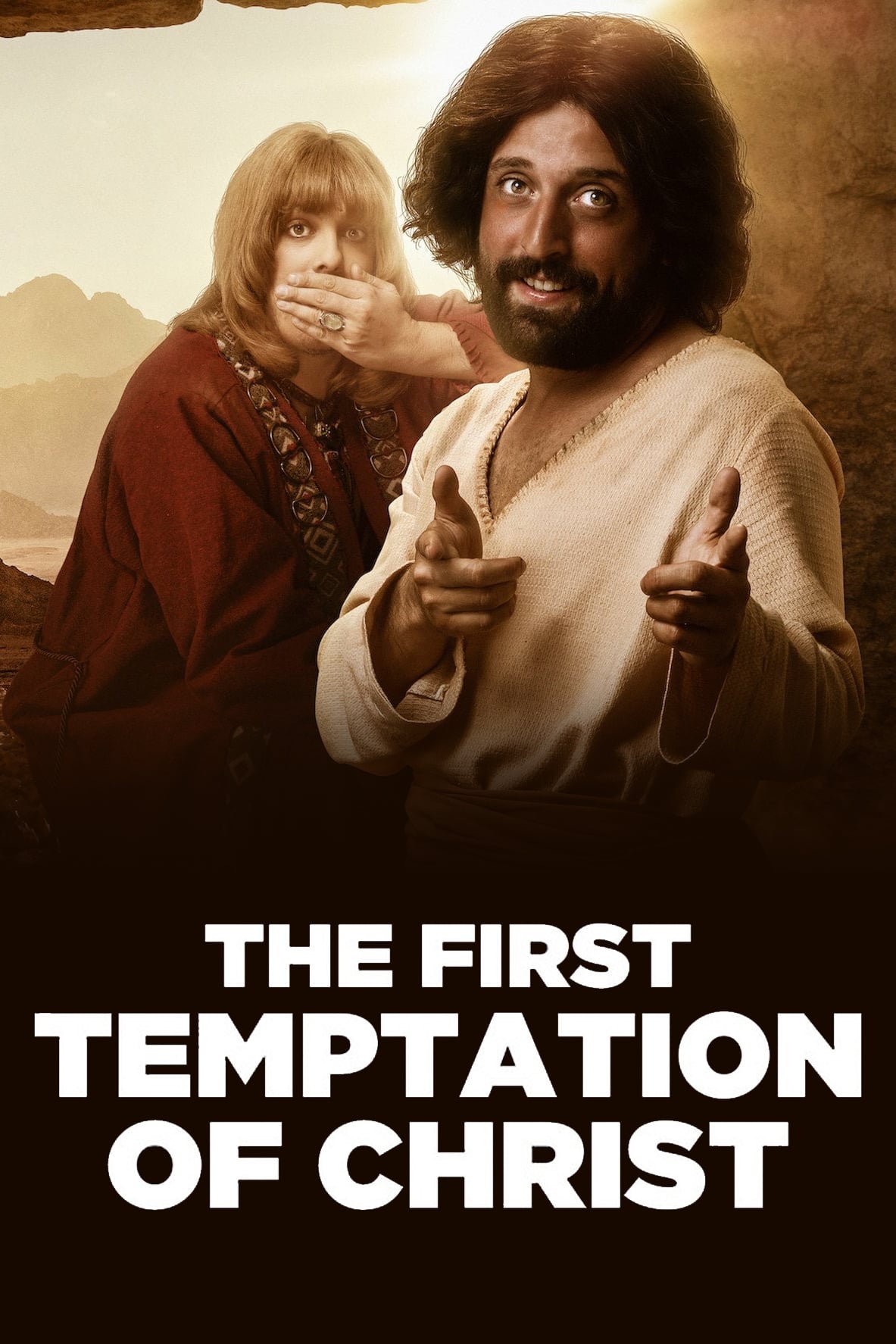
The Brazilian comedy troupe Porta dos Fundos made a satirical special for Netflix that suggests a romantic relationship between Jesus and a man. This sparked controversy in Brazil, with over two million people signing a petition to have it removed. While a judge initially ordered Netflix to take the film down, the Brazilian Supreme Court later reversed that decision, allowing it to remain available.
‘Schindler’s List’ (1993)
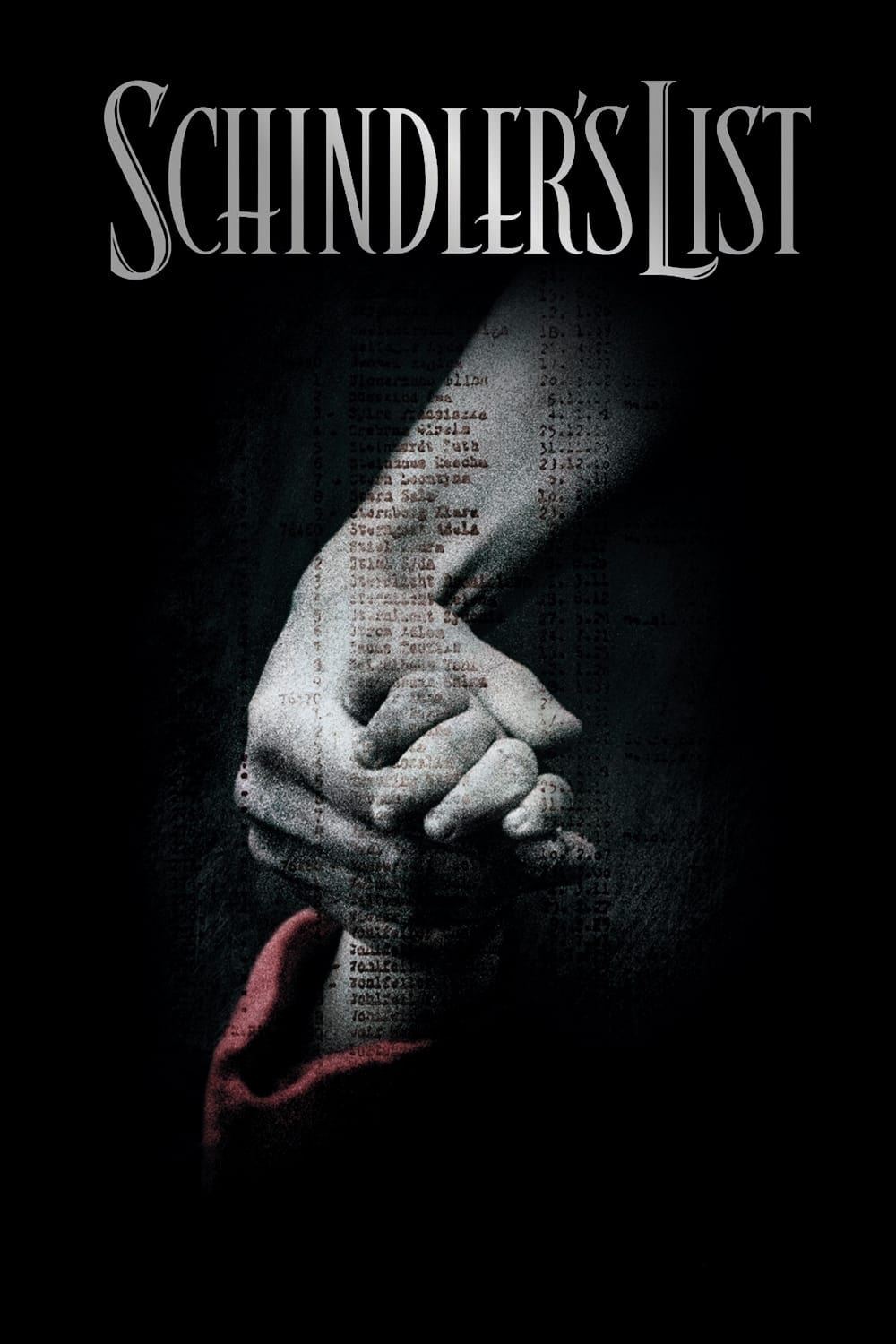
Steven Spielberg’s acclaimed Holocaust drama is considered a landmark film. However, several Islamic countries, including Malaysia and Indonesia, banned it when it was first released. Officials in those countries explained that the film’s positive depiction of Jewish people and its perceived pro-Zionist message were the reasons for the ban, particularly in areas with strong political disagreements with Israel.
‘Muhammad: The Messenger of God’ (2015)
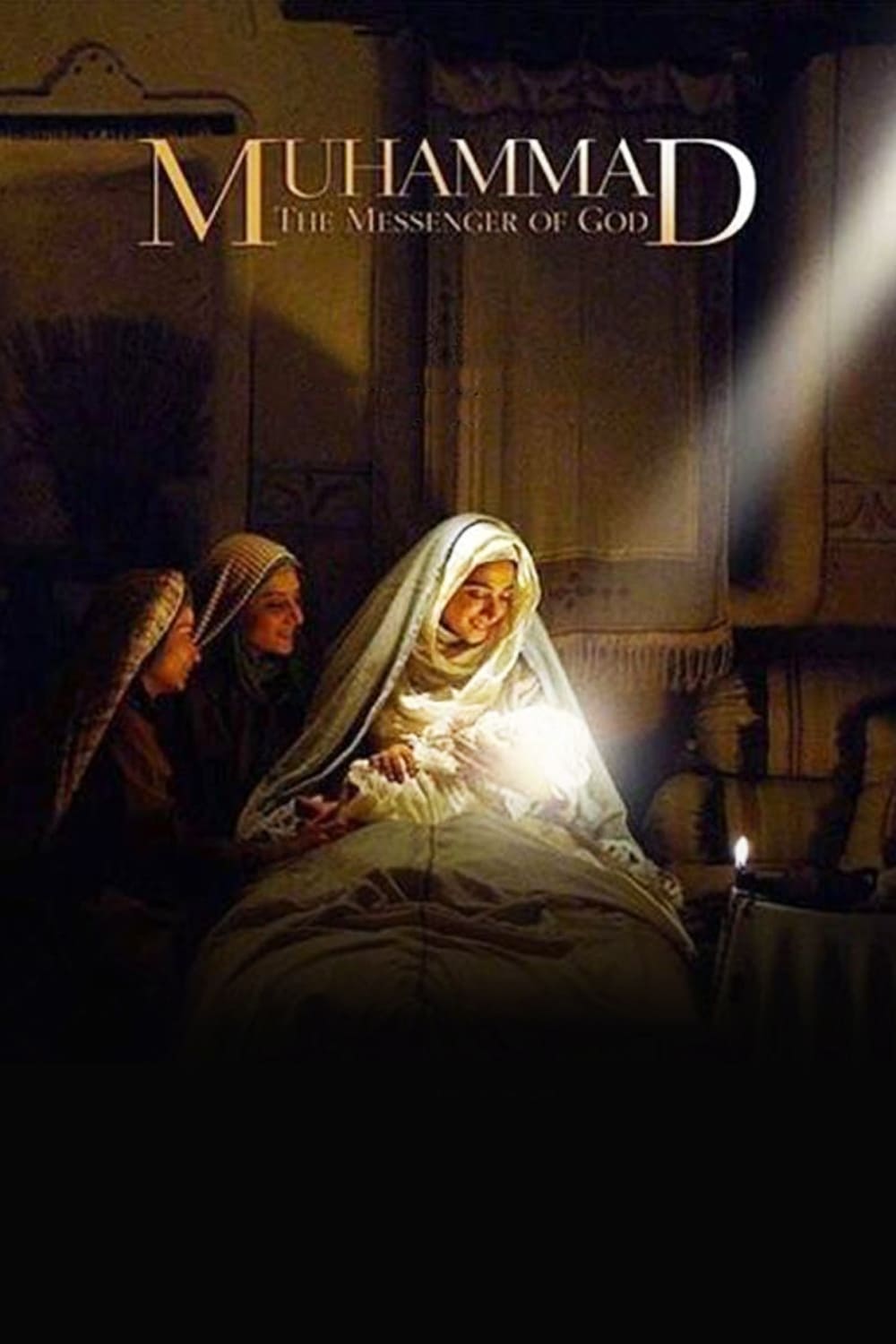
This Iranian film, directed by Majid Majidi, portrays the early life of the Prophet Muhammad. It sparked controversy, with Saudi Arabia’s leading religious authority condemning it as inaccurate and offensive to Islam. Other Islamic organizations, like the Muslim World League, requested a ban because the film shows a visual representation of the Prophet, which is considered unacceptable by many. As a result, the film was prohibited from being shown in cinemas across numerous countries with predominantly Sunni Muslim populations.
‘The Lady of Heaven’ (2021)
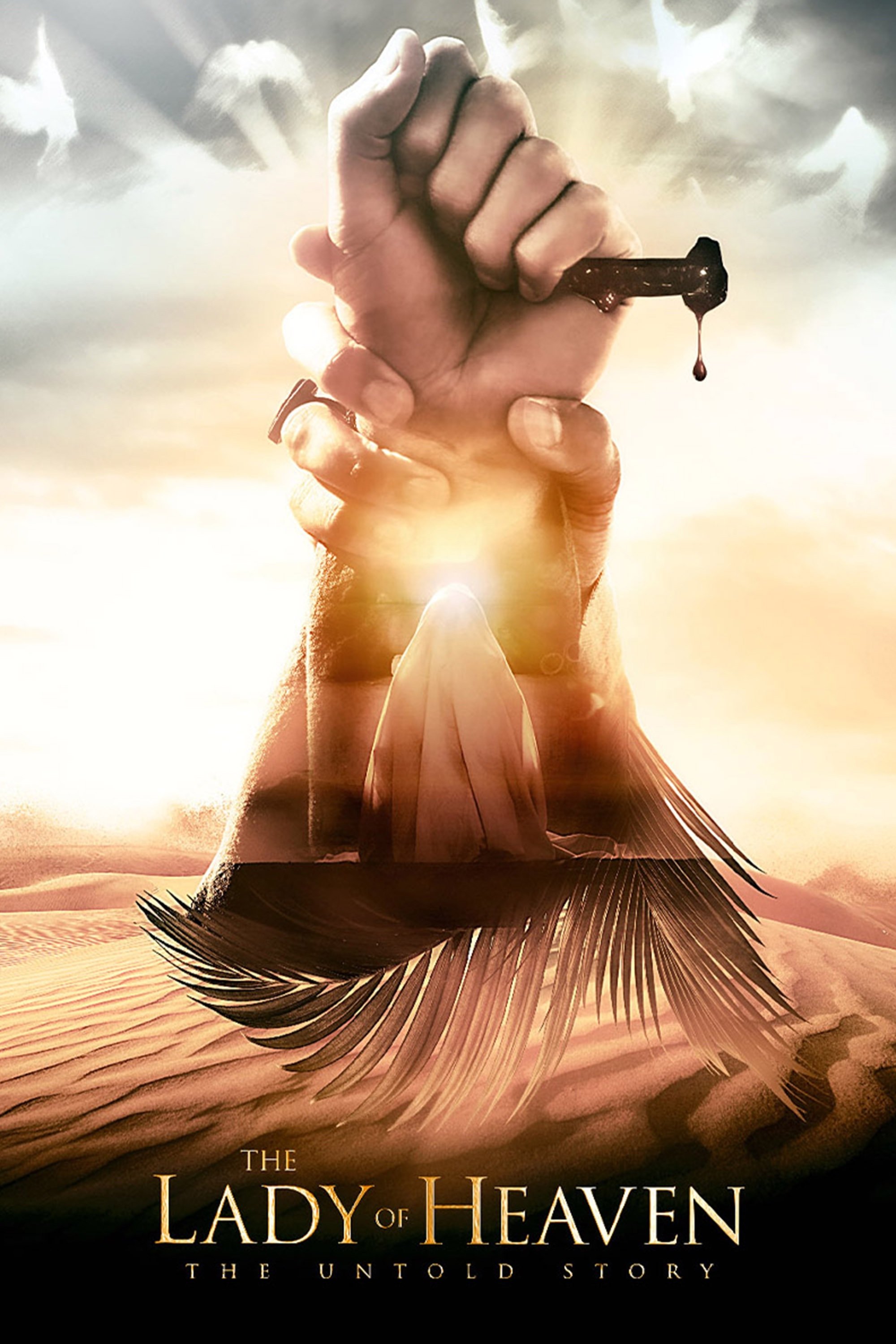
This British film tells the story of Fatima, the daughter of the Prophet Muhammad. It caused protests in the UK from Muslim groups who believed it promoted division. Both Morocco and Egypt prohibited the film from being shown in their countries, citing inaccuracies and a threat to Islamic unity. Pakistan also banned it, deeming it disrespectful to Islam.
‘Lightyear’ (2022)

Pixar’s animated sci-fi film tells the story of how the Buzz Lightyear character came to be. A short scene featuring a same-sex kiss led to the movie being banned in fourteen countries across the Middle East and Asia. Officials in places like Saudi Arabia and the UAE said the film broke rules about what’s acceptable in media, based on their religious and cultural beliefs. China also asked for parts of the movie to be removed, but Disney wouldn’t agree to those changes.
‘Wonder Woman’ (2017)
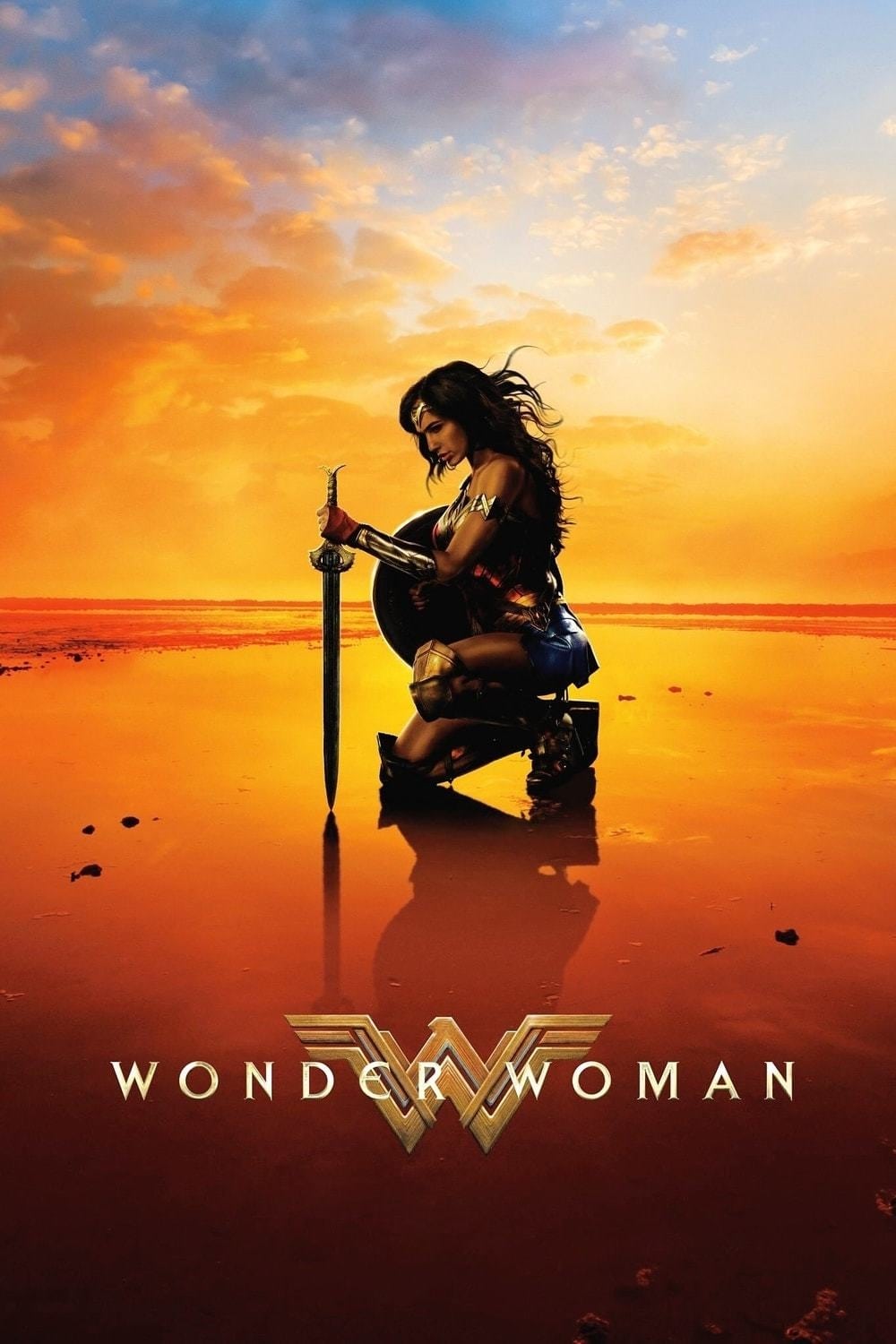
The superhero movie, directed by Patty Jenkins and starring Gal Gadot, was banned in Lebanon due to the actress’s Israeli citizenship and military service. Tunisia and Qatar then followed, prohibiting the film because of political and religious concerns about the star. These bans were primarily motivated by a campaign to boycott supporters of Israel, not by the film’s actual content.
Let us know what you think: were these bans fair, or did they go too far and limit artistic expression? Share your opinions in the comments below.
Read More
- Gold Rate Forecast
- Invincible Season 4 Gender Swaps Tech Jacket As Fans Question Major Comic Change
- Silver Rate Forecast
- 22 Films Where the White Protagonist Is Canonically the Sidekick to a Black Lead
- 14 Movies Where the Black Character Refuses to Save the White Protagonist
- Unveiling the Schwab U.S. Dividend Equity ETF: A Portent of Financial Growth
- How to Do Sculptor Without a Future in KCD2 – Get 3 Sculptor’s Things
- Superman Flops Financially: $350M Budget, Still No Profit (Scoop Confirmed)
- ONE PIECE Season 2 Confirms Sanji’s OTHER Backstory in the Live-Action
- Why Won’t It Just *Do* What You Ask? Unpacking the Quirks of AI Language
2025-12-01 01:52