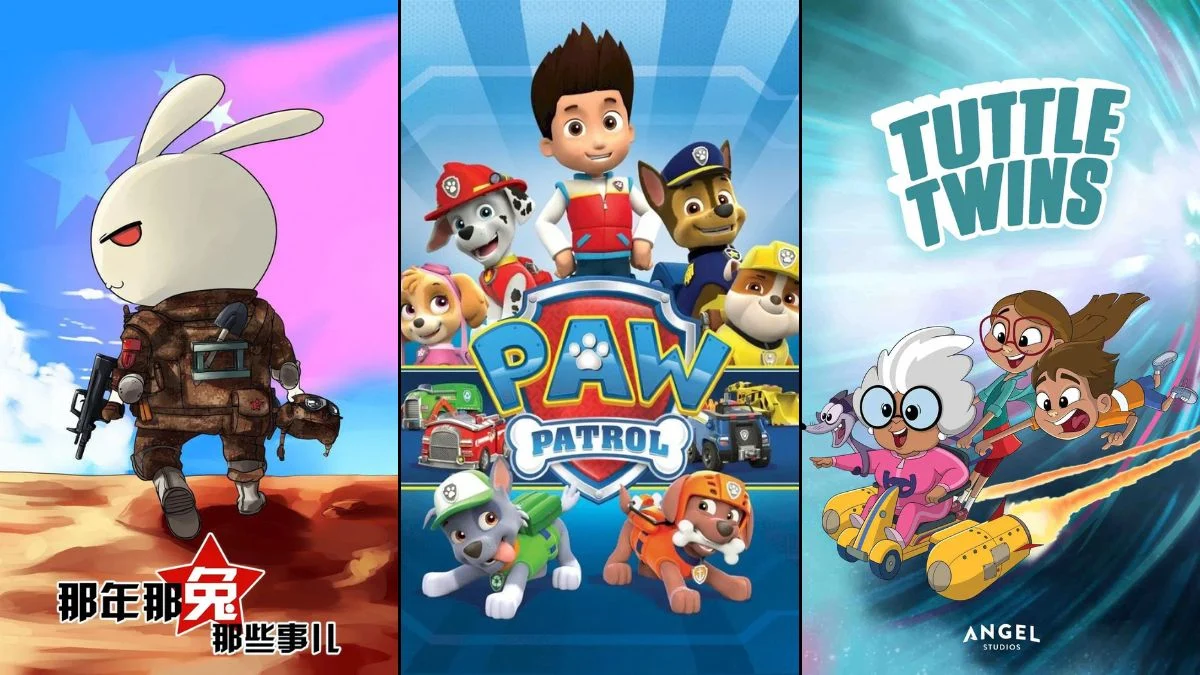
For years, children’s TV shows have been a place where different groups try to influence young viewers’ beliefs. Recently, we’ve seen a big increase in cartoons with strong political or nationalistic messages – everything from shows that rewrite history to clearly biased educational programs. Often, these shows focus more on pushing a specific viewpoint than telling a good story, using bright, appealing characters to teach lessons about patriotism, social ideals, or military strength. Here are twenty-five examples of programs from around the world that many consider to be propaganda.
‘Year Hare Affair’ (2015–Present)
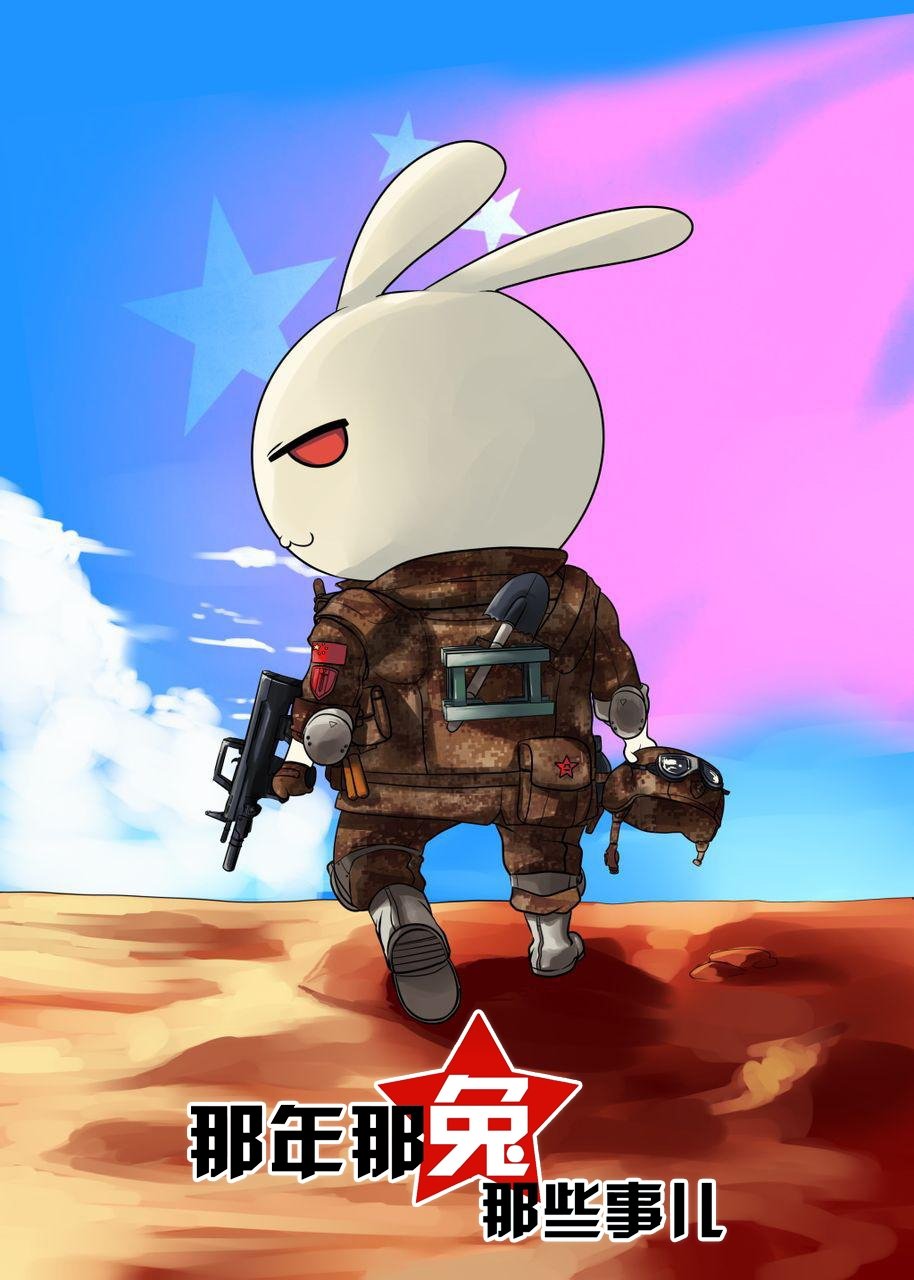
This animated series and webcomic retells history using animal characters to represent different countries. China is portrayed as peaceful rabbits consistently protecting their land from the United States, depicted as aggressive eagles. The show presents complicated global issues as straightforward conflicts between good and evil, aiming to inspire strong national pride in young audiences. China’s Communist Youth League has officially endorsed it as a way to teach patriotism.
‘The Leader’ (2019)
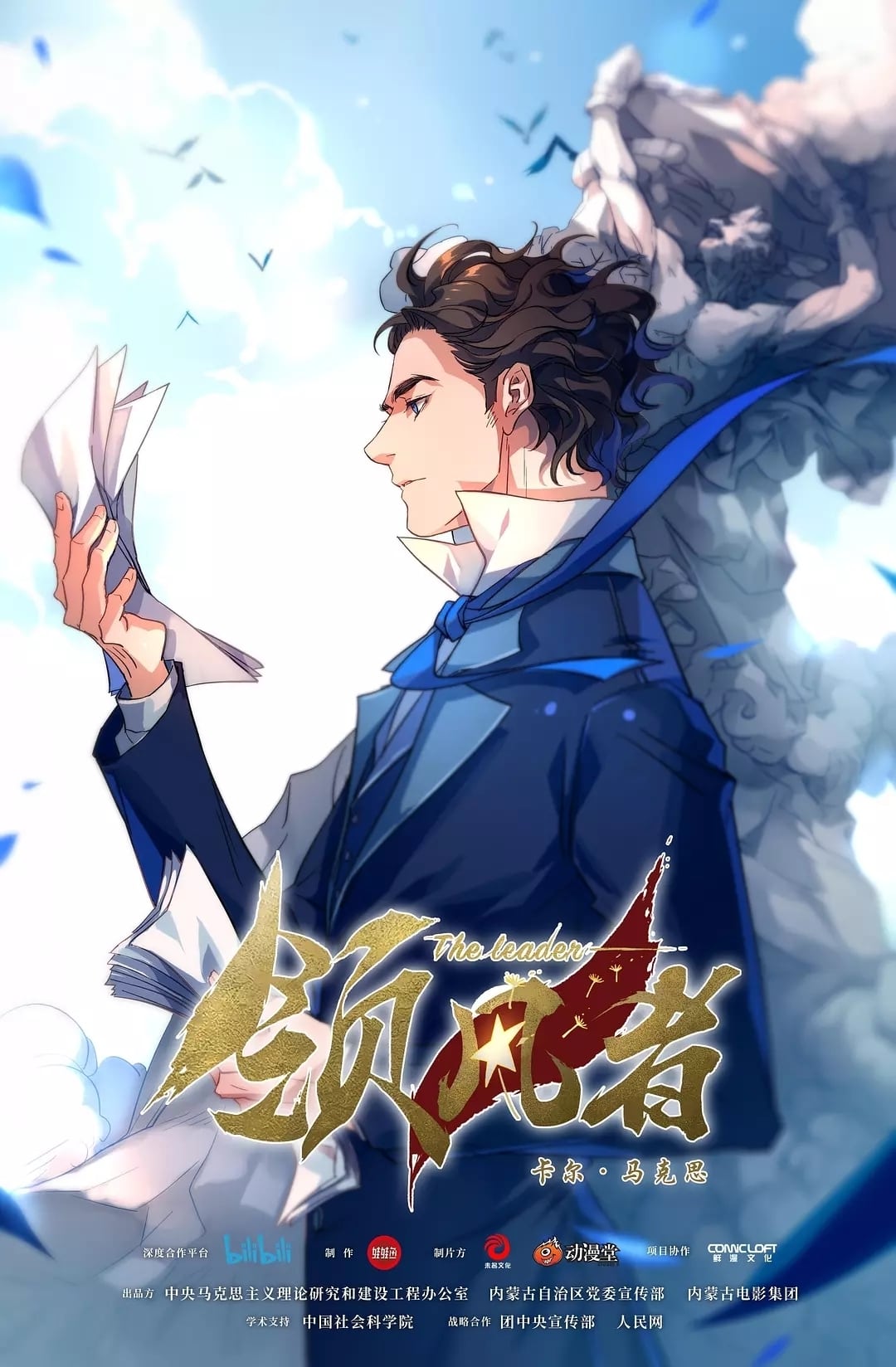
Created to celebrate the 200th birthday of Karl Marx and commissioned by the Chinese Communist Party, this anime series tells the story of the famous philosopher. The show portrays Marx as a brave and charming hero battling against unfair and powerful business owners and nobles to help working people. It simplifies and idealizes communist ideas for a younger audience, avoiding complex or controversial parts of history. The series combines the look of Japanese animation with political messages approved by the government.
‘Leo & Layla’s History Adventures’ (2021–Present)
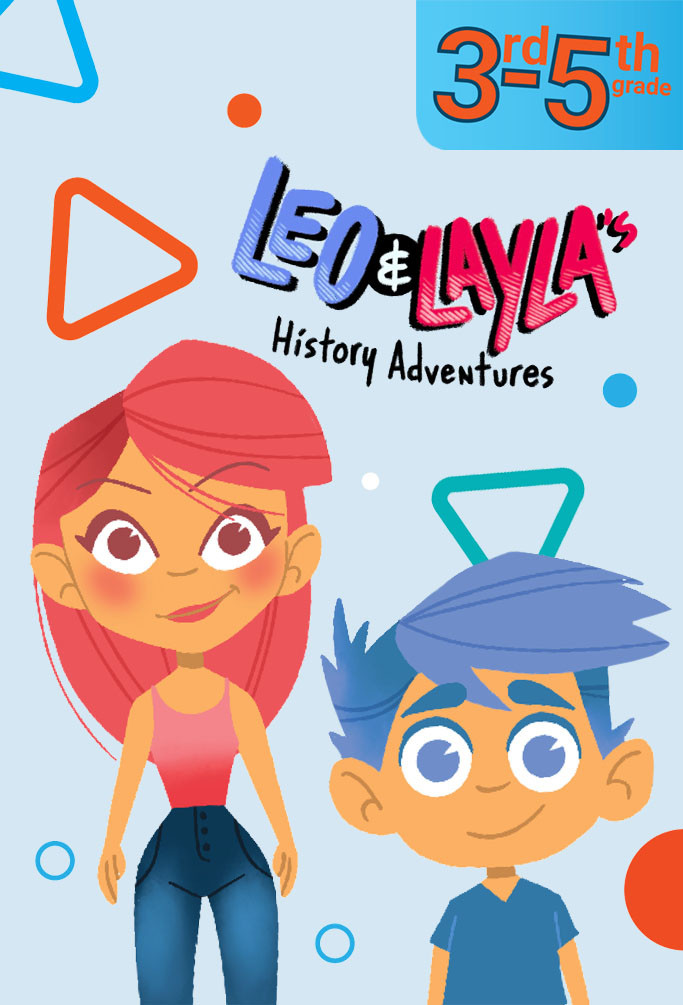
This video series, made by the conservative group PragerU, aims to present a different perspective from what’s typically taught in schools. Each episode follows two siblings who time travel and encounter famous people like Christopher Columbus and Ronald Reagan. However, some viewers and critics point out that the series often minimizes the severity of historical injustices like slavery and imperialism, seemingly to emphasize a positive view of American history. The series is openly intended to promote conservative beliefs and challenge what its creators see as liberal bias in education.
‘Tuttle Twins’ (2021–Present)
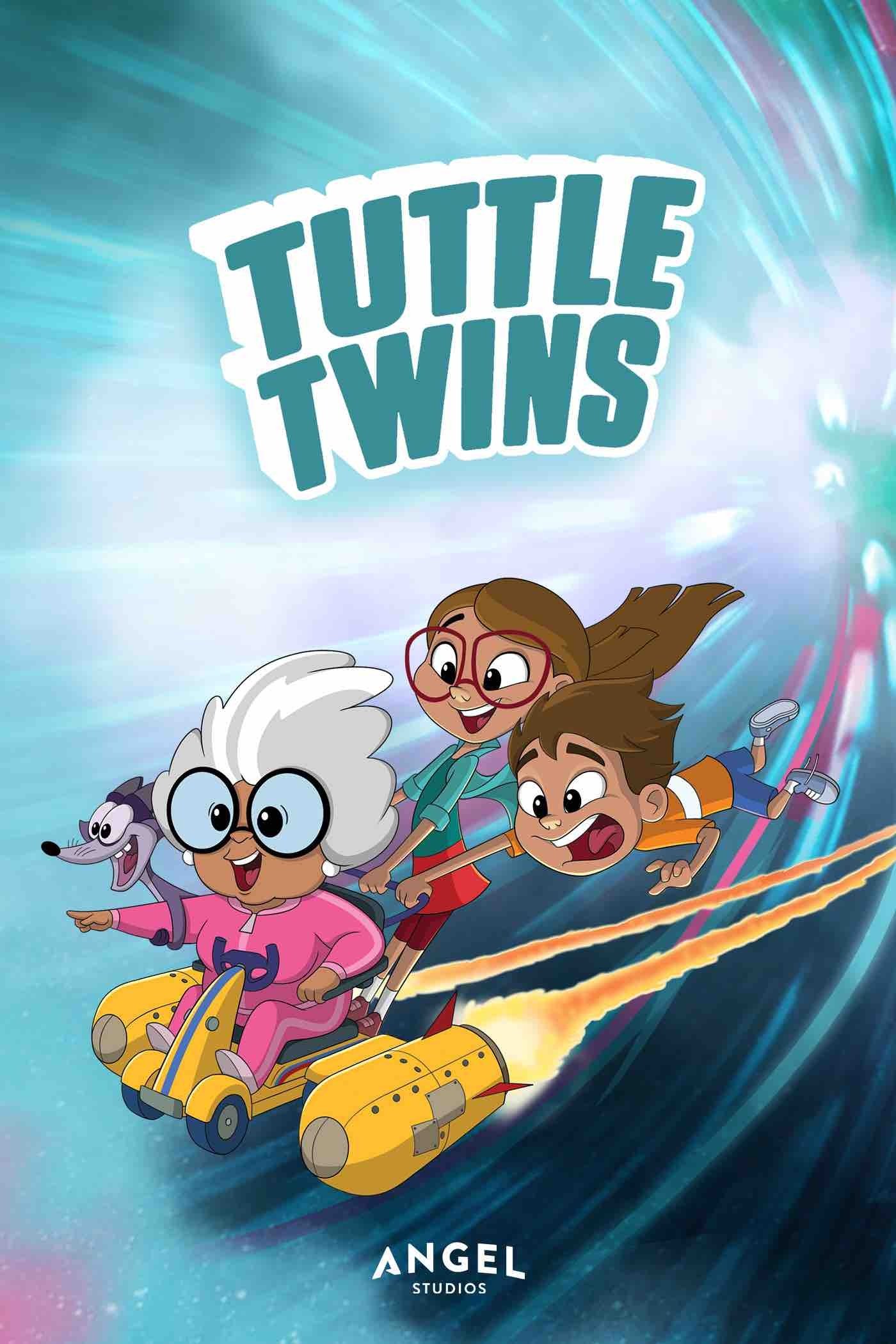
This cartoon series, inspired by a set of books, aims to teach kids about libertarian ideas and how free markets work. The characters learn why some people are against socialism, why individual freedoms matter, and why excessive government control is seen as harmful. Using humor and exciting stories, the show breaks down complicated economic concepts into simple stories about being free versus being controlled. It’s become popular with parents who want their children to watch something that reflects their beliefs about limited government.
‘Bunny Brothers and the Wolf’ (2019)
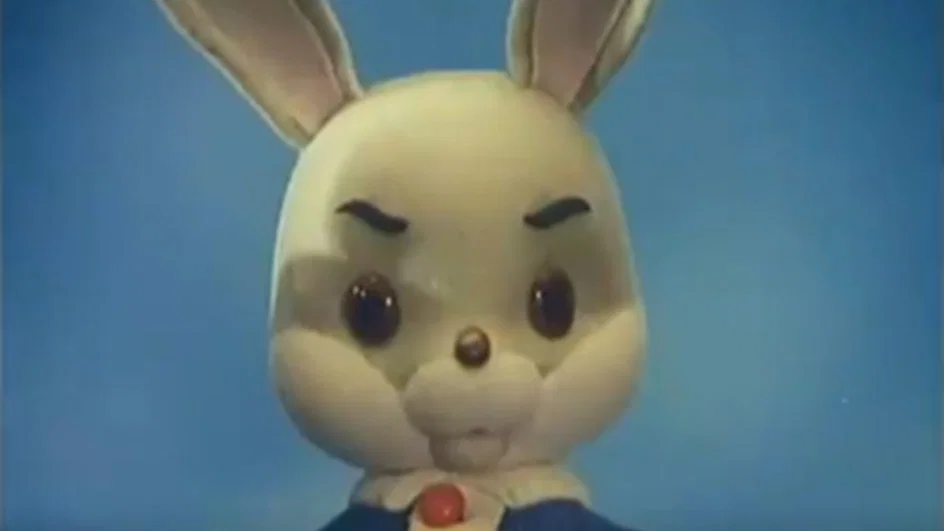
North Korean TV often shows cartoons meant to make people loyal to the government and dislike its opponents. One series features adorable rabbits who fiercely protect their village from a scary wolf, which represents the United States. These cartoons are often quite violent and aim to teach children that showing kindness to enemies is a sign of weakness, and being prepared for war is a strength. The quality of the animation has gotten better recently, making these violent messages easier for children to accept.
‘Chip Chilla’ (2023–Present)
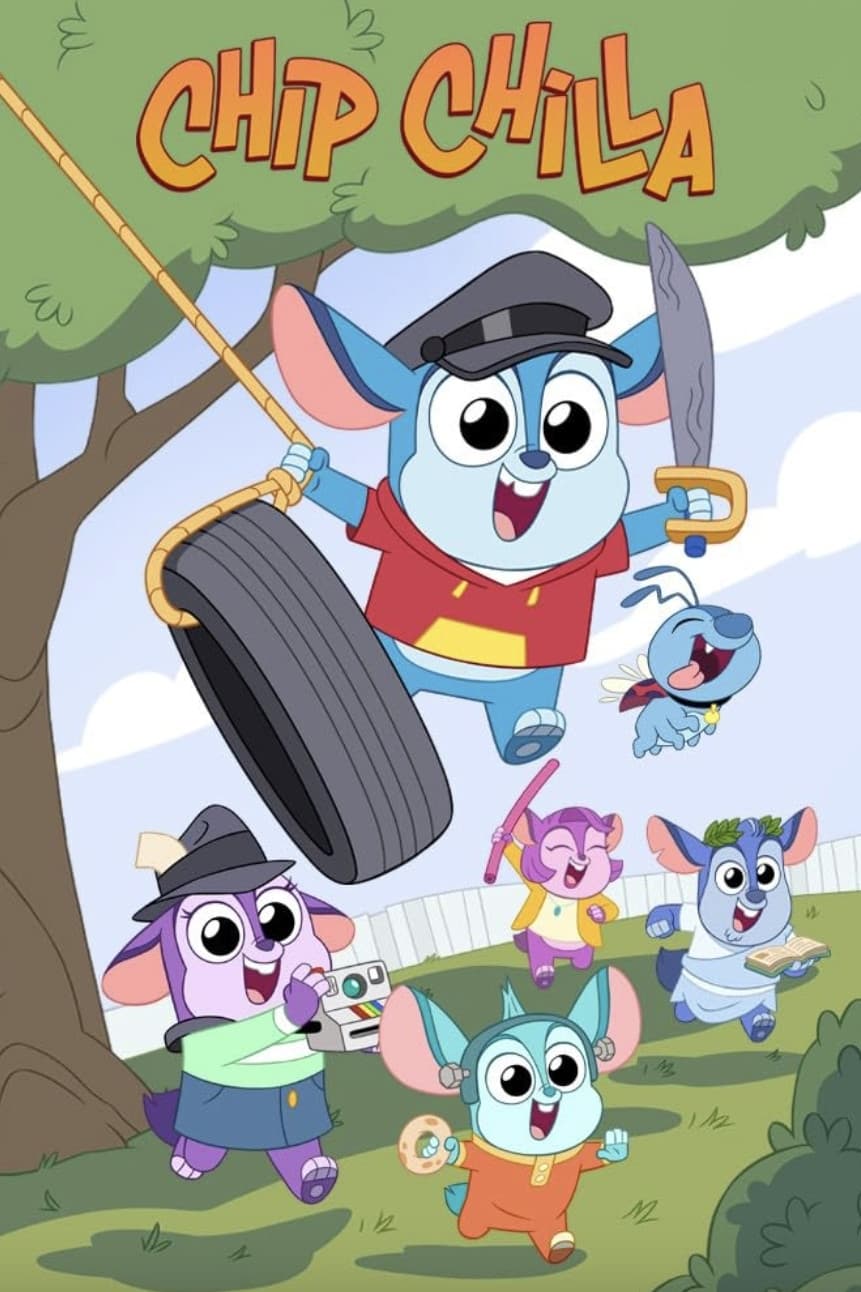
Created by The Daily Wire for their Bentkey streaming platform, this show offers a conservative alternative to popular children’s programs like ‘Bluey’. It centers around a chinchilla family who are homeschooled and highlights values like traditional family dynamics, respect for elders and those in charge, and a focus on Western history. The show intentionally steers clear of current social issues often seen in mainstream entertainment, instead emphasizing classic stories and the importance of listening to parents. It’s part of a larger movement creating entertainment specifically designed to offer a different perspective from what’s considered the dominant progressive culture.
‘The Three Heroes’ (2004–Present)
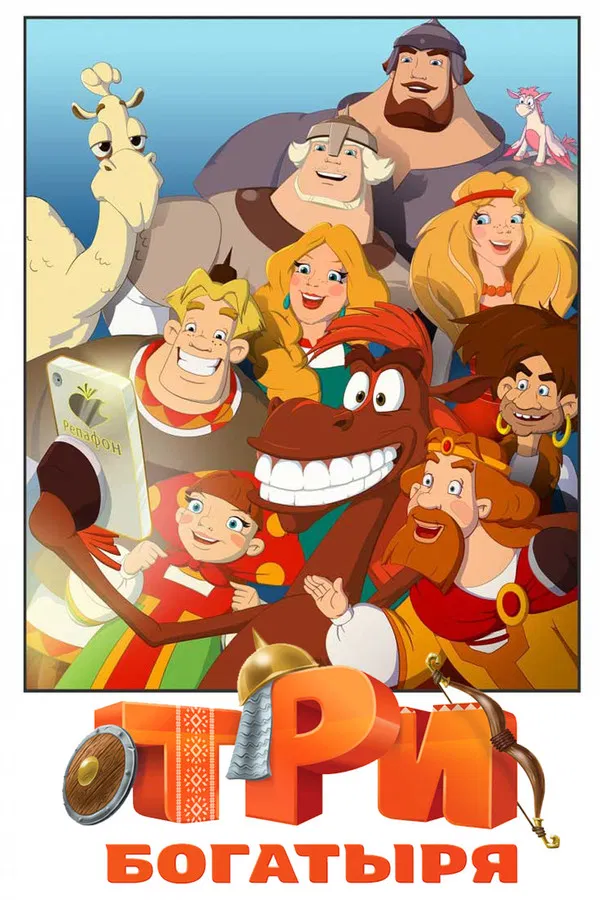
I’ve been following this Russian animated series for a while now, and I’ve noticed a shift in recent years. While it started as a fun take on classic folklore, the newer films seem to heavily emphasize Russian patriotism. They center around these incredible heroes, the Bogatyrs – legendary knights who protect Russia from enemies both outside and within. Honestly, it’s become pretty clear that the films are promoting ideas that align with the current Russian government, particularly about national strength and the importance of strong leadership. It’s like they’re blending ancient stories with modern political messages to inspire a sense of national pride and even, at times, a feeling of past imperial glory.
‘Paw Patrol’ (2013–Present)
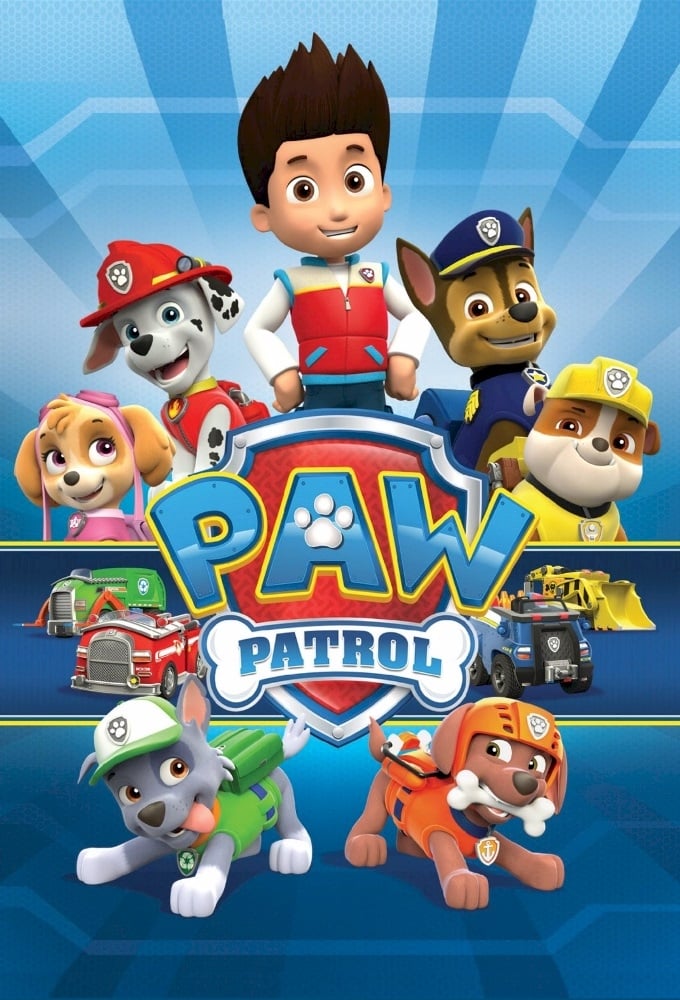
Okay, let’s talk about this hugely popular kids’ franchise. I’ve been seeing a lot of discussion, particularly from media experts, about how it leans heavily into what they call ‘copaganda.’ Basically, the show consistently portrays a private police and rescue team as being far more competent than the actual government, which sends a pretty clear message. What bothers a lot of critics – and me, frankly – is that it consistently frames law enforcement as the only answer to problems, completely ignoring the deeper, systemic issues at play. And it’s not just subtle; even the main police dog, Chase, is presented as a flawless hero, essentially normalizing surveillance and the use of force to a very young audience. It’s a concerning pattern, and worth considering when you’re deciding what your kids watch.
‘Little Singham’ (2018–Present)
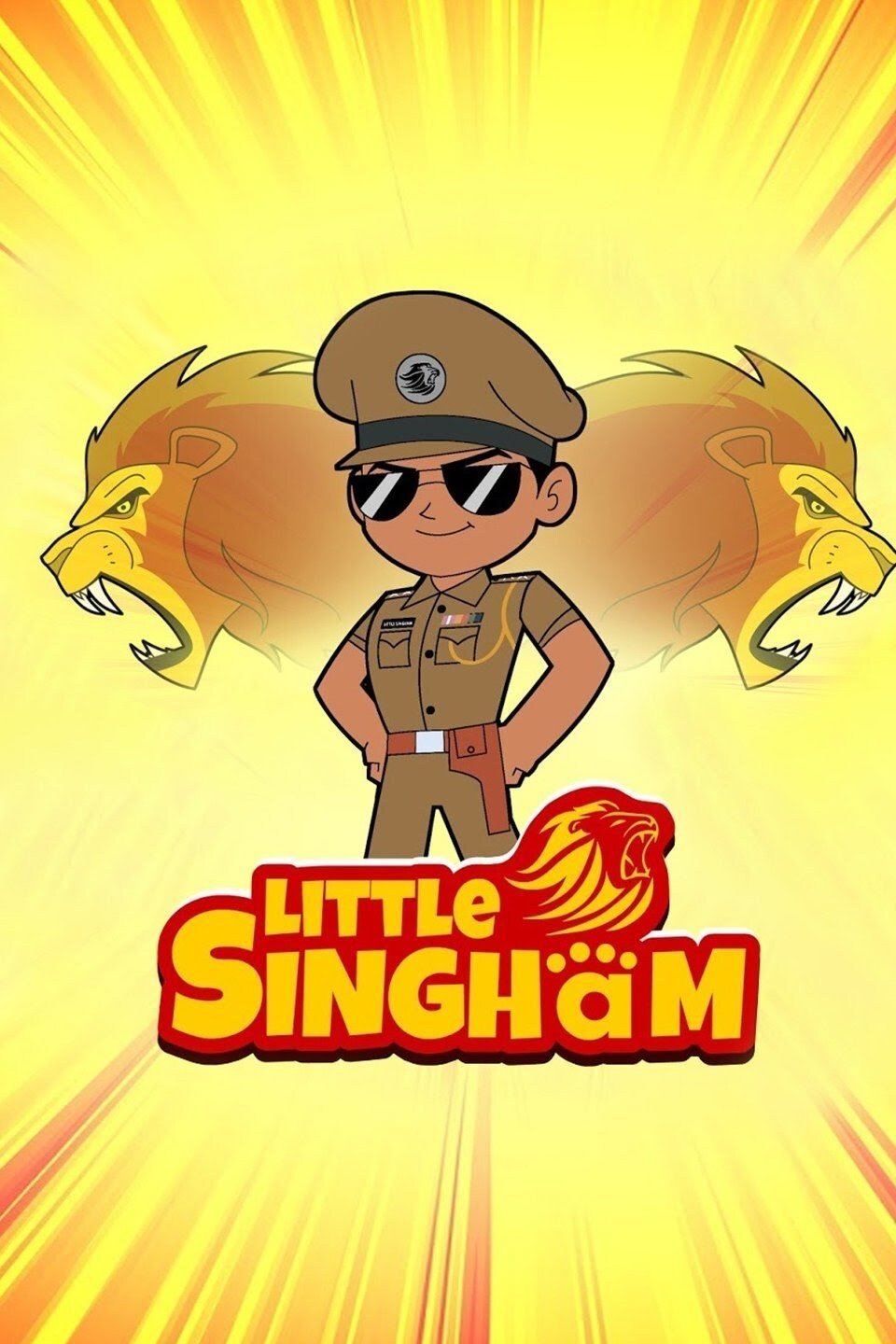
This animated series from India is based on a well-known action movie franchise and centers around a superpowered child police officer. The show strongly emphasizes Indian patriotism and often portrays the young hero battling terrorists and foreign spies to defend the country. It frequently presents police actions and taking the law into one’s own hands as justifiable methods for keeping the peace, reflecting a growing trend of strong nationalistic themes in Indian entertainment over the past ten years.
‘Battle of Persian Gulf II’ (2017)

This Iranian animated movie, aimed at families and young audiences, portrays a fictional war between Iran’s Revolutionary Guard and the US Navy. The film features Iranian forces defeating a US fleet commanded by a character based on a well-known American general. The director has said the movie was created to challenge Western powers and motivate young Iranians. Ultimately, it’s a clear example of military propaganda intended to highlight Iran’s power.
‘Abominable’ (2019)
An animated movie caused an international issue when it showed a map of Asia that included the ‘Nine-Dash Line’ – a line used by China to claim territory in the South China Sea. Vietnam, the Philippines, and Malaysia either banned or edited the film because they believed it supported China’s controversial claims by featuring them in a children’s movie. Experts suggest this map inclusion showed how China is increasingly influencing Hollywood productions.
‘The Proud Family: Louder and Prouder’ (2022–Present)
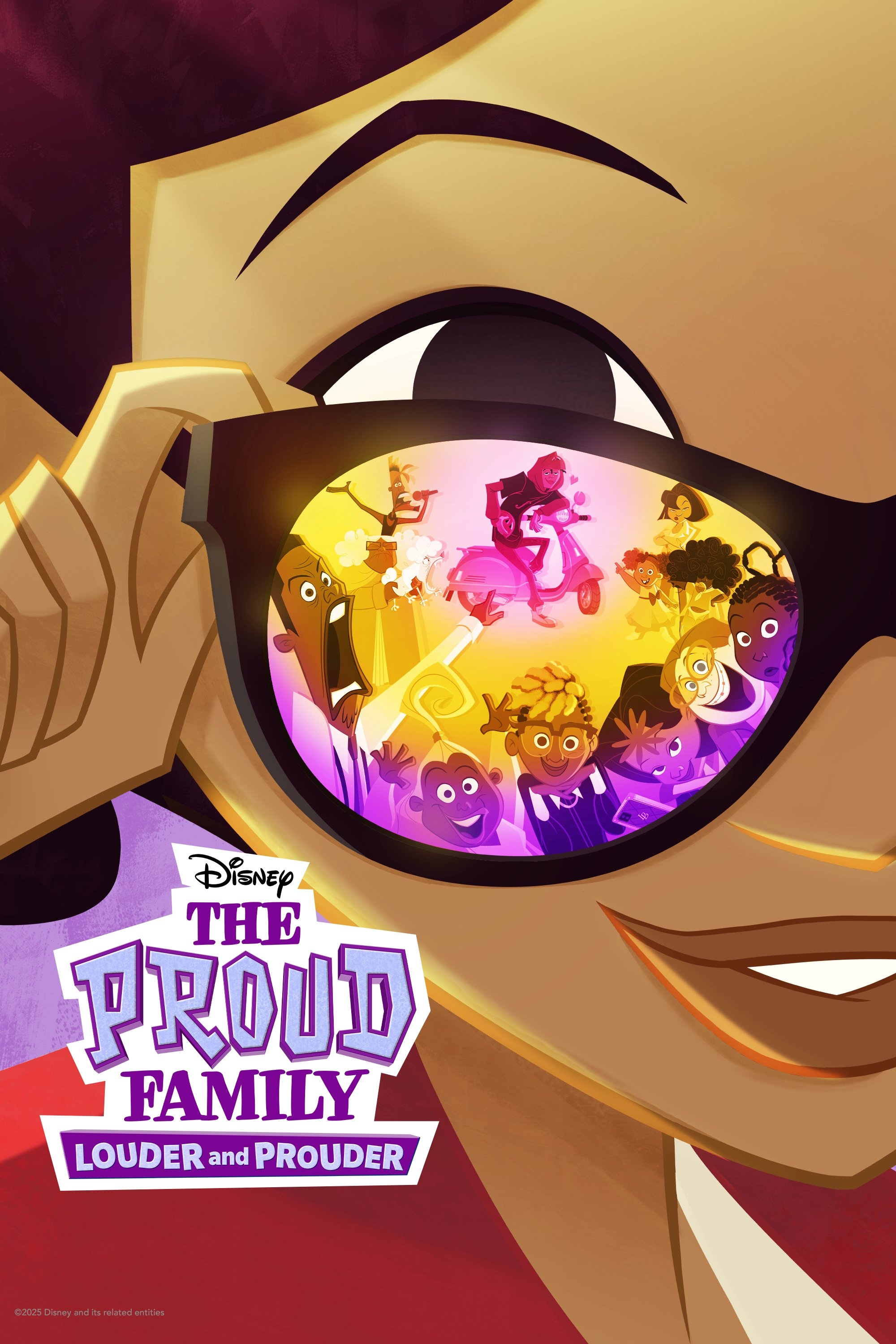
The recent revival of the Disney Channel series sparked debate due to its clear focus on contemporary progressive political ideas. One episode specifically included a spoken word poem where characters asserted that the United States was built on slavery and called for financial compensation for its lasting effects. Right-leaning media criticized this segment, calling it anti-American and accusing it of indoctrinating children with Critical Race Theory. The show’s creators argued the content was a vital and honest look at history for young viewers.
‘High Guardian Spice’ (2021)

This anime series, available on Crunchyroll, received largely negative reviews. Many critics and viewers felt it focused too much on social and political messages – specifically around gender identity and social justice – and not enough on creating a compelling story and believable world. The dialogue often came across as preachy, serving as a platform for the writers’ views rather than advancing the plot. The show quickly became a point of contention online, sparking debate about diversity in animated content.
‘Ridley Jones’ (2021–2023)
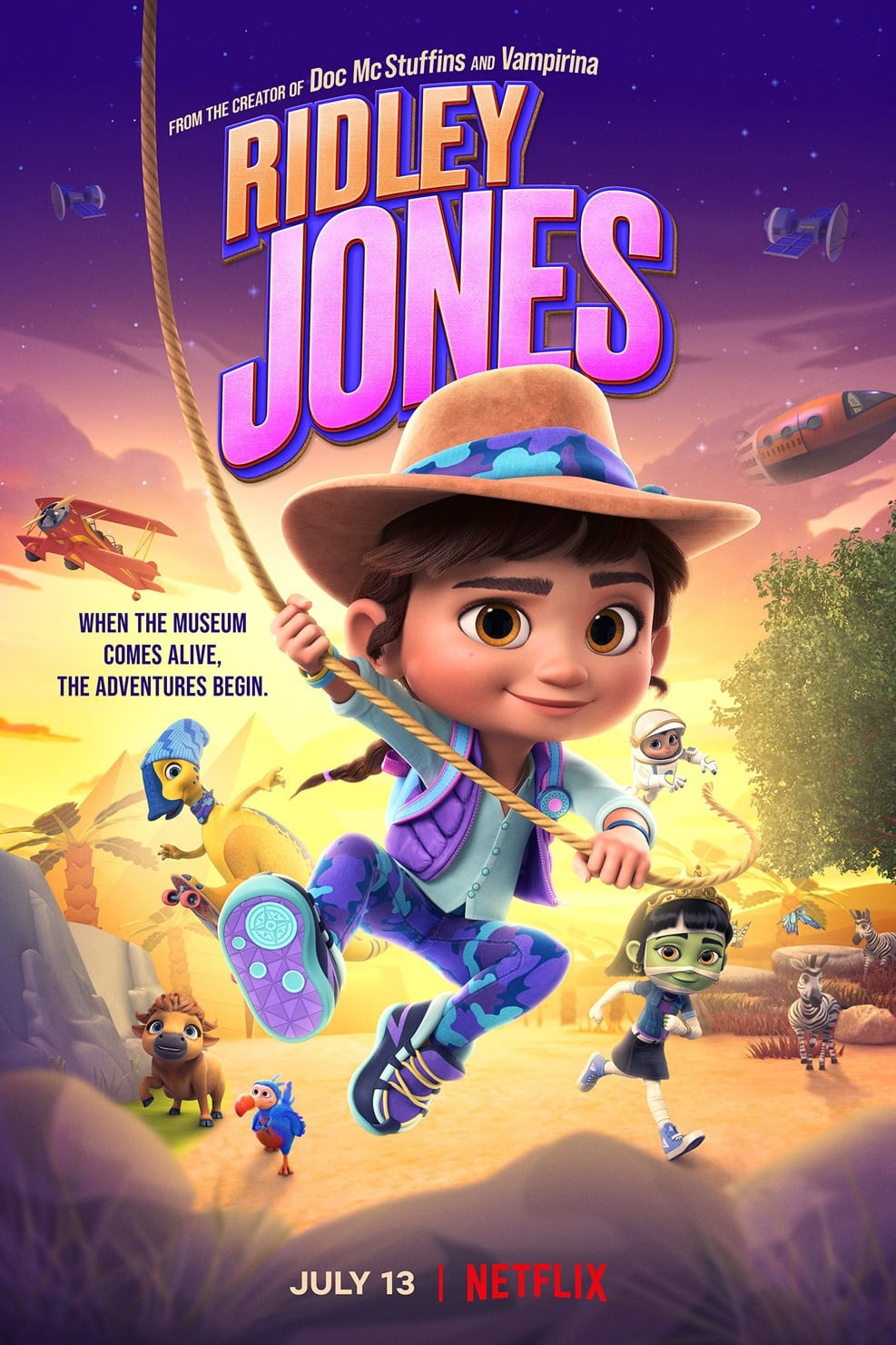
A Netflix preschool show received criticism and faced calls for cancellation after an episode featured a bison character identifying as non-binary. The scene showed the character sharing their pronouns with their grandmother, aiming to teach young children about acceptance. Some conservative commentators described the show as promoting a specific ideology and confusing toddlers about basic biology. This incident underscores the strong disagreements surrounding LGBTQ+ representation in children’s programming.
‘Transformers: EarthSpark’ (2022–Present)
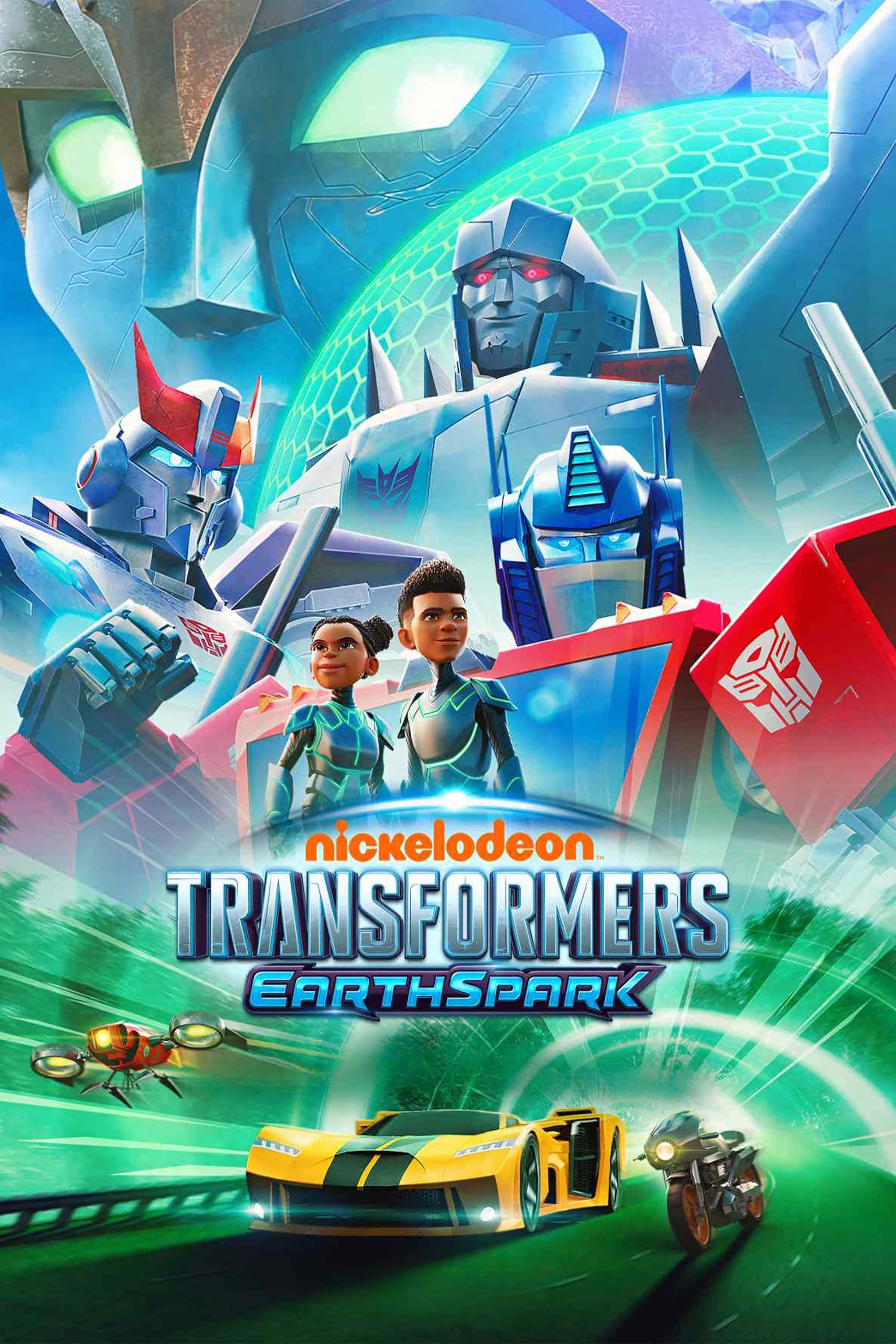
The latest Transformers movie featured a significant first: a character, Nightshade, who is non-binary and uses they/them pronouns. This inclusion, and the related discussions about pronouns, caused a debate. Some viewers felt the show was unnecessarily bringing political issues into a story about robots, arguing it was pushing an agenda on children. Others praised the move as important representation, but many criticized the way it was handled, finding the writing heavy-handed and preachy.
‘Lightyear’ (2022)
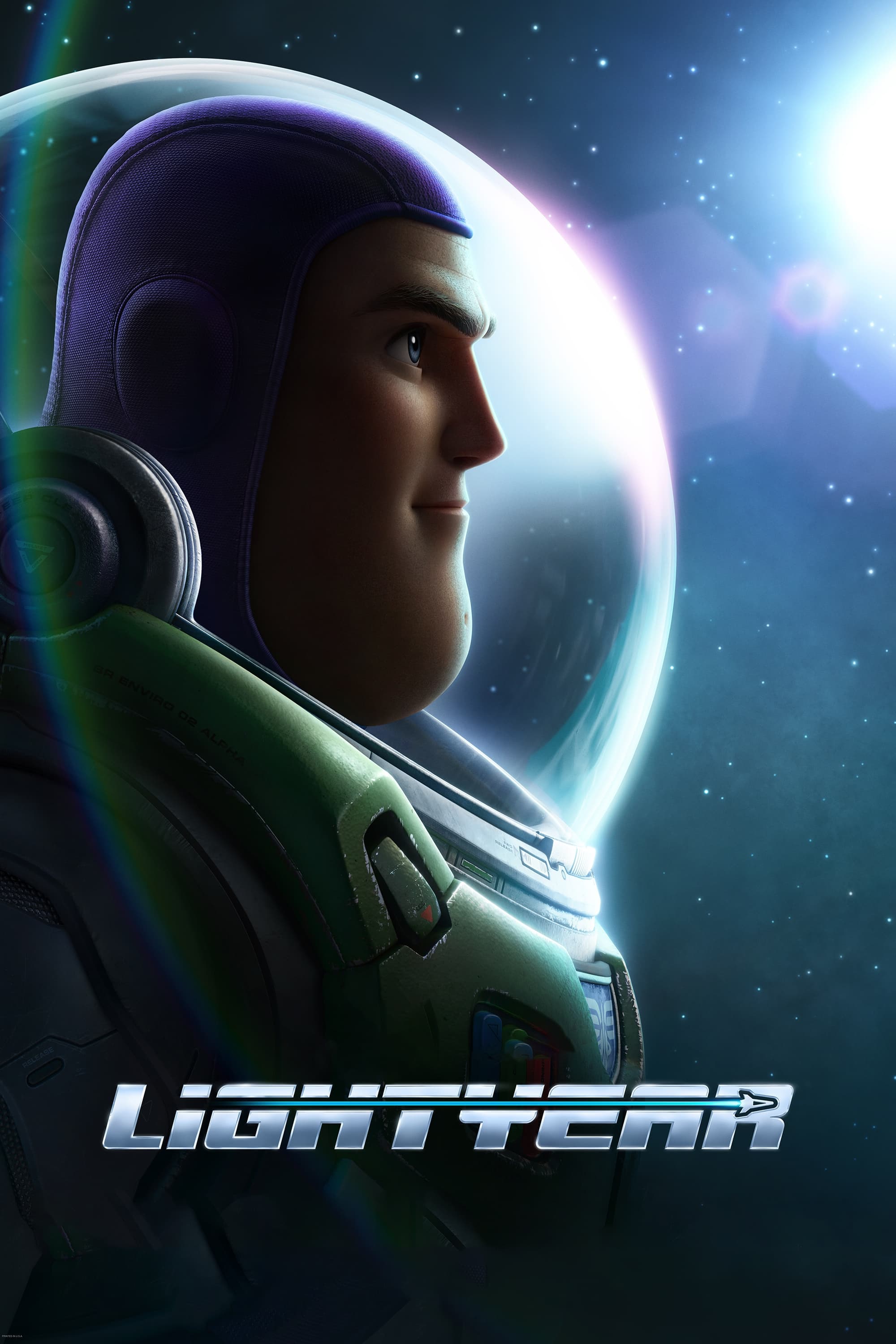
Pixar’s ‘Lightyear’ sparked international discussion after featuring a brief kiss between two female characters. The film was banned in several Middle Eastern and Asian countries due to its depiction of same-sex affection, which conflicted with local cultural norms. While some in Western countries celebrated the moment as a step forward, others criticized it as a superficial marketing tactic or an attempt at social engineering. This controversy ultimately drew more attention than the movie itself, revealing the challenges that arise when global entertainment clashes with diverse cultural values.
‘Strange World’ (2022)
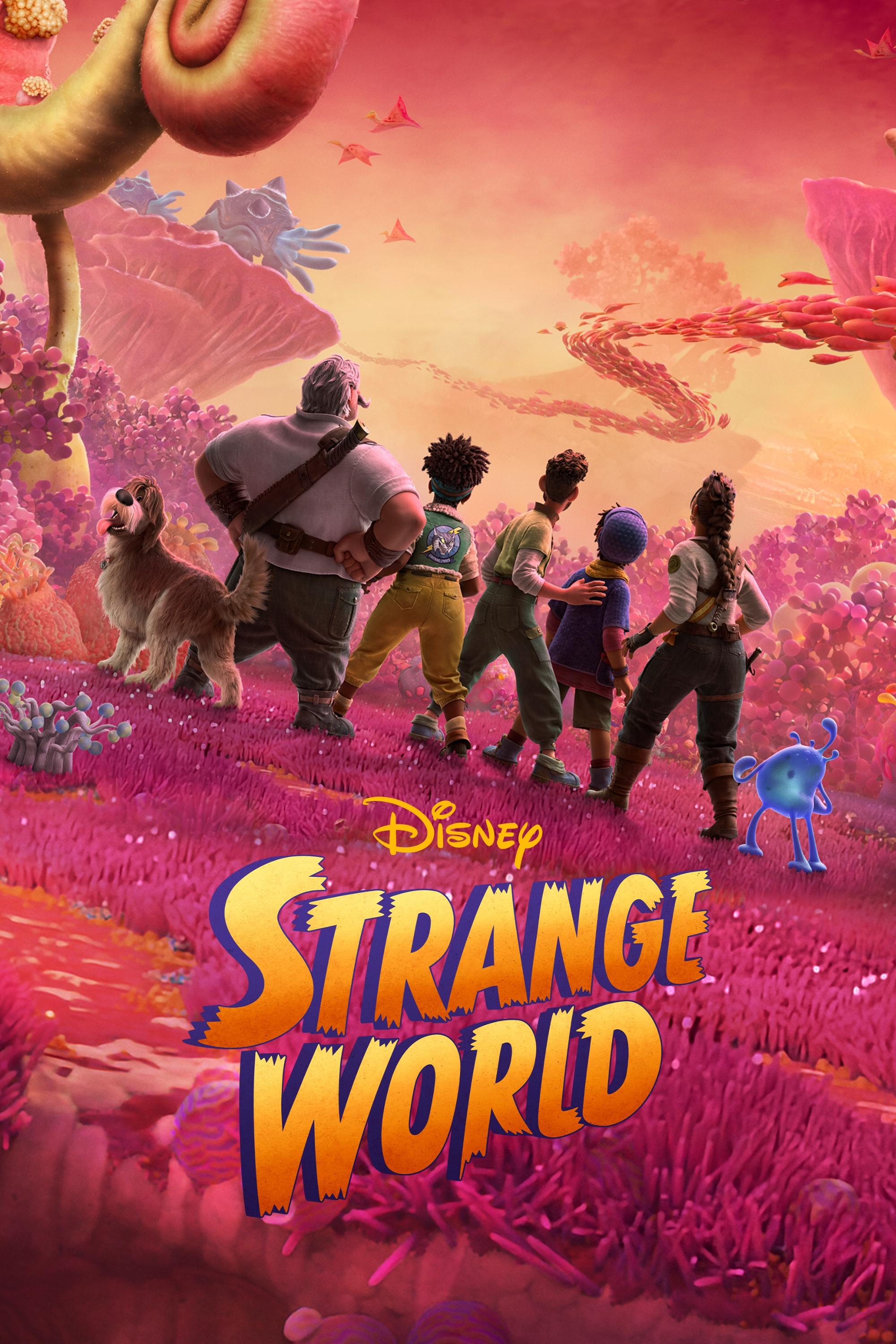
Disney’s recent science fiction film included a first-of-its-kind romantic storyline featuring a gay teenager, marking a significant moment for the studio’s animated features. However, the film didn’t do well in theaters, sparking debate about whether audiences disliked the focus on social and political themes rather than a more classic narrative. Some critics argued that
Read More
- 2025 Crypto Wallets: Secure, Smart, and Surprisingly Simple!
- Gold Rate Forecast
- Brown Dust 2 Mirror Wars (PvP) Tier List – July 2025
- Banks & Shadows: A 2026 Outlook
- Gemini’s Execs Vanish Like Ghosts-Crypto’s Latest Drama!
- ETH PREDICTION. ETH cryptocurrency
- The 10 Most Beautiful Women in the World for 2026, According to the Golden Ratio
- HSR Fate/stay night — best team comps and bond synergies
- HSR 3.7 story ending explained: What happened to the Chrysos Heirs?
- 39th Developer Notes: 2.5th Anniversary Update
2025-11-29 15:16