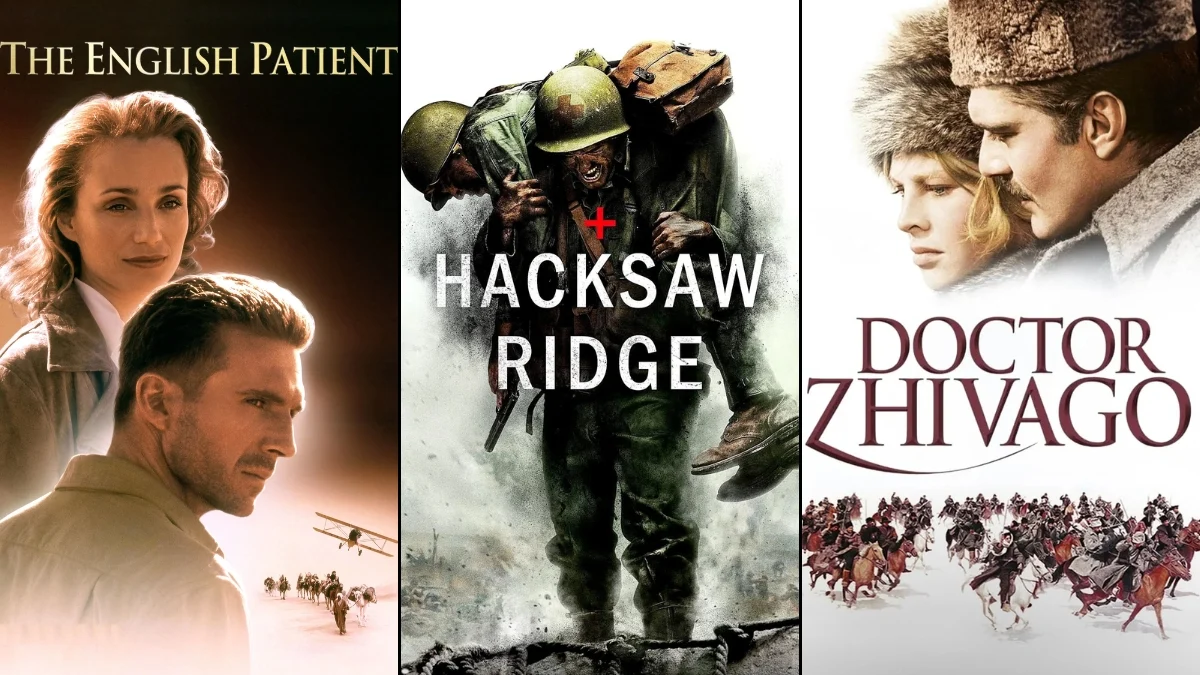
Most war movies focus on fighting, but a special group tells the stories of those who save lives instead. These films show the difficult experiences of medics, nurses, doctors, and chaplains working in dangerous combat zones. They face the challenge of treating terrible injuries while also offering support and care under intense pressure. Here’s a list of fifteen films that celebrate the courageous healers and spiritual guides who served in wartime.
‘Hacksaw Ridge’ (2016)
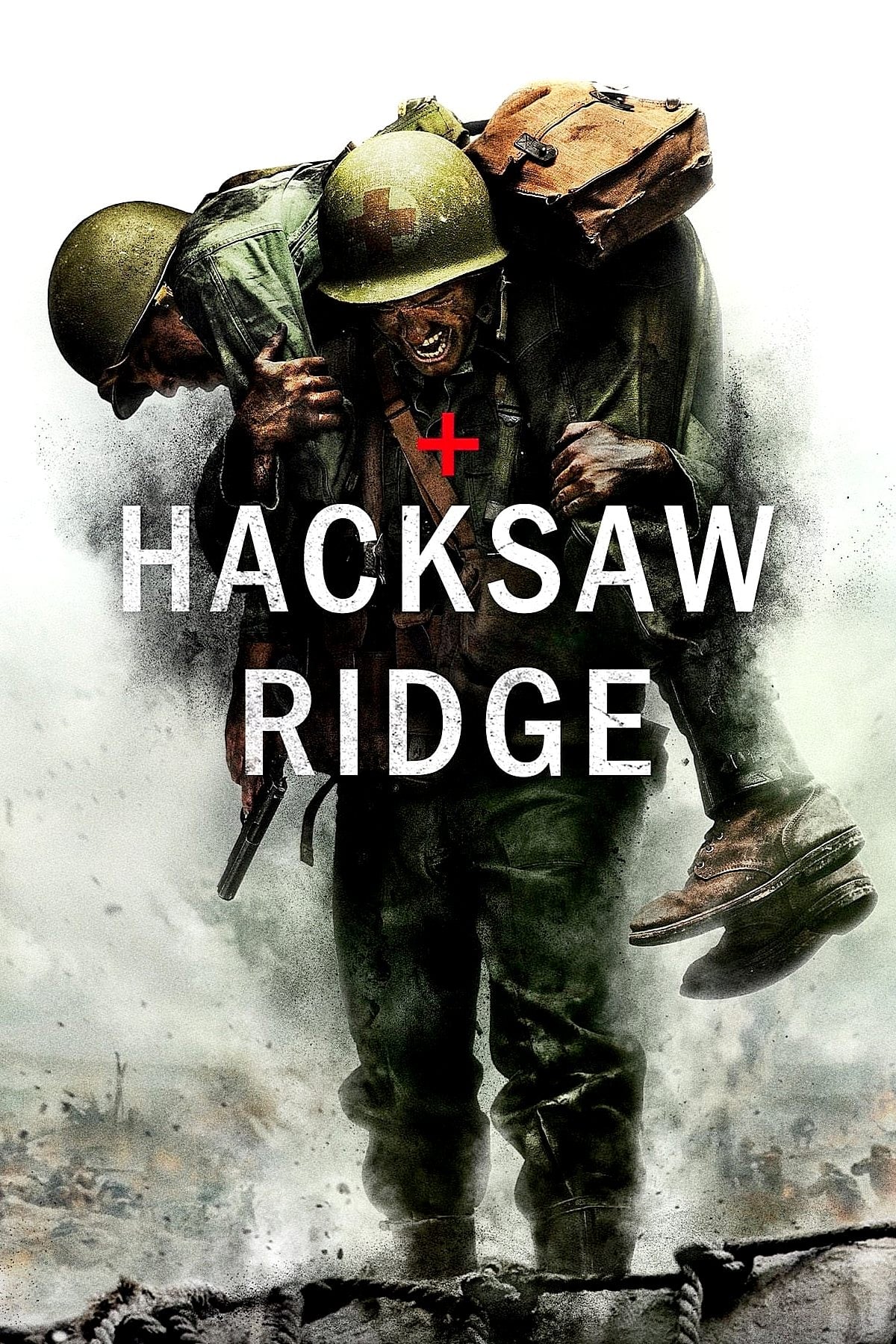
During World War II, Desmond Doss, a medic, refused to carry weapons because of his deeply held religious beliefs. His fellow soldiers initially believed he was a coward, misunderstanding his commitment to non-violence. However, Doss bravely rescued 75 wounded men during the intense Battle of Okinawa – all without ever firing a weapon. This film tells the true story of his incredible courage and the challenges he faced as a conscientious objector during wartime.
‘MASH’ (1970)
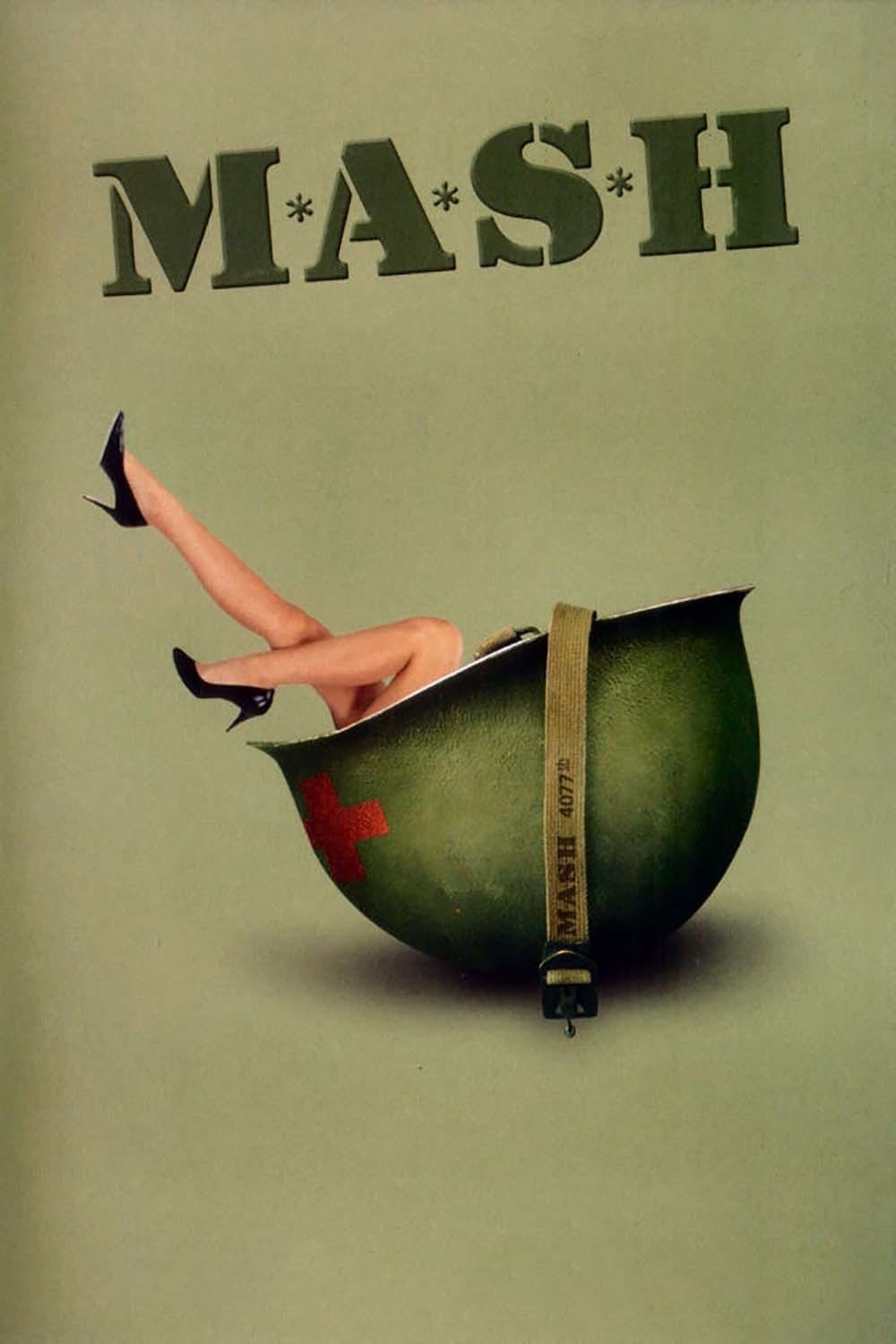
During the Korean War, surgeons working at a Mobile Army Surgical Hospital used humor and playful tricks to deal with the traumatic experiences they faced. The film follows doctors Hawkeye Pierce and Trapper John McIntyre as they challenge their superiors while desperately trying to save lives. It realistically portrays the intense, fast-paced environment of field hospitals near the battlefield, and explores the emotional and mental strain constant exposure to death had on the medical team.
‘The Fighting 69th’ (1940)
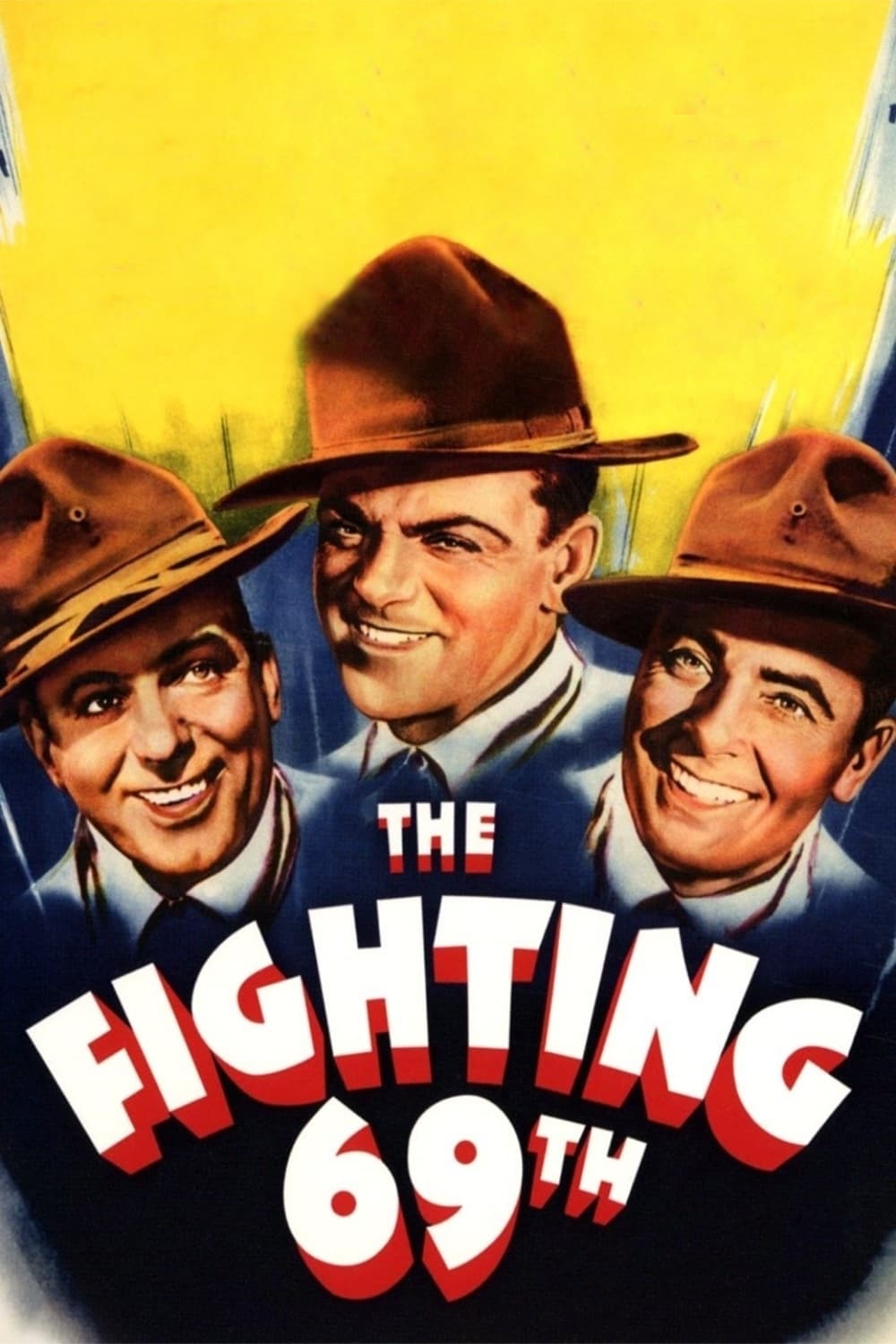
During World War I, Father Francis Duffy was a courageous chaplain with the 69th Infantry Regiment. He offered spiritual guidance and support to soldiers facing the horrors of trench warfare in France. He especially worked with a soldier named Jerry Plunkett, helping him overcome his fear after struggling with bravery in battle. This story highlights how important chaplains were for keeping soldiers’ spirits up and their faith strong during wartime.
‘Testament of Youth’ (2014)
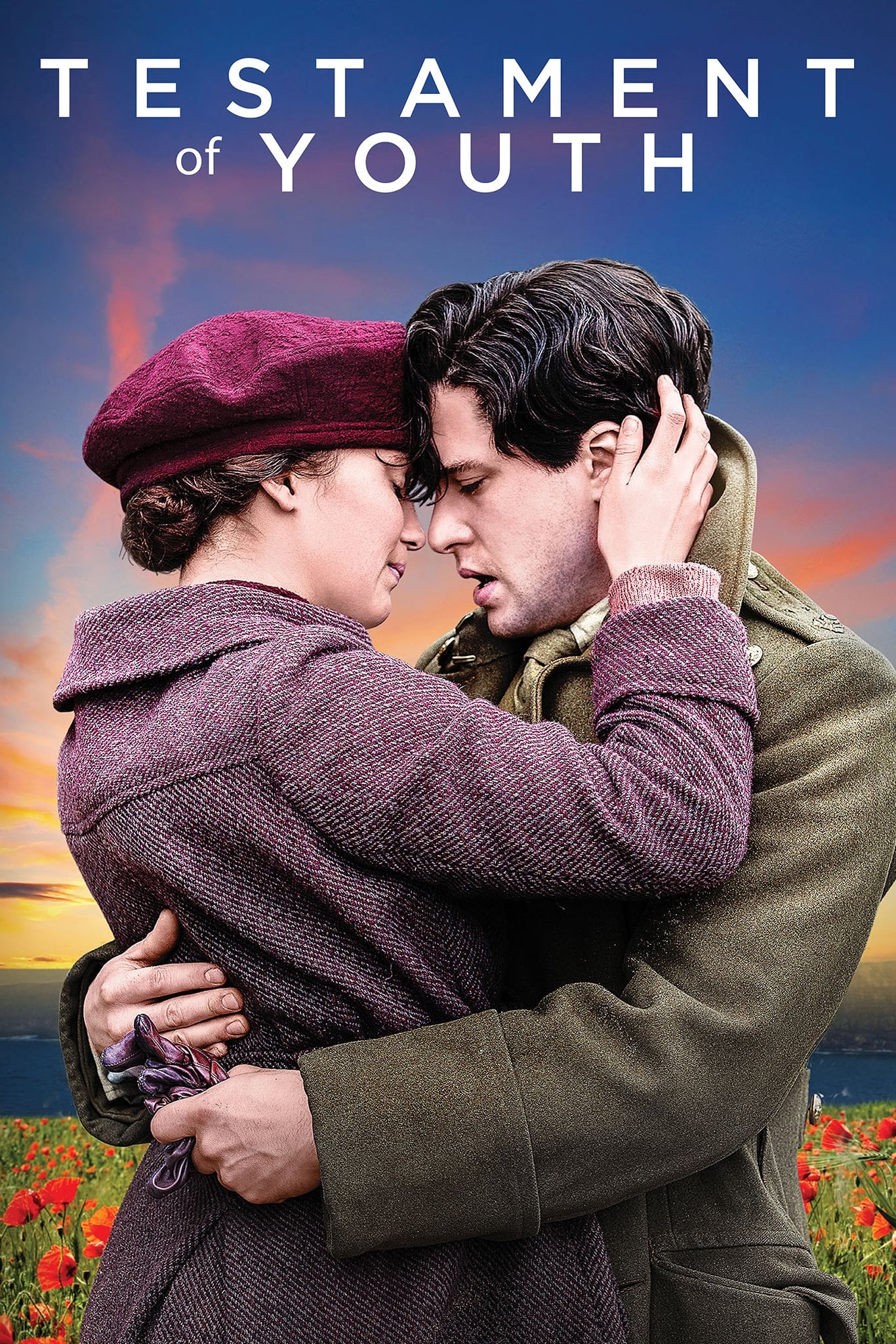
During World War I, Vera Brittain left her studies at Oxford to work as a nurse, helping wounded soldiers in both London and France. The story follows her experiences with the war’s terrible injuries and the personal heartbreak of losing her fiancé and brother in the fighting. It offers a moving perspective on the conflict, seen through the eyes of a woman committed to caring for others.
‘The English Patient’ (1996)
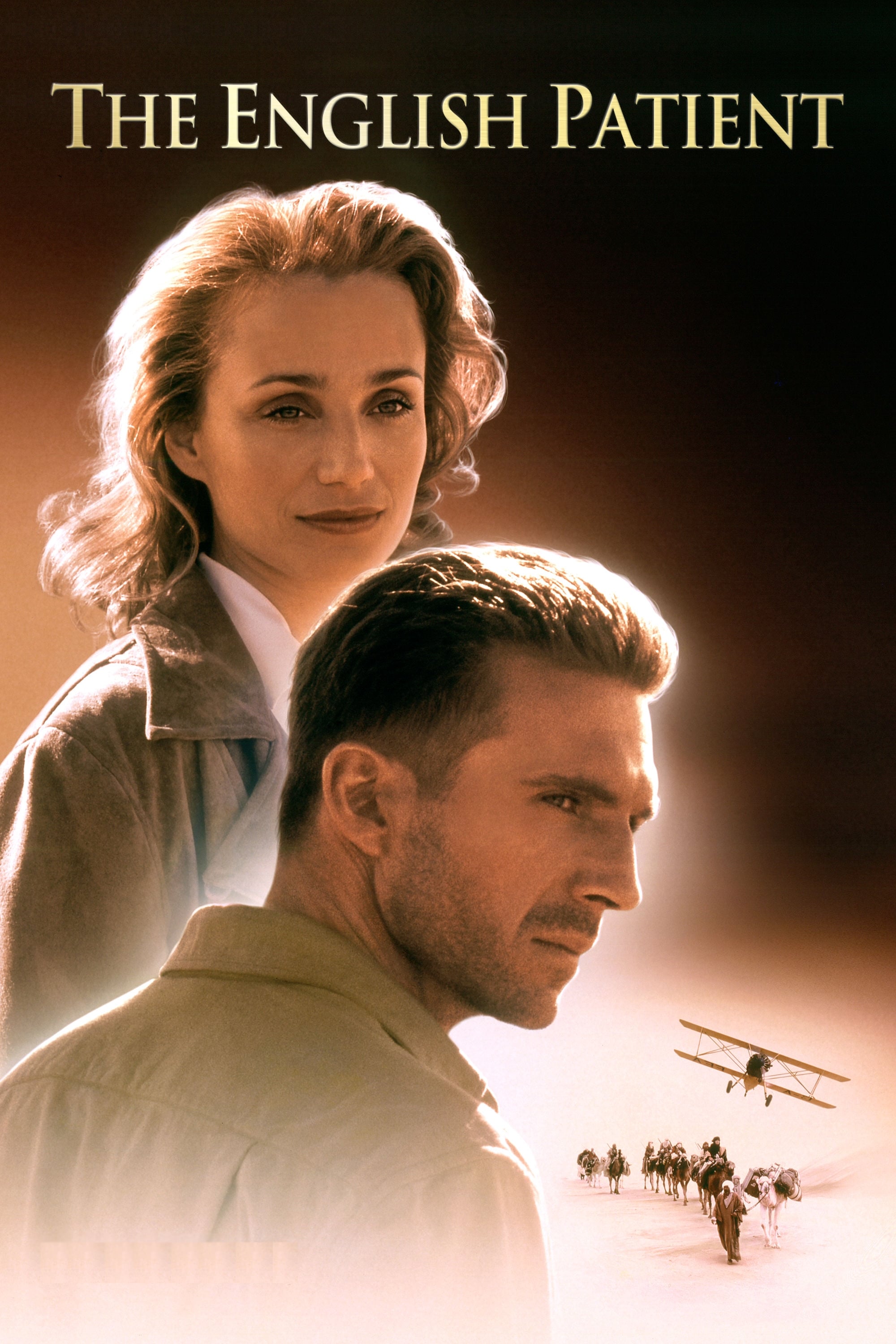
Near the end of World War II, a French-Canadian nurse named Hana tends to a severely burned man in a deserted Italian monastery. As she cares for him, he shares his heartbreaking life story in memories. The film focuses on the powerful connection that develops between them, highlighting how caring for others helps both heal after trauma. Hana, in turn, uses her work to cope with her own sadness and find a path towards recovery.
‘The Innocents’ (2016)

In postwar Poland, a young French Red Cross doctor begins treating people struggling to rebuild their lives. She discovers a hidden crisis within a convent – several nuns are expecting children after being attacked by Soviet soldiers. Torn between her medical responsibilities and the nuns’ sacred vows, the doctor secretly provides them with care. The story examines the difficult intersection of religious belief and practical medicine in a community deeply scarred by war.
‘Captain Newman, M.D.’ (1963)
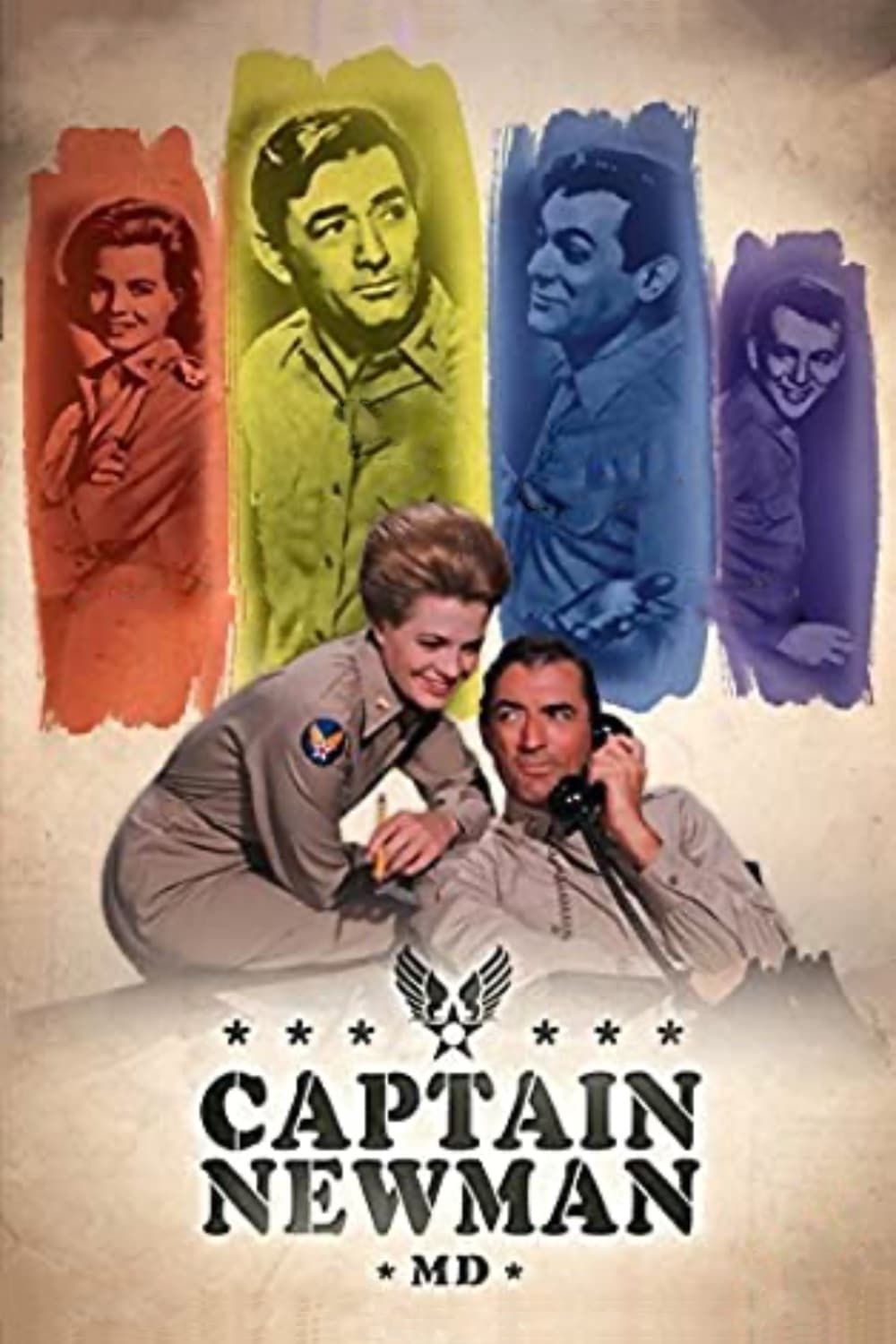
During World War II, Captain Josiah Newman leads a psychiatric ward at an Army Air Corps hospital. He faces challenges with military rules as he cares for pilots struggling with what was then known as battle fatigue. Dr. Newman uses unique approaches to help his patients regain their mental health so they can return to duty. This movie was a pioneer in realistically portraying what we now understand as post-traumatic stress disorder.
‘Regeneration’ (1997)
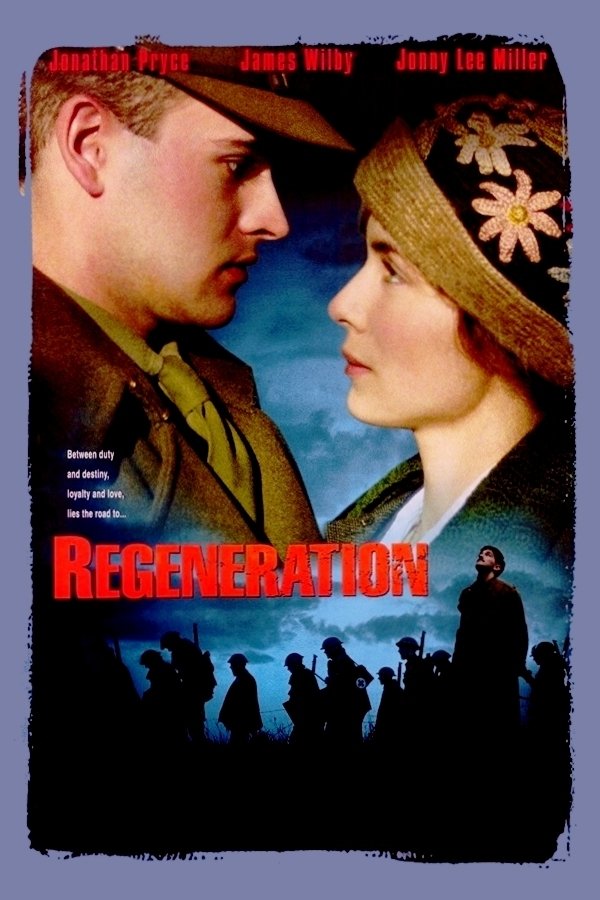
I just finished watching a truly moving film set during World War I. It centers around William Rivers, a psychiatrist working with officers suffering from shell shock at a war hospital. What’s particularly compelling is his work with real-life poets like Siegfried Sassoon and Wilfred Owen, and how he tries to help them cope with the trauma they’ve experienced. But it’s not just about their individual struggles; the film brilliantly explores the ethical conflict Rivers faces – is it right to heal these men, knowing they’ll likely be sent back to the horrors of war? It’s a fascinating look at the beginnings of modern psychiatric treatment, and how doctors attempted to deal with the unseen scars of battle. It really stayed with me.
‘Battle Circus’ (1953)
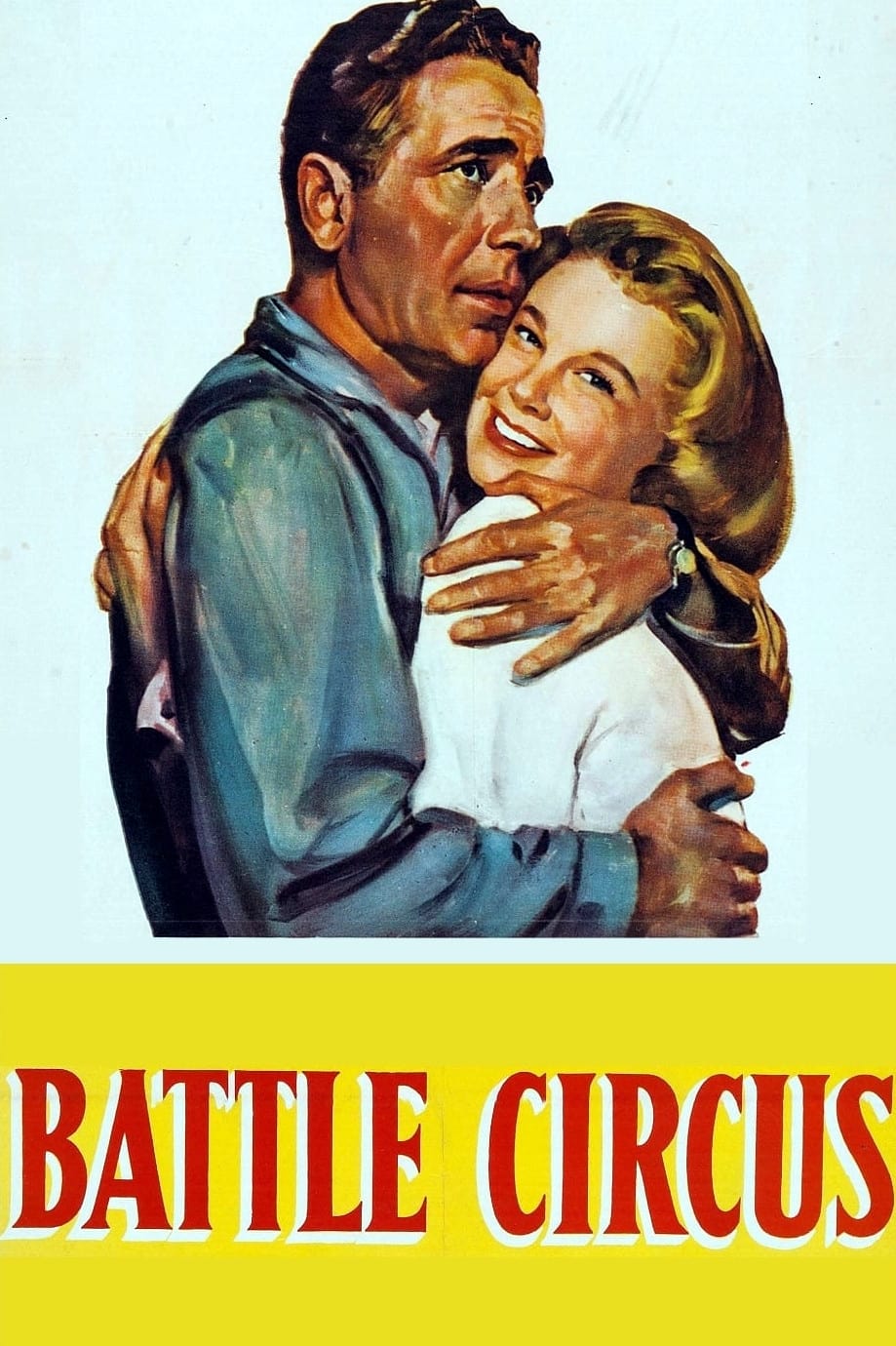
This movie follows a skilled but troubled army surgeon who heads a mobile hospital unit during the Korean War. Amidst the chaos of war and a constant stream of wounded soldiers, he develops a romantic connection with a new nurse. The film realistically portrays the challenges of keeping a medical unit operational while under attack, and emphasizes the commitment and skill needed to perform life-saving surgery in difficult and dangerous field conditions.
‘So Proudly We Hail’ (1943)
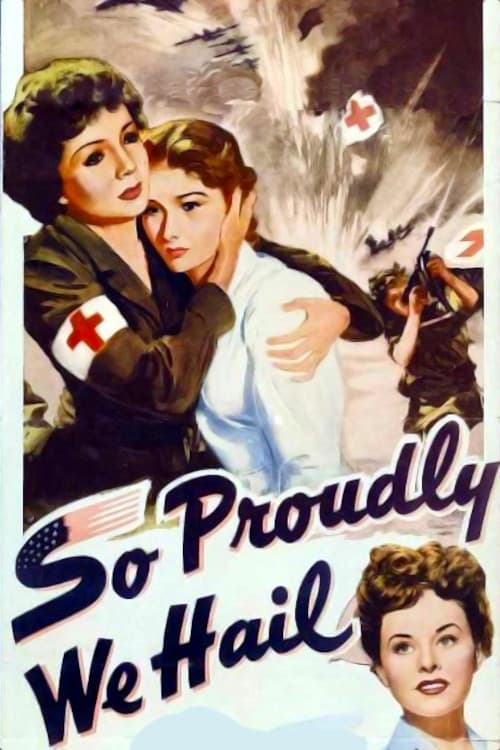
As a film buff, I recently came across this incredible story about a group of military nurses who were stationed in the Philippines right before the Japanese invasion during WWII. It’s a really moving account of their experiences – enduring constant bombing and struggling with starvation while they desperately tried to care for the wounded in the jungles of Bataan and Corregidor. What struck me most was their unwavering dedication; they absolutely refused to leave their patients, even when things looked completely hopeless. It’s a powerful tribute, not just to a gripping story, but to the real women who served and ultimately became prisoners of war. It really highlights their incredible bravery and sacrifice.
‘Cry Havoc’ (1943)

As a film buff, I recently came across this incredibly moving story about thirteen women who served as nurses in a field hospital during the siege of Bataan. It’s a really powerful film because it focuses entirely on their experience – what it was like for them facing constant bombing and desperately trying to care for wounded soldiers with almost no supplies. What struck me most was how it showed the strong bonds they formed with each other as they dealt with so much death and hardship. It doesn’t shy away from the brutal realities of war, especially when getting those soldiers out just wasn’t possible anymore. It’s a tough watch, but a really important one.
‘A Farewell to Arms’ (1932)
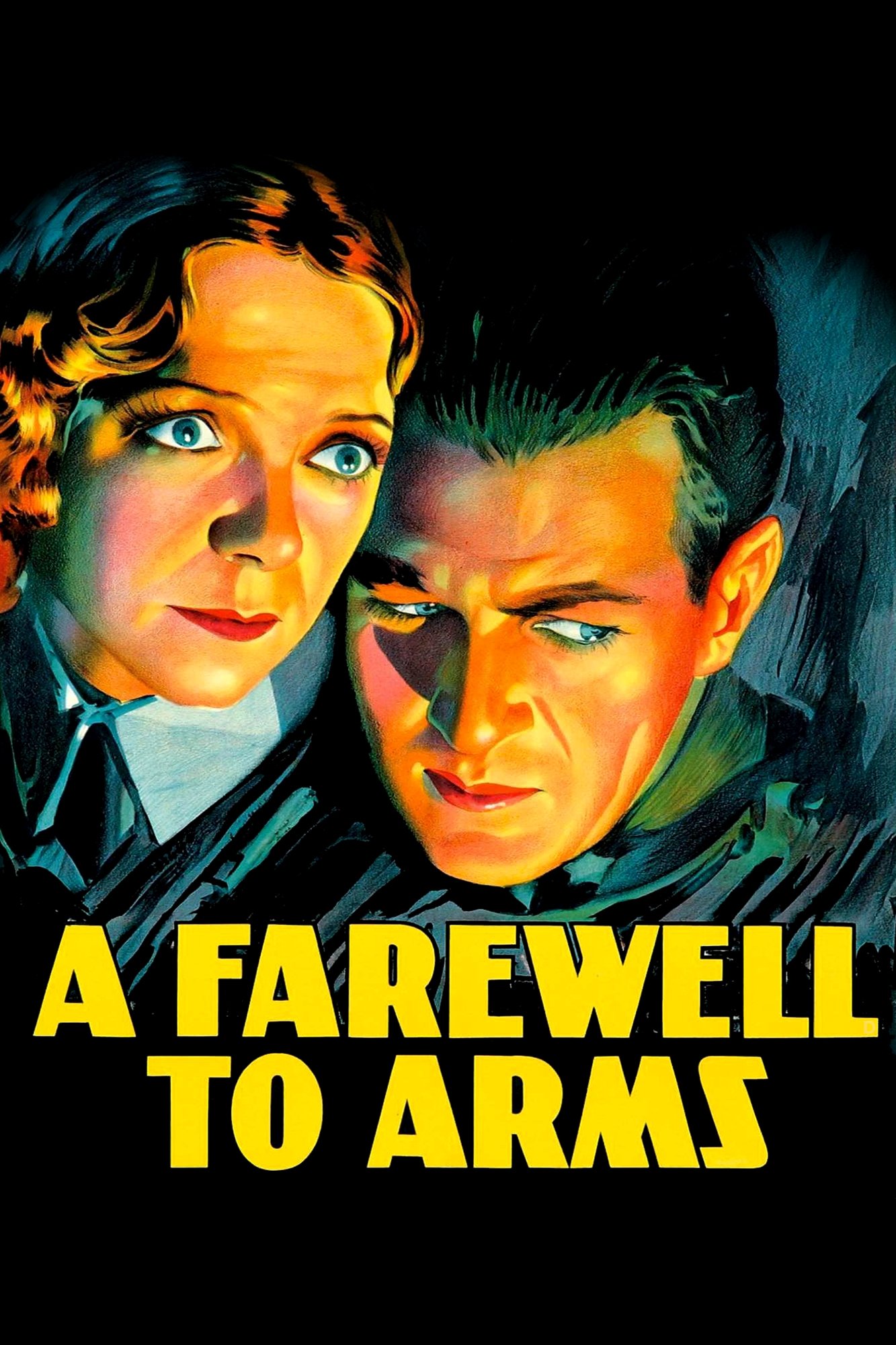
During World War I, an American driving an ambulance for the Italian army and a British Red Cross nurse fall in love while he’s recovering from a leg injury in a hospital. They attempt to leave the war behind and build a life together by escaping to neutral Switzerland. This film is based on Ernest Hemingway’s novel and highlights the heartbreaking contrast between love and the demands of war.
‘Joyeux Noel’ (2005)

During the brief, unofficial Christmas truce of 1914, an Anglican priest and a Catholic chaplain took a courageous step: they held a joint religious service in the dangerous space between the trenches. Scottish, French, and German soldiers, temporarily pausing the fighting, attended. These chaplains chose to emphasize their common faith and shared humanity, even though it went against orders from their military superiors. The story highlights how strong spiritual leadership can help overcome even the deepest divisions between enemies.
‘Doctor Zhivago’ (1965)
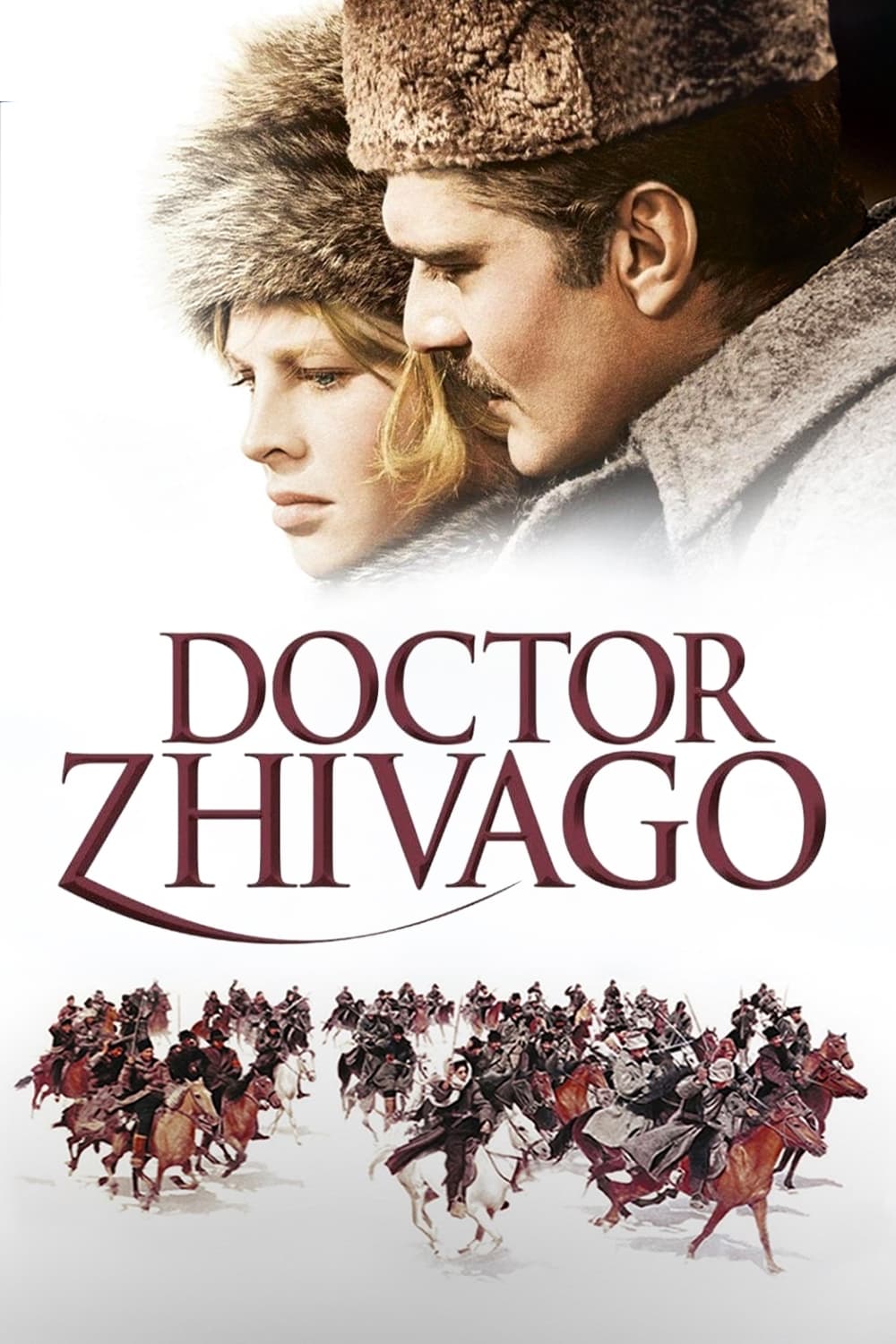
Yuri Zhivago is a doctor during World War I who finds himself caught in the middle of the Russian Revolution. While tending to the horrific wounds of war, he longs to return to his passion for art and be with the woman he loves. The story follows his difficult journey to maintain his humanity and practice medicine as the world around him falls apart. As a doctor, he’s constantly confronted with the devastating consequences of the revolution and the immense pain it causes.
‘In Love and War’ (1996)

During World War I, a young Ernest Hemingway worked as an ambulance driver in Italy until he was injured. While recovering, he fell deeply in love with Agnes von Kurowsky, the nurse caring for him. The film portrays the hospital setting of the time, where nurses had complete control over patient care, and it’s based on the true story behind Hemingway’s later war novels.
Tell us which of these films gave you the best perspective on battlefield medicine in the comments.
Read More
- 2025 Crypto Wallets: Secure, Smart, and Surprisingly Simple!
- Gold Rate Forecast
- Brown Dust 2 Mirror Wars (PvP) Tier List – July 2025
- Banks & Shadows: A 2026 Outlook
- Gemini’s Execs Vanish Like Ghosts-Crypto’s Latest Drama!
- ETH PREDICTION. ETH cryptocurrency
- HSR 3.7 story ending explained: What happened to the Chrysos Heirs?
- The 10 Most Beautiful Women in the World for 2026, According to the Golden Ratio
- 39th Developer Notes: 2.5th Anniversary Update
- HSR Fate/stay night — best team comps and bond synergies
2025-11-28 04:46