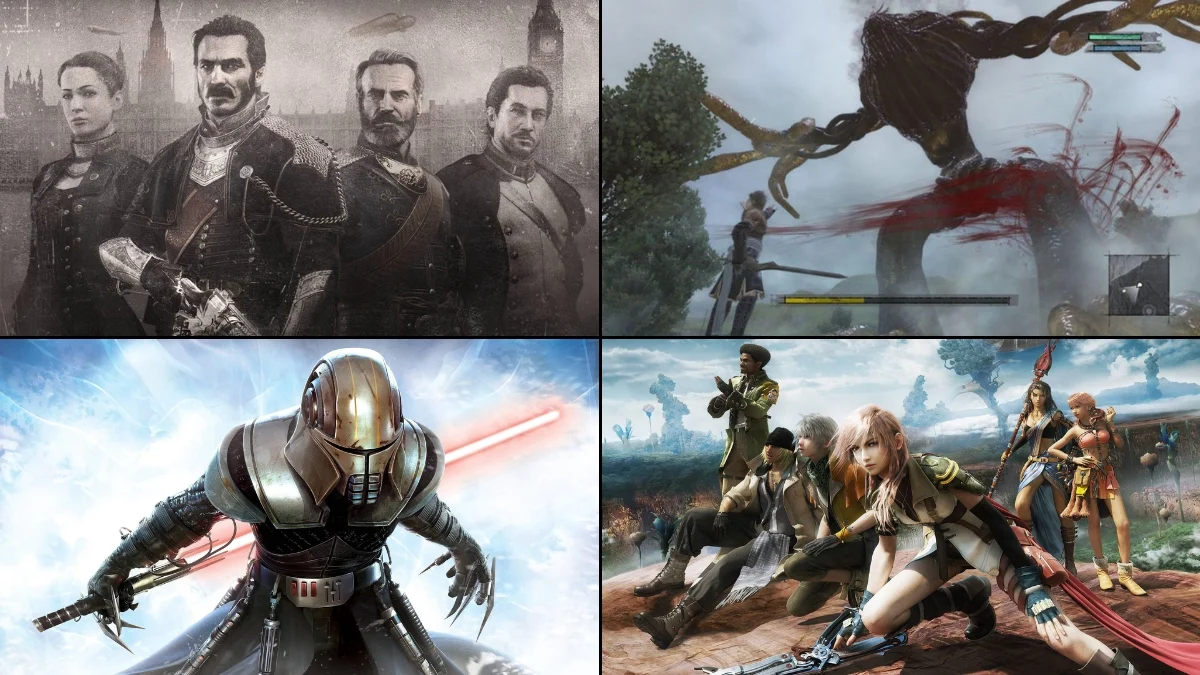
Many games aren’t perfect at release, but often their music is exceptional—beautifully composed scores that enhance everything from menus and cutscenes to gameplay. Here are 25 game soundtracks that have become well-known and highly regarded. For each one, we’ll tell you who composed the music, what makes it stand out (like grand choirs or innovative interactive elements), and where you can listen to it now. We’ve also included the game’s developer and publisher so you know who created the game world the music accompanies.
‘Nier’ (2010)
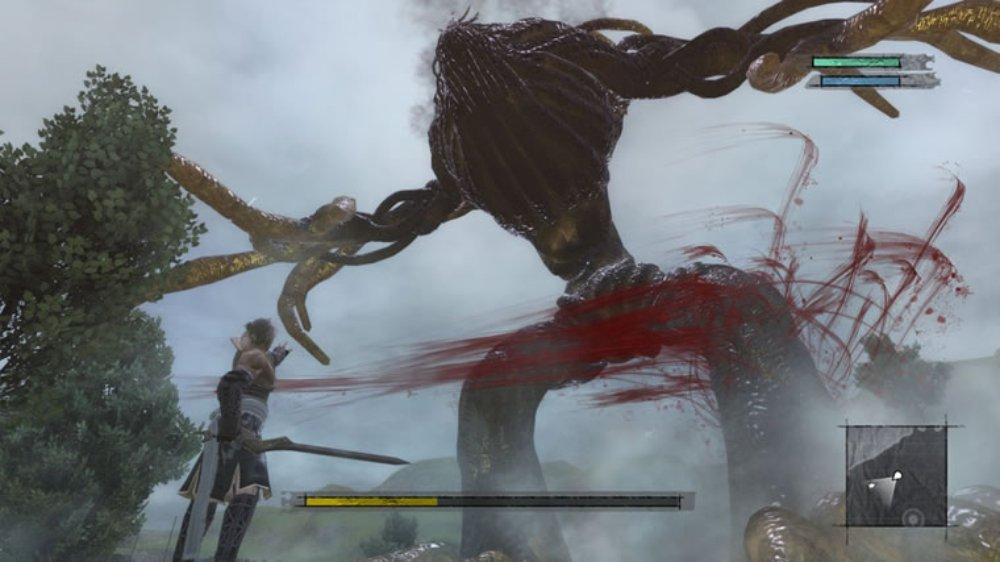
This action RPG was created by Cavia and published by Square Enix. Its defining feature is a unique and beautiful soundtrack composed by Keiichi Okabe, Keigo Hoashi, and Emi Evans. The music features haunting vocals and sad, memorable melodies, with recurring musical themes tied to different areas and boss battles. Remastered versions of the tracks are readily available on popular streaming services, and live performances have been featured in official Square Enix Music concerts and albums.
‘Remember Me’ (2013)
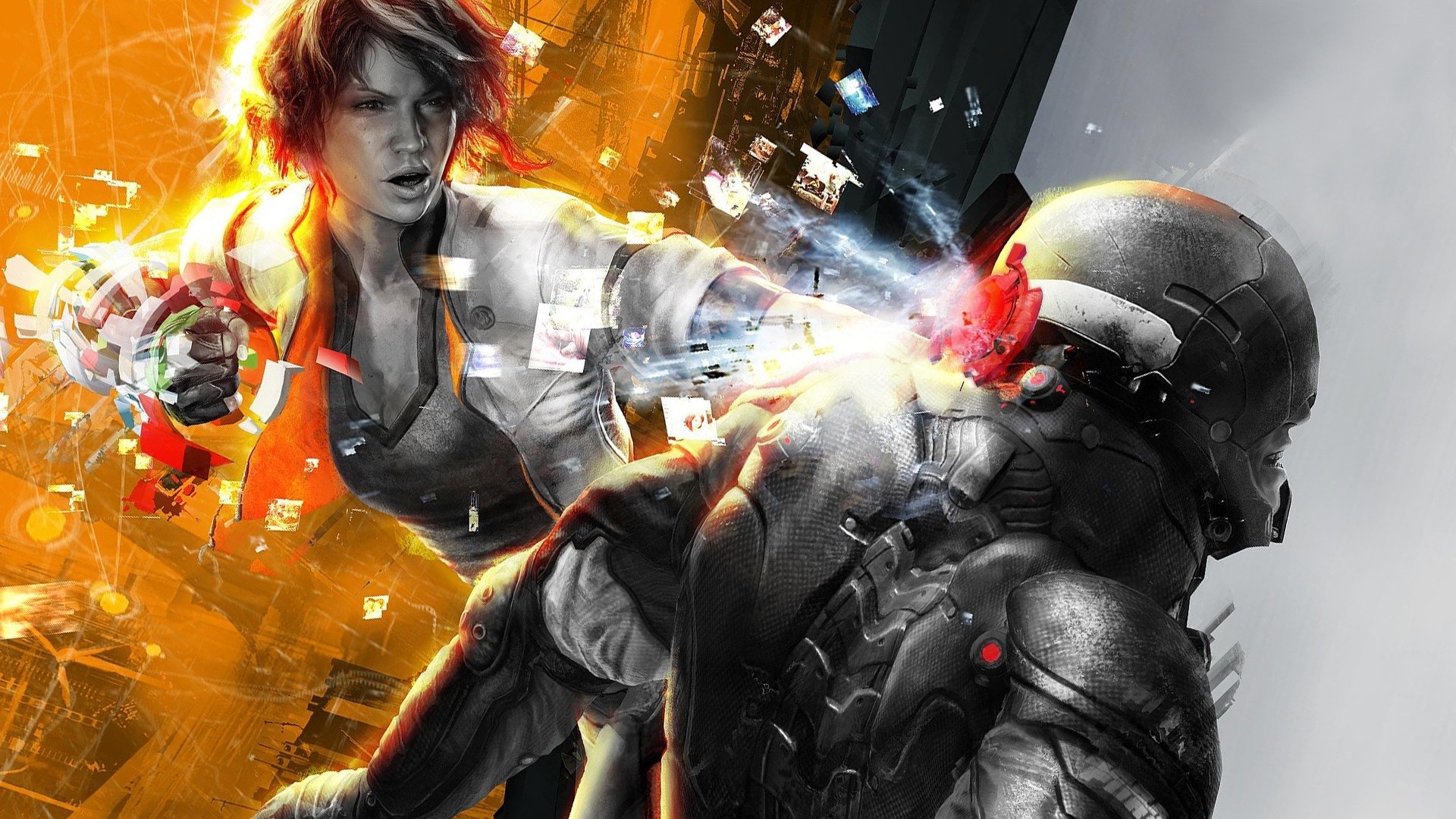
Dontnod Entertainment’s sci-fi adventure, published by Capcom, centers around manipulating memories, and the soundtrack by Olivier Deriviere reflects this. He created it by digitally altering orchestral recordings from the London Philharmonia, stretching and rearranging them so that the music changes dynamically during combat as you perform combos. The main theme and combat tracks are available on streaming services and as a standalone album. Capcom shared the soundtrack alongside information about Deriviere’s innovative, interactive approach to music creation.
‘Sonic R’ (1997)
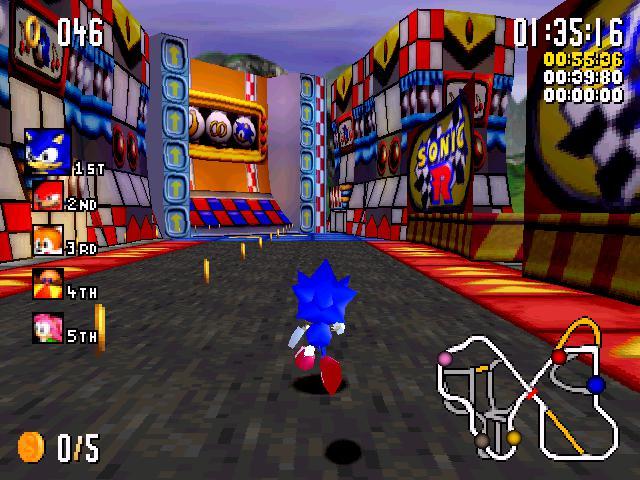
Traveller’s Tales created this Sega racing game, and Richard Jacques composed a vibrant soundtrack featuring vocals by TJ Davis. The songs, which are still popular in remix communities, are full-length tracks with verses and choruses – a rarity for racing games at the time. The official soundtrack has been released on CD and digitally, ensuring it continues to reach new audiences. Sega has also revisited and included these songs in celebratory concerts and compilation albums.
‘Sonic the Hedgehog’ (2006)
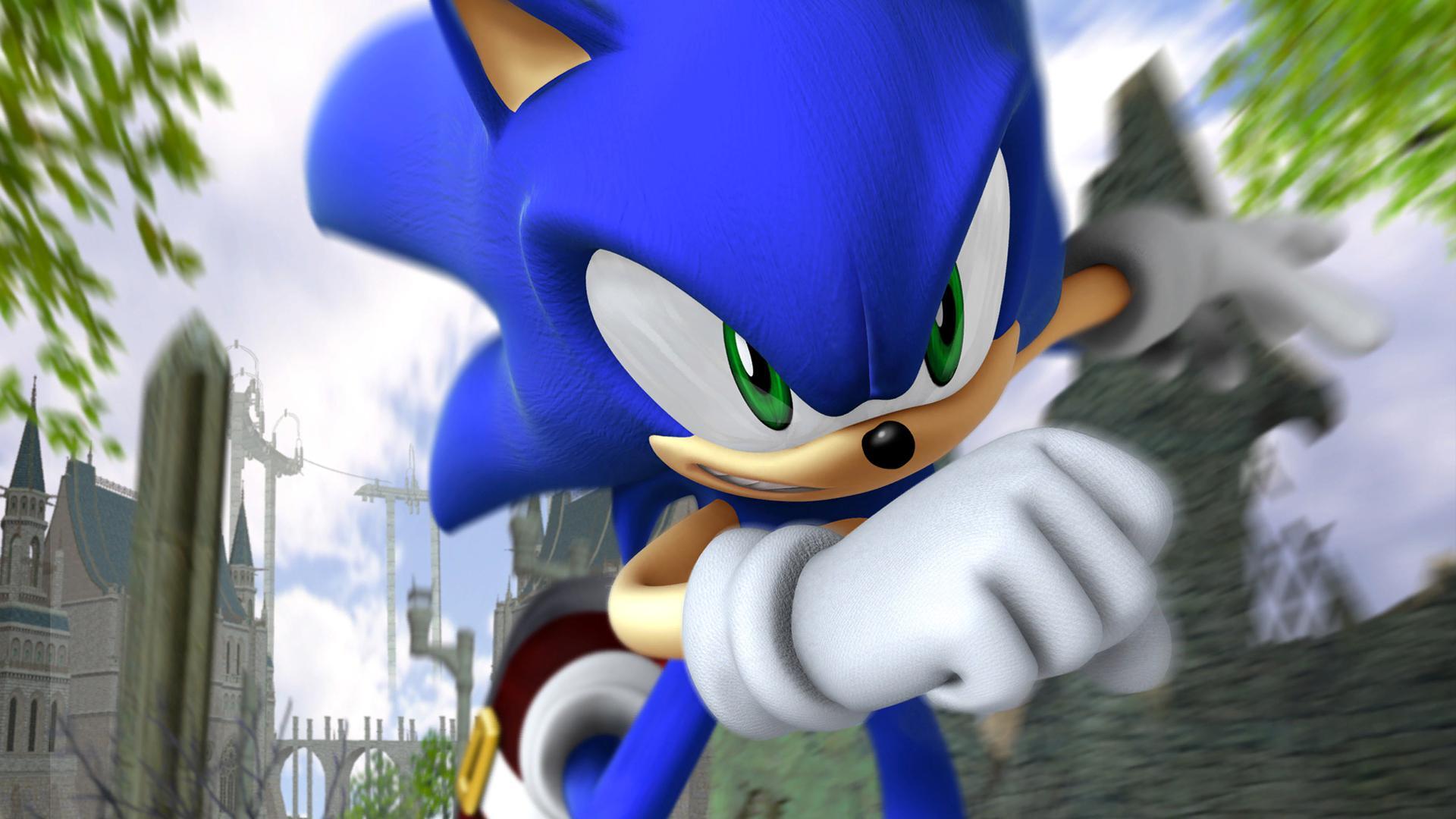
The new Sonic game features a large, professionally recorded soundtrack composed by Tomoya Ohtani, blending orchestral and rock music. The music was created with live musicians in multiple recording sessions and includes character themes, level music, and cinematic scores. The soundtrack is available on physical multi-disc sets and digitally, with both instrumental and vocal versions. Detailed information about the musicians and complete track listings are available through Sega Music releases.
‘Castlevania: Lords of Shadow 2’ (2014)
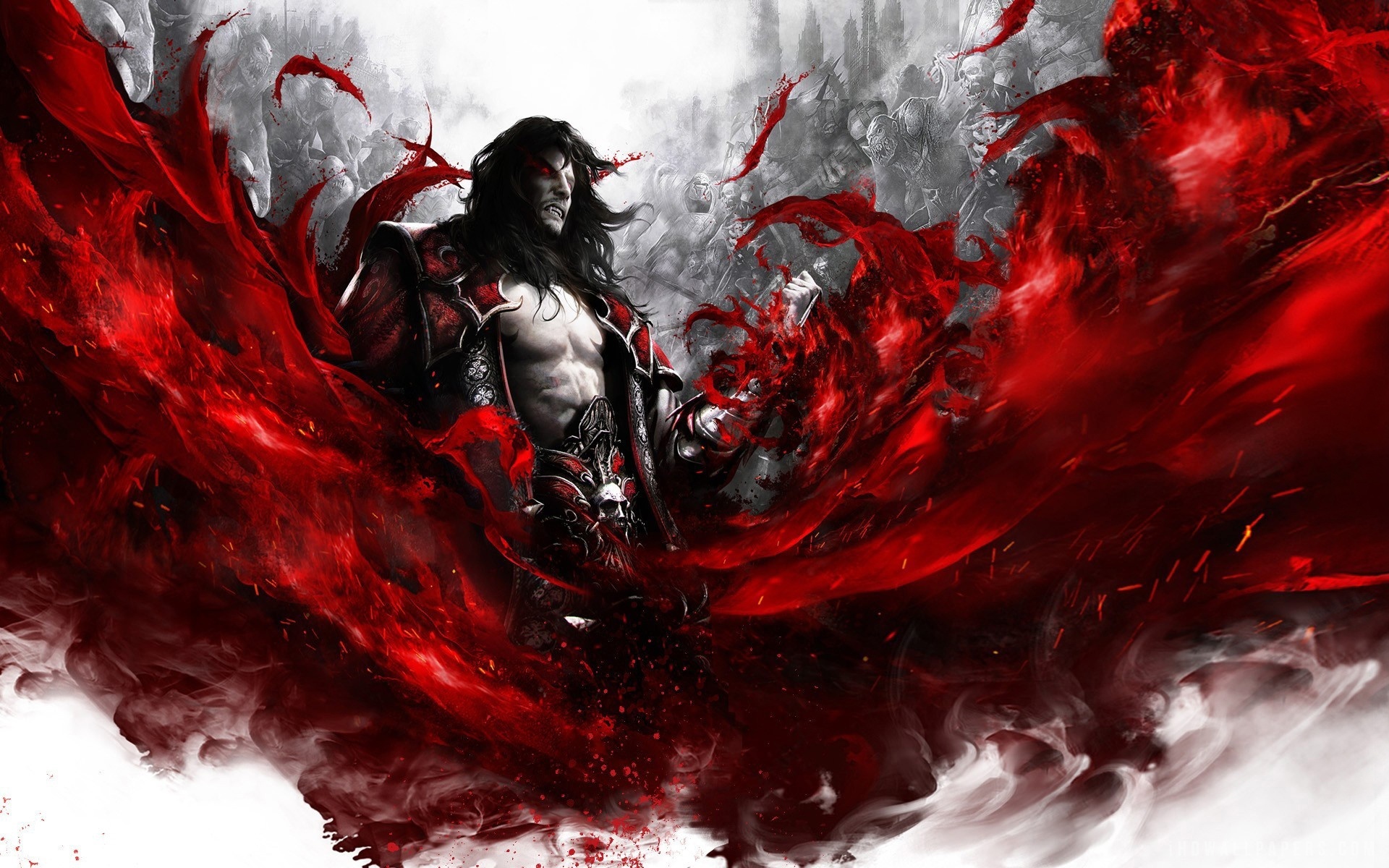
MercurySteam created this game as a follow-up for Konami, and Óscar Araujo returned to compose a dramatic orchestral soundtrack featuring powerful choirs. The music uses strong percussion and prominent brass to emphasize key moments in the story. You can easily find high-quality recordings of the soundtrack, including a full album released by Konami, and some of the themes have been featured in concert performances celebrating the ‘Castlevania’ series.
‘Ryse: Son of Rome’ (2013)
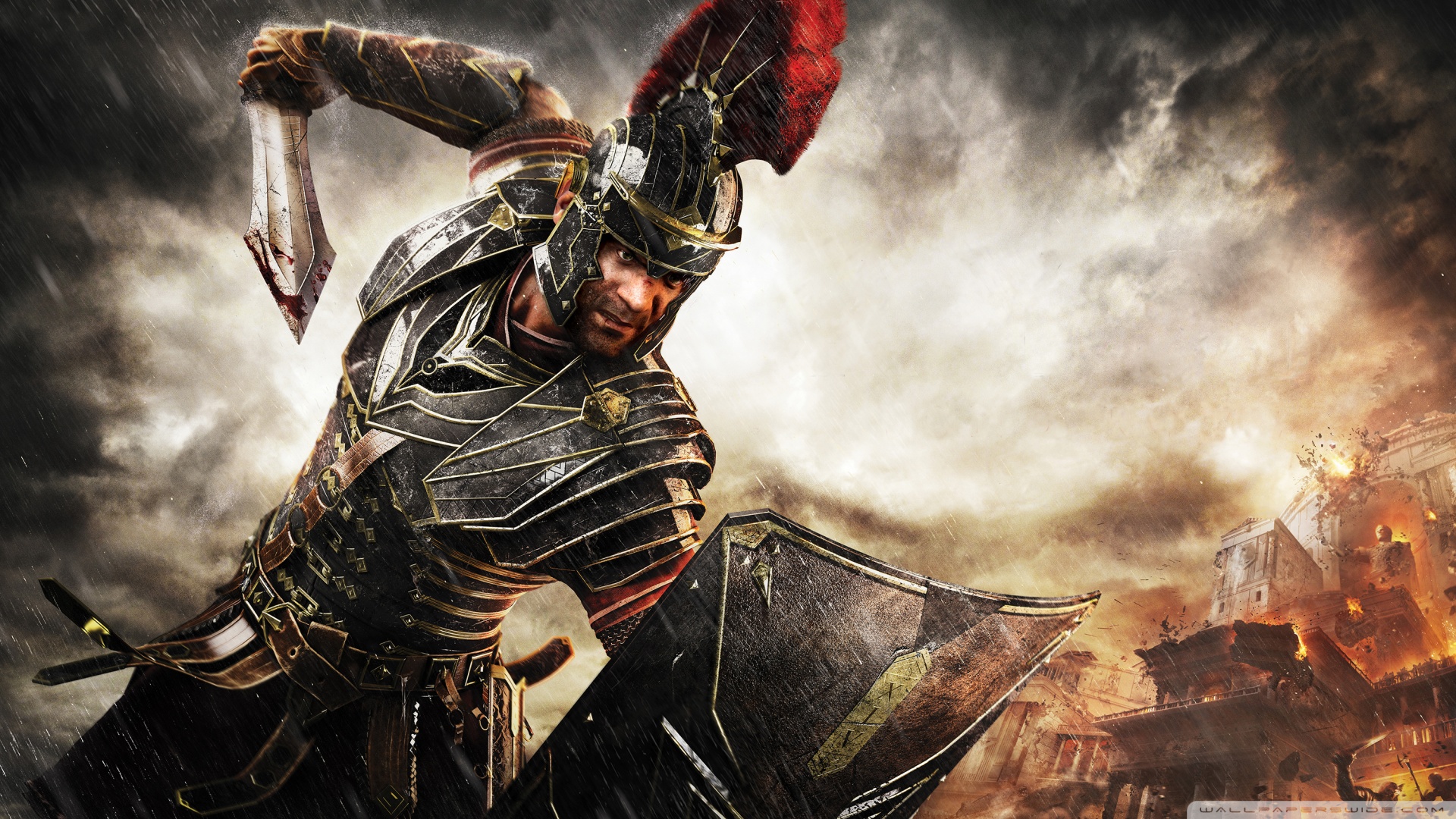
Crytek developed this game for the launch of the Xbox One, and Microsoft Studios published it. The music, created by Crytek’s audio team with contributions from Tilman Sillescu and Borislav Slavov of Dynamedion, features powerful elements like deep male choirs, energetic taiko drums, and expressive cello melodies. These musical choices enhance the game’s key moments and action sequences. An official soundtrack with longer, complete versions of the music is also available, and behind-the-scenes videos show how the music’s tempo was carefully synced to the game’s dramatic fights.
‘The Order: 1886’ (2015)
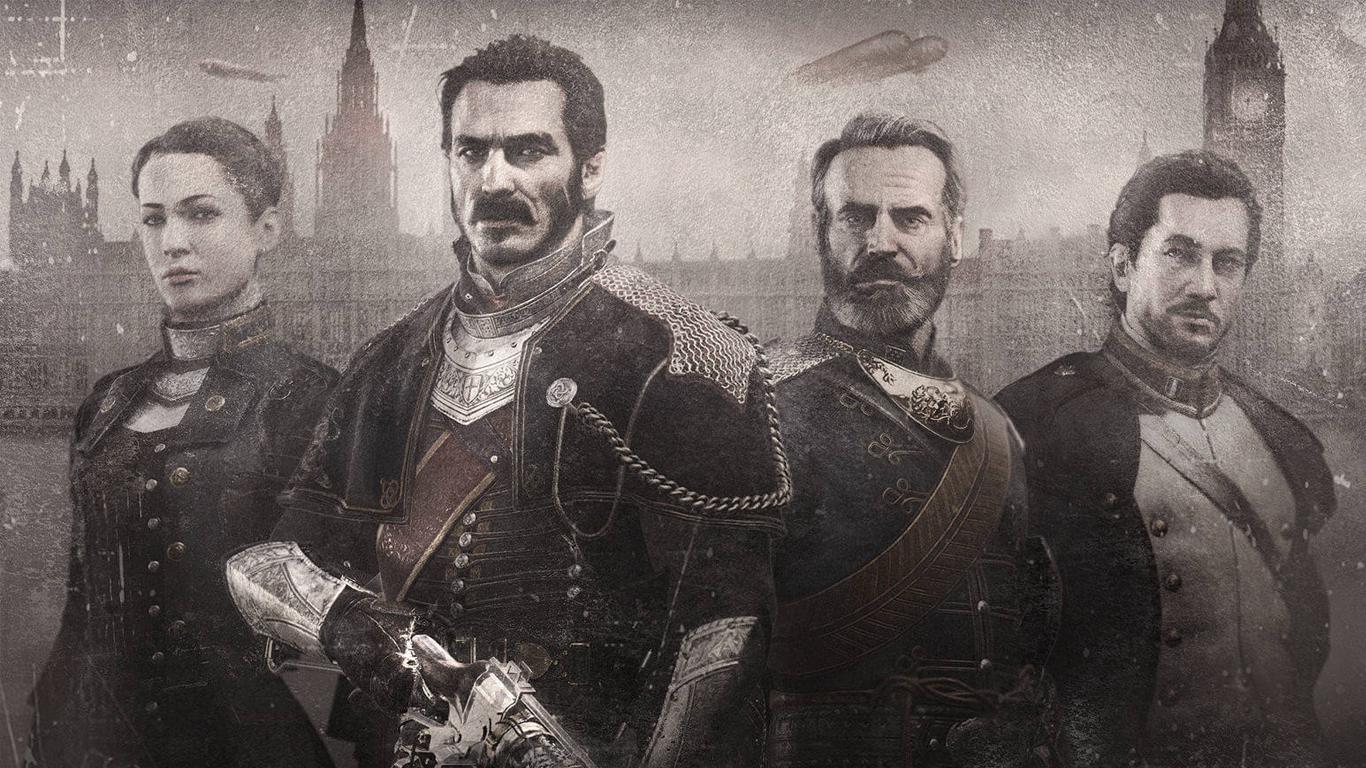
Ready At Dawn created this game specifically for Sony PlayStation, and Jason Graves composed the music. The score, recorded at the famous Abbey Road studios, features a deep, choral sound. Its unique sound comes from the use of contrabass voices and violas, creating a dark and atmospheric feel that fits the game’s Victorian setting. Sony released the soundtrack online with details about the special choir sounds used, and selections from it have been performed in PlayStation orchestral concerts and featured on curated playlists.
‘Crysis 2’ (2011)
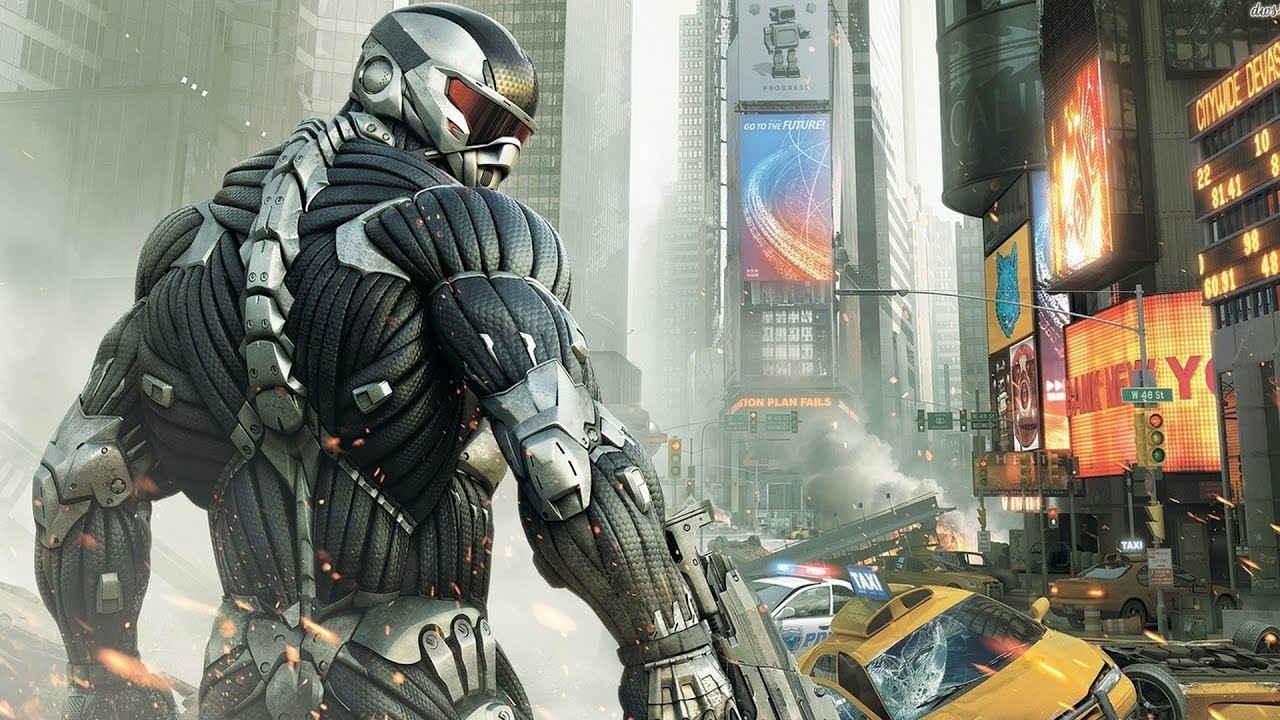
The soundtrack for Crytek’s shooter, published by Electronic Arts, is a blend of electronic and orchestral music created by Hans Zimmer, Lorne Balfe, and Tilman Sillescu. It features a memorable central theme used throughout the game and its trailers. Electronic Arts has released several versions of the soundtrack, including longer tracks and remixes. Details about which composer worked on specific parts of the music are available in track lists and interviews.
‘Final Fantasy XIII’ (2009)
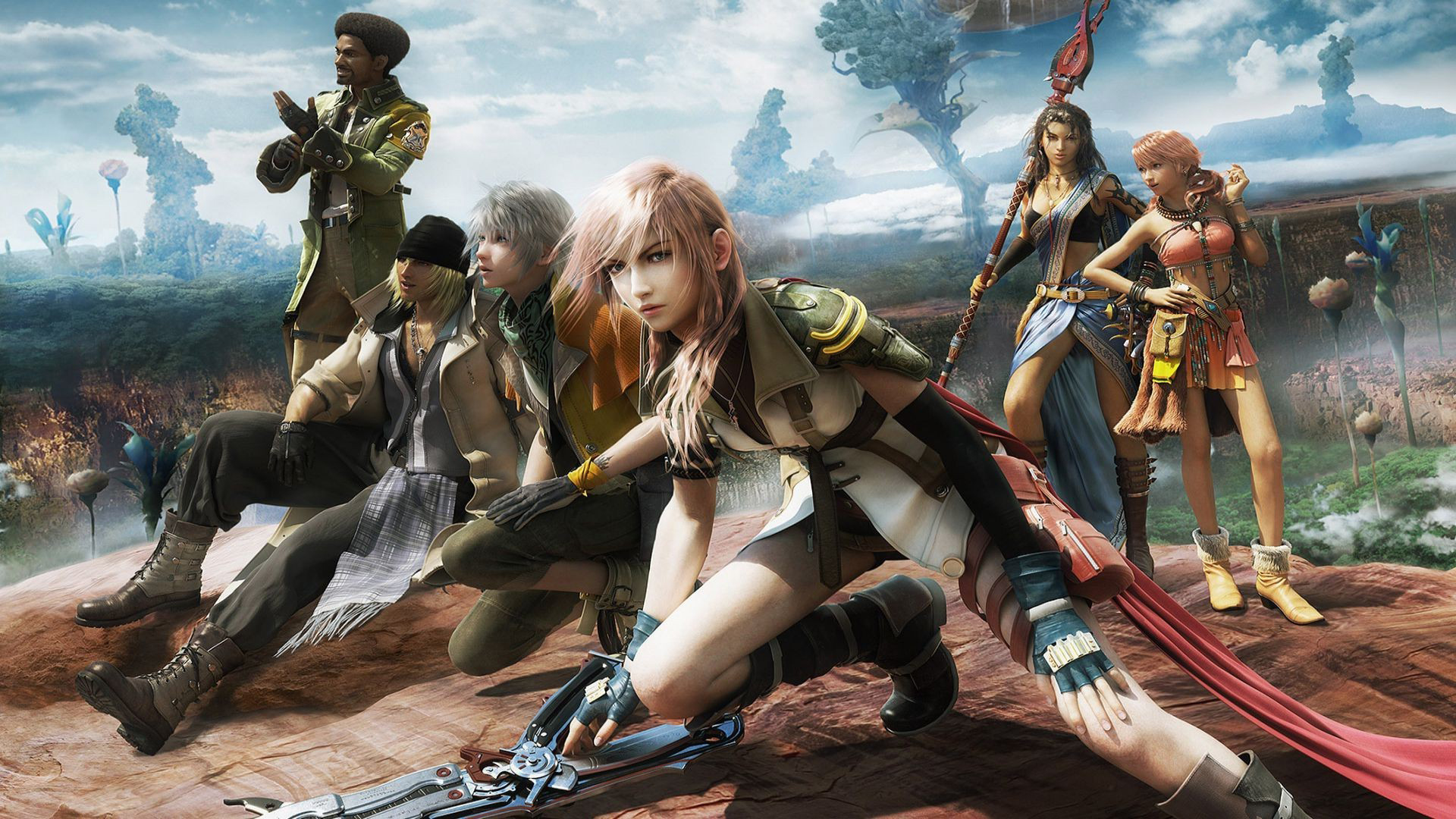
This installment was created by Square Enix and features a beautiful soundtrack composed by Masashi Hamauzu. Unlike previous games in the series, this soundtrack focuses more on piano and strings. Familiar character themes and location music reappear in albums and live concerts. You can find the soundtrack on CD and through popular streaming services under the Square Enix Music label, and official piano arrangements and orchestral performances offer fresh takes on the game’s main melodies.
‘Brütal Legend’ (2009)
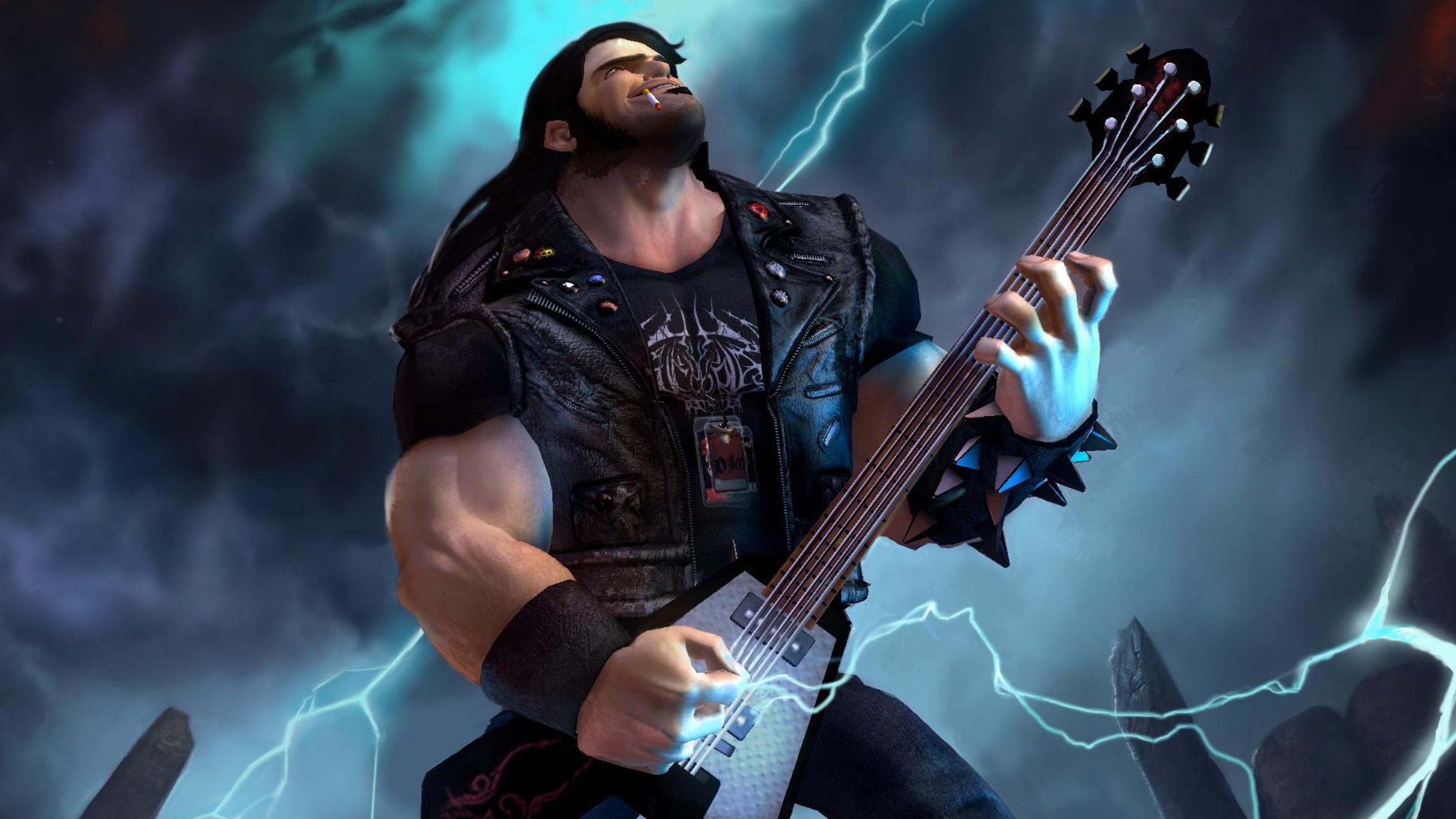
The action-adventure game from Double Fine, published by EA, features a unique soundtrack combining Peter McConnell’s original music with a vast collection of licensed metal songs. Hundreds of tracks spanning various metal subgenres are woven into the game through radio-like playlists and dynamic event triggers. EA emphasized the game’s extensive music library and the artists involved. Both the original score and the in-game radio selections are available on popular music streaming platforms.
‘Homefront’ (2011)
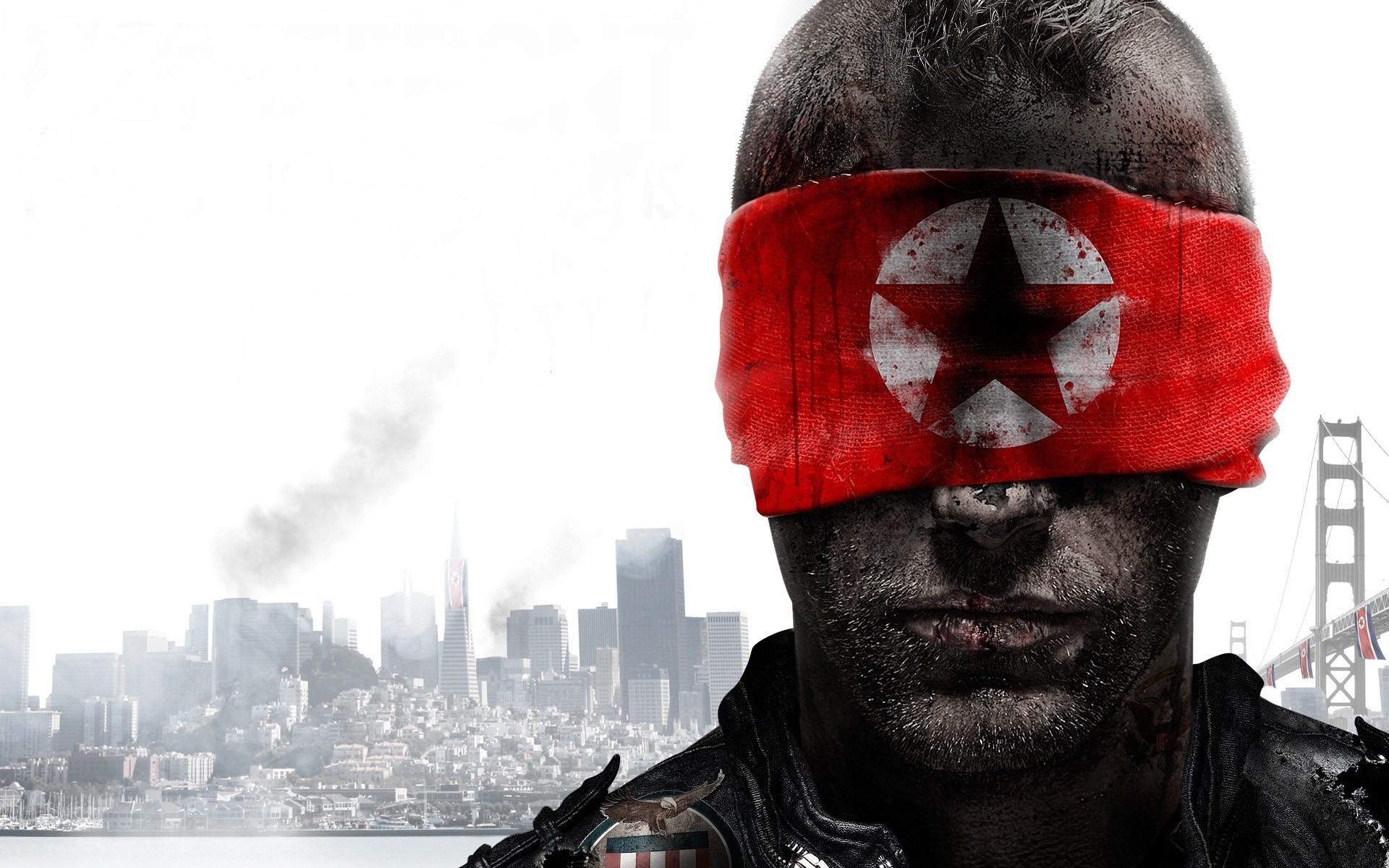
This shooter game was created by Kaos Studios and published by THQ, featuring a melancholic soundtrack composed by Matthew Harwood. The music uses sad strings, a lone trumpet, and subtle percussion to fit the game’s theme of a war fought by a resistance movement. THQ also released a full album of the music, including longer versions of the tracks and the main themes used in the game’s advertisements. The album credits show that the music was recorded with a live orchestra and finalized with the help of an audio team in New York.
‘Assassin’s Creed Unity’ (2014)
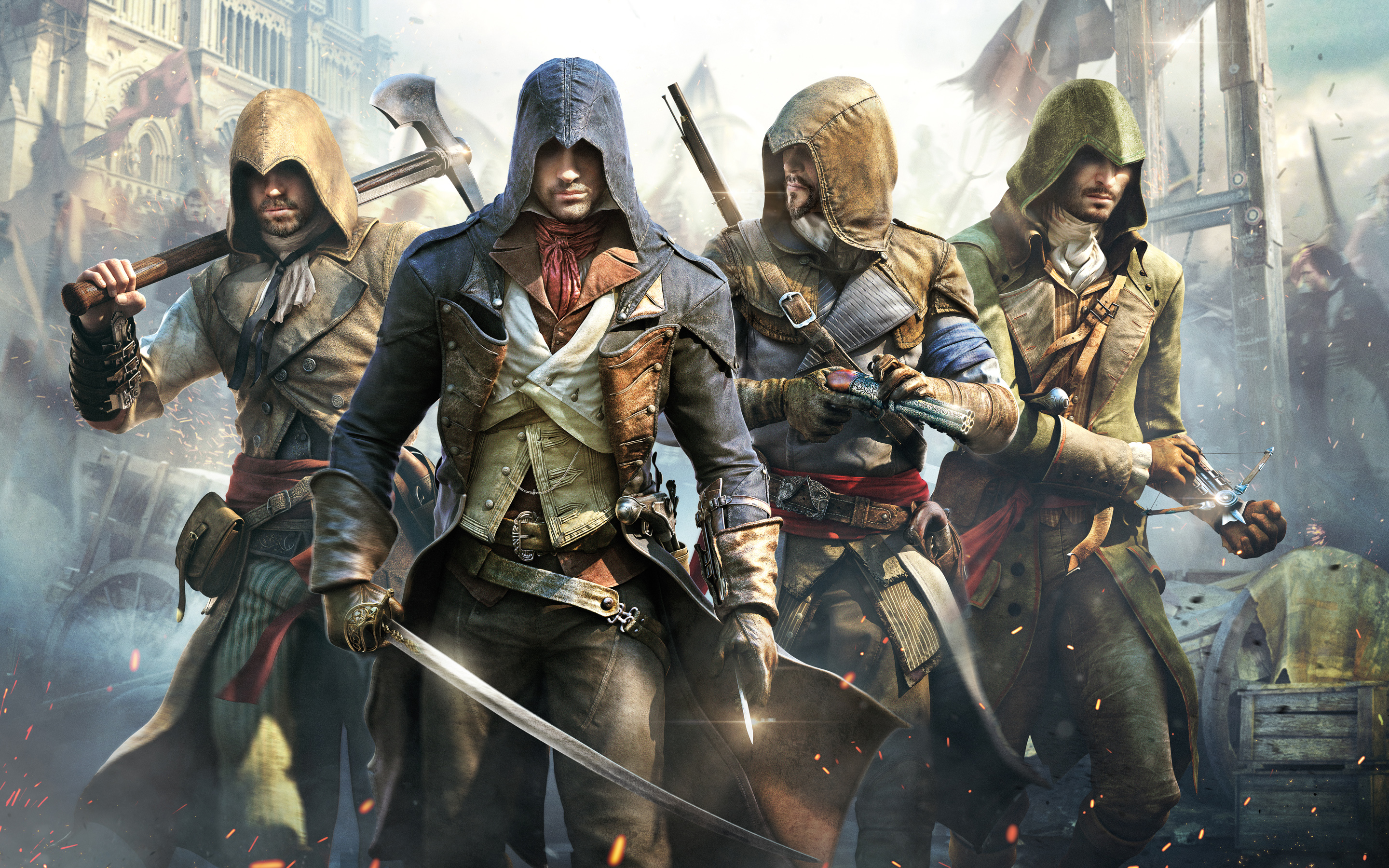
Ubisoft Montreal created the game, and Ubisoft published it, bringing in three composers – Chris Tilton, Sarah Schachner, and Ryan Amon – to create the music. Each composer brought a unique style – from traditional orchestral strings to modern electronic sounds and energetic percussion – to match different parts of the game, like stealth sections, parkour, and action sequences. Ubisoft released the soundtrack online as separate collections from each composer. They also explained how musical themes change and connect between quiet, stealthy moments and intense combat.
‘Xenoblade Chronicles X’ (2015)
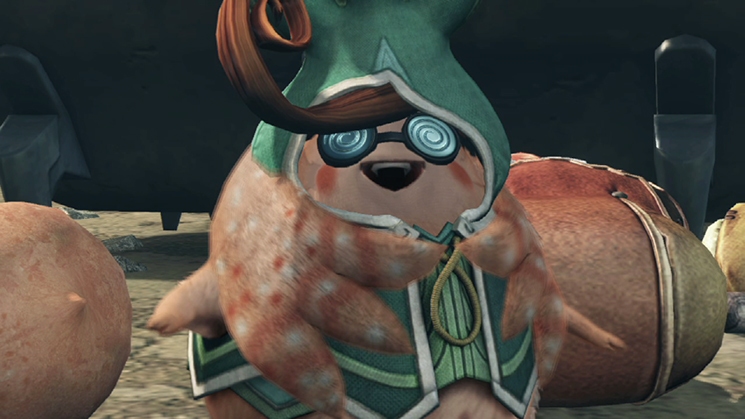
The open-world RPG from Monolith Soft, released by Nintendo, boasts a dynamic soundtrack composed by Hiroyuki Sawano. The music ranges from epic, choir-driven sci-fi pieces to energetic rap battles, and the songs are often longer than those typically found in Japanese role-playing games. Sawano releases additional soundtrack versions and vocal tracks under the name “nZk.” Nintendo’s marketing emphasized the recording process and the collaborative songwriting involved.
‘Halo 5: Guardians’ (2015)

The shooter game was created by 343 Industries and published by Microsoft, featuring a unique soundtrack composed by Kazuma Jinnouchi. This score blends choral and electronic elements, with a central theme called “Guardians” used throughout the game’s cinematic scenes and multiplayer menus. The music was recorded with a full choir and orchestra, and official albums include extended versions and arrangements suitable for live concerts. You can find videos showing the recording of the choir and the creation of the synth sounds on Microsoft’s Halo channels.
‘Devil May Cry 2’ (2003)
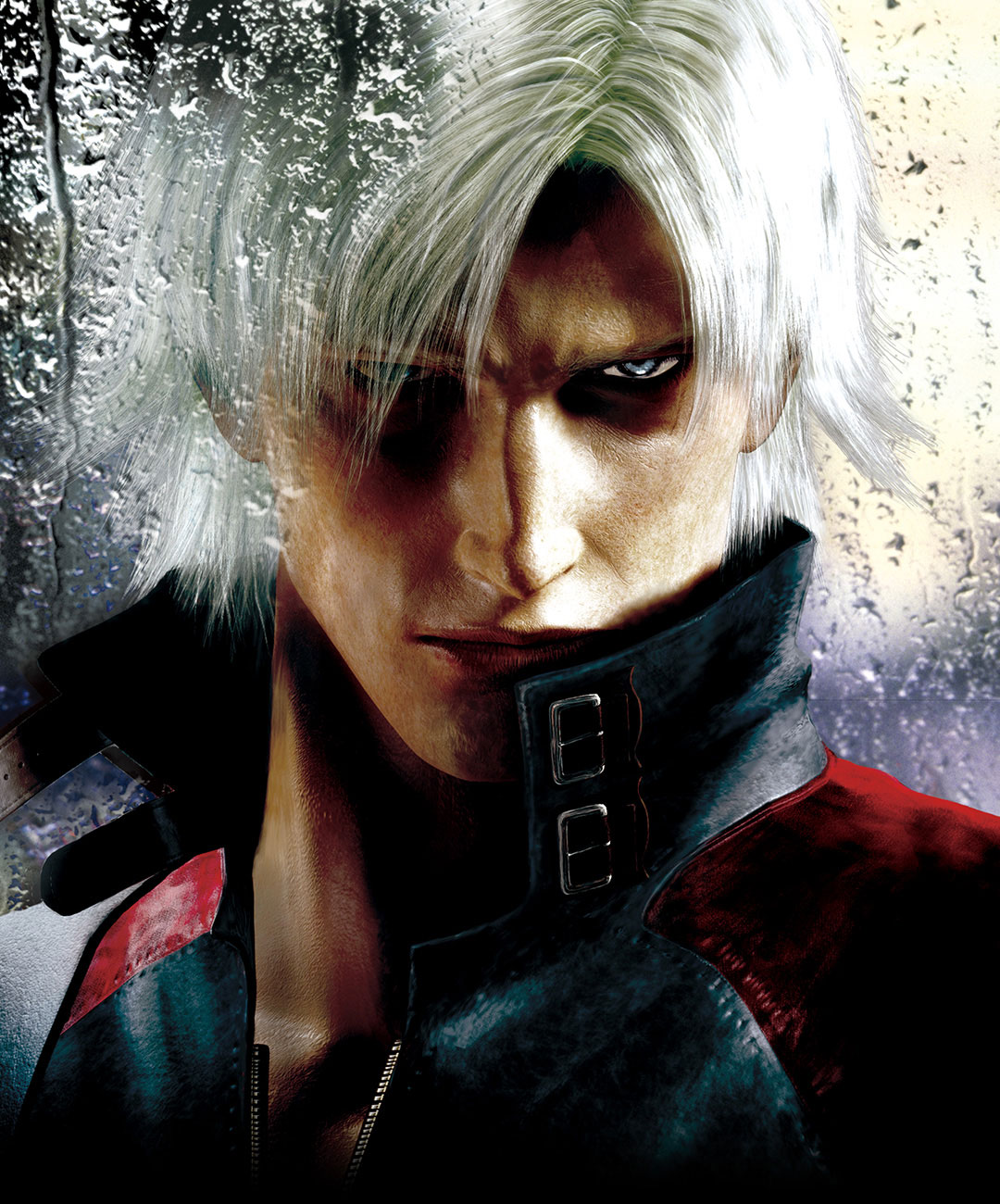
Capcom created and released this game, featuring music composed by a team led by Masato Kouda and Tetsuya Shibata. The music combines energetic industrial rhythms, powerful guitar riffs, and immersive atmospheric sounds. The original soundtrack has been released on discs as part of series collections and is also available digitally. Many of the tracks have since been updated and included in various franchise compilations and on streaming services.
‘Mass Effect: Andromeda’ (2017)
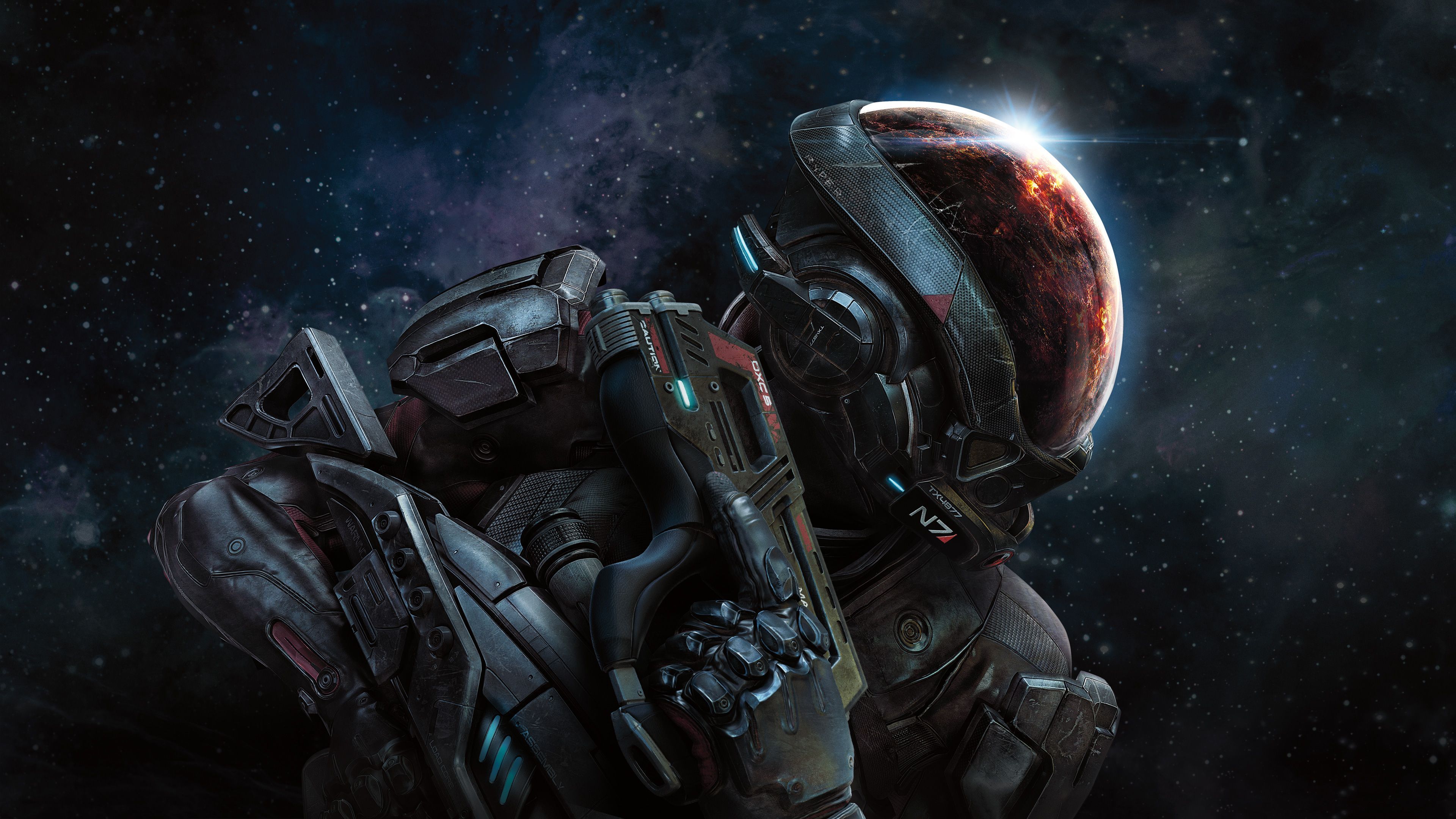
The soundtrack for BioWare’s space RPG, published by EA, was composed by John Paesano. It uses expansive synth sounds and powerful brass instruments during exploration and key moments. The main theme is prominently featured in trailers and loading screens to reinforce the game’s ‘Andromeda Initiative’ branding. EA made the soundtrack available digitally, including extra tracks and different versions of songs. The developers also highlighted how the music dynamically changes while players travel between planets.
‘The Evil Within’ (2014)
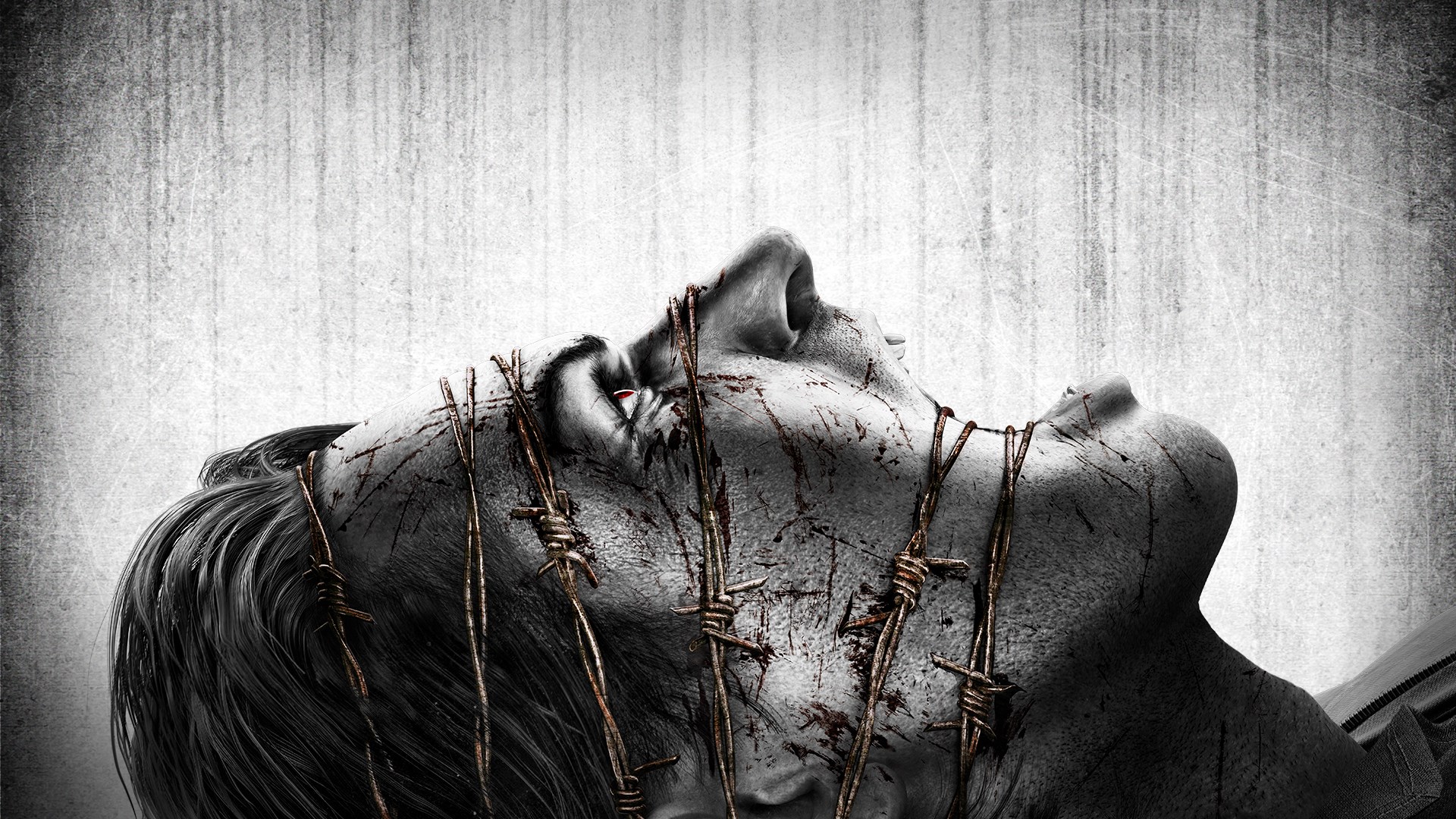
Tango Gameworks created the game, and Bethesda Softworks released it, featuring original music by Masafumi Takada and some familiar classical pieces. The game’s sound design uses creepy effects, deep bass tones, and music-box melodies throughout both action and quieter moments. Bethesda later released the complete soundtrack as a digital album and as part of a larger audio collection. The audio team explained they used different layers of sound to dynamically adjust the intensity during stealth sections.
‘Metal Gear Rising: Revengeance’ (2013)
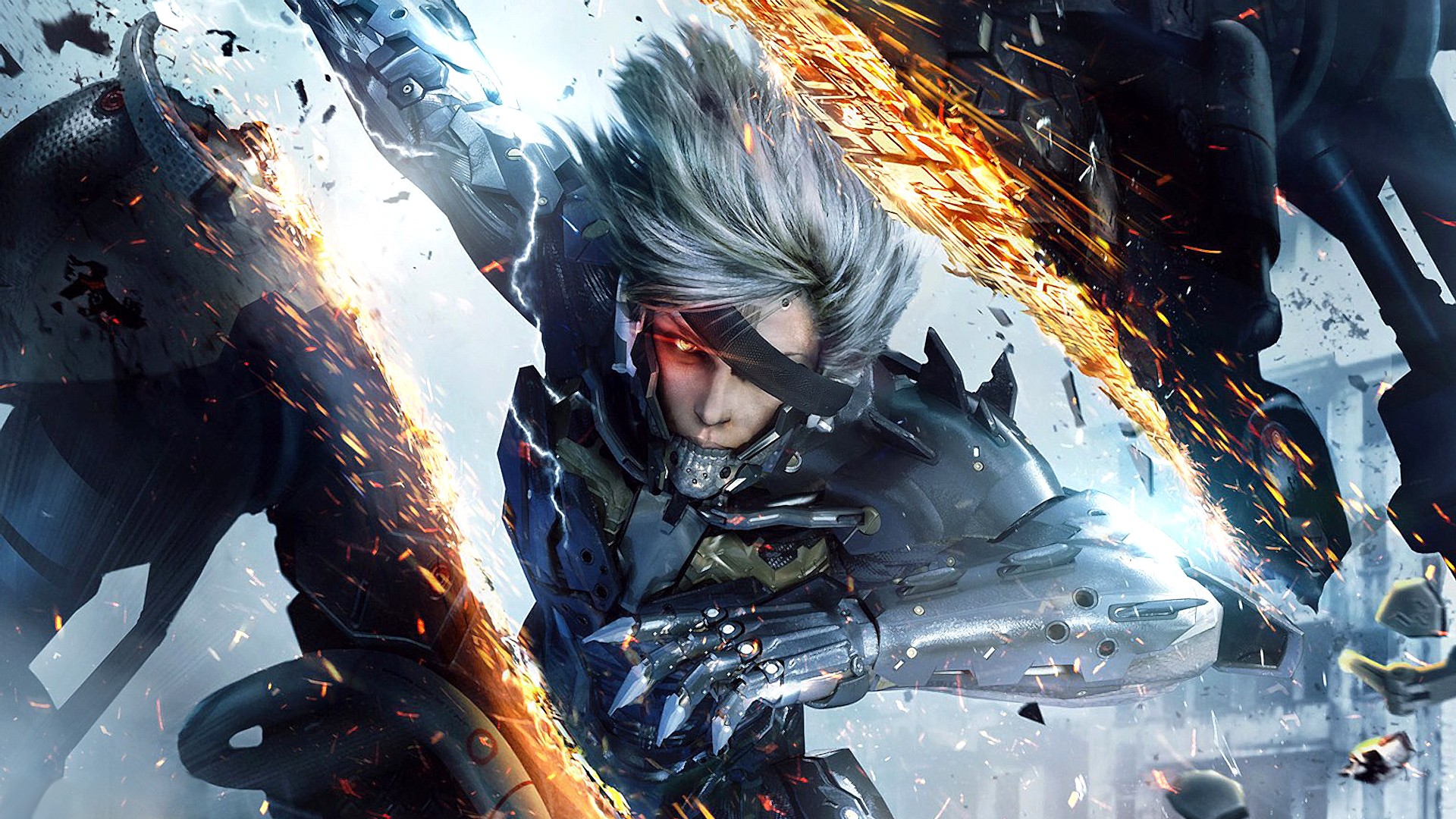
PlatinumGames created a game for Konami featuring a unique vocal metal soundtrack led by Jamie Christopherson. The music seamlessly blends instrumental and lyrical sections, changing during boss fights to match the player’s actions and create distinct musical phases. Konami has released several albums of the soundtrack, including instrumental-only versions. The official album details list the singers and explain how the music was designed to transition smoothly within the game.
‘Danganronpa Another Episode: Ultra Despair Girls’ (2014)
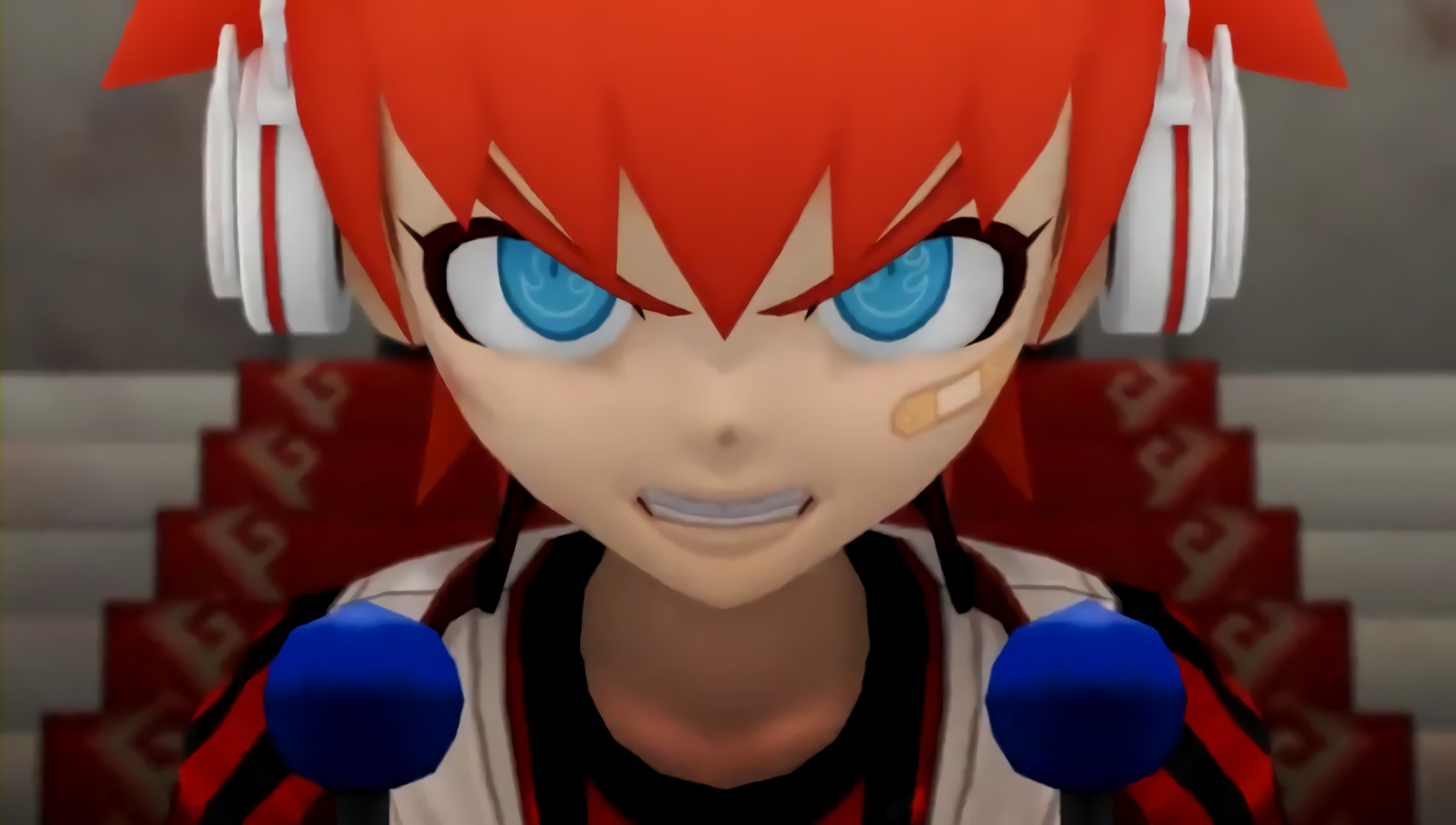
Spike Chunsoft created and released the game, with Masafumi Takada composing a unique soundtrack. Unlike the music in the main series, this score focuses on synth sounds and strong rhythms, building tension and matching the pace of the game’s puzzles and action. The soundtrack is available with special editions of the game and on digital music platforms in Japan. Takada has explained that he intentionally used different instruments to suit the game’s new action-adventure style.
‘Star Wars: The Force Unleashed’ (2008)
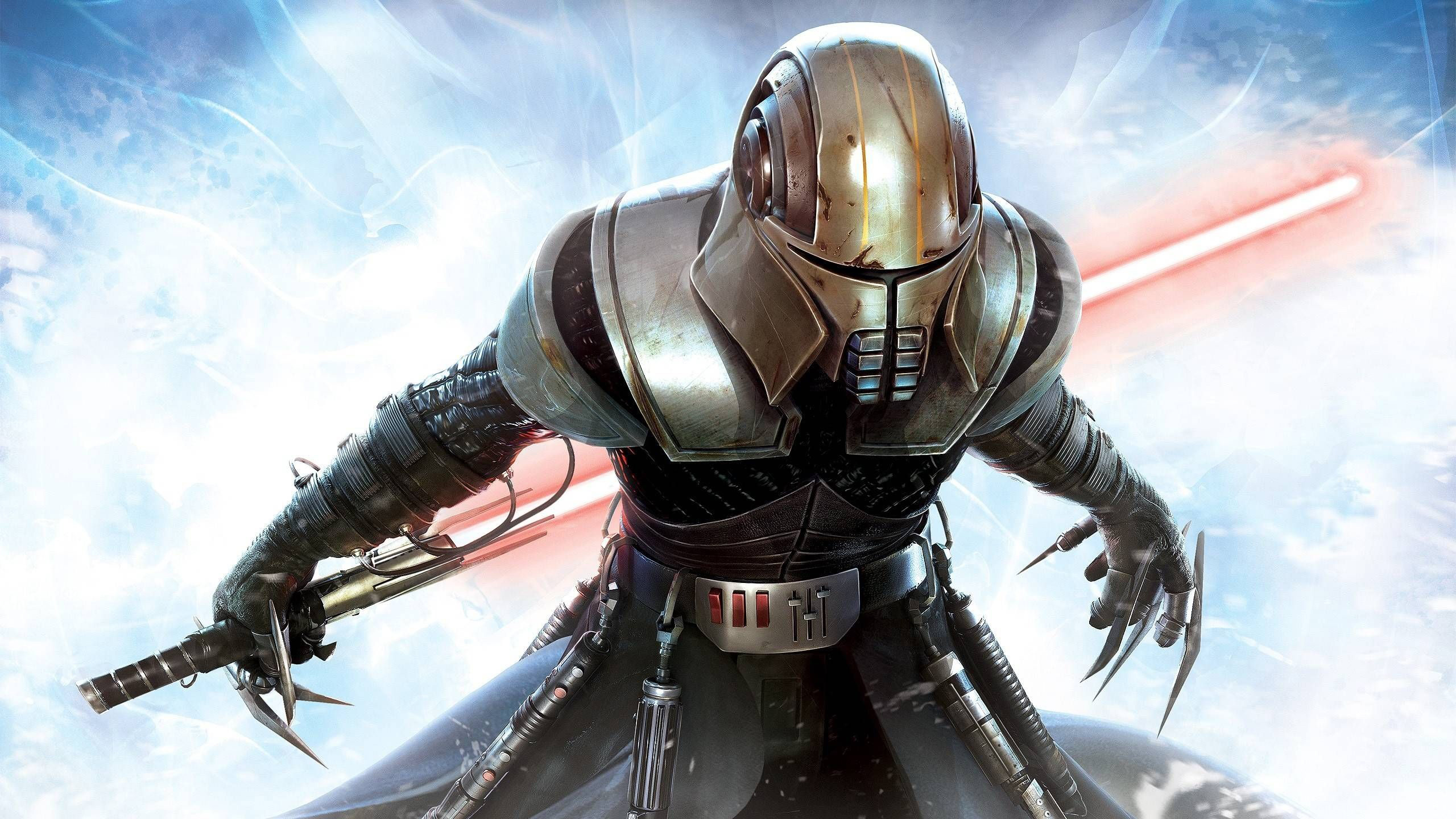
LucasArts created and released this action game, featuring a soundtrack by Mark Griskey that blends his original music with iconic themes by John Williams. Epic boss battles and memorable moments are enhanced by large orchestral recordings and choirs. The official soundtrack includes both new compositions and previously released music, all approved by Lucasfilm. Behind-the-scenes footage shows how classic musical ideas were incorporated into the game’s different stages and events.
‘Mirror’s Edge’ (2008)
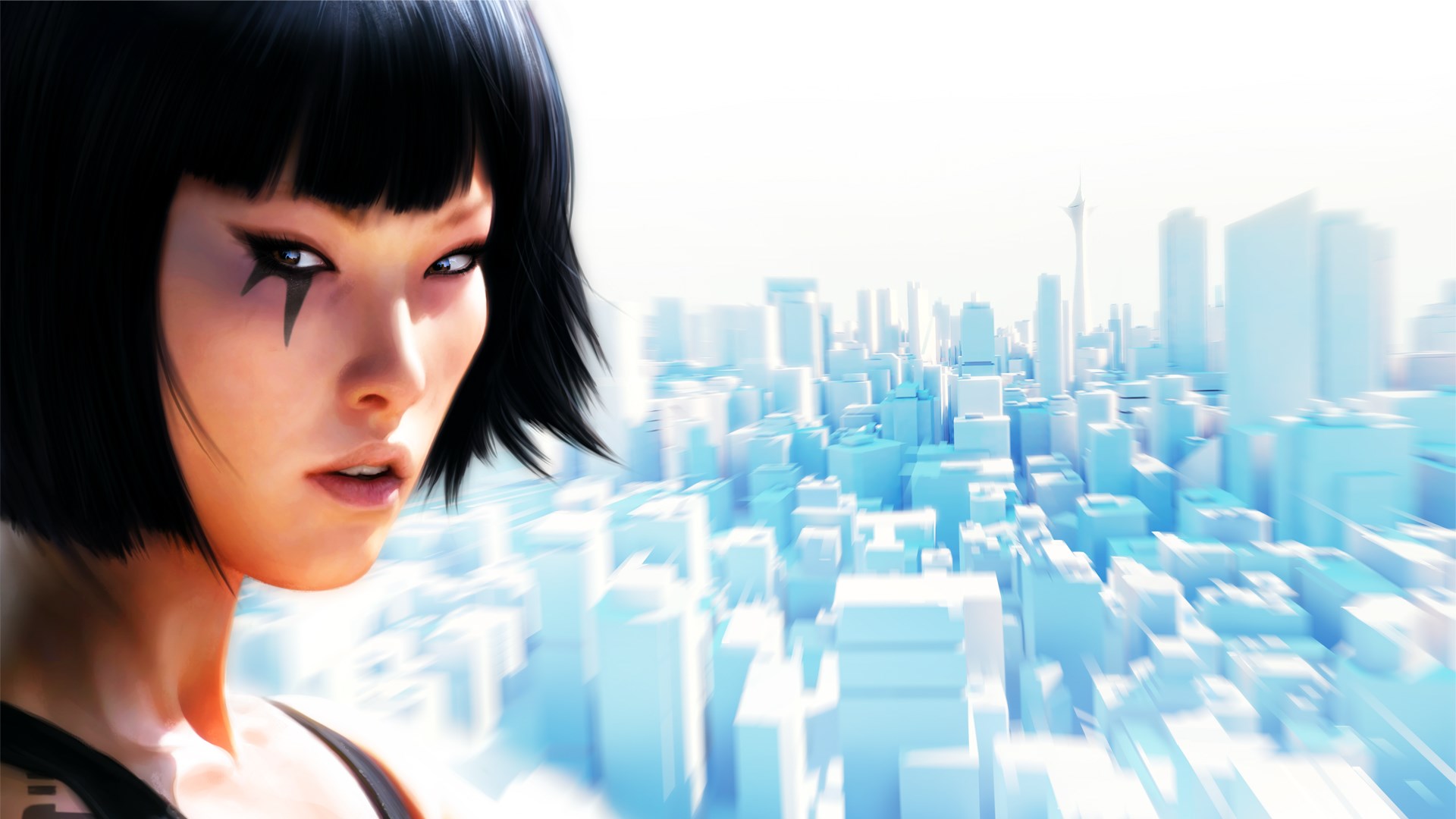
DICE created the game, and Electronic Arts (EA) published it. EA also commissioned composer Magnus Birgersson of Solar Fields to create a simple, spacious electronic soundtrack. The music, particularly the main theme and menu tracks, uses repeating patterns to build excitement for the game’s parkour movement. EA later released both the original soundtrack album and a remix album with contributions from various artists. According to technical details shared by DICE, the music dynamically changes based on how fast the player is moving and how alert the enemies are.
‘Dragon Age II’ (2011)
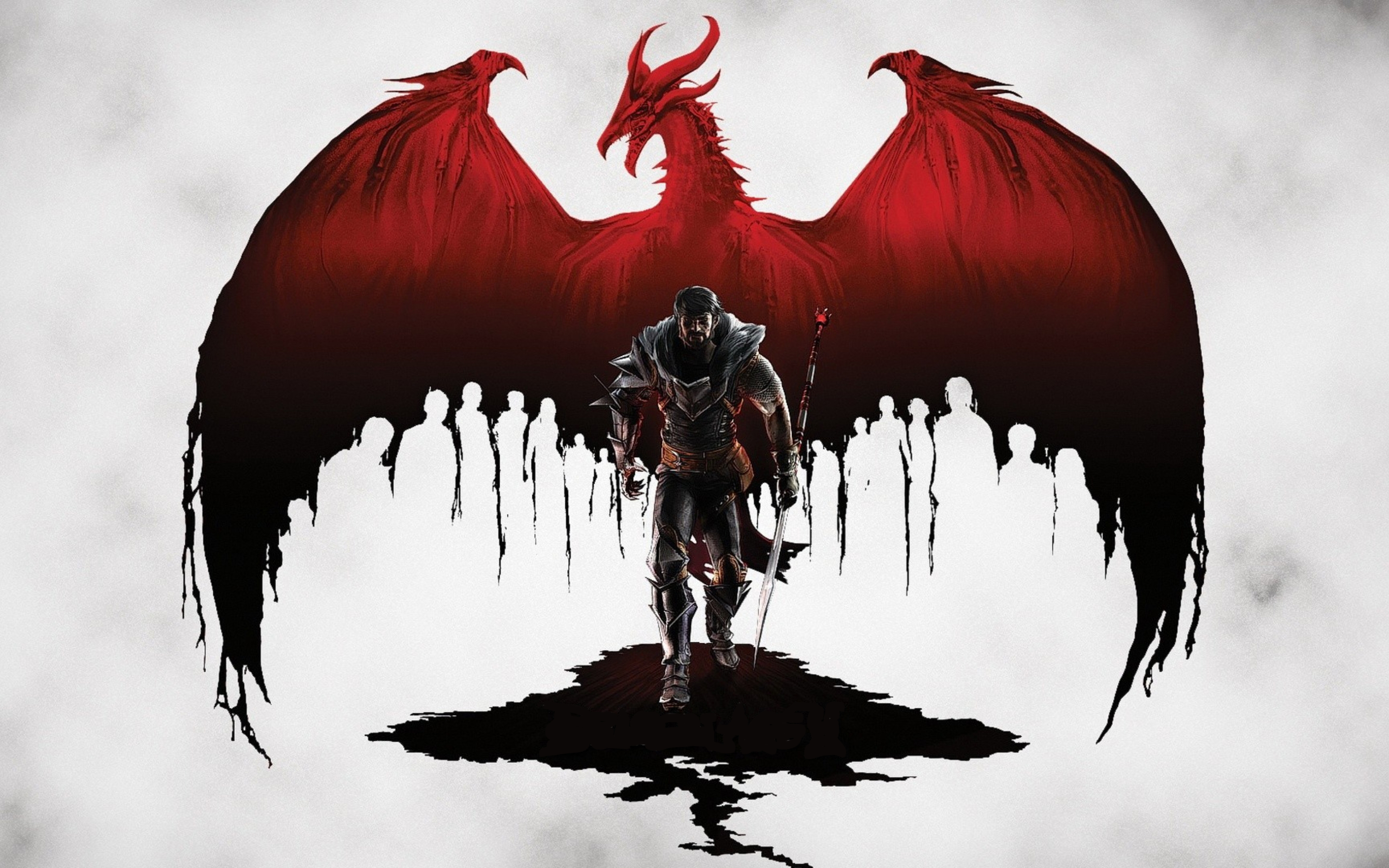
The sequel was created by BioWare and published by EA, with Inon Zur once again composing the music. This time, the soundtrack is darker and more personal, heavily featuring string quartets and vocals. A recurring musical theme represents the Hawke family and appears throughout the main story and side quests. The official soundtrack albums contain both the music as it appears in the game and longer, full-length concert versions. Details about the musicians involved and the folk music traditions that inspired the tavern music are included in the track notes.
‘Prince of Persia’ (2008)
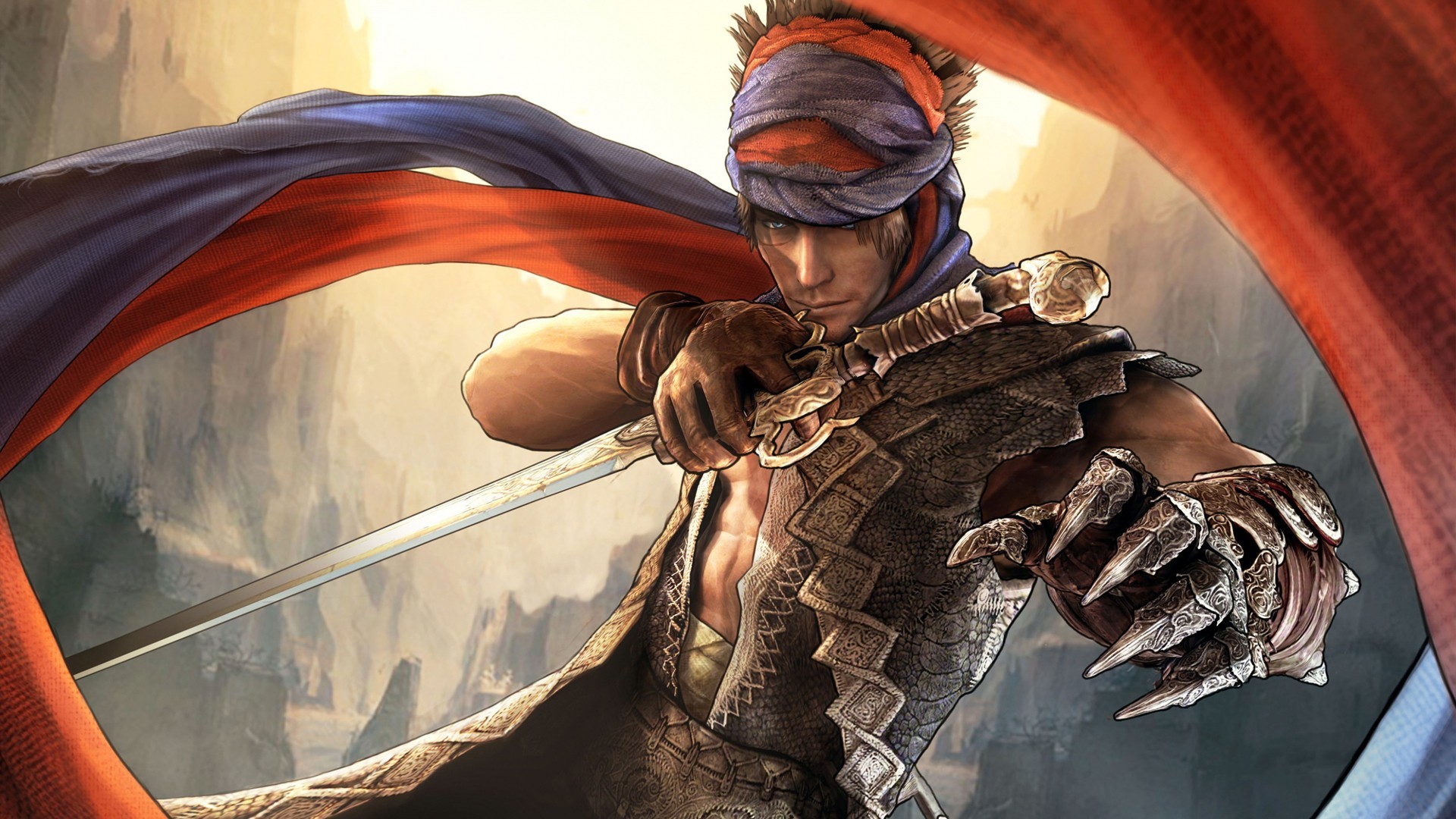
Developed by Ubisoft Montreal and published by Ubisoft, the game features a beautiful soundtrack composed by Inon Zur. It uniquely combines Middle Eastern instruments and sounds with the grand style of a Hollywood orchestra, creating a relaxing and immersive experience as players explore the game world. The soundtrack is available digitally, and some of its best tracks have been included in collections of music from the game series. Behind the scenes, the development team carefully chose instruments like the oud, ney, and frame drums to create the game’s distinctive sound.
‘Halo Wars’ (2009)
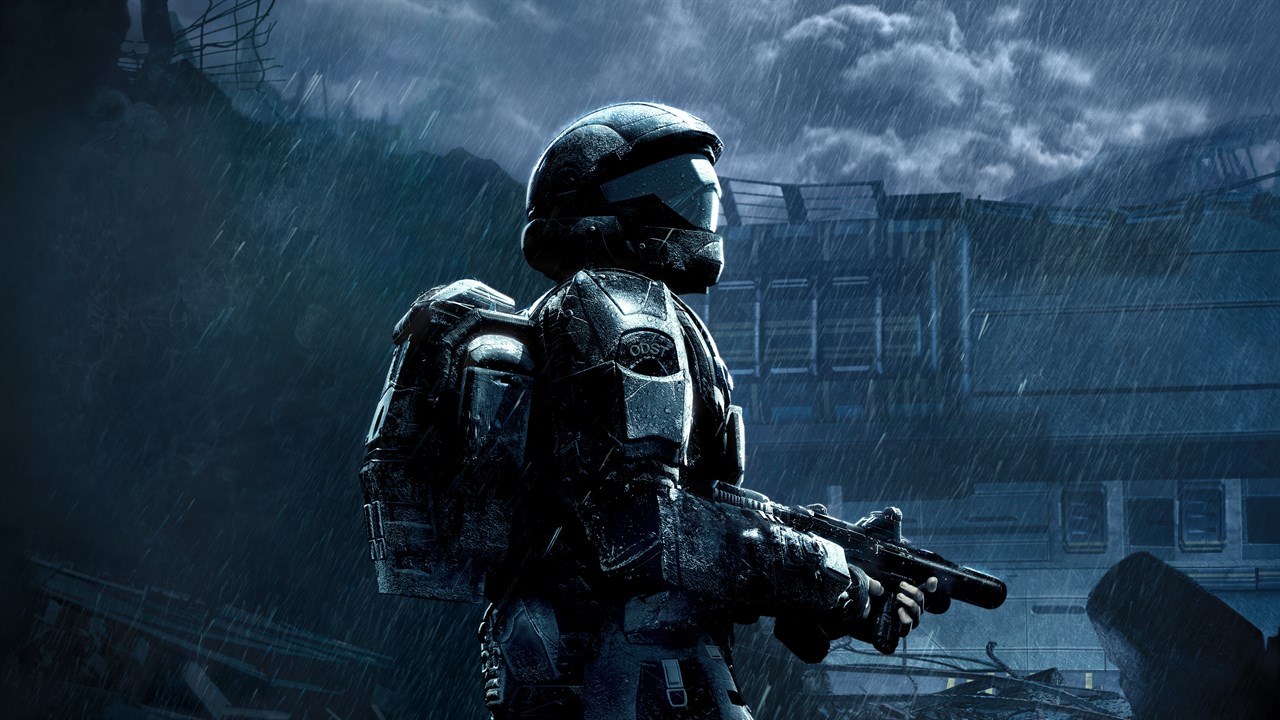
This real-time strategy game was created by Ensemble Studios and published by Microsoft Game Studios. Its soundtrack, composed by Stephen Rippy, is unique for its melodic and choral style, setting it apart from typical shooter games. While introducing new musical themes, it also cleverly incorporates familiar elements from the series. Microsoft later released a full album of the music, including extended versions and orchestral arrangements. The developers specifically designed the music’s length to complement the longer gameplay sessions common in RTS games.
‘Medal of Honor’ (2010)
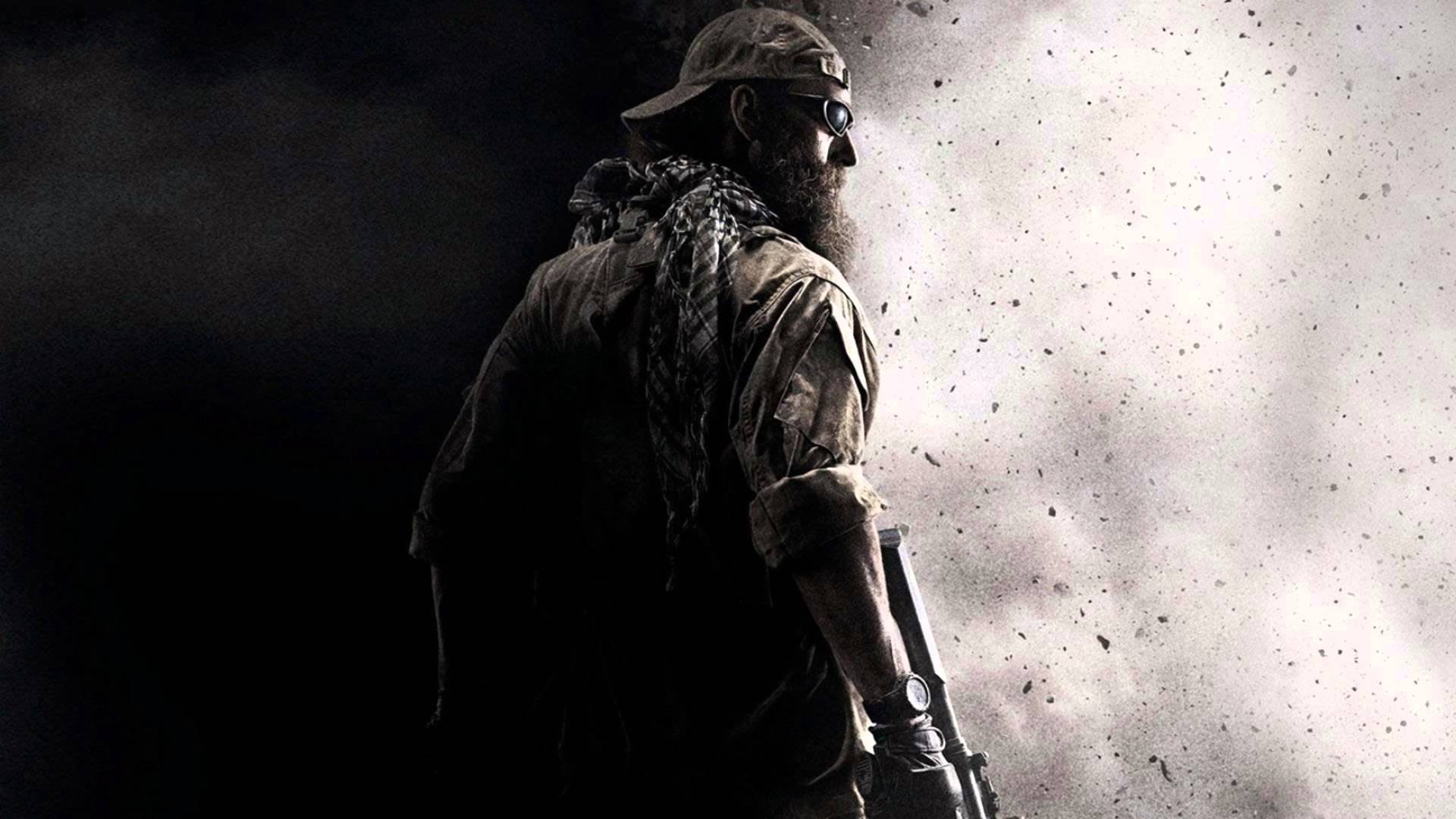
The game, developed by Danger Close Games and published by EA, features a rebooted score composed by Ramin Djawadi. The music relies heavily on subtle guitar and percussion. The main theme is frequently used in trailers and during in-game mission briefings, and a simpler version was created for promotional materials. EA released the full soundtrack digitally, including extra tracks. The recording involved live musicians and was mixed at Remote Control Productions.
Tell us about your favorite music moments from video games—especially those songs you can’t stop listening to! Share them in the comments below.
Read More
- 2025 Crypto Wallets: Secure, Smart, and Surprisingly Simple!
- Gold Rate Forecast
- Monster Hunter Stories 3: Twisted Reflection launches on March 13, 2026 for PS5, Xbox Series, Switch 2, and PC
- Here Are the Best TV Shows to Stream this Weekend on Paramount+, Including ‘48 Hours’
- 🚨 Kiyosaki’s Doomsday Dance: Bitcoin, Bubbles, and the End of Fake Money? 🚨
- 20 Films Where the Opening Credits Play Over a Single Continuous Shot
- ‘The Substance’ Is HBO Max’s Most-Watched Movie of the Week: Here Are the Remaining Top 10 Movies
- First Details of the ‘Avengers: Doomsday’ Teaser Leak Online
- The 10 Most Beautiful Women in the World for 2026, According to the Golden Ratio
- The 11 Elden Ring: Nightreign DLC features that would surprise and delight the biggest FromSoftware fans
2025-11-21 03:51