
Creating large-scale science fiction movies requires massive crews, the latest visual effects, and extended filming schedules, quickly leading to huge expenses. Studios invest hundreds of millions of dollars in developing believable worlds, designing creatures, and utilizing new camera technology. Often, these films also involve significant costs for re-shooting scenes and filming in locations around the world. Here’s a look at some of the priciest sci-fi movies ever made and the reasons behind their enormous budgets.
‘Avatar: The Way of Water’ (2022)

James Cameron’s latest return to the world of Pandora was a massive undertaking, costing over $300 million to produce. The film broke new ground with underwater performance capture technology, demanding specially built equipment, innovative software, and extensive testing. Weta FX created thousands of visual effects shots, featuring incredibly realistic water simulations and detailed digital characters. Most of the production took place in New Zealand, followed by a lengthy post-production process to perfect the new technologies used.
‘Avengers: Endgame’ (2019)

Bringing the Infinity Saga to a close was a huge undertaking, requiring a large cast and a complex shooting schedule that significantly increased production costs. The final battle came to life through a combination of elaborate physical sets and detailed digital environments. Creating the film involved a lot of performance capture and extensive visual effects, particularly for the superhero costumes. The editing and finishing process was fast-paced, with many different companies working at the same time.
‘Avengers: Infinity War’ (2018)

This film was made quickly, back-to-back with the next one, which led to a very high production cost because of complex scheduling and a large number of actors. The character of Thanos was created using cutting-edge facial capture technology and detailed animation. Filming took place in both Georgia studios and on location in Scotland. Numerous visual effects were created to seamlessly combine real sets with computer-generated environments.
‘Star Wars: The Rise of Skywalker’ (2019)

The last film in the sequel trilogy involved building massive sets at Pinewood Studios and filming on location in Jordan, which presented significant logistical challenges. The movie underwent considerable reshoots and editing to finalize the story, increasing both the time and expense of production. Hundreds of unique creature and droid designs were created, alongside extensive computer-generated imagery. Visual effects companies managed everything from space battles and environments to digital stand-ins for actors, across a huge number of shots.
‘Solo: A Star Wars Story’ (2018)
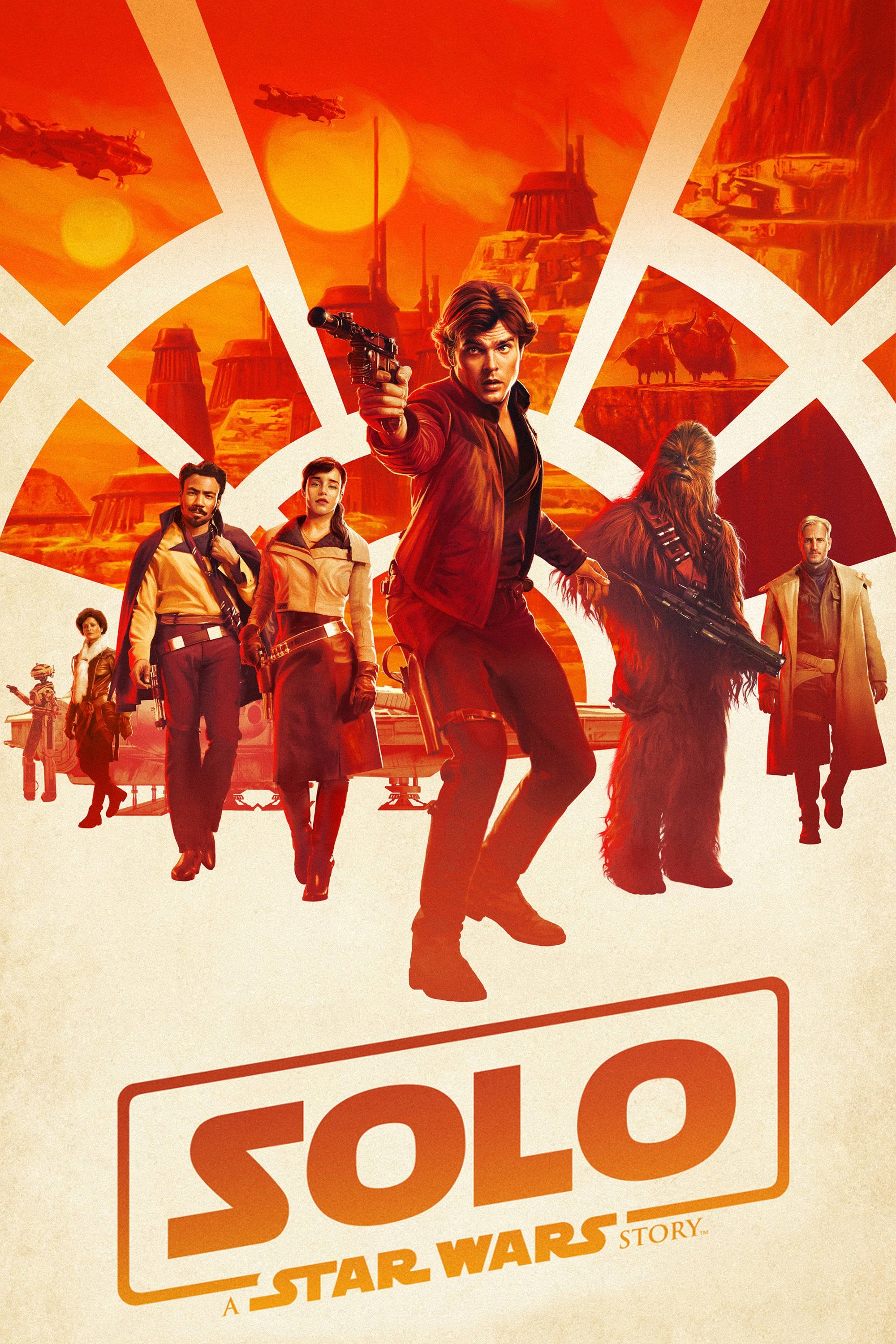
A change in directors during filming caused extensive reshoots, dramatically increasing the movie’s budget. The production involved detailed sets, such as the interiors of the Millennium Falcon, alongside filming in large outdoor locations in Spain and the UK. Complicated action scenes required a lot of stunt work and visual effects. Extending the shooting schedule meant higher costs for the crew, equipment, and finishing the film.
‘Star Wars: The Force Awakens’ (2015)

The latest film in the series blended real sets with cutting-edge digital effects, resulting in a budget of around $250 million. Special cameras and extra preparation were needed for scenes filmed for IMAX. Production took place across several countries, with significant time spent at Pinewood Studios and on location in the Abu Dhabi desert. The film also included the costs of starting a new story arc with a fresh cast and a large marketing campaign.
‘Star Wars: The Last Jedi’ (2017)

Filming at Pinewood Studios relied on huge sound stages and water tanks to create space battles and scenes set on islands. Shooting on location in Ireland meant transporting the cast and equipment to isolated coastal areas that were hard to reach. The movie blended real-life creatures with sophisticated animatronics and a lot of computer-generated effects. After filming, a team of different companies worked together to complete the complicated scenes involving hyperspace travel and the throne room.
‘John Carter’ (2012)
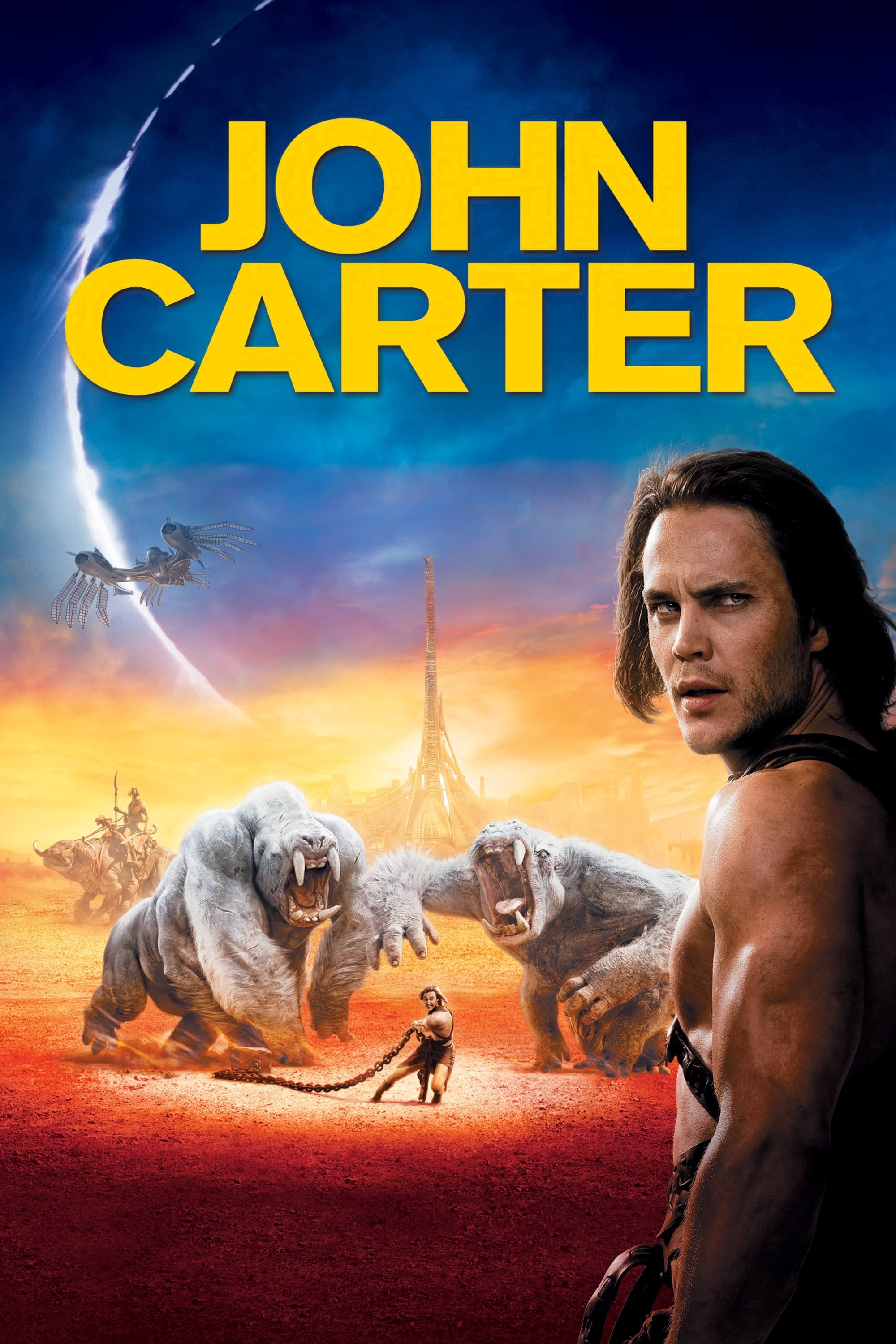
The movie’s creators spent a lot of effort on creating the alien creatures and landscapes of Mars, known as Barsoom. They filmed in Utah and on soundstages in the UK, using advanced technology to capture the movements and performances of the Tharks. After filming, a significant amount of time was dedicated to combining the live footage with completely computer-generated backgrounds. The movie went over budget due to extra filming and the difficulties of launching a brand new film series.
‘Avatar’ (2009)

Let me tell you, when Avatar first landed, it wasn’t just a movie, it was a technical revolution. The way they captured performances and used 3D was unlike anything I’d ever seen – they literally had to build new cameras and software to make it happen. And the work that went in before they even started filming? Years of research and development, meaning the budget was soaring before a single frame was in the can. Weta FX really outdid themselves, creating entirely new methods for realistically rendering skin, plants, and that incredible bioluminescence. The sheer detail of Pandora meant rendering each shot took forever, and post-production stretched on and on. It was a massive undertaking, and you could feel the effort on screen.
‘Transformers: The Last Knight’ (2017)

This scene was filmed in several countries and featured both real-world destruction and complex computer-generated robots. Filming with IMAX cameras added to the cost and complexity of managing equipment and data. Elaborate car chases and explosions needed careful safety measures and frequent reshoots. After filming, dozens of visual effects companies worked together to create and combine the detailed robot fight sequences.
‘Transformers: Age of Extinction’ (2014)

The latest installment in the series featured a completely new group of human actors and redesigned Autobot characters, requiring all-new visual effects models. Filming took place in both the US and China, adding to the production’s travel and logistical challenges. The filmmakers blended real-life stunts with computer-generated transformations, which needed complex simulations to look convincing. Creating these effects took a long time, keeping several visual effects studios busy for many months.
‘Transformers: Revenge of the Fallen’ (2009)
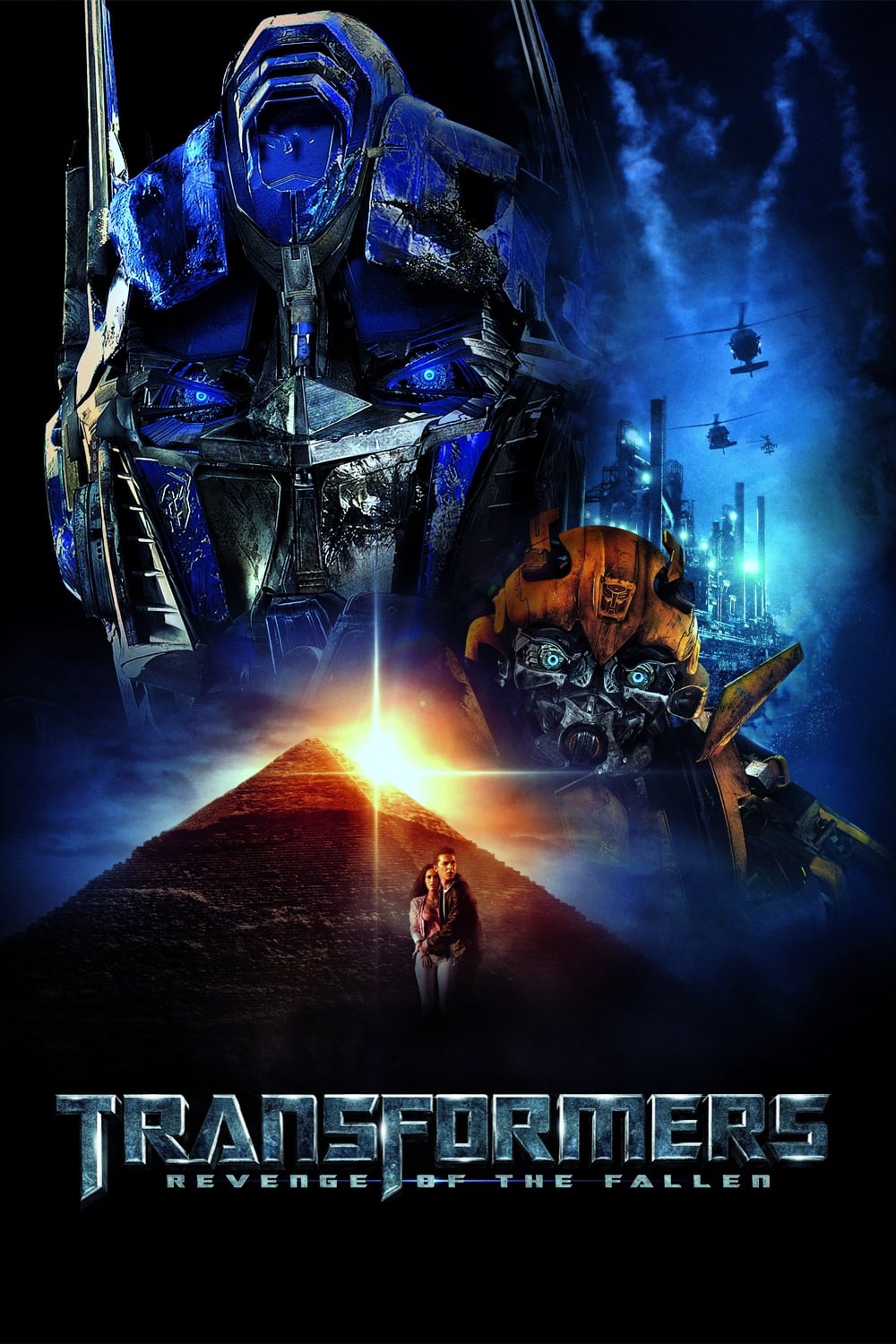
Because the movie was made quickly after the first one, development and filming overlapped, creating a very tight schedule. Filming in the desert required a lot of transportation and places for the actors and crew to stay. Scenes with many special effects, like the Devastator sequence, needed complicated animation and editing. The movie also featured more robots, which meant creating and lighting a lot more visual elements.
‘Transformers: Dark of the Moon’ (2011)
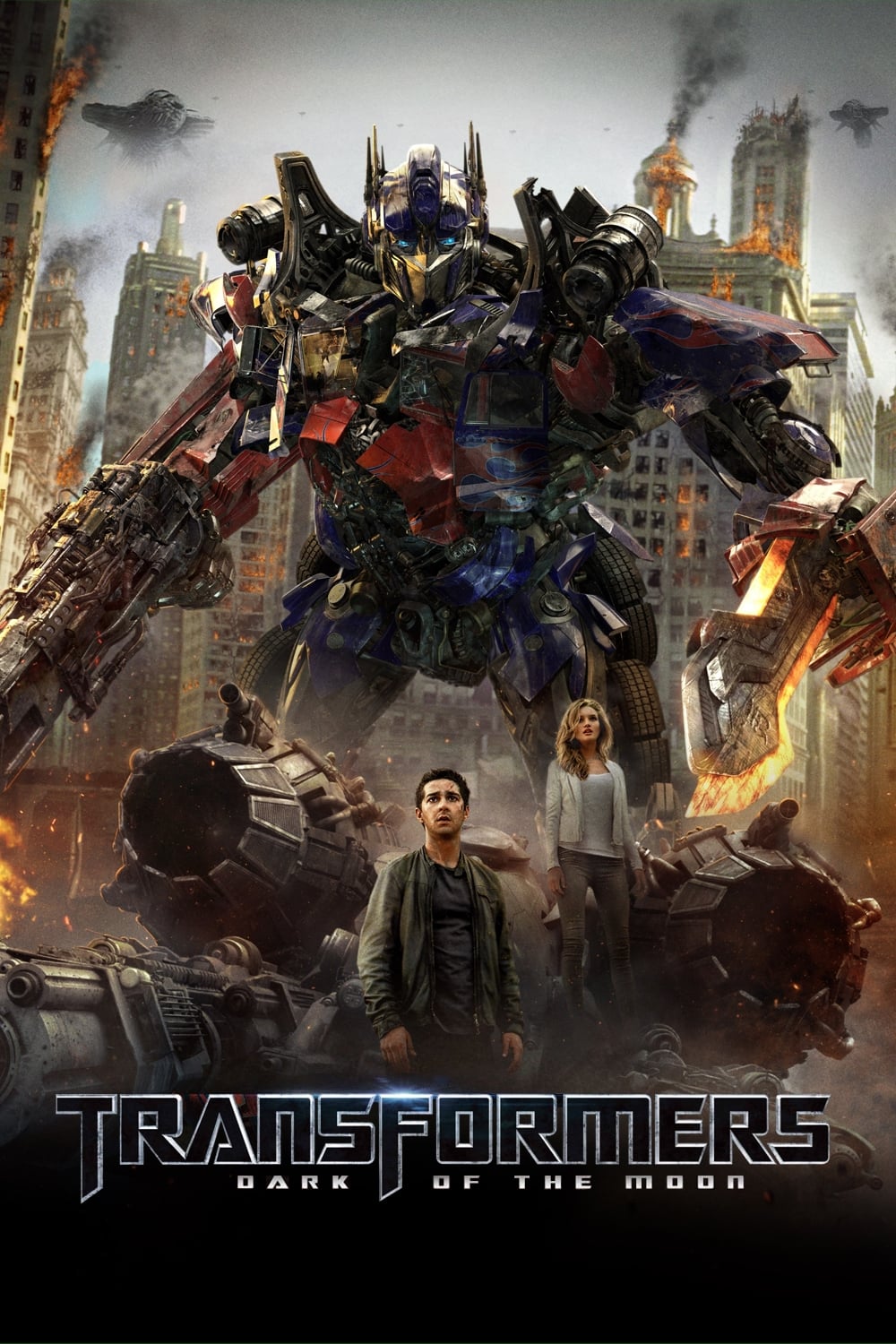
Creating the large-scale city scenes required complete digital replicas and extensive set rebuilding. Filming in stereoscopic 3D increased expenses related to cameras, equipment, and data management. Real aerial footage and wingsuit stunts meant hiring specialized crews and additional insurance. The visual effects teams produced a huge number of shots to bring the Chicago battle and space sequences to life.
‘The Matrix Resurrections’ (2021)
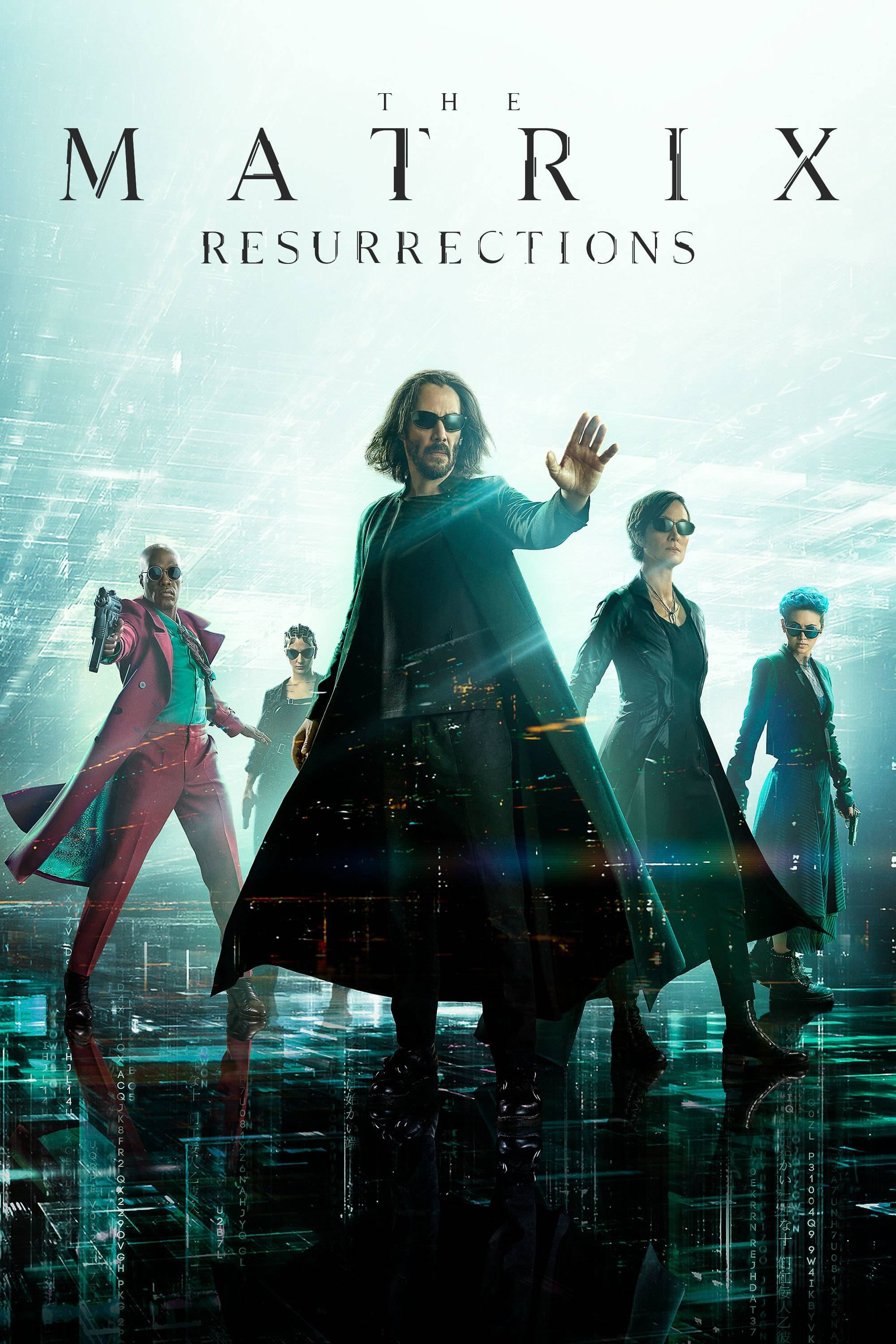
Filming took place on the streets of both San Francisco and Berlin, which meant road closures and carefully planned stunt work involving wires. The production team combined real-life stunts with computer-generated effects to keep the show looking consistent with previous installments. Strict health and safety measures also added to the challenges of filming and keeping the production on schedule. In post-production, the focus was on seamlessly integrating the new footage with the overall style of the series.
‘Terminator Salvation’ (2009)
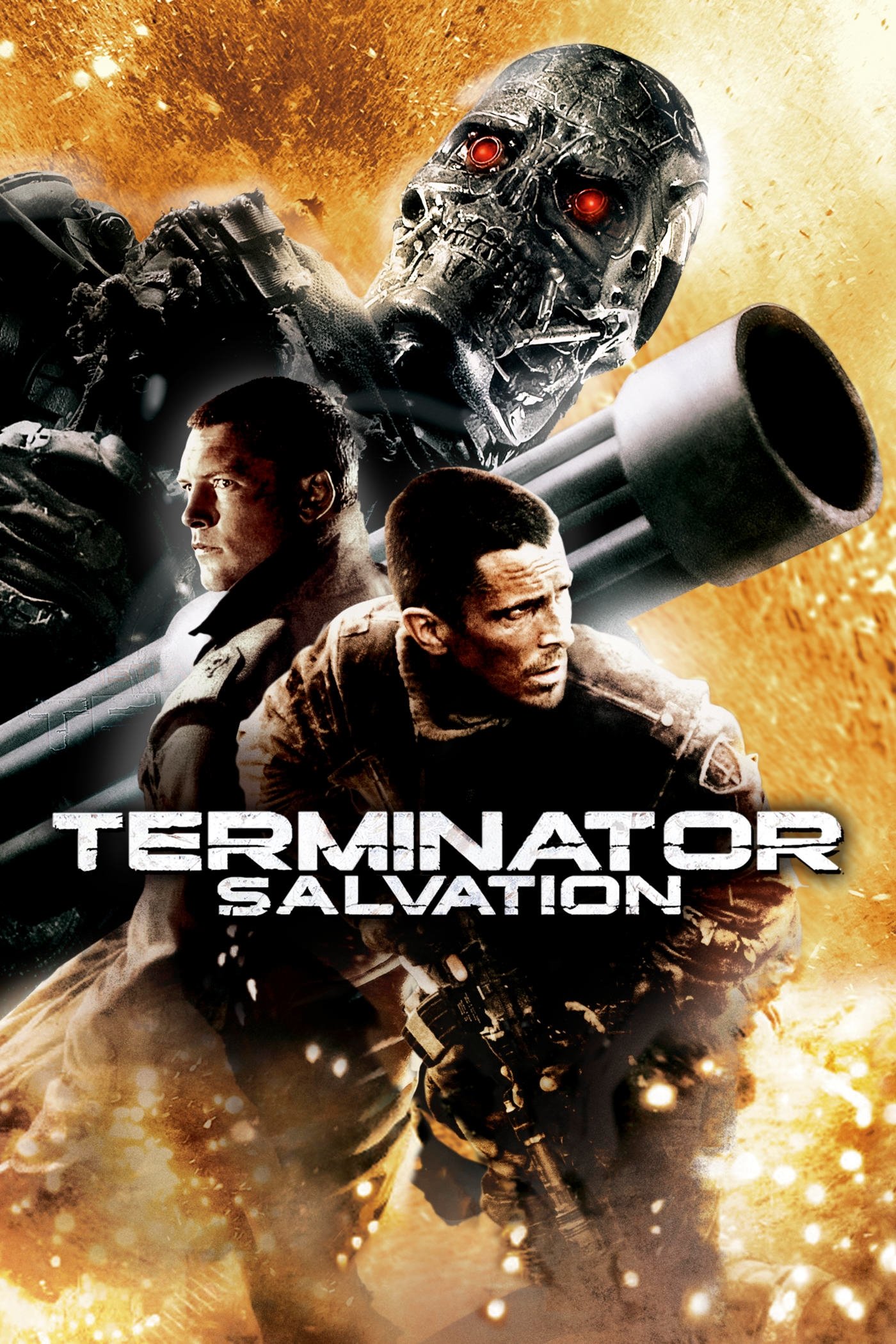
This episode featured spectacular practical effects like big explosions and car chases, but these were expensive to film repeatedly. The crew built elaborate sets to depict a ruined, post-apocalyptic world in several different places. Visual effects brought to life the machines of Skynet and intense future war scenes, filled with smoke, dust, and wreckage. Filming took place around the clock, with separate teams working during the day and night to capture all the large-scale action.
‘Star Trek Into Darkness’ (2013)
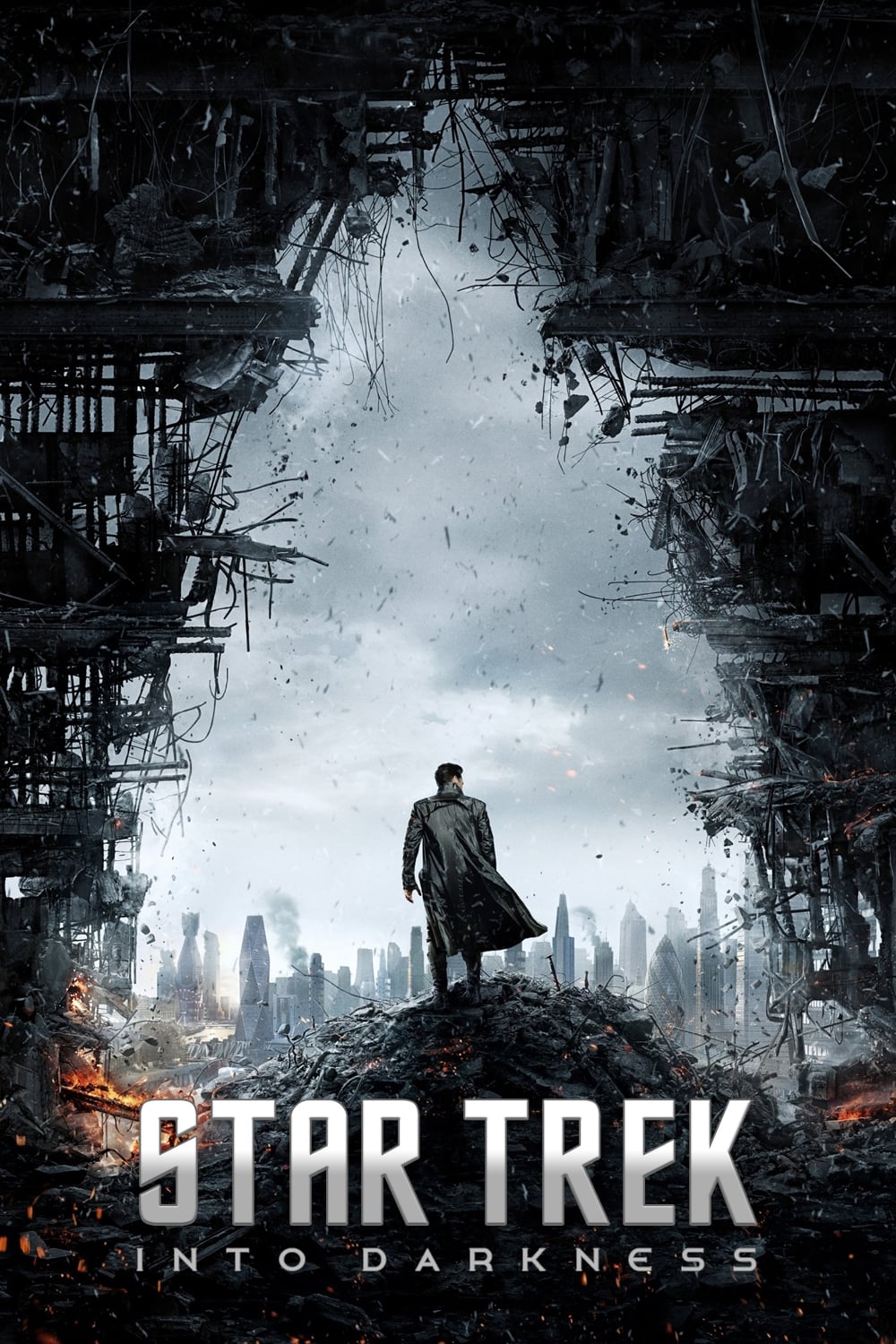
Let me tell you, this movie was a visual feast, but it definitely wasn’t cheap to make! They really went all out building incredibly detailed starship sets, and even filmed on location at places like the Lawrence Livermore National Laboratory to give it that authentic feel. Shooting in IMAX added a lot to the budget, and the space scenes? Forget about it – tons of computer-generated imagery was needed to pull those off. What I really appreciated was their commitment to practical effects, too – they invested in amazing creature makeup and props, which helped make this universe feel so real. And in post-production, they didn’t skimp – the warp effects, the phaser blasts, the massive explosions… everything was polished to perfection. It all added up to a truly immersive experience.
‘Star Trek Beyond’ (2016)

As the film series evolved, the story expanded to include new alien planets, which meant creating entirely new environments and digital elements. Production relocated to Vancouver, utilizing large outdoor sets and demanding stunt sequences. A major challenge was visualizing the villain’s attack, which involved extensive computer simulations and crowd effects. Ultimately, extra filming pushed the overall schedule and kept the post-production team busy for longer than anticipated.
‘Ready Player One’ (2018)
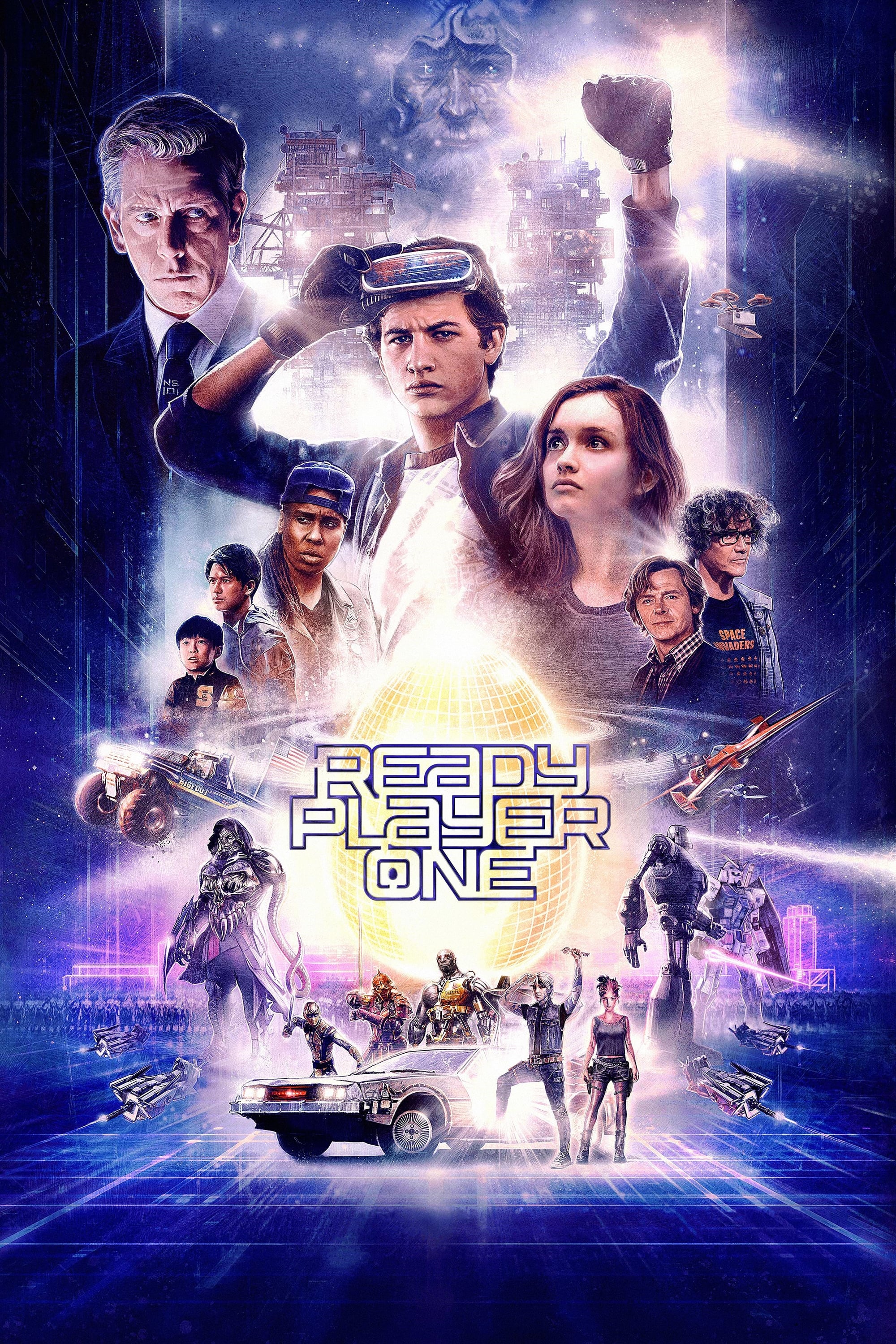
As a movie fan, I was really impressed with how much this film took place inside a virtual world. It meant they spent a big chunk of the budget building everything – from the motion capture sets to the completely computer-generated environments. They even created incredibly detailed digital versions of the actors to pull off some really complex action sequences. Plus, they used a lot of pre-existing, licensed content, which, as you can imagine, meant extra time for approvals and making sure everything fit together. And when it came to the final look, rendering all those huge crowds and complex lighting effects needed a lot of computing power!
‘Edge of Tomorrow’ (2014)
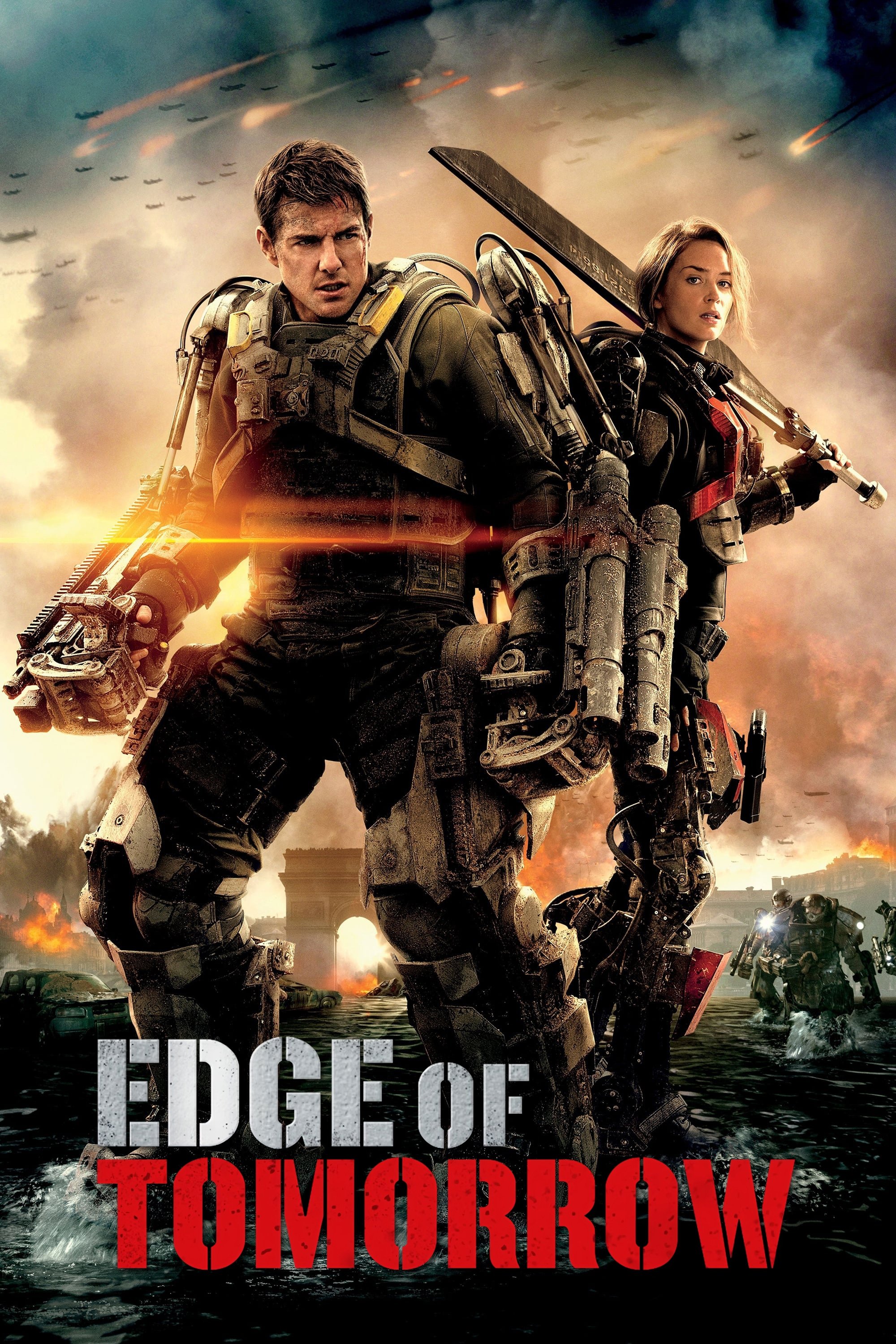
Filming on location in the UK and along the coast required moving a lot of equipment and coordinating complicated fight scenes. The futuristic armor was actually built as a physical costume, which made it more expensive to create and train the stunt performers. Special effects were used to bring the alien creatures to life and to make the time travel sequences look seamless. Several rounds of additional filming allowed the filmmakers to improve the story, but also added time to the editing and post-production process.
‘Dune: Part Two’ (2024)

Filming went back to expansive desert locations, which presented challenges in coordinating the cast, vehicles, and equipment. Huge practical sets, such as Giedi Prime and the arena spaces, were combined with detailed computer-generated environments. Creating realistic creatures and sand effects required the visual effects team to improve the tools they used in the first movie. The film’s complex action sequences and immersive sound design meant a lengthy post-production process.
Tell us about your favorite large-scale science fiction movie in the comments! We’re especially interested to hear which behind-the-scenes facts or details you found most surprising.
Read More
- Gold Rate Forecast
- 22 Films Where the White Protagonist Is Canonically the Sidekick to a Black Lead
- Silver Rate Forecast
- 15 Films That Were Shot Entirely on Phones
- Unveiling the Schwab U.S. Dividend Equity ETF: A Portent of Financial Growth
- How to Do Sculptor Without a Future in KCD2 – Get 3 Sculptor’s Things
- 20 Movies Where the Black Villain Was Secretly the Most Popular Character
- Brent Oil Forecast
- New HELLRAISER Video Game Brings Back Clive Barker and Original Pinhead, Doug Bradley
- Superman Flops Financially: $350M Budget, Still No Profit (Scoop Confirmed)
2025-11-15 04:50