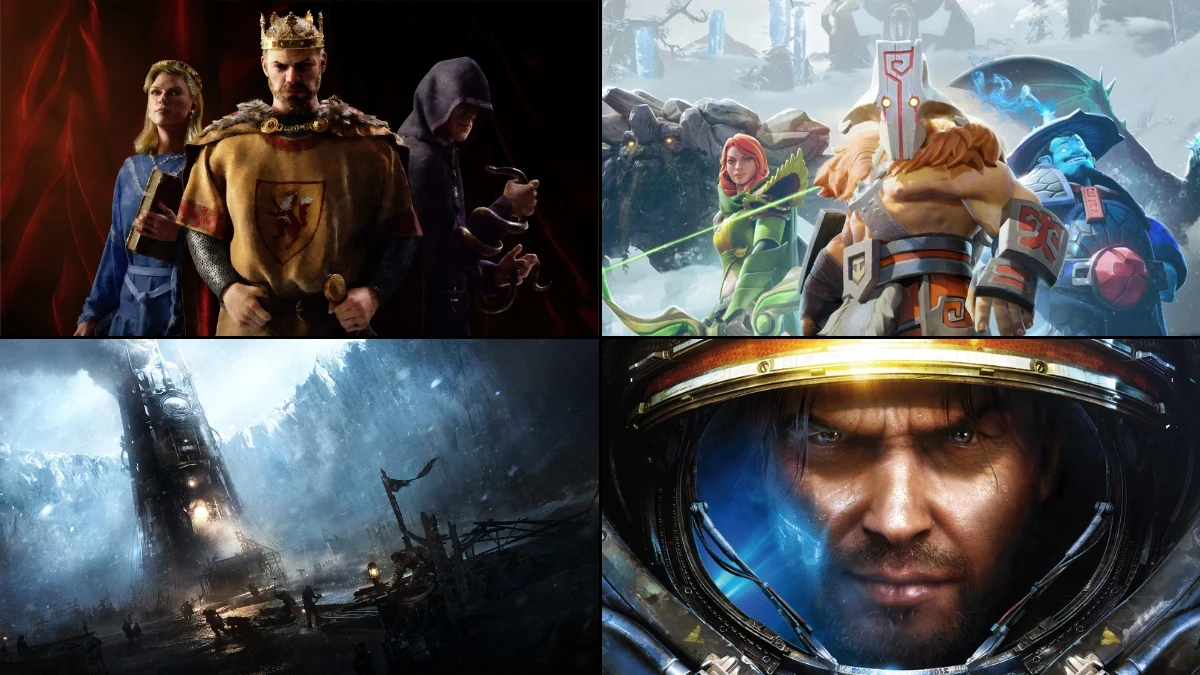
Strategy games have always been a core part of the gaming world, known for their challenging gameplay and intricate stories. But even the most popular strategy titles sometimes receive criticism from dedicated fans who point out issues with how well-balanced, fast-paced, or easy to learn they are. This article looks at several successful and critically praised strategy games that some players believe don’t live up to the hype.
‘StarCraft II: Wings of Liberty’ (2010)
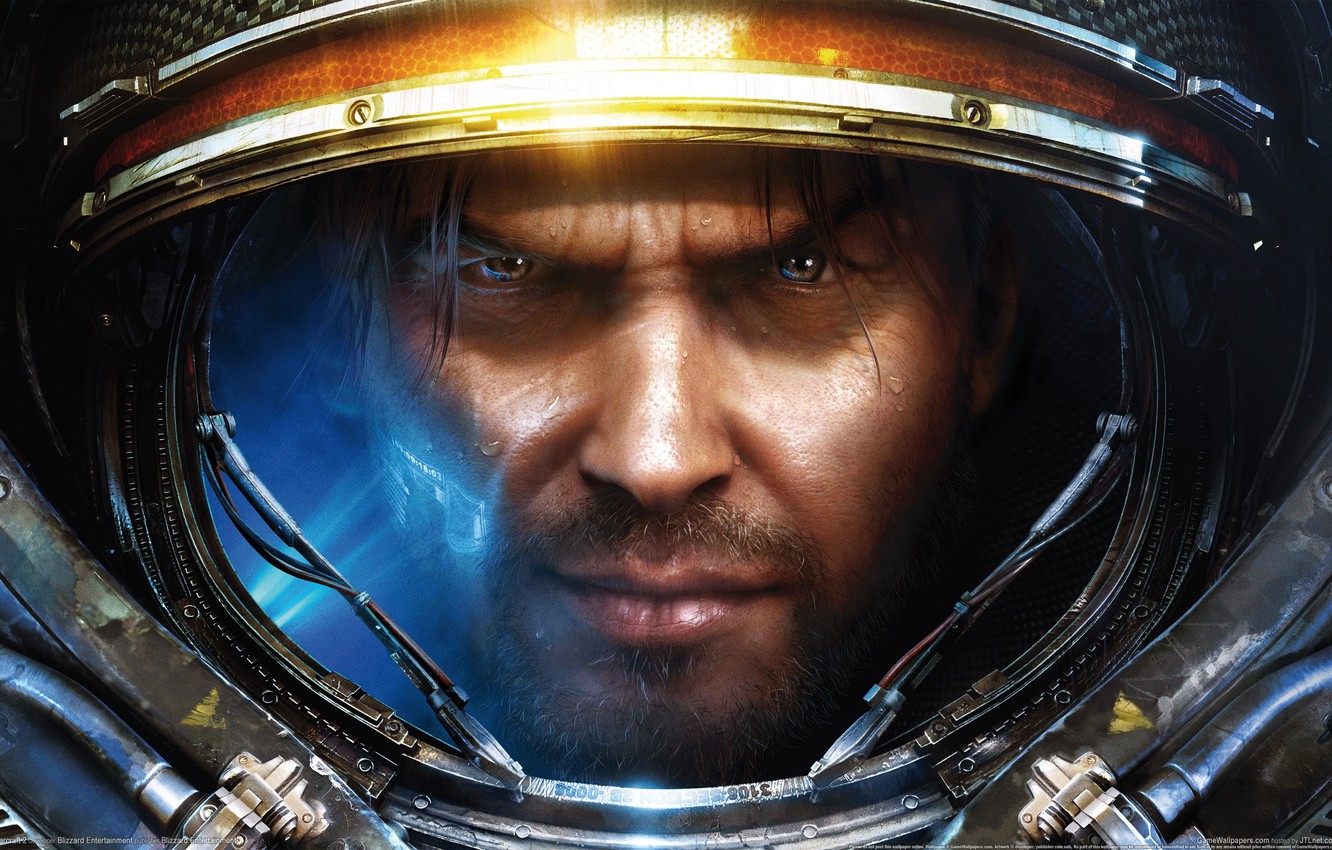
Blizzard Entertainment created and released this sequel to the popular 1998 game, ‘StarCraft’. Reviewers praised its impressive visuals and engaging story campaign, but some veteran players felt the emphasis on fast-paced competition reduced the strategic depth of the original. The new story was also seen as more typical science fiction, lacking the darker feel of the first game. Although ‘StarCraft II: Wings of Liberty’ sold very well, some players were unhappy with the lack of local area network (LAN) play and the way the multiplayer community was divided across three different game versions.
‘Crusader Kings III’ (2020)
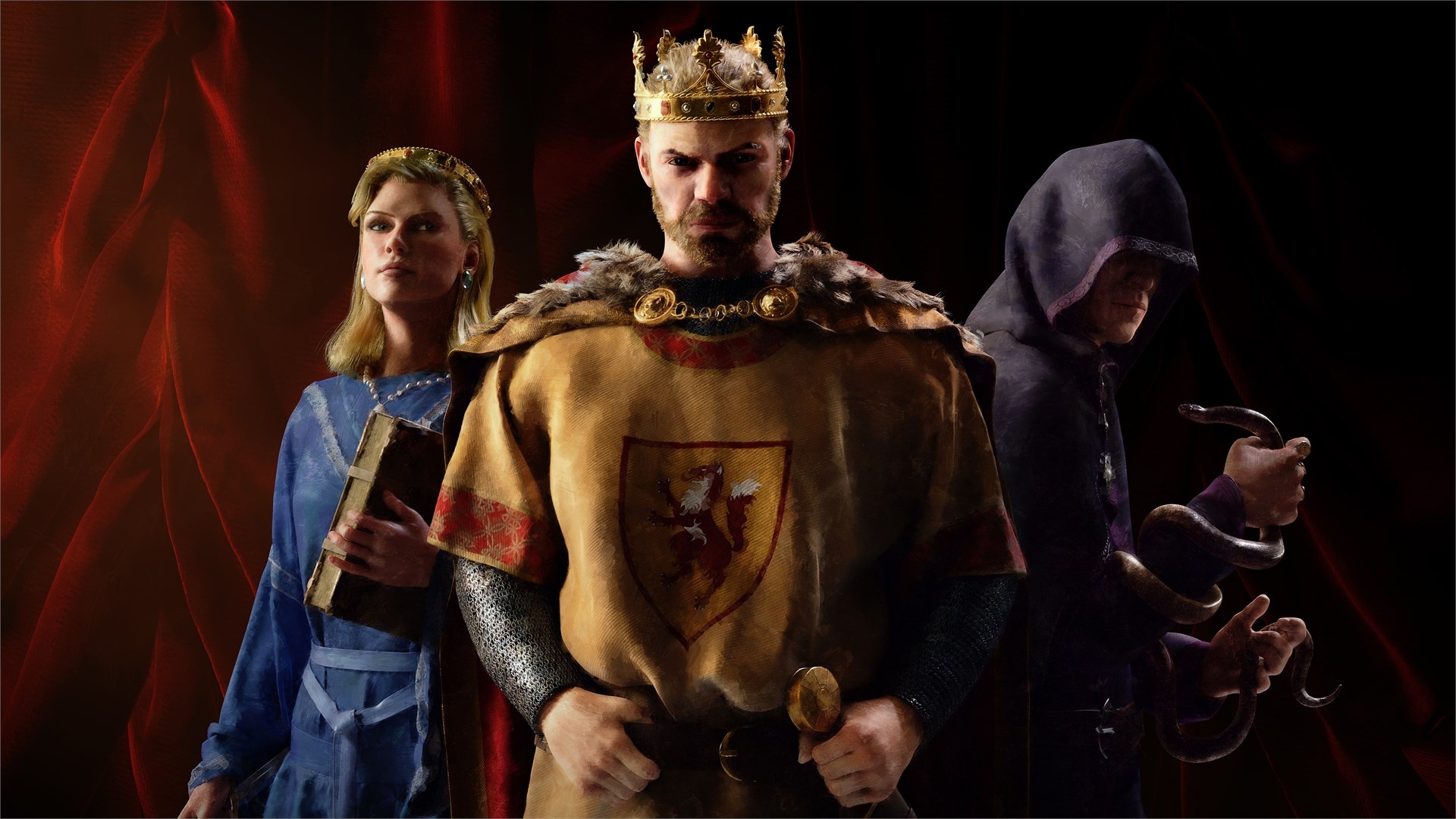
Paradox Interactive created ‘Crusader Kings III’ to make the intricate world of medieval politics easier to understand. However, some longtime fans felt the game started with fewer options and complexities compared to the later versions of ‘Crusader Kings II’. Some players thought the game focused too much on how it looked, with its new 3D characters and simpler menus, rather than on realistic historical detail. Despite generally positive reviews, players still discuss whether these changes made the game less challenging over time.
‘Into the Breach’ (2018)
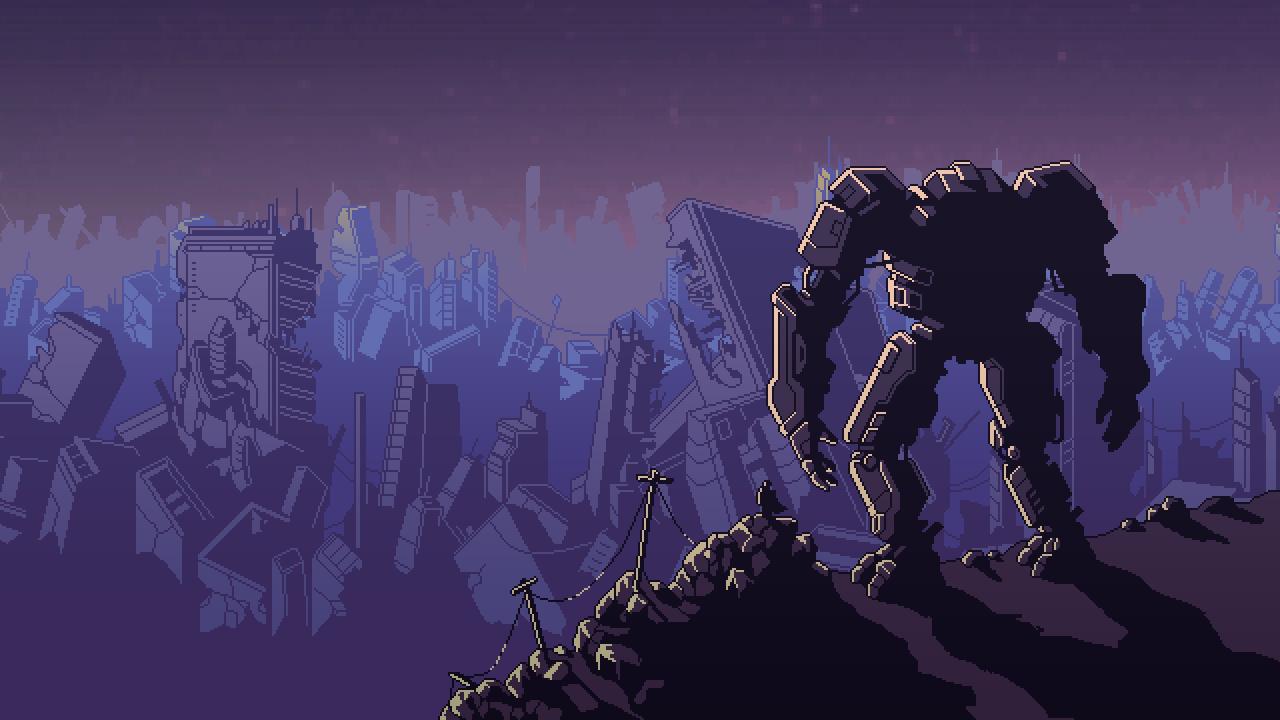
I was so hyped after playing Subset Games’ ‘FTL’ and their next game, ‘Into the Breach’, didn’t disappoint, though it’s definitely different. You control these awesome mechs trying to save cities from aliens, and it all happens on a really neat, grid-based map. Some people have said it feels less like a typical strategy game and more like solving a puzzle because there’s not a ton of room to just make things happen. Honestly, while I love it, I can see why some players think it got a little more praise than it deserved, especially compared to bigger, more complex strategy games. It’s smaller in scope and the battles can feel a bit repetitive after a while.
‘Dota 2’ (2013)
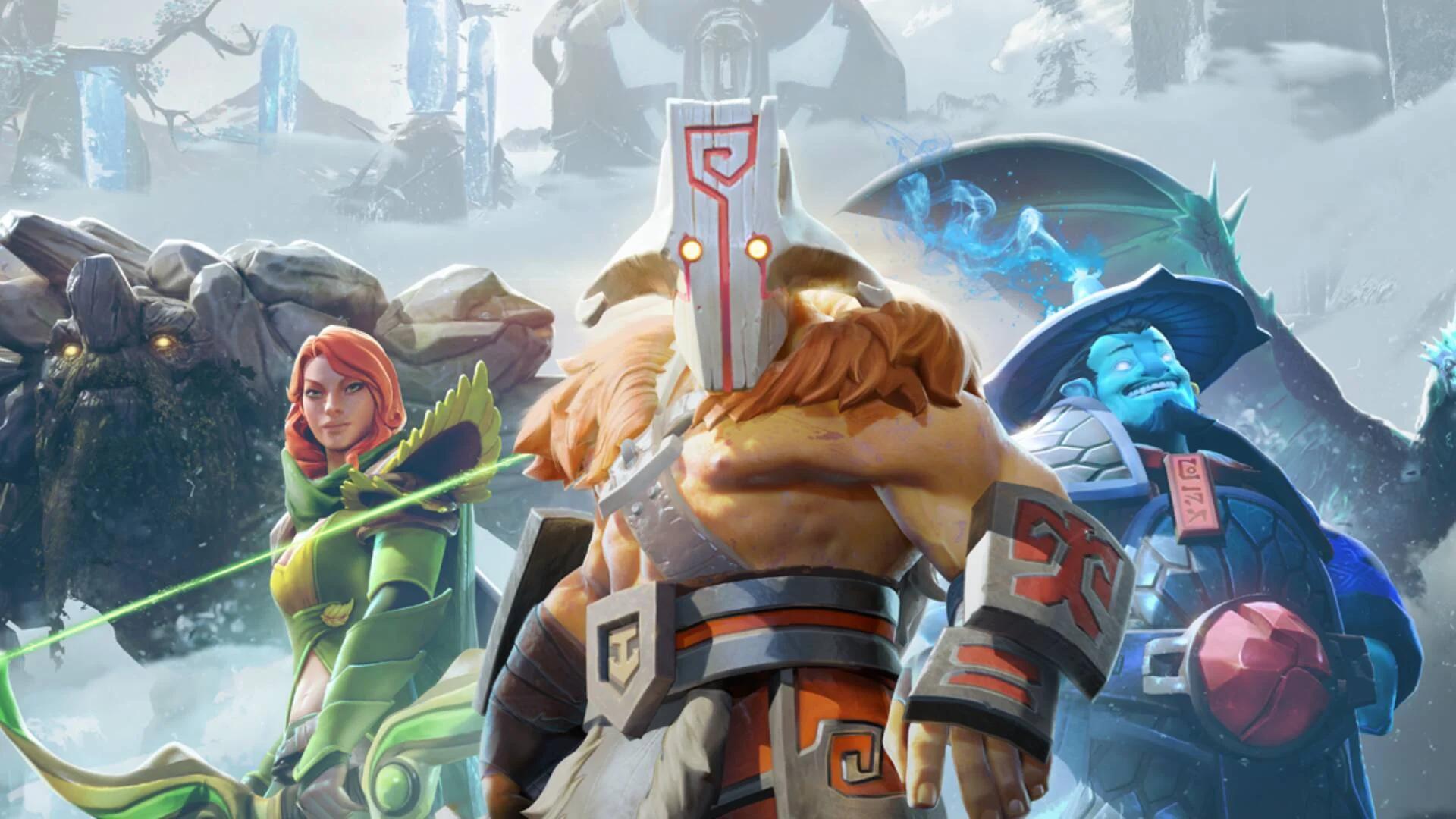
Dota 2 is a large-scale online battle game created by Valve. It started as a popular modification of the game ‘Warcraft III’. While known for its intricate strategies and thriving professional esports community, it’s also often criticized for being difficult to learn and having an unwelcoming player base. Some argue that the game feels outdated and too harsh on beginners, and that its continued success relies more on its history and large tournament prizes than on being user-friendly.
‘Slay the Spire’ (2019)
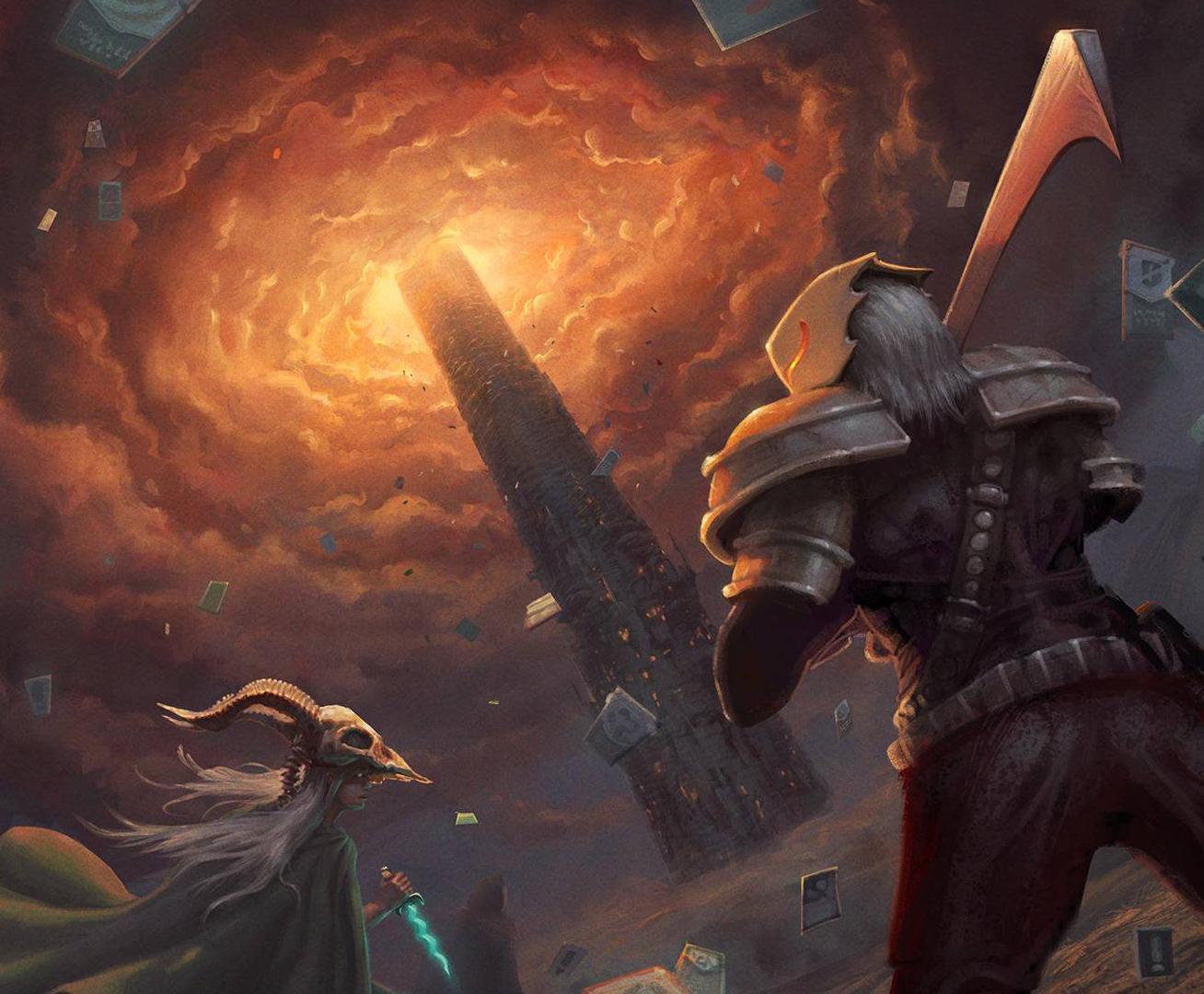
Created by MegaCrit and published by Humble Games, ‘Slay the Spire’ became incredibly popular and helped define a new type of game: the roguelike deck-builder. Players attempt to conquer a constantly changing tower by building a powerful deck of cards and battling enemies in turn-based fights. Although many enjoy the game, some find the art style too basic and feel that success at higher levels depends too much on getting lucky card draws. Despite being a commercial success, some critics believe ‘Slay the Spire’ has inspired a wave of similar games that aren’t as original or well-made.
‘Fire Emblem: Three Houses’ (2019)
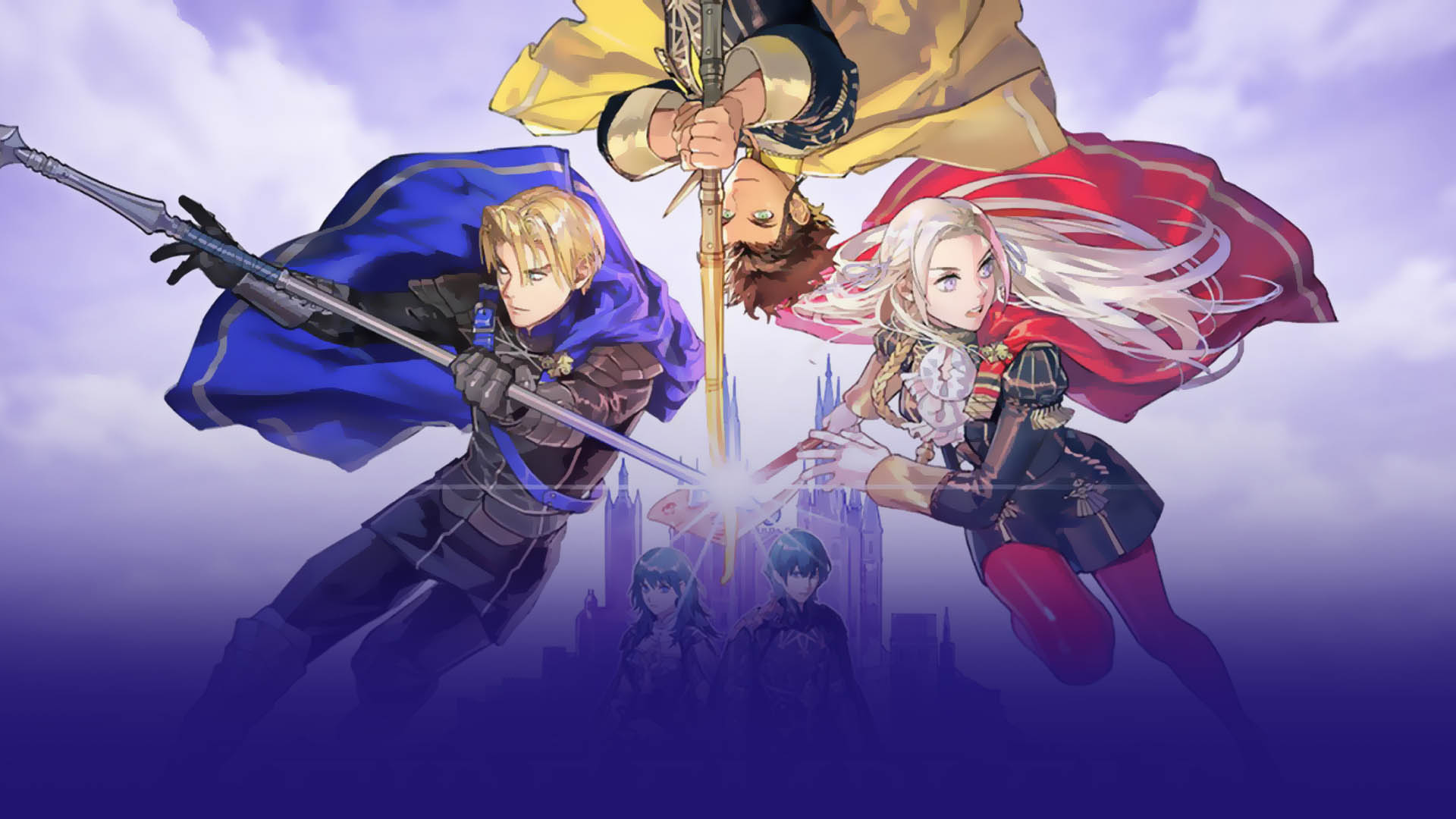
‘Fire Emblem: Three Houses’ was created by Intelligent Systems and Koei Tecmo, then published by Nintendo for the Switch. A key new feature was a social simulation where players guide students at a monastery, though some longtime fans found these sections repetitive and distracting from the core strategy battles. A few reviewers also pointed out that the game’s graphics and performance weren’t as polished as expected for a major Nintendo release.
‘Civilization VI’ (2016)
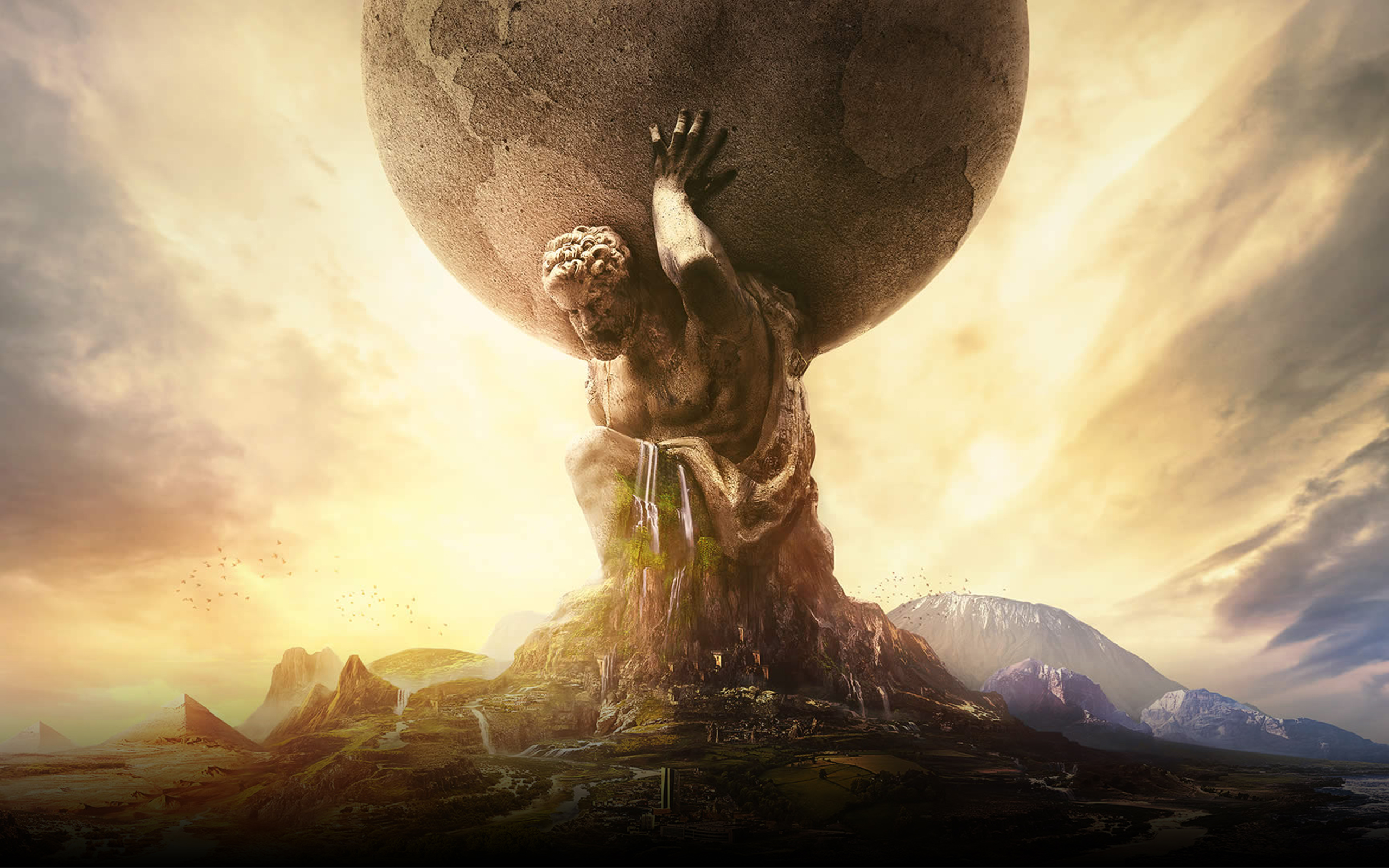
Firaxis Games and 2K Games created this latest version of the popular strategy game ‘Civilization,’ introducing a new ‘districts’ system for city building. However, some players felt the game’s AI struggled with these new features. The game also features a bright, cartoon-like visual style, which wasn’t to everyone’s taste, especially those who liked the more realistic look of older versions. Many reviewers have pointed out that to get the full ‘Civilization VI’ experience, you need to purchase several add-on packs, making it more expensive than previous games that offered similar depth.
‘XCOM 2’ (2016)
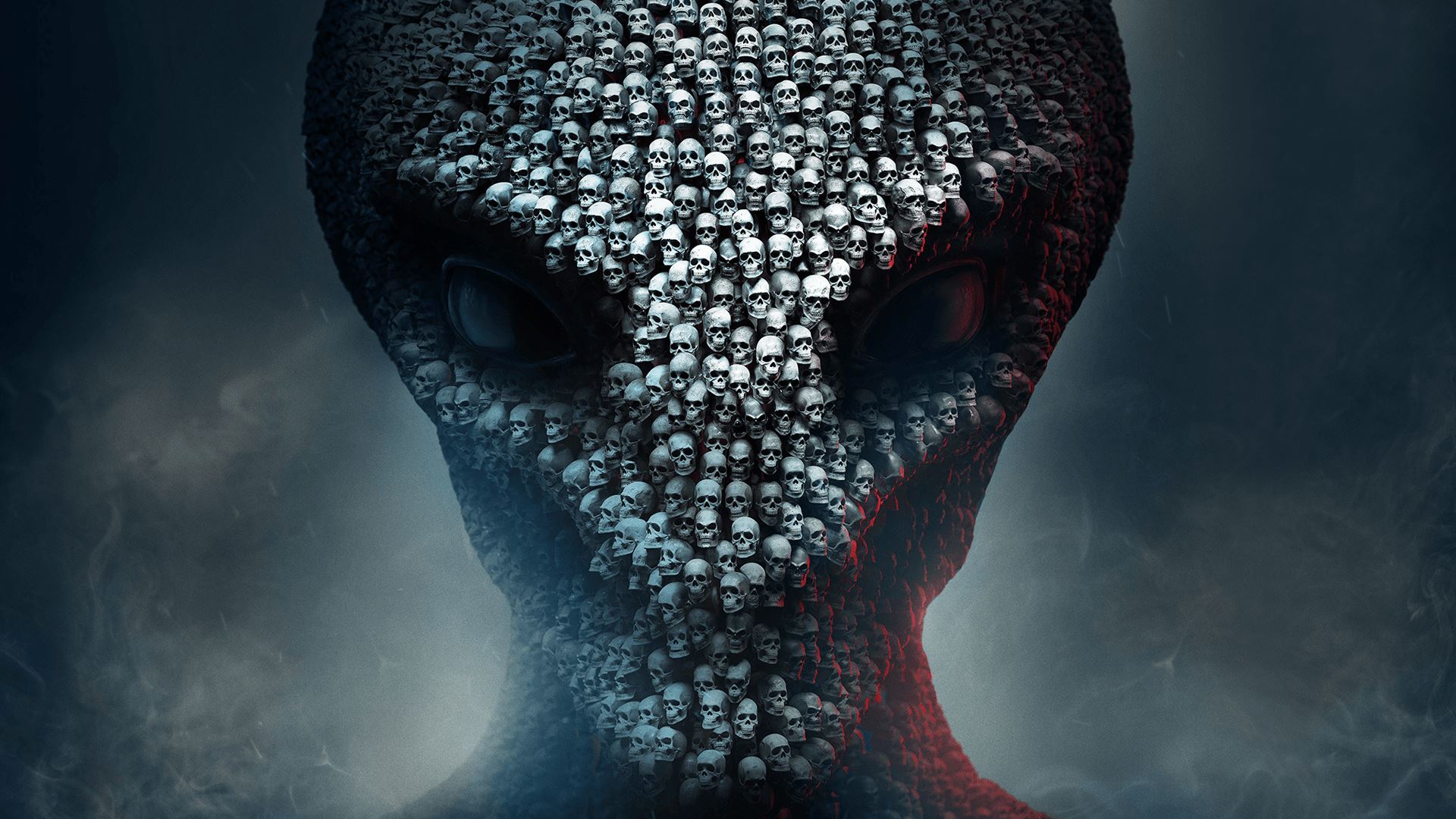
The team behind the original XCOM game returned with a sequel that puts you in charge of a struggling resistance movement. While known for being very challenging, XCOM 2 also added time limits to missions, pushing players to act quickly. Some felt these timers created unnecessary pressure and didn’t allow for the careful, strategic gameplay of the first game. The game also had a rocky start, with many players experiencing performance problems and bugs that interfered with the tactical gameplay.
‘Hearthstone’ (2014)
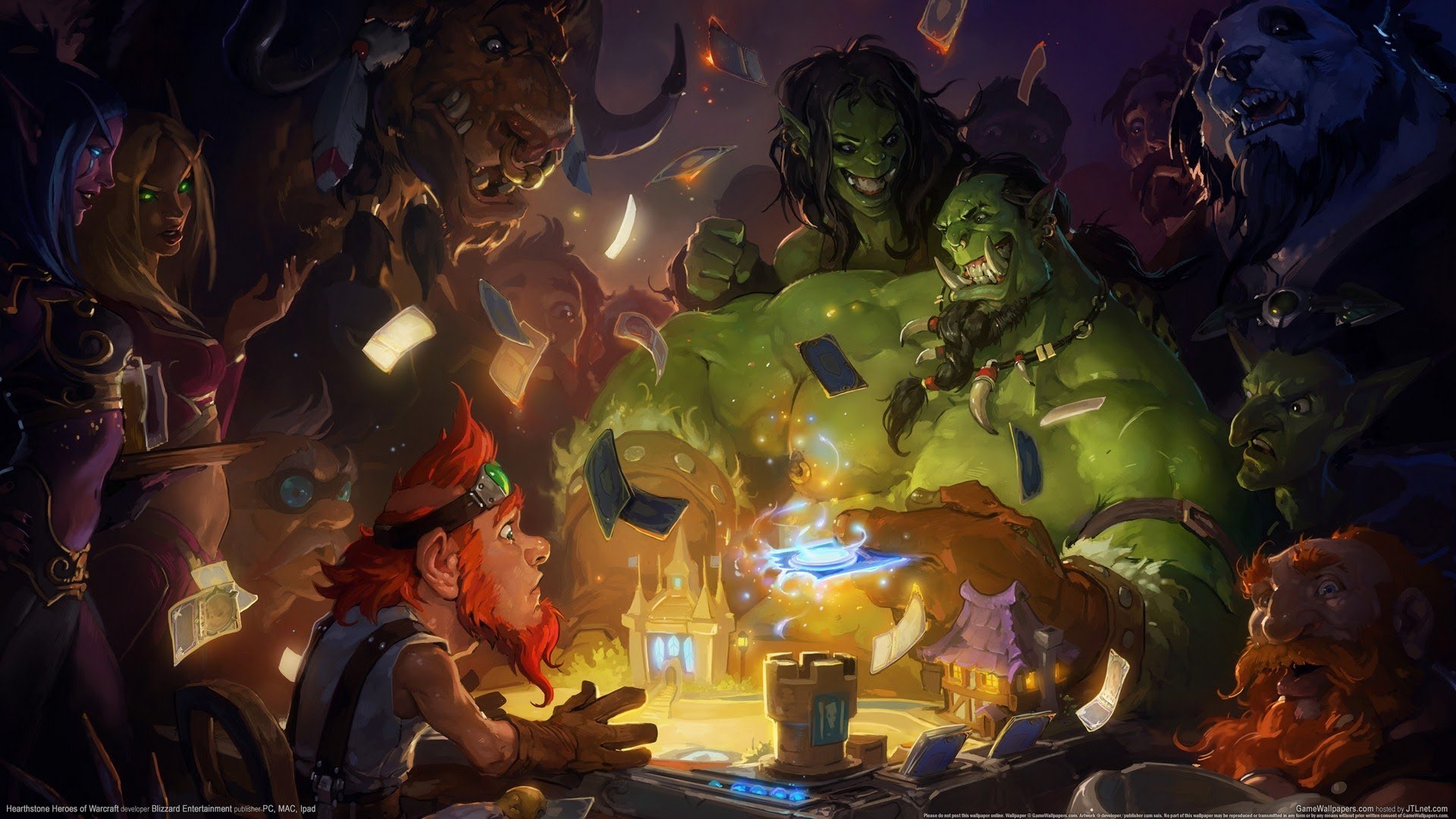
Blizzard Entertainment’s ‘Hearthstone’ quickly became popular when it launched, bringing the ‘Warcraft’ universe to the world of collectible card games on computers and phones. Its ease of play and polished presentation drew many players in. However, some have criticized the game’s heavy use of chance and the cost of keeping up with new content. Over time, players have also noted that newer cards often become more powerful, making older cards less useful and encouraging frequent purchases.
‘Frostpunk’ (2018)
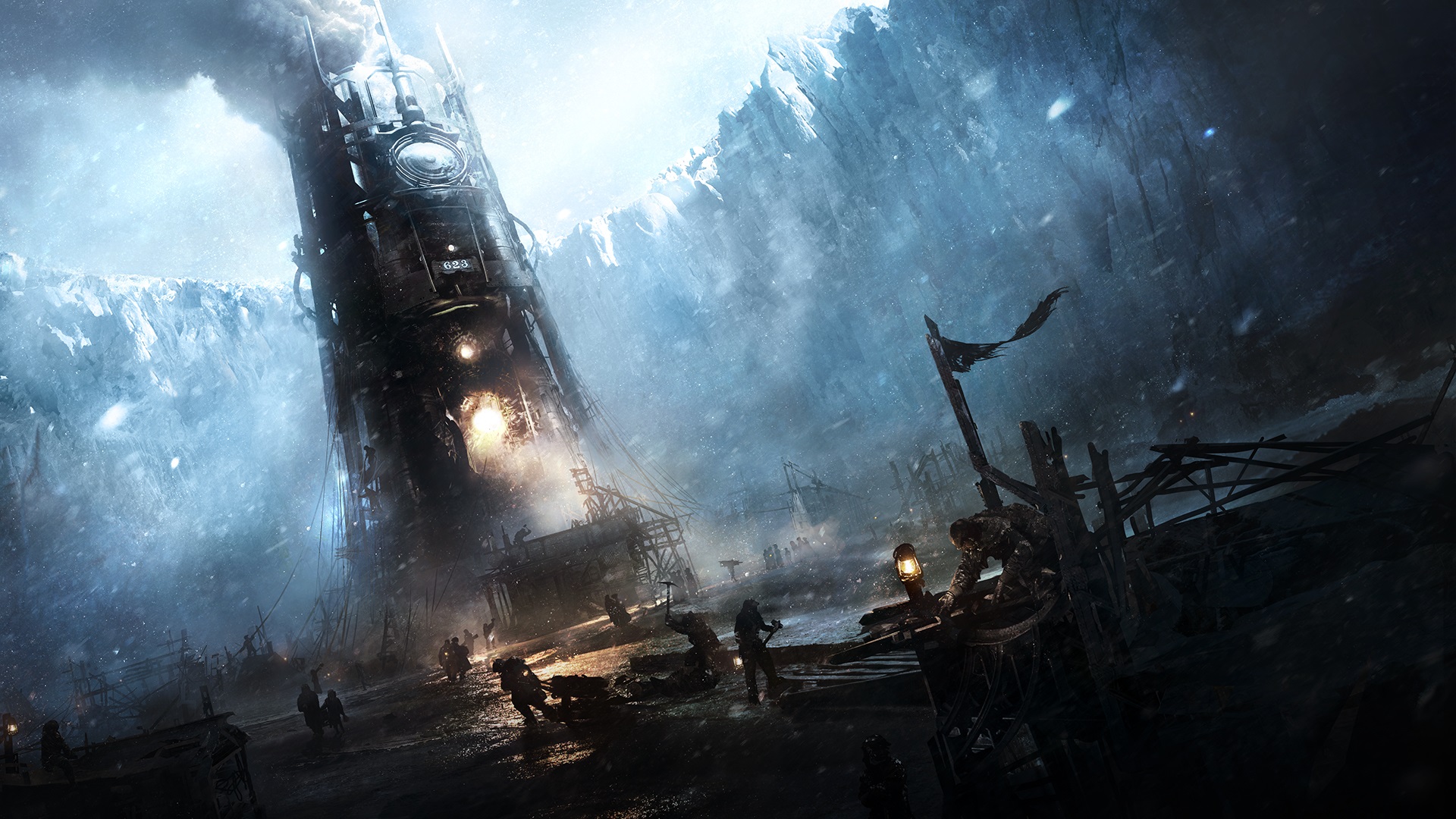
Frostpunk, created by 11 bit studios, is a challenging city-building game where you must lead a society through a frozen wasteland. It’s known for its immersive story and tough decisions with real consequences. While many appreciate these aspects, some critics find that the game becomes less engaging after discovering the most effective strategies. They argue that Frostpunk can feel restrictive, with a limited number of viable approaches to survival, which ultimately reduces its long-term strategic appeal.
‘Europa Universalis IV’ (2013)
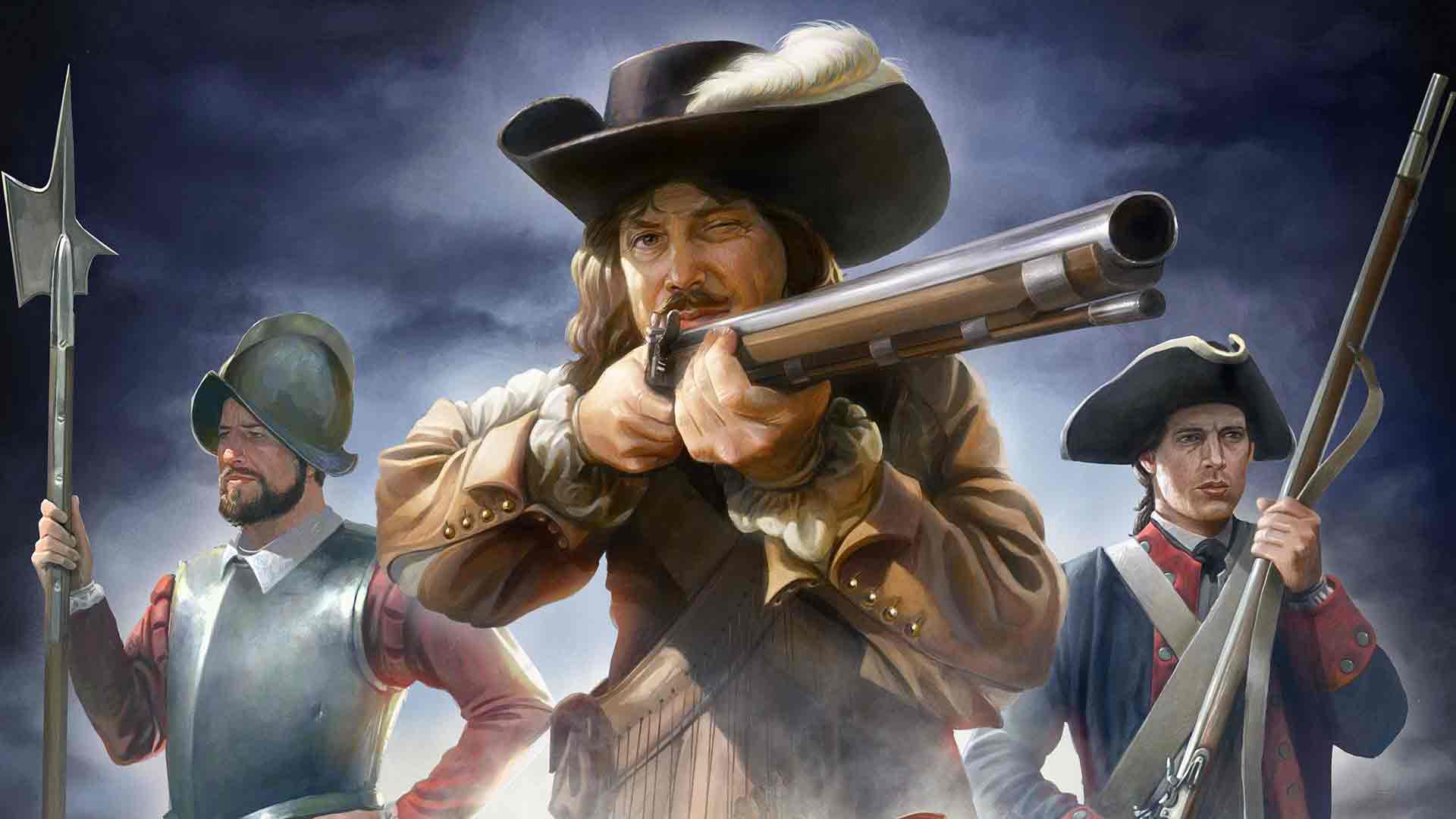
Developed and published by Paradox Interactive, this strategy game lets you lead any country in the world through hundreds of years of history. While incredibly expansive, ‘Europa Universalis IV’ is often criticized for its many downloadable expansions, which can make the full game quite expensive. New players may also find the complex menus and systems difficult to learn, with some describing it as more of a detailed data management game than a traditional strategy experience.
‘Total War: Warhammer II’ (2017)
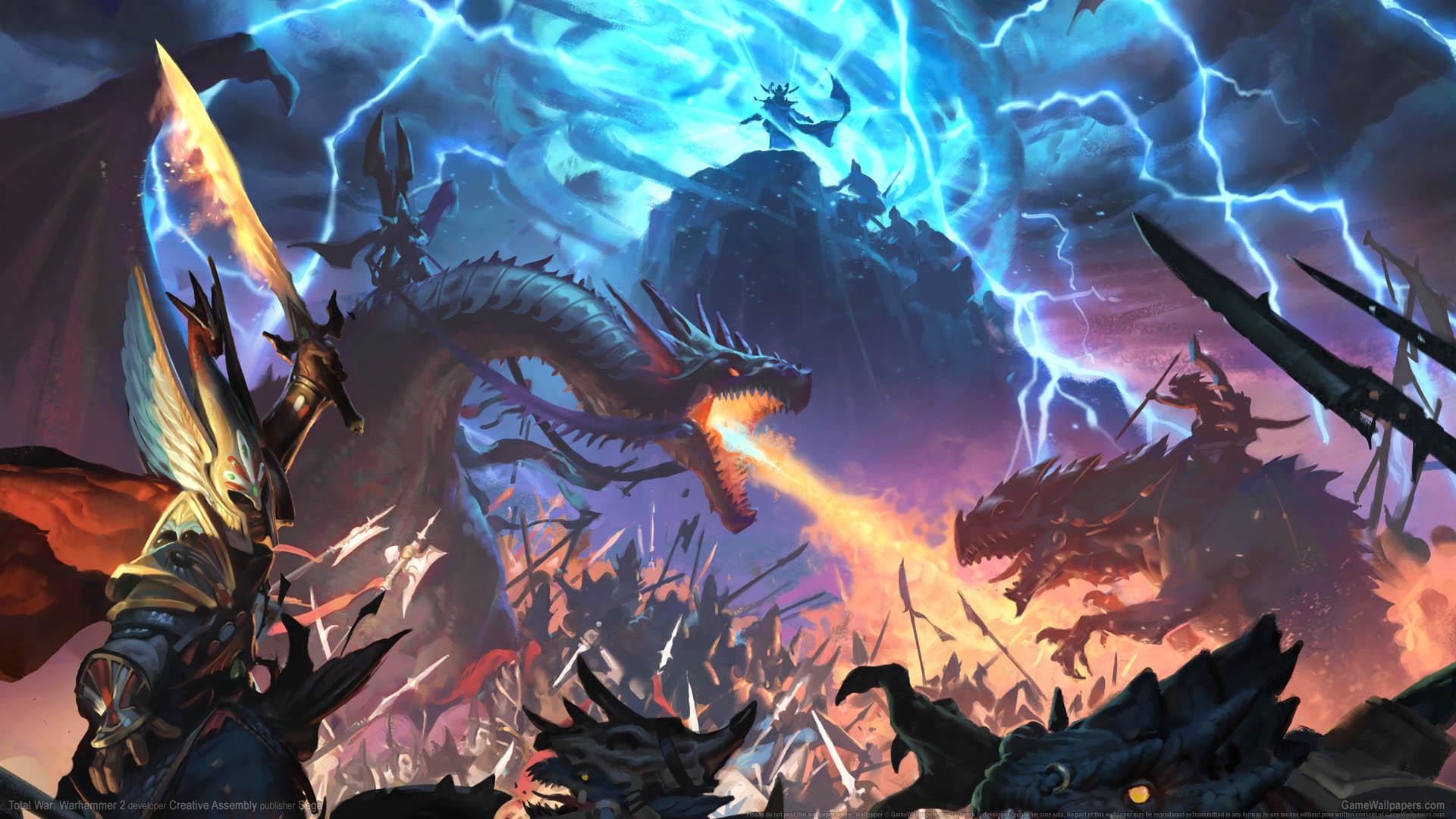
Creative Assembly created this ‘Total War’ game, set in a fantasy world and published by SEGA. It successfully captured the atmosphere of ‘Warhammer Fantasy’ with a variety of playable groups and impressive magical abilities. However, some long-time fans who preferred historical settings felt the game relied too much on powerful heroes and monsters, simplifying the detailed infantry tactics the series was famous for. ‘Total War: Warhammer II’ also suffered from slow loading screens and ran poorly on computers that weren’t very powerful, especially during large battles.
‘Pikmin 4’ (2023)
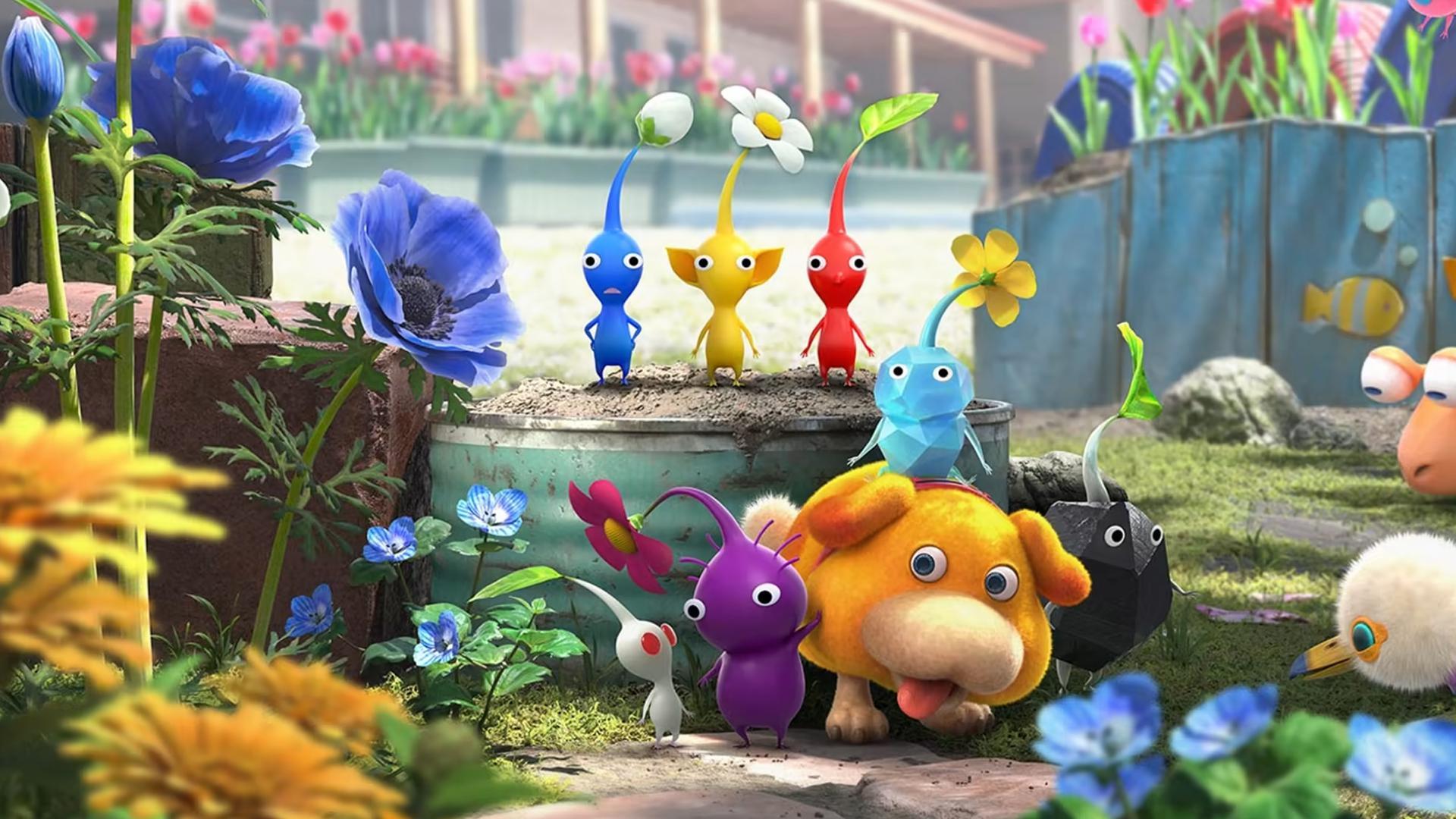
Nintendo recently released ‘Pikmin 4,’ the newest installment in the popular series, and it features a helpful new dog companion named Oatchi. While reviewers loved the game, some longtime fans felt it wasn’t as challenging as previous titles. The game removed strict time limits, which some players felt made the strategic gameplay less intense. Many consider ‘Pikmin 4’ the easiest game in the series so far, but some critics believe this came at the expense of the tension that defined the earlier games.
‘Desperados III’ (2020)
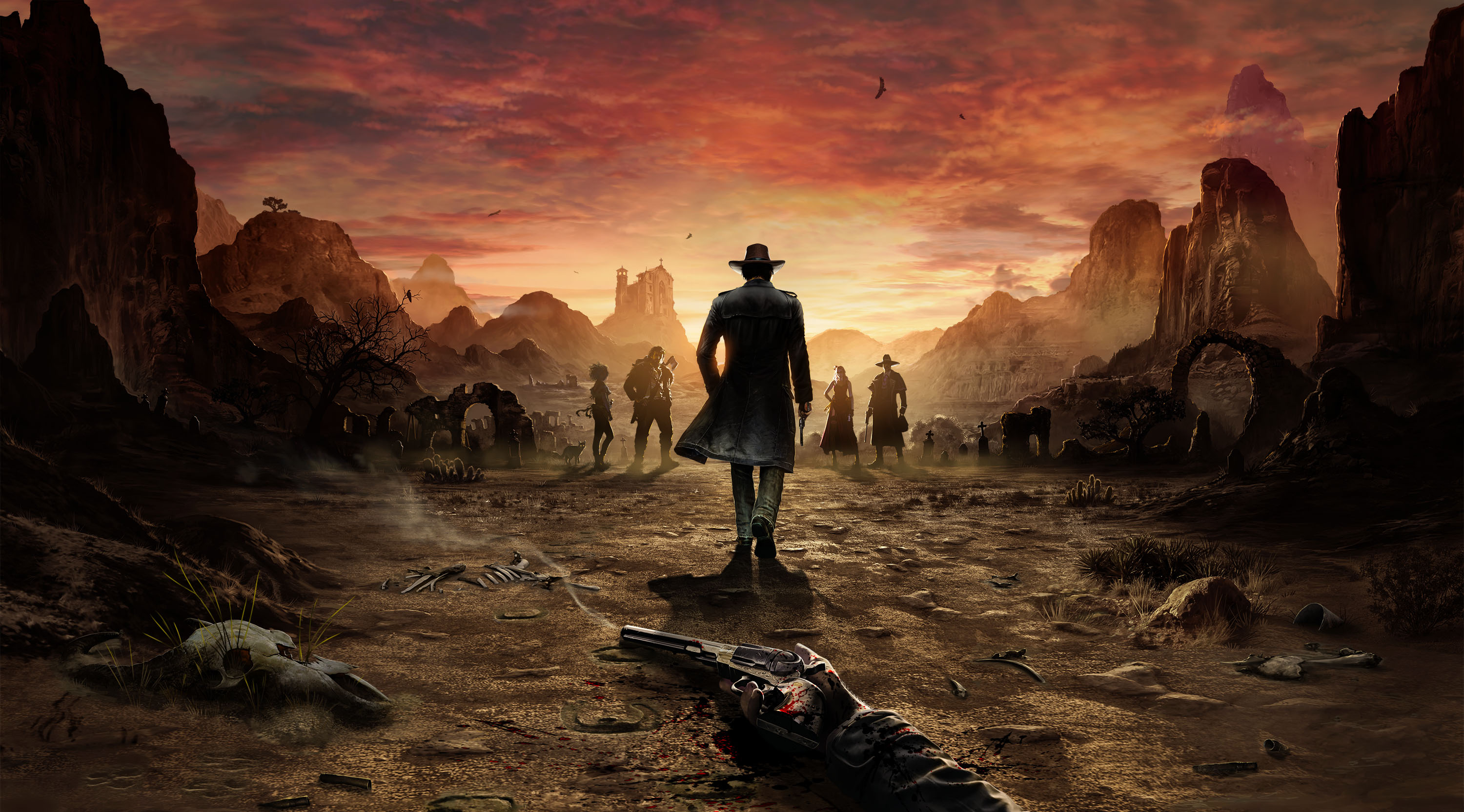
Desperados III is a real-time tactics game set in the Wild West, created by Mimimi Games and published by THQ Nordic. It’s built on the same foundation as their popular game, ‘Shadow Tactics: Blades of the Shogun’. Some critics felt it didn’t significantly advance the genre, feeling more like an updated version of their previous work. Though visually impressive and well-made, the game can be challenging due to its focus on repeated attempts and limited flexibility in strategy.
‘Total War: Three Kingdoms’ (2019)
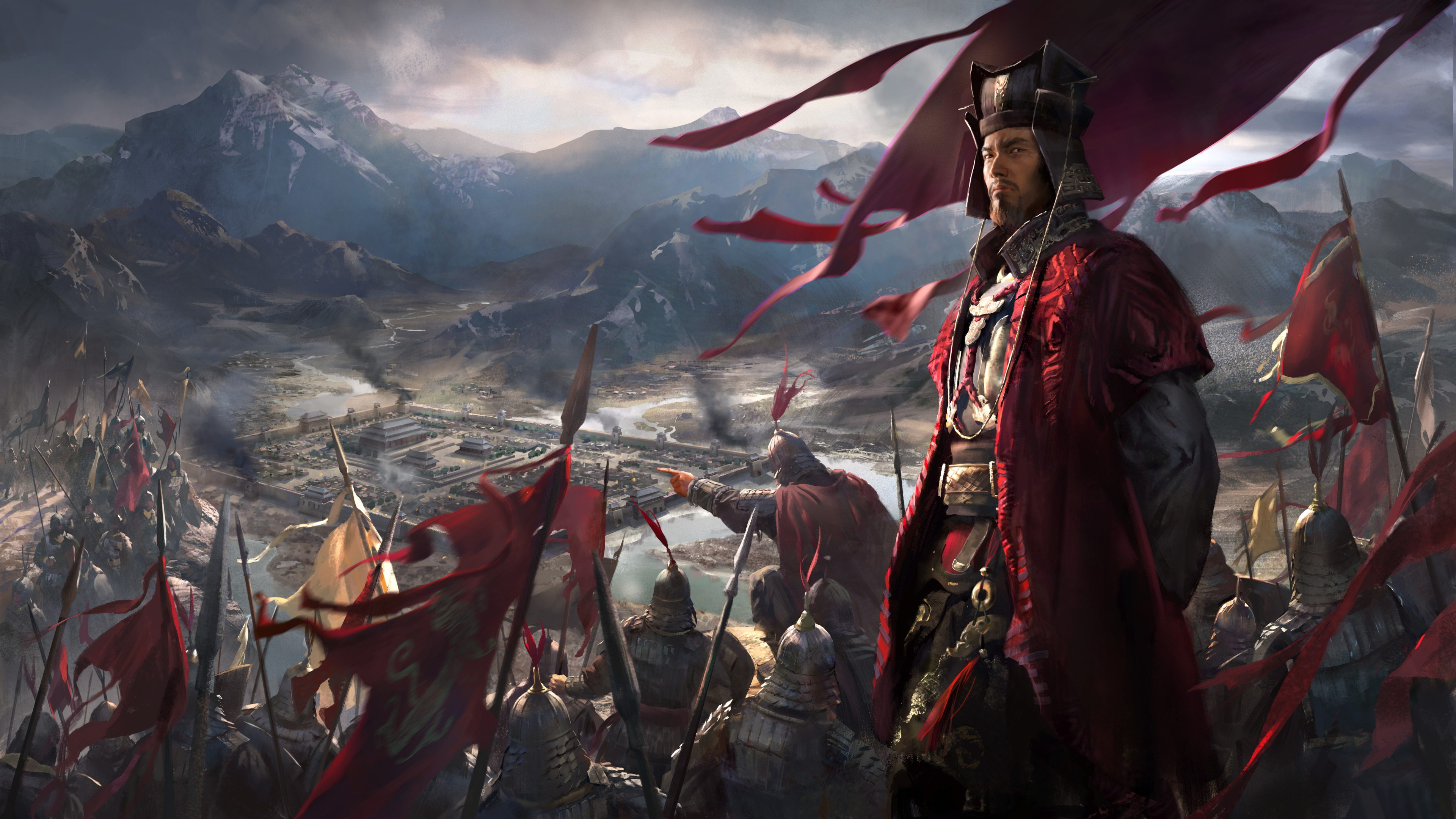
Total War: Three Kingdoms, a game by Creative Assembly and SEGA set in ancient China, combined historical events with popular myths. While the game’s complex diplomacy system was initially well-received, players became frustrated when the developers stopped providing updates and support to focus on a new game. This left many issues unfixed and planned content unreleased, leading the community to feel the game was unfinished and didn’t live up to the hype.
‘Mario + Rabbids Kingdom Battle’ (2017)
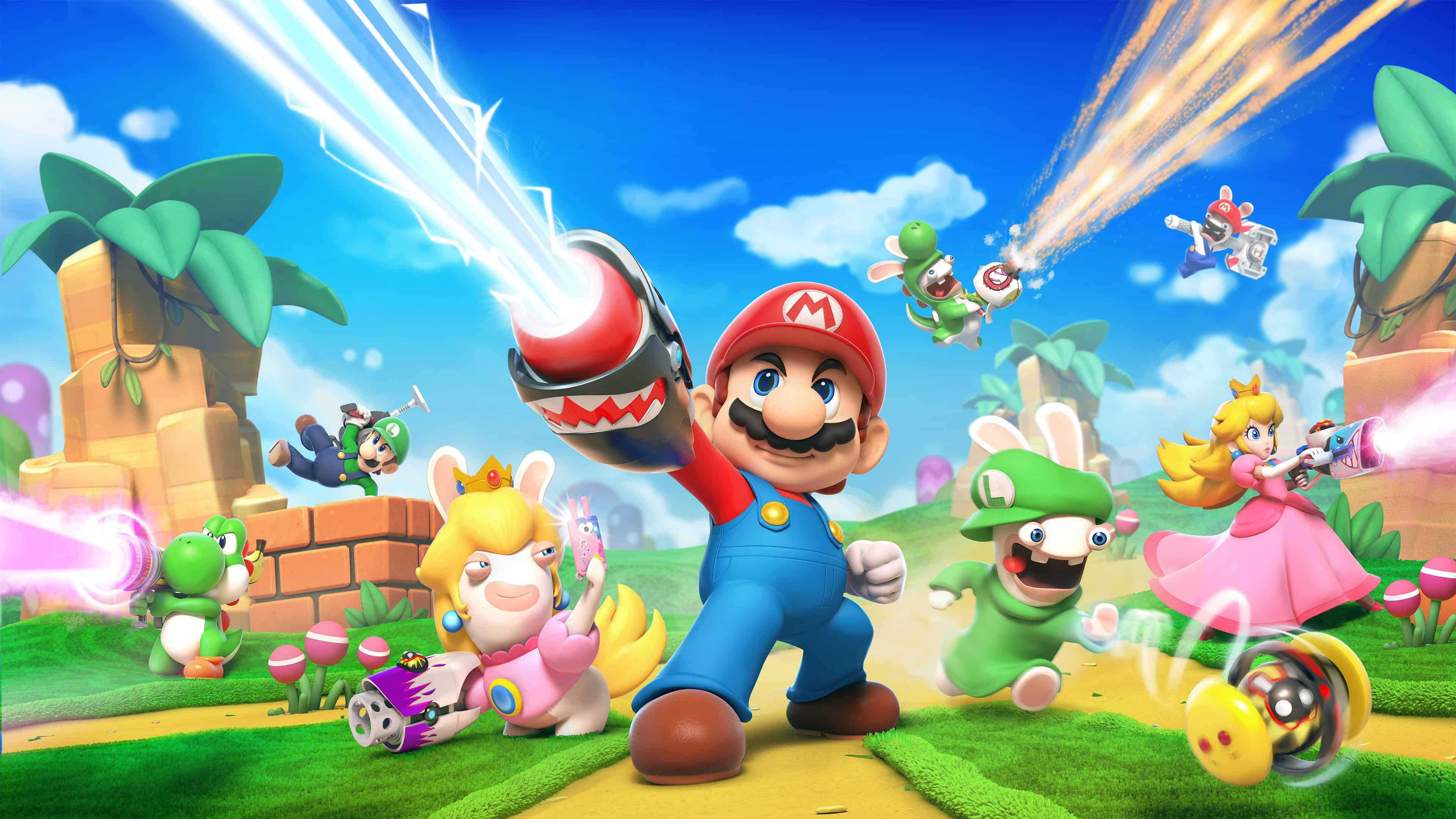
Developed by Ubisoft Milan and Paris and published by Ubisoft, this surprising collaboration introduces characters from the ‘Mario’ universe to the strategic, turn-based gameplay style of ‘XCOM’. While reviewers appreciate the game as a fun entry point to the genre, they feel it doesn’t offer enough long-term challenge or complexity. Some players also found the puzzle sections between battles repetitive and uninteresting, which lessened the impact of the overall strategic gameplay in ‘Mario + Rabbids Kingdom Battle’.
‘Darkest Dungeon’ (2016)
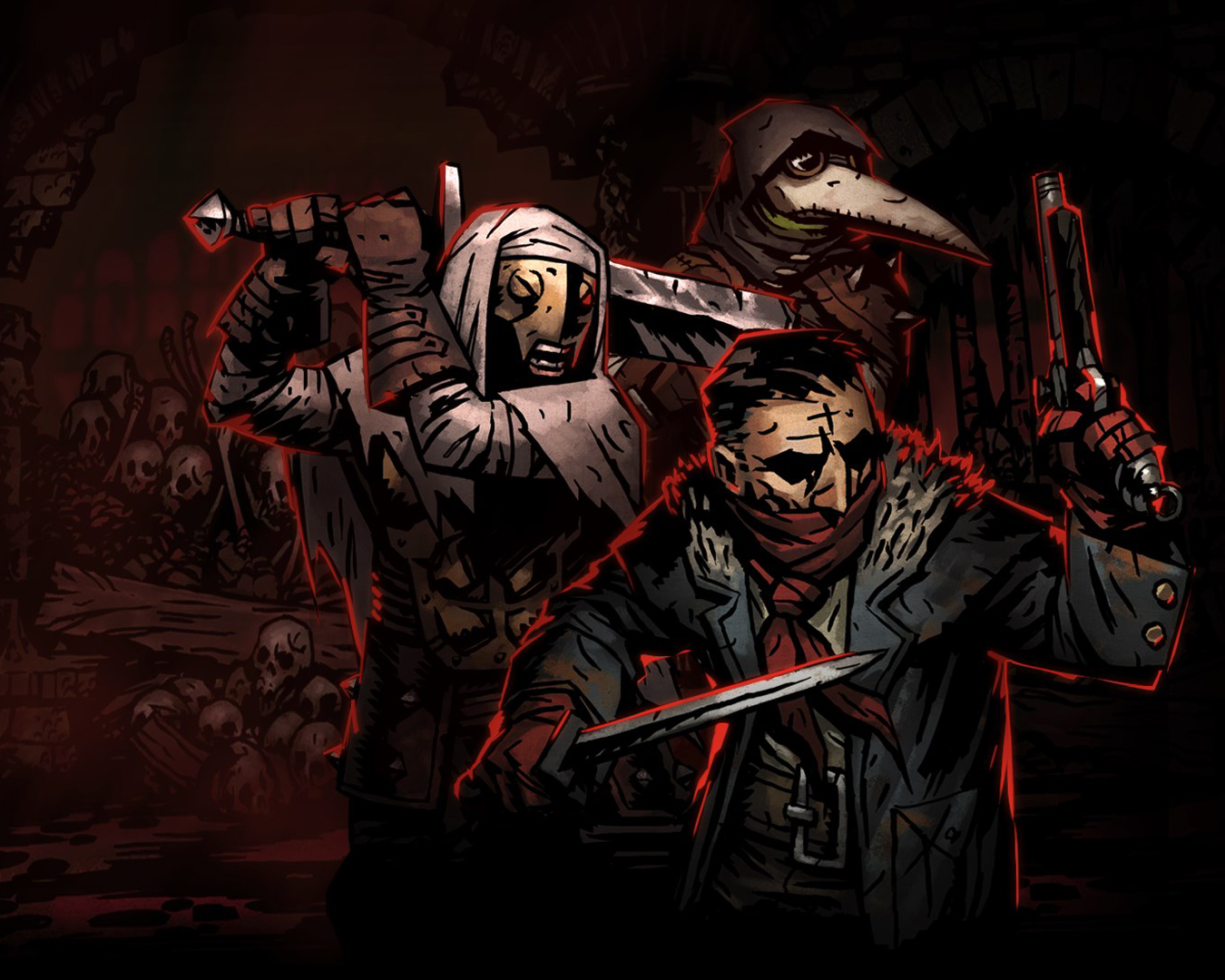
Darkest Dungeon, created by Red Hook Studios, is a challenging gothic roguelike that focuses on the mental toll of exploration. While praised for its dark, immersive atmosphere and tough gameplay, it’s also received criticism for feeling unfair. Some players find that a single mistake can erase hours of progress, and that the game relies too much on artificial difficulty and repetitive tasks to keep players engaged.
‘Marvel’s Midnight Suns’ (2022)
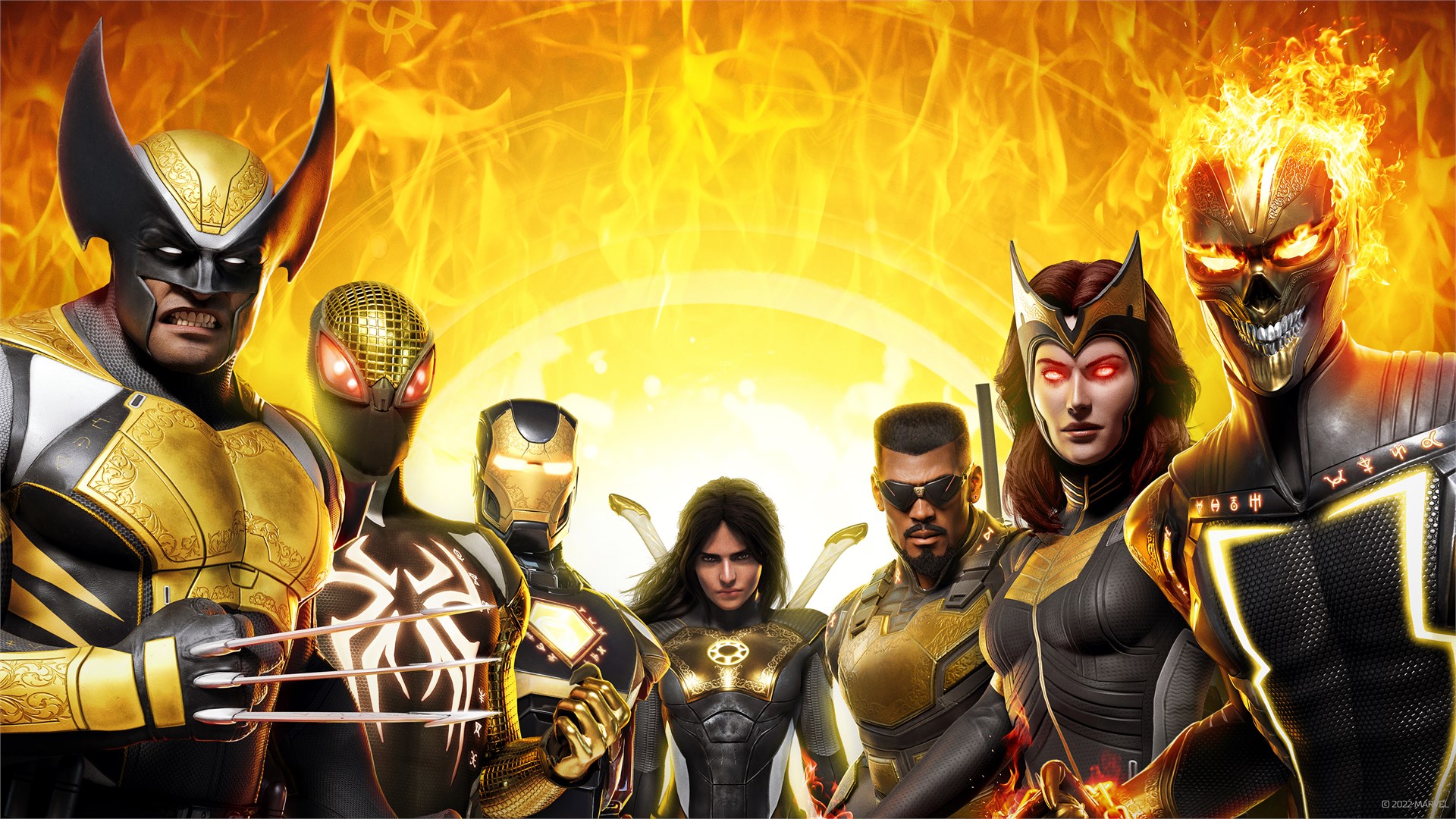
This tactical RPG, a collaboration between Firaxis and 2K Games, lets you play as a team of famous Marvel superheroes. Gameplay blends strategic battles – fought using cards – with managing a home base called the Abbey and building relationships with your teammates. However, some players found the card system frustratingly random for a strategy game. Others criticized the lengthy conversations and relationship aspects, saying they were poorly written and dragged the game on.
‘Age of Wonders 4’ (2023)
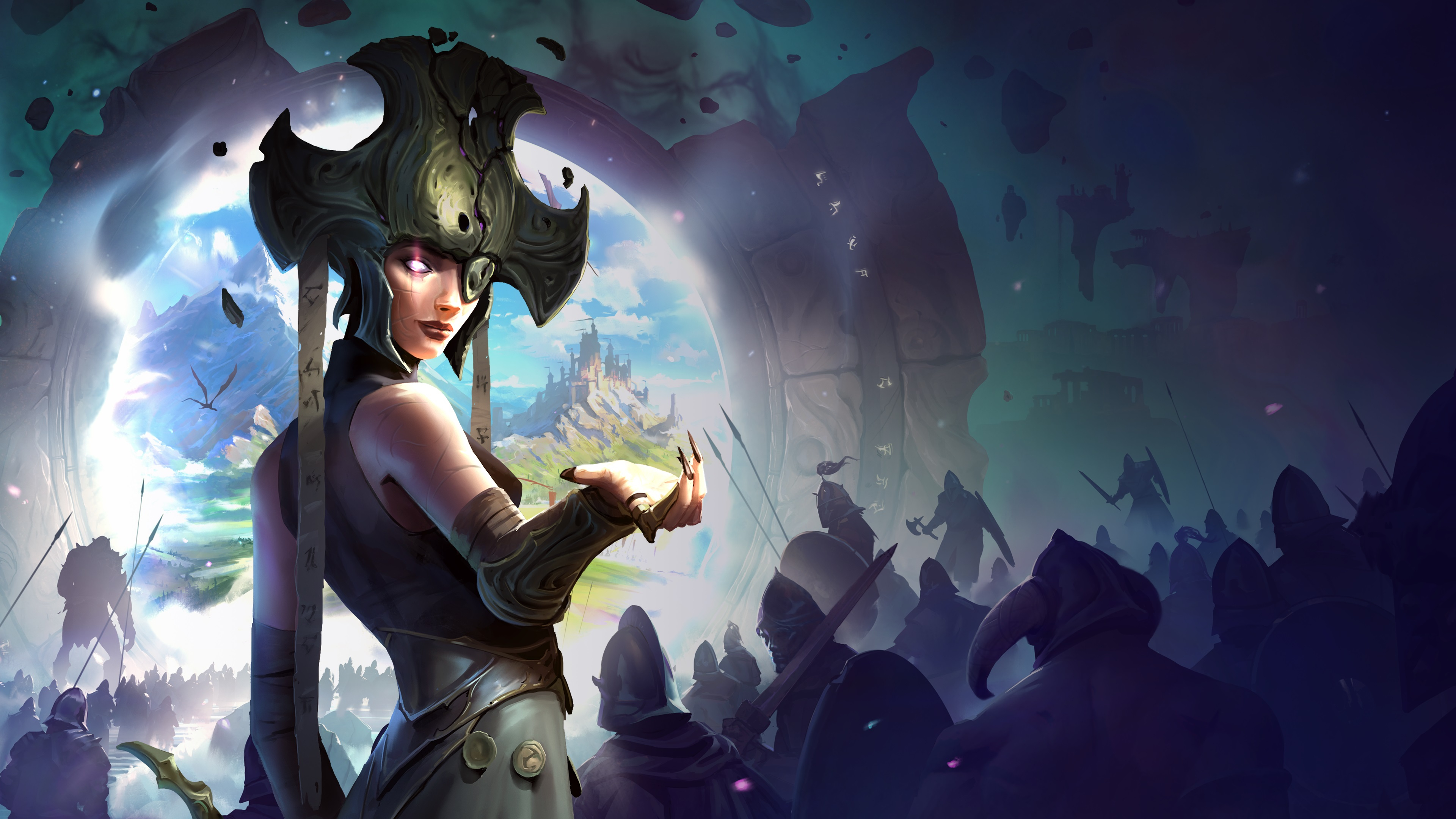
Age of Wonders 4, created by Triumph Studios and published by Paradox Interactive, is a strategy game where you build and customize your own fantasy armies and nations. While the game offers a lot of ways to personalize your faction, some players found them lacking the unique feel of previous games in the series. The battles work well, but can become a bit samey towards the end of the game. Reviewers also noted that the game wasn’t perfectly balanced, with some types of magic being much stronger than others.
‘Endless Legend’ (2014)
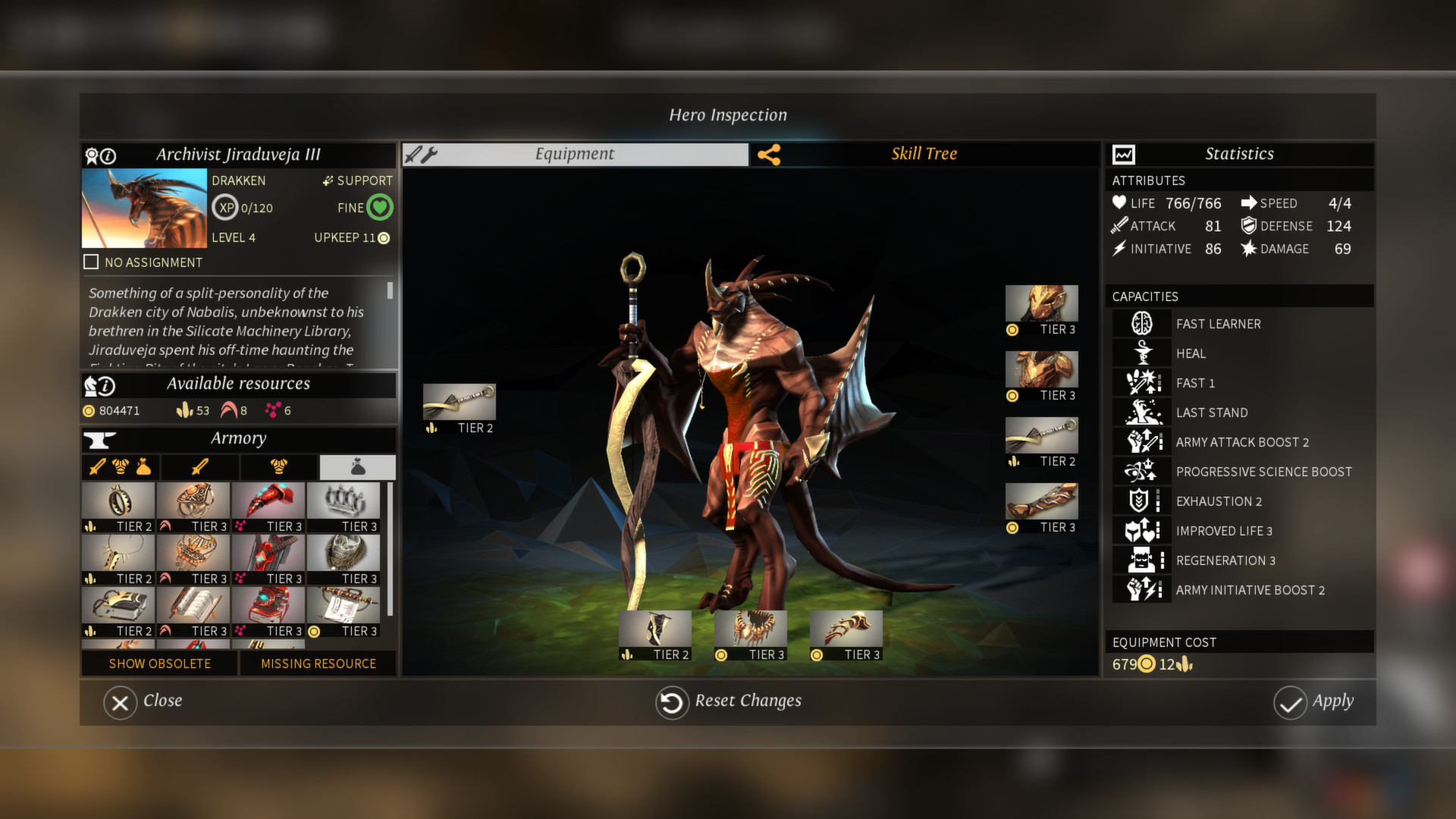
Endless Legend, a fantasy strategy game created by Amplitude Studios and published by Iceberg Interactive (later by SEGA), is well-known for its beautiful and unusual art style and its very different playable factions. While praised for these aspects, the game’s combat is often considered its biggest flaw, as players have limited control during battles. Reviewers also point out that the AI opponents can be too passive, even on the hardest settings, making the game less challenging.
‘Age of Empires IV’ (2021)
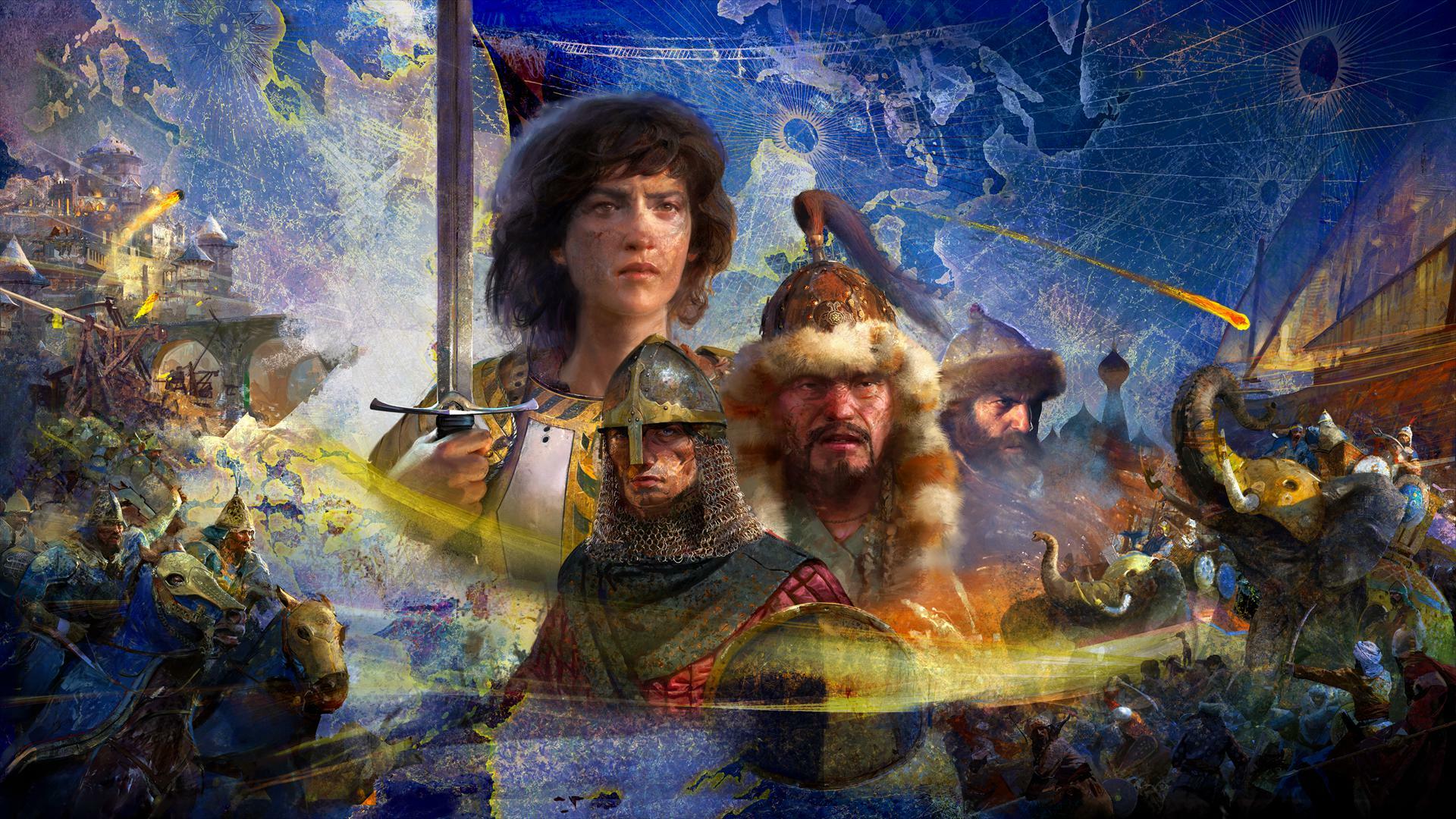
Developed by Relic Entertainment and published by Xbox Game Studios and World’s Edge, this sequel aimed to recapture the classic feel of the original ‘Age of Empires’ games by setting the action in the Middle Ages. However, some longtime fans of ‘Age of Empires II’ felt it didn’t offer enough new features to stand out from the updated versions of older titles. Concerns were also raised about the limited number of playable civilizations and a less detailed art style, leading some to view ‘Age of Empires IV’ as a move in the wrong direction for the series.
‘The Banner Saga’ (2014)
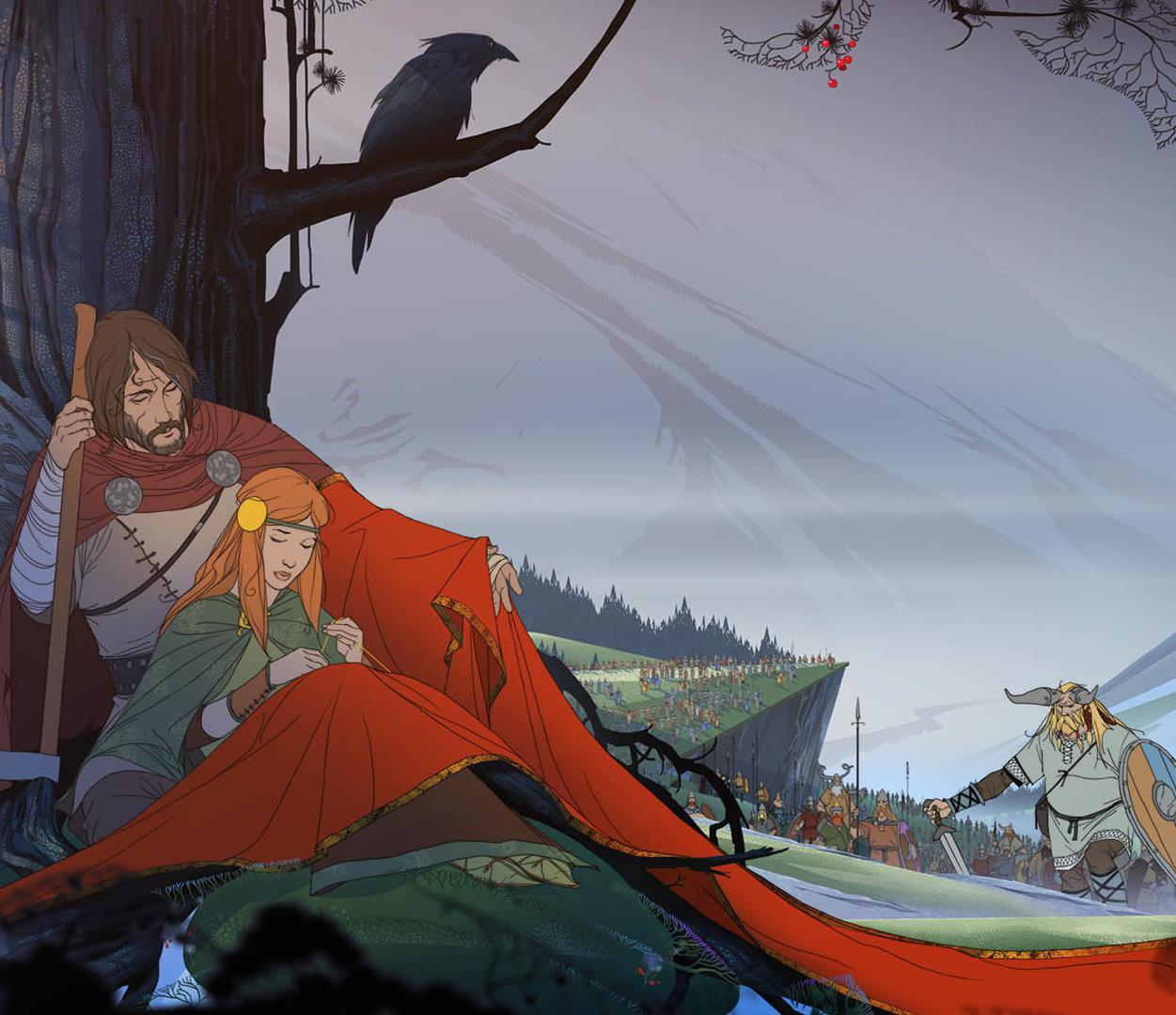
This tactical RPG, created by Stoic Studio and published by Versus Evil, stands out with its stunning hand-drawn art and a setting inspired by Viking culture. The game puts a lot of emphasis on story choices and how they affect whether your caravan survives. However, some reviewers have noted that battles can become repetitive, often revolving around reducing an enemy’s armor before dealing damage. A few players also felt that the game’s consequences for choices were sometimes unfair or didn’t make logical sense.
‘Northgard’ (2018)
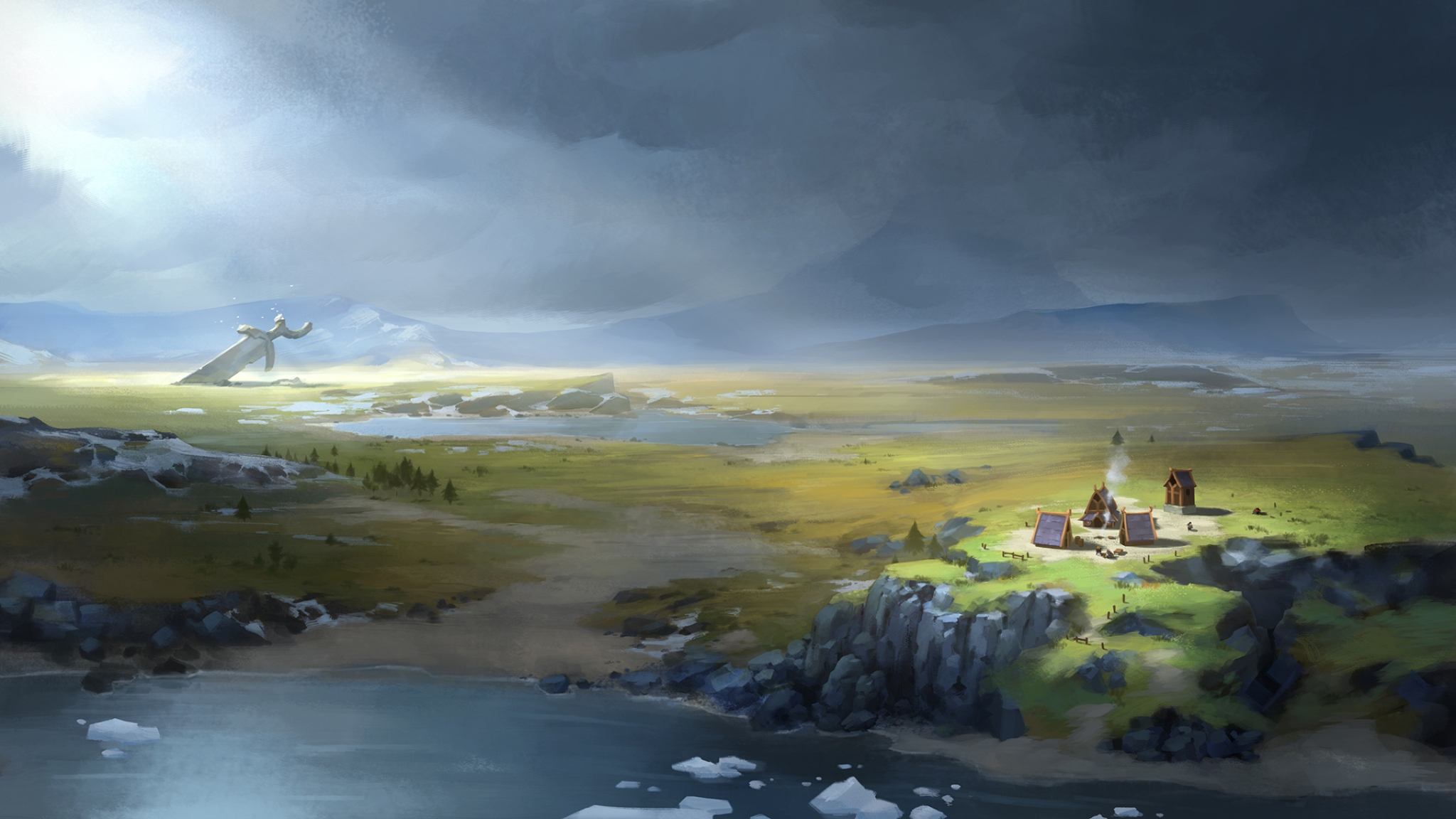
Northgard is a strategy game created by Shiro Games, drawing inspiration from Norse mythology. It combines real-time strategy with the territory-building aspects of 4X games, but on a more focused scale. Though popular on computers and consoles, some players felt it wasn’t as complex as other strategy games. Its slower speed and emphasis on gathering resources, rather than intense battles, led some to describe it as a simpler, less in-depth strategy experience.
‘Company of Heroes 2’ (2013)
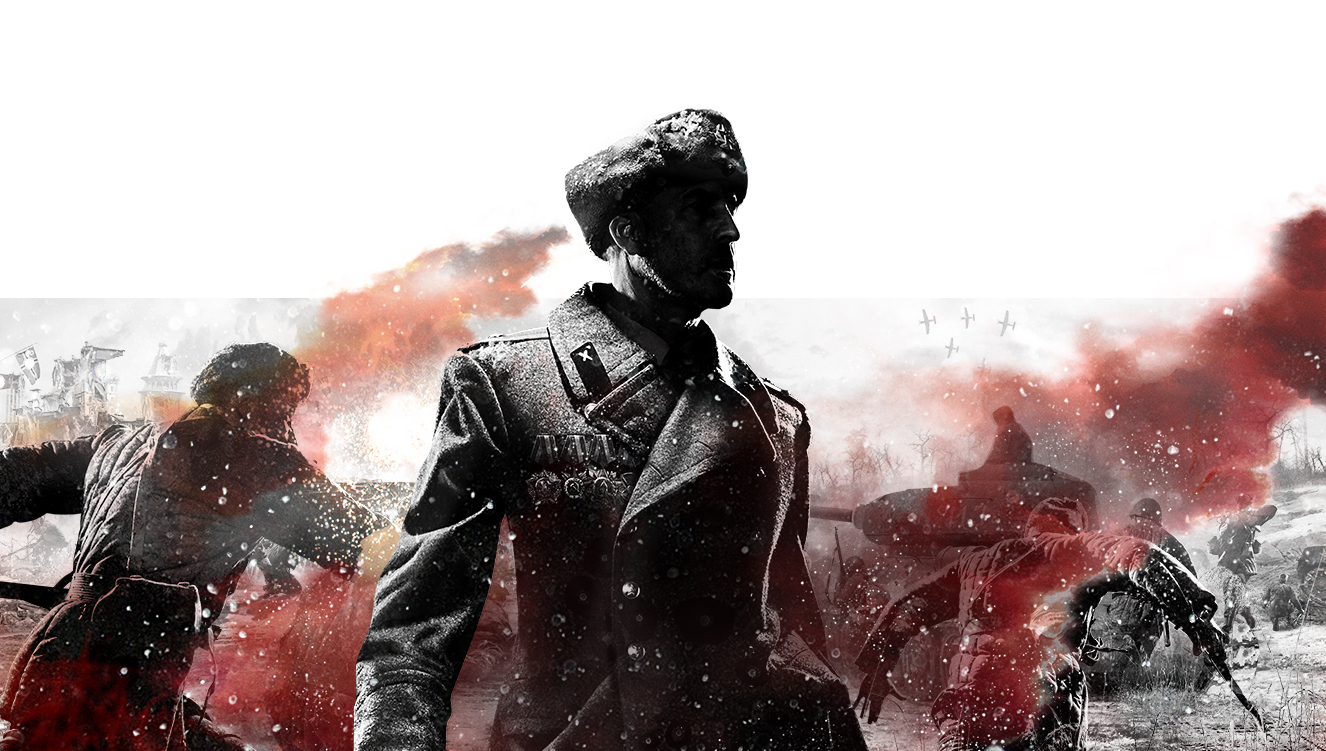
‘Company of Heroes 2’ is the sequel to the popular World War II strategy game, developed by Relic Entertainment and SEGA. Though it kept the challenging, tactical gameplay of the first game, it received criticism for not accurately representing history and its depiction of the Soviet Union. The game also launched with unpopular microtransactions and a complicated system for downloadable content. Many longtime fans actually prefer the original, finding ‘Company of Heroes 2’ to be too complex and lacking the same clear focus.
‘Victoria 3’ (2022)
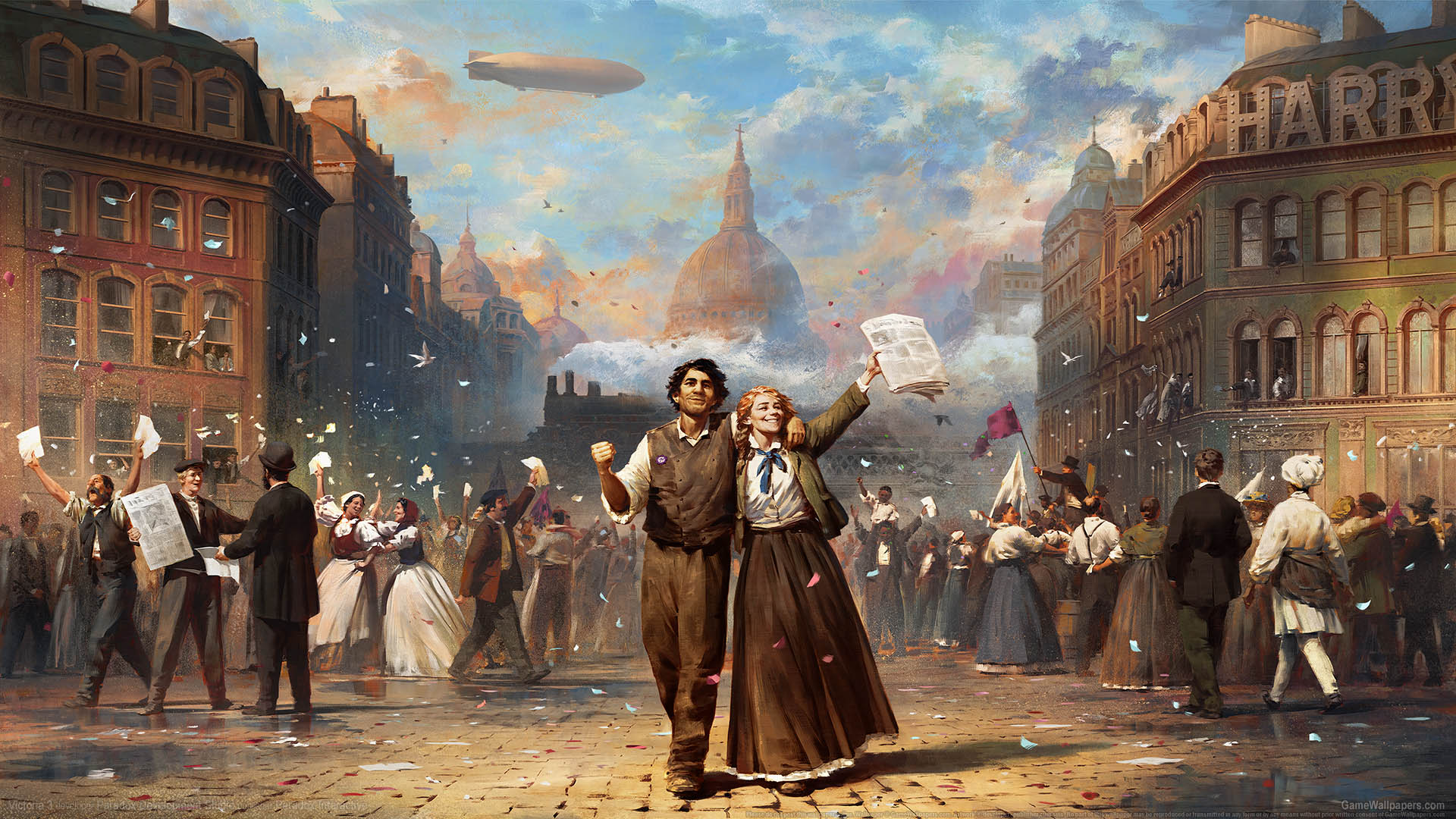
Victoria 3 is a grand strategy game from Paradox Development Studio centered around the industrial revolution and global economics. It differs from previous titles by shifting away from direct control of armies, instead using a system where you manage battlefronts. This change proved divisive among players, with many feeling it took away a key part of what made the game enjoyable. Reviews also pointed out that the game launched with a confusing user interface and an economic system that could become monotonous after extended gameplay.
‘Stellaris’ (2016)
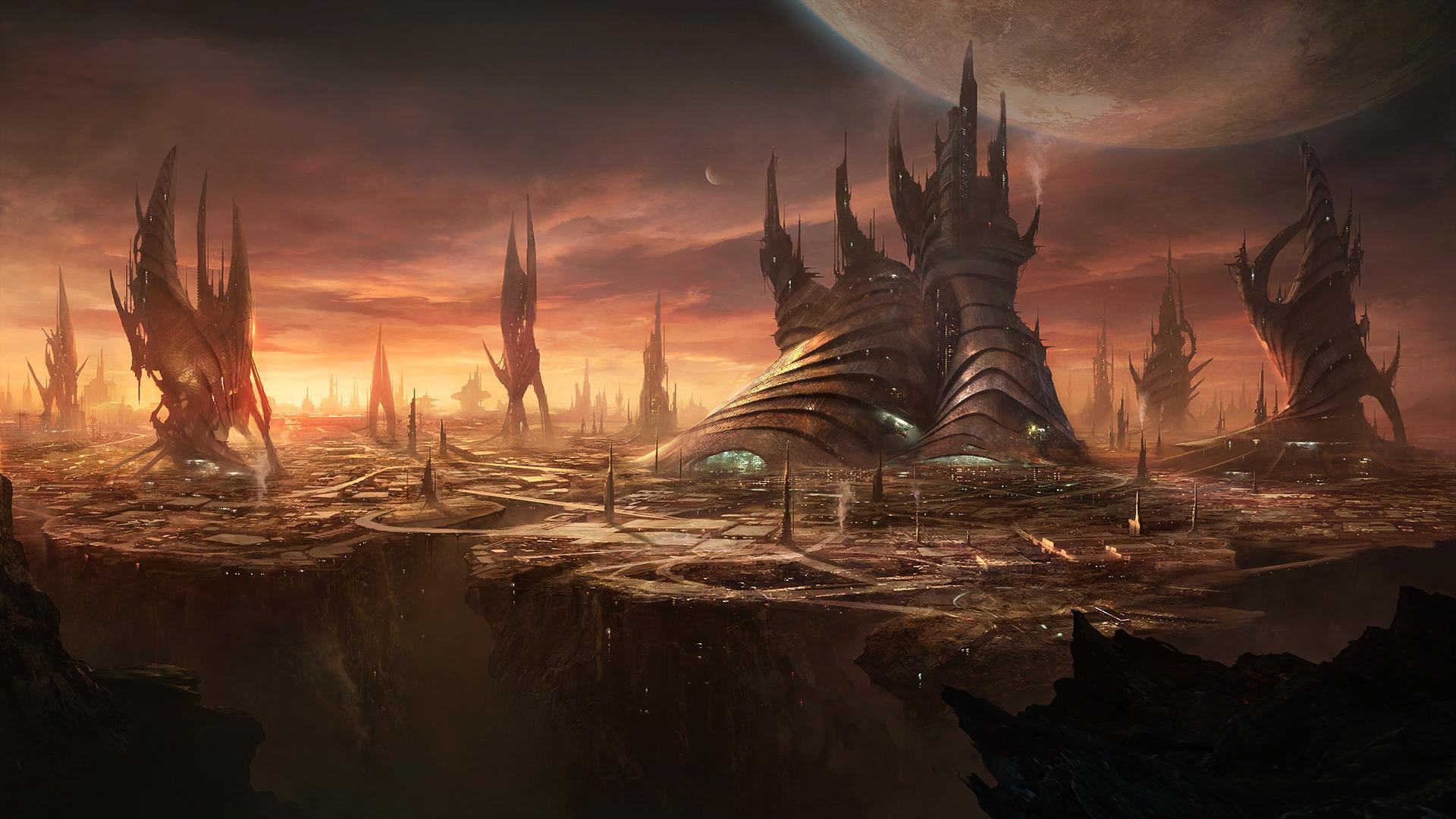
Stellaris, created and published by Paradox Interactive, lets you build and expand a galactic empire, encountering different alien races along the way. Since its launch, the game has been significantly updated multiple times, with major changes to how things like managing planets and traveling work. While these updates have added a lot of new content, some players find the frequent rule changes confusing and annoying. Many critics also note that the middle part of the game can become repetitive and slow-paced, lacking engaging events for extended periods.
‘Warhammer 40,000: Dawn of War III’ (2017)
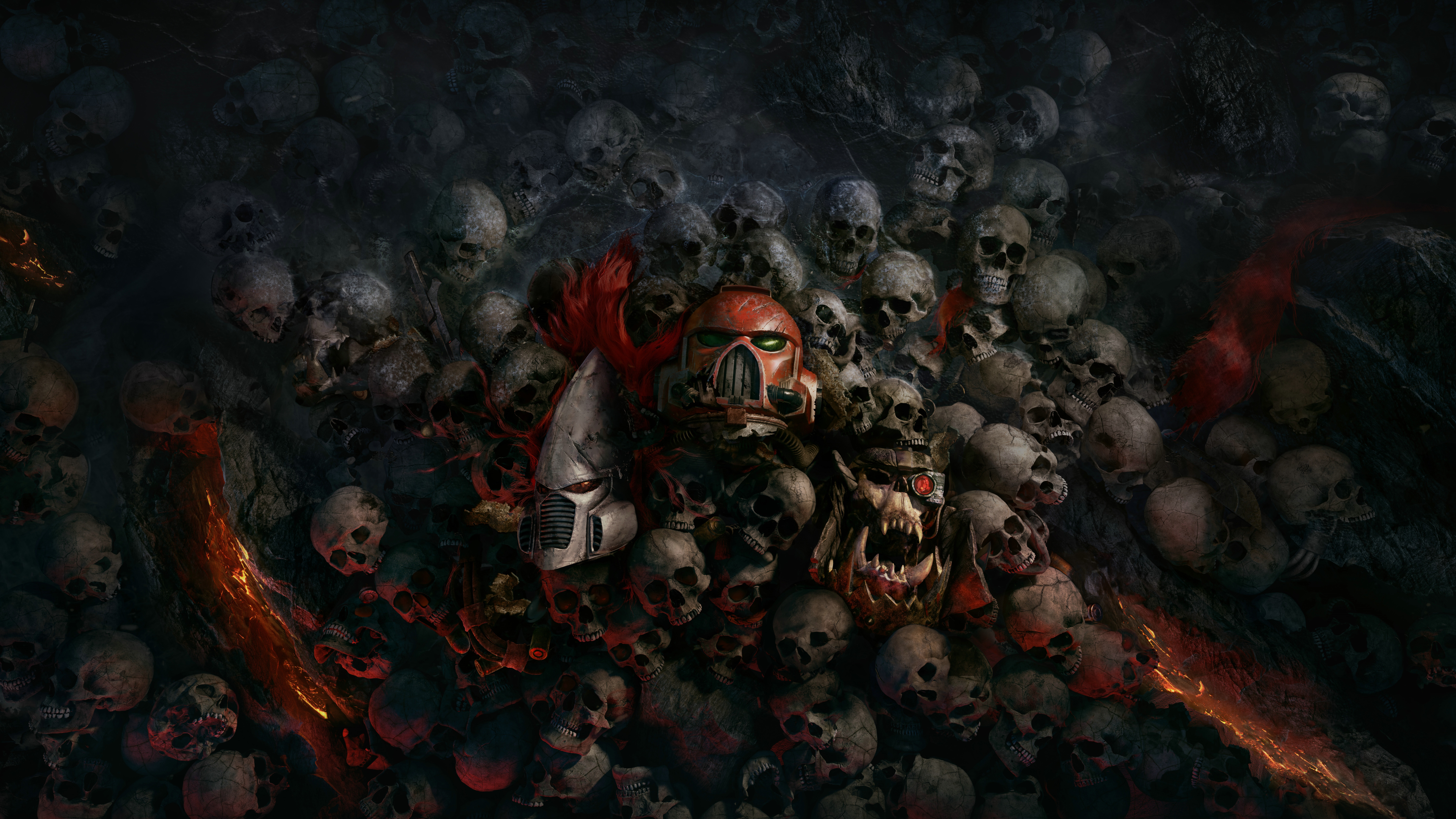
Relic Entertainment and SEGA aimed to combine the epic scope of the original ‘Dawn of War’ with the hero-driven tactics of its sequel. However, many fans found the resulting game didn’t quite capture the spirit of either, and felt it borrowed too much from popular MOBA games. Changes like simplified base building and a focus on specific pathways on the map turned off longtime RTS players. ‘Warhammer 40,000: Dawn of War III’ didn’t sell well and is often seen as a lesson in the dangers of trying to appeal to everyone.
‘Humankind’ (2021)
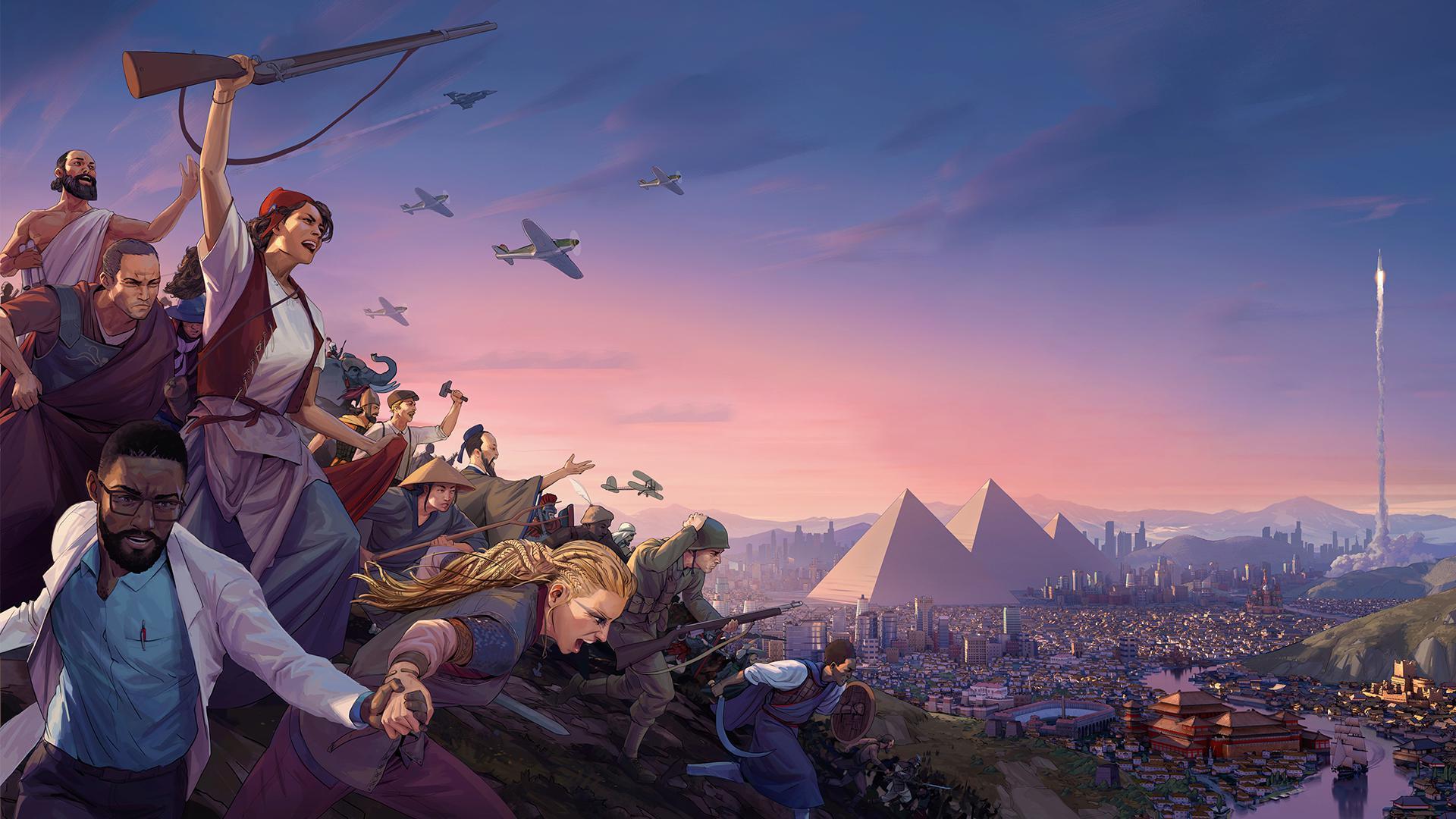
This strategy game, developed by Amplitude Studios and SEGA, was designed to compete with the popular ‘Civilization’ series. It introduced a novel feature allowing players to change their civilization’s culture with each new era, aiming for a truly unique historical experience. However, many players found this system actually made it harder to feel connected to their civilization and created a fragmented gameplay experience. Reviewers also pointed out that some culture combinations were much stronger than others, which reduced the game’s strategic depth and variety.
‘Homeworld 3’ (2024)

The highly anticipated ‘Homeworld 3’, a sequel to the beloved space combat series, has finally launched. While the game boasts stunning graphics and a unique approach to space terrain, some players have been disappointed with the story, finding it doesn’t live up to the quality of previous installments. A significant technical problem with ship movement has also caused frustration and tactical errors. Ultimately, many dedicated fans feel ‘Homeworld 3’ doesn’t quite recapture the immersive feel of the original games, resulting in a somewhat underwhelming experience.
‘Command & Conquer 4: Tiberian Twilight’ (2010)
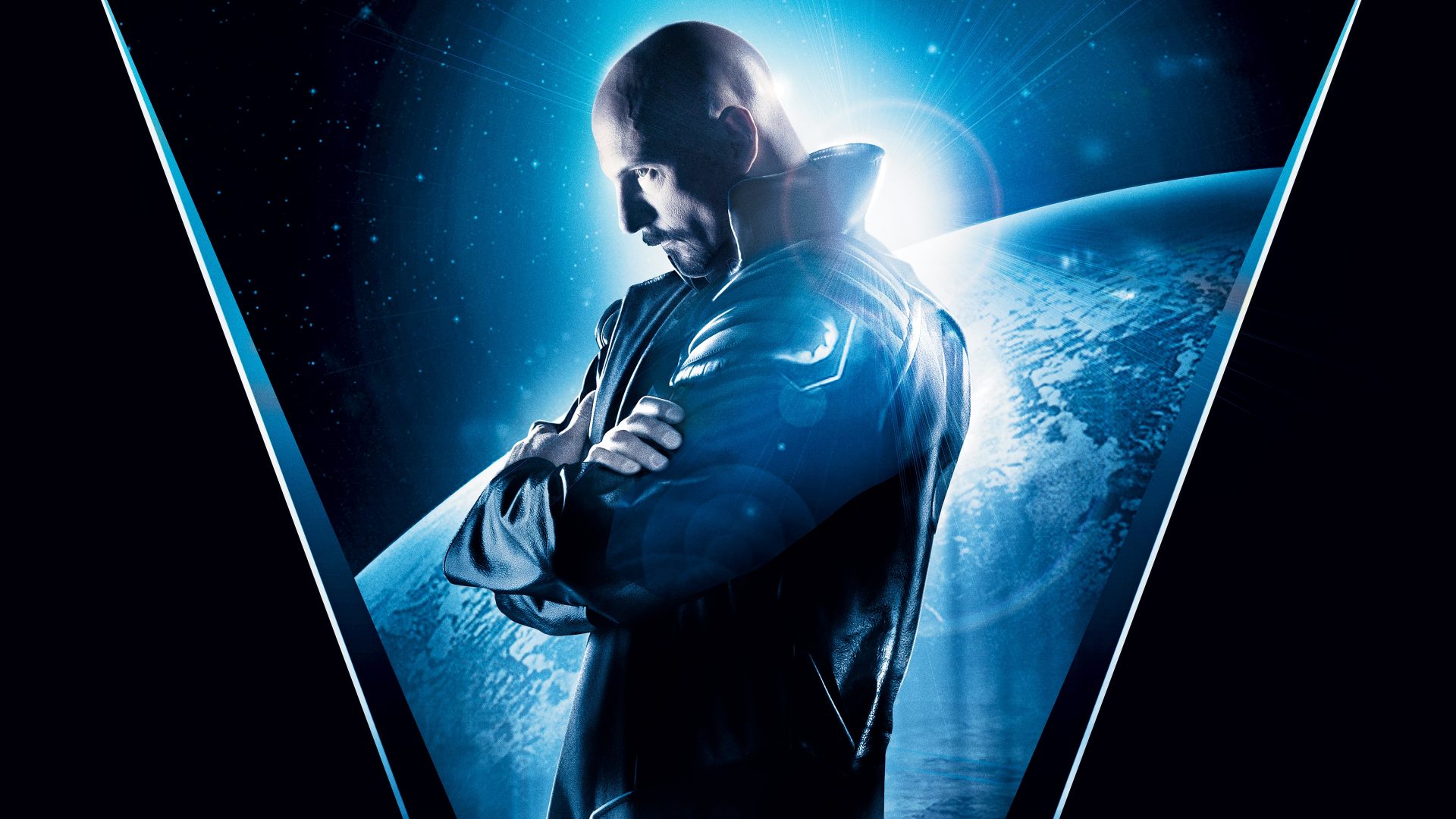
Developed by EA Los Angeles and published by Electronic Arts, ‘Command & Conquer 4: Tiberian Twilight’ dramatically changed the series by eliminating base building and resource collection. Instead, the game featured a mobile ‘Crawler’ unit and focused on class-based combat. This significant shift from the traditional ‘Command & Conquer’ formula was heavily criticized by fans, who felt it lost the core identity of the series. While part of a well-known franchise, ‘Command & Conquer 4’ is generally considered a disappointing experiment and one of the most flawed strategy games ever made.
Read More
- 20 Movies Where the Black Villain Was Secretly the Most Popular Character
- Celebs Who Narrowly Escaped The 9/11 Attacks
- Transformers Under the Microscope: What Graph Neural Networks Reveal
- Silver Rate Forecast
- Top 20 Dinosaur Movies, Ranked
- Trading on Thin Air: AI Agents Conquer Crypto Volatility
- Gold Rate Forecast
- 22 Films Where the White Protagonist Is Canonically the Sidekick to a Black Lead
- Every Notable ‘Star Trek: The Original Series’ Actor Who Died
- Invincible Season 4 Gender Swaps Tech Jacket As Fans Question Major Comic Change
2026-01-09 05:19