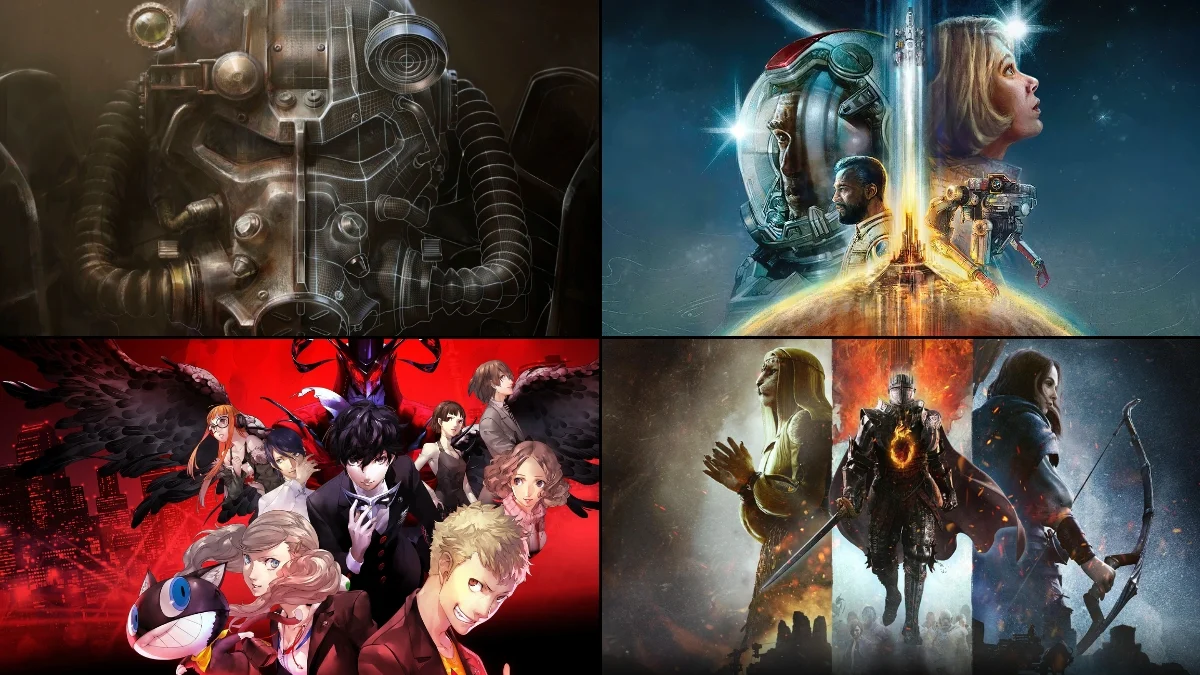
Role-playing games are incredibly popular thanks to their detailed worlds and rewarding character development. However, some critically praised games don’t quite live up to the hype for many players. Though often commercially successful, these games sometimes receive criticism for feeling repetitive, having technical issues, or using old-fashioned gameplay. This list explores well-known releases that have caused discussion about their place in the genre and how good they actually are.
‘The Elder Scrolls V: Skyrim’ (2011)
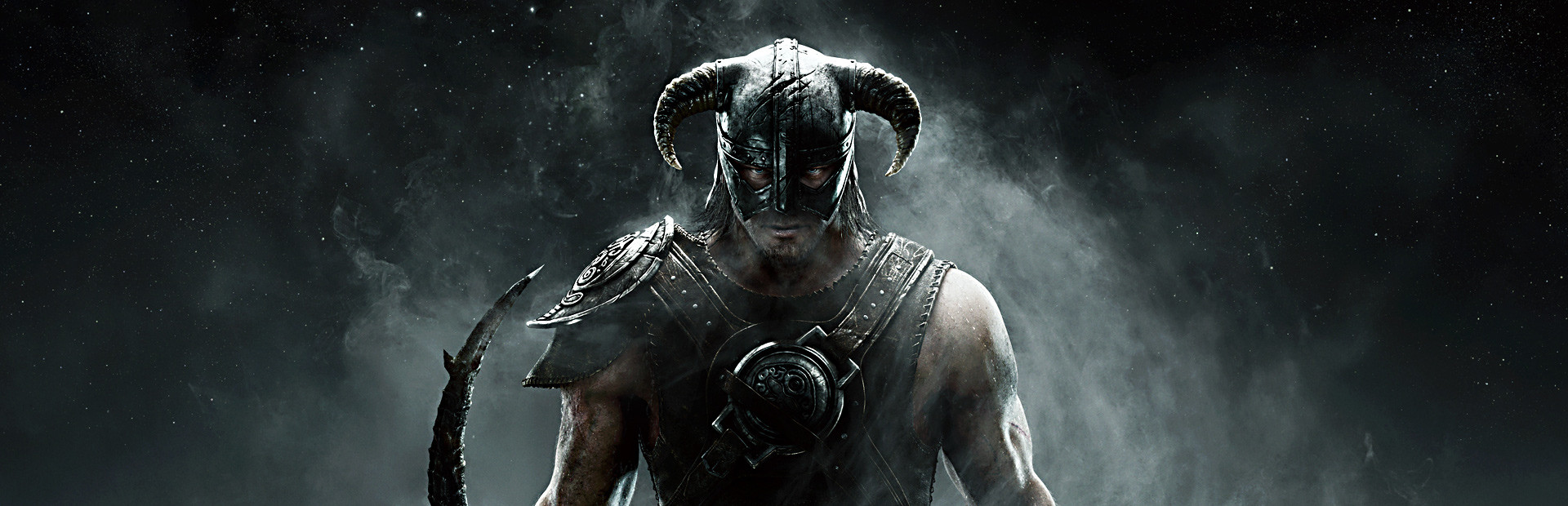
‘The Elder Scrolls V: Skyrim,’ created and released by Bethesda Game Studios, is still considered one of the greatest open-world games ever made. Players love its huge world and the freedom it offers, but reviewers often point out that the close-up fighting isn’t very deep and the game still has technical problems on different platforms. Many feel the main story isn’t as interesting as the many side quests available. While incredibly popular, some longtime fans think the game’s role-playing elements are simpler than in earlier ‘Elder Scrolls’ titles.
‘Final Fantasy VII’ (1997)
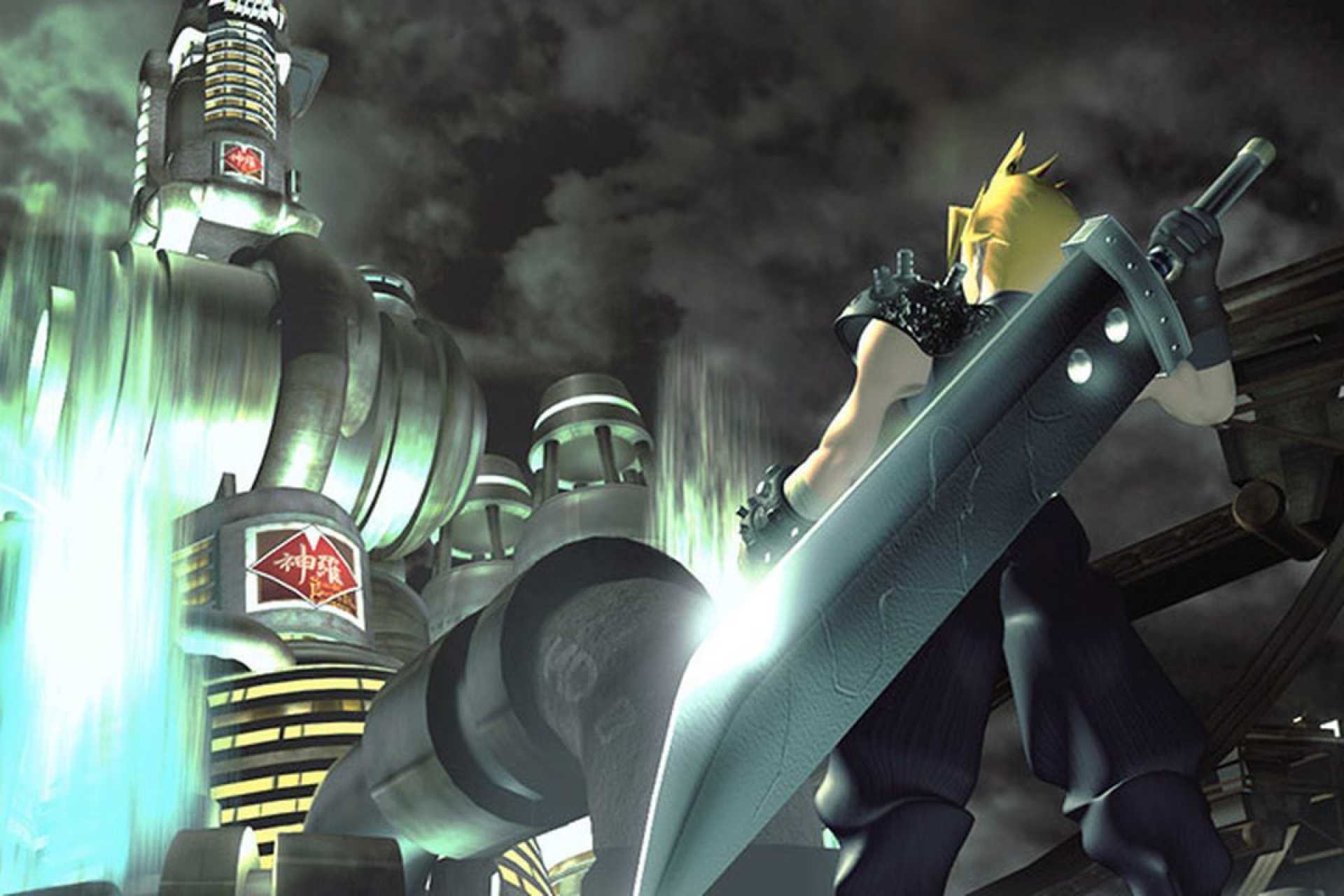
Developed and published by Square, ‘Final Fantasy VII’ is famous for bringing Japanese role-playing games to a wider audience in the West. The game centers around Cloud Strife’s fight against the Shinra Electric Power Company and the villain Sephiroth. Looking back, many players and critics note that the original English translation felt awkward at times and the story slowed down noticeably in the middle. While groundbreaking for its cinematic style on the PlayStation, some of the early 3D graphics and straightforward gameplay haven’t held up as well compared to later ‘Final Fantasy’ games.
‘The Witcher 3: Wild Hunt’ (2015)
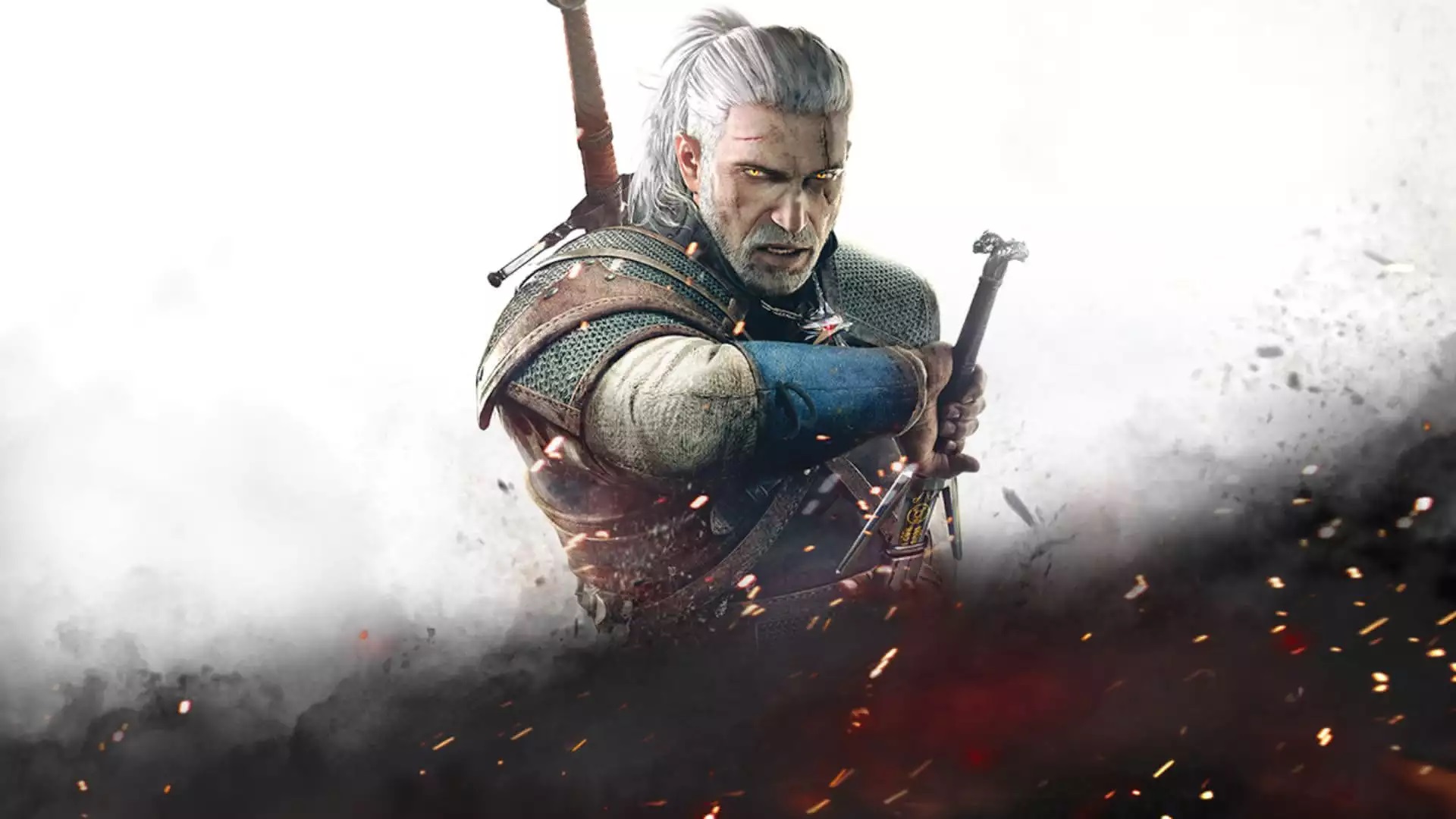
‘The Witcher 3: Wild Hunt,’ created by CD Projekt Red, is widely praised for its rich story and engaging side quests. However, some players find the core gameplay—especially the combat, which can feel imprecise, and the frequent use of ‘Witcher Sense’ for investigations—to be less impressive. The game’s crafting and alchemy systems are also often considered complicated and difficult to use. Despite its fantastic world and story, some feel the actual gameplay doesn’t quite live up to the same high standard.
‘Fallout 4’ (2015)
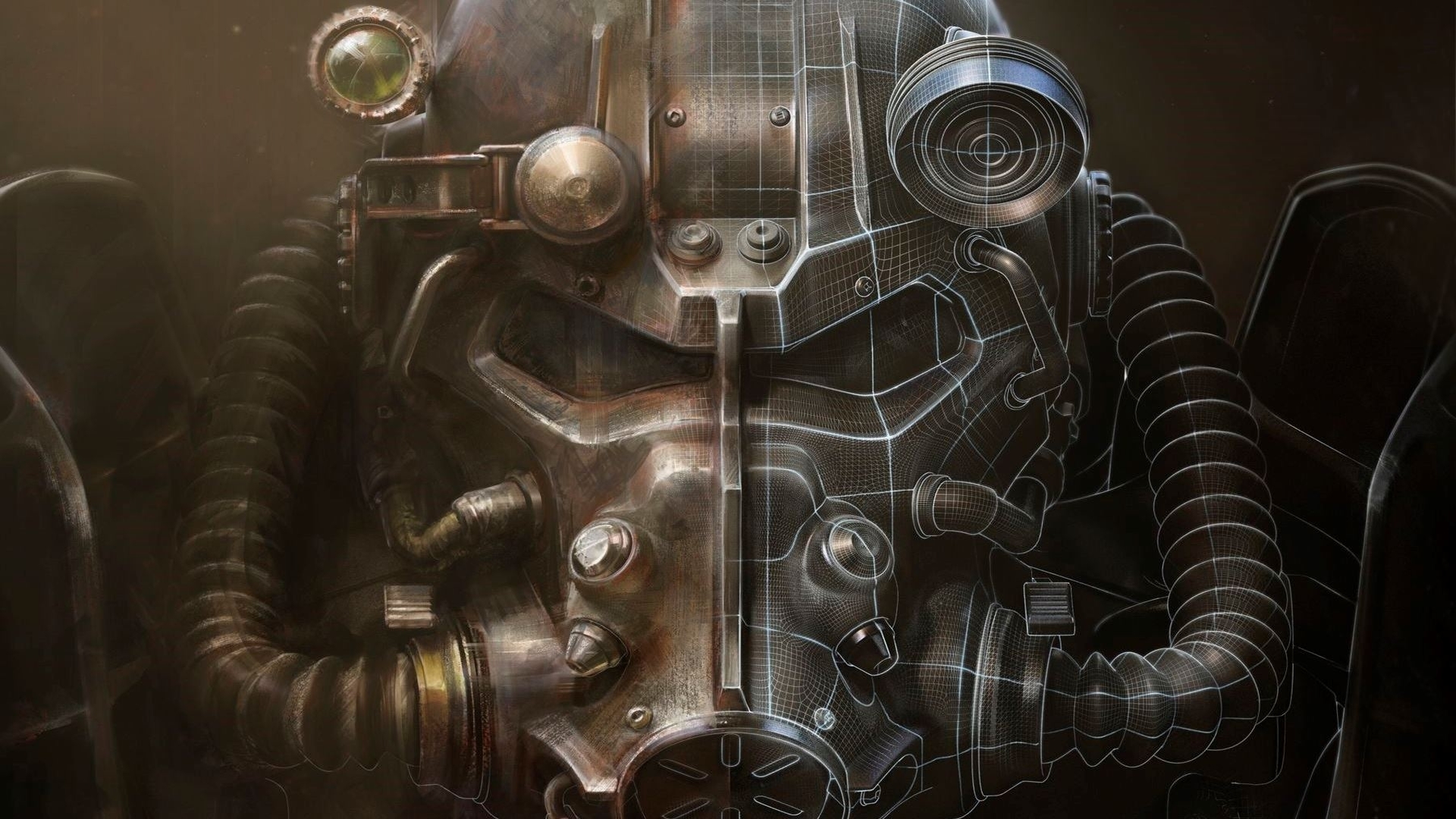
Fallout 4, created by Bethesda Game Studios and published by Bethesda Softworks, is a major installment in the popular Fallout series. It added a detailed system for building and managing settlements, but some longtime fans felt it sacrificed the series’ hallmark choices and character development. The game featured a protagonist with a voice and a streamlined dialogue system – offering mostly ‘Yes,’ ‘No,’ or sarcastic responses – which proved unpopular with some. Although combat was noticeably improved, many critics found the story less nuanced and morally ambiguous compared to Fallout: New Vegas.
‘Dragon Age: Inquisition’ (2014)
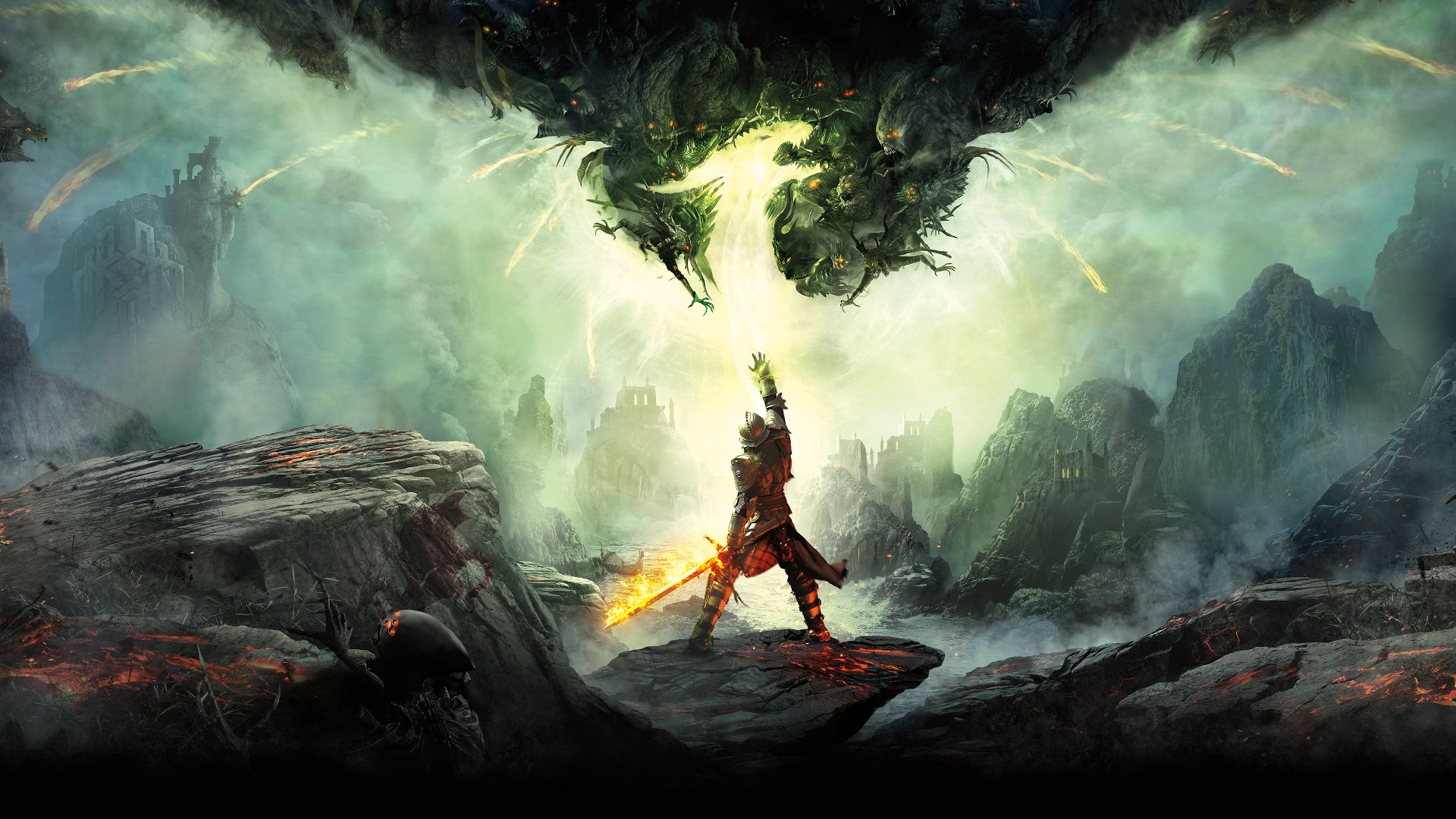
BioWare created ‘Dragon Age: Inquisition,’ and Electronic Arts published it, earning the game numerous Game of the Year awards when it first came out. However, it’s often criticized for its early areas, particularly the ‘Hinterlands,’ which feel repetitive and are filled with tasks similar to those found in massively multiplayer online games. The combat system is also less complex than in the earlier ‘Dragon Age: Origins,’ making it more focused on action and less on strategy. Despite strong character interactions, many players feel the game is unnecessarily long due to a lot of unimportant side content.
‘Mass Effect 3’ (2012)
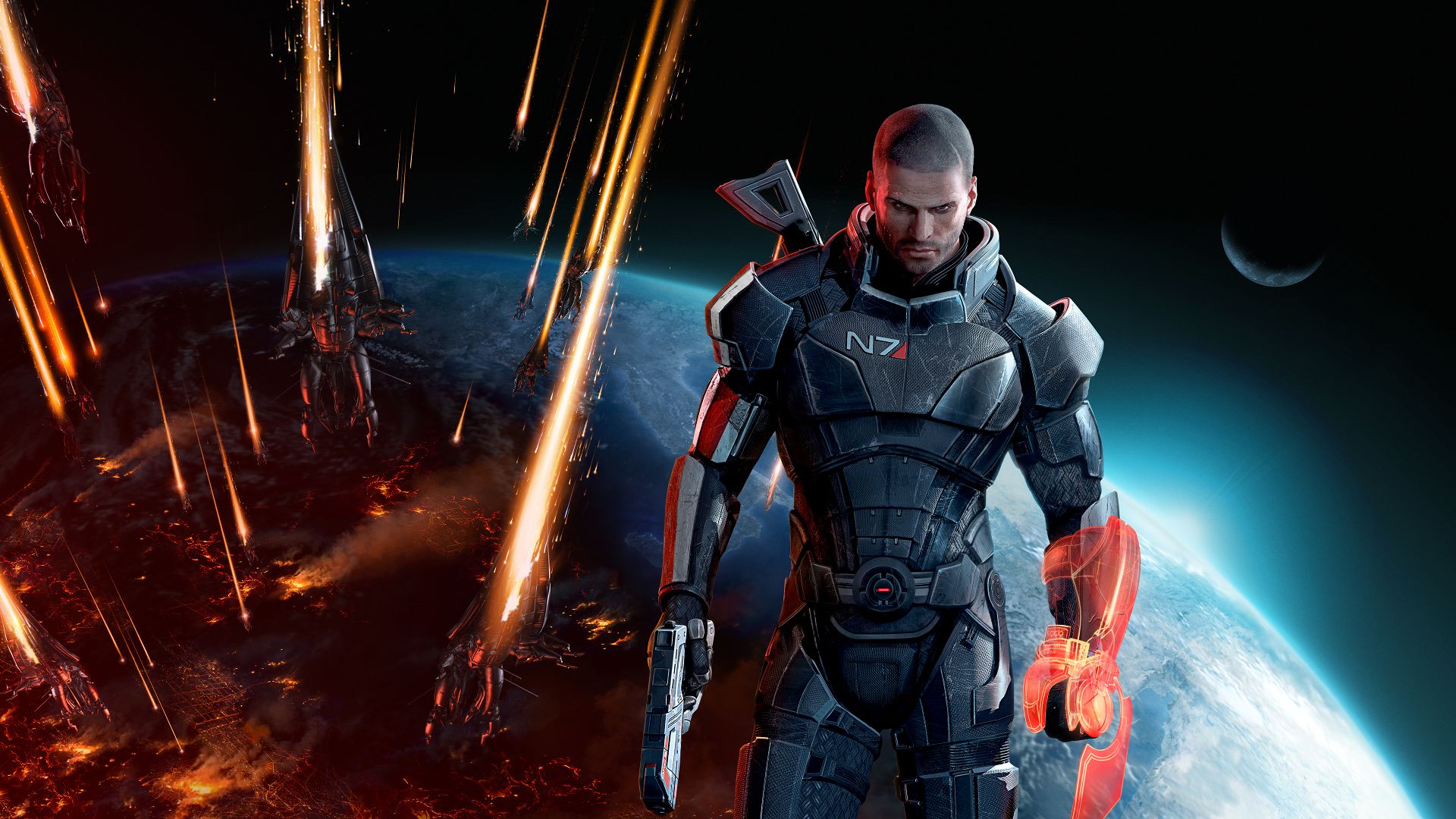
‘Mass Effect 3’, created by BioWare and published by Electronic Arts, finishes the story begun in the ‘Mass Effect’ trilogy starring Commander Shepard. It’s mostly known now for the uproar caused by its initial ending, which many players felt didn’t respect the decisions they’d made throughout the games. Beyond the ending, ‘Mass Effect 3’ moved away from the role-playing aspects of the first game, focusing more on action and cover-based shooting. While the game aimed for emotional impact, players didn’t like that it reduced exploration and required playing multiplayer to unlock the best possible ending.
‘Cyberpunk 2077’ (2020)
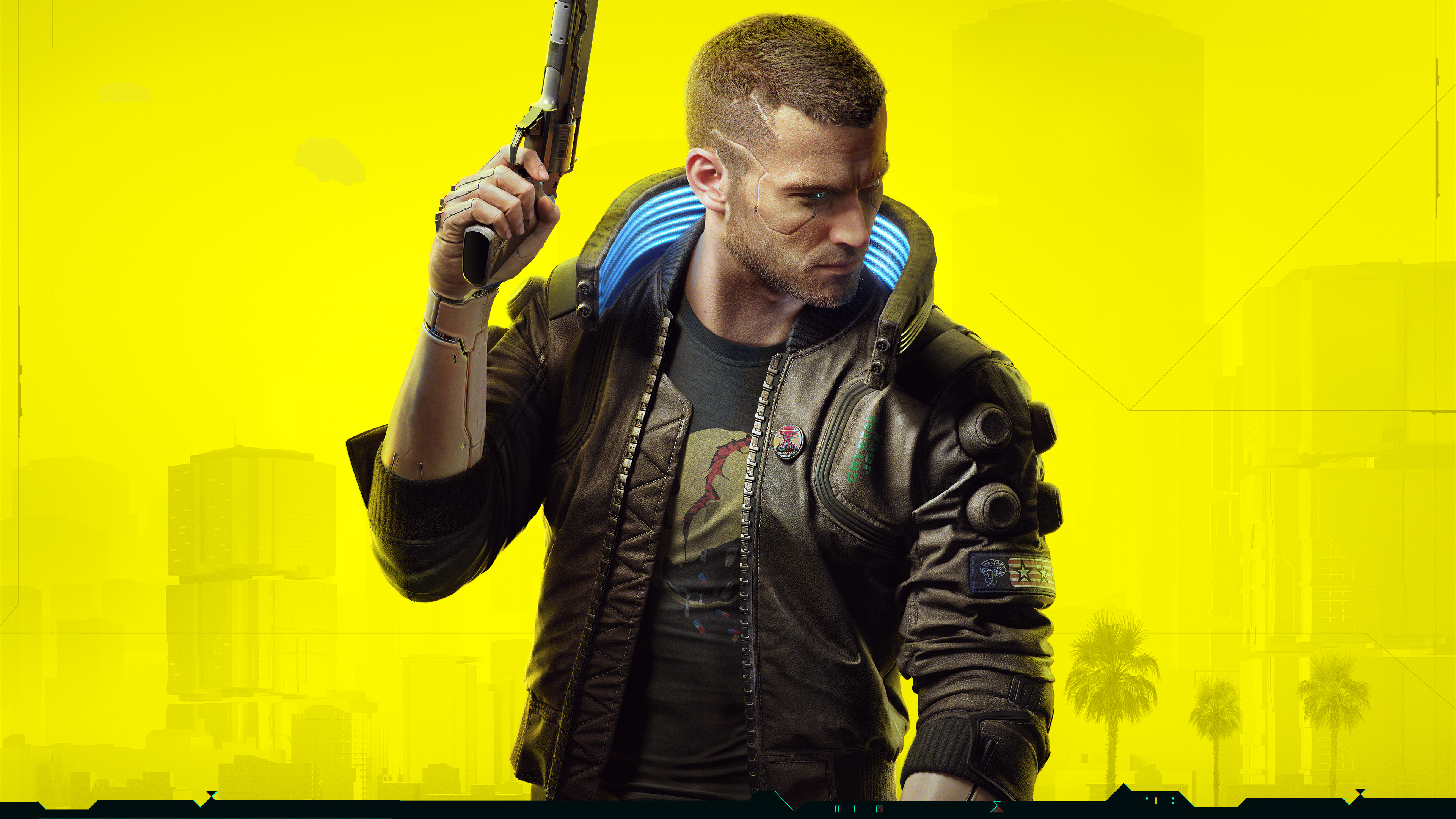
‘Cyberpunk 2077’ was created and released by CD Projekt Red with a lot of anticipation, but its initial launch was difficult. While updates have fixed many technical issues, the game still doesn’t fully deliver on some of its original ambitions, particularly regarding character storylines and how the game world responds to player choices. Reviewers have pointed out that the role-playing elements, while solid, aren’t as groundbreaking as the advertising led people to believe. Players have also frequently criticized the behavior of characters and the police within the game.
‘Elden Ring’ (2022)
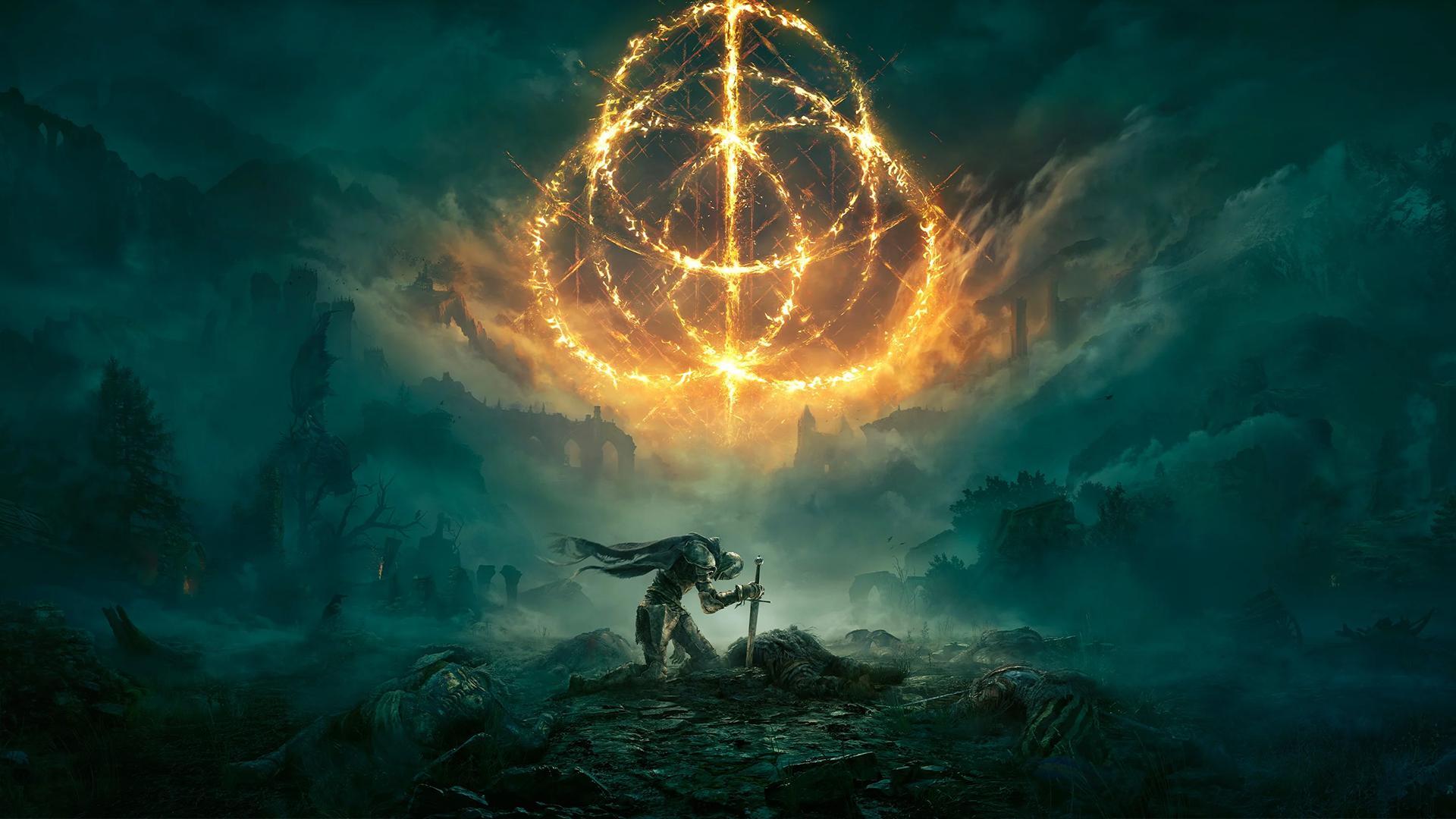
Developed by FromSoftware and published by Bandai Namco Entertainment, Elden Ring expands the challenging gameplay of the “Souls” series into a huge open world. Though widely praised, some players feel the game becomes overly difficult towards the end. Critics have also pointed out that the game reuses some bosses and environments, which can feel repetitive. Finally, the game doesn’t have a typical quest log, making it hard to follow the story if you’re not familiar with the developer’s often-vague approach to storytelling.
‘Persona 5’ (2016)
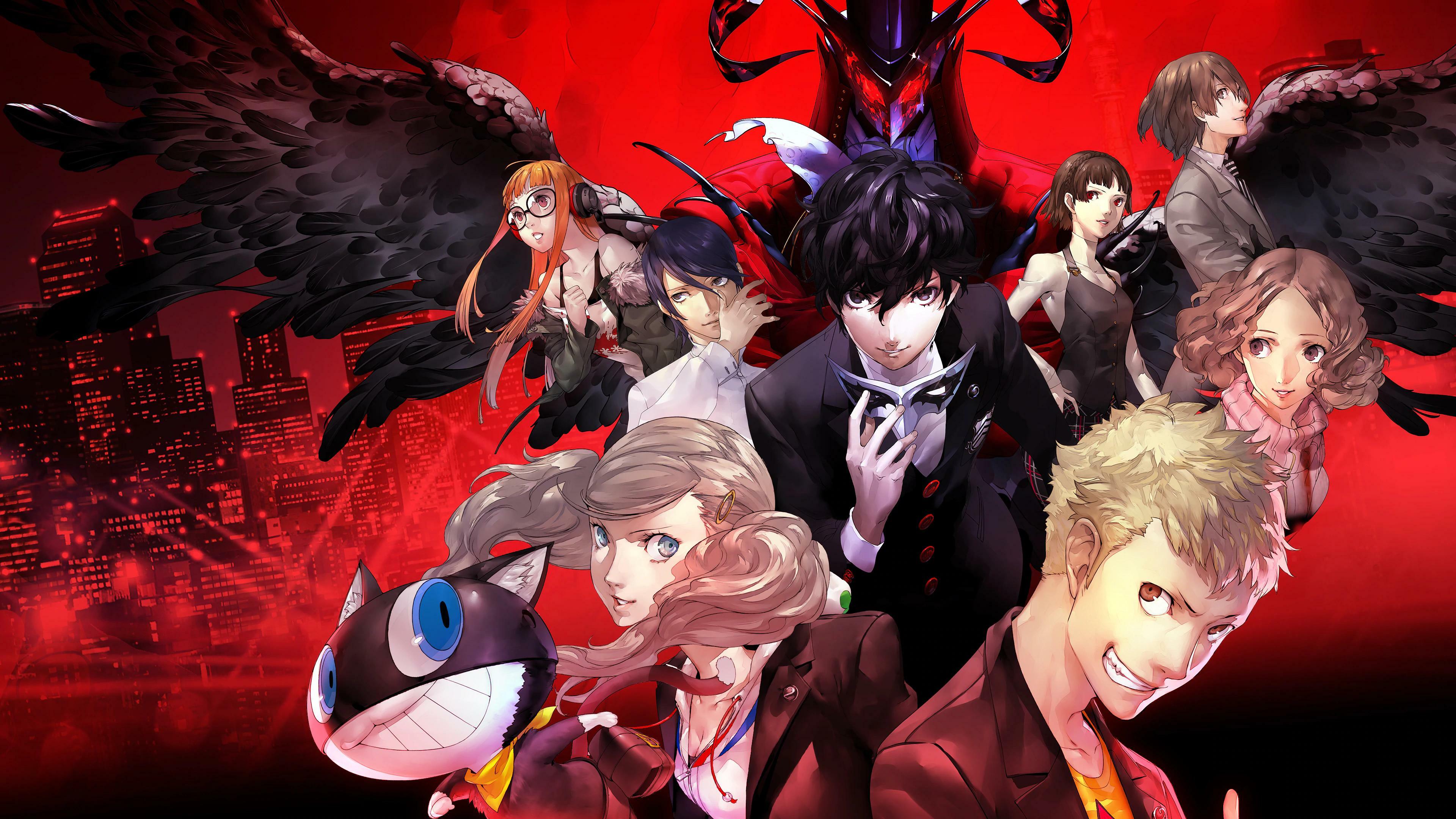
Persona 5, created by P-Studio and published by Atlus, is a visually striking Japanese role-playing game where you play as high school students who are also secret thieves. It’s famous for its art style and music, but it’s a very long game – often taking over 100 hours to complete, which some players find too much. Some critics have noted that the game’s social elements can get repetitive, and the dungeons in the later parts of the game tend to be quite lengthy. The game also has a strict schedule that players must follow to make the most progress, which can feel restrictive.
‘Kingdom Hearts III’ (2019)
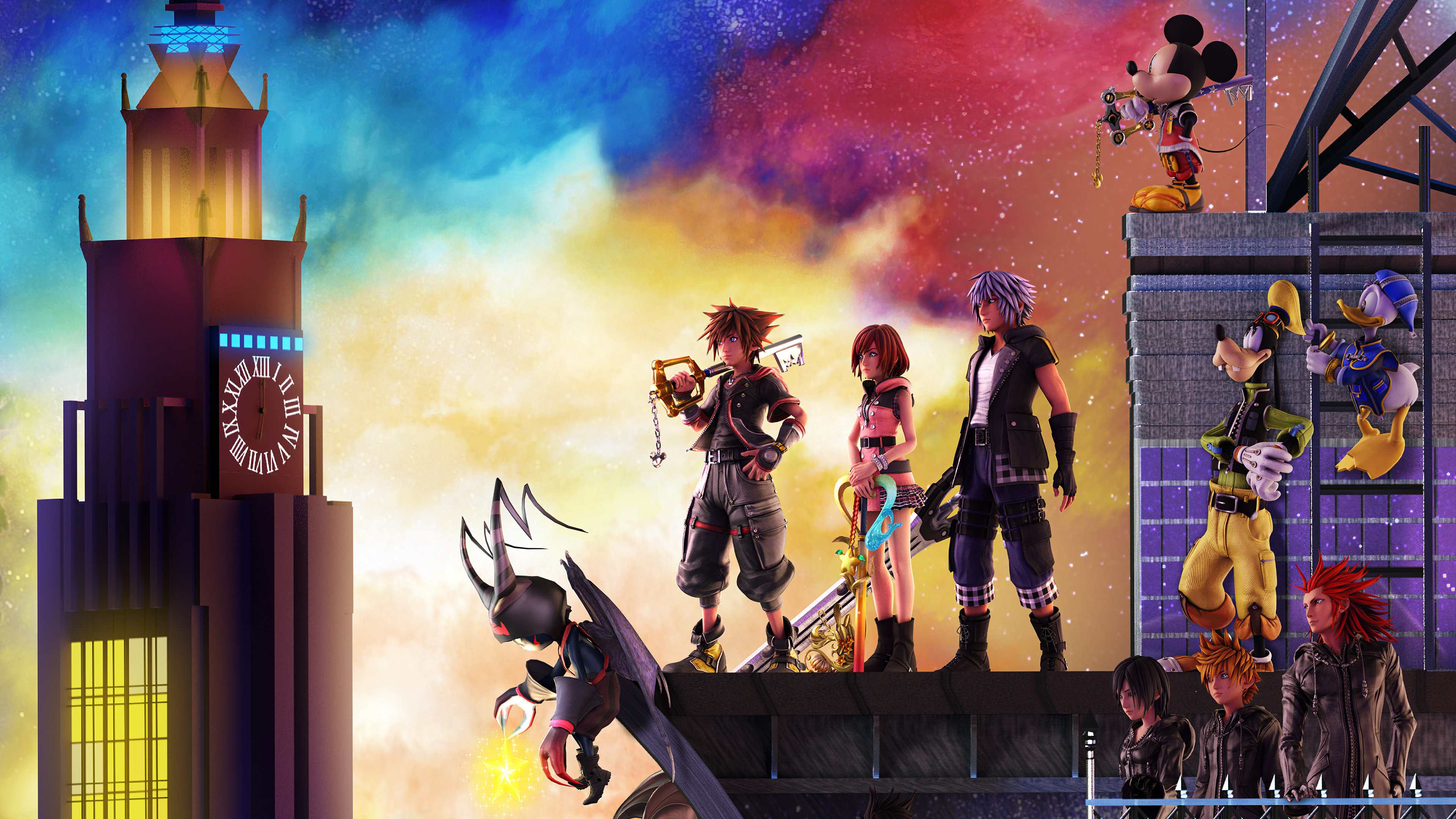
Okay, so I finally played ‘Kingdom Hearts III’, which was supposed to wrap up the whole ‘Dark Seeker’ story. Honestly, I was a little disappointed. It felt like nothing really happened until the very end – all the big story stuff was crammed into the last few hours. And a lot of the Disney worlds felt… pointless. Like, they were fun to visit, but didn’t really add much to what was going on with Sora and Xehanort. Plus, the battles were way too easy. They kept giving you these super powerful ‘Attraction Flow’ moves, so even the bosses weren’t much of a challenge.
‘Pokémon Sword and Shield’ (2019)
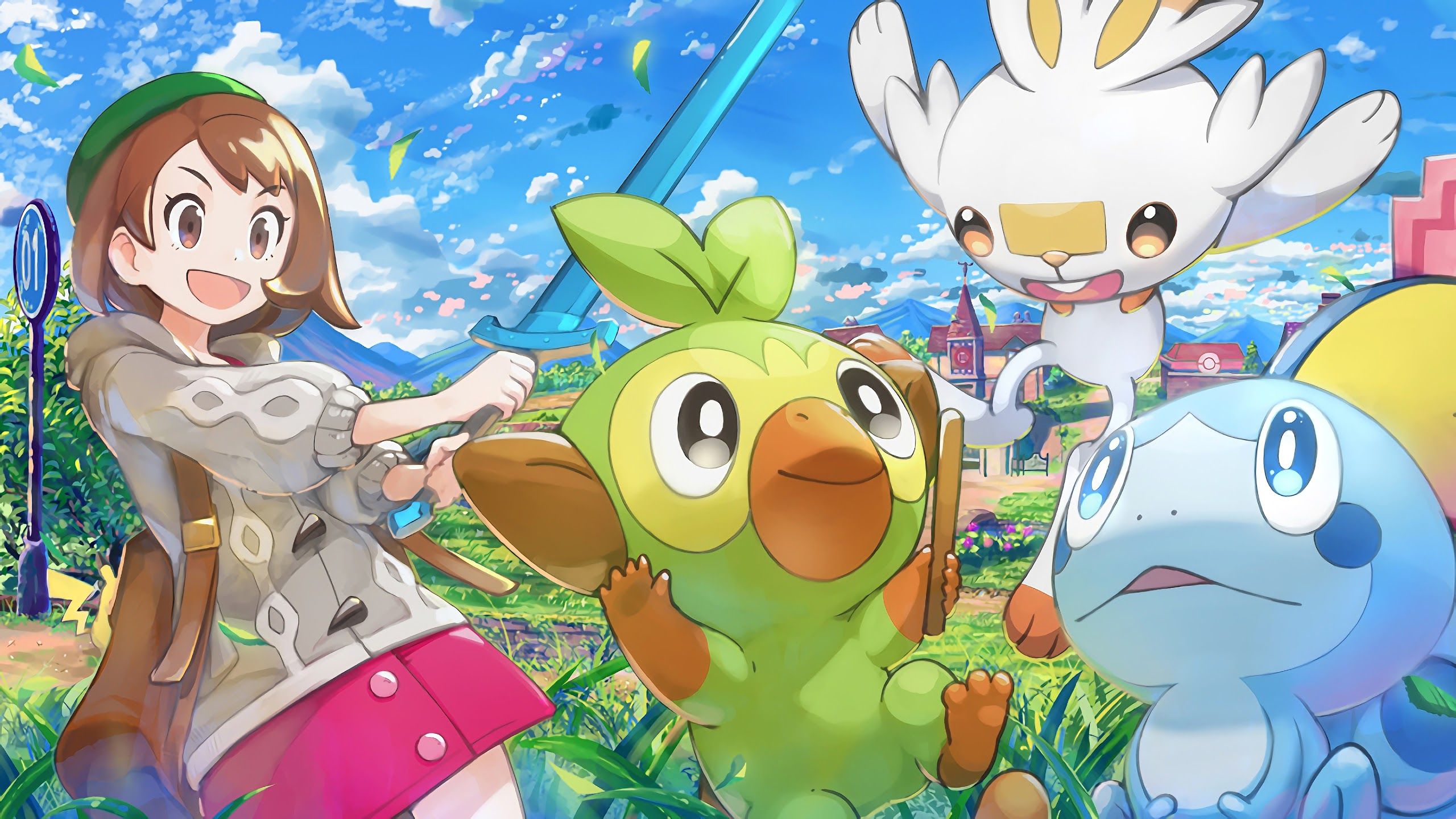
‘Pokémon Sword and Shield,’ created by Game Freak and published by Nintendo and The Pokémon Company, brought the core Pokémon experience to home consoles for the first time. However, the games received criticism for several reasons. Players were disappointed by the exclusion of the full National Pokédex, which meant they couldn’t use all of their favorite Pokémon. The graphics were also criticized for being blurry and lacking detail, particularly in the open ‘Wild Area.’ Many also felt the game’s story was too straightforward and didn’t offer enough content after completing it.
‘Diablo III’ (2012)
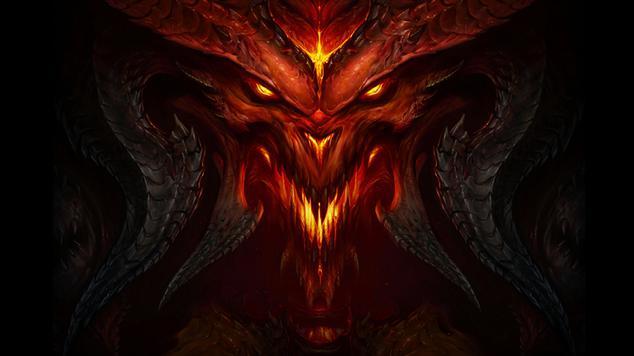
Blizzard Entertainment released ‘Diablo III’, but the game initially struggled with technical problems related to its online servers. Many players disliked the real-money auction house, as it discouraged the traditional gameplay of earning loot by fighting monsters. Some longtime fans also weren’t happy with the game’s brighter, more colorful look, preferring the darker, gothic style of the original ‘Diablo’ games. Although the ‘Reaper of Souls’ expansion addressed many of these concerns, the game’s simpler skill system continued to be a source of criticism.
‘Starfield’ (2023)
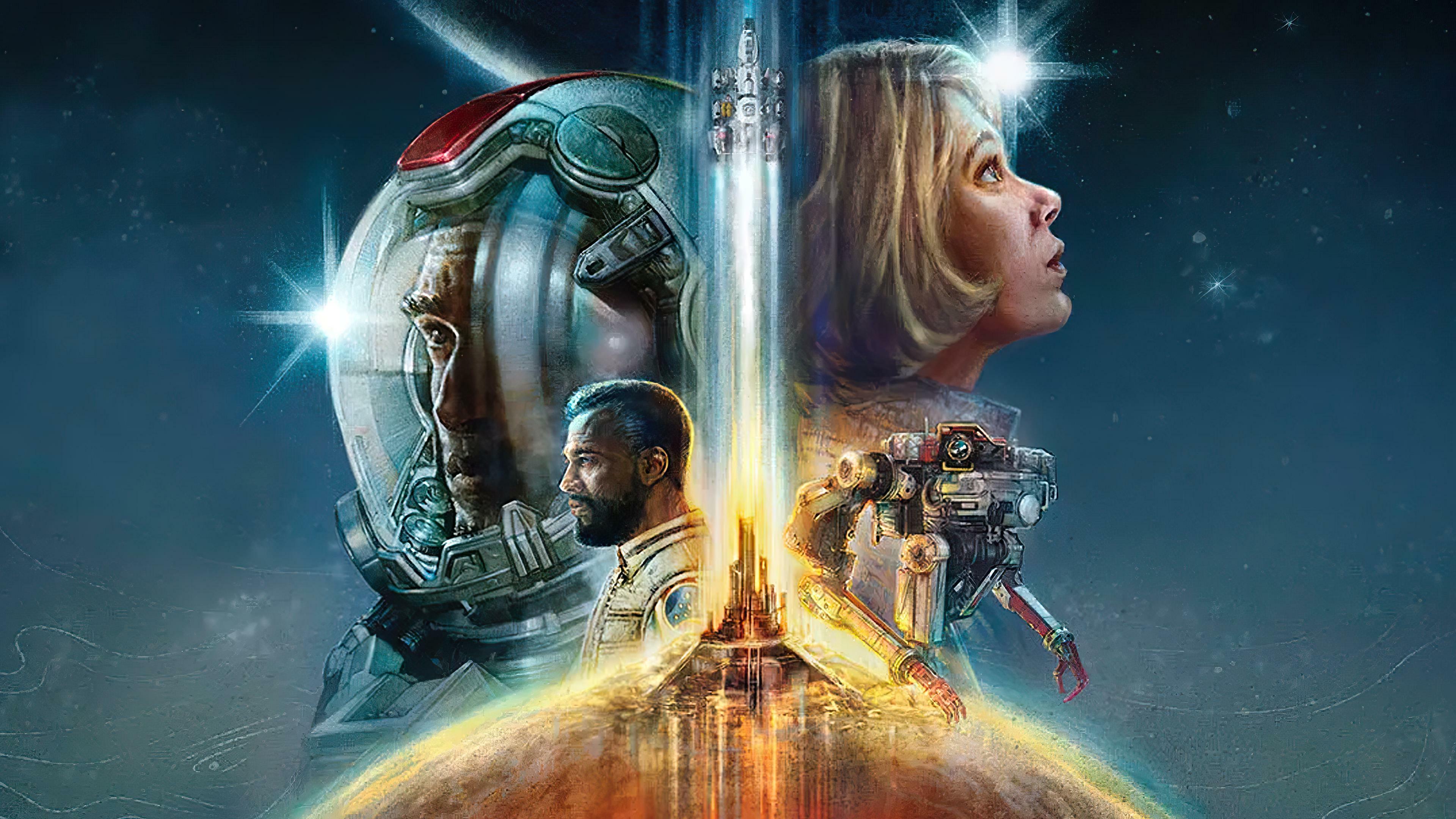
‘Starfield,’ created by Bethesda Game Studios, is a large role-playing game focused on exploring space, with players able to visit over 1,000 planets. However, some players have found the game’s frequent loading screens disruptive to the feeling of seamless space travel. Because the game creates planets automatically, many end up feeling empty and similar, with repeated locations across different star systems. Although building and customizing spaceships is a detailed feature, some feel the game’s fighting and character movements look old-fashioned compared to other modern role-playing games.
‘Horizon Zero Dawn’ (2017)
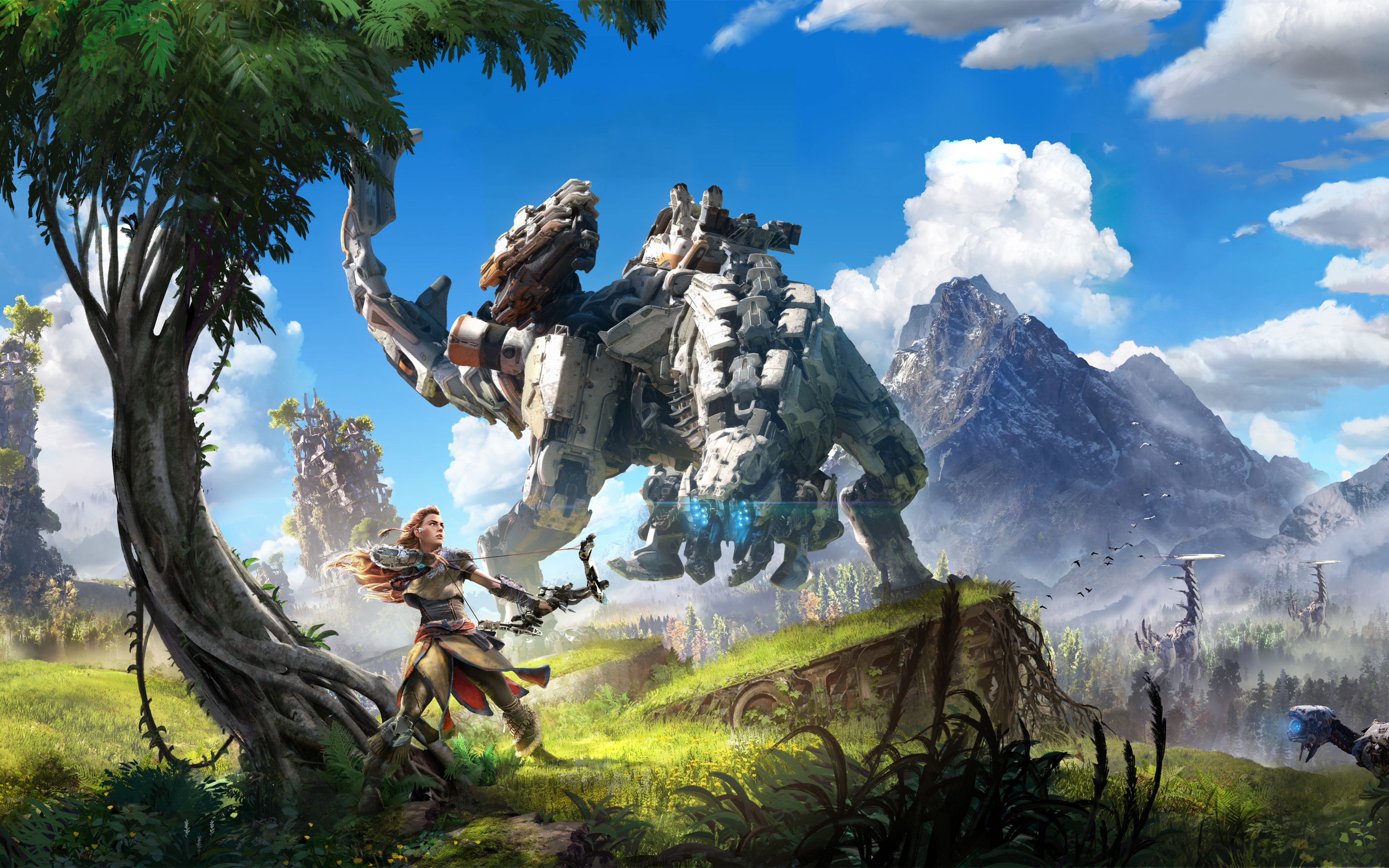
Guerrilla Games created ‘Horizon Zero Dawn,’ and Sony published it. The game stands out with its world filled with robotic dinosaurs, but its overall structure feels familiar to many other open-world games. Some reviewers pointed out that things like unlocking the map by climbing towers and clearing out enemy camps weren’t very original. While the bow and arrow combat is smooth, the close-up fighting can feel awkward. Despite selling well, some critics thought the people in the game didn’t look as detailed or lively as the machines.
‘The Outer Worlds’ (2019)
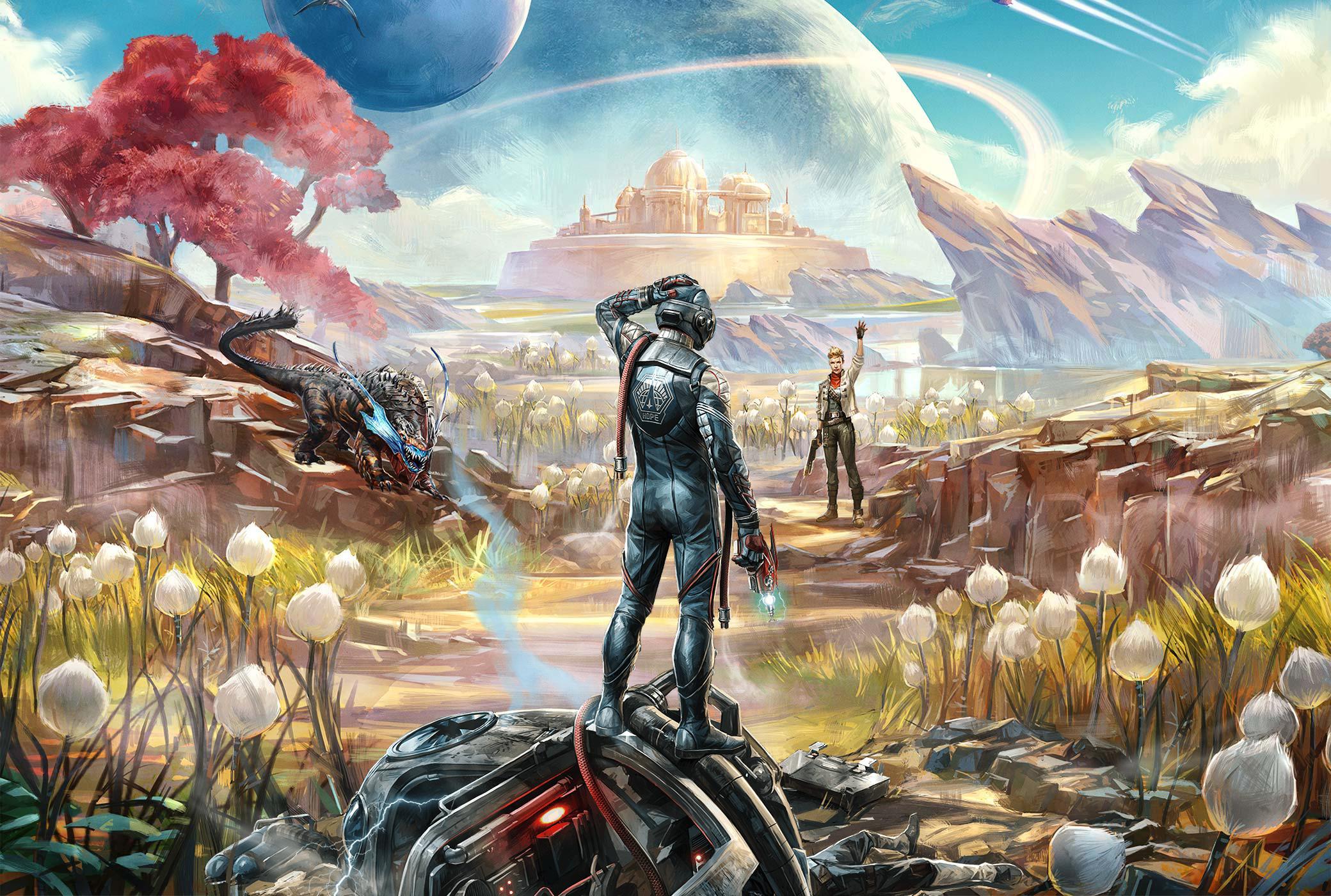
Obsidian Entertainment created ‘The Outer Worlds,’ which was published by Private Division. While promoted as a follow-up to ‘Fallout: New Vegas,’ many players were surprised by how limited the game’s worlds felt. The combat and sneaking mechanics are straightforward, and you won’t find as many different items or ways to improve your gear as in other big role-playing games. Reviewers also pointed out that the game’s jokes about corporations start off funny but become predictable and overdone as you play. Plus, the game is fairly short, leaving some players wishing the story had more complex choices and a deeper overall narrative.
‘Final Fantasy XV’ (2016)
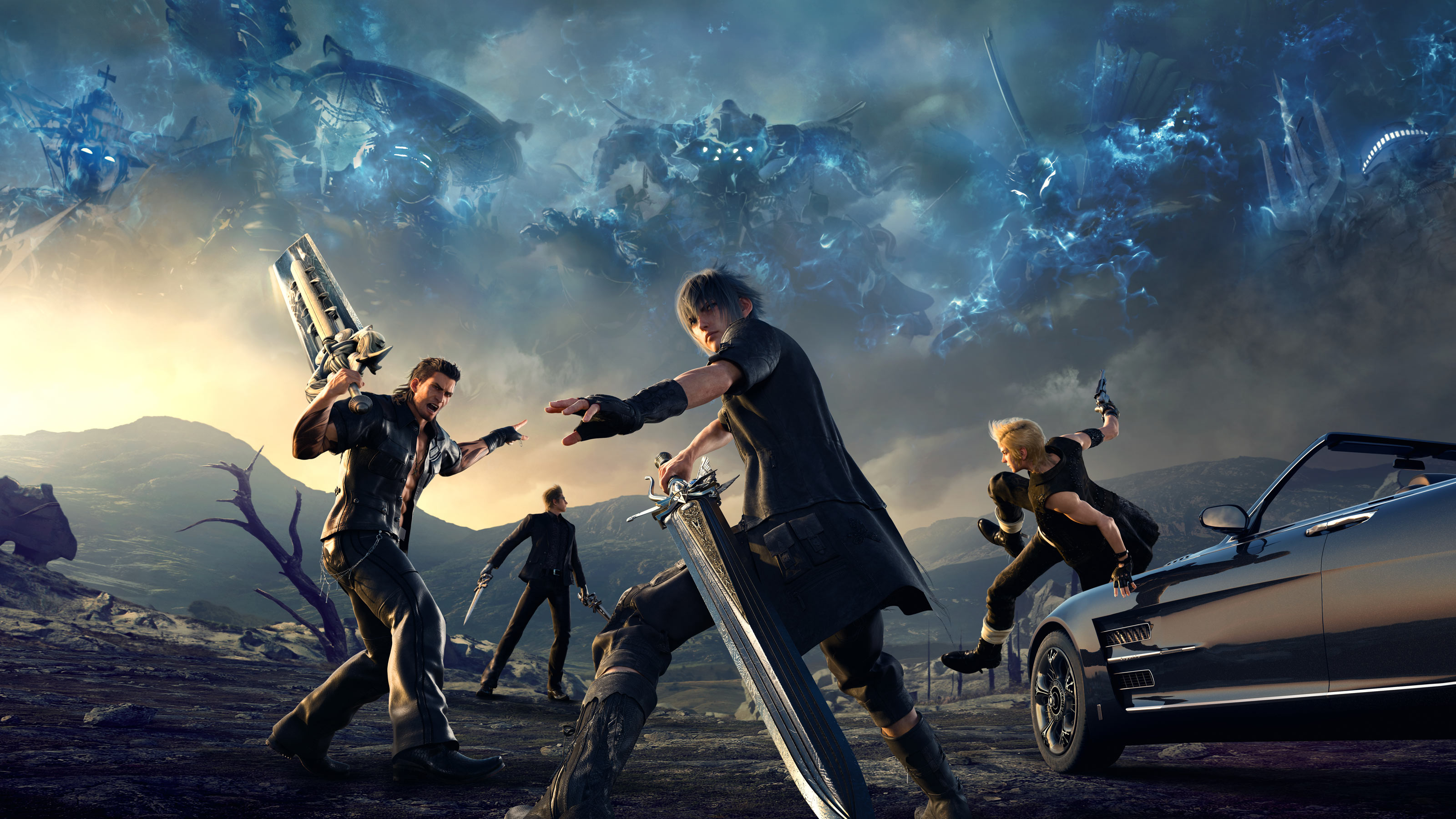
‘Final Fantasy XV,’ created and released by Square Enix, took ten years to make. While visually stunning, the game received criticism for its confusing story, which needed a movie and anime series to make complete sense. The final parts of the game felt rushed and straightforward, so the developers released several updates and additional content to expand the story. Some players also felt the combat was too simple and didn’t require much skill or planning.
‘Assassin’s Creed Valhalla’ (2020)
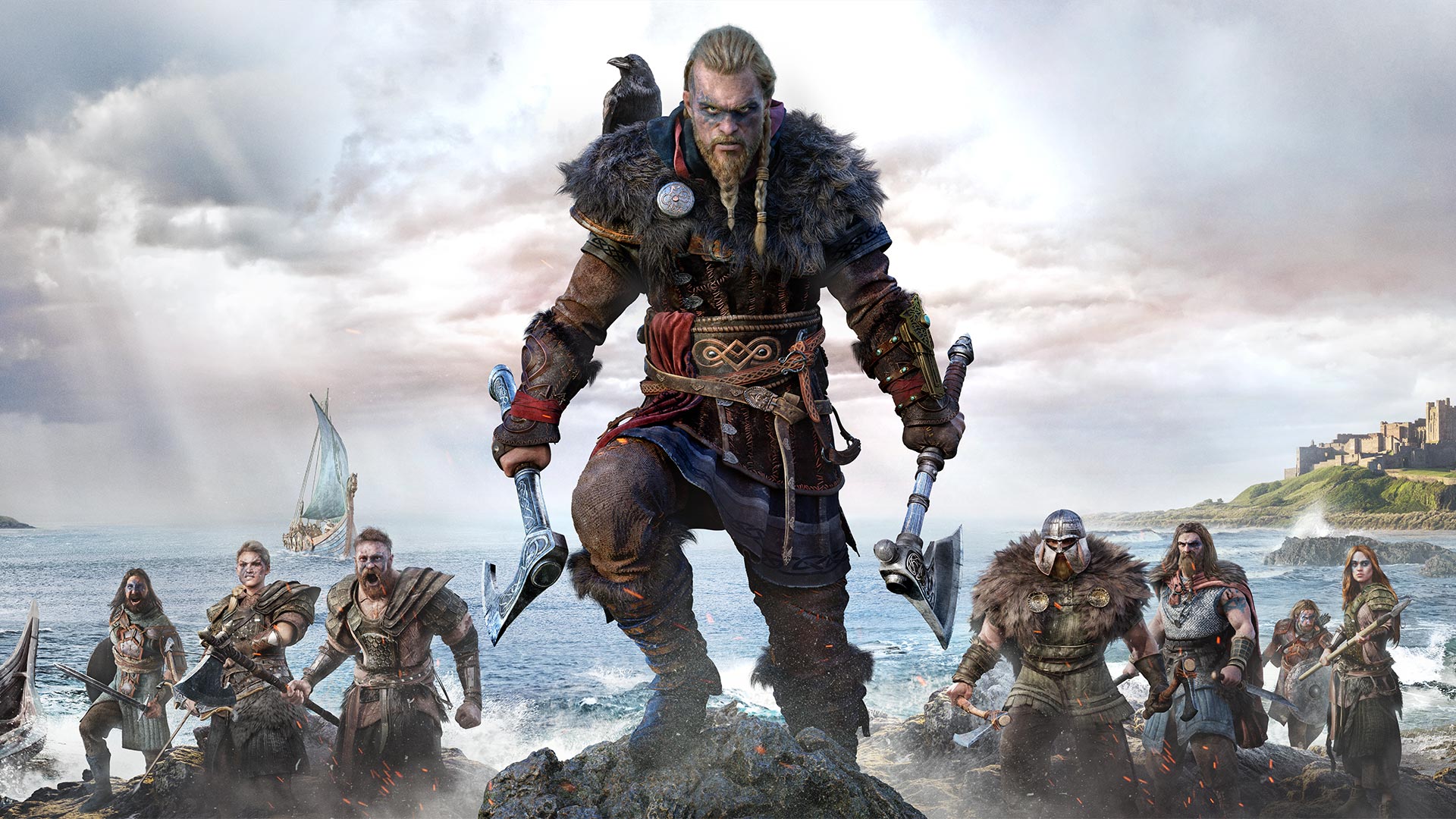
‘Assassin’s Creed Valhalla,’ created by Ubisoft, continues the series’ move towards action-RPG gameplay. While praised for its immersive Viking world, the game is notoriously long – the main story alone can take over 60 hours. Many players felt the game was padded out by repetitive tasks, especially when building alliances with different regions, and that its ‘World Events’ didn’t offer the depth of traditional side quests. Ultimately, some found the game’s vast size and repetitive gameplay more draining than enjoyable.
‘Fable III’ (2010)
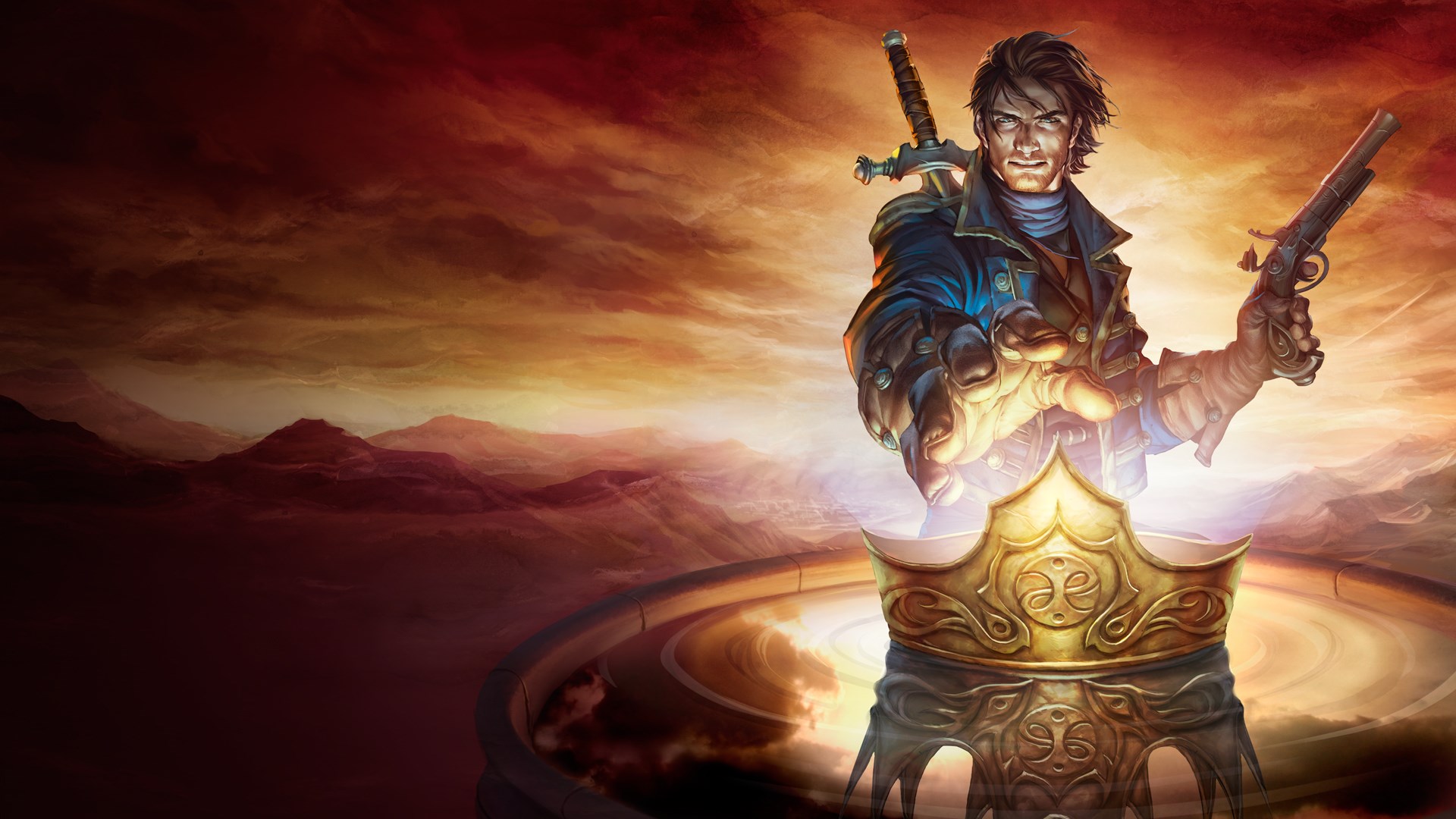
Lionhead Studios created ‘Fable III’, and Microsoft Game Studios published it. However, the game received criticism for making many of the things players loved about the first two ‘Fable’ games too simple. For example, they removed the standard menu system and replaced it with a central hub called the “Sanctuary.” The way players interacted with others became repetitive and less engaging. Many players also found the final part of the game, where you manage the kingdom’s money, to be unbalanced and annoying. The game didn’t offer much character development or complex gameplay, which disappointed long-time fans.
‘Tales of Arise’ (2021)
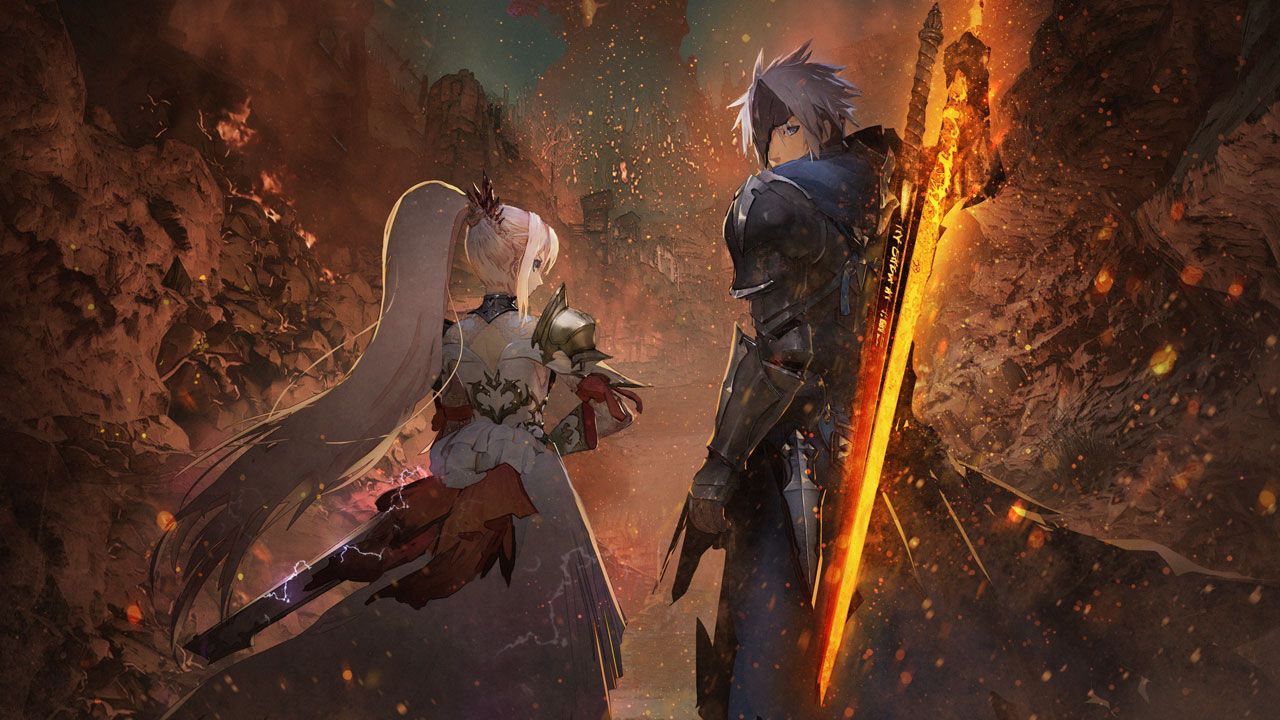
Okay, so I really loved how ‘Tales of Arise’ looked – Bandai Namco seriously upgraded the series’ graphics. But honestly, the second half kind of lost me. There was so much talking and explaining, and enemies just became these huge health bars you had to chip away at. It felt like a grind, especially since healing items were expensive, forcing me to go back and farm for stuff. The story also got pretty straightforward and repetitive towards the end, which was a bit of a letdown after the strong start.
‘Ni no Kuni II: Revenant Kingdom’ (2018)
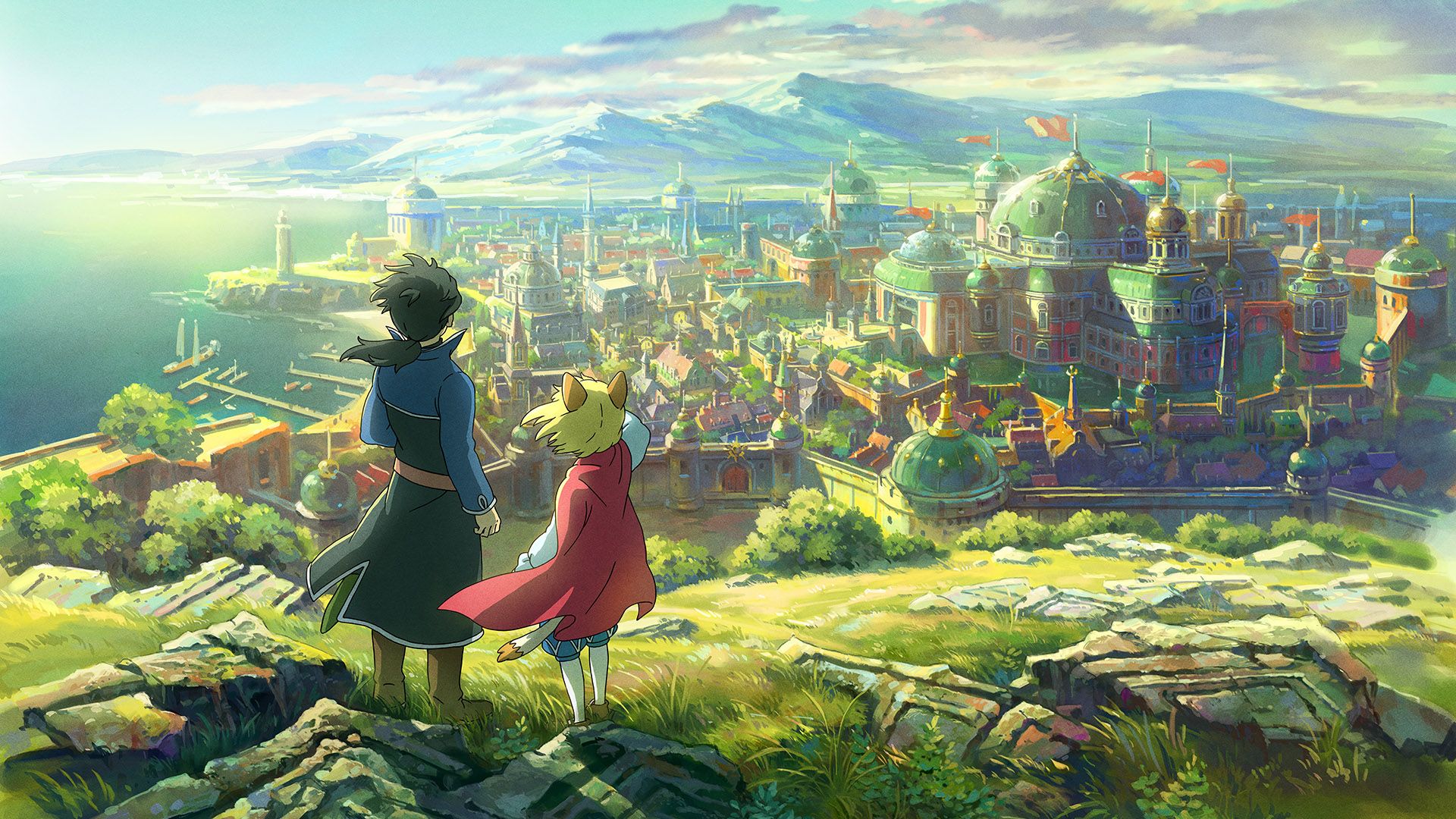
Ni no Kuni II: Revenant Kingdom, created by Level-5 and published by Bandai Namco Entertainment, moved away from the monster-collecting feature that defined the original game – a change many fans disliked. Critics also found the game too simple when it first released, making it easy to finish the story without really exploring its more complex systems. While the game added kingdom-building and skirmish modes, these felt disconnected from the main role-playing experience and didn’t add much depth.
‘Suikoden IV’ (2004)
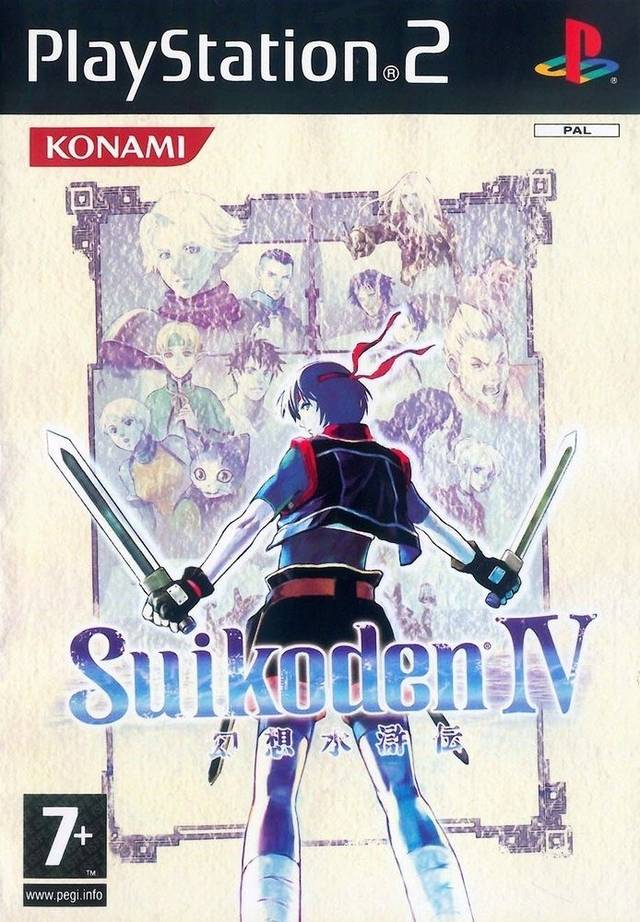
Konami created ‘Suikoden IV’ for the PlayStation 2. While part of a popular series, it’s often considered the least successful game. Many players found it frustrating due to its small four-person team and a large, empty ocean that was difficult to navigate because of frequent random battles. The game also switched to 3D graphics, which some felt didn’t look as good as the detailed 2D sprites of earlier ‘Suikoden’ titles. Although it still featured the series’ signature 108 Stars of Destiny characters, they weren’t as well-developed as in previous installments.
‘Borderlands 3’ (2019)
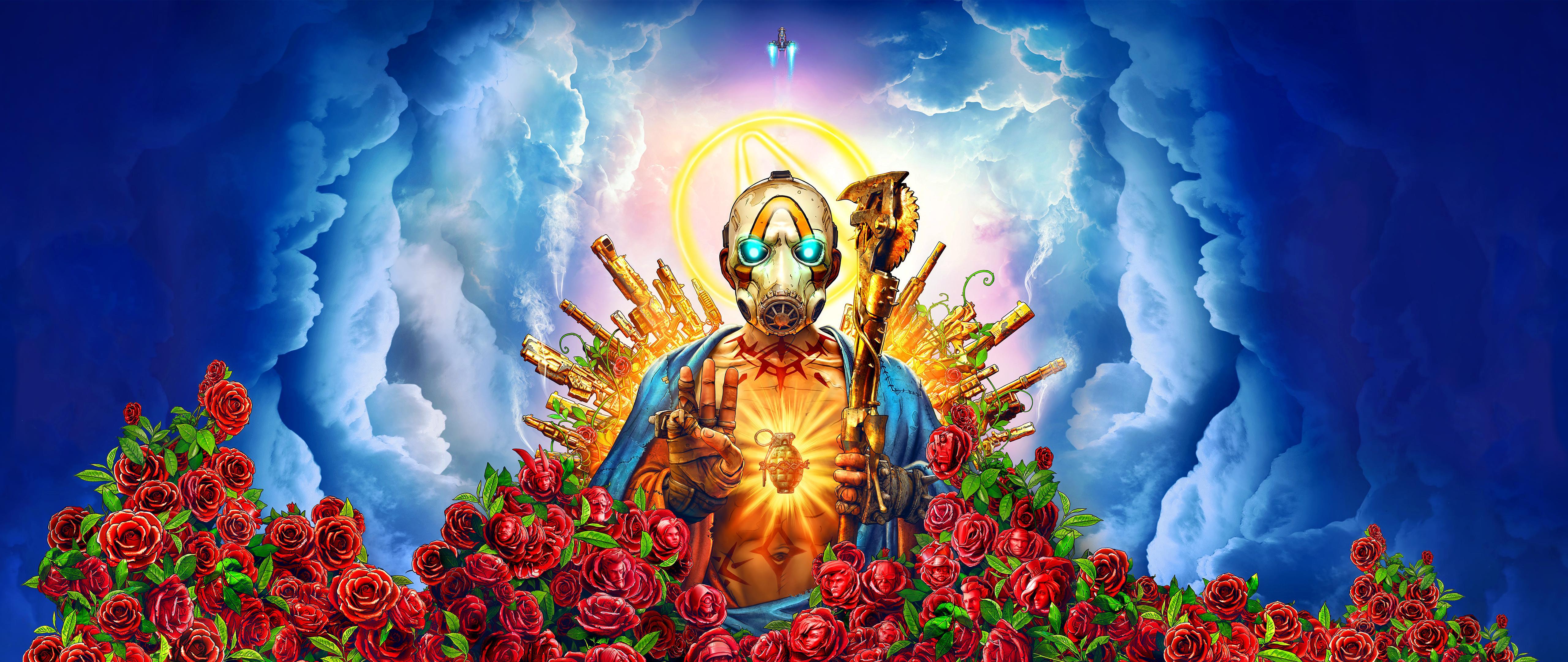
Borderlands 3, created by Gearbox Software and published by 2K Games, offers improved shooting and tons of weapons to collect. However, many players found the game’s story and jokes to be stale and irritating. The villains, the Calypso Twins, weren’t as well-received as Handsome Jack from the previous game. The game’s flow was also disrupted by frequent, often unskippable, dialogue scenes. Although the core gameplay is strong, fans were largely let down by the story’s delivery.
‘GreedFall’ (2019)
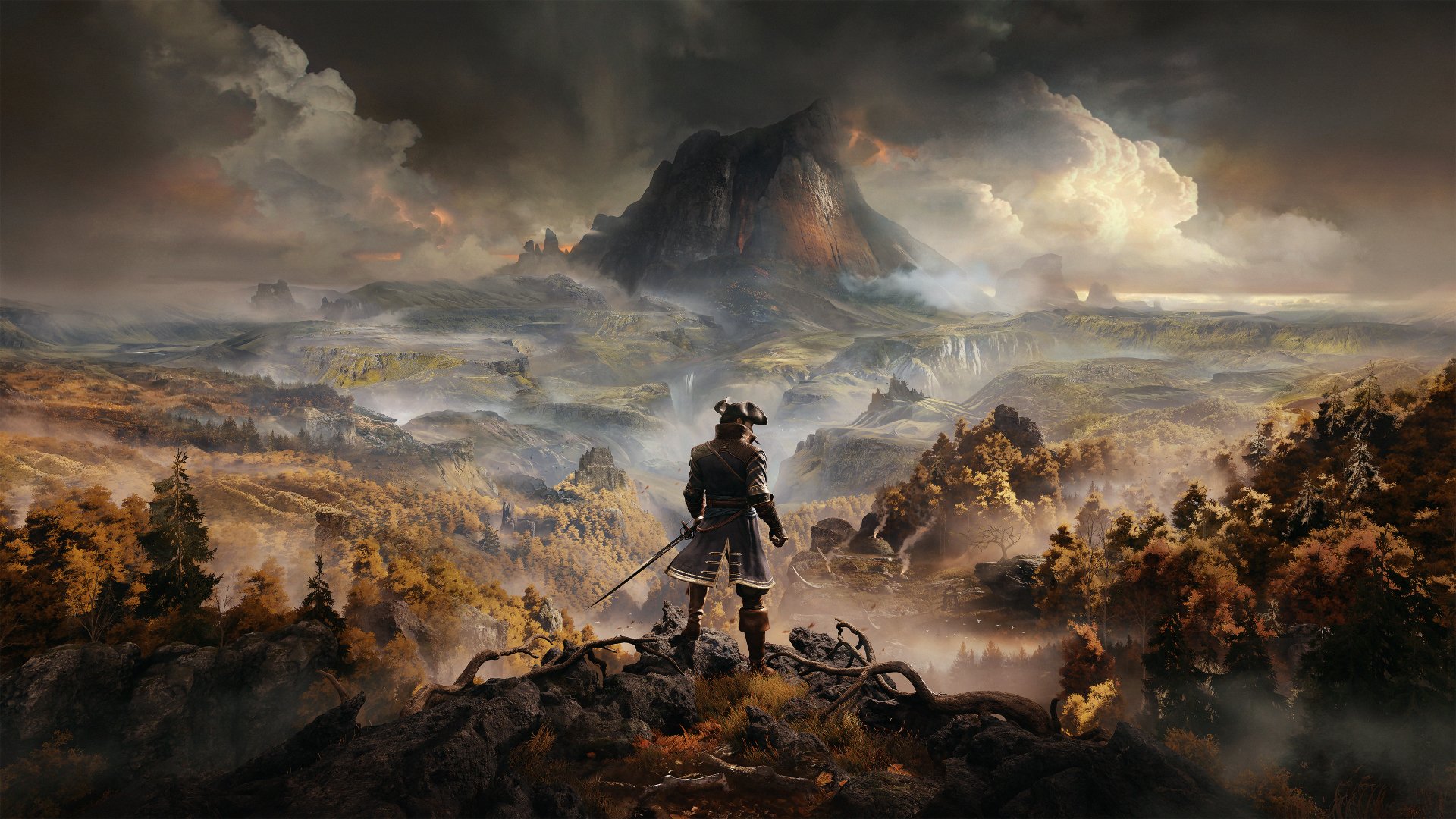
Developed by Spiders and published by Focus Home Interactive, ‘GreedFall’ attempted to capture the spirit of older BioWare role-playing games. Although the game boasts a unique fantasy setting inspired by the 17th century, it was made on a limited budget, which is noticeable in repeated environments and somewhat awkward fighting. Many players find themselves doing a lot of unnecessary traveling back and forth to finish quests in the game’s partially open world. The game’s diplomacy system also doesn’t feel as impactful as it first seems, which is a bit disappointing.
‘Xenoblade Chronicles 2’ (2017)
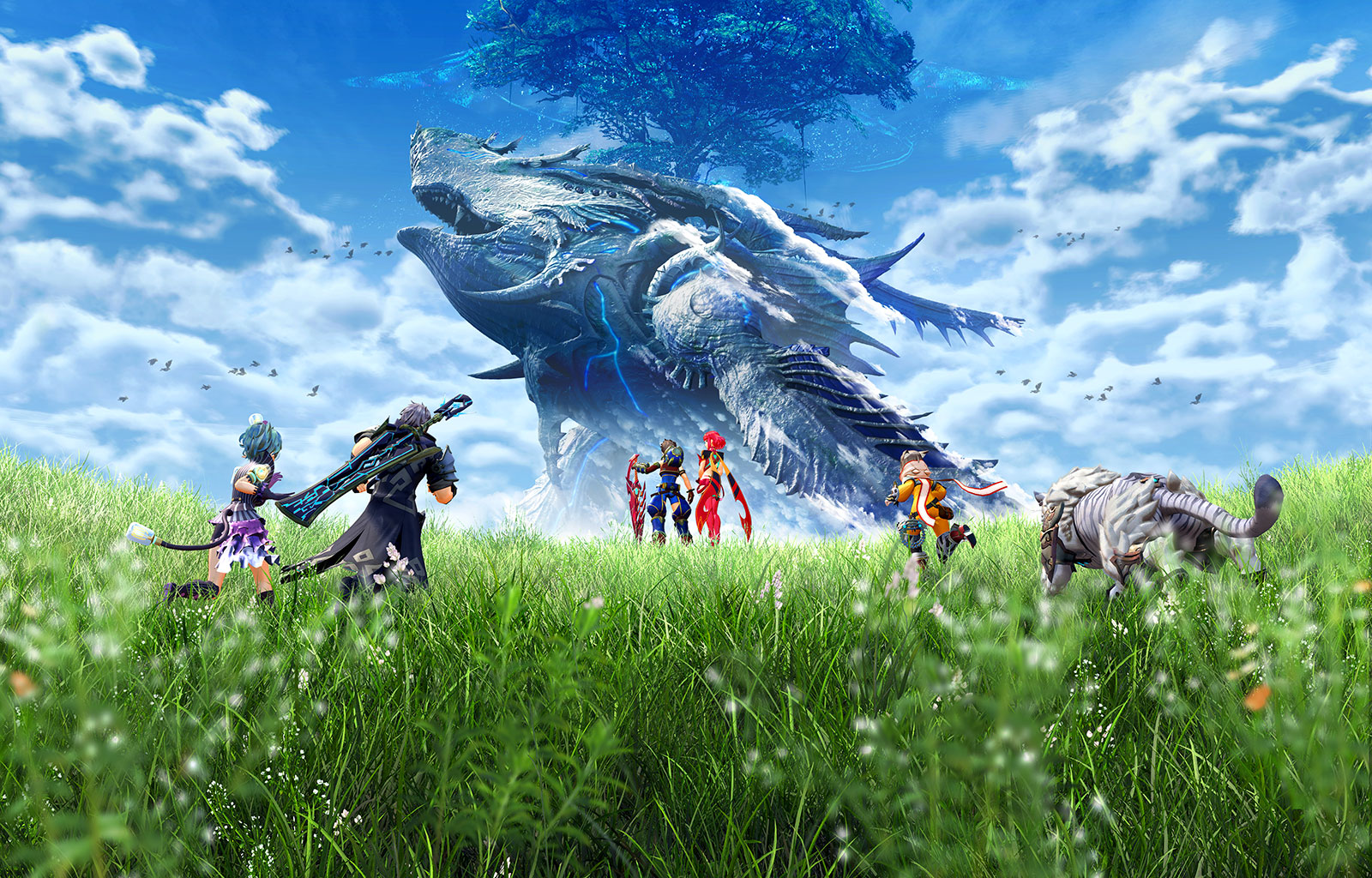
Xenoblade Chronicles 2, a large role-playing game for the Nintendo Switch created by Monolith Soft, has received some criticism. Players found the menus and tutorials overly complicated and lengthy. The game’s system for unlocking characters relies on random chance, which many found frustrating. Some also felt the character designs and use of typical anime elements were a departure from the more realistic style of the first Xenoblade game.
‘Bravely Default II’ (2021)

Bravely Default II, created by Claytechworks and published by Square Enix and Nintendo, brings back the traditional turn-based battles fans expect. However, the game received criticism for being overly difficult in places and requiring a lot of repetitive gameplay. A new boss mechanic, the ‘Counter’ system, sometimes made certain character classes feel ineffective, reducing strategic options. Reviewers also found the story and characters to be unoriginal and predictable. While the game’s art style was distinctive, its technical quality was also debated.
‘Octopath Traveler’ (2018)
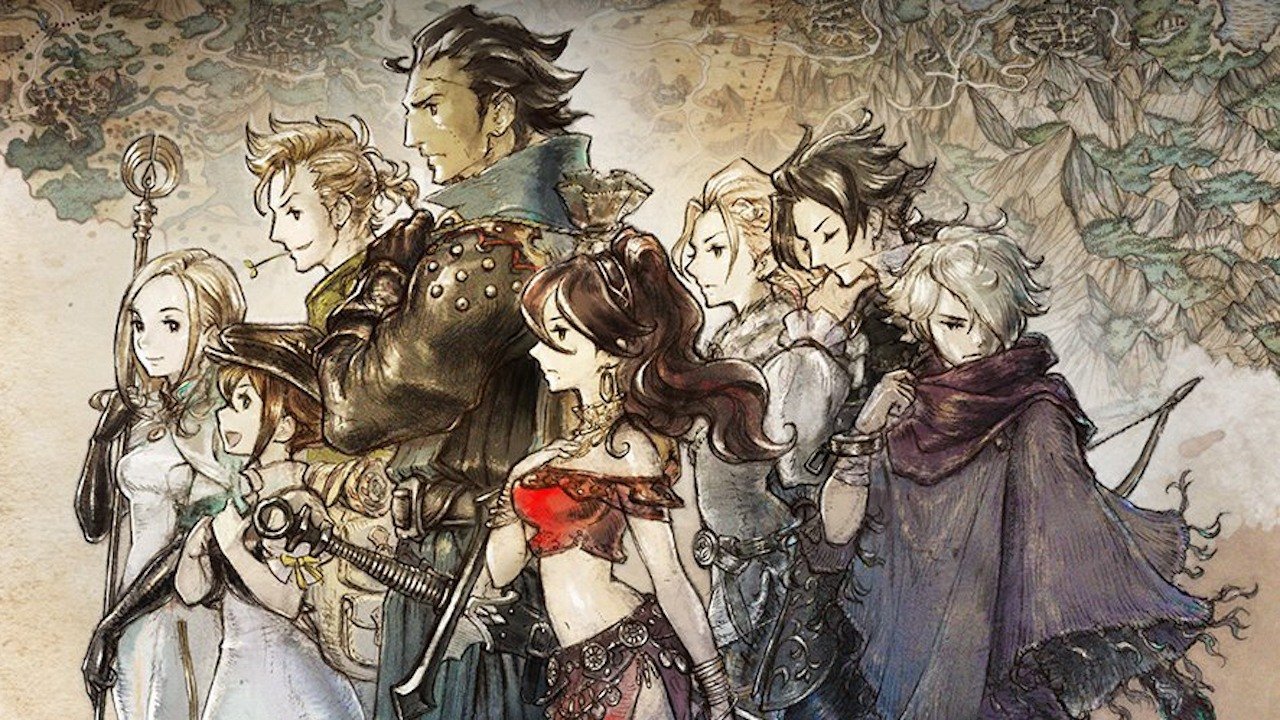
Developed by Acquire and Square Enix and published by Nintendo, ‘Octopath Traveler’ is known for its stunning ‘HD-2D’ graphics. However, the game’s story structure received criticism. The game follows eight main characters whose stories don’t connect much, and barely interact throughout the game. This meant players had to play through eight separate beginnings, leading to a repetitive feel. Although the battle system is excellent, many players felt the lack of connection between the characters made the overall experience less satisfying.
‘Undertale’ (2015)
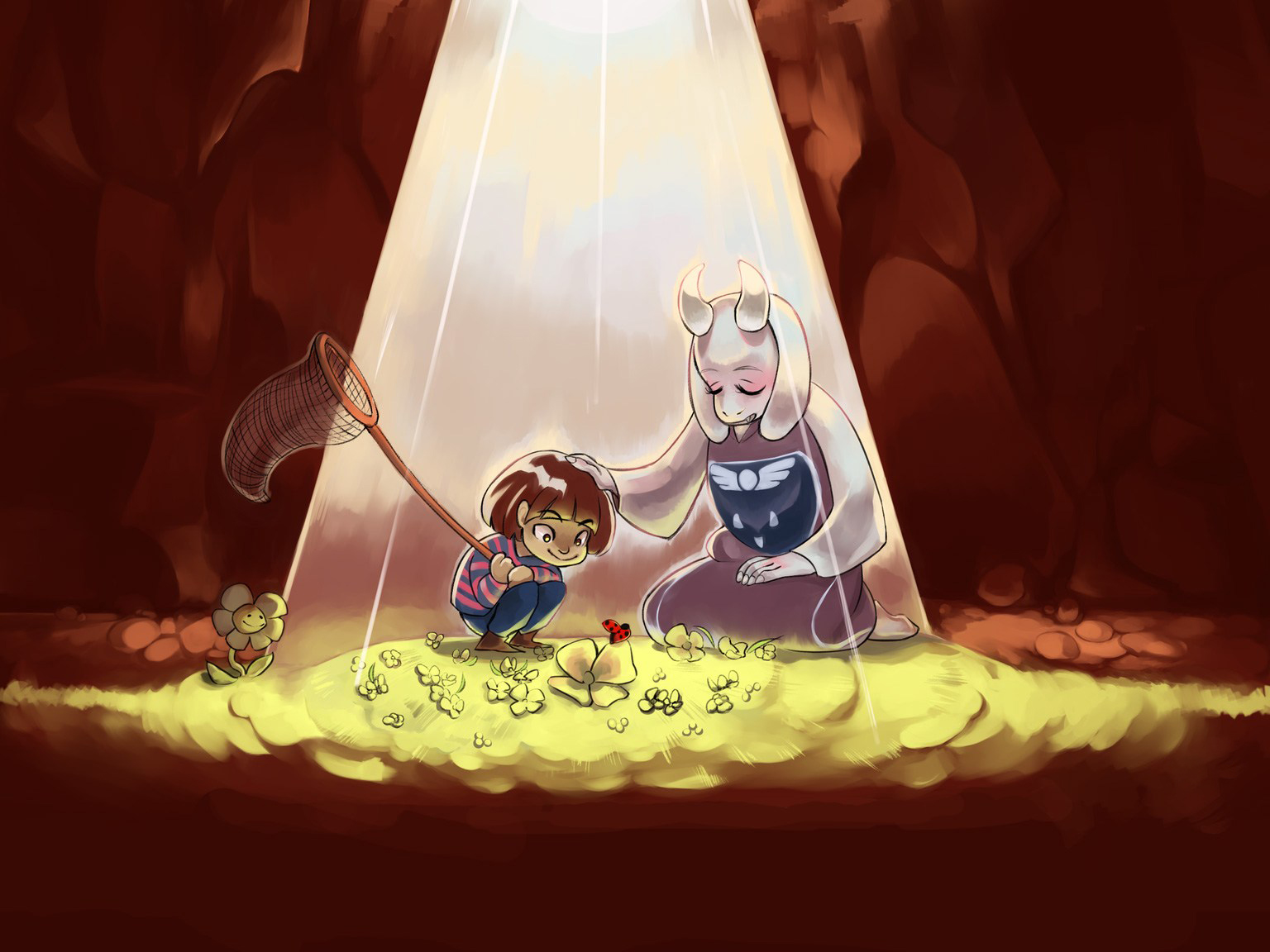
‘Undertale,’ created by Toby Fox, quickly became popular as an independent game thanks to its clever twists on traditional role-playing game elements and its innovative ‘Mercy’ system. Though praised for its story, some feel the game’s simple graphics and relatively short playtime don’t quite match the level of hype it’s received. A dedicated fanbase has also contributed to the idea that the game is more groundbreaking than it might seem to someone playing it for the first time. Additionally, some reviewers note that the battles can become repetitive when trying to achieve all the different endings.
‘Mass Effect: Andromeda’ (2017)
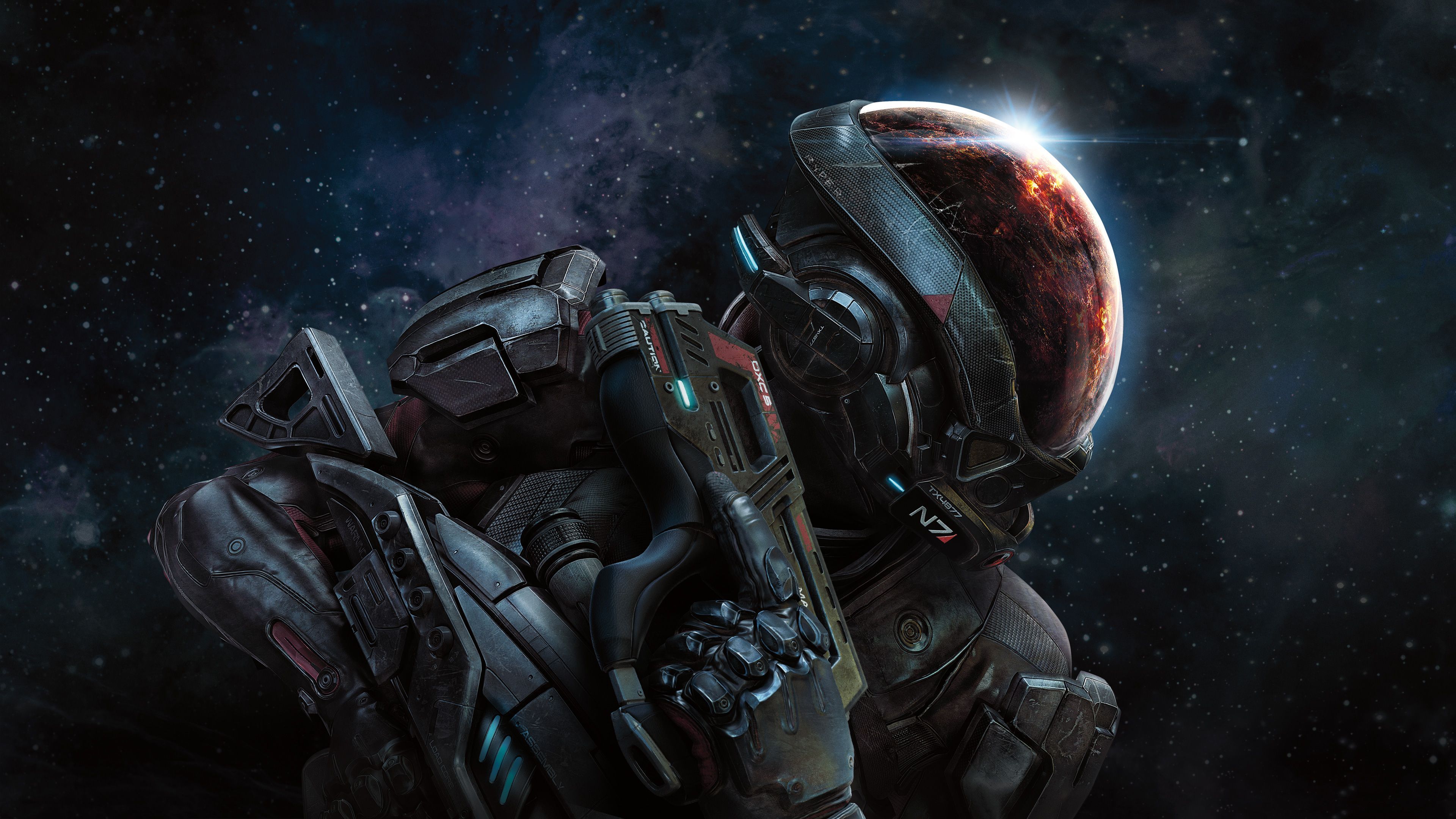
‘Mass Effect: Andromeda,’ created by BioWare and published by Electronic Arts, was intended as a reboot of the ‘Mass Effect’ series. However, the game launched with noticeable problems, including awkward facial animations and many technical glitches. Critics also found the story less engaging than the original trilogy, with planets feeling barren and the hacking puzzles becoming repetitive. Although the combat system was improved, the game lacked the strong character connections that made the earlier games so popular.
‘Hogwarts Legacy’ (2023)
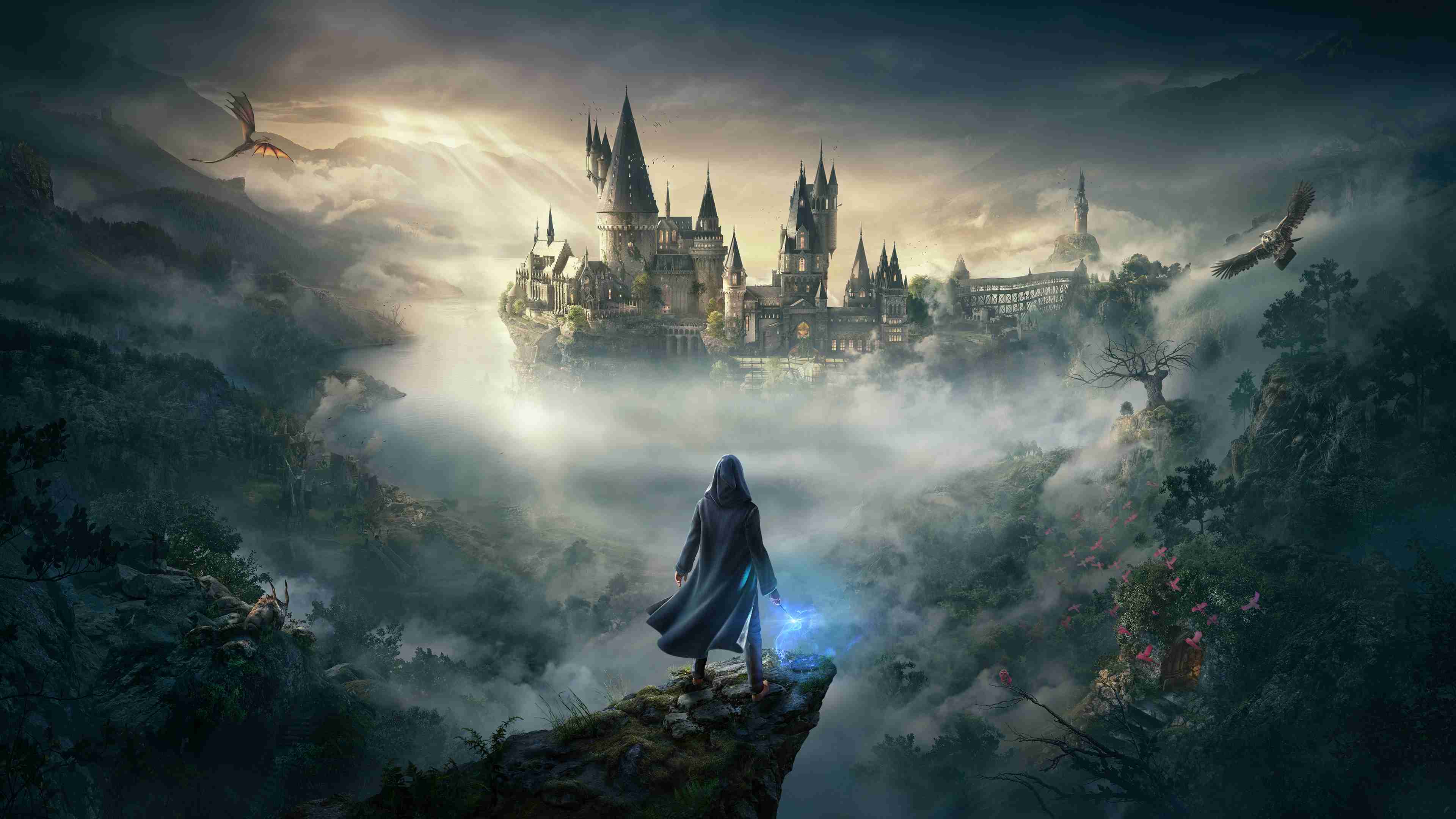
Avalanche Software created ‘Hogwarts Legacy,’ and Warner Bros. Games published it. The game does a fantastic job of bringing Hogwarts castle to life, but the areas outside the school felt a bit bland, with too many similar tasks like the Merlin Trials. The equipment system wasn’t very deep either, as players frequently changed items for small improvements. Reviewers also pointed out that the game didn’t offer much in the way of moral choices – you could use dark magic without facing significant consequences in the story. While the game starts out feeling enchanting, it soon settles into familiar patterns common in many open-world games.
‘Dragon’s Dogma 2’ (2024)
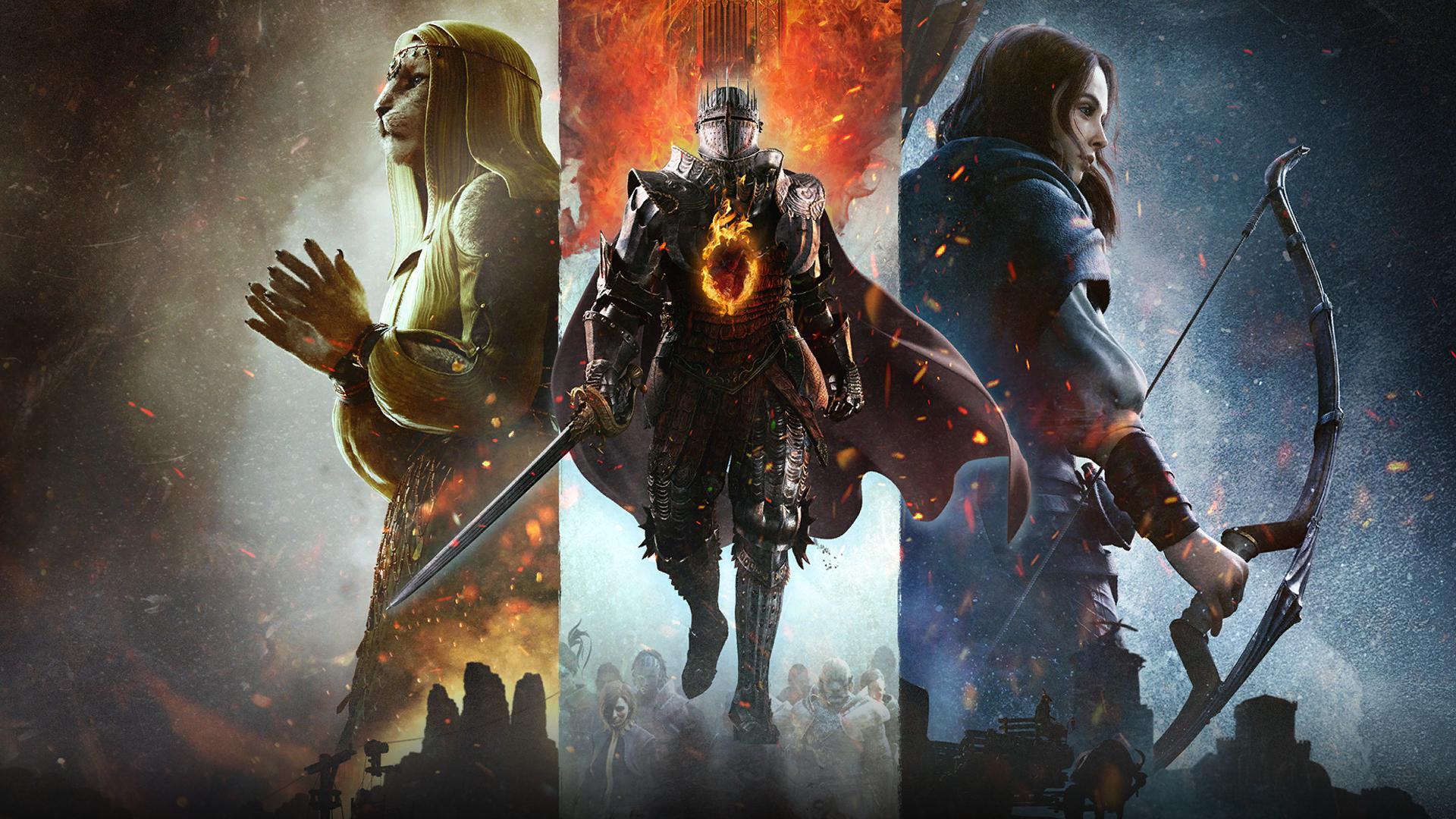
Capcom recently released ‘Dragon’s Dogma 2’, the long-awaited sequel to a beloved original game. However, the launch was rocky, with many players experiencing performance issues on both computers and gaming consoles. There was also frustration over the inclusion of optional in-game purchases, even though everything could be earned through regular gameplay. Some players found the limited fast travel and repetitive battles in the game’s open world frustrating, and these choices made it hard for new players to get into. Despite its innovative combat system, these problems made the game feel difficult to enjoy for many.
Please share your thoughts on these titles in the comments.
Read More
- 20 Movies Where the Black Villain Was Secretly the Most Popular Character
- Celebs Who Narrowly Escaped The 9/11 Attacks
- Transformers Under the Microscope: What Graph Neural Networks Reveal
- Top 20 Dinosaur Movies, Ranked
- Trading on Thin Air: AI Agents Conquer Crypto Volatility
- Silver Rate Forecast
- Gold Rate Forecast
- 22 Films Where the White Protagonist Is Canonically the Sidekick to a Black Lead
- Invincible Season 4 Gender Swaps Tech Jacket As Fans Question Major Comic Change
- Every Notable ‘Star Trek: The Original Series’ Actor Who Died
2026-01-08 03:19