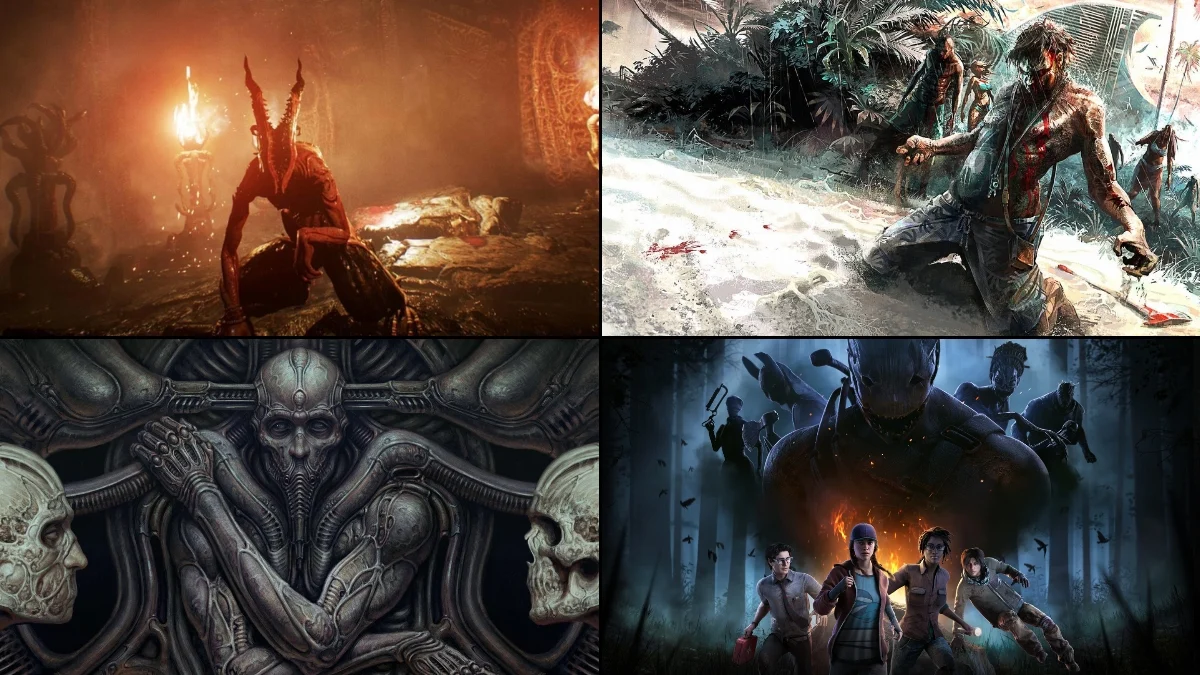
Horror games have given us some of the most memorable moments in gaming, but not every critically praised game is loved by everyone. While many become huge hits and part of popular culture, looking back often reveals problems with how they were made or how the story unfolds, which can divide players. By carefully examining the technical aspects and core gameplay of these games, we can better understand why some so-called “classics” are considered overrated by dedicated fans. This list takes a look at thirty popular horror titles that, despite their success, have been criticized for feeling unbalanced or repetitive.
‘Slender: The Eight Pages’ (2012)

This indie game, created by Parsec Productions, challenges players to find eight notes hidden in a spooky forest while evading the Slender Man. It quickly became popular online, but reviewers have noted that it lacks complex gameplay and mostly involves repeating the same action. Many players find the game difficult not because of skillful challenges, but due to unpredictable enemy appearances, which can be frustrating. While the game helped introduce the ‘pursuer’ style of horror games, some believe its success was more due to internet trends than clever design.
‘Dead Island’ (2011)
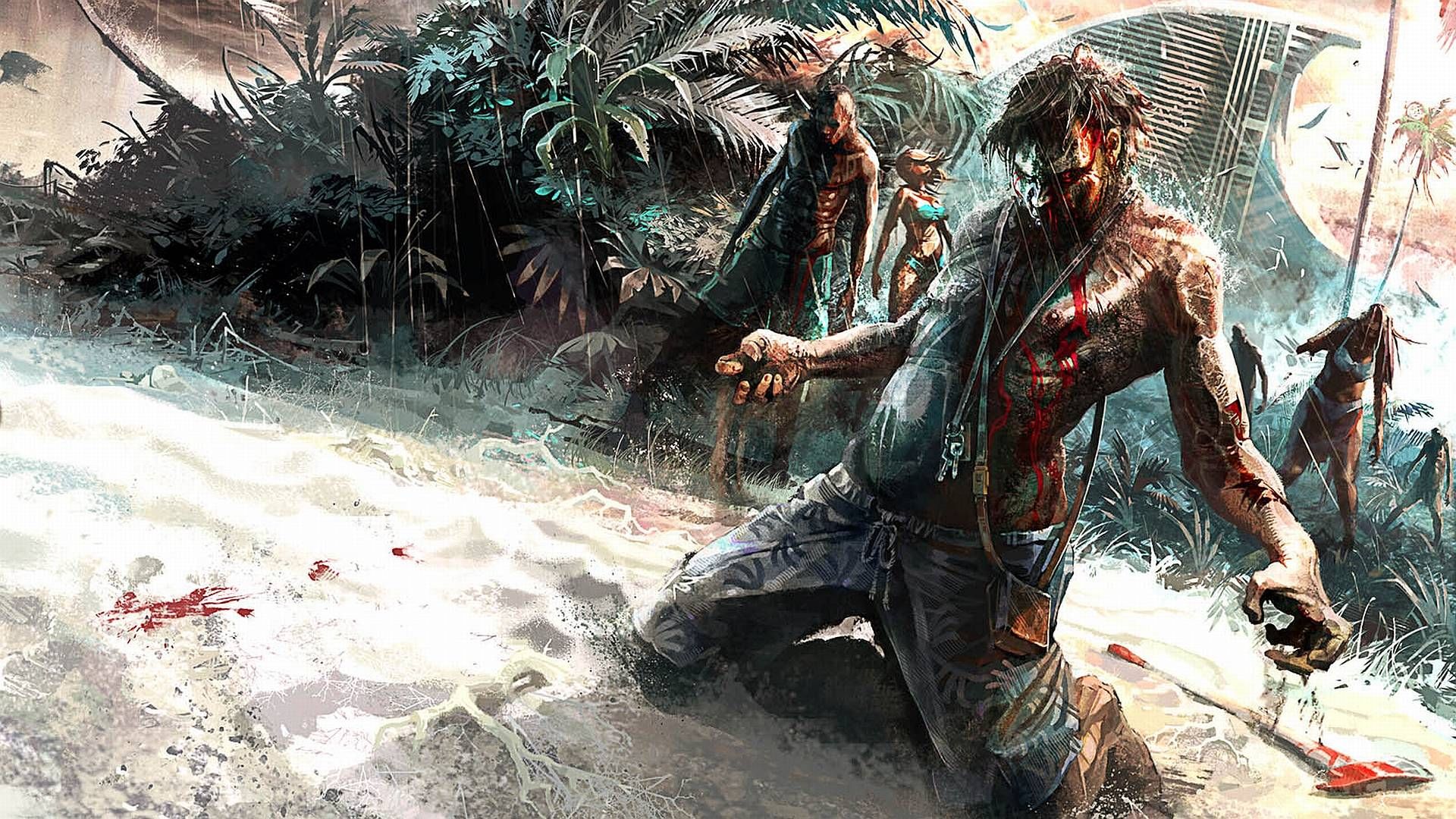
Techland’s open-world zombie game, published by Deep Silver, generated a lot of excitement with a moving trailer. However, when the game launched, many players felt the actual experience didn’t live up to the serious mood presented in the marketing. Common complaints included repetitive tasks and numerous bugs that made it difficult to enjoy. Although some appreciated the close-combat fighting, others found the way weapons wore down to be frustrating rather than engaging.
‘Hello Neighbor’ (2017)
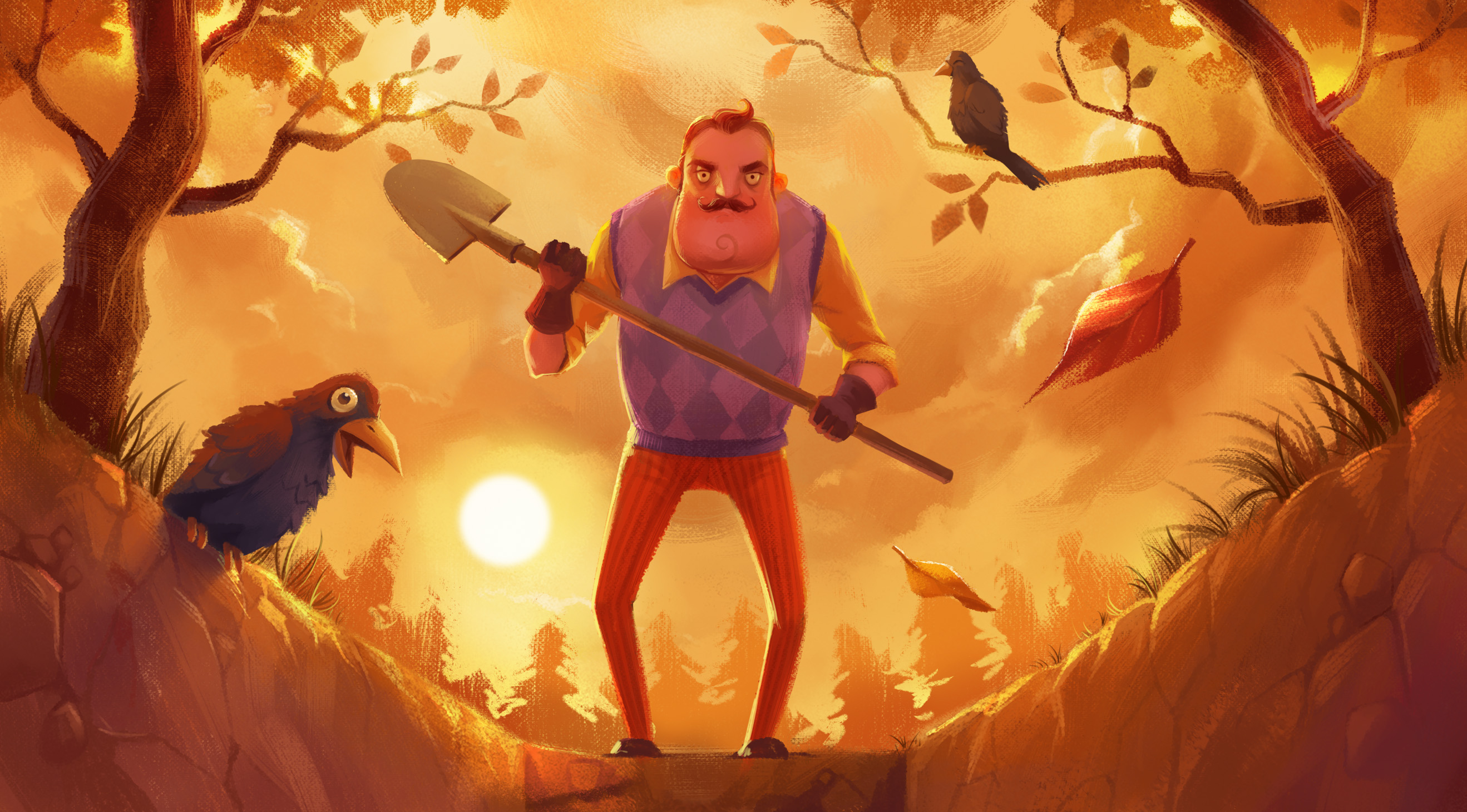
This stealth horror game, created by Dynamic Pixels and published by tinyBuild, challenges players to infiltrate a neighbor’s home to discover hidden secrets. It initially gained attention for its AI, which was claimed to adapt to how players behaved. However, reviewers often pointed out flaws in the game’s logic and frustrating puzzles that didn’t always make sense. While popular with younger players, the game is often criticized for feeling unfinished and having a confusing storyline.
‘Agony’ (2018)
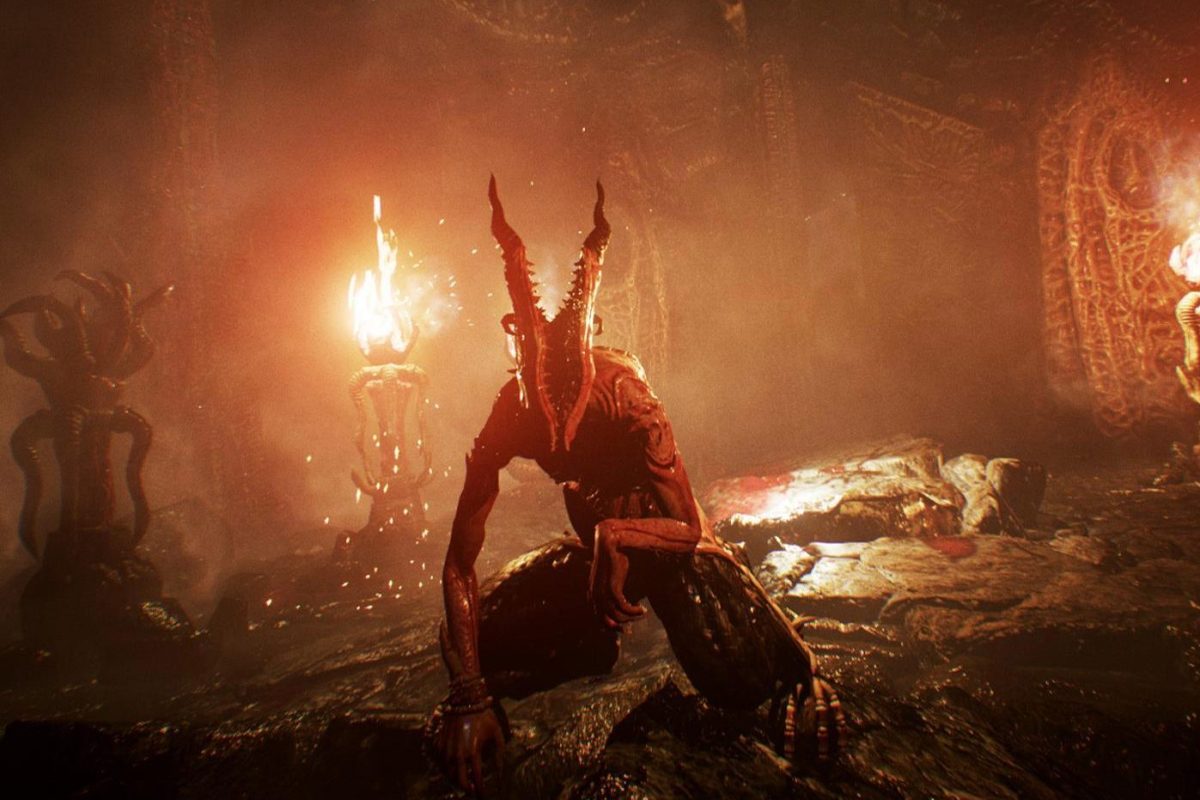
This game, created by Madmind Studio and published by PlayWay, aimed to deliver a disturbing and immersive experience of Hell through a first-person survival game. While its environments were praised for their incredibly detailed and gruesome design, players and critics generally disliked the gameplay, finding it awkward and irritating. Stealth sections were particularly criticized for being poorly designed and leading to frequent, unfair deaths. Some reviewers felt the game relied too much on shocking imagery, which overshadowed its technical issues and lack of varied goals.
‘Blair Witch’ (2019)
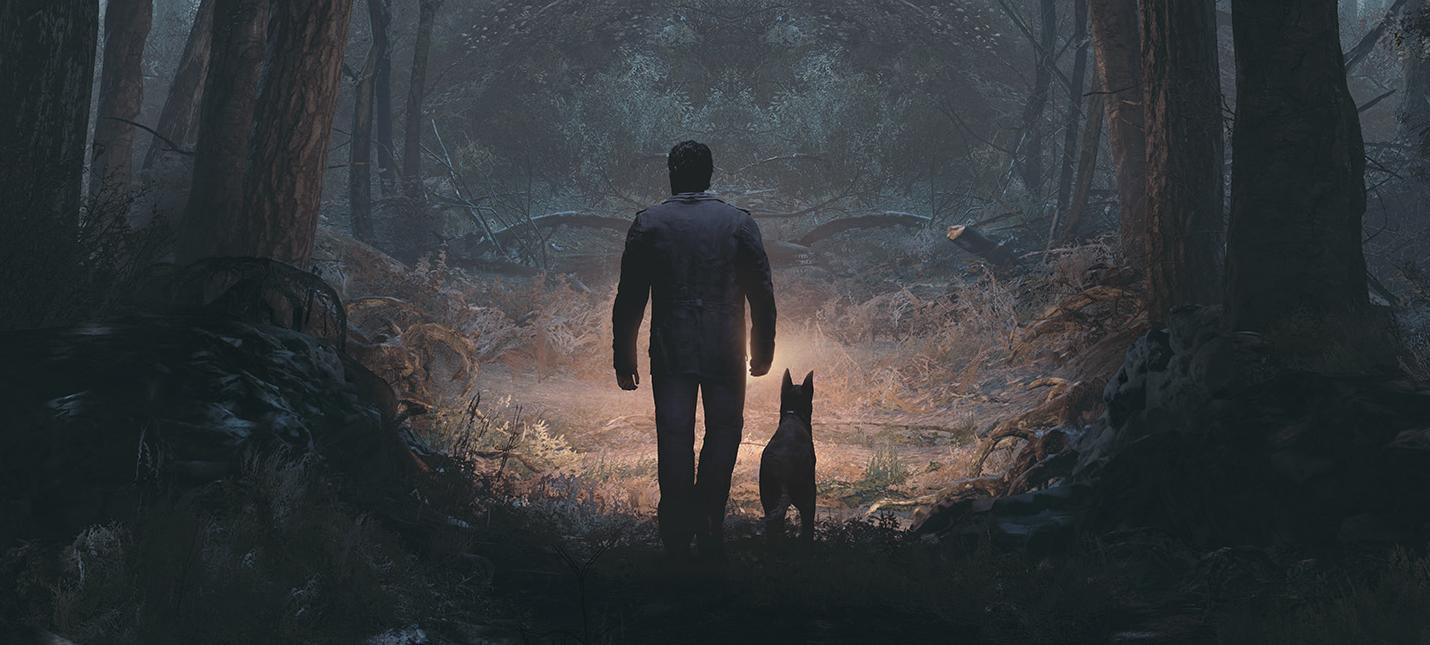
This game, created by Bloober Team and published by Lionsgate Games, is inspired by the popular found-footage movie series. Players explore a constantly changing forest with a dog, using a camcorder to overcome obstacles and solve puzzles. While many enjoyed the bond with the dog, reviewers often found the game’s exploration to be repetitive and its attempts at psychological horror to be disappointing. Later parts of the game were often criticized for being too long and lacking substantial gameplay.
‘Scorn’ (2022)
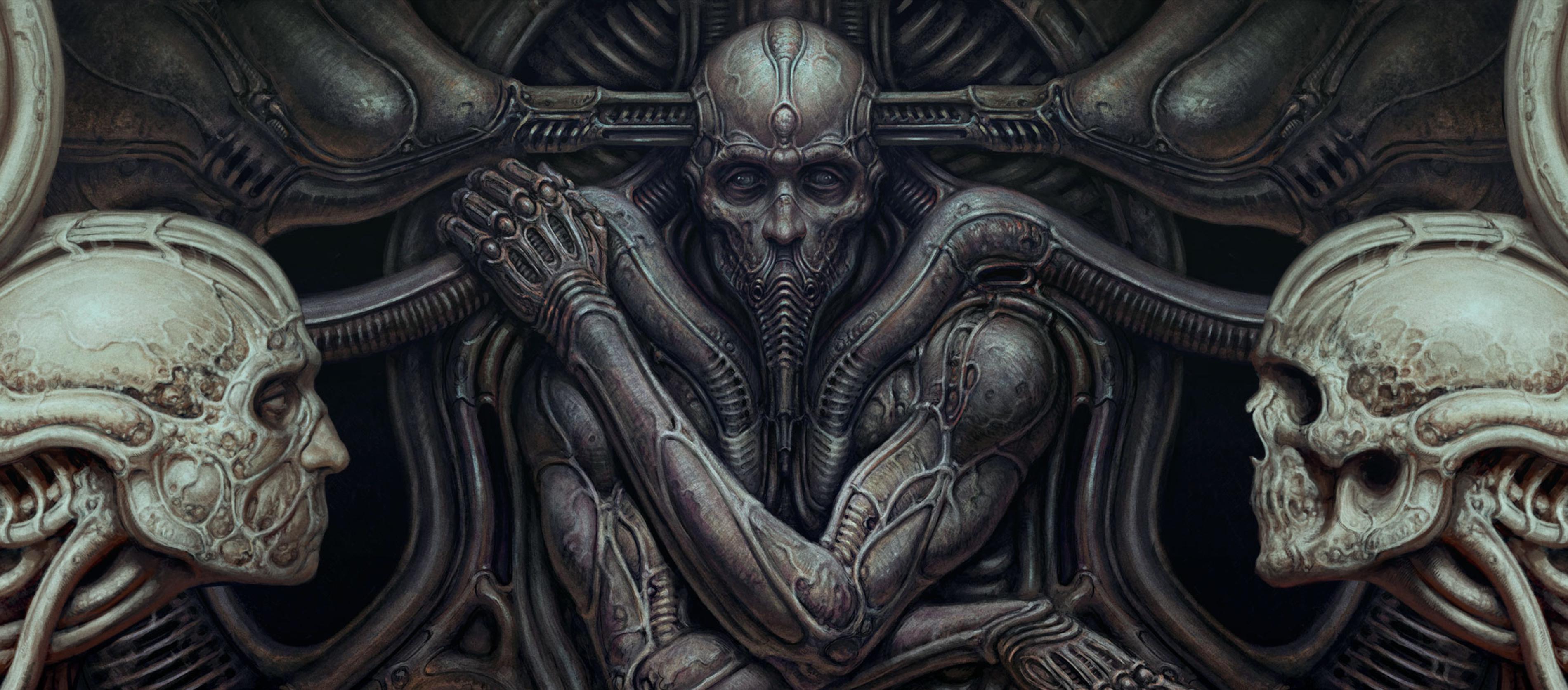
Created by Ebb Software and published by Kepler Interactive, this game draws strong inspiration from the unsettling, biomechanical art of H.R. Giger. While the game’s unique visual style is striking, some players found the fighting difficult and intentionally awkward. The puzzles aren’t always clear, causing players to get lost and wander through the creepy environments. Some critics feel the game focuses more on its look than on fun gameplay, making it feel like an atmospheric exploration game with combat added as an afterthought.
‘The Callisto Protocol’ (2022)
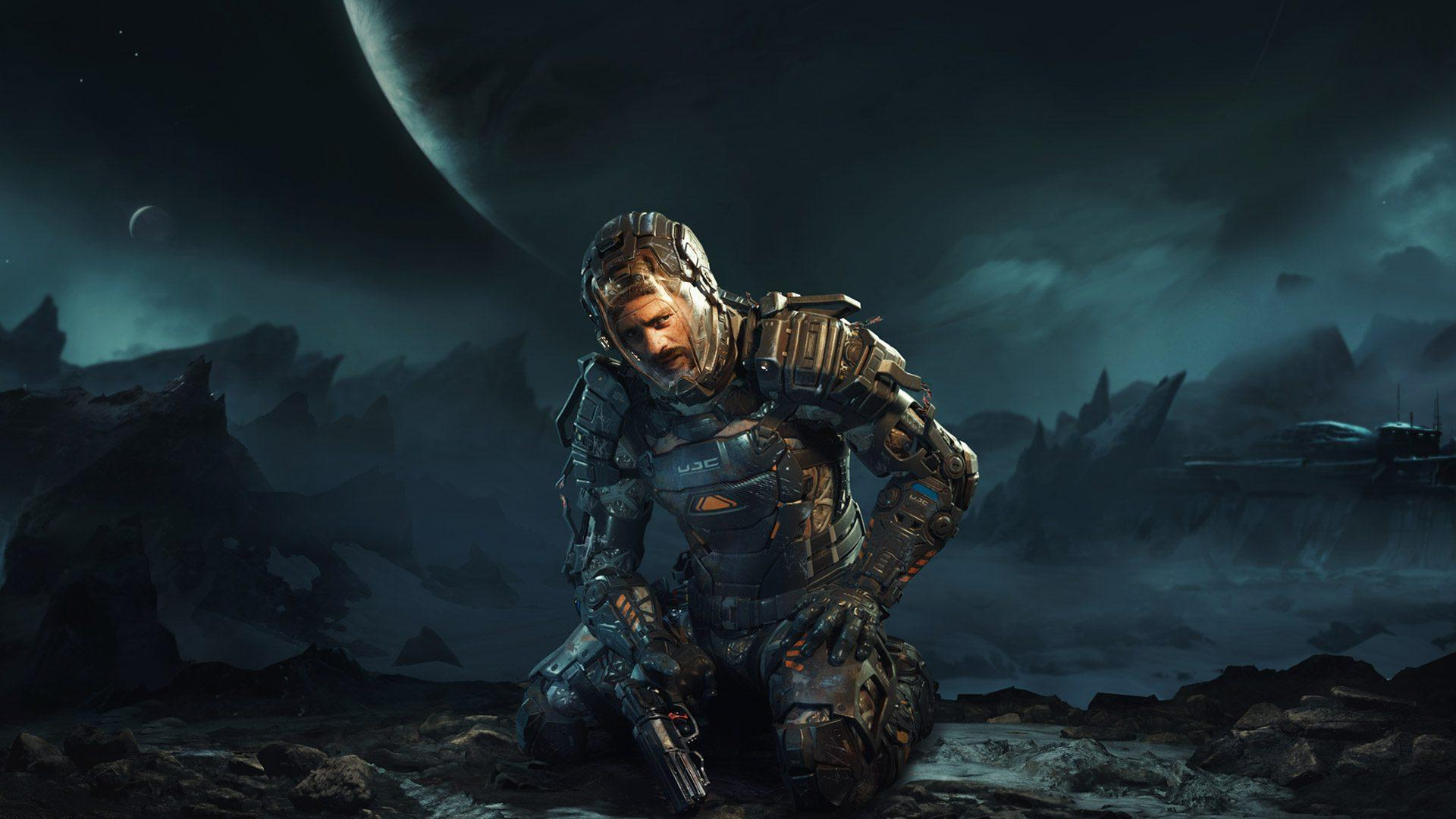
Created by Striking Distance Studios and published by Krafton, this sci-fi horror game was often compared to ‘Dead Space’. While it looked and sounded great, many players found the combat frustrating due to its focus on simple dodging. The game’s straightforward levels and limited types of enemies also drew criticism, leading some fans to feel it didn’t quite capture the suspense and strategic gameplay of similar titles.
‘Layers of Fear’ (2016)
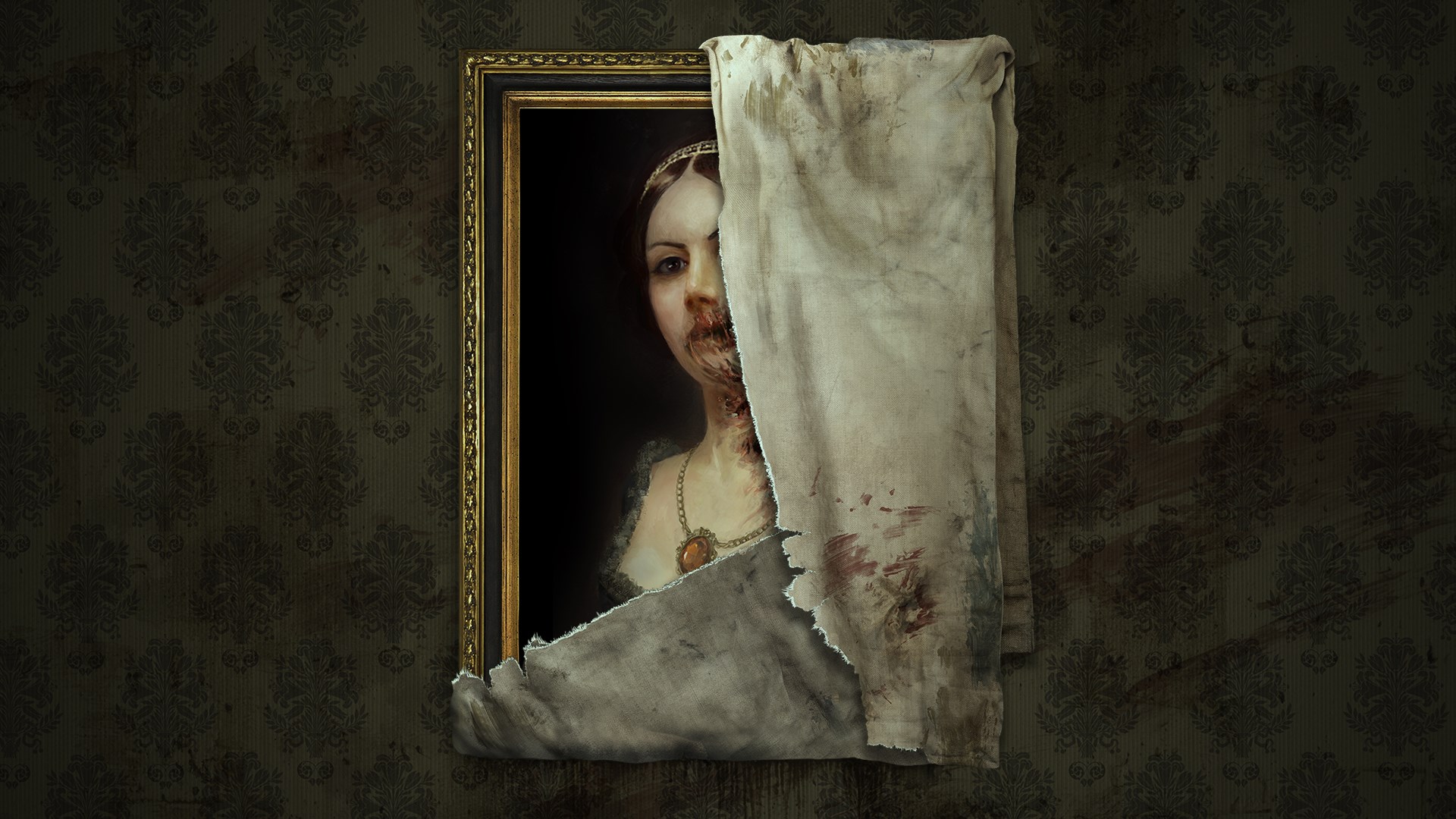
Layers of Fear, created by Bloober Team and published by Aspyr, is a horror game where you play as a troubled painter exploring a constantly changing Victorian house. Some reviewers felt it was more of an interactive story than a traditional game, due to its focus on startling moments and the fact that you can’t really ‘lose’. While the game features interesting visual effects, most of the gameplay involves simply walking around and opening doors. Players looking for complex challenges might find it lacking in depth and too dependent on pre-planned events.
‘The Dark Pictures Anthology: Man of Medan’ (2019)
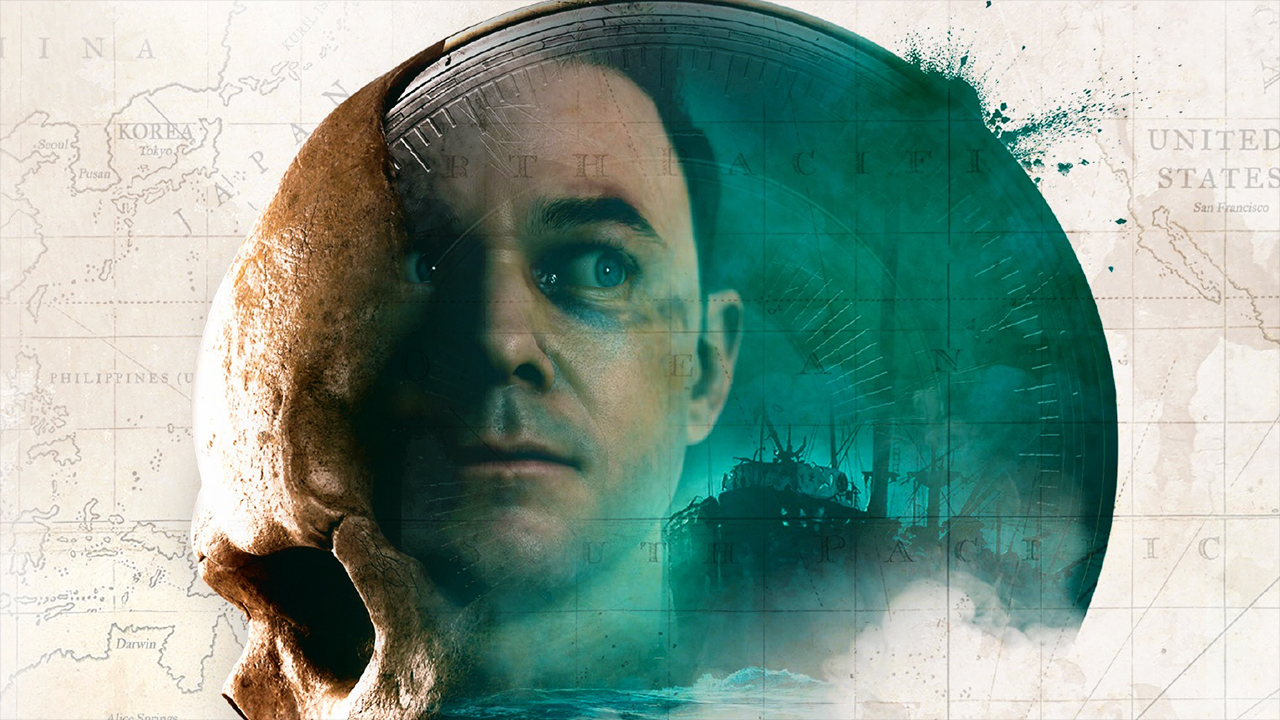
This interactive drama, created by Supermassive Games and published by Bandai Namco Entertainment, centers around a group of people stranded on a haunted ship. As the first in a planned series, it drew comparisons to the studio’s earlier games, but reviewers found the characters less developed. Many noted that choices didn’t always feel meaningful and the conversations sometimes felt awkwardly timed. Technical issues at release also disrupted the immersive experience for some players.
‘Back 4 Blood’ (2021)
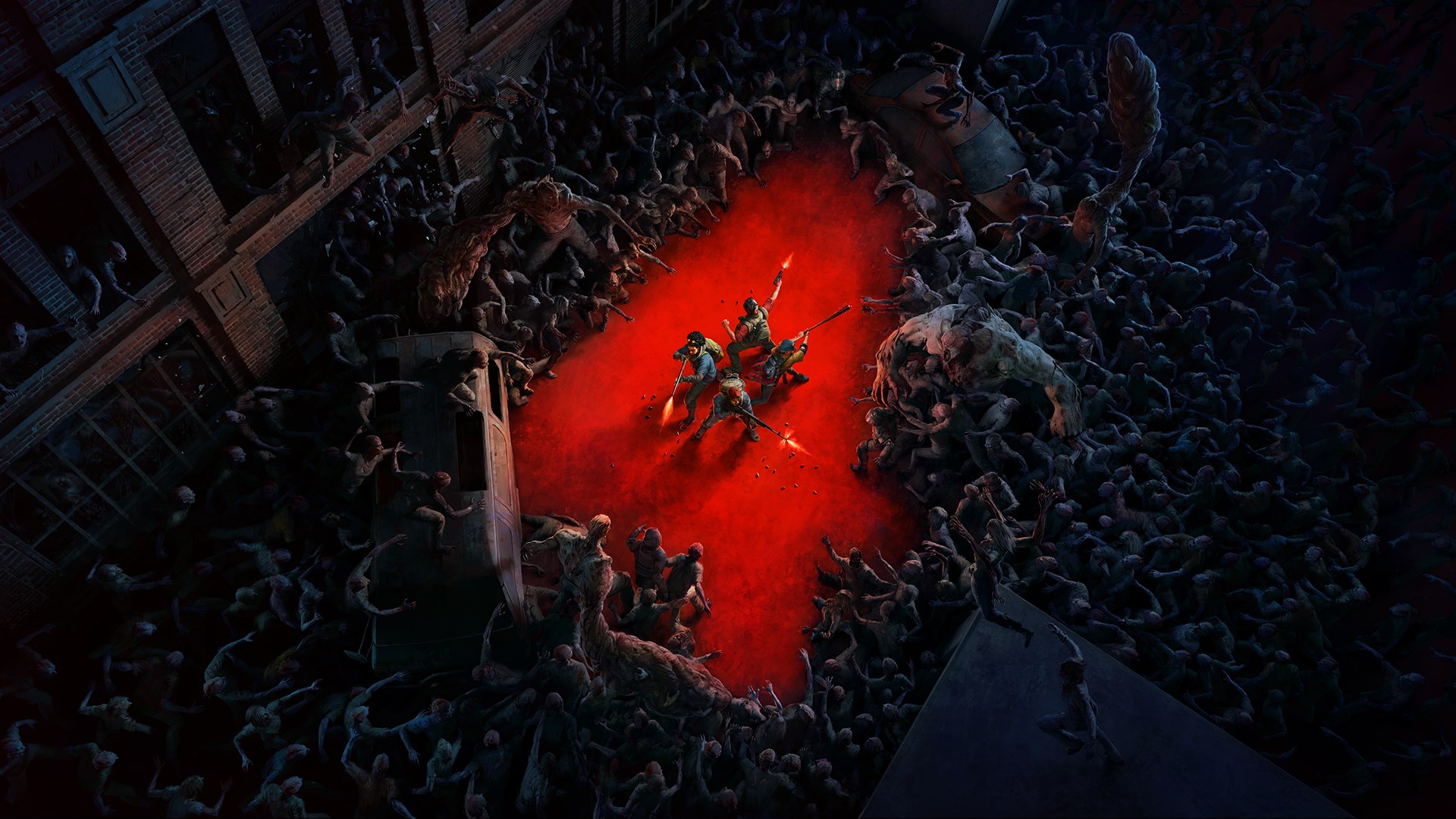
Created by Turtle Rock Studios and published by Warner Bros. Games, this game aimed to be the next evolution of the ‘Left 4 Dead’ experience. It added a card system for perks, hoping to offer more variety, but many players found it too complicated compared to the simplicity of the original games. Players also frequently complained about sudden difficulty increases and the unpredictable behavior of the enemy creatures. Although the shooting mechanics were well-done, some fans felt the game lacked the lasting appeal and community-created modifications that made the earlier titles so popular.
‘Resident Evil 6’ (2012)
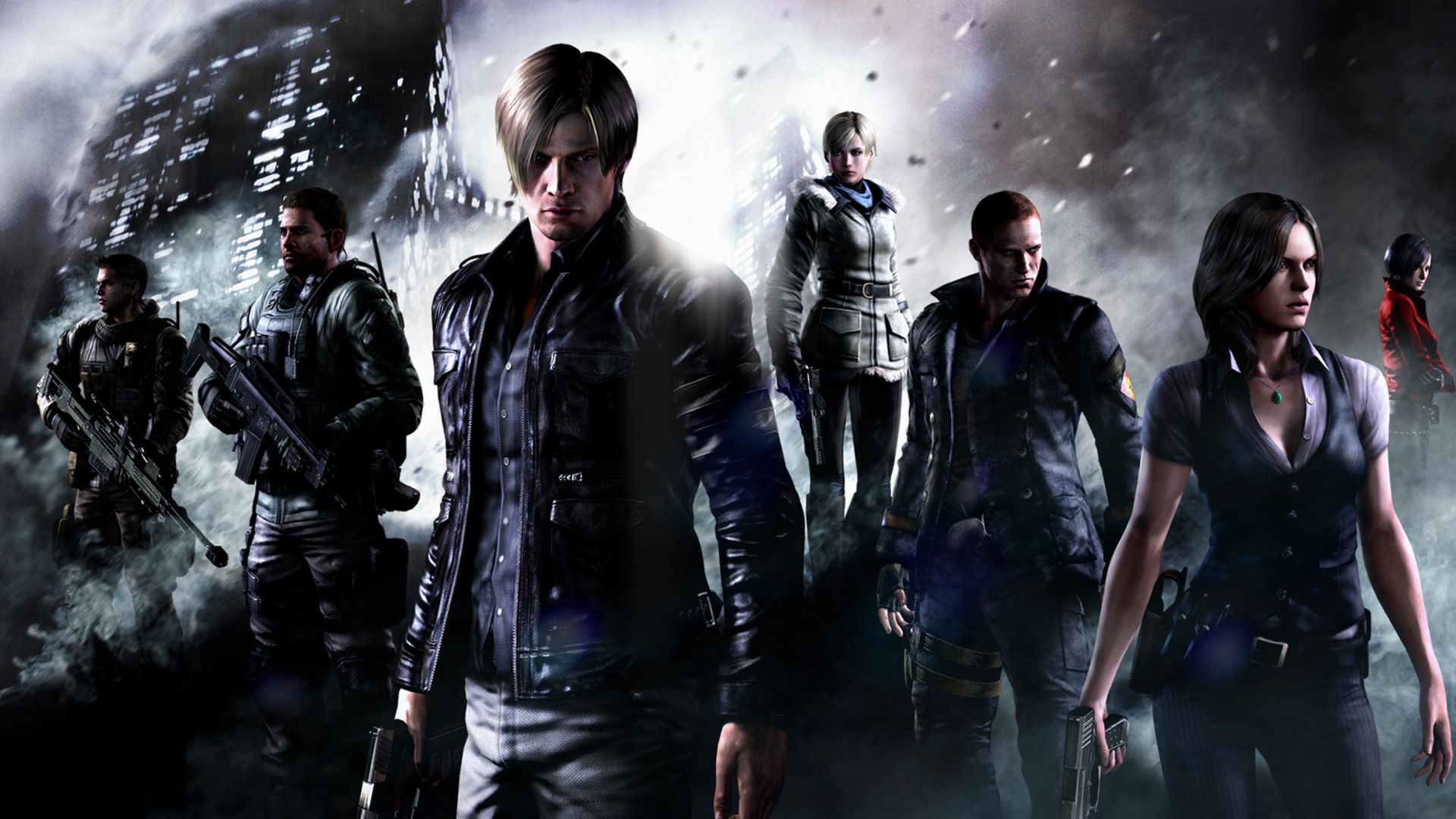
So, Capcom tried something different with this game – they wanted to mix classic horror with a lot more action, and gave us four different storylines to play through. Honestly, it didn’t quite work. A lot of us fans felt like it lost what made Resident Evil… Resident Evil. It moved away from being scary and about surviving, and leaned too much into action. The constant quick-time events were annoying, and the menus felt really messy. It sold a ton, which is cool, but most fans agree it’s the weakest entry when it comes to building a genuinely creepy atmosphere. It just didn’t feel as tense or scary as the older games.
‘Dead by Daylight’ (2016)
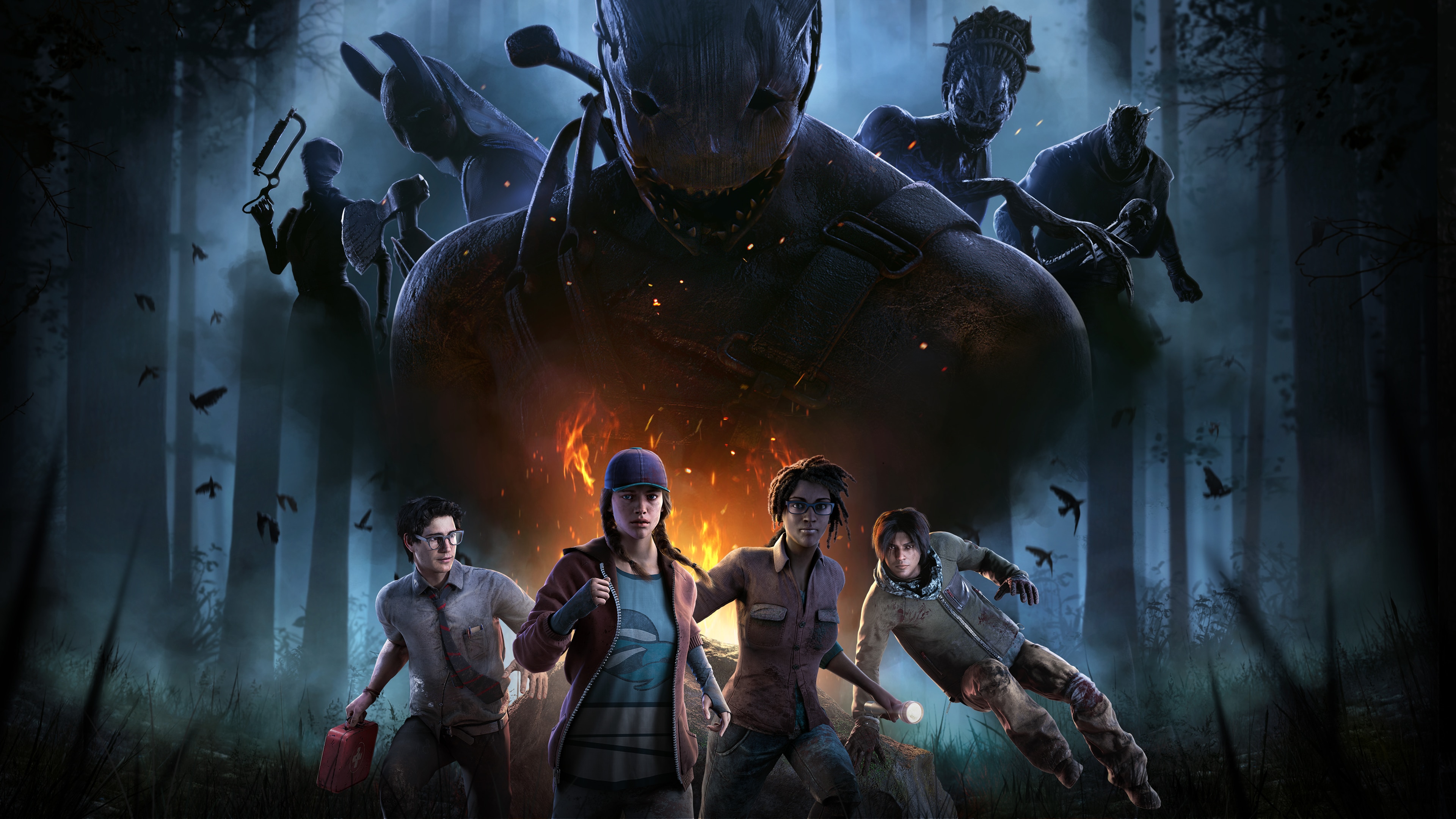
Behaviour Interactive created and released this multiplayer game where players take on the roles of survivors trying to evade terrifying killers. Although it remains popular with many players, it often receives criticism for feeling repetitive and having ongoing balance problems. Many players feel that unlocking important abilities takes too much time and effort, which can be frustrating for newcomers. Despite featuring characters from famous horror movies, the game sometimes feels more like a competitive task than a genuinely frightening experience.
‘Phasmophobia’ (2020)
Kinetic Games created and released this ghost-hunting game, and it quickly became popular during the pandemic. It’s innovative because of its voice-recognition feature, but some critics find the gameplay becomes predictable once you learn how the ghosts behave. Because the game is still in development, players sometimes encounter bugs or rough graphics that can disrupt the spooky atmosphere. For many, the initial scare fades, and the game becomes a repetitive cycle of using tools like thermometers and writing notes.
‘The Medium’ (2021)
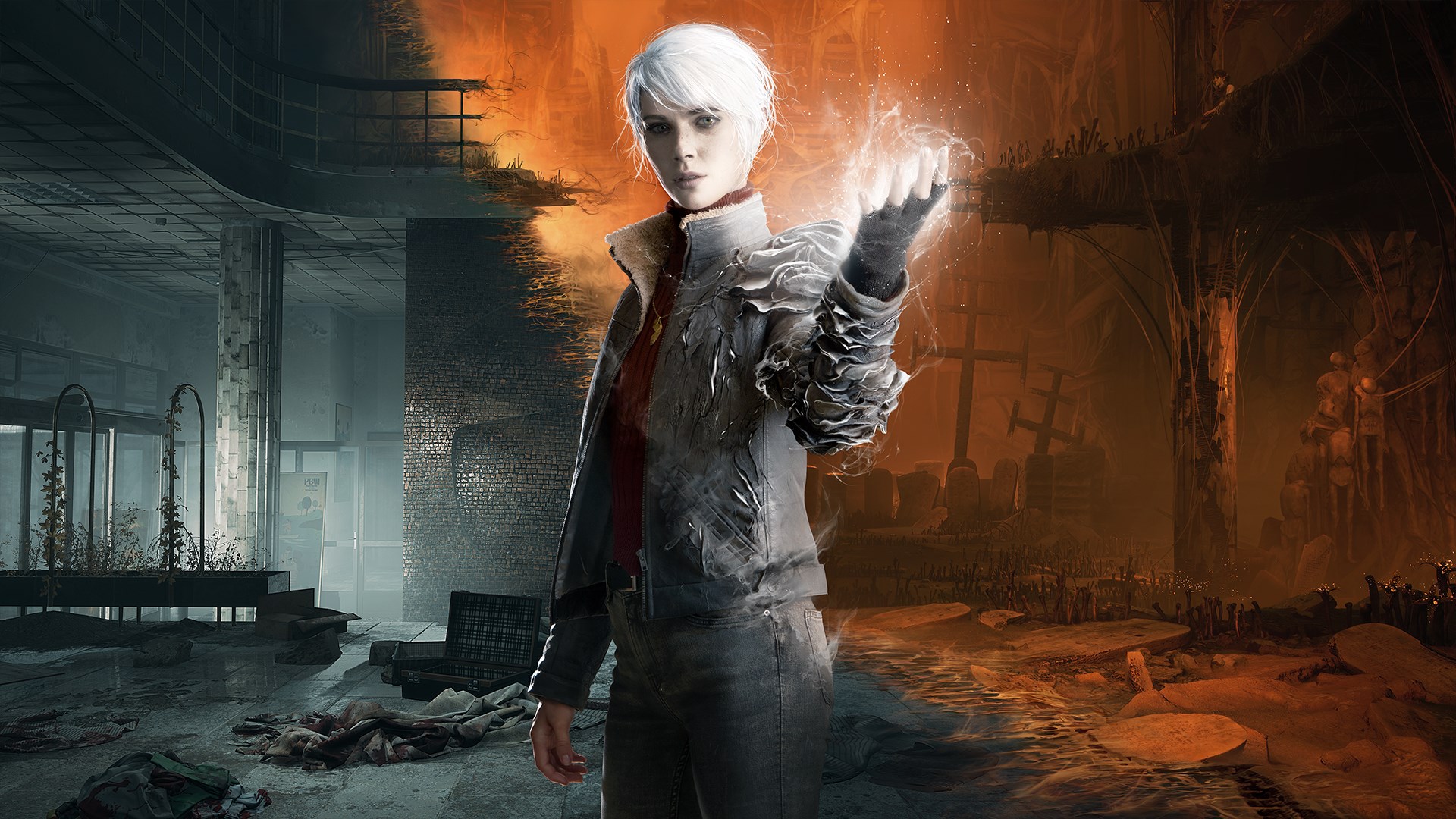
Bloober Team created this game, which has an interesting feature: players experience two different worlds at the same time. Although this dual-reality system was technically well-done, it wasn’t always used effectively in the game’s puzzles. The game also uses fixed camera angles to try and capture the feel of older horror games, but some players found this frustrating and made it harder to move around. Finally, the way the story dealt with difficult subjects led to a variety of reactions from reviewers and players alike.
‘Outlast’ (2013)
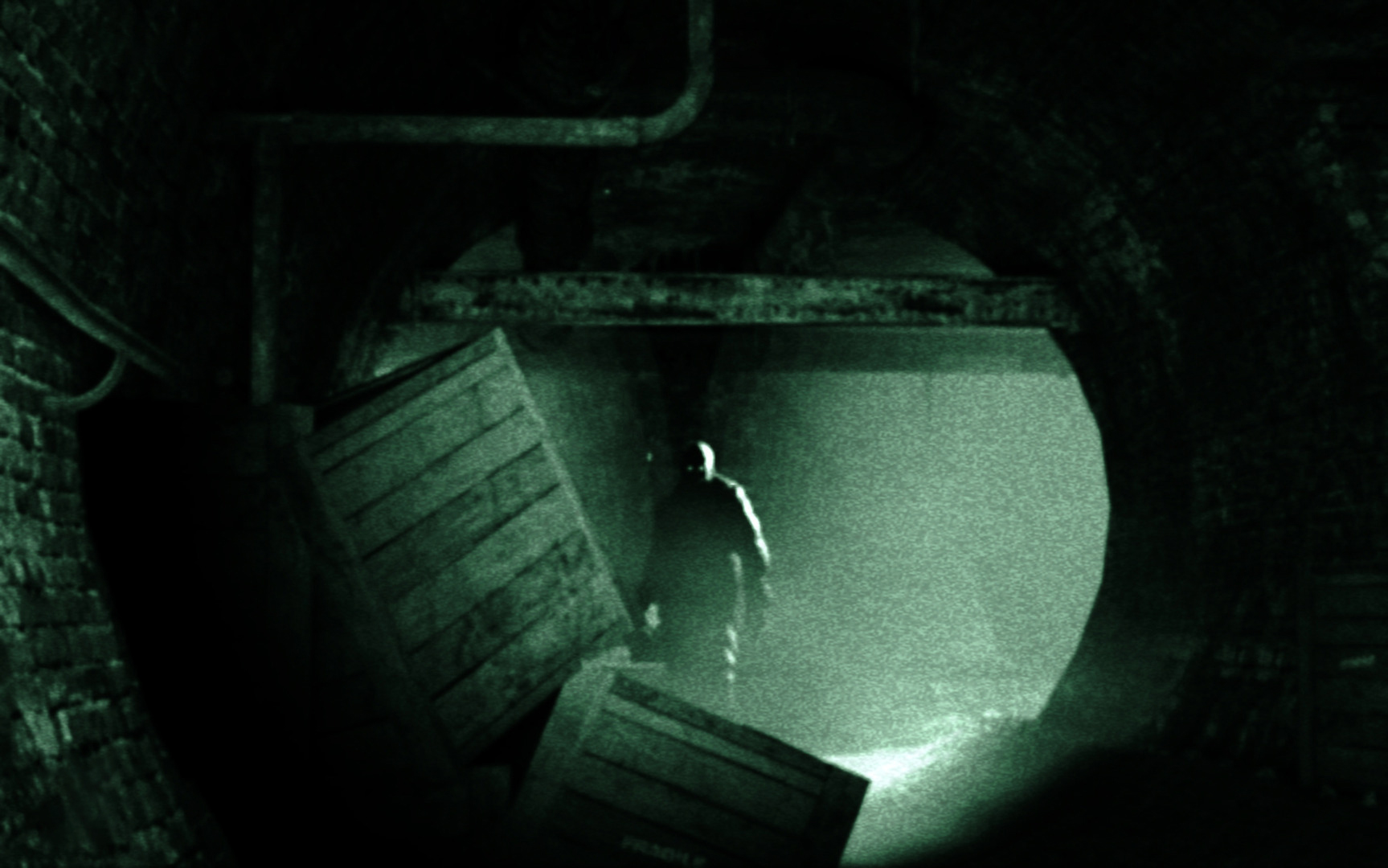
Red Barrels created a game that brought a fresh take to the horror genre, focusing on a vulnerable player with no way to fight back. While incredibly scary at first, some players feel the game becomes predictable as they learn enemy routes. Critics also point out that it relies heavily on loud noises and quick scares instead of creating a truly unsettling atmosphere. The constant need to find and replace batteries for the night-vision camera can also become repetitive and frustrating, feeling less like a crucial survival element and more like a chore.
‘Amnesia: The Dark Descent’ (2010)
This game, created by Frictional Games, is known for revolutionizing horror by emphasizing stealth and mental state. However, looking back, some reviewers feel the puzzles are overly complicated and disrupt the story. Though fitting with the game’s themes, the sanity effects can be visually overwhelming. Despite its significant impact on the horror genre, some players today might find the game’s pace a bit slow.
‘Dying Light’ (2015)
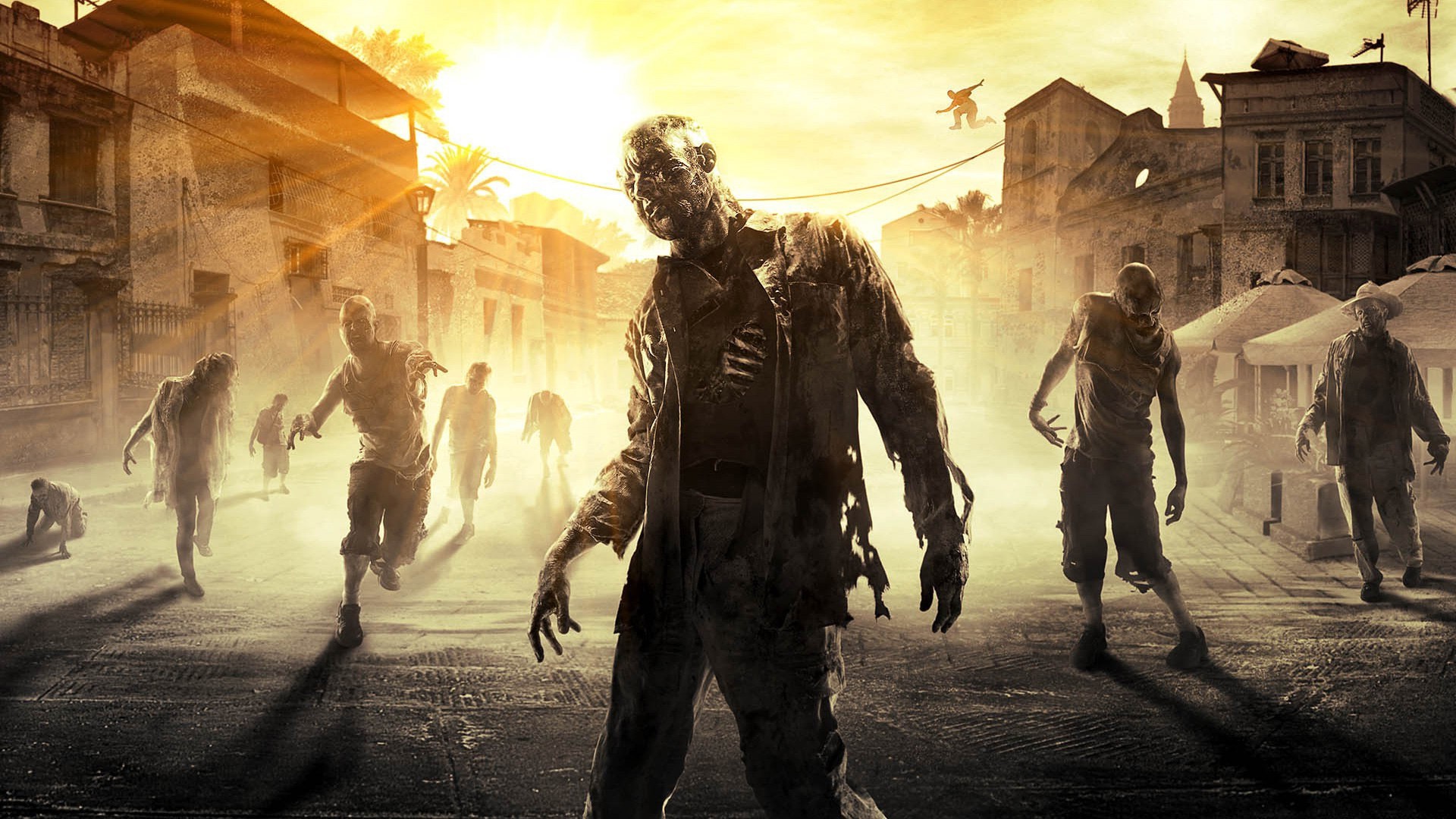
This game, created by Techland and published by Warner Bros., blends fast-paced parkour with the challenge of surviving a zombie apocalypse. Players generally love how the game feels to move around in, but the story and characters are often considered unoriginal and easy to guess. While fighting zombies during the day can become a bit monotonous, the game really comes alive at night with increased suspense. Some players felt the game shifted too much towards shooting later on, losing some of what made it special.
‘The Evil Within’ (2014)
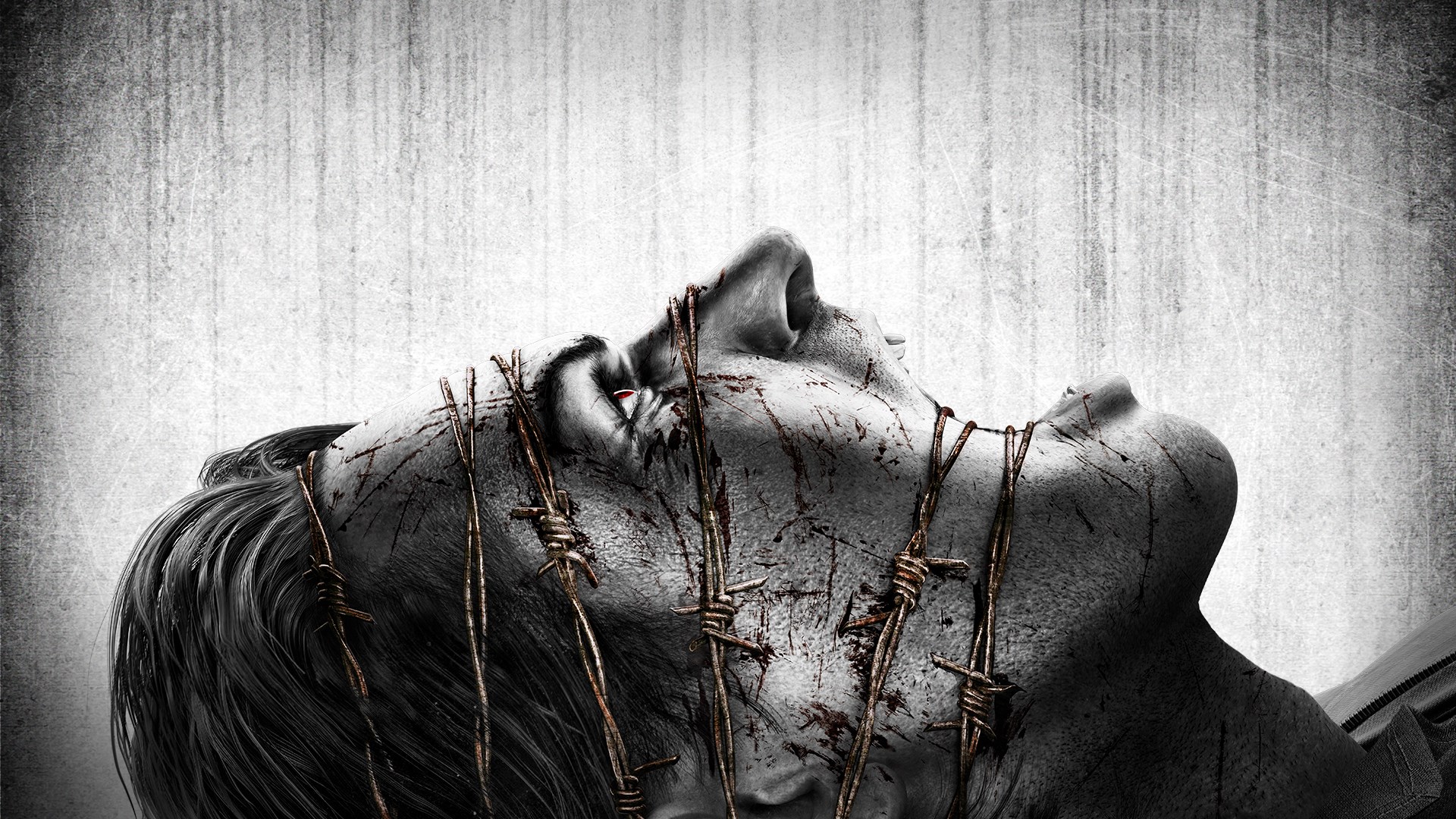
Created by Tango Gameworks and published by Bethesda Softworks, this game saw director Shinji Mikami return to making survival horror experiences. While praised for its creative monsters, it received criticism for technical problems and a confusing storyline. One particularly divisive choice was the use of letterboxing, which many players felt limited their view. Despite gaining a dedicated fanbase, the game’s mix of stealth and action often felt uneven.
‘Alan Wake’ (2010)
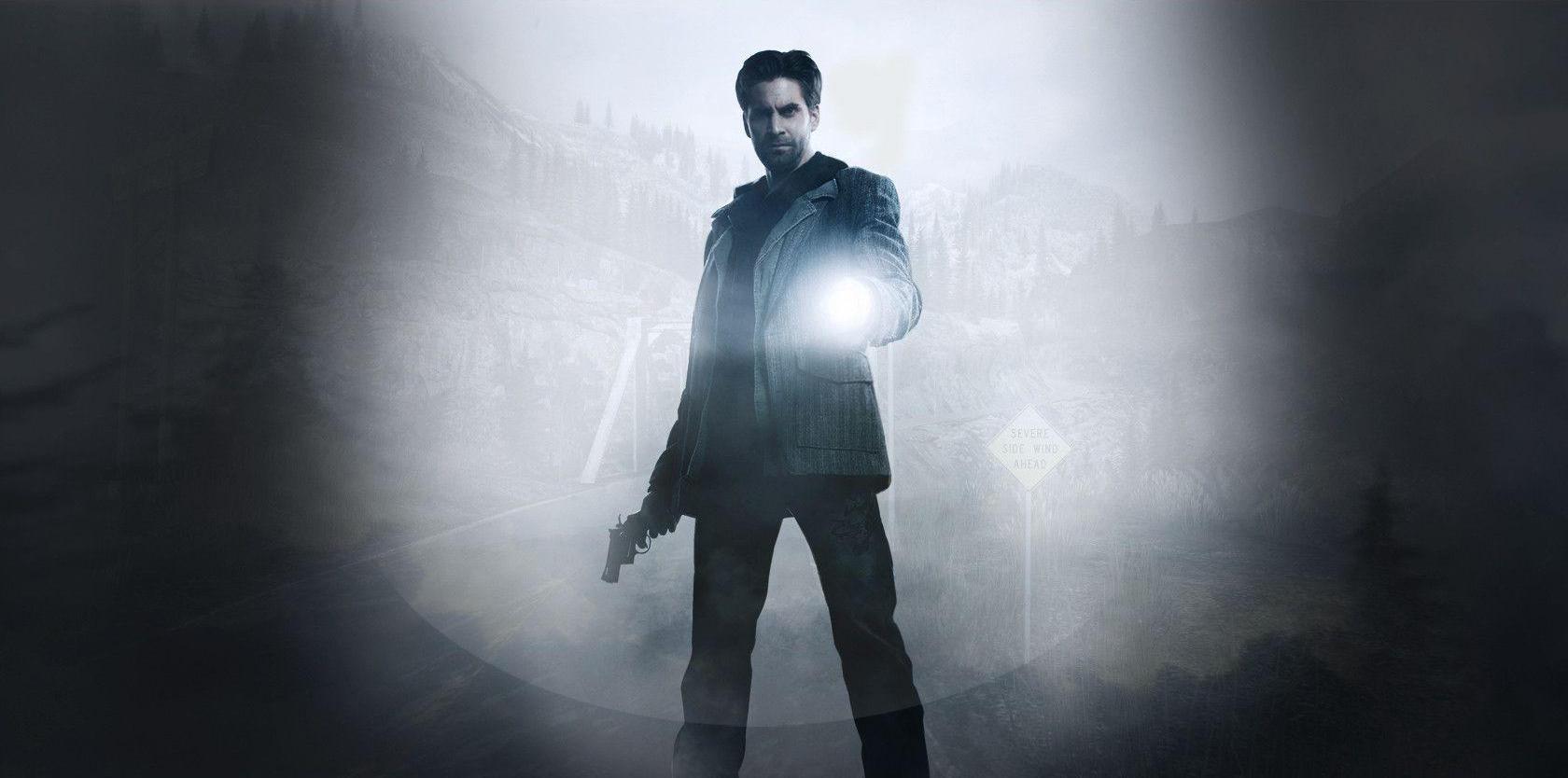
This psychological action thriller, created by Remedy Entertainment and published by Microsoft, centers around a writer whose fictional worlds become reality. While the game boasts a captivating story and a beautifully realized Pacific Northwest environment, the combat can become repetitive, relying heavily on using light as a weapon. Many players found the enemy encounters to be monotonous, as they faced the same types of foes throughout the game. Despite its strong narrative, the gameplay is often considered the weakest aspect of the overall experience.
‘Until Dawn’ (2015)
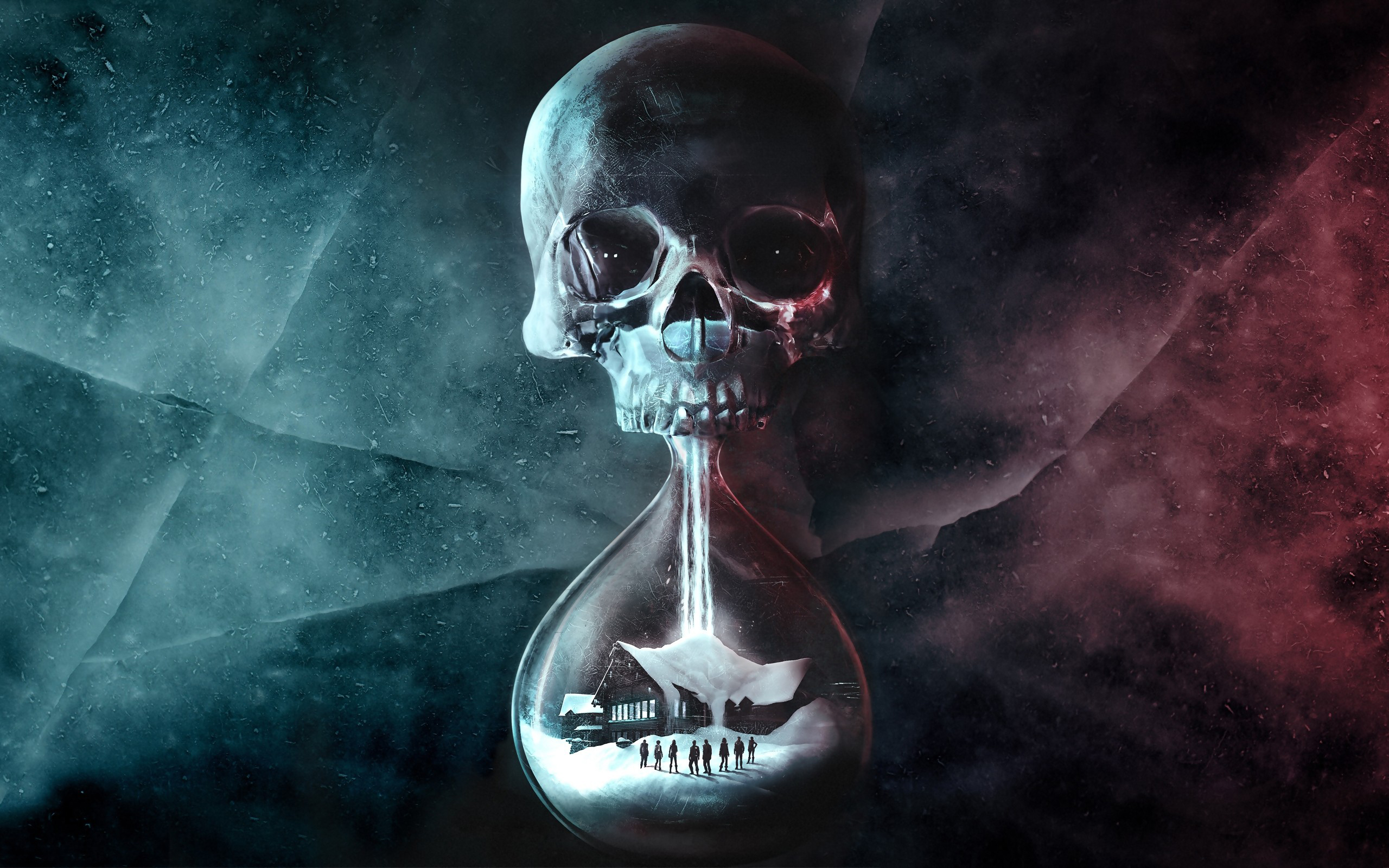
This game, created by Supermassive Games and published by Sony, is inspired by classic teen slasher movies and lets players shape the story through their choices. Though the game boasts a ‘Butterfly Effect’ system with many possible outcomes, much of the gameplay involves exploration and completing timed button presses. Reviewers have pointed out that many choices don’t actually matter much, often leading to similar endings. While it’s a captivating, movie-like experience, players hoping for complex gameplay might find it a bit shallow.
‘Little Nightmares’ (2017)
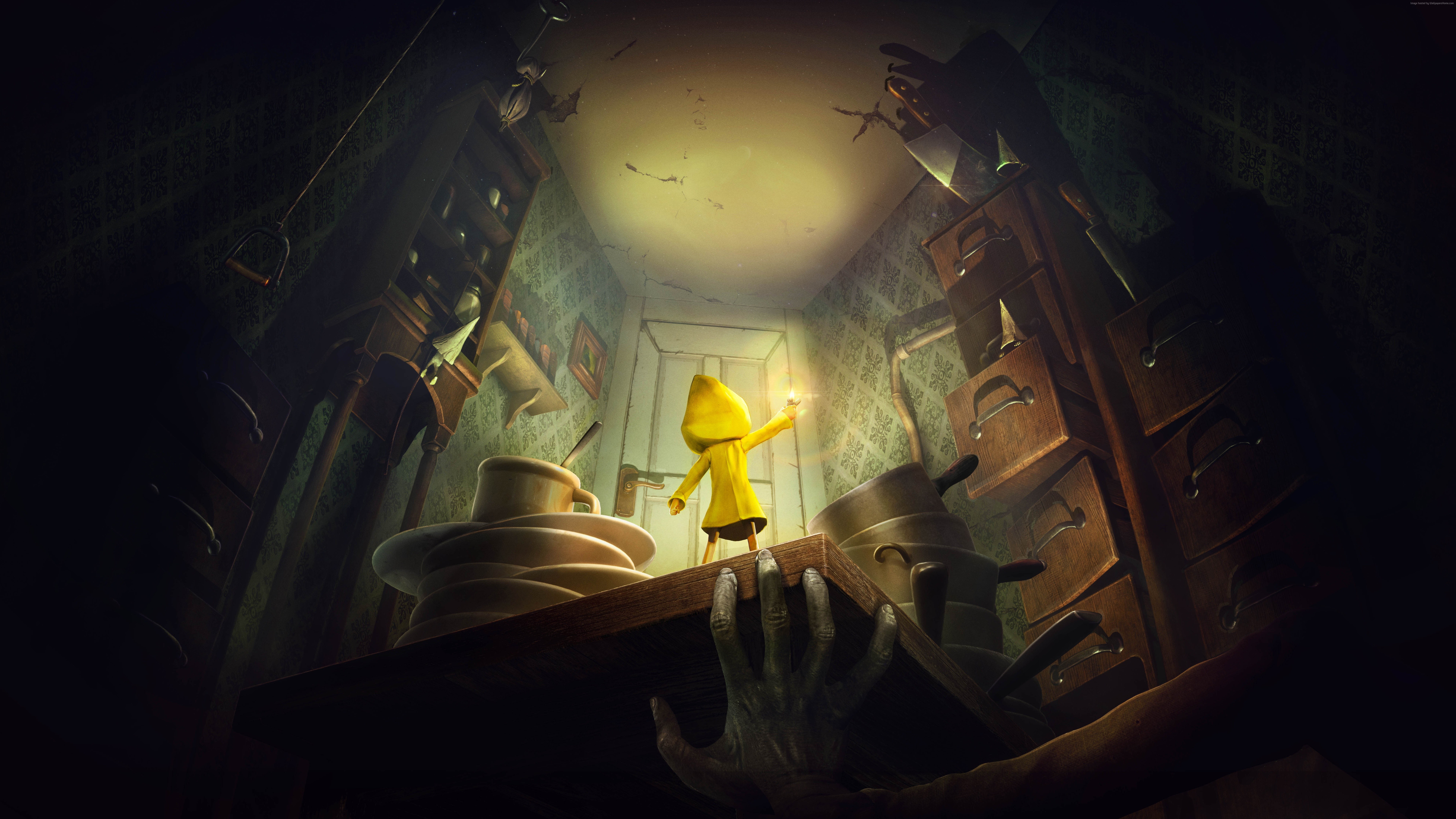
This puzzle-platformer, created by Tarsier Studios and published by Bandai Namco Entertainment, stands out with its creepy visuals and strange characters. However, the way the game is presented can make it difficult to judge distances, leading to accidental falls or missed jumps. This often forces players to try the same sections repeatedly, which can be frustrating and disrupt the game’s immersive feel. Although the game looks amazing, its need for precise movements doesn’t always work well with its somewhat unpredictable physics.
‘Silent Hill: Homecoming’ (2008)
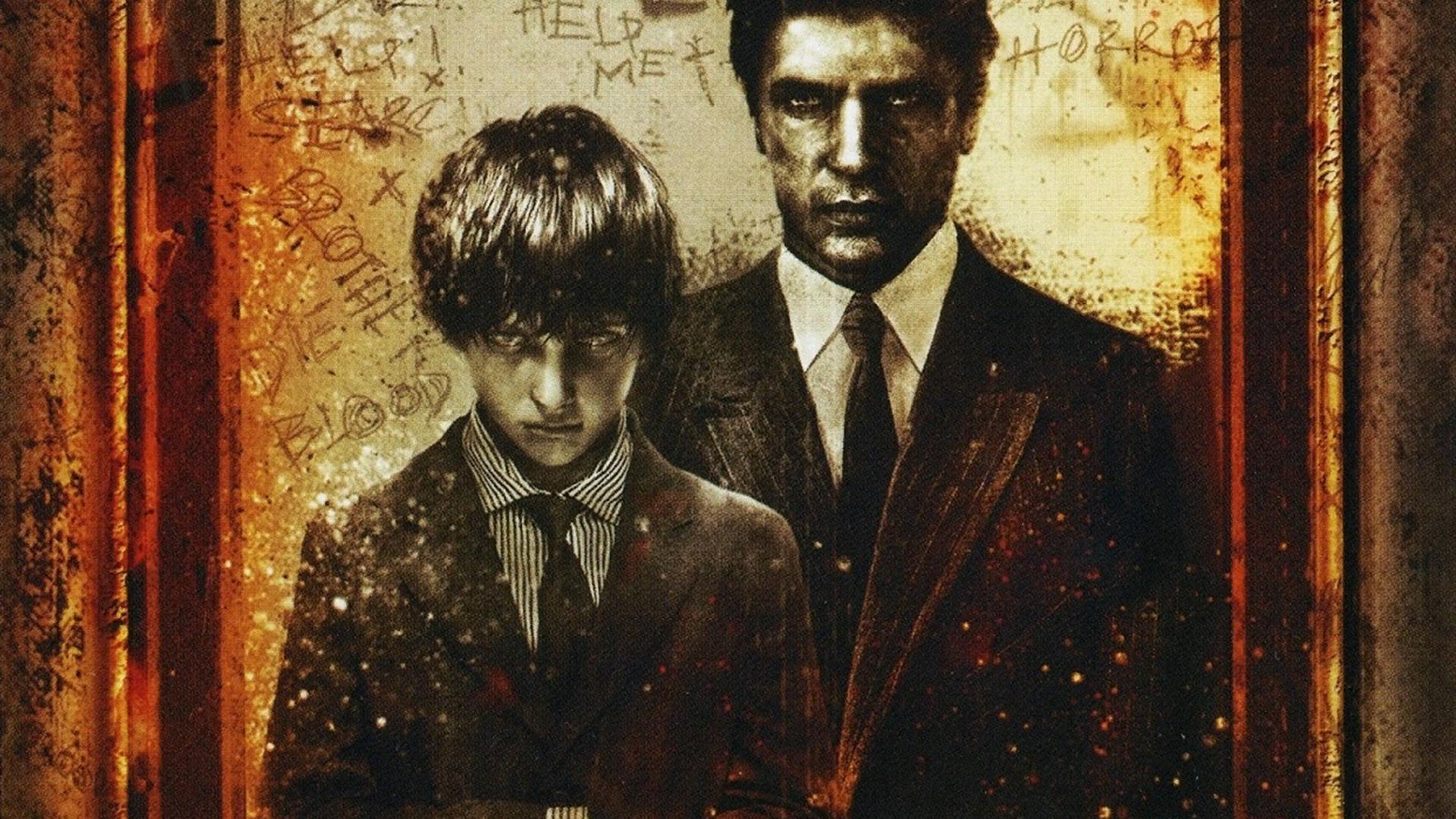
This ‘Silent Hill’ game, created by Double Helix Games and published by Konami, tried to appeal to Western audiences by focusing more on action and fighting. However, many longtime fans disliked this change, feeling the series should be known for its psychological horror and atmosphere. Critics also pointed out that the game borrowed heavily from the ‘Silent Hill’ movies instead of introducing fresh ideas. Although the monster designs were unsettling, most agreed the game wasn’t as good as the earlier games made by Team Silent.
‘Resident Evil Village’ (2021)
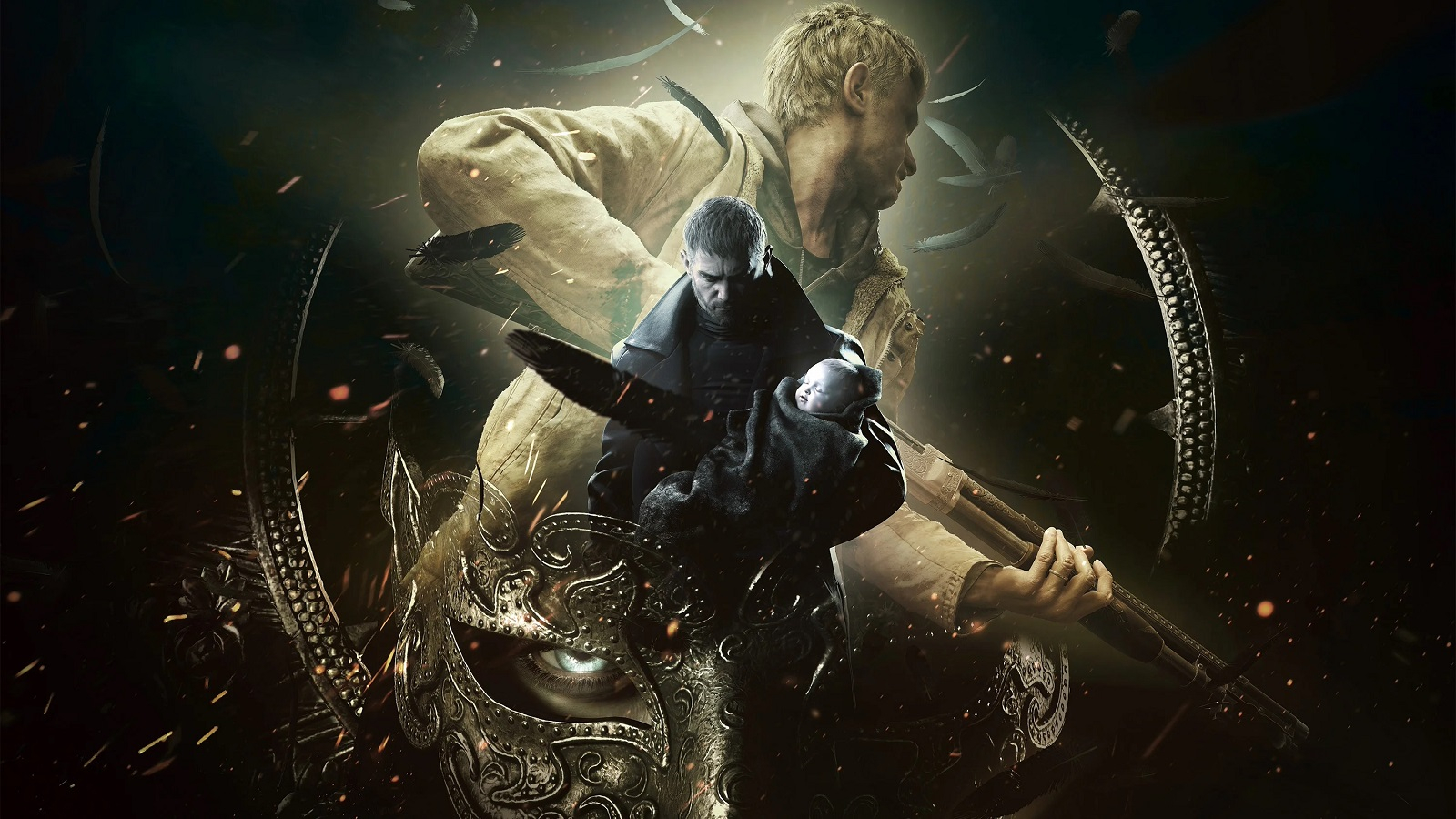
Capcom created and released this eighth major installment in the ‘Resident Evil’ series, combining the scary, first-person perspective of the previous game with the faster-paced action of ‘Resident Evil 4’. While generally well-received, critics have noted that the game’s four main areas aren’t all equally strong – some feel more fleshed out than others. The game’s ending, which leans heavily into action and fantastical elements, divided players, particularly those who enjoyed the more grounded horror of earlier sections. Some fans also found the main character to be somewhat underdeveloped and difficult to connect with, despite the game’s overall success.
‘BioShock’ (2007)
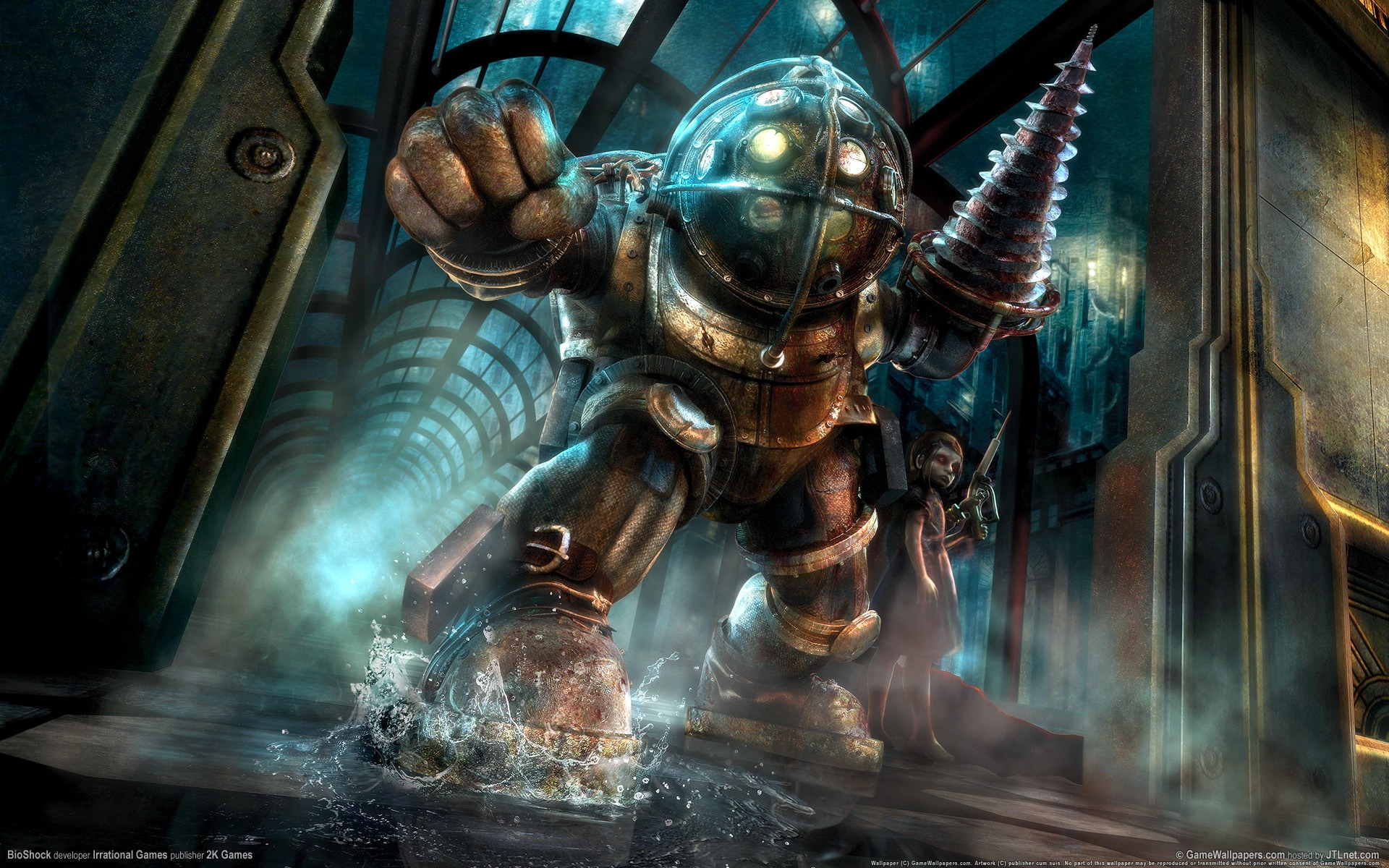
Created by 2K Boston and 2K Australia and released by 2K Games, this game is well-known for its compelling story and the immersive city of Rapture. However, some players feel the horror elements weaken as you gain more powerful weapons and abilities. Critics often point out a disconnect between the player’s actions and the game’s moral themes. Though a hugely influential game, whether it truly qualifies as “horror” is often discussed, as its action-shooter gameplay takes center stage.
‘Alien: Isolation’ (2014)
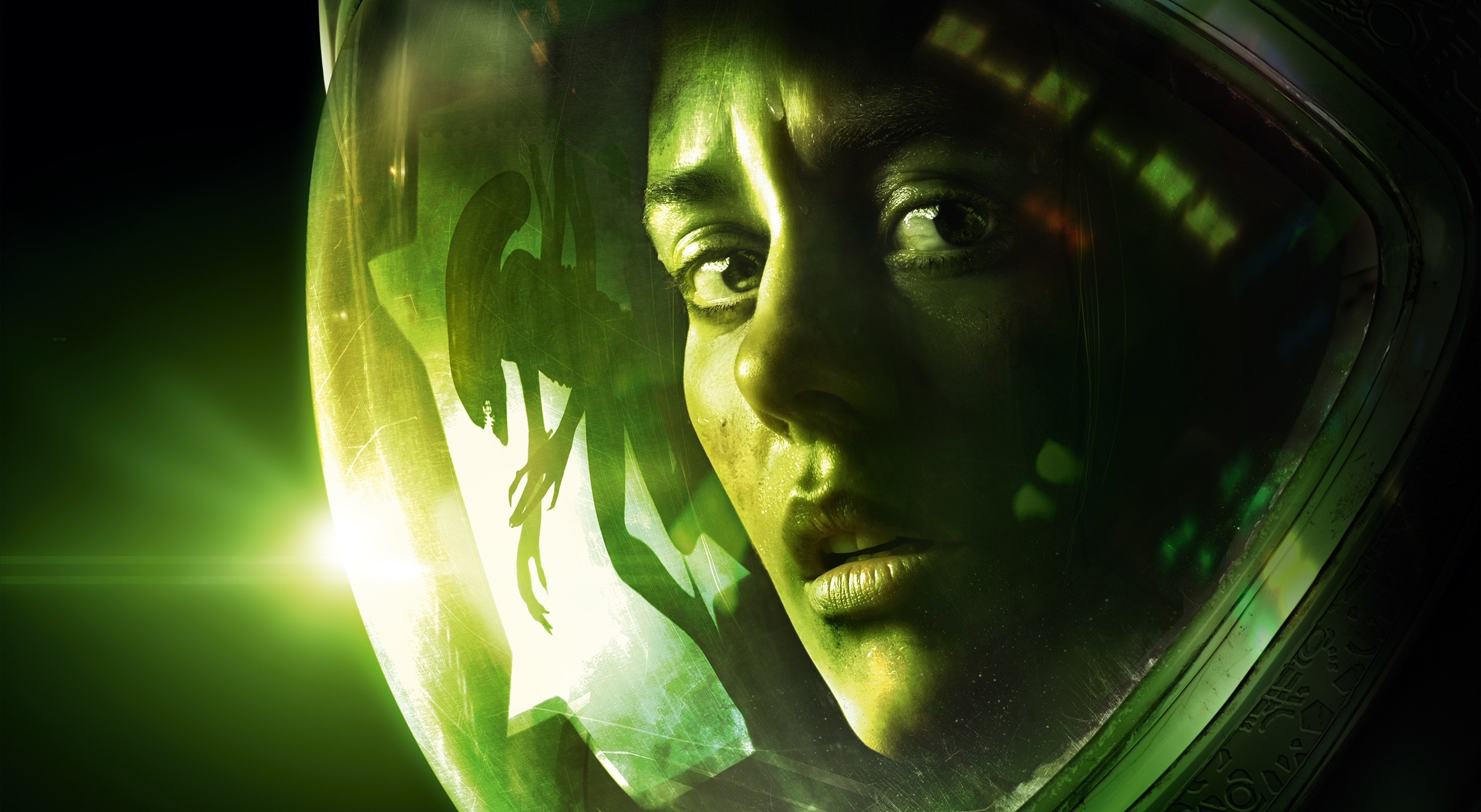
This game, created by Creative Assembly and published by Sega, is well-regarded for how accurately it captures the look and feel of the original movie, as well as its smart enemy AI. However, many players find it’s too long, which reduces the suspense as the game goes on. Some find the fights against human and android enemies less exciting than the stealth sections where you avoid the Alien. The Alien itself can be unpredictable, and some players feel they die unfairly due to random events rather than their own mistakes.
‘The Last of Us Part II’ (2020)
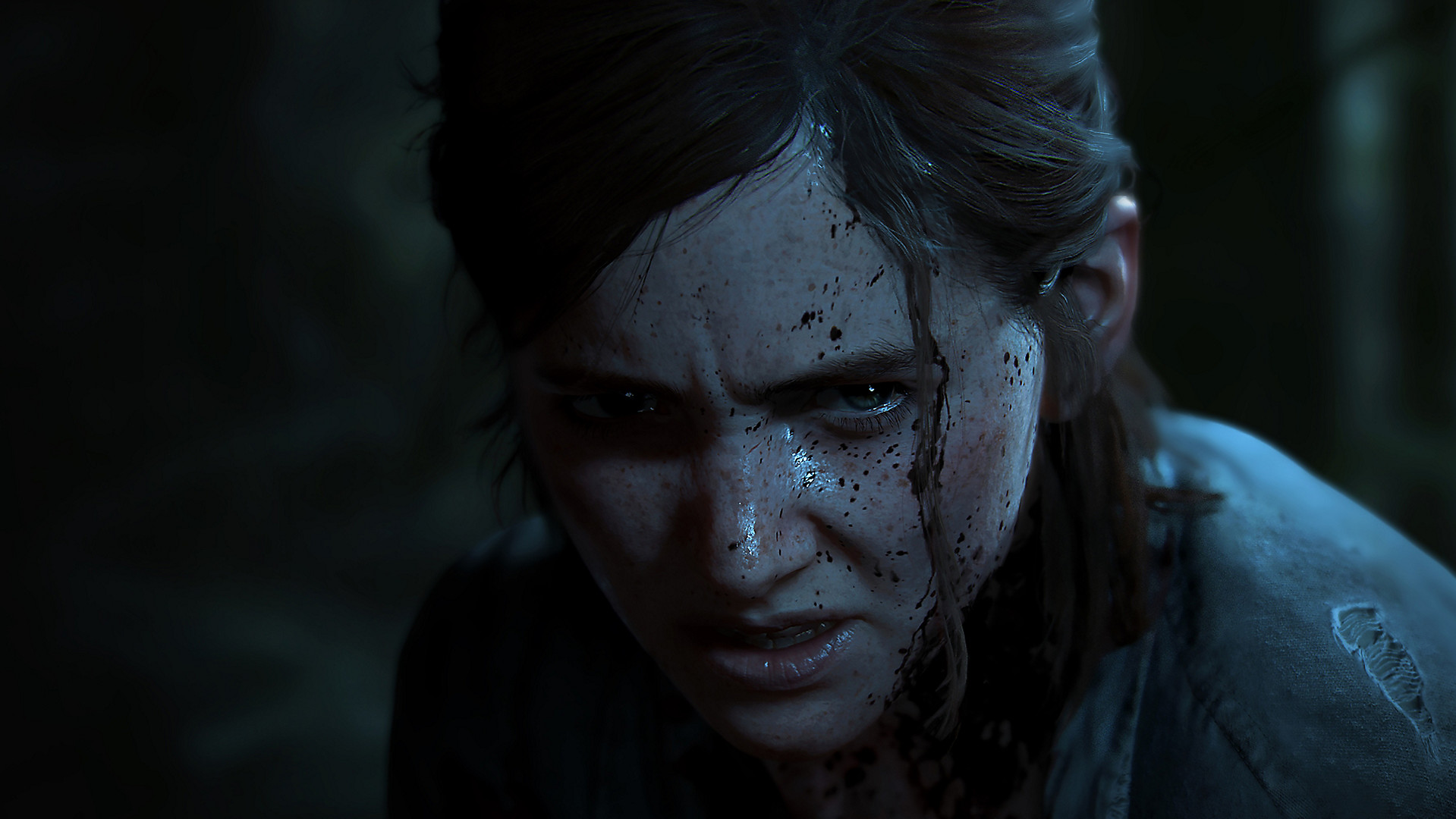
This highly-awarded sequel from Naughty Dog and Sony is also quite controversial. Though praised for its stunning graphics and excellent gameplay, the story received a lot of criticism. Many players found the 25-hour-long narrative slow-paced and questioned the characters’ actions. Additionally, some found the game’s consistently dark and depressing atmosphere to be draining.
‘Left 4 Dead 2’ (2009)
Left 4 Dead 2, created by Valve, is a classic zombie shooter that’s still popular. Some players feel it didn’t offer enough new content compared to the original game, especially since it came out so soon after. The basic gameplay hasn’t changed much in over ten years, which can feel repetitive to some modern gamers. Although the game’s unique ‘AI Director’ is well-regarded, the absence of a clear way to unlock upgrades or abilities can make extended play sessions feel without purpose.
‘Resident Evil 4 (Remake)’ (2023)
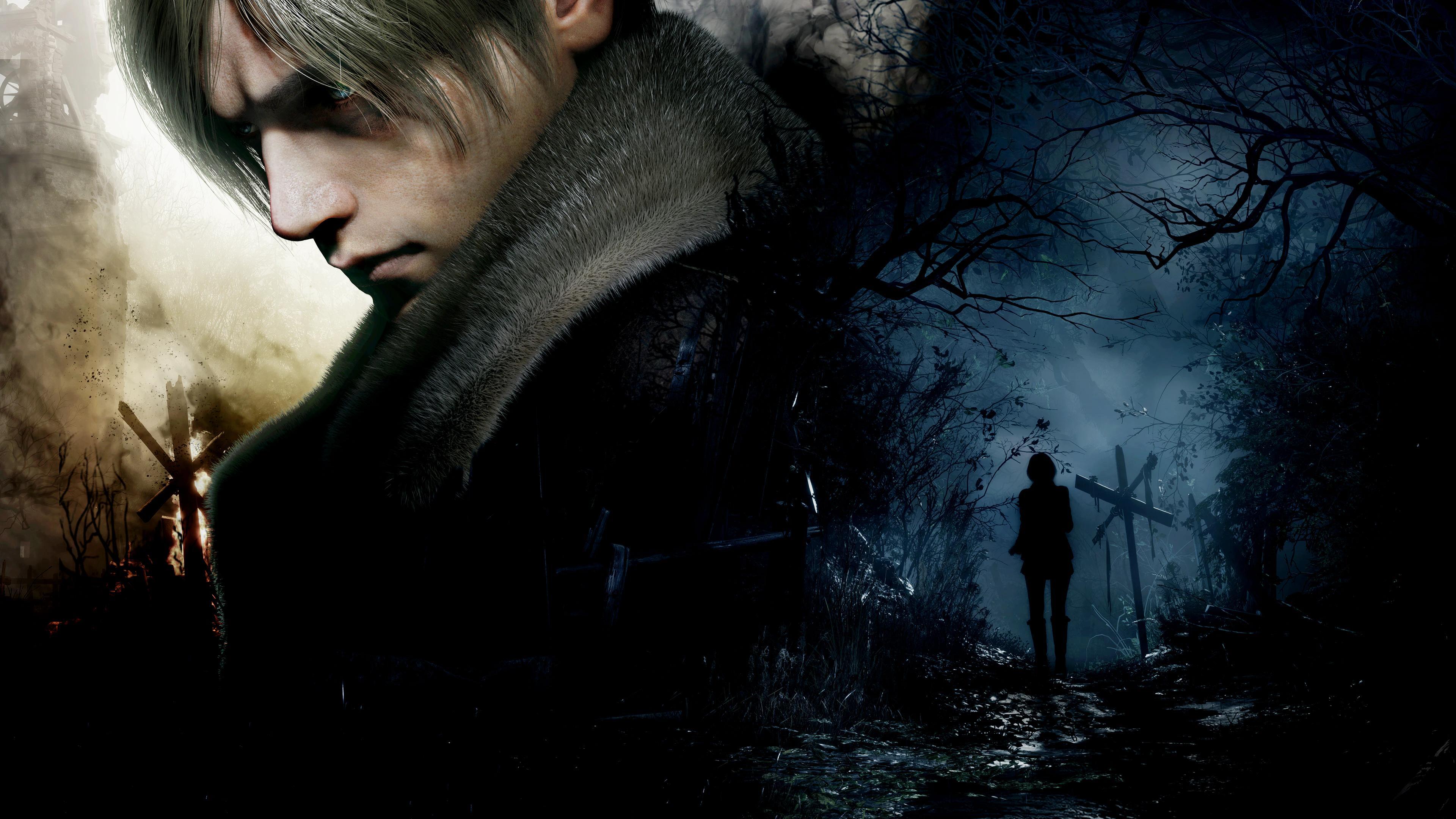
This remake of a beloved 2005 game from Capcom has been widely praised for its updated gameplay and graphics. However, some longtime fans feel it lost some of the original’s quirky personality and distinctive timing. While the new knife-parry feature works well, it altered the combat in a way that some players didn’t enjoy as much. Despite being a technically impressive game, discussions continue about whether the remake was a worthwhile addition to the series.
‘P.T.’ (2014)
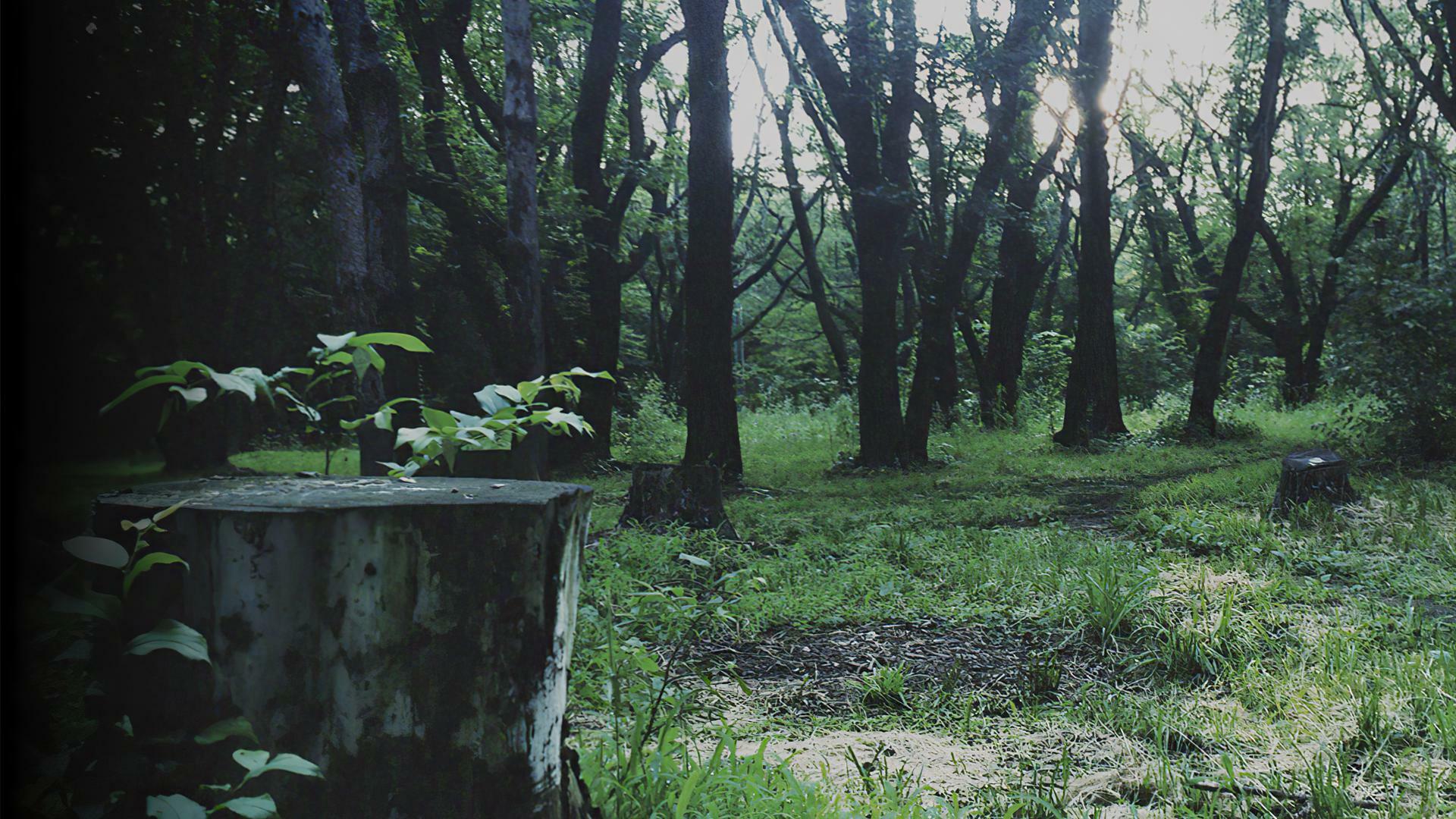
Originally released as a demo for the cancelled game ‘Silent Hills’ (created by Kojima Productions under the name 7780s Studio and published by Konami), ‘P.T.’ became famous after it was removed from online stores. Though incredibly effective at creating a frightening atmosphere, many critics noted that its puzzles were deliberately difficult and required online help to solve. The experience is essentially a single, repeating hallway with limited interaction – you mostly just walk and look. Its legendary status is more due to its scarcity and the potential of the cancelled game than a fully realized gameplay experience.
‘Resident Evil 4’ (2005)
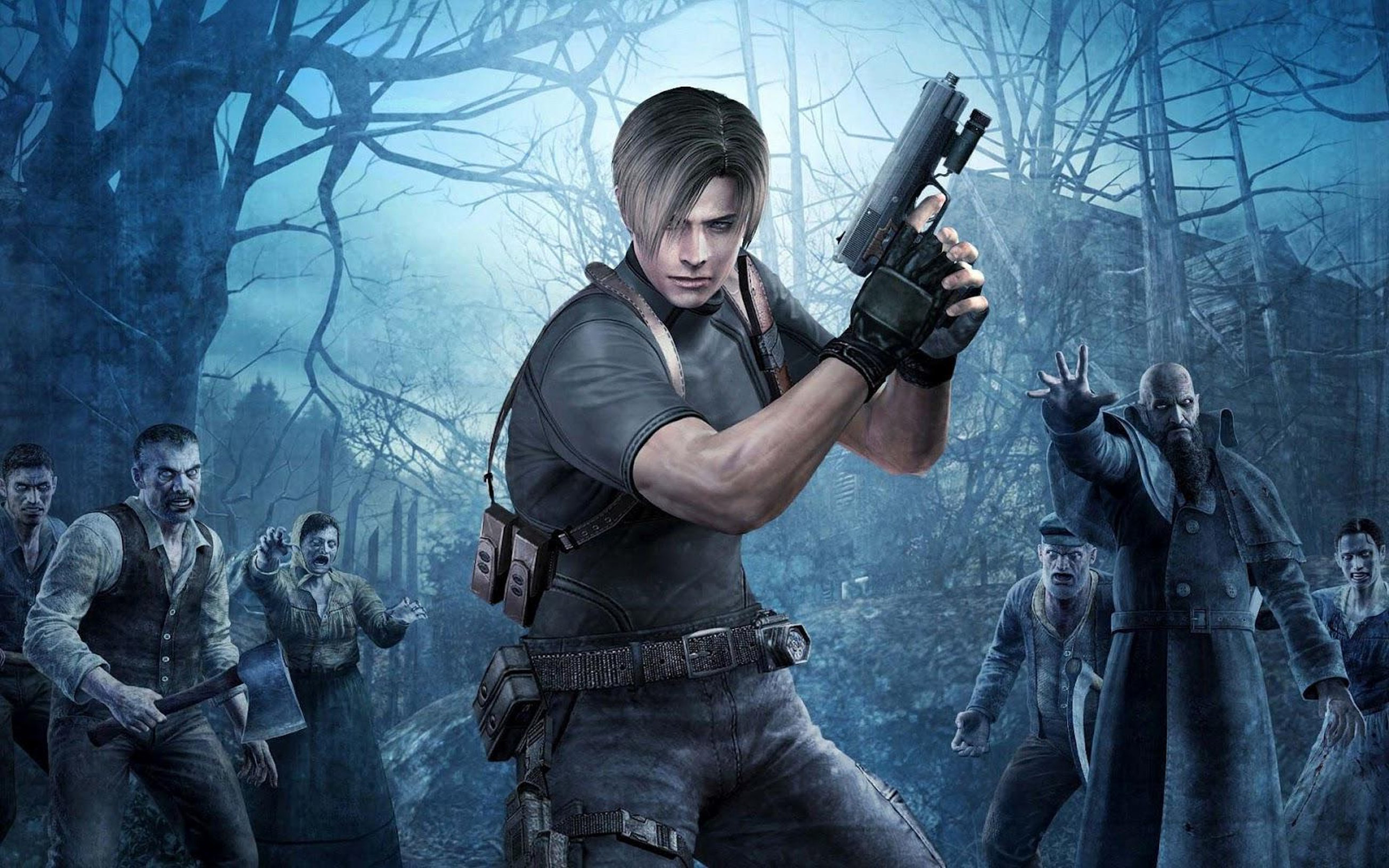
Capcom created and released this highly acclaimed game, which is often considered one of the best of all time and helped popularize the over-the-shoulder camera perspective. However, some horror fans believe it marked a shift away from the series’ traditional survival horror elements, leaning more towards action. A common criticism is the frustrating experience of protecting the character Ashley, which many players found disruptive. While the game was groundbreaking, its reduced emphasis on genuine scares and focus on combat sequences make its place among the greatest horror games debatable.
Share your own list of overrated horror titles in the comments.
Read More
- 20 Movies Where the Black Villain Was Secretly the Most Popular Character
- Celebs Who Narrowly Escaped The 9/11 Attacks
- Transformers Under the Microscope: What Graph Neural Networks Reveal
- Silver Rate Forecast
- Top 20 Dinosaur Movies, Ranked
- Trading on Thin Air: AI Agents Conquer Crypto Volatility
- Gold Rate Forecast
- 22 Films Where the White Protagonist Is Canonically the Sidekick to a Black Lead
- Invincible Season 4 Gender Swaps Tech Jacket As Fans Question Major Comic Change
- Every Notable ‘Star Trek: The Original Series’ Actor Who Died
2026-01-08 04:18