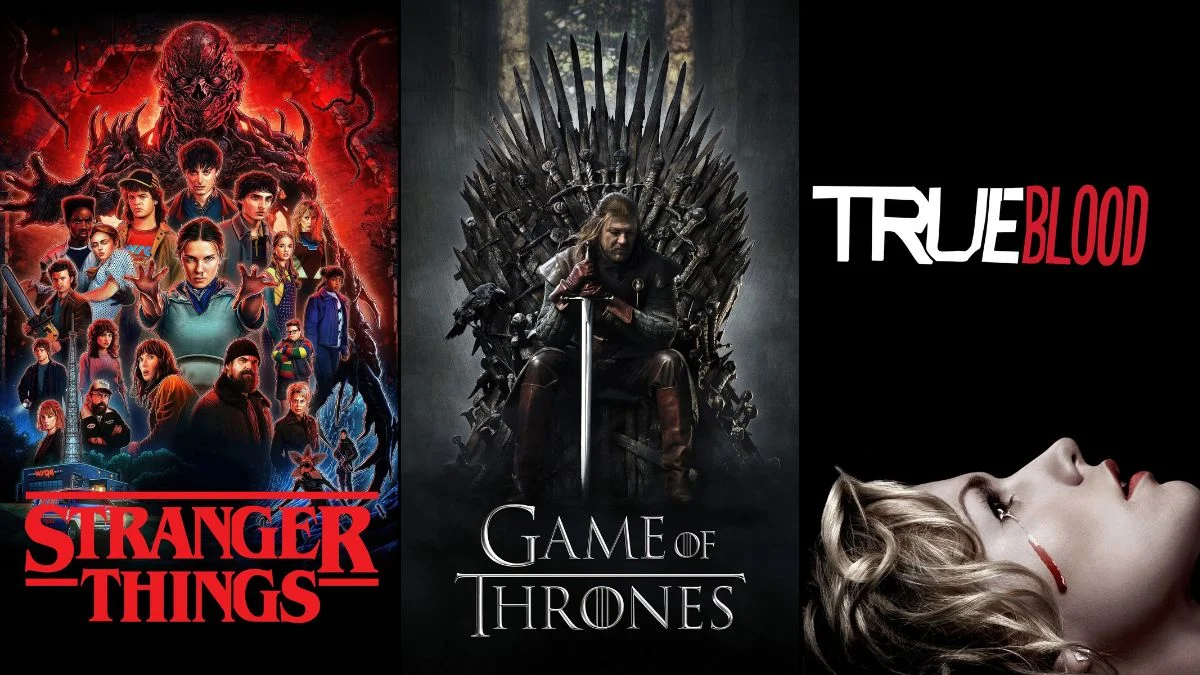
Throughout television history, memorable shows have thrived on strong partnerships and ensemble casts. However, scriptwriters often fail to give Black supporting characters the same complex development as white characters. These characters are often limited to predictable roles – like the wise helper, the witty sidekick, or someone who exists solely to help the main character or offer encouragement – and their own personal stories are rarely explored. The shows discussed below illustrate how weak writing can turn potentially beloved characters into flat, one-dimensional figures.
‘The Vampire Diaries’ (2009–2017)
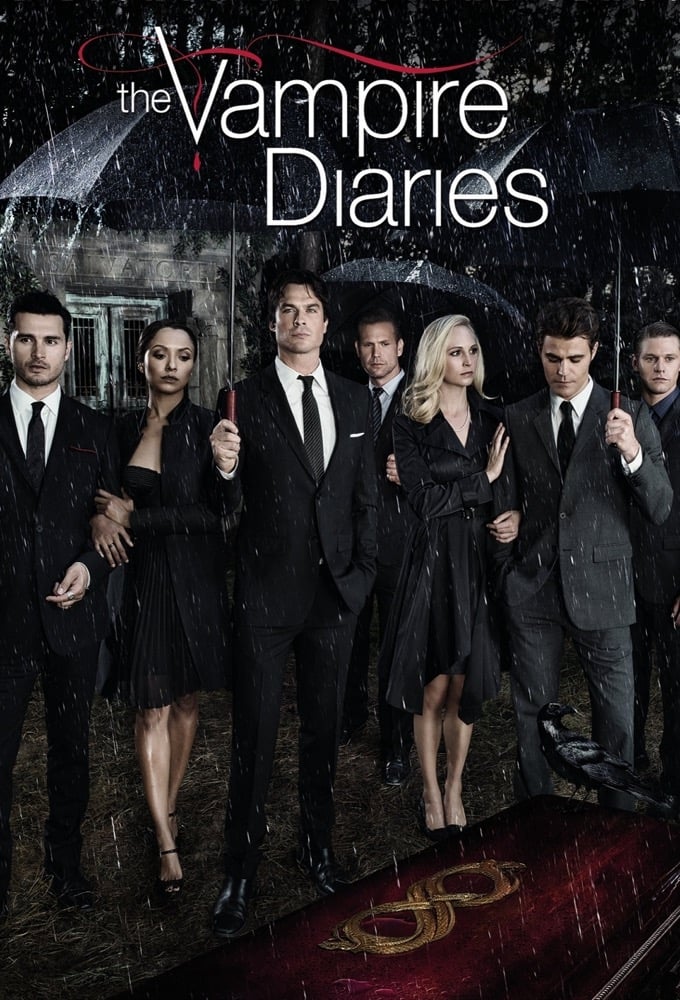
Bonnie Bennett, the show’s witch, repeatedly put her own well-being aside to help her friends. Unfortunately, the writers often used her difficult experiences and suffering simply to move the story forward for the main characters. She’d frequently be absent for several episodes, only reappearing when a magical problem needed solving. Her relationships consistently failed or ended badly, keeping her feeling alone. This created a pattern where Bonnie felt more like a plot device than a fully developed character.
‘Glee’ (2009–2015)
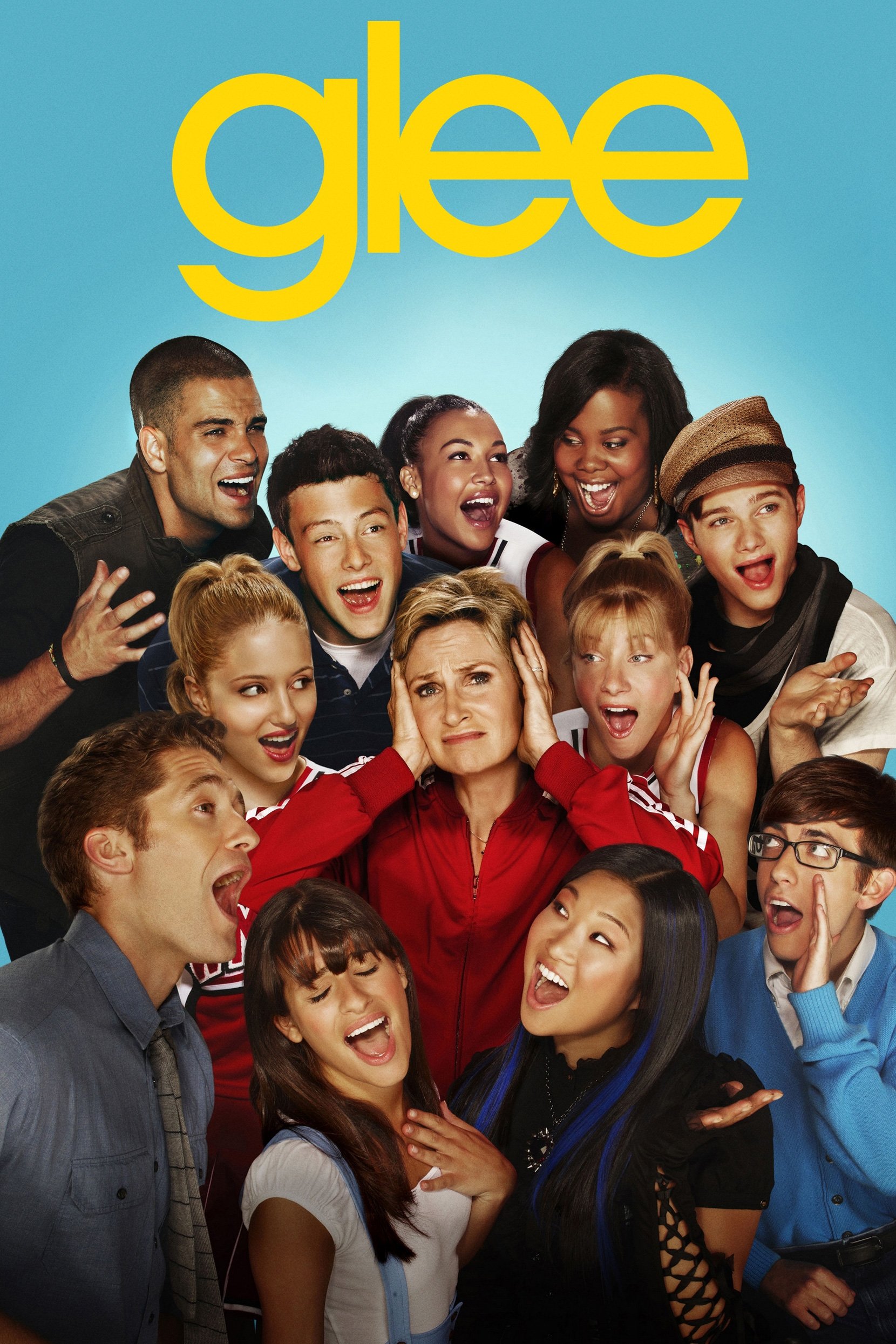
Mercedes Jones had an incredibly strong voice, often as good as or better than the lead singer. However, the show consistently minimized her talent, choosing to focus on Rachel Berry. When Mercedes asked for a chance to shine, she was often portrayed negatively as difficult or unmotivated. She was frequently reduced to playing the role of a supporting character – the confident, talented singer who added powerful vocals to group performances. The show didn’t delve into her personal life or her close friendships, which ultimately diminished her character’s potential and impressive abilities.
‘Game of Thrones’ (2011–2019)
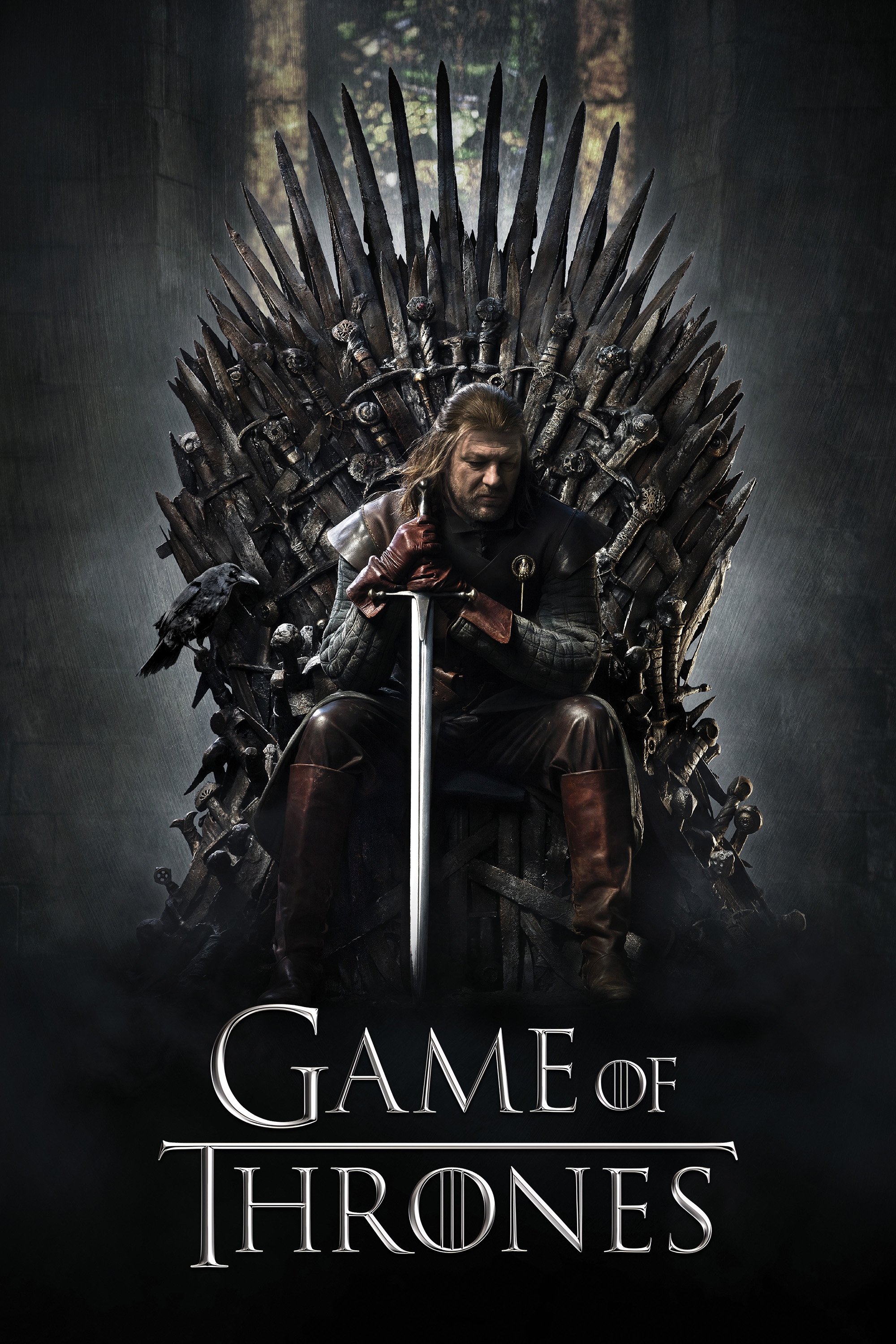
I was so frustrated watching Missandei’s story. She started out as this incredibly capable translator and advisor to Daenerys, someone I really admired. But later on, she just… faded into the background. It felt like the writers didn’t know what to do with her, and ultimately, they used her death just to make Daenerys even angrier. It was awful to see a strong woman, a survivor of slavery no less, reduced to simply a plot device for someone else’s story. Honestly, it felt really lazy and relied on tired, harmful tropes about characters of color being disposable, and a lot of fans were rightfully upset.
‘True Blood’ (2008–2014)

Throughout the series, Tara Thornton experienced constant trauma. The writers focused heavily on her suffering, anger, and being a victim, and never gave her a chance to recover. She was often depicted as needing rescue or being controlled by supernatural forces. Her death occurred off-screen and felt unimportant to the overall story. Ultimately, the show didn’t give her the meaningful journey towards healing and peace that her character deserved.
‘The Walking Dead’ (2010–2022)
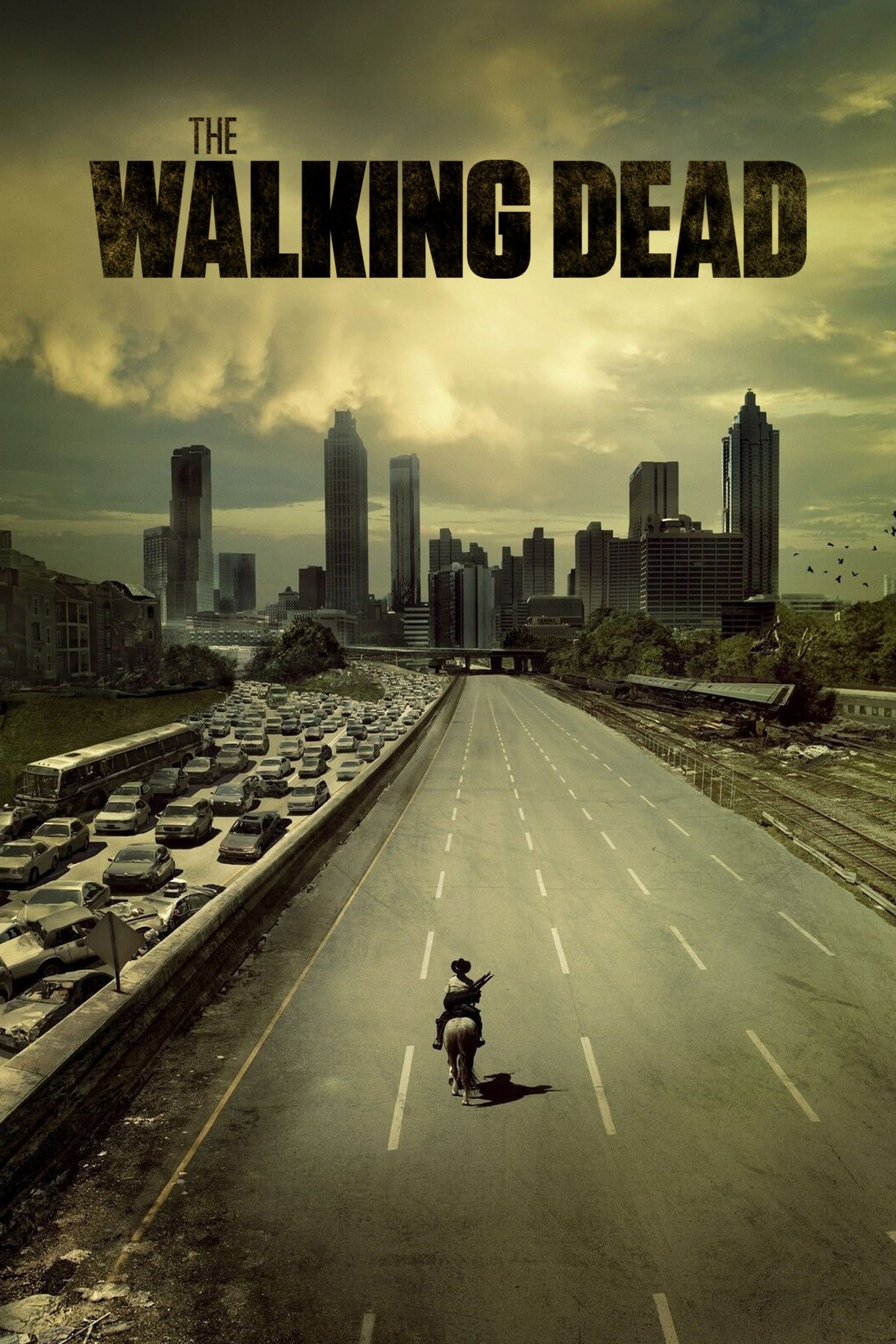
T-Dog survived the very beginning of the zombie outbreak, but the show never really developed his character. He was around for several seasons with hardly any lines and no explanation of who he was or what drove him. While his death was brave, it felt more like a way to eliminate a character than a satisfying end to his story. The writers never took the time to show us the world through his eyes. Ultimately, he was a character who was there in body, but not in spirit – we never truly knew him.
‘Smallville’ (2001–2011)
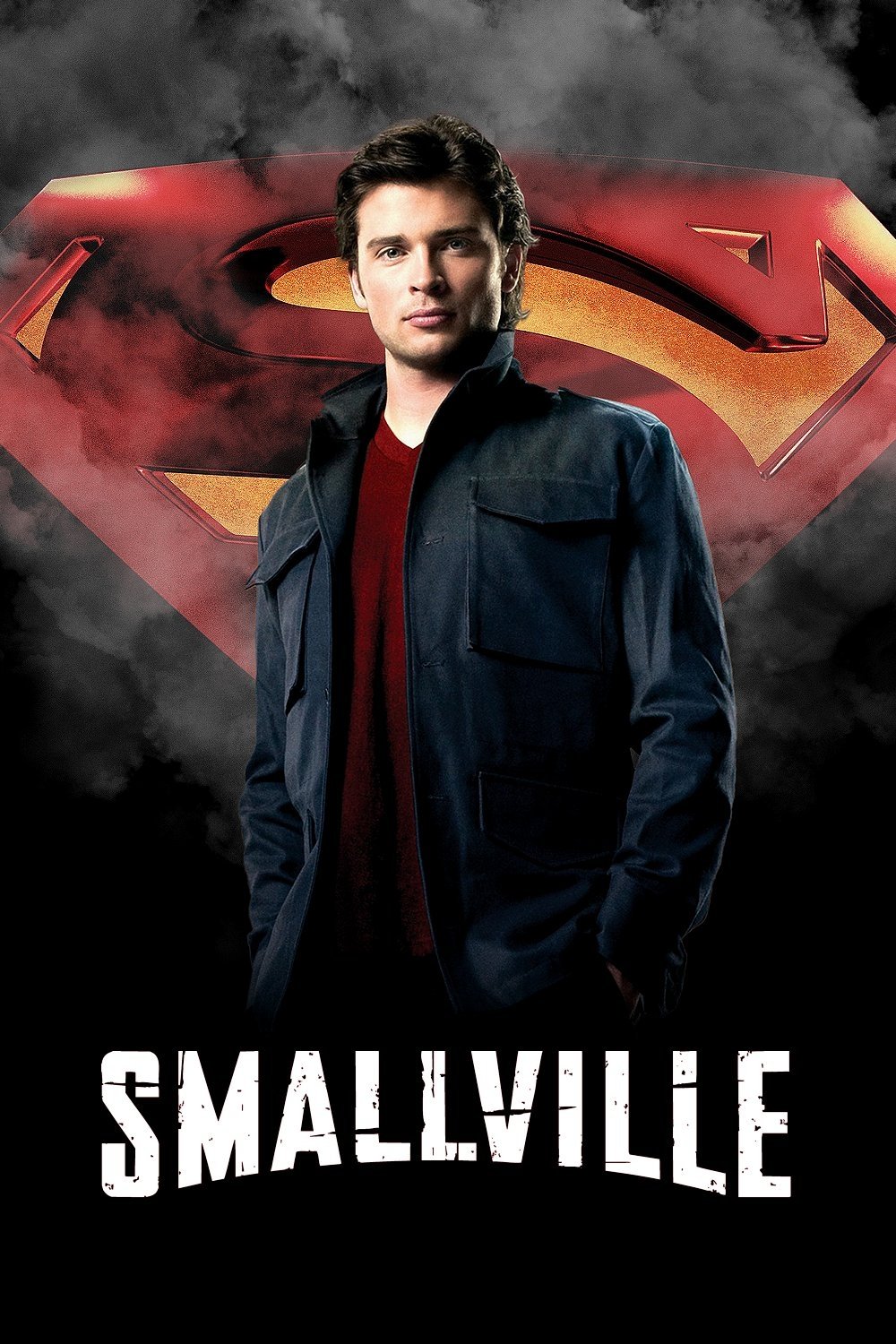
Pete Ross began as Clark Kent’s closest friend and the first to discover his secret identity. However, as the show’s story expanded, writers struggled to find a meaningful role for Pete, ultimately limiting him to simply knowing and protecting Clark’s secret. He was eventually written off the show with the explanation that he needed to safeguard Clark’s identity. His exit revealed a larger problem: the show hadn’t developed Pete’s own goals or ambitions, making him a victim of being overshadowed by the main character.
‘New Girl’ (2011–2018)

Winston Bishop joined the show in the second episode as a new roommate, but it took a while for the writers to figure out who he was. At first, he was mainly used as the normal one to highlight the funny behavior of the other characters. It wasn’t until later that the show embraced his own unique quirks and gave him a strong comedic role. In the beginning, he was often left out of main storylines or given unimportant side plots. He only became a beloved character once the writers started giving him more attention and a significant role.
‘Riverdale’ (2017–2023)
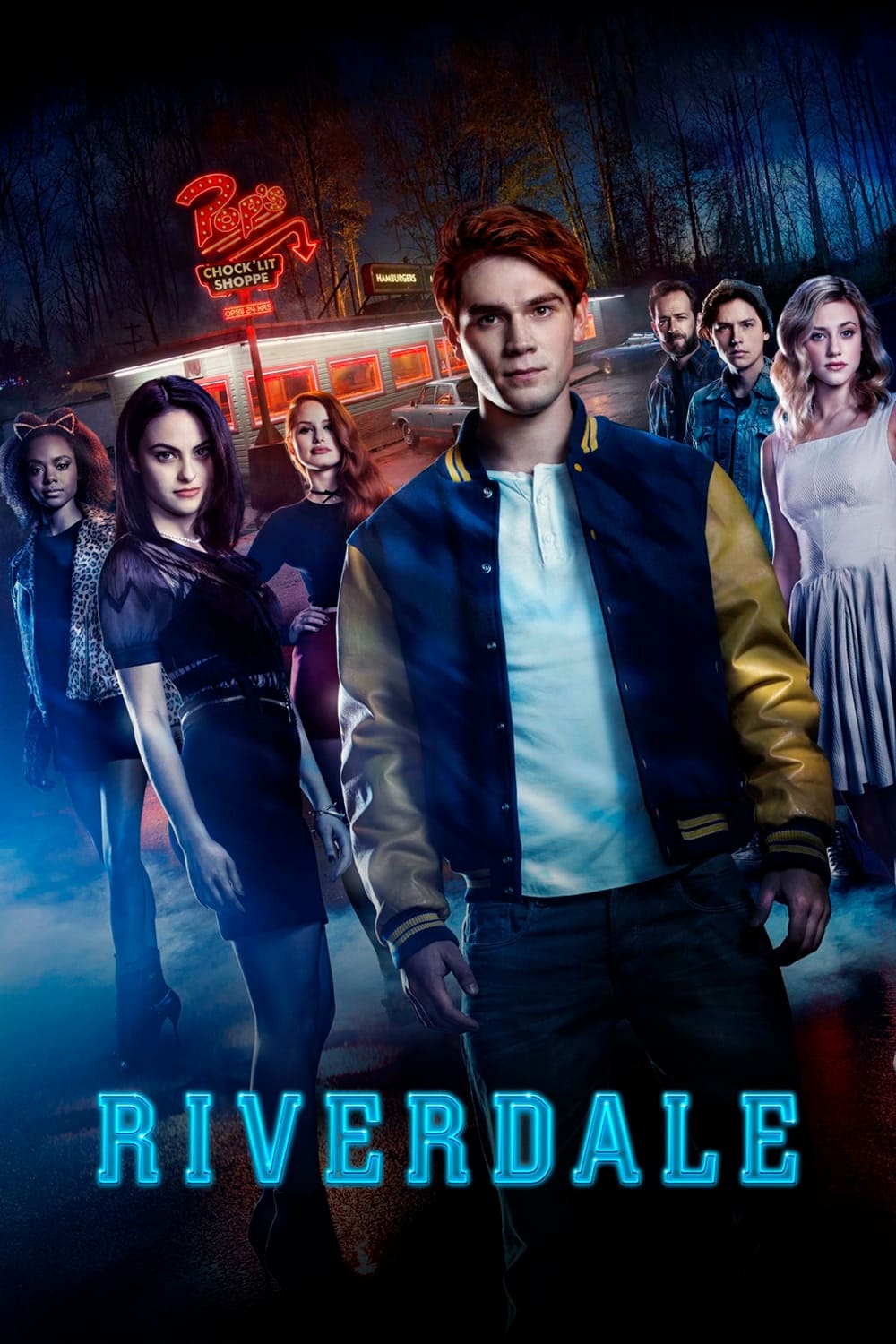
Josie McCoy and the Pussycats were presented as a skilled and popular band, but the show mostly used them for brief musical performances to support other characters’ stories. Josie, as the band’s ambitious leader, rarely had a significant role in the central mysteries. Her departure for a spin-off series suggested the main show didn’t know how to properly utilize her talents, essentially reducing a dynamic performer to a supporting role.
‘Saved by the Bell’ (1989–1993)
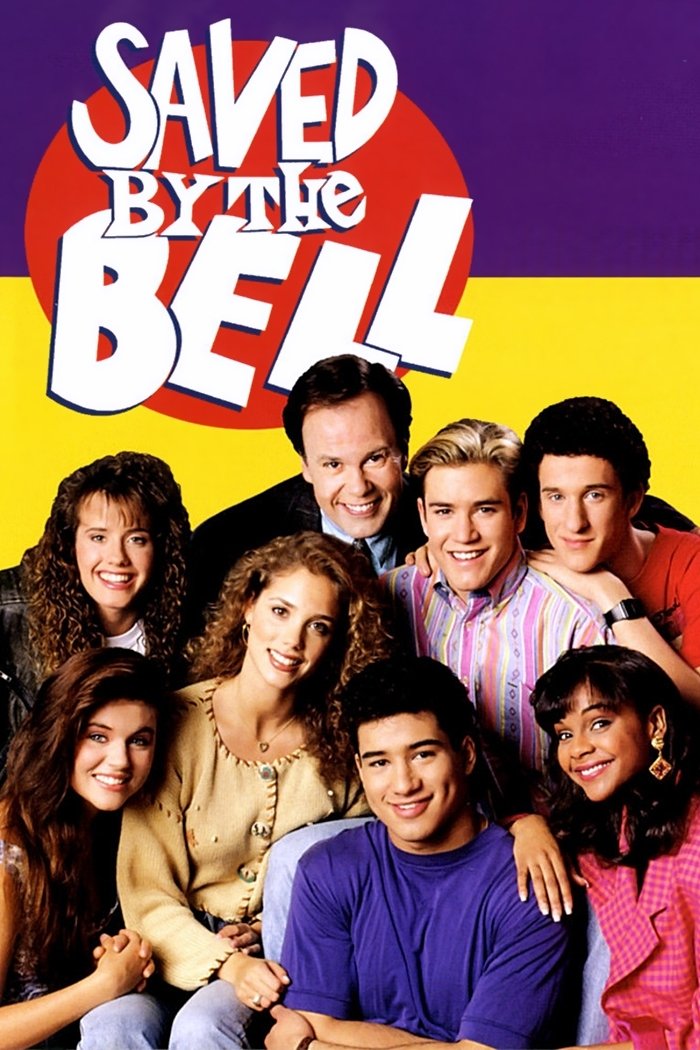
Lisa Turtle was known at Bayside High for her amazing style and being ahead of the trends, but the show often focused more on other characters’ love lives. She usually got less serious storylines, often revolving around shopping or dating, which didn’t have the same emotional depth as what her friends experienced. Unlike them, she wasn’t often faced with big moral questions that drove the show’s lessons. The writing tended to focus on what she had – her money and fashion sense – instead of who she was as a person, preventing her from becoming a more complex character and leaving her stuck as a stereotypical shopaholic.
‘Gossip Girl’ (2007–2012)
Vanessa Abrams was introduced as an artistic and insightful character, meant to contrast with the superficial world of the Upper East Side. However, the writers soon turned her into someone who constantly judged others and meddled in their relationships. She was often portrayed as the villain, even when other characters did similar things without facing any repercussions. When she left the show, it was abrupt and her storyline was left unfinished, suggesting the writers disliked her character and deliberately undermined her attempts to be the voice of reason.
‘Buffy the Vampire Slayer’ (1997–2003)
Kendra Young joined the series as another Slayer, completely devoted to her duty. The show highlighted how different she was from Buffy, contrasting Kendra’s strict dedication with Buffy’s more flexible style. She was killed off relatively soon to increase the tension for Buffy and to pave the way for a new Slayer. Ultimately, her death was used to create emotional conflict for the main character, making her feel guilty and afraid. The show could have benefited from exploring the background and training that shaped Kendra into such a focused fighter, but it never did.
‘The 100’ (2014–2020)

Wells Jaha, son of the Chancellor, served as the moral center for the first group of young criminals sent to Earth. Writers unexpectedly killed him off early in the series to shock viewers and motivate the show’s main female character. This removed a key link to the past and the world of the Ark. Many viewers felt his death was a harmful trope – sacrificing a Black male character to advance the story of a white one – and that his potential as a leader was never given a chance to develop.
‘Supergirl’ (2015–2021)
James Olsen started as a self-assured photographer and possible romantic partner for the show’s hero. However, the writers decided against pursuing that romance and had difficulty integrating him into the superhero team. They created a masked identity for him called Guardian, but it didn’t quite fit with the overall story. His plotlines often felt separate from what everyone else was doing, as if he were in his own show. Ultimately, after years of uneven writing, he left the series.
‘Charmed’ (1998–2006)
Darryl Morris was a dedicated police inspector who consistently helped the Halliwell sisters hide their magical activities. Despite facing serious consequences – including threats to his life and even a near-fatal encounter – he was never fully trusted with the truth. The sisters often relied on him without considering the toll their magic took on his life and family. He eventually left the show quietly, understandably upset at being constantly used and treated like someone who just cleaned up their messes, rather than a friend.
‘Sex and the City’ (1998–2004)
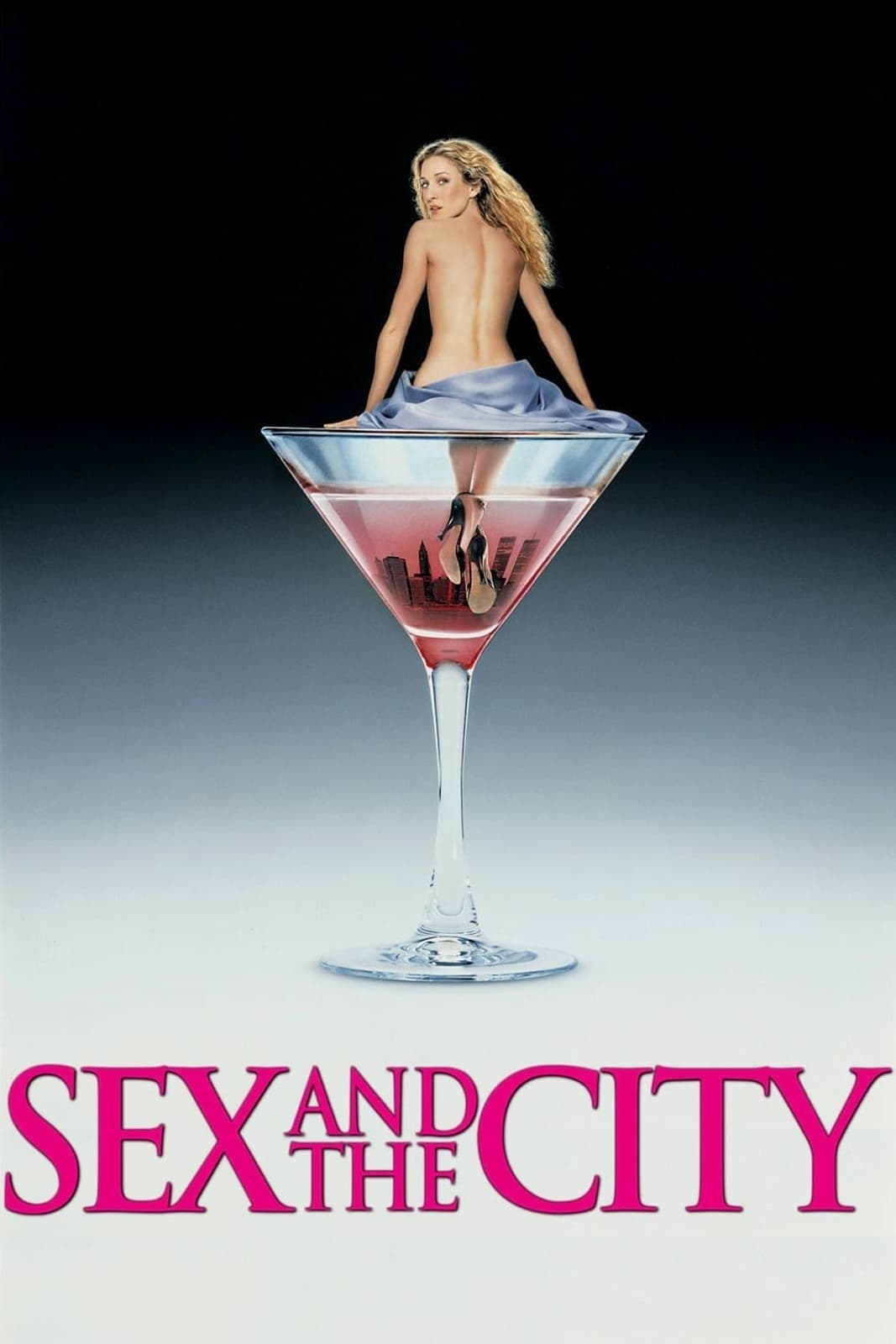
In the first Sex and the City movie, Louise was introduced as Carrie Bradshaw’s assistant, there to help her get her life back on track. The character’s only role was to solve Carrie’s problems and support her through heartbreak. She was portrayed as a perfect helper with no personal life of her own, existing solely to serve Carrie’s needs. Once she’d fulfilled that purpose, the storyline quickly gave her a neat and tidy resolution, effectively writing her out of the narrative. This is a classic example of the “Magical Negro” trope, updated for a contemporary audience.
‘Friends’ (1994–2004)
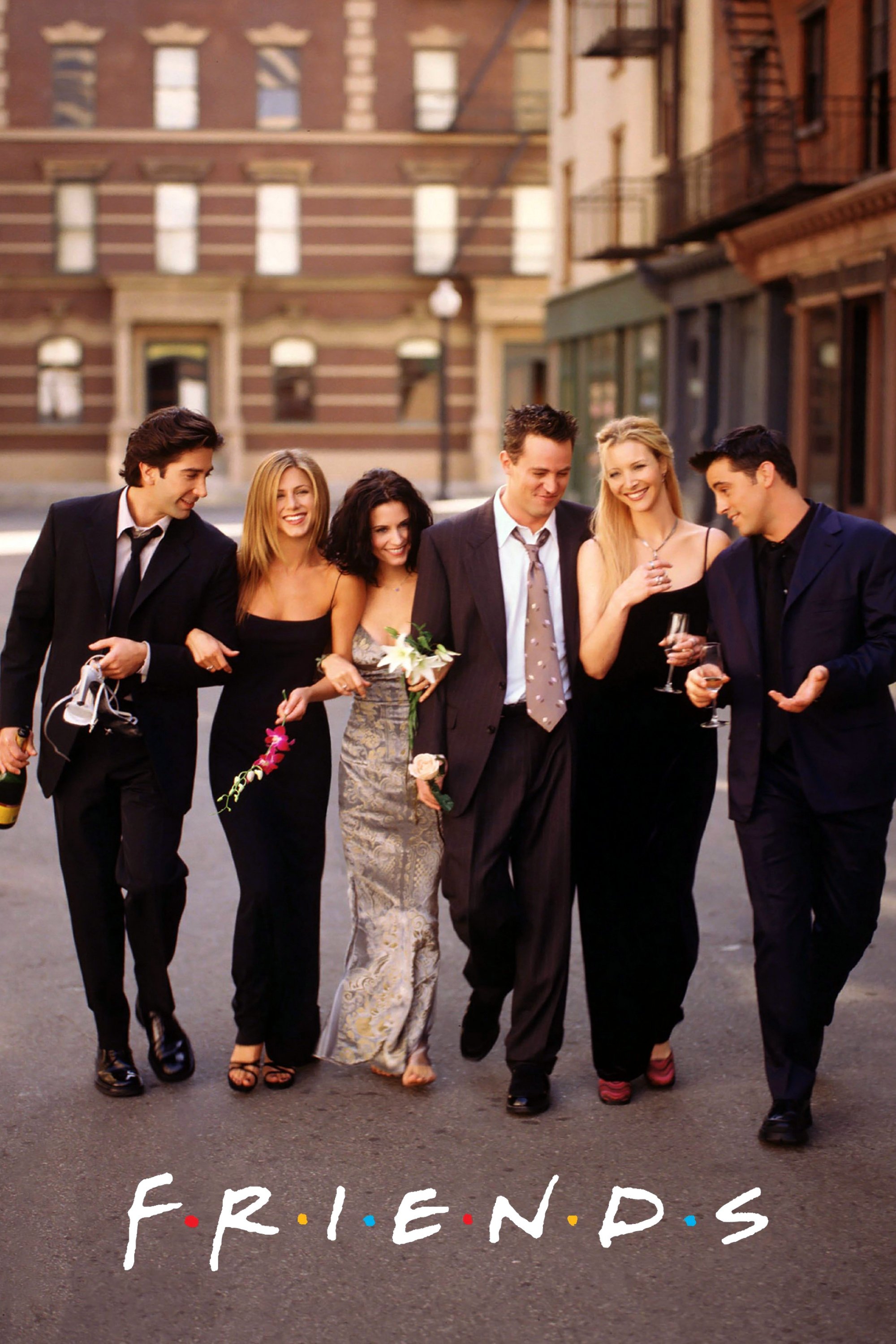
Charlie Wheeler was a smart paleontologist who briefly dated both Joey and Ross on the show. However, the writers mainly used her to create drama and keep Ross and Rachel from getting back together. She wasn’t given much of a personality beyond being intelligent, and her role was primarily to temporarily stand in the way of the main couple. Her departure felt sudden and didn’t quite fit her character – she left Ross for a former boyfriend. Ultimately, she served as a plot tool to postpone the show’s planned ending.
‘Lost’ (2004–2010)
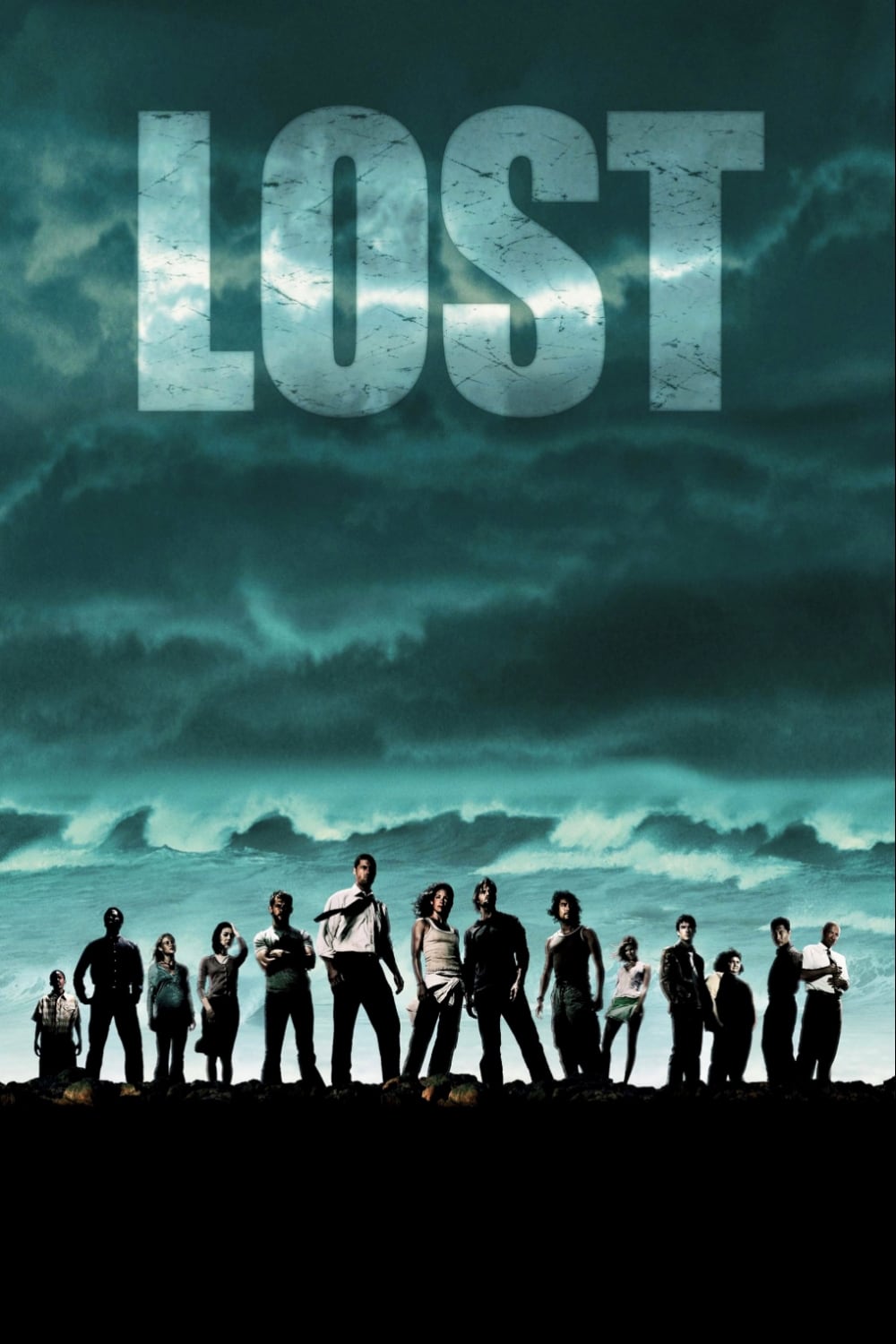
In the early seasons of the show, Michael Dawson and his son Walt were key figures in the island’s central mystery. However, the writers created a difficult situation by emphasizing Michael’s constant, frantic calls for Walt. After Michael made a controversial decision that turned his friends against him, both characters were removed from the story. Walt was also shown to have unexplained abilities, but these were never developed or fully investigated, as the show shifted its focus to other survivors.
‘Gilmore Girls’ (2000–2007)
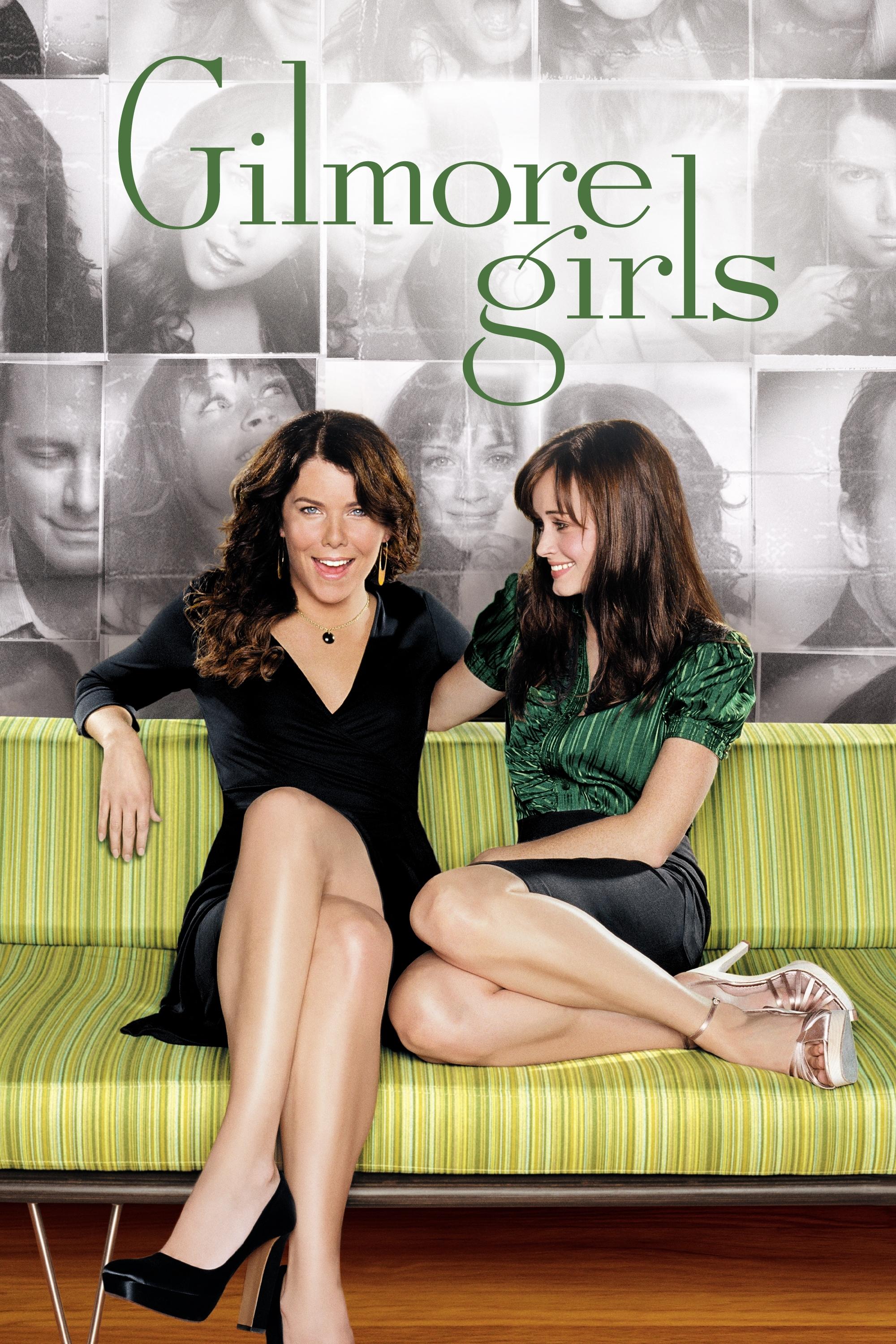
Michel Gerard was the inn’s sarcastic concierge, known for his dry humor. However, the show rarely delved into his personal life, mostly focusing on his job and his concerns about food. Unlike other main characters, his backstory and feelings weren’t explored in detail. He often felt like an outsider, treated more as an annoyance than a close friend, and his dedication to the inn wasn’t acknowledged with significant storylines of his own.
‘Teen Wolf’ (2011–2017)

Vernon Boyd was a reserved and resilient teen who joined the werewolf pack hoping to find acceptance. Unfortunately, the show didn’t develop his character much before abruptly killing him off, primarily to showcase how ruthless the villains were. His death served to fuel the emotional turmoil of another character, rather than acknowledging Boyd’s own story. He was seen as just a strong member of the pack, not as a young person with his own hopes and anxieties. The writers missed an opportunity to use him as a stable and relatable figure within the group.
‘One Tree Hill’ (2003–2012)
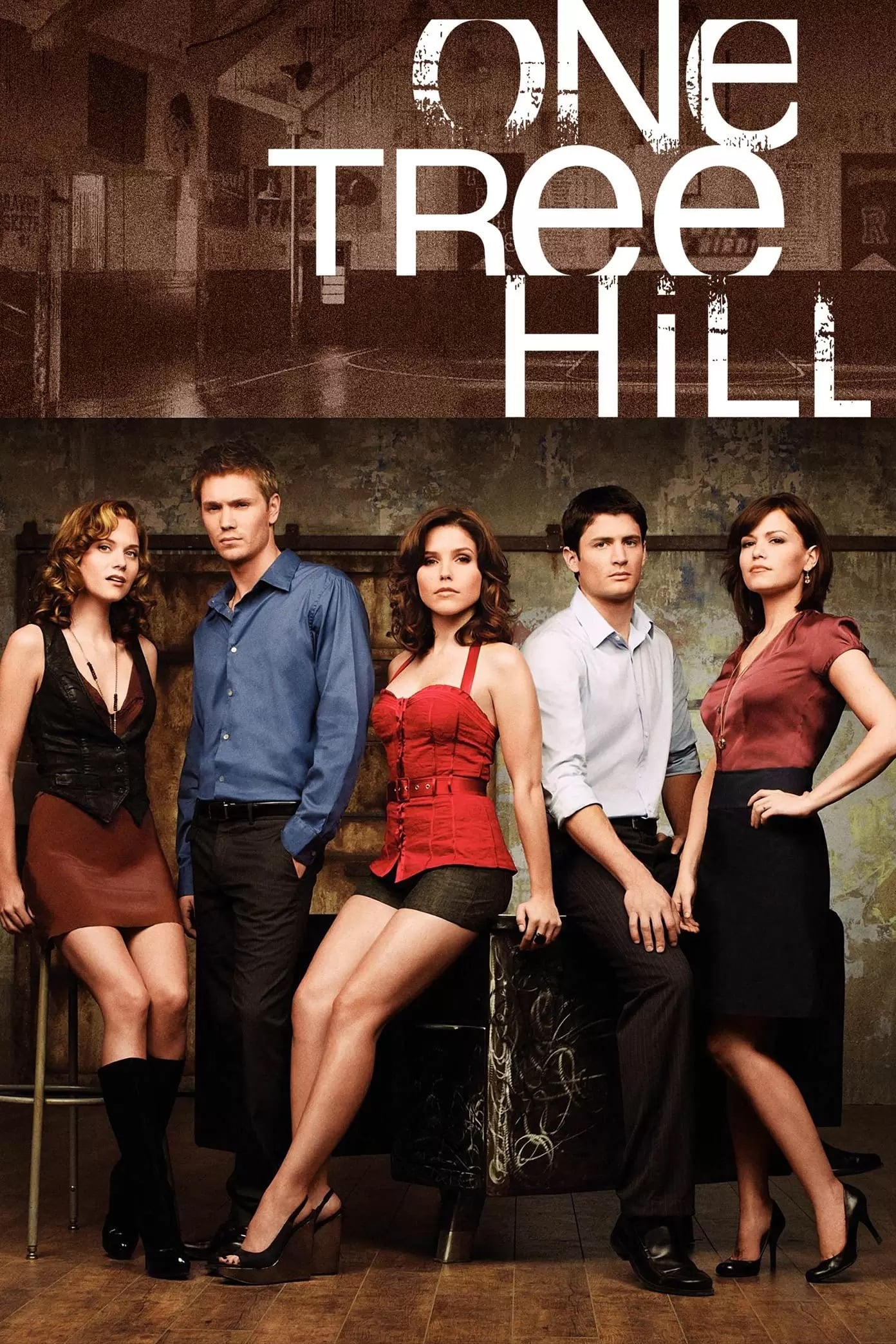
Antwon “Skills” Taylor began on the River Court basketball team as a minor character. He eventually became more prominent, but mostly provided comic relief or helped to develop other characters like Lucas. His romantic relationships were often played for humor and didn’t have lasting emotional impact. The show typically didn’t give him serious dramatic storylines, instead focusing those on the five main characters. He consistently played the role of a supportive friend, observing the central conflicts from the sidelines.
‘Pretty Little Liars’ (2010–2017)
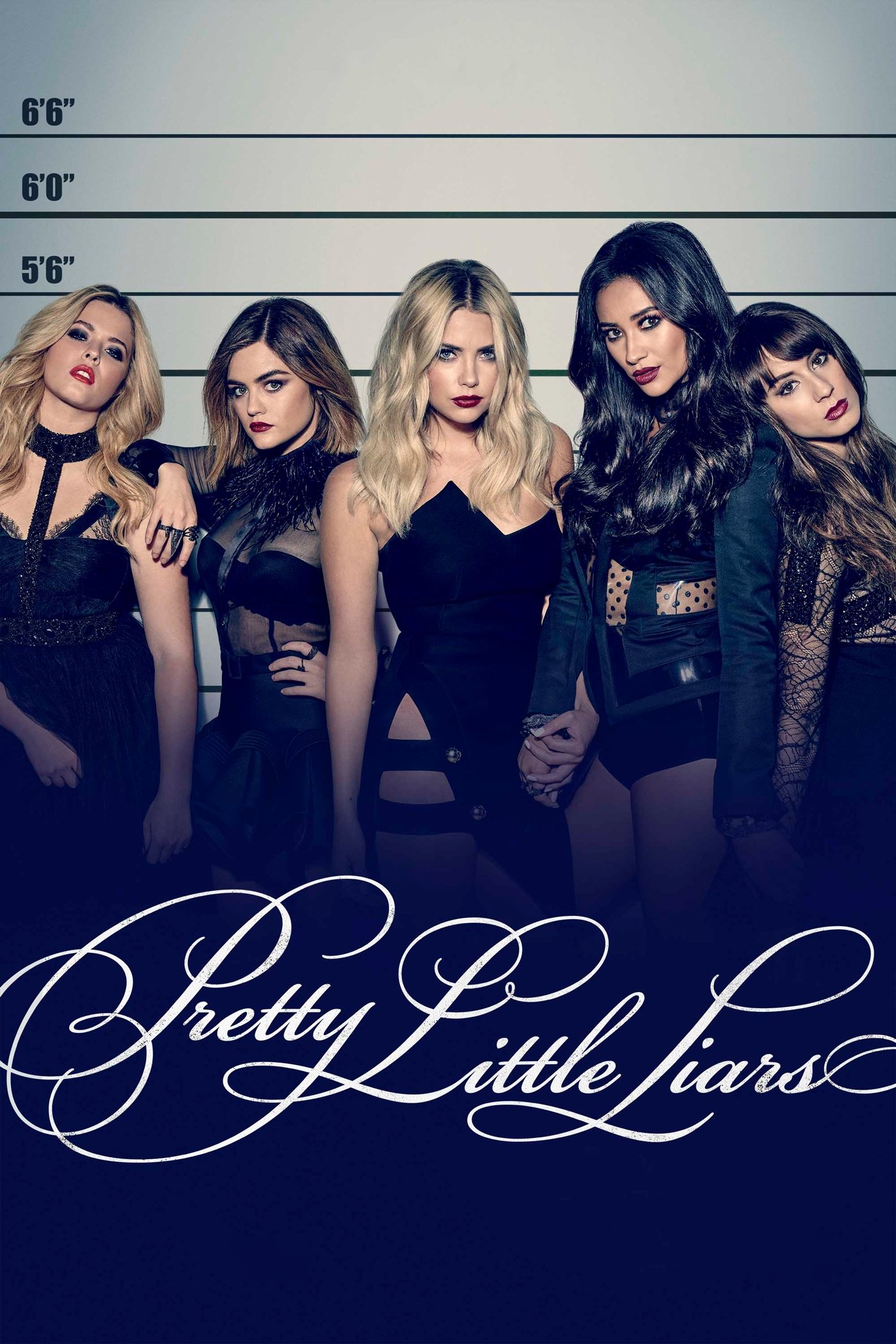
Maya St. Germain was Emily’s first romantic relationship and played a key role in Emily accepting her sexuality. However, the show’s writers unexpectedly killed Maya off, using her death to start a mystery that didn’t really connect to the overall story. While Emily was deeply affected, the show didn’t explore her grief for long. Maya, a lively and promising character, was ultimately reduced to a plot device – her story served to highlight the tragic aspects of being LGBTQ+ for Emily.
‘Family Guy’ (1999–Present)
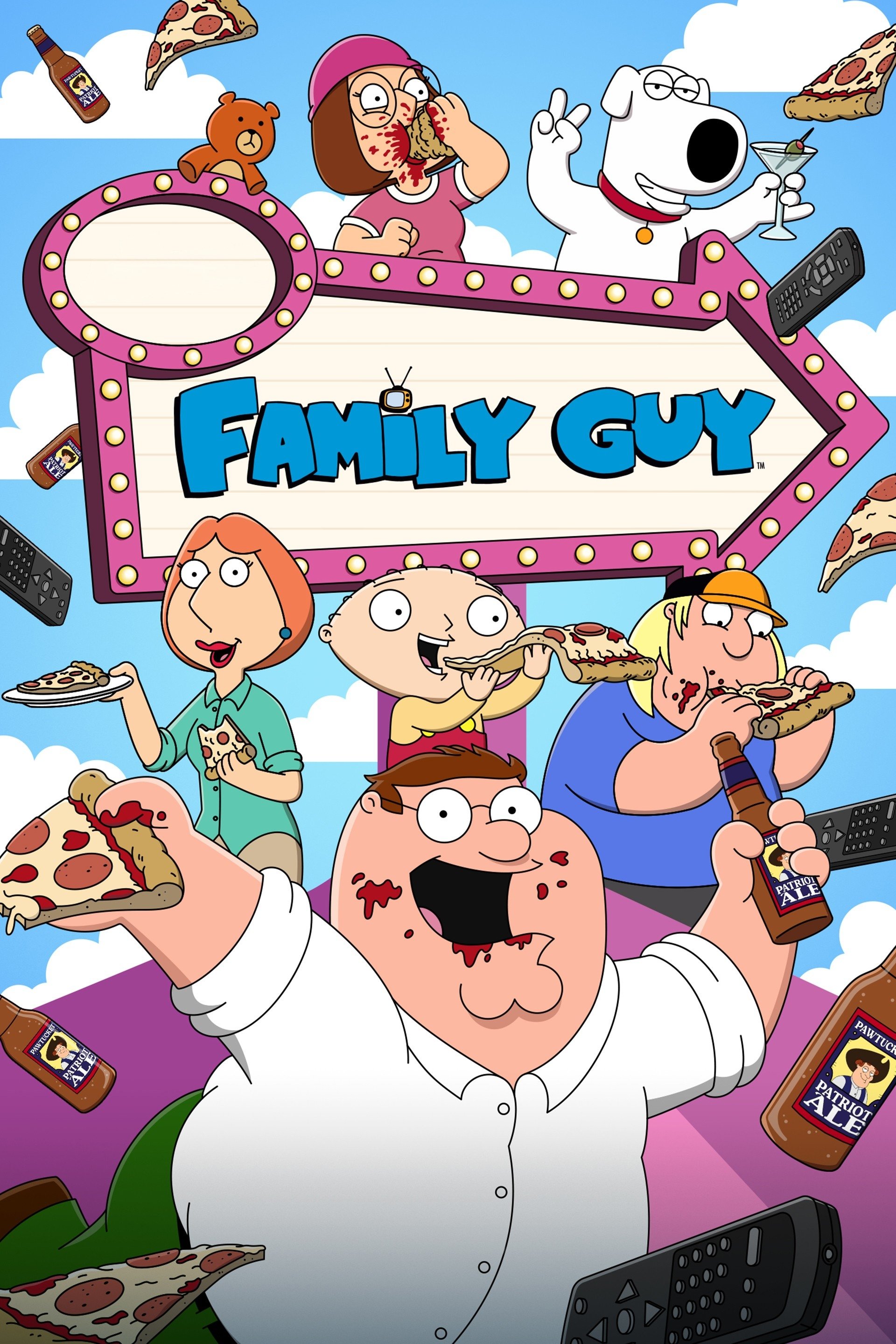
Cleveland Brown started as a quiet, easygoing neighbor known for mostly going along with things. Early on, the show frequently used him as the target of jokes, but he didn’t have much of a personality or drive his own storylines. In fact, he was considered so unimportant that he briefly starred in his own spin-off series, which didn’t last. When he came back to the main show, he simply faded back into the background, and continues to be a character who’s there to round out the group but doesn’t often take center stage.
‘Doctor Who’ (2005–Present)
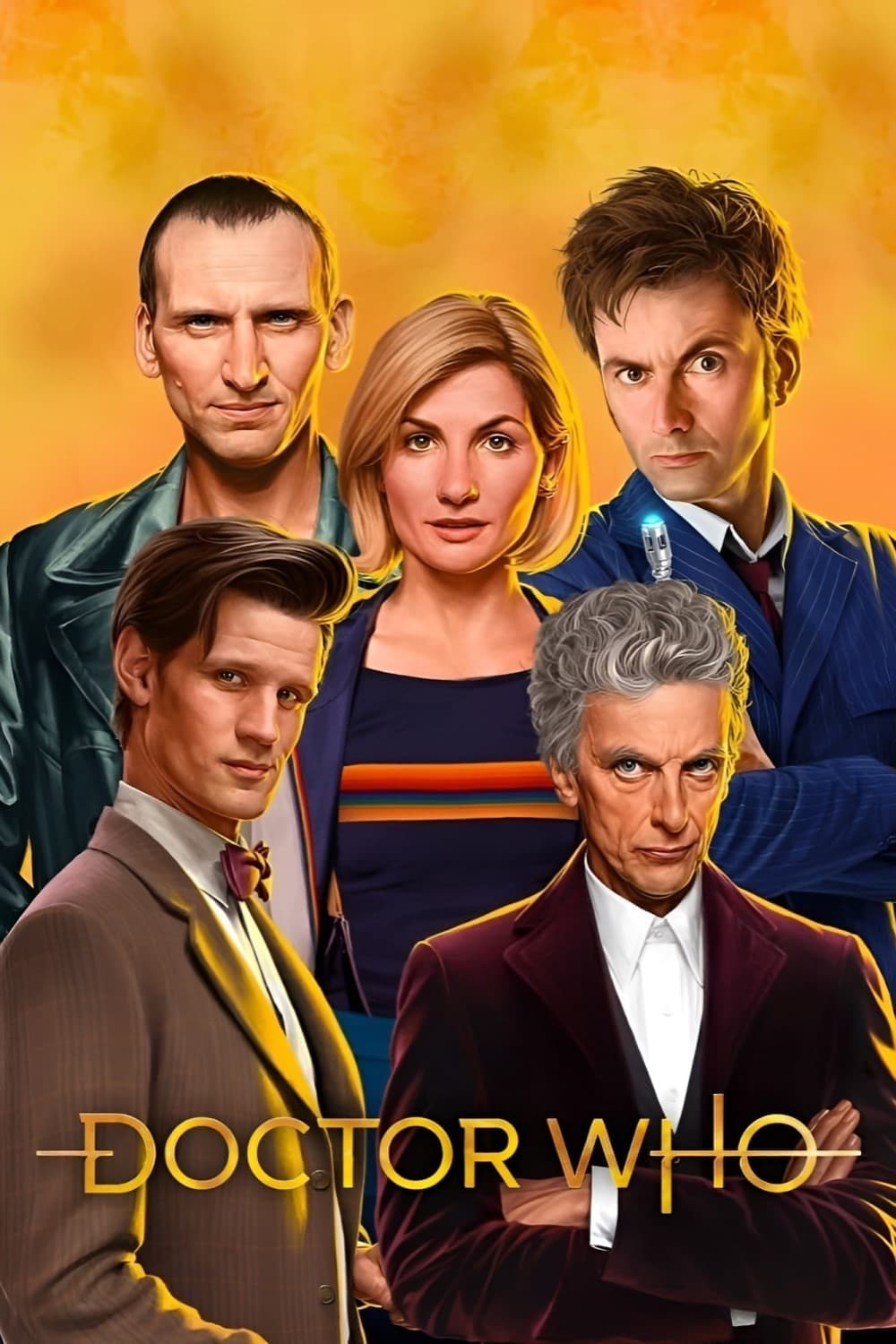
Martha Jones was a smart and capable companion to the Tenth Doctor, but the show often portrayed her as simply a replacement for his previous companion. She frequently longed for his attention while consistently saving his life, but her efforts went largely unnoticed. The story focused too much on her unreturned feelings, ultimately leading her to realize she deserved more and leave the TARDIS.
‘Daria’ (1997–2002)

Jodie Landon was the only Black student at Lawndale High with a substantial role, and she often expressed the stress of being seen as a perfect example of a minority in a mostly white community. Though the show recognized this pressure on her, it rarely devoted entire episodes to exploring her experiences. Instead, she mainly served as a voice of reason and provided the show’s perspective on diversity, but wasn’t allowed the same freedom to be imperfect or complex as other characters like Daria. Ultimately, her character was limited by the very superficial representation the show tried to challenge.
‘Stranger Things’ (2016–Present)
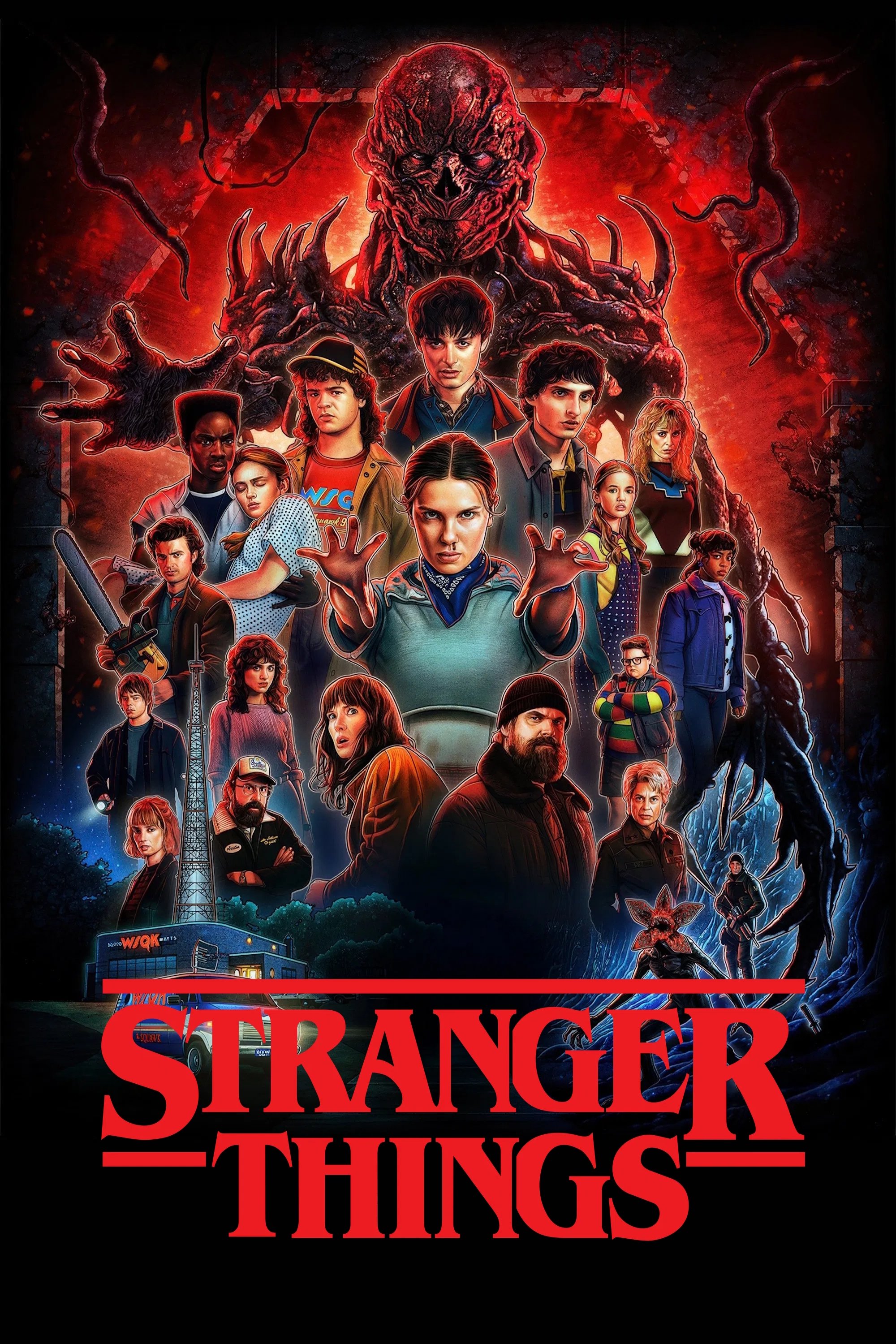
Lucas Sinclair started as the group’s doubter, initially wary of the strange things happening around them. In the first season, he didn’t get as much focus or development as his friends, and the show often used his reasonable concerns to create drama instead of addressing them. Although Lucas became a more developed character later on, he first came across as simply argumentative and had to work harder than the other boys to prove his importance to the story.
Share your thoughts on which characters deserved better storylines in the comments.
Read More
- Invincible Season 4 Gender Swaps Tech Jacket As Fans Question Major Comic Change
- Silver Rate Forecast
- Gold Rate Forecast
- Building Agents That Learn and Improve Themselves
- 15 Films That Were Shot Entirely on Phones
- 22 Films Where the White Protagonist Is Canonically the Sidekick to a Black Lead
- 20 Movies Where the Black Villain Was Secretly the Most Popular Character
- Celebs Who Narrowly Escaped The 9/11 Attacks
- 18 TV Series Filming Rehearsals as Bonus Content
- Trading Crypto with AI: A New Approach to Portfolio Management
2025-12-02 00:48