TV shows often include hidden details in the background as a treat for observant viewers. These recurring objects and visual hints can appear throughout a whole season or hint at future events. Dedicated fans love to carefully examine scenes, looking for these subtle connections. Here are some television series that were particularly good at adding these kinds of hidden objects and secret references.
‘Psych’ (2006–2014)
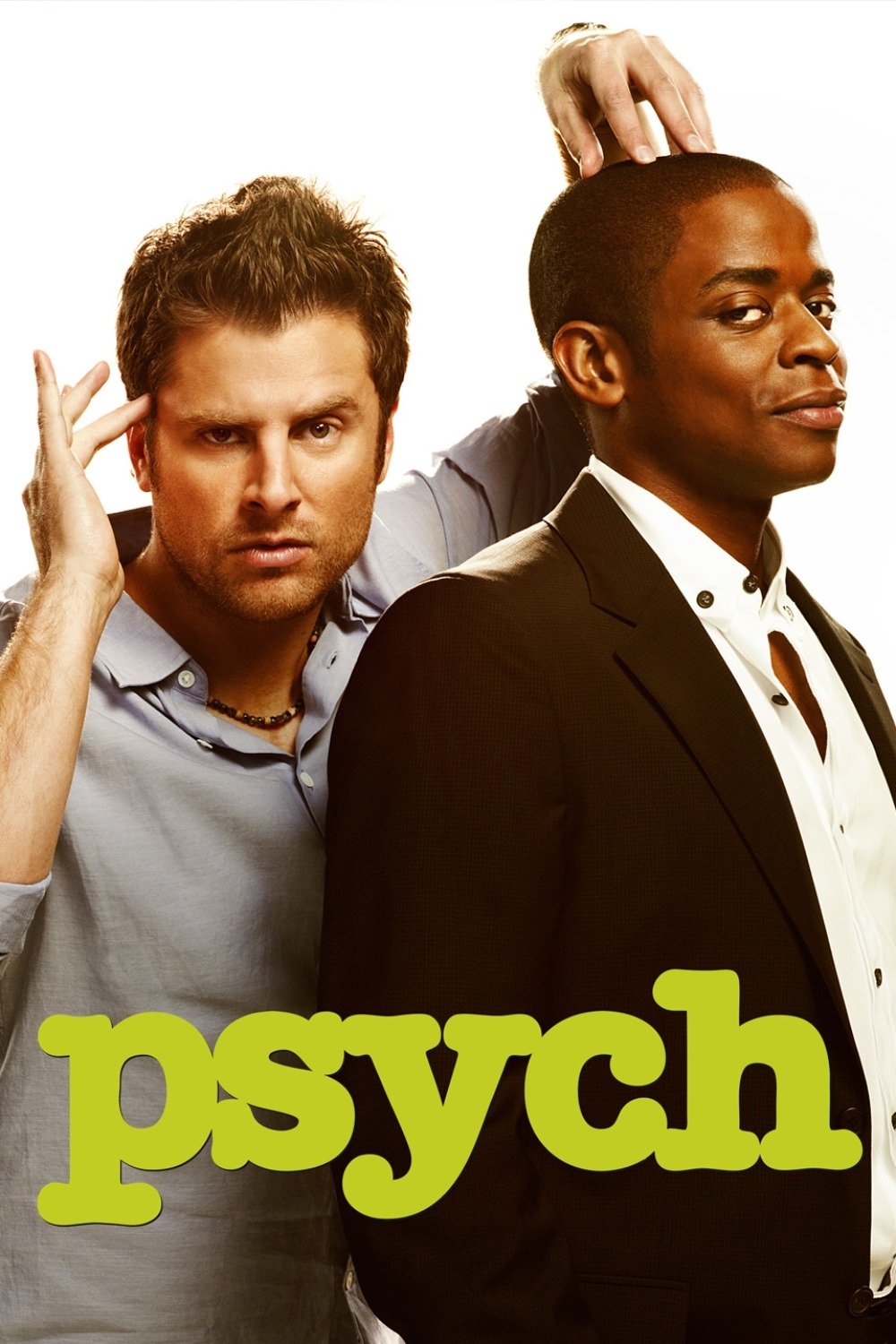
The creators of this funny detective show included a pineapple in almost every episode – sometimes as a prop sitting on a table, and other times as a pattern on clothing. Viewers loved spotting it so much they built websites to track its appearances! The show even held a contest where people could win prizes for finding the pineapple. It’s now remembered as one of the most well-known running gags in TV history.
‘Fringe’ (2008–2013)
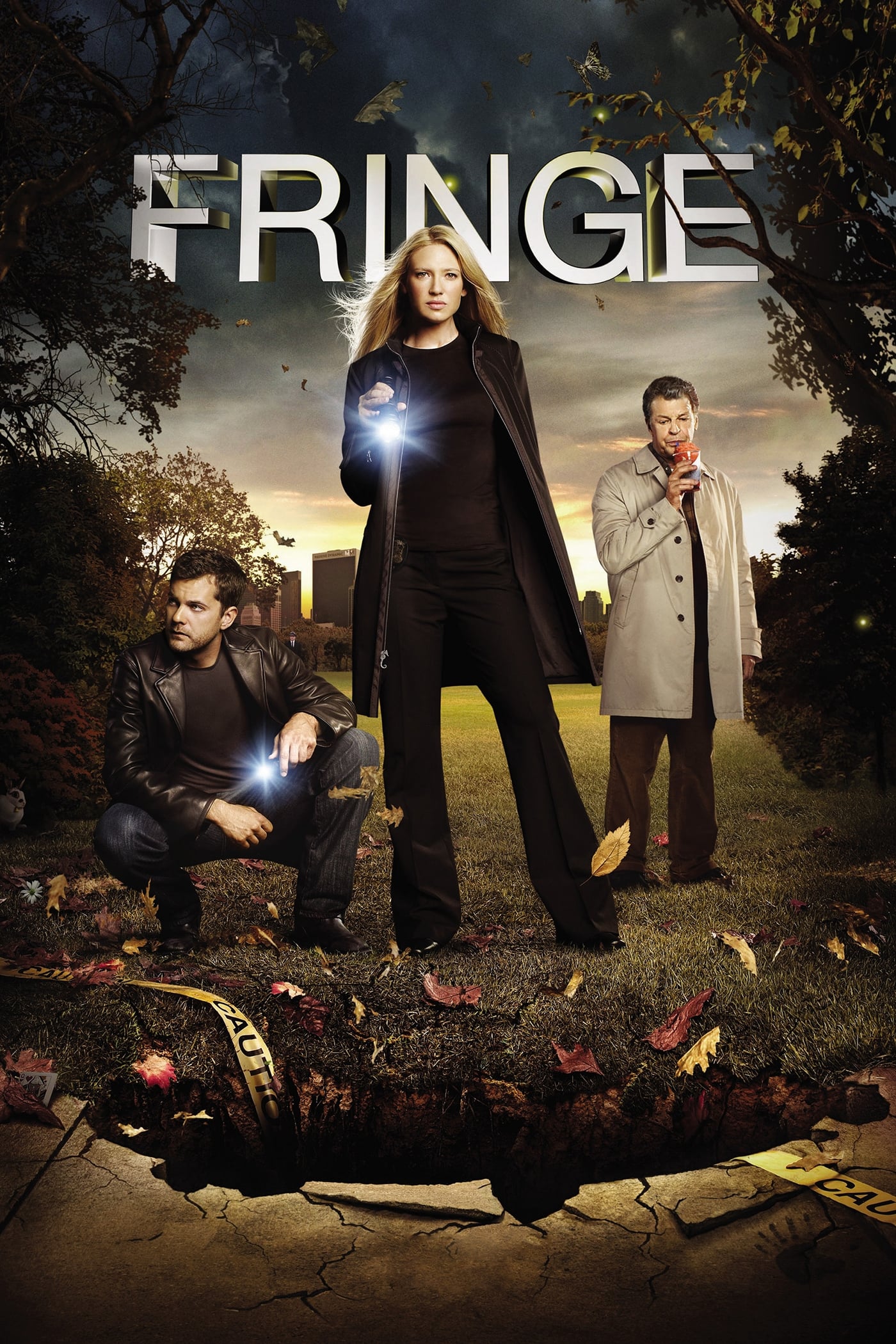
In the early seasons of the show, a mysterious man in a suit and with no hair – known as the Observer – subtly appeared in every episode. These characters eventually prove to be important to the story. The show also cleverly hid clues by flashing symbols and glyphs on screen right before commercial breaks. Viewers were challenged to decode these messages each week, which added to the show’s intriguing mystery and complex sci-fi plot.
‘Community’ (2009–2015)
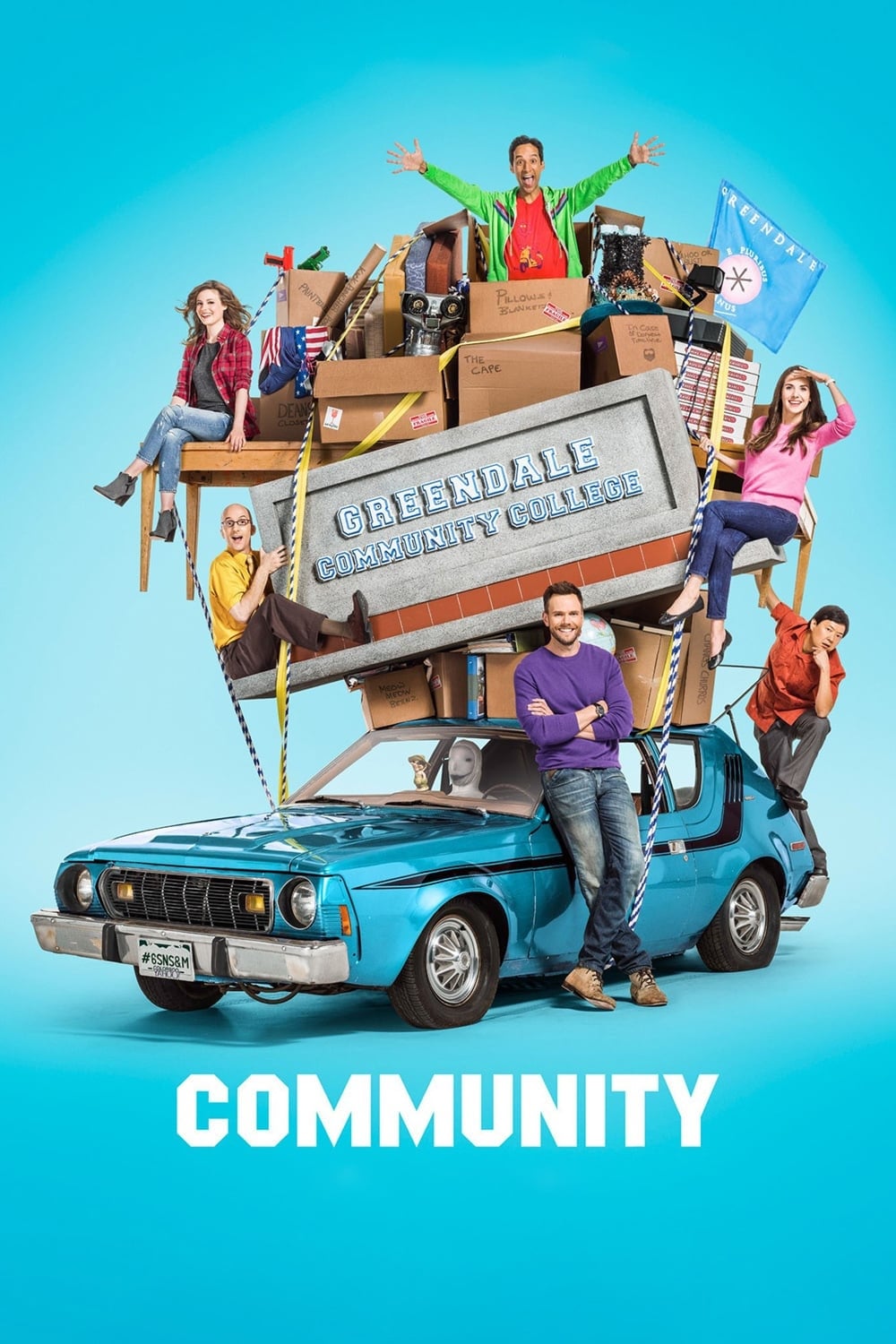
The show’s writers created a running joke with the character Beetlejuice that took three seasons to come to fruition. They subtly mentioned his name once in the first season, again in the second, and finally, on the third mention in the third season, the character briefly appeared in the background of a scene. This carefully planned gag highlights the showrunners’ attention to detail and exemplifies the series’ complex, layered humor.
‘Friends’ (1994–2004)
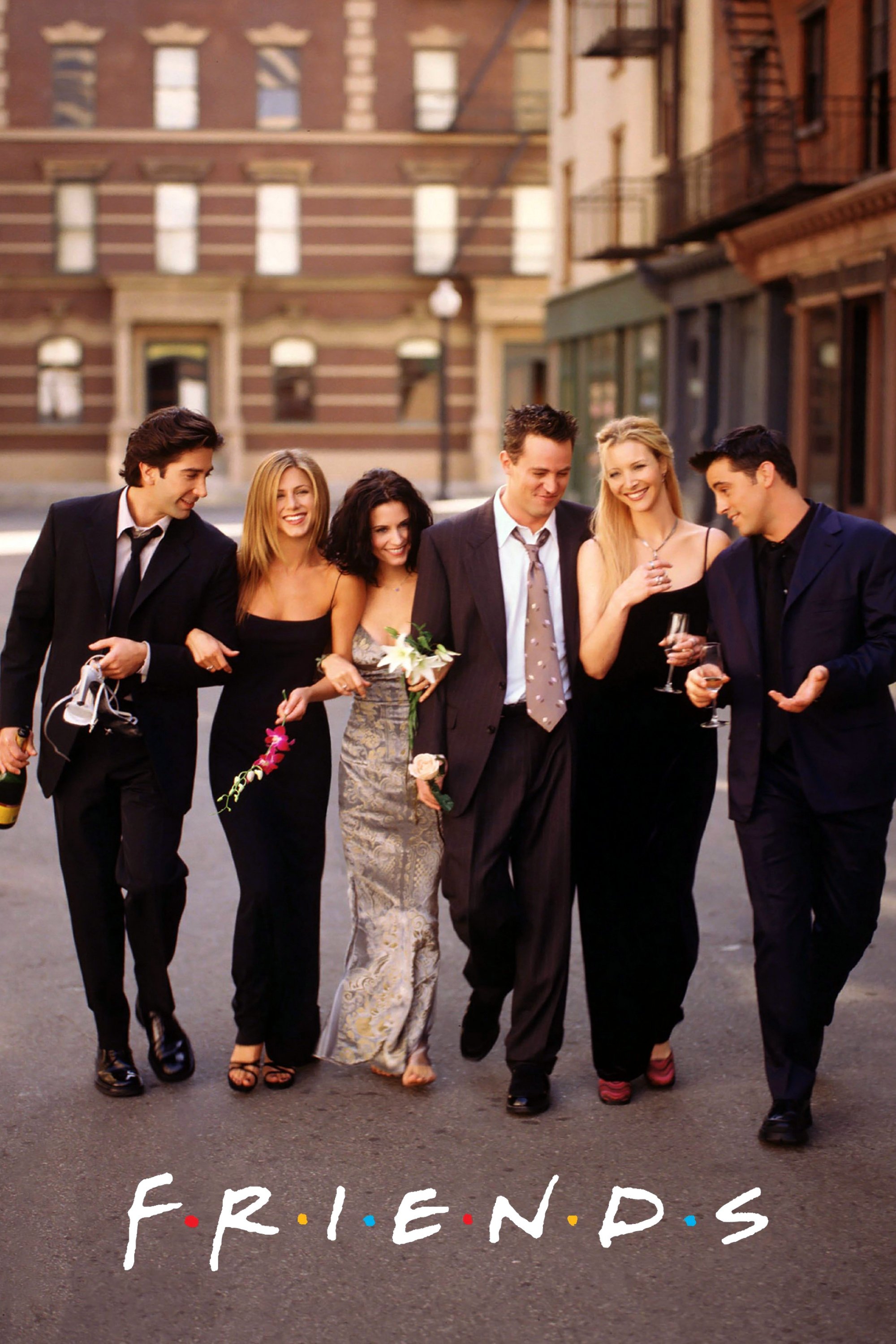
Throughout the ten seasons of Friends, a Magna Doodle board on Joey and Chandler’s apartment door was covered in ever-changing drawings. These sketches frequently hinted at the episode’s plot or included jokes known to the show’s cast and crew. Different crew members would take turns creating the art for the magnetic screen, and dedicated fans have meticulously documented each drawing, looking for connections to the storylines. Over the years, the board became a memorable and iconic part of the show’s set.
‘Seinfeld’ (1989–1998)
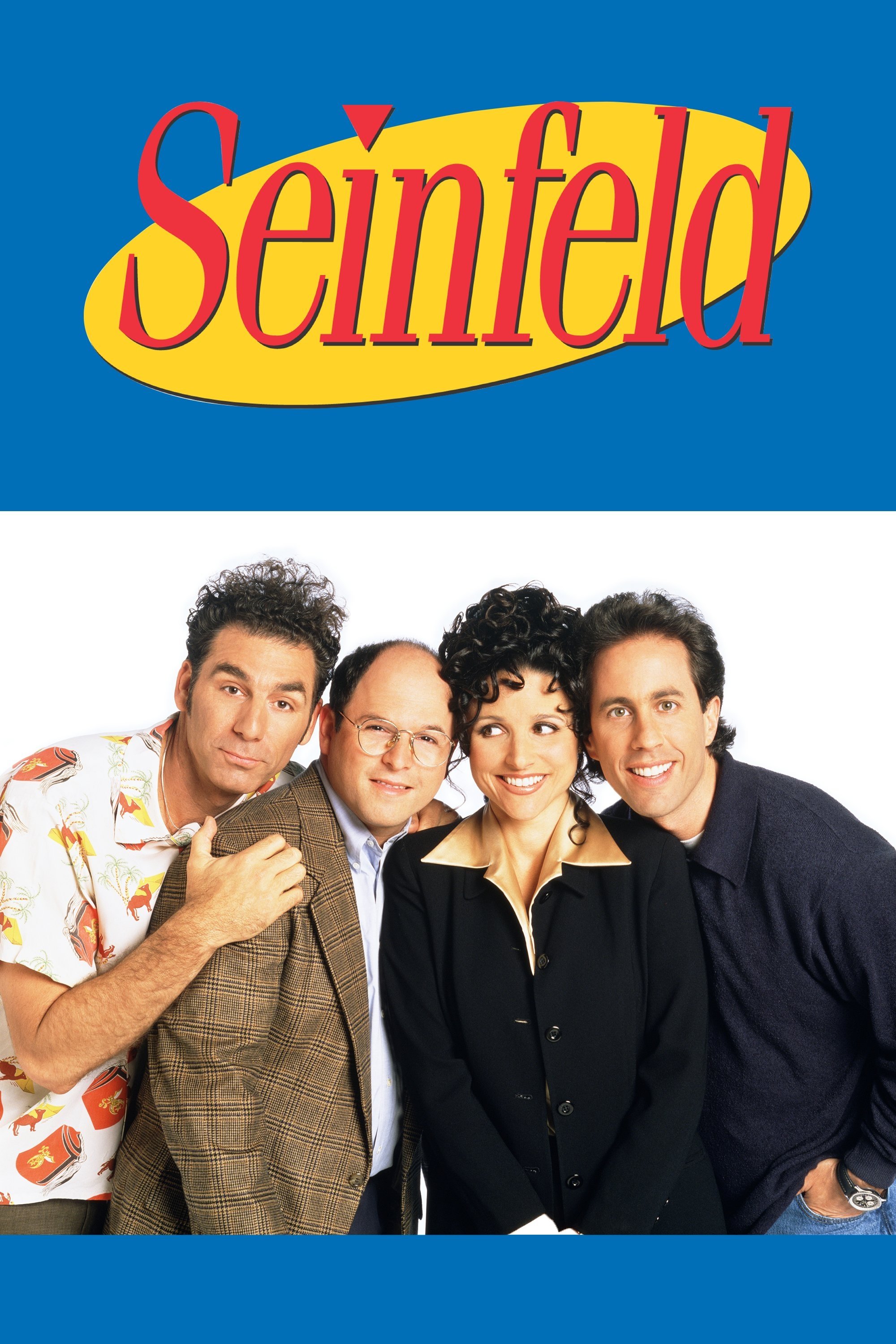
Jerry Seinfeld loves Superman comics, and that love shows up in his apartment on the show. You can usually spot a Superman magnet or figure somewhere in his living room throughout most episodes. While its exact location changes, it’s always there as a familiar visual detail. The characters even mention Superman in conversations, reinforcing the connection. This detail helped make Jerry’s character feel more real, reflecting Jerry Seinfeld’s own personal interest.
‘Doctor Who’ (2005–Present)
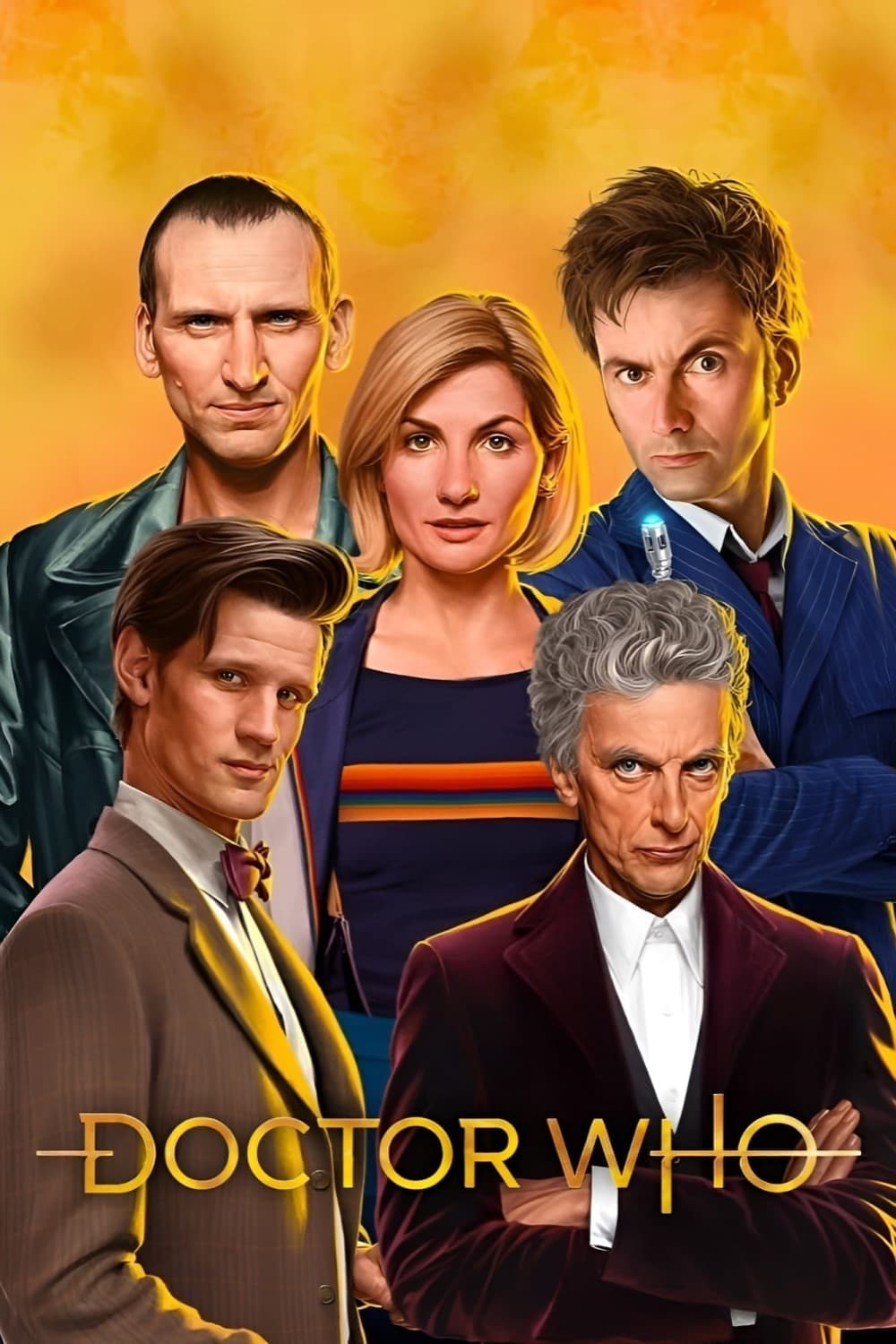
As a huge Doctor Who fan, I remember being so intrigued by ‘Bad Wolf’ when the show came back! It kept popping up everywhere – scrawled on walls, hidden in scenes – and it totally baffled the Doctor and Rose. It turned out it was a brilliant puzzle created by Russell T Davies, connecting all the separate episodes into one big story. Even later on, they’d bring ‘Bad Wolf’ back, which was a fun nod to that first series. It really became a signature thing for the show – dropping hints and building mysteries over time. It was just so clever!
‘Arrested Development’ (2003–2019)
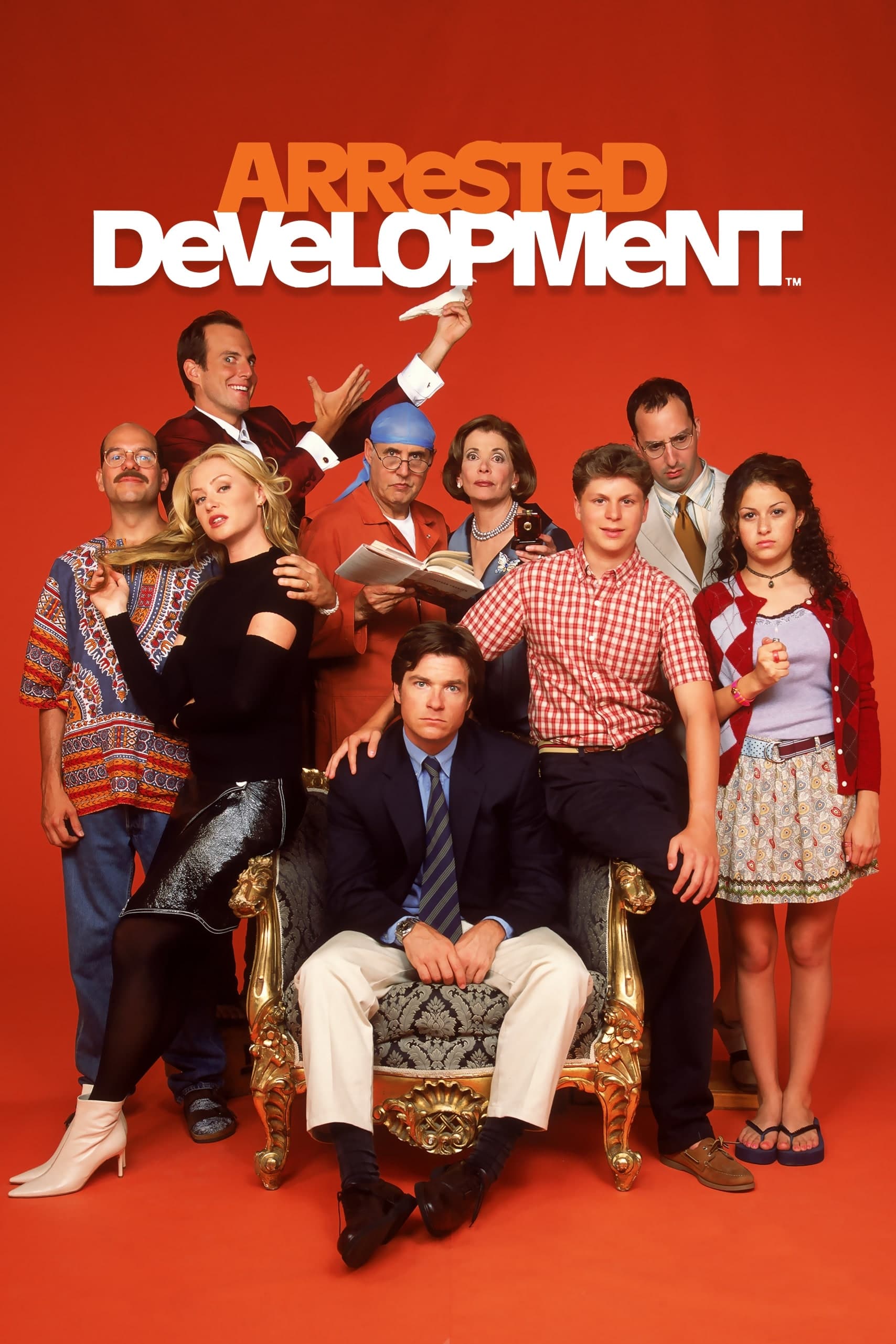
As a huge fan, I’ve noticed so many clever details! The show really built up Buster’s eventual hand loss with little hints – I started spotting hand-shaped objects and hooks everywhere whenever he was on screen, well before it actually happened. And it’s not just Buster; Tobias’s failed Blue Man Group dreams are constantly referenced through these little blue paint marks left on everything! It’s amazing how much they packed into each scene, and it totally makes rewatching the show so rewarding – you always notice something new!
‘South Park’ (1997–Present)
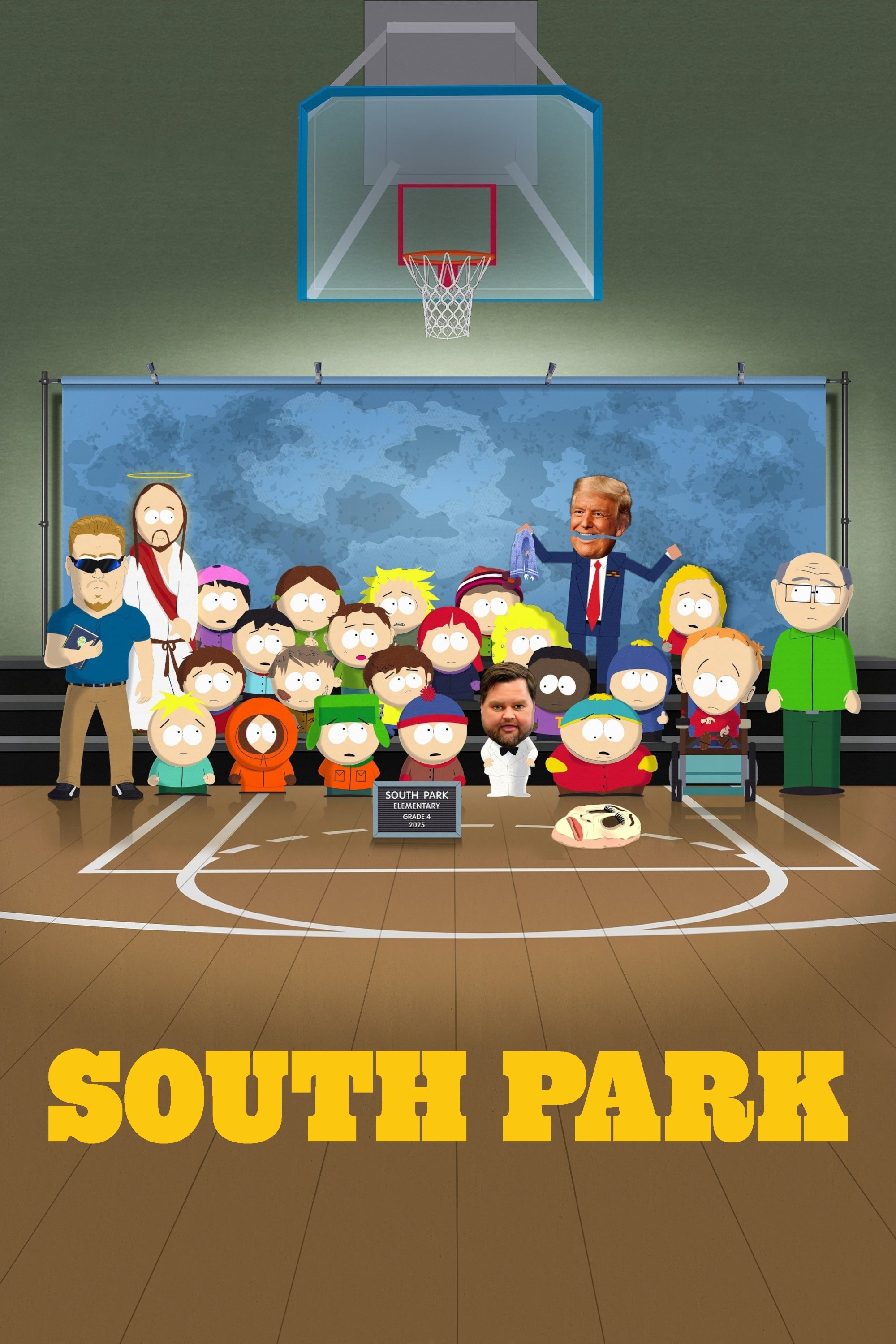
Early episodes of the show featured a hidden alien appearing in the background of many scenes. These aliens were cleverly disguised, blending into crowds or hiding behind objects so viewers wouldn’t notice them right away. This was a nod to the show’s first episode, which centered around an alien abduction. Over the years, dedicated fans have collected countless screenshots of these hidden aliens. While the creators stopped including them as often, it remains a beloved Easter egg for longtime viewers.
‘Adventure Time’ (2010–2018)
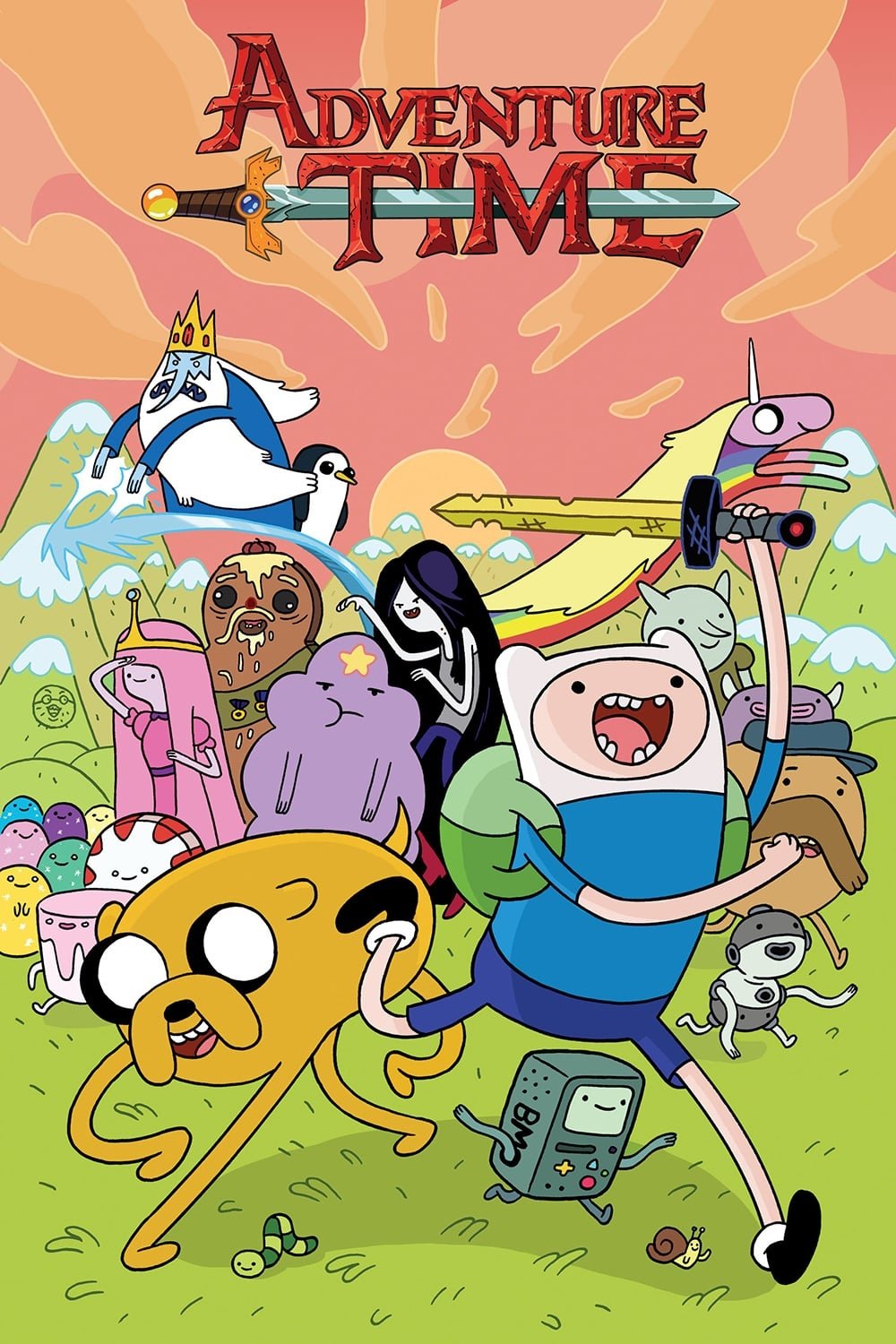
Throughout this animated fantasy series, a tiny snail makes a brief appearance in every episode, often hidden during a camera pan or in the background. What starts as a fun, hidden detail—an ‘Easter egg’ for viewers—becomes surprisingly important when the snail is taken over by the villain, the Lich. This unexpected turn delighted many fans and demonstrates how even the smallest details can significantly influence a story’s overall plot.
‘Breaking Bad’ (2008–2013)
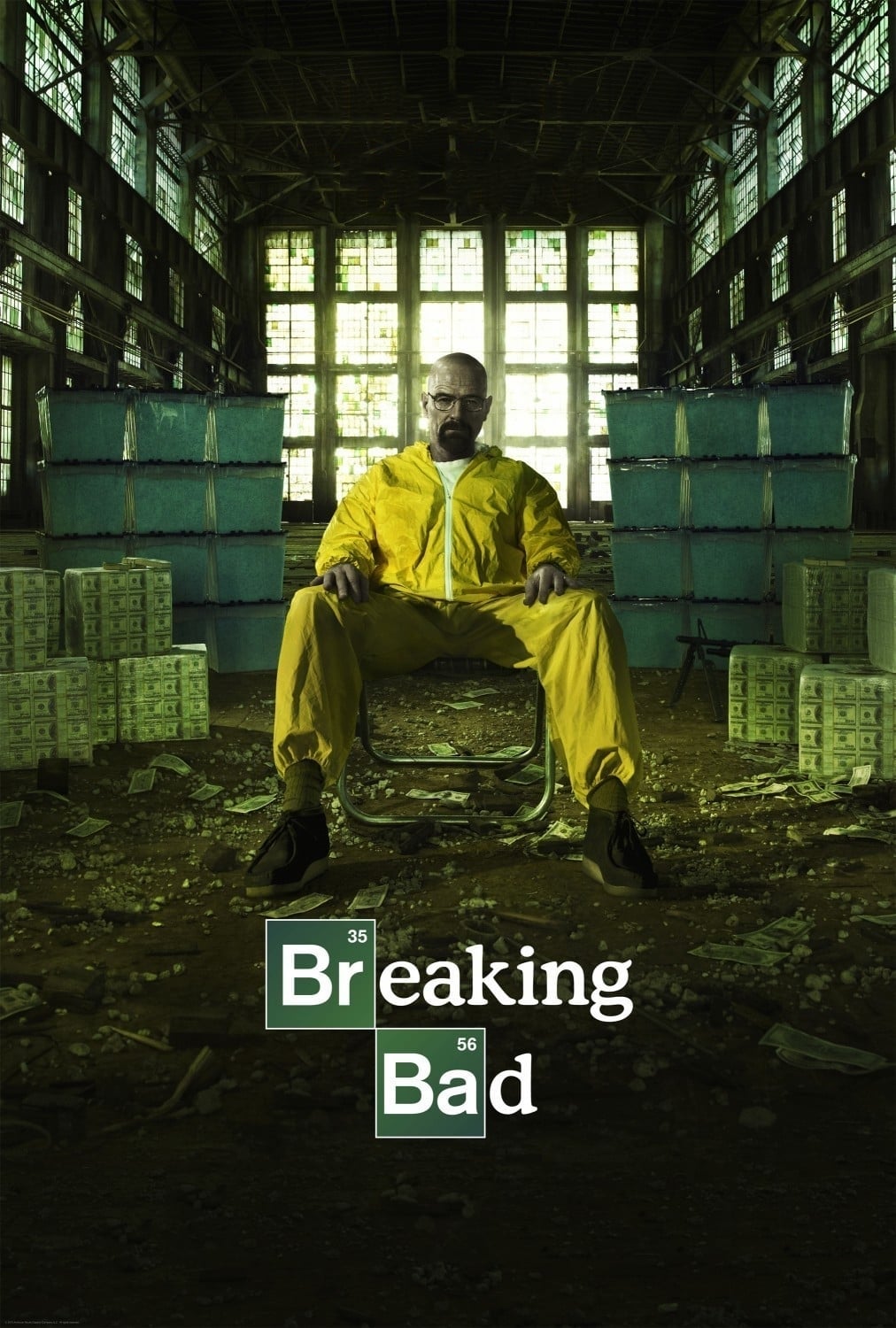
Throughout the second season, the color pink subtly hints at a future plane crash. We see this through a pink teddy bear recovered from the wreckage, which appears in scenes set after the crash, and the main character frequently wearing pink during important moments. Interestingly, the damage to the bear foreshadows injuries the villain, Gus Fring, later receives. Creator Vince Gilligan intentionally used these pink objects to build a feeling of unease in the audience. This clever visual technique adds another layer of complexity to the show’s storytelling.
‘Futurama’ (1999–2023)
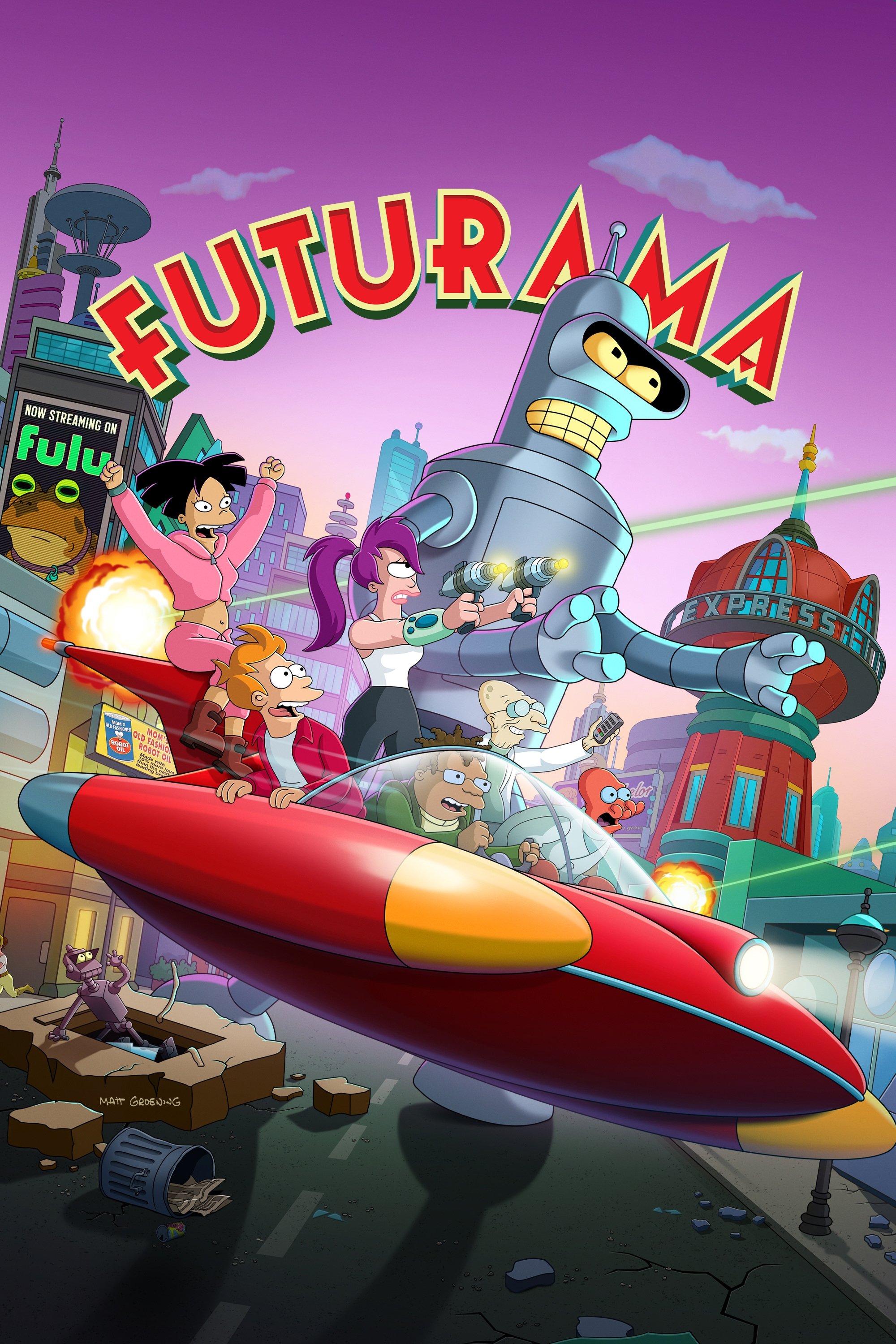
A subtle detail in the very first episode of the show hints at a major plot twist: Nibbler’s shadow can be seen in the cryogenics lab scenes. This cleverly foreshadows that Nibbler was the one who froze Fry, kicking off the entire story. The writers intentionally included this hidden clue years before the reveal, and repeatedly revisit that moment from different angles. This careful planning demonstrates the show’s complex and well-thought-out storyline.
‘How I Met Your Mother’ (2005–2014)
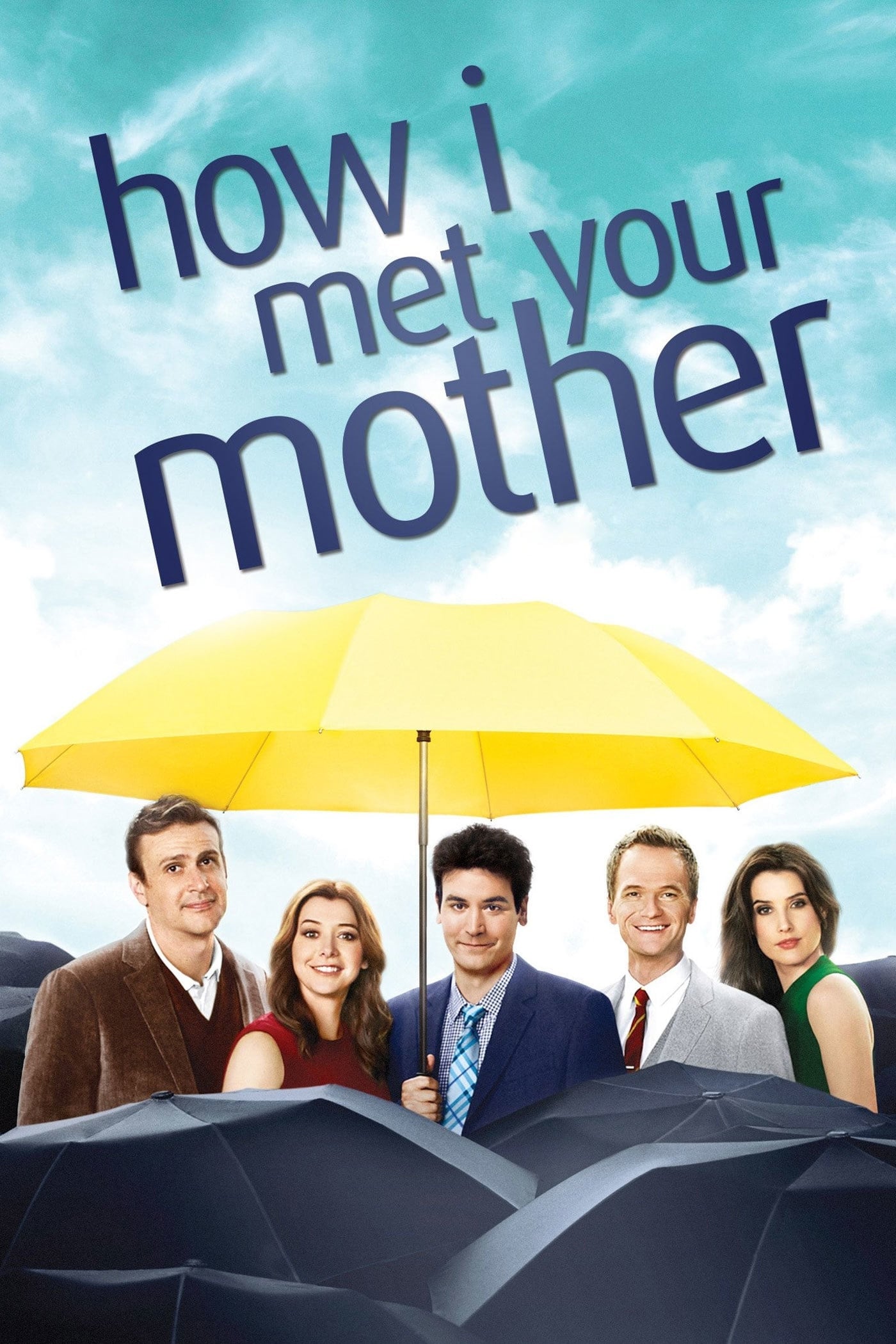
Throughout the episode “Bad News,” a subtle countdown appears on various background objects, like calendars and menus, decreasing from fifty to one. This countdown culminates when the main character learns devastating news about his father. This clever visual technique effectively builds suspense and prepares viewers for the emotional weight of the final scene, making it a standout example of how props can be used to create tension.
‘Lost’ (2004–2010)
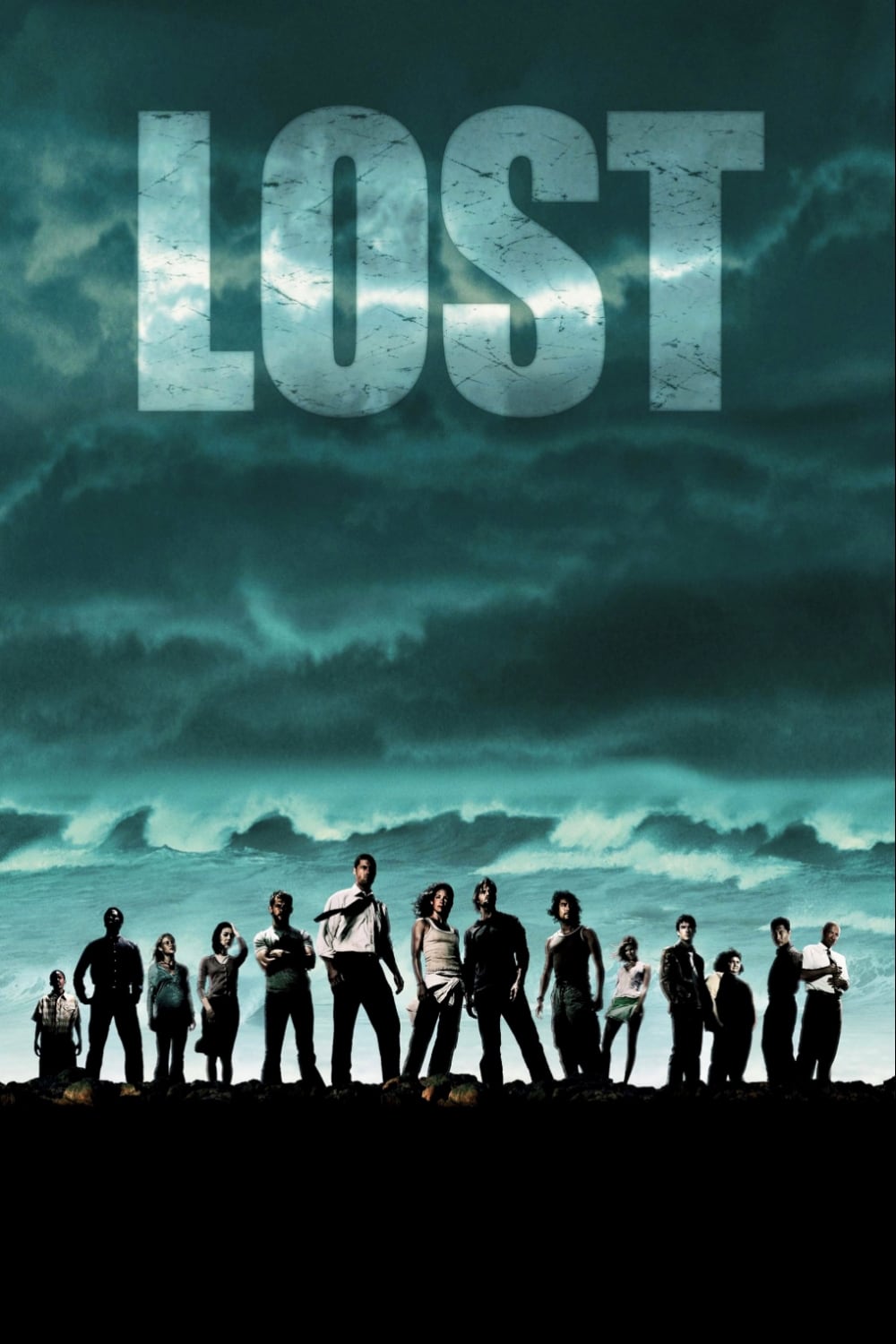
The numbers 4, 8, 15, 16, 23, and 42 show up repeatedly throughout the show – on lottery tickets, hatches, and many other objects. These digits are central to the island’s mystery and the fate of the characters. The Dharma Initiative’s logo also appears on various items, hinting at the setting’s backstory. Viewers meticulously examined every instance of these numbers and the logo, hoping to decipher the show’s complex mythology. This constant presence of symbols created a deeply engaging experience, almost like an alternate reality game for the audience.
‘Game of Thrones’ (2011–2019)
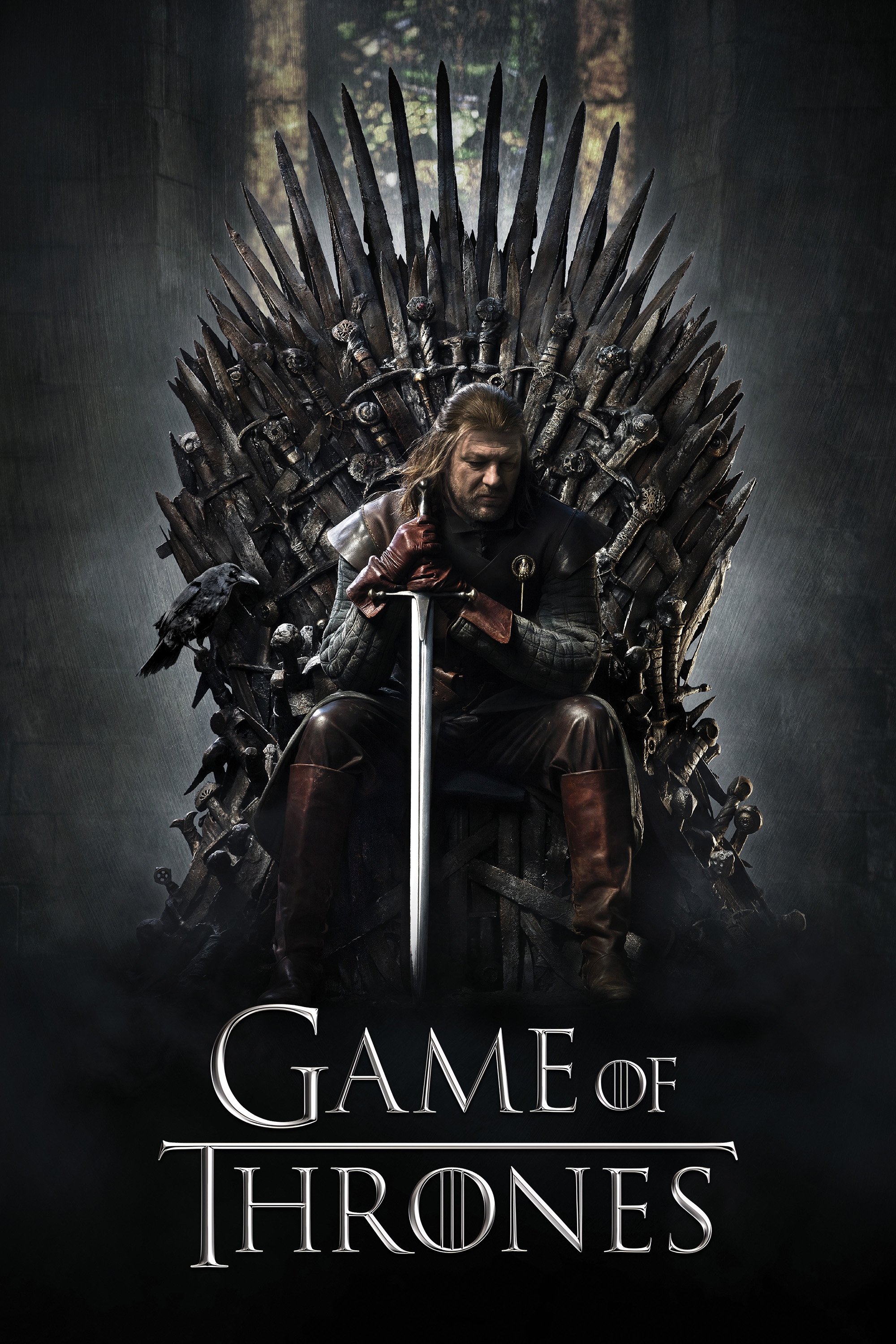
The show’s opening animation isn’t static; it changes throughout each season, and even from episode to episode, to mirror what’s happening in the story. A detailed map within the opening shows the current state of the world – cities might be shown in ruins, or display the symbol of whichever family is in charge. This map acts as a visual clue, giving viewers a sense of the political situation before each episode starts. Small details, like changes to the map’s gears, hint at events like the fall of cities such as Winterfell. Essentially, this constantly evolving intro kept viewers informed about which families were allied and who controlled what territory.
‘The Haunting of Hill House’ (2018)
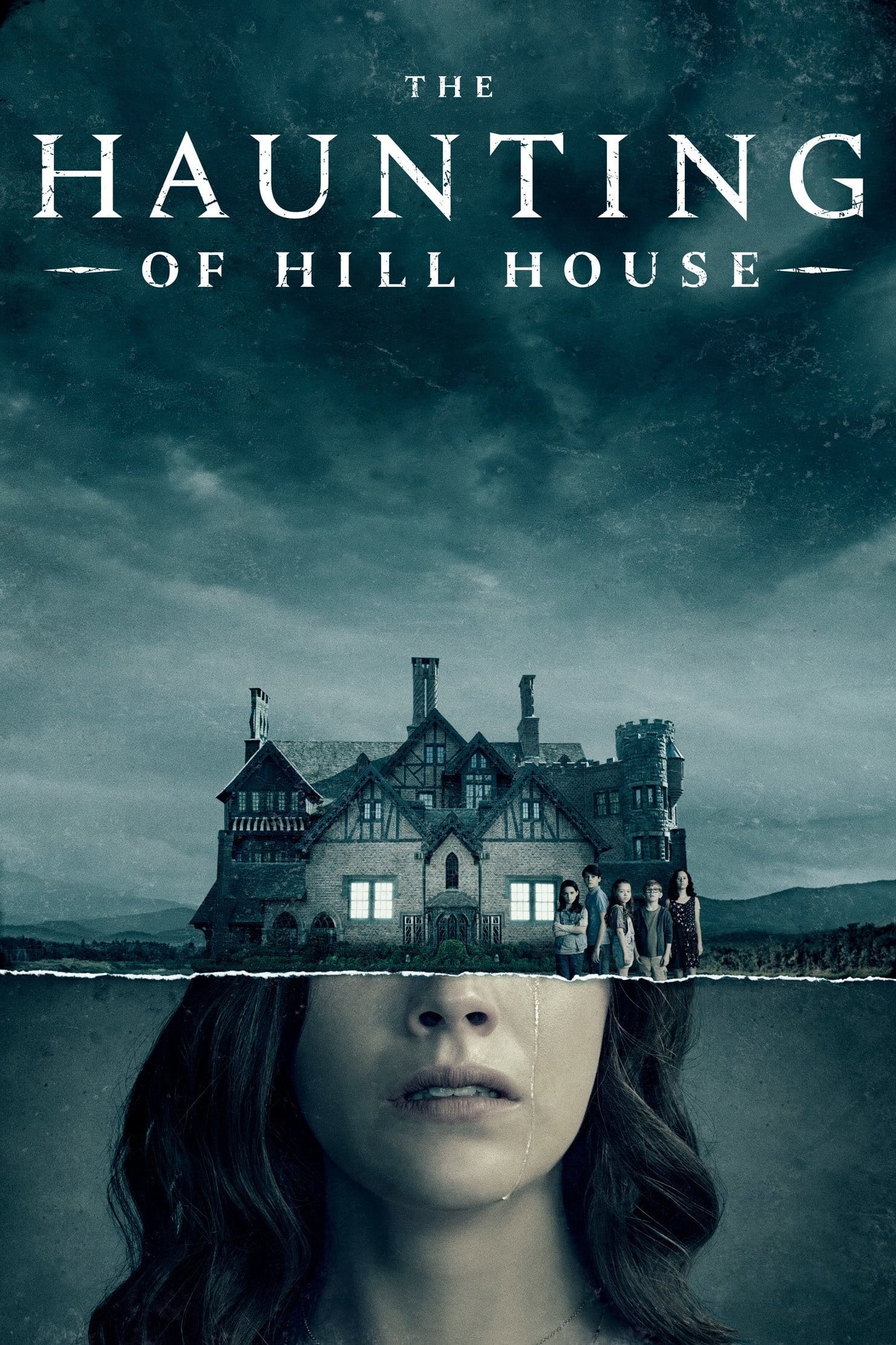
Throughout the series, director Mike Flanagan subtly included many ghost-like figures in the background of scenes. These figures stand motionless, hidden in shadows or behind objects, and the characters never notice them. This technique emphasizes the feeling that the house is constantly observing the family. Viewers often need to adjust their screen brightness to catch glimpses of these frightening hidden details. It’s a way to build a constant sense of dread and suspense without relying on sudden, startling moments.
‘Better Call Saul’ (2015–2022)
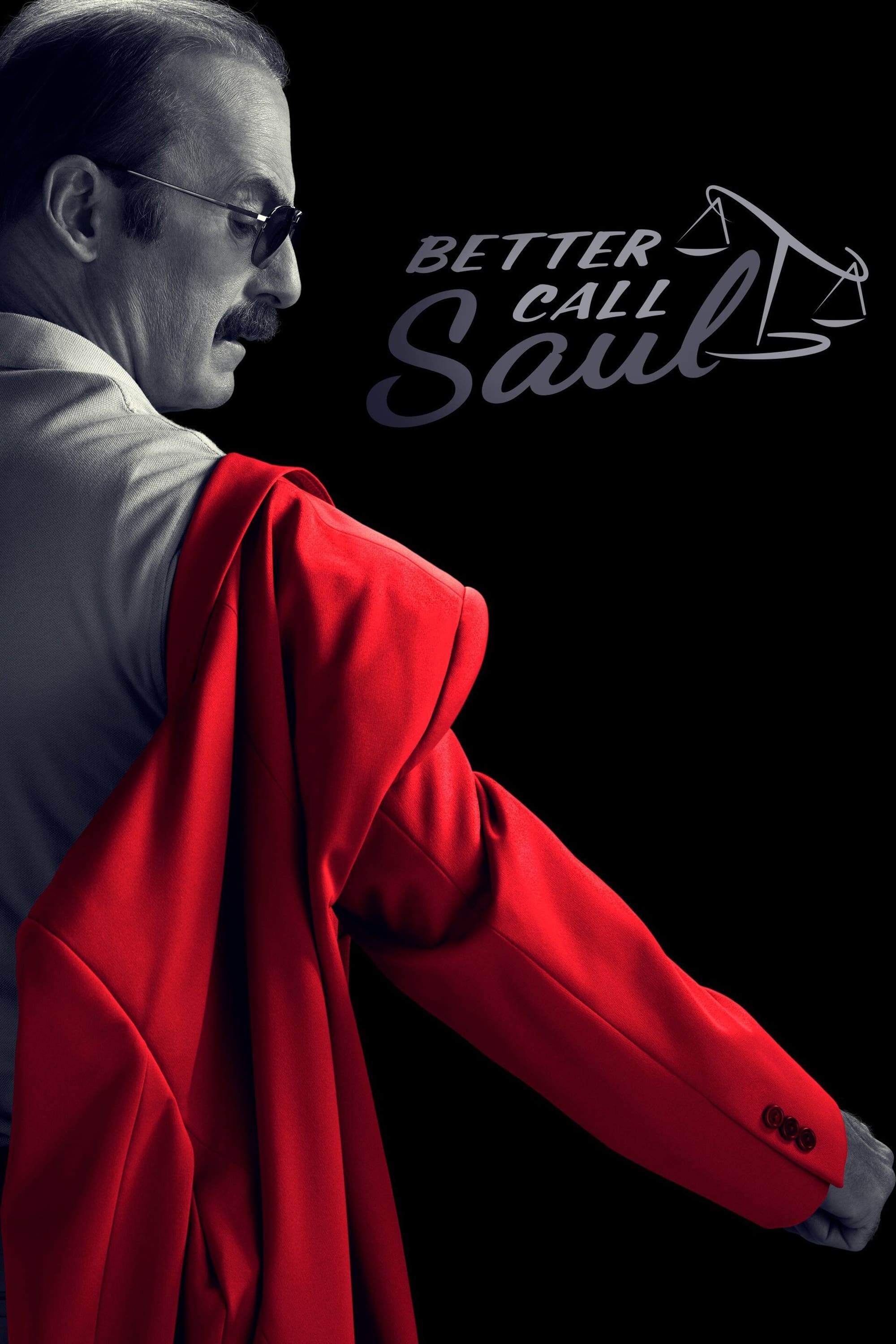
Throughout the show, a cork from a bottle of Zafiro Añejo tequila keeps appearing. This fictional tequila brand first showed up in the original series during a key scene involving a poisoning. The cork represents the connection between Jimmy and Kim, and their mutual enjoyment of pulling off schemes. It’s often seen on surfaces like desks and nightstands, quietly reminding viewers of their complex relationship. This prop cleverly links the prequel to the original show’s storyline.
‘Stranger Things’ (2016–Present)
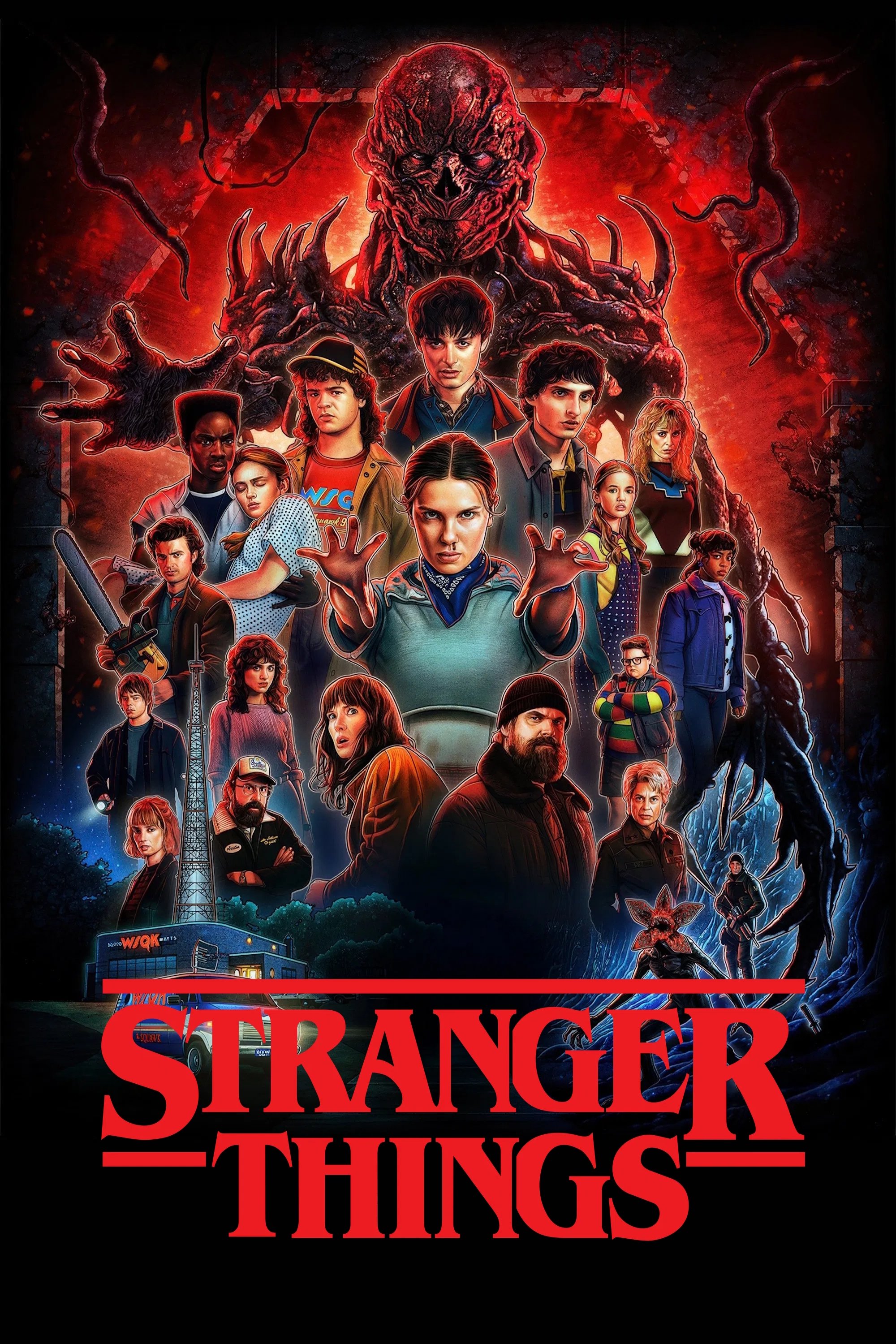
The show cleverly uses details from Dungeons & Dragons to hint at the monsters the kids will encounter. For example, the Demogorgon game piece shows up before the creature itself does. Background elements like posters and toys often reference 1980s culture, reflecting what the characters are going through. The show’s creators pay close attention to details from the era, using props to give viewers clues about the story’s themes. This use of nostalgia grounds the supernatural events in a relatable world.
‘Firefly’ (2002–2003)
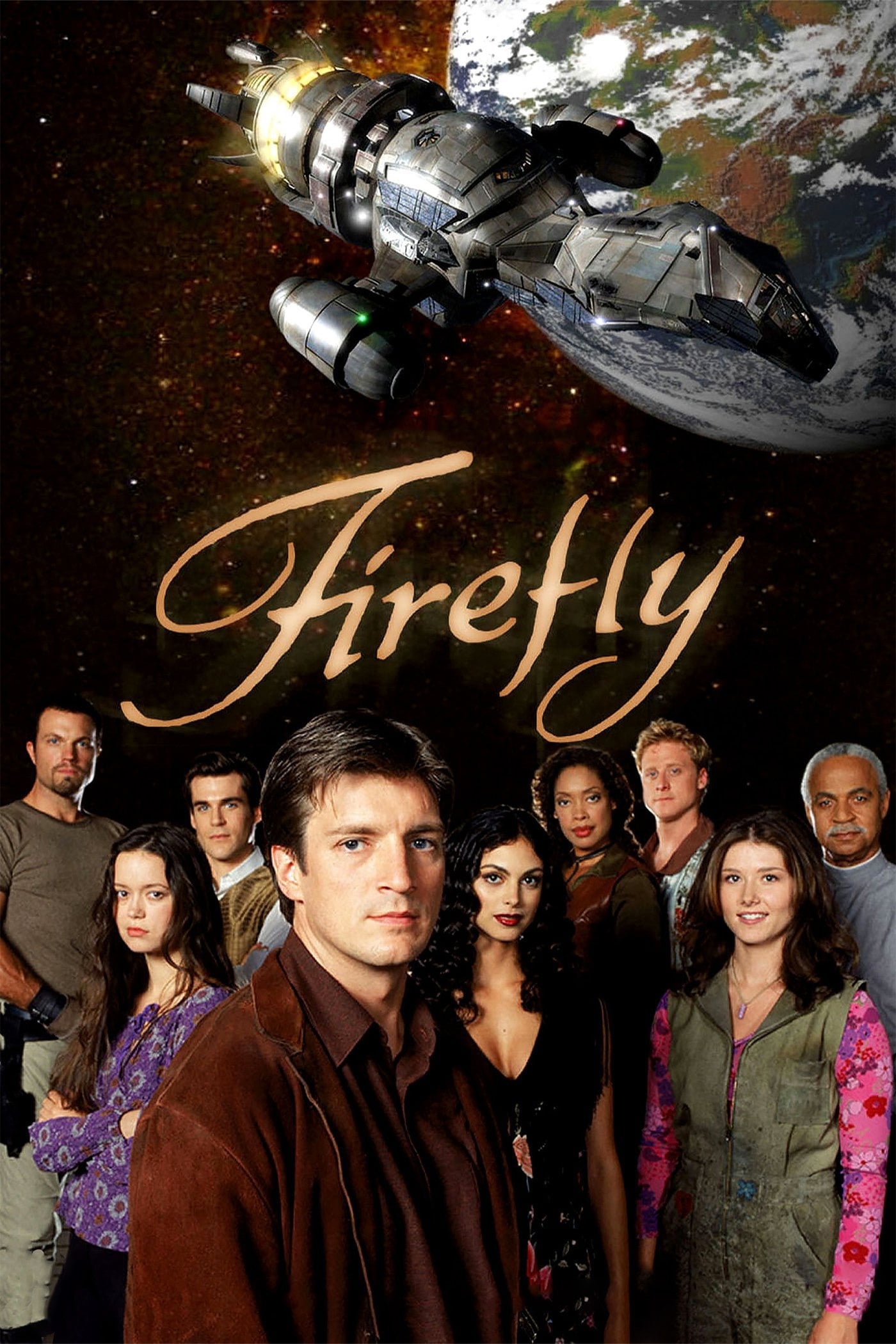
Throughout the series, you can spot a Han Solo figure frozen in carbonite – a reference to the original Star Wars. The set designers included this as a tribute to the films that inspired the show’s space western style. It’s often hidden in the ship’s cargo bay, tucked away on shelves or in corners. Fans love this subtle nod to one of science fiction’s most iconic characters, and it’s a fun way to connect these two popular franchises.
‘Supernatural’ (2005–2020)
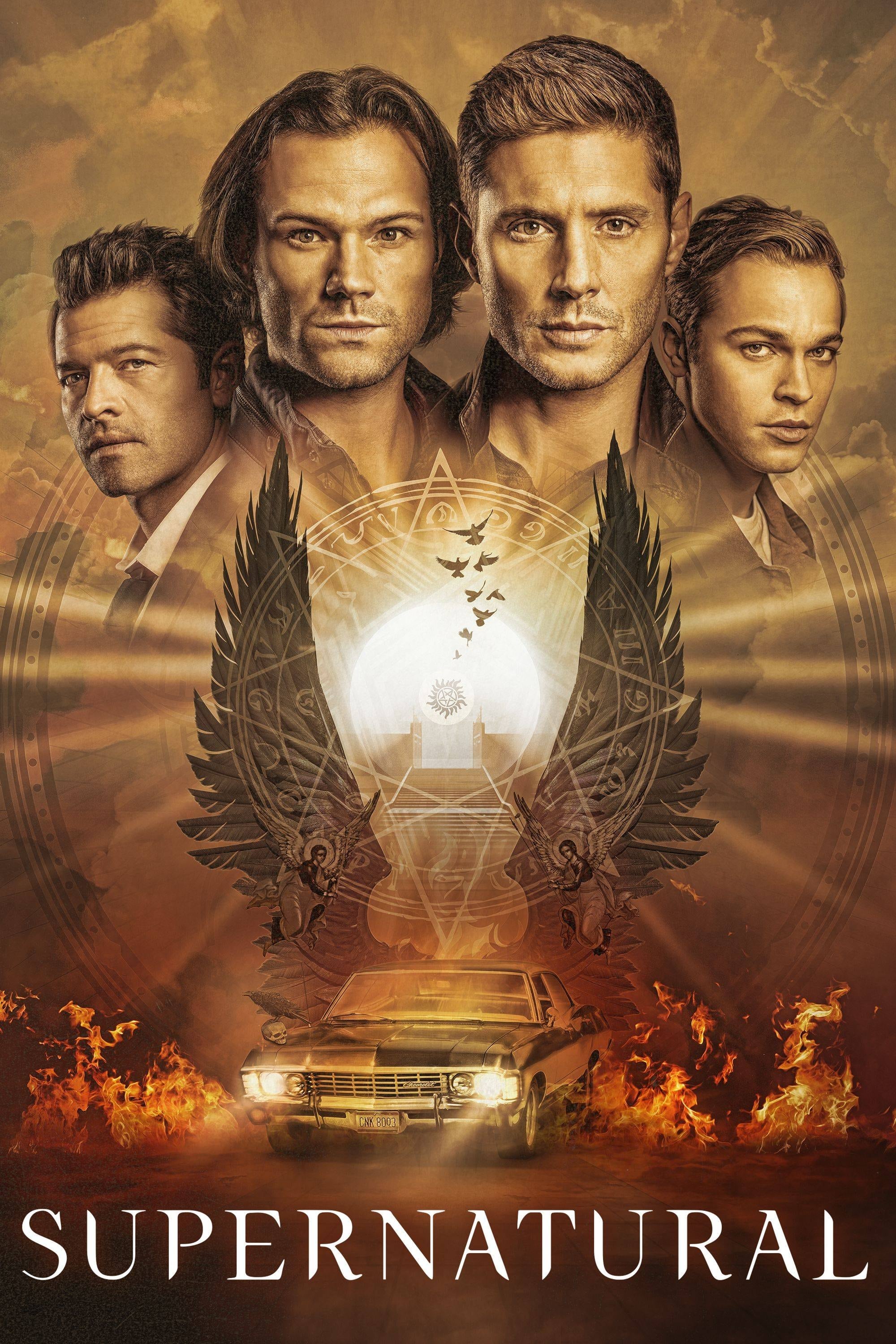
Throughout the series, a tiny green army man sits in the ashtray of the protagonists’ 1967 Chevrolet Impala. A character put it there during a memory of their childhood, and it stays there as a reminder of the strong bond between brothers. The camera often highlights the little toy, subtly reminding viewers of the car’s history and the emotional core of the show it represents.
‘The Walking Dead’ (2010–2022)
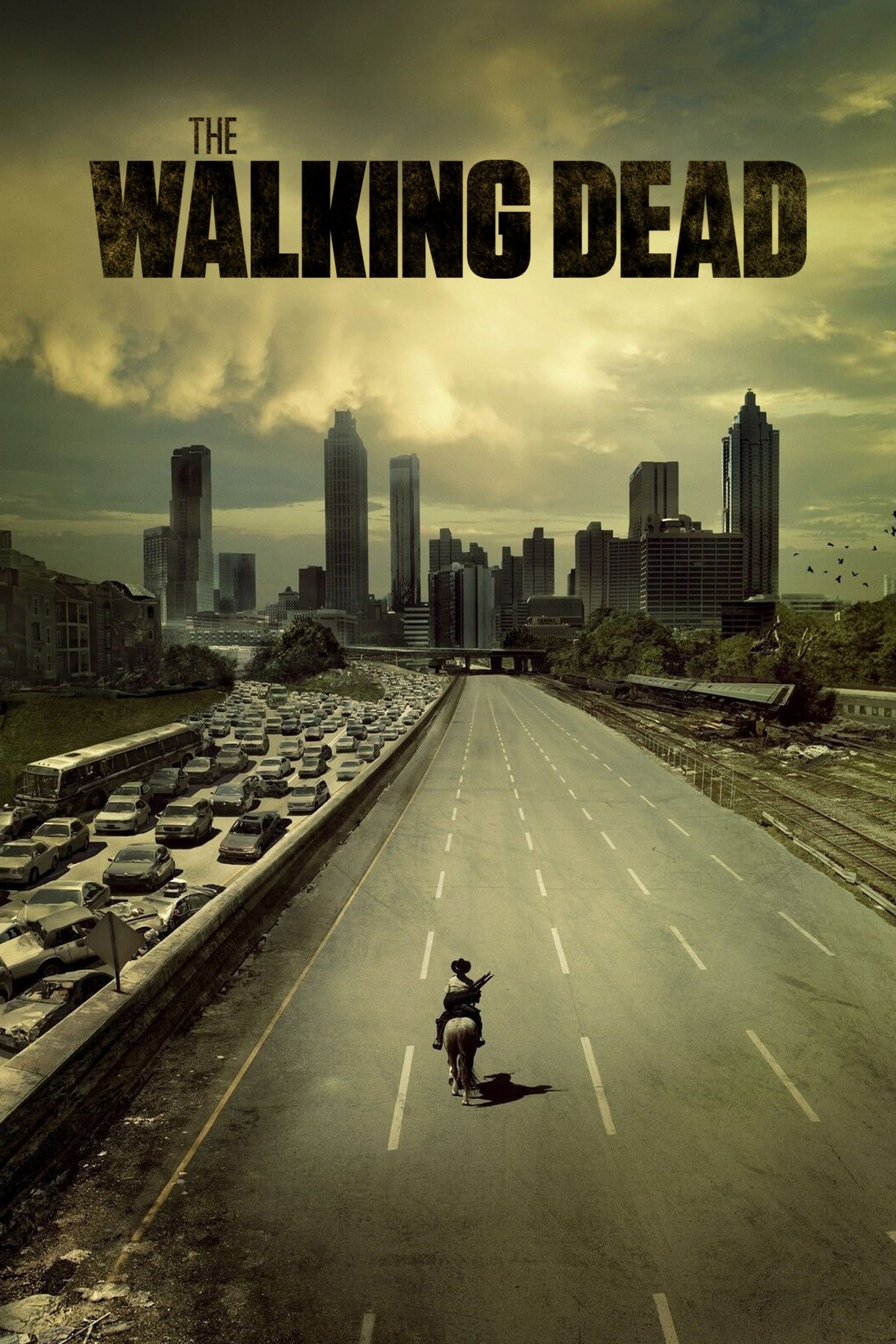
The show’s opening title sequence visually reflects the story’s decline. The logo becomes increasingly damaged with each season, mirroring both the crumbling world and the zombies’ decaying bodies. Simultaneously, the background color shifts from bright yellow to a darker, dirtier shade, emphasizing the show’s growing pessimism. This gradual change subtly marks the passage of time and the loss of optimism, making it a smart and effective design choice that evolves with the plot.
‘BoJack Horseman’ (2014–2020)
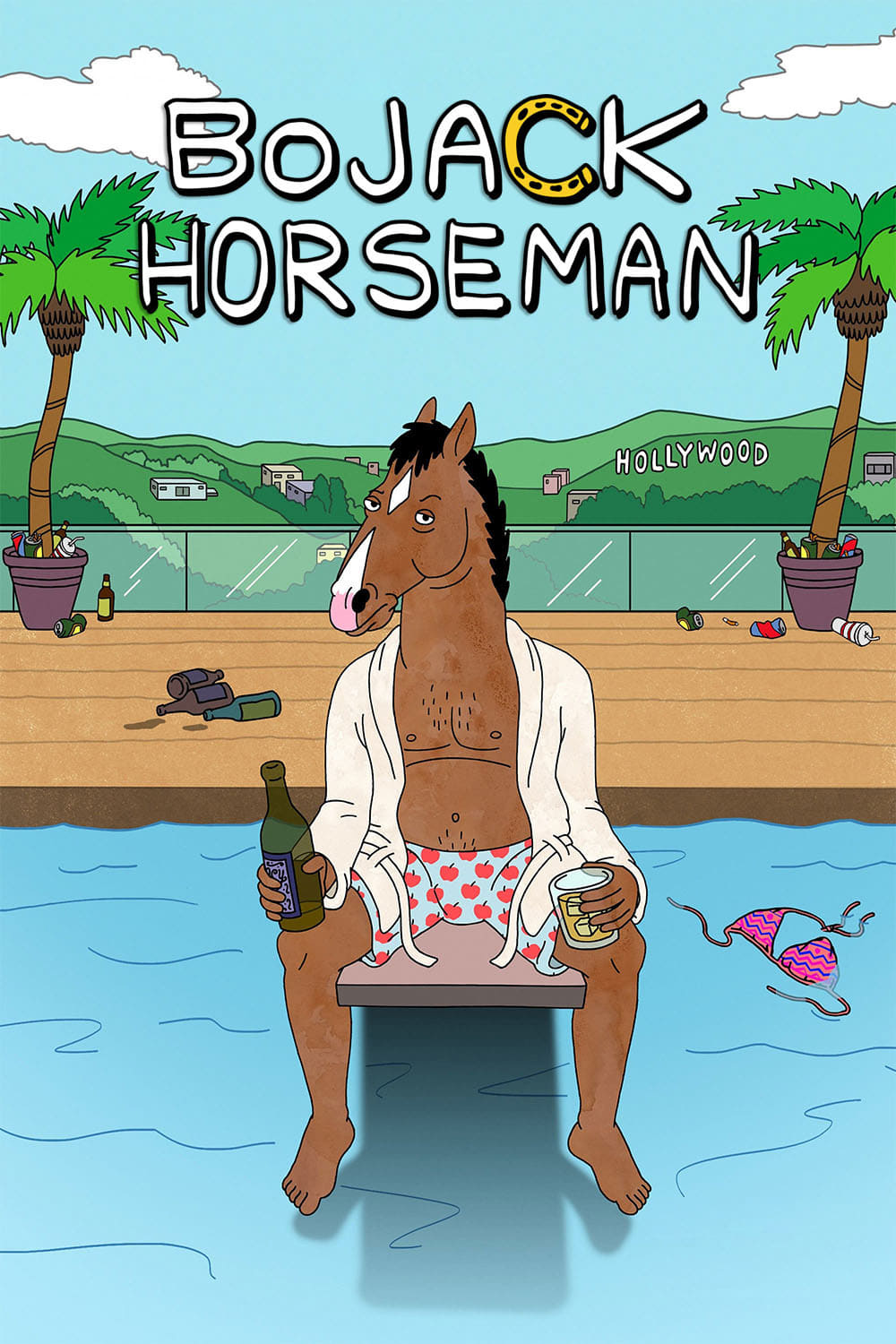
The show’s animators were incredibly consistent with details like damage to objects and characters’ clothing. If something was damaged in one episode, you’d continue to see it throughout the series. Characters’ clothing often contained subtle references to past events or clever animal-themed jokes. This dedication to detail made the world feel realistic and showed that actions had lasting consequences. Many of these visual jokes were so subtle that viewers often needed to pause and look closely to catch them.
‘Sons of Anarchy’ (2008–2014)
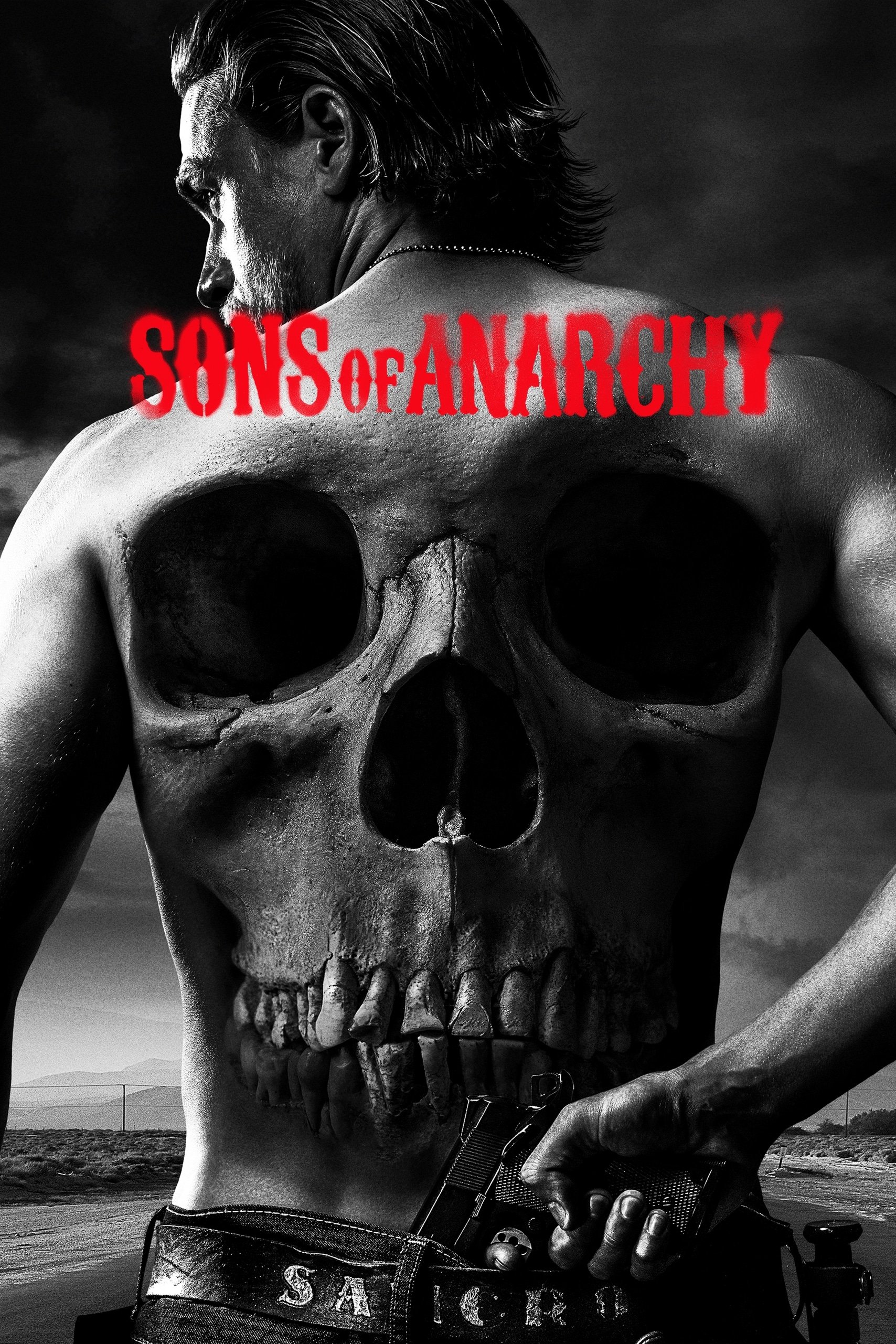
Throughout the series, a mysterious homeless woman appears whenever the main character, Jax Teller, is at a crossroads. She’s usually seen with a shopping cart containing objects connected to the club’s past. Fans long speculated about who she was, but the show’s creator eventually revealed she’s a spiritual guide for Jax, almost like a personification of fate, particularly within the dangerous world of the biker club.
‘Westworld’ (2016–2022)
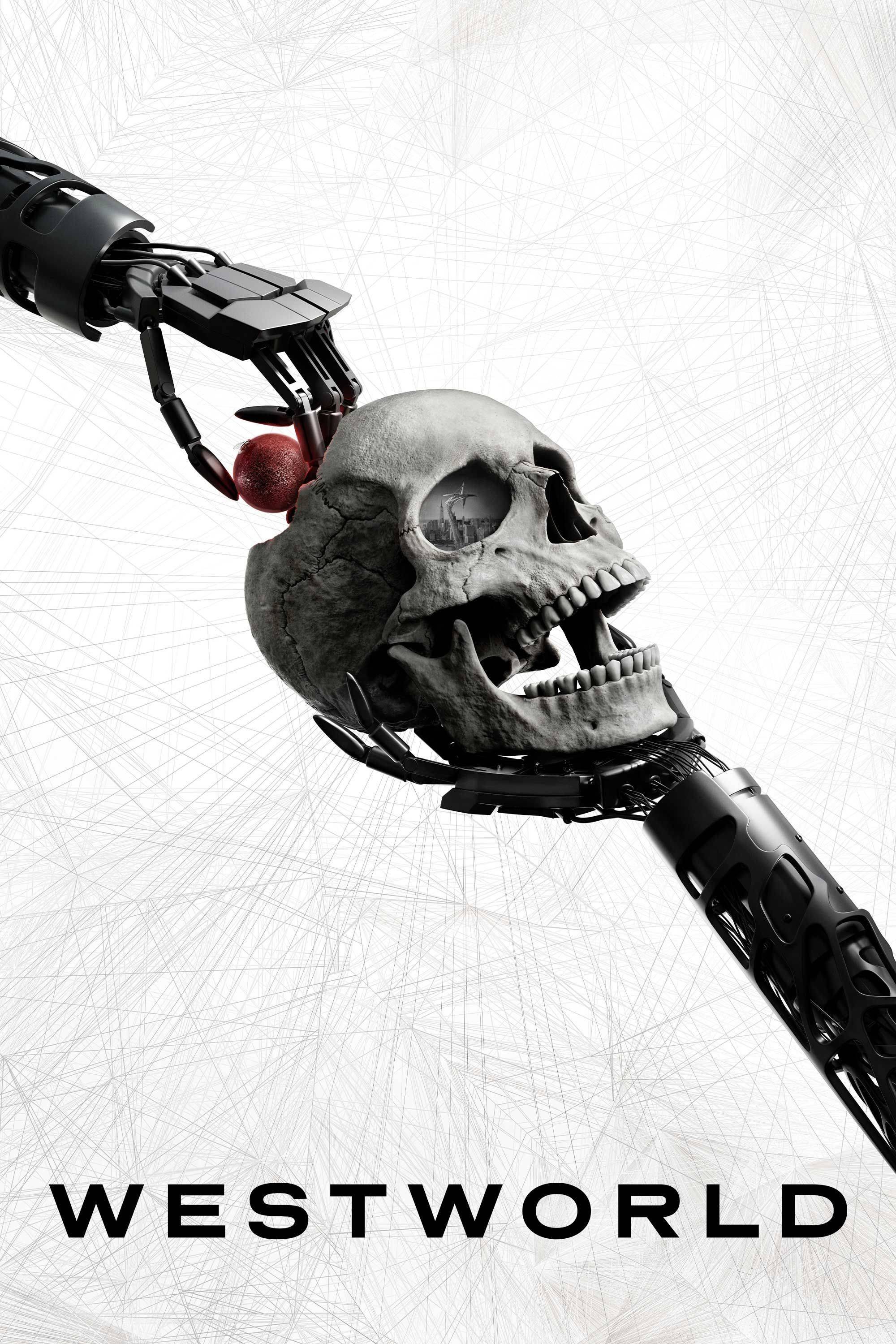
Throughout the first season, a maze symbol repeatedly appears – on characters’ heads, in the environment, and on tarot cards. This symbol represents the robotic hosts’ path to becoming aware. The show’s creators cleverly included the maze design in the sets and costumes to emphasize the show’s main puzzle. Viewers began to follow the symbol’s appearances, trying to guess which characters were starting to ‘wake up.’ The maze works as both a literal path and a deeper idea about finding oneself.
‘Hannibal’ (2013–2015)
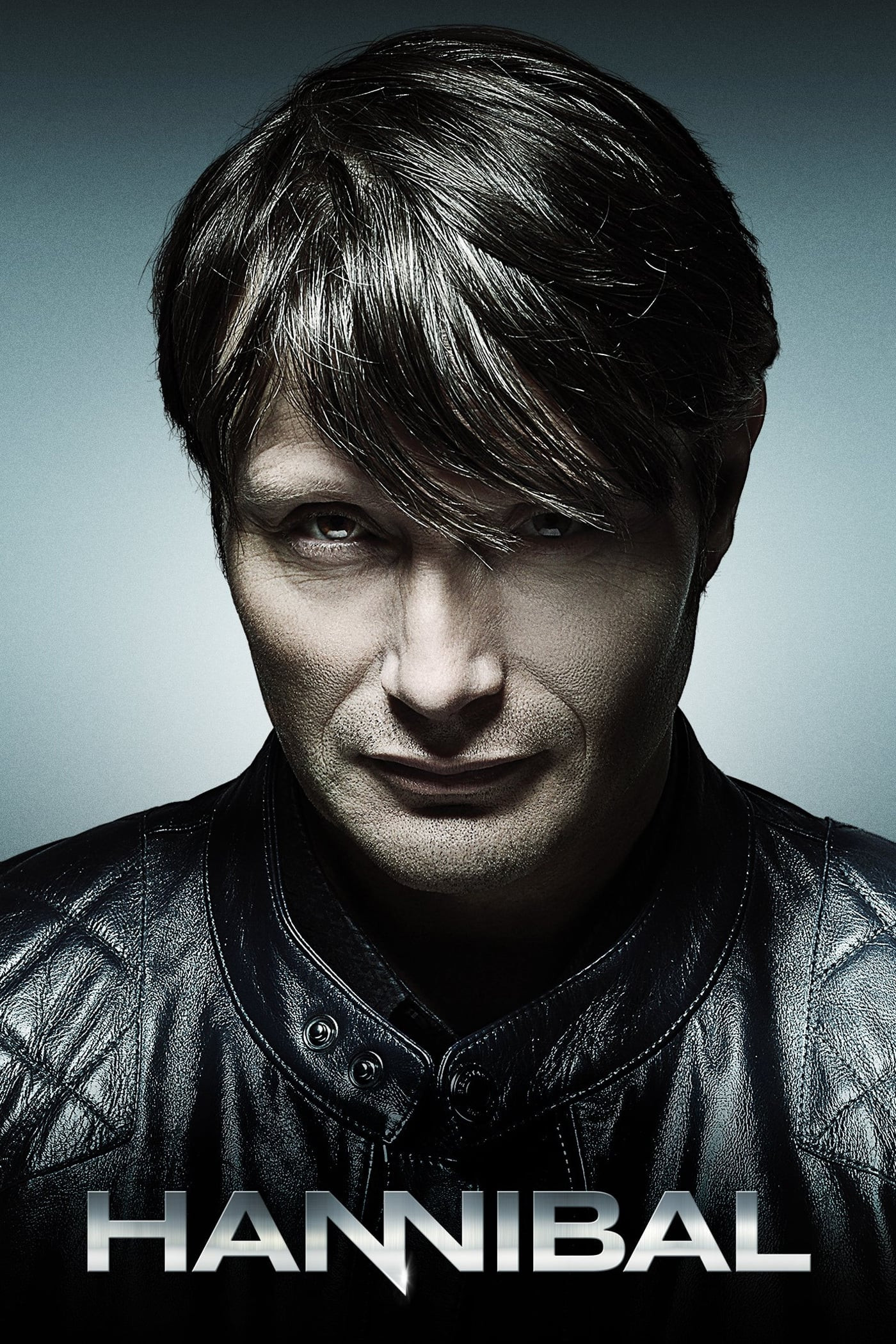
A black stag consistently appears throughout the series – in dreams, reflections, and statues – representing the powerful influence of Hannibal Lecter. This image links the main character, Will Graham, to the disturbing nature of the cannibalistic doctor. As the characters’ mental states worsen, the stag transforms into increasingly disturbing forms, like a creature with feathers. Instead of relying on spoken words, this visual symbol shows how the characters’ minds are being corrupted. It’s a memorable and unsettling artistic element that defines the show.
‘Gravity Falls’ (2012–2016)
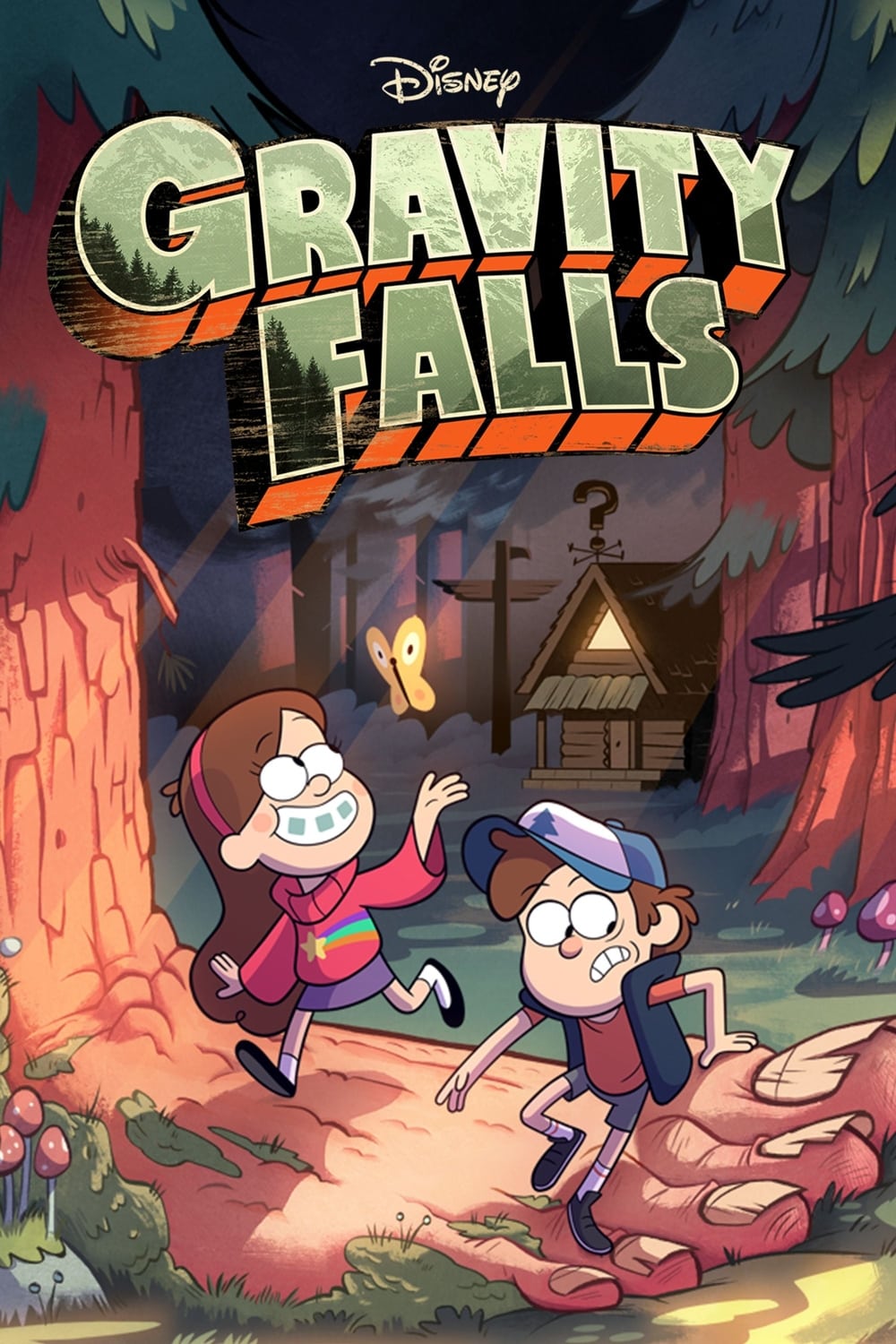
Each episode of the show contained a hidden code in the credits, and each code needed a different method to decipher it. A background character named Blendin Blandin also quietly appears to repair disruptions in time. Hints about the main villain, Bill Cipher – shown in patterns on rugs, windows, and artwork – were subtly placed throughout the series before his full introduction. These clever puzzles were designed to get viewers more involved with the show and its mysteries. Ultimately, the series raised the bar for how animated shows can tell interactive, mysterious stories.
Tell us which of these hidden details you spotted first in the comments.
Read More
- 20 Movies Where the Black Villain Was Secretly the Most Popular Character
- Top 20 Dinosaur Movies, Ranked
- 25 “Woke” Films That Used Black Trauma to Humanize White Leads
- Spotting the Loops in Autonomous Systems
- Gold Rate Forecast
- Silver Rate Forecast
- 22 Films Where the White Protagonist Is Canonically the Sidekick to a Black Lead
- Can AI Lie with a Picture? Detecting Deception in Multimodal Models
- Top 10 Coolest Things About Invincible (Mark Grayson)
- Celebs Who Narrowly Escaped The 9/11 Attacks
2025-12-10 12:51