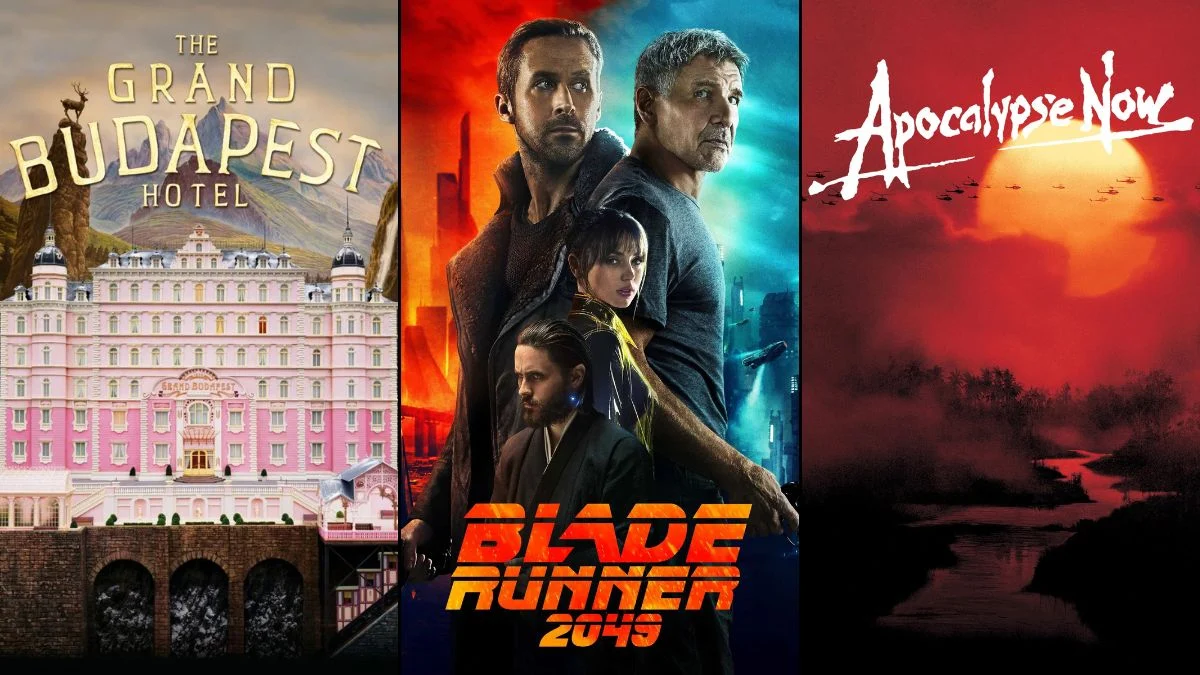
Cinematography is how films communicate visually, shaping how audiences feel about the story. The Director of Photography carefully chooses lighting, lenses, and colors to create a consistent mood. These decisions can elevate a simple script into a powerful and memorable experience. The films below demonstrate how important cinematography is to a film’s overall feeling.
‘Blade Runner 2049’ (2017)
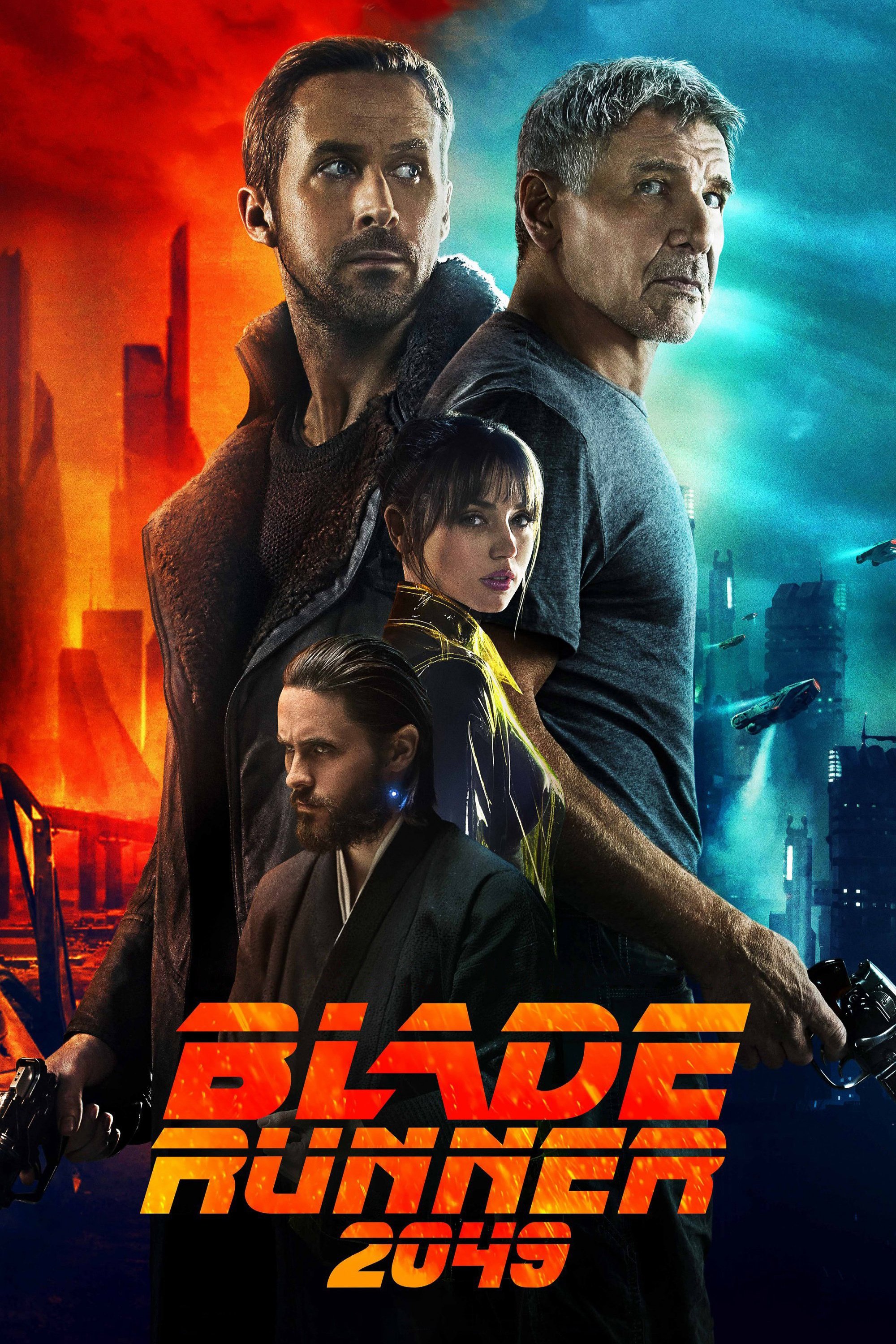
Roger Deakins used color to clearly distinguish the different settings in this futuristic, troubled world. The ruined city of Las Vegas is shown with a blurry, orange light, making it seem both dangerous and strangely beautiful. The film emphasizes the main character’s loneliness through strong, dark shapes and harsh building designs. Careful lighting in every scene highlights the vastness of the environment and reinforces the feeling of isolation.
‘In the Mood for Love’ (2000)
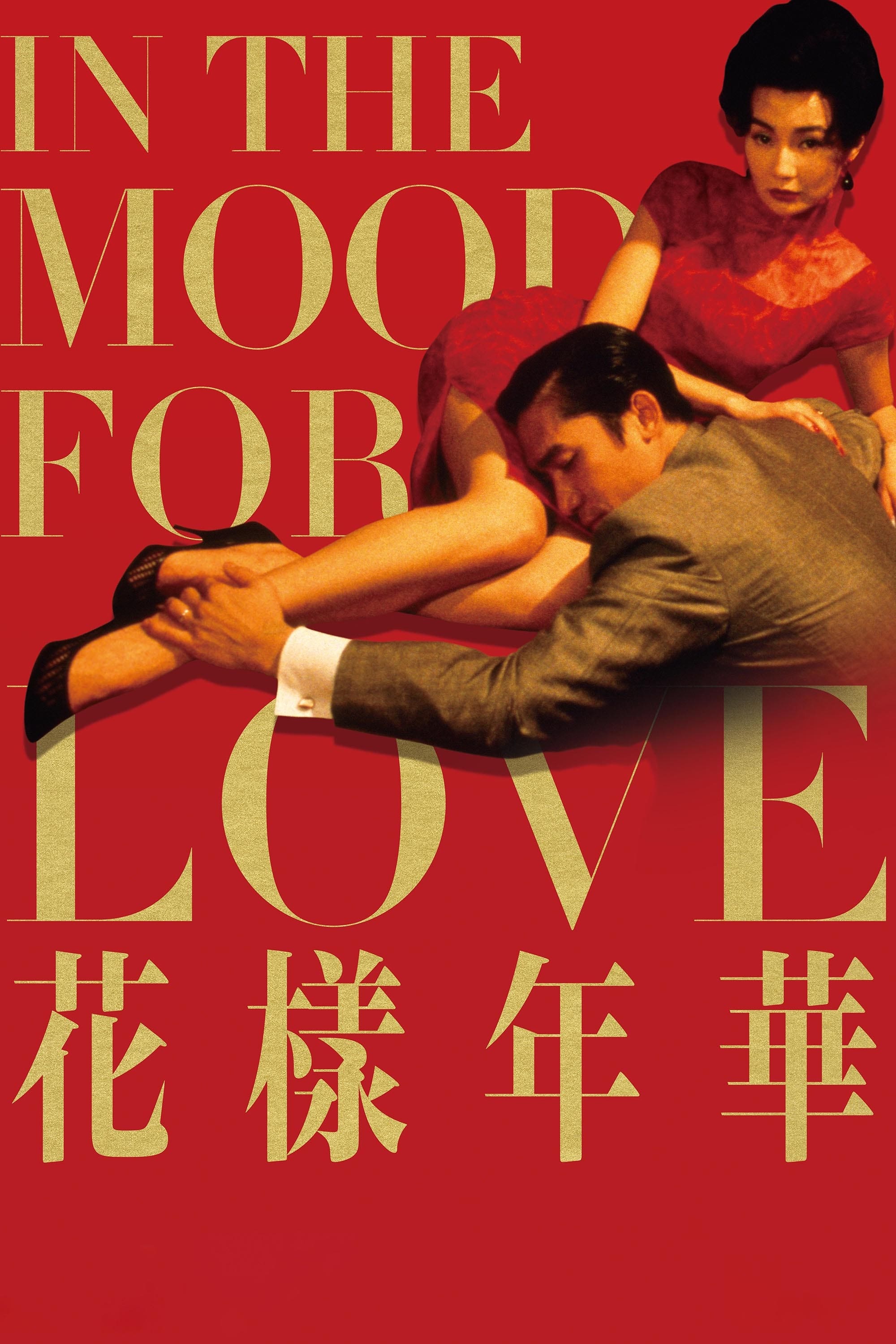
Christopher Doyle and Mark Lee Ping-bin worked together to create a visually intense and alluring mood using close-up shots. The film often shows characters as if we’re secretly watching them, through doorways or in reflections. Deep reds and dark shadows fill the screen, mirroring the hidden desires of the main characters. This style transforms the small Hong Kong apartments into a world of yearning and emotional control.
‘The Grand Budapest Hotel’ (2014)
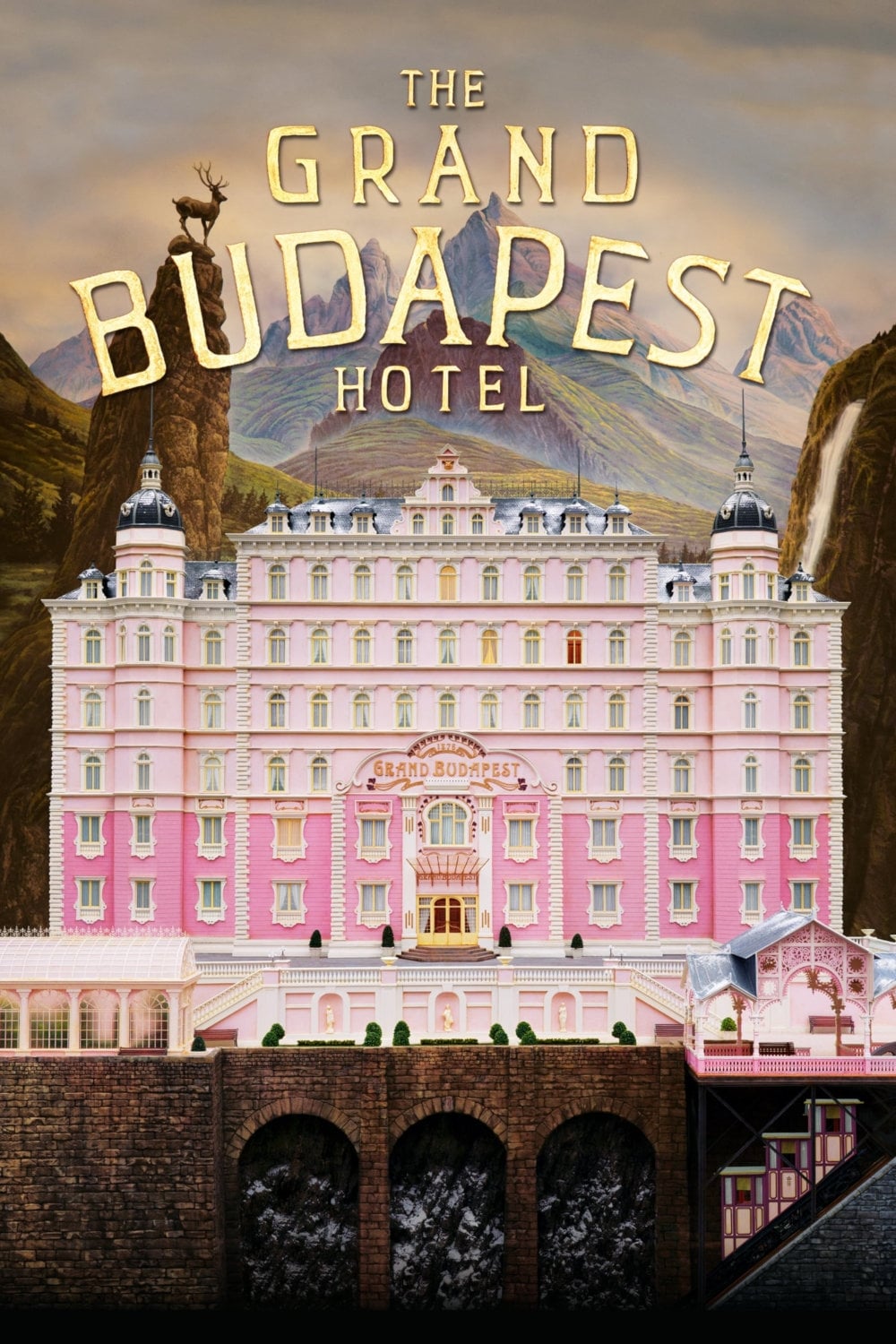
Robert Yeoman used different screen shapes to show different time periods in the story. The camera moves are careful and exact, reflecting the main character Gustave H’s meticulous personality. The film’s soft, pastel colors create a fairytale-like feel for the made-up country of Zubrowka, making it seem unreal. The director consistently used balanced and symmetrical shots to create a playfully organized atmosphere.
‘Apocalypse Now’ (1979)
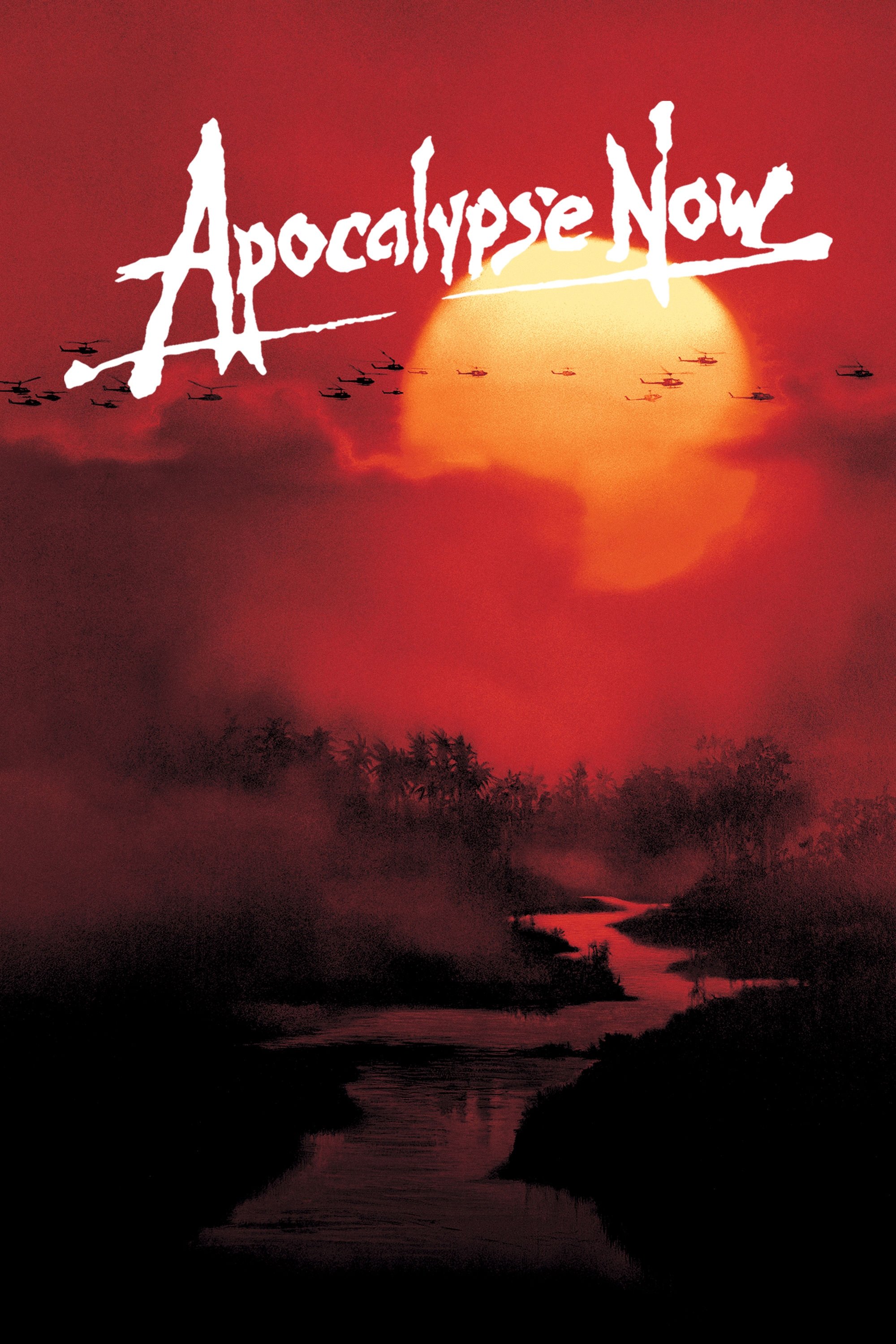
Vittorio Storaro powerfully showed the characters’ descent into madness using strong lighting contrasts and bold colors. He created a hellish, almost nightmarish setting with artificial smoke and orange flares, reflecting their troubled minds. Storaro focused on the contrast between light and darkness to symbolize the conflict between order and raw, instinctual behavior. The visuals, rich with detail, make the jungle feel both vibrant and suffocating.
‘Barry Lyndon’ (1975)
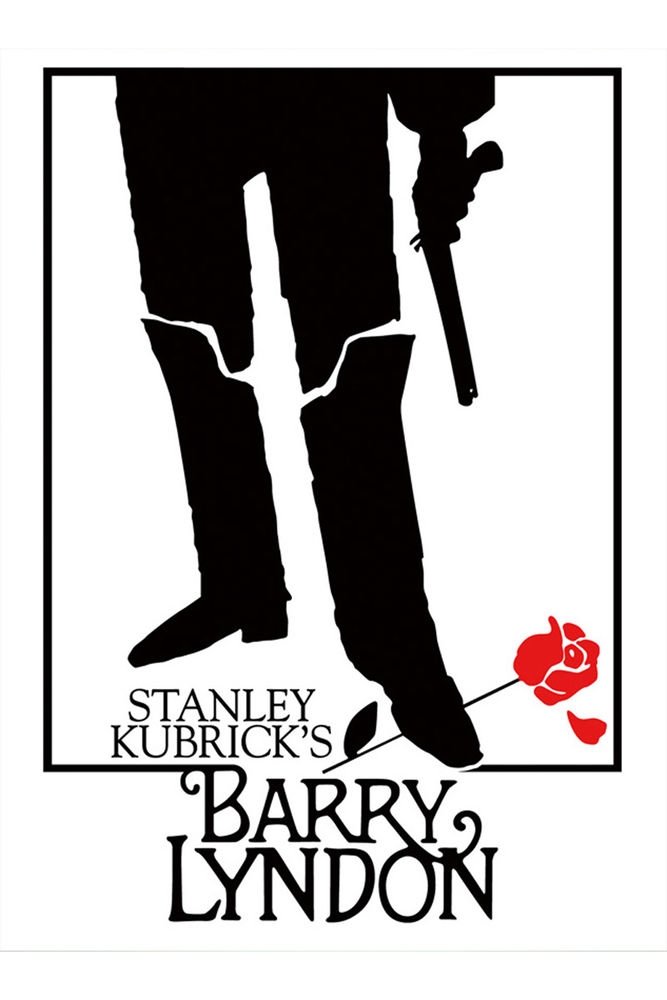
John Alcott revolutionized filmmaking by shooting scenes using only candlelight. The production team employed unique lenses initially created for NASA to film in incredibly dim lighting. This approach makes the movie look like a living, breathing 18th-century painting. The realistic lighting gives the historical drama a sense of authenticity often missing from similar films.
‘Moonlight’ (2016)
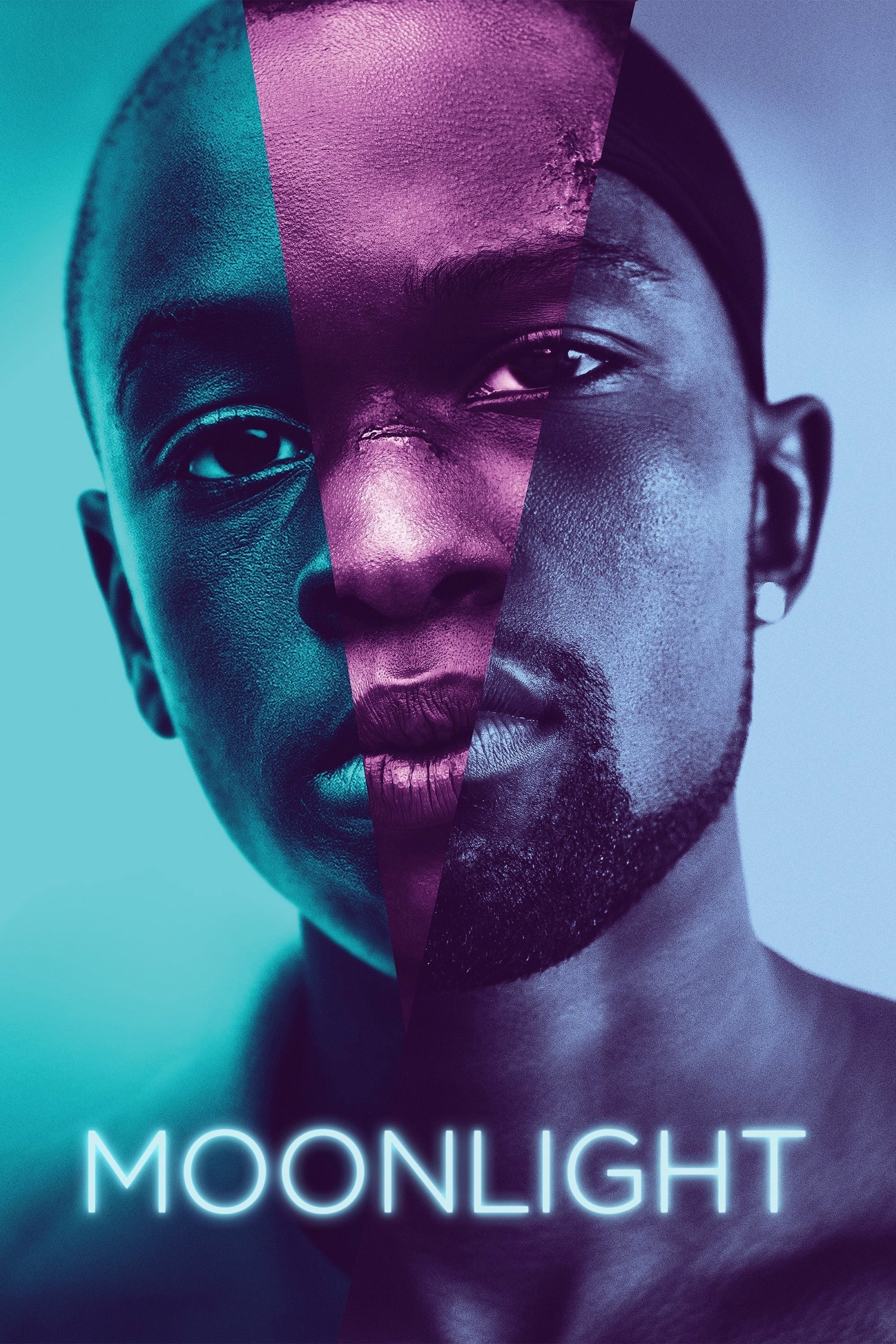
James Laxton’s cinematography beautifully captured the intense heat and humidity of Miami. He paid special attention to how the camera filmed darker skin tones, using oil to make the light reflect naturally on the actors. The film features very close-up shots with blurred backgrounds, drawing viewers into the characters’ most vulnerable and honest moments. A color palette of blues and purples adds a dreamy feel, subtly softening the difficult truths presented in the narrative.
‘Children of Men’ (2006)
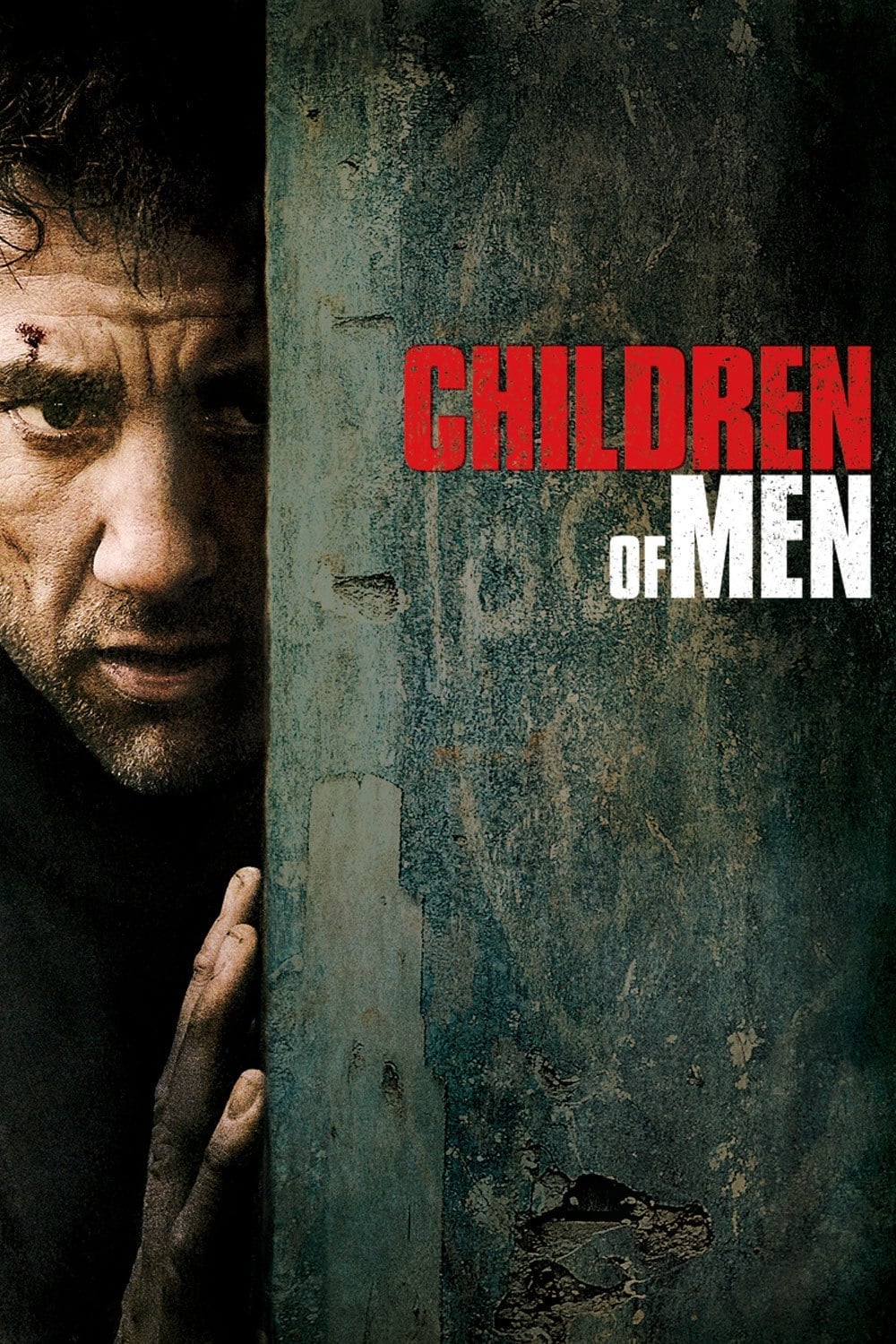
As a viewer, I was completely pulled into this film’s world thanks to the incredible cinematography. The director of photography, Emmanuel Lubezki, uses these unbelievably long, unbroken shots – it really feels like you’re there as everything falls apart. The camera isn’t afraid to get messy, catching everything from blood to dust, which adds to the gritty realism. And the lighting? It’s all natural, giving the whole movie this bleak, washed-out look that perfectly captures a hopeless future. Honestly, the way the camera moves is so fluid and frantic, it never lets you breathe – it’s a truly immersive and unsettling experience.
‘The Godfather’ (1972)
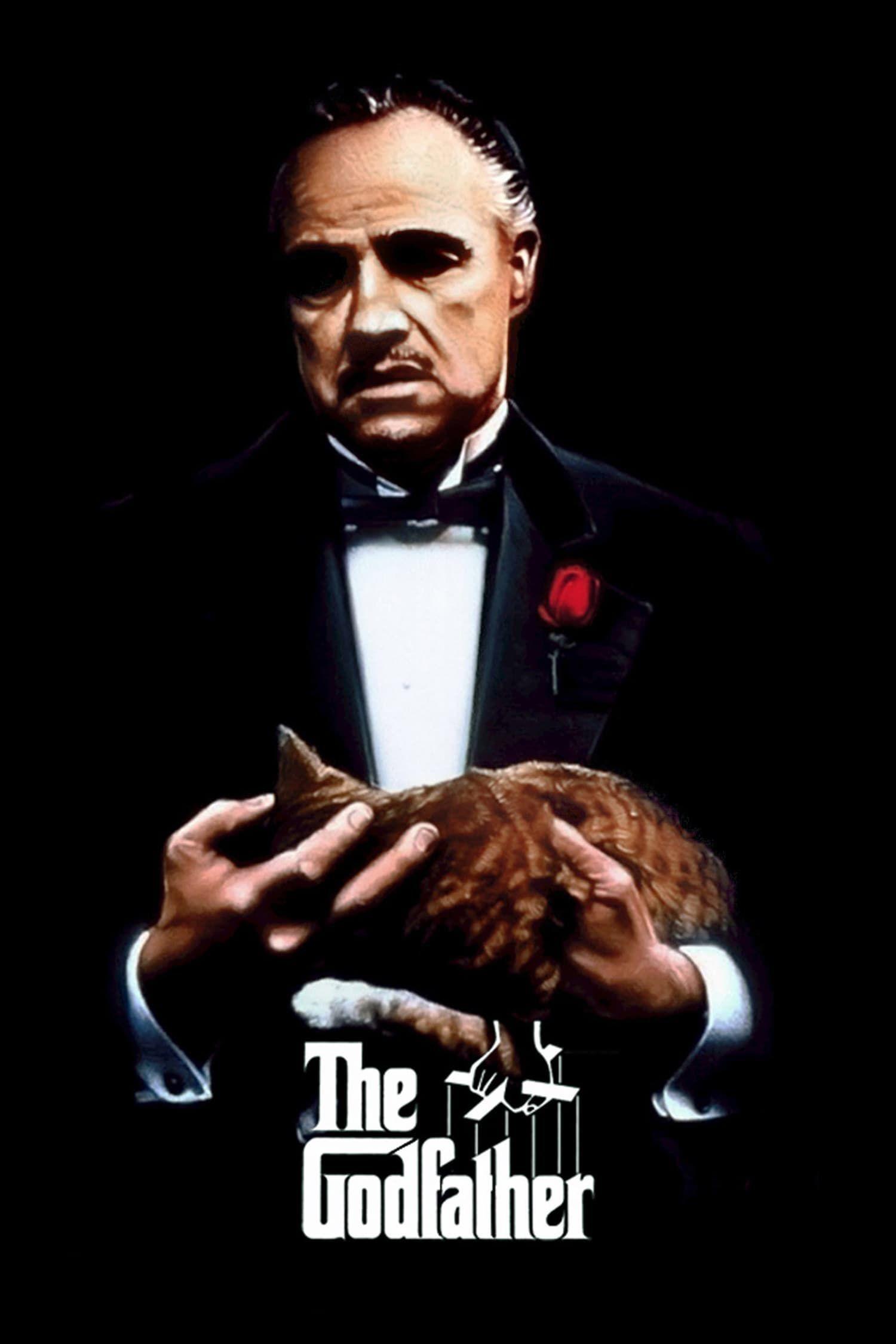
Gordon Willis, known as “The Prince of Darkness,” was famous for his innovative use of dark film. He often lit scenes from above in a way that hid actors’ eyes, hinting at their inner thoughts. Inside, he used warm, yellow lighting, while exteriors were lit with cold, blue tones. This created a strong visual contrast, effectively showing how the family’s private world was separate from everything else.
‘Mad Max: Fury Road’ (2015)

Cinematographer John Seale came out of retirement to film this fast-paced action movie, choosing to keep the action centered in the frame. This made it easier for viewers to follow despite the quick cuts. Instead of the typical washed-out colors often used in apocalyptic films, the movie features bold oranges and teals. Night scenes were shot with a strong blue filter, creating a unique, almost comic-book-like look.
‘Lawrence of Arabia’ (1962)
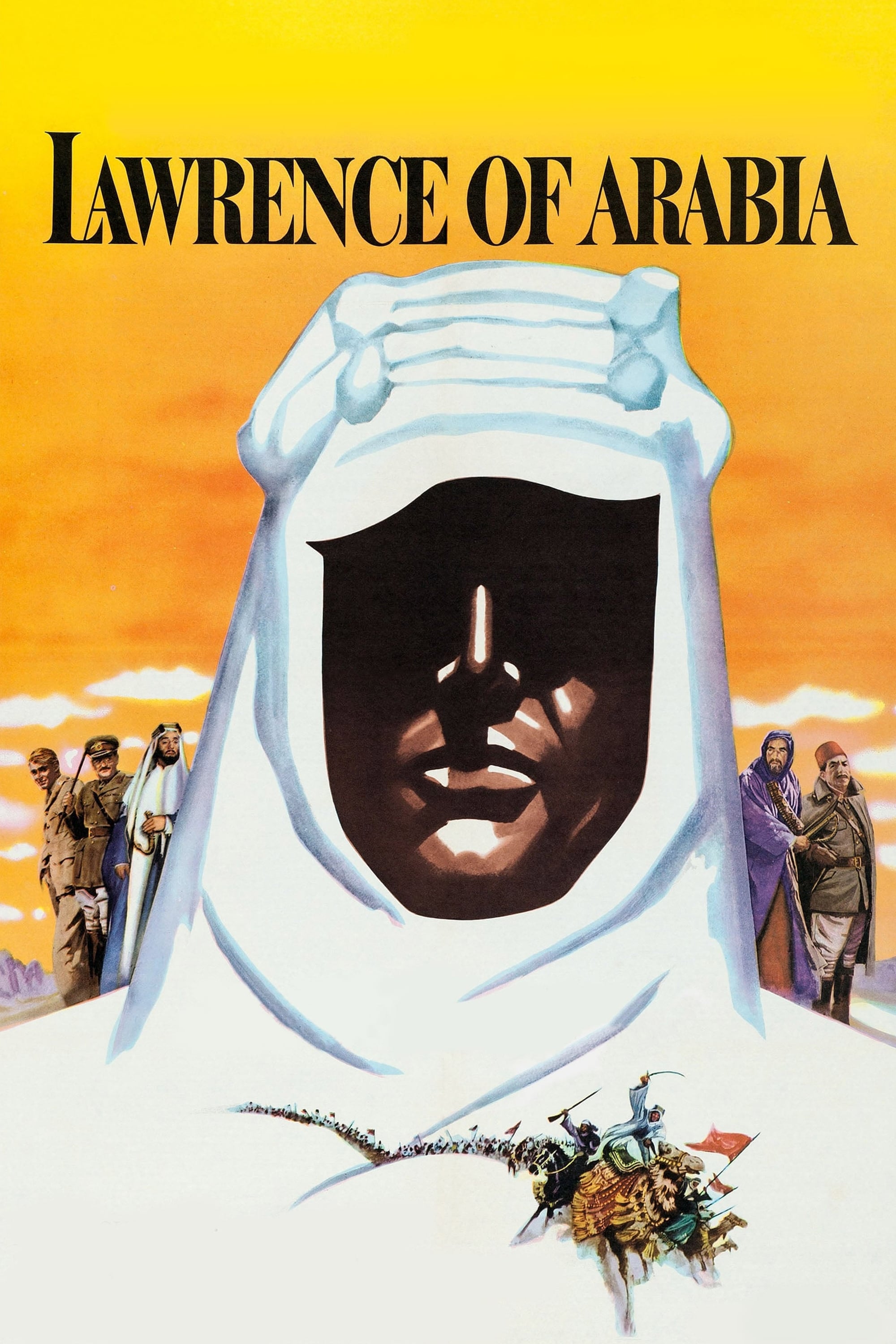
Freddie Young beautifully showed the immense size of the desert by shooting on 70mm film, which highlighted how small people are compared to nature. He patiently waited for the ideal lighting to really capture the feel of the sand dunes. A unique lens was used to create the iconic mirage effect, where a figure gradually appears through the shimmering heat. The overall visual impact powerfully conveys the grand scale of the characters’ adventure.
‘Her’ (2013)
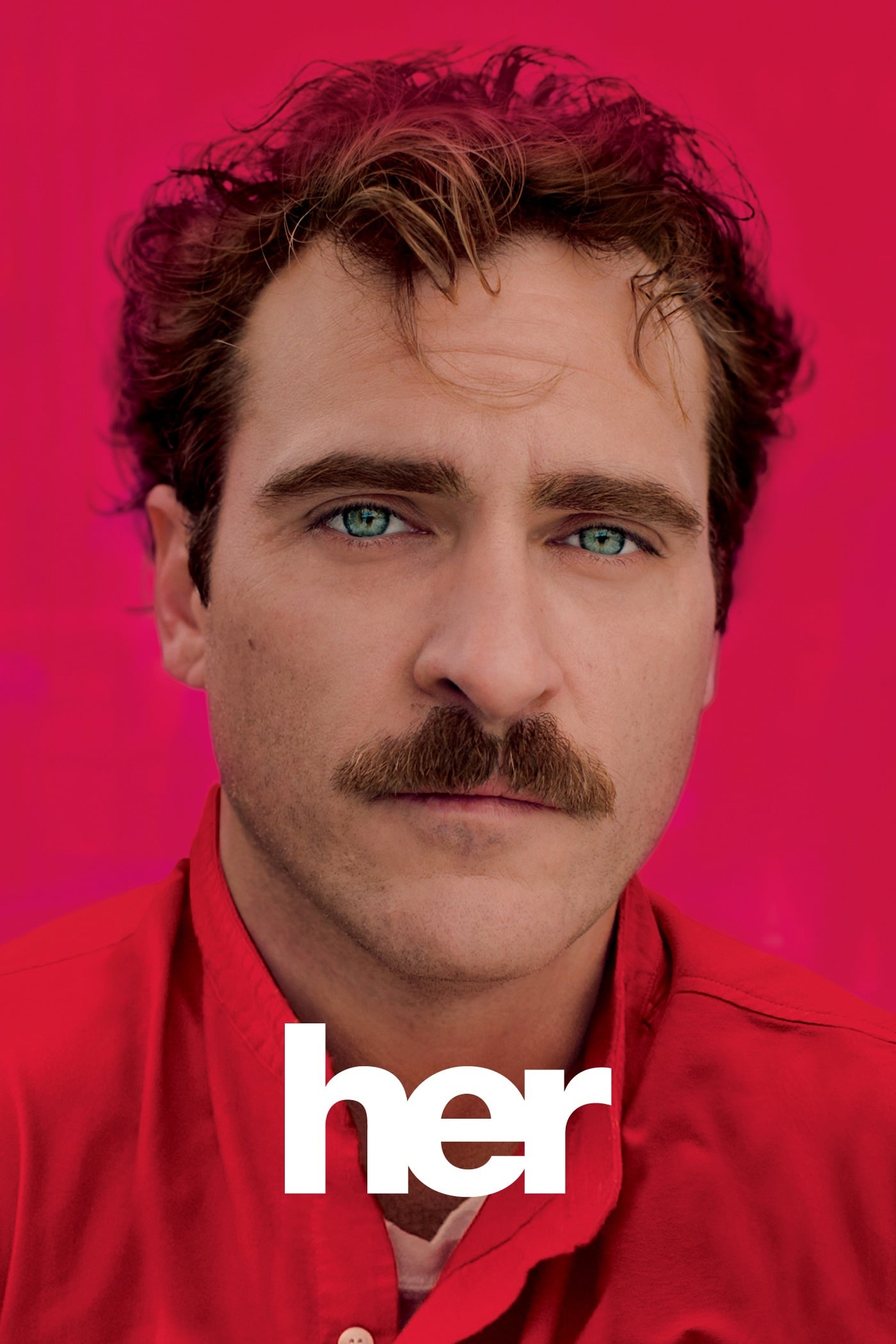
As a movie fan, I was really struck by the cinematography in this film. The director of photography, Hoyte van Hoytema, made some interesting choices. Instead of the usual cold, blue look you often see in sci-fi, everything felt warm with a lot of reds and oranges. It wasn’t sharp and clinical either; they used a soft focus and kept the depth of field shallow, which really drew you into the main character’s isolation even when he was surrounded by people. Even the buildings – those huge apartment blocks and offices – were lit to feel welcoming, not cold and empty. It all adds up to a future that feels both believable and strangely sad, but in a really beautiful, personal way.
‘Dune’ (2021)

Cinematographer Greig Fraser used a combination of digital and film techniques to create a visually rich and natural look. The lighting is designed to feel like the intense desert sun on the planet Arrakis, using soft light sources to achieve this. The film features huge, imposing sets that make the characters seem small and highlight the strength of the ruling powers. A color scheme dominated by shades of sand and gray further emphasizes the harsh and desolate environment.
‘Lost in Translation’ (2003)
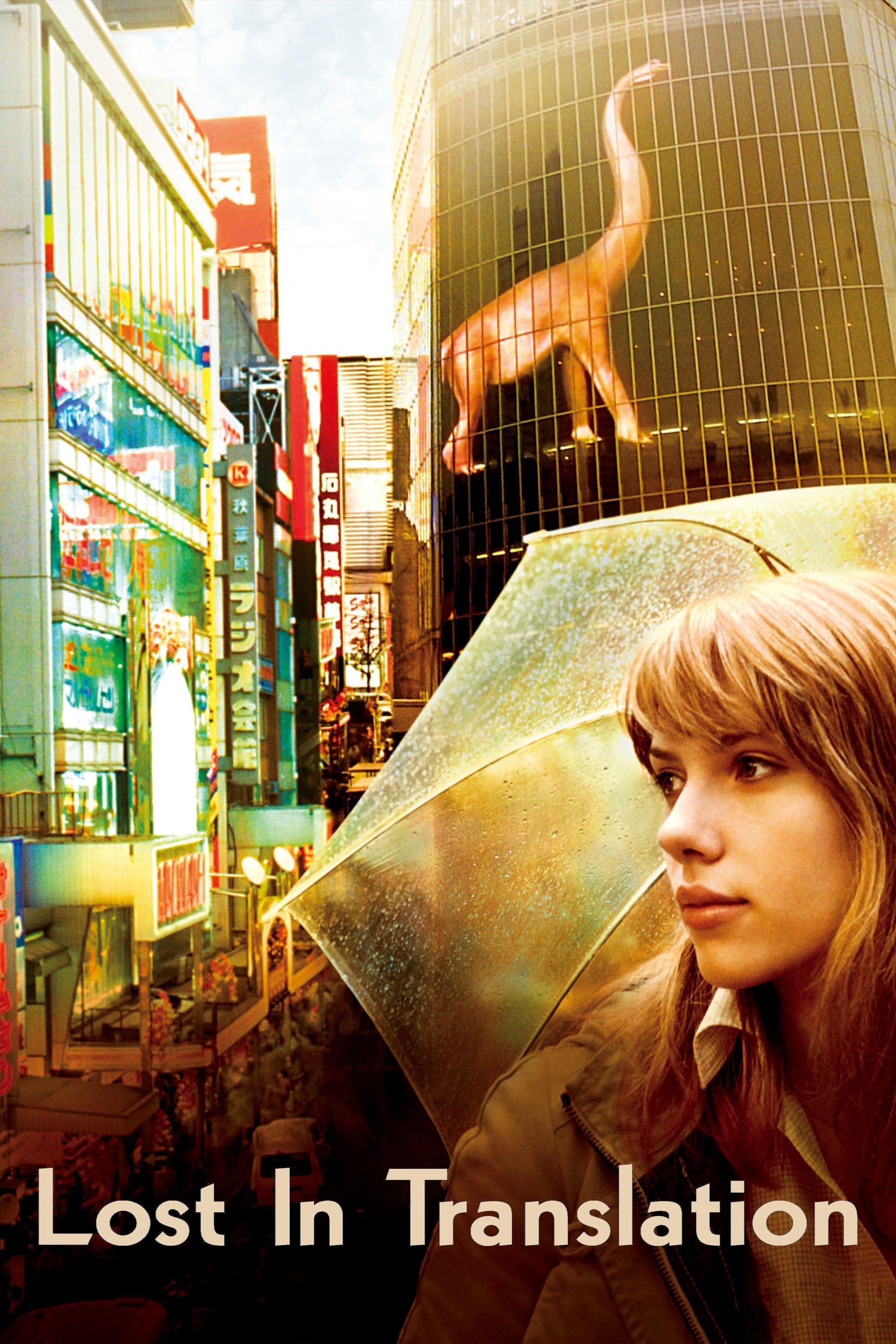
Lance Acord filmed much of the movie using only the available light in Tokyo at night, creating a vibrant, neon-lit look. The camera was often held by hand, which makes the scenes feel more personal and realistic. Reflections in windows and glass highlight the characters’ feelings of loneliness and disconnection. The film’s slightly grainy and soft appearance subtly reflects the characters’ exhaustion and disorientation.
‘Schindler’s List’ (1993)
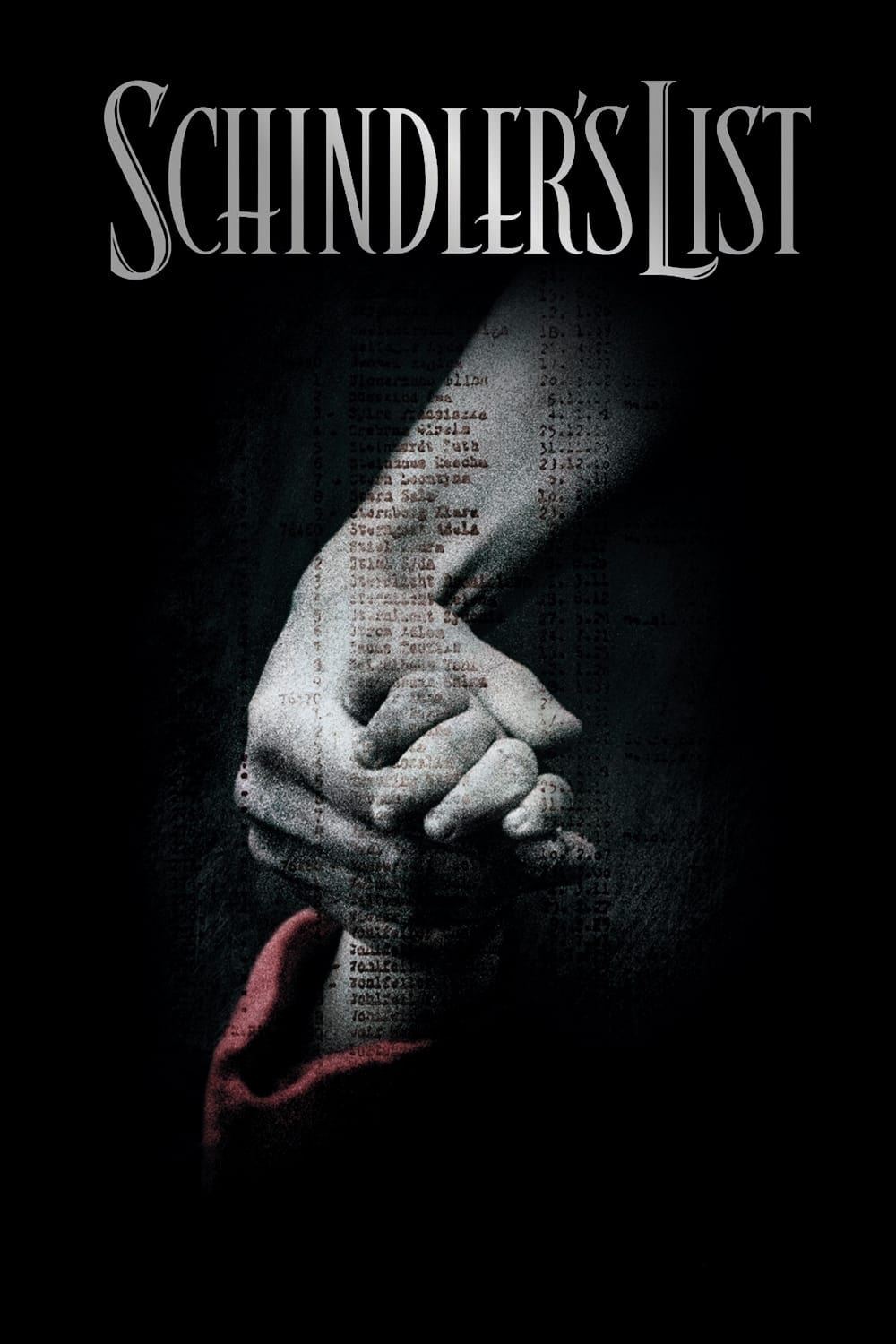
As a film lover, I was really struck by the way Janusz Kamiński filmed this. He shot it in stark black and white, almost like watching old newsreels from the 40s, which instantly set a specific mood. During the more intense, violent scenes, the shaky, handheld camera work really threw you right into the chaos and made it feel incredibly raw and realistic. Stripping away the color was a bold choice, and I think it was effective because it eliminated any chance of glamorizing the violence – you were forced to face it head-on. And then, those little pops of color appearing occasionally? They weren’t just stylistic; they felt like important clues, guiding you through the story within that otherwise monochrome world.
‘The Lighthouse’ (2019)
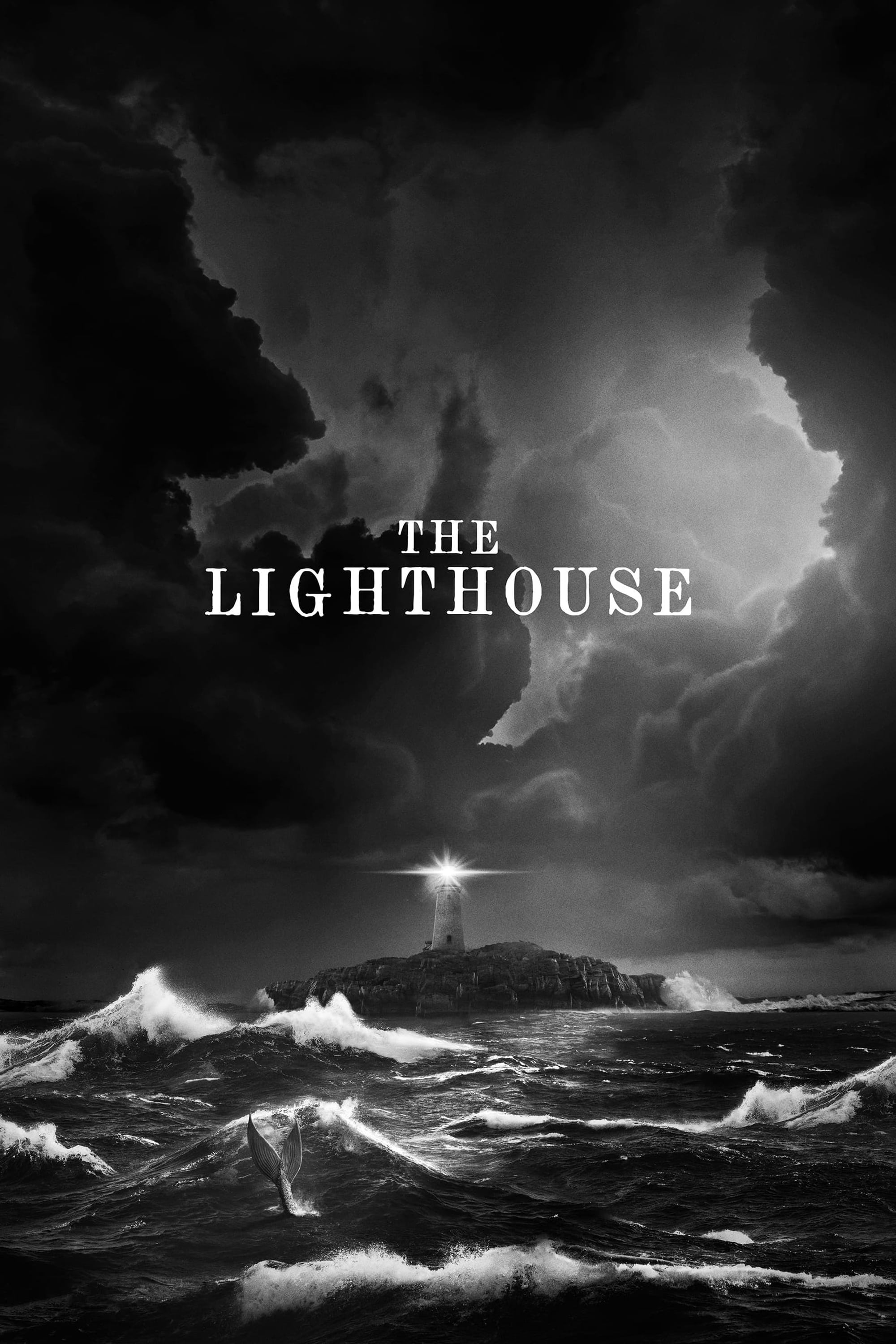
I was really struck by the way Jarin Blaschke shot this. He used a unique, almost square frame which immediately felt incredibly tight and confining. And the film he chose… it gave everyone’s skin this raw, textured look, and the shadows were so deep and rich. It felt like stepping back in time to the very beginnings of photography, which perfectly suited the dark, gothic mood. Honestly, the way he used darkness felt like another character, always looming and threatening to swallow everything up, really isolating those on screen.
‘2001: A Space Odyssey’ (1968)
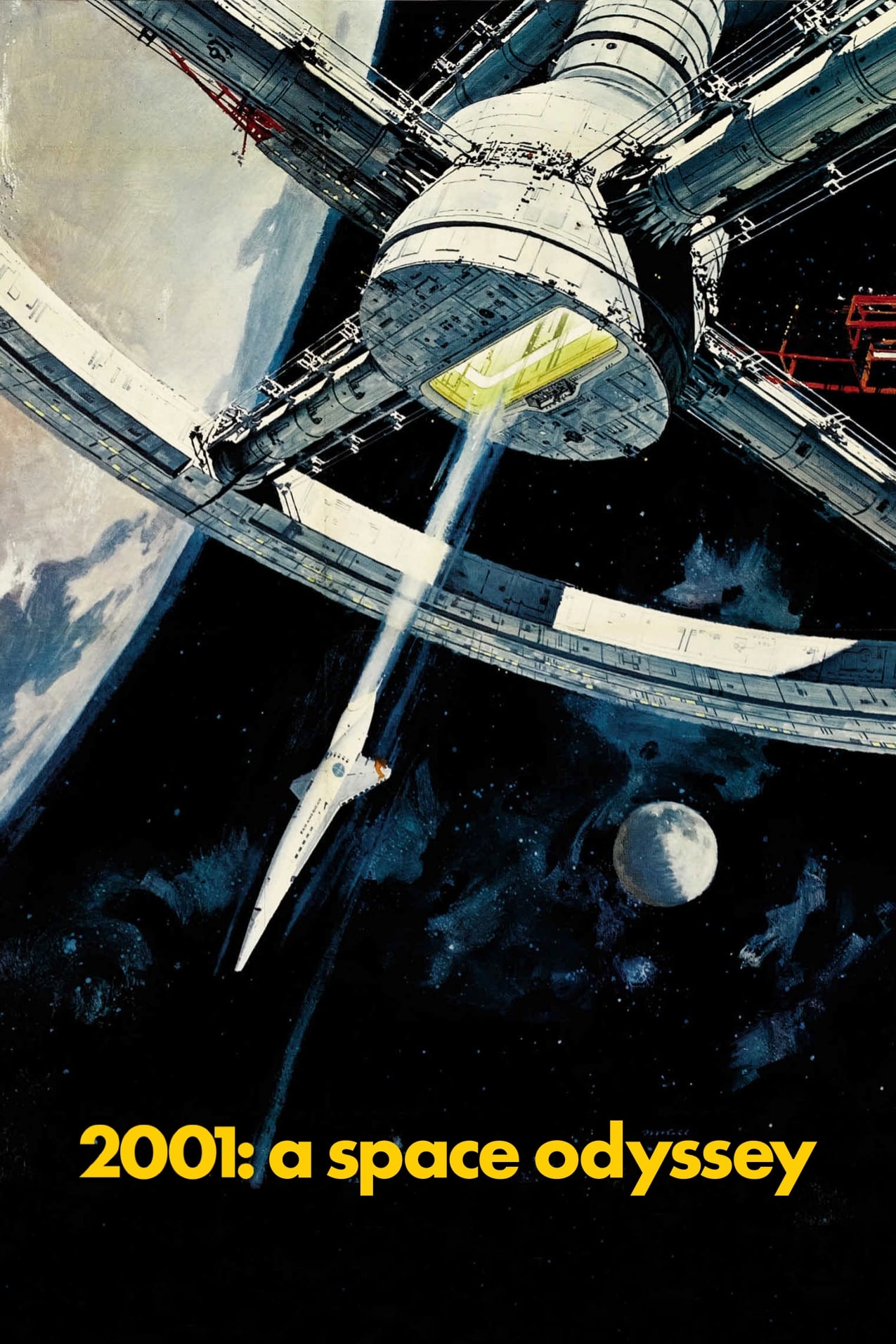
As a fan, I’ve always been struck by how Geoffrey Unsworth made ‘2001: A Space Odyssey’ look so clean and otherworldly. He did it with really bright, white lighting and sets that were perfectly balanced. Space itself felt truly empty and dark, which made the spaceships look incredibly detailed. The filmmakers also used special lenses to make the hallways seem huge and emphasize how alone the astronauts were. It all felt very precise and cold, almost like a reflection of HAL 9000’s personality – that calm, logical, and slightly unsettling intelligence.
‘Taxi Driver’ (1976)
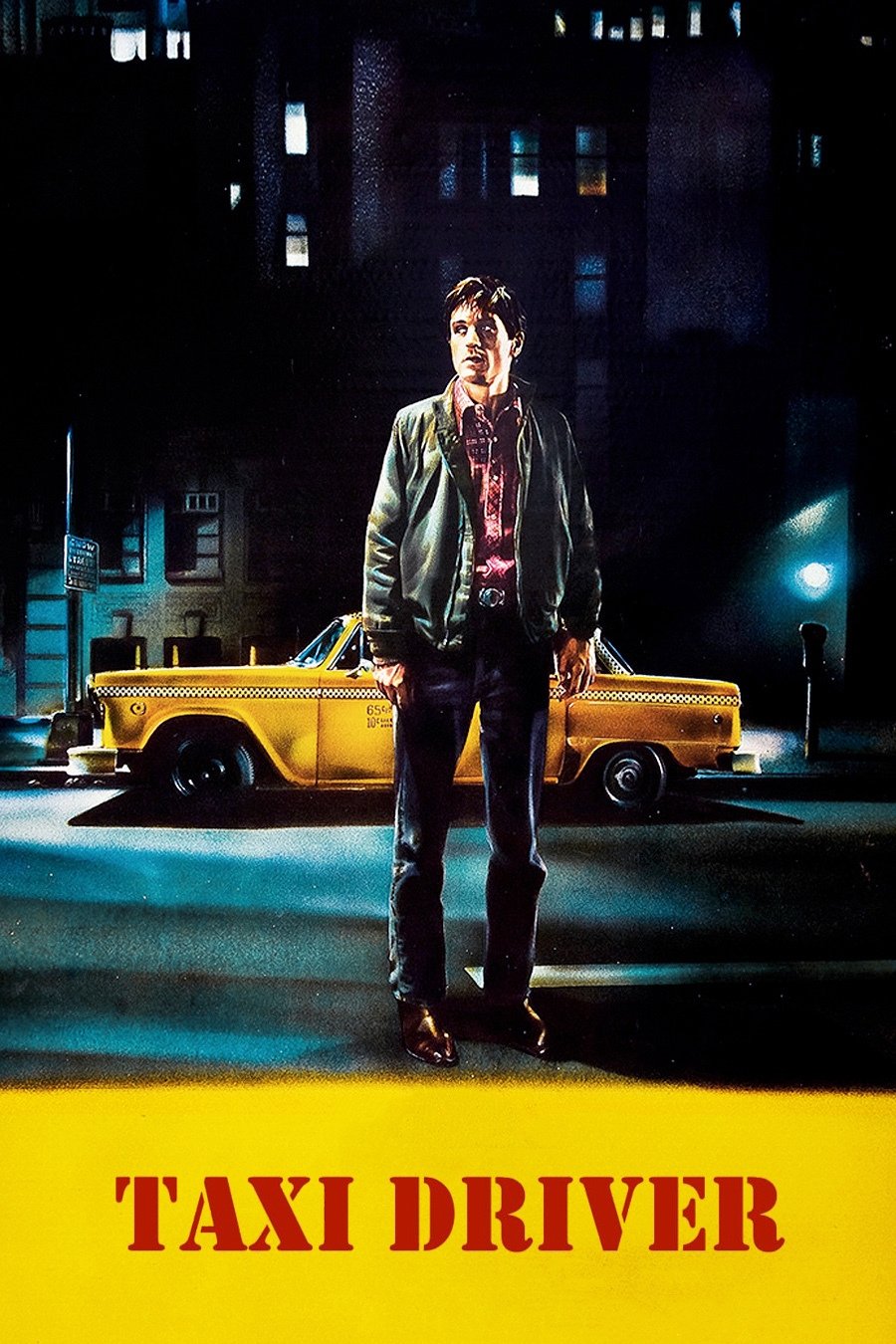
Michael Chapman beautifully captured the raw, gritty feel of 1970s New York City by using only the natural light from streetlights and neon signs. Wet streets mirrored the colorful lights, creating a tense and unsettling mood. The camera’s slow, deliberate movements hinted at the main character’s dangerous and watchful nature as he moved through the city. Often, the darkness in the shots completely obscured the character, highlighting his emotional distance and isolation.
‘Citizen Kane’ (1941)
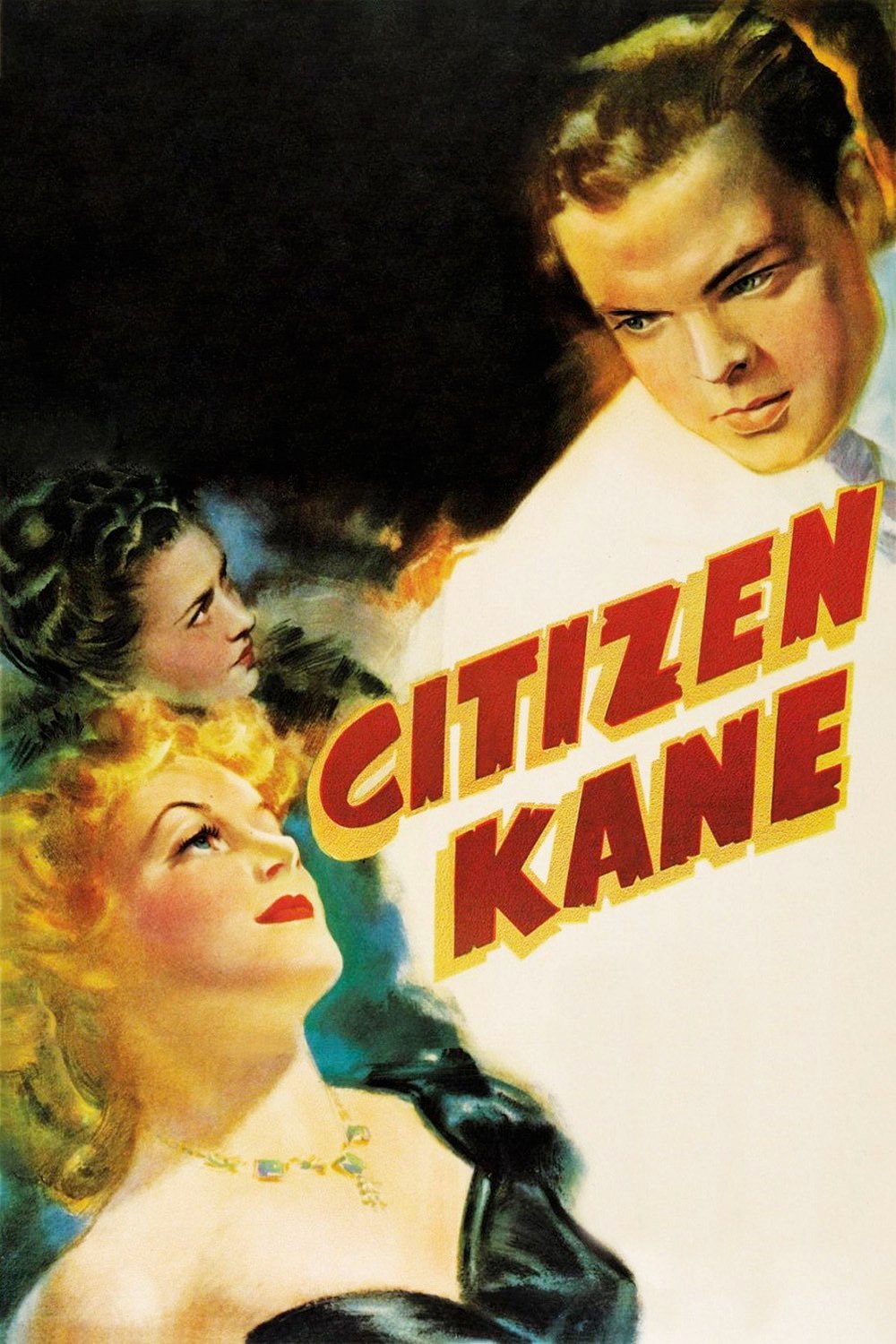
Gregg Toland was a groundbreaking cinematographer known for his innovative use of deep focus, a technique that kept both the foreground and background of a shot sharply in focus. He also famously used low-angle shots, sometimes by literally cutting holes in the floor, to make characters seem larger and more imposing. His use of dramatic shadows often concealed actors’ faces, hinting at complex or uncertain morality.
‘Enter the Void’ (2009)
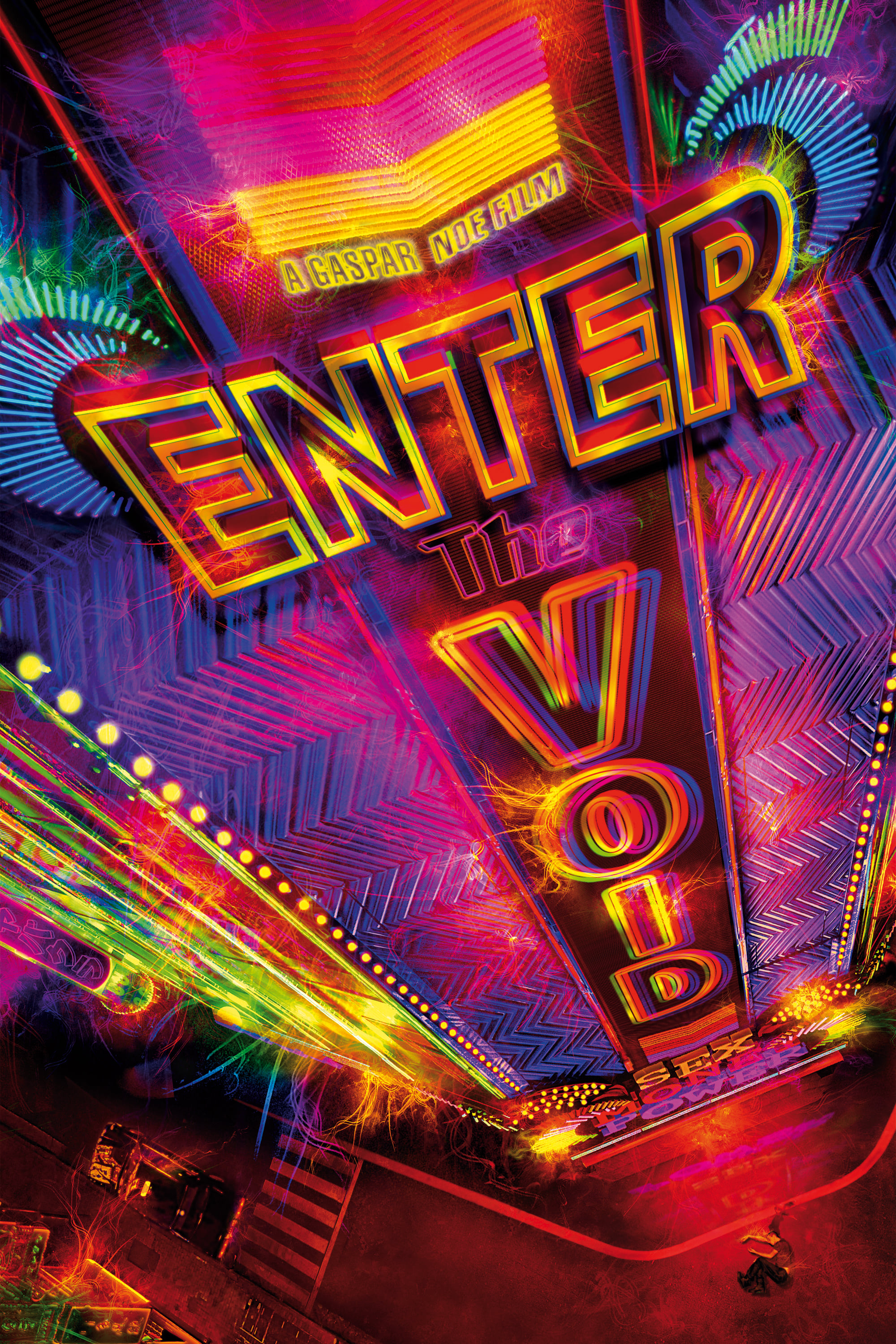
Benoît Debie created a striking visual style for the film, making it feel like you’re seeing the world through the eyes of a ghost. The camera glides effortlessly through Tokyo, moving through buildings as if they aren’t there, all in one continuous shot. Bright, flashing lights and vibrant colors are used to create a dreamlike, hallucinatory effect. This unique camera work puts the audience right inside the protagonist’s confused state of mind.
‘There Will Be Blood’ (2007)
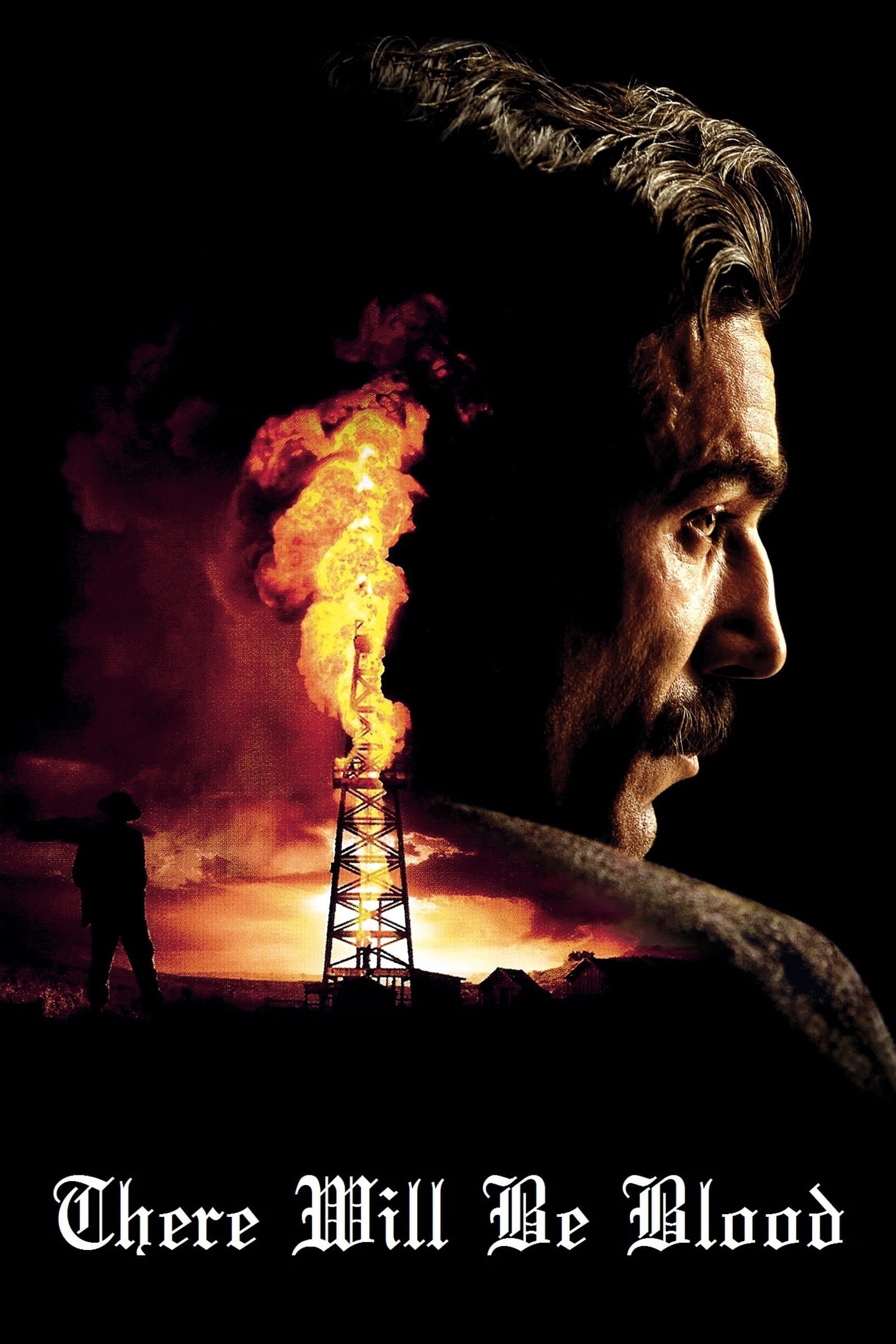
Robert Elswit’s cinematography beautifully captures the stark, dry landscapes of California in the early 1900s. A key scene, featuring an oil derrick fire, is lit primarily by the fire itself. The film uses lengthy shots and wide angles to highlight the hard work of oil drilling. This creates a realistic and rough visual style that mirrors the main character’s all-consuming drive.
‘Se7en’ (1995)
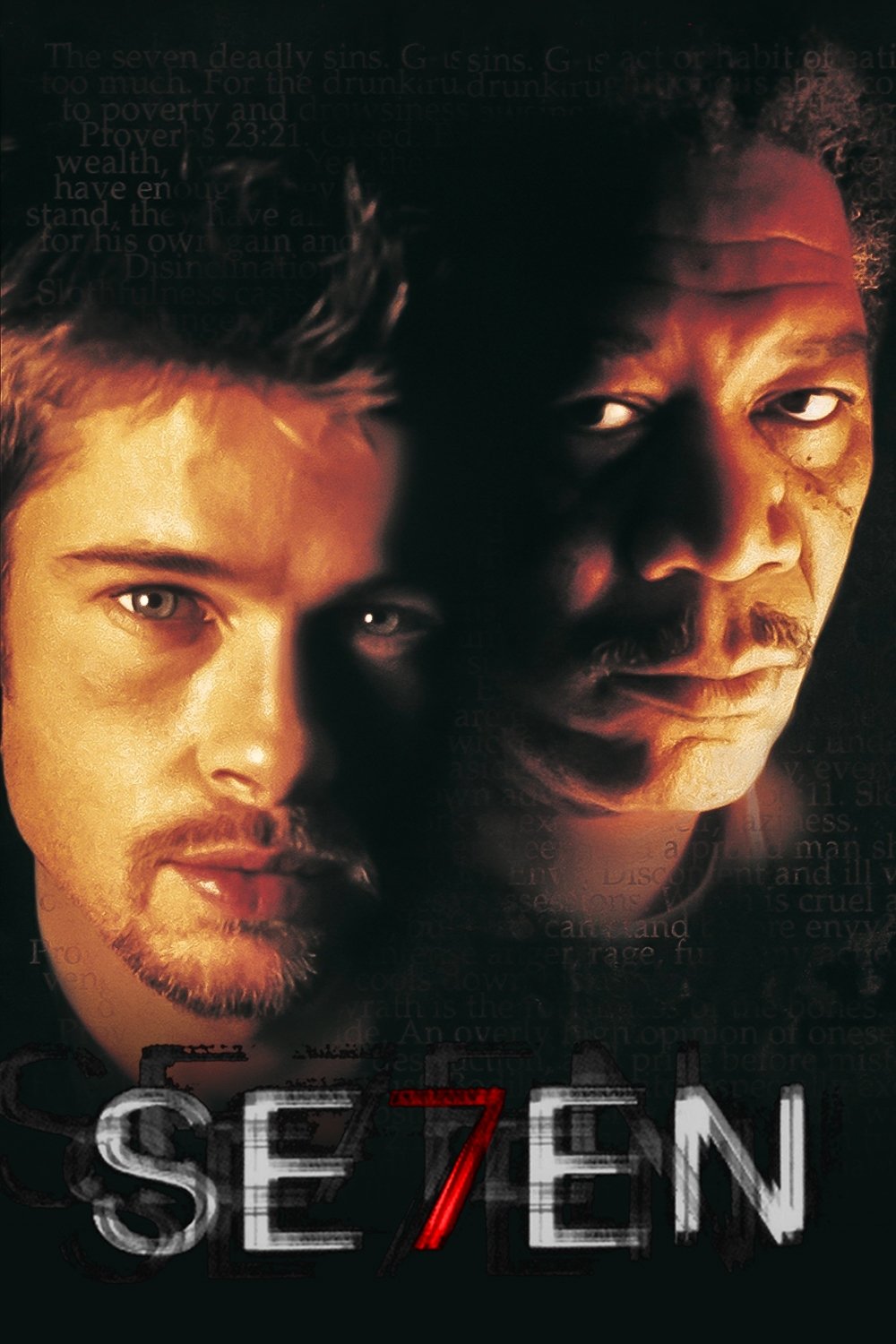
Cinematographer Darius Khondji used a special technique with the film to make the blacks richer and the contrast stronger. The film’s lighting often comes from sources like flashlights and weak lamps, which adds to the dark and gloomy atmosphere of the rainy city. Colors are muted, helping to create a sense of decline and despair throughout the story. The dirty and shadowy visuals visually represent the moral corruption at the heart of the narrative.
‘Hero’ (2002)

Christopher Doyle structured the story using blocks of color – red, blue, and white – to represent the different ways the main character remembers events. He used fast-motion photography of things like cloth and leaves to create a flowing, dance-like feel. The beautiful visuals aren’t just for show; they’re a key part of how the story is told.
‘Stalker’ (1979)

Alexander Knyazhinsky filmed the Zone using a subdued color scheme, setting it apart from the warmer, aged look of the outside world. The camera work is slow and mesmerizing, mirroring the film’s thoughtful pace. He films wet surfaces and crumbling factories with a sense of respect for their physical presence. Together, these visuals create a dreamlike setting where reality feels distorted and the rules of nature seem to shift.
‘The Assassination of Jesse James by the Coward Robert Ford’ (2007)
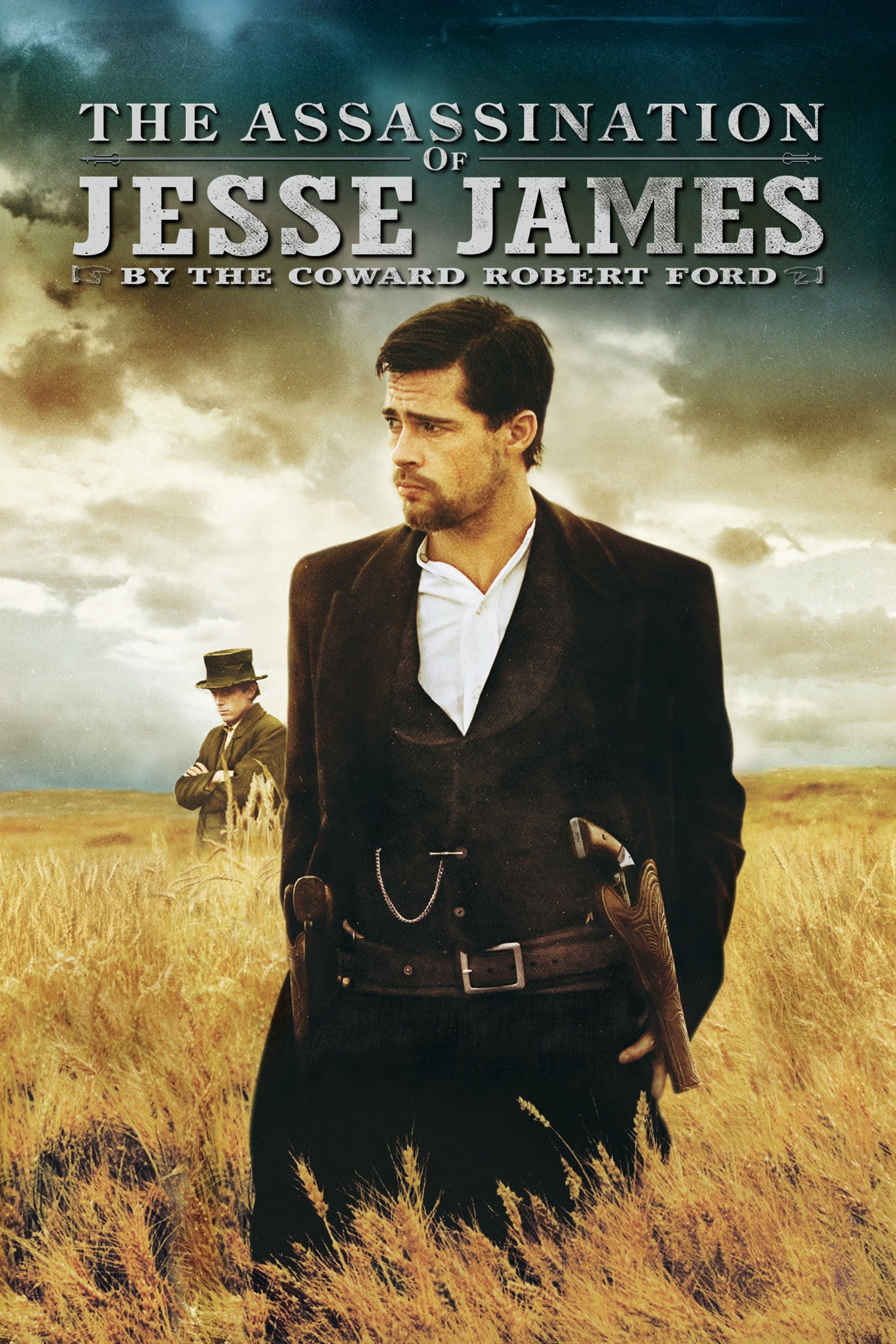
Cinematographer Roger Deakins used special lenses to create a soft, blurry effect around the edges of the screen, reminiscent of old photographs. The film’s lighting frequently uses lamps and natural light to keep characters partially hidden in shadow. During train robberies, the scenes are lit dramatically by the train’s headlight slicing through the darkness. This creates a visual style that feels like a hazy, fading memory or an old-fashioned moving photograph.
‘Portrait of a Lady on Fire’ (2019)
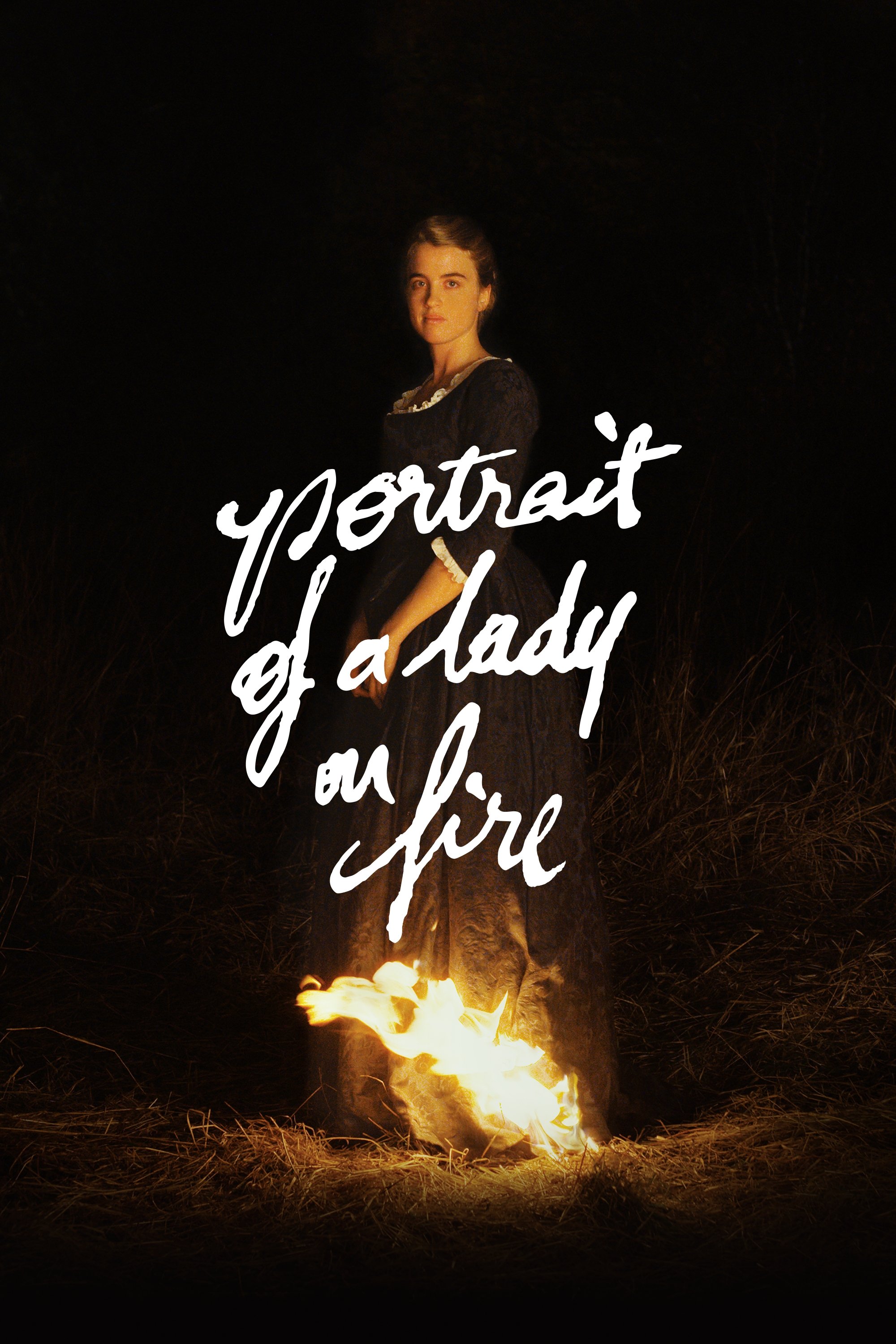
Claire Mathon’s cinematography gives the film a visual style reminiscent of painting, fitting the story’s themes. She uses lighting to highlight the details of skin and clothing, making the visuals feel rich and almost touchable. Night scenes are lit with fire, creating a cozy and personal atmosphere, and the way the film is shot often makes the characters look like they’ve stepped out of an 18th-century painting.
Please share your favorite visually striking films and how they made you feel in the comments.
Read More
- Top 20 Dinosaur Movies, Ranked
- 20 Movies Where the Black Villain Was Secretly the Most Popular Character
- Celebs Who Narrowly Escaped The 9/11 Attacks
- 25 “Woke” Films That Used Black Trauma to Humanize White Leads
- Spotting the Loops in Autonomous Systems
- Gold Rate Forecast
- The 10 Most Underrated Jim Carrey Movies, Ranked (From Least to Most Underrated)
- Silver Rate Forecast
- Transformers Under the Microscope: What Graph Neural Networks Reveal
- The Best Directors of 2025
2025-12-12 13:17