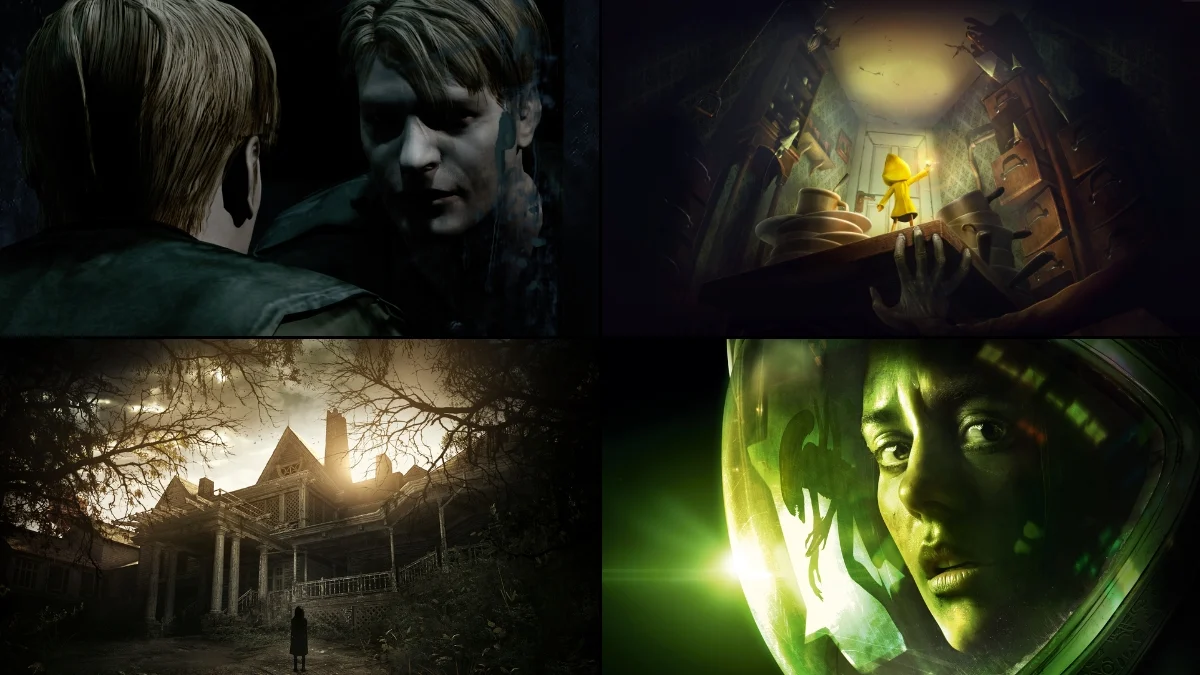
These horror games create truly unsettling experiences through incredible sound, detailed environments, and gameplay that builds tension gradually, rather than just using sudden shocks. Below, you’ll find information about each game’s developer and publisher, as well as the core features – like stealth, managing limited supplies, and psychological effects – that make the atmosphere increasingly terrifying as you play.
‘Silent Hill 2’ (2001)
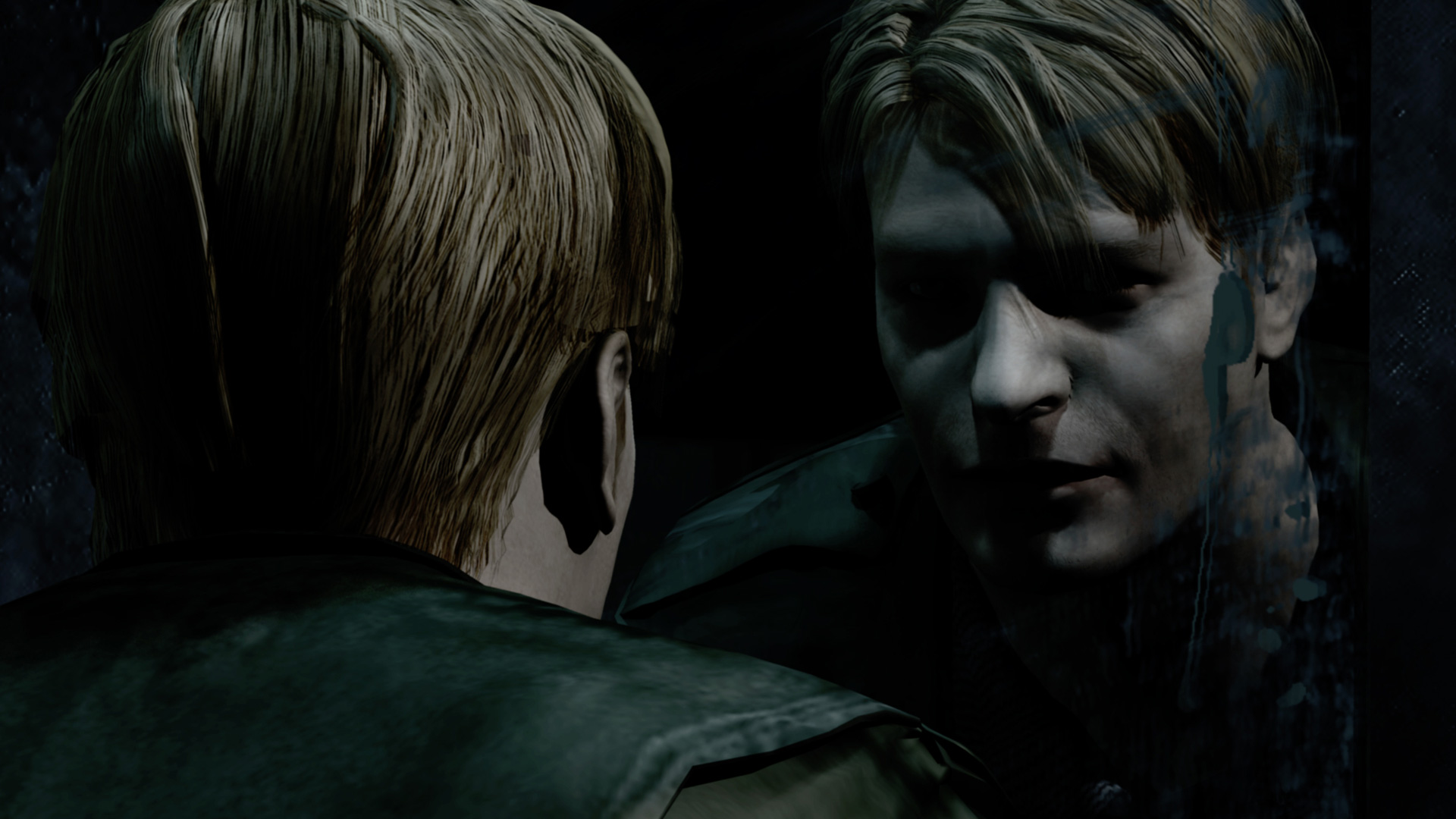
This psychological horror game takes place in a foggy resort town and follows James Sunderland as he navigates unsettling locations that reflect his feelings of guilt and loss. Created and published by Konami’s Team Silent, the game uses eerie radio static and industrial sounds alongside a confusing, maze-like layout. The puzzles aren’t just obstacles – they connect to the story, and the monsters are designed to add meaning rather than just provide fights. With several different endings, the game rewards players who pay close attention to details and how they interact with the world.
‘Amnesia: The Dark Descent’ (2010)

This game puts you in a decaying Prussian castle, experienced through the eyes of a first-person explorer. Light is your ally, while darkness slowly breaks down your mental state. You’ll need to move carefully, as everything from doors to hiding places is affected by realistic physics, and resources like tinderboxes are limited. Staring at monsters or staying in the dark for too long will mess with your perception, creating unsettling visual and audio effects. The story unfolds through notes and flashbacks, encouraging you to explore rather than fight.
‘SOMA’ (2015)
Developed and published by Frictional Games, this underwater sci-fi horror game focuses on building a sense of deep, unsettling dread rather than relying on constant chases. You uncover the story by finding logs, using terminals, and listening to the eerie sounds of the environment. Encounters with creatures are carefully placed to give you time to think about the game’s themes of identity and what it means to be conscious. The game also features choices you make when interacting with machines and other entities, creating a disturbing atmosphere that doesn’t pull you out of the experience.
‘Alien: Isolation’ (2014)
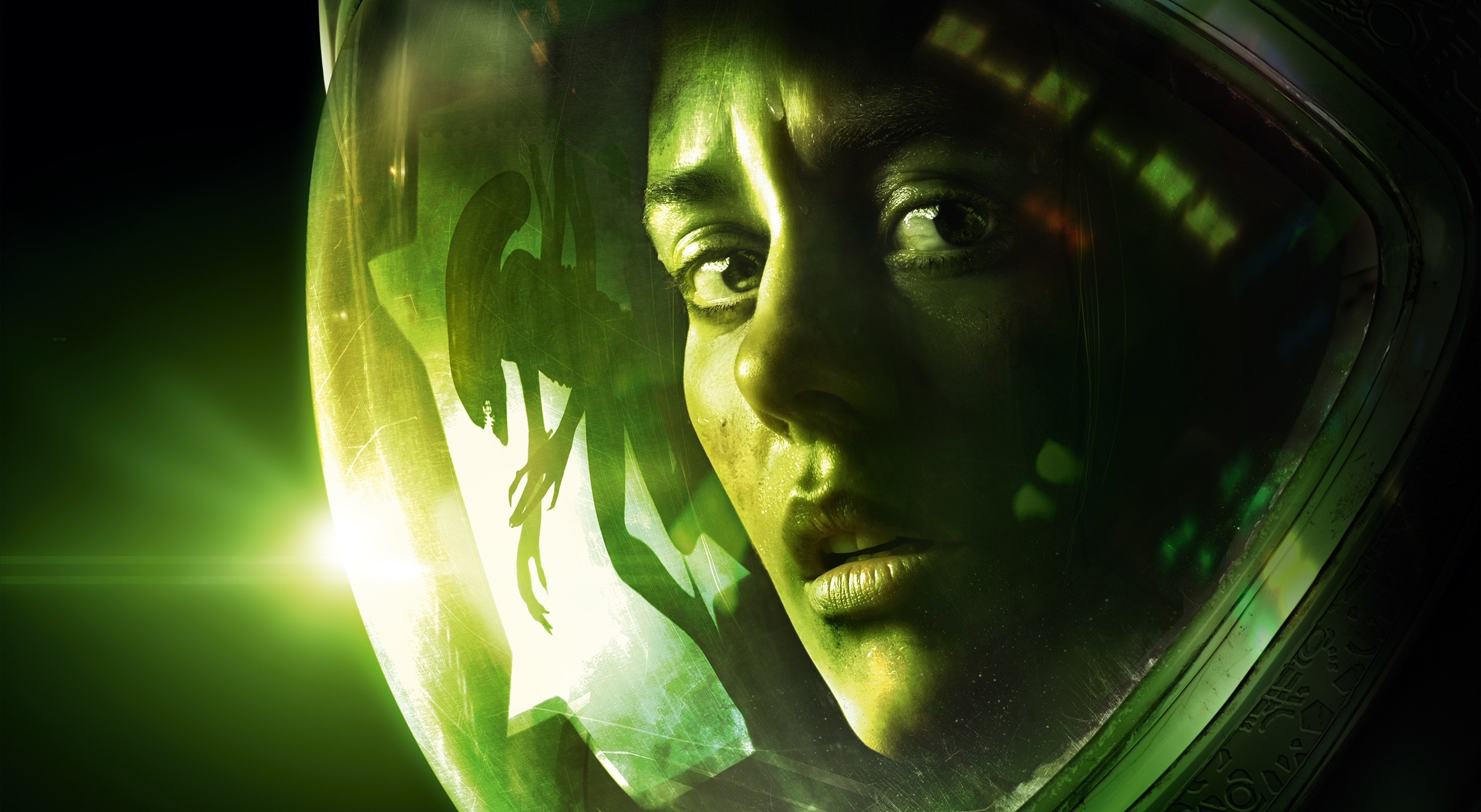
Creative Assembly created this terrifying survival horror game, published by Sega, which takes place on the crumbling Sevastopol space station. The game features intelligent AI that controls the Xenomorph, making every sound and movement feel genuinely threatening. Instead of focusing on powerful weapons, players rely on crafting distractions like noisemakers, flares, and EMPs to stay hidden. The game’s old-school, realistic interfaces and CRT-style visuals enhance its retro-futuristic atmosphere.
‘Dead Space’ (2008)
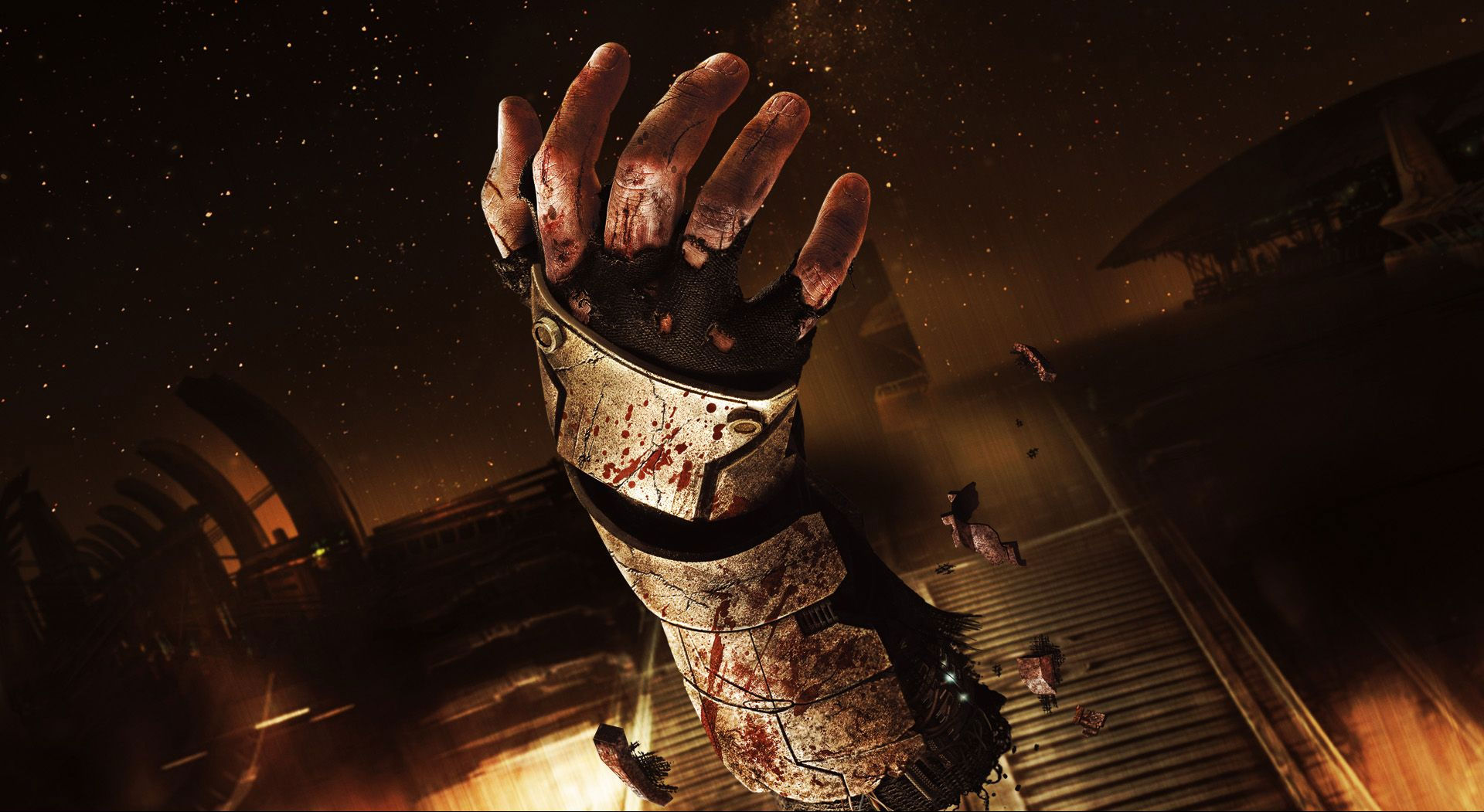
Okay, so I played this game, and it’s seriously intense. You’re Isaac Clarke, an engineer stuck on this wrecked spaceship called the USG Ishimura. It’s a third-person horror game, and let me tell you, resources are tight. Every bullet counts, and the best way to take down enemies is by strategically chopping off their limbs – it’s gruesome but effective! What really got to me was how immersive it was. Your health is displayed right on your character’s suit, and all the menus feel like they’re part of the game world. They really nailed the atmosphere with creepy audio logs and these amazing zero-gravity sections. It’s a really distressed, industrial vibe that just gets under your skin.
‘Resident Evil 7: Biohazard’ (2017)
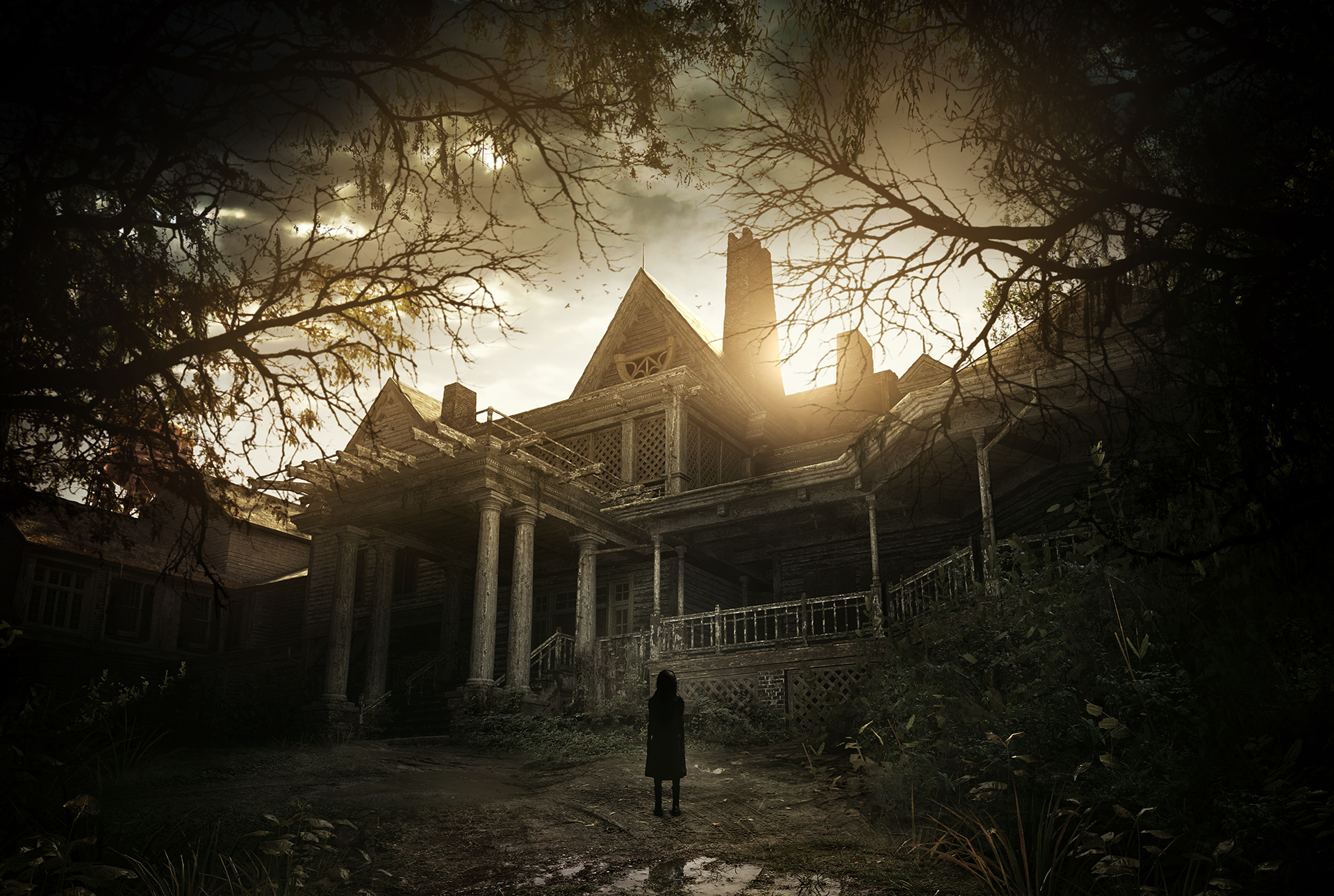
Capcom created and released this reimagining of the classic game, placing players inside the eerie home of the Baker family. Players will need to carefully explore and manage limited resources, solving puzzles and strategically planning safe havens. The game uses found-footage videos and a gritty environment to create a realistic and intensely claustrophobic atmosphere. For players with compatible hardware, virtual reality further enhances the immersive experience.
‘Layers of Fear’ (2016)
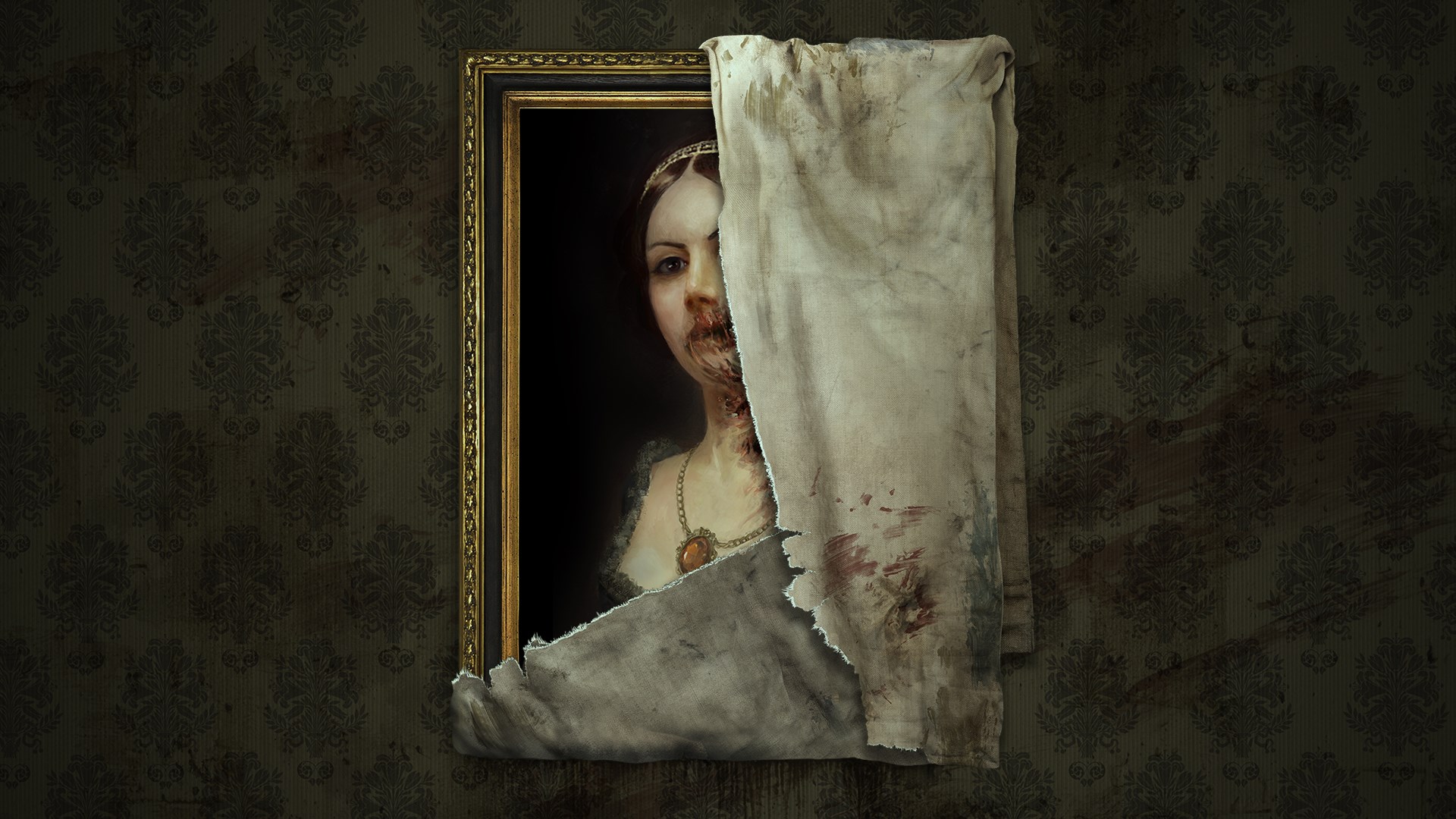
Bloober Team created this psychological horror game, where you explore a constantly changing mansion. Aspyr published it on various platforms. The house rearranges itself as you look around, forming bizarre, seamless spaces that reveal the story of a troubled artist. You uncover the family’s past by finding notes, sketches, and personal items – all without relying on traditional cutscenes. The game emphasizes exploration and storytelling through its environment, with very few moments where you can truly ‘fail’.
‘Outlast’ (2013)
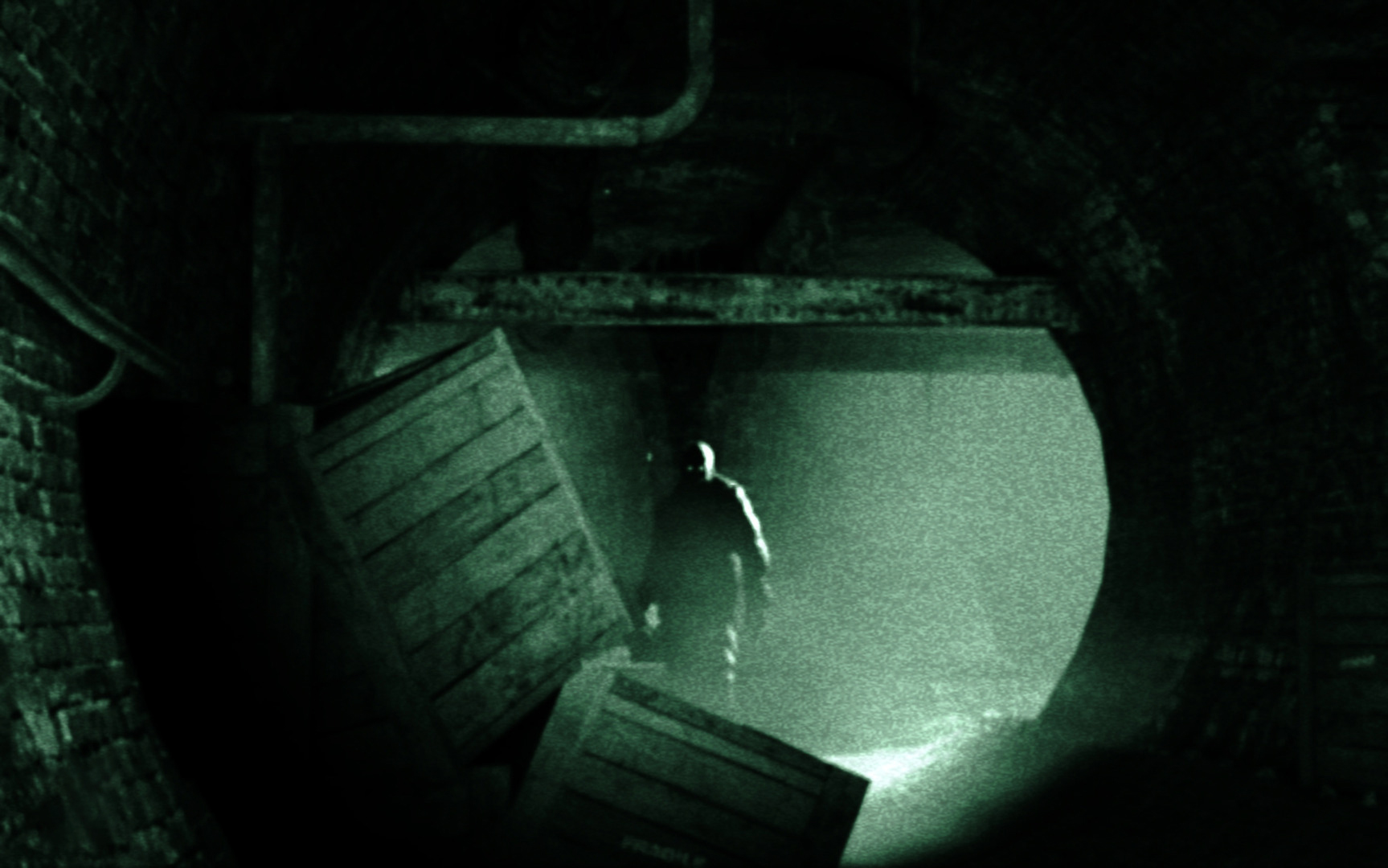
Outlast, a survival horror game created by Red Barrels, takes place within the terrifying Mount Massive Asylum. The game heavily features a camcorder with limited night vision, forcing players to carefully manage their resources and creating a constant sense of dread. Instead of fighting, you’ll need to rely on stealth – hiding in lockers, crawling under beds, and carefully timing your movements to avoid danger. The disturbing story of the Murkoff Corporation’s experiments is revealed through documents and recordings you find throughout the asylum.
‘Fatal Frame II: Crimson Butterfly’ (2003)
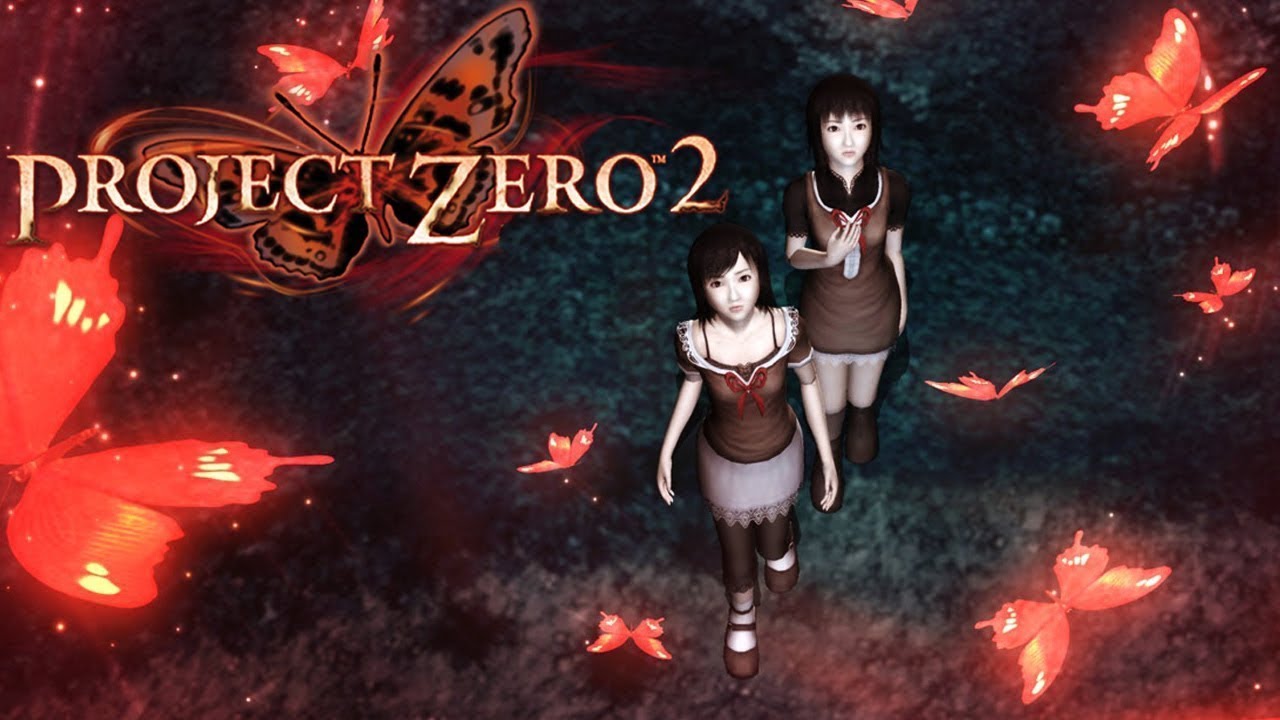
This spooky game, created by Tecmo, centers around a mysterious Camera Obscura and the ghosts haunting a village. When you encounter spirits, the game is shown from a first-person perspective, making it important to get close and time your actions carefully. You’ll uncover the story through ancient rituals and the diary entries of twins, and you might need to revisit areas to find all the hidden notes. The game uses subtle vibrations and sounds to guide you towards these hidden ghosts, which are key to progressing the story and improving your abilities.
‘Eternal Darkness: Sanity’s Requiem’ (2002)
Developed by Silicon Knights and published by Nintendo, this game is a Lovecraftian story that takes place across different time periods. It features unique ‘sanity effects’ that distort not only what you see and hear, but also how the game itself behaves, creating a disorienting experience. The game connects multiple characters and time periods through a magical book and a rune-based magic system. Experimenting with different magical alignments changes how enemies react and how puzzles can be solved.
‘System Shock 2’ (1999)
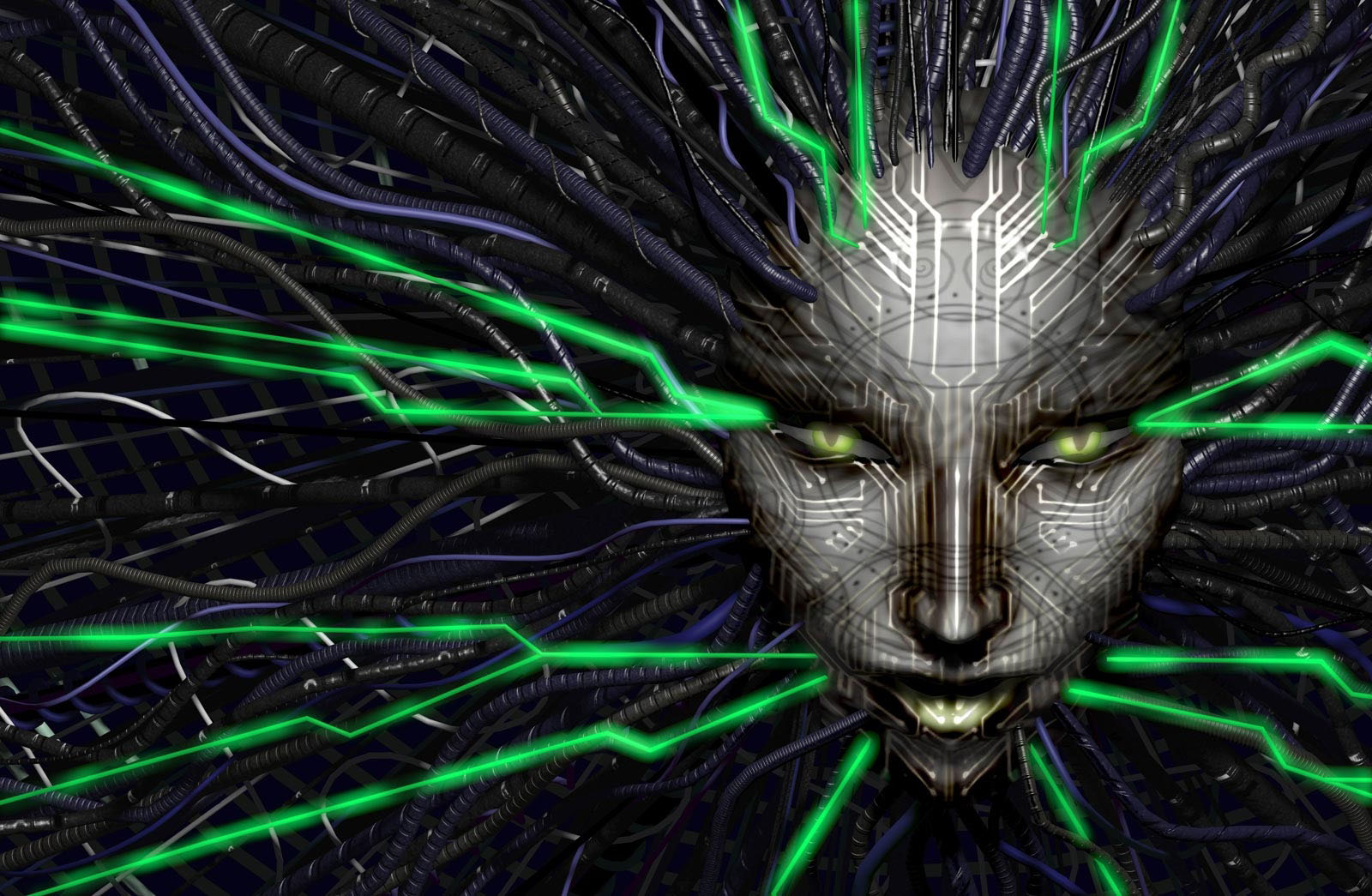
Set on the starship Von Braun, this game blends immersive exploration, survival horror, and player choice. Developed by Irrational Games and Looking Glass Studios and published by Electronic Arts, the story unfolds through audio logs and environmental details, revealing what happened to the ship’s crew. Your skills in areas like hacking, psychic abilities, and weapons will determine how you progress and the dangers you face. With limited resources and the unsettling presence of ‘The Many,’ every part of the ship feels threatening.
‘Pathologic 2’ (2019)
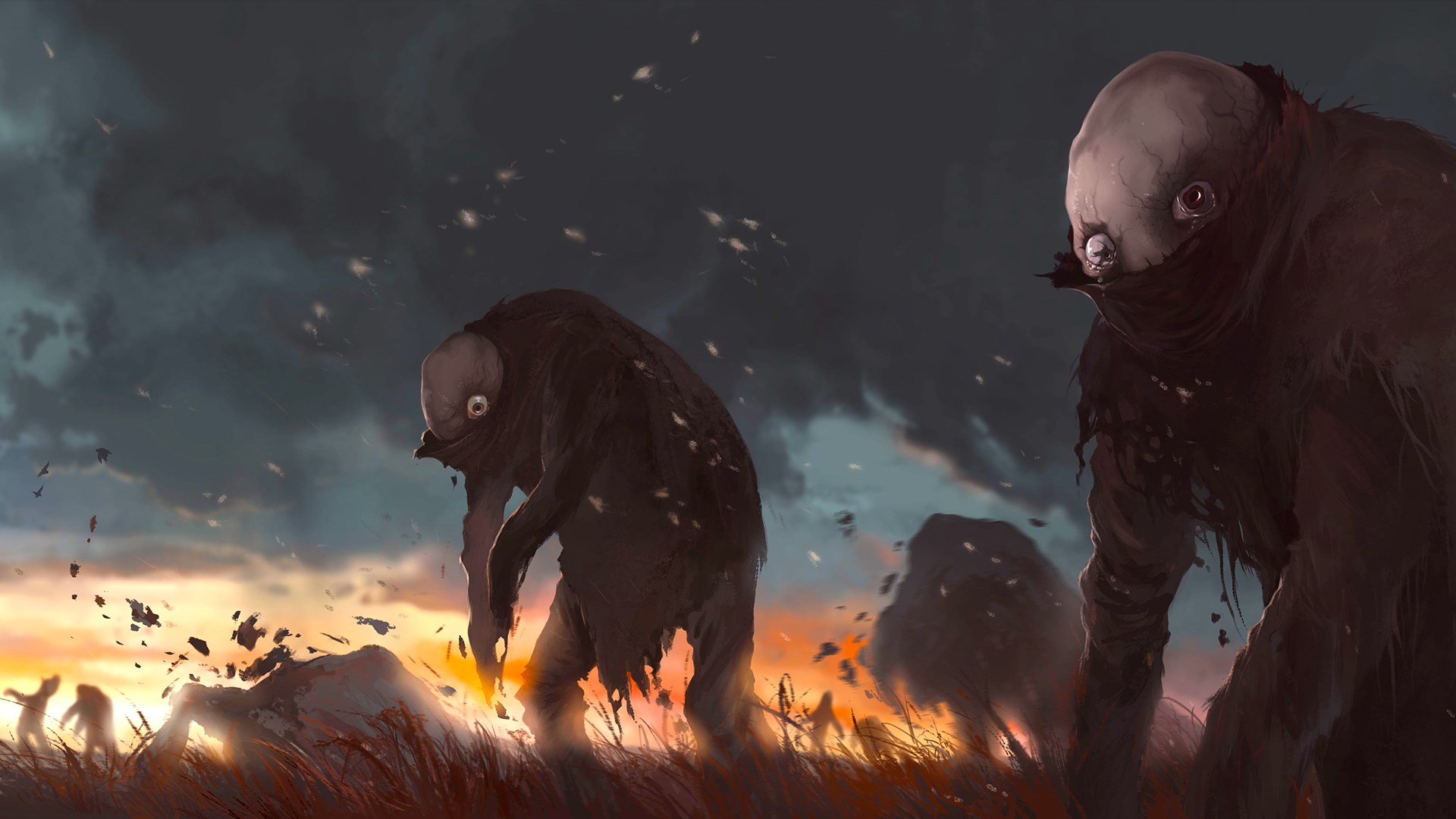
Ice-Pick Lodge created this story about surviving a town ravaged by plague, and tinyBuild published it. The game challenges you with time-sensitive missions, managing hunger and exhaustion, and building your reputation – all while making difficult choices under pressure. The world feels alive because characters have their own routines and the map changes, meaning you can miss crucial opportunities that affect the story. The game uses dramatic presentation and in-world events to emphasize themes of fate and the need for sacrifice.
‘Call of Cthulhu: Dark Corners of the Earth’ (2005)
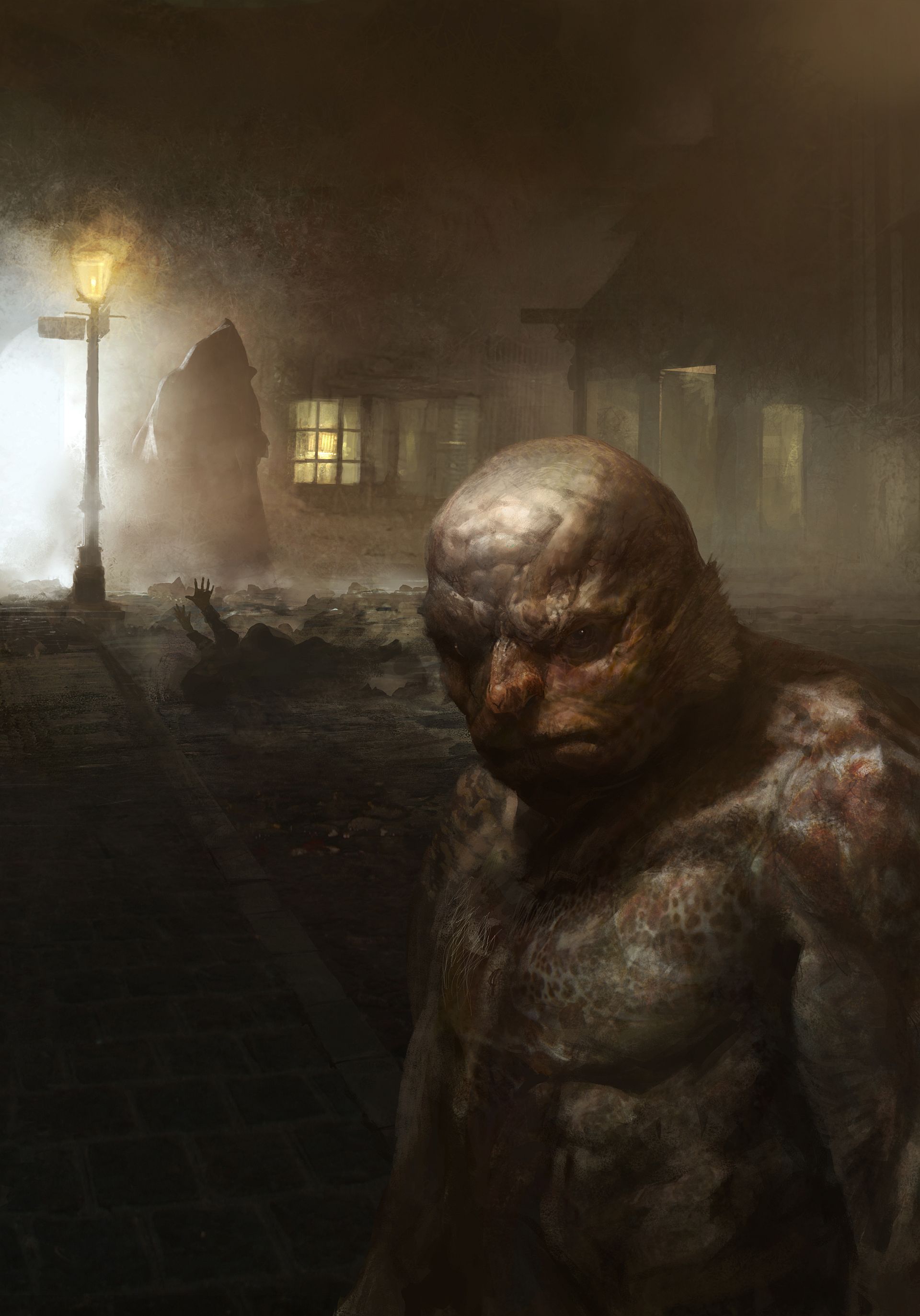
Headfirst Productions created this game, which was released by Bethesda Softworks. The beginning focuses on exploring and sneaking around before guns are introduced. When facing otherworldly events, the character’s mental state becomes unstable, affecting how they see things. Intense chase sequences, such as escaping a boarding house, build suspense by requiring players to barricade doors and remember the layout.
‘Condemned: Criminal Origins’ (2005)
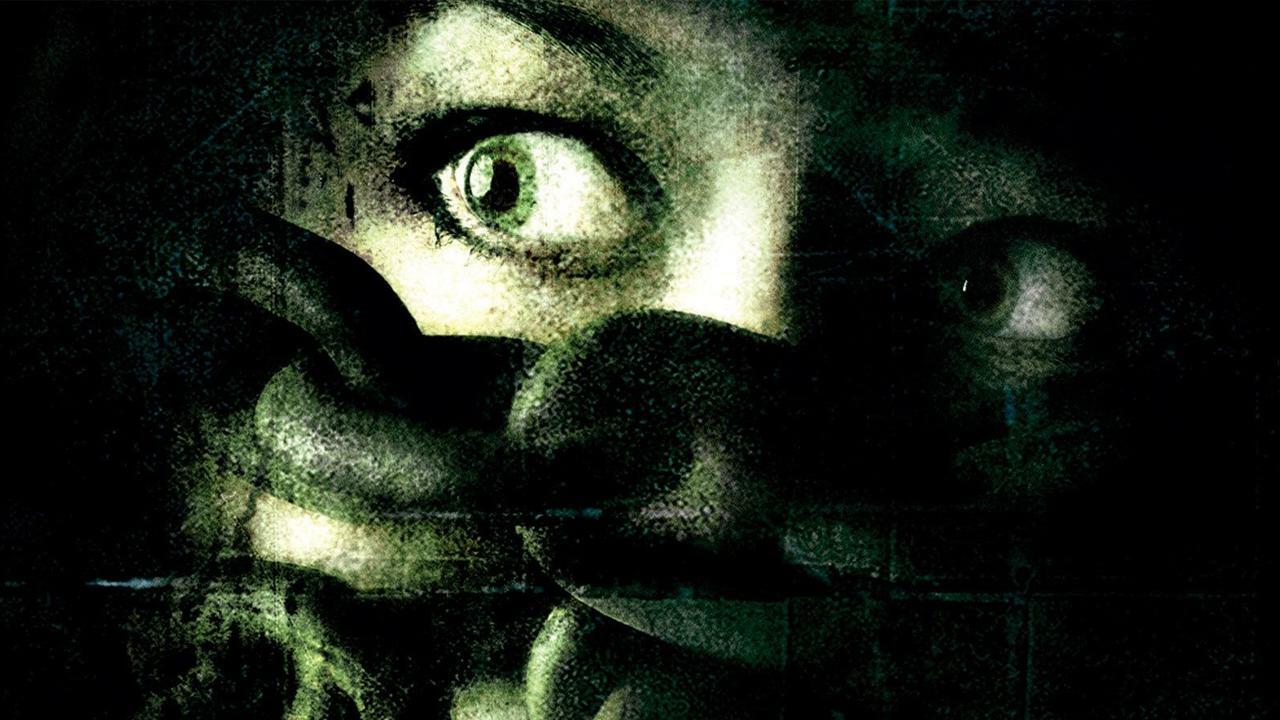
This first-person horror game, developed by Monolith Productions and published by Sega, puts you in the role of a forensic investigator. Combat focuses on using whatever you can find as a weapon and blocking attacks, all within claustrophobic and grimy environments. You’ll use tools like UV lights, spectrometers, and cameras to investigate crime scenes, uncover clues, and progress the story. The game’s intelligent enemies and realistic sound design create a truly unsettling and dangerous atmosphere within the decaying urban setting.
‘Alan Wake 2’ (2023)
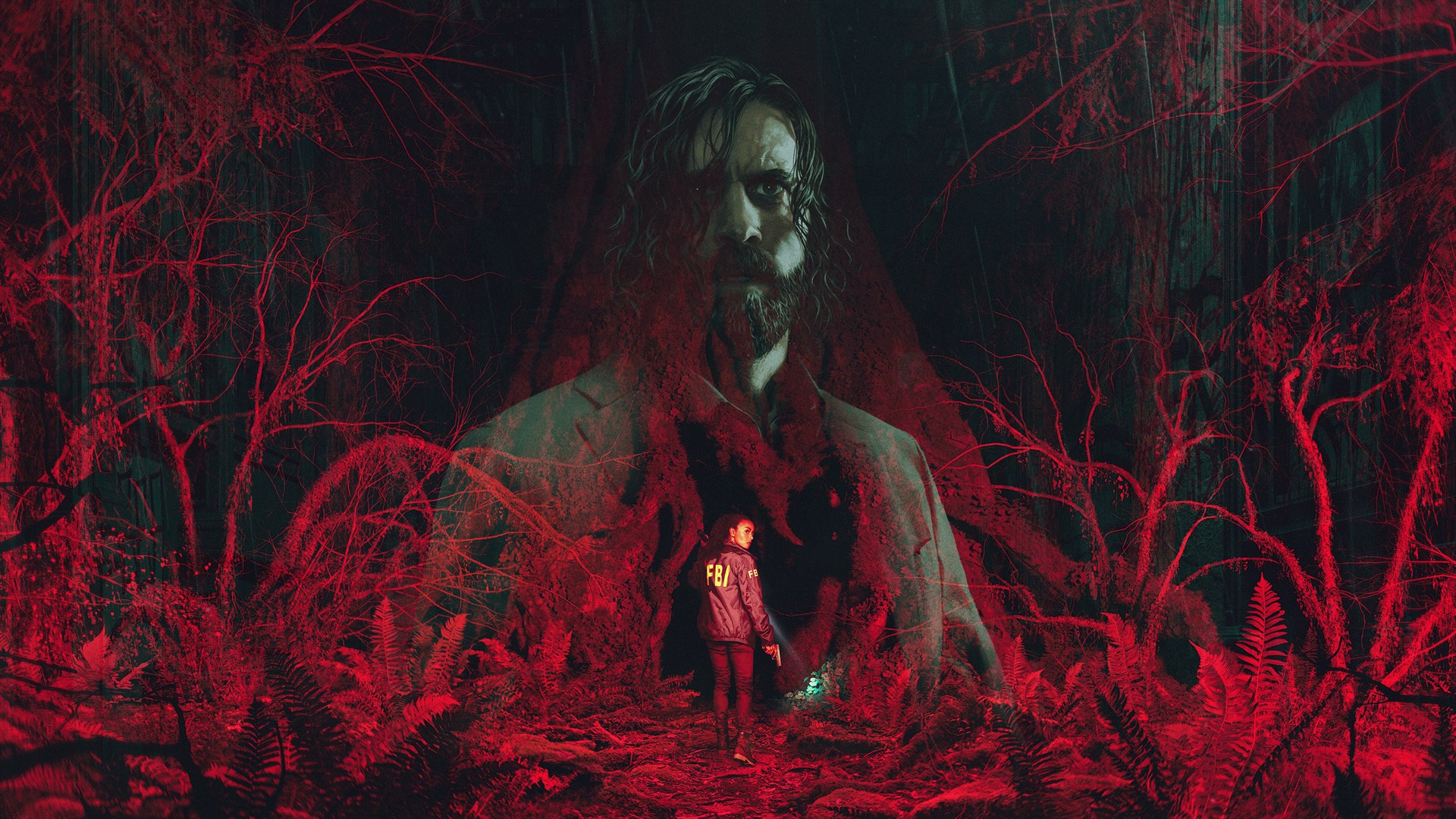
Remedy Entertainment created this scary game, which features two main characters and was published by Epic Games. It brings back the use of light as a key element and introduces new ways to investigate clues using ‘Mind Place’ boards. The game combines impressive, movie-like scenes with exploration of areas that aren’t completely open, but contain hidden story details and writings. The story is told through multiple layers – like TV show episodes, live-action footage, and visual themes within the game world – all working together to create a consistently unsettling and dreamlike atmosphere.
‘Mundaun’ (2021)

Hidden Fields created this unique horror game, published by MWM Interactive, with a distinctive hand-drawn style. As you explore an Alpine valley, a fear mechanic impacts how you move and see. You’ll solve puzzles based on local traditions – like shrines, charms, and sacred places – to advance. The game’s visuals are sketched in shades, and it features Swiss-German voice acting and notes integrated into the world, all of which help build a strong sense of place and regional mythology.
‘Signalis’ (2022)
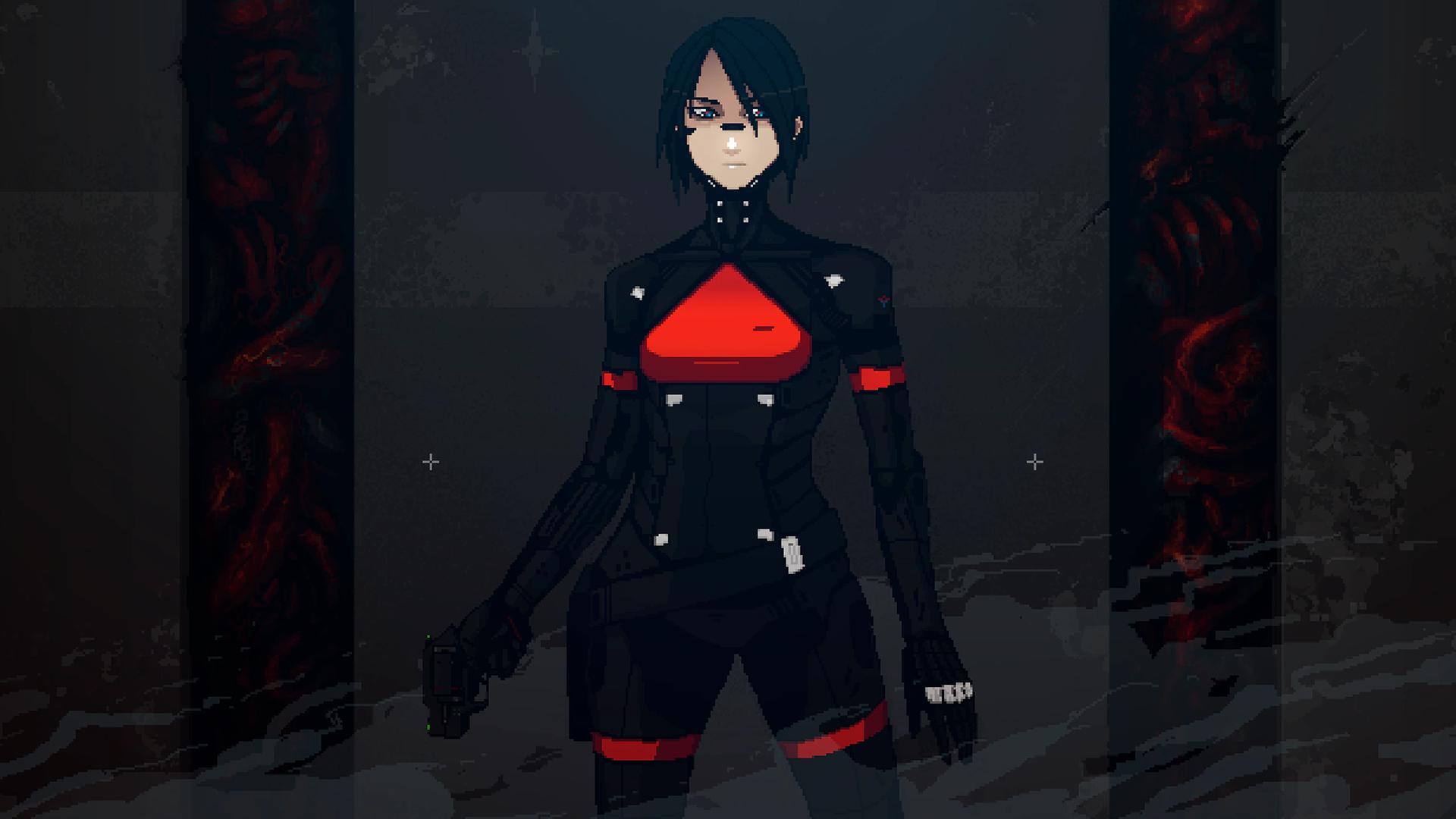
This survival horror game, created by rose-engine and published by Humble Games and Playism, blends old-school fixed camera angles with limited inventory space. It draws inspiration from classic games with its use of radio frequencies, keycards, and puzzle-filled areas, but feels fresh and current. The story is revealed through fragments like photos, notes, and propaganda, encouraging players to piece things together. Combat is carefully designed, forcing you to plan your path and manage your supplies wisely.
‘Darkwood’ (2017)
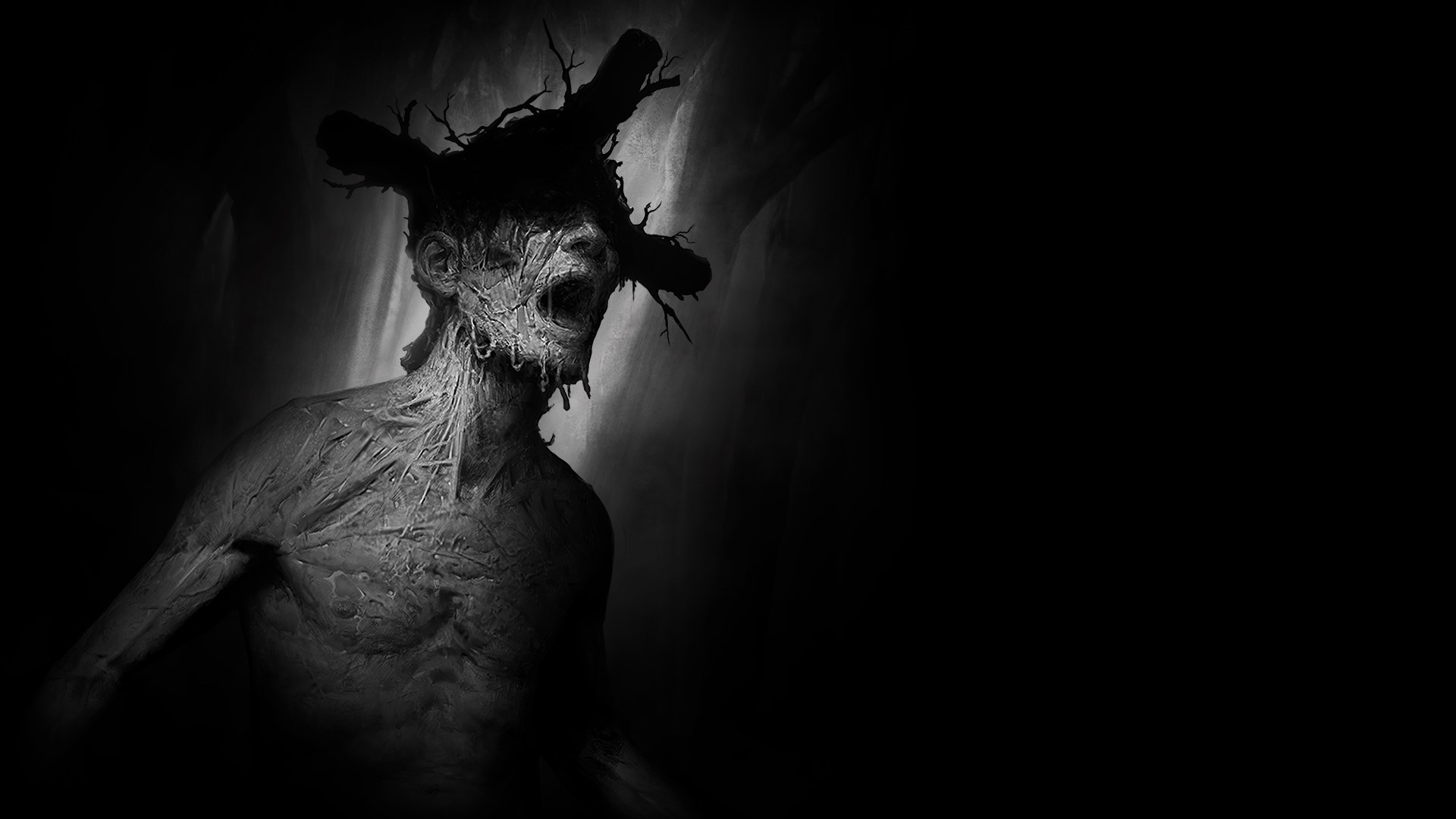
Acid Wizard Studio created and released this survival horror game, where you explore and defend against threats in a twisted forest. Gameplay shifts between daytime exploration and nighttime base defense, requiring you to build barricades and set traps. You’ll trade with strange characters using a reputation system, and each playthrough is unique thanks to randomly generated environments and permanent death.
‘Observer’ (2017)
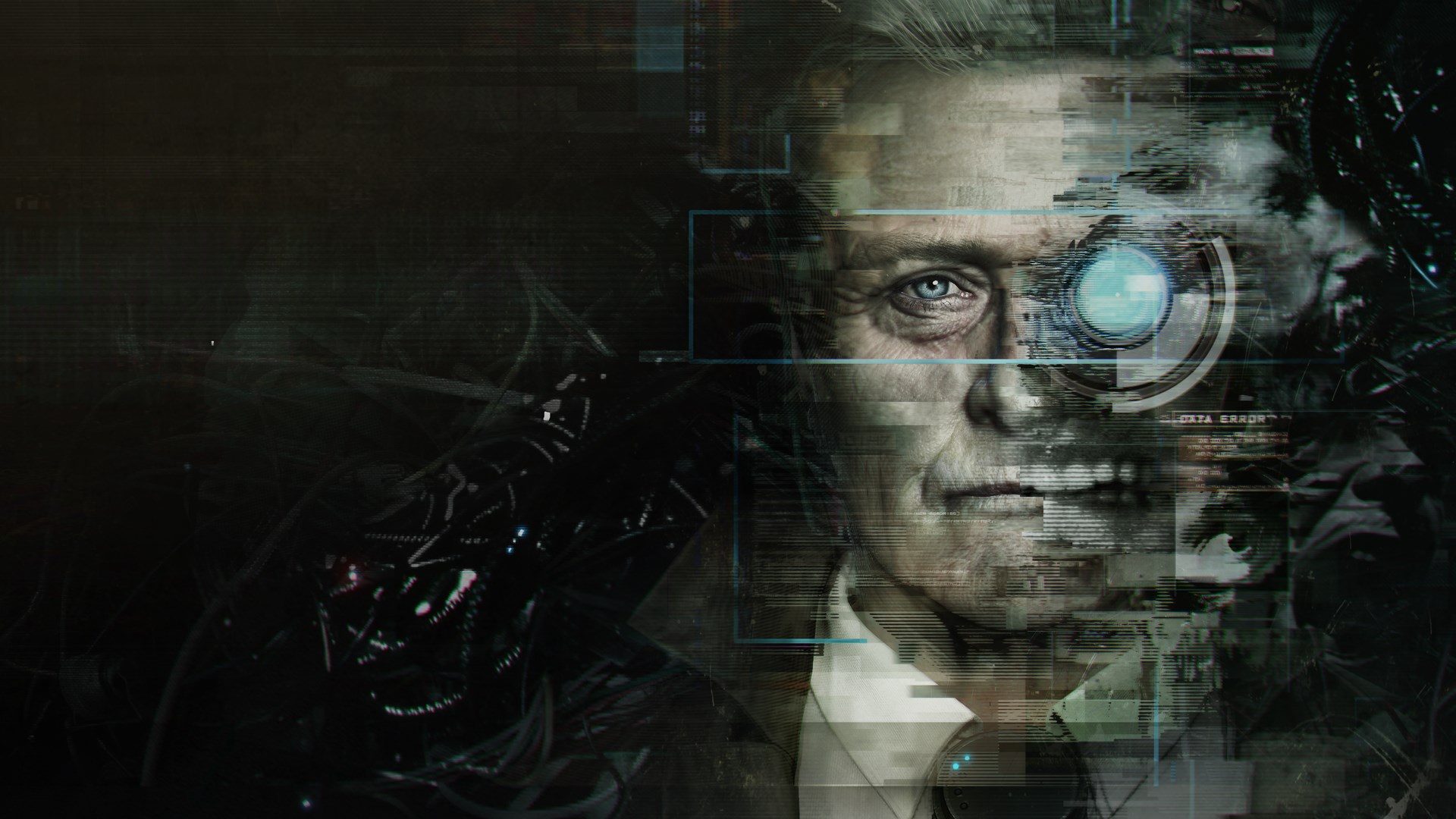
Bloober Team created this cyberpunk horror game, and it was published by Aspyr and Bloober Team across different platforms. The game features unique interrogations that use ‘deep dives’ into the mind, causing the environment to break down into distorted, glitching dream worlds. Players investigate apartment buildings, scanning surroundings and finding optional case files for deeper insights. The game’s interface and technology feel retro and gritty, enhancing the dark, futuristic atmosphere.
‘The Medium’ (2021)
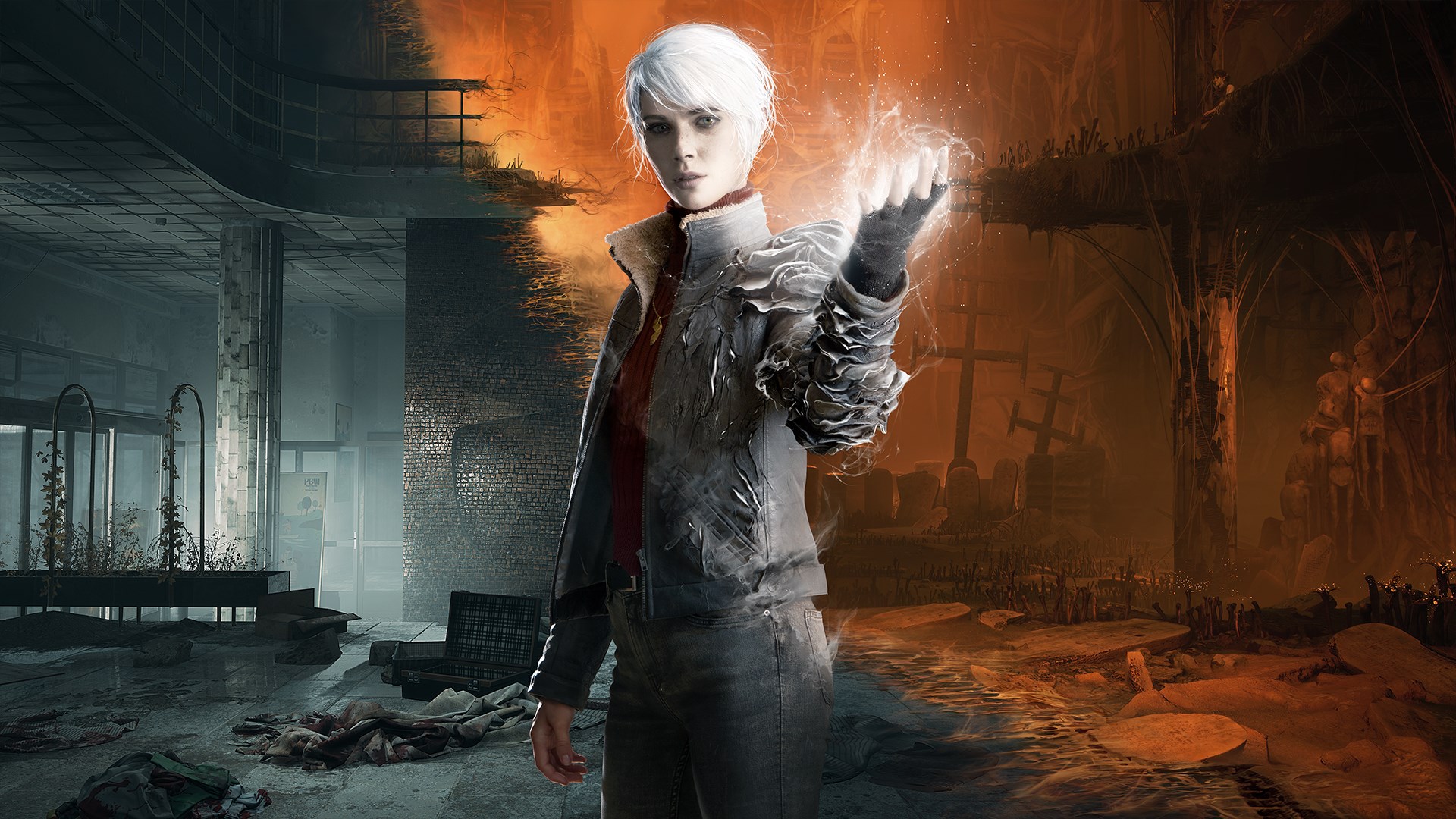
Bloober Team created this terrifying horror game where you experience two worlds at the same time, using them to solve puzzles and move forward. The game uses fixed camera angles to create a cinematic feel while still making it easy to see where you’re going. You’ll use special abilities like spirit shields and out-of-body experiences, powered by energy, to switch between realities and progress. As you explore the tragic history of the Niwa resort, you’ll uncover clues through notes and ghostly echoes.
‘Lone Survivor’ (2012)
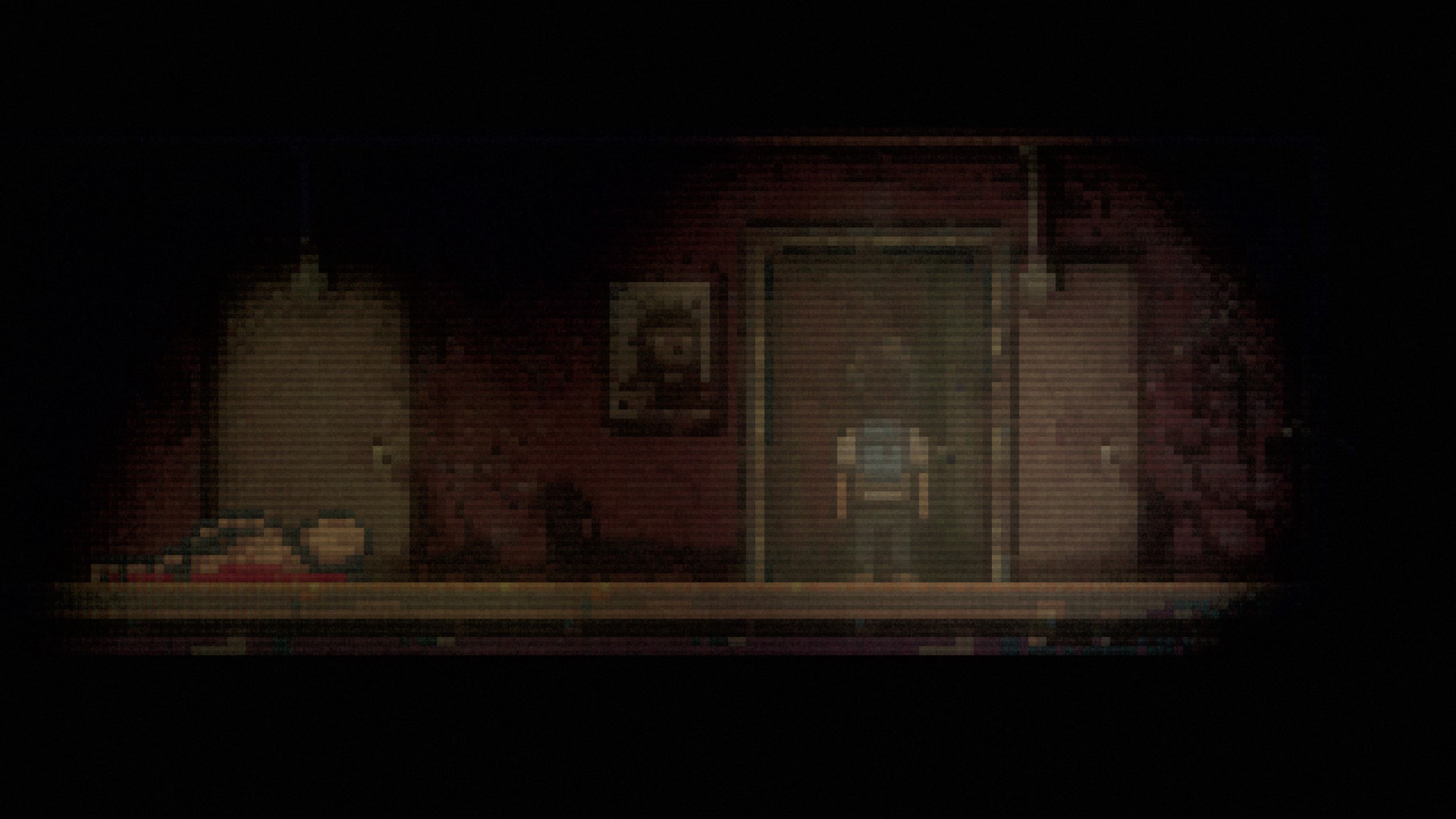
Superflat Games created this 2D survival horror game, and Curve Studios later published versions for consoles. Your character’s sleep, hunger, and mental state directly affect how the story ends and how easily you can survive. You can avoid direct combat by using masks, tuning into different radio frequencies, and employing stealth tactics. Between terrifying encounters, you’ll return to your apartment to perform everyday tasks like cooking, resting, and listening to the radio, which helps ground you in this strange world.
‘Little Nightmares’ (2017)
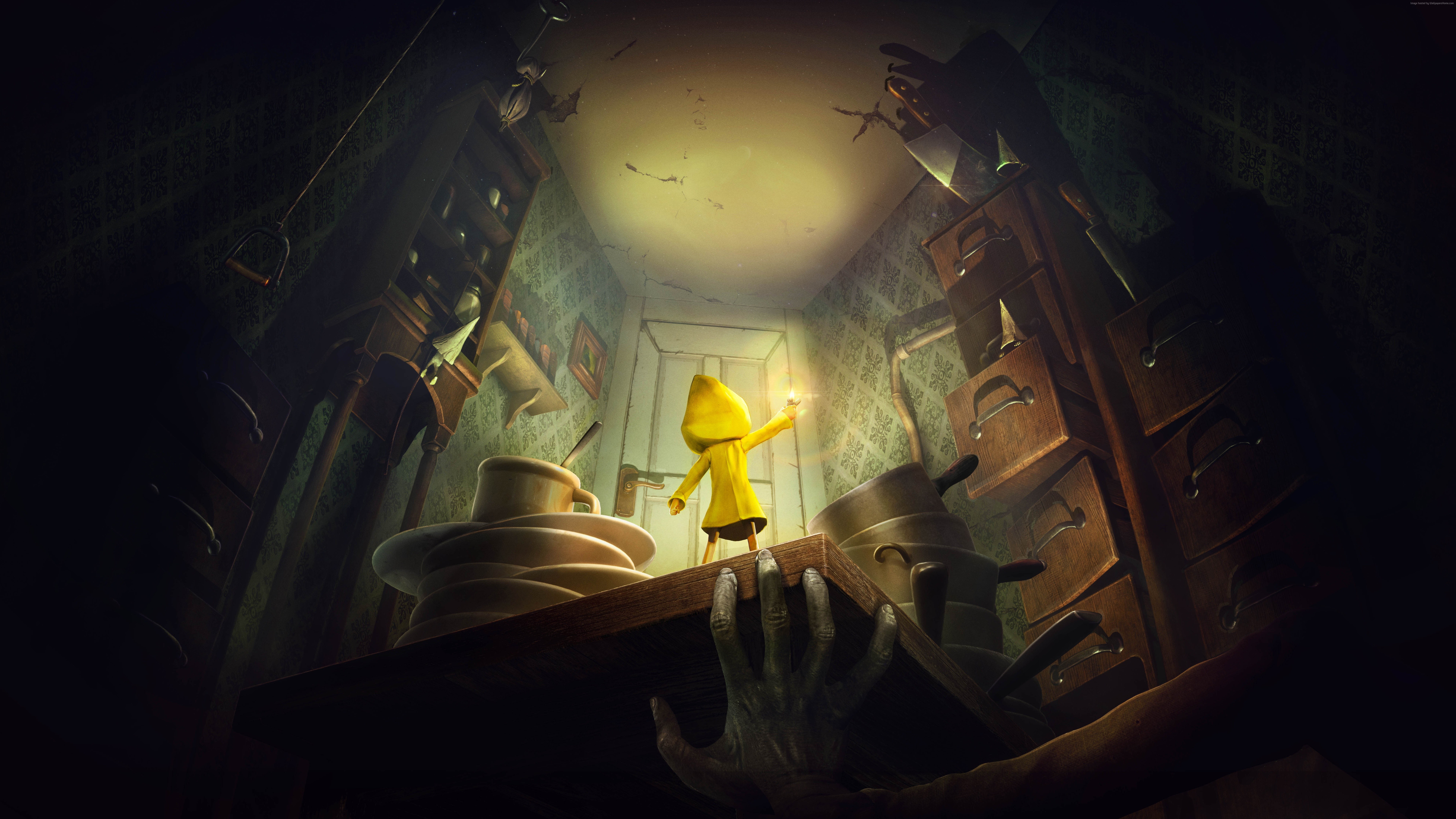
Developed by Tarsier Studios and published by Bandai Namco Entertainment, this game is a spooky side-scroller where you explore a place called the Maw. You’ll solve puzzles using physics and by changing your perspective. The main character is very small compared to the enemies, so you’ll need to rely on stealth and precise timing. Finding collectibles and secret rooms adds to the story without interrupting your progress.
‘Devotion’ (2019)
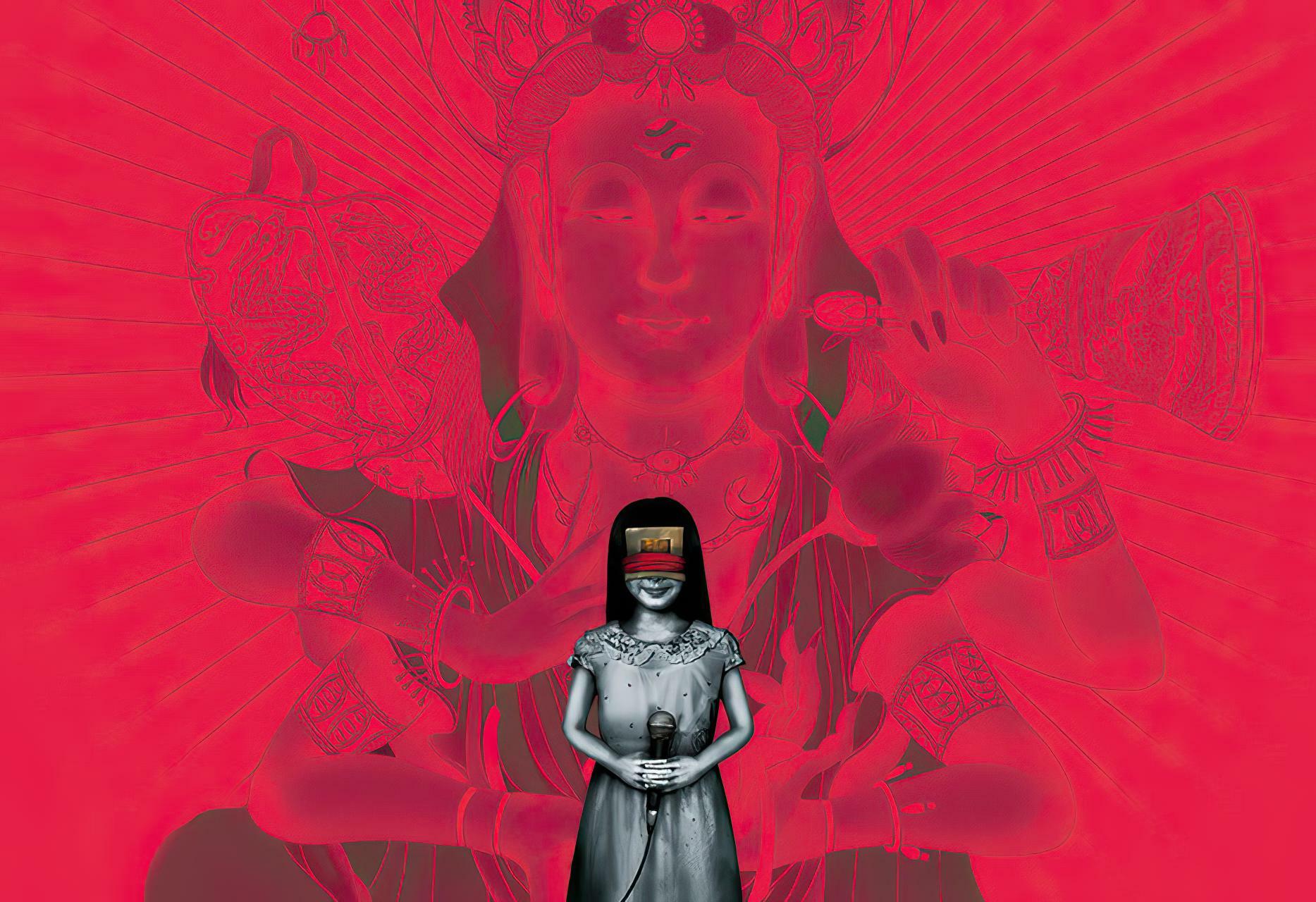
This psychological horror game, developed by Red Candle Games, takes place in 1980s Taiwan and is set primarily within an apartment building. As you explore, the environment changes with each visit, reflecting different time periods. The game tells its story through puzzles and small scenes that connect Taiwanese folklore, family relationships, and the media of the era. Even small details, like product packaging and children’s toys, are important to understanding the narrative.
‘Visage’ (2020)
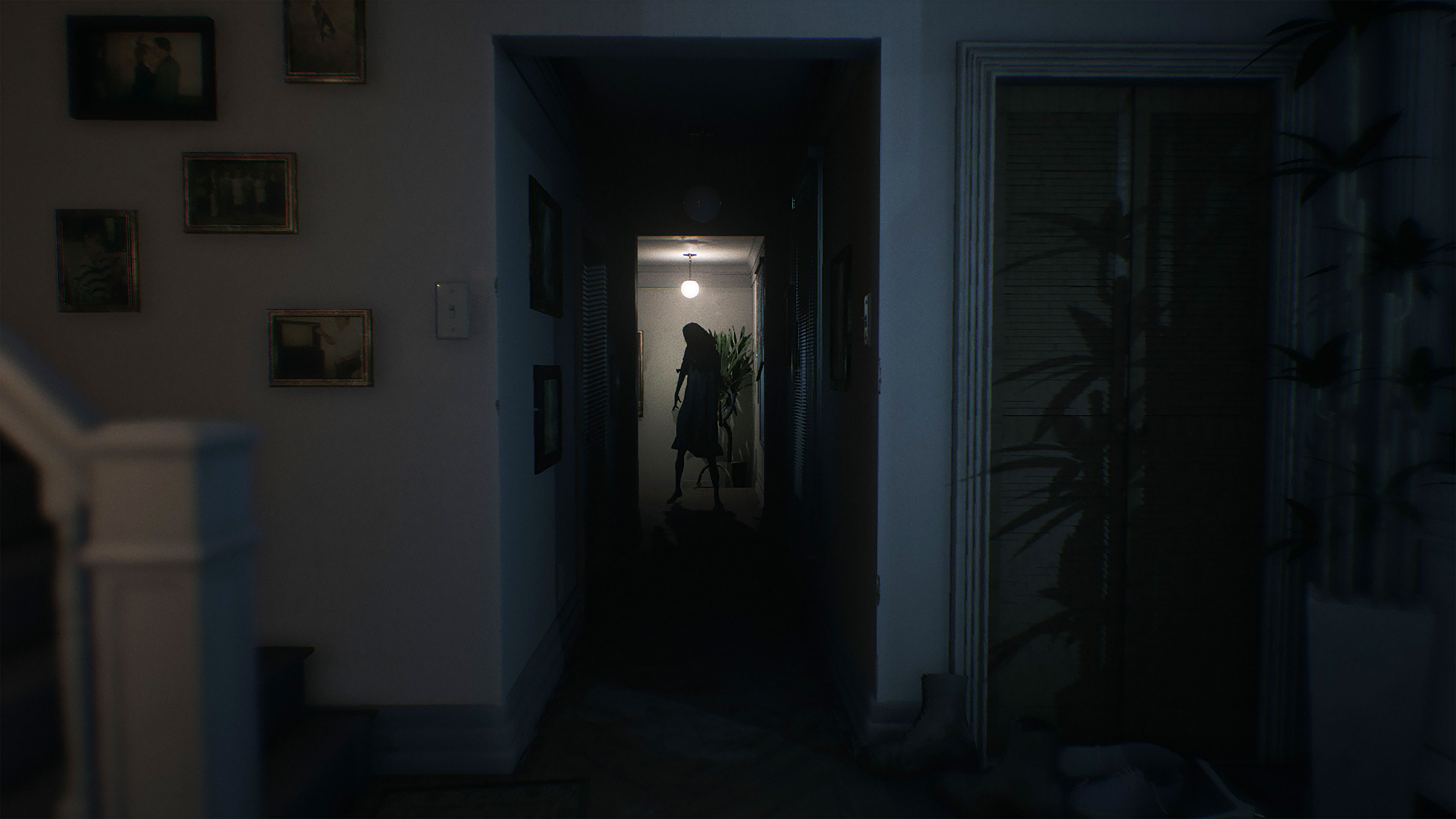
SadSquare Studio created a spooky haunted-house game focused on slow, tense exploration. Your character’s mental state is affected by darkness and paranormal activity, so finding and using light is crucial. The game features story chapters you can tackle in any order. With a clean interface and immersive sound design, you’ll need to listen closely and move cautiously to survive.
‘Scorn’ (2022)

Ebb Software created this unsettling, biologically-inspired world, and Kepler Interactive published it. The game focuses on solving puzzles within the environment, exploring strange, living machinery, and features limited combat. Everything you interact with – like doors and switches – feels organic and responsive. The game’s levels are interconnected, and progress is made by carefully observing your surroundings rather than relying on force.
Share your favorite atmospheric horror moments and the games we should add in the comments!
Read More
- Invincible Season 4 Gender Swaps Tech Jacket As Fans Question Major Comic Change
- Building Agents That Learn and Improve Themselves
- Gold Rate Forecast
- Games That Faced Bans in Countries Over Political Themes
- Silver Rate Forecast
- Trading Crypto with AI: A New Approach to Portfolio Management
- 15 Films That Were Shot Entirely on Phones
- Why Won’t It Just *Do* What You Ask? Unpacking the Quirks of AI Language
- Unveiling the Schwab U.S. Dividend Equity ETF: A Portent of Financial Growth
- Thinking Before Acting: A Self-Reflective AI for Safer Autonomous Driving
2025-11-13 04:50