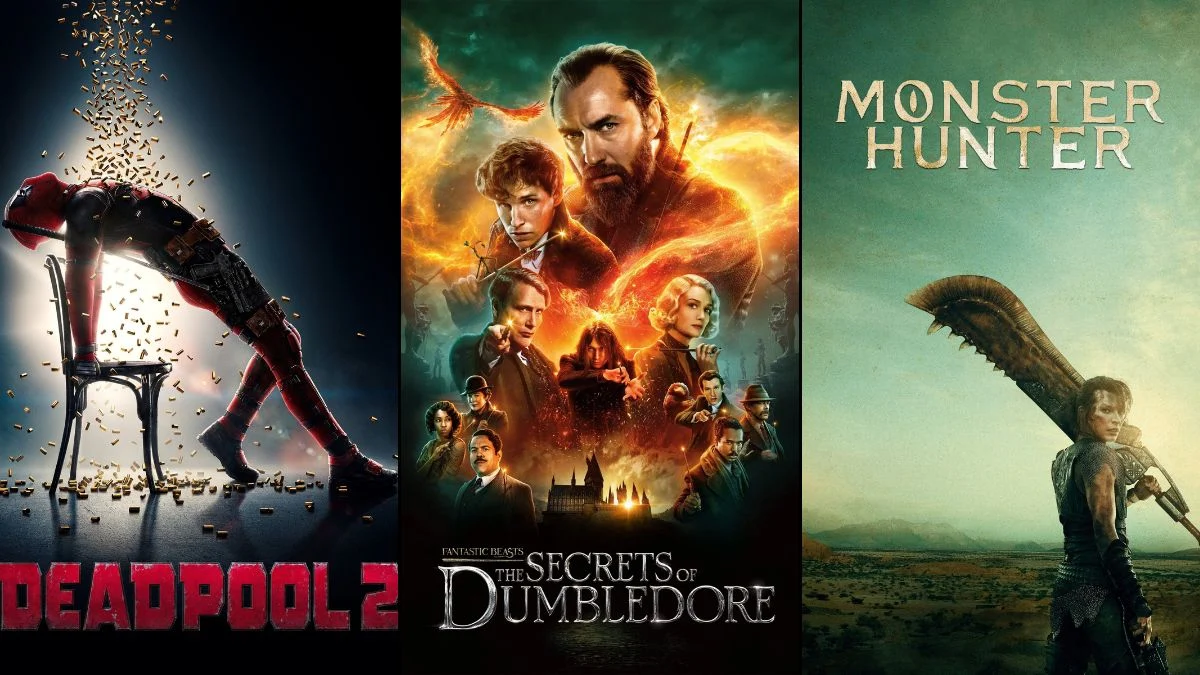
Movie studios frequently make changes to films to make them more popular with audiences around the world. These adjustments can be small, like changing a few lines of dialogue, or large, like cutting out entire scenes that might be considered offensive or controversial in certain countries. Sometimes, these edits even happen long after the movie first came out, to reflect changing social norms. The following films were significantly altered for these reasons.
‘Monster Hunter’ (2020)

An action movie quickly ran into trouble in China because of a short conversation between two characters. A joke about knees was mistakenly understood by Chinese audiences as a racial insult. The movie was quickly removed from cinemas so the studio could edit out the problematic scene worldwide. This situation shows how easily humor can be misinterpreted when translated into other languages, leading to significant international issues.
‘Spider-Man’ (2002)
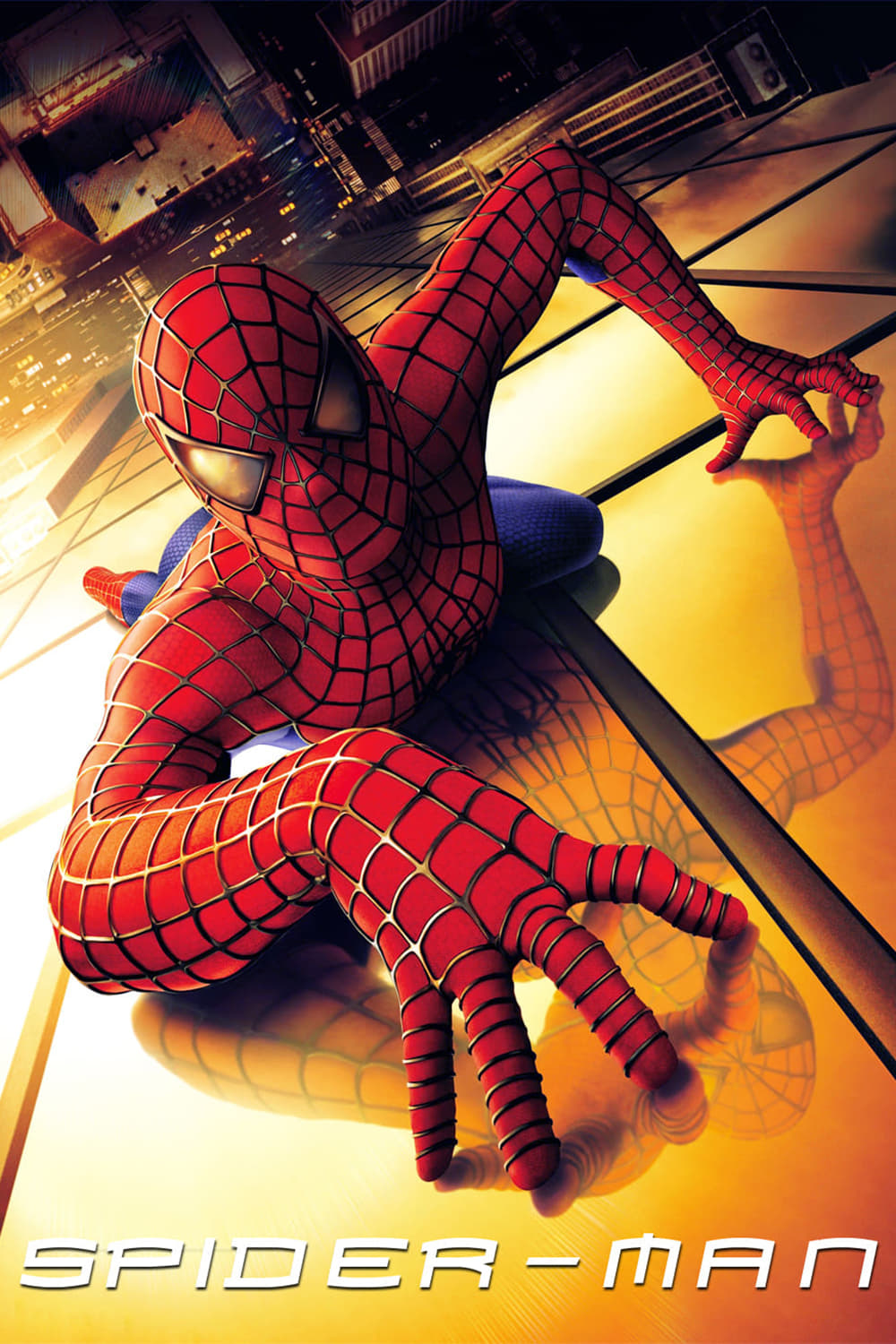
The first version of the movie included a scene where Spider-Man makes fun of a wrestler called Bonesaw during a fight. He jokes about Bonesaw’s costume and implies it was made by his husband. This line was later cut from TV versions and releases in the UK because it was considered offensive to gay people. The studio wanted to make the character more widely liked, so they removed the joke.
‘Toy Story 2’ (1999)
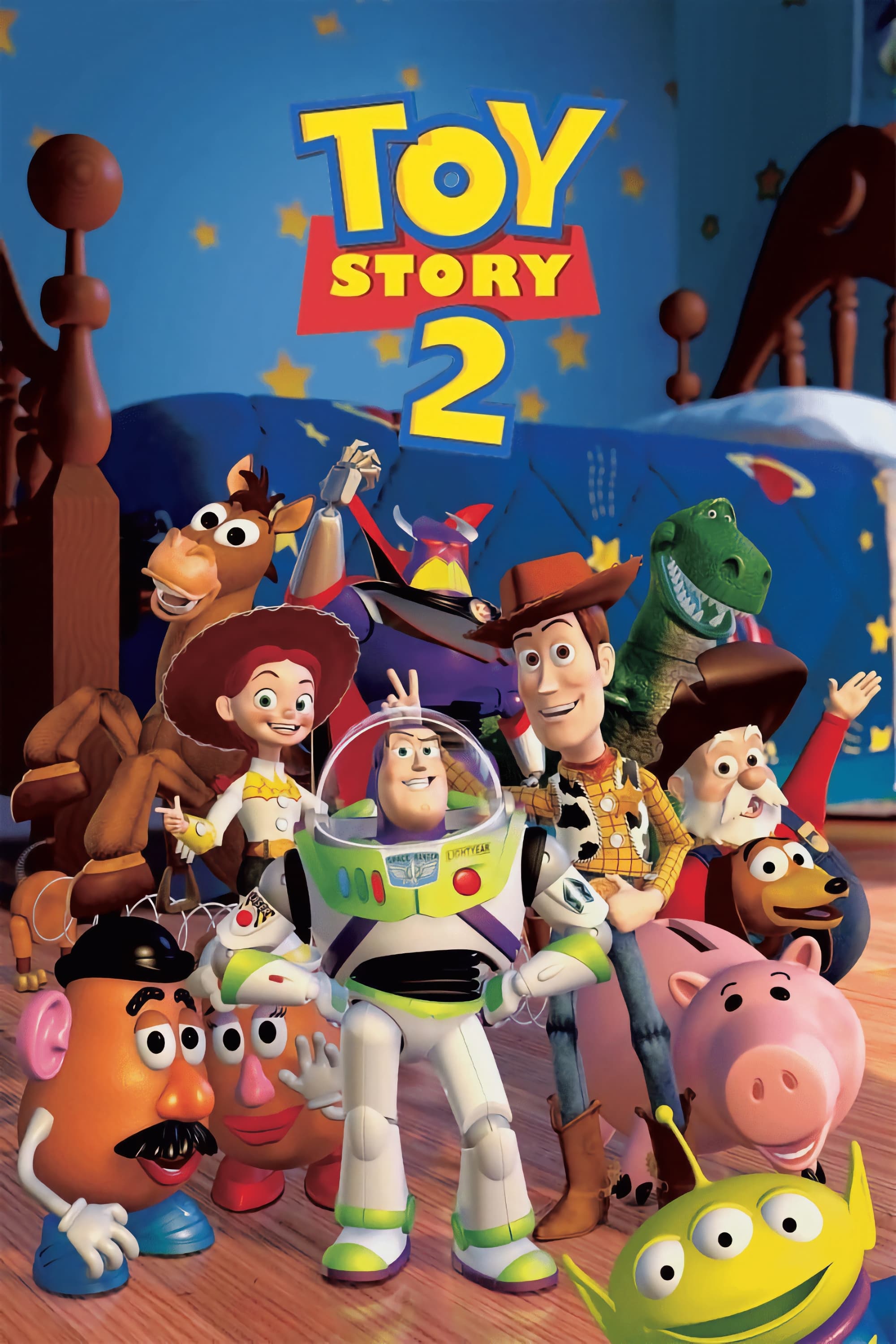
Originally, a funny scene after the credits of Toy Story 2 showed the character Stinky Pete making flirtatious gestures towards two Barbie dolls. However, Disney removed this clip from streaming and later versions of the movie in 2019. The reason was that the scene resembled inappropriate behavior related to the #MeToo movement, and Disney wanted to make sure its older films remained suitable and didn’t cause offense to viewers today.
‘Aladdin’ (1992)
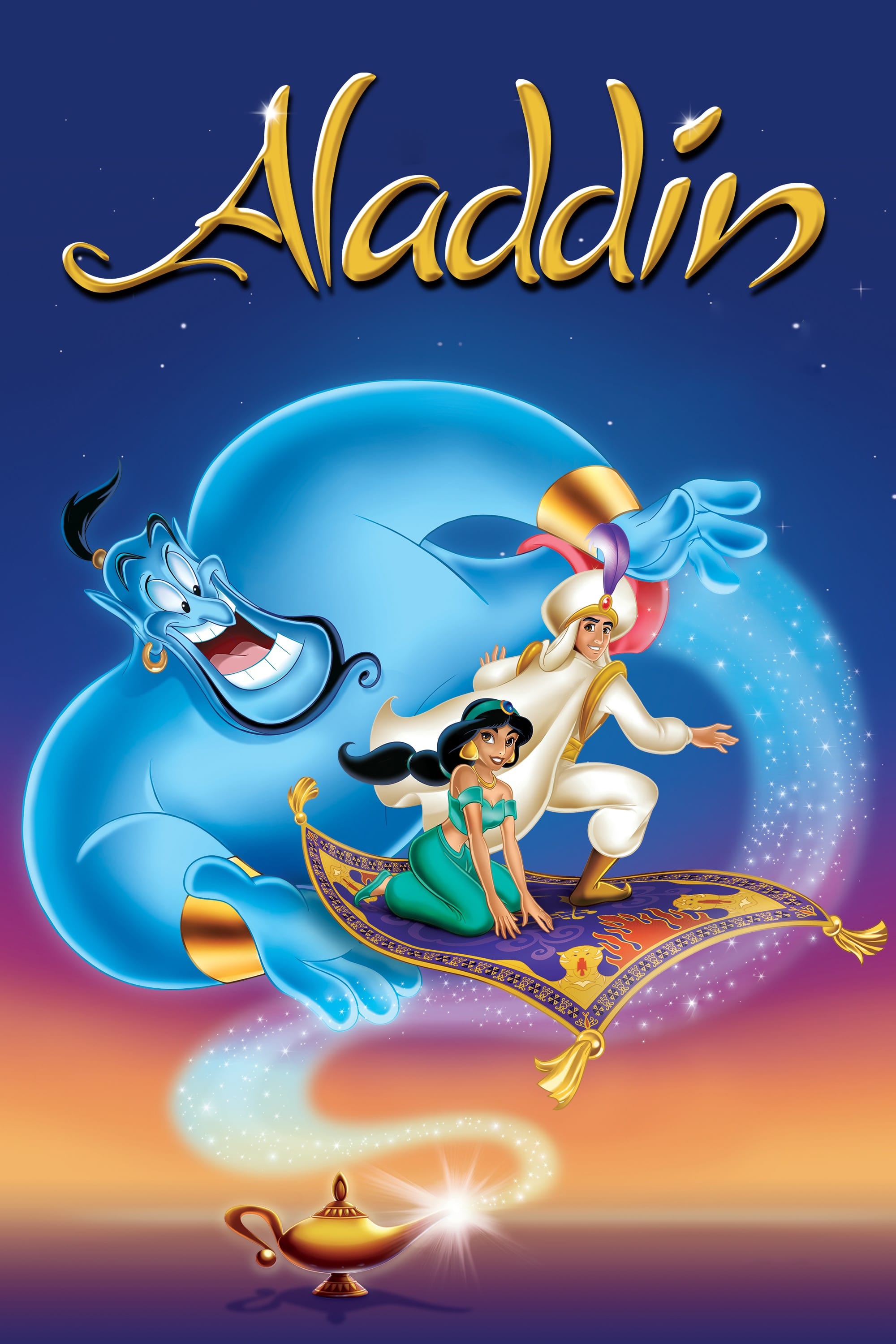
The song at the beginning of the film originally included a line about a place where someone’s face could be disfigured if it wasn’t considered pleasing. Arab-American groups objected to this lyric, arguing that it promoted harmful stereotypes about their culture. Disney responded by changing the words for the version sold on home video, but kept the original music. This was one of the first times a studio made such a change to a well-known animated film to be more respectful of different cultures.
‘Fantastic Beasts: The Secrets of Dumbledore’ (2022)
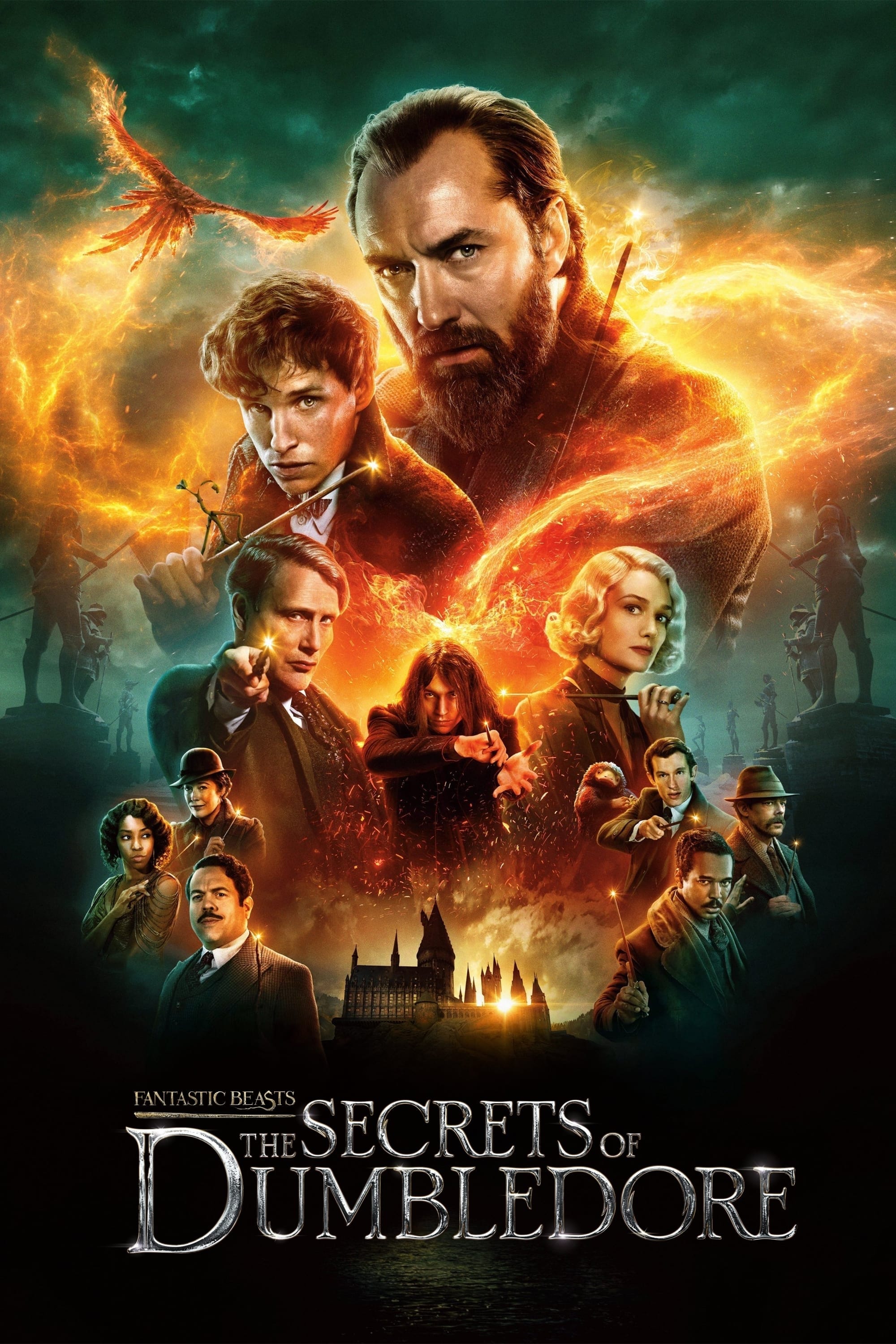
For the release in China, Warner Bros. trimmed six seconds of dialogue from the latest film in the wizarding world series. These removed lines mentioned a previous romantic relationship between the characters Dumbledore and Grindelwald. The studio explained that this change was made to meet Chinese censorship rules and allow the film to be shown there. Even with these cuts, the film still suggests a strong connection between the two characters.
‘Lilo & Stitch’ (2002)
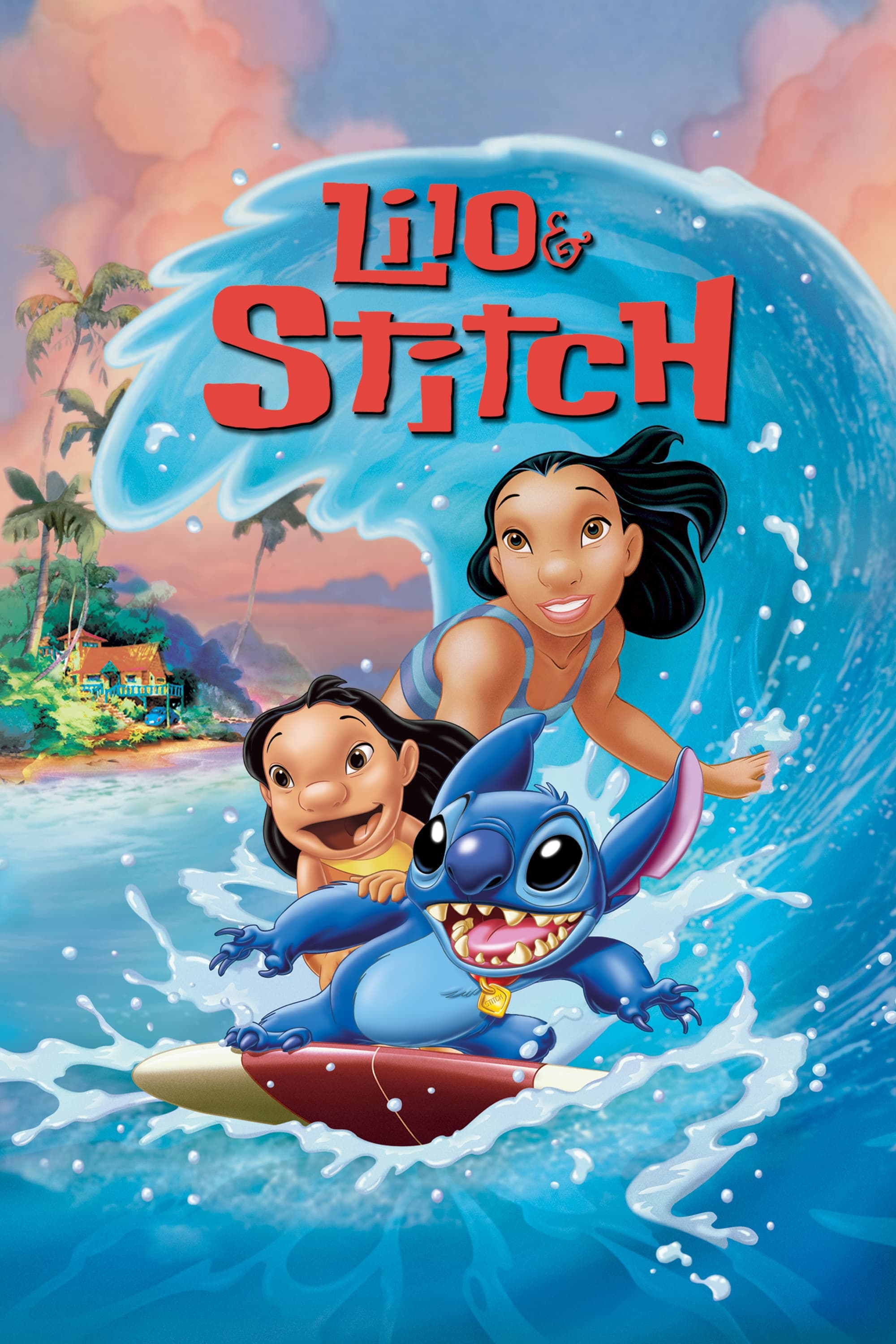
The animated film originally included a scene of Lilo hiding in a dryer, but Disney changed it. Animators replaced the dryer with a pizza box because they worried children might try to copy the scene and climb into dangerous appliances. The change was made to ensure safety, not because of any cultural concerns.
‘Deadpool 2’ (2018)
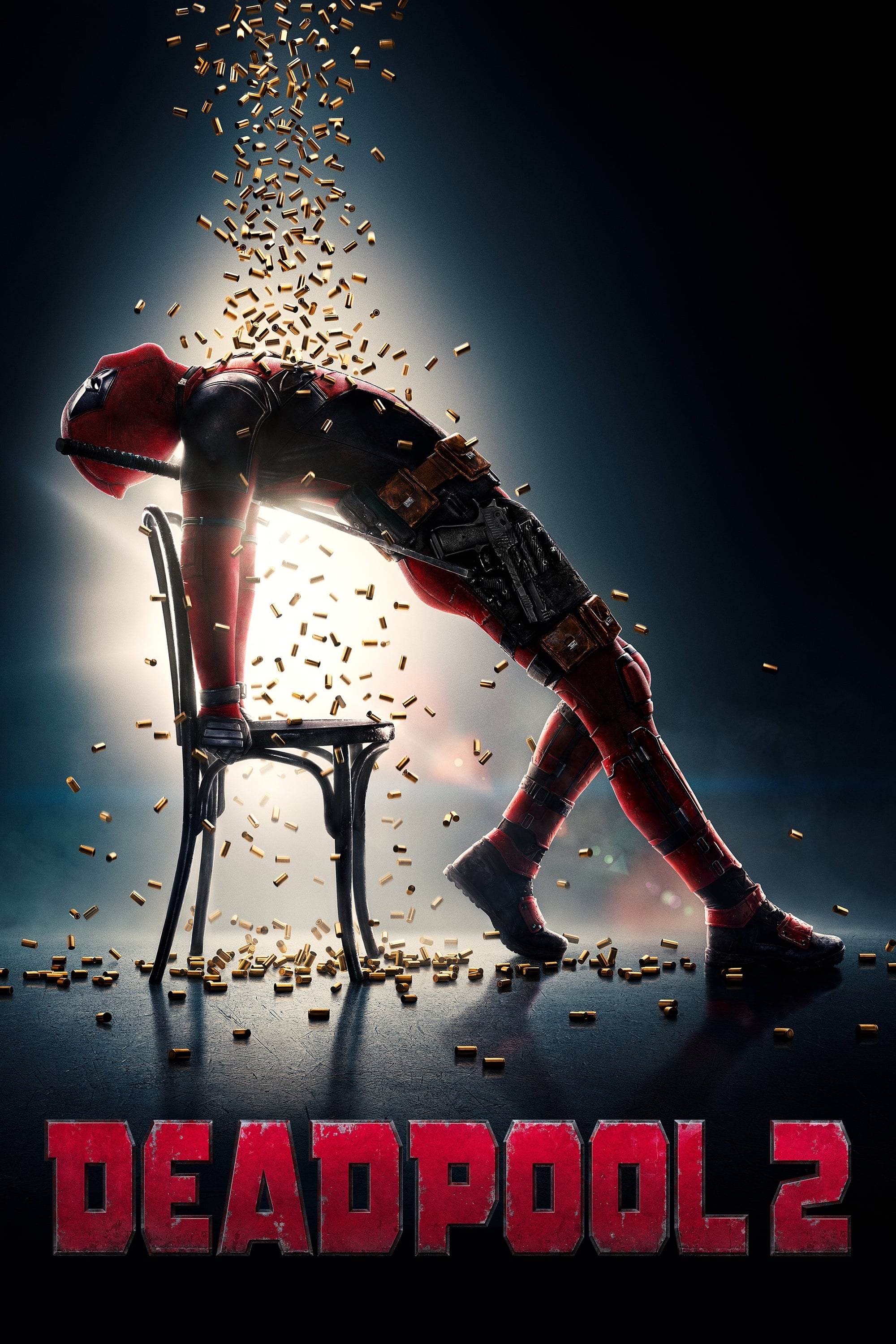
Originally, a scene after the credits showed the main character going back in time to kill baby Hitler. However, test audiences found this joke too shocking, even though the movie was meant to be funny. The filmmakers removed it from the cinema version to avoid upsetting viewers, but it was added back into the longer version released for home viewing, for those interested in seeing the more edgy humor.
‘Onward’ (2020)
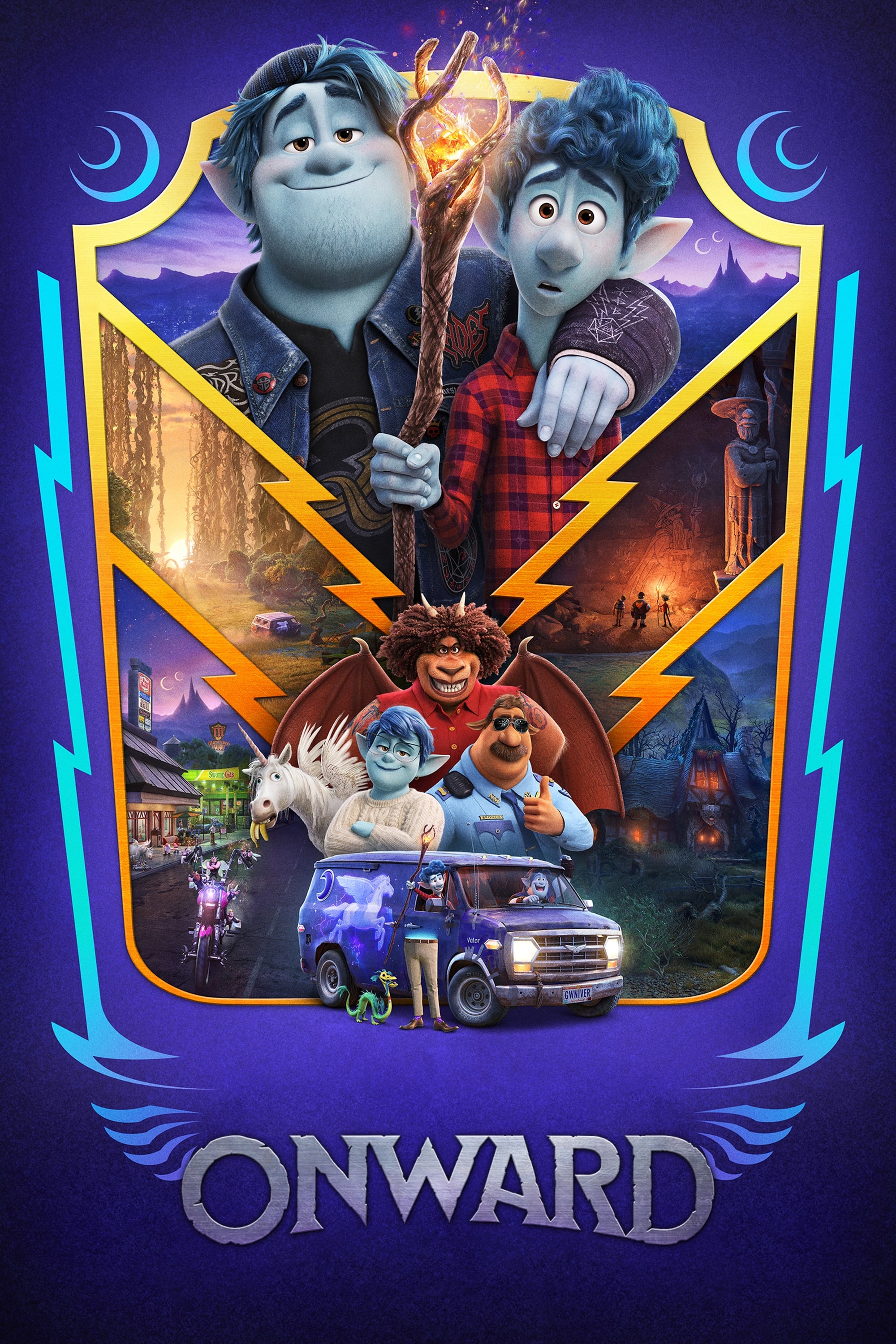
Pixar included its first openly gay character in a recent animated movie with a quick mention of having a girlfriend. However, to ensure the film could be shown in countries like those in the Middle East and Russia – where LGBTQ+ content is often banned – the dialogue was changed for local audiences. Instead of ‘girlfriend,’ the character referred to their partner or best friend, allowing the film to be released in those theaters.
‘Minions: The Rise of Gru’ (2022)

When this popular animated movie was released in China, it had a different ending than the version seen in most other countries. The Chinese version added text explaining that the character Wild Knuckles was arrested and went to jail. This change was made to meet Chinese censorship rules, which require that criminals in films are always shown facing legal consequences. The original ending showed the characters escaping to continue their life of crime.
‘Fight Club’ (1999)
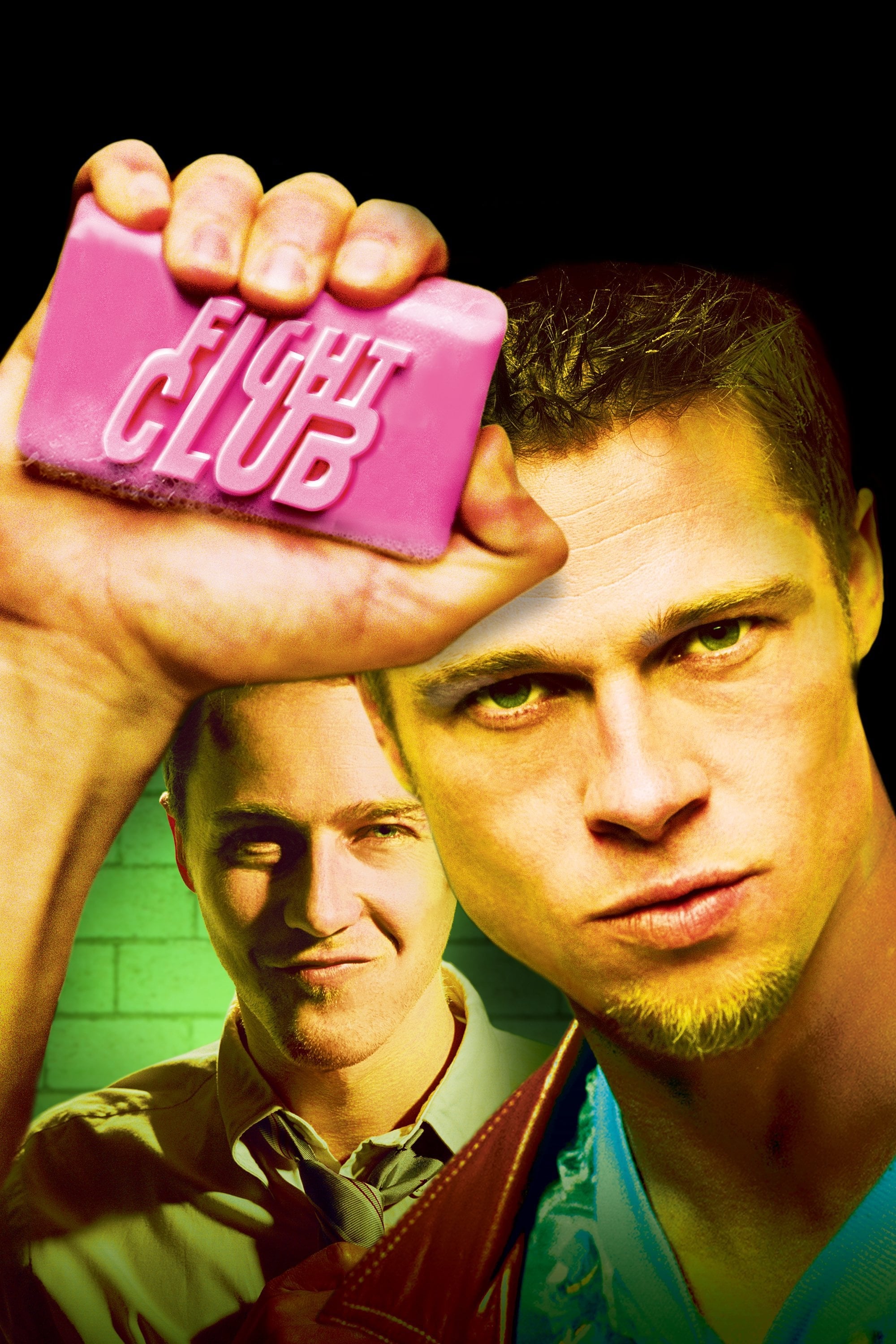
When the cult classic film became available on the streaming platform Tencent Video in China, its original, explosive ending was replaced with a title card. This new version stated that the police quickly discovered the plot and arrested everyone involved, stopping the explosion. Fans criticized this change, saying it ruined the film’s rebellious message. After significant online discussion and backlash, the original ending was put back in.
‘Iron Man 3’ (2013)
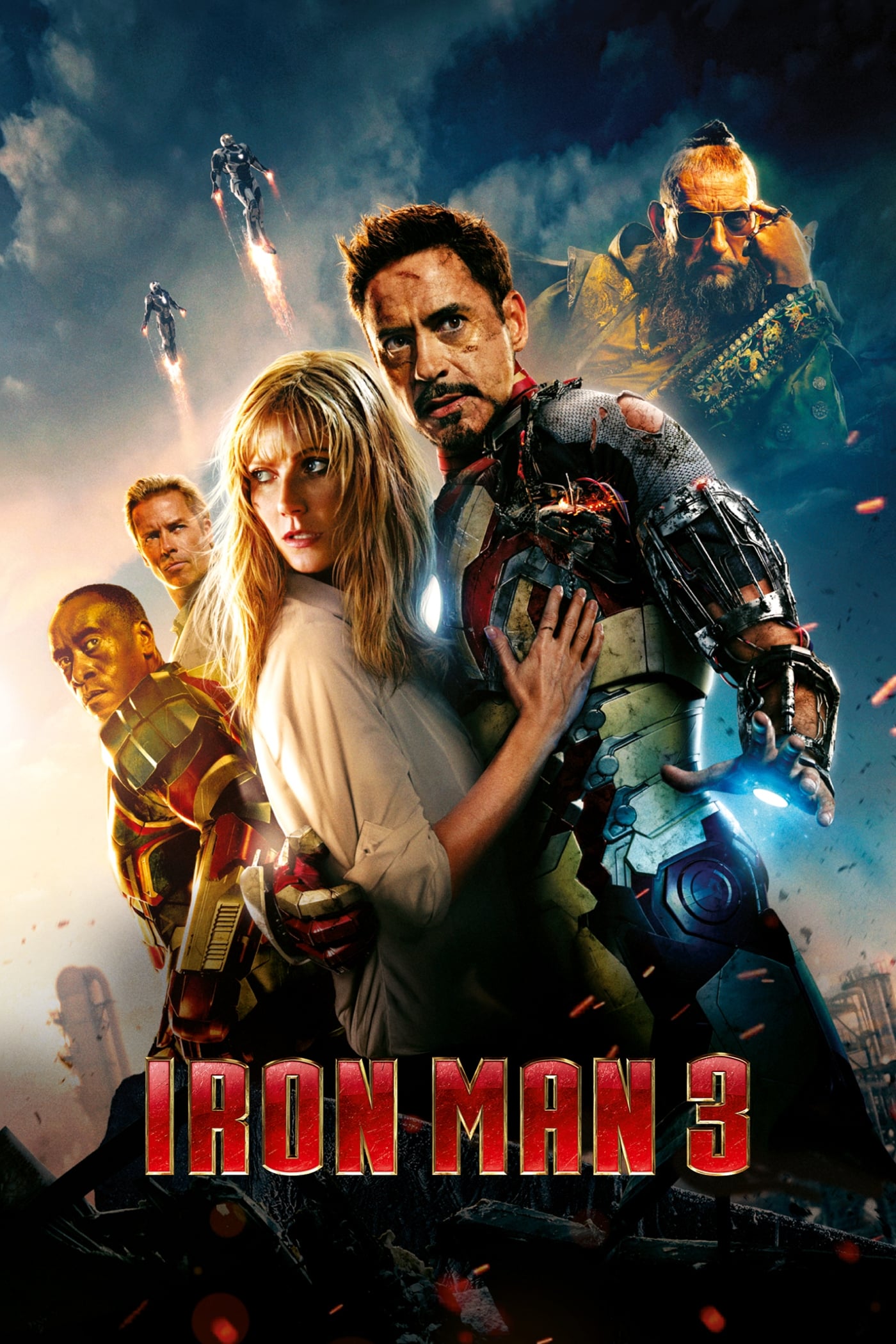
Marvel Studios made a special cut of this superhero movie just for audiences in China. This version had extra scenes with well-known Chinese actors and featured a local milk brand. While meant to be more appealing to Chinese viewers, these additions felt out of place and disrupted the flow of the movie. These scenes weren’t included in the version shown in other countries.
‘Inside Out’ (2015)
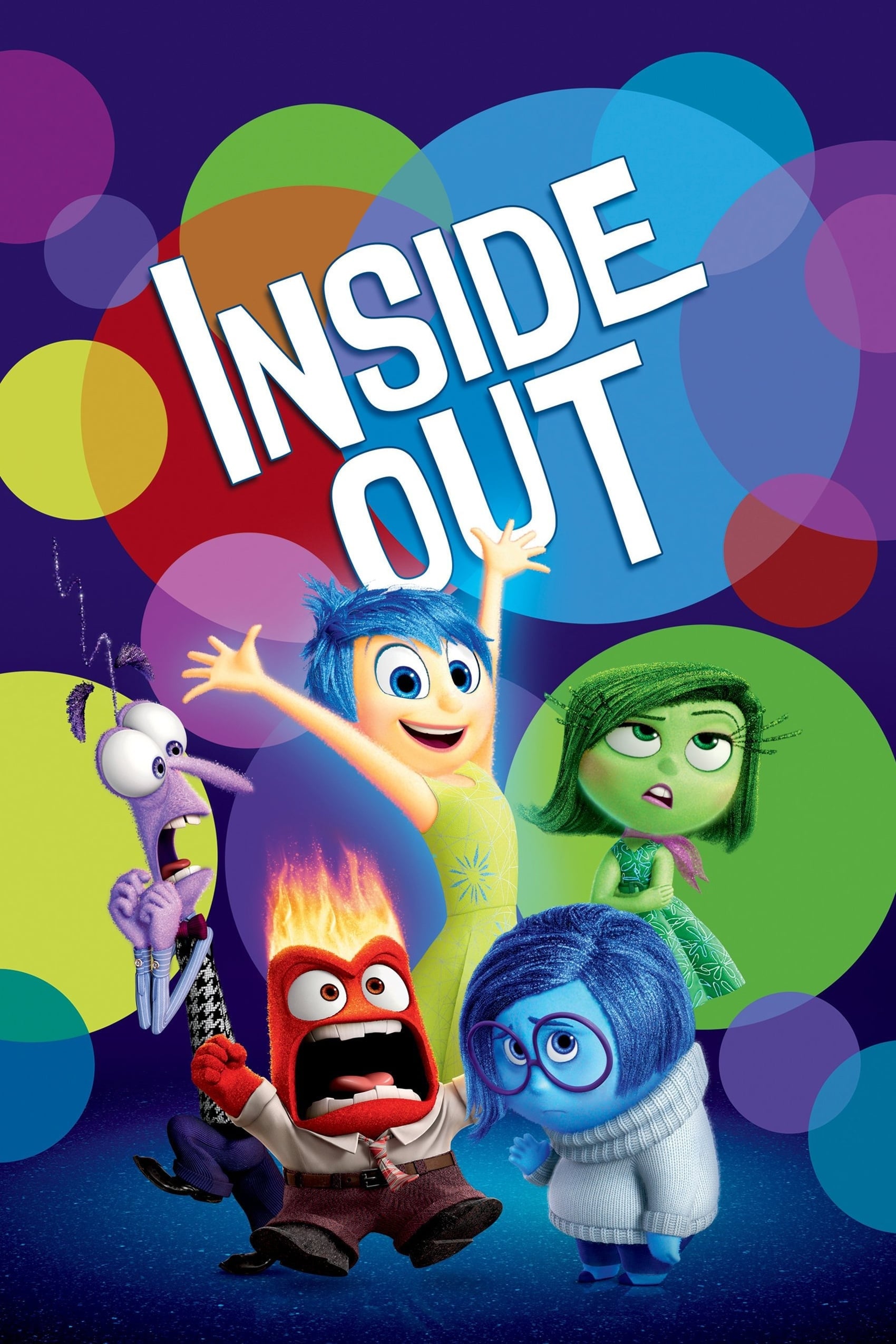
Pixar modified a joke about pizza toppings to better appeal to viewers in different countries. In the United States, the joke featured broccoli as the disliked topping. However, for audiences in Japan, they switched it to green peppers, as Japanese children tend to like broccoli but don’t care for peppers. Pixar wanted to make sure the joke worked well for everyone, regardless of where they lived.
‘Captain America: The Winter Soldier’ (2014)
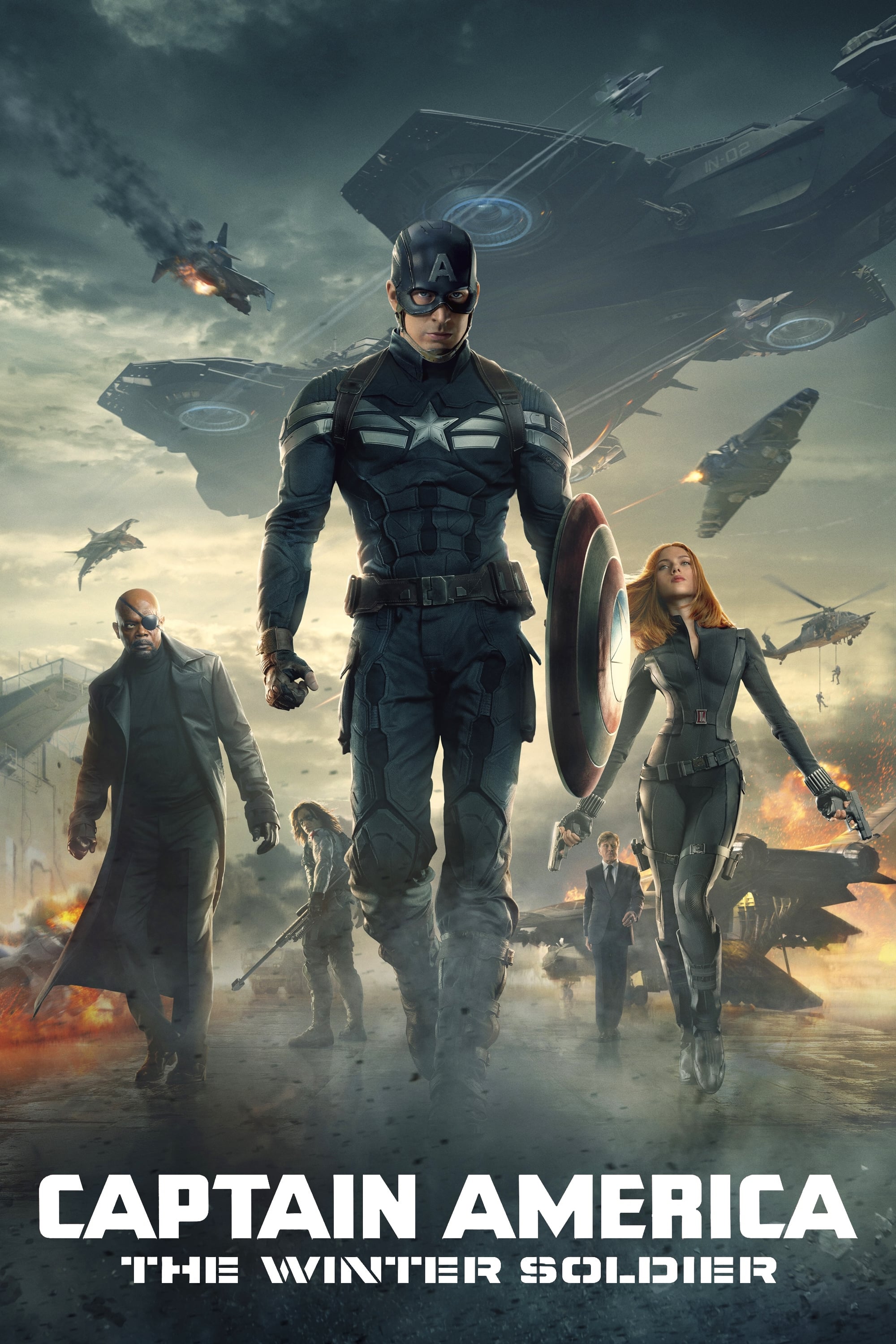
In a scene where Steve Rogers learns about modern pop culture after being frozen, Marvel tailored the list of things he’d missed to different countries. For example, the UK version mentioned The Beatles, and the South Korean version included the film Oldboy. This localization made the scene more relatable for audiences by using familiar cultural references.
‘Zootopia’ (2016)
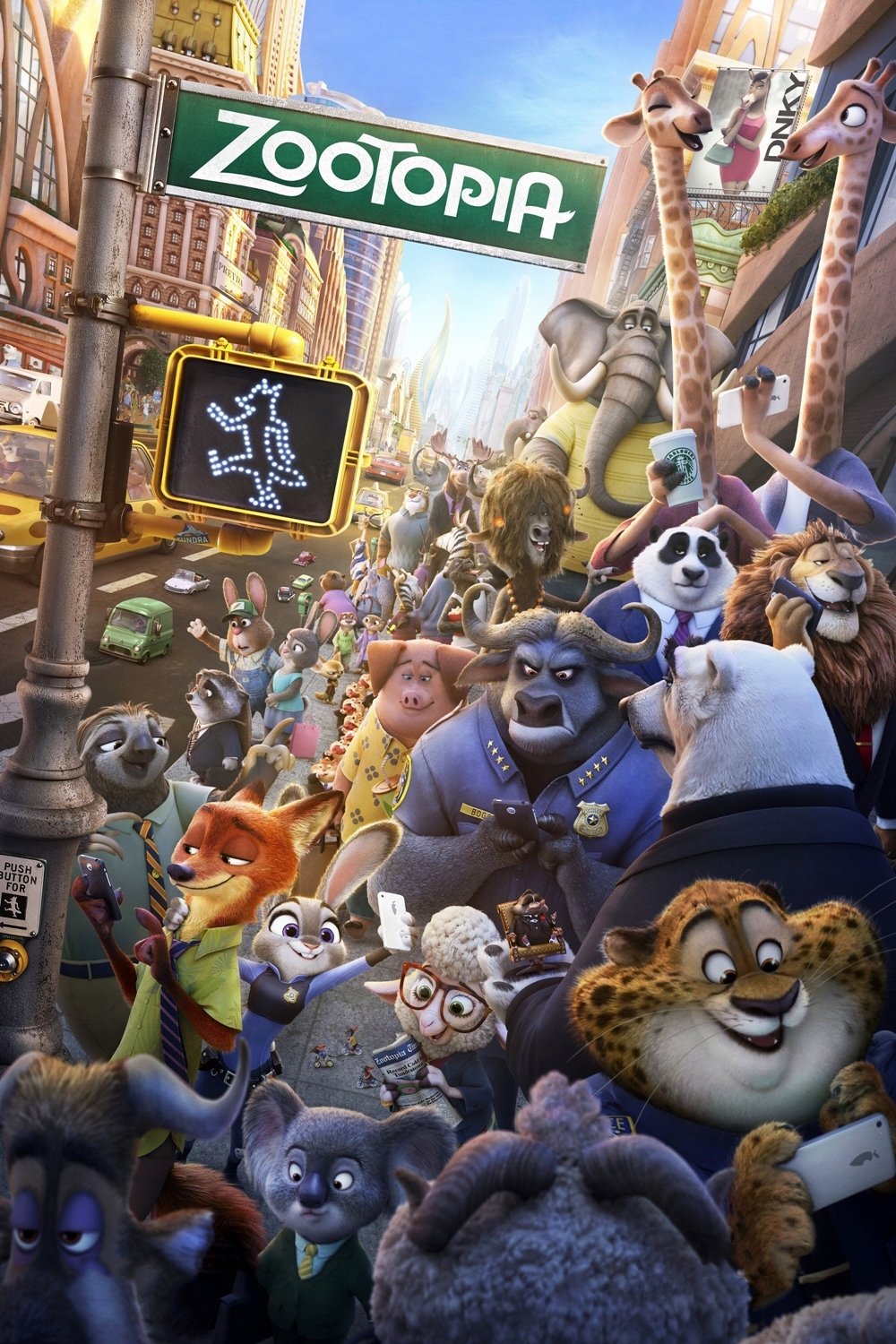
The movie featured animal news anchors, and the specific animal changed depending on where the film was released. Viewers in North America saw a moose, while those in China saw a panda. Australia got a koala, and the Japanese version featured a tanuki. This was a smart way to make the humor more relatable to local audiences without changing the story.
‘Space Jam: A New Legacy’ (2021)
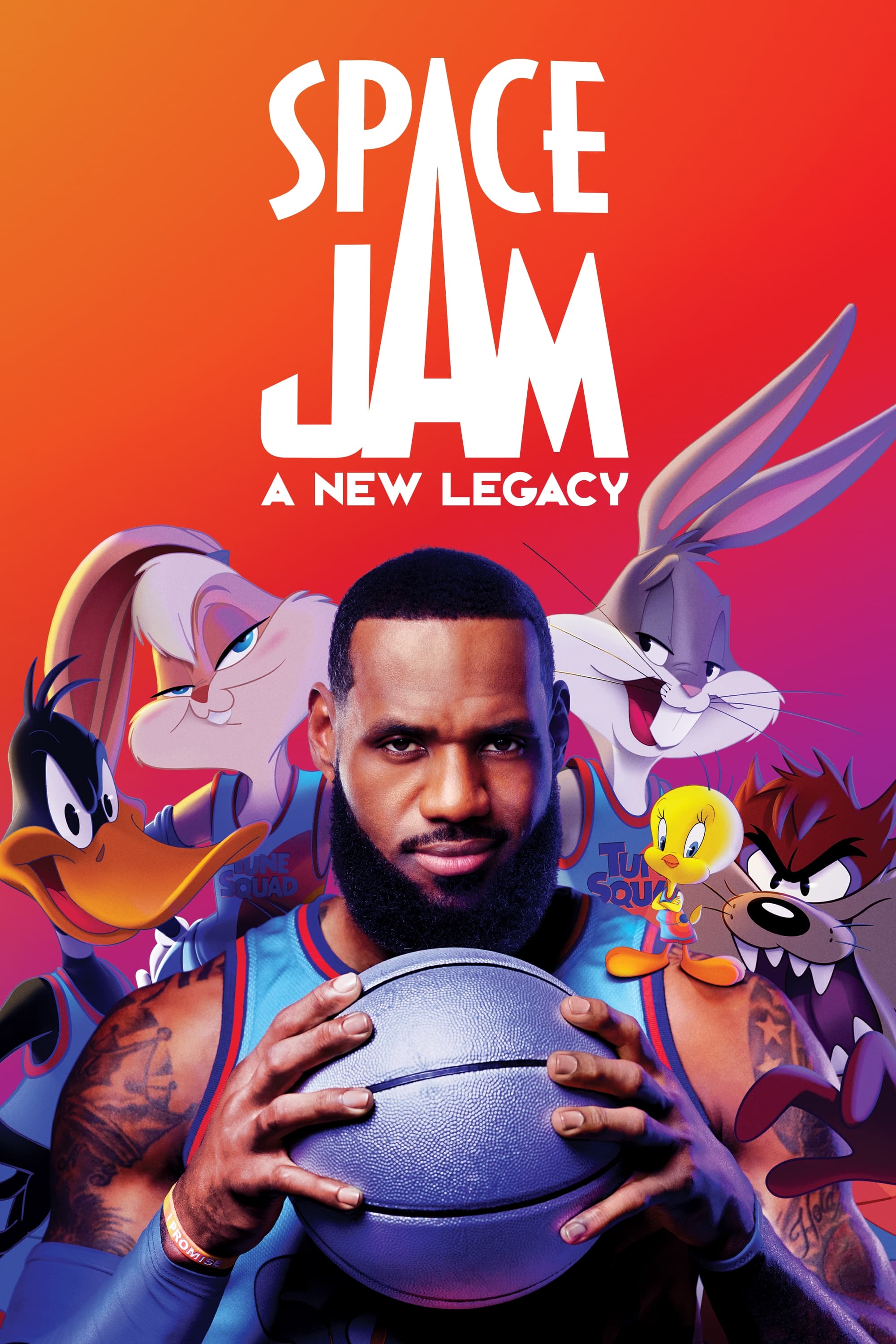
Pepe Le Pew doesn’t appear in this new movie because of problematic behavior shown in his older cartoons. Although a scene was filmed addressing consent, it didn’t make the final cut. The studio chose to move away from the character after criticism that he promoted harmful behavior. This decision led to discussions about how to deal with older characters in today’s entertainment landscape.
‘Brüno’ (2009)
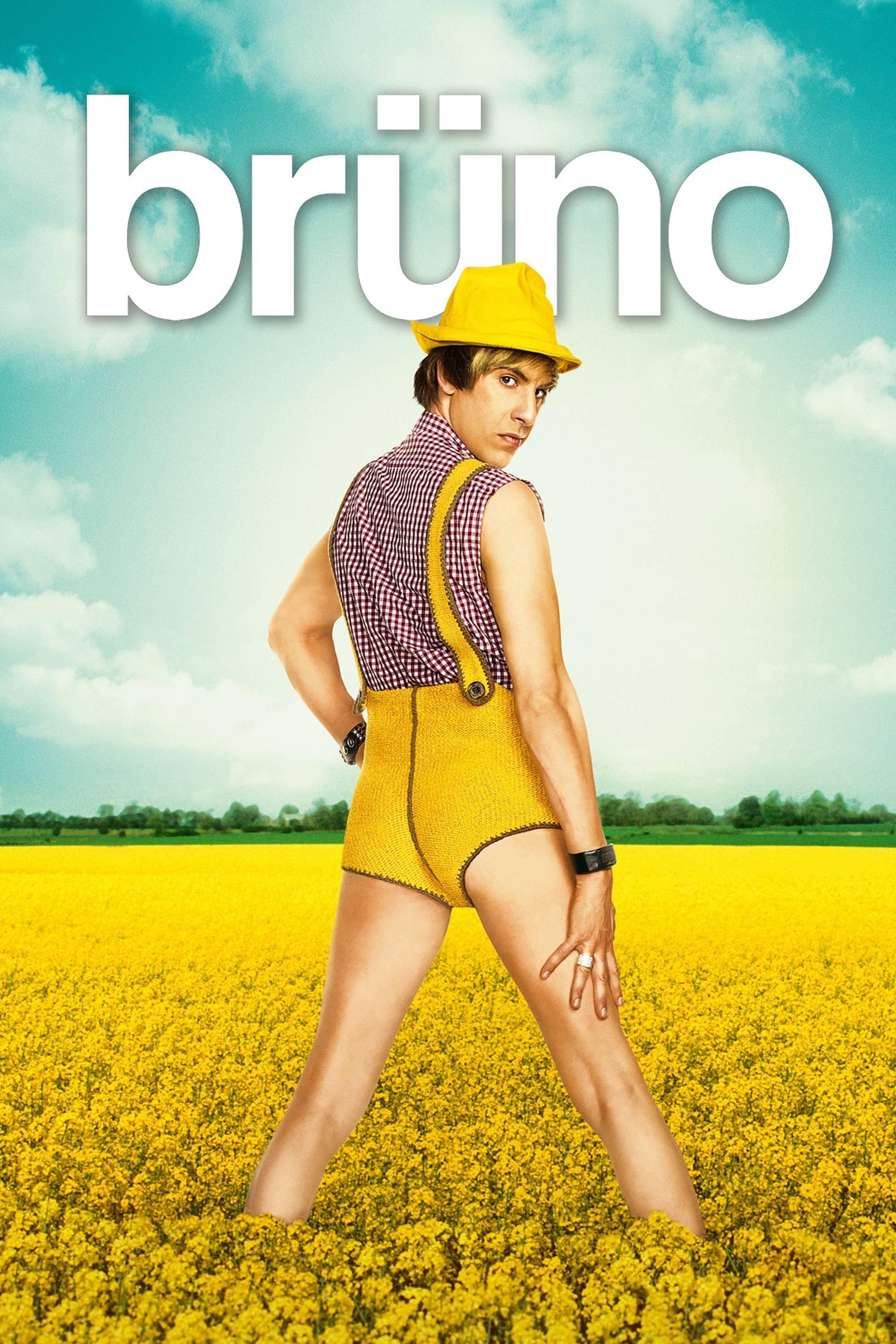
Shortly before its release, Sacha Baron Cohen removed a scene featuring La Toya Jackson. The scene contained a joke about her brother, Michael Jackson, who had recently and unexpectedly passed away. The filmmakers made this decision to be respectful of the family’s grief and because the joke was considered too insensitive given the circumstances. They feared the scene would have caused a strong negative reaction from the public.
‘Adventures in Babysitting’ (1987)
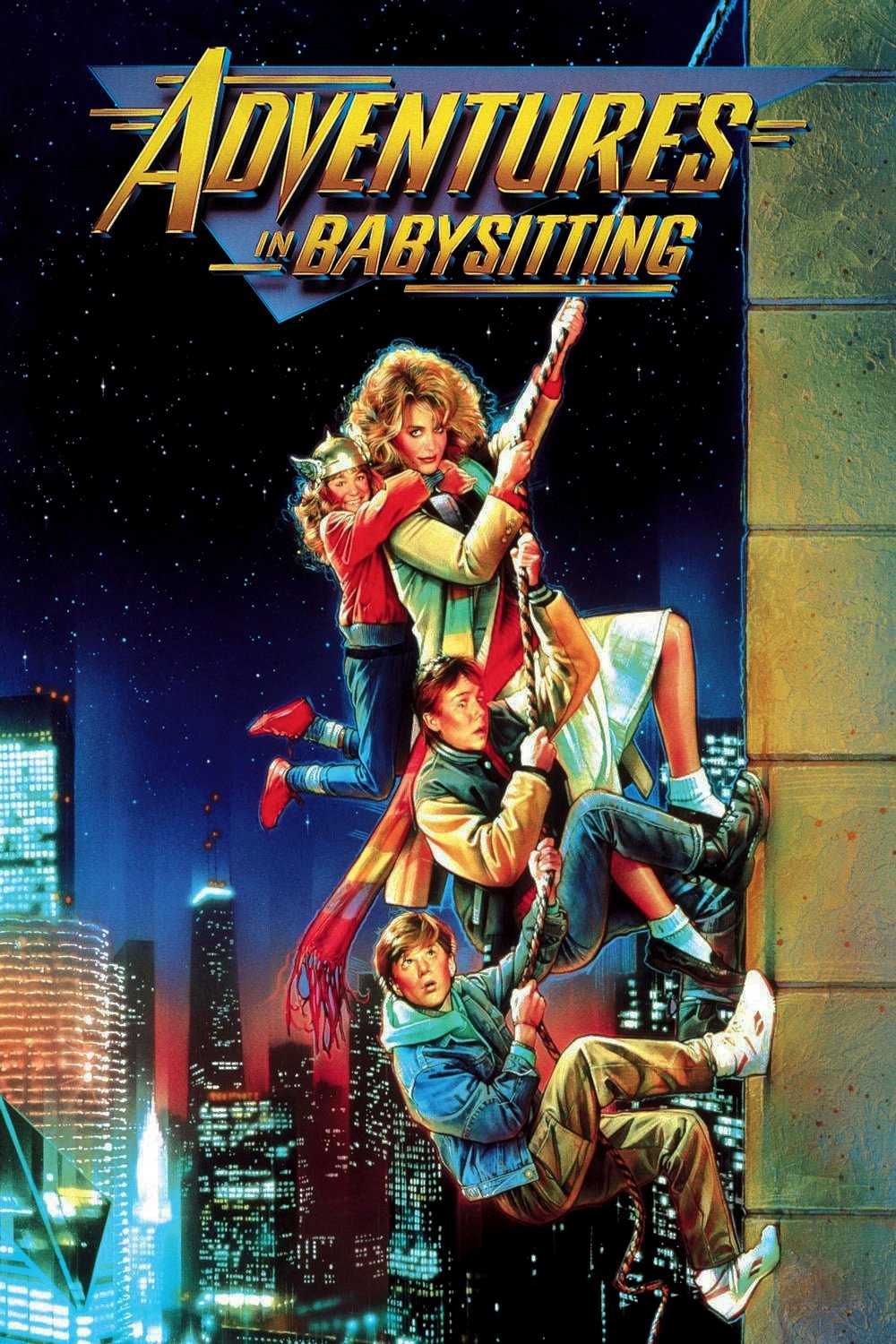
When the movie was first released in theaters, a character used a hateful slur while threatening children. For the Disney Plus version, this word has been removed and replaced with a milder insult. This change was made to make the film more appropriate for families and maintain its PG rating for viewers streaming the movie.
‘Gangster Squad’ (2013)
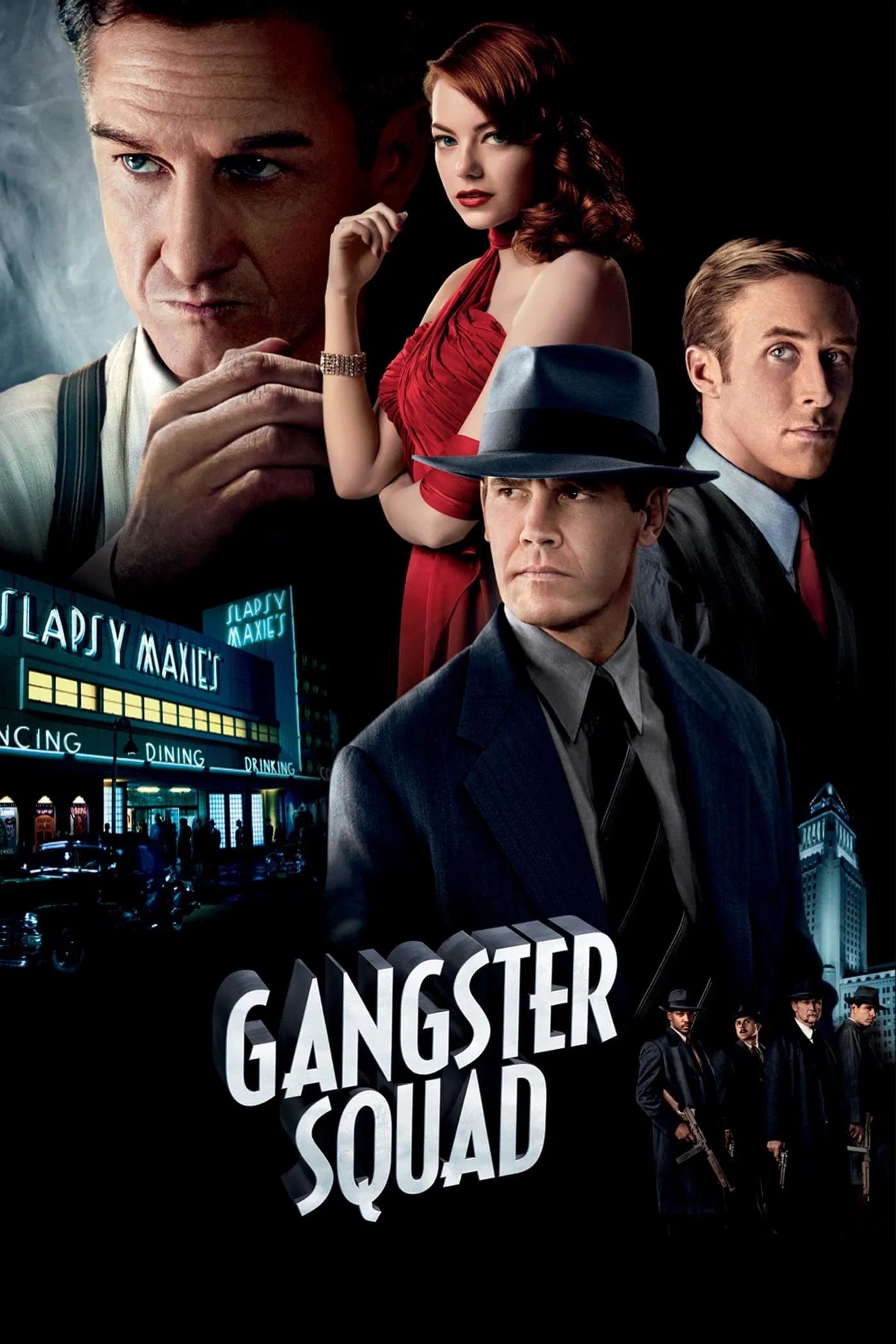
A significant action scene featuring a shootout in a movie theater was removed from the film after a tragic shooting occurred at a Batman movie screening in Aurora in 2012. The scene was then reshot, and the film’s release was postponed to allow time for the new version. This decision was made out of respect for the victims and to avoid being seen as insensitive.
‘The Watch’ (2012)
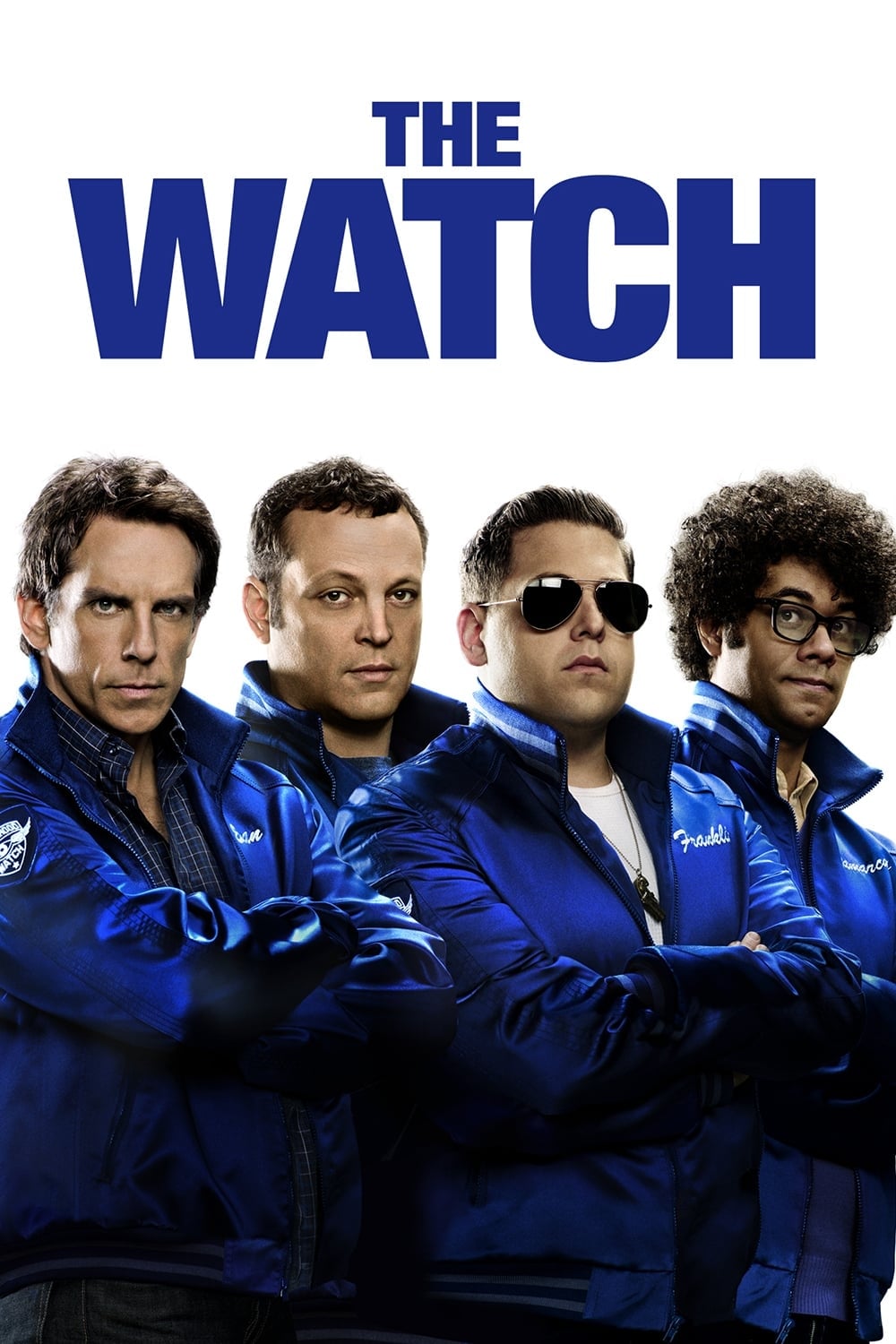
The comedy film originally known as Neighborhood Watch had its title changed and its trailers reworked before release. The studio made these changes to avoid any connection to the highly publicized and sensitive Trayvon Martin shooting, which involved a neighborhood watch volunteer. They wanted to ensure the film’s comedic nature wasn’t overshadowed by the serious news story and adjusted their marketing to reflect this.
‘Men in Black II’ (2002)
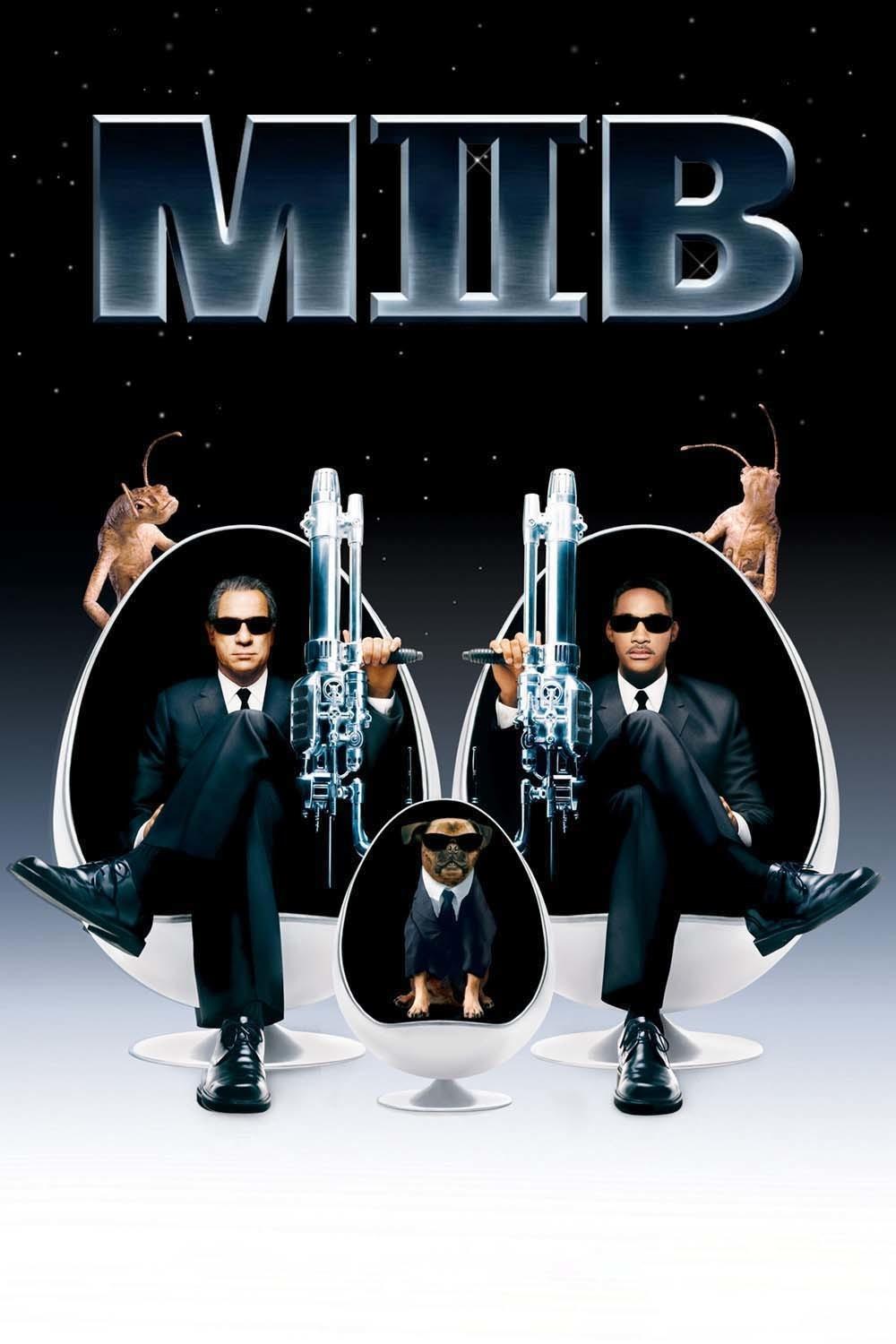
The sci-fi comedy was originally intended to end with scenes filmed at the World Trade Center. However, after the September 11th attacks, the filmmakers changed the ending to feature the Statue of Liberty instead. This change was made to be sensitive to audiences still mourning the tragedy. Many films made around that time required similar adjustments.
‘E.T. the Extra-Terrestrial’ (1982)
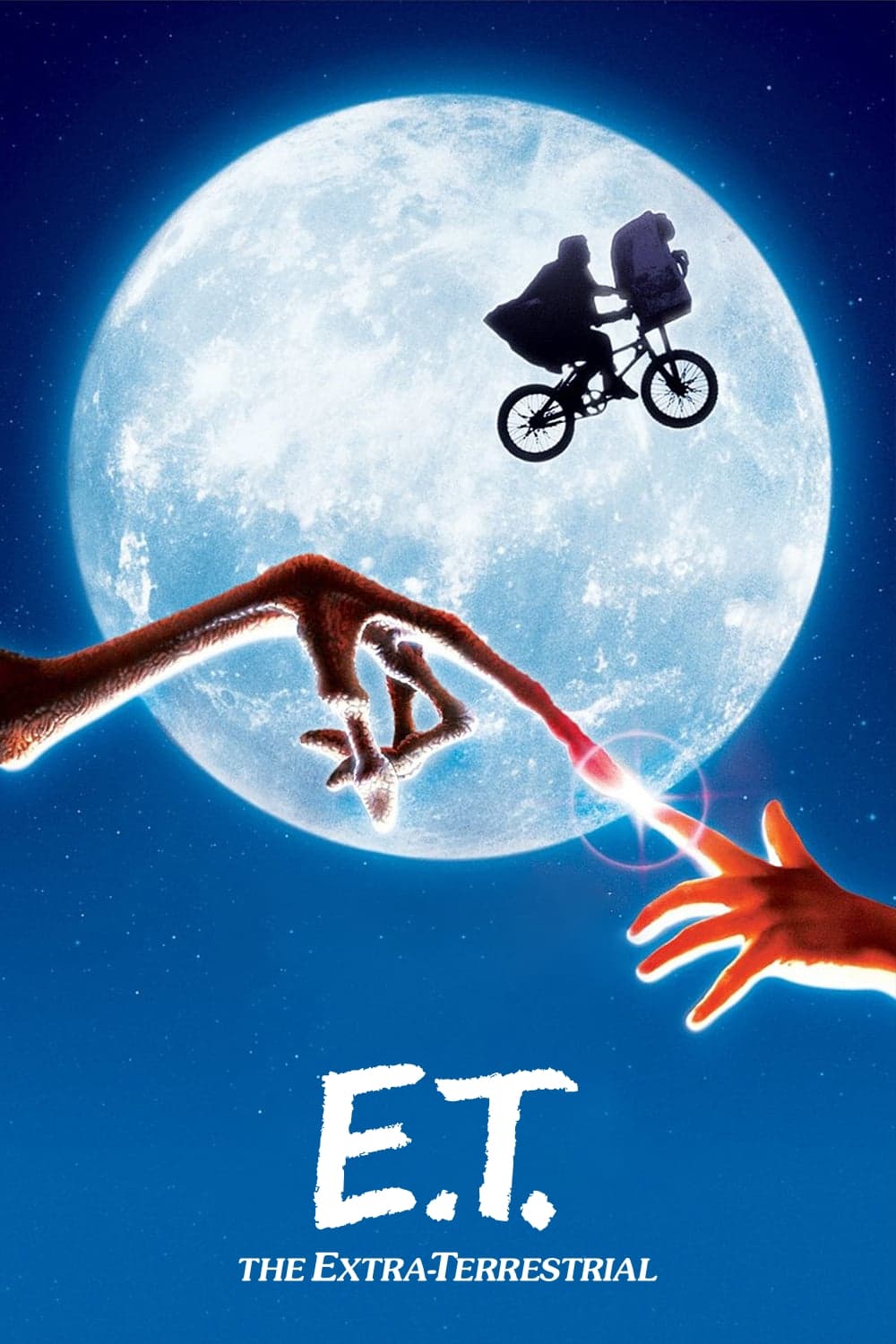
For the 20th anniversary edition of his film, Steven Spielberg removed guns using digital editing. Federal agents initially chased the children with shotguns, but Spielberg changed these to walkie-talkies. He later said he regretted this alteration, believing it hurt the film’s original artistic vision. The guns were put back in for later, high-definition versions of the movie.
‘Skyfall’ (2012)
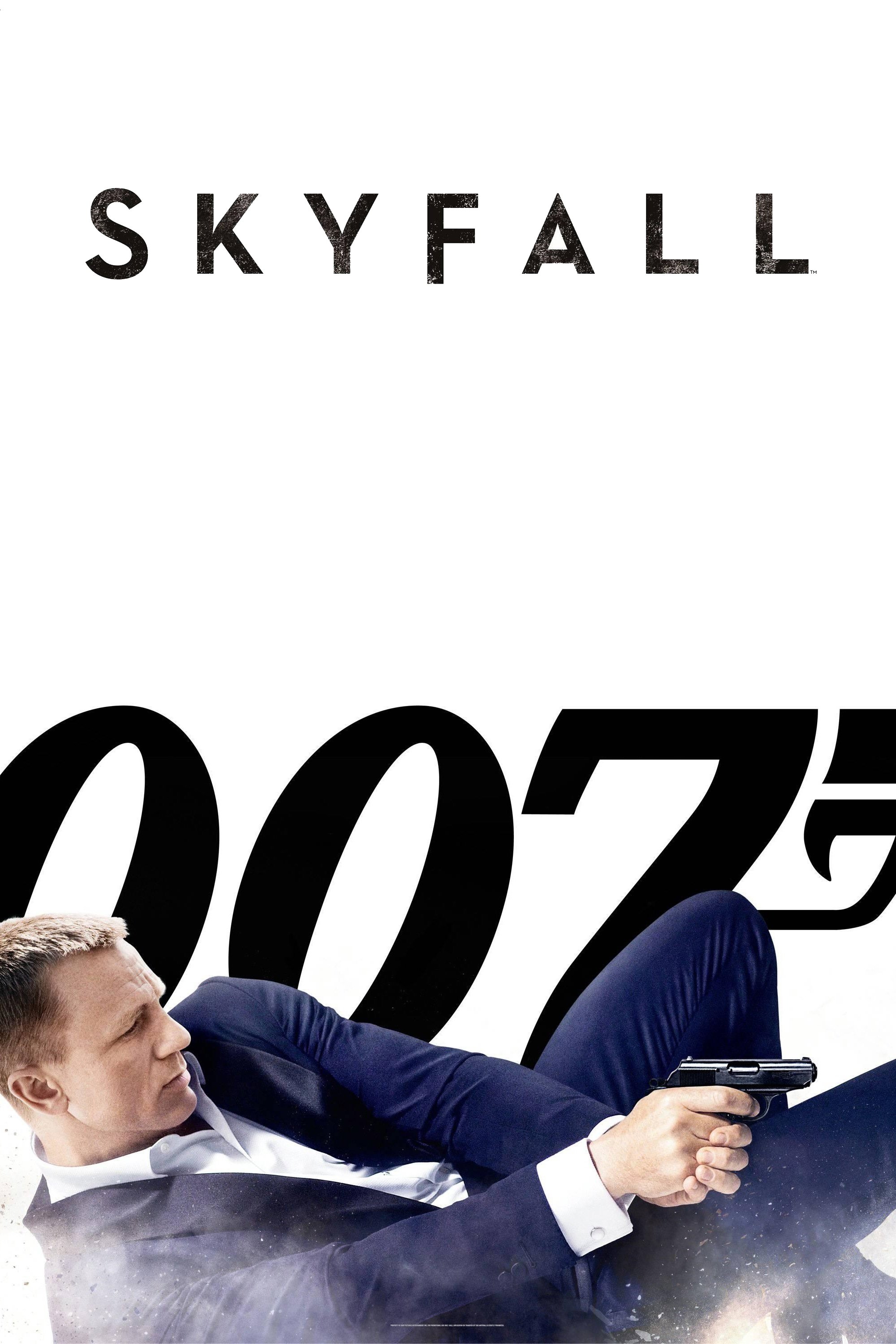
Chinese censors cut a scene showing a French assassin shooting a Chinese security guard in an elevator. They also changed subtitles during a discussion of sensitive topics like prostitution and political torture. These changes were made to avoid portraying the local police and government in a negative light. While the edits caused a few small inconsistencies in the film, they allowed it to be released in China’s important and profitable movie market.
‘Doctor Strange’ (2016)
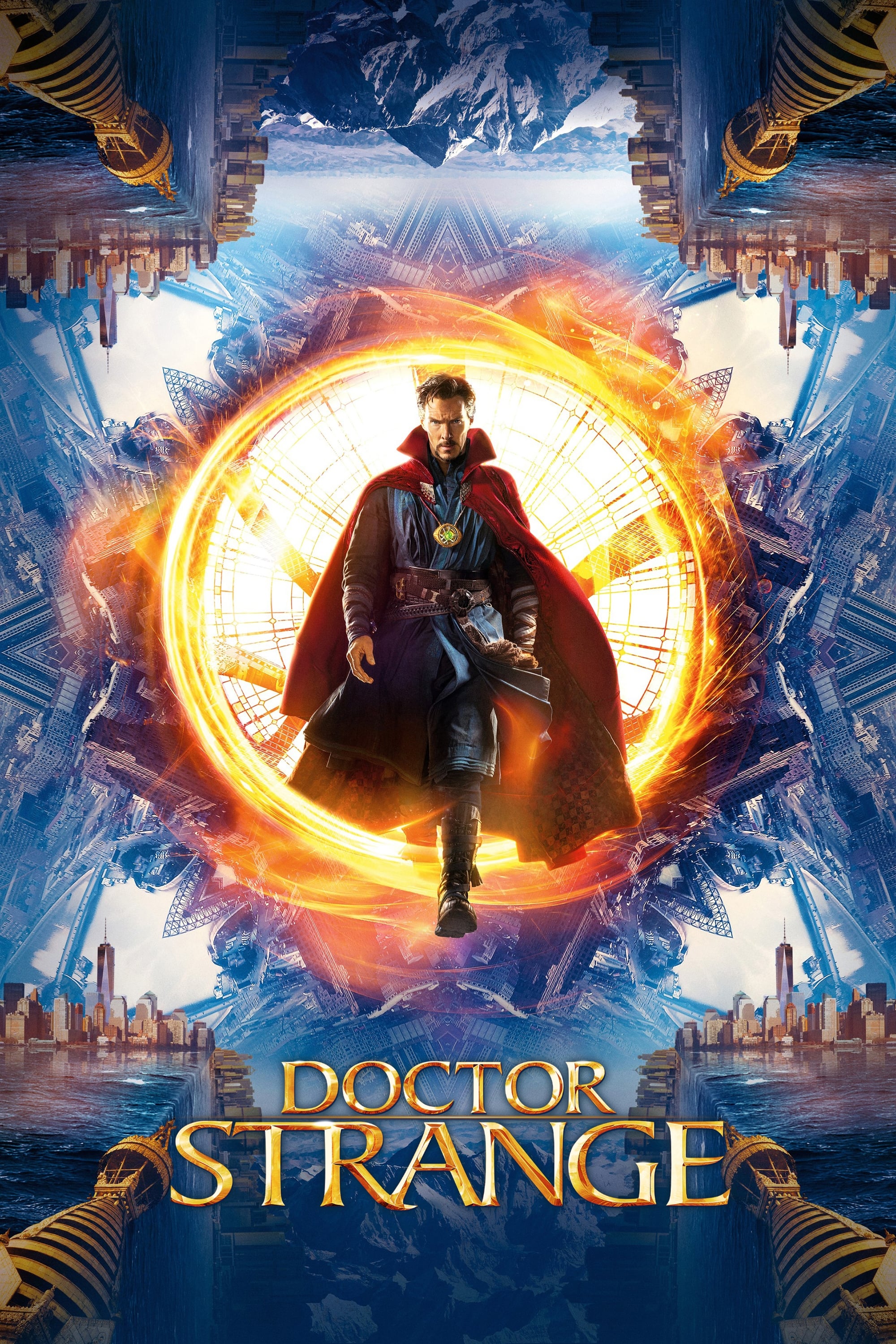
For the movie, the character of the Ancient One was reimagined as a Celtic woman instead of a Tibetan man. The filmmakers explained this change was made to avoid potential censorship by the Chinese government, which has strong views on Tibet’s political status. However, this decision sparked criticism about the lack of Asian representation in Hollywood. Essentially, the studio tried to address a sensitive international political issue by changing the character’s background.
‘Top Gun: Maverick’ (2022)
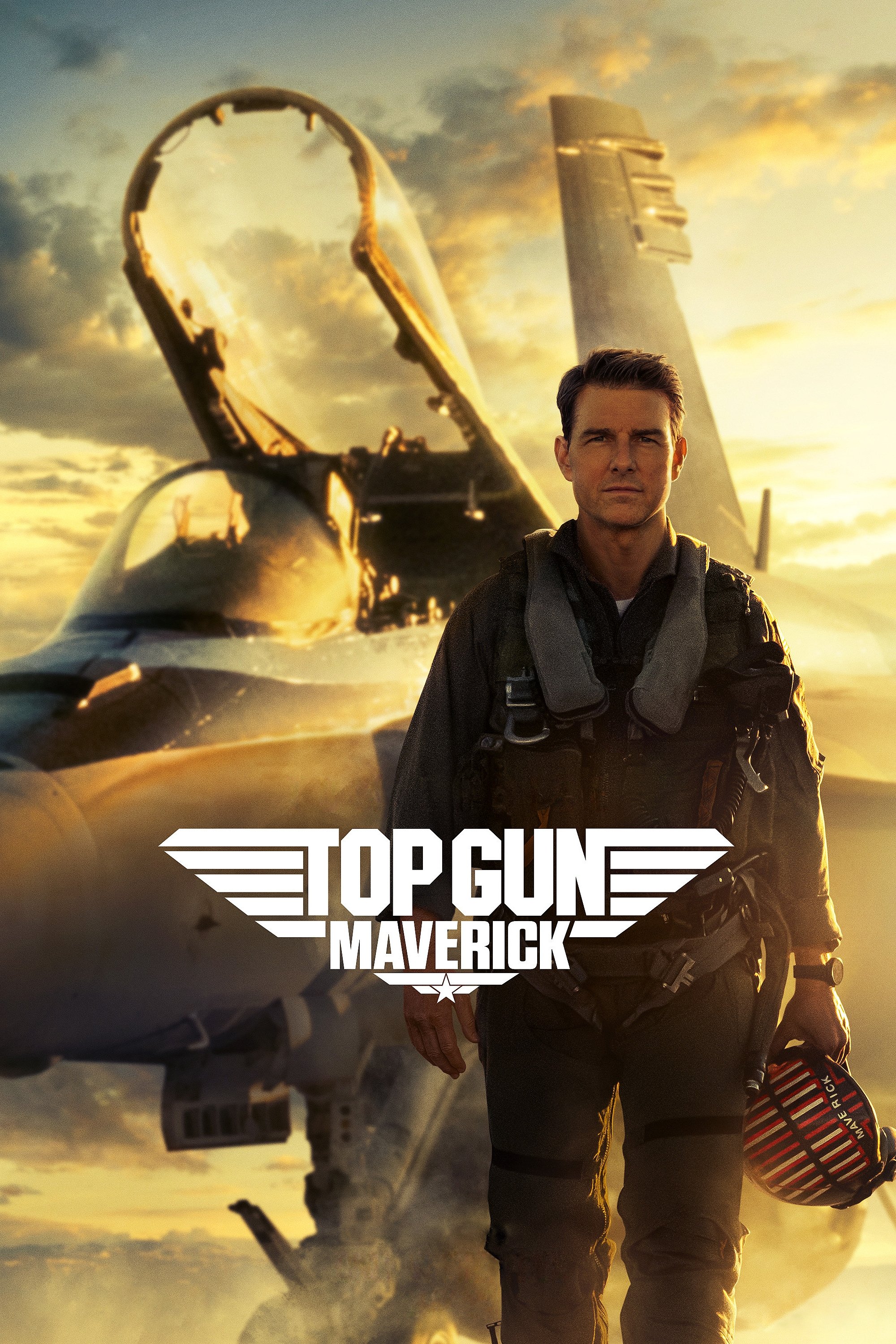
Initial previews of the movie featured the main character’s jacket without the flags of Japan and Taiwan. This change was likely made to avoid issues with Chinese censors, who might have disapproved of those symbols. Ultimately, the filmmakers put the original flags back on the jacket in the released version of the film. As a result, the movie was not distributed in China.
‘Fantasia’ (1940)
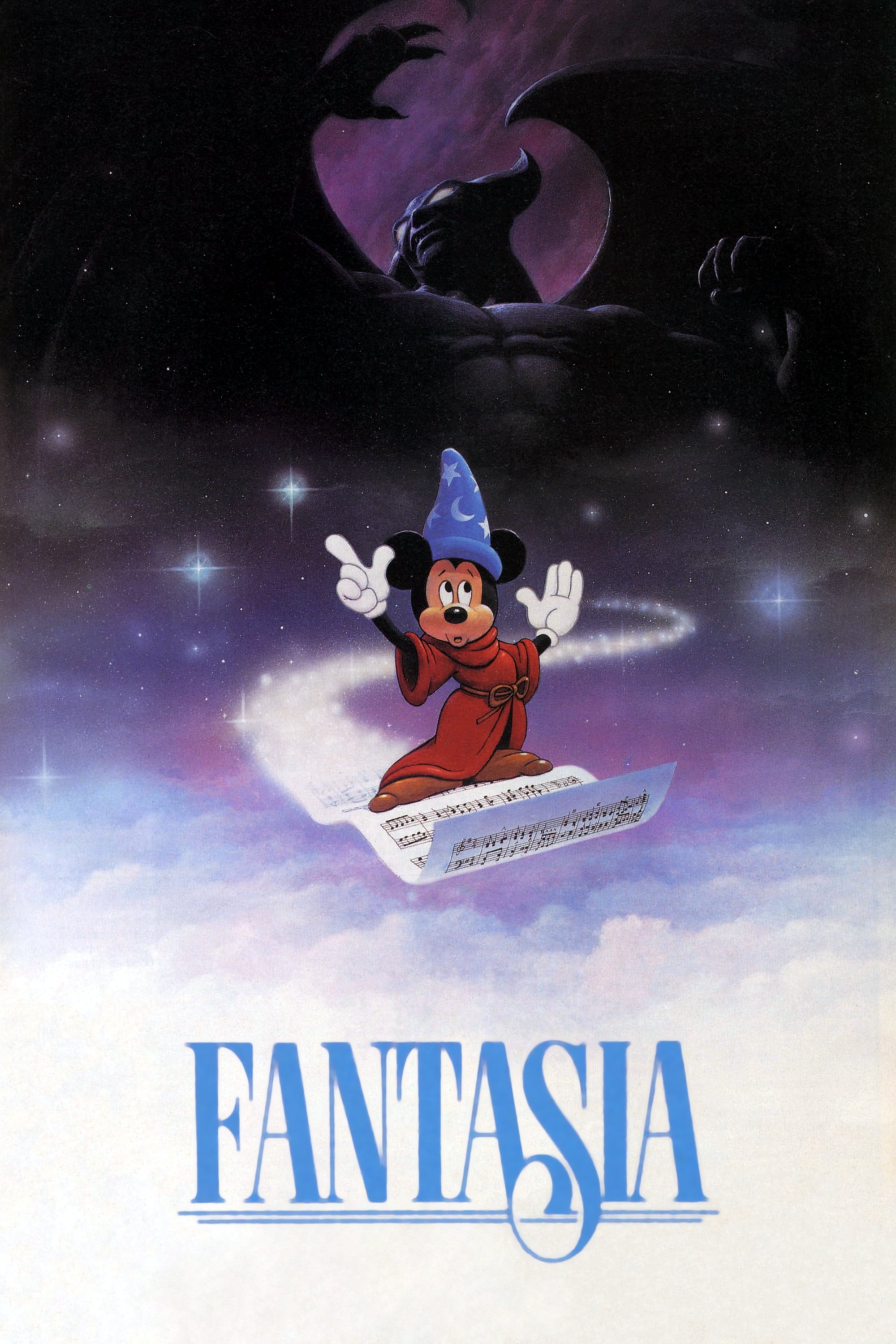
An early version of Disney’s Fantasia included a centaur character, Sunflower, that unfortunately relied on harmful racial stereotypes. This character was designed with exaggerated features and portrayed as a servant to other centaurs. Recognizing the problematic imagery, Disney removed Sunflower from the film beginning in the 1960s. Today, the character is hidden in current versions of the film through editing – either by zooming in or cropping the image.
Share your thoughts on these movie edits in the comments.
Read More
- Invincible Season 4 Gender Swaps Tech Jacket As Fans Question Major Comic Change
- Silver Rate Forecast
- Gold Rate Forecast
- Building Agents That Learn and Improve Themselves
- 15 Films That Were Shot Entirely on Phones
- 22 Films Where the White Protagonist Is Canonically the Sidekick to a Black Lead
- 20 Movies Where the Black Villain Was Secretly the Most Popular Character
- Celebs Who Narrowly Escaped The 9/11 Attacks
- 18 TV Series Filming Rehearsals as Bonus Content
- Games That Faced Bans in Countries Over Political Themes
2025-12-01 05:50