
Ending a long-running TV show well is incredibly challenging. A great finale needs to wrap up the story in a way that feels earned, while also giving the characters the satisfying conclusion fans deserve – all without resorting to forced or unbelievable plot twists. The most memorable endings feel both predictable and unexpected, respecting everything that came before and acknowledging the audience’s dedication. This list showcases shows that managed to deliver satisfying and natural conclusions to their stories.
‘Breaking Bad’ (2008–2013)
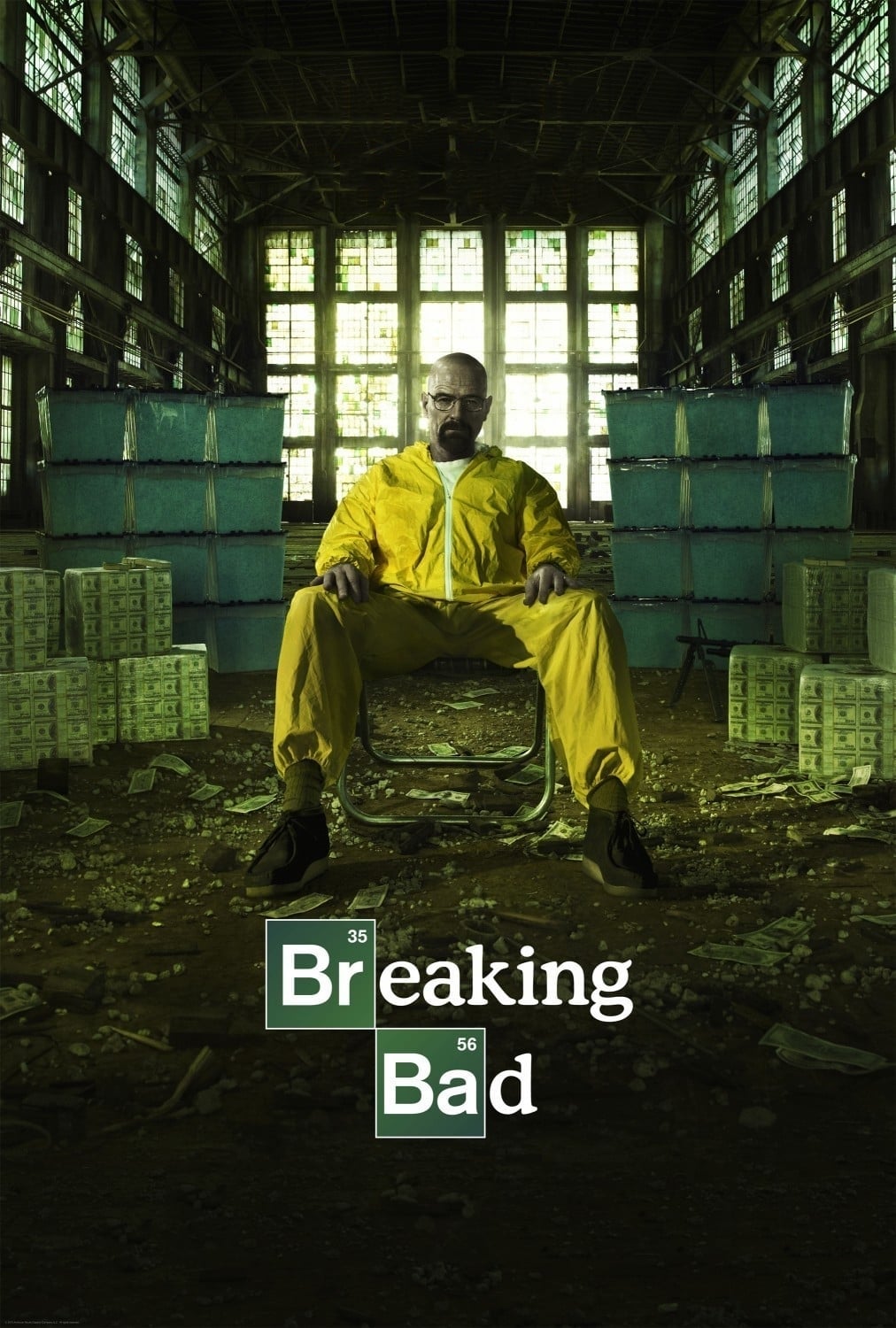
The series finale of this crime show brings Walter White back to Albuquerque, where he aims to ensure his family’s financial security and resolve lingering conflicts. He builds a remotely operated machine gun to take out the white supremacist gang that’s holding his old partner, Jesse Pinkman, prisoner. The episode wraps up the storylines for all the main characters, and allows Walt to choose how his life ends, fittingly in a meth lab. Series creator Vince Gilligan provides a satisfying conclusion that perfectly reflects Walt’s journey from a quiet teacher to a powerful drug lord.
‘Six Feet Under’ (2001–2005)

The HBO series, centered on a family’s funeral home business, ends with a memorable scene that jumps forward in time. We see Claire Fisher leaving for a fresh start in New York City, and a series of images show how each of the main characters eventually passes away. This ending reinforces the show’s central idea about the certainty of death, but also provides a feeling of calm and connection. It’s a powerful and moving conclusion that definitively resolves the Fisher family’s story while celebrating life.
‘The Americans’ (2013–2018)

Philip and Elizabeth Jennings’ lives as undercover agents unravel when their neighbor, Stan Beeman, challenges them. In a heartbreaking decision, they must leave their American-raised children behind to return to the Soviet Union. The series ends not with violence, but with a powerfully emotional confrontation that acknowledges the intricate connections formed over six seasons. Their final journey home highlights the personal sacrifices made due to their work as spies, avoiding unnecessary drama.
‘The Good Place’ (2016–2020)

The creators of this funny and thoughtful show came up with an ending that explores what happens after death and why endings matter. Eleanor, Chidi, Tahani, and Jason create a new afterlife where people can move on when they’ve truly lived a full life. Each character leaves the world when they feel ready, having grown as people and achieved what they wanted. The finale neatly answers the show’s big questions about right and wrong, and offers a peaceful and heartwarming goodbye.
‘Better Call Saul’ (2015–2022)

In a dramatic courtroom confession, Jimmy McGill abandons the Saul Goodman identity and admits his involvement in Walter White’s criminal activities. He willingly accepts a long prison sentence, hoping to earn back the respect of his ex-wife, Kim Wexler. The show’s stark black-and-white visuals emphasize the harshness of his situation, but also his newfound peace through honesty. This ending focuses on Jimmy’s personal journey, bringing the prequel’s story to a close and offering a new perspective on the events of Breaking Bad.
‘Schitt’s Creek’ (2015–2020)

As a critic, I have to say the Schitt’s Creek finale was exactly what it needed to be. We watched the Rose family truly complete their transformation, going from self-absorbed rich folks to genuinely caring members of the community, all while facing the reality of moving on. It was touching to see David choose to build his life with Patrick in Schitt’s Creek, while the rest of the family ventured off to new beginnings. The wedding was the perfect centerpiece – joyful and inclusive, but never losing the wonderfully weird charm that made these characters so lovable. It wasn’t just a happy ending; it was a beautiful confirmation of how much they’d all grown during their time in that little town, and it left me feeling genuinely warm.
‘Succession’ (2018–2023)
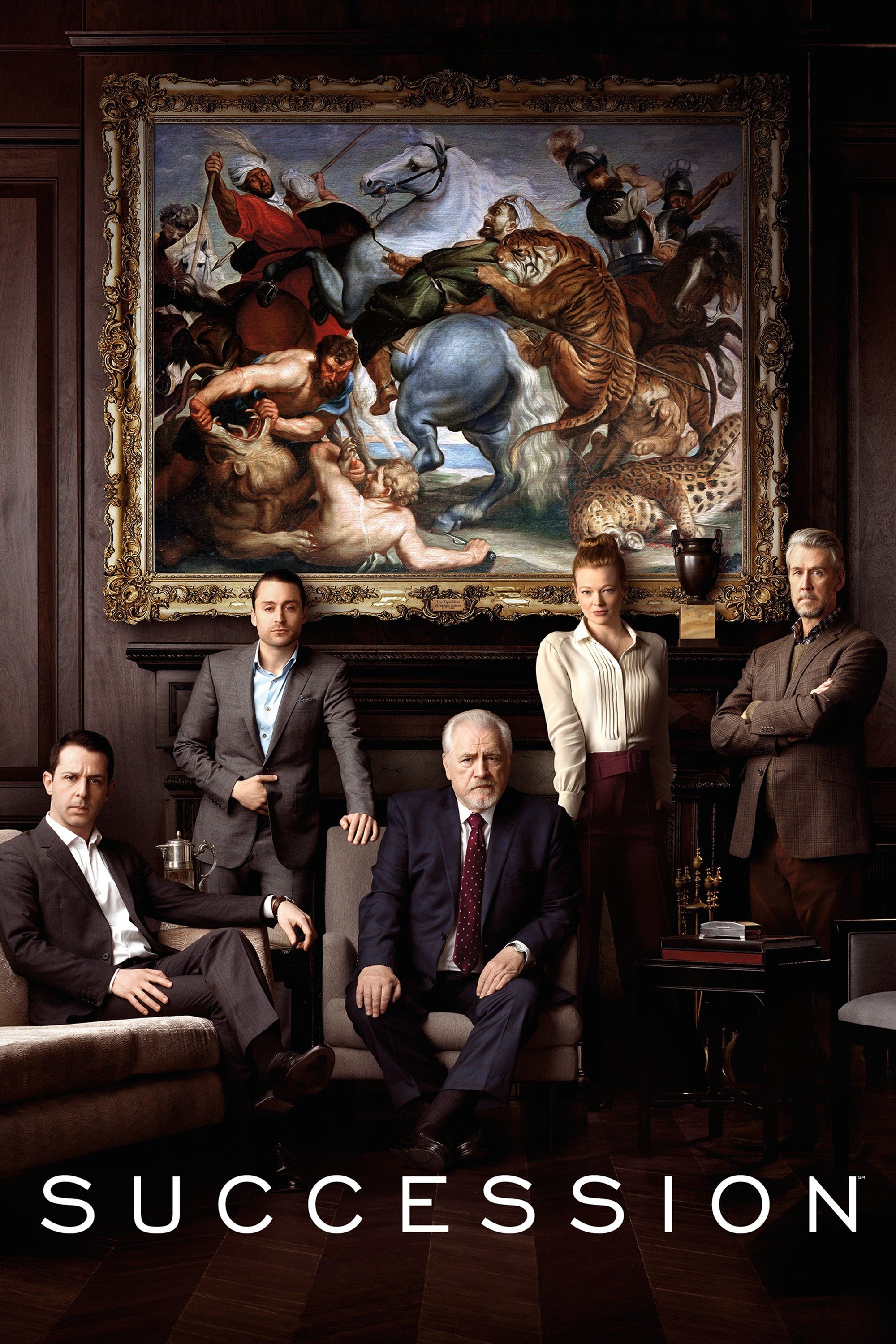
The fight for control of Waystar Royco culminates in a surprising boardroom decision: none of the Roy siblings end up in charge. Tom Wambsgans becomes CEO, but is essentially controlled by the company’s new owner. Shiv, Roman, and Kendall are left to deal with the fallout of their constant conflicts. The ending highlights the show’s bleak perspective on corporate power and the damaging patterns of behavior within the Roy family, ultimately answering the question of who would take over by denying power to those who wanted it most.
‘Justified’ (2010–2015)

In the series finale, Deputy U.S. Marshal Raylan Givens has one last conversation with his longtime rival, Boyd Crowder, during a prison visit. Instead of a violent showdown, the episode reflects on their past, specifically their time working in the Kentucky coal mines. Raylan departs Harlan County, forever affected by his time there, and Boyd comes to terms with his imprisonment. The quiet conclusion fits the show’s focus on realistic conversations and its Western feel.
‘The Shield’ (2002–2008)

Detective Vic Mackey avoids legal consequences for his crimes, but ultimately loses everything he cares about – his family and the freedom to work as a police officer. He’s left with a dead-end government job while those he used to work with face serious trouble. The show’s ending doesn’t rely on traditional punishment like jail time; instead, it’s a psychological reckoning, a fitting consequence for someone who always believed he was above the law.
‘Avatar: The Last Airbender’ (2005–2008)

Aang and Fire Lord Ozai clash in an incredible battle with the world’s future hanging in the balance, while Aang’s friends work to free the Earth Kingdom. Aang manages to defeat Ozai without breaking his commitment to non-violence, stripping him of his firebending power. The story concludes with the characters enjoying peace and looking forward to a hopeful future for all four nations. The series ends its grand story with a satisfying conclusion that delivers both exciting action and a meaningful message.
‘Parks and Recreation’ (2009–2015)

As a huge fan, I loved the finale! It was so heartwarming to see little glimpses into the future, showing how successful Leslie and everyone at the Parks Department became. It really proved that the bonds they made at work lasted a lifetime, even as they all moved on to new things. Seeing the positive impact Leslie had on Pawnee and her friends over the years was amazing, and the show ended on such a happy and satisfying note – everyone got the closure they deserved. It stayed true to its cheerful spirit right until the very end!
‘Fleabag’ (2016–2019)

The main character shows she’s grown and is ready to start a new chapter by waving goodbye and walking away. She makes peace with her sister and realizes she can’t continue her relationship with the Priest. Her direct address to the camera—breaking the fourth wall—shows she no longer needs the audience to help her deal with her sadness and regret. The ending feels personal and optimistic, marking the end of a difficult time in her life.
‘The Wire’ (2002–2008)
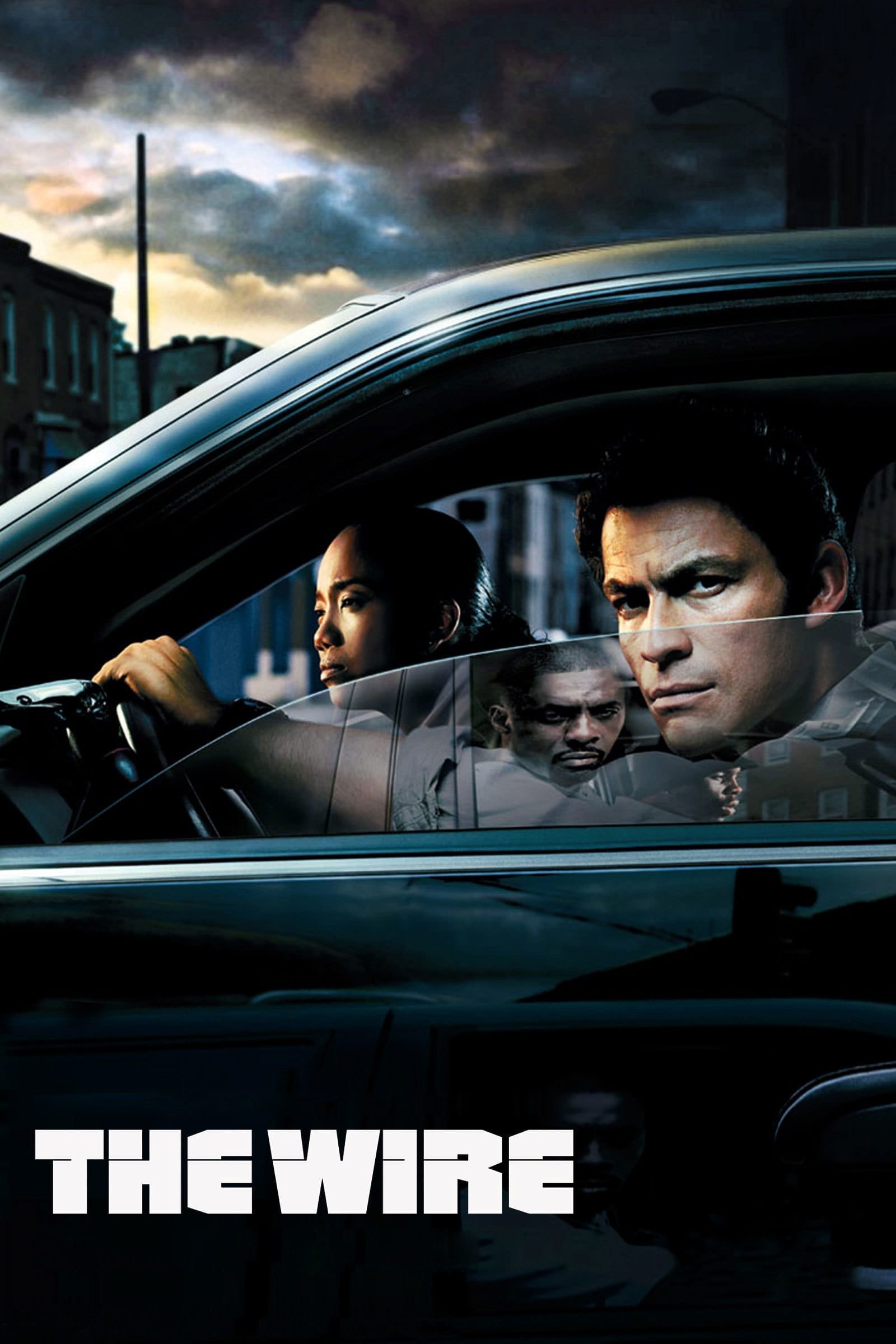
In the final episode, David Simon shows how Baltimore’s problems keep repeating themselves. New people get caught up in the drug trade and police work, taking the place of those who left, but the underlying issues remain. The ending is a realistic and somewhat disheartening look at the city, staying true to the show’s documentary-style storytelling.
‘Friday Night Lights’ (2006–2011)
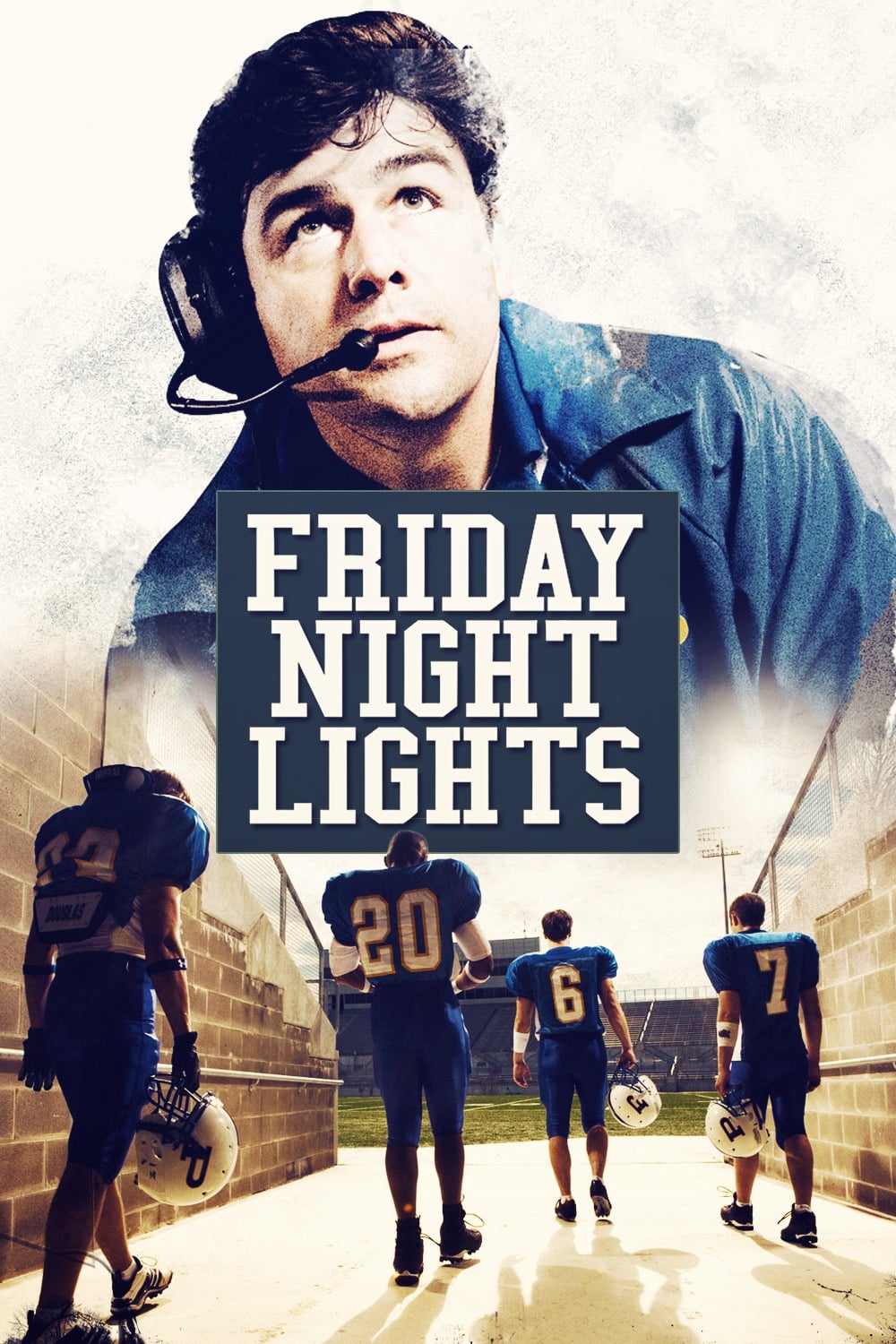
Coach Eric Taylor puts his career on the line to help his wife, Tami, pursue her professional goals, leading them to move to Philadelphia. Back in Dillon, the high school football teams combine, and everyone adjusts to new opportunities that look promising. The series finale beautifully portrays the mixed emotions of leaving a close-knit community, while celebrating the lasting connections of family and the game of football. Importantly, it resolves the challenges in Eric and Tami’s marriage with a satisfying and respectful outcome for both of them.
‘Mad Men’ (2007–2015)
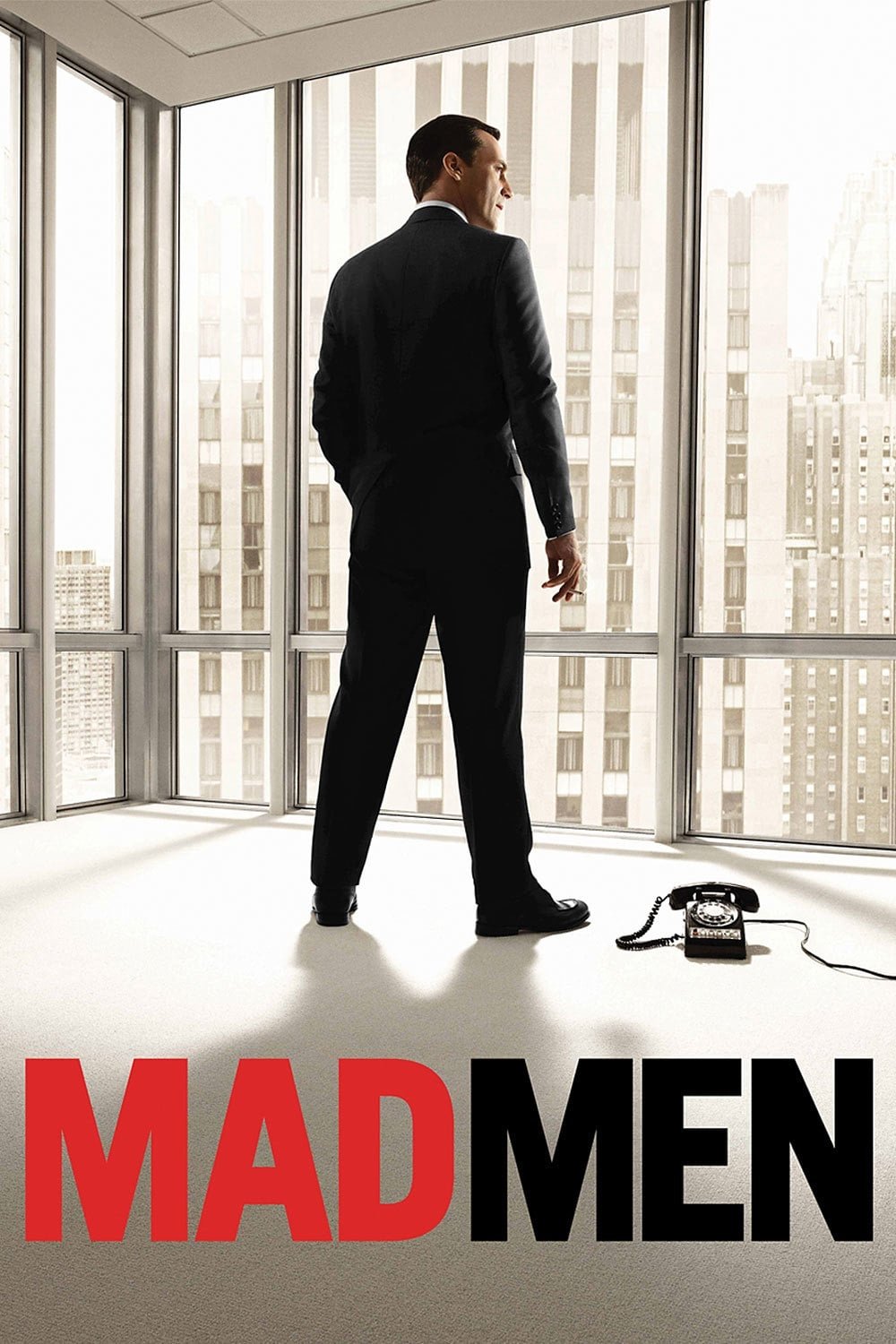
Don Draper travels to a California retreat and appears to find peace through meditation. The series ends with a hint that this newfound calm sparks the idea for the iconic 1971 Coca-Cola “Hilltop” commercial. The ending beautifully connects Don’s lifelong search for who he is with his incredible talent for advertising, suggesting he’s finally able to use his personal journey to fuel his creativity one last time.
‘Star Trek: The Next Generation’ (1987–1994)

Okay, so I just finished watching this episode, and wow. It’s a real time-bending adventure with Captain Picard jumping around through different eras trying to fix a massive spatial problem that could wipe out humanity. The clever part is he doesn’t do it alone – he’s working with versions of his crew from the past, present, and even the future! It’s a fantastic way to highlight how much they all rely on each other. And the ending? Perfect. After all the chaos, Picard finally joins his senior officers for a poker game, and you can just feel his regret that it took so long. It’s a beautiful little moment that really celebrates the heart of the show – that amazing team dynamic and the spirit of boldly going where no one has gone before.
’12 Monkeys’ (2015–2018)

The time travel show successfully completes a complicated mission to prevent the apocalypse and eliminate the plague. Cole and Cassie manage to save the world, and importantly, they both remember everything that happened during their adventure. The final episode neatly resolves all the complex storylines from the show’s four seasons, giving dedicated viewers a satisfying and believable happy ending that fits with the show’s established rules.
‘Mr. Robot’ (2015–2019)

Elliot Alderson finally learns who he truly is and understands the force behind the ‘Mastermind’ that had been manipulating him. The story ends with the Mastermind letting go, allowing the real Elliot to regain control of his life. This reveals the entire series to be about Elliot’s inner journey towards healing and becoming whole. The finale prioritizes emotional release and self-acceptance over the show’s usual hacking storylines.
‘Black Sails’ (2014–2017)

Captain Flint unexpectedly ends his conflict with society by finding his former love again, hidden away on a plantation. Meanwhile, Long John Silver crafts a story that lets the pirates become legends and ensures a stable future for Nassau. The show successfully connects its backstory to the events of ‘Treasure Island’ without being limited by the original novel, providing a rewarding finish to both the political games and exciting sea adventures.
‘Newhart’ (1982–1990)

In a famous and clever ending, Dick Loudon wakes up in bed next to his wife from ‘The Bob Newhart Show,’ revealing the entire series was actually a dream. This twist is celebrated for its ingenuity and as a tribute to Bob Newhart’s career. The scene brilliantly explains the show’s increasingly strange storylines by suggesting they were all part of a nightmare brought on by indigestion. It’s still considered the best example of a comedy finale using a surprising reveal to neatly conclude the series.
‘The Office’ (2005–2013)
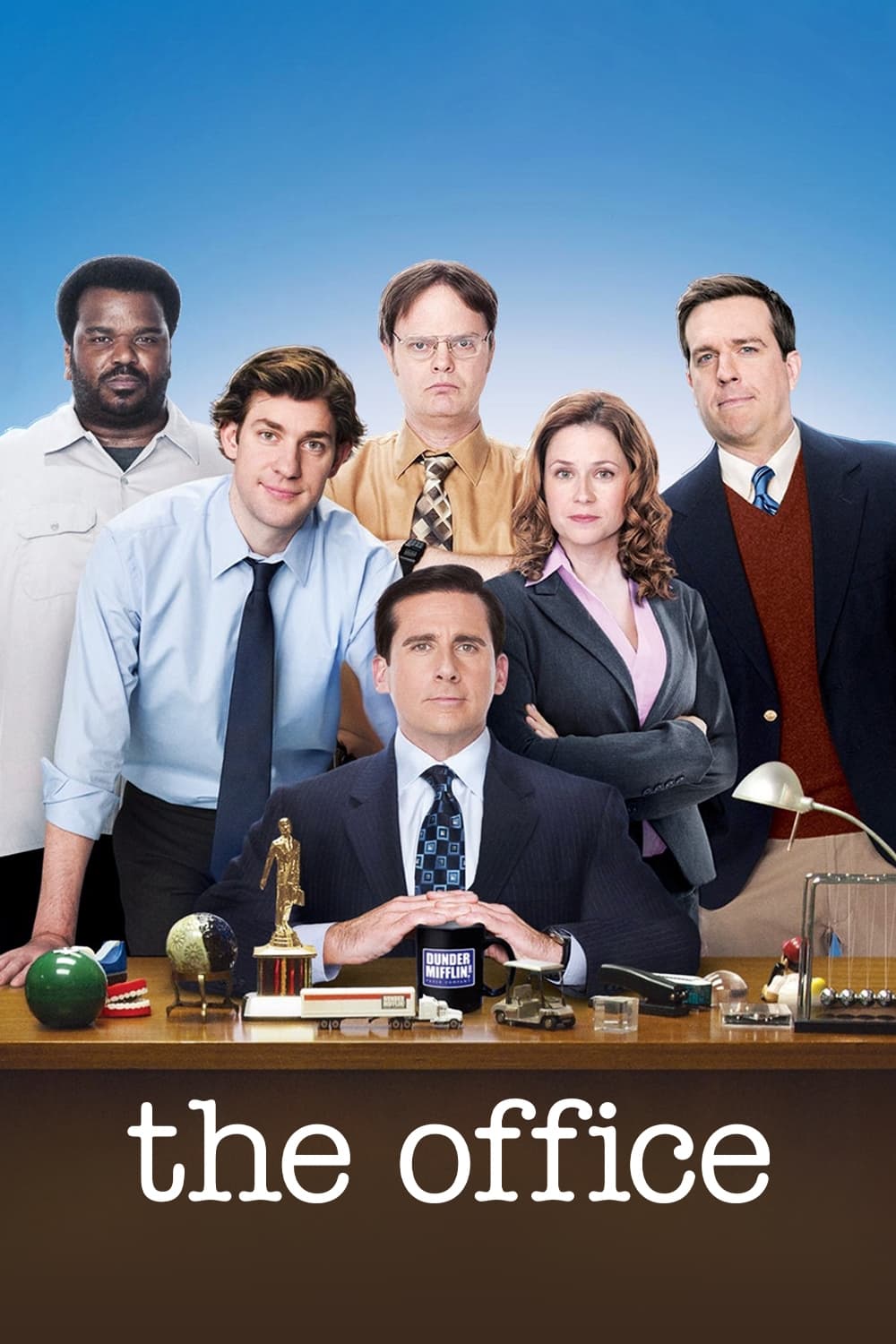
The series concludes with Dwight and Angela’s wedding, bringing the Dunder Mifflin employees together for one last time. They also participate in a Q&A about the documentary filmed about their lives. Michael Scott makes a surprise appearance to share updates about his family and celebrate with his former coworkers. As the characters move forward – whether starting new jobs or continuing at the paper company – they find a sense of closure. The finale is a heartwarming look at the simple, yet important, bonds formed at work.
‘Dark’ (2017–2020)

Jonas and Martha journey to the beginning of everything to stop the event that split their worlds apart. They manage to save the clockmaker’s family, which ultimately causes both them and their timelines to disappear. The show cleverly untangles its complicated time travel storyline by preventing the initial problem from ever occurring. The final dinner scene, set in this alternate reality, offers a bittersweet and peaceful glimpse of a world where disaster is avoided.
‘Halt and Catch Fire’ (2014–2017)

As a total film buff, I loved how the movie wrapped things up. It didn’t focus on whether anyone ‘won’ or lost, but instead showed everyone moving forward, embracing the future of the internet. Cameron and Donna finally patched things up – both professionally and personally – and started working on this exciting new project called Phoenix. It really drove home the idea that innovation is all about bouncing back and starting again, which felt so true to the tech world they were depicting. The ending left me feeling like these characters were on the cusp of something huge, and it just fit the story perfectly.
’30 Rock’ (2006–2013)

In the series finale, Liz Lemon manages to find happiness in both her family and career by adopting children and continuing her work in television. Jack Donaghy achieves his career goals, becoming CEO of KableTown and even creating a transparent dishwasher. The show ends with a glimpse into the future, showing Liz’s granddaughter trying to sell a TV show to the ever-present Kenneth. The finale keeps the show’s fast-paced humor while giving each character a well-deserved happy ending.
Please share your favorite TV show ending and explain why it worked for you in the comments.
Read More
- Invincible Season 4 Gender Swaps Tech Jacket As Fans Question Major Comic Change
- Gold Rate Forecast
- Silver Rate Forecast
- 20 Movies Where the Black Villain Was Secretly the Most Popular Character
- Building Agents That Learn and Improve Themselves
- 22 Films Where the White Protagonist Is Canonically the Sidekick to a Black Lead
- 15 Films That Were Shot Entirely on Phones
- Games That Faced Bans in Countries Over Political Themes
- Celebs Who Narrowly Escaped The 9/11 Attacks
- 20 Films Where Black Directors Subverted Hollywood’s White Savior Tropes
2025-12-02 17:17