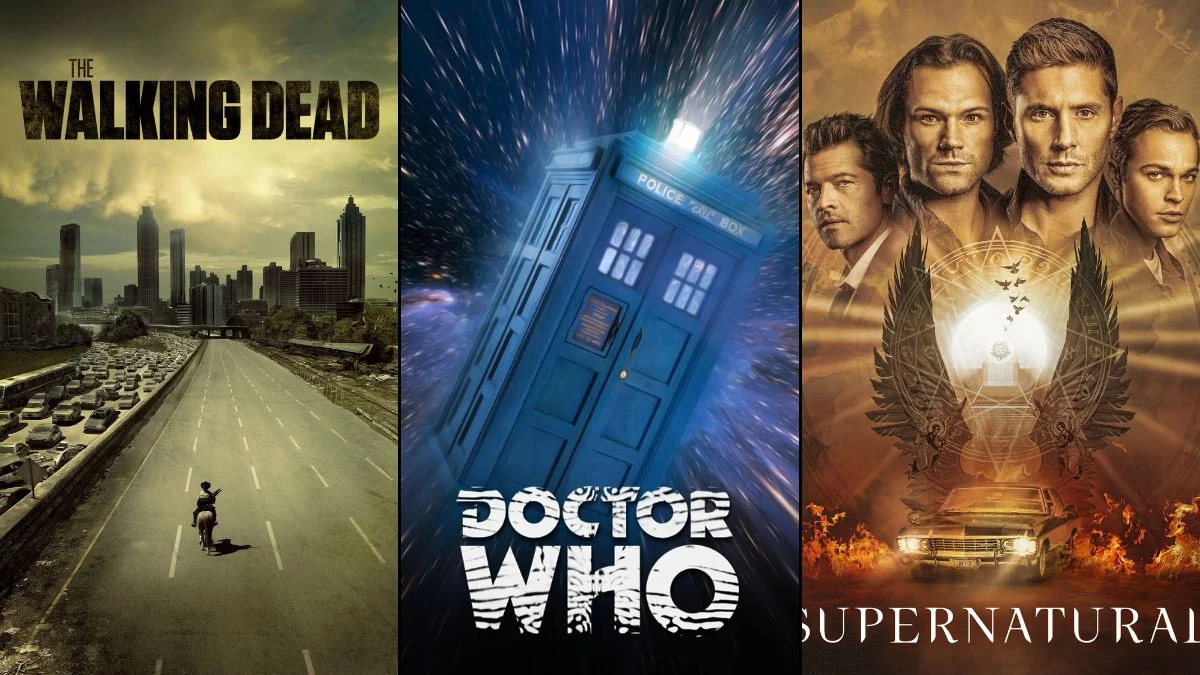
Throughout television history, certain objects have become surprisingly famous, sometimes even overshadowing the actors themselves. These items often begin as simple set pieces or tools used in the story, but they can evolve into symbols that viewers strongly connect with the show – just like the stars. Writers sometimes give these objects so much importance that they actually help move the plot along. This shows how important good production design is to telling a story visually.
‘Doctor Who’ (1963–Present)
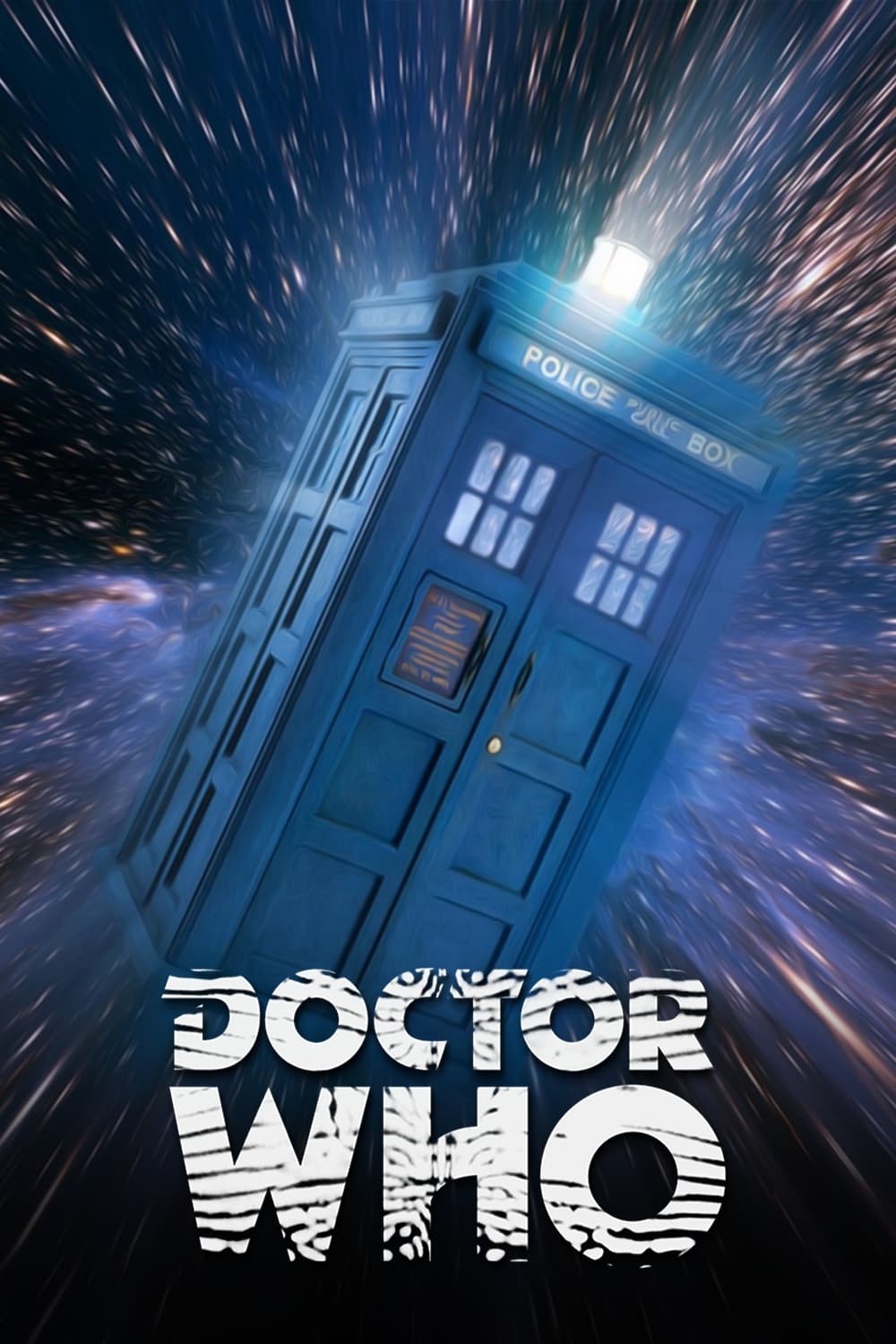
The TARDIS, a distinctive blue police box, is how the main character travels through time. It’s more than just a machine – it’s almost alive, able to communicate with the pilot and even think for itself when things get difficult. The familiar wheezing sound of its engines always means a new adventure is starting. Inside, the TARDIS is much bigger than it looks, and the space constantly changes to fit whatever’s happening in the story. Despite the main character’s many changes over time, the TARDIS remains a constant companion.
‘Supernatural’ (2005–2020)
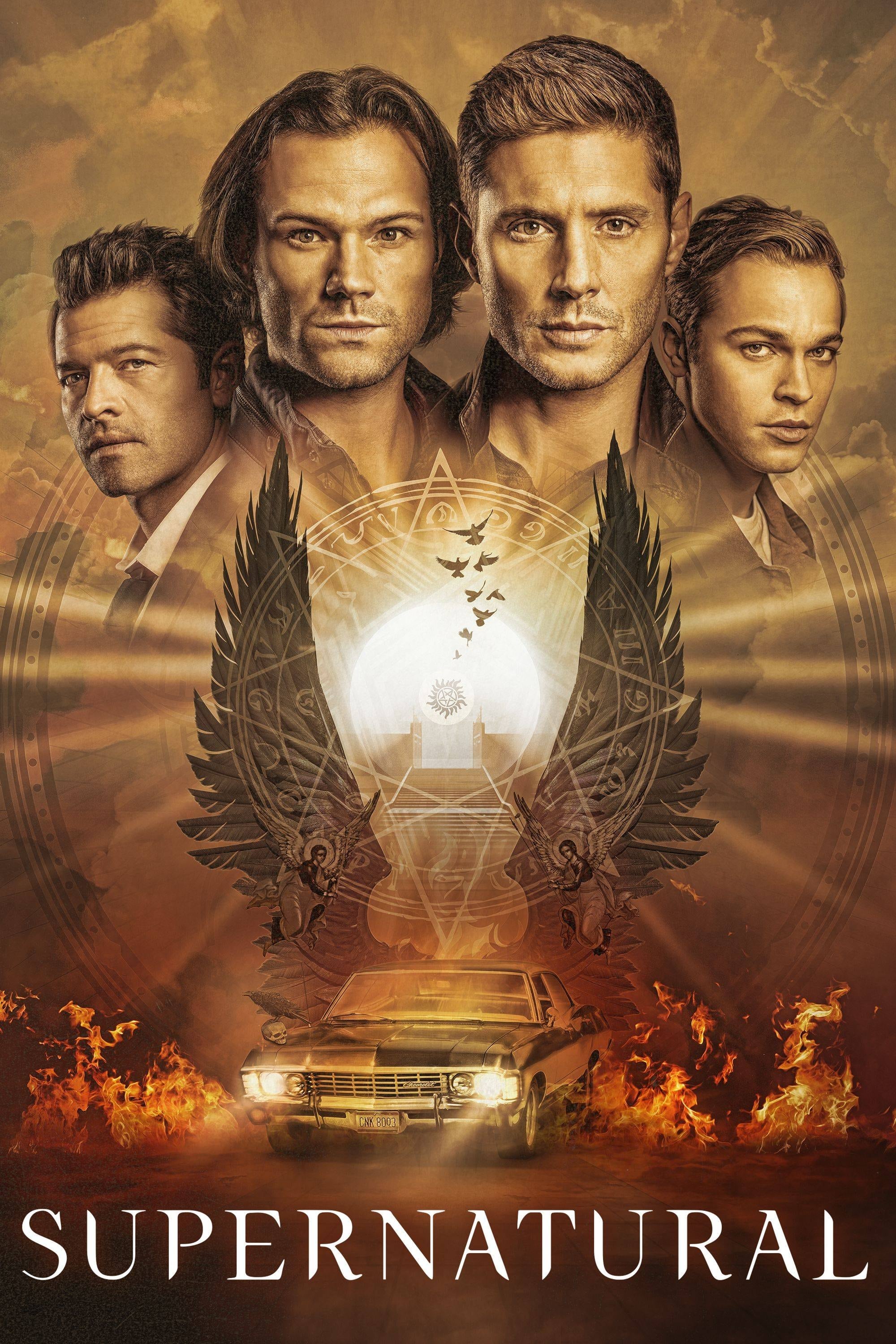
The 1967 Chevy Impala, nicknamed ‘Baby,’ is as important to the show as the two brothers who drive it. Creator Eric Kripke specifically included the car in the story as a home on wheels for the monster hunters. It’s packed with weapons and holds countless memories within its seats and frame. More than just transportation, ‘Baby’ is a safe haven where the characters can share their feelings between hunts. Many fans see the black muscle car as a third central character in the series.
‘Twin Peaks’ (1990–1991)
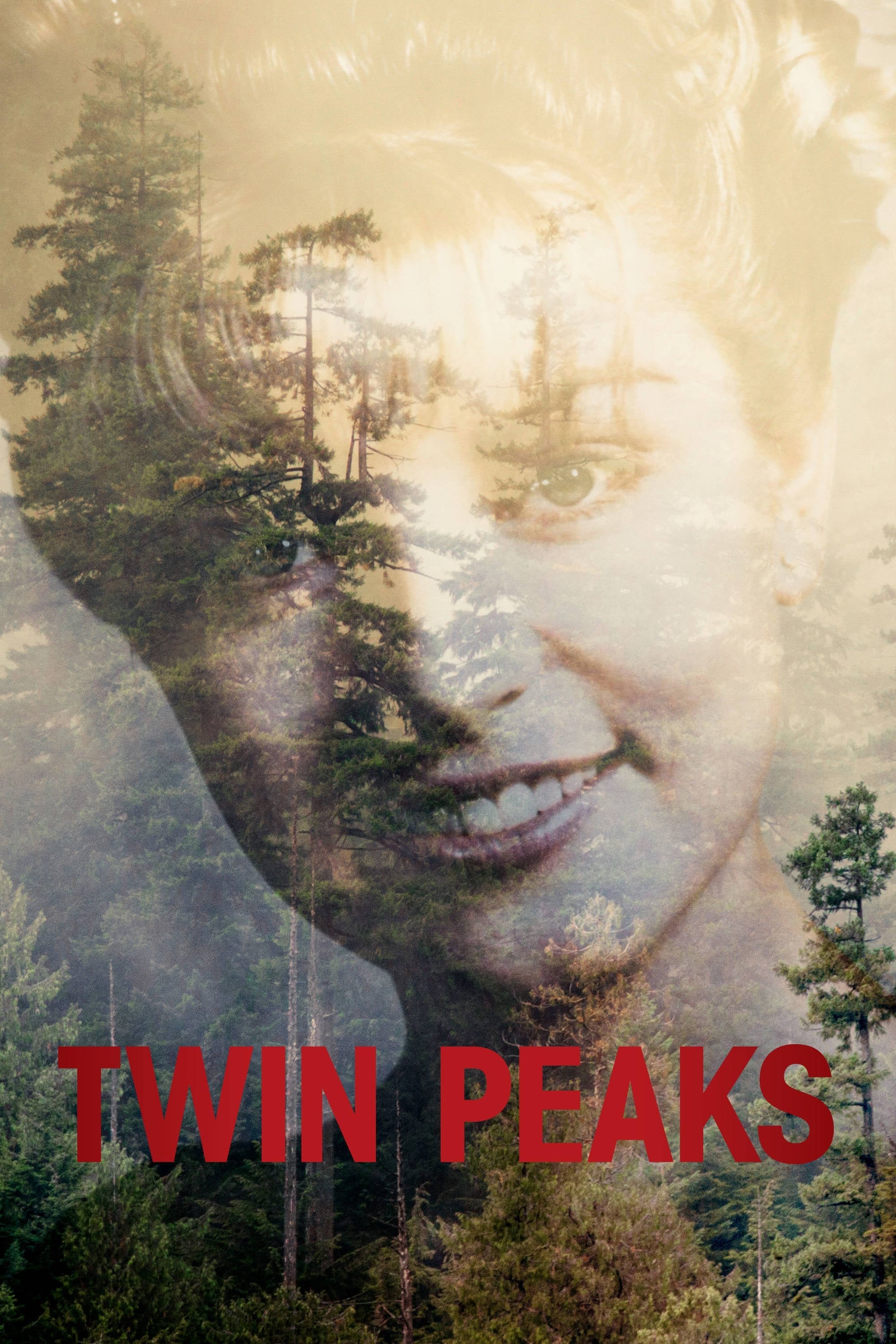
The Log Lady’s log is one of the most puzzling parts of this strange and mysterious show. Margaret Lanterman carries the log and believes it contains the spirit of her dead husband. It offers unclear hints and warnings that frequently help with the investigation into who killed Laura Palmer. Essentially, the log acts as a connection between the town’s people and the unusual, supernatural happenings in the woods. This seemingly ordinary piece of wood became a key symbol of the show’s unique and complex story.
‘The Walking Dead’ (2010–2022)
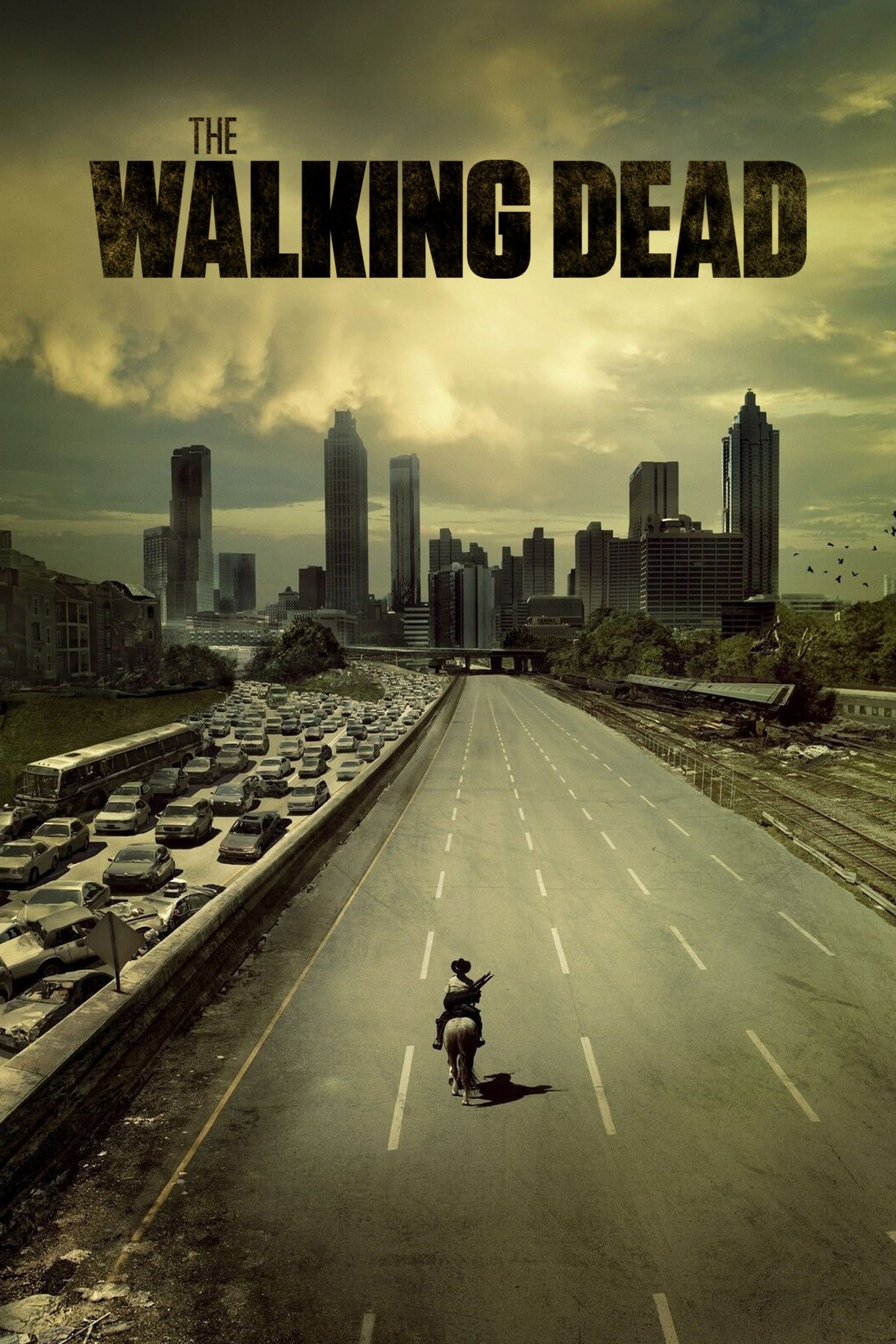
Negan’s baseball bat, ominously wrapped in barbed wire and named Lucille, quickly became a symbol of his terrifying power. He treats the bat as if it’s a person, even speaking to it with a strange gentleness. Lucille represents the harsh new reality where violence is the only thing that holds value. When the bat first appeared, it created one of the most shocking and talked-about moments in TV history. Throughout several seasons, it remains a constant, looming threat to the main characters.
‘Friends’ (1994–2004)
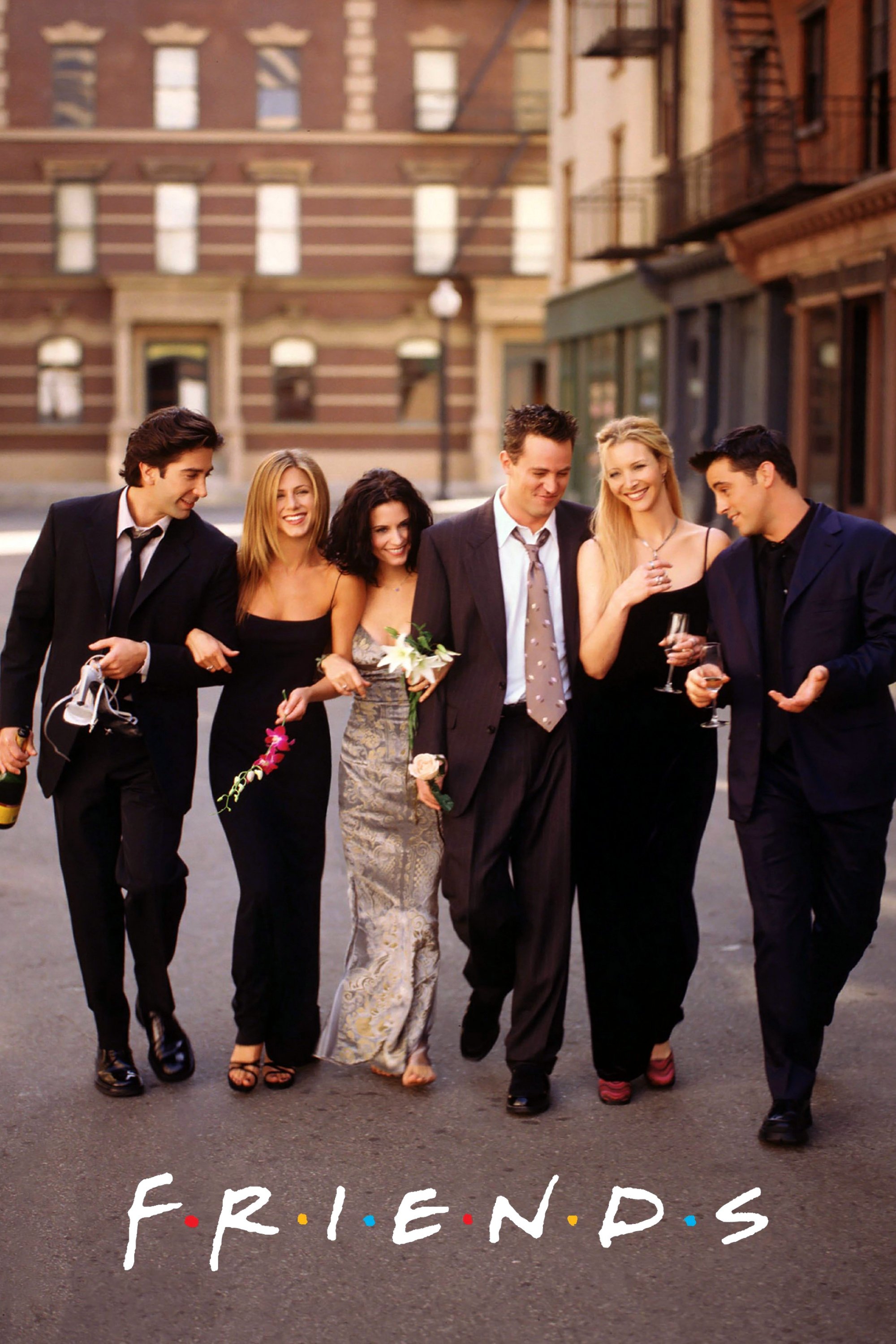
The orange velvet couch at Central Perk coffee shop is where the six friends in the show always hang out. It’s their regular meeting place to talk about work and relationships. This couch appears in the show’s opening and in almost every episode throughout the ten seasons. Originally found in the Warner Bros. studio basement, it became a famous piece of TV history, symbolizing the comfort and lasting bonds of their friendships.
‘How I Met Your Mother’ (2005–2014)
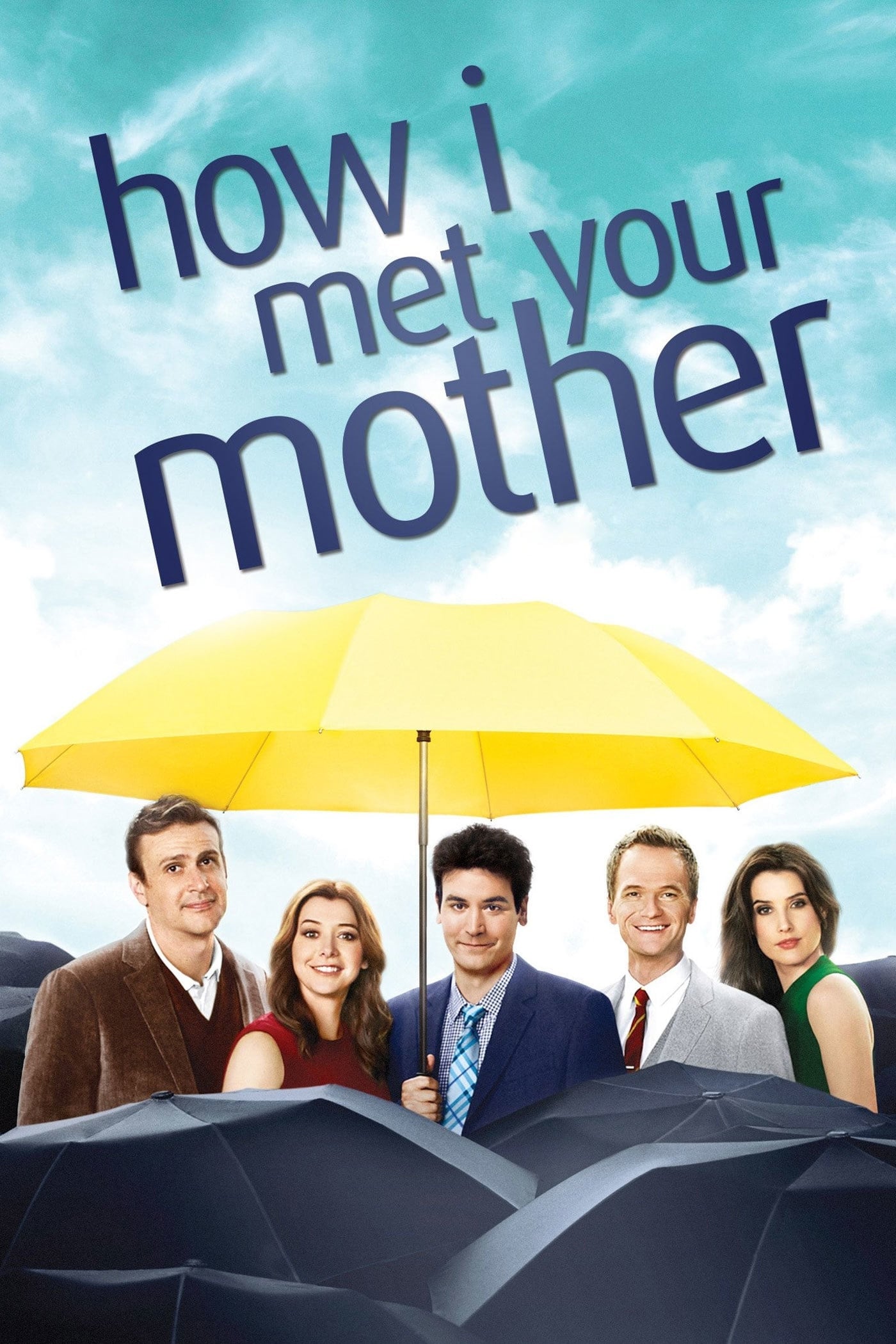
In the very first episode of the show, Ted Mosby tries to impress Robin Scherbatsky by playing the Blue French Horn – a sweet, romantic move. This unique instrument keeps showing up throughout the series as a symbol of Ted’s persistent, and sometimes illogical, love for Robin. It’s a recurring image that bookends the entire story, appearing at both the beginning and the end. The horn represents how far Ted will go for love, and the writers used it to show how their relationship develops and changes over time.
‘Breaking Bad’ (2008–2013)
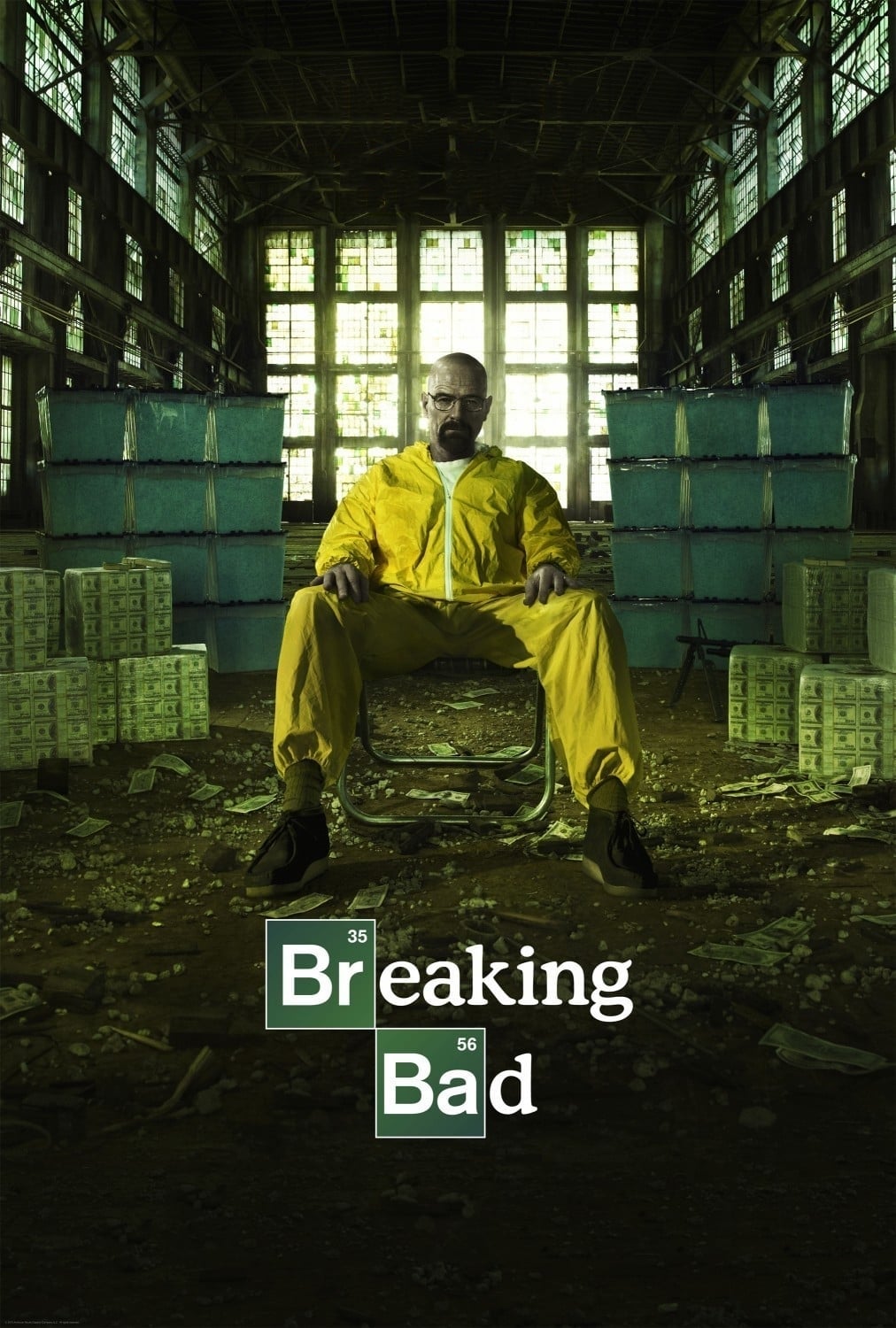
The sight of a burned and faded pink teddy bear floating in a swimming pool darkly hints at the terrible results of Walter White’s choices. This unsettling image first appears in brief, mysterious scenes before we learn how it ended up there, linked to a major disaster. The bear’s missing eye becomes a repeated symbol, reminding us of the innocence lost and the unintended harm caused by Walter’s drug dealing. It’s a striking visual that connects his normal family life to the dangerous world of crime he’s created.
‘Game of Thrones’ (2011–2019)
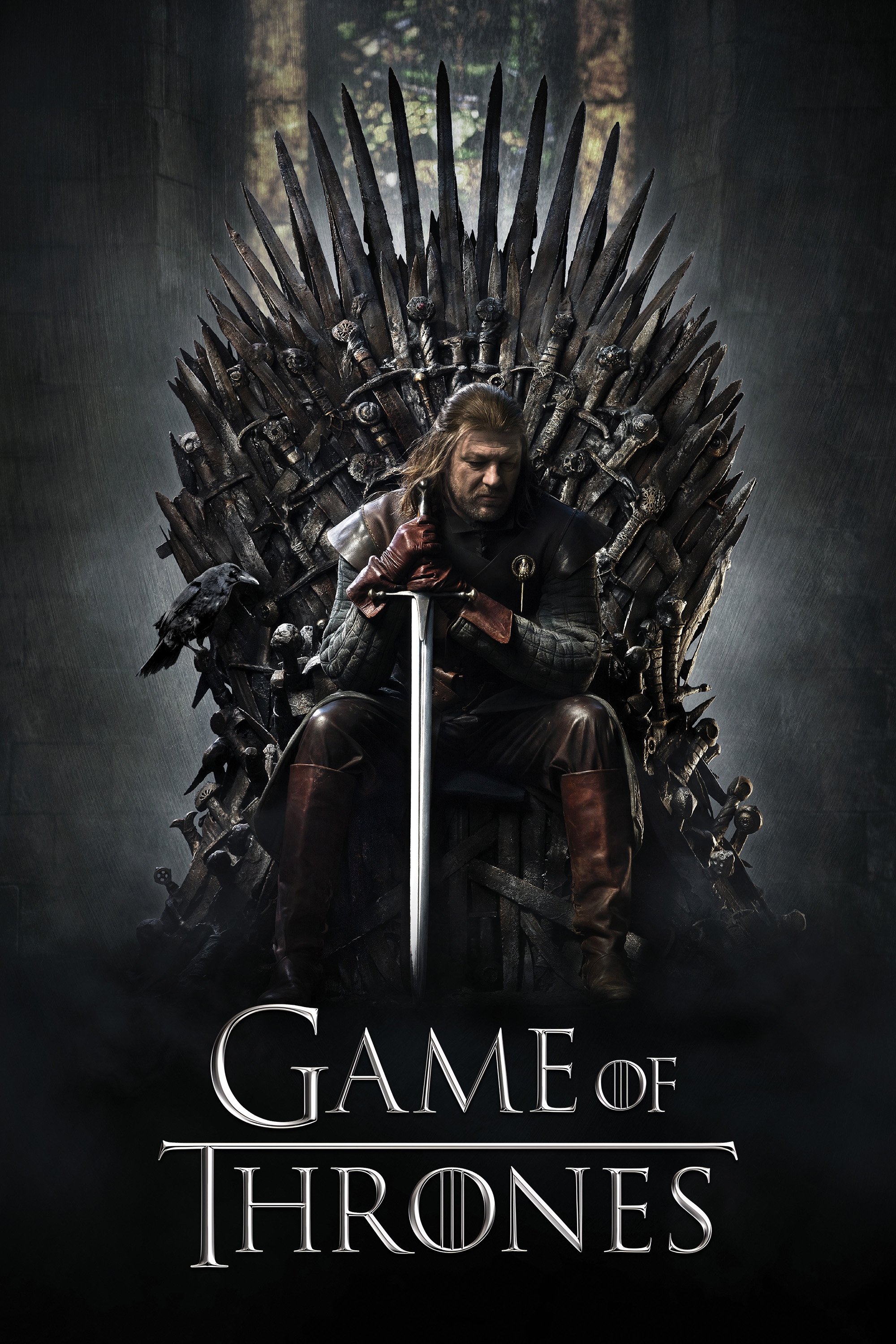
The Iron Throne is a huge chair made from the swords of Aegon the Conqueror’s defeated enemies. It symbolizes ultimate power in Westeros and drives much of the conflict throughout the story. Characters scheme and fight wars simply to gain control of this imposing, and uncomfortable, seat. Its design is a constant reminder to the ruler that power is never secure, and it feels like a dangerous force that demands a heavy price from anyone who tries to claim it.
‘The Office’ (2005–2013)
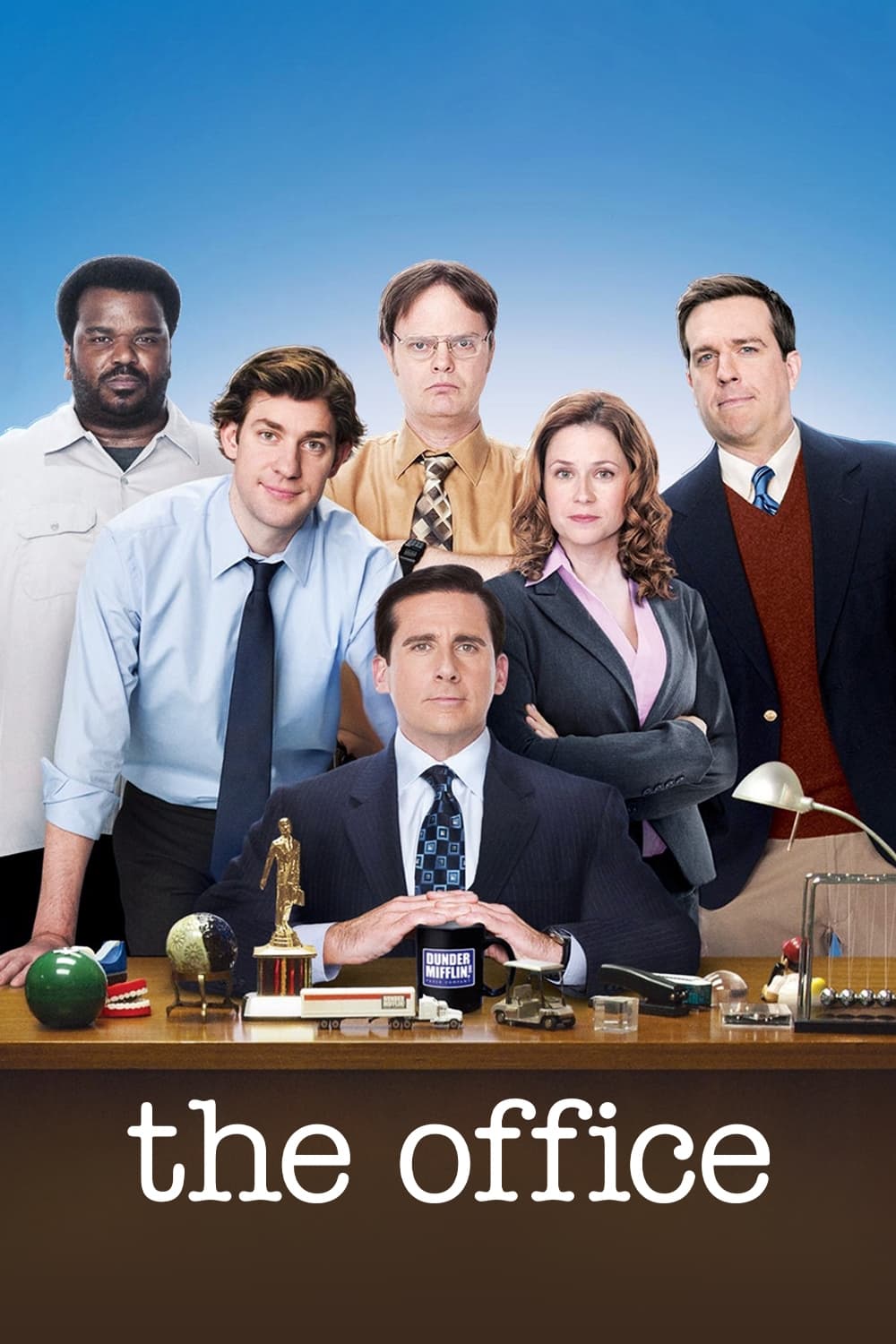
The Dundie Award is a low-cost plastic trophy that Michael Scott presents to his employees each year. At first, everyone makes fun of them, but they eventually grow to value the Dundies as a form of recognition. The trophies depict a simple businessman and are usually given with a silly or awkward description. They become a common sight in the office and play a role in many storylines, reflecting the overall atmosphere at Dunder Mifflin. Ultimately, the Dundies symbolize both the problems and the surprising warmth within the workplace.
‘Psych’ (2006–2014)
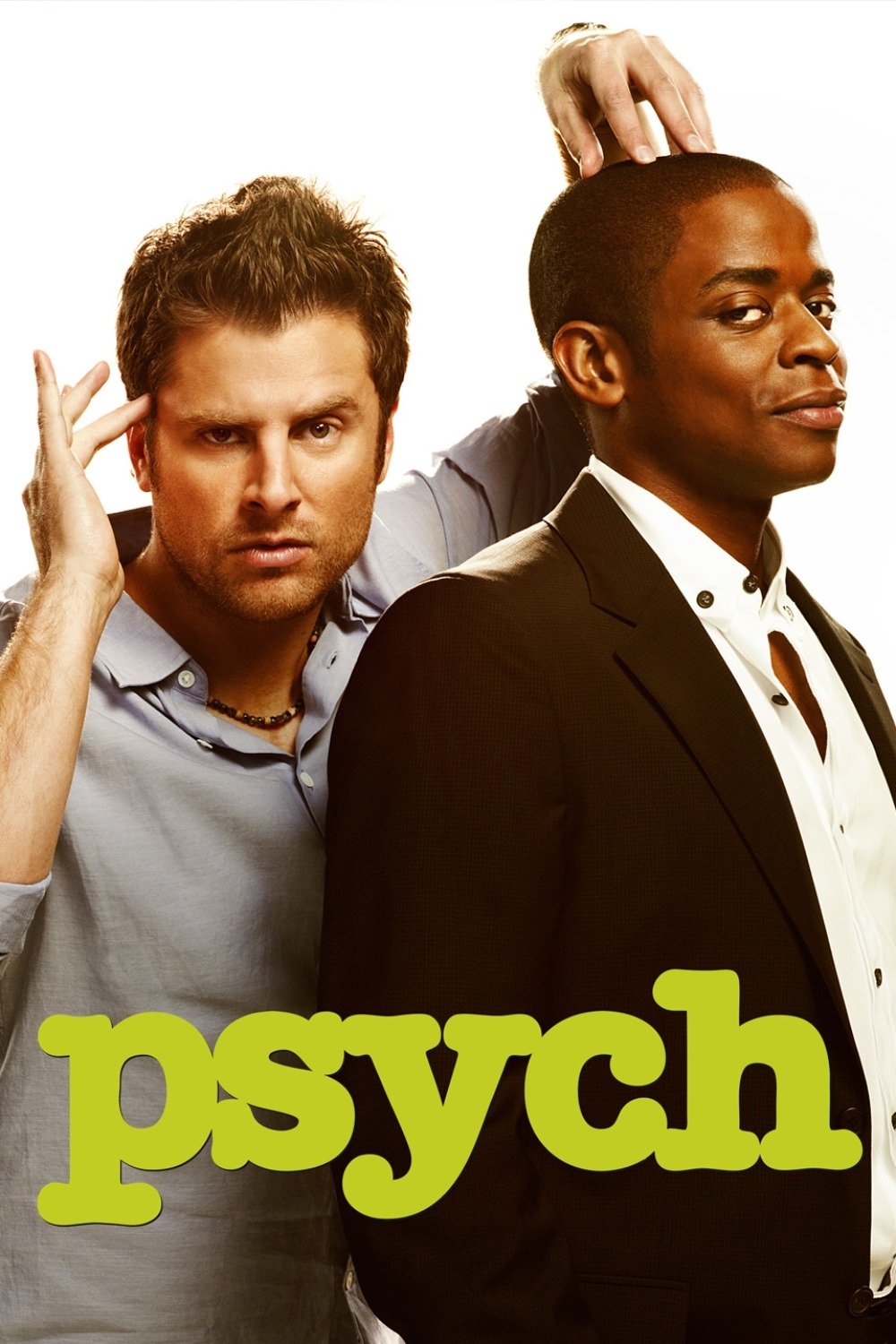
Throughout the series, creators playfully hid a pineapple in nearly every episode as a fun challenge for dedicated viewers. This tropical fruit showed up in different ways – as part of the set design or even as a pattern on clothes. The tradition started spontaneously with actor James Roday Rodriguez during the first episode and eventually became the show’s unofficial mascot, greatly exciting the audience. Fans began to enjoy a second activity alongside the main mystery: spotting the hidden pineapple!
‘It’s Always Sunny in Philadelphia’ (2005–Present)
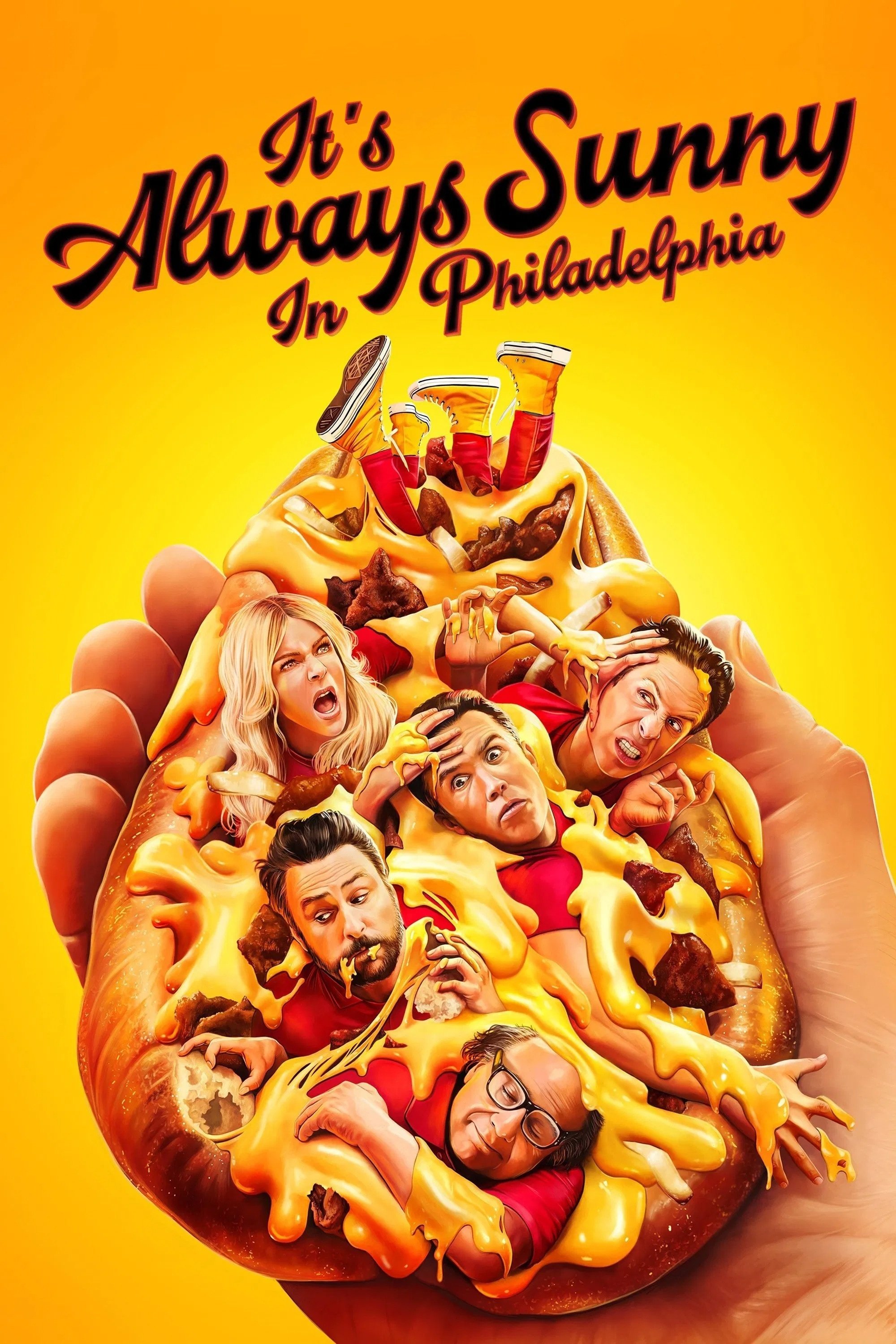
The Rum Ham, a ham soaked in strong alcohol, became a surprisingly popular running gag on the show during the Jersey Shore episodes. Frank Reynolds becomes unusually attached to it, and is devastated when it’s lost overboard. Later in the series, the Rum Ham reappears as a hallucination and represents how far the gang will go. It’s become a symbol of the show’s strange and often shocking humor. Even years after it first appeared, fans still create art and merchandise featuring this boozy snack.
‘Buffy the Vampire Slayer’ (1997–2003)
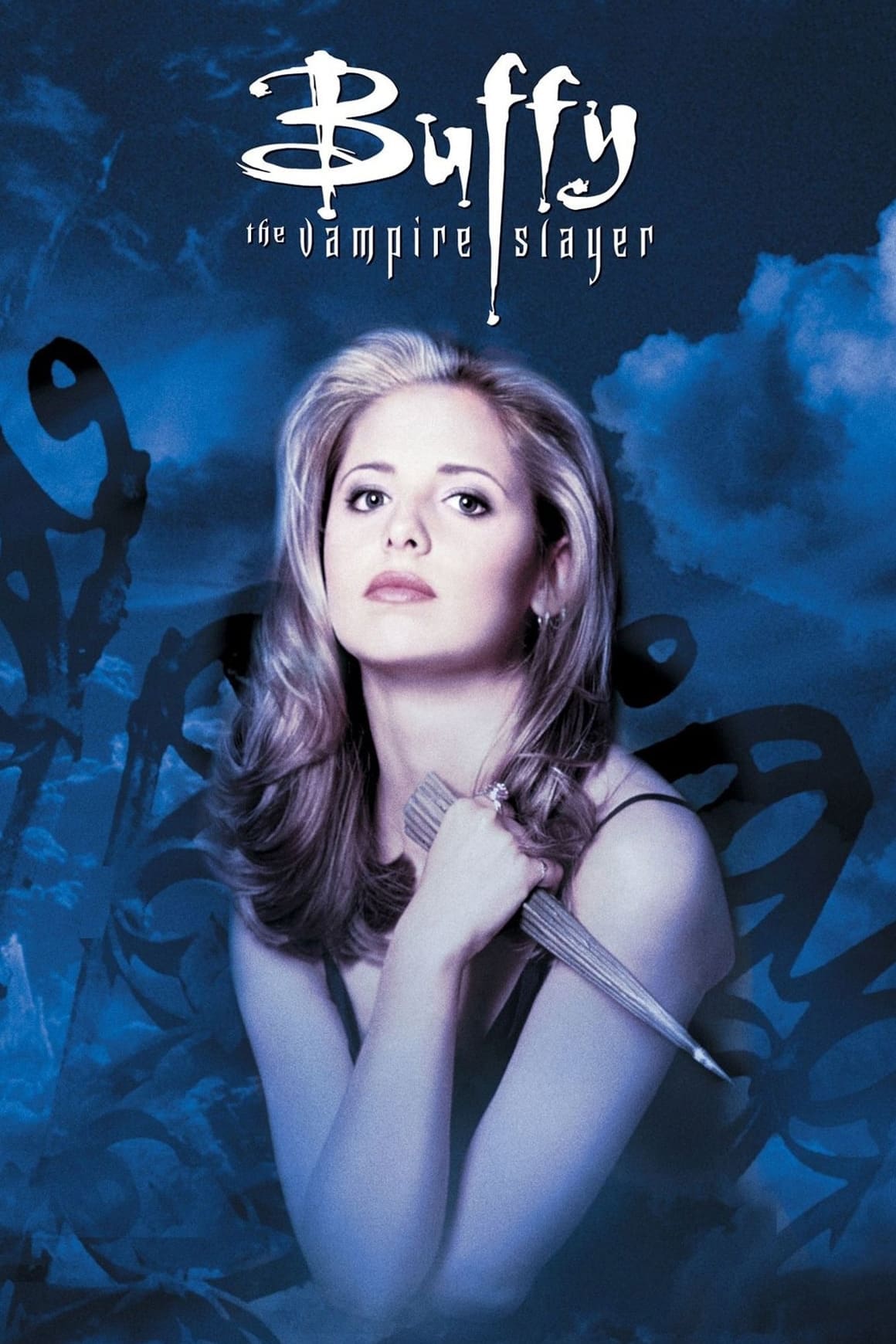
Mr. Pointy is a special stake passed down from slayer Kendra to Buffy Summers. It becomes a reliable weapon in her fight against evil in Sunnydale. Though it’s just a wooden stake, it’s meaningful because it connects Buffy to a previous slayer. The prop represents accepting one’s fate and the heavy responsibility that comes with being chosen to fight the forces of darkness. It’s still one of the most memorable items from the show.
‘Firefly’ (2002–2003)
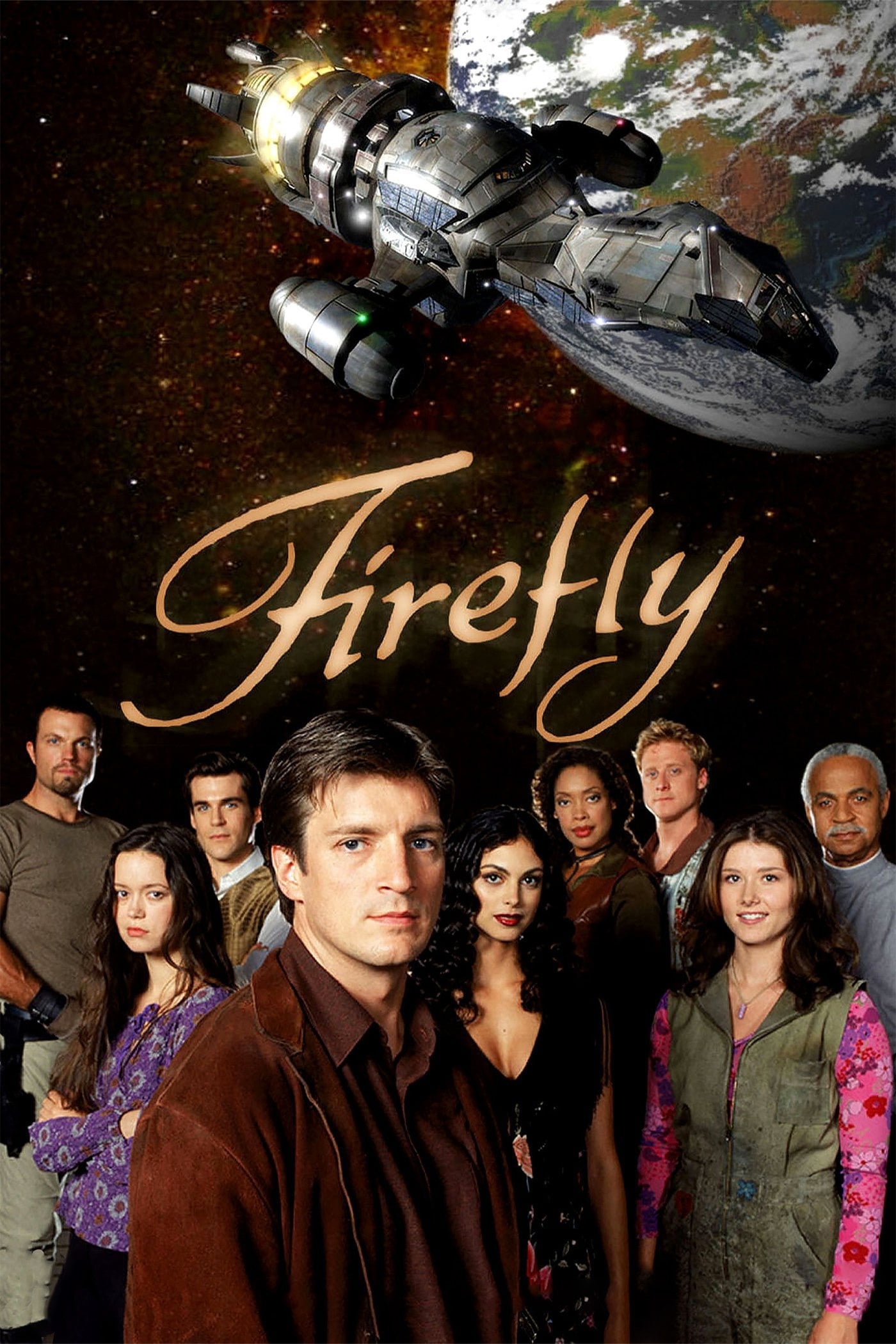
Vera is Jayne Cobb’s favorite rifle, a powerful weapon he treats with more respect than many of his friends. The gun is often used for comedic effect, showing how Jayne values violence and objects over people. Despite appearing in a short-lived series, Vera quickly became a beloved item among fans and proves useful in many dangerous battles.
‘Arrested Development’ (2003–2019)
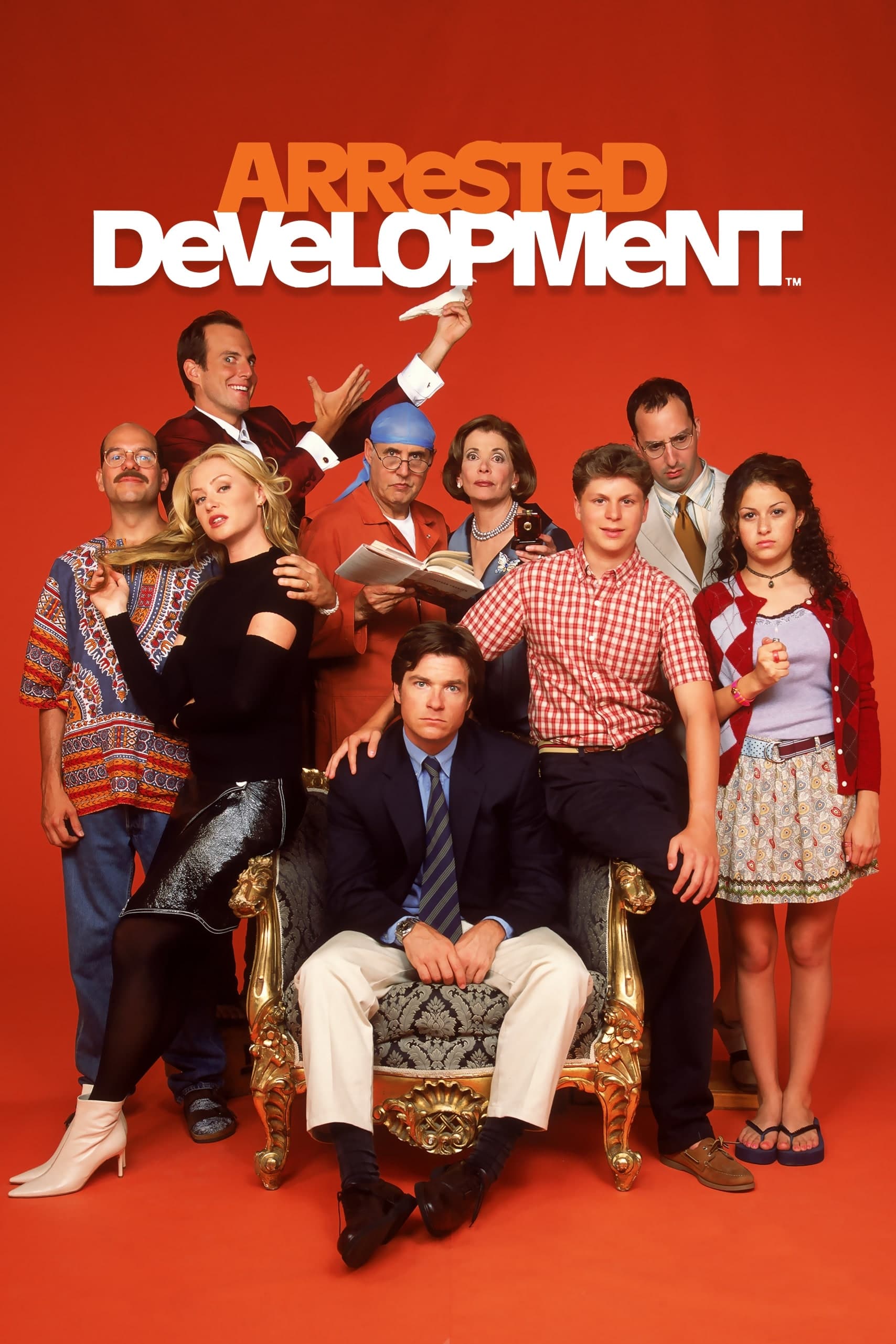
After the Bluth family loses their fortune, the stair car is all they have left. Its absurd design and uselessness constantly remind viewers of how far they’ve fallen. The car is a source of slapstick humor, with people attempting to ride the moving stairs and frequent mishaps involving low-hanging obstacles. Ultimately, it’s a rolling symbol of the Bluth company’s mismanagement and shady dealings.
‘Stranger Things’ (2016–Present)
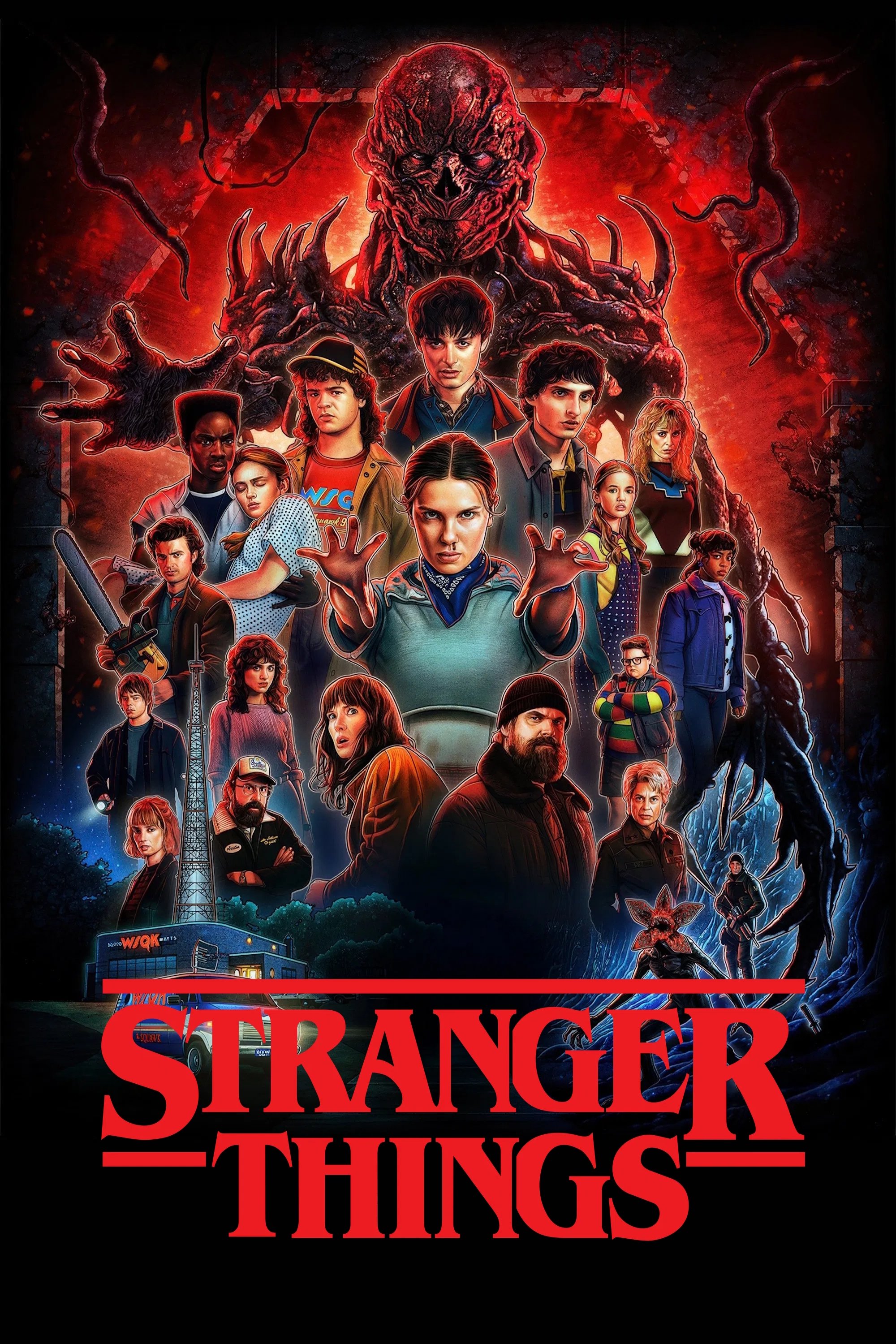
Joyce Byers creates a wall of flashing Christmas lights and painted letters as a way to communicate with her son, Will, who is trapped in a mysterious alternate dimension. The lights act as a code, allowing her to send messages and confirm that he’s still alive and that supernatural forces are present in their home. This striking display became an iconic image of the first season of the show and has become widely recognized in popular culture, symbolizing a mother’s unwavering hope and determination in the face of impossible circumstances.
‘The X-Files’ (1993–2018)
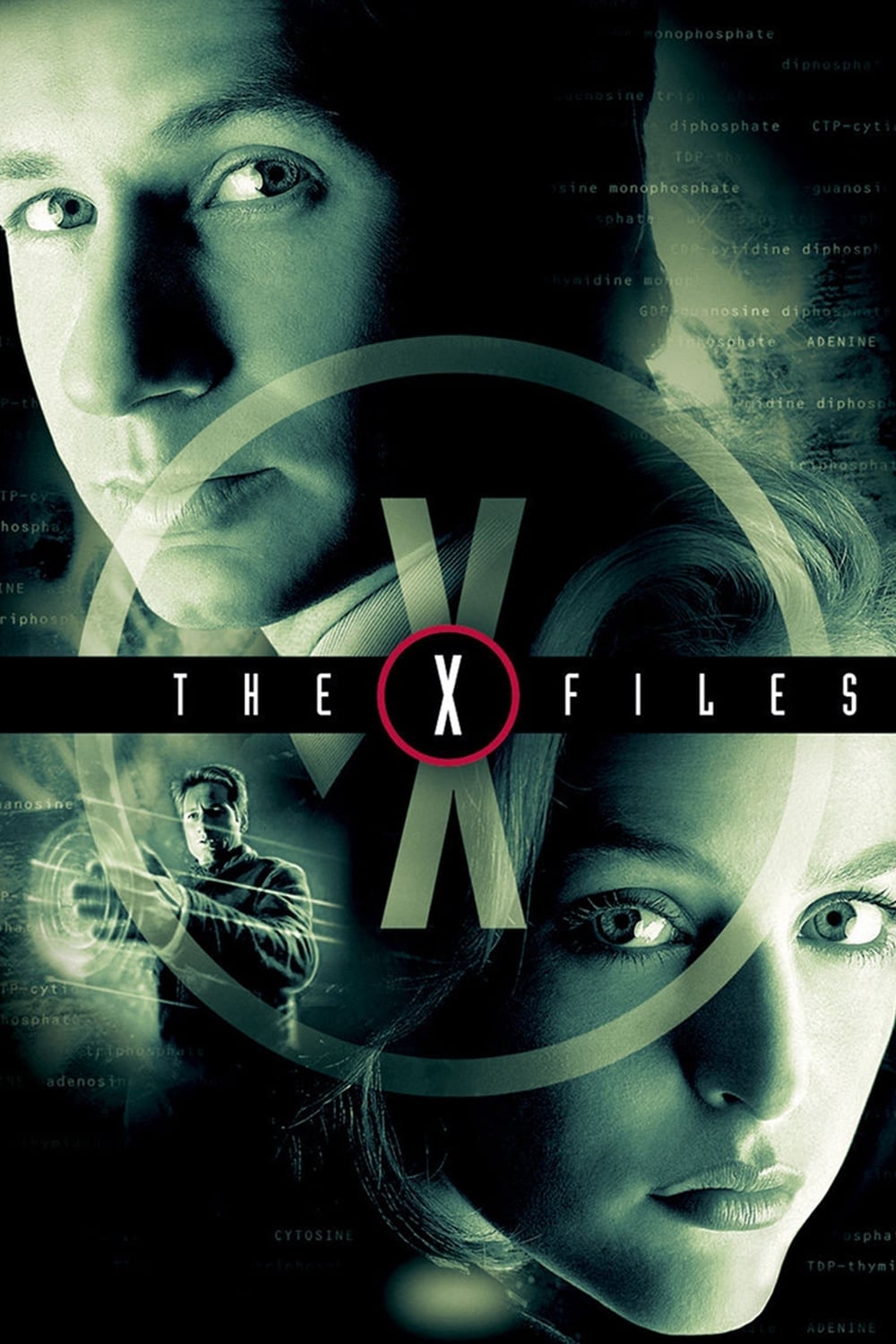
Fox Mulder’s office prominently displays a poster of a UFO with the words “I Want to Believe.” This poster perfectly captures his deep fascination with aliens and his relentless search for answers. Though damaged or removed several times throughout the series, it always reappears, representing the show’s central theme. It visually embodies the dynamic between the skeptical Dana Scully and the believing Mulder, and it became a widely recognized symbol for both conspiracy theorists and science fiction enthusiasts.
‘Dexter’ (2006–2013)
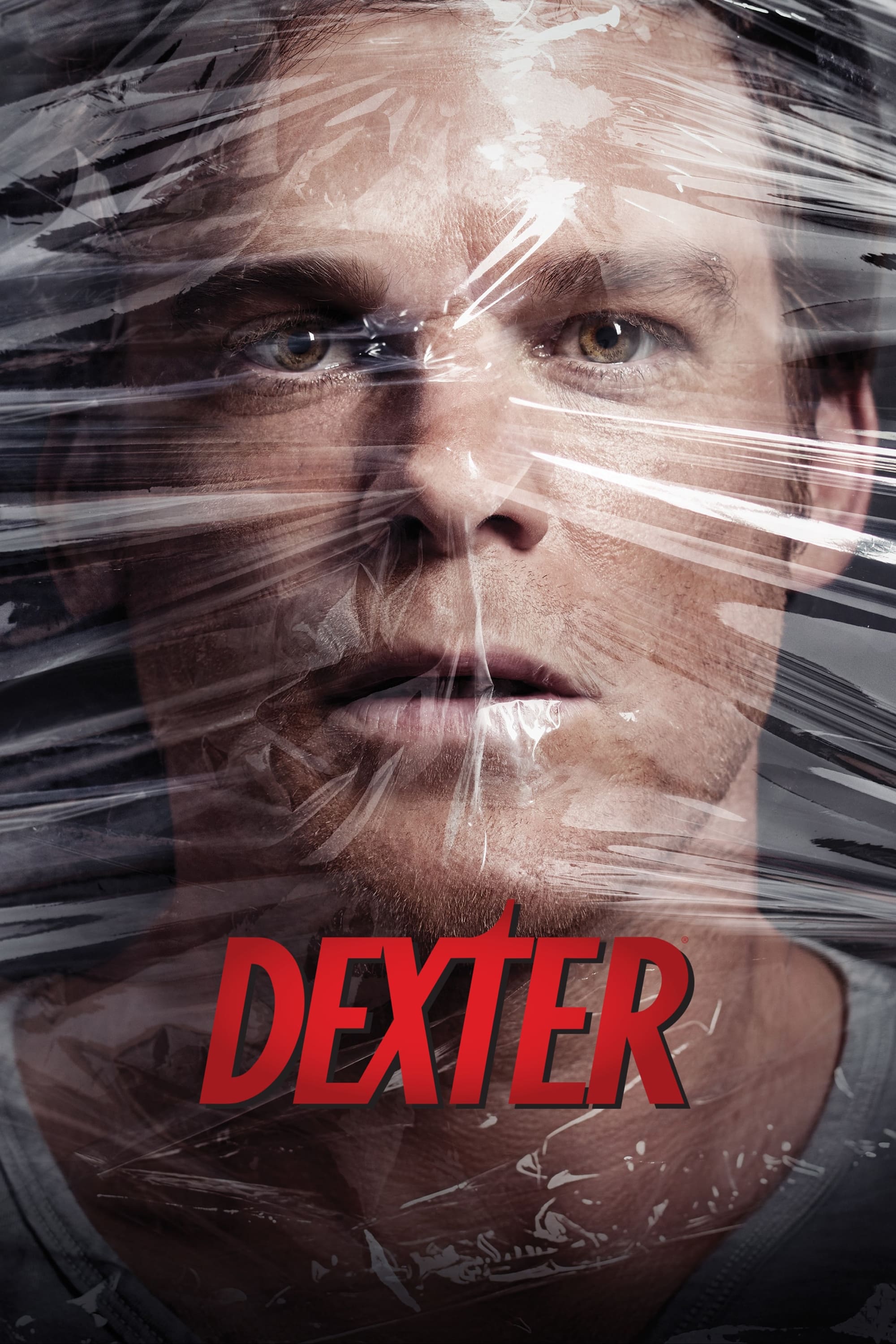
Dexter Morgan, a serial killer, keeps a collection of blood slides as a twisted memento of his crimes. Each slide holds a drop of blood from one of his victims, serving as a reminder of his self-appointed justice. This collection, hidden inside his air conditioner, symbolizes his secret, darker impulses and the strict rules he lives by to stay hidden. The potential exposure of these slides creates suspense and drives key storylines throughout the series.
‘Sons of Anarchy’ (2008–2014)
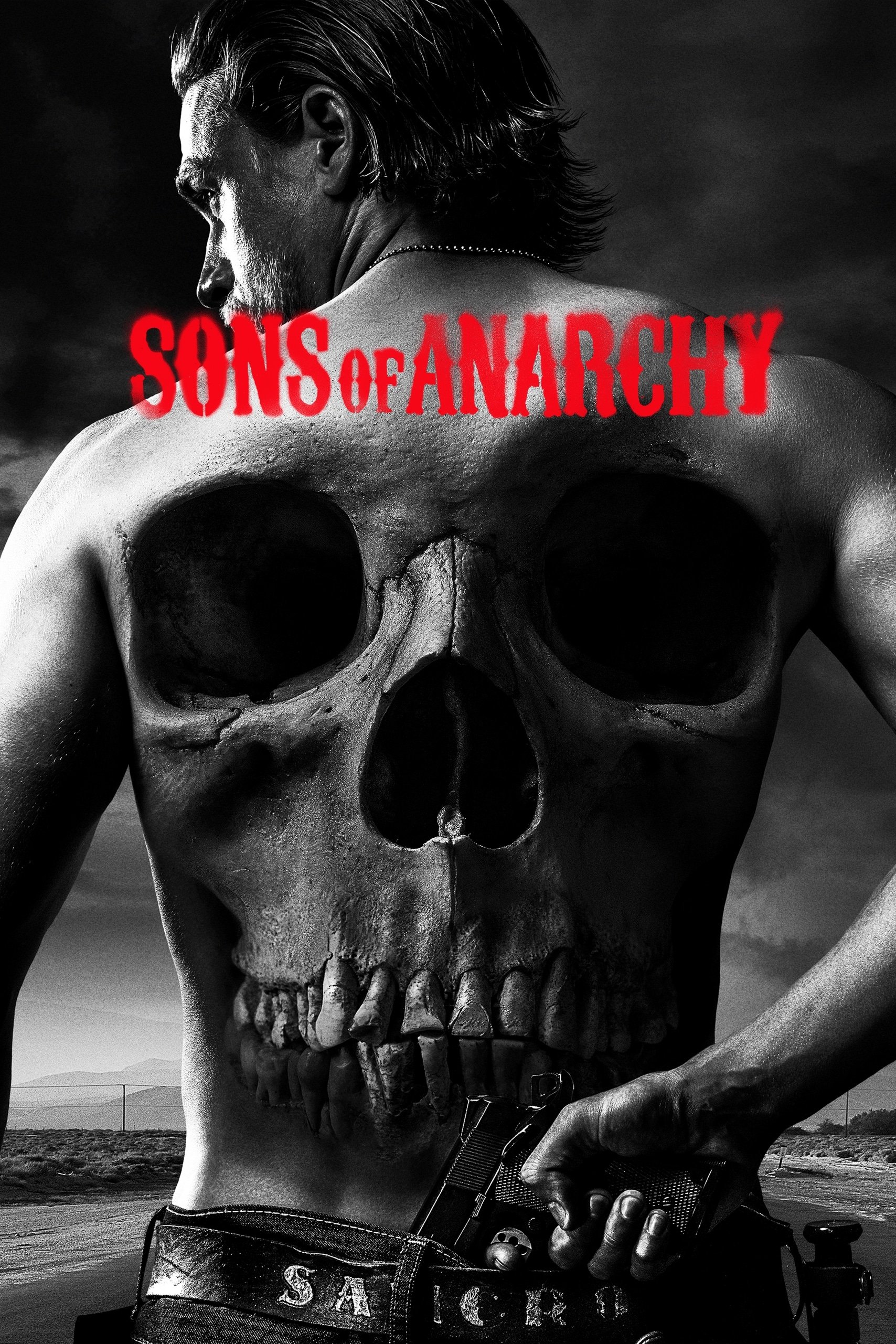
The club president’s gavel isn’t just a tool for running meetings; it represents the power and rules of the motorcycle club. Throughout the series, leaders like Clay Morrow and Jax Teller use it to start discussions and make crucial, often dangerous, choices. Each strike of the gavel often marks a significant moment for the club, signaling a change in direction. As the show goes on, it comes to symbolize the club’s transformation from a brotherhood into a criminal organization. Despite the chaotic lives of the club members, the gavel itself is treated with reverence and respect.
‘Parks and Recreation’ (2009–2015)
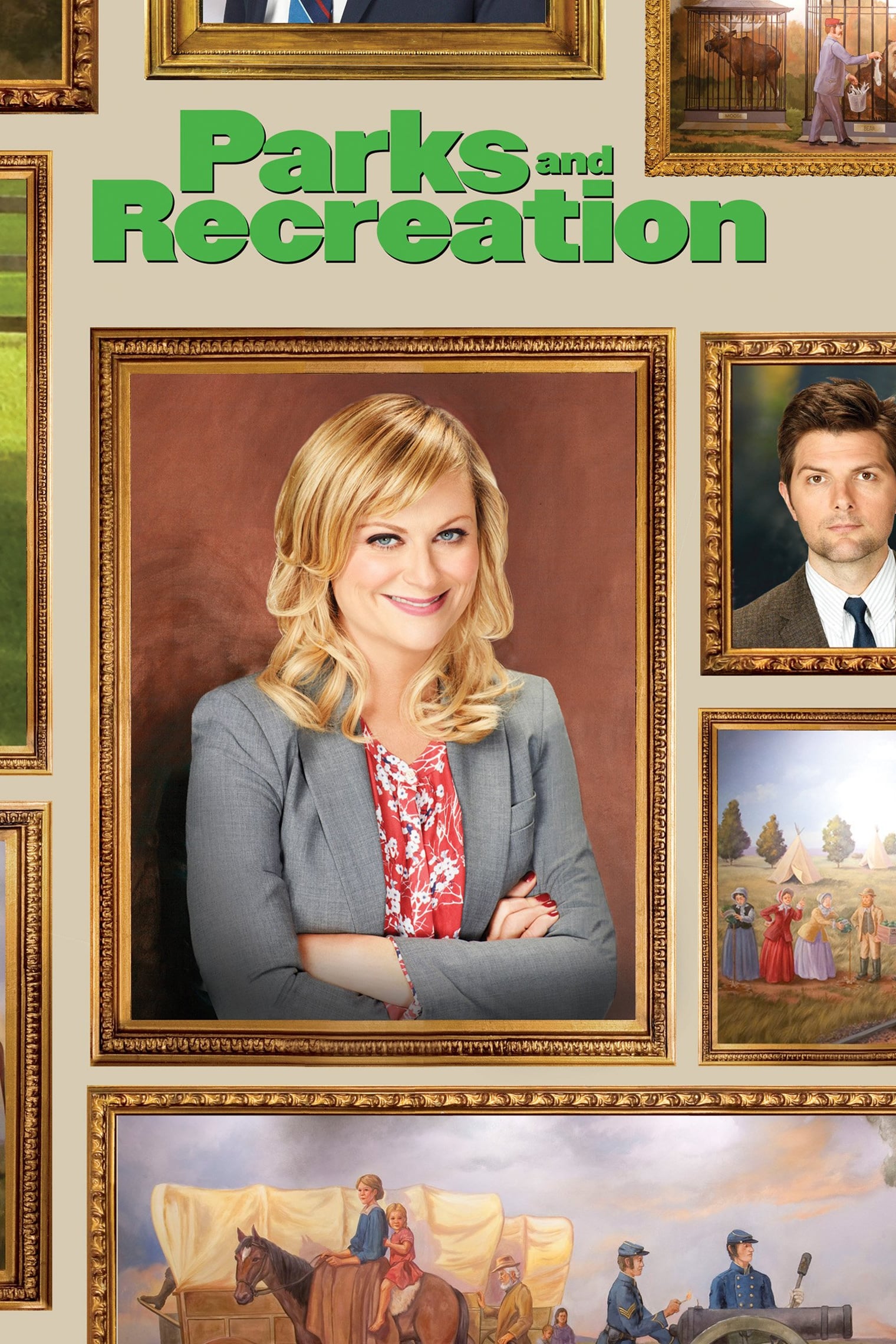
I’m still amazed by Ben Wyatt’s creation, The Cones of Dunshire! It’s this unbelievably intricate board game he came up with when he was out of work. It’s all dice, cards, and a ton of tiny cones – honestly, no one but Ben seems to understand the rules! But somehow, it became a surprisingly big deal on the show, popping up again and again with legal battles and accounting firms getting involved. To me, it really showed off Ben’s quirky, lovable personality and how he could get genuinely excited about creating order. It’s definitely a fan favorite – it just perfectly captures the show’s sweet and funny spirit.
‘Sherlock’ (2010–2017)
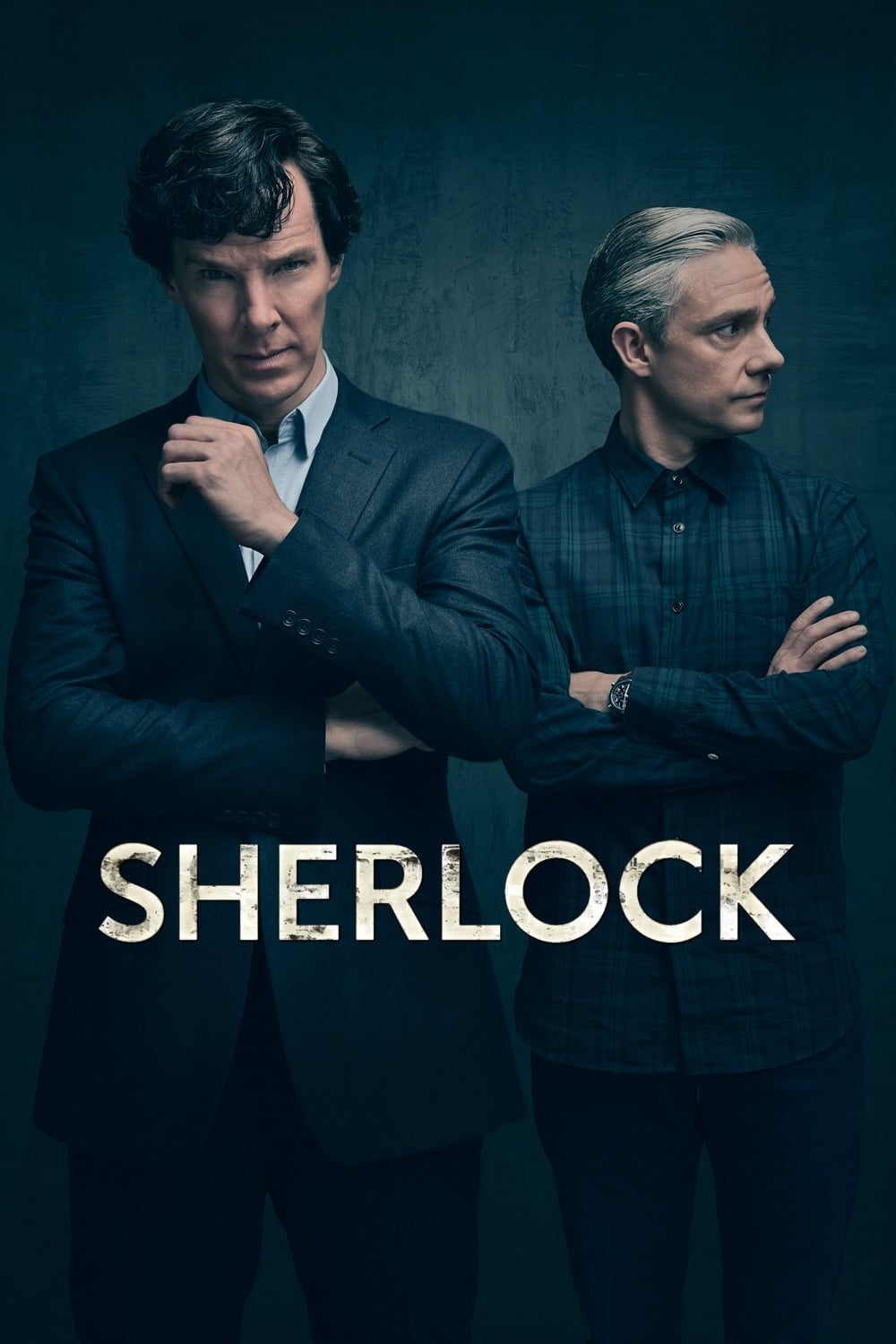
As a fan, it’s funny to me how the deerstalker hat follows Sherlock Holmes around, even though it seems like the character himself would hate being defined by it! It wasn’t ever meant to be his thing, but the media just latched onto it. It feels like the show understands that hat represents a really simplified, almost annoying, version of Holmes for the public. I think the show cleverly uses it to acknowledge the history of the character and the original stories, while also making him feel fresh and modern. It’s like a wink to the audience, recognizing the legacy of Arthur Conan Doyle while still telling a new story.
‘Community’ (2009–2015)
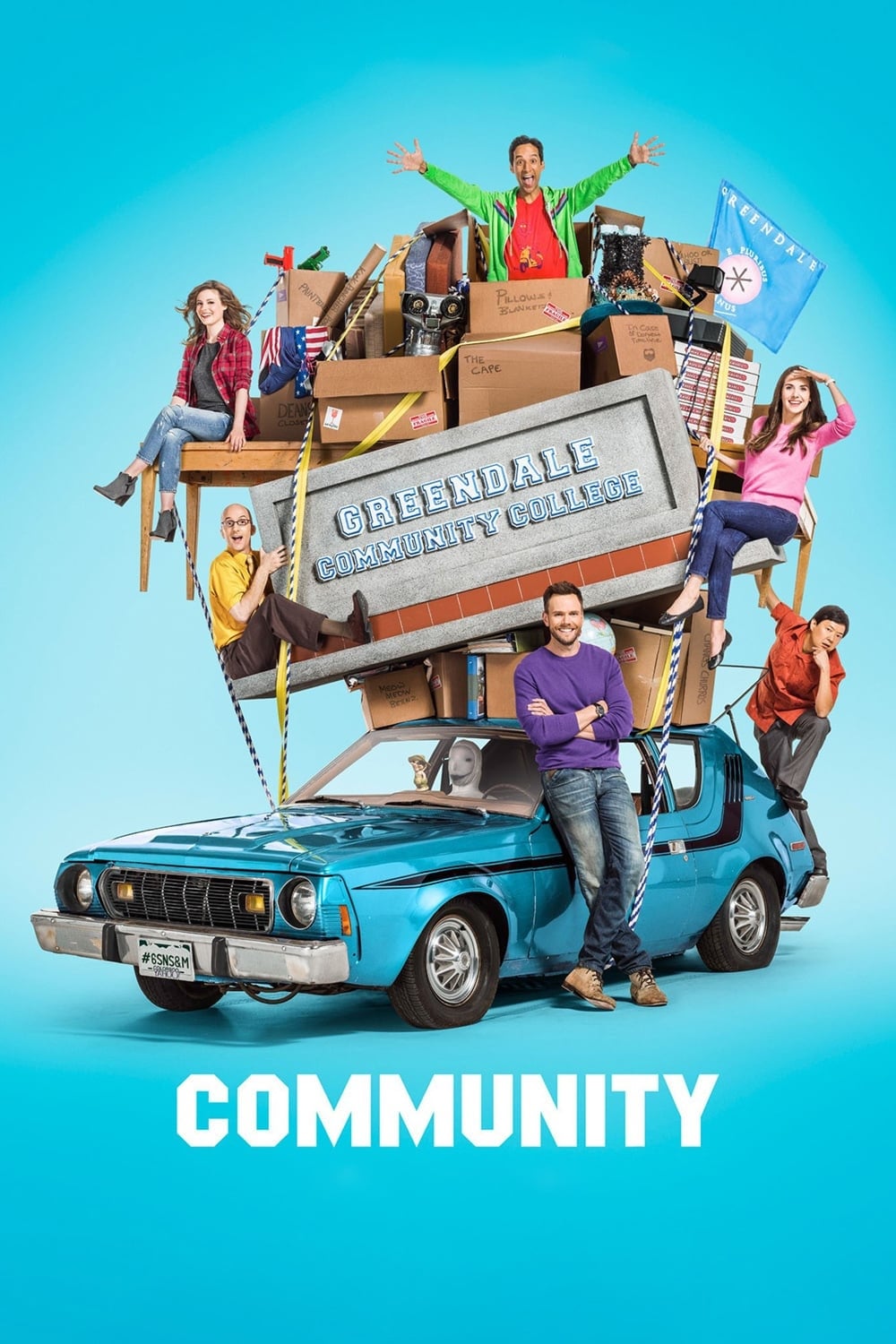
The Darkest Timeline dice were special Yahtzee dice used on the show to create six alternate versions of events within a single episode. Whatever character rolled the dice was supposed to get the pizza, but it unexpectedly caused the story to split into different realities. This introduced the idea of an ‘Evil Study Group’ and brought science fiction elements to the comedy. These dice represent the show’s playful approach to trying out ambitious storylines and making fun of different genres. The fake goatees worn by the characters in this alternate timeline became a memorable running joke.
‘Better Call Saul’ (2015–2022)
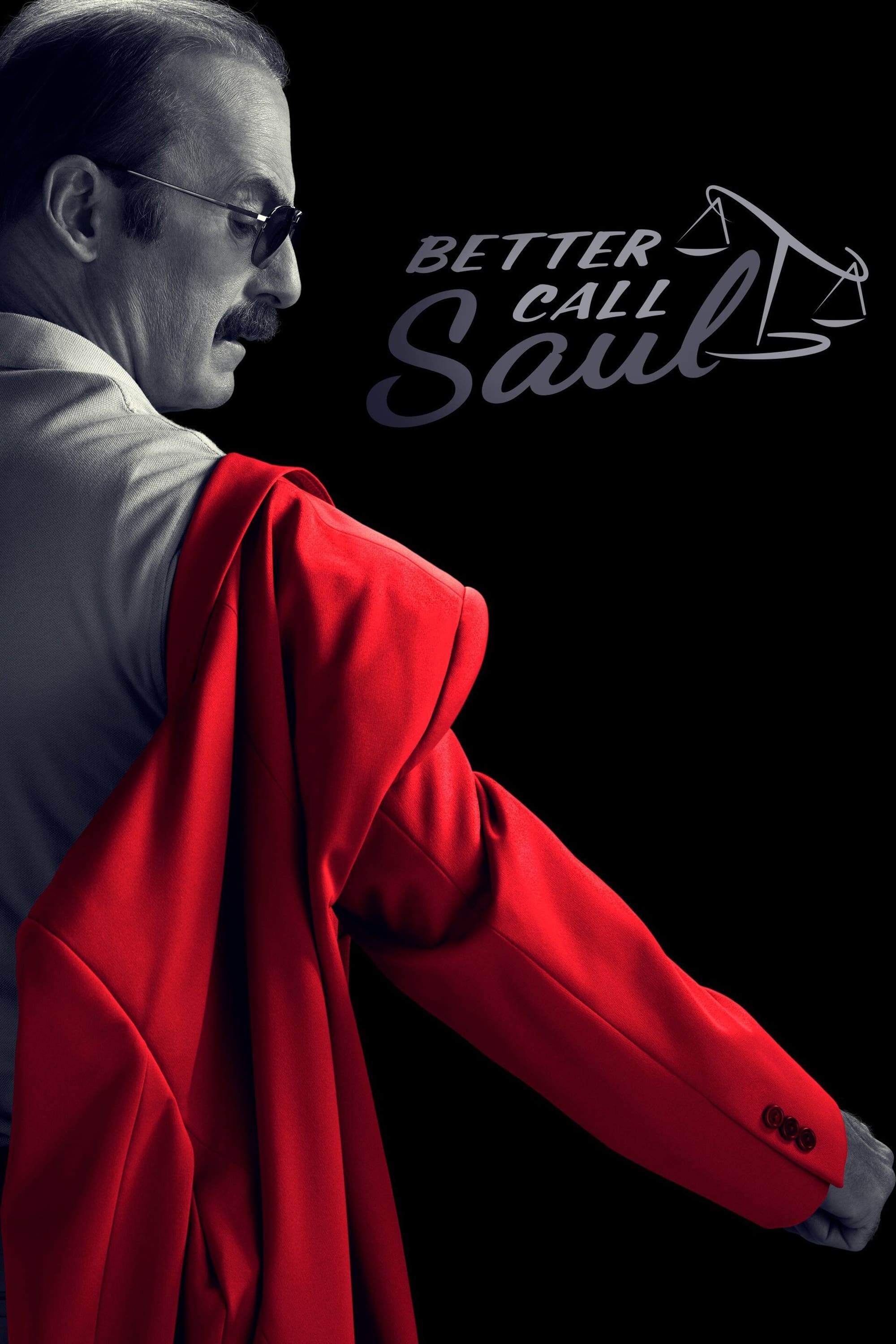
Before he became Saul Goodman, Jimmy McGill drove a beat-up yellow Suzuki Esteem with one red door. This car embodies his early struggles with money and his attempts to establish himself as a legitimate lawyer. It gets damaged repeatedly – enduring bullet holes and crashes – while he uses it as a makeshift office for his often-shady work. The car’s mismatched colors reflect Jimmy’s chaotic and colorful personality. Its eventual destruction symbolizes his complete transformation into the criminal lawyer he ultimately becomes.
Tell us which TV prop you think had the best character arc in the comments.
Read More
- Gold Rate Forecast
- Invincible Season 4 Gender Swaps Tech Jacket As Fans Question Major Comic Change
- 22 Films Where the White Protagonist Is Canonically the Sidekick to a Black Lead
- 14 Movies Where the Black Character Refuses to Save the White Protagonist
- Silver Rate Forecast
- Why Won’t It Just *Do* What You Ask? Unpacking the Quirks of AI Language
- The Best Former NFL Players Turned Actors, Ranked
- Unveiling the Schwab U.S. Dividend Equity ETF: A Portent of Financial Growth
- Superman Flops Financially: $350M Budget, Still No Profit (Scoop Confirmed)
- Biogen’s Jolly Good Showing
2026-02-24 21:17