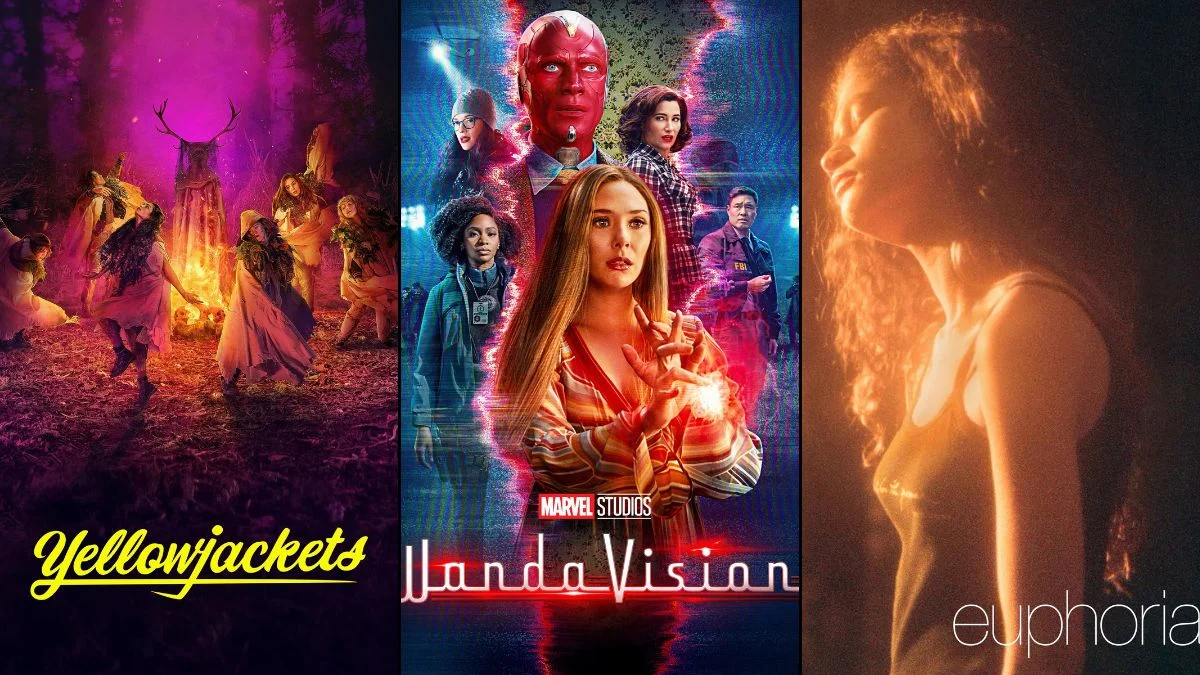
Filmmakers often use visual styles to clearly show when a story jumps between different times or realities. They might use older cameras, film types, and lenses to make flashbacks look and feel authentic. This helps viewers easily understand when something happened in the past versus the present, without needing titles or characters to explain it. Several TV shows have become known for successfully using this technique to create a memorable and immersive experience for viewers.
‘Winning Time: The Rise of the Lakers Dynasty’ (2022–2023)
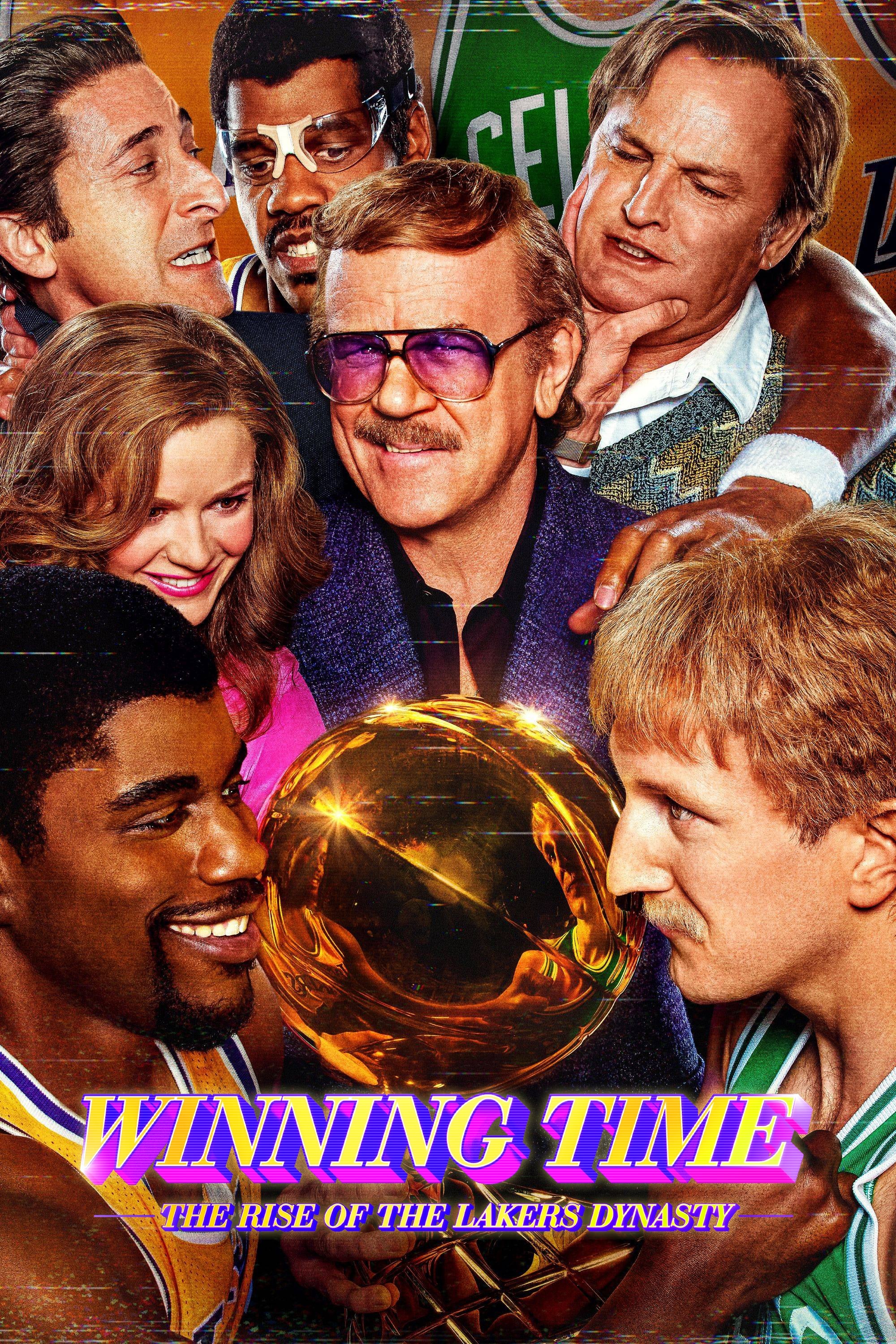
The filmmakers behind this sports drama worked hard to capture the authentic feel of the 1980s. They used a variety of film formats – including 35mm and 8mm – to achieve the era’s raw yet glamorous aesthetic. They even used old Ikegami tube cameras to mimic the look of 1980s television broadcasts. This combination of techniques created a visual style that felt like rediscovered footage, rather than something newly made.
‘Euphoria’ (2019–Present)
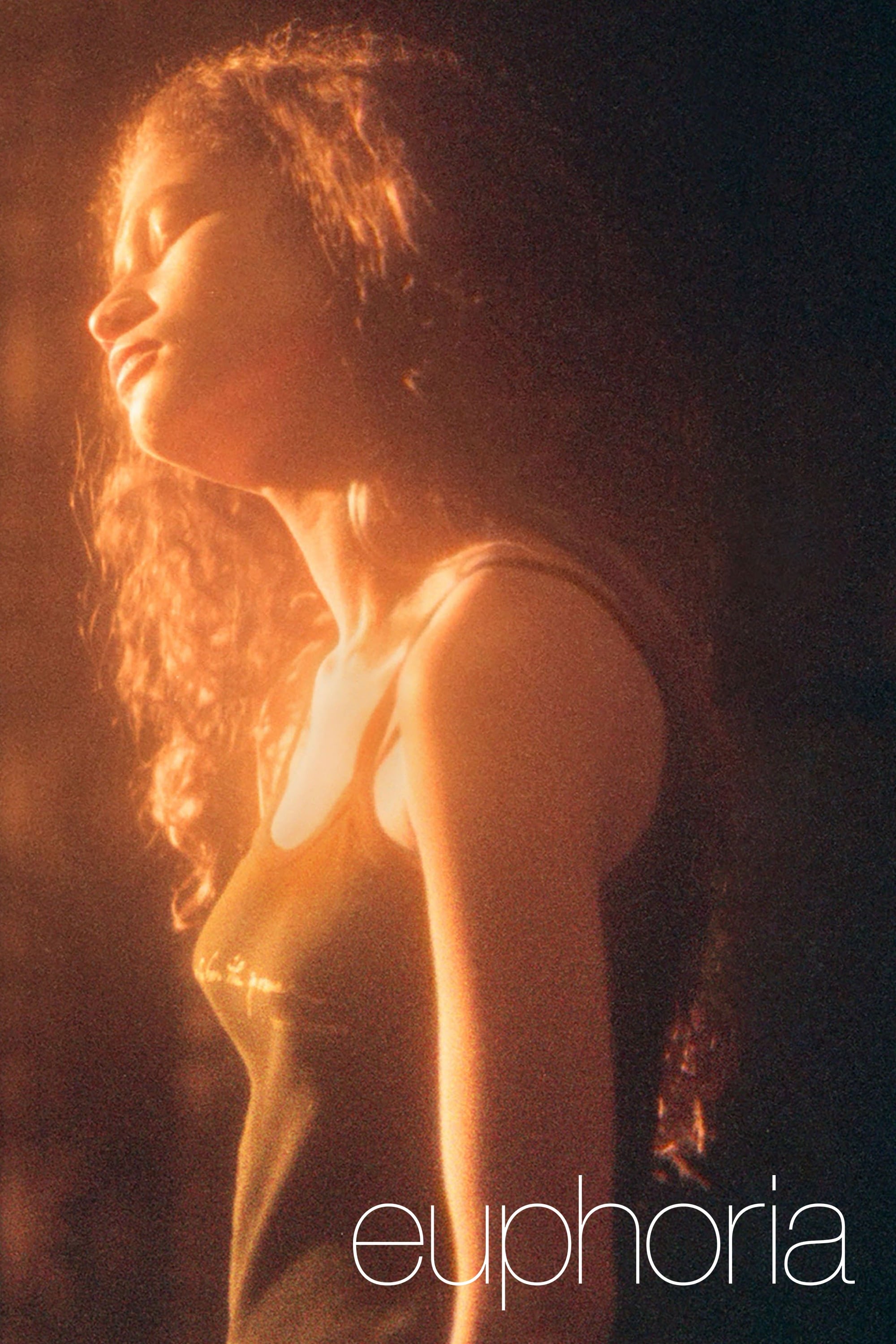
The show is usually very clean and modern in its visuals, but the filmmakers made a deliberate change for certain emotionally powerful scenes. The episodes centered around Rue included footage shot on Kodak Ektachrome film, known for its vibrant colors and grainy texture. This gave those scenes a hazy, dreamlike feel and helped visually distinguish Rue’s inner thoughts and memories from the difficult realities of her life.
‘WandaVision’ (2021)
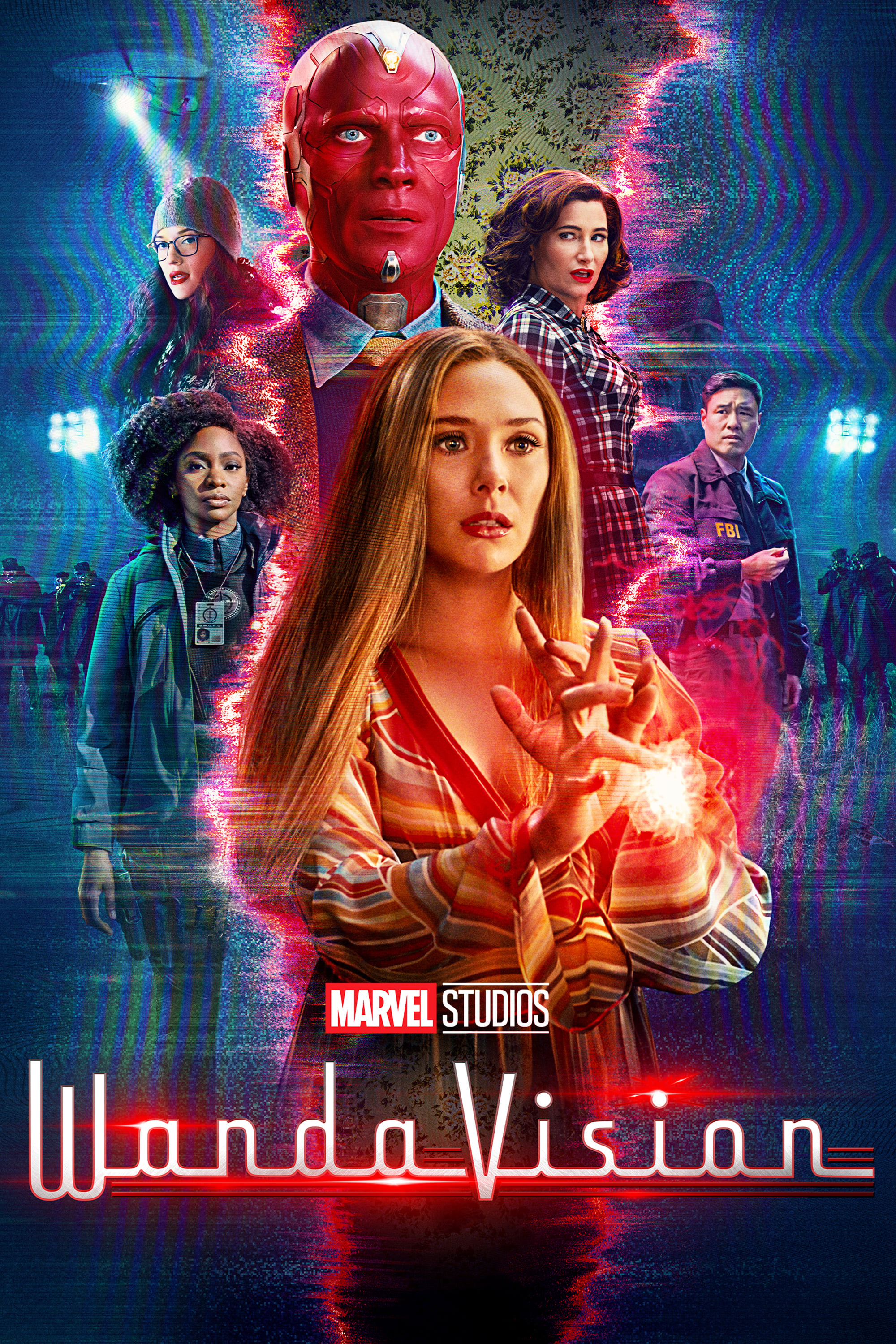
This Marvel series cleverly recreated the look and feel of American sitcoms throughout the decades. The filmmakers carefully matched the visual style of each era – from the 1950s to the 1990s – by using cameras, lenses, and lighting setups specific to that time. They even used 47 different lenses for the early black-and-white episodes to get the right look! As the series progressed, the picture quality and screen shape changed to reflect how television technology improved over the years.
‘Cold Case’ (2003–2010)
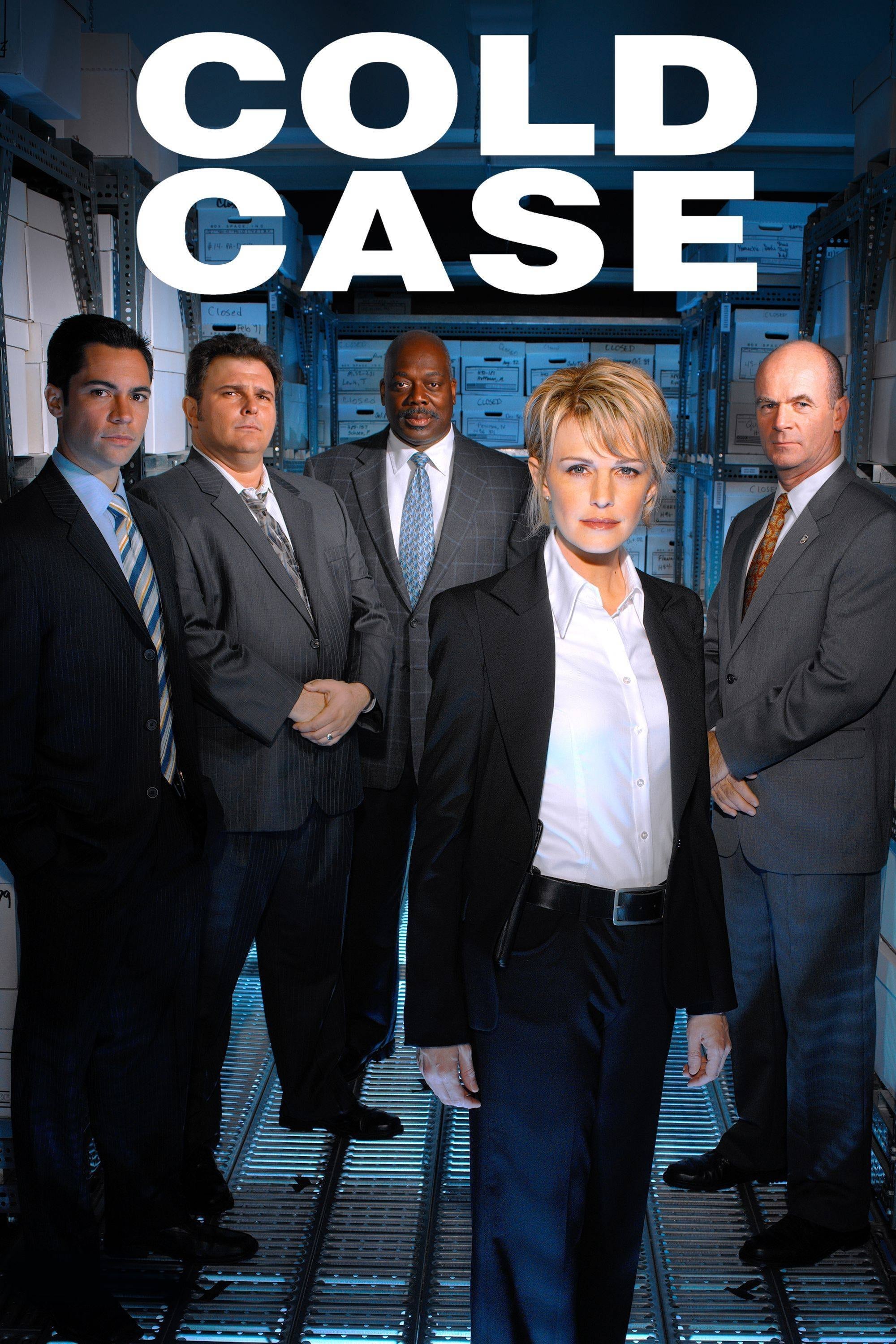
This crime show was innovative in how it visually presented its flashbacks. Each episode featured a case from a different year, and the show used different filming techniques to make the flashbacks look like they were from that specific time period. For example, the filmmakers used older film formats like Super 8 and 16mm, and experimented with color effects, to accurately capture the feel of each decade. This dedication to realism helped viewers immediately understand when the story was taking place.
‘Better Call Saul’ (2015–2022)
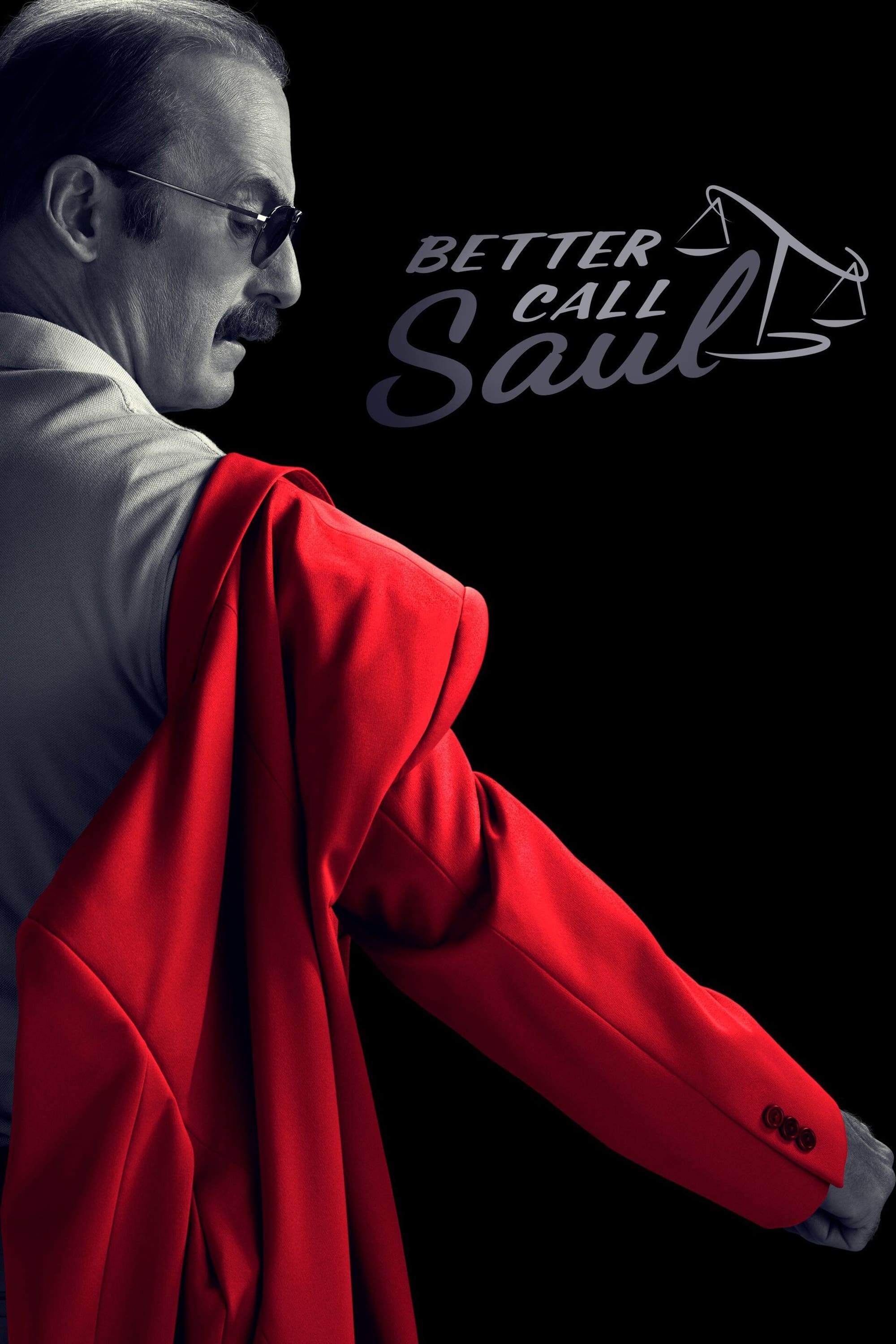
The creators of this legal drama used different visual styles to clearly show the story’s complicated timeline. Scenes with Gene Takovic were filmed in black and white, which stood out sharply from the bright, colorful scenes of Jimmy McGill’s past. The show also included TV commercials filmed to look like cheap, local ads from the 1990s, using older standard definition cameras. These deliberately grainy visuals helped make the show’s world feel more realistic.
‘Yellowjackets’ (2021–Present)
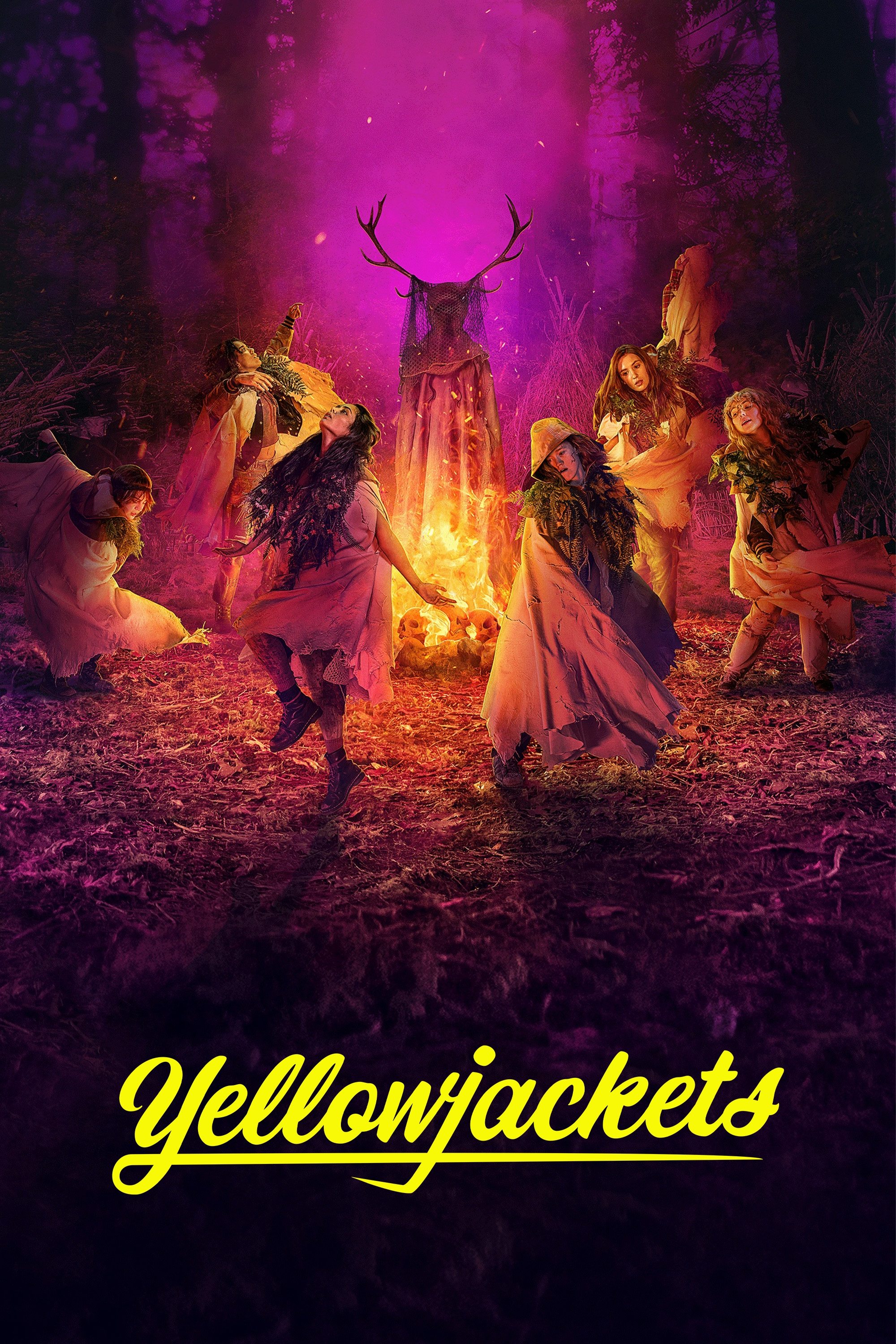
This survival thriller tells its story by switching between a 1996 plane crash and the lives of those who survived, as they are today. To show the difference between the two time periods, filmmakers used older lenses for the 1990s scenes, giving them a softer, less sharp look. This created a visual contrast – the past appears raw and dreamlike, while the present feels stark and cold – which emphasizes the emotional distance between the characters and their trauma.
‘Documentary Now!’ (2015–Present)
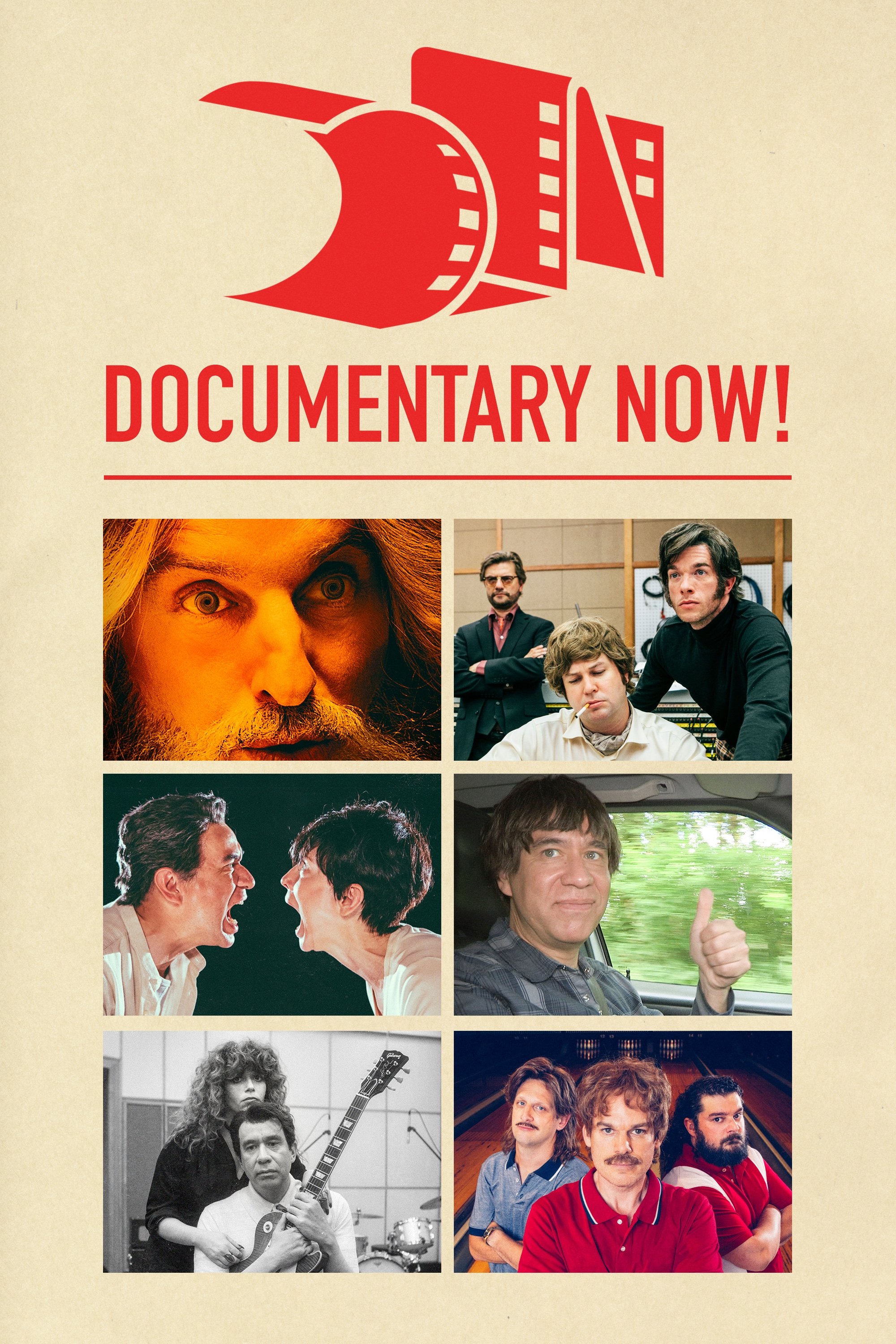
This mockumentary series aims for a remarkably realistic feel, playfully imitating well-known documentaries. The filmmakers are incredibly meticulous, going to great lengths to find and use the same cameras and lenses as the originals. For example, when recreating the look of ‘Grey Gardens’, they searched for the exact lenses the Maysles brothers used to capture that film’s signature handheld style. This commitment to using the right equipment helps each episode perfectly mimic the documentaries it’s making fun of.
‘Pam & Tommy’ (2022)
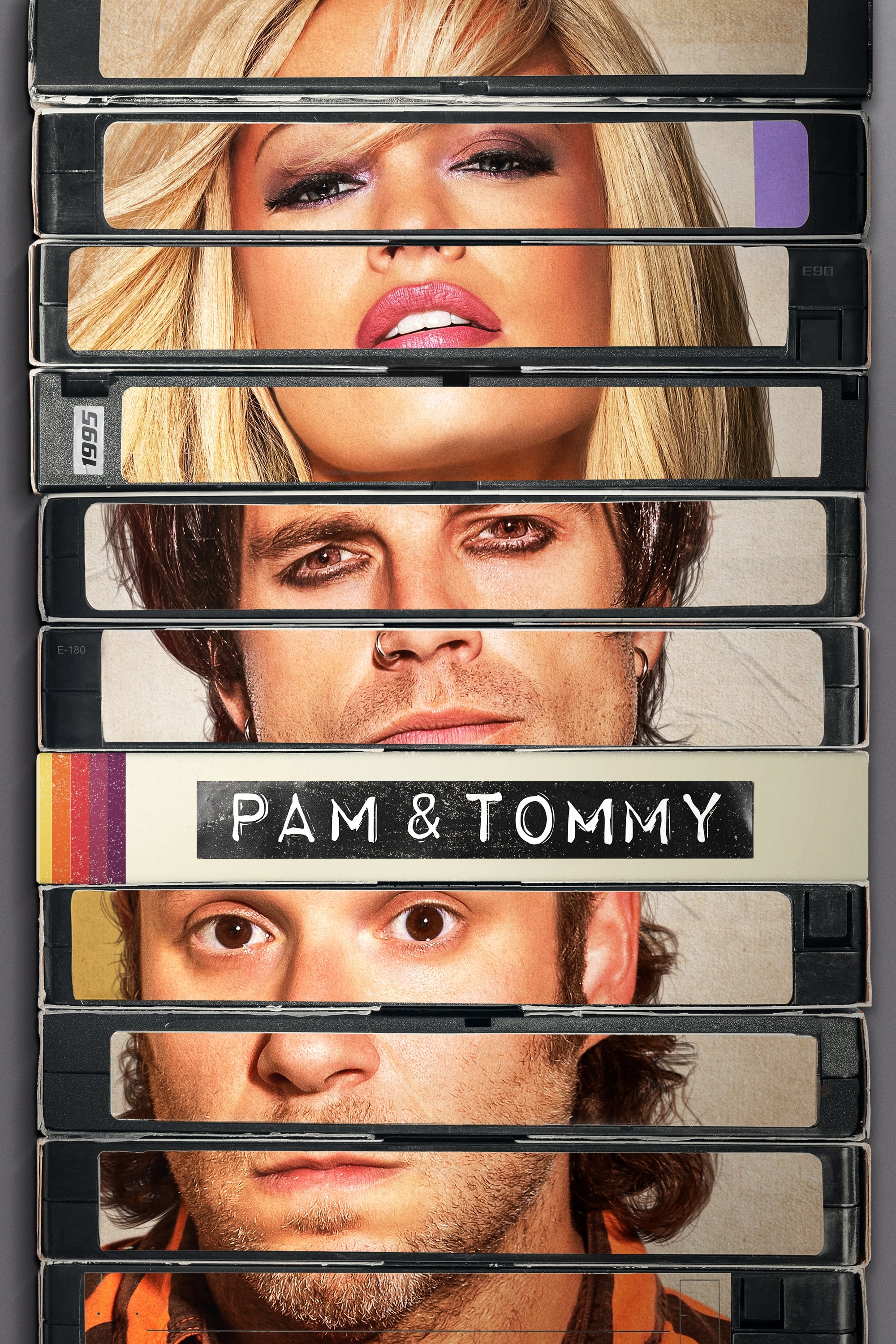
The show aimed to recreate the raw, energetic feel of the mid-1990s by blending different visual styles. Actors filmed scenes as if they were making home videos using Hi8 camcorders – the technology common at the time. This real footage was then included in the show, giving it a personal, grainy look that couldn’t be achieved with modern digital cameras. Using this older video format helped ground the series firmly in the technological world of 1995.
‘Archive 81’ (2022)
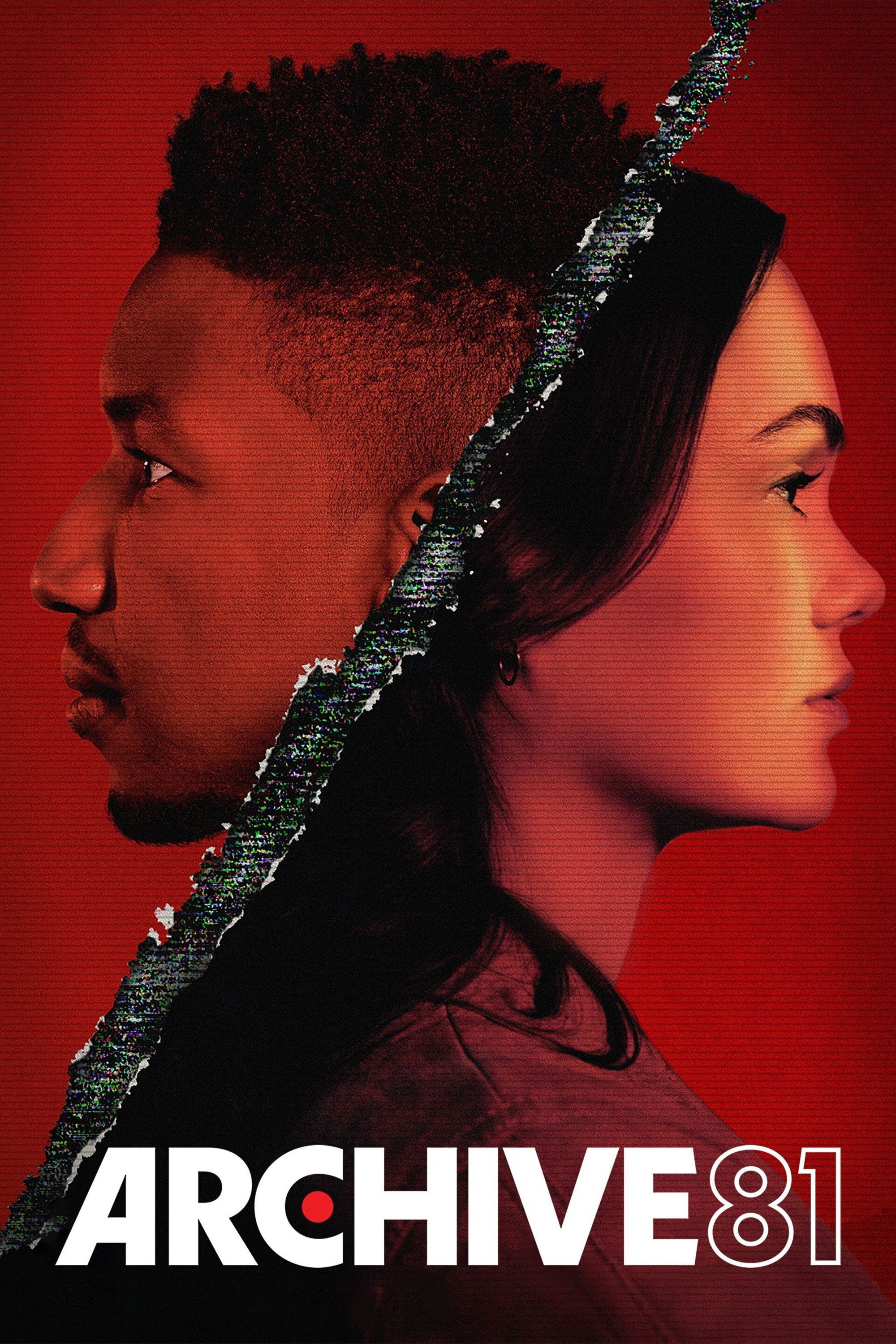
This horror series heavily relies on the ‘found footage’ technique. The story unfolds across two time periods: the present, where the main character repairs old videotapes from 1994, and the past itself, which is shown through those tapes. The 1994 footage was intentionally filmed on older Hi8 and VHS cameras to give it a realistic, grainy look, complete with the natural imperfections of analog tape. These authentic visual distortions are key to creating the show’s unsettling and frightening mood.
‘Daisy Jones & The Six’ (2023)
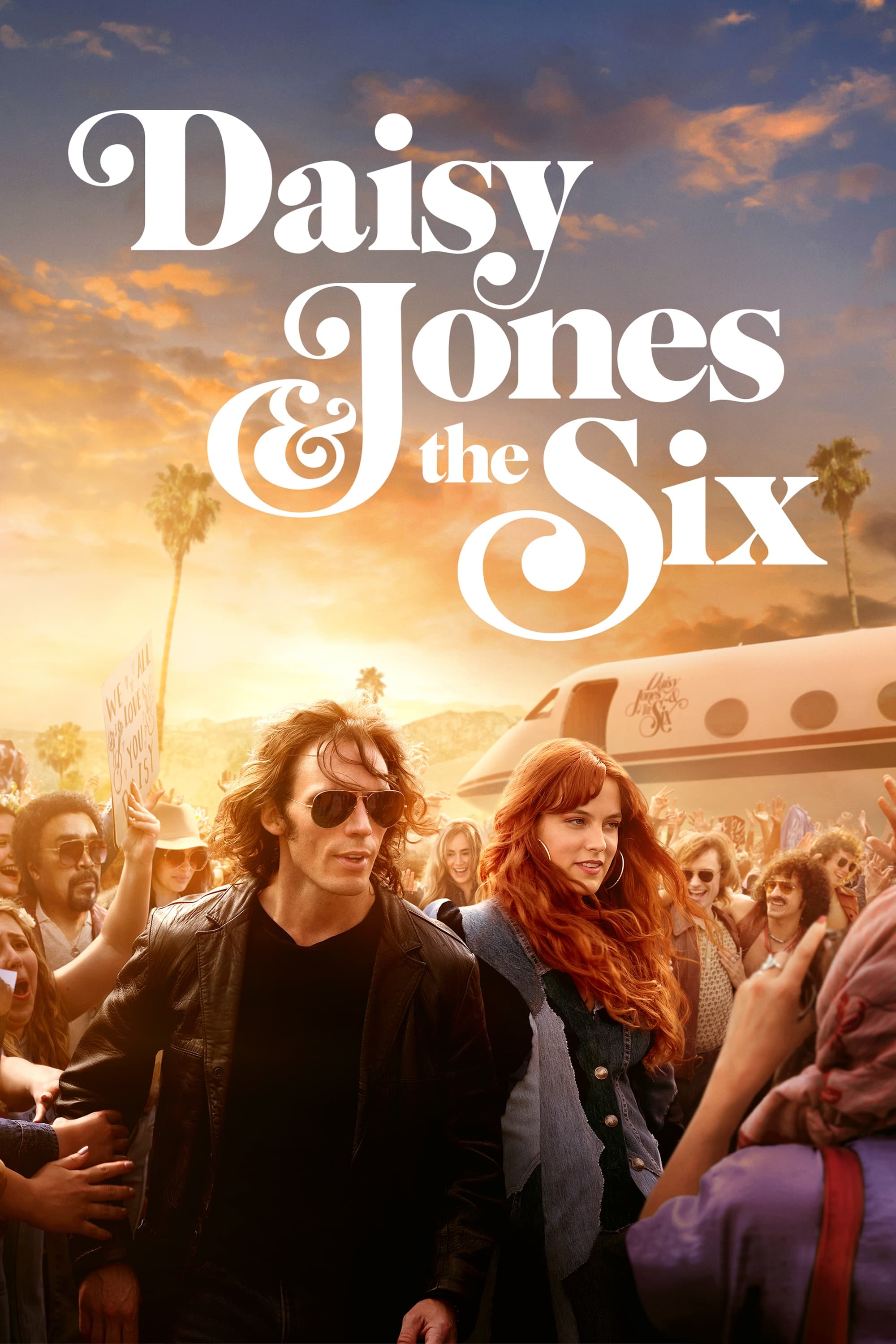
As a real cinema fan, I found this musical drama fascinating because it feels like a genuine rock documentary from the 1970s. What really struck me was how they shot it – using Super 8 cameras to get those raw, candid moments, almost like home movies of the band. That film stock just gives everything this incredible warmth and a nostalgic feel that digital effects can’t quite match. It’s a brilliant way to make these larger-than-life rock stars feel relatable and human, like you’re getting a peek behind the scenes through someone’s personal camera.
‘Cruel Summer’ (2021)
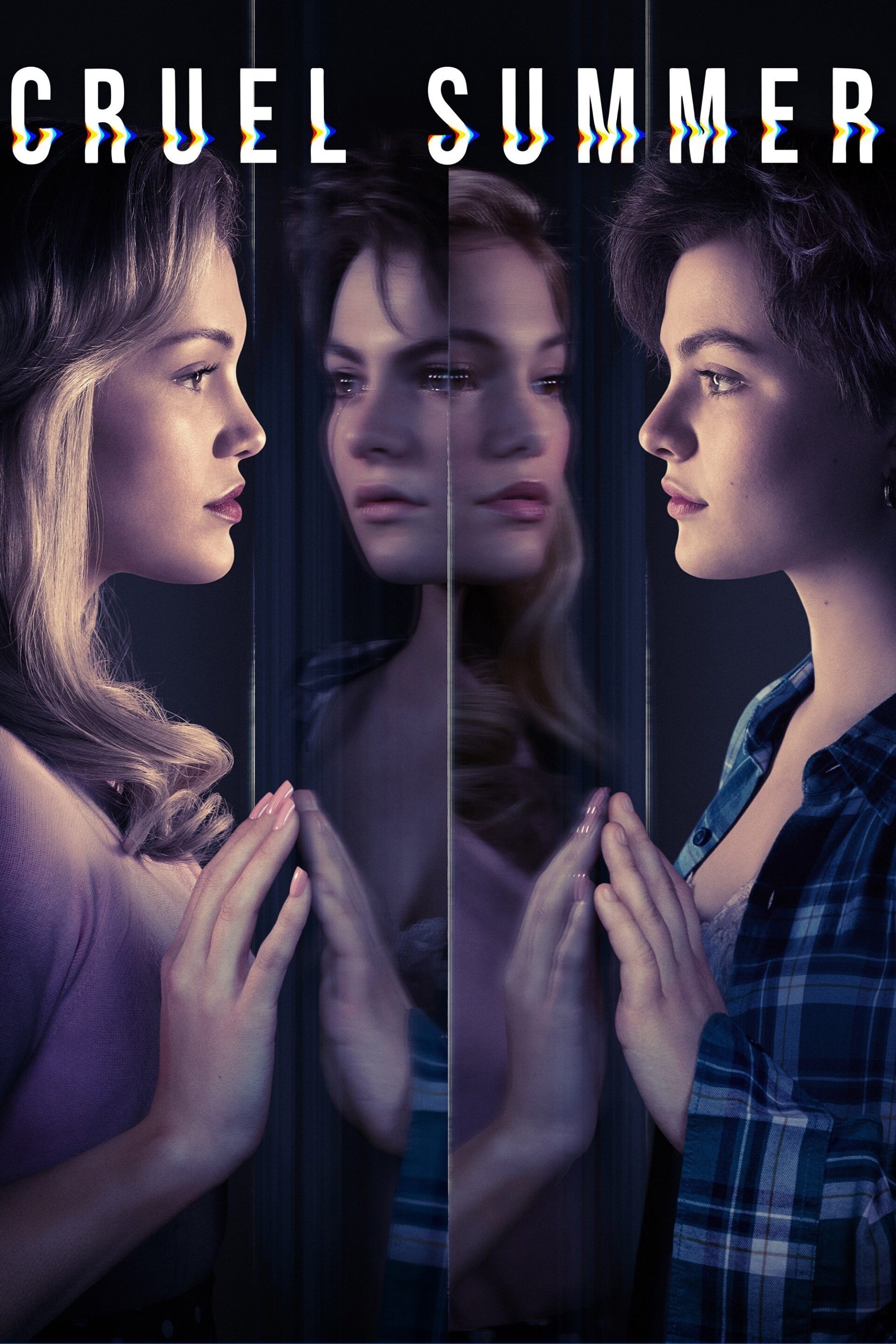
This mystery series unfolds over three summers in the 1990s. Each year – 1993, 1994, and 1995 – has a distinct visual style created through the use of different camera filters and lenses. The show starts with a bright, warm look in 1993, and each following year becomes noticeably darker and more muted. These changes in color and tone help viewers immediately recognize the year the scene takes place in, without needing on-screen text.
‘The Staircase’ (2022)

To tell this true crime story, the show jumped between three different time periods, even including a documentary being filmed within the show itself. The filmmakers used different screen shapes and camera styles to clearly distinguish between the family’s personal life, the courtroom drama, and the documentary footage. They made the documentary segments look like videos from the early 2000s using digital cameras with that style. This clever visual approach helped viewers follow the complex story, which covered almost twenty years.
‘Watchmen’ (2019)
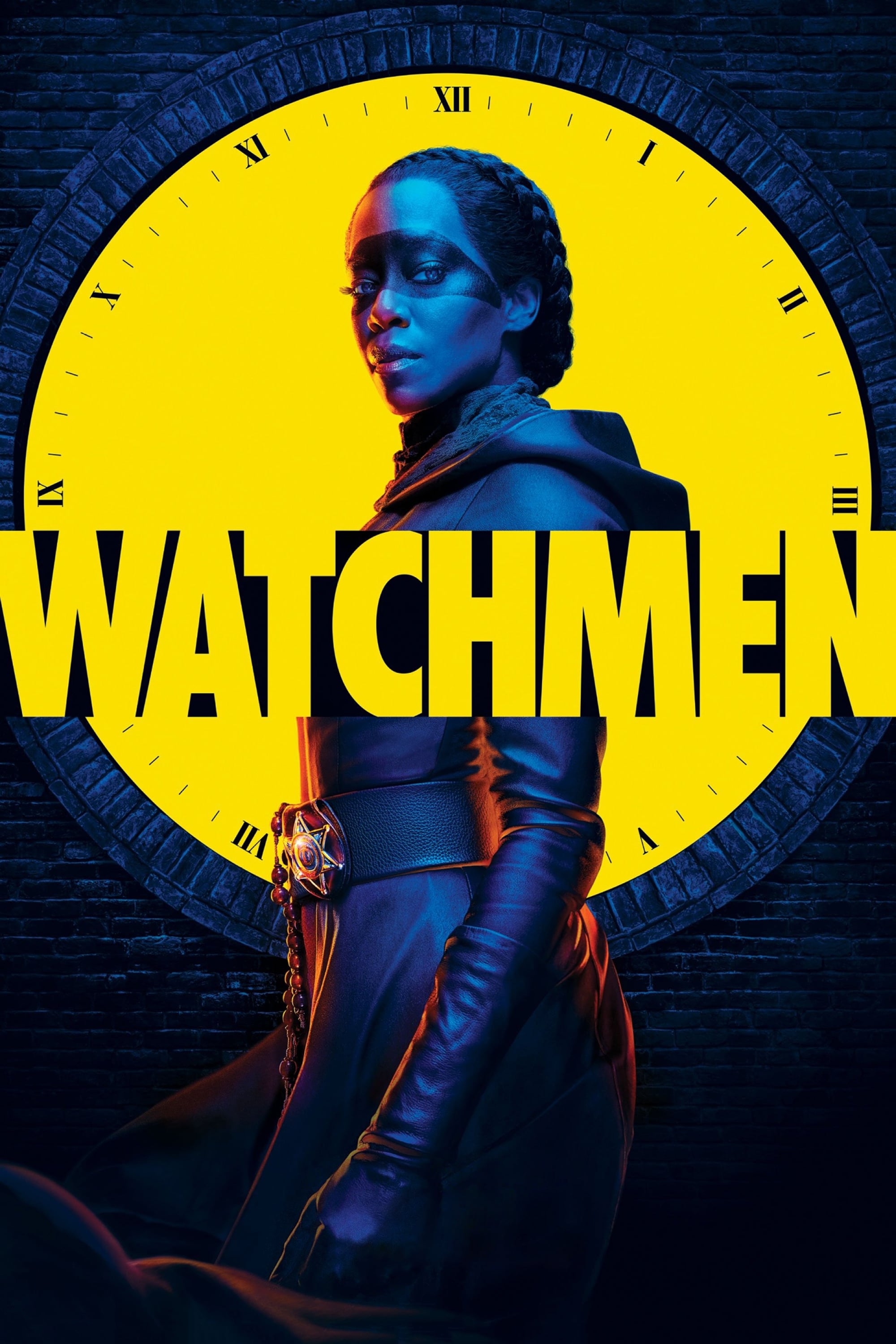
As a total cinema lover, I was really struck by how the show handled Hooded Justice’s backstory. The episode completely changed its visual style – they shot the whole sequence in black and white, and it wasn’t just any black and white. It had this really deliberate film grain, almost like looking at old home movies, which I quickly realized was meant to feel like the effect of the drug, Nostalgia, within the show’s world. They used older lenses and let the shots run longer, creating this flowing, dreamlike quality. It instantly told you that what you were seeing wasn’t necessarily objective truth, but a blurry, fragmented memory – a really clever way to tell the story.
‘Stranger Things’ (2016–Present)
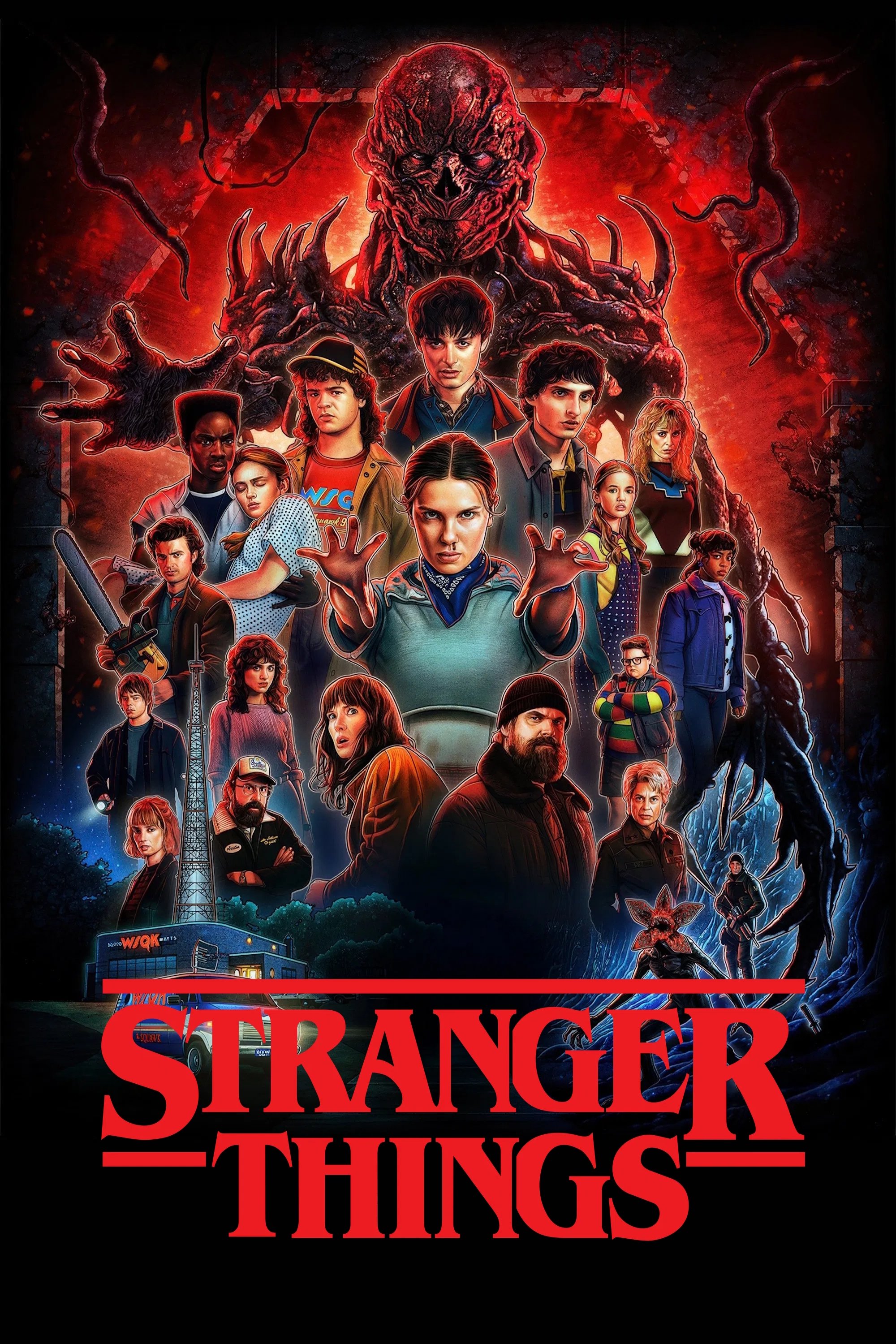
Though filmed with today’s digital cameras, the show deliberately looks like it was made in the 1980s. The filmmakers use older lenses from Leica and Panavision to create the slightly imperfect look common in movies from that time. They also add a film-like grain during editing to further recreate the texture of classic 35mm film. These choices help the show capture the same visual feel as the inspiring Amblin-style movies.
‘Mindhunter’ (2017–2019)
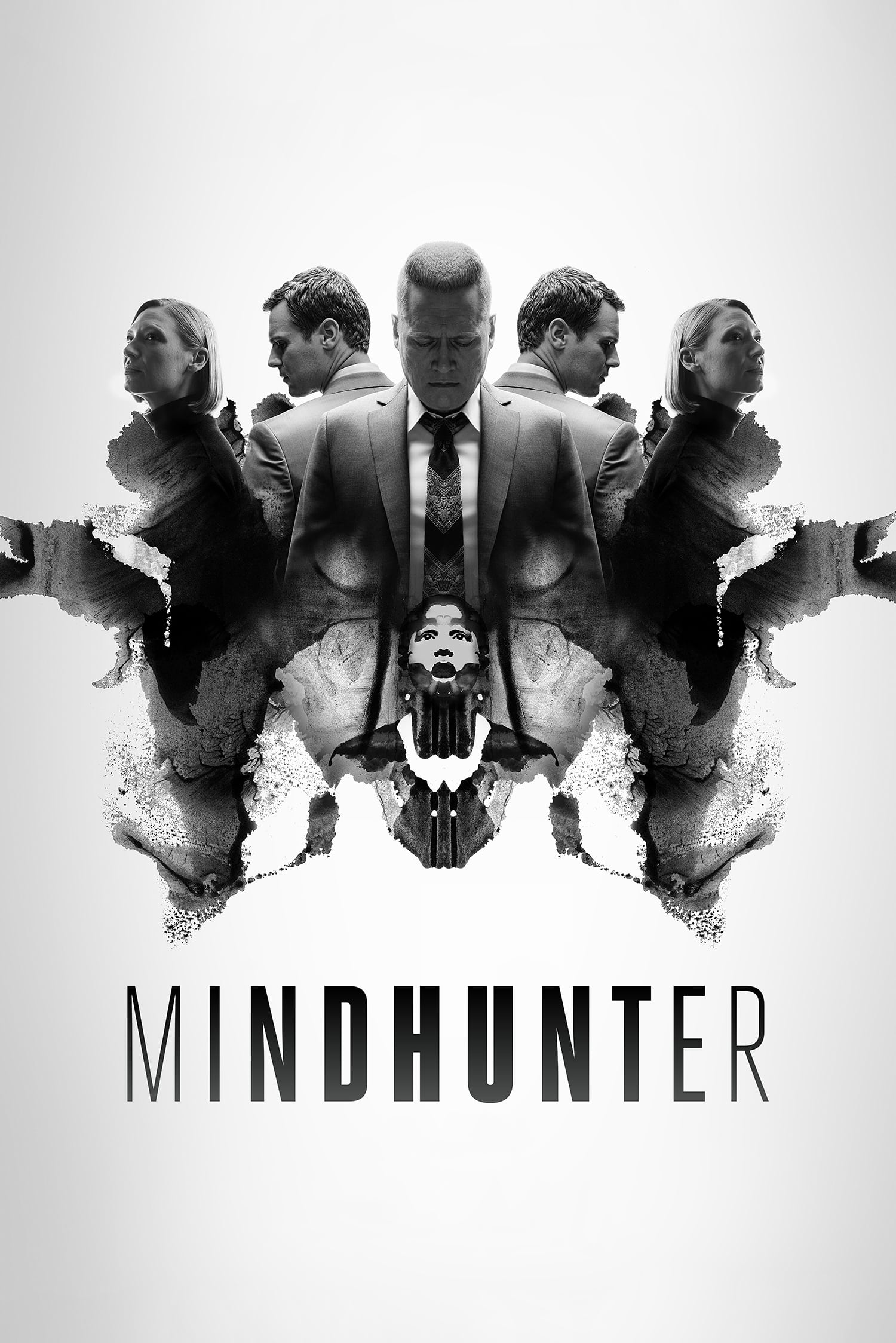
Director David Fincher, known for his meticulous digital filmmaking, aimed for a 1970s look in this crime thriller. To achieve this, the filmmakers used specially modified RED cameras and color processing techniques to recreate the look of film from that era. They also selected lenses that were both sharp and gave the footage a classic, vintage color tone. The final result is a visually clean style that’s true to the period and reflects the methodical nature of the FBI investigators.
‘Fringe’ (2008–2013)
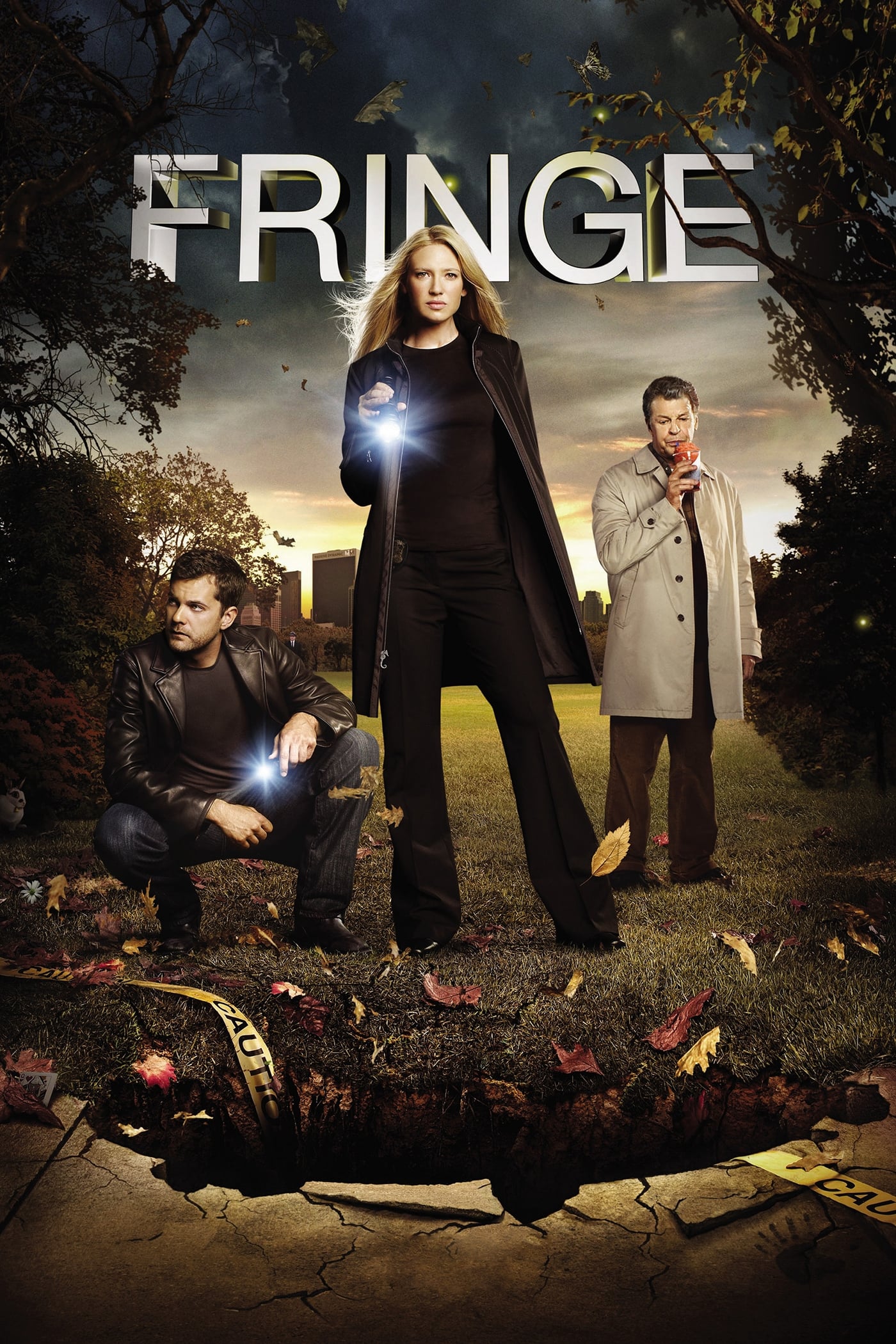
This science fiction show creatively used different visual styles to represent various universes and time periods. The episode ‘Peter,’ for example, is set in 1985 and features a new title sequence and overall look. The filmmakers intentionally added a grainy texture and specific colors to make it feel like a television show from the 1980s. This attention to detail really pulled viewers into the past right from the start.
‘Snowfall’ (2017–2023)
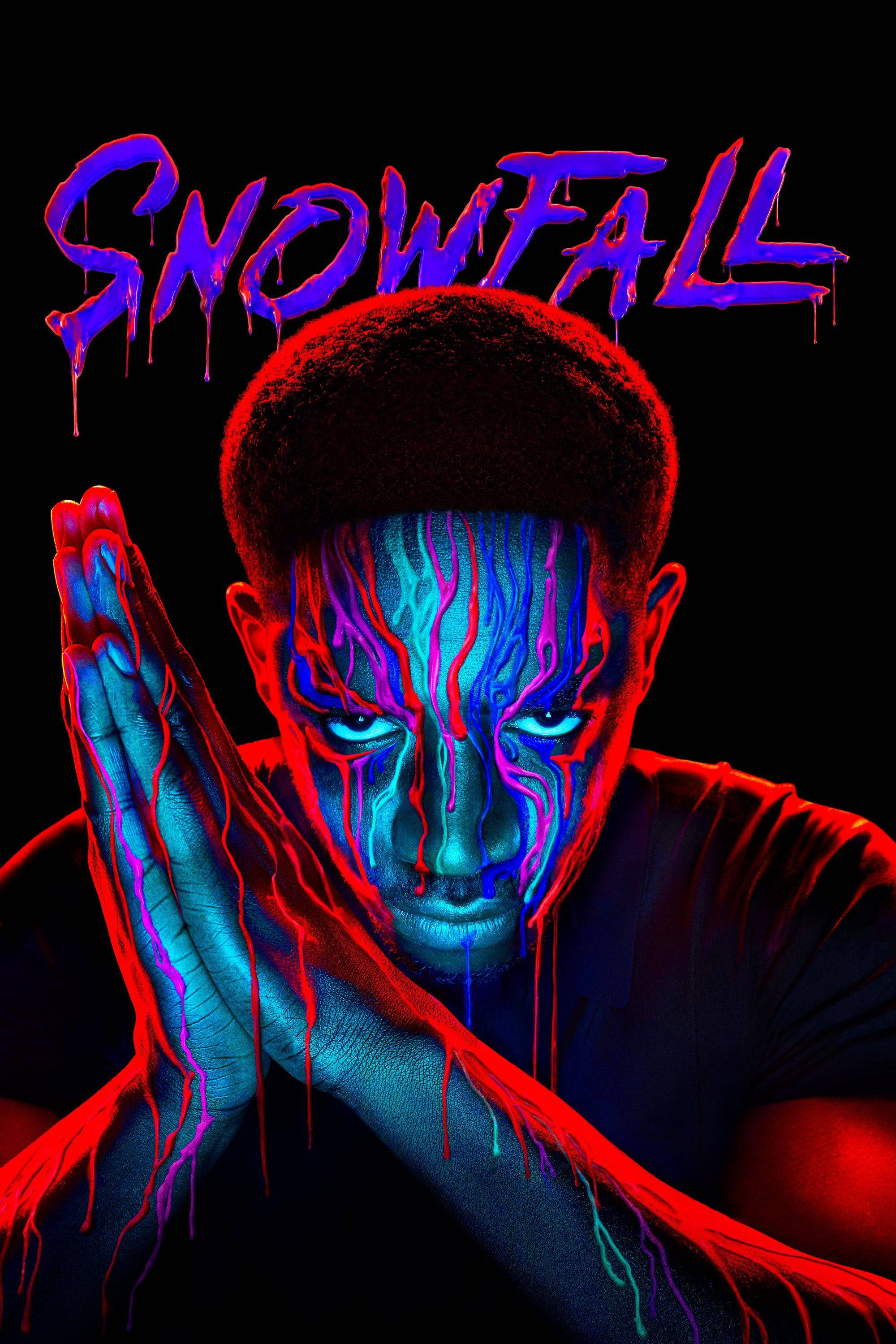
The show, set in 1980s Los Angeles amidst the crack cocaine epidemic, aimed to visually capture the era’s intense atmosphere. The filmmakers used older camera lenses to create a look with bright flares and softer colors, reminiscent of 1980s street photography. This choice helped achieve a sun-faded, almost bleached quality, emphasizing the heat and tension of the story’s setting.
‘Atlanta’ (2016–2022)
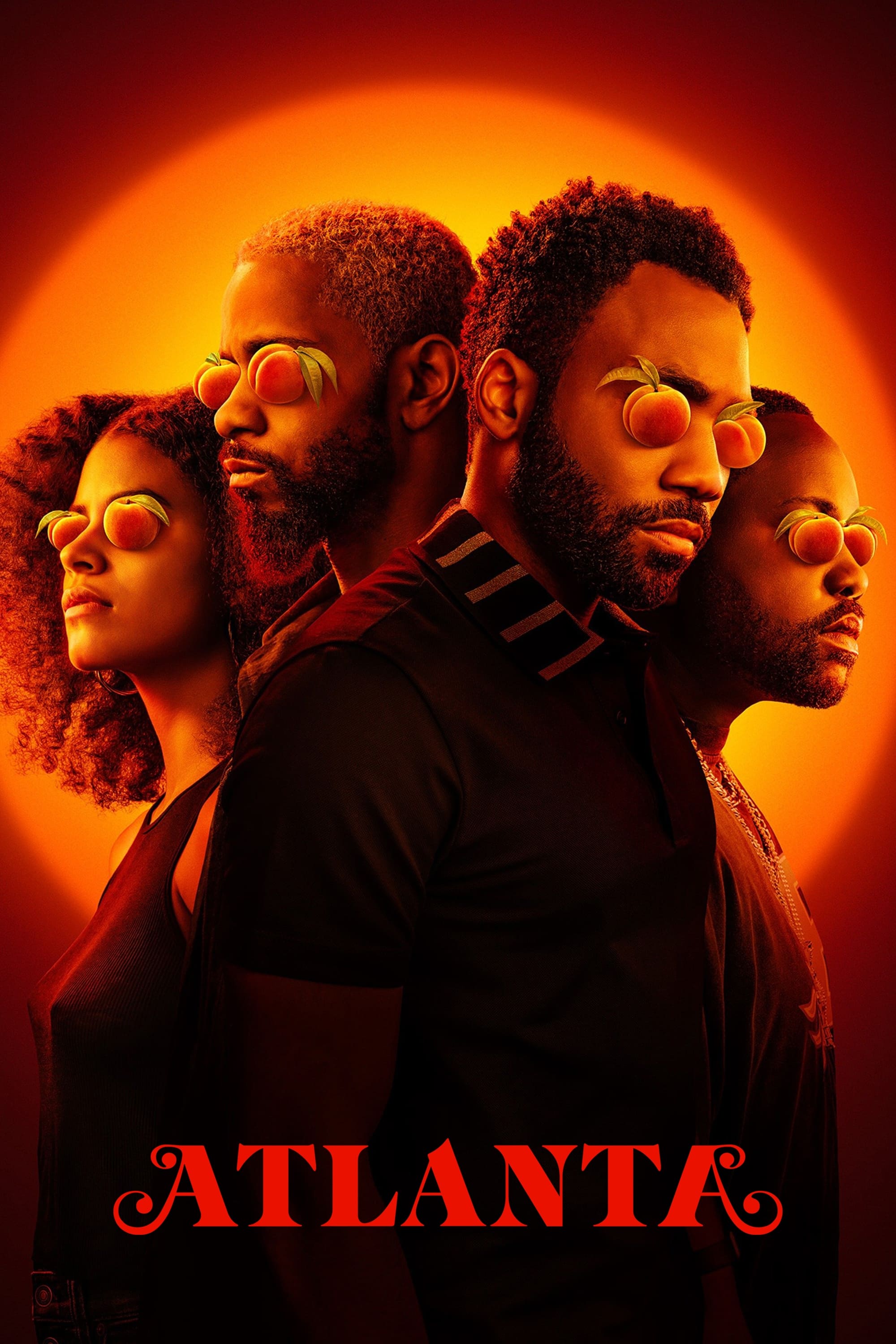
The latest season of this quirky and dramatic show was filmed mostly on 35mm film, giving it a different look and feel compared to earlier seasons that were shot digitally. The episode ‘Teddy Perkins’ stood out with its visuals, which intentionally resembled a creepy, old-fashioned psychological horror movie. The film’s texture and color range helped create a sense of discomfort and a feeling that the episode wasn’t tied to any particular time period. This filming choice made the episode feel more like a movie than a typical TV show.
‘Westworld’ (2016–2022)
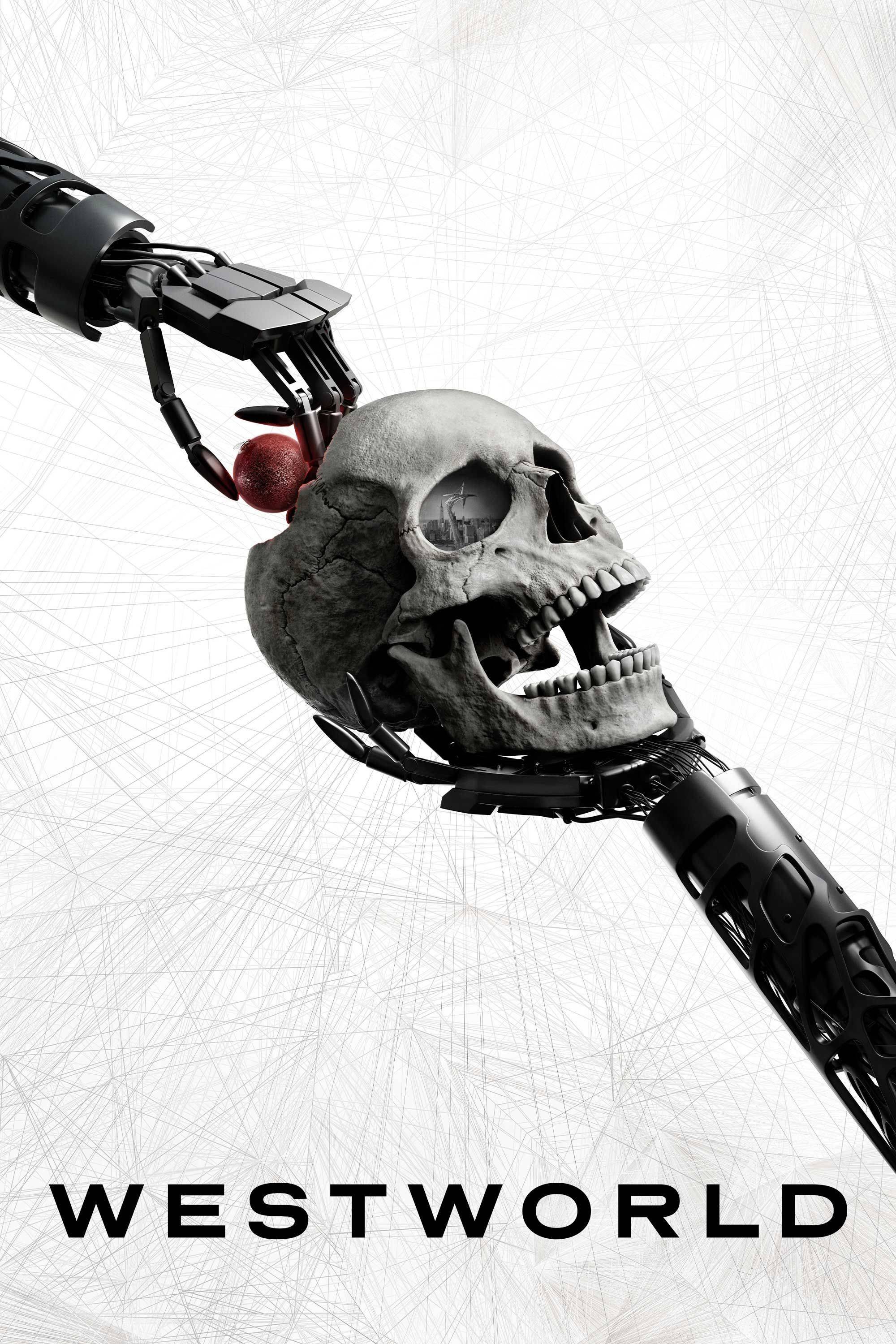
The filmmakers visually distinguished between the theme park and the corporate world by using different camera techniques. They primarily used traditional 35mm film for scenes inside the park, giving them a classic, almost nostalgic feel. For the high-tech labs and real-world settings, they used digital cameras to create a cleaner, more modern look. This intentional contrast subtly helped viewers distinguish between what was fake and what was real.
‘The Wonder Years’ (2021–2023)
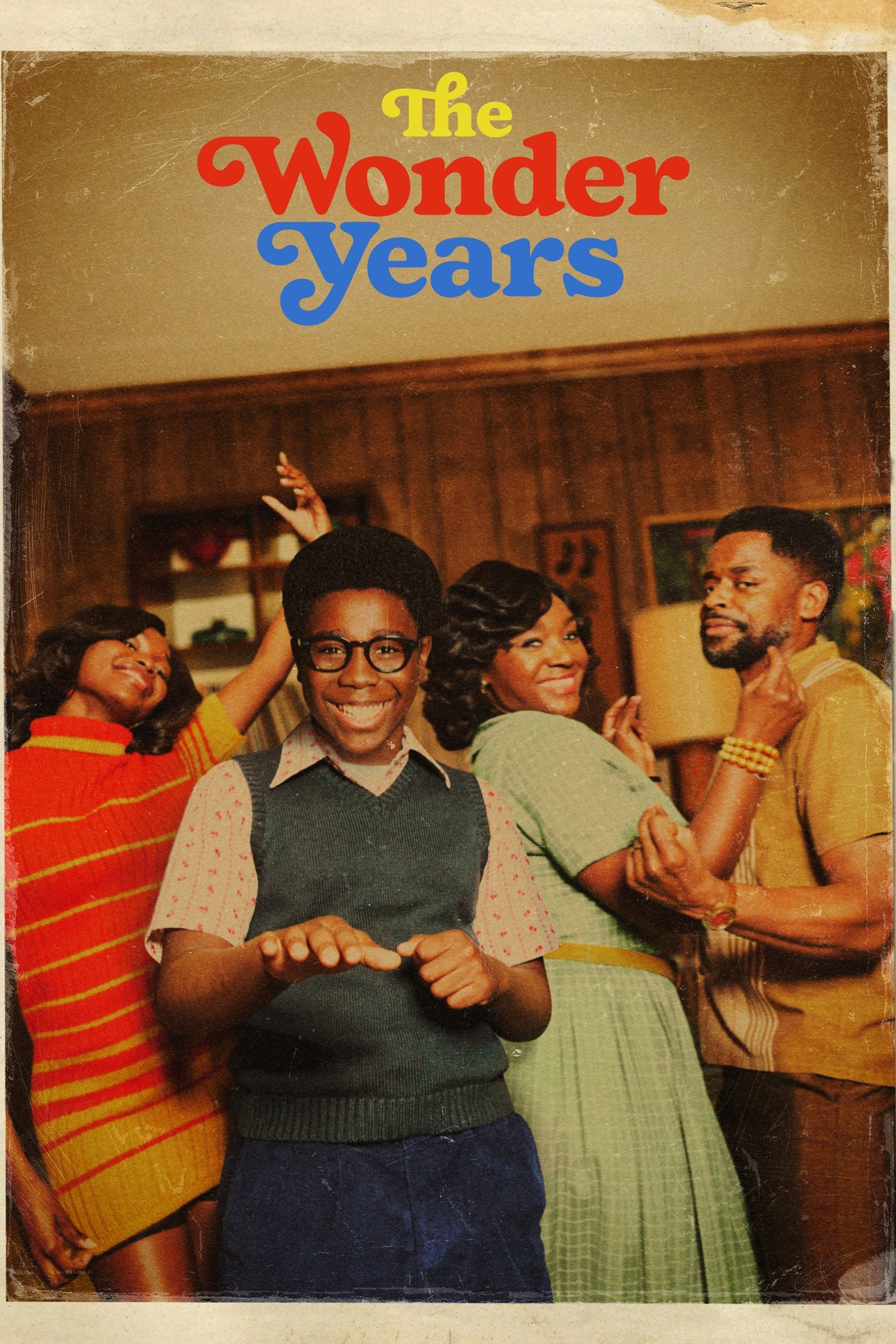
Reviving a beloved story means carefully blending updated visuals with a familiar, nostalgic feel. The filmmakers used digital cameras, but then added effects to make the footage look like old home movies from the late 1960s. They specifically recreated the grainy texture and color tones of amateur films from that era. This helped make the story feel genuine and connected to the main character’s memories.
‘Succession’ (2018–2023)
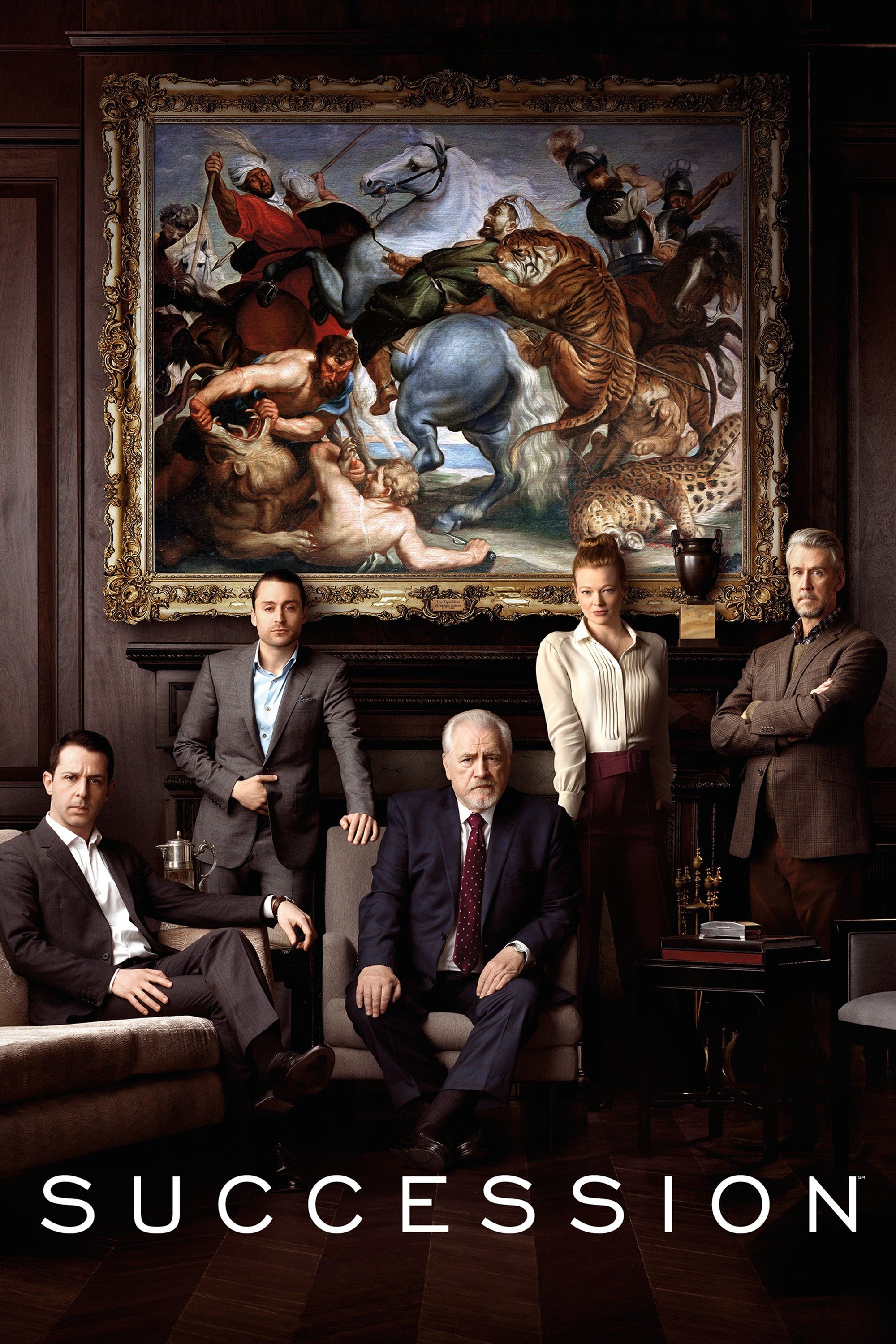
The opening credits of this show are famous for their creative use of old-fashioned film styles. They blend shaky, vintage Super 8 and 16mm footage—showing the Roy family’s childhood—with the show’s sleek, modern visuals. This contrast immediately highlights the characters’ complicated pasts, filled with both wealth and emotional distance.
Share your favorite example of visual storytelling in TV flashbacks in the comments.
Read More
- Top 20 Dinosaur Movies, Ranked
- 20 Movies Where the Black Villain Was Secretly the Most Popular Character
- 25 “Woke” Films That Used Black Trauma to Humanize White Leads
- Celebs Who Narrowly Escaped The 9/11 Attacks
- Silver Rate Forecast
- Spotting the Loops in Autonomous Systems
- Gold Rate Forecast
- 22 Films Where the White Protagonist Is Canonically the Sidekick to a Black Lead
- From Bids to Best Policies: Smarter Auto-Bidding with Generative AI
- Can AI Lie with a Picture? Detecting Deception in Multimodal Models
2025-12-12 00:17