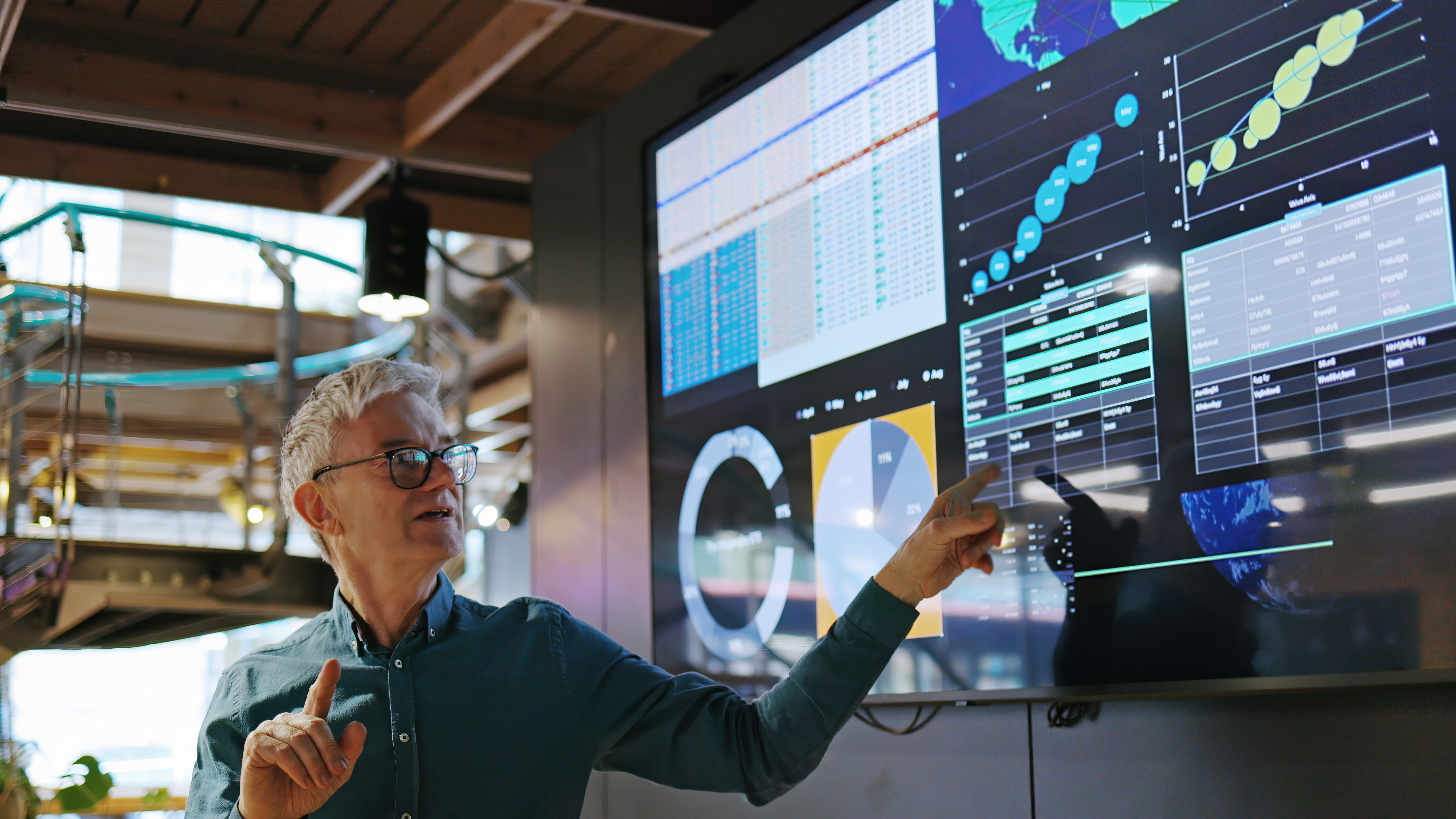
The market’s recent thaw, after years of stagnation, signals not just hope but a calculated gamble. In 2025, the IPO landscape saw a tentative revival, with a few well-known companies testing the waters, experiencing what could best be described as a cautious splash rather than a tidal wave. It was a reminder that markets, like all human institutions, are driven by fear and greed in equal measure. Looking ahead to 2026, the prospects are tinged with optimism yet shadowed by the enduring forces of uncertainty. Low interest rates and clearer economic signals could coax a larger crowd into the IPO arena, though they are no guarantees of stability or success.
If the currents of speculation are correct, this year might eclipse all previous records, transforming the IPO market into a spectacle that demands both scrutiny and skepticism. Here are three potential candidates that warrant close watching-if only to understand the game that is being played.
1. OpenAI
Sam Altman, the founder of OpenAI, remains noncommittal about a 2026 IPO. Yet, the whispers persist. Anyone familiar with the industry knows that the company’s valuation, much like its ambitions, oscillates between prudent optimism and outright hype. Supposedly holding a trillion-dollar valuation at the outset-a figure that would shatter all previous records-raises questions about the veracity of the narrative. This would make OpenAI the most valuable IPO ever, instantly elevating it into a league of super-giant stocks.
how sustainable is this enterprise? It is a venture driven as much by political and military contracts as by technological innovation, and both are subject to political tides and international competition.
Leadership matters. Musk’s reputation for transforming ideas into market phenomena is undeniable. Whether that translates into a successful IPO or a speculative bubble remains to be seen. What is certain is that SpaceX, like Tesla before it, has become as much a symbol of aspiration as a business. The real question is whether investors are chasing the promise of the future or simply riding a wave of hype.
3. Anthropic
The third contender is Anthropic, a lesser-known but increasingly intriguing AI firm supported by Google and Amazon. Its chatbot, Claude, positions itself as a practical tool-used more for work-related tasks than entertainment. With roughly 30 million monthly users and a projected valuation of $300 billion, it represents another chapter in the ongoing narrative that AI companies are not just tech startups but the new battleground for wealth and influence.
Recent reports suggest Anthropic’s desire to raise further capital-possibly from giants like Nvidia and Microsoft-aims to fuel rapid growth. The company’s revenues could hit an estimated $26 billion annually, a figure that underscores the ambitions fueling this venture. But the broader question remains: how much of this is real, and how much is a mirage in the fog of financial projections? Like its counterparts, Anthropic’s true value is intertwined with perceptions of technological leadership and strategic partnerships rather than concrete profits.
As with all these candidates, the coming year will reveal whether the hype is justified or merely a reflection of market desperation. Investors must remember that in times of uncertainty, the stories we tell ourselves often outweigh the facts we can verify. In this game, caution remains the only true hedge.
2026 may still be uncertain, but the underlying truth persists: the market’s illusions are only as resilient as the confidence behind them. Time, and perhaps a dose of reality, will tell if these companies are the harbingers of a new era or simply the latest chapter in a relentless cycle of speculation.
Read More
- 20 Movies Where the Black Villain Was Secretly the Most Popular Character
- Celebs Who Narrowly Escaped The 9/11 Attacks
- Transformers Under the Microscope: What Graph Neural Networks Reveal
- Top 20 Dinosaur Movies, Ranked
- Trading on Thin Air: AI Agents Conquer Crypto Volatility
- Silver Rate Forecast
- Gold Rate Forecast
- 22 Films Where the White Protagonist Is Canonically the Sidekick to a Black Lead
- Invincible Season 4 Gender Swaps Tech Jacket As Fans Question Major Comic Change
- Every Notable ‘Star Trek: The Original Series’ Actor Who Died
2026-01-06 16:17