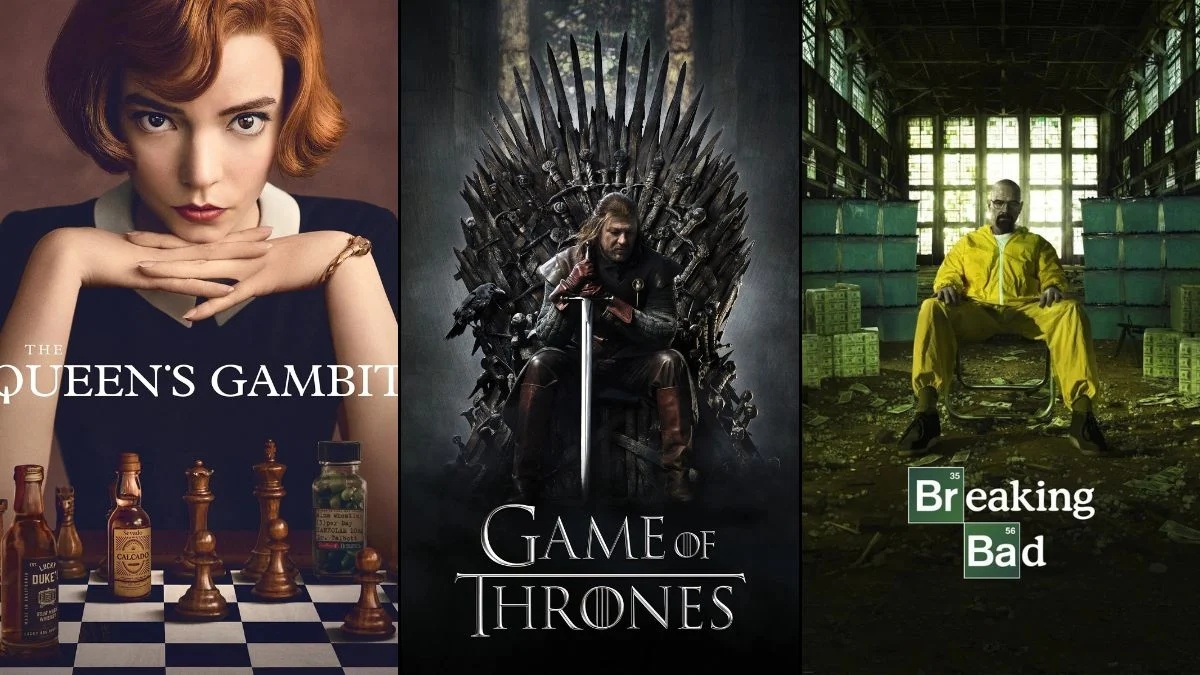
Costume design is a powerful storytelling tool on television. It can show how characters change and how the plot develops, all without any dialogue. Costume designers use color and changes in clothing style to reflect what characters are feeling inside or what’s happening to them. We can often see a character becoming a villain or gaining strength just by looking at what they wear. The shows below are great examples of how important visual style and fashion are to the story.
‘Game of Thrones’ (2011–2019)
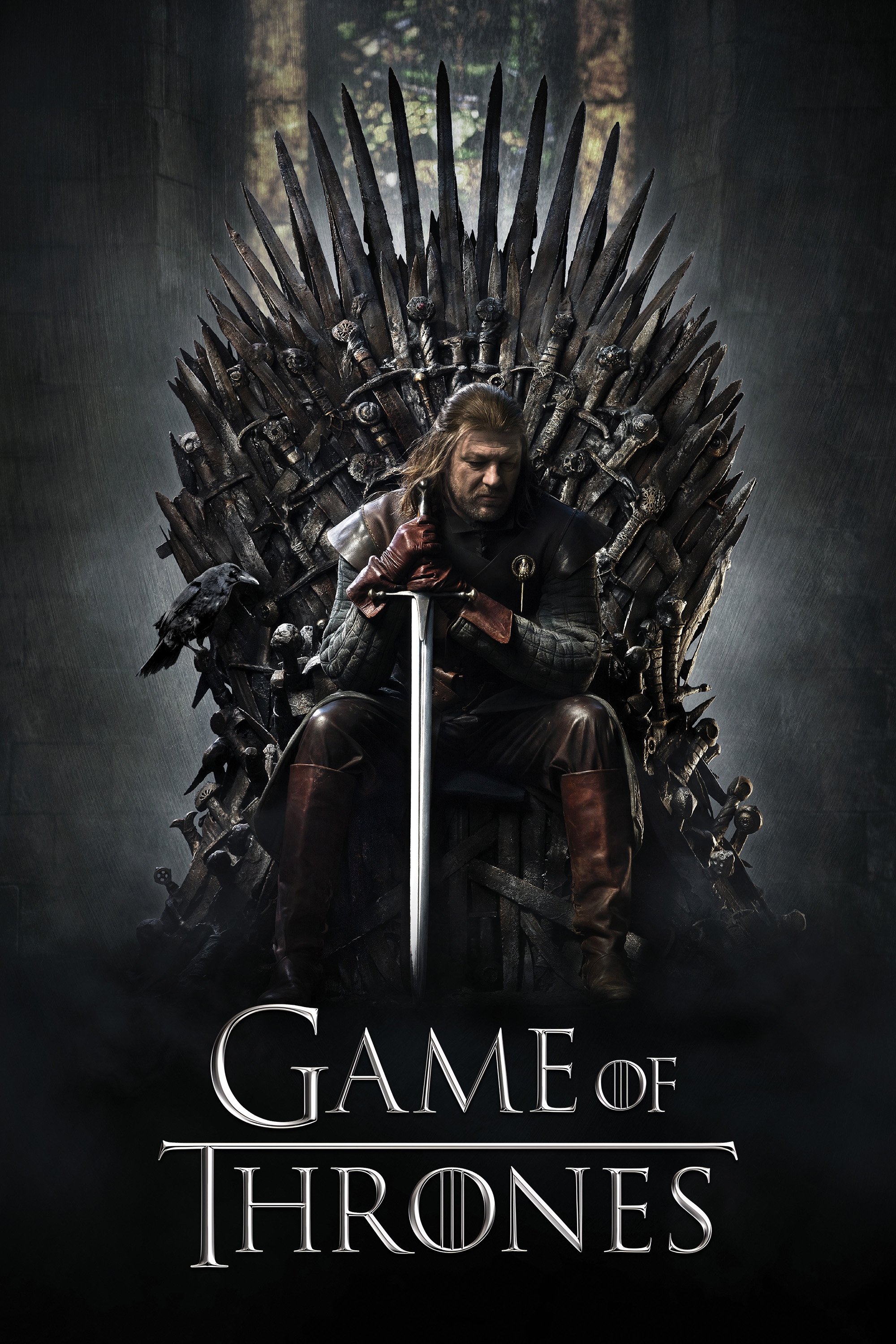
Sansa Stark’s clothing changes dramatically throughout the series, starting with the comfortable wools of the North and later becoming the confining silks of King’s Landing. Eventually, her style shifts to dark, strong outfits that look like armor, representing her growing strength and tough personality. Daenerys Targaryen also experiences a visual change, moving from light, flowing Dothraki clothing to more formal, military-style coats decorated with dragon scales and sharp lines. Costume designer Michele Clapton intentionally used these changes in fabric and style to show how both women gained power and the challenges that came with leading.
‘Breaking Bad’ (2008–2013)
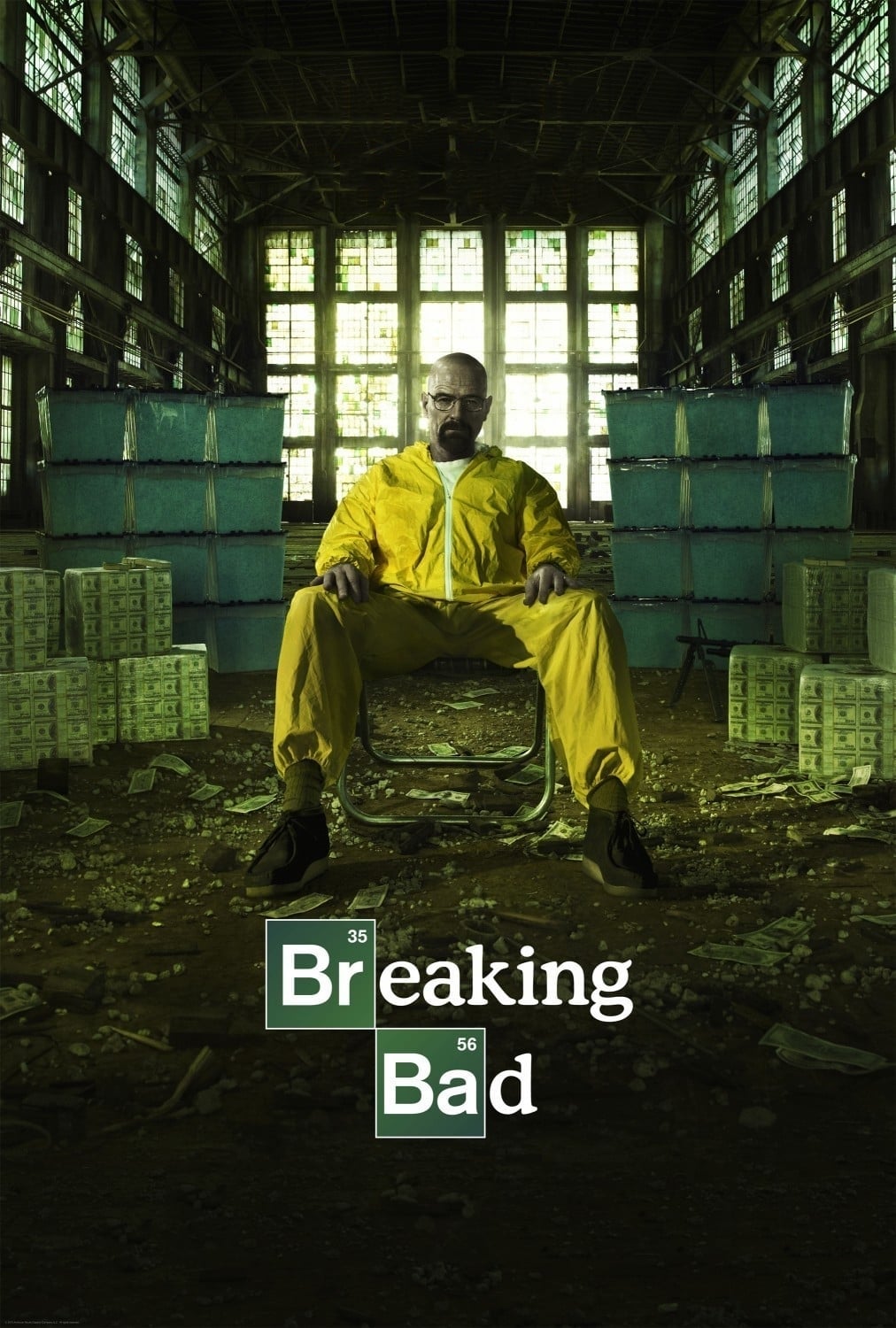
At the start of the series, Walter White’s clothes are bland and neutral colors, reflecting his ordinary life. As he transforms into Heisenberg, his style shifts to include black hats and darker clothing, visually showing his growing corruption. The show cleverly uses color to symbolize characters’ involvement in the drug trade. This increasing use of darker shades acts as a visual cue for the spread of corruption within the White family.
‘The Queen’s Gambit’ (2020)
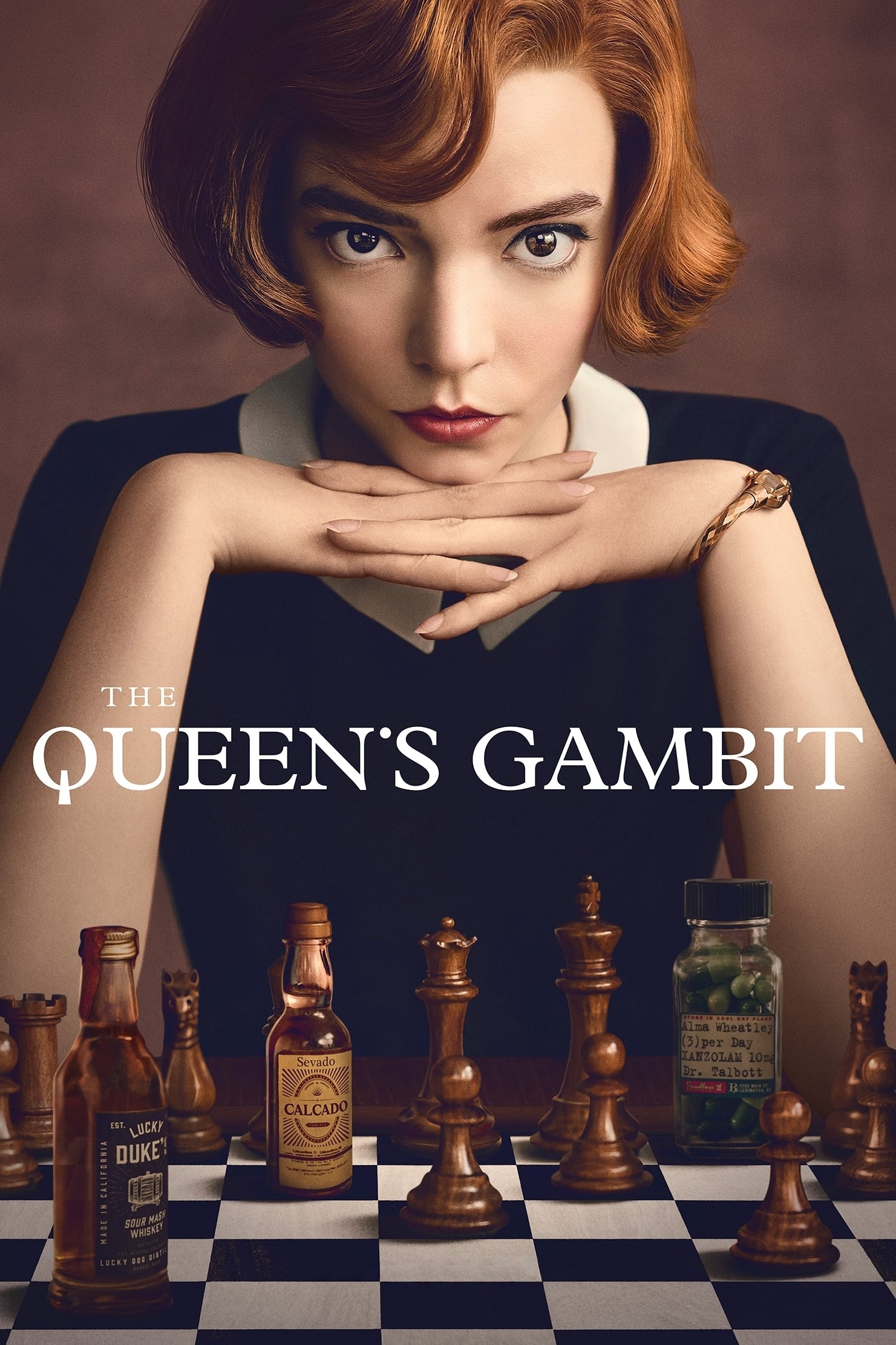
Beth Harmon’s journey is reflected in her changing style. Initially, she wears plain, uniform clothing as an orphan, losing her sense of self. As she develops a passion for chess, her outfits become more striking, incorporating patterns and sharp lines that echo the chessboard. By the end of the story, she’s wearing all white, visually representing her power and transformation into a queen on the board.
‘Mad Men’ (2007–2015)
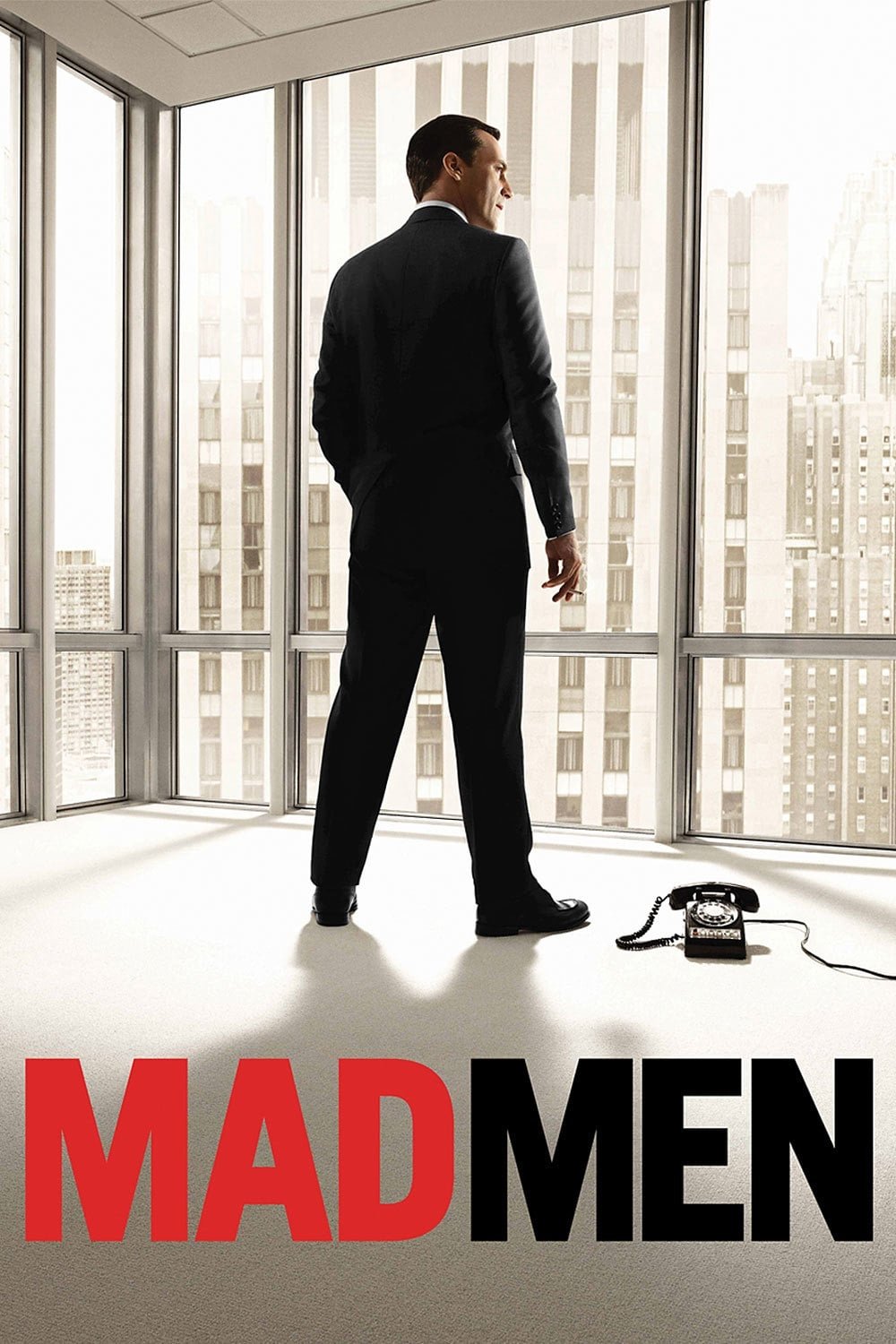
As a total cinema fan, I’ve always loved how “Mad Men” used fashion to tell its story. The clothes really reflected what was happening with the characters and the changing times. You see it so clearly with Peggy Olson – she starts out so buttoned-up with those simple hairstyles and homemade outfits, but as she gains confidence and climbs the ladder as a copywriter, her style becomes much more modern and powerful. Don Draper, though? He’s stuck in his grey suit, and as the 60s get wilder, he starts to look like he’s from another world. It’s brilliant how the costume designer, Janie Bryant, used those period details to show how much distance was growing between the different generations at Sterling Cooper.
‘Schitt’s Creek’ (2015–2020)
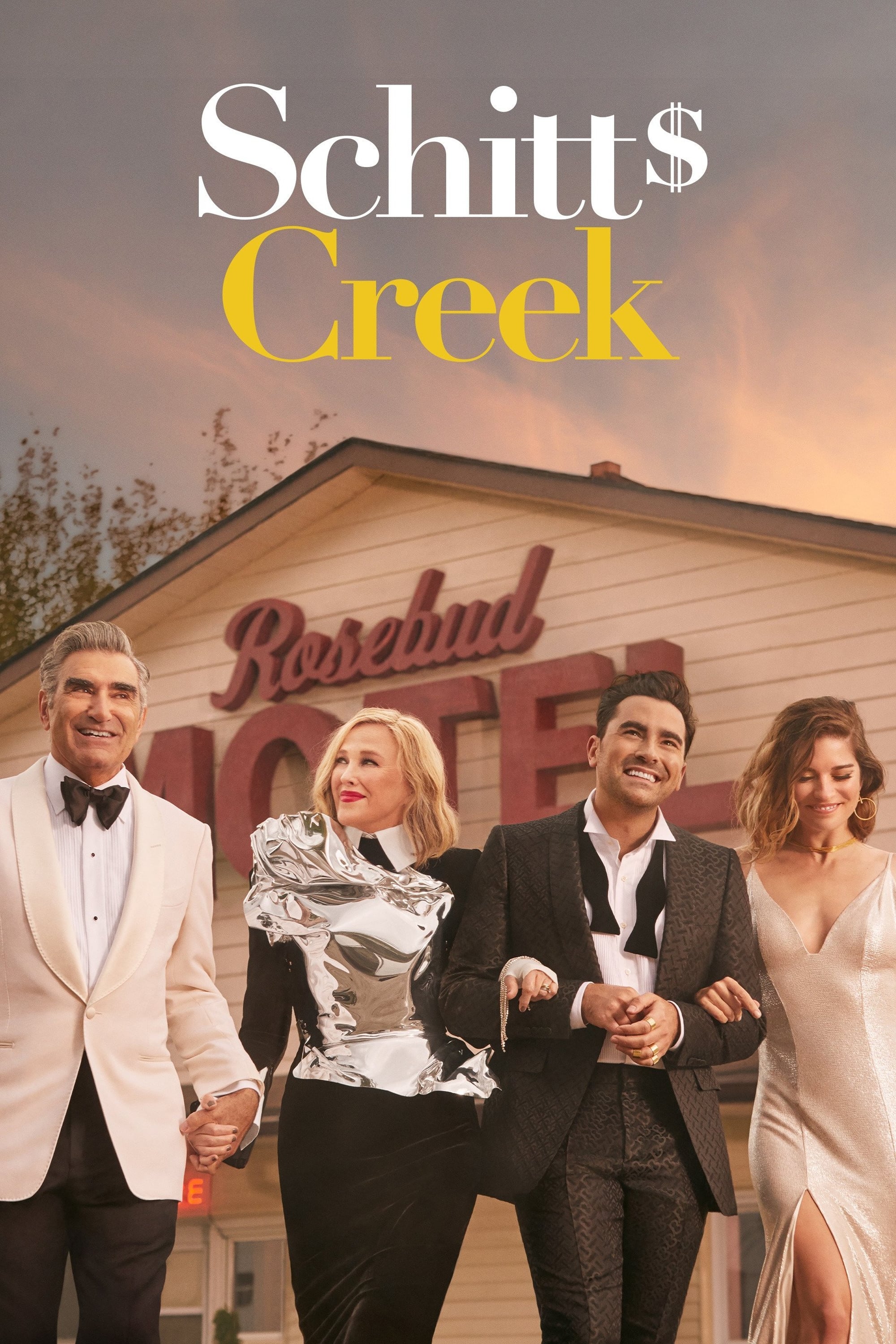
When the Rose family moves to town, their bold, high-fashion clothes feel like a way to protect themselves from their new, down-to-earth surroundings. Moira Rose continues to stand out with her dramatic wigs and all-black outfits, refusing to conform. Over time, David Rose starts to embrace more comfortable, casual styles as he finds happiness and a loving relationship. This shift from high fashion to comfort reflects their growing emotional stability and acceptance into the community.
‘WandaVision’ (2021)
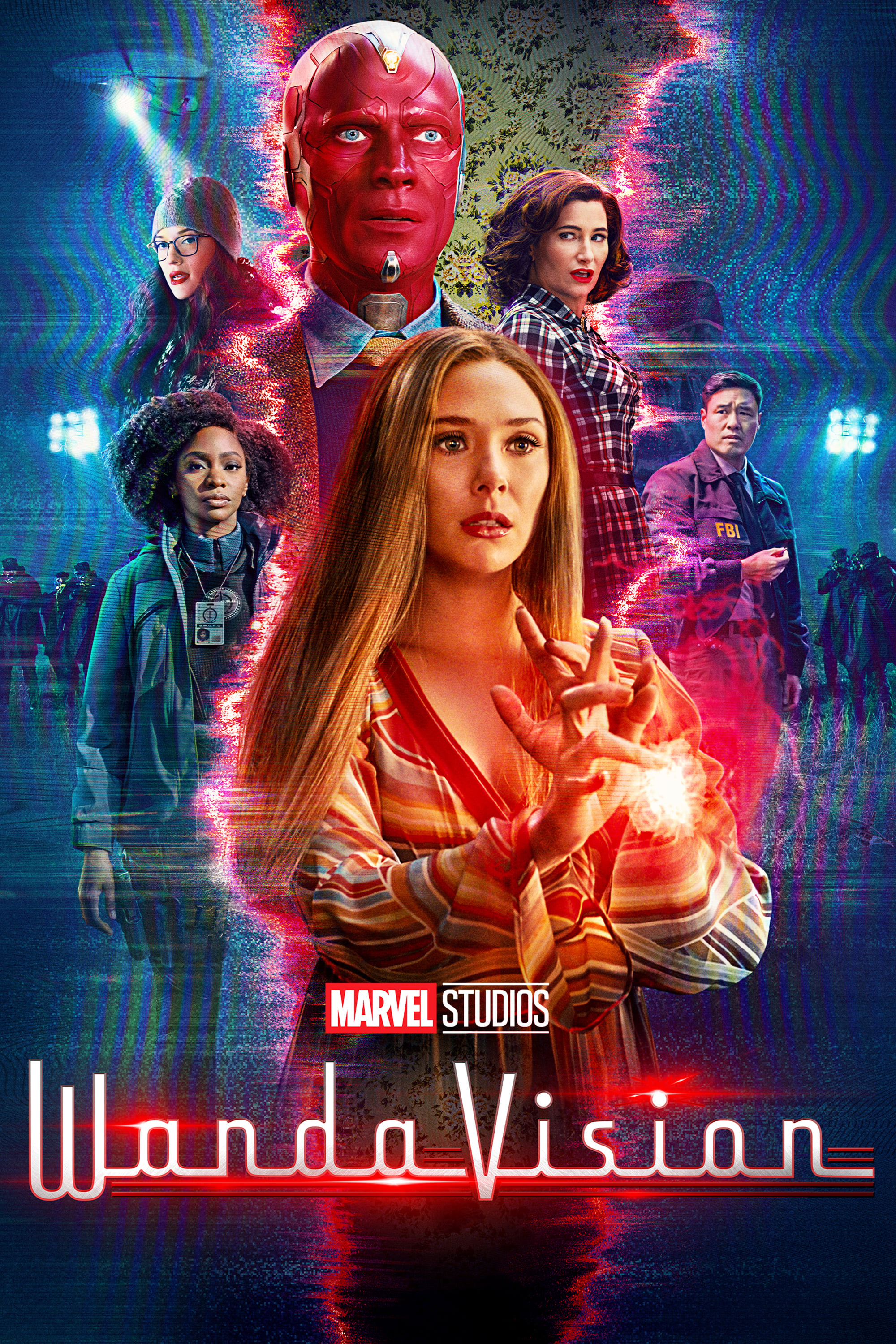
Wanda Maximoff copes with her grief by creating a fantasy world inspired by classic American sitcoms, and her outfits change with each era she recreates – from the 1950s all the way to the 2000s. As she begins to lose control of this reality, her costumes and the world around her start to fall apart. The series culminates in Wanda revealing her iconic Scarlet Witch costume, blending her comic book roots with a more contemporary, practical design.
‘The Crown’ (2016–2023)
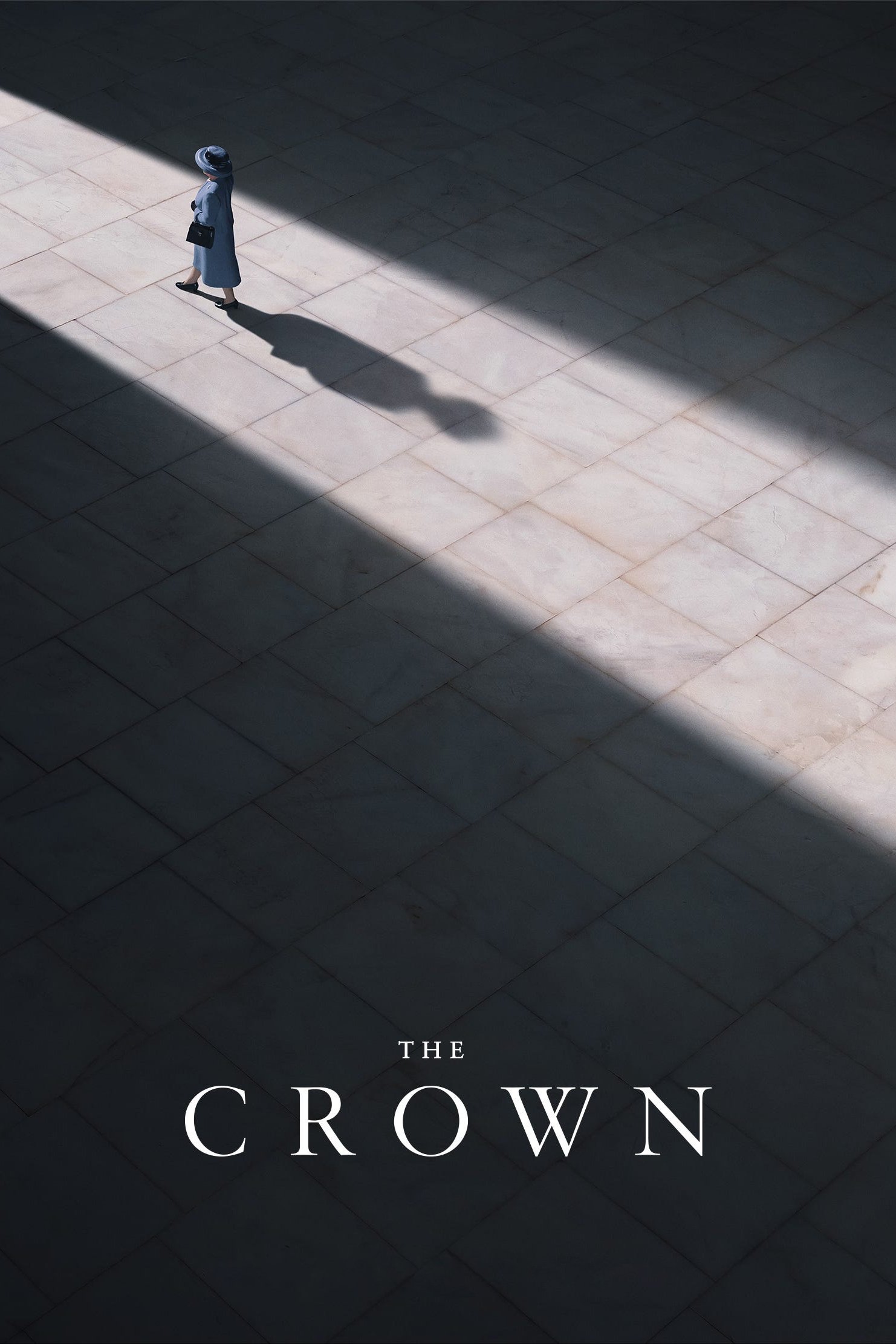
Queen Elizabeth II’s style evolved from the flowing dresses of her early years to more structured, formal suits as she grew older. This change in wardrobe mirrored the royal family’s challenge to stay connected to the public while upholding tradition in a rapidly changing world. Princess Diana, in contrast, brought a bold and modern sense of style with bright colors and fashionable designs, which stood out against the royal family’s more conservative look. These differences in clothing highlighted the pressures and loneliness experienced by the women within the royal family.
‘Stranger Things’ (2016–2025)
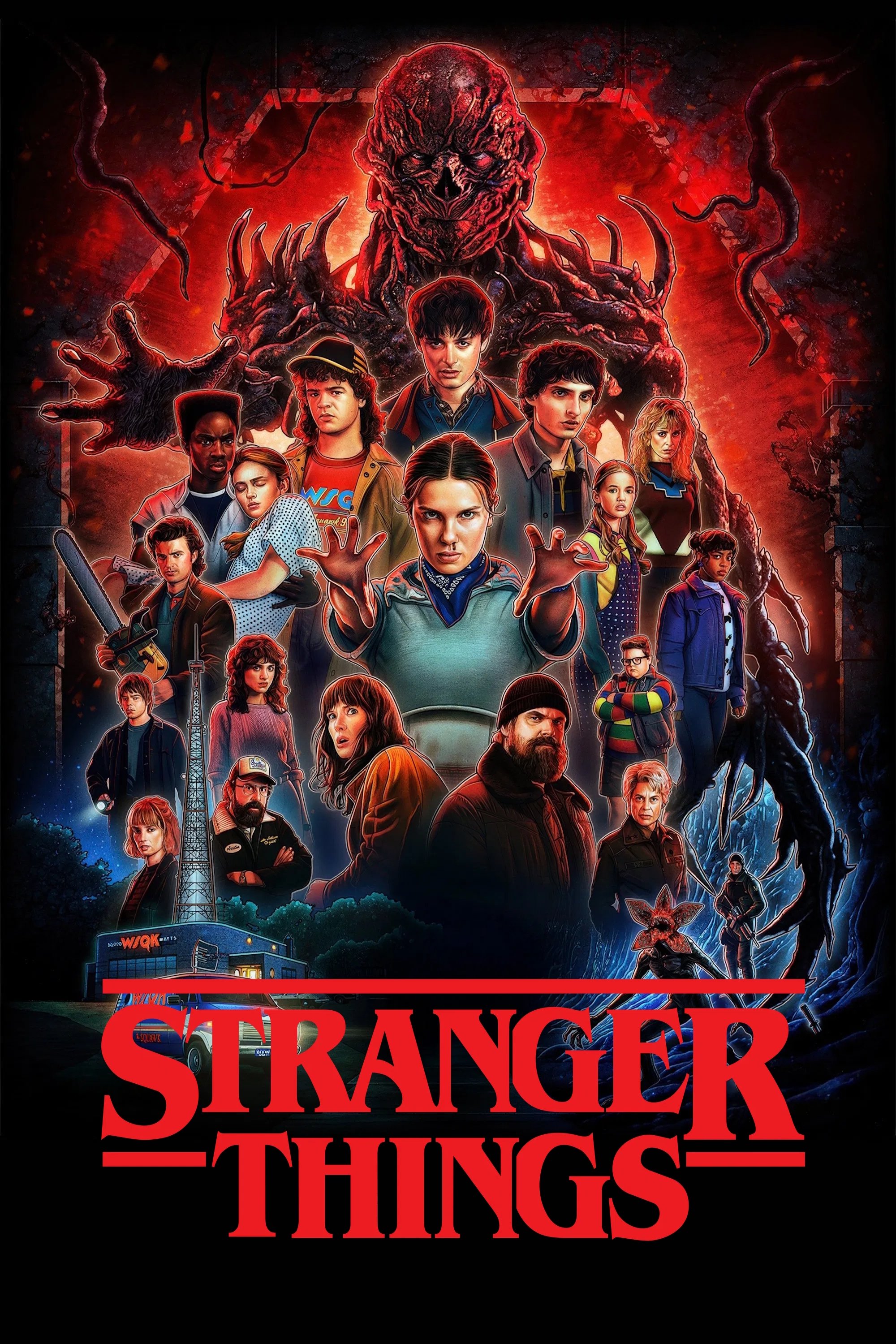
From the very beginning, Eleven’s clothes tell us a lot about her. We first meet her stripped down, literally, in a hospital gown and an ill-fitting t-shirt – she’s lost and doesn’t know who she is yet. Then, as she starts to find herself, her style really blossoms with that awesome 80s mall montage – bright colors, bold accessories, it’s a total transformation! But by season four, things get dark. Her wardrobe reflects that – think grunge, flannel, practical layers… she’s no longer a kid playing games, she’s at war. And honestly, watching the group’s style evolve throughout the series is a perfect visual representation of their journey from innocence to adulthood.
‘The Marvelous Mrs. Maisel’ (2017–2023)
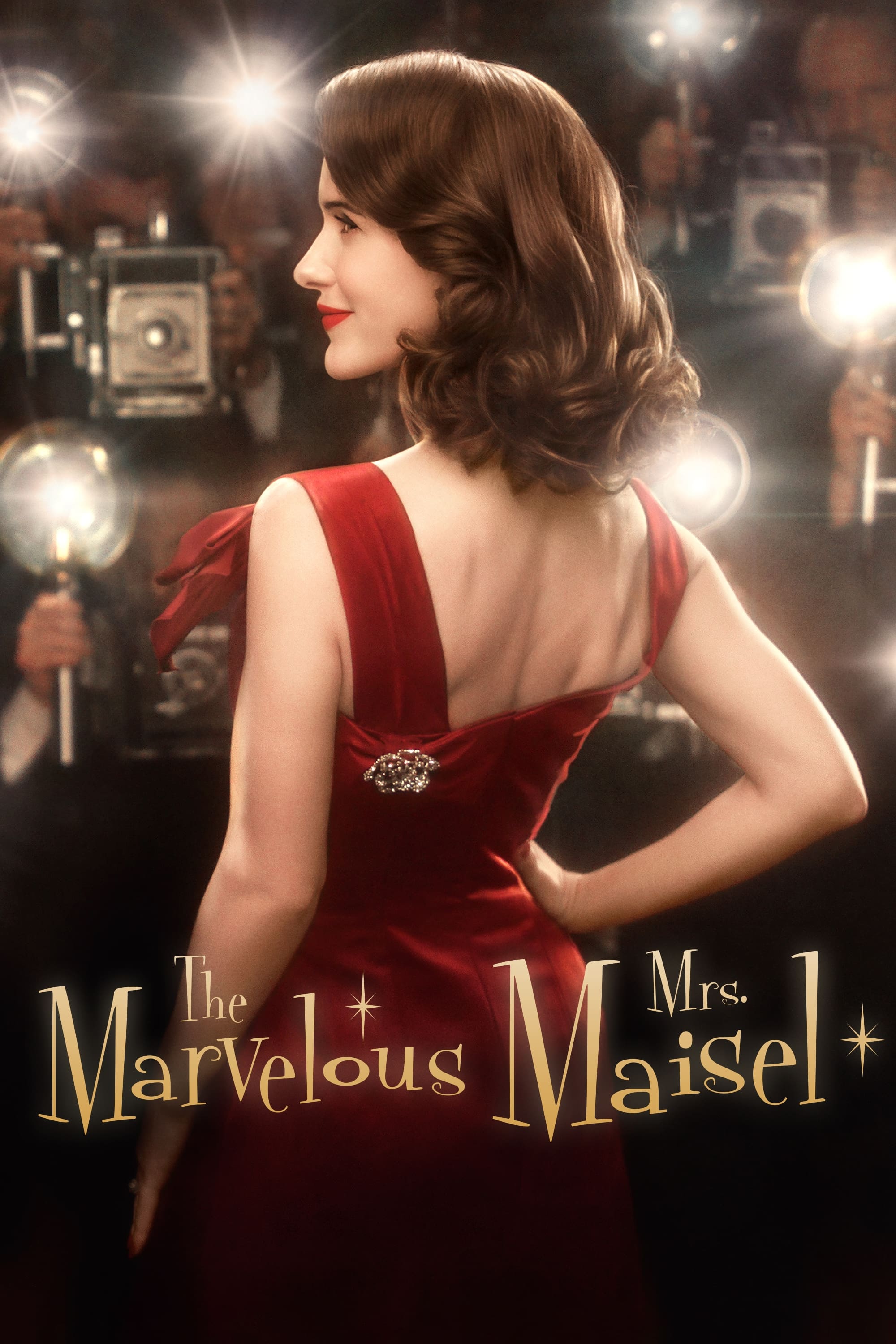
As a critic, I’ve always been fascinated by the costuming in The Marvelous Mrs. Maisel. It brilliantly reflects Midge’s journey. Initially, her closet is a sea of pretty pinks – a visual shorthand for her seemingly perfect life as an Upper West Side wife. But the moment she steps into the world of stand-up, things change. We see a shift to darker colors and more streamlined outfits – clothes that make sense for those gritty, late-night club performances. It’s a clear visual cue to her double life. And as she gains confidence and her career takes off, her style evolves, beautifully blending those two worlds into a chic, powerful professional look that really demands you notice her.
‘Doctor Who’ (1963–Present)
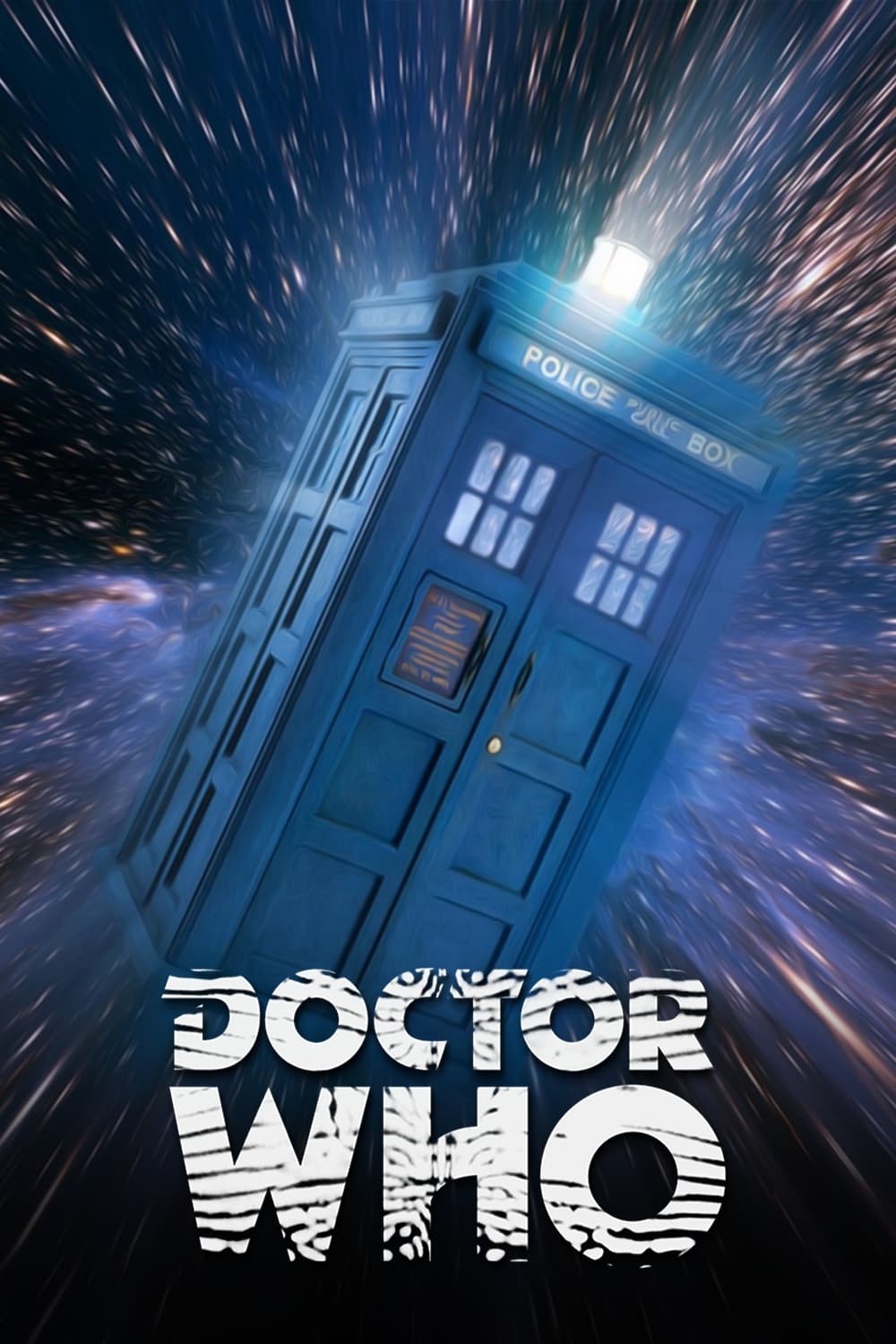
Whenever the Doctor regenerates, they get a completely new personality, and this is instantly shown through a change in their clothes. These outfits are always memorable – from quirky scarves and celery to smart suits and leather jackets. They often blend styles from different time periods, both past and future, to emphasize the Doctor’s unique place in time. A new costume always means a fresh start for the show and a different way for the Doctor to face challenges.
‘The Handmaid’s Tale’ (2017–Present)
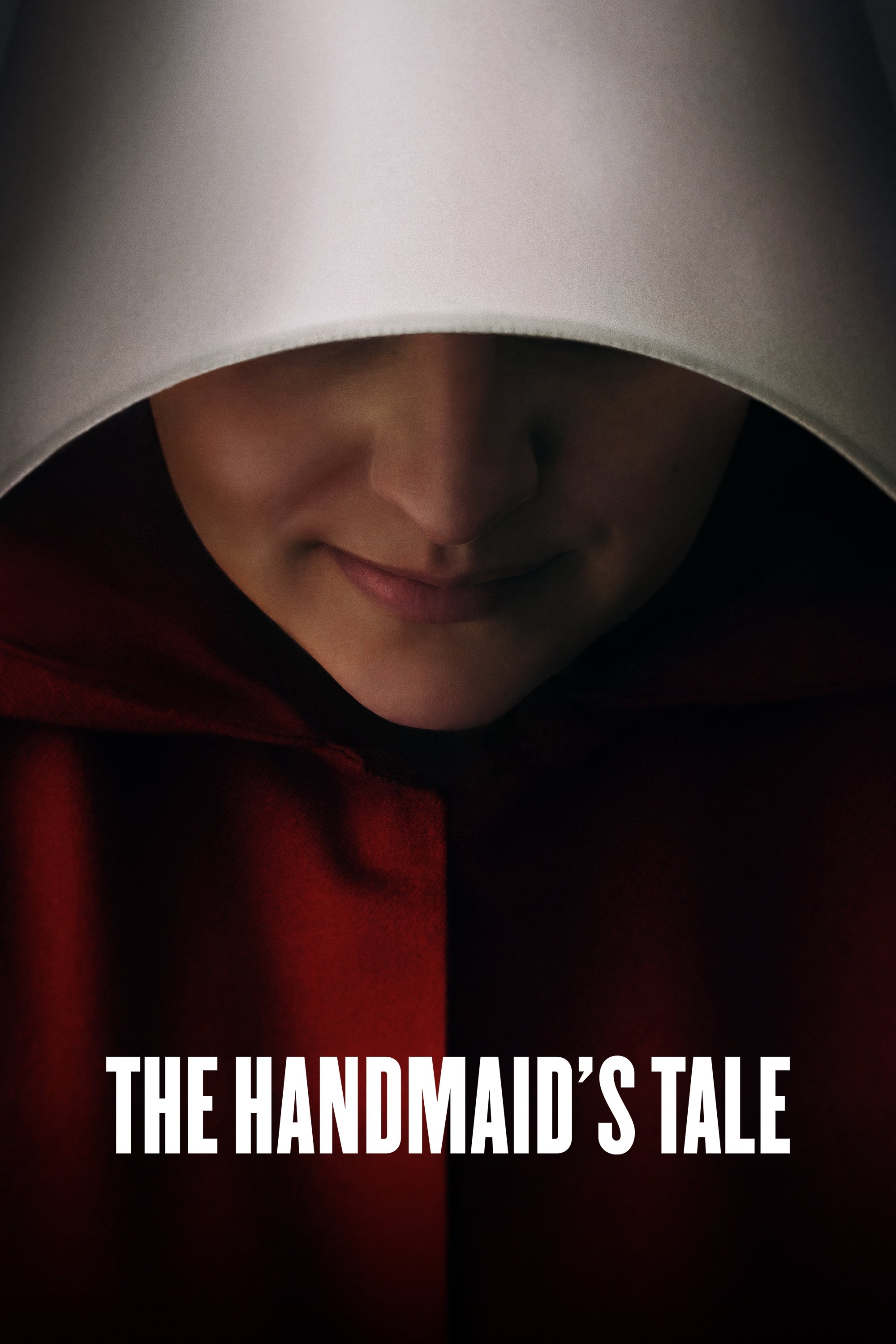
In the Republic of Gilead, women are forced to wear specific colored clothing that shows their social status and whether they can have children. June Osborne, like other Handmaids, must wear a red robe and white head covering, which takes away her sense of self and limits what she can see. Memories of her past life, where she wore normal clothes like jeans and sweatshirts, strongly contrast with her current situation. When characters try to escape or fight back, they often remove these restrictive clothes as a way to take back control of their bodies and their freedom.
‘Succession’ (2018–2023)
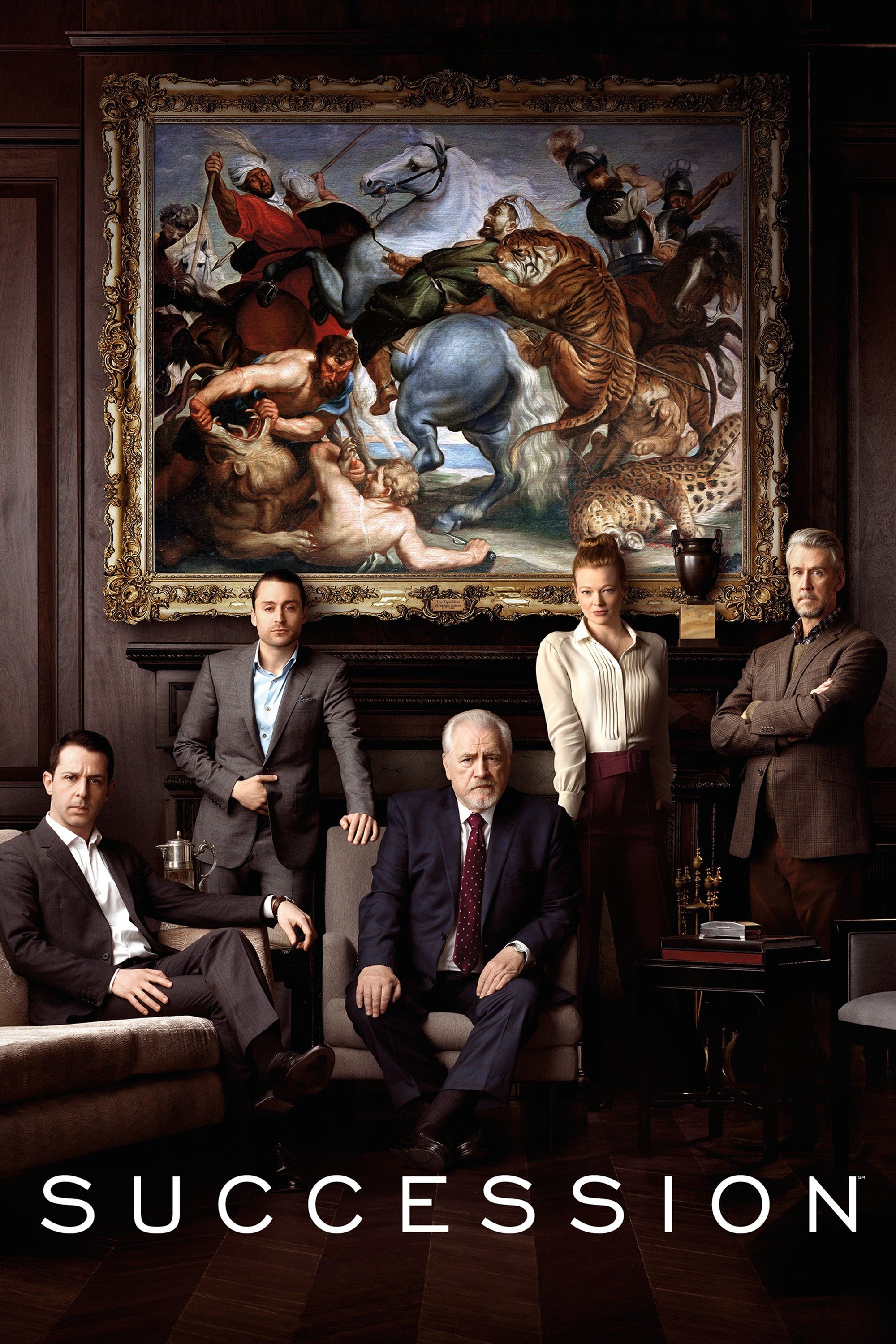
Shiv Roy changes dramatically throughout the series. Initially known as a political strategist with a relaxed style, she evolves into a ruthless businesswoman. This transformation is visually marked by a new, sharp haircut and a shift towards tailored, masculine clothing. Her wardrobe becomes increasingly expensive but understated, reflecting the subtle displays of wealth common among the very rich. This change in style highlights her ambition to earn the respect of her father and brothers in the corporate world.
‘Better Call Saul’ (2015–2022)
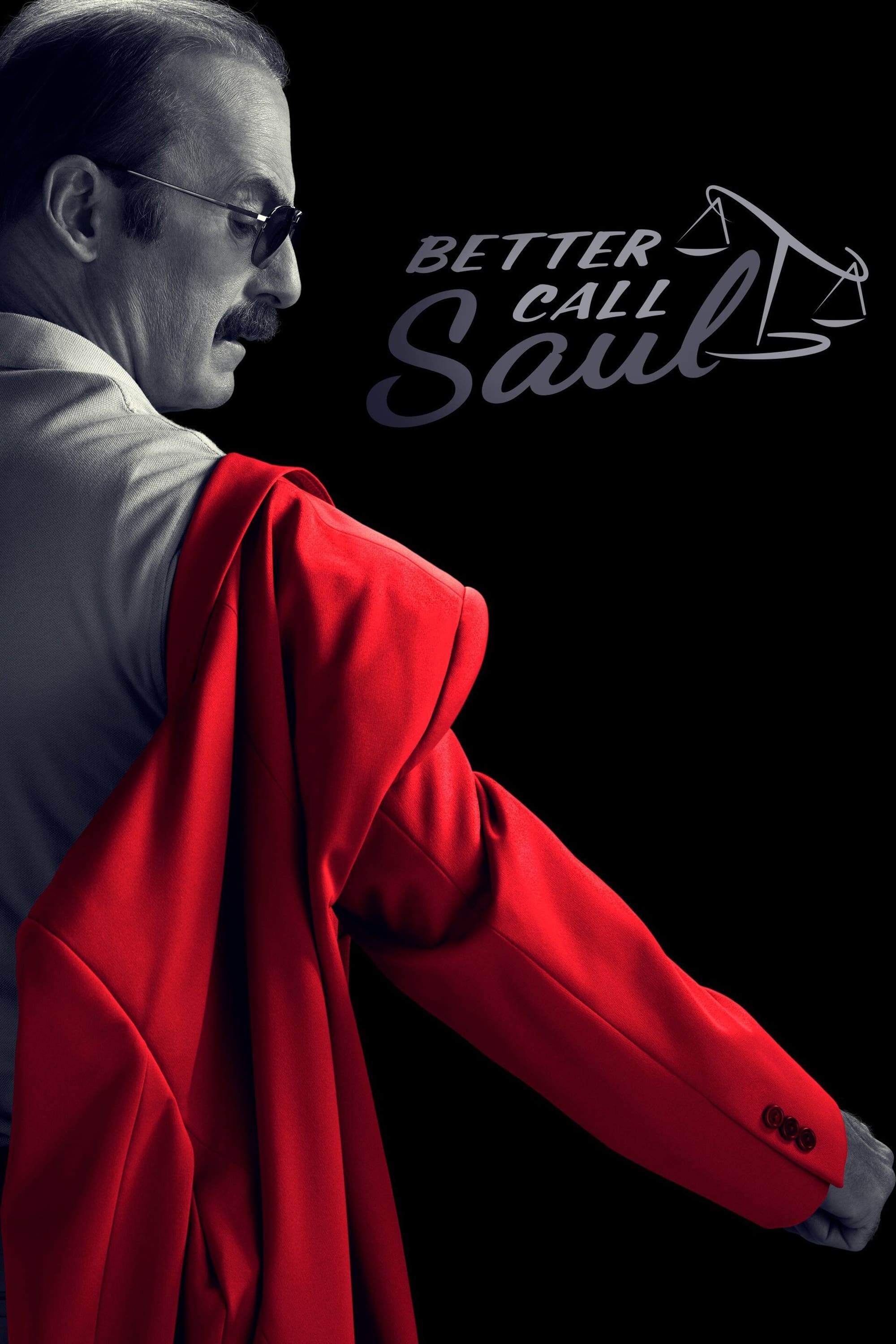
Jimmy McGill’s clothing choices show his struggle to be taken seriously as a lawyer. He starts with poorly-fitting suits, trying to appear respectable. But as he transforms into Saul Goodman, his style becomes shockingly bright and bold, deliberately clashing with what’s considered professional. This flamboyant look intentionally repels honest clients but draws in criminals. Ultimately, this over-the-top appearance hides the sadness and moral decline happening inside the character.
‘Outlander’ (2014–Present)
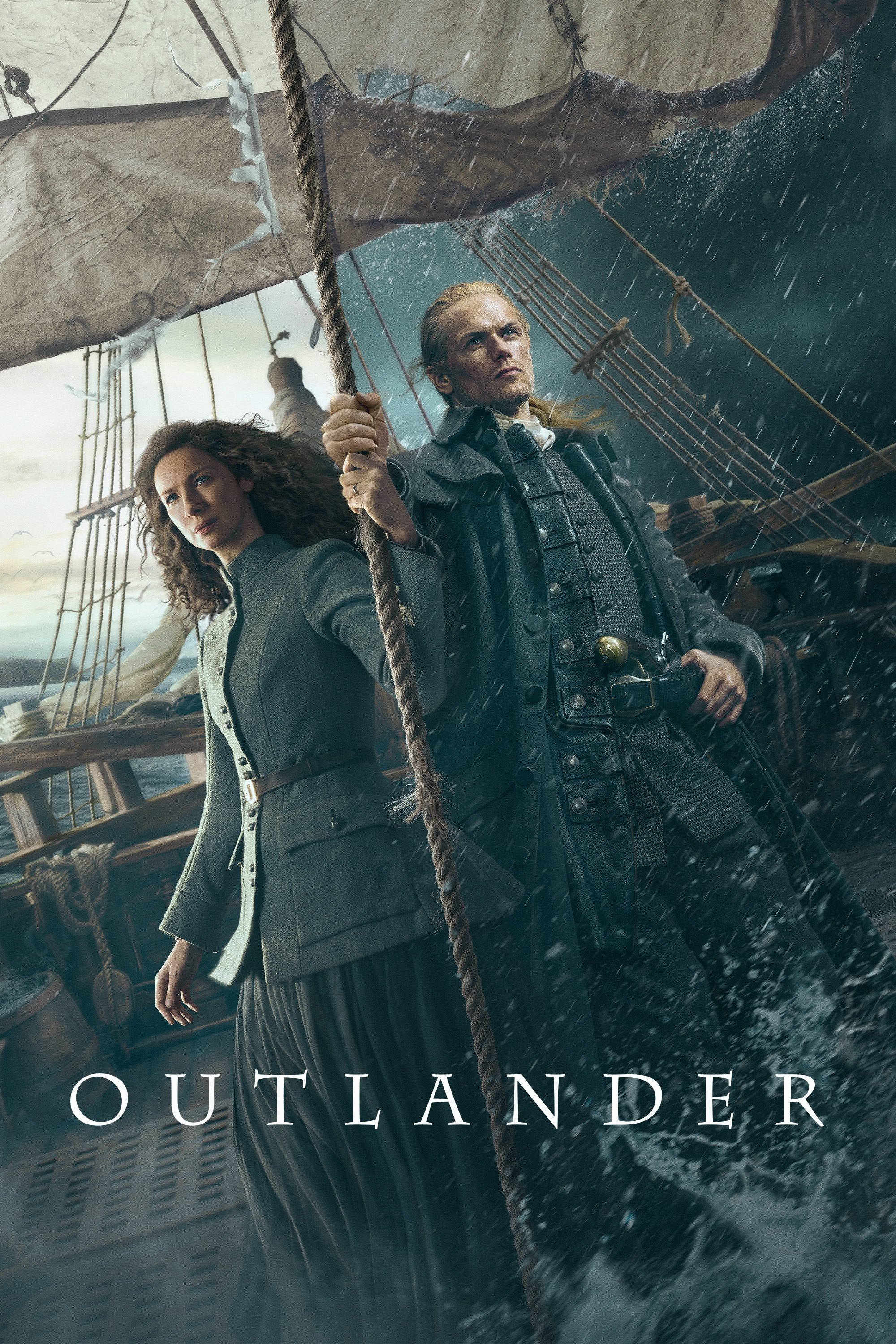
Claire Randall’s clothing highlights her journey between the 1940s and 18th-century Scotland. Initially dressed in practical nursing uniforms, she’s forced to wear restrictive historical clothing like corsets and heavy fabrics upon arriving in the past, emphasizing her feeling of being out of place. However, she cleverly alters these garments using her modern knowledge, adding features like pockets and pouches for her herbal remedies. The costumes visually represent her unique position as someone living between two different worlds.
‘Buffy the Vampire Slayer’ (1997–2003)
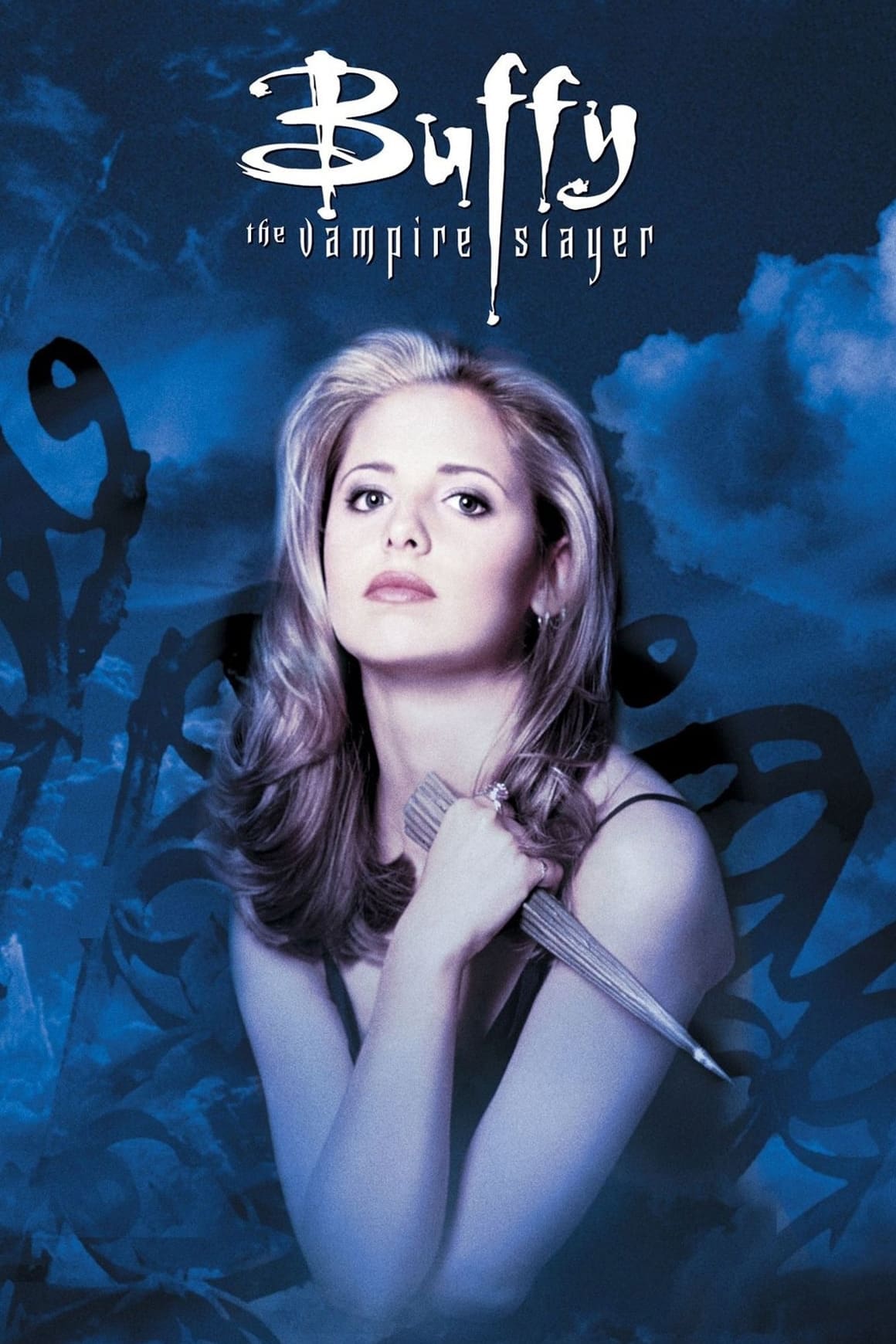
As a huge fan, one of the things I’ve always loved about Buffy is how her style evolves right along with her character. She begins as this totally normal high schooler, all about cute skirts and classic 90s trends. But as she takes on more responsibility as the Slayer, her clothes change too – think leather jackets and practical pants that are way better for fighting! It’s a really visual way to show her losing her innocence. And by the later seasons, her look really solidifies her as this strong, capable leader, someone you’d follow into battle. It’s a subtle but powerful storytelling choice.
‘Bridgerton’ (2020–Present)
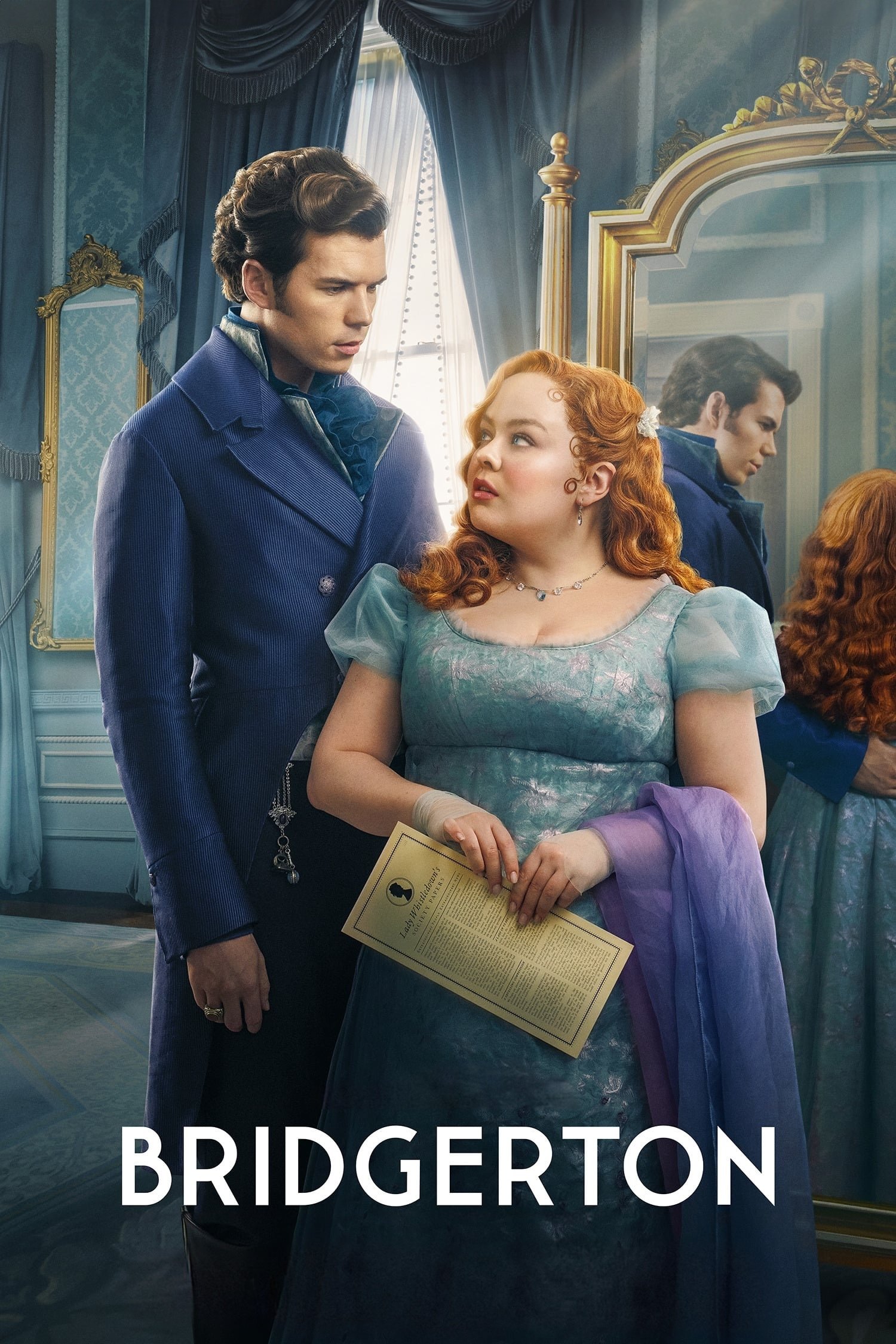
The Bridgerton family uses soft blues and creams in their clothing to show their high social status and refined taste. The Featherington family, however, wears bold yellows and oranges, signaling their eagerness to gain acceptance. When Daphne Bridgerton marries, she begins wearing the darker purples favored by her husband’s family, demonstrating her new loyalties. These color choices quickly help viewers understand each family’s position in society and who they support, even in large, busy scenes.
‘Killing Eve’ (2018–2022)
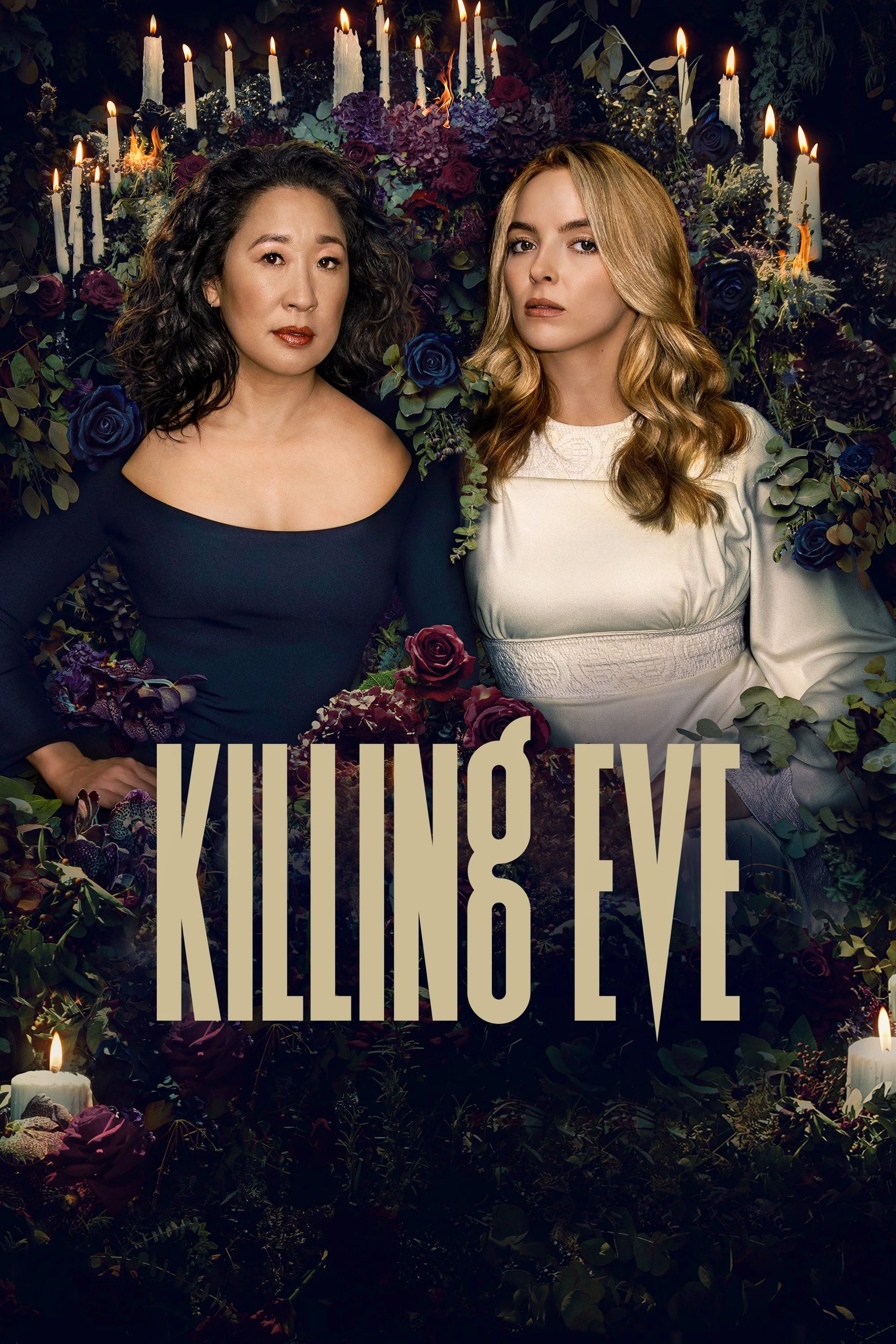
As a critic, I’ve always been fascinated by the costuming in this series. Villanelle doesn’t just wear clothes, she weaponizes fashion. Her incredibly stylish, designer outfits feel like a deliberate distraction from the fact she’s a trained killer. It’s brilliantly contrasted with Eve at the start – she’s all practical, almost deliberately unpolished. But as Eve gets drawn into the world of this assassin, something changes. We see her style evolve, becoming sharper, more put-together, even a little darker. It’s a subtle but powerful visual cue – the way they dress starts to mirror each other, perfectly illustrating how the lines between hunter and hunted begin to blur. It’s not just about clothes; it’s about character development and the growing obsession between these two women.
‘Downton Abbey’ (2010–2015)
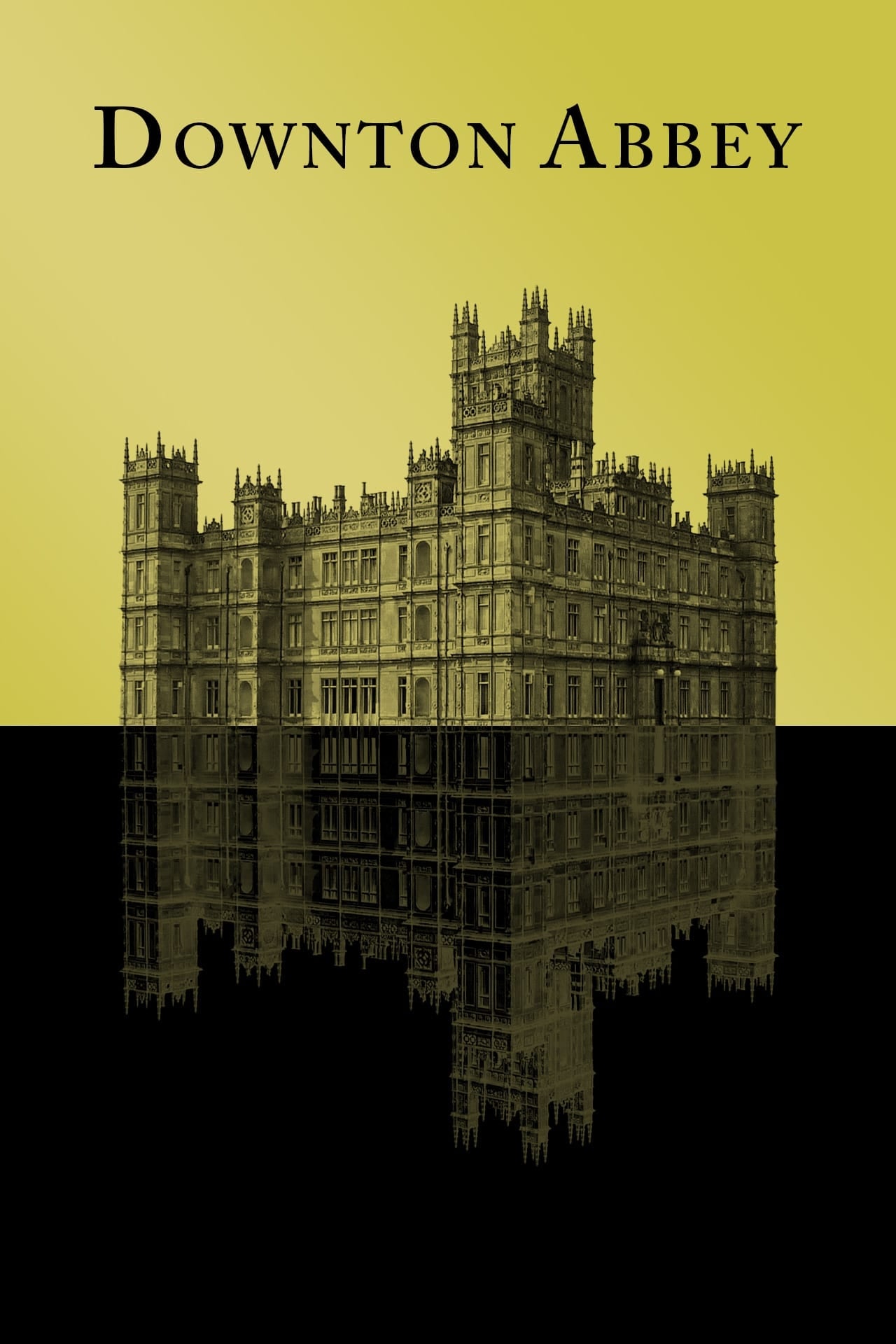
At the start of the series, the Crawley family dresses in the formal, traditional styles of the Edwardian period. As World War I begins and the Roaring Twenties arrive, fashions change dramatically, with looser clothing and shorter skirts that surprise older family members. Lady Mary quickly adopts these new, modern ‘flapper’ looks to show she’s independent and forward-thinking. This shift in clothing reflects broader changes happening in British society – the fading power of the aristocracy and the growing independence of women.
‘The Good Place’ (2016–2020)
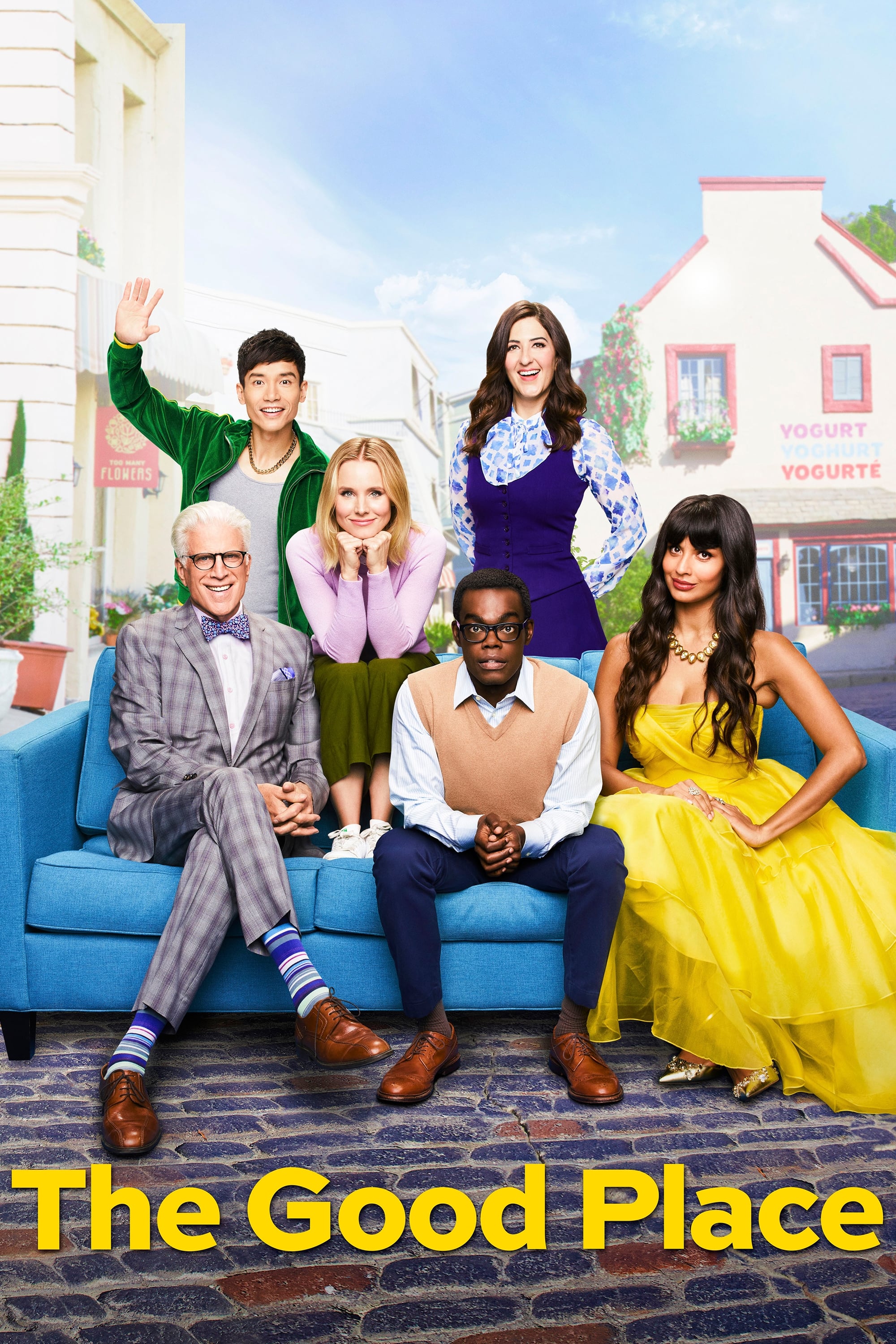
At first, Eleanor Shellstrop’s clothes – flannel shirts and jeans – show how messy and self-centered her life used to be. As she learns about ethics and improves as a person, her style changes to brighter colors and softer materials. Similarly, Janet, the AI, gets more sophisticated with each restart, and her appearance reflects that. Overall, the characters’ looks become more refined as they start to understand the universe and their own roles in it.
‘Sex and the City’ (1998–2004)
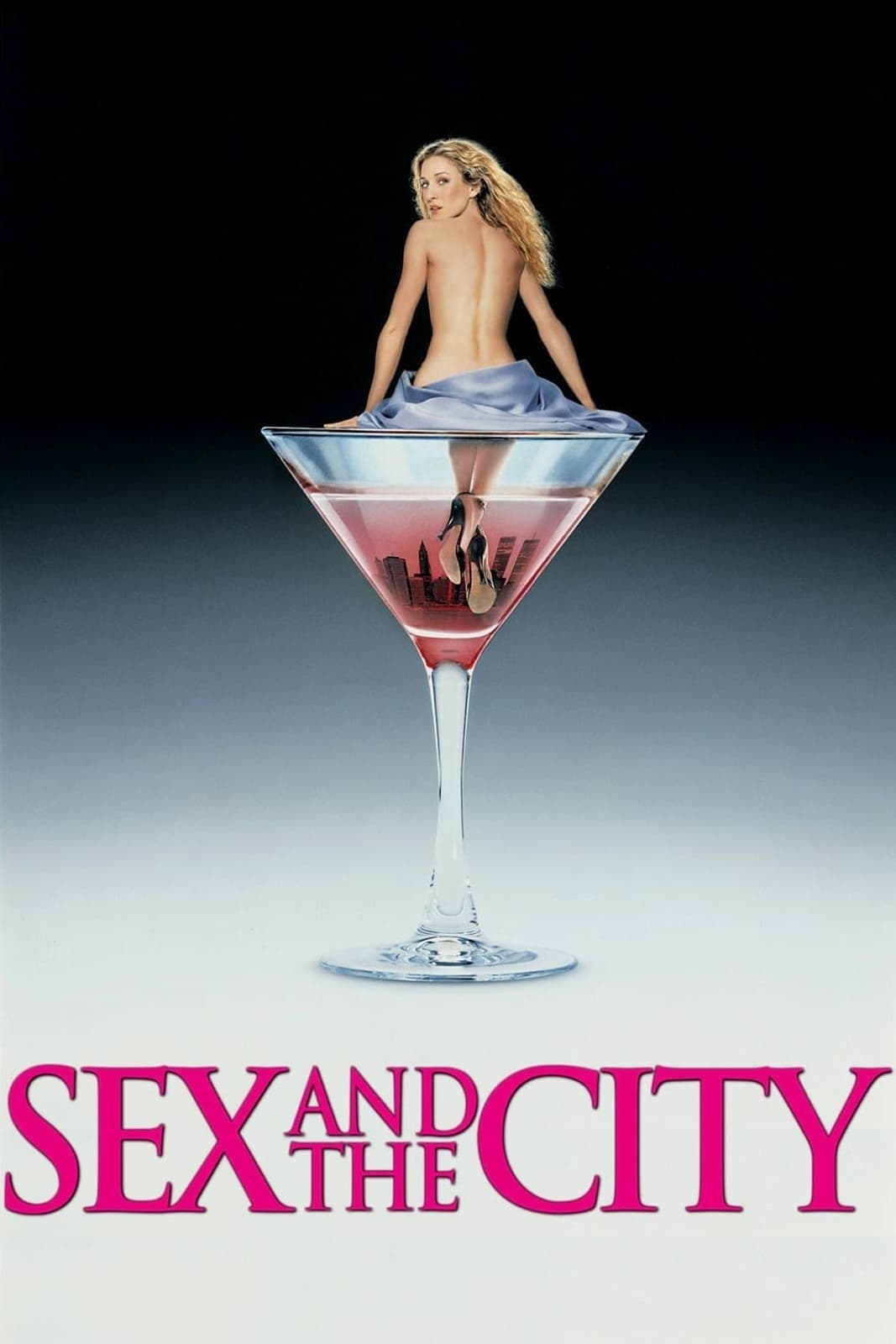
As a total film and TV buff, I’ve always been fascinated by how ‘Sex and the City’ used clothing. For me, Carrie Bradshaw’s style wasn’t just about looking good – it was her way of showing what she was feeling, especially when it came to love and life in New York. Watching her wardrobe change from fun, quirky pieces to something more polished felt like watching her grow up. And it wasn’t just Carrie! The way all four women dressed really highlighted the different sides of being a modern woman – sometimes powerful and professional, other times bold and playful. Honestly, the clothes became so iconic, they felt like another character entirely, and really influenced what people were wearing in real life!
Tell us which character transformation you found the most visually striking in the comments.
Read More
- Top 20 Dinosaur Movies, Ranked
- 20 Movies Where the Black Villain Was Secretly the Most Popular Character
- 25 “Woke” Films That Used Black Trauma to Humanize White Leads
- Celebs Who Narrowly Escaped The 9/11 Attacks
- Silver Rate Forecast
- Gold Rate Forecast
- Spotting the Loops in Autonomous Systems
- 22 Films Where the White Protagonist Is Canonically the Sidekick to a Black Lead
- From Bids to Best Policies: Smarter Auto-Bidding with Generative AI
- Can AI Lie with a Picture? Detecting Deception in Multimodal Models
2025-12-10 22:49