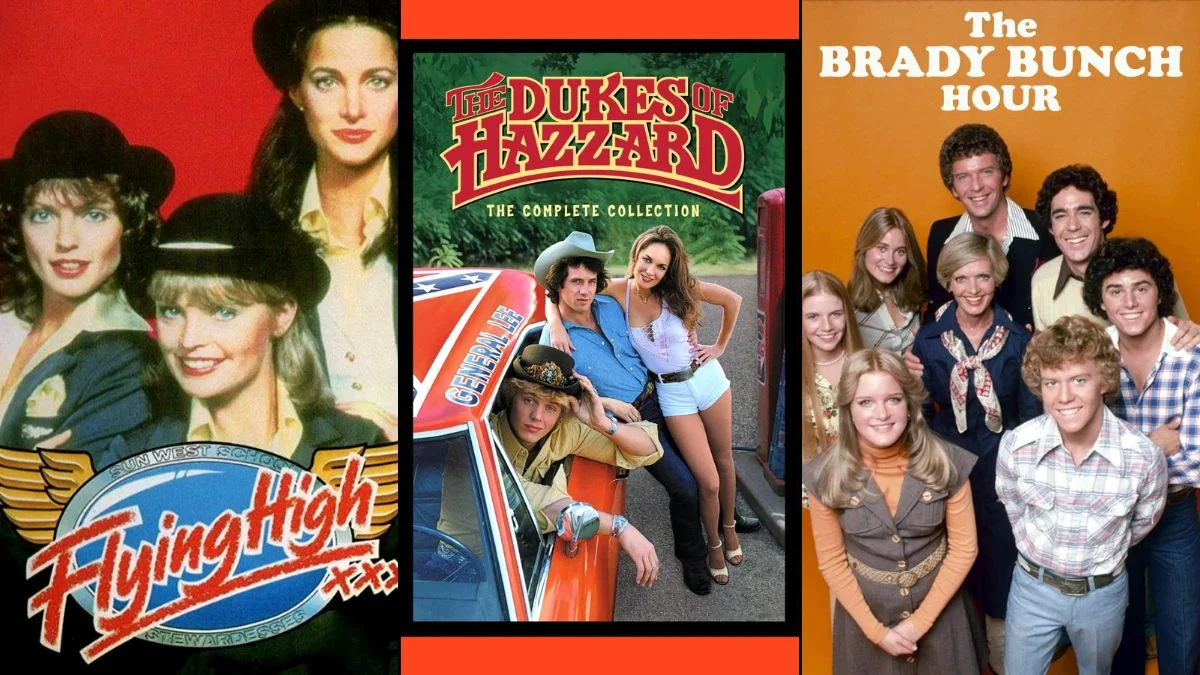
1970s television was a time of big changes and creative risks. Networks started moving away from the clean-cut shows of earlier years, and producers tried out strange ideas and tackled social issues. While these shows often divided viewers and didn’t last long, they show us how much television – and our expectations of it – have changed over the past 50 years. Many programs now seem outdated, relying on stereotypes or concepts that feel strange to modern audiences.
‘Mind Your Language’ (1977–1986)
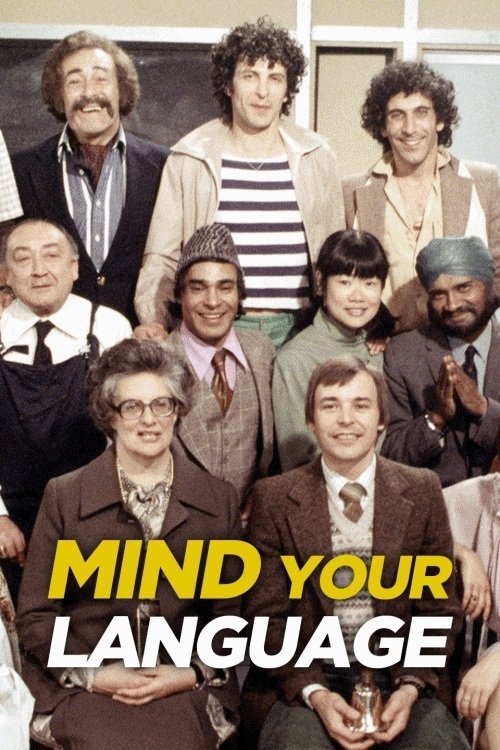
As a comedy fan, I recently checked out this old British sitcom about a college for foreign students learning English, and honestly, it hasn’t aged well. It pretty much only tries to get laughs by playing on stereotypes about different nationalities, and what might have been funny at the time now just feels…off. The jokes about misunderstandings due to language barriers get repeated constantly, and it just doesn’t land with modern sensibilities. It’s a good example of humor that really hasn’t stood the test of time.
‘The Brady Bunch Hour’ (1977)
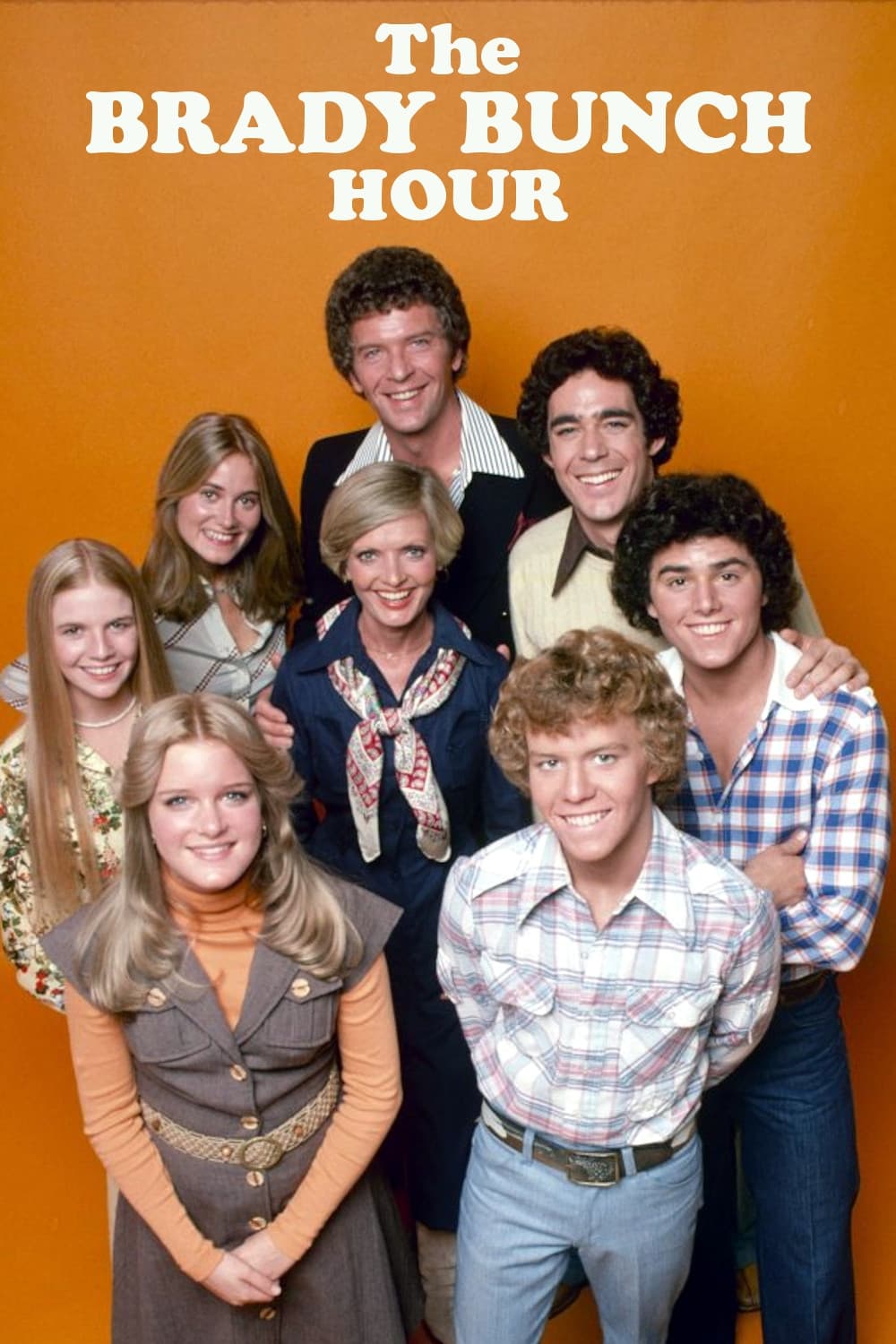
Sid and Marty Krofft convinced the original ‘Brady Bunch’ cast to appear in a variety show that many fans still find puzzling. The actors performed song and dance routines that weren’t always well-coordinated and often felt forced. Robert Reed openly disliked the show while it was being made, finding the scripts confusing. Today, the show feels strange because it mixes the bright, energetic style of 1970s disco with the family-friendly image of ‘The Brady Bunch’.
‘Love Thy Neighbour’ (1973)

This American sitcom, based on a British show, tried to be funny by exploring racial tensions and the challenges of integrating different communities. The show centered on two couples – one white and one Black – who lived next door to each other and frequently exchanged offensive remarks about their backgrounds. However, most modern viewers see the show as reinforcing harmful stereotypes instead of making fun of prejudice. Its constant use of slurs and angry arguments make it hard to watch as entertainment.
‘Me and the Chimp’ (1972)
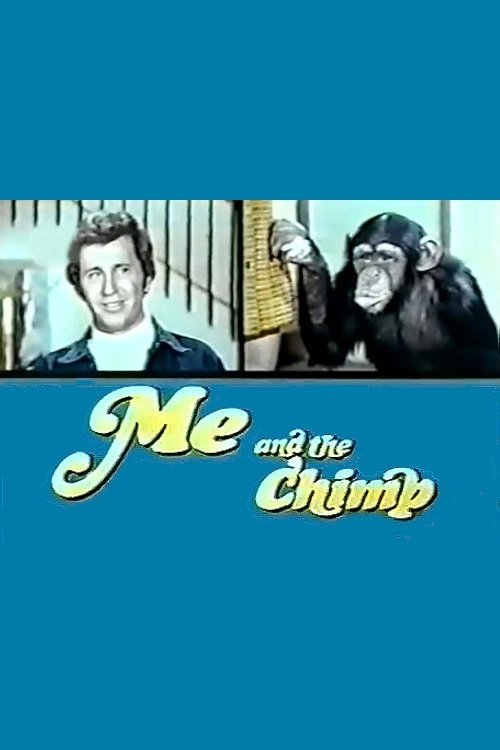
In the 1970s, television was filled with comedies featuring primates, though these shows rarely appealed to grown-ups. This particular series starred Ted Bessell as a dentist who unexpectedly found a chimpanzee living with his family. The plots centered on the chimpanzee causing trouble, with the dad always being blamed. Most reviewers found the constant laugh track and simple storyline difficult to watch for even a short time.
‘Chico and the Man’ (1974–1978)
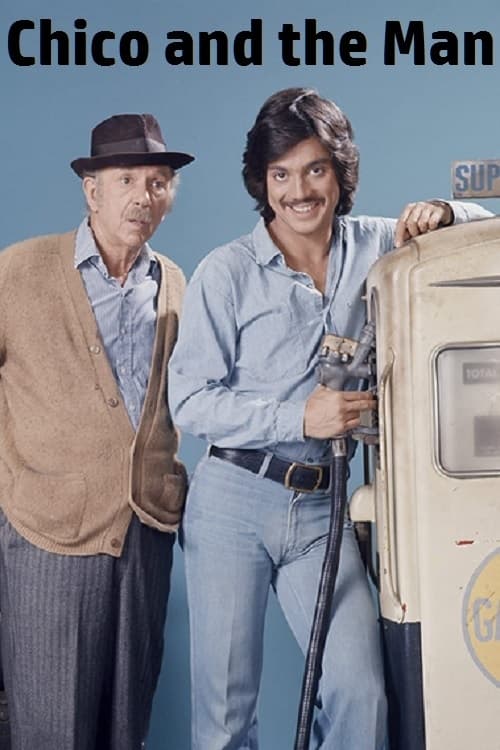
This sitcom, starring Freddie Prinze and Jack Albertson, was set in a struggling auto shop in East Los Angeles. Though popular when it first aired, the show often focused on conflict stemming from the characters’ different backgrounds. The older character frequently used harsh and offensive language towards his younger, Mexican-American coworker. Sadly, Freddie Prinze’s untimely death adds a somber tone to the series, making it difficult to watch the later episodes.
‘The Dukes of Hazzard’ (1979–1985)
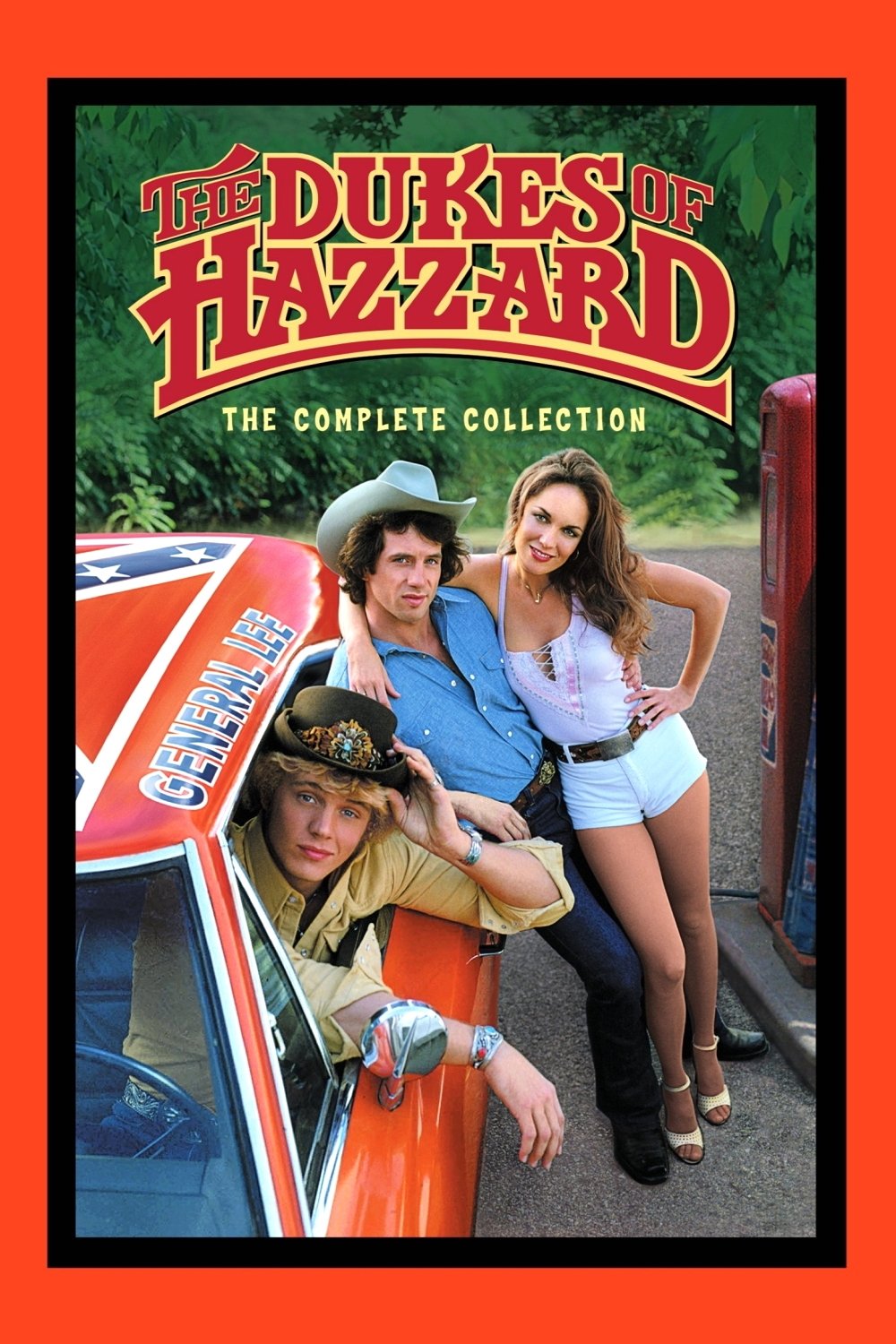
The Dukes of Hazzard was a hugely popular action-comedy that once ruled Friday night TV. However, the show is now often debated because of its frequent use of the Confederate flag on the General Lee car. Because the flag is widely seen as a symbol of racism and slavery, many TV channels have stopped airing the series. Beyond that, the show’s predictable storylines – usually involving car chases and dishonest officials – don’t offer much for viewers hoping to watch multiple episodes at once.
‘Holmes & Yo-Yo’ (1976)
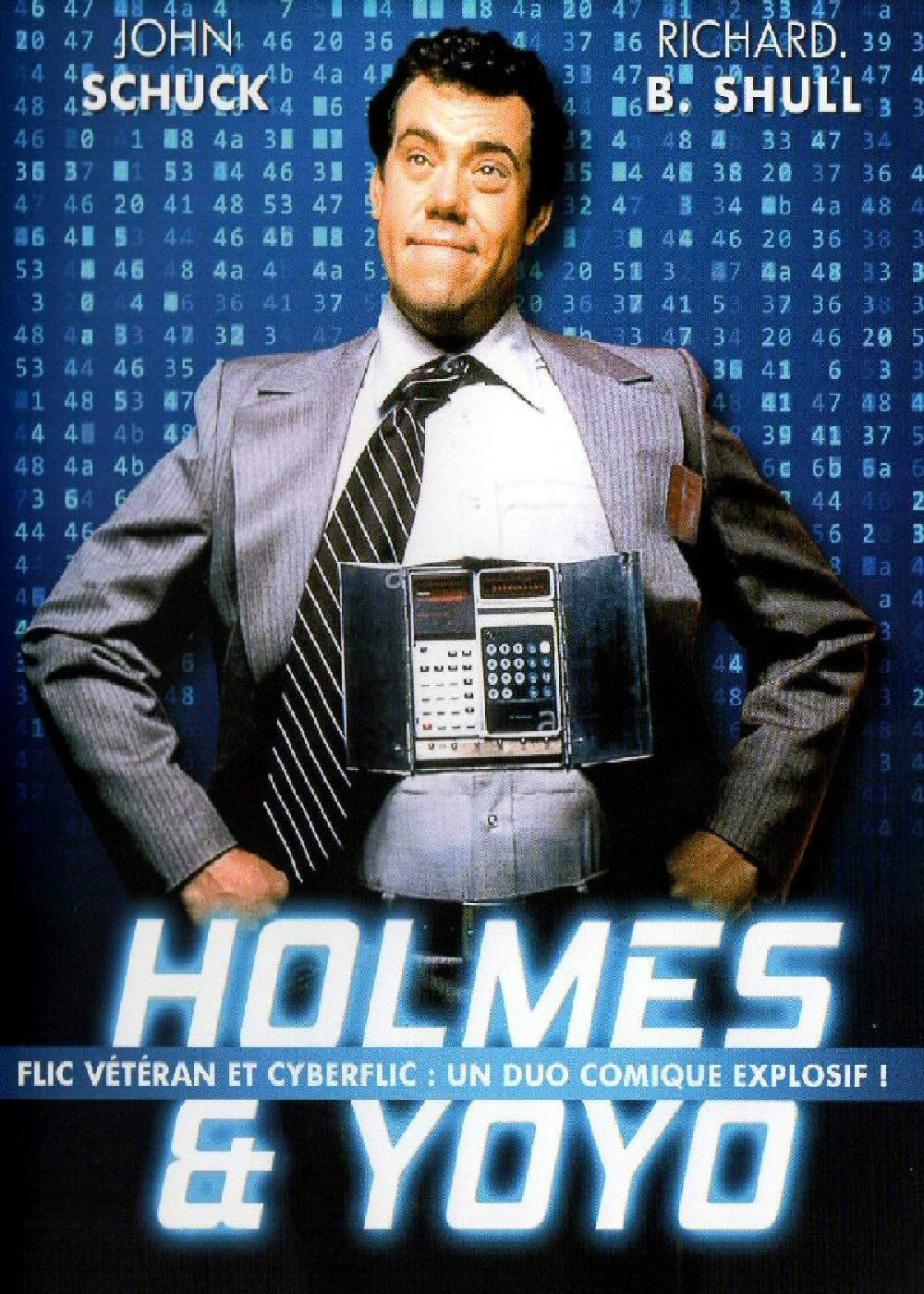
I remember when they tried pairing a human detective with an android partner – it just never really clicked, did it? There was this one show, a comedy, with a robot named Yo-Yo, and honestly, he was always breaking down in silly, over-the-top ways at the worst possible moments during investigations. Looking back, the effects were pretty basic, and the physical comedy felt a little… predictable. It was hard to get into because it couldn’t decide if it wanted to be a serious police show or a cartoon. The tone just felt all over the place!
‘Supertrain’ (1979)
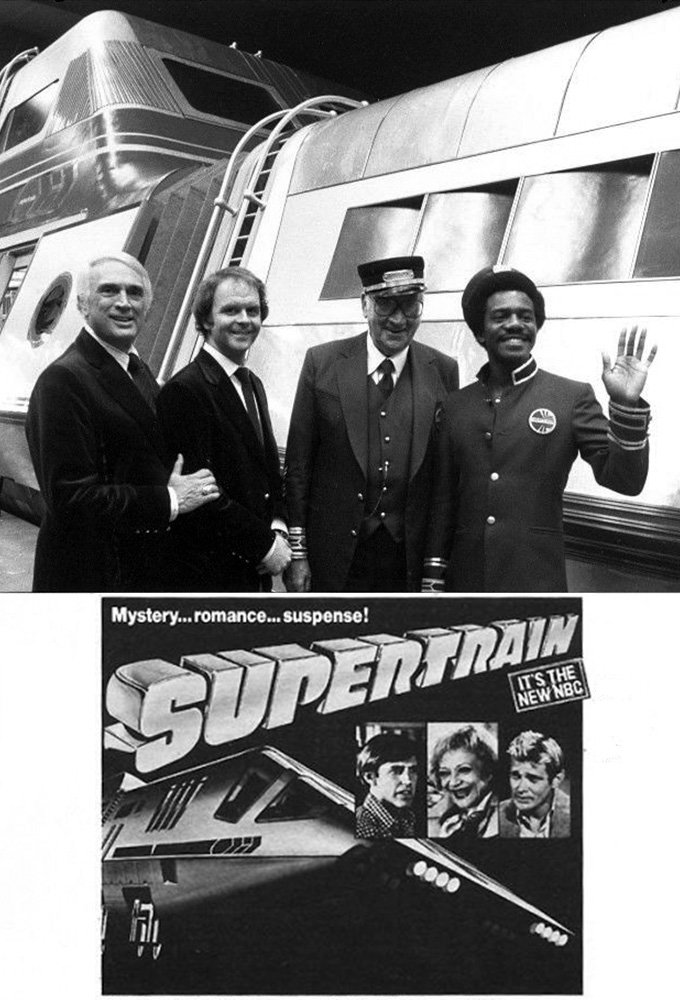
NBC invested heavily in this drama, which centered around a lavish, nuclear-powered train complete with amenities like a pool and shopping mall. However, the show’s high production costs couldn’t compensate for its poor writing and underdeveloped characters. Its episode-by-episode format, featuring different stories each week, didn’t capture viewers who preferred following ongoing characters. Ultimately, the series is notorious as one of television’s most expensive failures and is generally considered a dull watch.
‘Hello, Larry’ (1979–1980)

After leaving the hugely successful ‘MAS*H’, McLean Stevenson starred in this sitcom about a talk show host who relocates to Portland. However, the show received a lot of criticism for its weak writing and failed to establish a clear direction. Many episodes relied on suggestive jokes involving the host’s teenage daughters, which now feel uncomfortable for viewers. The series serves as a reminder of the risks actors take when leaving popular shows for projects that don’t succeed.
‘The Ropers’ (1979–1980)
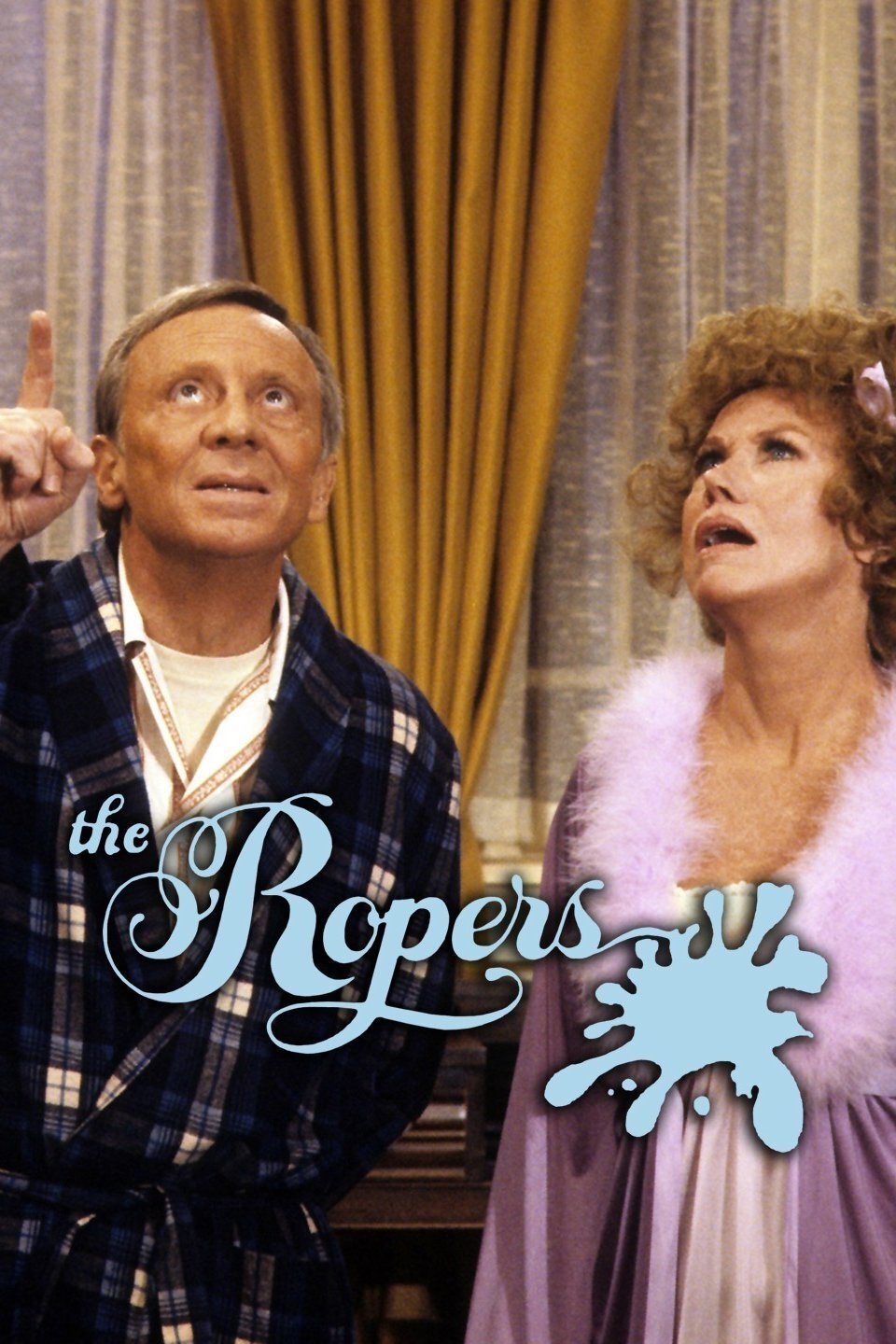
This show was a spin-off from ‘Three’s Company,’ moving the landlords, Stanley and Helen Roper, to a more upscale neighborhood. However, what worked as a funny side story didn’t translate into a successful series on its own. Jeffrey Tambor played a snobbish neighbor, but the role didn’t really showcase his comedic abilities. The constant arguing between the main characters wasn’t as enjoyable without the contrast of the younger cast from the original series.
‘Carter Country’ (1977–1979)
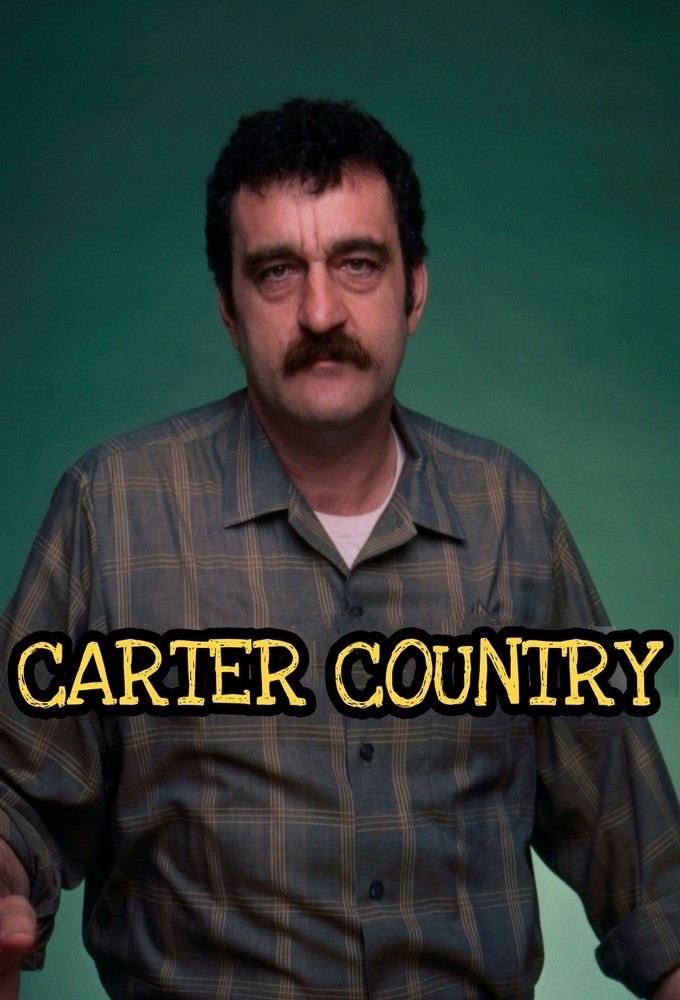
This sitcom aimed to depict a Georgia police station with both white and Black officers. While it tried to address racial issues through humor, it frequently relied on outdated and harmful stereotypes. The character of Mayor Burnside, meant to represent a stereotypical Southern figure, comes across as uninspired and relies on lazy tropes rather than clever satire. Today’s viewers often find the show’s treatment of serious issues like police misconduct and racial tension to be too lighthearted for a comedy.
‘Co-Ed Fever’ (1979)
After the huge popularity of the movie ‘Animal House,’ television networks quickly tried to create similar sitcoms about college fraternities. However, this one show was so poorly received that it was cancelled after just a single episode. The comedy focused on wild parties and immature jokes, but it didn’t have a meaningful story. It’s a good example of a TV show that tries to copy something successful without understanding what made the original work.
‘Lancelot Link, Secret Chimp’ (1970–1971)
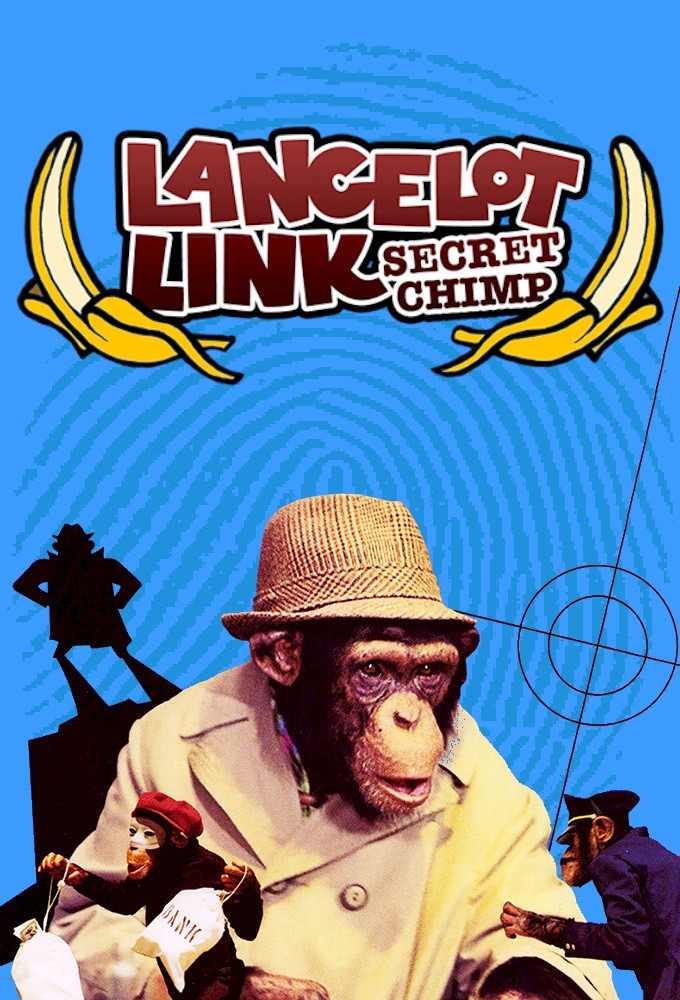
This comedy series was built around the idea of using real animals – mostly chimpanzees – and giving them human voices. The show involved dressing the chimps in costumes and having them act out parodies of celebrities and current events. However, animal rights groups now strongly criticize the show for the way the animals were treated and trained to perform these tasks. While the initial idea might seem funny, most viewers quickly find the sight of performing apes unsettling.
‘B.J. and the Bear’ (1979–1981)
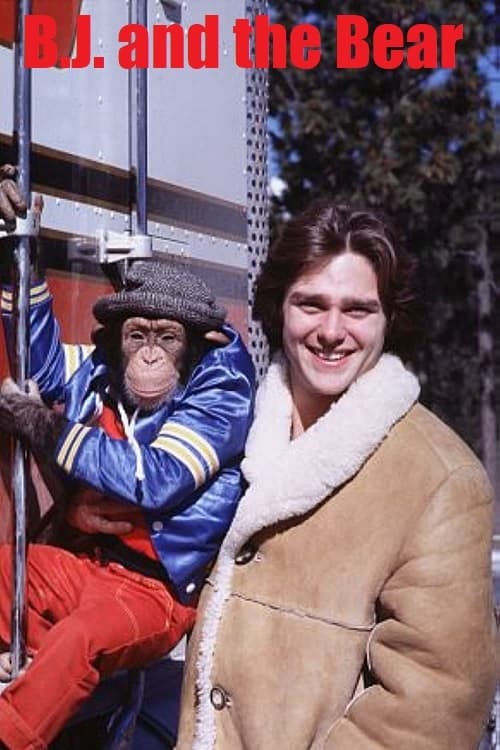
The late 1970s saw a surge in popularity of trucking as a cultural phenomenon, and this show tapped into that trend with a unique twist: a chimpanzee sidekick. The series starred Greg Evigan as a traveling trucker and his primate companion, Bear. While the storylines were predictable – often involving chases by crooked police officers – the show heavily relied on Bear for comedic moments and reactions, giving it the feel of a cartoon aimed at kids.
‘Sanford Arms’ (1977)
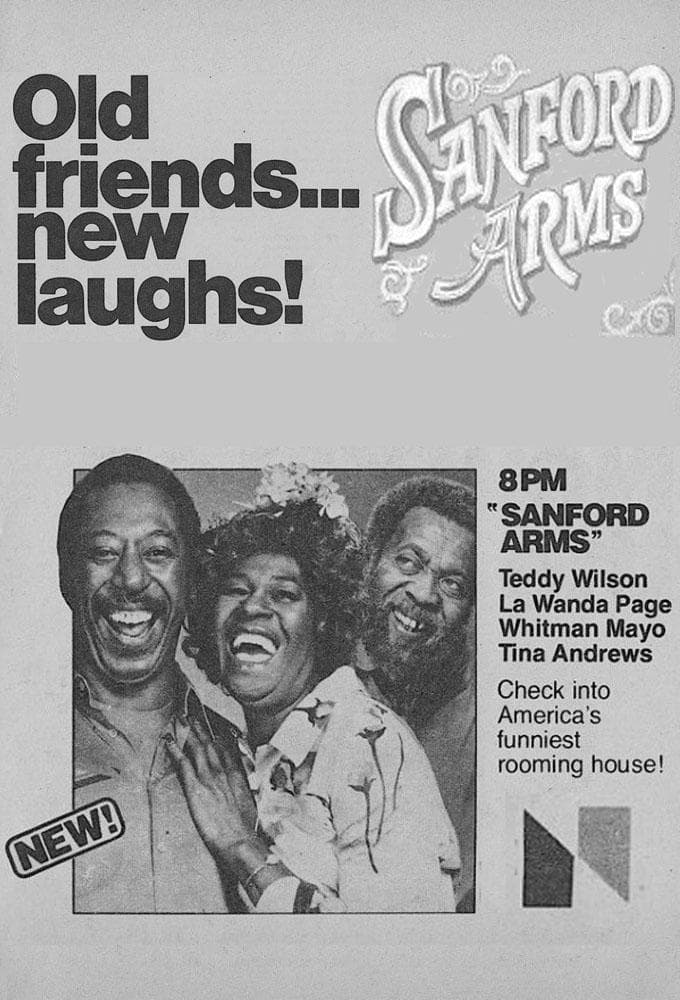
After Redd Foxx and Demond Wilson left ‘Sanford and Son,’ producers tried to continue the show with the supporting characters running a boarding house near the junkyard. However, without the original stars, it became clear the remaining cast didn’t have enough appeal. The show was quickly cancelled, proving that spin-offs usually need the strong personalities of the original series to succeed.
‘Sugar Time!’ (1977-1978)
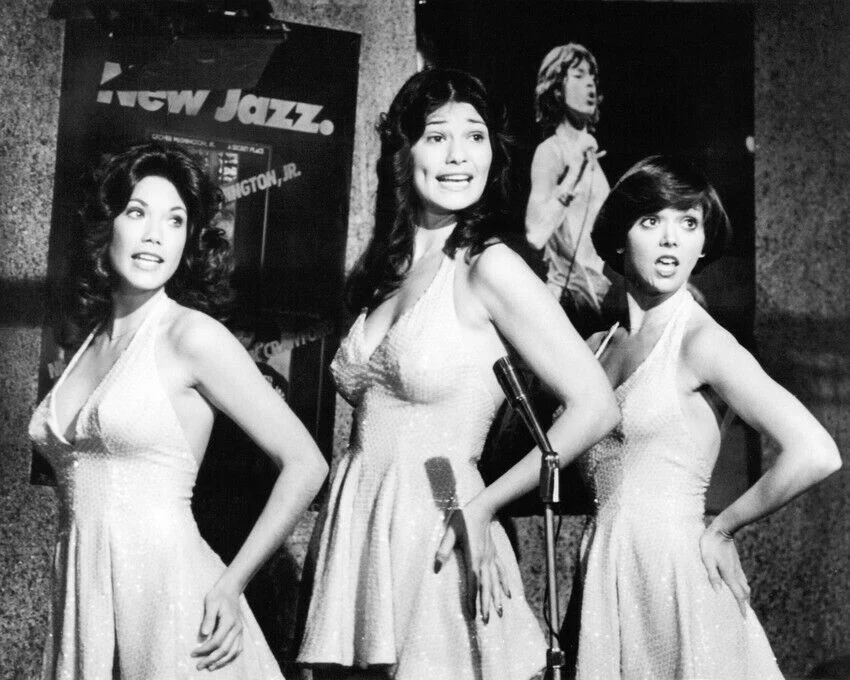
This show centered around three women living together and trying to succeed as a rock band. However, the musical performances, while part of the concept, often disrupted the comedic flow. Reviewers criticized the show for its uninspired writing and the unrealistic portrayal of the band’s challenges. The combination of typical sitcom elements and weak musical numbers created an awkward pacing that turned audiences off.
‘Flying High’ (1978–1979)
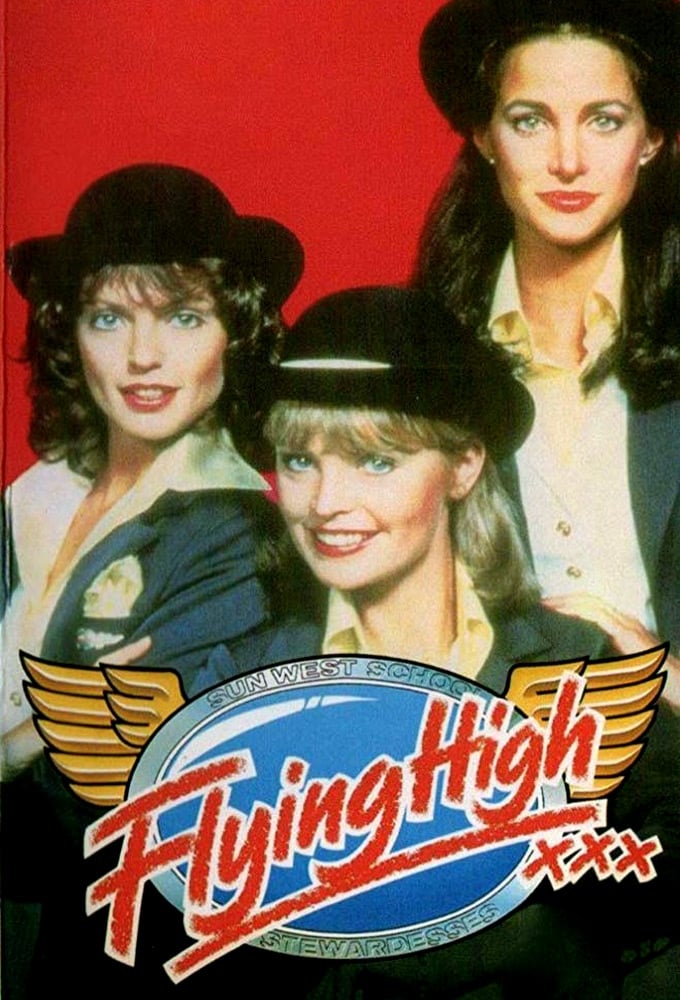
This comedy followed the careers and love lives of three flight attendants, but it relied heavily on sexualized imagery. The show focused more on revealing outfits and suggestive scenes than on developing interesting characters or clever writing. Looking back, the way women were portrayed at work feels incredibly outdated and often disrespectful, revealing how much sexism was accepted in primetime television at the time.
‘C.P.O. Sharkey’ (1976–1978)

Don Rickles, known for his quick-witted insults, starred in this sitcom which took place at a Navy training base. The show’s humor relied heavily on Rickles yelling at the recruits he oversaw. Although a comedy icon, his harsh on-screen personality became draining over the course of a full season. The constant negativity and lack of warmth make watching the episodes feel like a challenge.
‘Wait Till Your Father Gets Home’ (1972–1974)
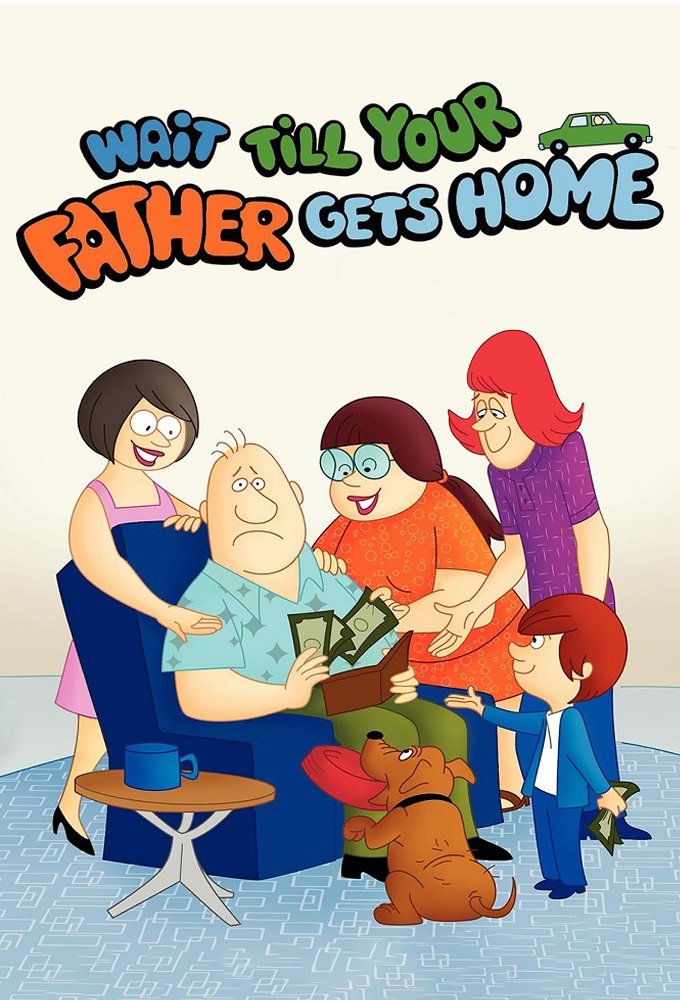
This animated sitcom, created by Hanna-Barbera, explored the clashes between a traditional father and his more free-spirited children. While the show was aiming for a similar feel to ‘All in the Family,’ its simple animation and low budget show, and its arguments feel very dated. It ultimately didn’t quite capture the complexities of the issues it tried to address.
‘The Misadventures of Sheriff Lobo’ (1979–1981)
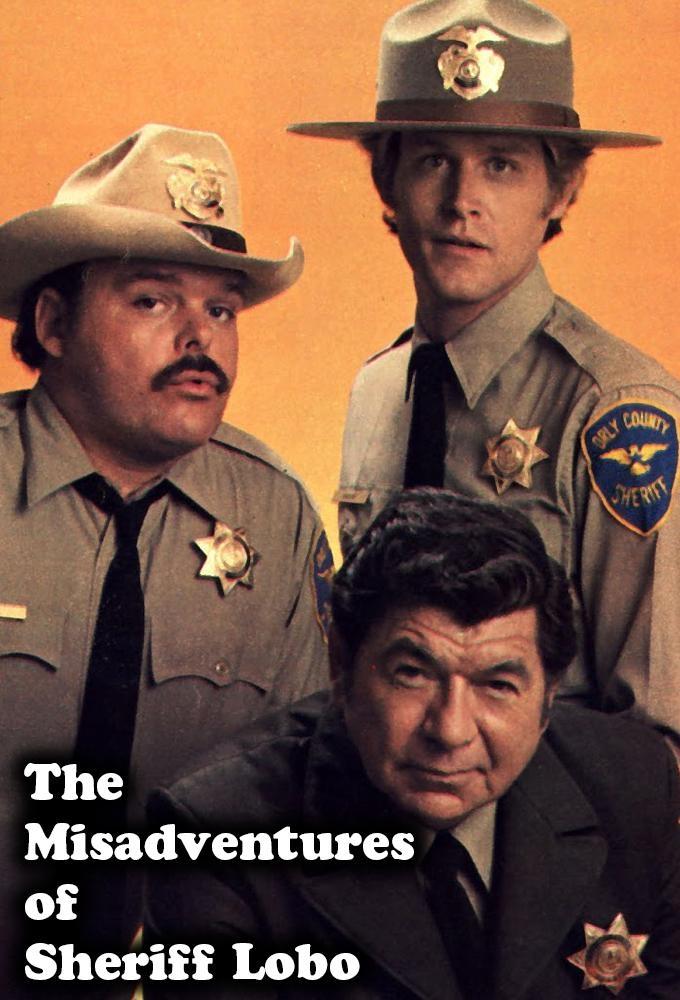
This show, a spin-off of ‘B.J. and the Bear,’ followed a sheriff who was often involved in wrongdoing. Instead of acknowledging serious problems with law enforcement, the series treated corruption and incompetence as funny personality traits. The comedy relied heavily on fast-paced chases and destruction, all played for laughs. Today, it’s hard to support a main character who deliberately misuses their authority.
Please share your own experiences with these dated 70s programs in the comments.
Read More
- Gold Rate Forecast
- Invincible Season 4 Gender Swaps Tech Jacket As Fans Question Major Comic Change
- 22 Films Where the White Protagonist Is Canonically the Sidekick to a Black Lead
- Silver Rate Forecast
- The Best Former NFL Players Turned Actors, Ranked
- Unveiling the Schwab U.S. Dividend Equity ETF: A Portent of Financial Growth
- 14 Movies Where the Black Character Refuses to Save the White Protagonist
- Superman Flops Financially: $350M Budget, Still No Profit (Scoop Confirmed)
- Why Won’t It Just *Do* What You Ask? Unpacking the Quirks of AI Language
- Biogen’s Jolly Good Showing
2025-12-13 16:24