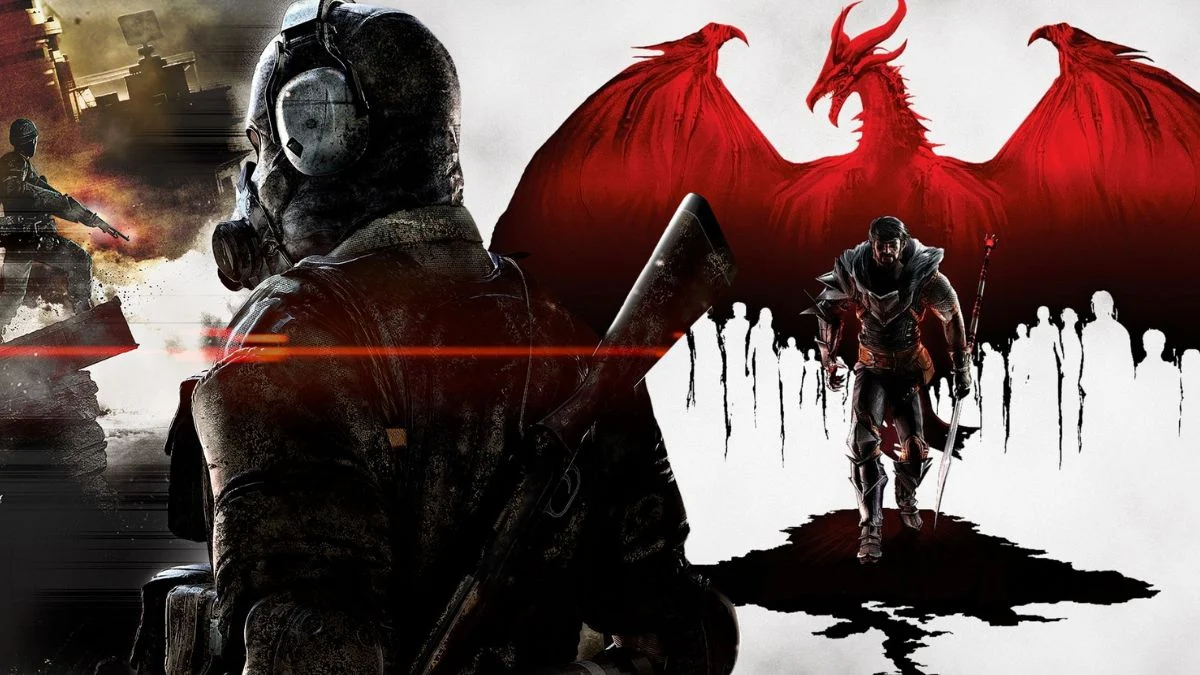
Successful game sequels typically expand on popular elements while introducing fresh ideas. However, some sequels stray so far from the original that they feel like completely different games. These often involve major changes – like switching genres, altering how players progress, or changing the overall feel – which disappoint fans expecting a similar experience. Many of these sequels also tried to capitalize on current gaming trends, such as online co-op or ongoing live services, even if they didn’t fit the original game‘s design. Others sacrificed careful storytelling and unique style for bigger action sequences or more ways to spend money. Here’s a list of twenty sequels that drastically changed course and ended up feeling disconnected from what made the first game enjoyable.
‘Banjo-Kazooie: Nuts & Bolts’
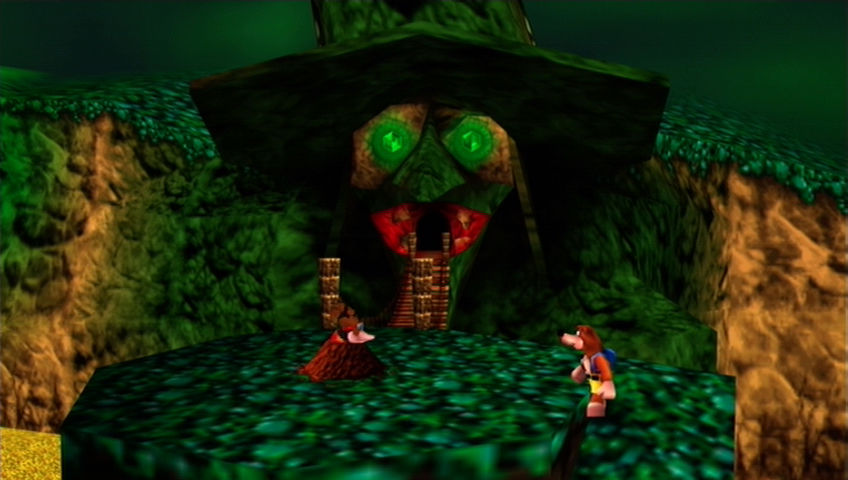
This new game moved away from the original’s focus on collecting items and jumping through challenging levels. Instead, it lets players build and customize vehicles – like cars and planes – to overcome obstacles. While the first game emphasized skillful movement and exploring levels, this one is more about designing and tweaking vehicles to solve physics-based puzzles. Players now earn rewards mostly by racing and completing delivery missions, rather than through traditional exploration. Ultimately, the game shifted its focus from the character’s abilities to the engineering of its vehicles, creating a very different experience for fans of the original’s exploration-based gameplay.
‘Resident Evil 6’
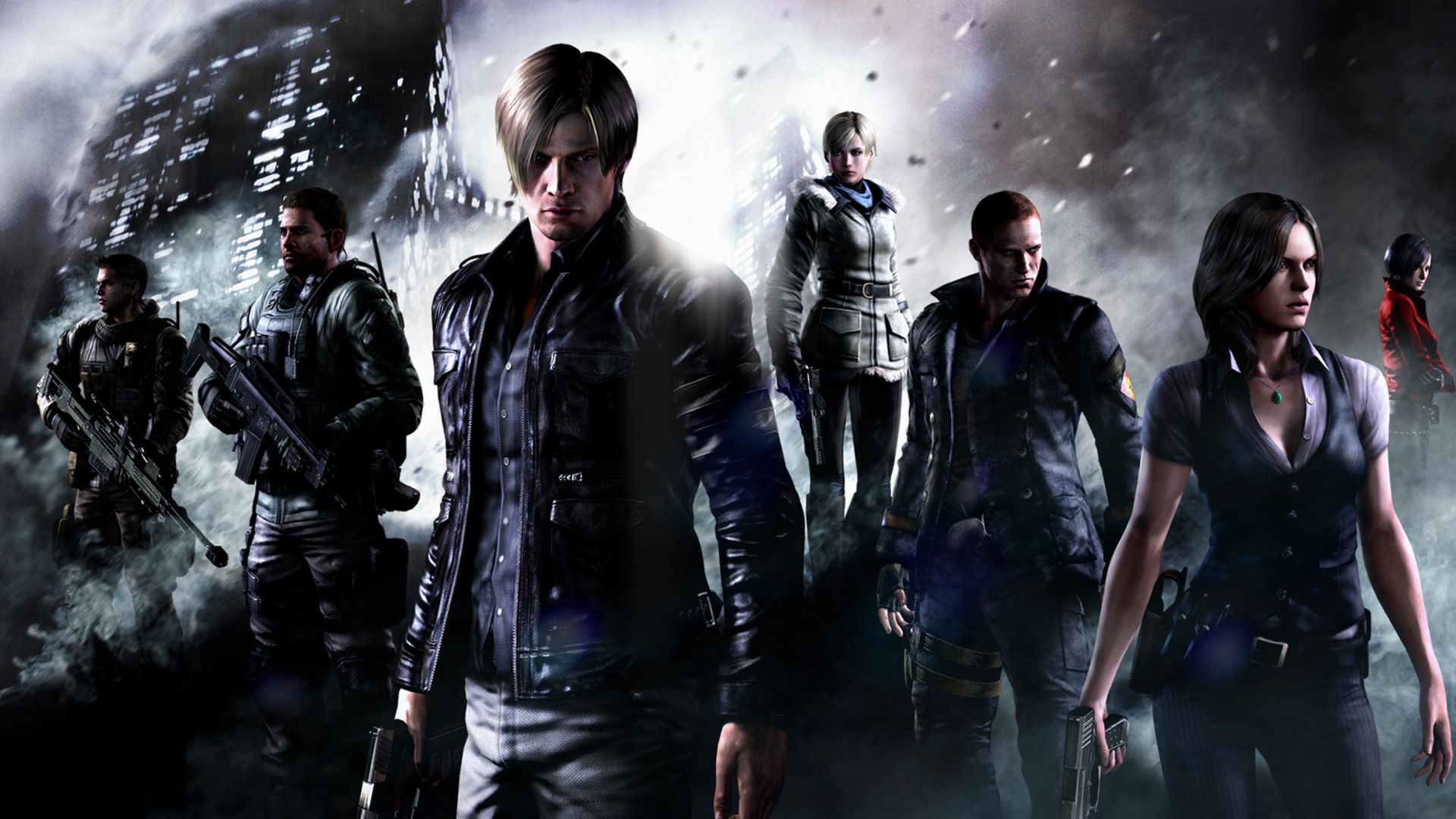
The game shifted from a slow-burn, scary experience to a large-scale action adventure with several storylines happening at once. Players had access to lots of weapons and could easily engage in hand-to-hand combat, which made it less stressful than previous games. The game encouraged fast-paced shooting and sliding, prioritizing action over careful exploration. Levels and enemy numbers were designed with teamwork in mind. Big, dramatic moments took center stage, overshadowing the need to carefully manage supplies or solve complex puzzles.
‘Dead Space 3’
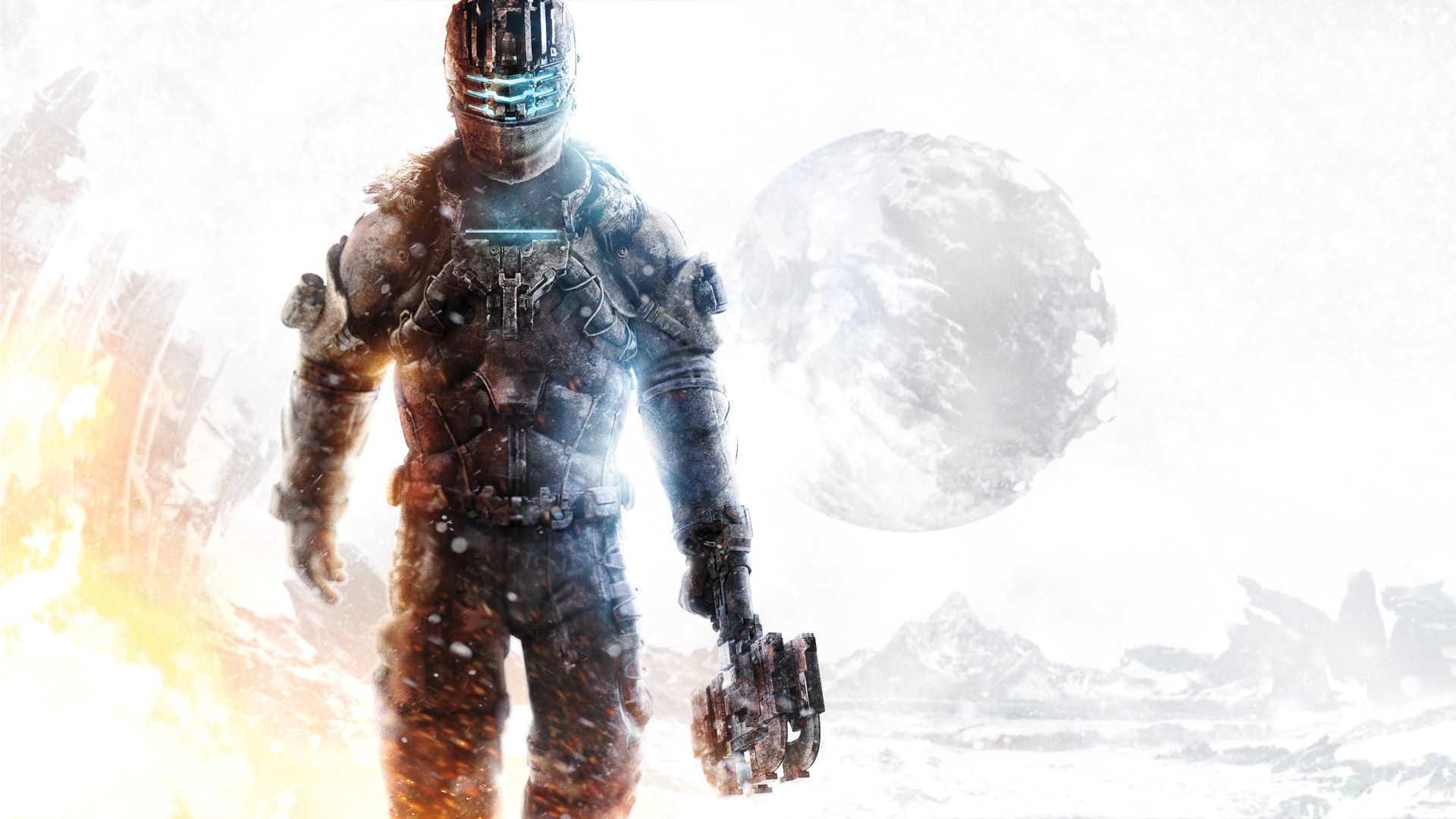
The game moved away from its initially isolated and terrifying atmosphere, becoming more focused on cooperative play and intense shooting. The weapon crafting system, while versatile, made weapons feel less unique. Finding supplies became easier, reducing the sense of dread caused by limited resources. The game also included optional purchases and shifted its focus from suspenseful, claustrophobic encounters to more frequent battles against human opponents.
‘Bomberman: Act Zero’
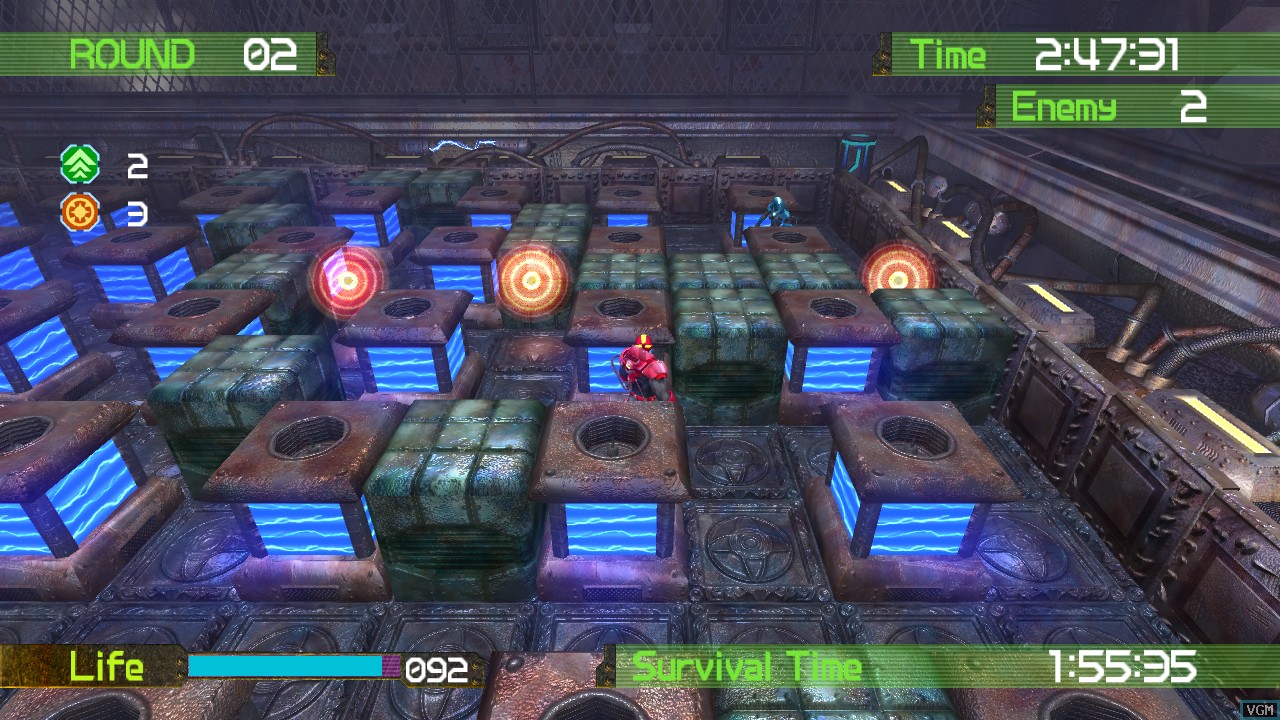
The lively and confusing action of previous games was replaced with a darker look and slower pace. Instead of fast-paced, colorful battles in a grid-based arena, the new version features a more subdued setting with lengthy animations. The game moved away from the fun of local multiplayer, which had always been a key part of the series. The visual changes also made it harder to quickly understand enemy attacks, and the focus shifted away from the short, action-packed matches that made the original games so popular.
‘Syndicate’
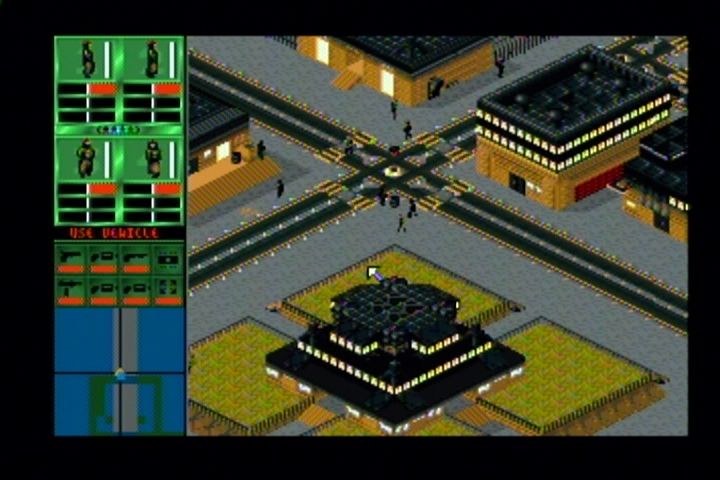
A strategy game known for its detailed squad control and open-ended choices was transformed into a fast-paced, first-person shooter. Instead of managing a team and making strategic decisions in a dynamic world, players now experience more focused, action-packed levels with pre-defined abilities. The ability to customize agents and their upgrades was simplified, and hacking became a limited, situation-specific function. This shift prioritized a story-driven experience over the original game’s complex, systemic gameplay.
‘Star Fox Adventures’
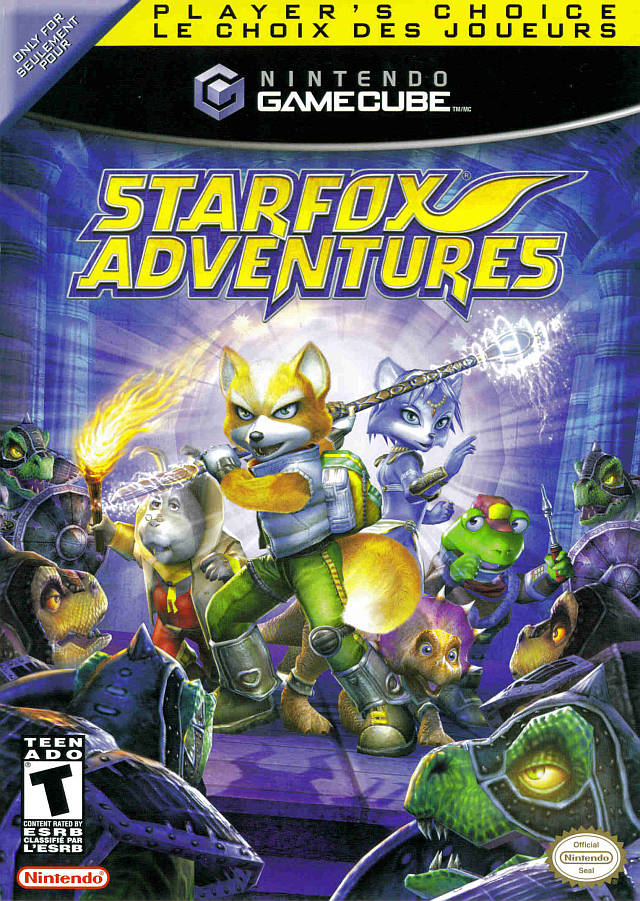
The game started as a fast-paced space shooter, but it evolved into a land-based adventure with fighting and item-collecting tasks. Spaceship sections were brief and used mainly to connect areas. Instead of focusing on challenging flight stages, the game emphasized exploring central hubs and solving puzzles. Collecting items and managing your inventory became key gameplay elements, making it feel more like an action-adventure game than a traditional arcade shooter.
‘Metroid: Other M’
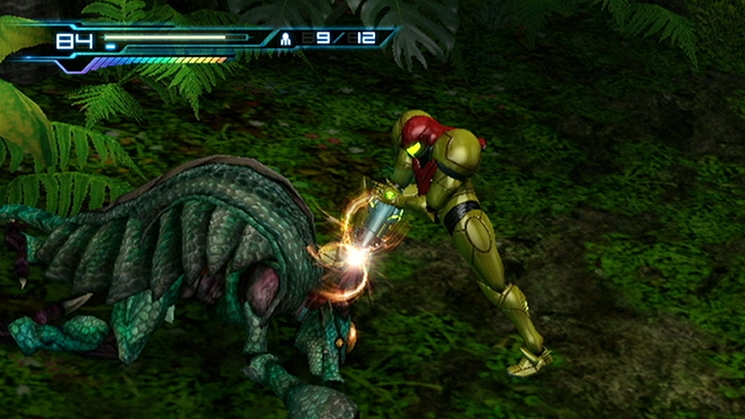
This game, once known for letting players freely explore, now features a very structured story with lots of cutscenes and restrictions on where you can go. Improving your character depends on progressing the story, not on finding things yourself. You mostly move through straightforward paths with little opportunity to revisit areas. And when you aim and shoot, you’re usually stuck in one spot. Overall, the game focuses much less on the open exploration that made previous games in the series popular.
‘Jak II’
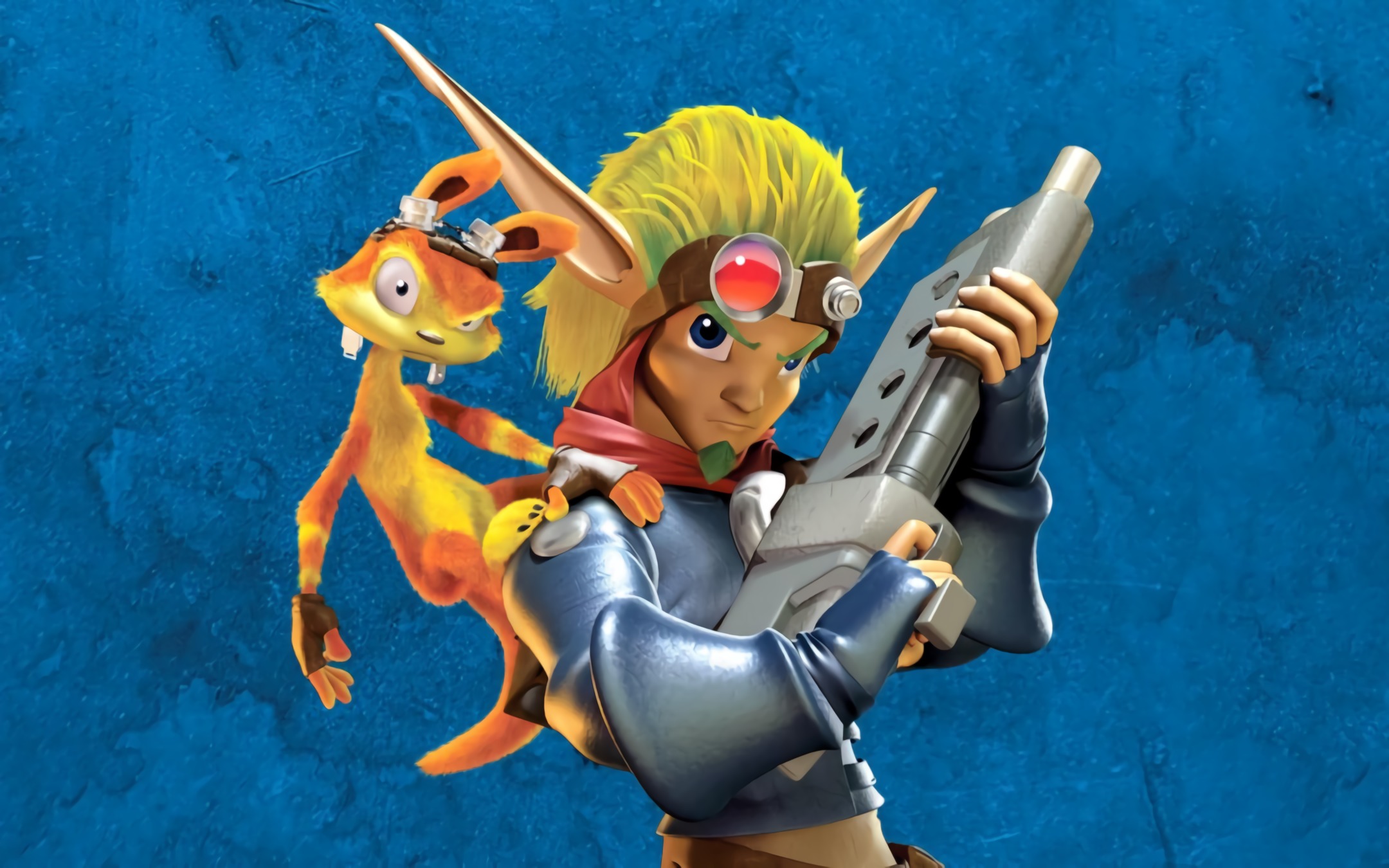
The game evolved from a vibrant, level-based platformer into one with open-world city missions and gunplay, adopting a more serious style. It now features driving and tasks where you collect items, similar to other open-world games. While challenging jumps are less frequent, there are more combat areas. This shift sometimes creates frustrating difficulty jumps and requires completing mandatory tasks, disrupting the game’s original, more laid-back pace of exploration and finding collectibles. The focus has moved from freely exploring and platforming to completing a series of connected missions.
‘Perfect Dark Zero’
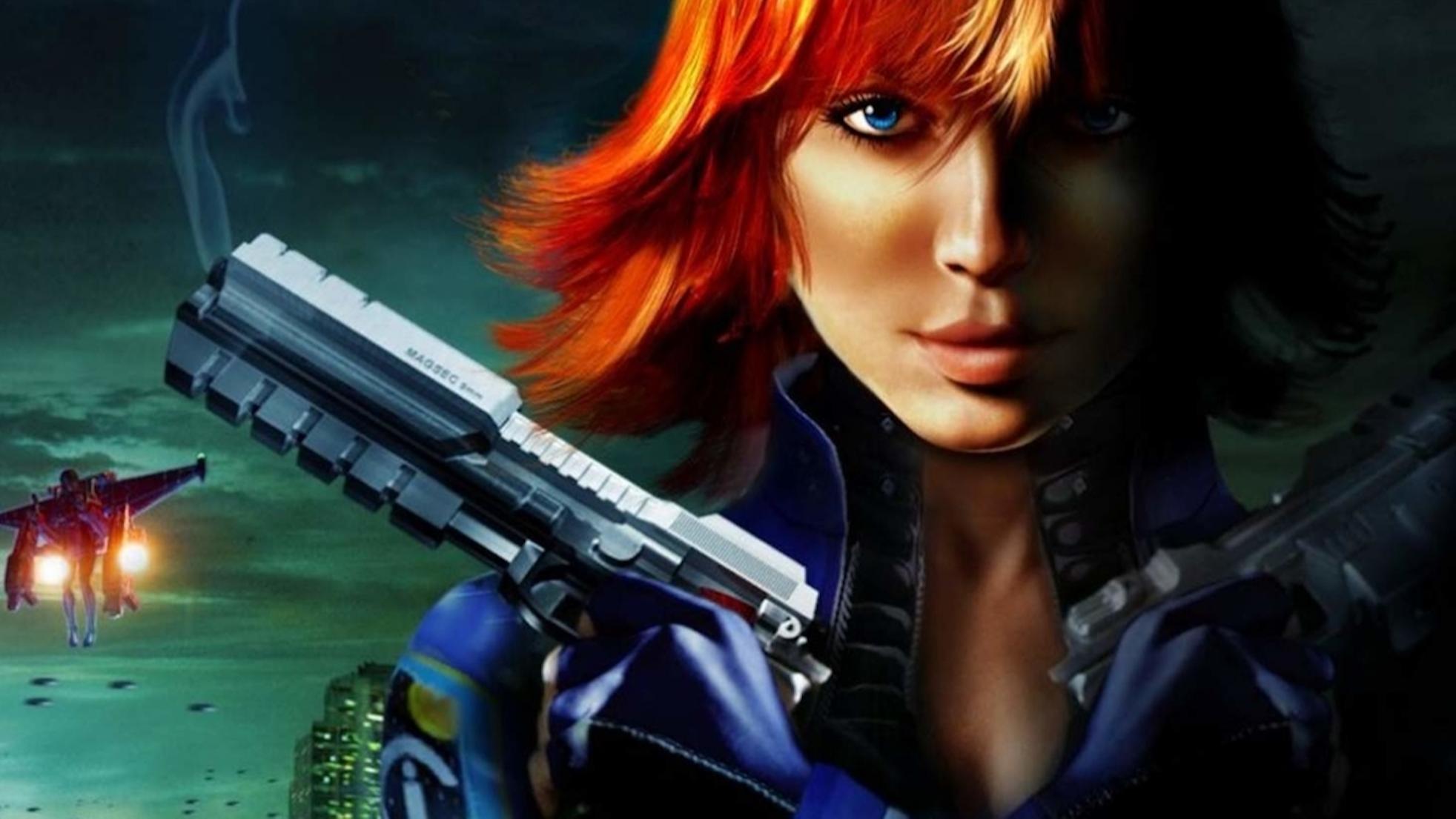
The new version of the game focused more on fast-paced, cooperative arena battles and exciting gadgets, moving away from the clever and detailed missions of the first game. Players had fewer options for stealth and completing objectives in different ways. The game’s enemies and levels were designed to encourage shooting battles instead of sneaking around. Weapons felt powerful and enemies went down quickly, prioritizing quick action over careful strategy. The story prioritized big, impressive moments over complex goals.
‘Command & Conquer 4: Tiberian Twilight’
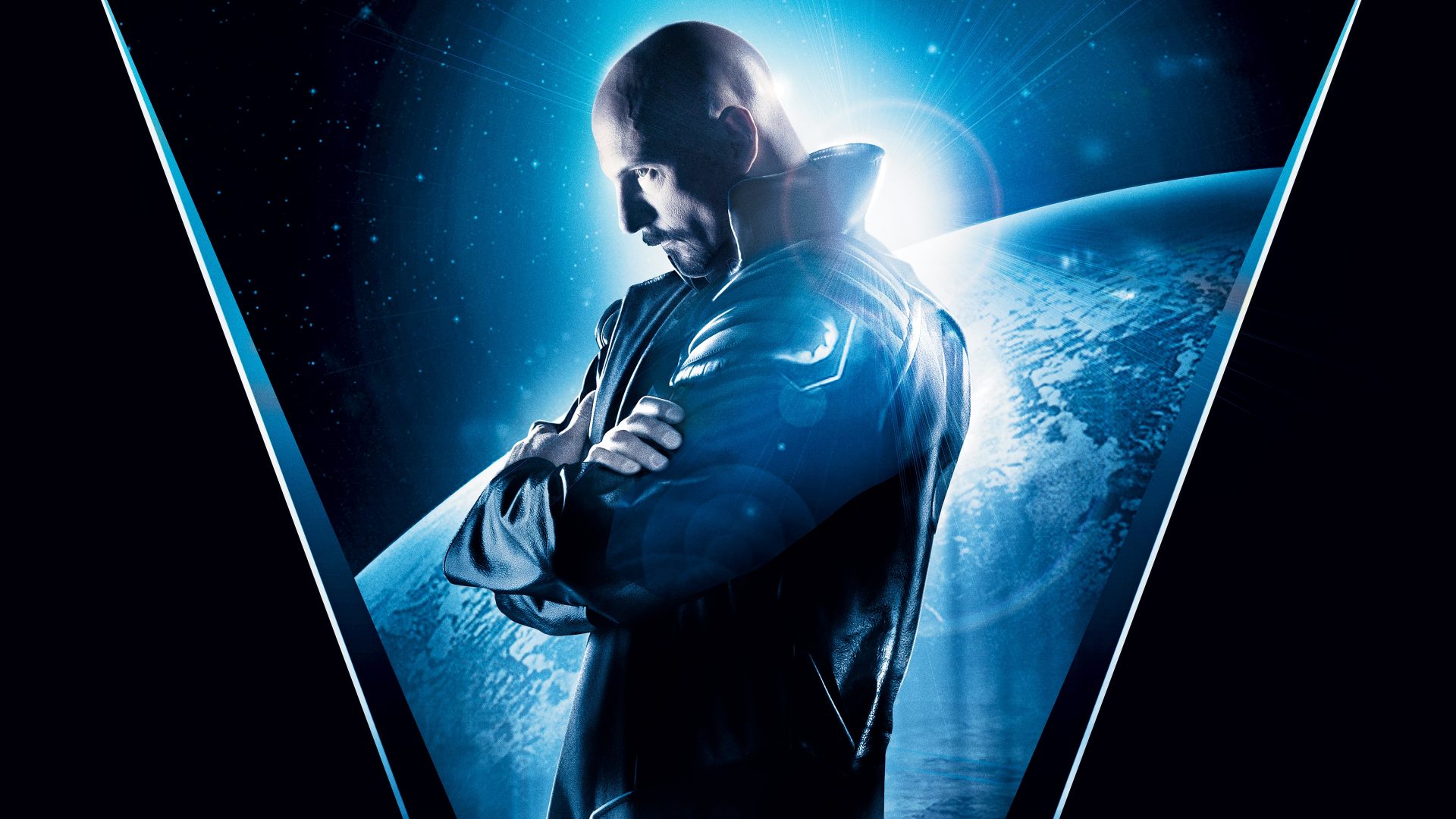
The latest version moved away from building bases and gathering resources, instead using mobile command units. Player numbers and specific unit types were limited, pushing players towards set strategies. Gameplay now focuses on capturing and holding key locations, rather than expanding territory and developing technology. The single-player missions also work this way. These changes mean less emphasis on long-term economic planning and strategic resource management, which were core elements of previous games in the series.
‘Paper Mario: Sticker Star’
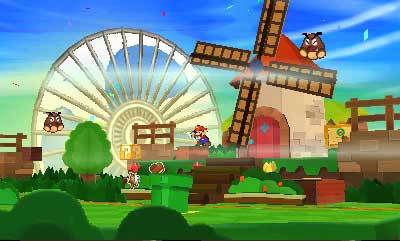
Okay, so they totally changed up the battles. Instead of just picking attacks, everything’s done with these one-time-use stickers – once you play one, it’s gone. They also ditched the usual leveling up, which meant running into random enemies didn’t really feel rewarding anymore. Getting around the world involved a lot of finding puzzle pieces and going back to places I’d already been. My partner characters weren’t as involved, and the story didn’t drive things as much. Basically, they switched from making me grow my characters to focusing on using items during fights, which felt pretty different.
‘Contra: Rogue Corps’
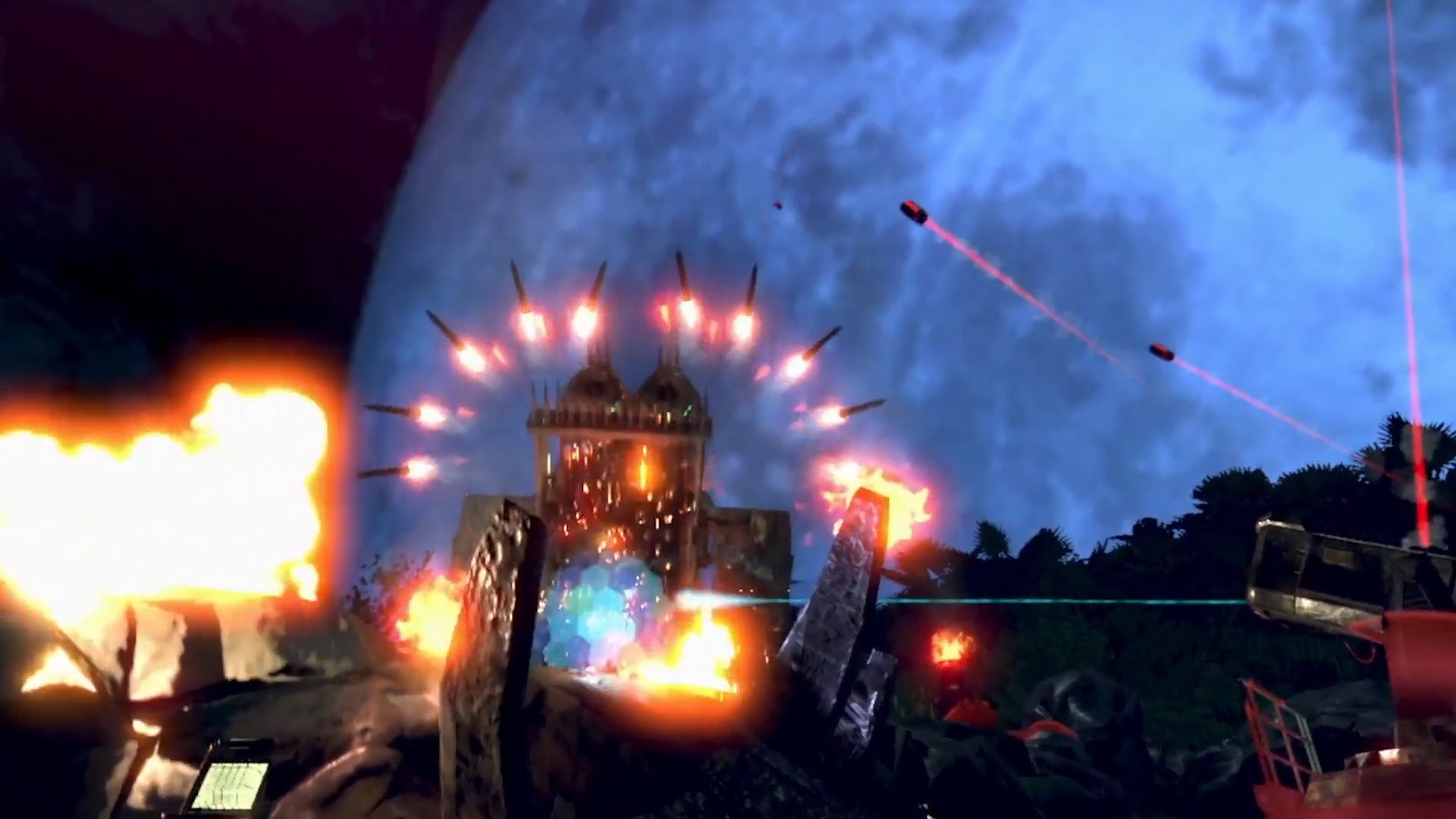
The game shifted from a quick-paced, side-scrolling shooter to a more deliberate, top-down action game focused on collecting loot. Instead of memorizing levels, players now relied on randomly generated equipment and timed special abilities. Hub areas and a crafting system extended gameplay between attempts. This change in perspective and speed made it harder to anticipate enemy attacks, and the series’ signature precise shooting and platforming were significantly reduced.
‘Silent Hill: Homecoming’
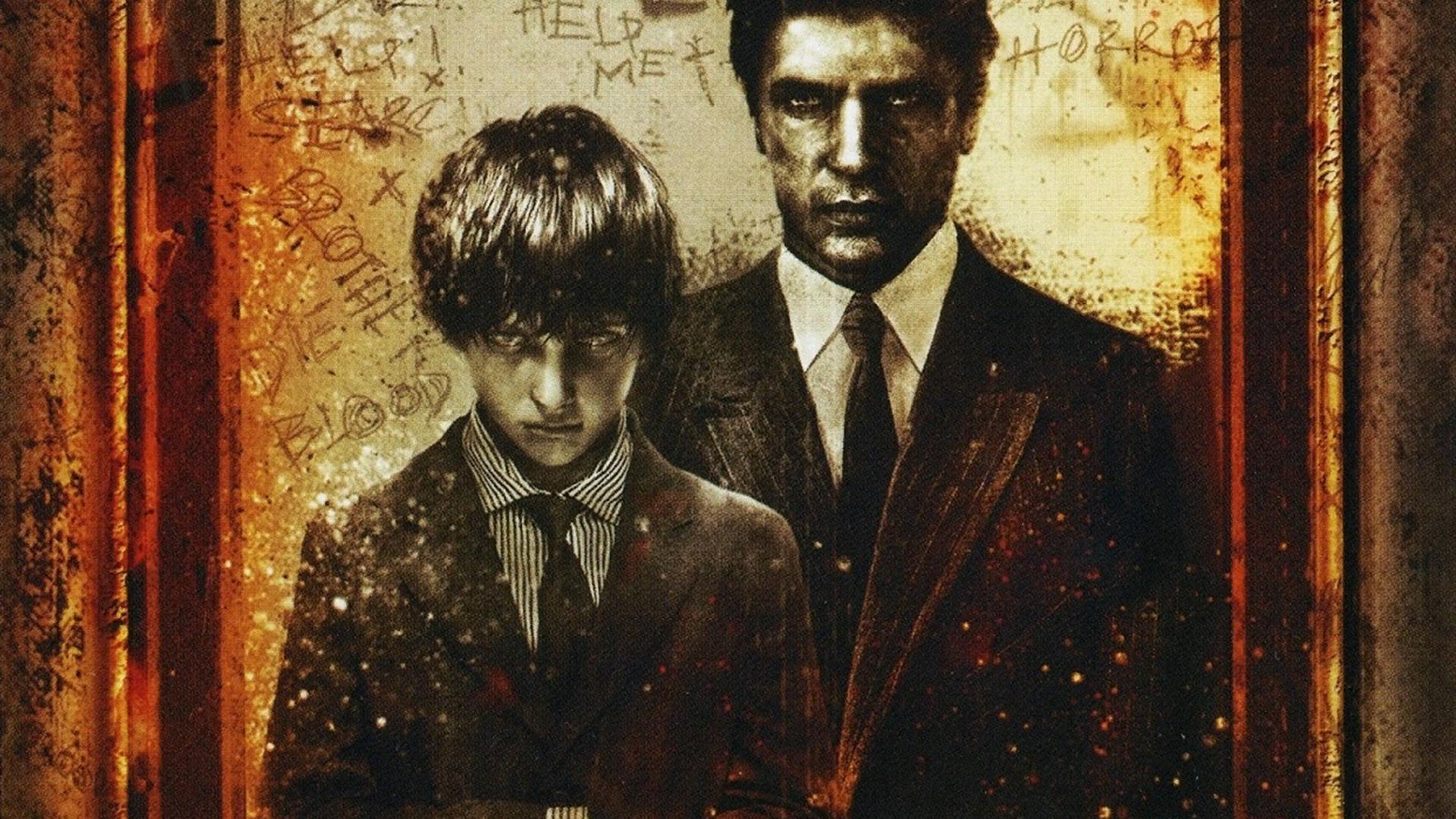
The game’s combat evolved to focus more on blocking and attack combinations, lessening the emphasis on building suspense and fear. Levels became more linear and filled with frequent battles. Puzzles were simplified to make way for more action. The story began to prioritize direct conflict over creating a sense of dread. Overall, the game shifted its focus from a creepy atmosphere to skillful fighting.
‘Prince of Persia: Warrior Within’
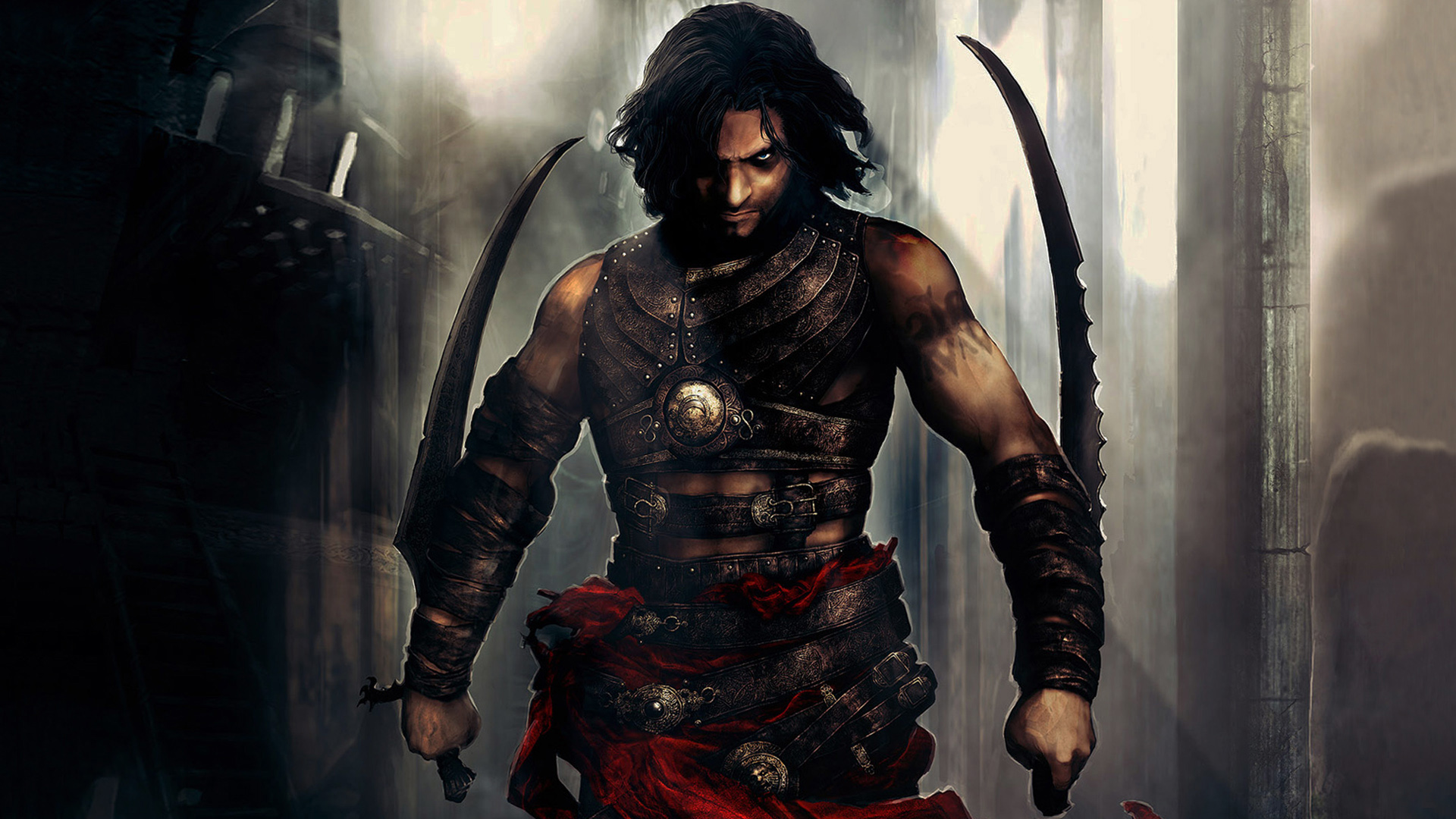
The game shifted from a whimsical, storybook feel to a grittier, more action-packed experience. Instead of smooth platforming, players faced constant battles in enclosed areas. The game focused heavily on chases and revisiting old locations, and while characters became more intense, the rich details of the game world were less prominent. This new direction moved away from the series’ original emphasis on elegant movement and exploration.
‘Deus Ex: Invisible War’
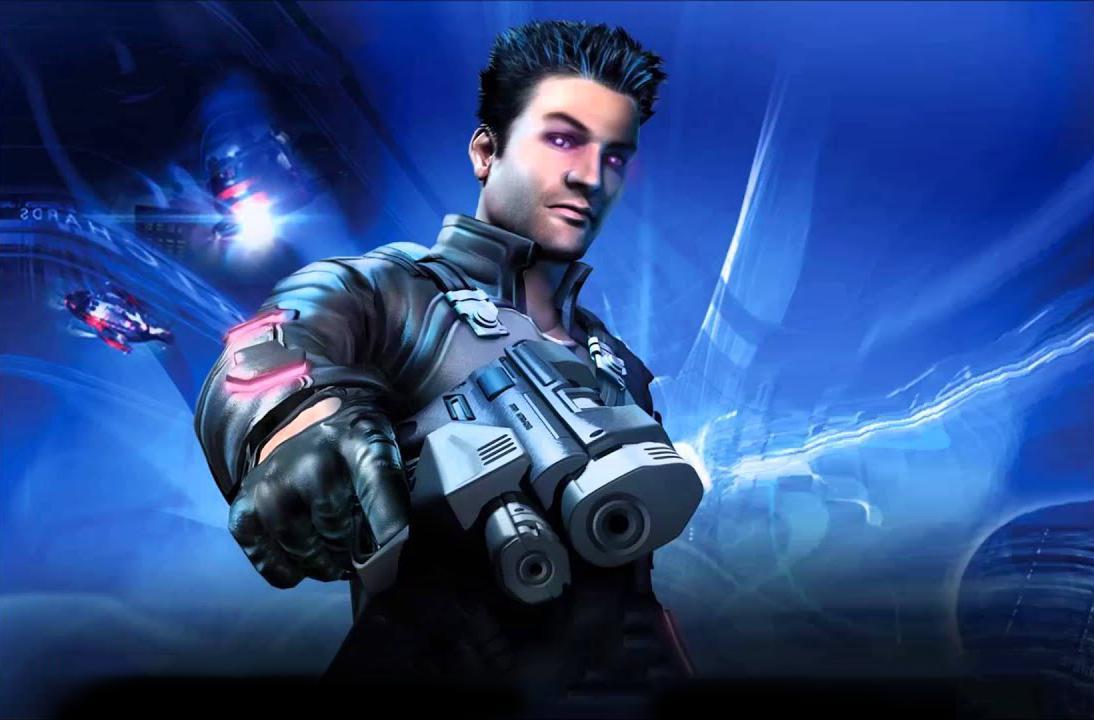
The game’s expansive maps were broken down into smaller, faster-loading areas, which limited how much players could explore different paths. All weapons used the same type of ammunition, making them feel less unique. The impact of choosing a faction became less significant, leading to fewer different endings. The game’s physics and stealth mechanics were made simpler to run smoothly on a wider range of computers. Overall, the game sacrificed some of its complex simulation features for performance and accessibility.
‘Red Faction: Armageddon’
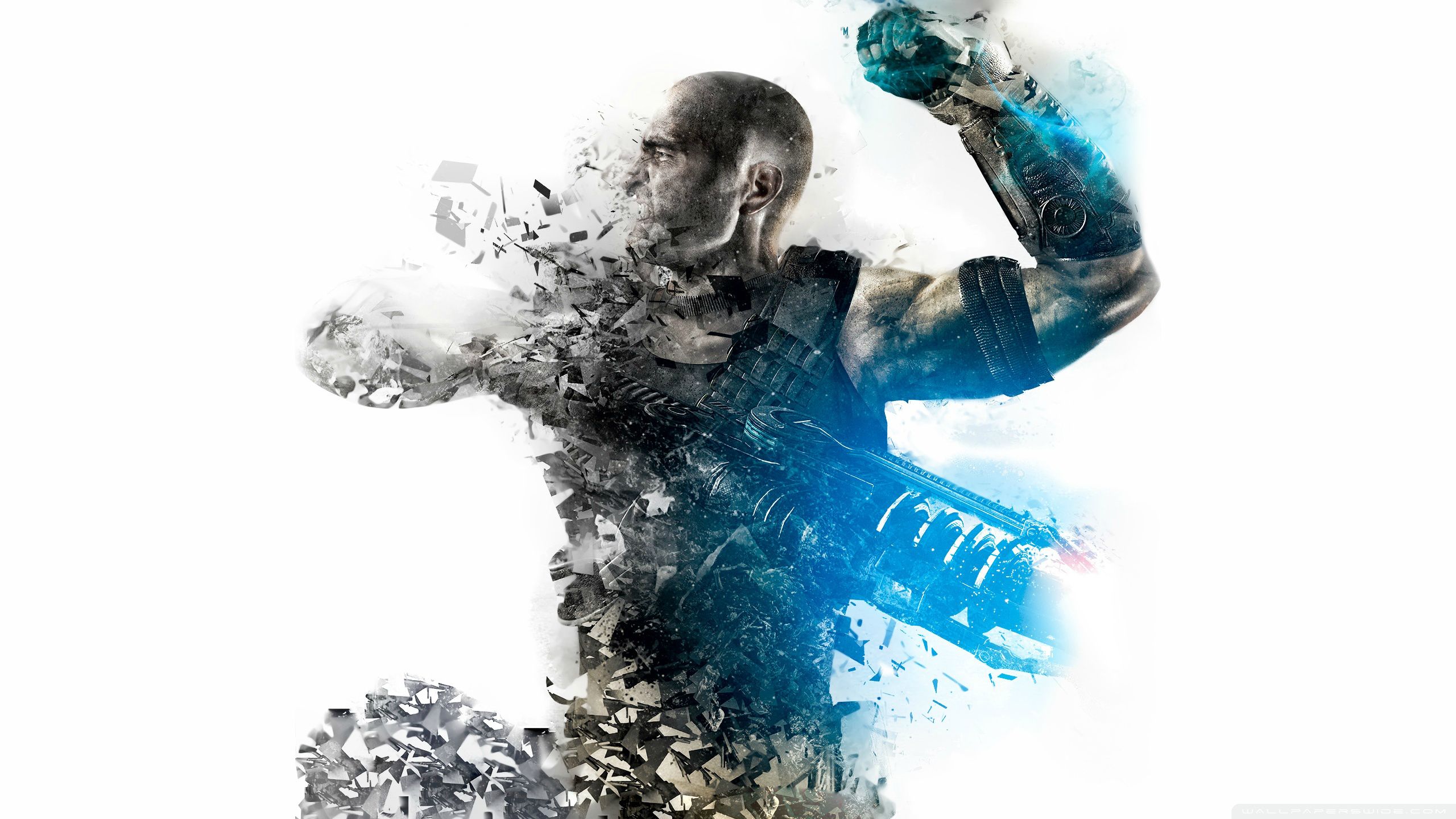
The game shifted from a sprawling, open-world experience with lots of destruction to a more focused, straightforward shooting game. While things could still be destroyed, it mostly happened during specific, pre-planned moments. The freedom to explore and create your own chaos with vehicles was reduced, and tools like the magnet gun were used for set-piece events rather than general destruction. The story prioritized keeping the action moving forward over letting players experiment and play around in a sandbox environment.
‘Thief’
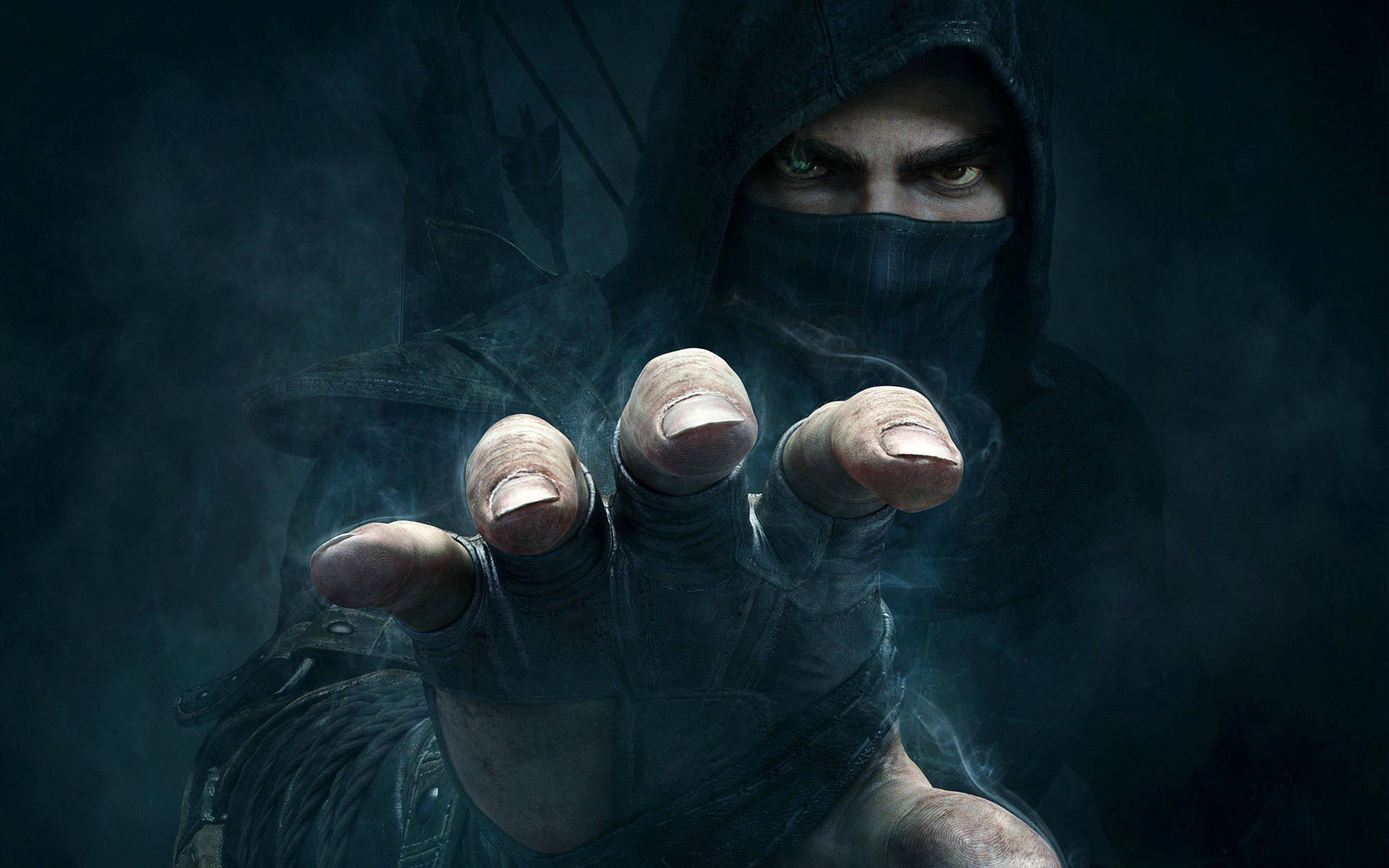
The game shifted to more pre-planned sequences and a new meter tracking player visibility, moving away from relying on careful observation to stay hidden. The main city area felt limited, with fewer buildings accessible and repetitive routes. It also became harder to predict how sound and light would affect your visibility. While there were side missions, they didn’t make up for the restricted pathways, ultimately making the heists feel less about careful planning and more linear.
‘Dragon Age II’
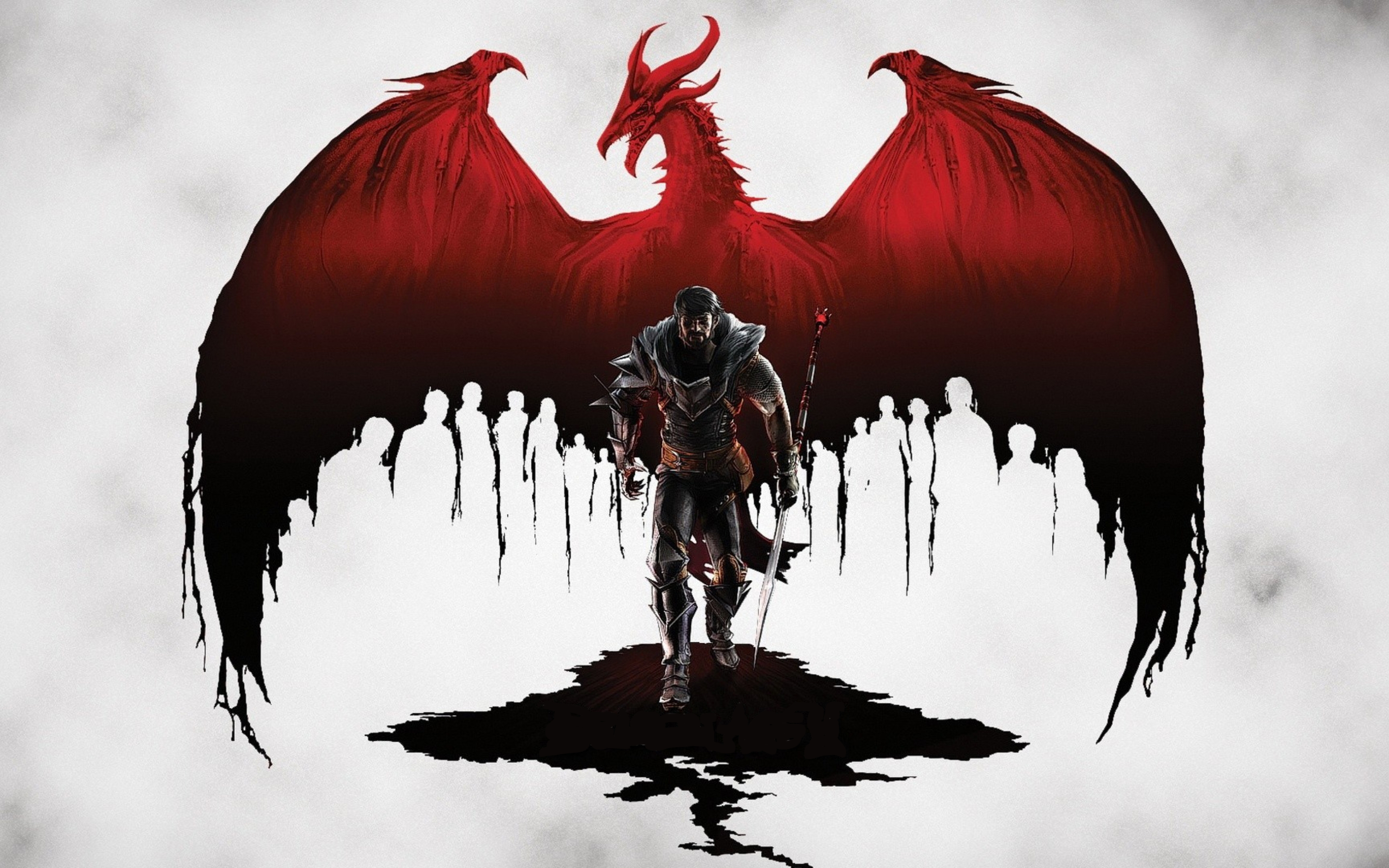
The game moved from large, diverse worlds to a single city with repeating environments. Battles became faster-paced, and pausing to plan strategies wasn’t as important in normal fights. Quests often took place in the same locations, making exploration feel less rewarding. Character customization was limited by fewer equipment options and simpler skill choices. Ultimately, the game focused on a smaller, more focused story, but lost some of its variety in the process.
‘Metal Gear Survive’
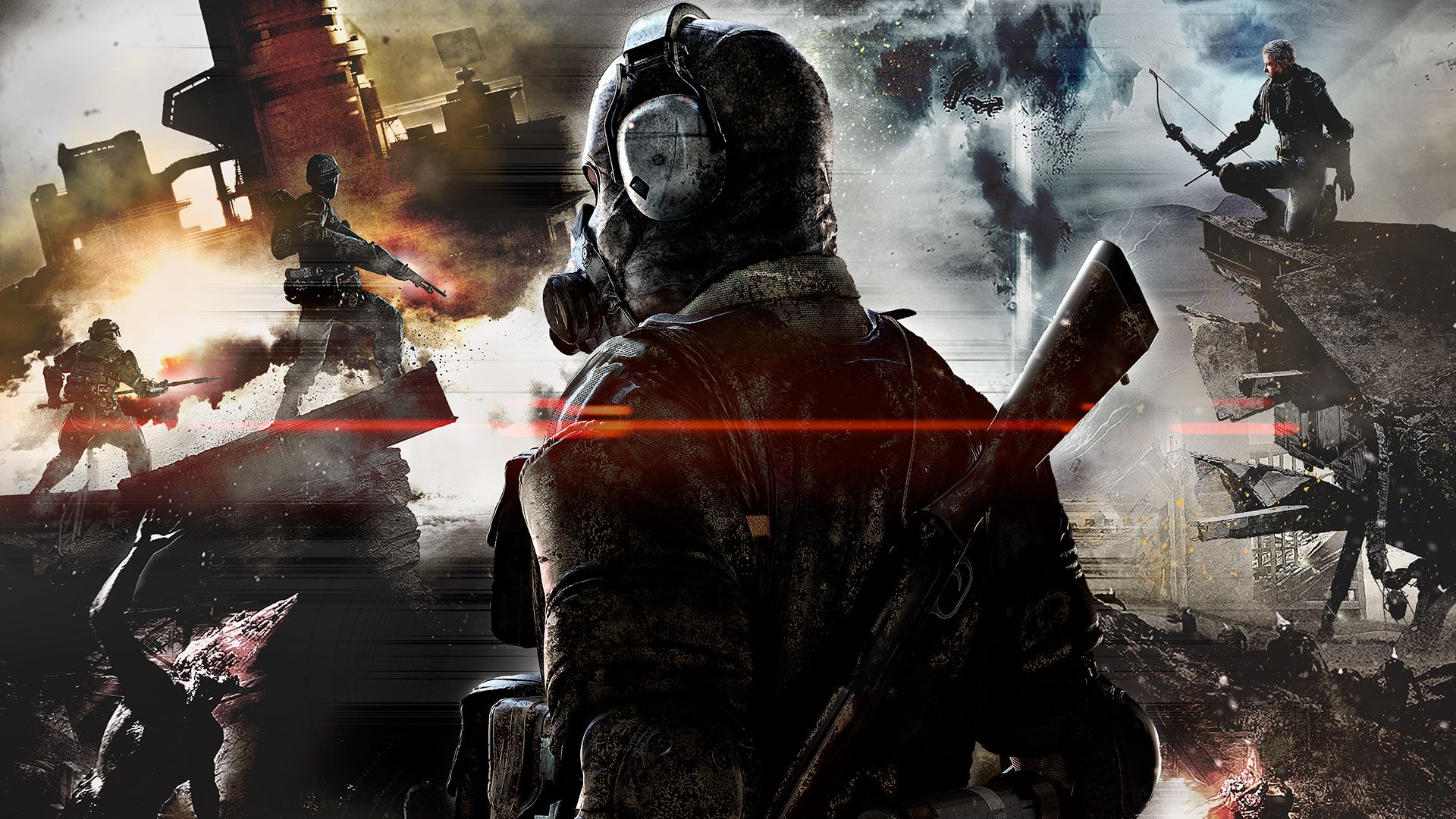
What started as a secret agent spy game transformed into a game about building, crafting, and surviving. Players focused on collecting resources and managing hunger, with a core gameplay loop built around those tasks. Instead of realistic spy missions, the game now features different dimensions to explore and zombies to fight. You advance by completing missions with friends and unlocking better equipment. However, the game’s original branding felt disconnected from the new gameplay.
‘SimCity’
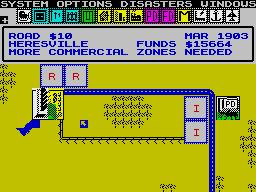
The constant need for an internet connection and the limited size of city areas changed how the game was designed, breaking it down into smaller, connected sections. This meant systems were shared between these sections, making it difficult to design cities independently. The game relied on these sections working together to manage traffic and resources, but this didn’t always happen smoothly. As a result, players couldn’t easily customize the game or build large, sprawling cities, and the design didn’t allow for the self-sufficient, impressive cities many players hoped for.
Share your picks for sequels that missed what made the originals special in the comments.
Read More
- Top 20 Dinosaur Movies, Ranked
- 20 Movies Where the Black Villain Was Secretly the Most Popular Character
- 25 “Woke” Films That Used Black Trauma to Humanize White Leads
- Silver Rate Forecast
- Gold Rate Forecast
- Spotting the Loops in Autonomous Systems
- From Bids to Best Policies: Smarter Auto-Bidding with Generative AI
- Celebs Who Narrowly Escaped The 9/11 Attacks
- 22 Films Where the White Protagonist Is Canonically the Sidekick to a Black Lead
- Can AI Lie with a Picture? Detecting Deception in Multimodal Models
2025-12-11 03:17