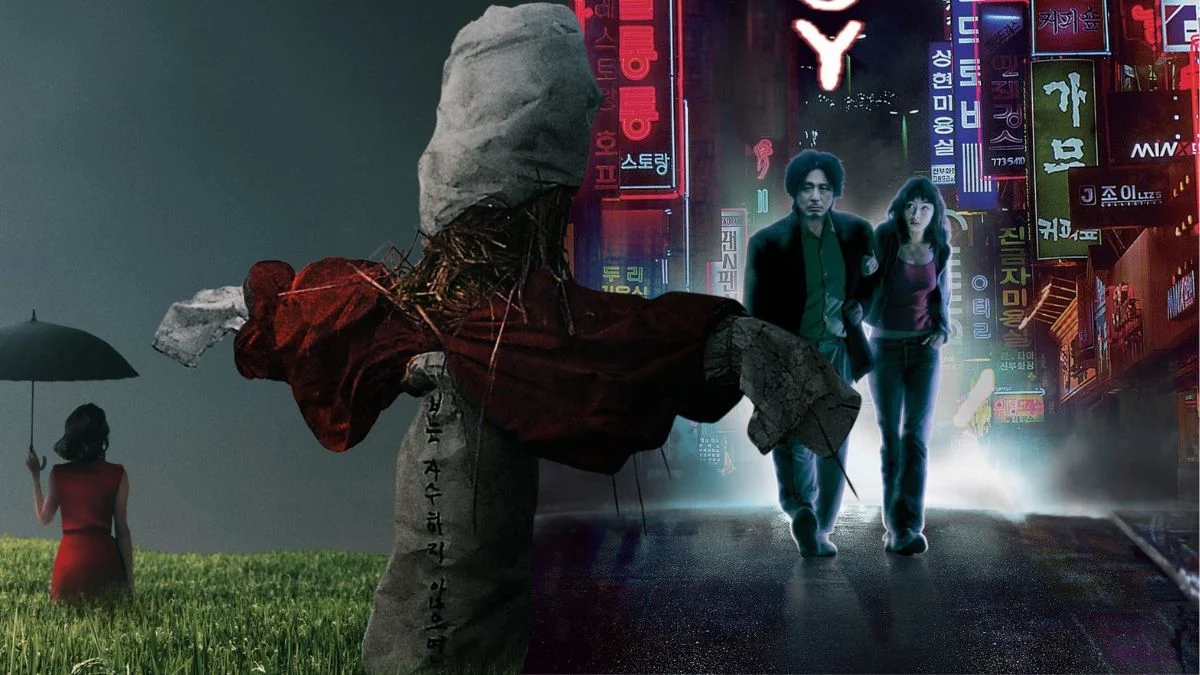
Movies often use visuals to tell stories and deliver key ideas when words aren’t enough. A strong final image can change how you understand the whole plot, or leave you thinking about the film long after it ends. Directors frequently use these last moments to surprise viewers or offer a new way of looking at the main character. The films discussed below are examples of how ending scenes can powerfully and unexpectedly reshape a story.
‘Planet of the Apes’ (1968)
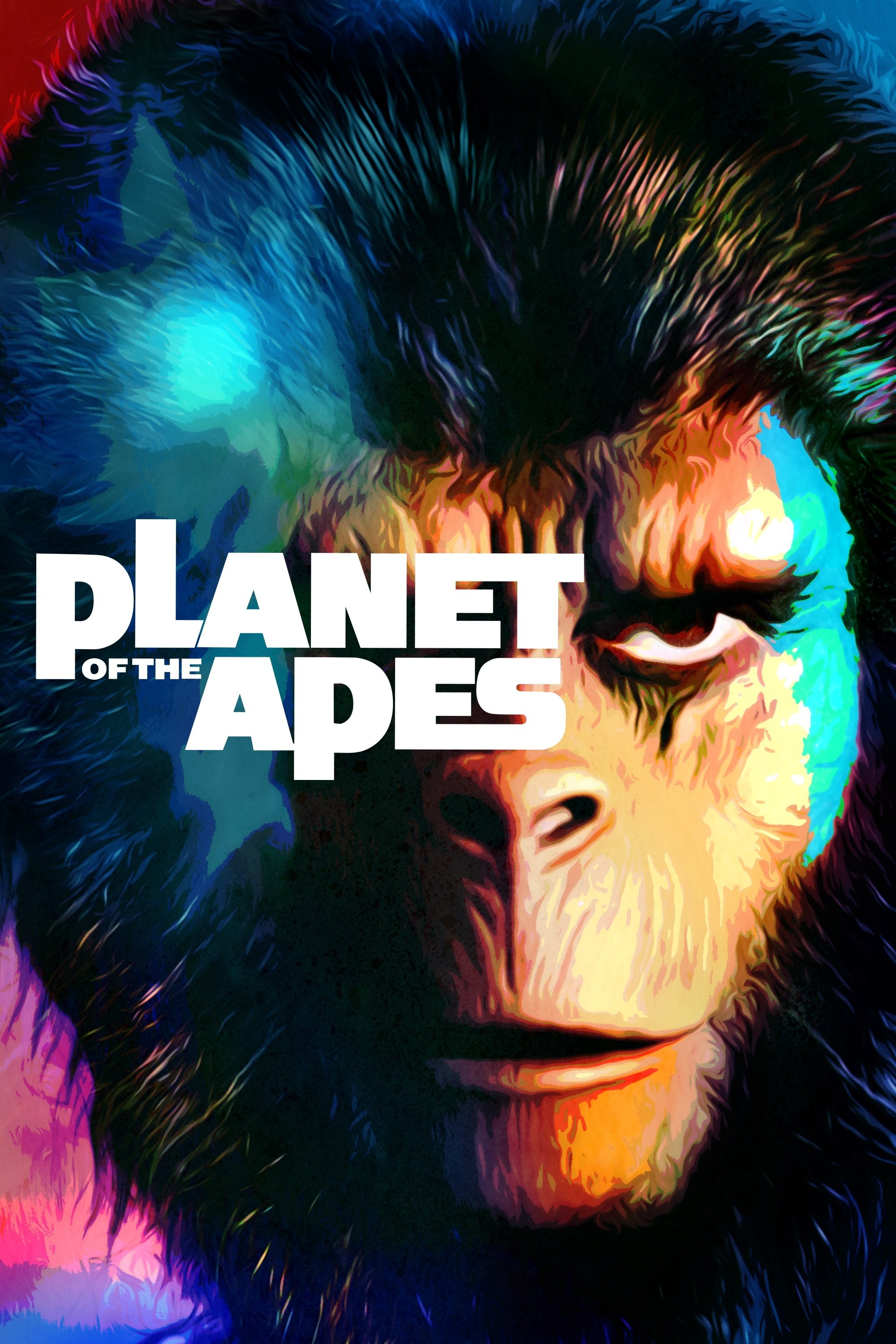
When George Taylor discovers a broken monument sticking out of the sand, he collapses in shock. He realizes it’s the Statue of Liberty, meaning he hasn’t been on another planet at all – he’s been on Earth, after a devastating apocalypse. This discovery completely changes how he views his fight against the apes and his dangerous journey. It’s a haunting reminder of humanity’s potential for self-destruction, especially during the Cold War.
‘Inception’ (2010)
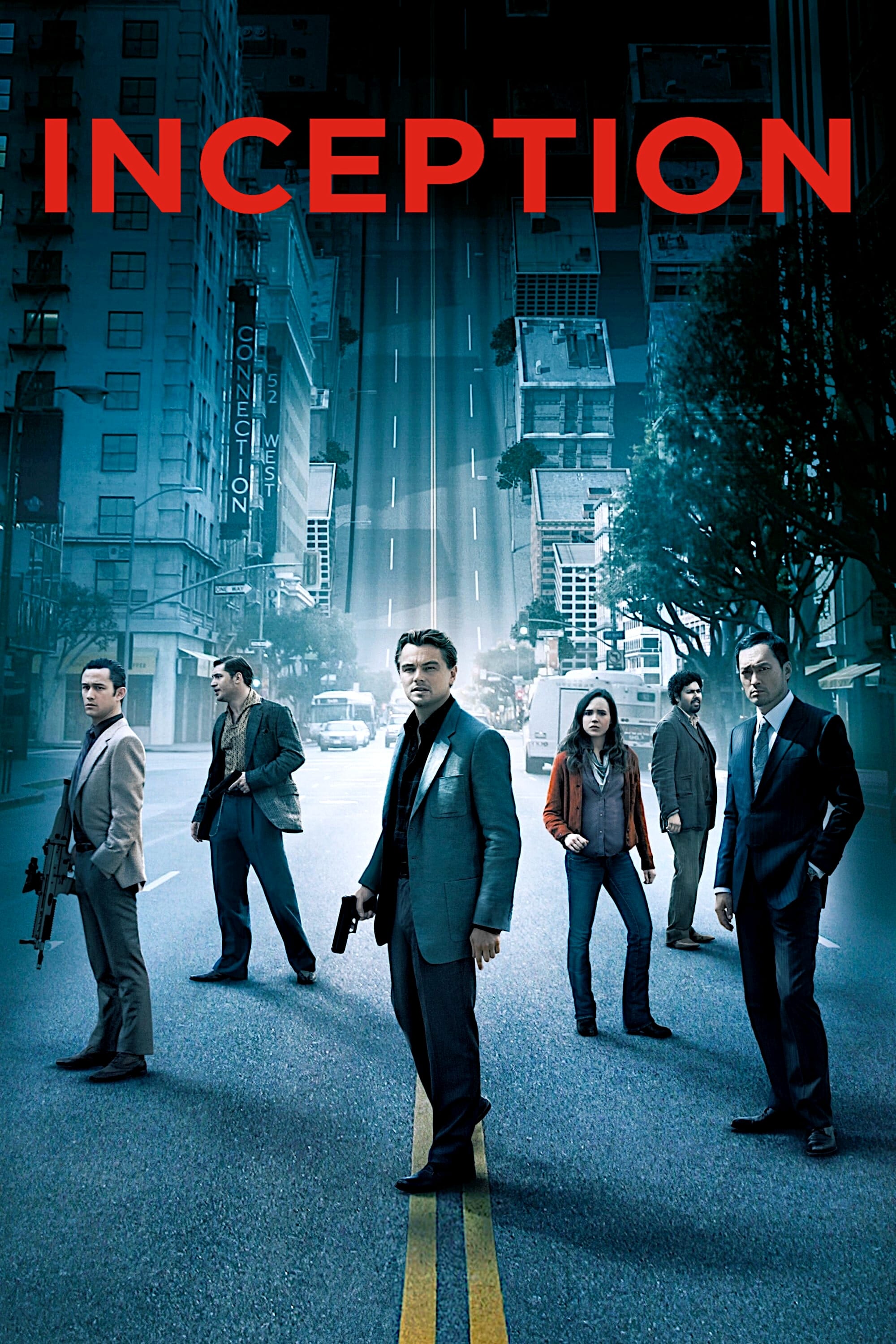
Dom Cobb is finally back with his children, and he uses his spinning top – a personal test of reality – to see if he’s truly home. The camera focuses on the top as it spins, but deliberately doesn’t show whether it falls over or keeps going. This leaves the audience wondering if Cobb has really reunited with his family, or if he’s still lost in a dream. The film then cuts to black, implying that Cobb no longer cares about what’s real as long as he feels content.
‘The Graduate’ (1967)
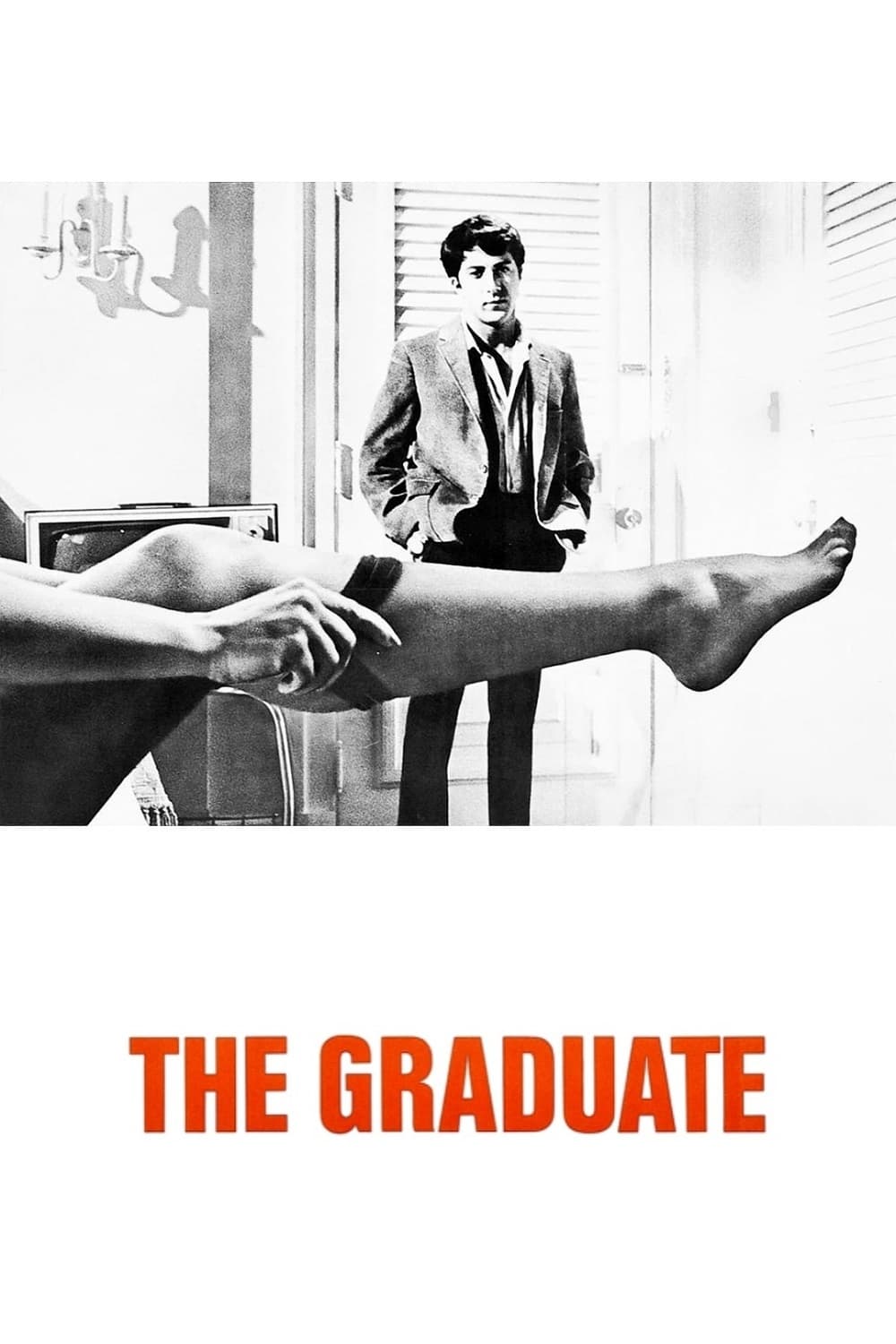
After running away from Elaine’s wedding, Benjamin and Elaine jump onto a bus, briefly feeling like they’ve won. But as the camera focuses on their faces, their happy smiles turn to worry and doubt. The excitement of their escape fades, leaving them facing an uncertain future. The film’s ending moves away from a simple love story and shows the reality of making rash decisions.
‘The Shining’ (1980)
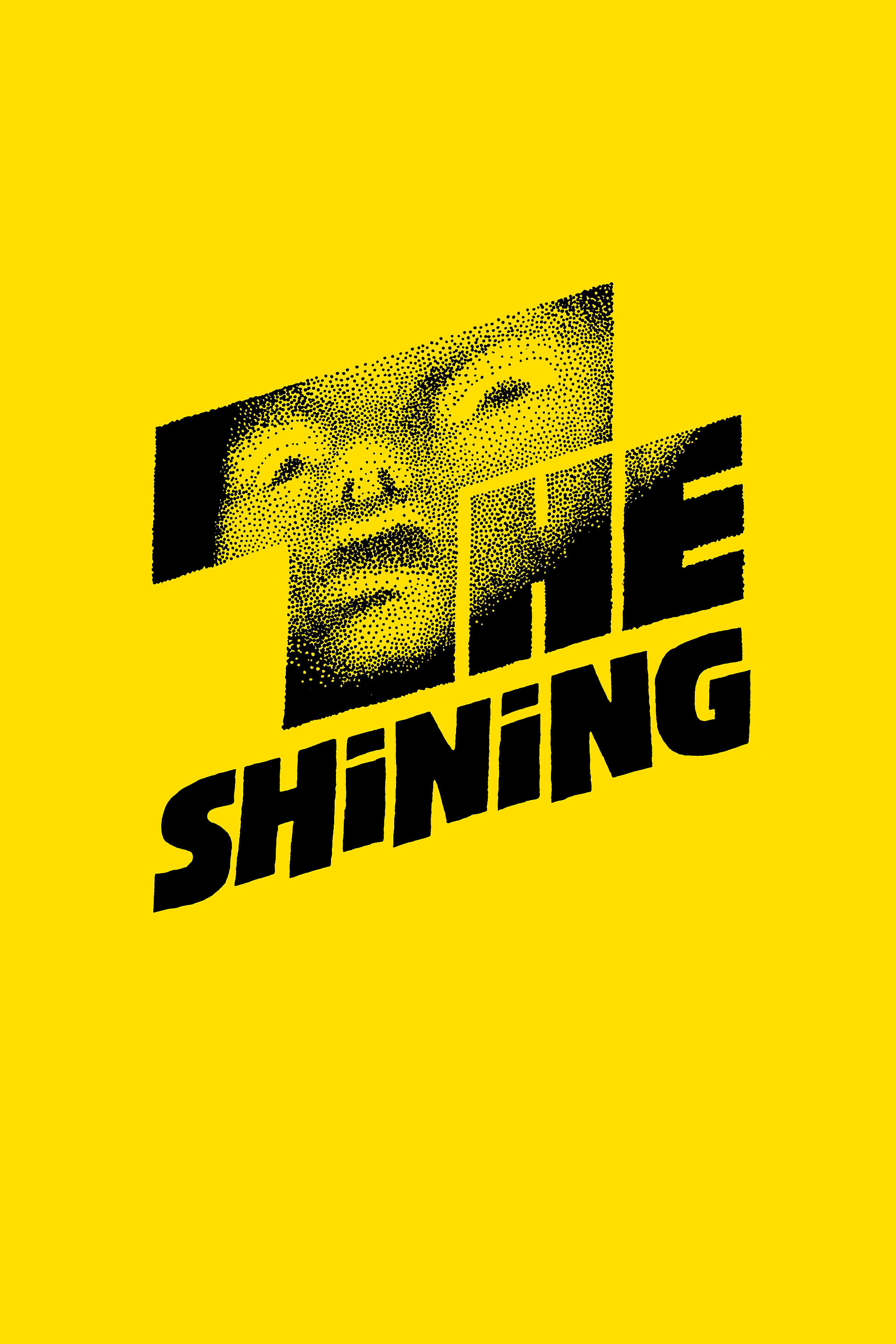
The camera pans down a hallway, landing on an old photo from a 1921 Independence Day celebration. Jack Torrance is prominently featured in the picture, smiling broadly – a striking image considering the events happening much later in time. This suggests Jack was always meant to be the hotel’s caretaker, or that he’s caught in a repeating pattern within its walls. This final, puzzling shot confirms the Overlook Hotel’s supernatural nature.
‘Shutter Island’ (2010)
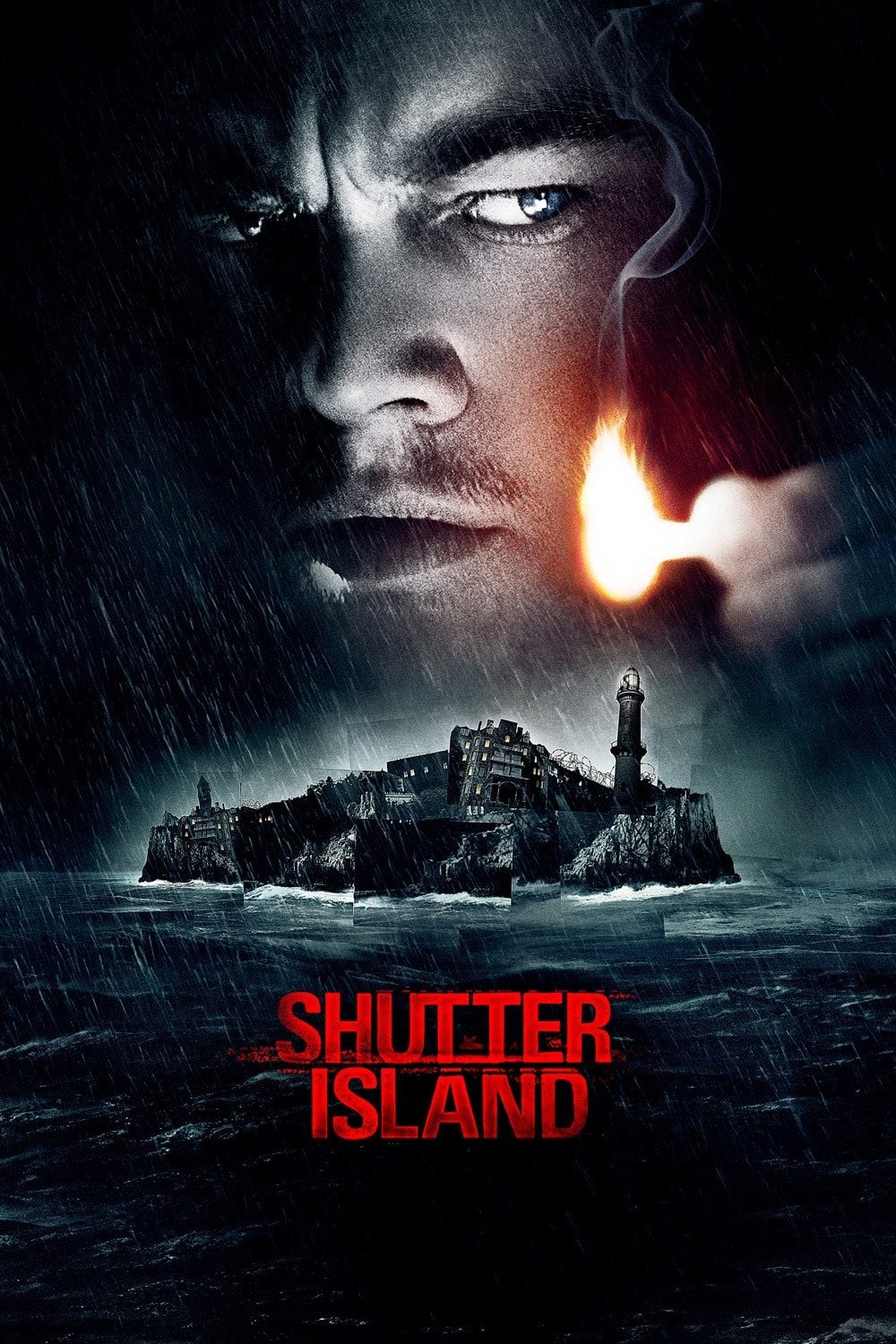
Sitting on the steps of the mental institution, Teddy Daniels questions whether it’s better to live a life of evil or to die with honor. He then calmly walks towards the staff preparing to perform a lobotomy, indicating a brief return to lucidity. This act shows he’d rather escape the pain of his past than confront the truth about his family, ultimately choosing to forget everything rather than live with the guilt.
‘Psycho’ (1960)
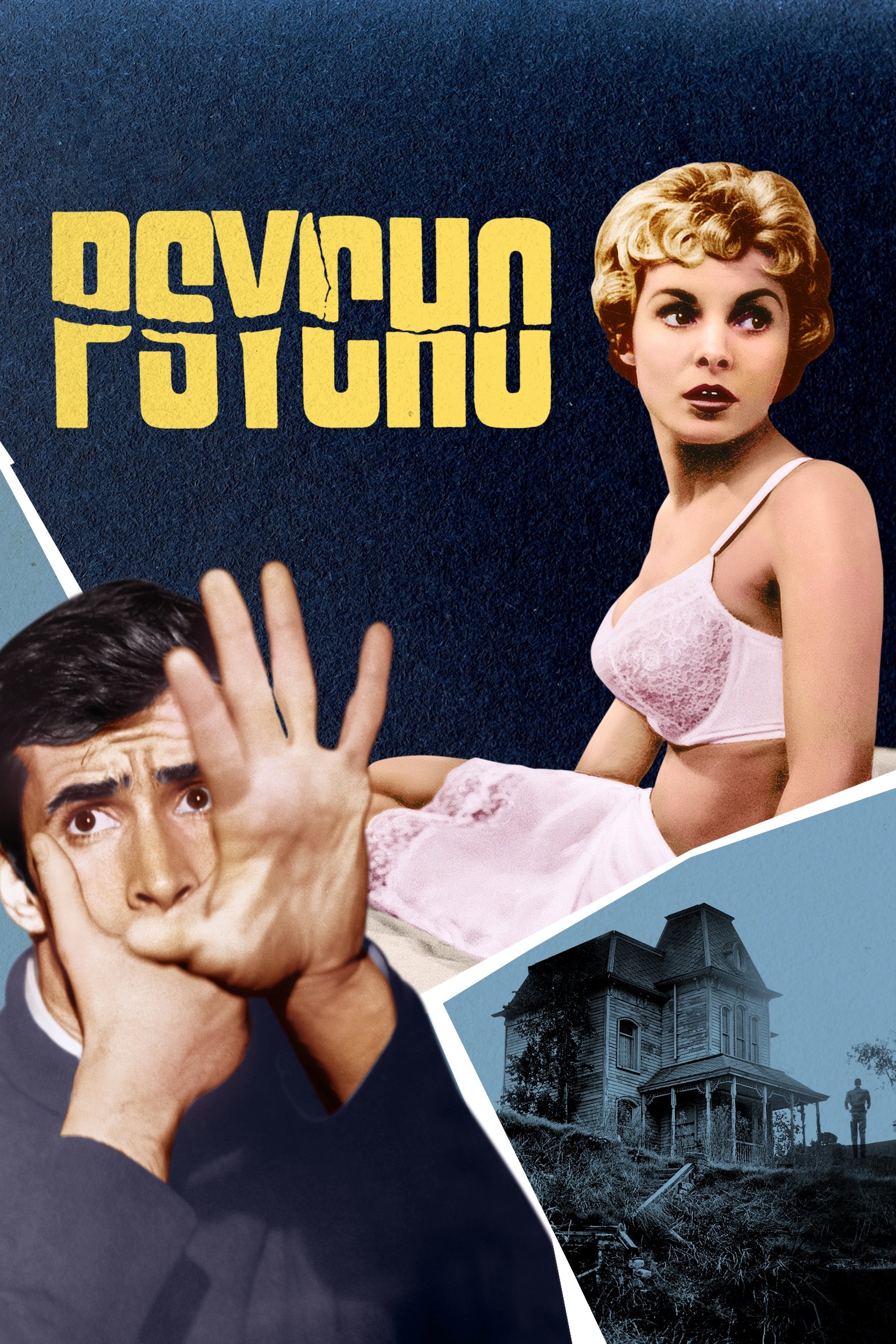
Norman Bates is alone in a jail cell, but his thoughts are completely controlled by his mother’s voice. For a fleeting moment, the film briefly shows his mother’s skull superimposed over his face, visually demonstrating that Norman’s personality has disappeared and only his mother remains. Her intense gaze directly at the camera draws the audience into his disturbed mental state.
‘Blade Runner’ (1982)
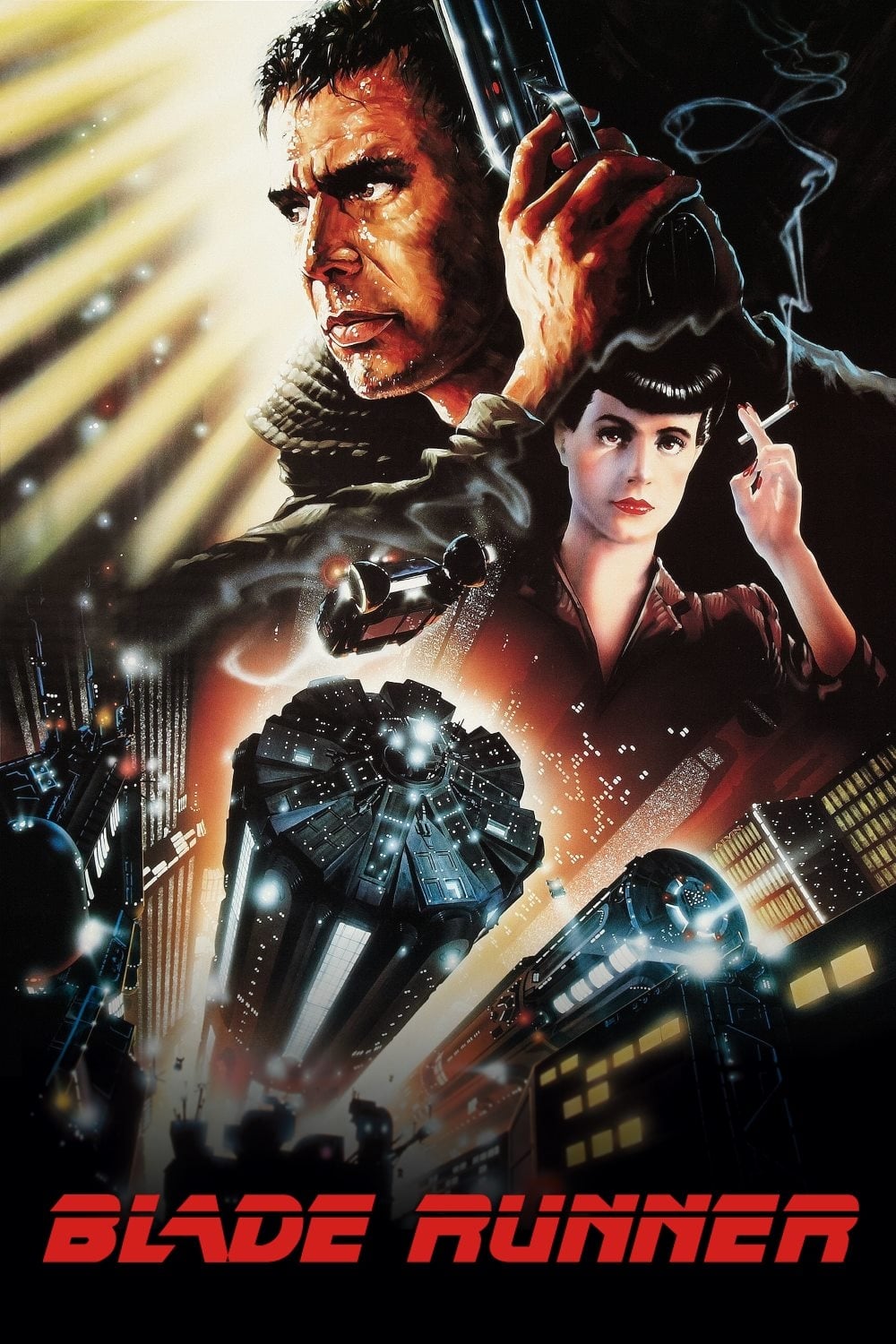
As I watched Blade Runner, one of the most haunting moments for me was when Deckard found that tiny origami unicorn left by Gaff. It instantly clicked with the dream sequence we’d seen earlier – suddenly, it felt like his memories weren’t his own, but placed there. It made me wonder… could Deckard actually be a replicant himself, unknowingly hunted by his own kind? It completely flipped how I saw the whole movie, making his pursuit of the other androids so much more complex and tragic.
‘The Thing’ (1982)
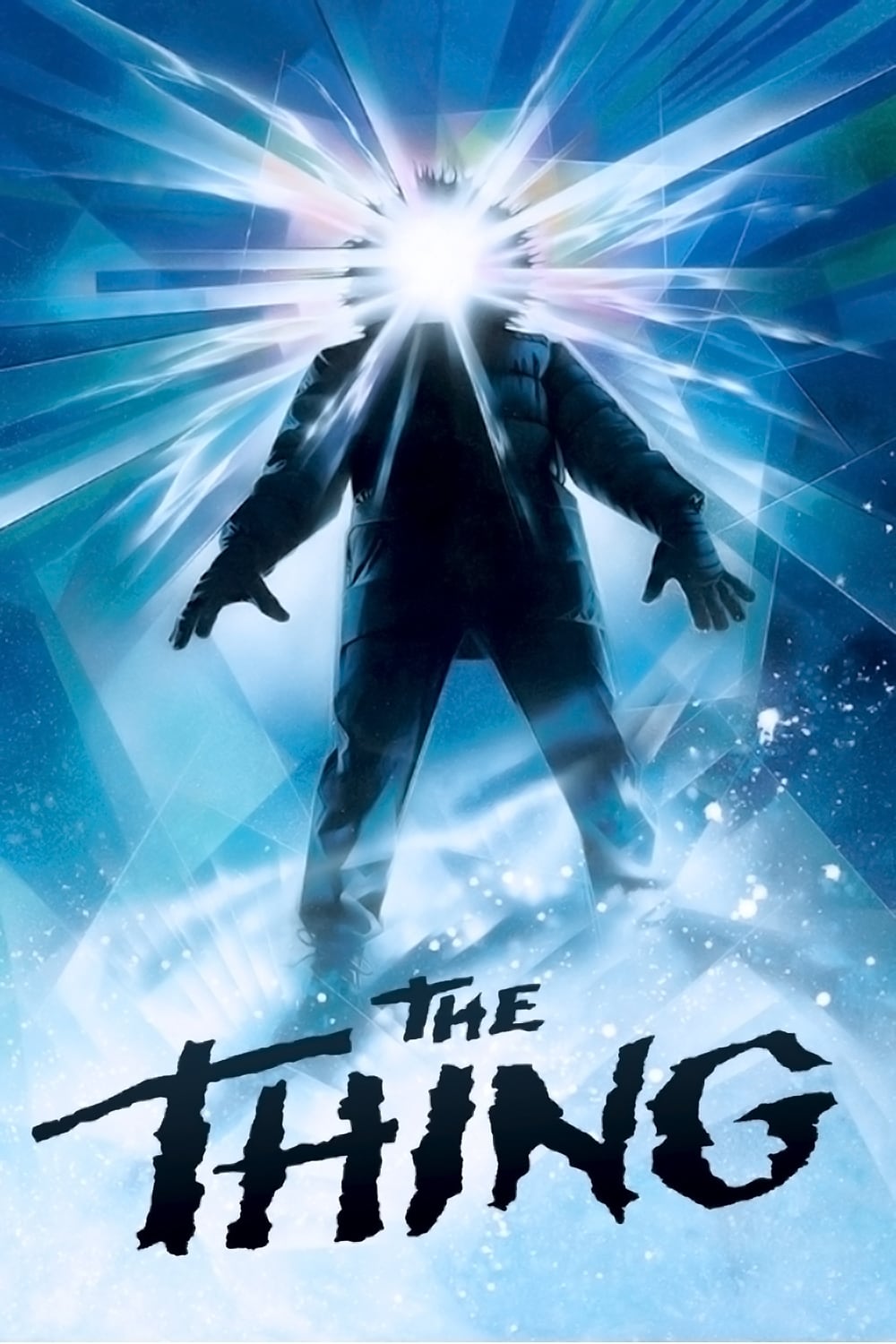
Amidst the ruins of their Antarctic base, MacReady and Childs huddle together, sharing a bottle of scotch. The camp is ablaze, and more importantly, neither man is sure if the other is still human. The story doesn’t offer a clear ending, reinforcing the overwhelming sense of paranoia throughout. Ultimately, their acceptance of a frozen fate suggests the alien has won.
‘Enemy’ (2013)
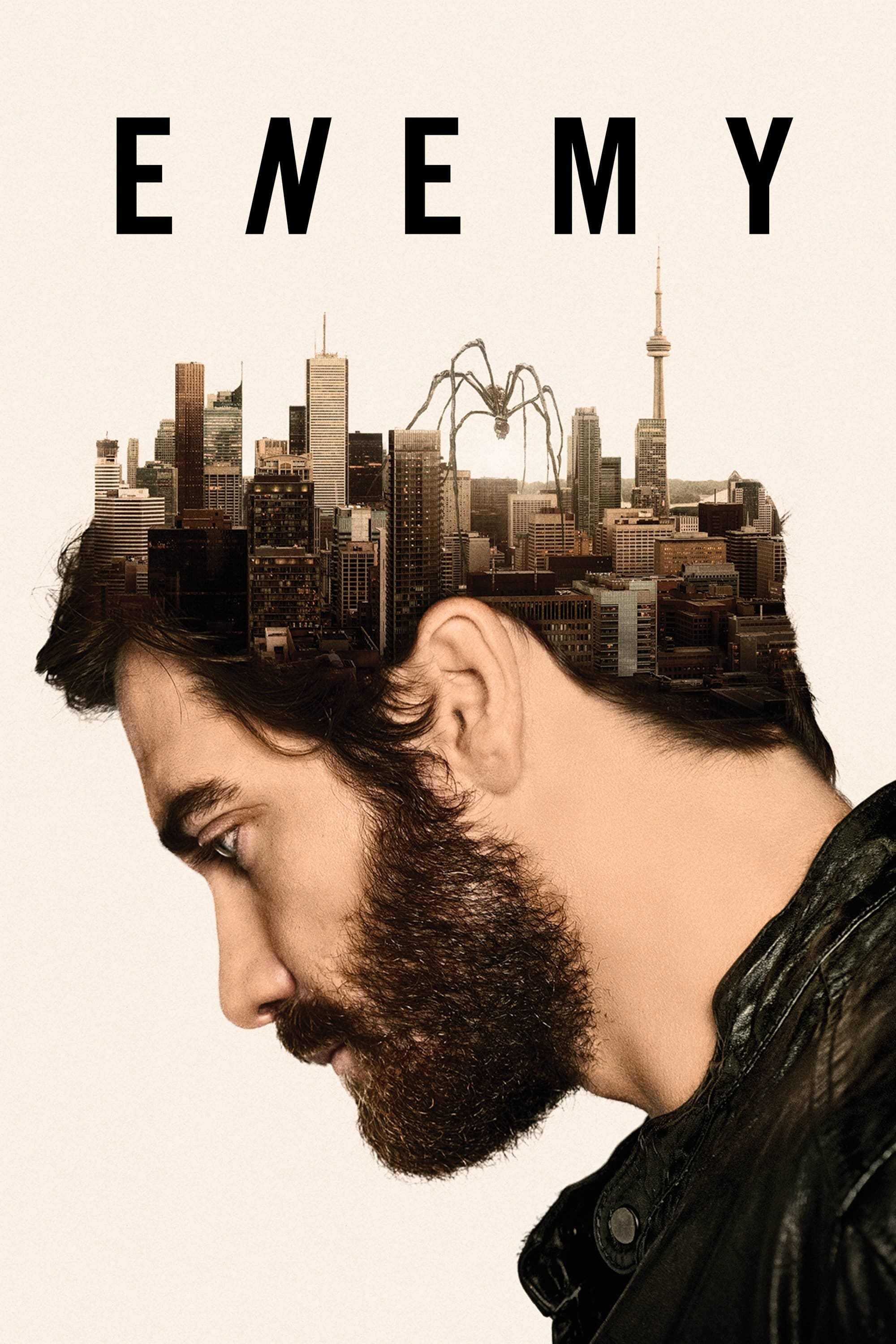
When Adam Bell enters his bedroom to speak with his partner, he’s confronted by a giant tarantula pressed against the wall. This startling image symbolizes his anxieties about control and commitment, suggesting he feels caught in his own internal struggles. The film concludes without offering answers, leaving the audience to interpret the meaning of this symbolic battle.
‘Saint Maud’ (2019)
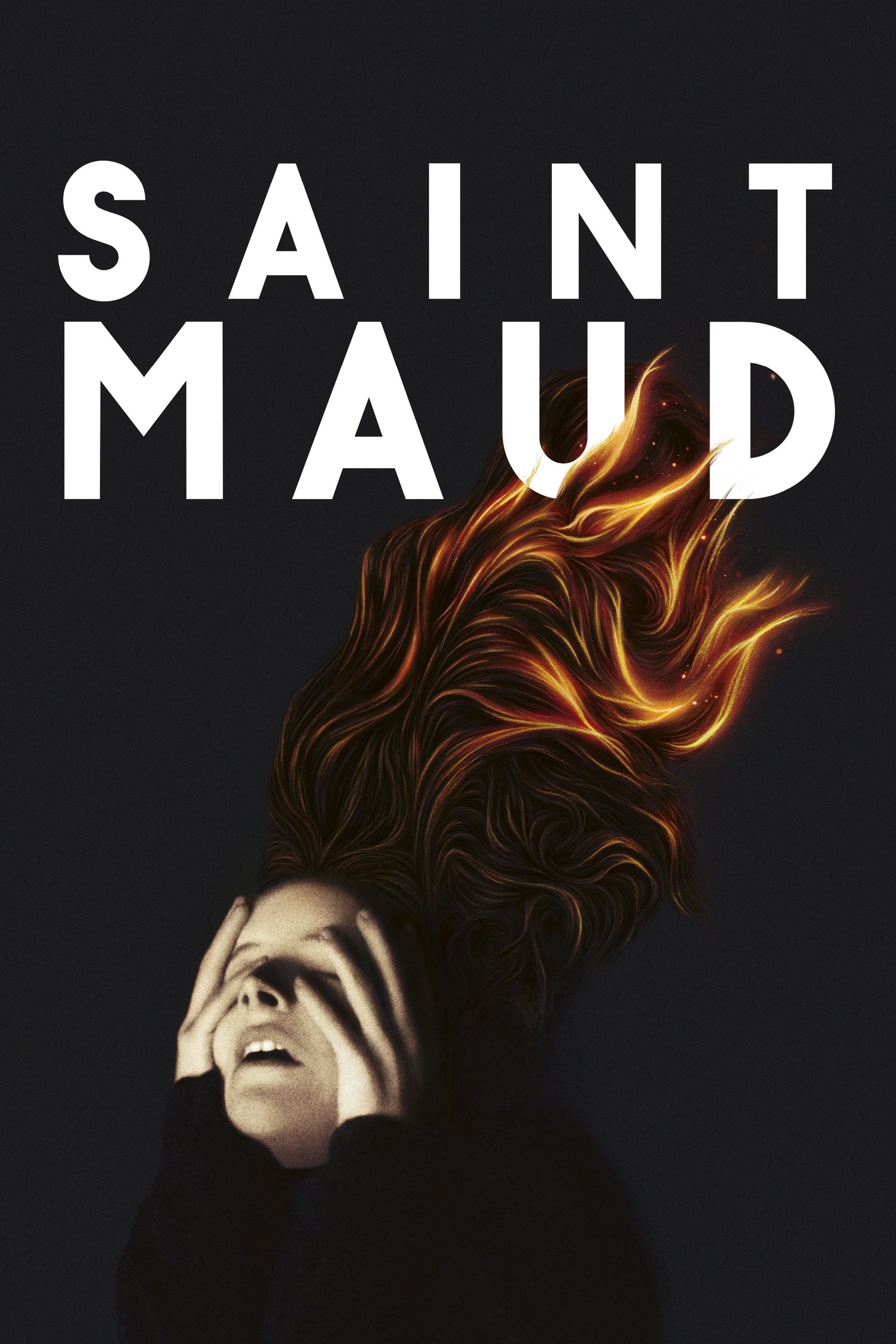
Maud experiences a powerful delusion of ascending to heaven while on a beach. This hopeful vision is instantly shattered by a brief, horrifying image of her actually burning alive, revealing the tragic reality of her mental illness. The sudden shift forcefully exposes the contrast between her imagined glory and the brutal physical consequences of her condition, stripping away the fantasy she’s built throughout the film and leaving the audience to confront the horrific truth.
‘Memories of Murder’ (2003)
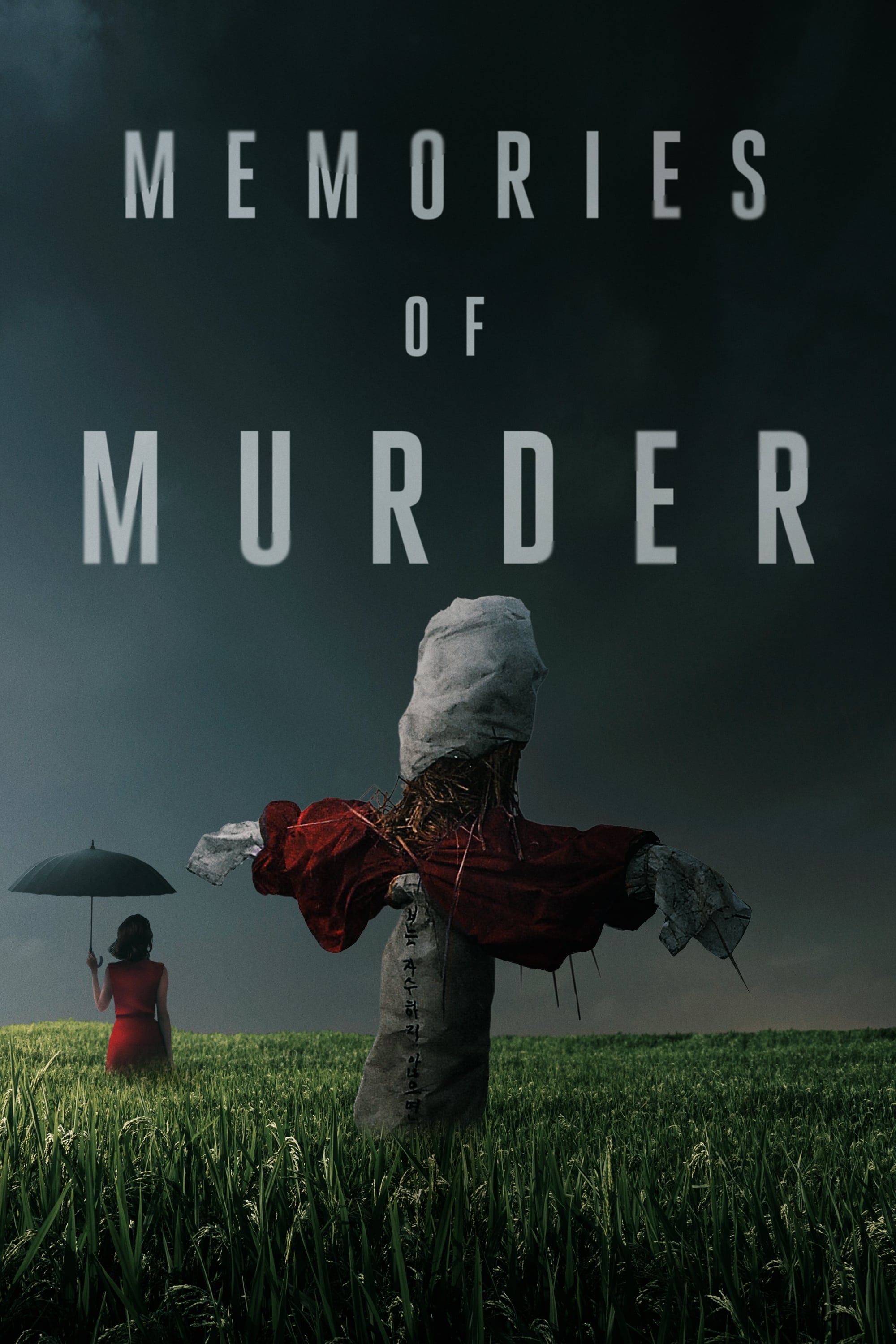
Years after the initial crime, Detective Park Doo-man revisits the murder scene and discovers the killer was surprisingly unremarkable. He then looks directly at the viewer, a deliberate move by the director intended to connect with – and potentially unnerve – the real killer, assuming they were watching the film. This unexpected ending shifts the movie from a typical historical crime story into a chilling reminder that the case remains unsolved.
‘Birdman’ (2014)
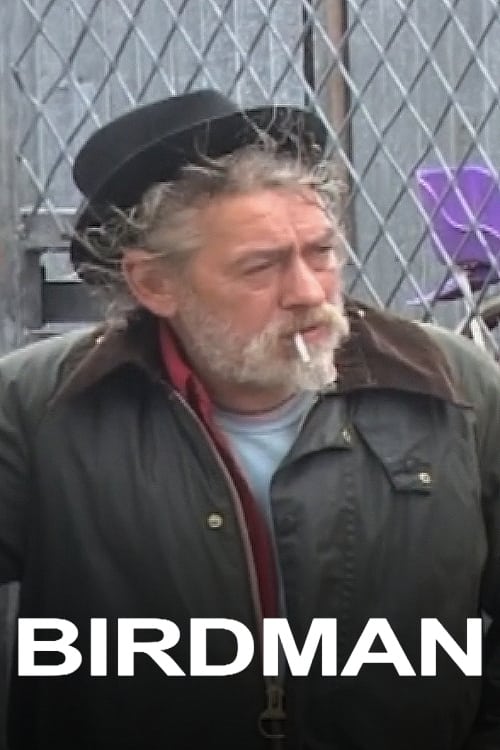
Riggan Thomson steps onto a hospital window ledge and disappears. His daughter, Sam, quickly runs to the window, first looking down at the street, then up at the sky with a smile. Her reaction implies either Riggan has finally managed to fly, something he often imagined, or that she now shares his fantastical belief. The scene provides a magical, hopeful resolution after his suicide attempt, offering an escape from the darkness.
‘The Usual Suspects’ (1995)
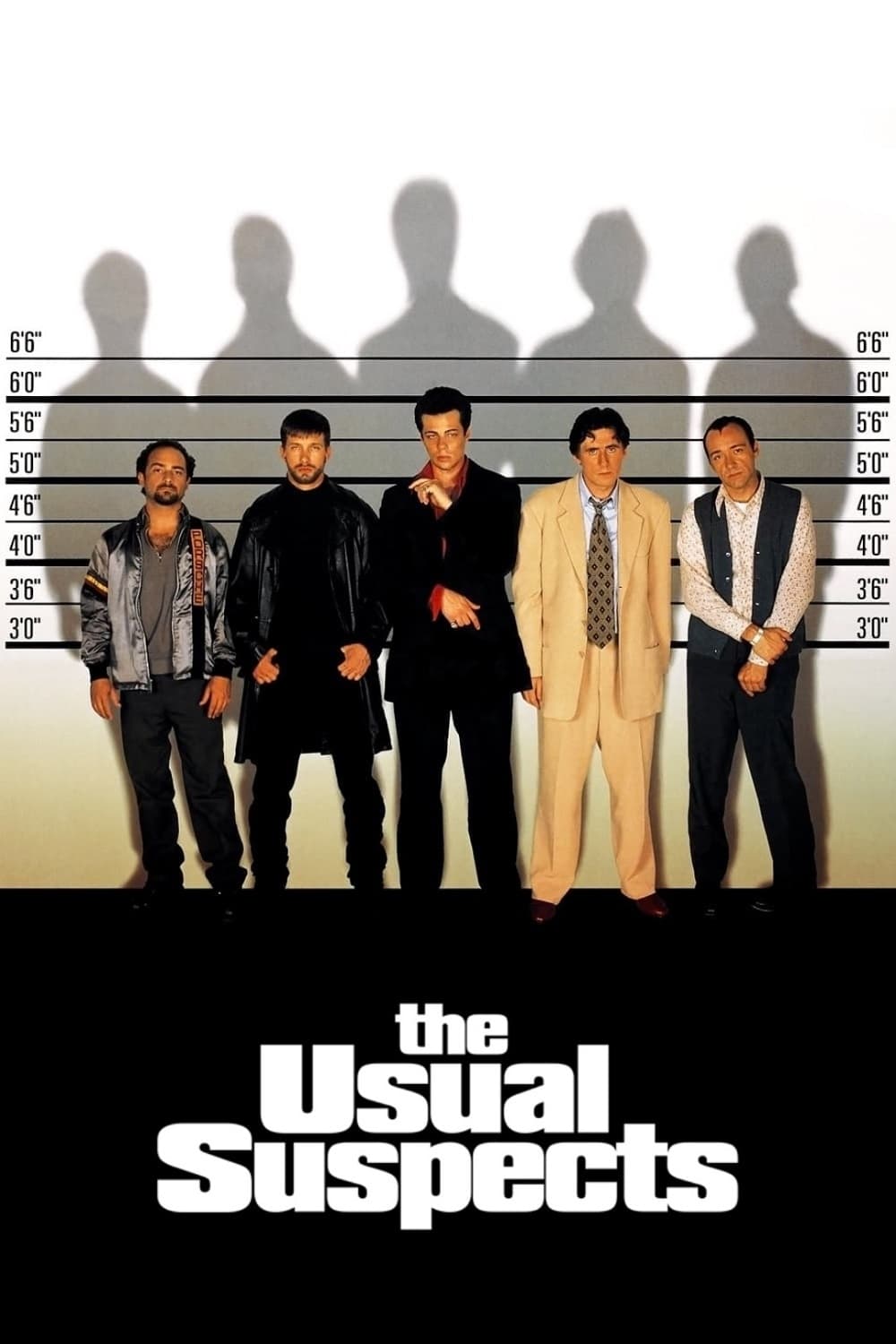
Okay, so the movie ends with Verbal Kint walking out of the police station, and it’s a total gut punch. As he walks, that noticeable limp just…vanishes. Then he lights a cigarette, gets into a car, and boom – it hits you. He’s Keyser Söze! Everything he told the detective, the whole story, was a lie. It’s brilliantly done because you realize we’ve been completely fooled by him the entire time. He wasn’t just a witness, he was the puppet master, and we were all played. It’s a masterful example of an unreliable narrator, and honestly, it left me reeling.
‘Caché’ (2005)
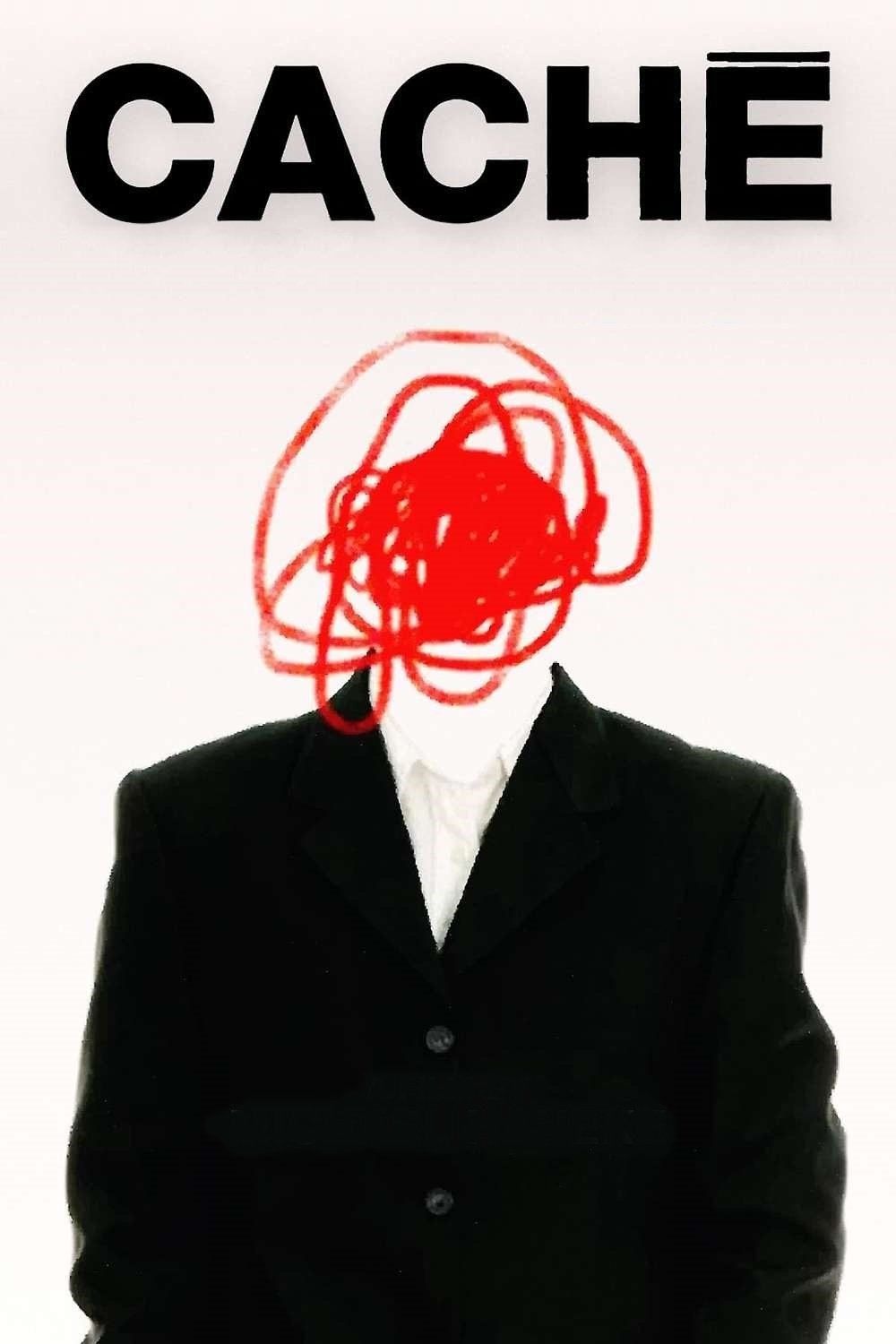
The last long shot features a school staircase where the main characters’ sons are quietly talking in the distance. It’s a subtle moment that’s easy to overlook, but it suggests the younger generation was involved in the harassment of the family. This unchanging shot adds a new layer to the idea that guilt can be passed down from parents to their children.
‘A Serious Man’ (2009)
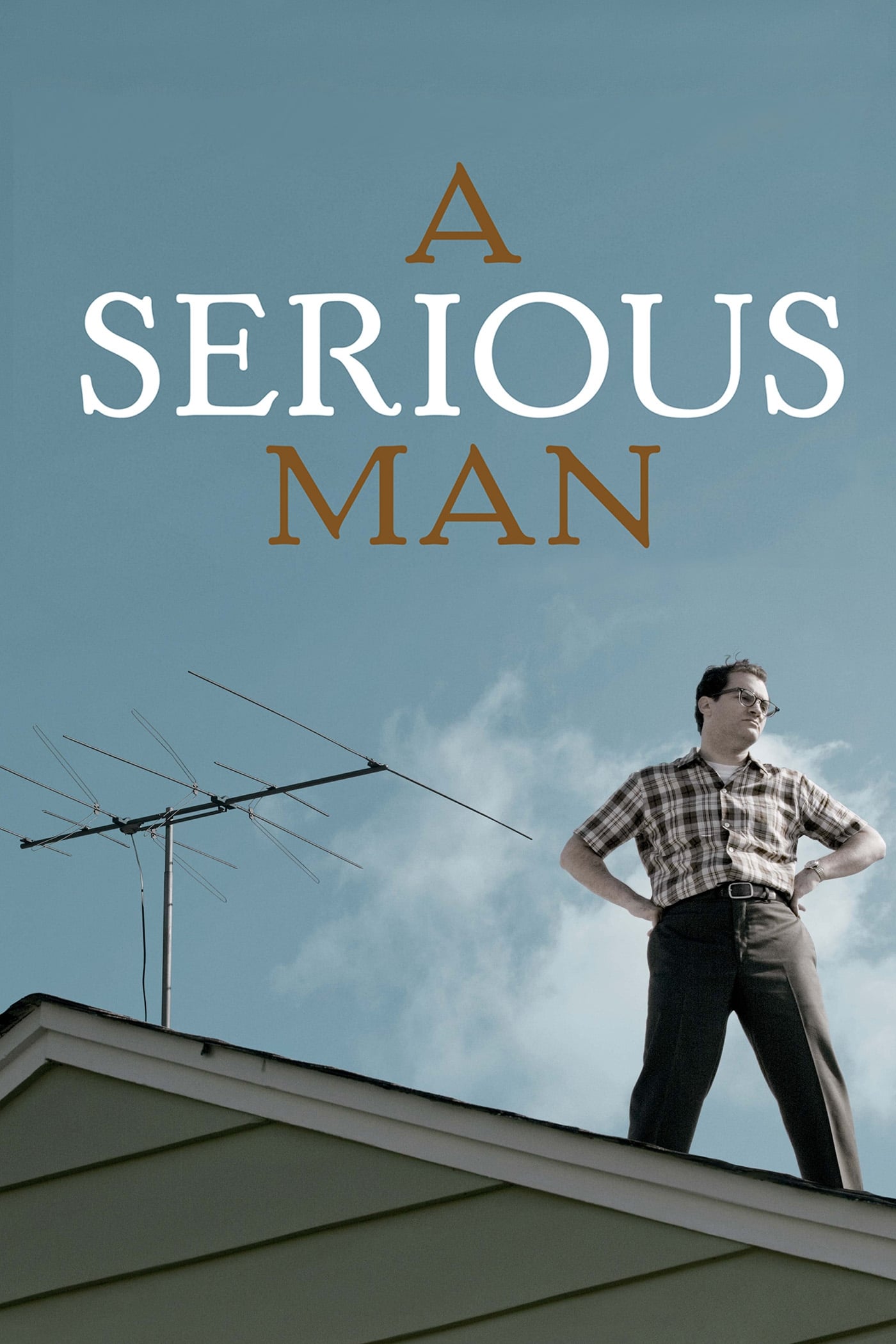
A large tornado suddenly appears, heading straight for the school where the main character’s son is having trouble with a lock. This dangerous situation makes the film’s deeper questions about faith and right and wrong seem unimportant compared to the immediate chaos. It implies that trying to find meaning is pointless when life can be destroyed by unpredictable events. The film ends suddenly with a black screen, leaving the audience with no resolution or sense of security.
‘The 400 Blows’ (1959)
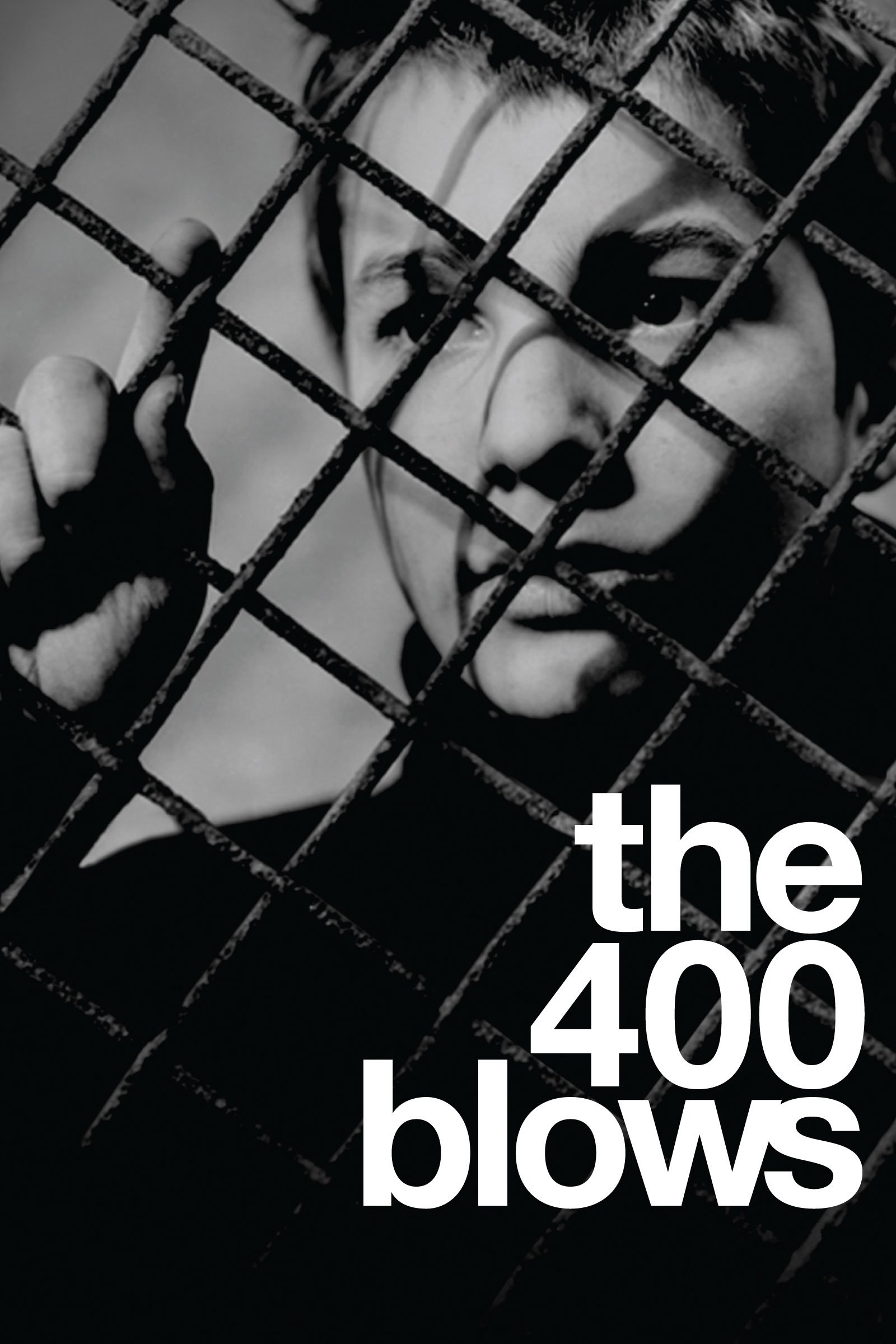
Young Antoine Doinel, having escaped from a youth detention center, runs to the ocean. The film focuses on his face as he looks back at the land, then freezes the image. This still shot powerfully shows his understanding that he’s reached a dead end, with no place left to go and an uncertain future. The abrupt freeze highlights his feeling of being trapped, even though he’s briefly free.
‘Oldboy’ (2003)
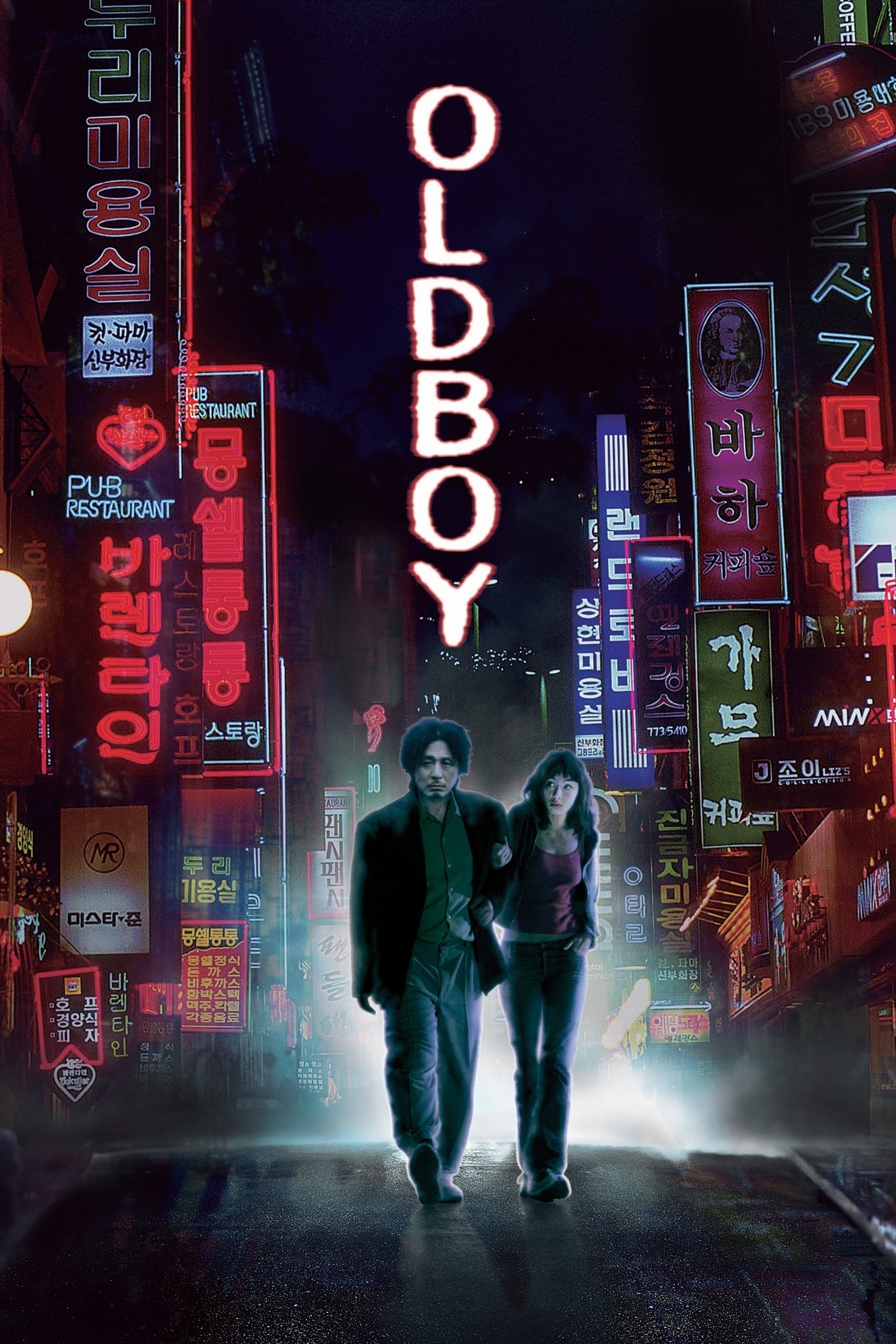
Oh Dae-su tries to use hypnosis to forget a deeply disturbing secret about his family, hoping for a chance at happiness. In the final scene, as he embraces his daughter in the snow, a look of pain crosses his face, suggesting the hypnosis didn’t work and he’ll be forever burdened by the truth. This is made even more tragic by his choice to keep up the deception out of love.
‘Prisoners’ (2013)
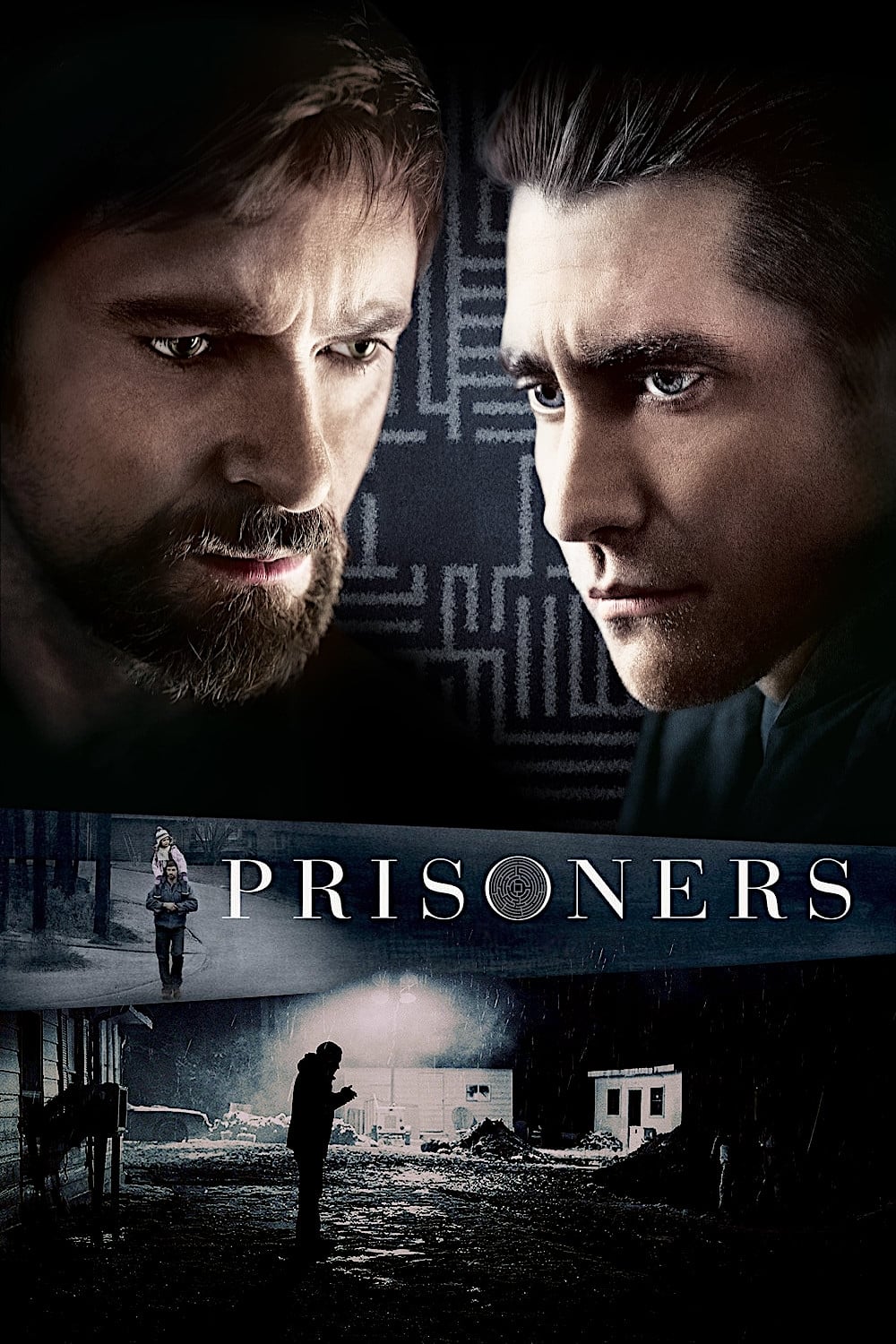
Detective Loki finds himself alone in the darkness beside a covered pit, where the main character is trapped below. He hears a quiet whistle from underground and stops, seemingly recognizing the sound. The scene abruptly cuts to black, leaving the rescue uncertain and creating a tense moment. This cliffhanger acts as a final challenge for a character who has often questioned what’s right and wrong.
‘The Blair Witch Project’ (1999)
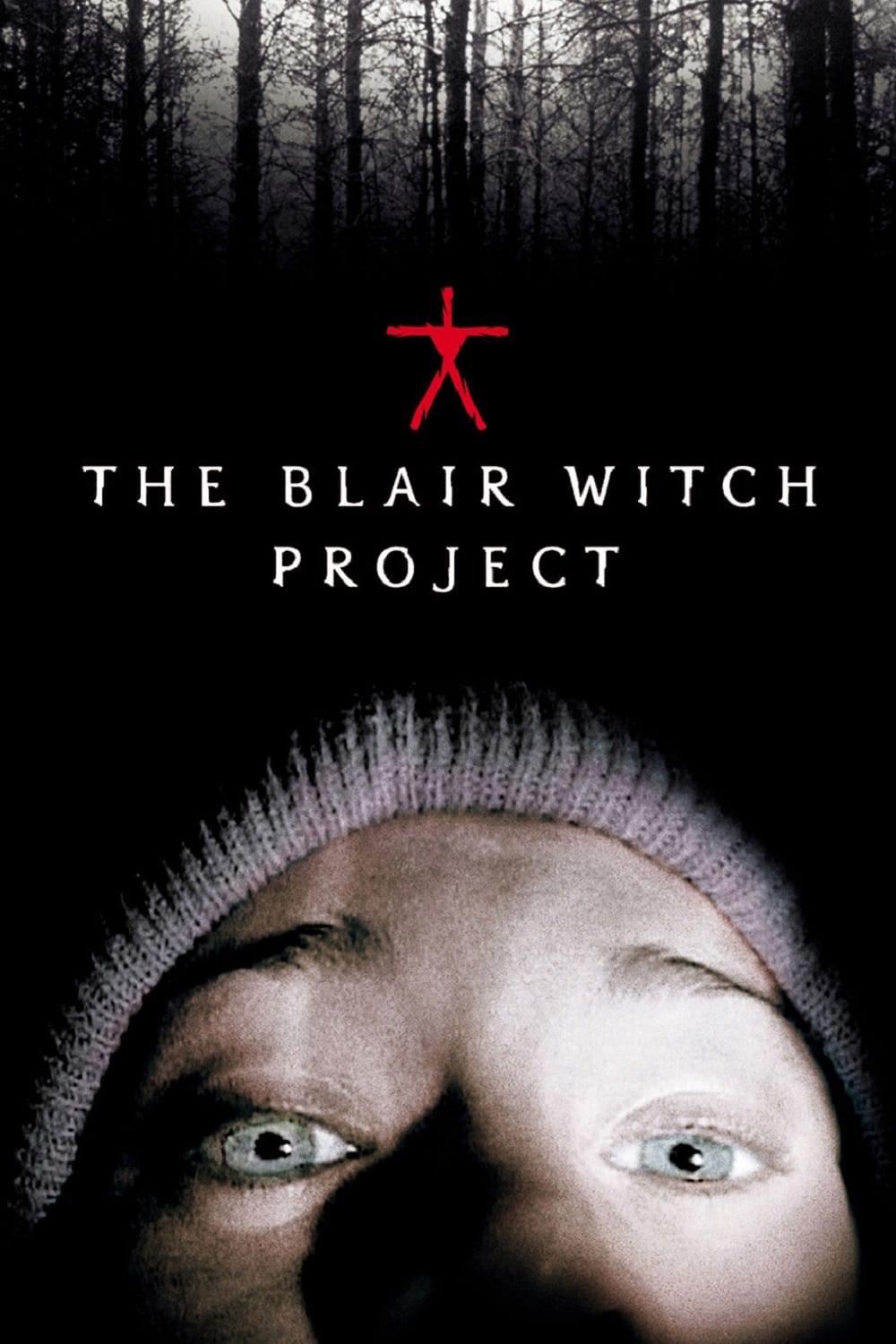
When Heather goes into the basement of the old house, her camera briefly shows Mike standing in the corner. This position is a direct reference to a story told earlier about how the witch kills people. Immediately after, the camera falls and stops recording, indicating Heather’s death. This connection proves the supernatural stories were real and that the characters weren’t alone in the woods.
‘Portrait of a Lady on Fire’ (2019)
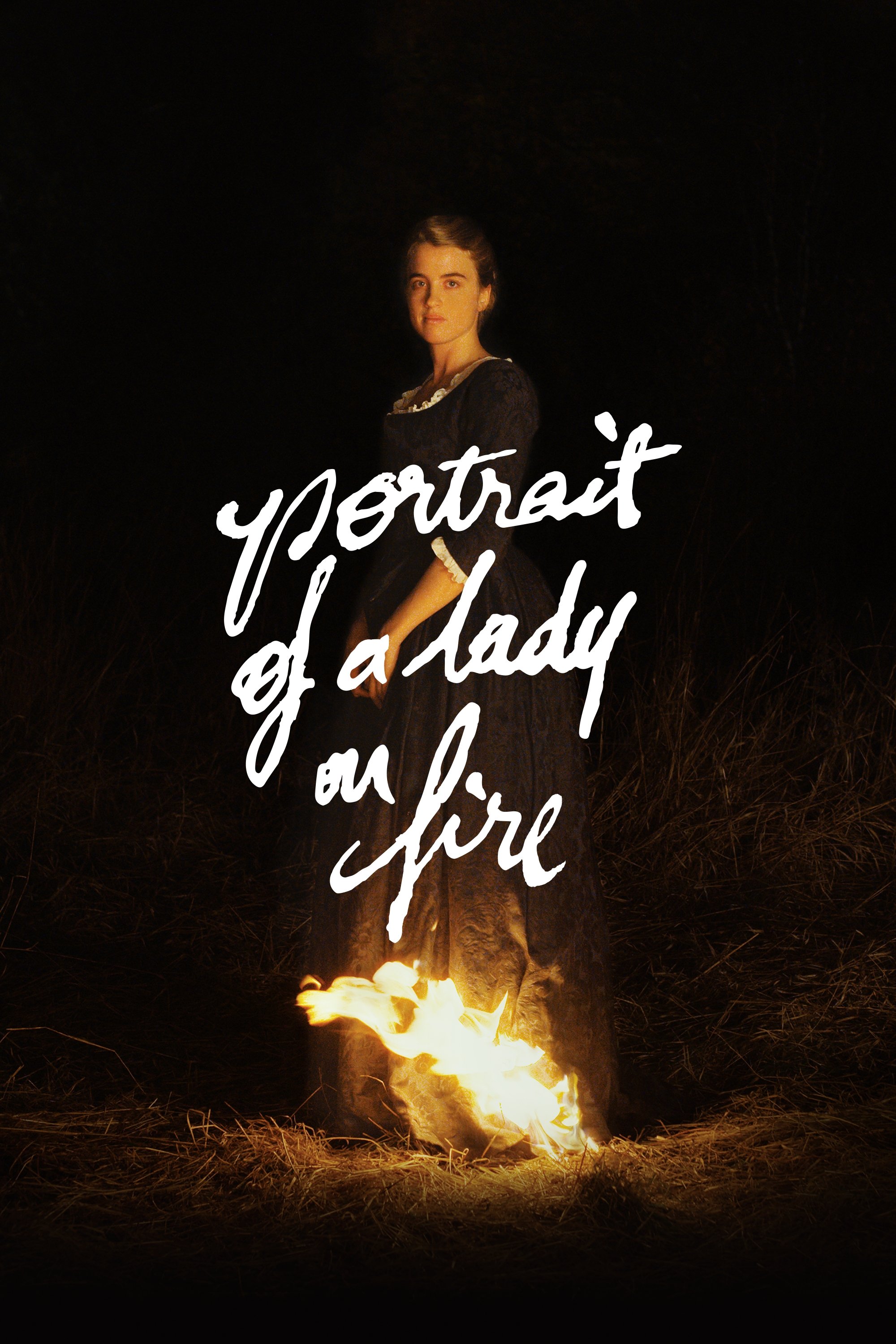
As Vivaldi’s “Summer” fills a concert hall, Marianne observes Heloise from a distance. The camera focuses on Heloise, capturing her intense emotional response – she’s crying and struggling to breathe, unaware of Marianne’s gaze. This extended shot powerfully conveys the lasting effect of their short-lived relationship and the deep ache of remembering. It’s a heartbreaking illustration of a love that continues to exist in quiet suffering and distance.
Please share your own interpretations of these endings in the comments.
Read More
- Invincible Season 4 Gender Swaps Tech Jacket As Fans Question Major Comic Change
- Silver Rate Forecast
- Gold Rate Forecast
- 15 Films That Were Shot Entirely on Phones
- 22 Films Where the White Protagonist Is Canonically the Sidekick to a Black Lead
- Building Agents That Learn and Improve Themselves
- 20 Movies Where the Black Villain Was Secretly the Most Popular Character
- Celebs Who Narrowly Escaped The 9/11 Attacks
- 18 TV Series Filming Rehearsals as Bonus Content
- Trading Crypto with AI: A New Approach to Portfolio Management
2025-12-01 09:16