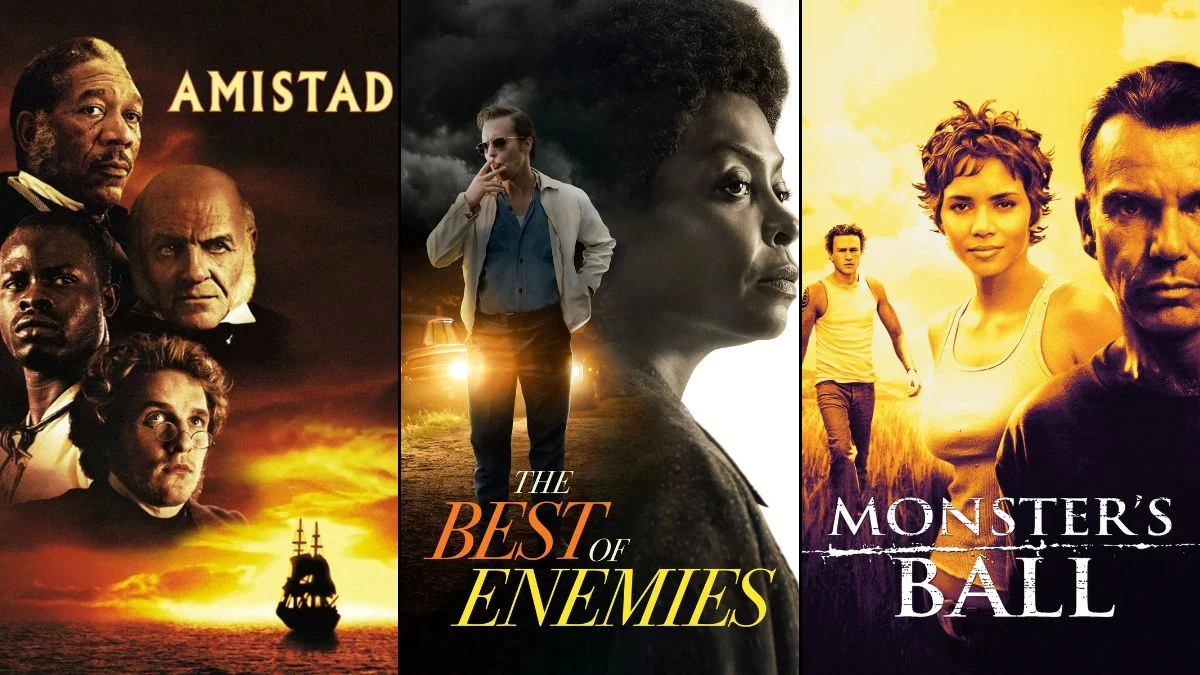
Hollywood often tells stories about racial injustice from the viewpoint of white characters. These films frequently use the pain or history of Black characters to help the white characters grow or become better people. While these movies often receive award nominations, they’ve also faced criticism for how the stories are told. This list looks at twenty films that critics have pointed to as examples of this pattern.
‘Green Book’ (2018)
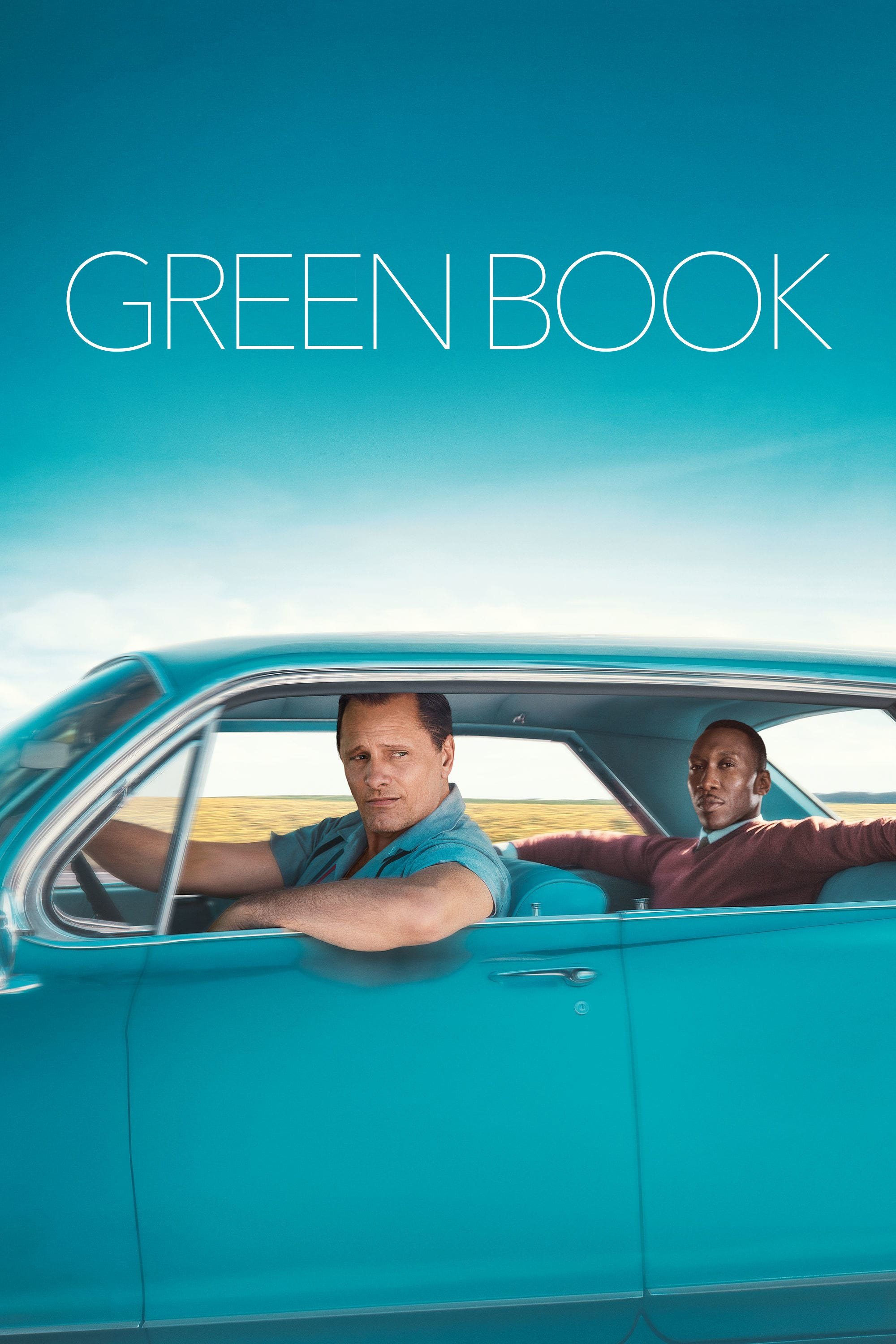
The film follows Tony Lip, an Italian-American bouncer, who takes a job driving Don Shirley, a Black classical pianist, through the racially charged Deep South in the 1960s. The story centers on Tony’s personal transformation as he confronts his own biases and defends Shirley against discrimination. However, some critics pointed out that the movie spends more time showing Tony’s life and development than exploring Shirley’s inner world. Despite controversy over its handling of race, the film won the Academy Award for Best Picture.
‘The Blind Side’ (2009)
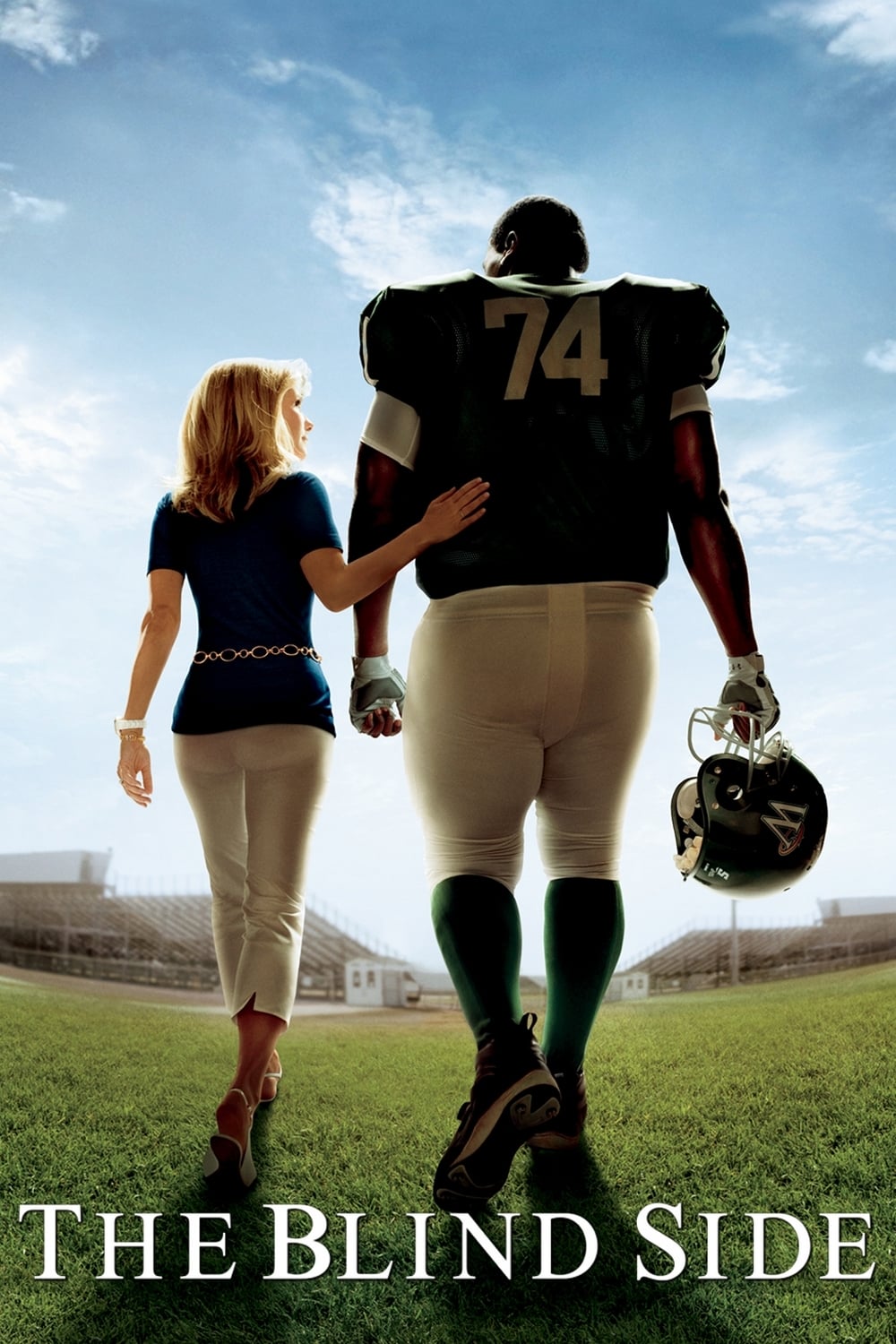
I recently watched this biopic about Michael Oher, the young man who overcame incredible hardship to become an NFL player thanks to the support of the Tuohy family. While it’s a feel-good story on the surface, I found myself troubled by how the film presented Oher. It really leaned into the ‘white savior‘ trope, painting him as someone who needed the Tuohy’s to essentially teach him everything, including football. It felt like his own agency and intelligence were downplayed. Sandra Bullock’s performance was undeniably strong – she even won an Oscar for it – but the film definitely sparked a necessary conversation about who gets to tell these stories and how, and whether it accurately reflects the subject’s own experience.
‘The Help’ (2011)
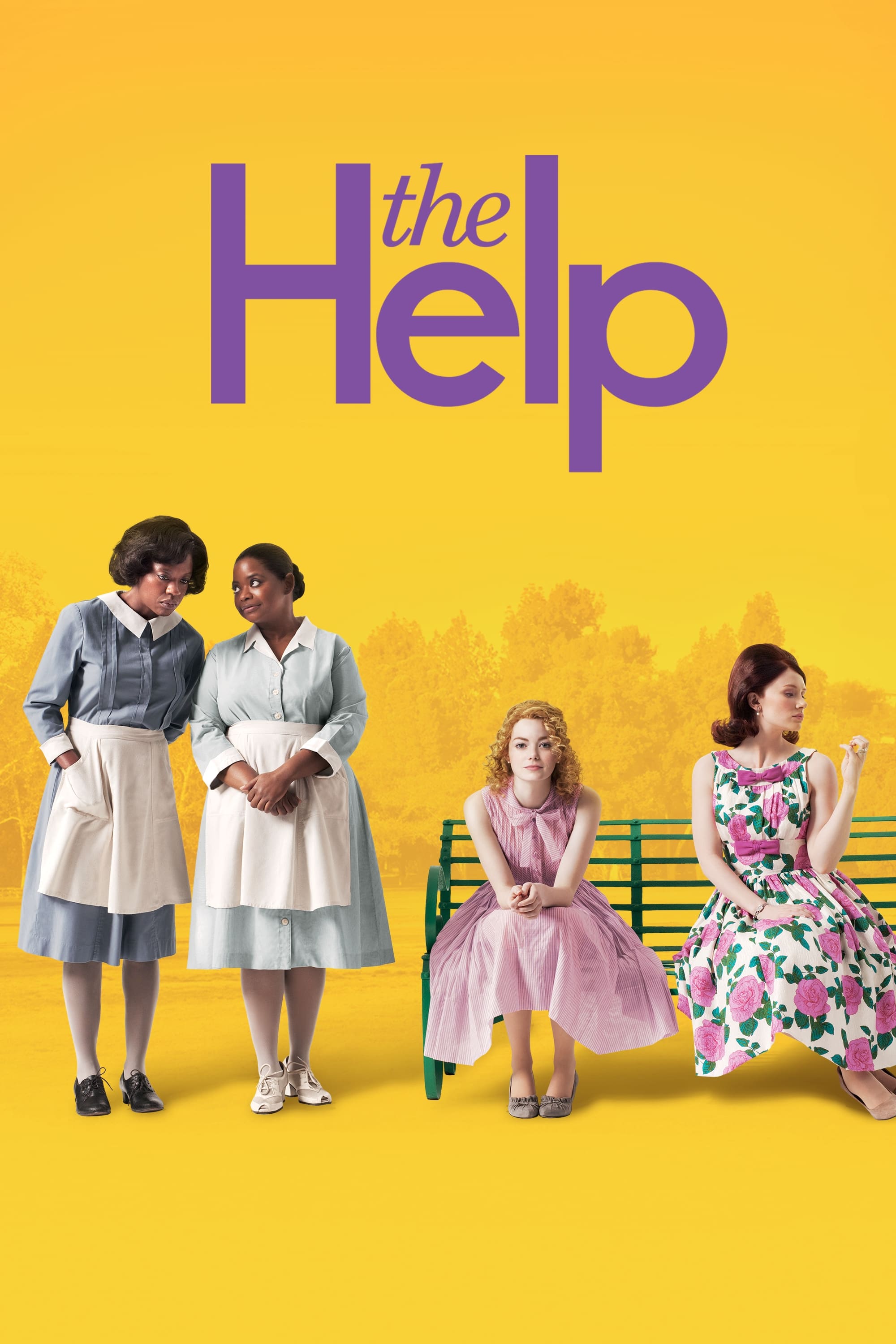
As a film critic, I always approach period pieces about the Civil Rights Movement with a critical eye, and this one, while well-acted – particularly by Octavia Spencer and Viola Davis, who both delivered phenomenal performances – left me feeling uneasy. The story centers on a young white journalist, Skeeter, who decides to write a book about the Black maids working in 1960s Mississippi. However, the film focuses more on the personal and professional risks she takes, and her struggle against her social circle, than on the very real dangers faced by the women she’s interviewing. It’s a beautifully made film, and it rightfully received a Best Picture nomination, but it ultimately falls into the ‘white savior’ trope, giving the impression that these women needed a white person to tell their story. It’s become a key example in conversations about how Hollywood often sanitizes the complexities of the Civil Rights era.
‘Driving Miss Daisy’ (1989)
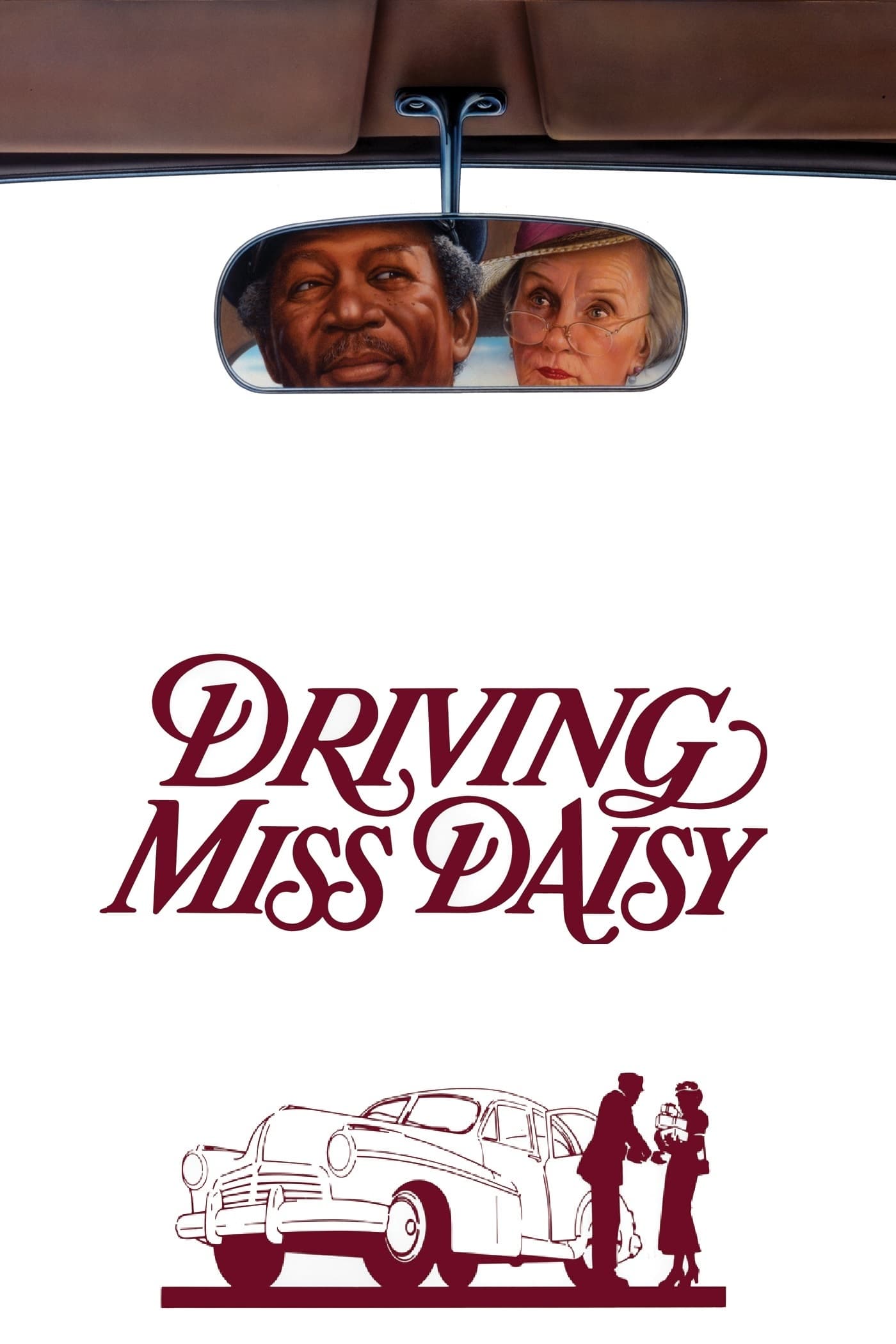
The film tells the story of a twenty-five-year friendship between a wealthy Jewish widow and her Black chauffeur in Atlanta. Hoke Colburn provides consistent support and helps Miss Daisy become more open-minded and less prejudiced. However, some critics argued the movie offered a simplified and reassuring portrayal of race relations, overlooking the difficult realities of the time. Despite this criticism, it won the Academy Award for Best Picture in a year many felt Spike Lee’s ‘Do the Right Thing’ deserved the honor instead.
‘Mississippi Burning’ (1988)
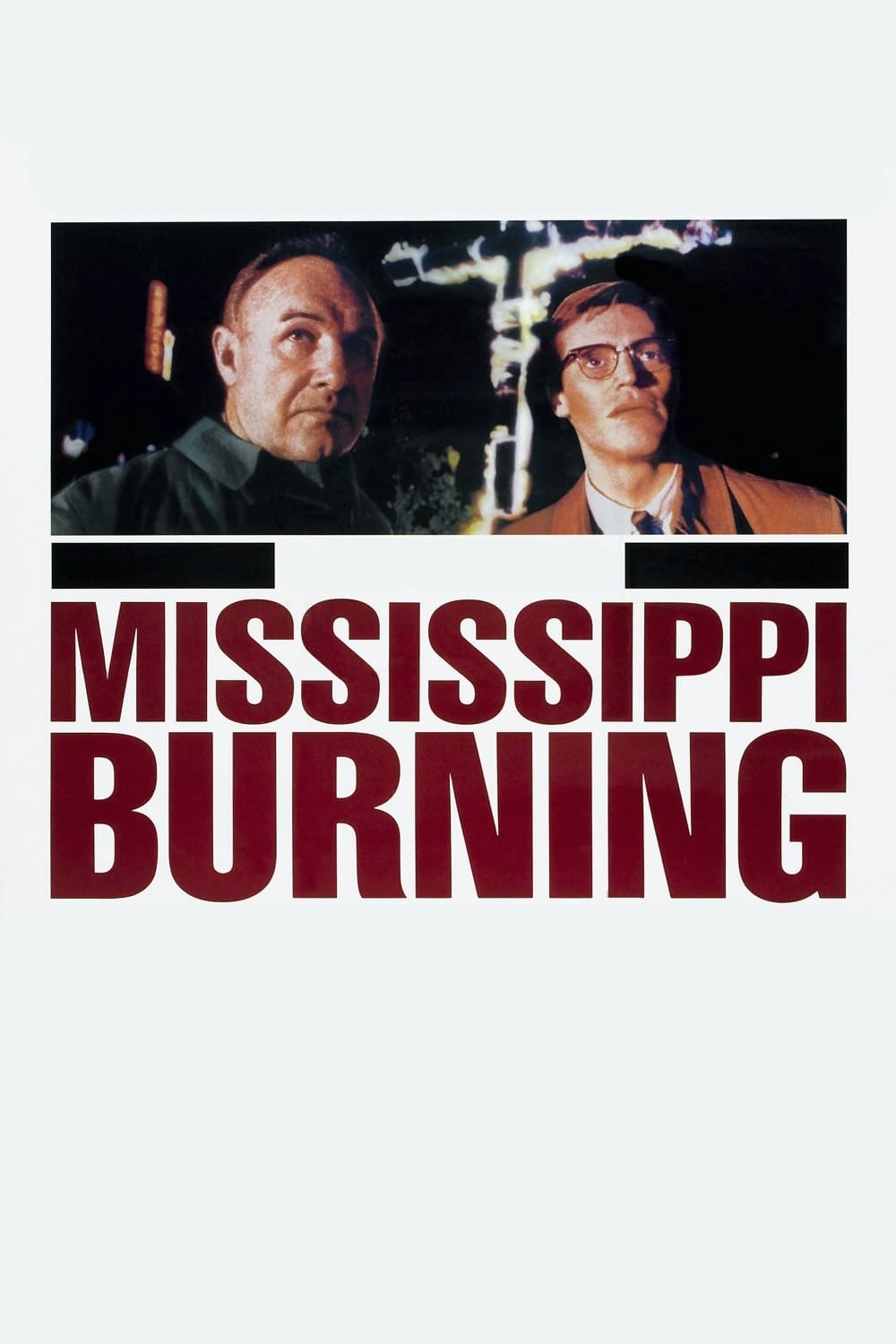
A movie about the investigation into the disappearance of three civil rights workers in Mississippi focuses heavily on the two white FBI agents leading the case. While aiming for excitement, the film downplays the crucial role and experiences of the Black community involved in the civil rights movement. To create a more dramatic and fast-paced story, historical details were sometimes changed, portraying the FBI as the central heroes. Despite receiving several Academy Award nominations, the film was criticized by civil rights leaders for this emphasis on the FBI’s perspective.
‘Crash’ (2004)
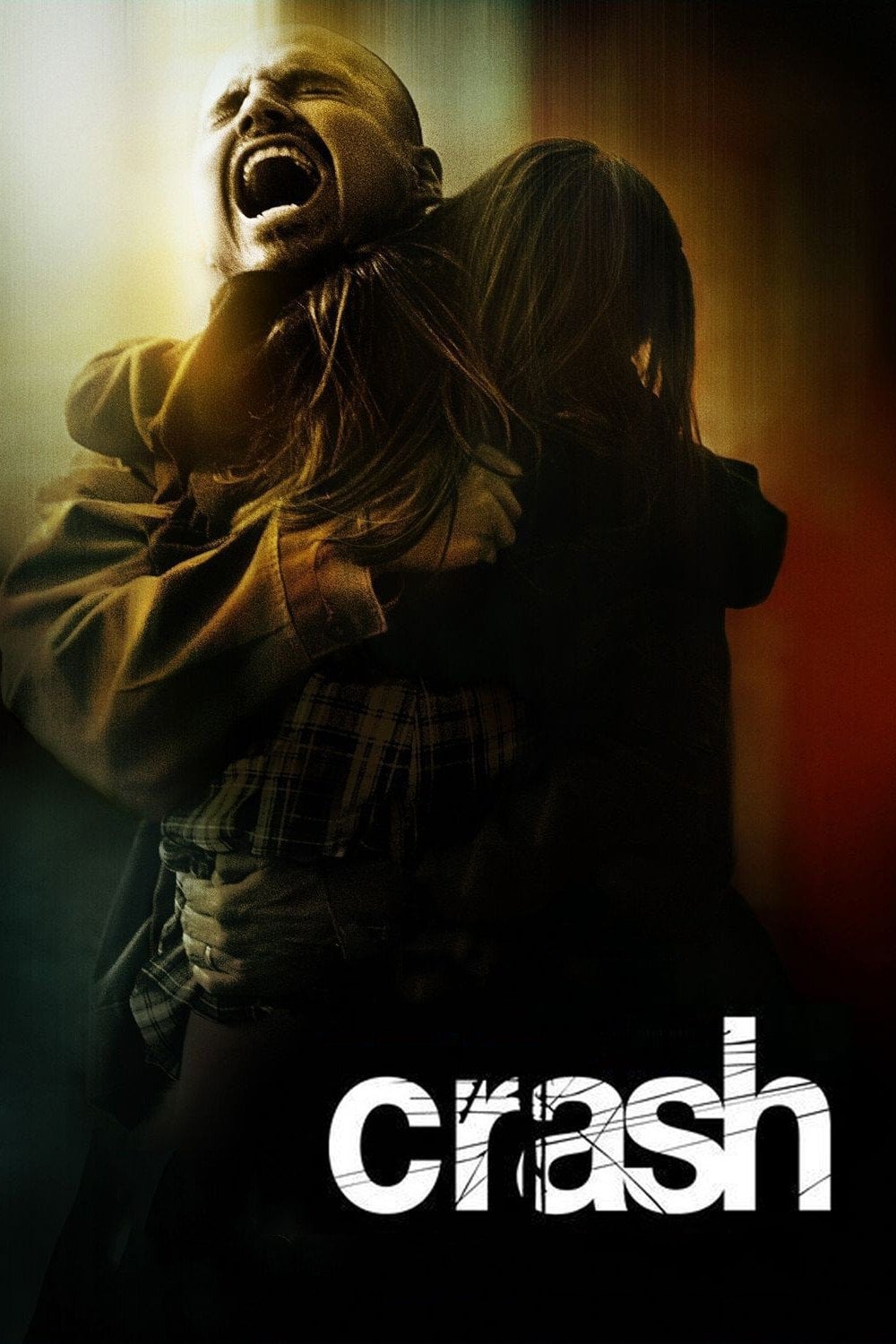
As a movie fan, I remember being really intrigued by this film when it came out – it tried to show a lot of different perspectives on race in LA. But honestly, looking back, one storyline really bothers me. It involved a white police officer who was awful – he sexually assaulted a Black woman, and then the movie tried to show him as a hero by having him save her from a fire. A lot of people, including critics, felt like that was just wrong – like it used a really painful experience to try and make us feel sorry for someone who did something terrible without really earning that forgiveness. It’s a complicated film, and it actually won Best Picture, which was controversial at the time, especially since ‘Brokeback Mountain’ was also nominated. Now, a lot of people are rethinking that win and criticizing how it handled such sensitive issues.
‘Freedom Writers’ (2007)
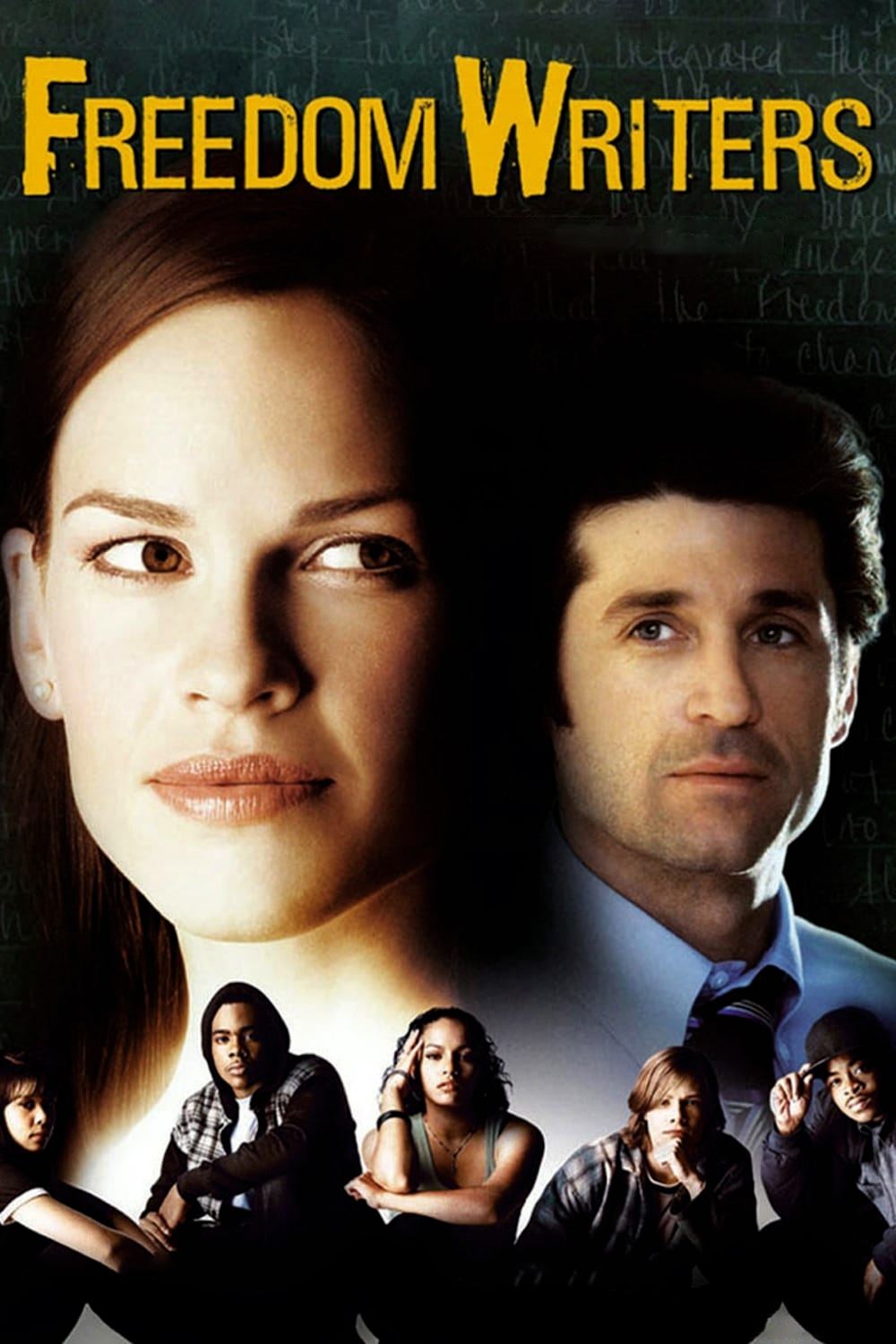
The movie follows a passionate young teacher who takes a job at a high school with deep racial tensions. She works hard to motivate her struggling students to consider college. However, the film implies these students wouldn’t be able to improve their lives without the significant help and personal dedication of their white teacher. A major focus is also on the teacher’s own problems at home and how committed she is to her students. It’s a classic story of an outsider coming in to help disadvantaged urban students, a common theme in educational dramas.
‘The Soloist’ (2009)
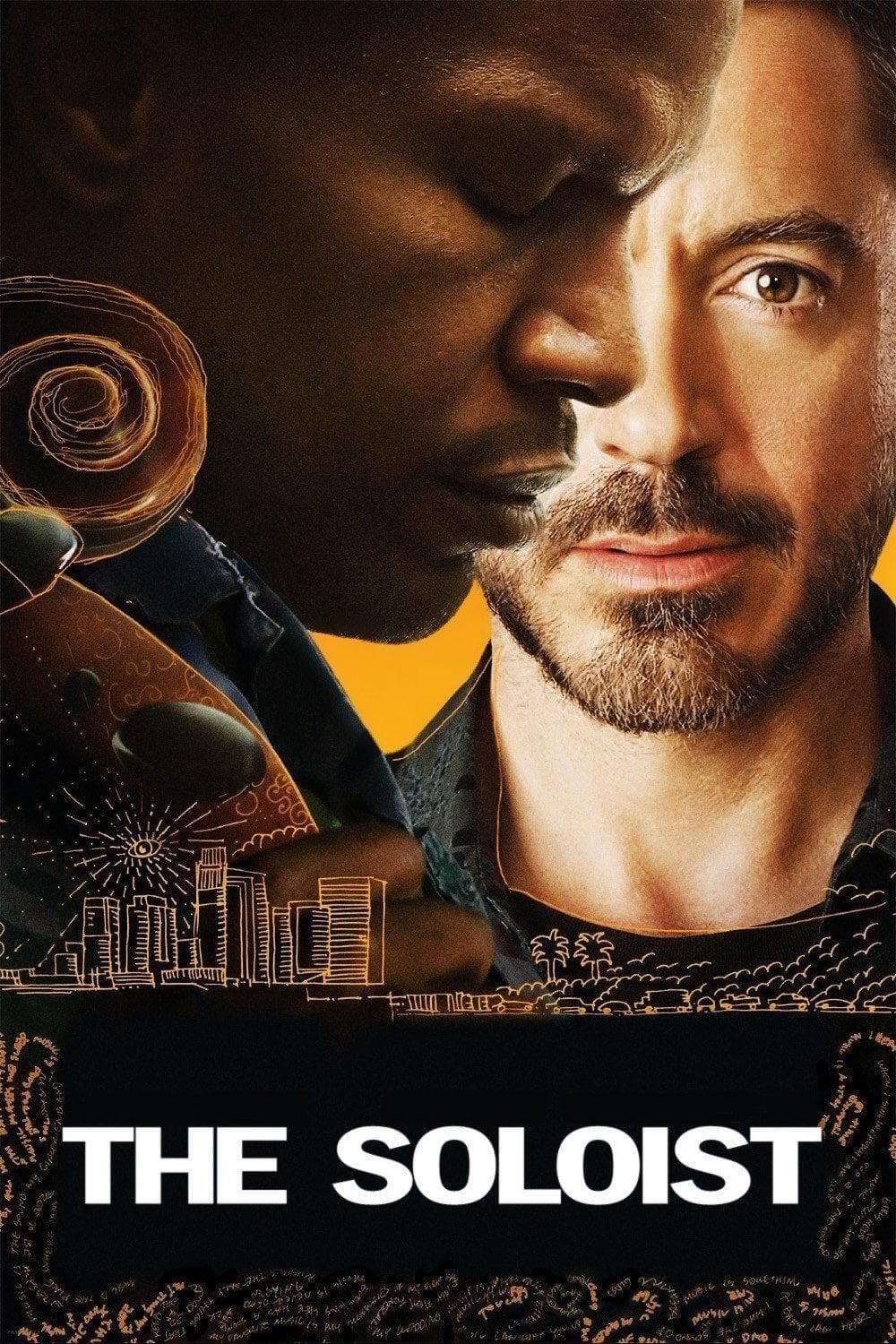
A reporter meets Nathaniel Ayers, a gifted musician living on the streets, and tries to help him rebuild his life and career. The story centers on the reporter’s struggles and growing understanding of Ayers’ mental illness and poverty. However, many critics noted that the film focuses more on the reporter’s personal growth than on the complexities of Ayers’ experiences, suggesting that Ayers’ role is mainly to help the reporter learn a valuable lesson.
‘Amistad’ (1997)
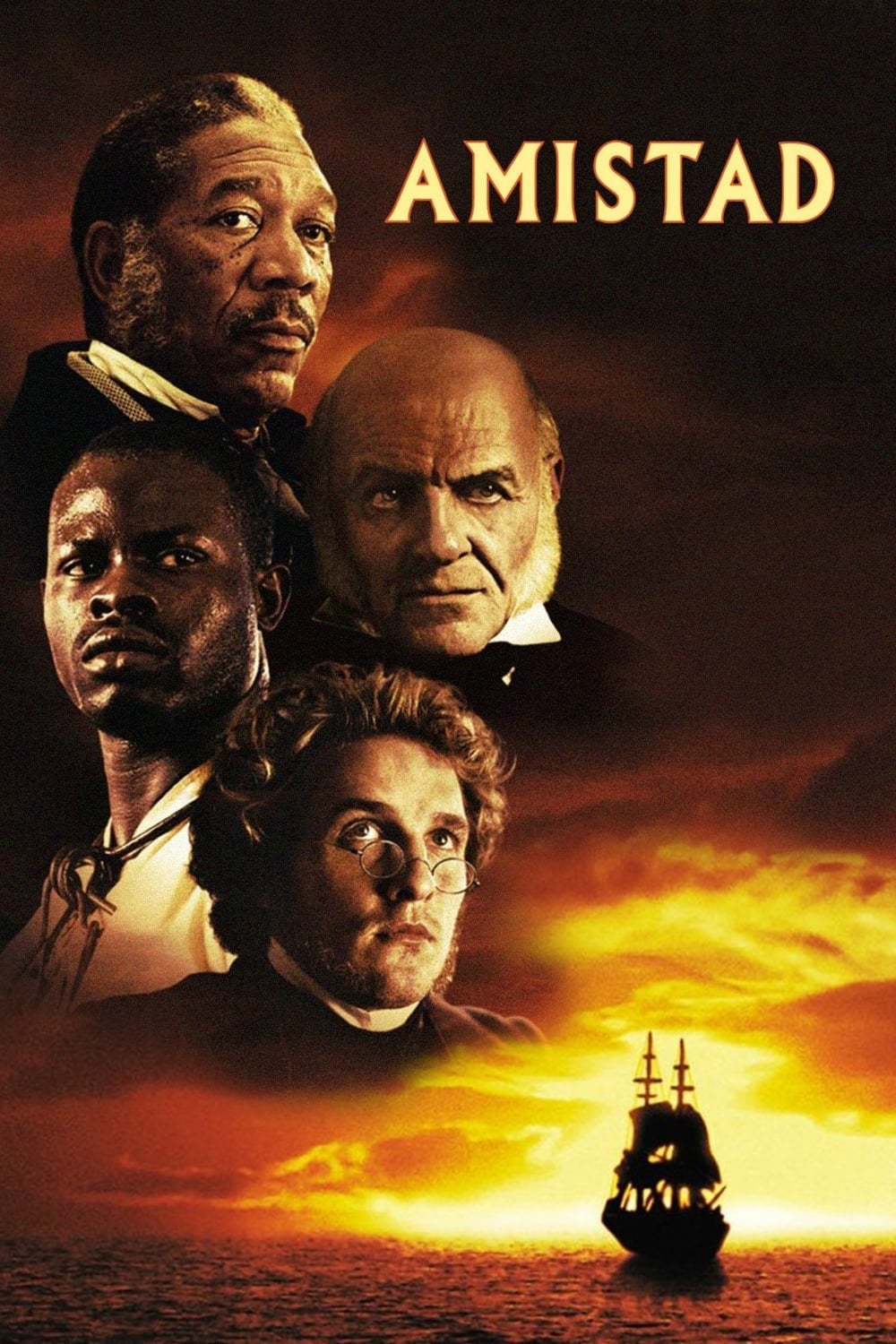
This historical film tells the story of a slave ship revolt in 1839 and the legal fight that followed to free the enslaved men. The movie largely centers on the powerful courtroom arguments of John Quincy Adams and the legal tactics of lawyer Roger Sherman Baldwin. Although the film shows the horrors of the journey across the Atlantic, it primarily emphasizes how white characters used the American legal system to achieve freedom. As a result, the focus moves away from the actions and bravery of the enslaved men themselves, and instead highlights the moral stance of their white allies.
‘Cry Freedom’ (1987)
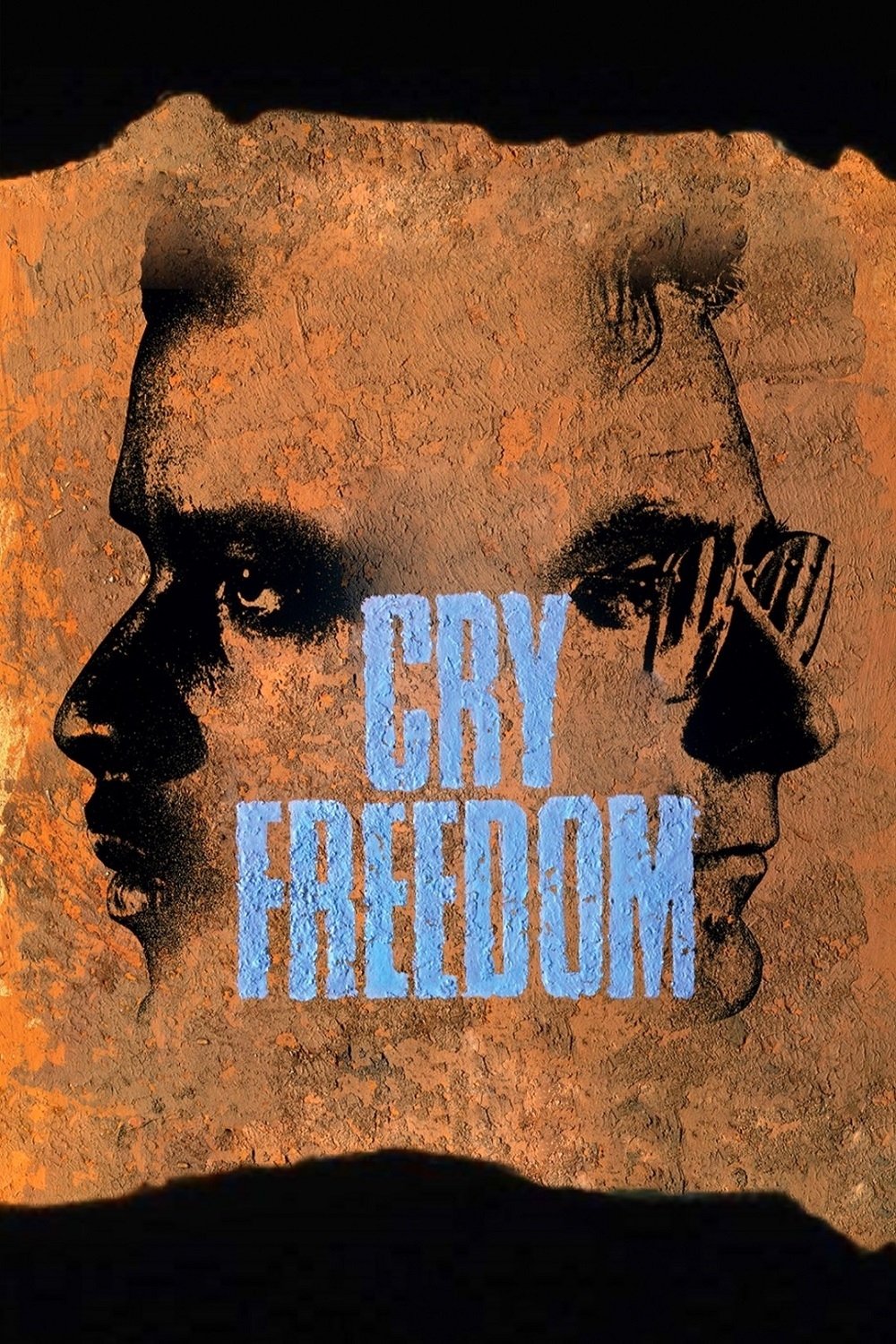
The film portrays the life of South African activist Steve Biko, primarily through the perspective of his friend, journalist Donald Woods. Following Biko’s death while in police custody, the story focuses mainly on Woods and his family’s efforts to flee the country. Many critics believed this approach was a mistake, arguing that it diminished Biko’s central role in his own story. While the film was promoted as a tribute to Biko, it essentially plays out as a suspenseful thriller centered on the experiences of white political exiles.
‘Ghosts of Mississippi’ (1996)
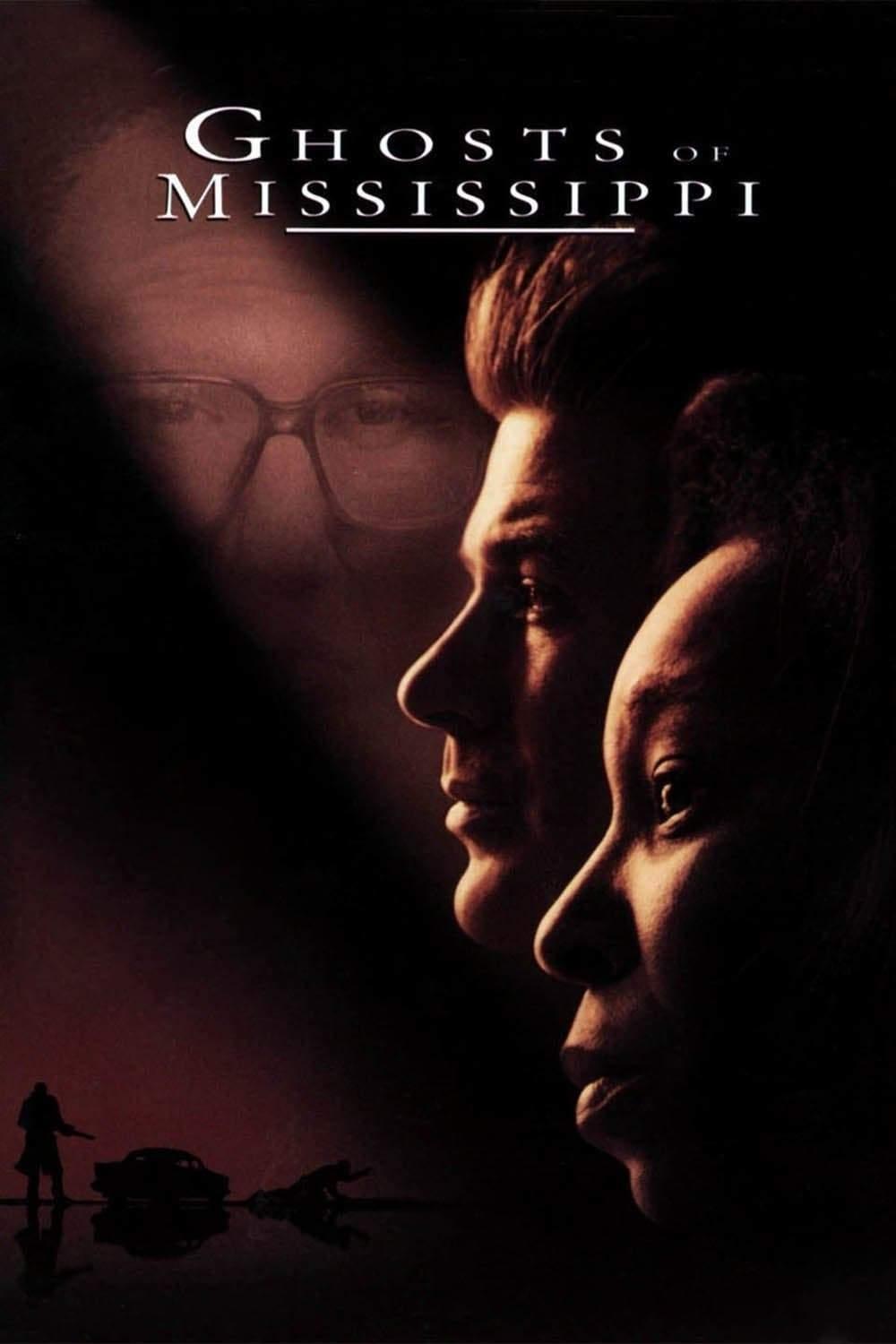
The movie tells the story of a prosecutor who decides to revisit the decades-old case of Medgar Evers’ murder by a white supremacist. It focuses on the prosecutor’s relentless pursuit of justice, and how the trial strains his personal life, including his marriage and personal safety. While the film highlights the pain experienced by the Evers family, the story primarily centers on the white prosecutor. Whoopi Goldberg received an Oscar nomination for her performance as Myrlie Evers, but the film gives significantly more screen time to the white protagonist.
‘Glory’ (1989)
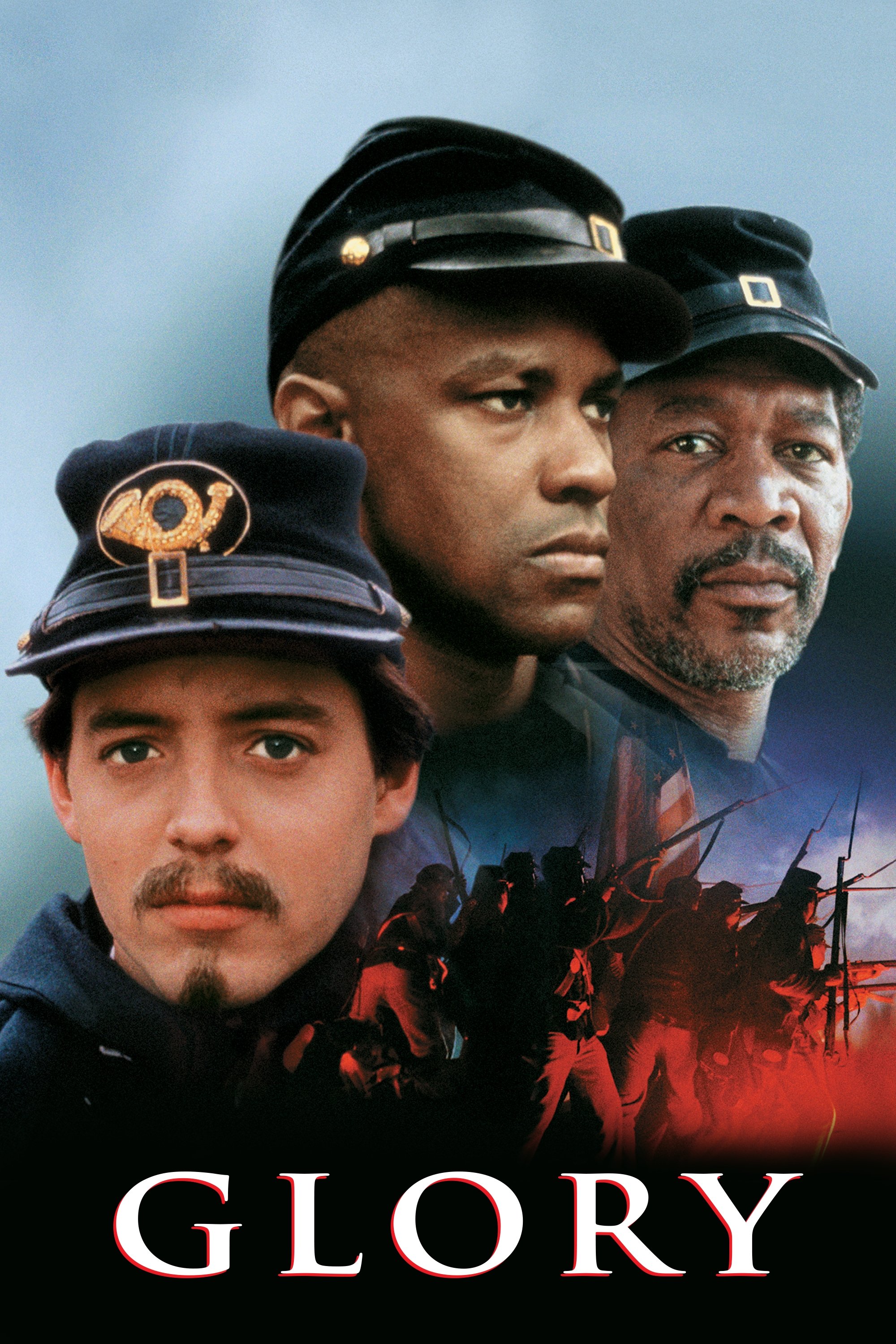
The movie portrays the 54th Massachusetts Infantry, a pioneering unit of African American soldiers in the Civil War. The story is mainly shown through the letters and experiences of Colonel Robert Gould Shaw, their commanding officer. Although the film showcases strong performances by Black actors, the story is framed by the white officer’s perspective, which ultimately validates the soldiers’ bravery and humanity. While still a well-regarded war film, it follows a common pattern of telling Black history through a white lens.
‘A Time to Kill’ (1996)
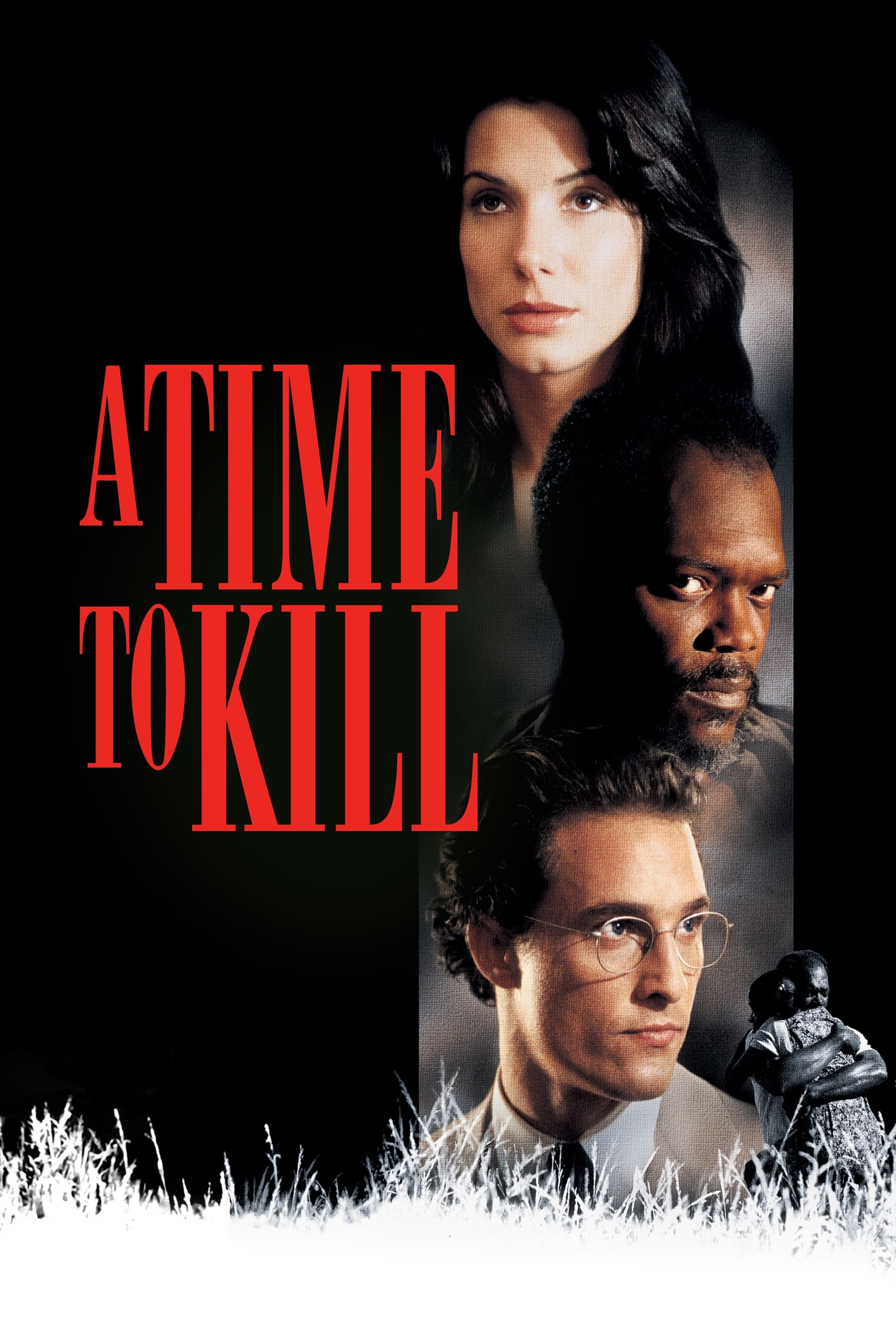
The movie centers on a white lawyer defending a Black father accused of killing the men who violently assaulted his daughter. The story builds to a powerful courtroom speech where the lawyer challenges the jury to consider what their reaction would be if the victim was white, aiming to inspire compassion. While the lawyer faces personal and professional challenges navigating a prejudiced legal system, the film primarily highlights his efforts. The defendant himself remains mostly quiet throughout the trial, with the lawyer positioned as the central moral figure.
‘Monster’s Ball’ (2001)

The film centers on a white prison guard with racist beliefs who starts a relationship with the widow of an executed inmate he oversaw. While the story aims to show the guard’s journey towards overcoming his prejudice, influenced by his difficult relationship with his father and his connection with the woman, many critics felt the film unfairly focused on the woman’s suffering to drive the guard’s personal growth. Halle Berry’s performance earned her a groundbreaking Best Actress Oscar, but the role itself drew criticism for heavily relying on well-worn and potentially harmful depictions of trauma.
‘Finding Forrester’ (2000)
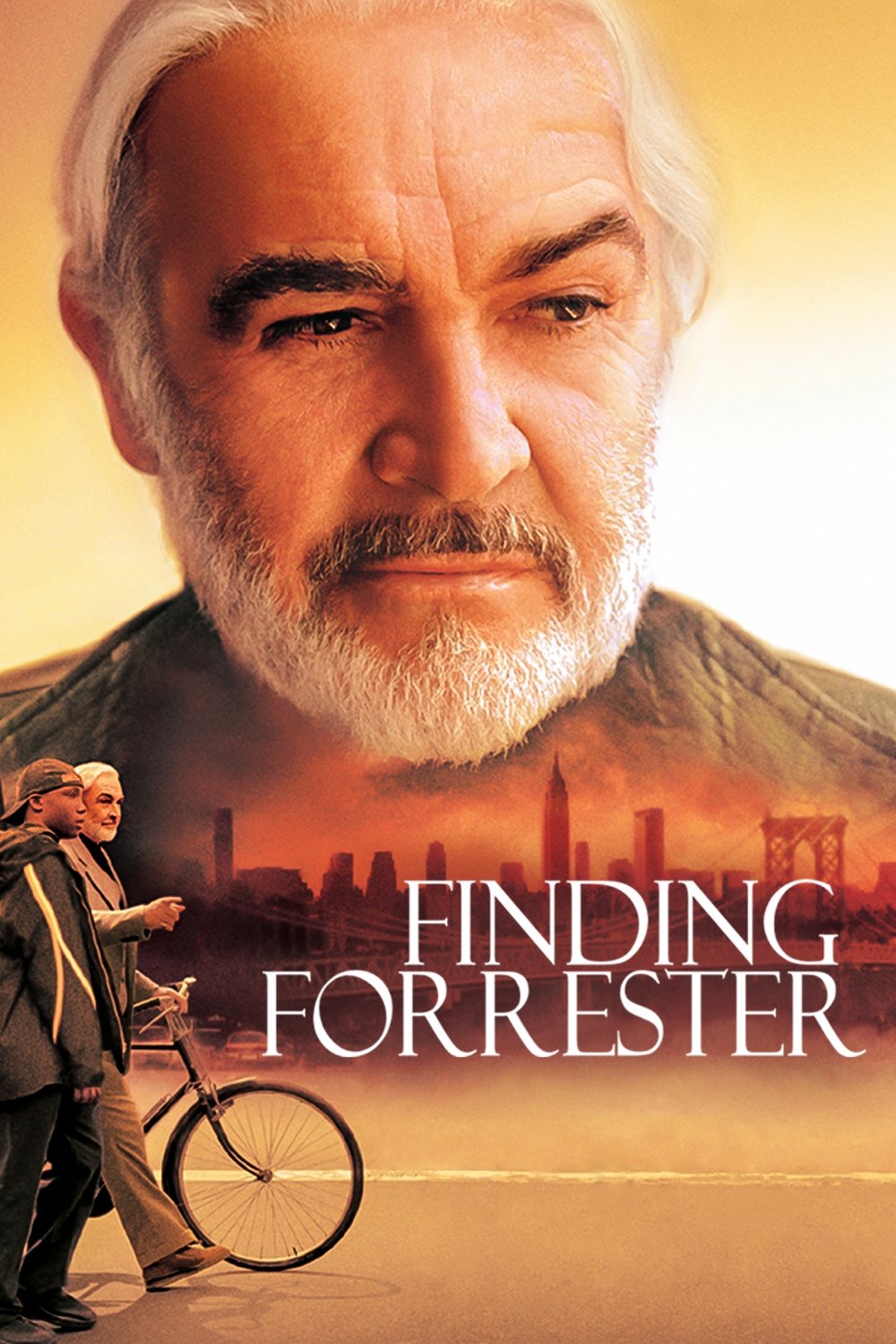
The movie tells the story of a talented Black teenager on a basketball scholarship at an elite private school and the reclusive white author who becomes his mentor. They help each other: the author reconnects with the world, and the student learns to navigate the challenging academic environment. However, the film suggests the student needs the author’s guidance to truly succeed, positioning the author as the key to unlocking the student’s potential and accessing a world of culture and literature.
‘Radio’ (2003)
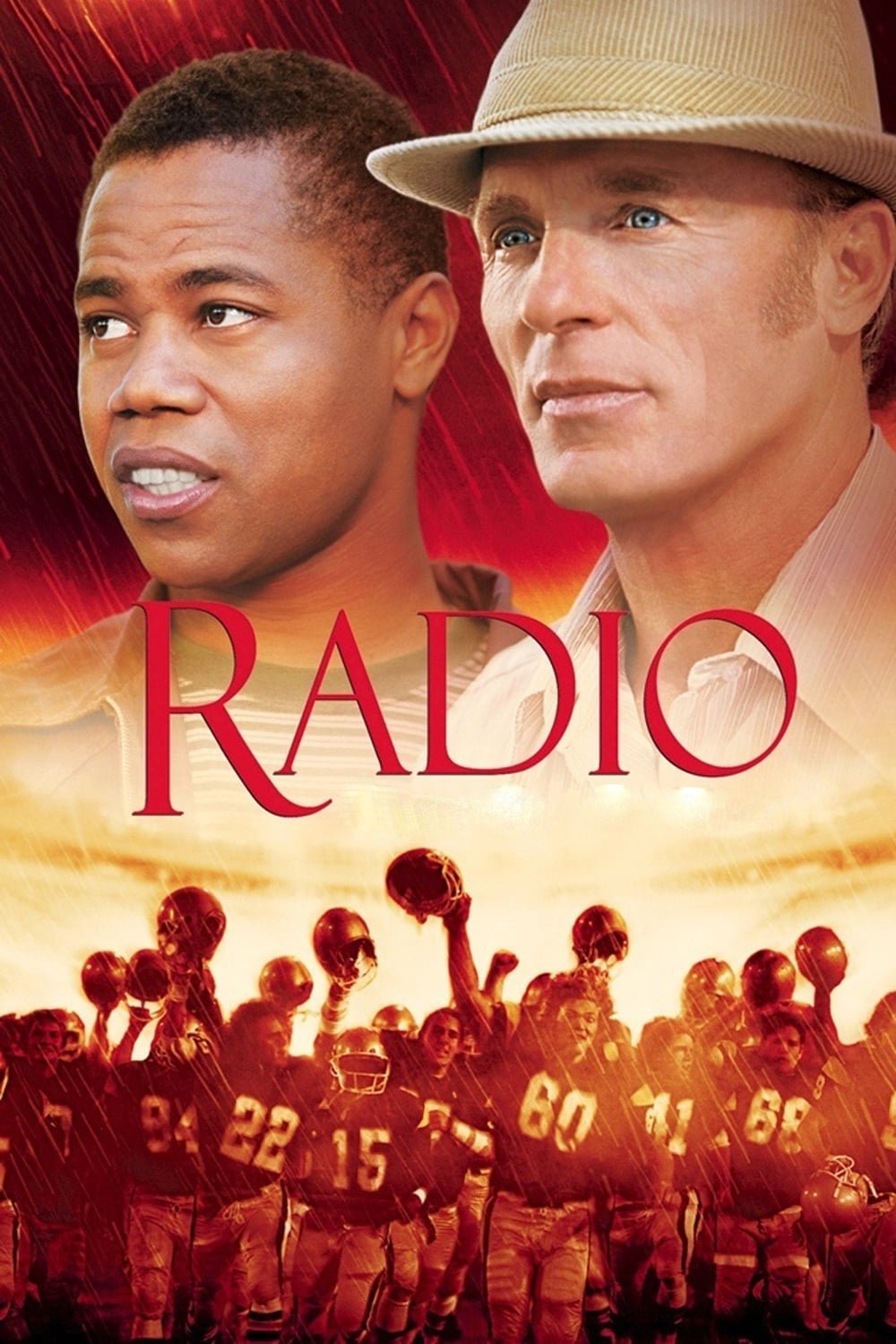
A South Carolina football coach mentors a Black man with intellectual disabilities. The movie focuses on how the coach’s kindness leads the town to accept him, highlighting the coach’s own growth and compassion. However, it largely overlooks the inner world and experiences of the man being helped, and is often seen as a film that uses race and disability to appeal to and inspire a mainstream audience.
‘The Best of Enemies’ (2019)
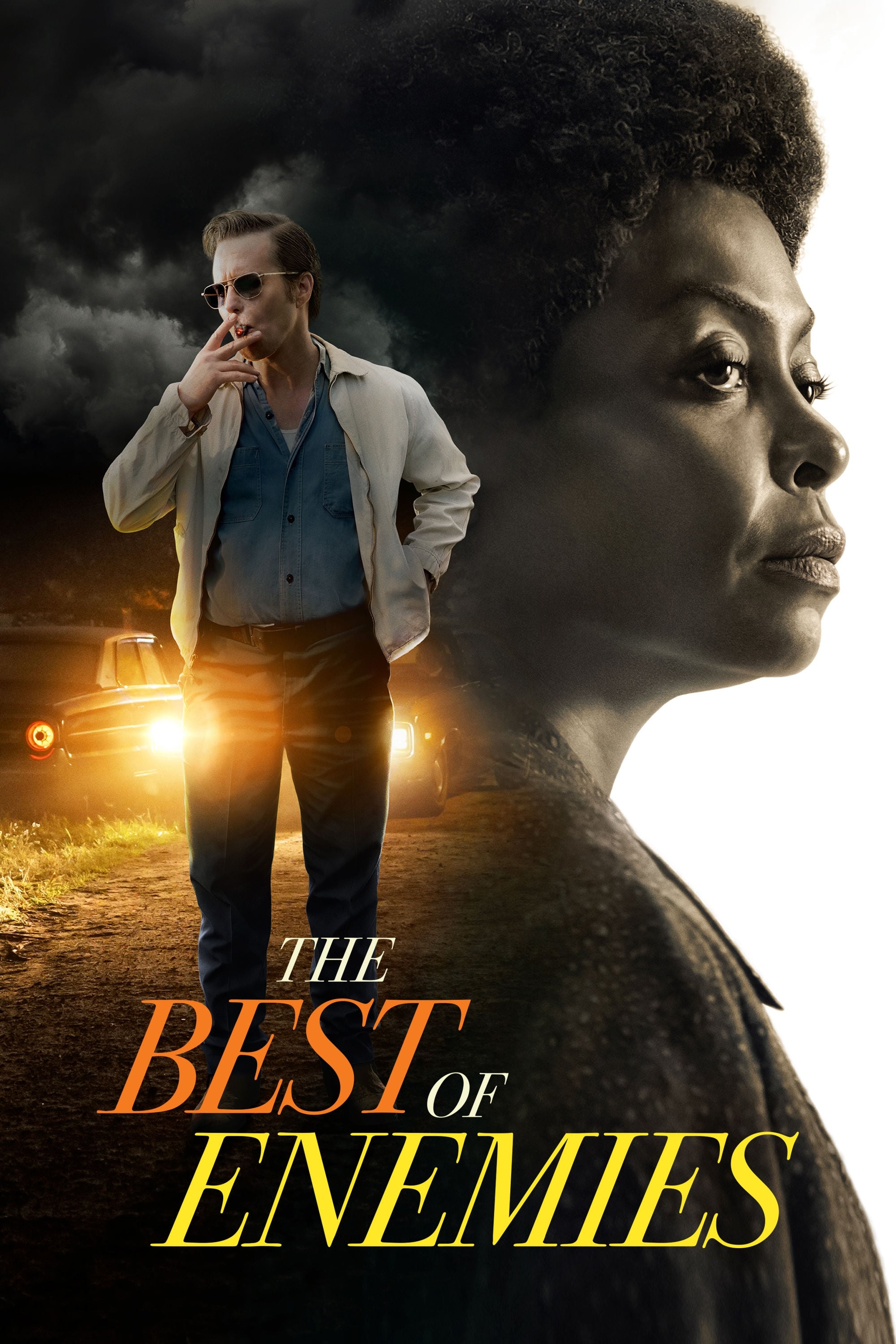
In 1971, a movie depicted a civil rights activist and a Ku Klux Klan leader unexpectedly working together to address school desegregation. However, the film drew criticism for suggesting both sides were equally responsible and for centering the story on the Klansman’s change of heart. Many felt the film unfairly prioritized the redemption of a white supremacist over the consistent efforts of the Black activist, and that portraying the Klansman as human ultimately catered to white viewers rather than addressing the harm caused by his ideology.
‘Same Kind of Different as Me’ (2017)
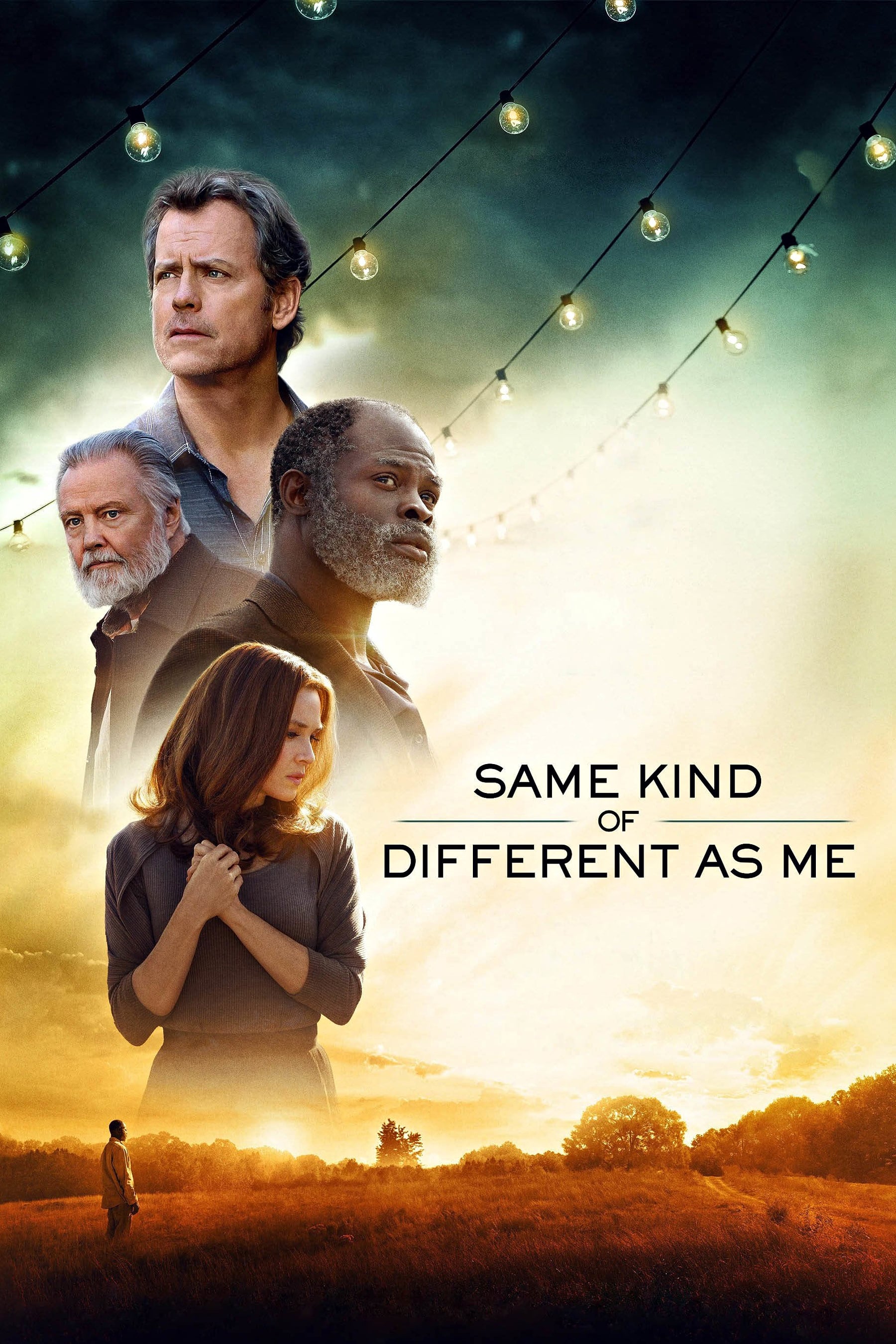
A film depicts an art dealer and his wife forming a connection with a formerly homeless Black man who has a difficult past. This man unexpectedly helps them resolve problems in their marriage, drawing on his unique insights and experiences. However, the film has faced criticism for relying on the harmful “Magical Negro” stereotype – portraying a Black character whose sole purpose is to assist white characters. The story suggests that kindness and connection flow only from the wealthy couple to the man, rather than being a mutual exchange.
‘Free State of Jones’ (2016)
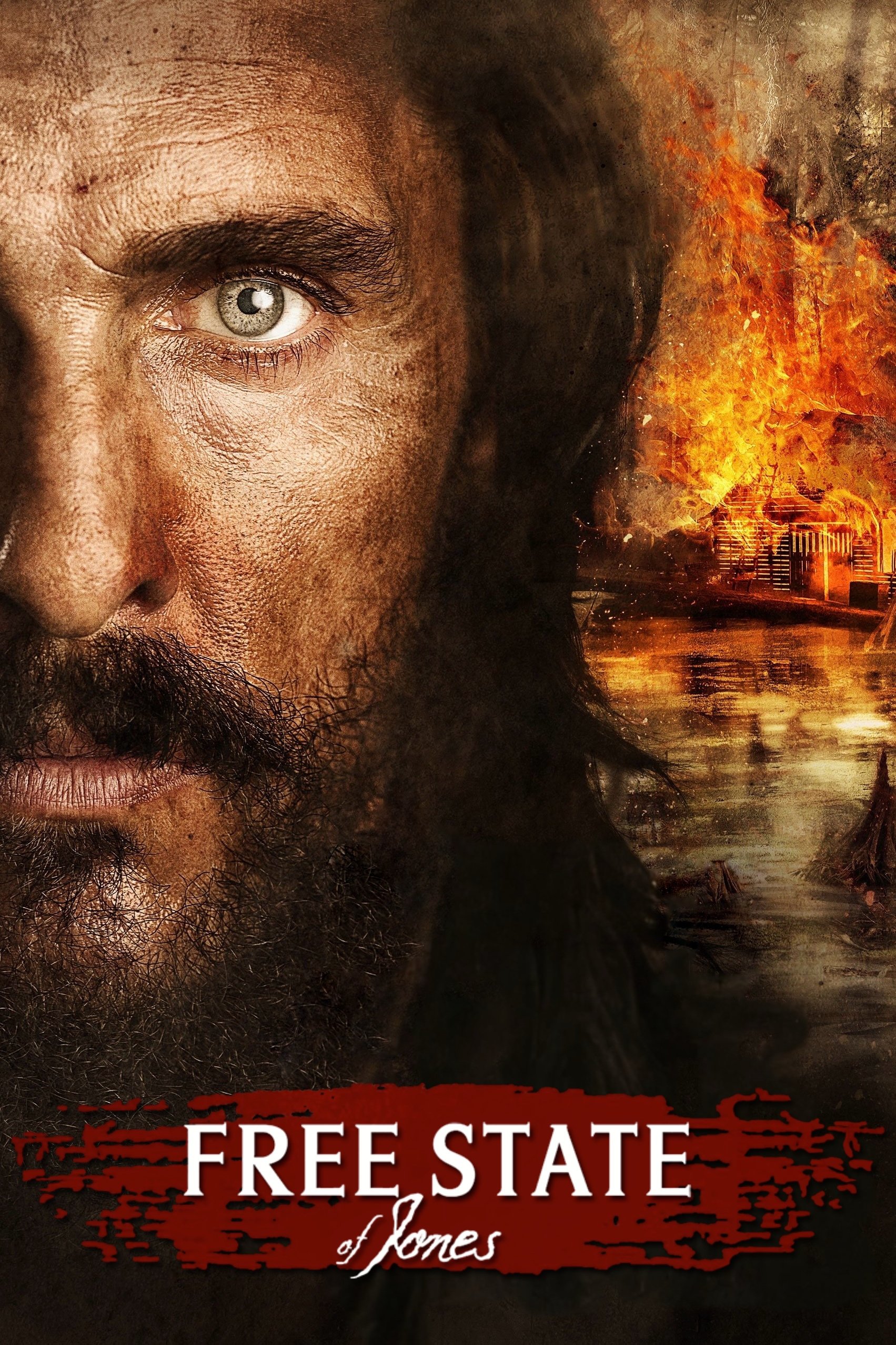
I was really disappointed watching this film. It tells the story of a Confederate deserter who starts a rebellion with farmers and enslaved people, but it focuses way too much on him. He’s presented as the leader and the one with all the ideas for a better future, which completely overshadows the actual history of Black people fighting for their freedom. It’s supposed to be about liberation, but honestly, it feels like the story of Black resistance is lost because everything is seen through his eyes. It just doesn’t feel right that he’s the one credited with envisioning a new society when the real heroes were the enslaved people themselves.
‘Lincoln’ (2012)
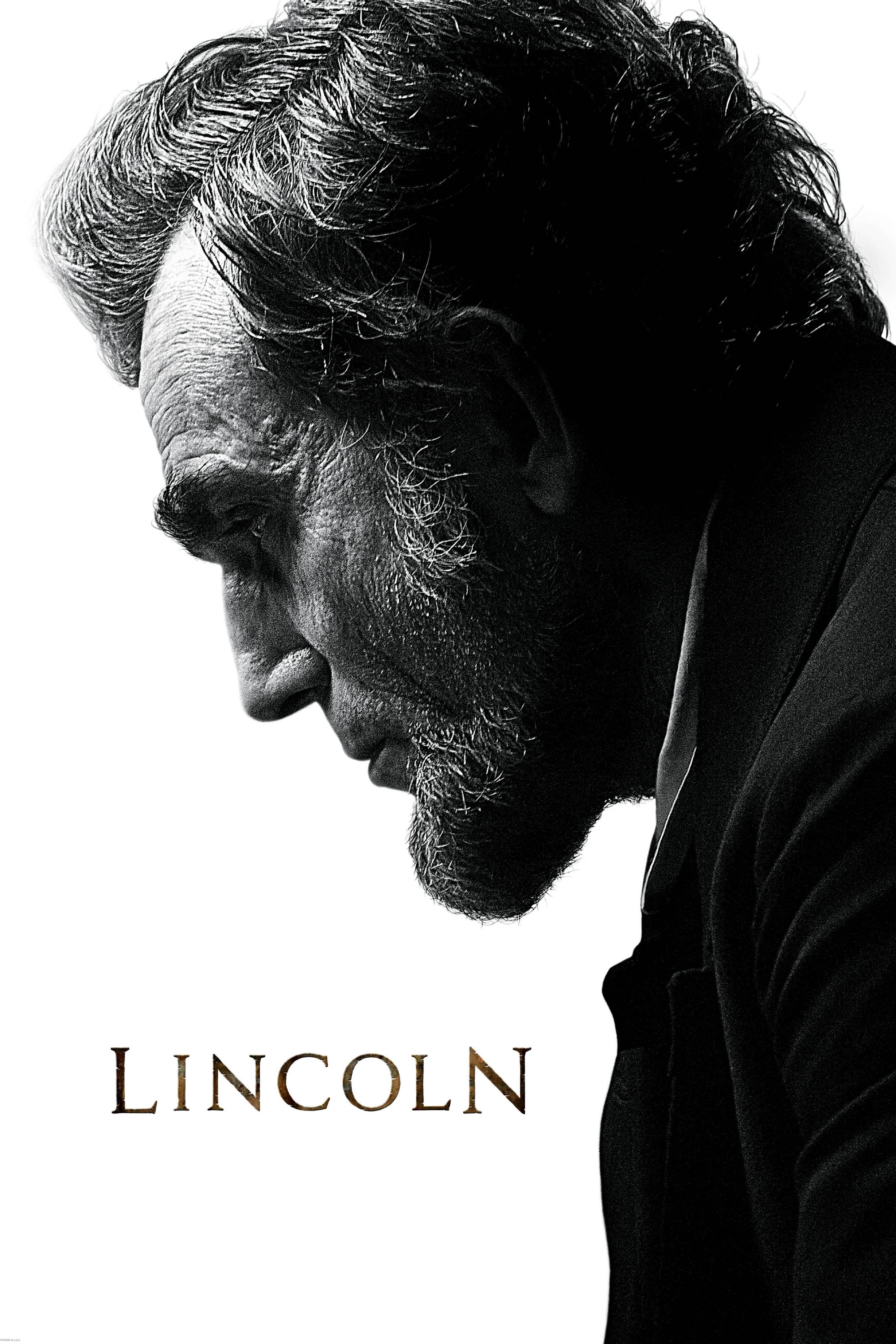
The movie tells the story of the president’s last months, specifically his efforts to get the 13th Amendment passed. However, the film mainly shows white politicians discussing the rights of Black people, who are rarely seen on screen. It portrays the end of slavery as a political problem solved by white lawmakers, rather than a struggle led by the enslaved people themselves. While the film was highly praised and won many awards, it was also criticized for leaving out the contributions of key Black leaders like Frederick Douglass.
Let us know what you think about whether these movies deal with their topics in a thoughtful and respectful way by sharing your comments below.
Read More
- Invincible Season 4 Gender Swaps Tech Jacket As Fans Question Major Comic Change
- Silver Rate Forecast
- Gold Rate Forecast
- Building Agents That Learn and Improve Themselves
- 15 Films That Were Shot Entirely on Phones
- 22 Films Where the White Protagonist Is Canonically the Sidekick to a Black Lead
- 20 Movies Where the Black Villain Was Secretly the Most Popular Character
- Celebs Who Narrowly Escaped The 9/11 Attacks
- 14 Movies Where the Black Character Refuses to Save the White Protagonist
- Games That Faced Bans in Countries Over Political Themes
2025-12-02 01:51