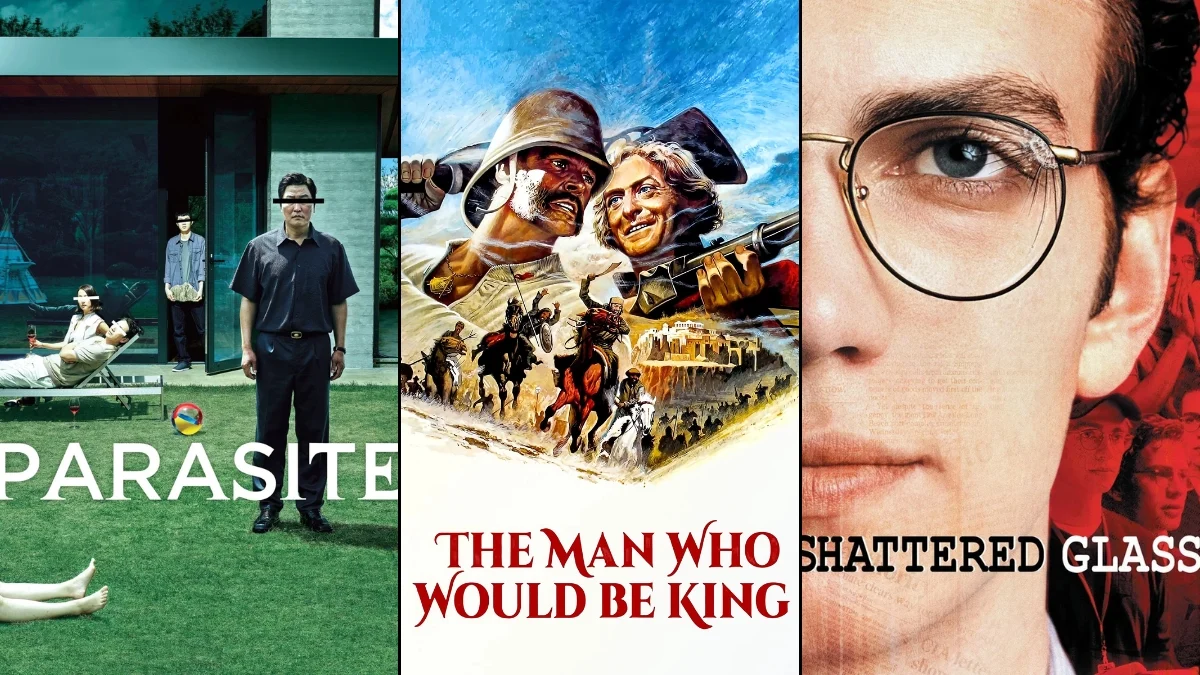
There’s a certain satisfaction when a con artist’s own deception unravels – when they become convinced by their own lies, fall for their fabricated persona, or face unexpected repercussions. The films listed below follow tricksters, imposters, and smooth talkers who take their schemes too far, leading to ironic and often humorous consequences – whether through romantic entanglements, excessive pride, or a well-executed counter-scheme. From timeless capers to sharp, contemporary stories and fascinating true-crime documentaries, each film demonstrates how even the most flawless con can fall apart when the con artist starts to believe their own act.
‘The Producers’ (1967)
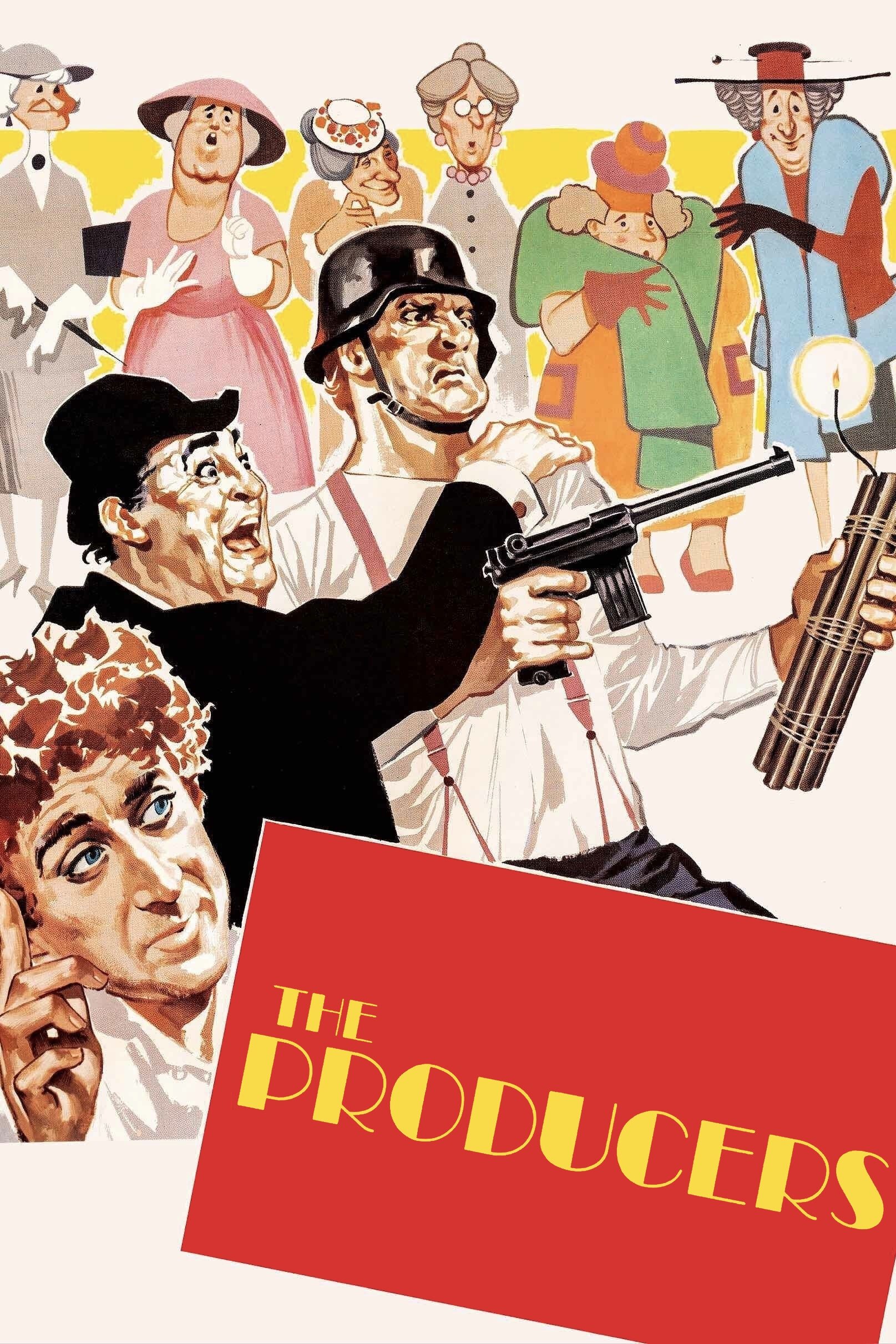
Okay, so I just saw this movie, and it’s a really clever con artist story. It centers around two guys on Broadway who try to make a quick buck by deliberately overselling shares in a show they know is going to be terrible. The idea is they pocket the extra money when it flops. But here’s the twist – the awful show actually becomes a hit! Suddenly, their little scheme turns into a full-blown fraud case. What I found really fascinating was how the film breaks down the mechanics of these financial scams – they only work if the thing they’re betting against fails. It also pulls back the curtain on how producers cook the books, and how unpredictable audiences can completely ruin even the most carefully planned con. It’s a surprisingly insightful look at the world of show business and financial trickery.
‘The Man Who Would Be King’ (1975)

I just saw this fascinating film about two guys who essentially fake being gods to take over a small country. They use a lot of showmanship – think military parades and cleverly staged ‘miracles’ – to convince everyone they’re the real deal. But things get tricky when one of them actually starts to believe his own hype, and the locals begin to question their claims. What’s really interesting is how the movie illustrates that any deception, especially one built on faith, needs constant upkeep. It brilliantly shows how fragile a lie becomes when it’s pushed too far, and how quickly things fall apart when you can’t control who sees what, or what evidence surfaces. It’s a really thought-provoking look at the power – and the limits – of belief and manipulation.
‘House of Games’ (1987)

A psychiatrist finds herself entangled with a group of con artists who create complex schemes to deceive people. She learns the tricks of both quick, simple cons and long-term, elaborate ones, but ultimately becomes the target of a final, carefully planned deception that preys on her trust in her own expertise. The story reveals how con artists read people, use distraction, and manipulate social cues to gain trust. It demonstrates that understanding how cons work doesn’t necessarily protect you from a con specifically designed to exploit your weaknesses.
‘The Grifters’ (1990)

As a film buff, I’m always fascinated by stories about con artists, and this one really gets into the nitty-gritty of their world. It follows a group of small-time hustlers working different scams – everything from short-changing to fixing races – and how they all try to stay one step ahead of the people above them. What’s really interesting is how their schemes start to overlap, and how getting emotionally involved – whether it’s greed, feeling guilty, or even falling in love – makes them throw caution to the wind. It’s a great illustration of how these cons work, showing you the importance of managing your money, respecting other people’s turf, and what happens when you break the rules. Basically, it shows how easily things can fall apart when feelings get involved and they forget the basics.
‘The Talented Mr. Ripley’ (1999)

Identity theft can quickly grow from simple forgery into a complete takeover of someone else’s life. A thief doesn’t just fake documents; they mimic the victim’s behavior and skillfully manipulate people to maintain the deception. As the thief lives this false life, they start to believe it, leading to bolder actions and a need for increasingly elaborate lies. The film explores exactly how criminals create fake passports, copy signatures, and imitate voices. It reveals how assuming a new identity becomes a dangerous cycle, demanding constant effort and pushing the thief to commit even more serious crimes to keep up the charade.
‘Boiler Room’ (2000)

A dishonest brokerage firm artificially inflates the price of a worthless stock by using pre-written sales scripts and fabricated research reports. They make cold calls to potential investors, and the salespeople, repeating the same misleading pitch constantly, sometimes even start investing themselves, overlooking red flags like questionable company structures and fake trading volume. The film exposes the aggressive sales techniques used, restrictions on selling shares, and how the firm creates the illusion of demand to unload stock. It also shows how the company’s environment can convince employees to believe their own deceptive claims.
‘Nine Queens’ (2000)

A pair of fraudsters concoct a plan to sell fake stamps, relying on perfect timing, fabricated histories, and quick sales. They build a complex web of lies – using practice runs, fake witnesses, and carefully testing people’s trust – that confuses even the junior con artist, making it hard to tell what’s real and what’s part of the act. The film reveals how stamp authentication can be faked and how creating a sense of urgency can drive up prices. Ultimately, it’s a lesson in how well-rehearsed scams can become dangerously real, and how the scammer themselves can become the target.
‘Shattered Glass’ (2003)

A journalist creates fake sources and events, essentially building a fragile story on lies and deception, and actively avoids proper fact-checking. As these fabricated stories gain traction, he reinforces them, starting to believe his own made-up version of events. The film explores how news organizations normally verify information, the safeguards in place, and how even a single inaccuracy can cause everything to fall apart. It’s a realistic portrayal of how someone can damage their reputation and how institutional trust can be exploited to maintain a false narrative.
‘Matchstick Men’ (2003)

A careful and skilled con artist uses familiar scams like short-changing and fake lotteries, all while struggling with habits that make his patterns predictable. When a woman claiming to be his long-lost daughter appears, he becomes less cautious, abandoning the usual checks and balances that keep him safe. The story details the techniques he uses to deceive people, how he covers his tracks, and the mental separation he maintains to avoid getting caught. It highlights how a strong emotional connection can lead a con artist to disregard his own protective measures.
‘Confidence’ (2003)
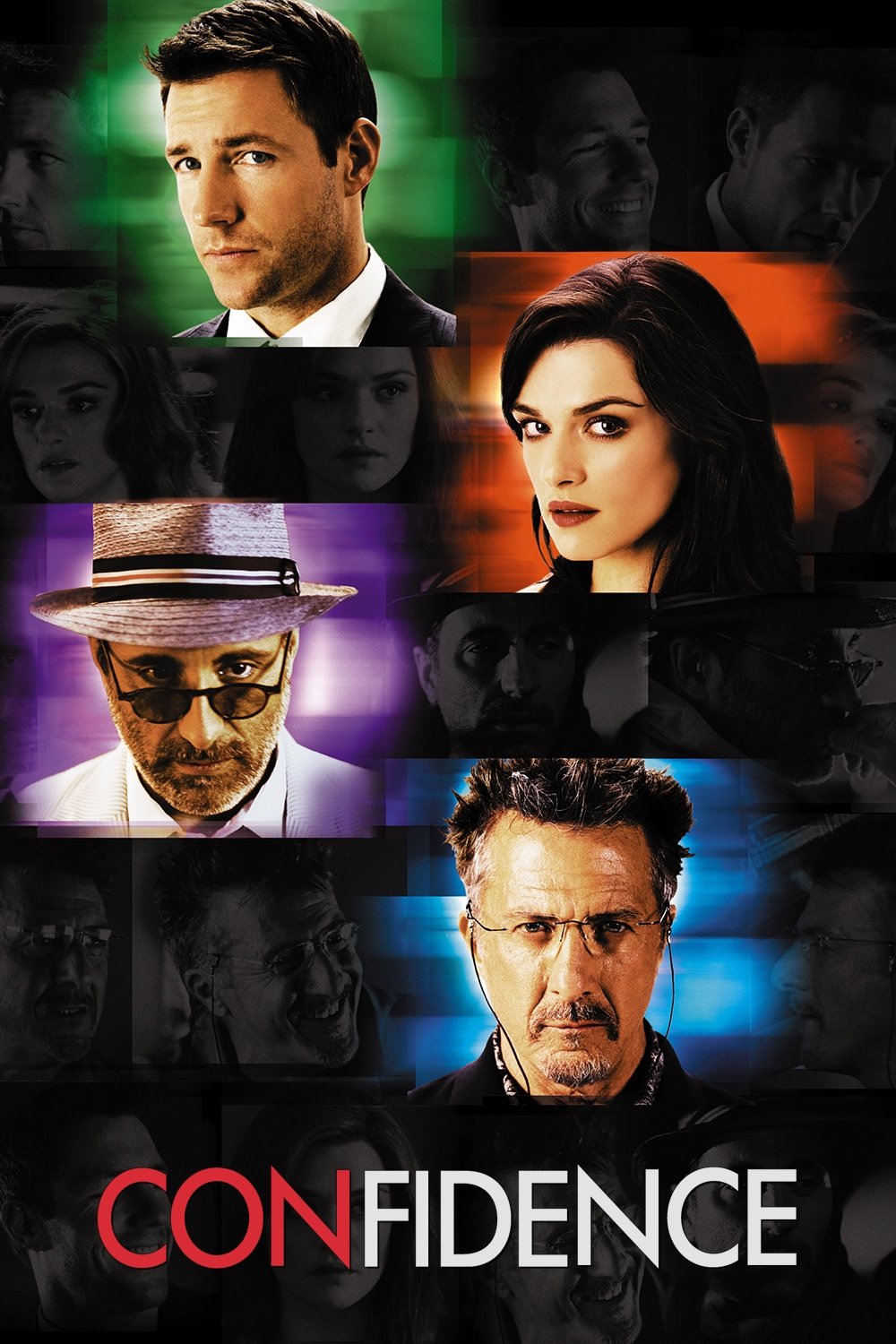
A team of criminals pulls off elaborate scams involving hidden communication, secret drop-offs, and carefully timed distractions. When a powerful boss demands an even larger operation, the plan becomes so complex that competitors find ways to exploit it. The movie details how they move money around to hide its source, using methods that temporarily freeze funds. It shows that making a scam bigger doesn’t just increase the potential payoff—it also gives others more power and proves that even the best-laid plans can fail.
‘The Hoax’ (2006)
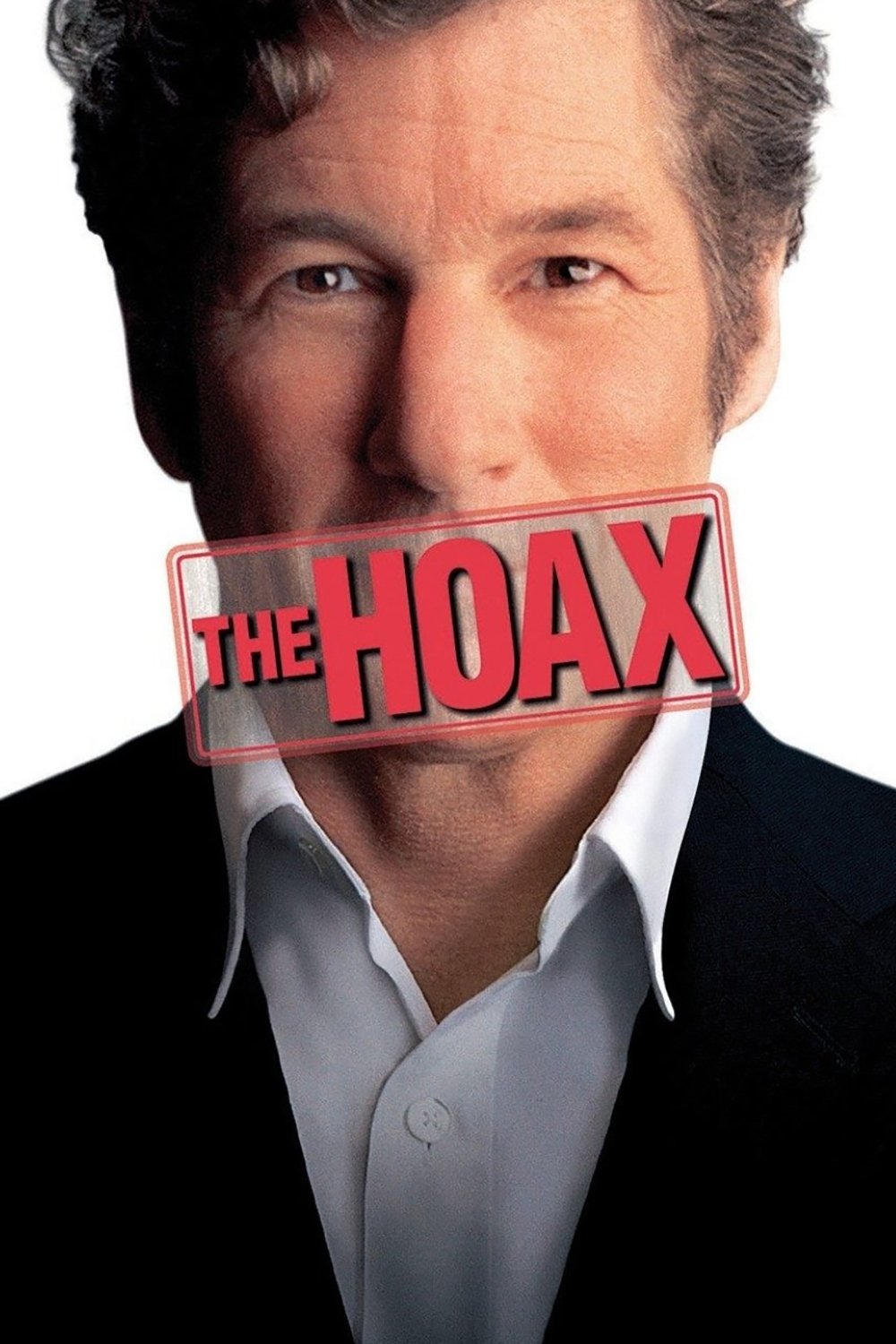
A writer invents a celebrity memoir, falsely creating interviews, notes, and meetings to trick publishers into believing it’s real. As the book gains attention, the lies escalate, including fabricated connections to powerful people and increasingly outlandish claims, quickly spiraling beyond the writer’s control. The film demonstrates how the processes meant to verify authenticity – like approvals, legal checks, and confirmed details – can be manipulated, but only for so long. Ultimately, it shows that the public’s eagerness for sensational stories is what makes the deception most likely to unravel.
‘The Brothers Bloom’ (2008)

Two con artists, who’ve spent their lives deceiving people, hatch one last elaborate scheme targeting a rich and unusual individual. They carefully plan everything, creating fake encounters and a convincing storyline. However, the mastermind behind the con begins to get caught up in the fabricated romance he’s created, and his attention to detail starts to slip. The movie reveals the meticulous planning – the practice runs, false identities, and hidden financial transactions – all cleverly disguised. It demonstrates how blurring the line between fiction and reality can unravel even the most carefully constructed deception.
‘The Informant!’ (2009)

The film follows a company executive who becomes a whistleblower, but also lies about his accomplishments and financial dealings, embedding these falsehoods in official documents. He starts to believe his own exaggerations, which ultimately damages the legal cases he’s involved in. The story delves into the complexities of price-fixing investigations, the technical aspects of gathering evidence, and how the credibility of cooperating witnesses is assessed. Ultimately, it shows how prioritizing personal gain through dishonesty can ruin both the deception itself and the investigation designed to uncover it.
‘American Hustle’ (2013)
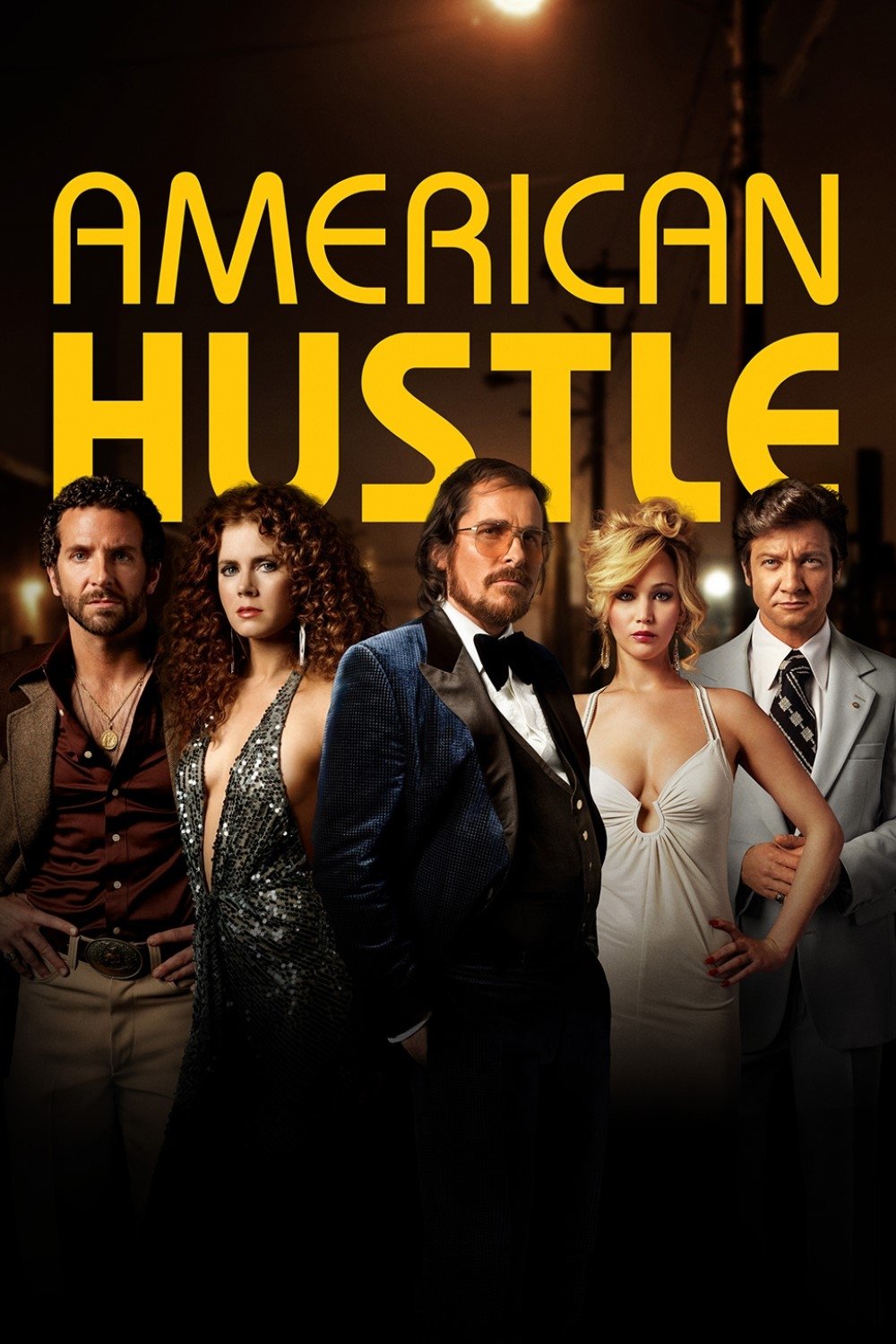
This movie follows two fraudsters who are unwittingly drawn into a political scheme. The plan involves creating a false impression of legitimacy through fake loans and companies, and setting up meetings to target specific people. As the scam grows, the con artists start believing their own deception, blurring the lines between the fake operation and reality, and potentially revealing the truth to those helping them. The film demonstrates how scammers exploit shared connections and the appearance of political influence to build trust and carry out their schemes, and how being close to power can make even experienced criminals lose sight of their fraud.
‘The Wolf of Wall Street’ (2013)
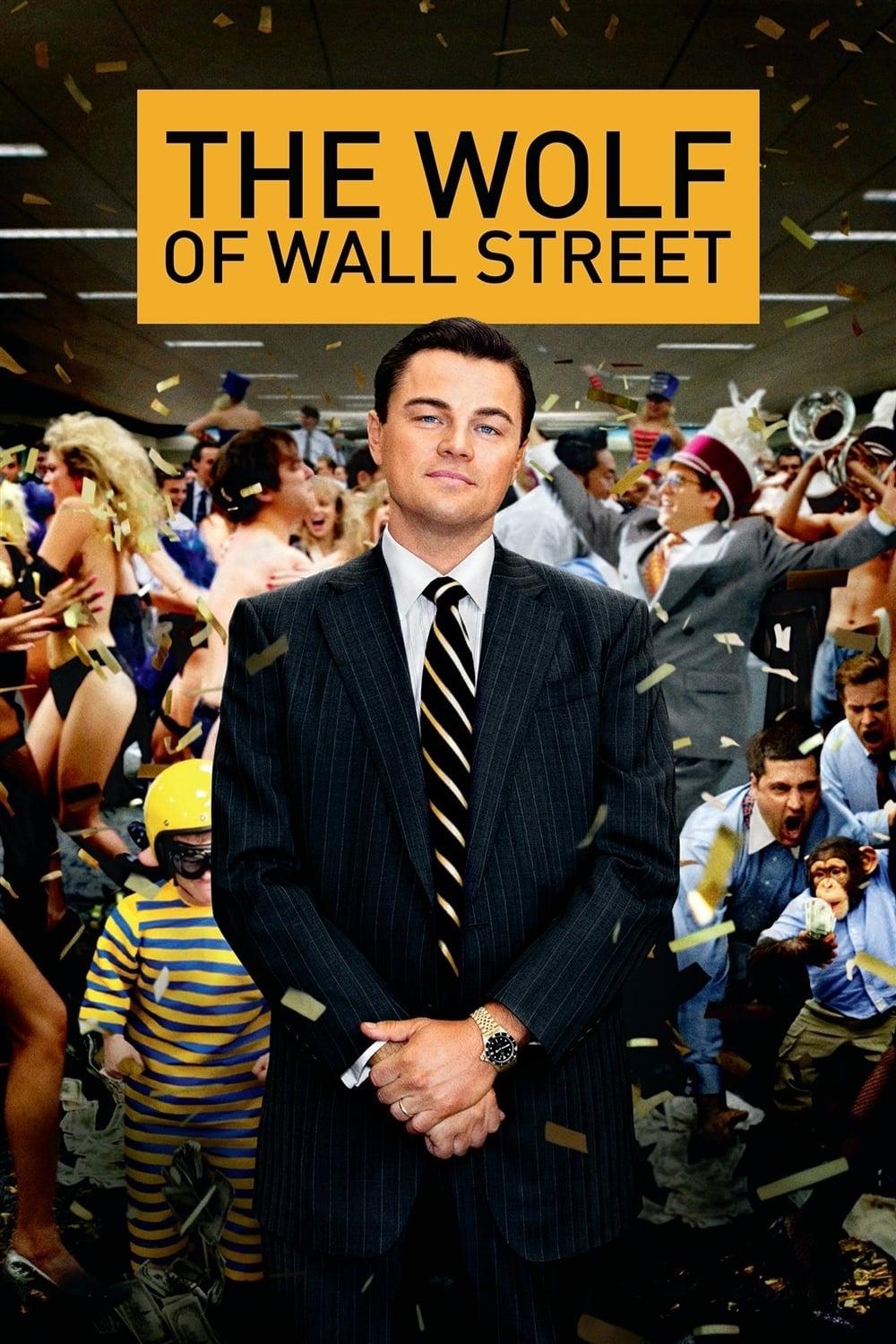
The film follows the rise and fall of a brokerage founder who created a successful but fraudulent business by promoting cheap stocks through misleading tactics, paid presentations, and hidden payments. As his success grew, he became convinced he could continue breaking the rules without consequence, leading to careless financial dealings and money laundering that authorities could trace. The movie details the specific schemes he used, such as fake trading and secret accounts, as well as how his entire operation collapsed when he ignored warning signs.
‘Focus’ (2015)

Skilled criminals use diversions, rigged bets, and fake emotional moments to manipulate their targets. When ex-partners team up, romantic feelings can cloud their judgment and reveal their plans. The film shows the different jobs within a crew – the inside person, the pickpocket, and the one who calms people down – and how keeping those roles separate is crucial. It also highlights that letting personal feelings interfere with a carefully planned scam can lead to the plan being turned against them.
‘The Good Liar’ (2019)
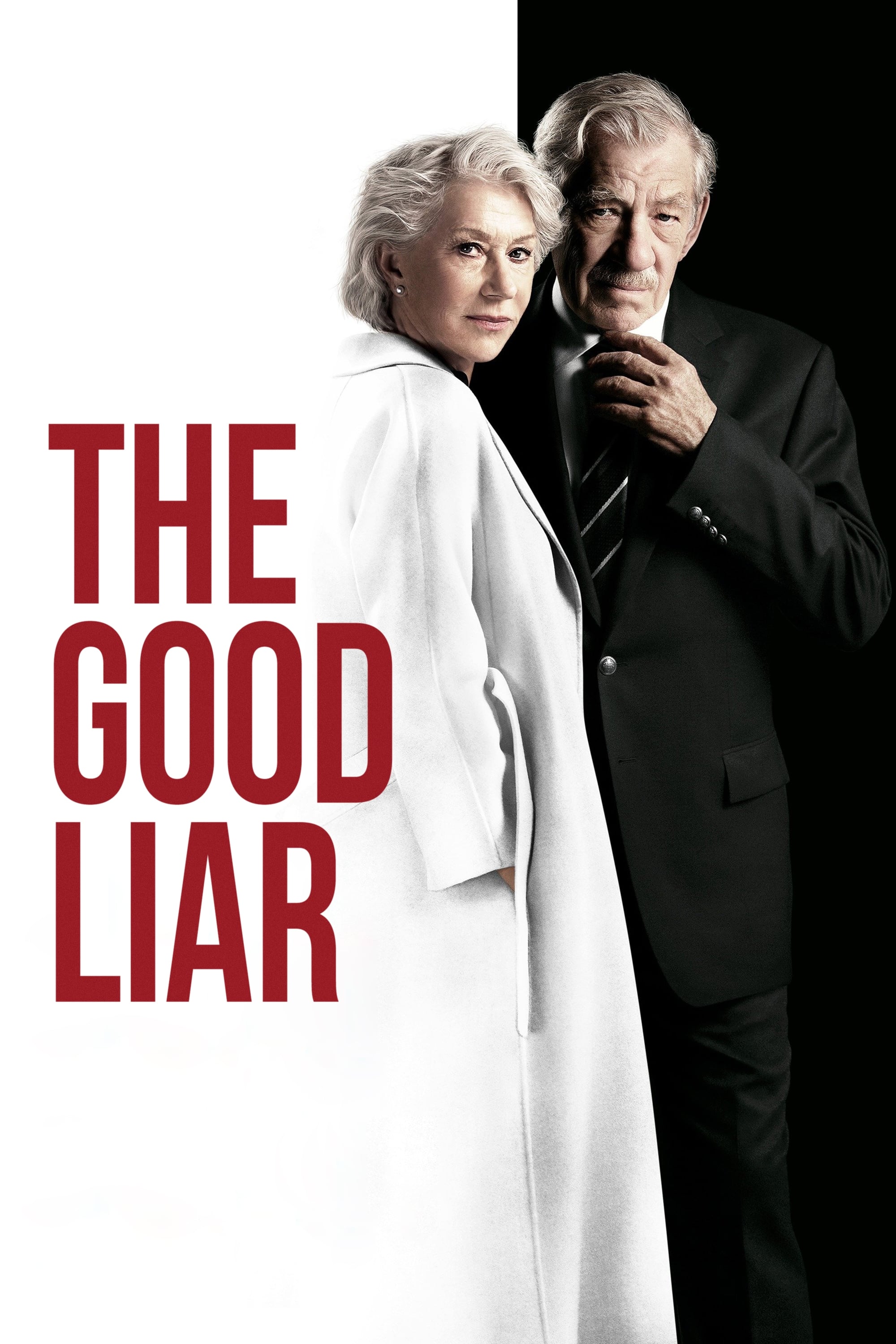
A seasoned con artist attempts to swindle a rich widow by feigning romance. He uses fake identities, complicated financial schemes, and pretends to be helpless. However, he misjudges her strength and past, which ultimately leads to his downfall. The movie explores how these scams work, including tricks involving inheritances, creating false personas, and gaining the victim’s trust. It also highlights that the con artist’s own manipulative techniques can be used against him.
‘Parasite’ (2019)

The film centers around a family who cleverly pretends to be qualified for jobs in a wealthy household, gradually replacing the existing staff. Their elaborate plan relies on fake credentials, carefully orchestrated references, and even manufactured emergencies. However, their growing confidence leads to mistakes, revealing secrets and weaknesses within the house. The story details common con tactics like lying on resumes and creating artificial crises, and ultimately demonstrates how a complex scam can unravel when someone deviates from the plan.
‘Fyre’ (2019)

This luxury festival created a sense of exclusivity using social media influencers, carefully crafted images, and promises they couldn’t keep regarding practical details. As the marketing built more excitement than the event could actually deliver, the organizers started relying on their brand image to fix problems, which only made things worse. The documentary reveals details about unfair vendor contracts, misused funds held in escrow, and crucial deadlines that were missed. Ultimately, it’s a story of how overhyped marketing can’t hide logistical failures and a sales-driven scheme that collapsed due to real-world limitations.
‘Kajillionaire’ (2020)

This movie follows a family of small-time criminals who make a living through minor scams – things like stealing mail, faking returns, and staging fake accidents. When a newcomer starts to challenge the way they do things, the familiar routines they rely on actually become a problem. The film looks at why people keep pursuing something even when it’s no longer beneficial, how roles get divided within a long-running scam, and the emotional connections that develop between the people involved. It demonstrates how a con can continue long after it’s stopped being profitable simply because those running it can’t envision a different life.
Share your favorite “the con backfires” movie picks in the comments—what did we miss?
Read More
- Gold Rate Forecast
- Invincible Season 4 Gender Swaps Tech Jacket As Fans Question Major Comic Change
- 22 Films Where the White Protagonist Is Canonically the Sidekick to a Black Lead
- 14 Movies Where the Black Character Refuses to Save the White Protagonist
- Silver Rate Forecast
- Unveiling the Schwab U.S. Dividend Equity ETF: A Portent of Financial Growth
- Superman Flops Financially: $350M Budget, Still No Profit (Scoop Confirmed)
- The Best Former NFL Players Turned Actors, Ranked
- ONE PIECE Season 2 Confirms Sanji’s OTHER Backstory in the Live-Action
- Why Won’t It Just *Do* What You Ask? Unpacking the Quirks of AI Language
2025-12-01 01:47