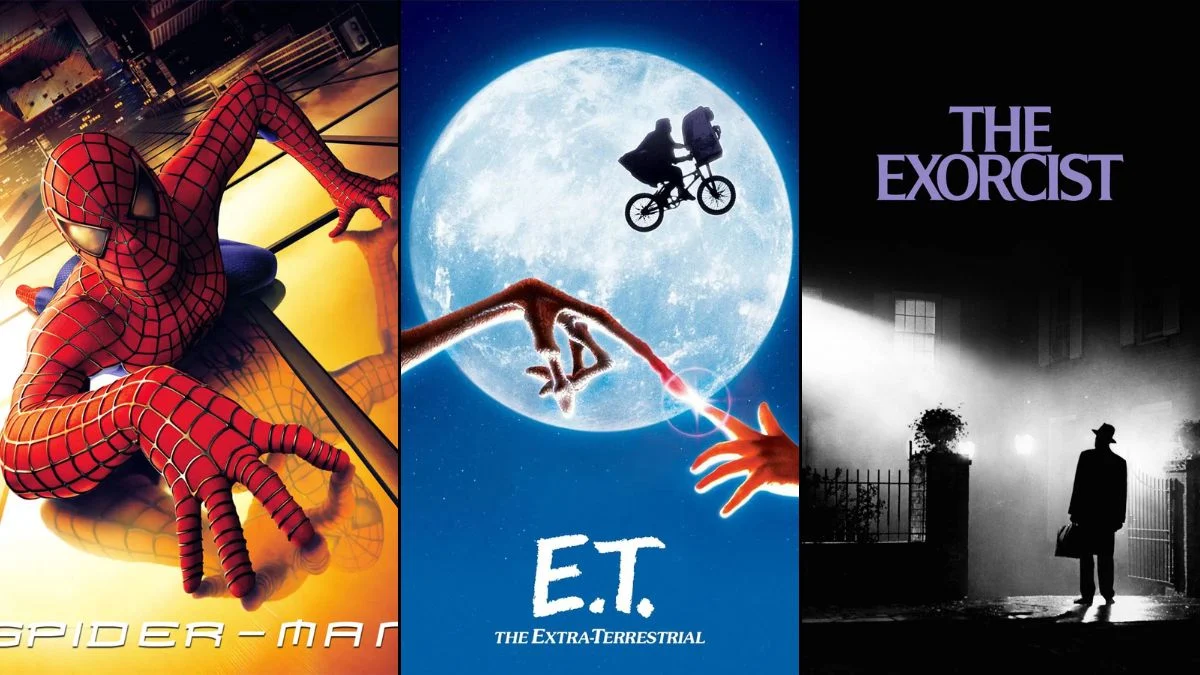
I’ve always been fascinated by sound design in movies. It’s amazing how much it impacts how we feel while watching a film, even though it’s so subtle. Everyone talks about visual effects, but the real magic often happens in the sound studios. It blows my mind that sound engineers can build entire worlds using everyday things! I learned that Foley artists are constantly scavenging kitchens, garages, and even grocery stores, searching for just the right sound for everything from alien monsters to spaceships. It’s incredible to think that some of the most famous sounds in movie history actually came from ordinary household items.
‘Terminator 2: Judgment Day’ (1991)
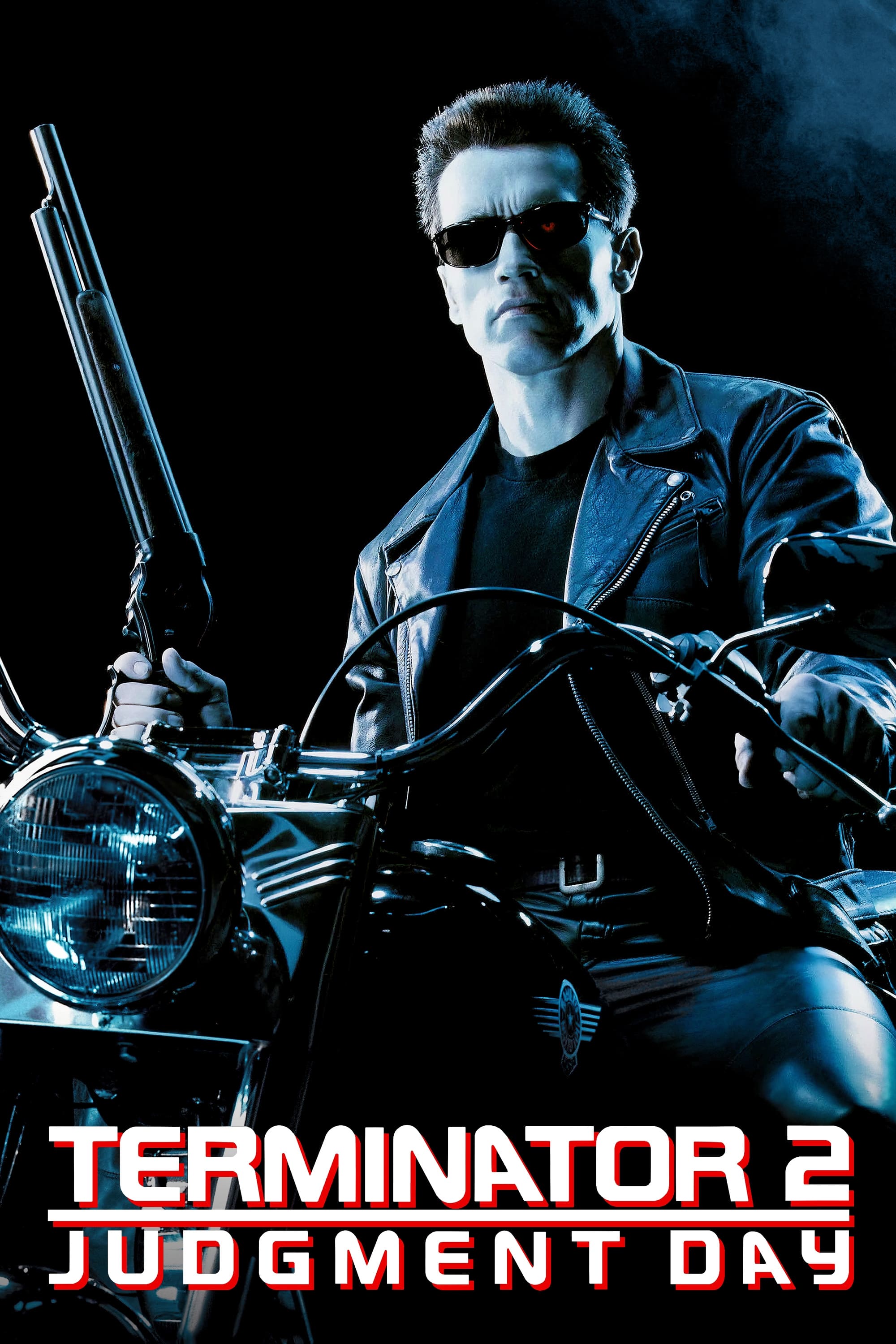
To create the unsettling sounds of the T-1000’s shape-shifting, sound designer Gary Rydstrom used surprisingly simple objects. He recorded the sound of dog food slowly sliding from a can to achieve a slimy texture, and used an upside-down glass moving through yogurt to create the unique suction sounds of the morphing effect. These everyday items convincingly portrayed the illusion of liquid metal, resulting in a disturbingly realistic and organic sound for the robotic killer.
‘Psycho’ (1960)
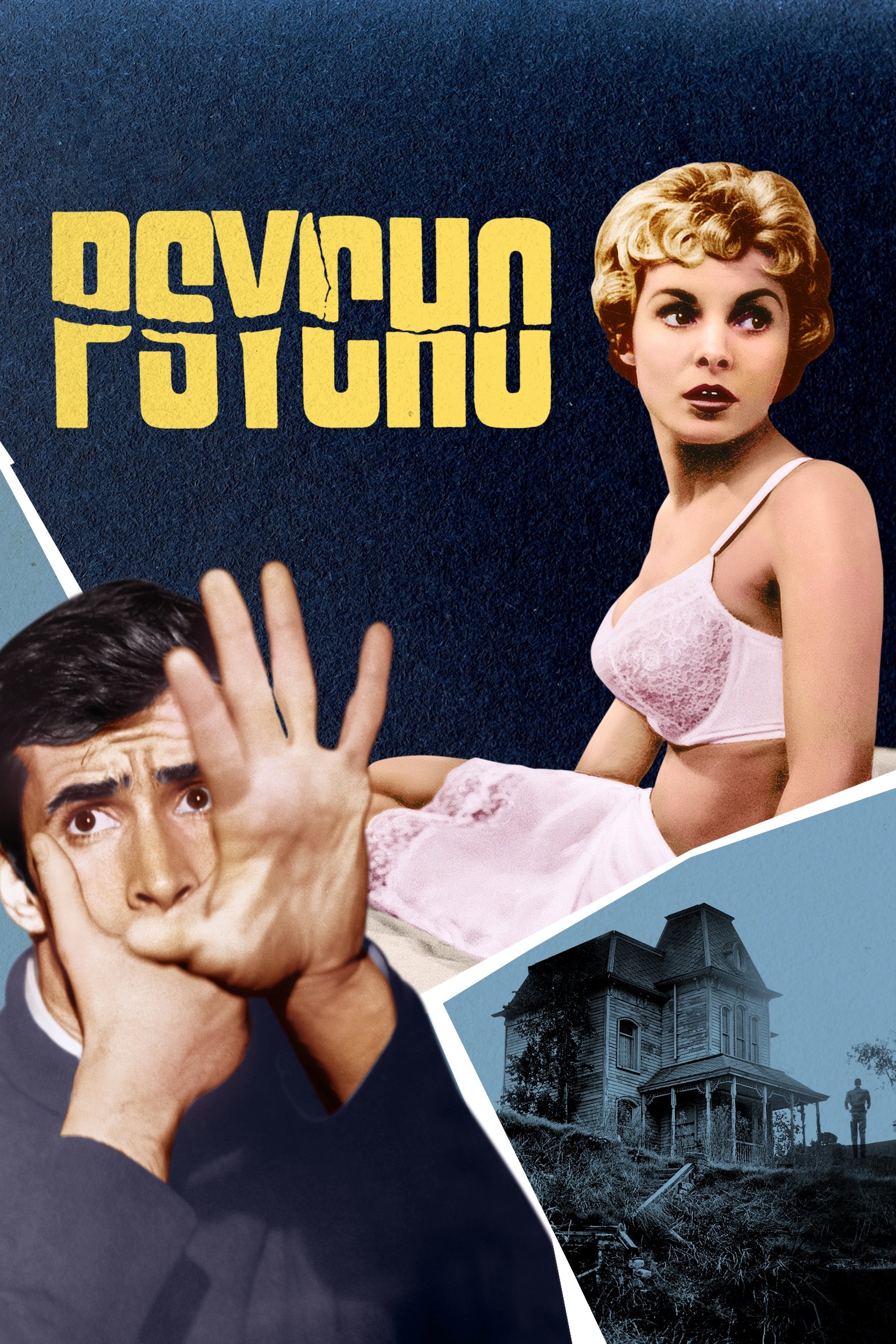
I always find it fascinating learning about how classic movies were made. Apparently, Alfred Hitchcock was determined to make the shower scene in Psycho truly terrifying, and the sound was key. They needed a sound for the stabbing that would really get under your skin. What they actually did was repeatedly stab a Casaba melon! It sounds crazy, but the way it tore sounded shockingly like human flesh on the recording. It’s amazing to me that such a simple, practical effect became one of the most famous and analyzed sounds in movie history, proving that sometimes the most effective sounds aren’t created with fancy technology, but with something surprisingly…organic.
‘Star Wars’ (1977)

The lightsaber’s distinctive sound actually began with the quiet hum of an old film projector. Sound designer Ben Burtt blended this hum with the static from a television to create its core. He then recorded this combination while moving a microphone around the speaker, giving it the whooshing effect we know so well. This clever combination of sounds became the lightsaber’s signature and has defined the weapon throughout the entire series, showing how everyday electrical noise can be transformed into something magical for science fiction.
‘E.T. the Extra-Terrestrial’ (1982)
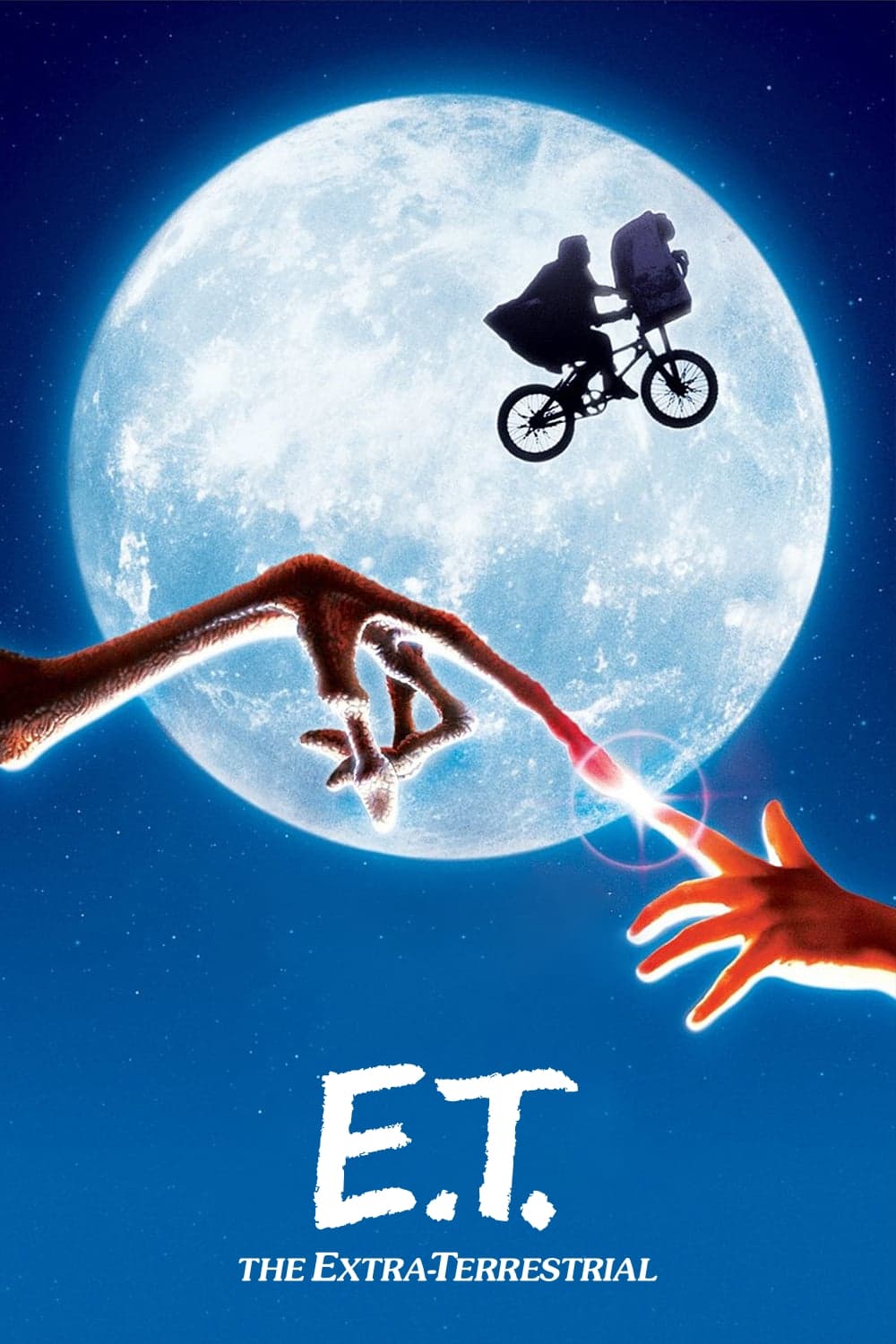
To create the unique sound of the alien in ‘E.T.’, Foley artist Joan Rowe used surprisingly simple methods. She walked around the studio wearing a damp, Jell-O-filled t-shirt and rubbed her wet hands on different surfaces. This created the wet, squishy sounds that made the alien feel strangely alive and organic – a far cry from the typical mechanical sounds of robots in movies. The technique helped make the puppet seem like a real, living creature.
‘The Exorcist’ (1973)

To create the unsettling sound of Regan’s neck moving during the possession scene, the sound team used a surprisingly simple trick. They rubbed an old leather wallet full of credit cards against a microphone. The resulting creaks and snaps perfectly mimicked the sound of breaking bones, adding a truly horrifying and realistic element to the visuals. This clever, low-tech effect is still considered a standout example of how everyday objects can be used to create fear in film.
‘Monty Python and the Holy Grail’ (1975)

The filmmakers didn’t have the budget for actual horses, so they came up with a clever solution for riding scenes. Actors pretended to ride while crew members clacked together empty coconut shells to simulate the sound of hooves. This rhythmic sound effect became a funny, recurring joke in the movie, and it perfectly mimicked the sound of horses galloping. The resourceful trick is now a well-known story in film history.
‘Fight Club’ (1999)

As a film buff, I was really struck by how incredibly realistic the fight scenes in this movie felt. The sound designers went to extreme lengths to get it right – seriously! They wanted those punches to feel dangerously impactful. Apparently, they were smashing chicken filled with walnuts and even cracking pork ribs – bleached ones, thankfully – to get that sickeningly real bone-breaking sound. It was a bit unsettling, honestly, but it definitely made the violence feel much more visceral and uncomfortable to watch, which I think was the point.
‘Alien’ (1979)
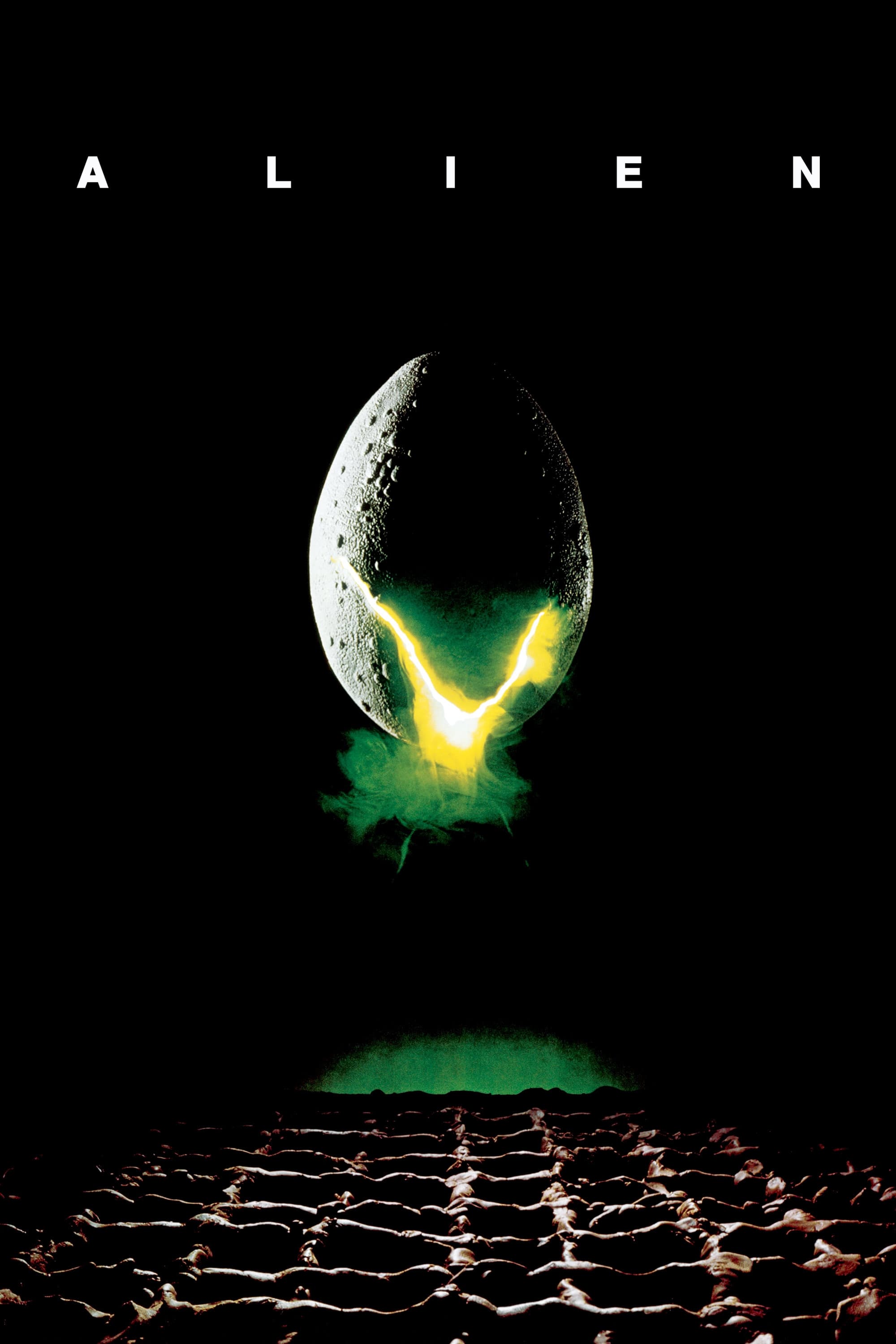
When Ash is revealed to be an android, the scene shows a messy, fluid-filled interior. To create the sound of his breaking-down internal mechanisms, the sound team surprisingly used cooked pasta and milk for squelching noises, then added the sound of falling marbles to mimic gears breaking. This unusual combination of everyday items made the robotic damage feel disturbingly lifelike, blurring the distinction between machine and living tissue.
‘Men in Black’ (1997)
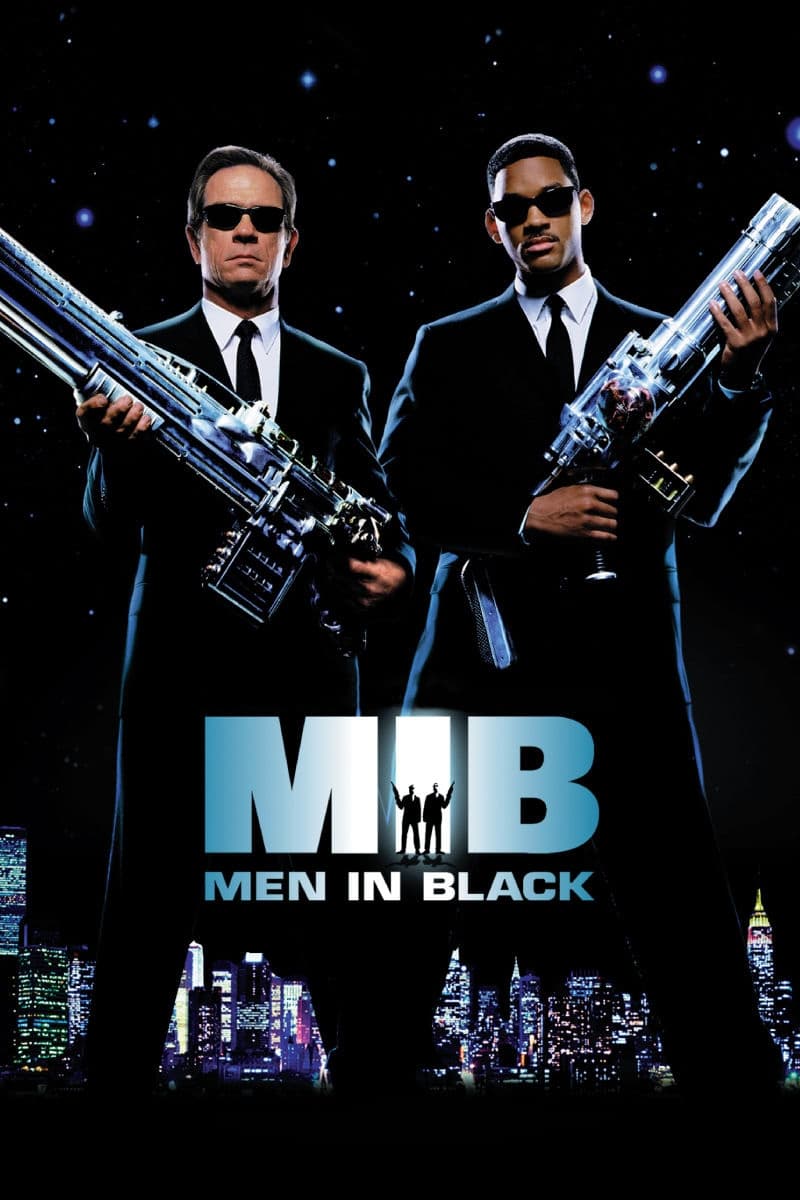
As a total cinema fanatic, I always appreciate the incredible sound design in films, and this example is fantastic! When these alien bugs exploded on screen, they needed a really visceral, messy sound. Apparently, the sound team achieved that initial ‘splat’ by – get this – stepping on packets of mustard! Then, to really sell the crunch of those alien exoskeletons breaking, they layered in the sound of breaking glass. It all came together to create this wonderfully gooey, and surprisingly funny, effect. Who knew a simple condiment could become a weapon of mass destruction on the big screen? It’s details like these that really make a movie come alive.
‘Spider-Man’ (2002)
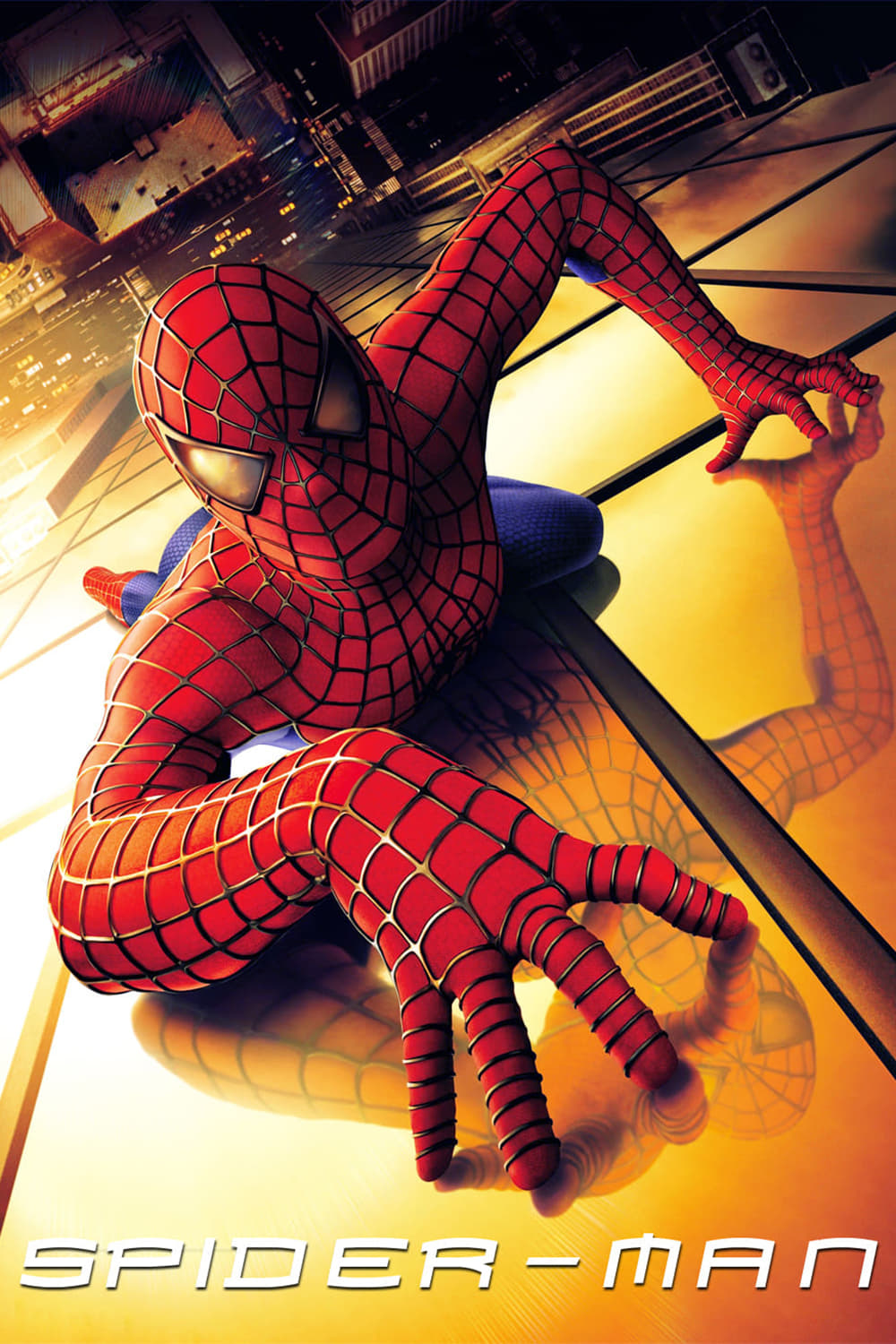
Sam Raimi aimed for Spider-Man’s web-shooters to sound natural, not like artificial devices. To achieve this, the sound effects team used everyday objects: they snapped fishing line to create the sound of webs flying, and compressed foam and leather to mimic the impact of webs hitting surfaces. This approach made Spider-Man’s powers feel more realistic and gave the webs a tangible presence in the film’s sound design.
‘Jurassic Park’ (1993)

When creating the sound of a baby velociraptor hatching, sound designer Gary Rydstrom aimed for something delicate but also slightly unsettling. He started by recording the sound of crushing an ice cream cone, then blended it with the sound of a cantaloupe being cut. This surprisingly sweet mix of sounds was used to introduce the fearsome predator, creating a deliberately innocent and unexpected effect. The contrast between these gentle sounds and the dinosaur’s dangerous appearance is very noticeable.
‘Evil Dead II’ (1987)

Sam Raimi’s movies are famous for their over-the-top blood and gore effects. Surprisingly, his sound team often used creamed corn – spread on different surfaces – to create realistic splattering sounds. The thick consistency of the corn produced a heavy, wet impact that fit the films’ horror-comedy style perfectly. This clever trick is still used by many low-budget horror filmmakers today, as it creates a distinct and memorable sound.
‘Godzilla’ (1954)
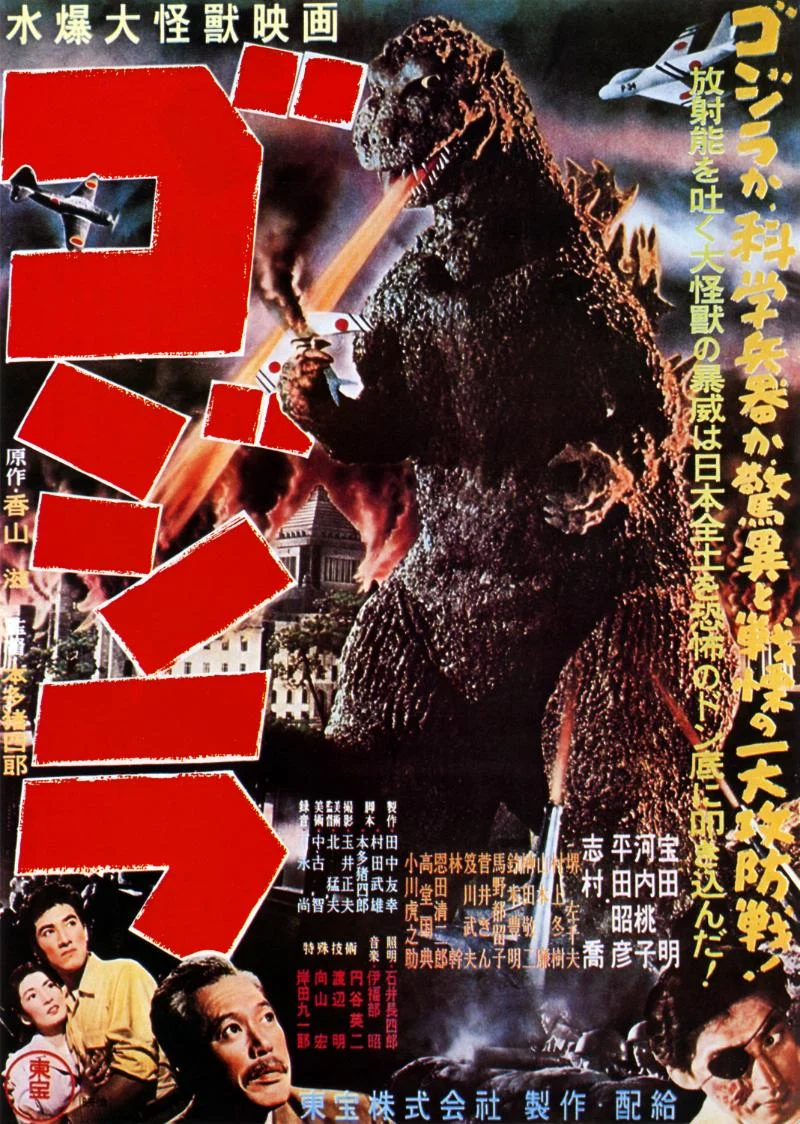
The monster’s iconic roar wasn’t based on any real animal sound. Instead, the composer created it by dragging a resin-coated glove across the strings of a double bass, then slowing down the recording to make it deep and menacing. This technique resulted in a truly terrifying sound that demonstrates how musical instruments can be just as frightening as they are beautiful.
‘A Quiet Place’ (2018)
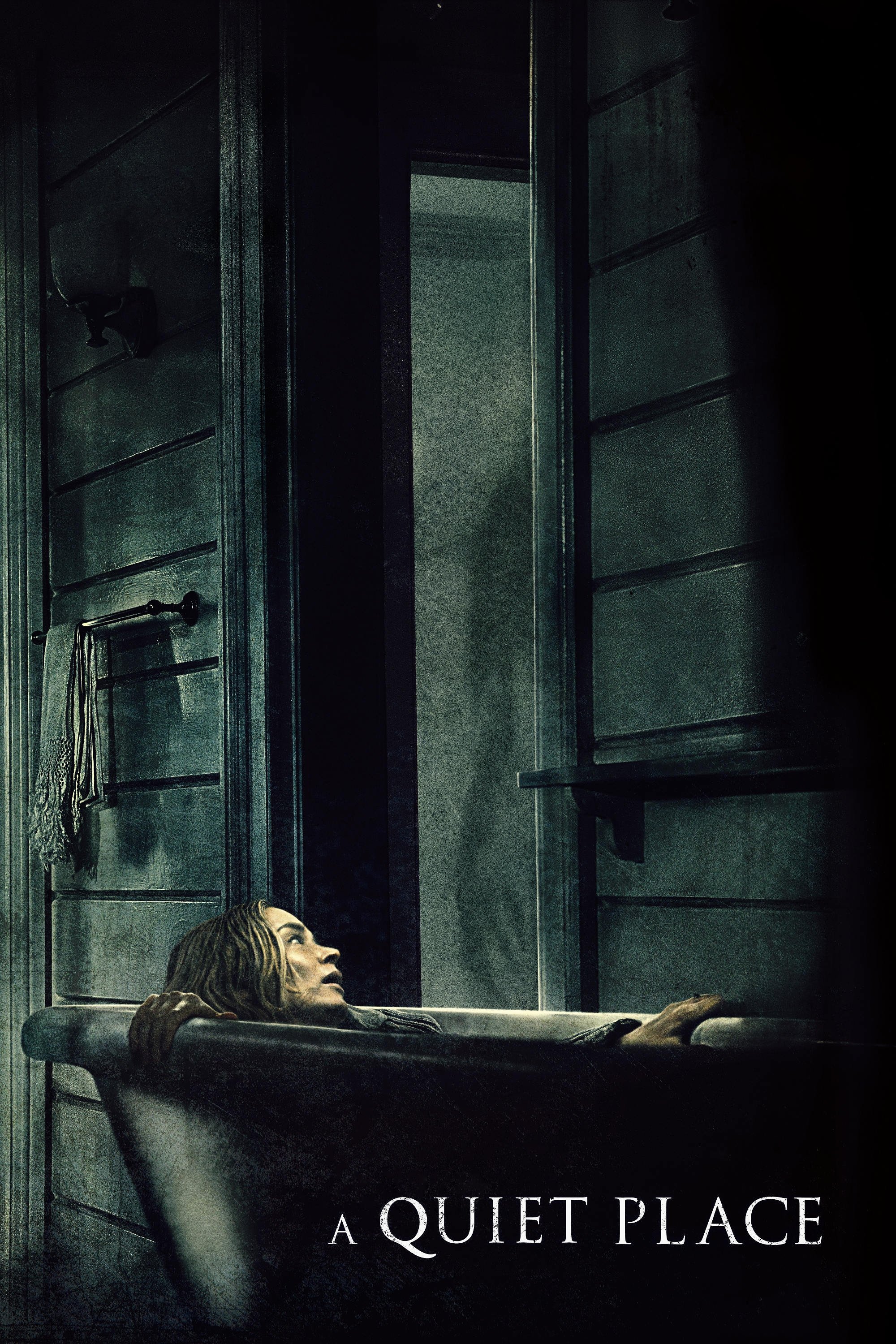
Because the monsters in this movie locate their prey by sound, the sounds they made needed to be incredibly realistic and frightening. To create these sounds, editors used things like snapping celery and twisting wet lettuce – mimicking the movement of the creatures’ armor. They recorded these vegetable sounds up close, capturing every detail of the tearing fibers. These sounds emphasized how dangerous and physically imposing the aliens were, and the crisp snap of the celery gave the audio a distinct, sharp edge.
‘Raiders of the Lost Ark’ (1981)
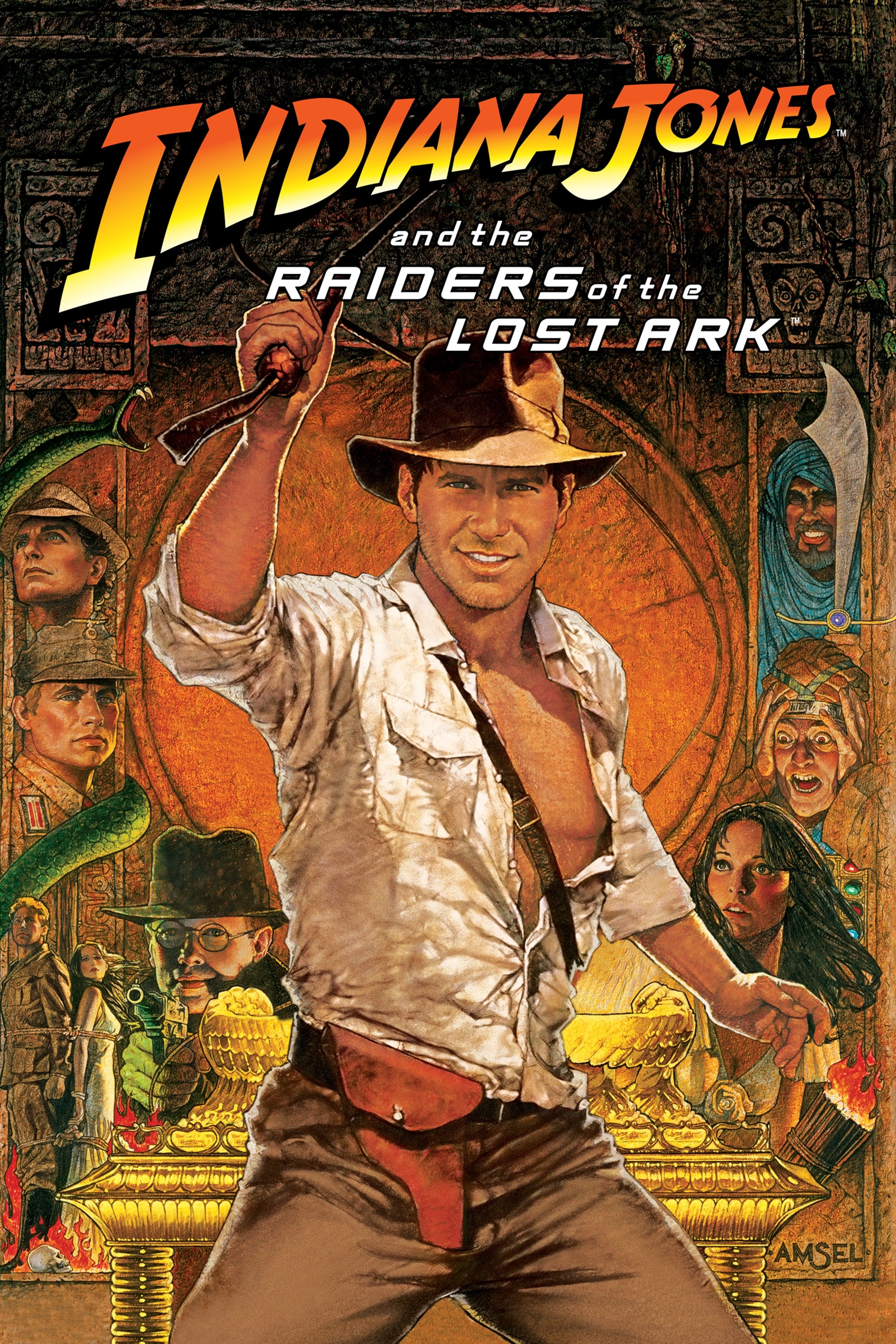
To create the sound of thousands of snakes in the Well of Souls scene, the sound editors used surprisingly simple techniques. They rubbed their hands through a cheese casserole to mimic the moist, sliding sounds of scales, and peeled tape to represent the snakes uncoiling. These textures combined to create a feeling of a huge, unsettling mass of reptiles and the illusion of constant movement.
‘WALL·E’ (2008)

As a film buff, I always appreciate clever sound design, and the story behind the little droid in that film is fantastic. They needed a voice for this tiny, mechanical creature that felt both robotic and full of personality. What did they use? The sound of actual police handcuffs clicking open and shut! Ben Burtt, the sound designer, sped up the recording to make it sound like a small, hurried voice. It’s amazing how something so simple – a tool meant to restrict movement – could become the voice of a beloved, friendly character. It really brought this silent little insect to life.
‘127 Hours’ (2010)

To create the intensely disturbing sound of a self-amputation in a key scene, the sound team needed something truly unsettling. They achieved this by snapping fresh chicken bones, carefully muffled with towels, and combining it with the high-pitched ringing of a glockenspiel bow on a tightly stretched wire. The resulting sound was so realistic that it actually caused some people in the audience to pass out. Getting the bone-breaking sound just right was essential to making the scene as impactful as possible.
‘Spartacus’ (1960)

The sound of a Roman army marching needed to be steady and sound like metal. Sound artist Jack Foley cleverly created this effect by shaking a bunch of heavy keys in time with the soldiers’ footsteps. This made it sound like armor was clashing, without having to hire and coordinate hundreds of extras wearing armor. The technique worked so well that it became a common practice in the film industry for creating armor sounds, saving productions both time and money.
‘The Matrix’ (1999)
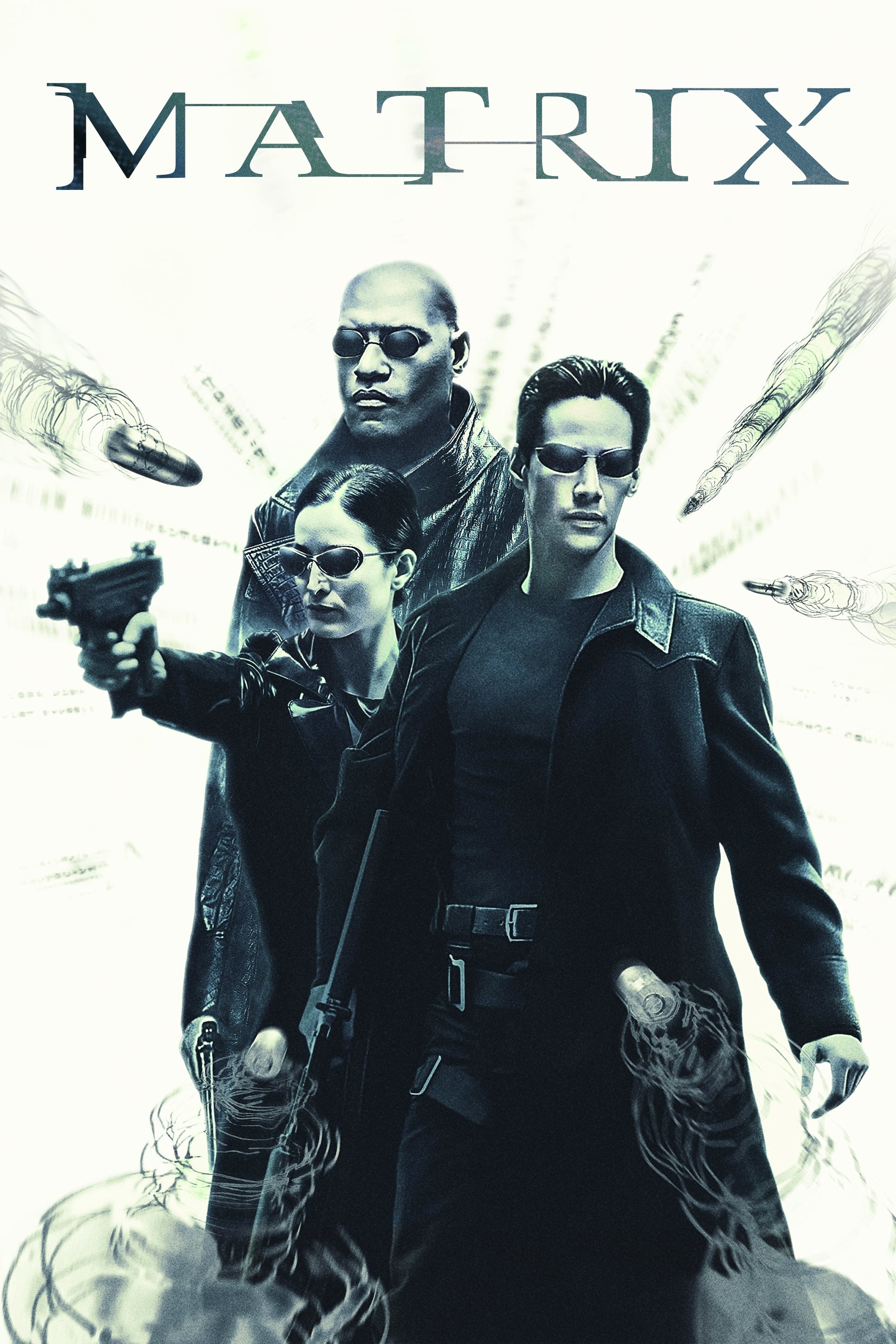
To create the unsettling sound of the fluid-filled pods holding humans, the team needed something that sounded thick and claustrophobic. They achieved this by recording the sounds of stirring and slapping a simple mixture of wallpaper paste and water. This surprisingly effective, almost slimy sound design helped to build the disturbing and realistic atmosphere of the futuristic, dystopian world and made the setting feel viscerally unpleasant.
‘The Lord of the Rings: The Fellowship of the Ring’ (2001)

To create the sound of the One Ring hitting the floor in Bag End, the sound team wanted a very heavy, solid thud. They achieved this by dropping a large magnet onto wood, which created a sound without any echoing bounce. This lack of reverberation made the ring seem impossibly heavy, suggesting it wasn’t a normal object. The single, impactful sound also highlighted the immense weight and responsibility that came with possessing the ring, emphasizing it was far more than just a piece of jewelry.
Read More
- Games That Faced Bans in Countries Over Political Themes
- Gold Rate Forecast
- Silver Rate Forecast
- Unveiling the Schwab U.S. Dividend Equity ETF: A Portent of Financial Growth
- 22 Films Where the White Protagonist Is Canonically the Sidekick to a Black Lead
- 15 Films That Were Shot Entirely on Phones
- 20 Movies Where the Black Villain Was Secretly the Most Popular Character
- The Best Directors of 2025
- Brent Oil Forecast
- Superman Flops Financially: $350M Budget, Still No Profit (Scoop Confirmed)
2025-12-12 06:46