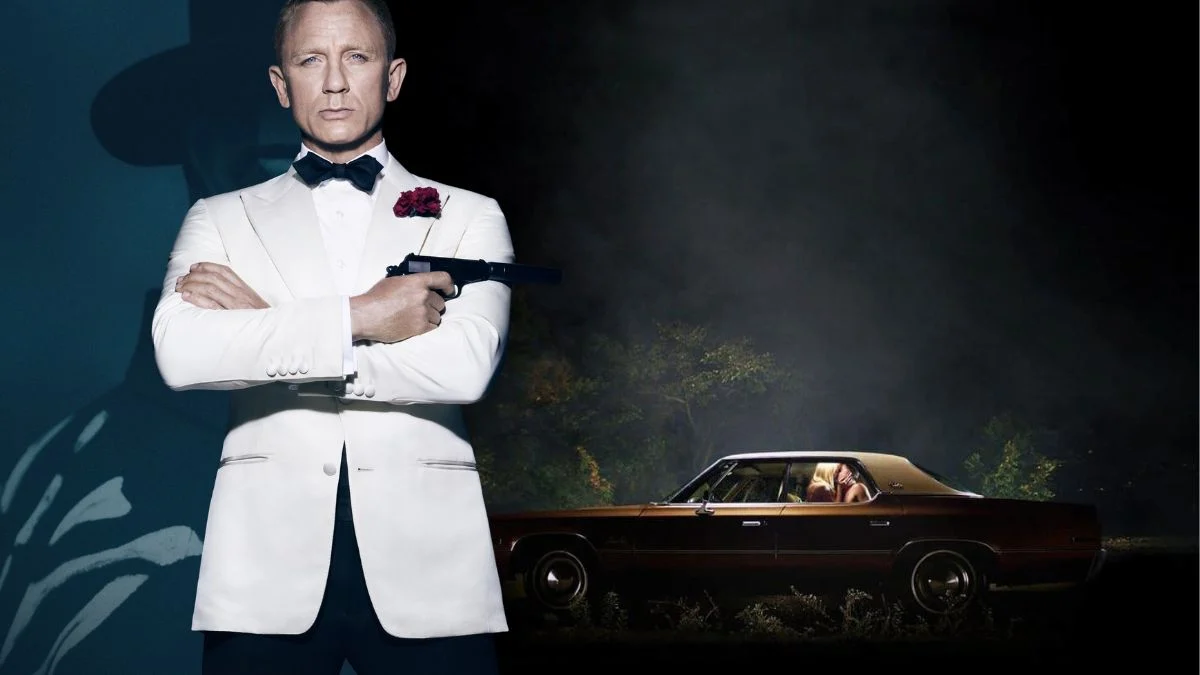
As a movie fan, I’ve always been blown away by those incredible opening shots that really set the mood right away. There’s something amazing about when a film starts with one long, unbroken take – it just pulls you right into the world of the story without any cuts to break the spell. I can only imagine how much planning and coordination it takes to get all the actors and the camera moving perfectly! It’s really cool when the opening credits roll during these long takes, too – it feels so smooth and integrated. Here are a few movies that nail this technique and grab your attention from the very first second.
‘Touch of Evil’ (1958)
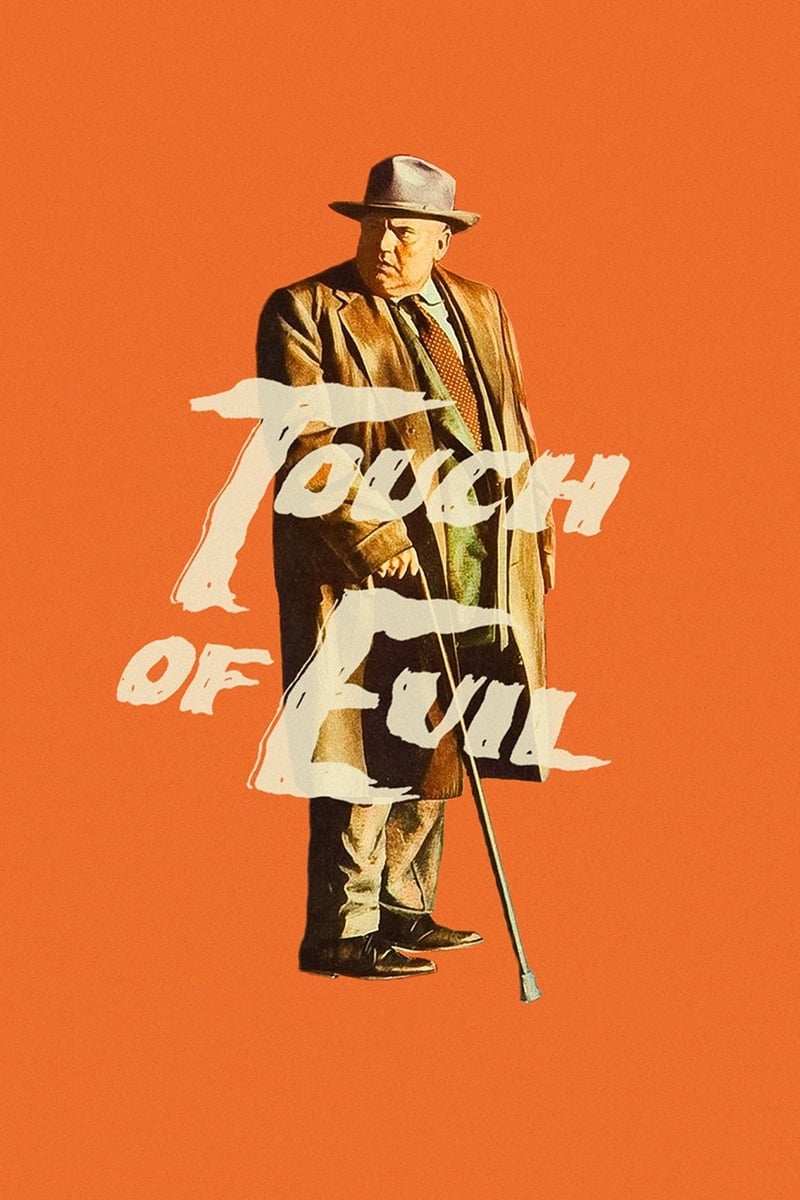
A car carrying a ticking time bomb drives across the border from Mexico into the United States, and the camera follows closely. As the car moves, actors Charlton Heston and Janet Leigh walk beside it, building suspense. Director Orson Welles created this three-minute scene to quickly show where the story takes place and how much is at risk. This opening sequence is still considered one of the most iconic and analyzed in film history.
‘The Player’ (1992)
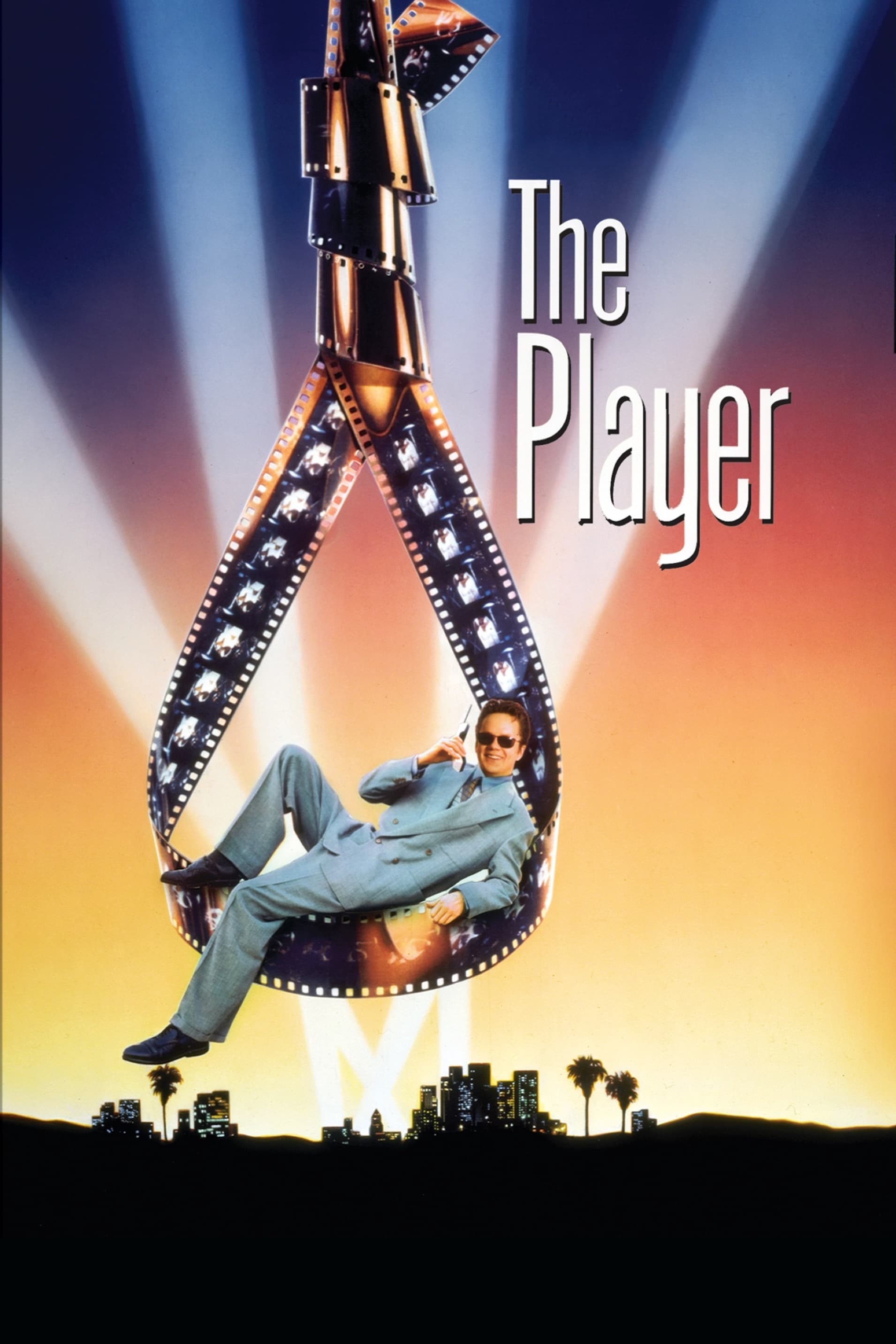
Robert Altman’s film begins with a lengthy, unbroken eight-minute shot that sweeps across a bustling movie studio. As the camera moves, characters chat about famous long shots from other movies, and we get a glimpse of pitch meetings and Hollywood gossip. This opening immediately establishes the film’s chaotic energy and introduces us to the main character, Griffin Mill. It also creates a playfully ironic mood that continues throughout the story.
‘Boogie Nights’ (1997)
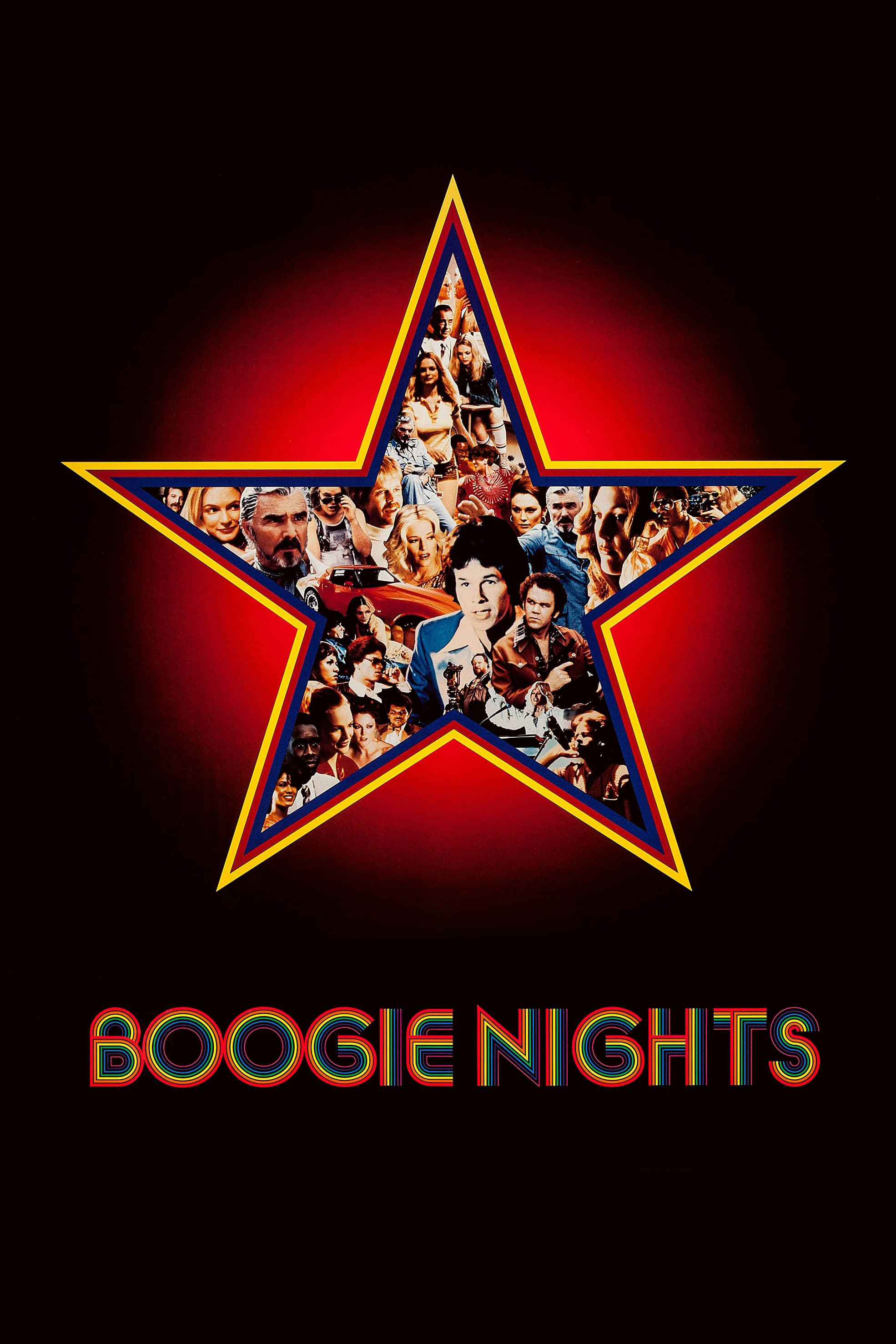
The film opens with a shot of a nightclub, then follows a character named Little Bill inside where we meet the main cast. We’re quickly transported to the lively and smoky world of the 1970s adult film industry. Director Paul Thomas Anderson uses smooth camera work to move between different conversations and introduce the characters, drawing the audience into the fast-paced energy and complex connections between them.
‘Spectre’ (2015)
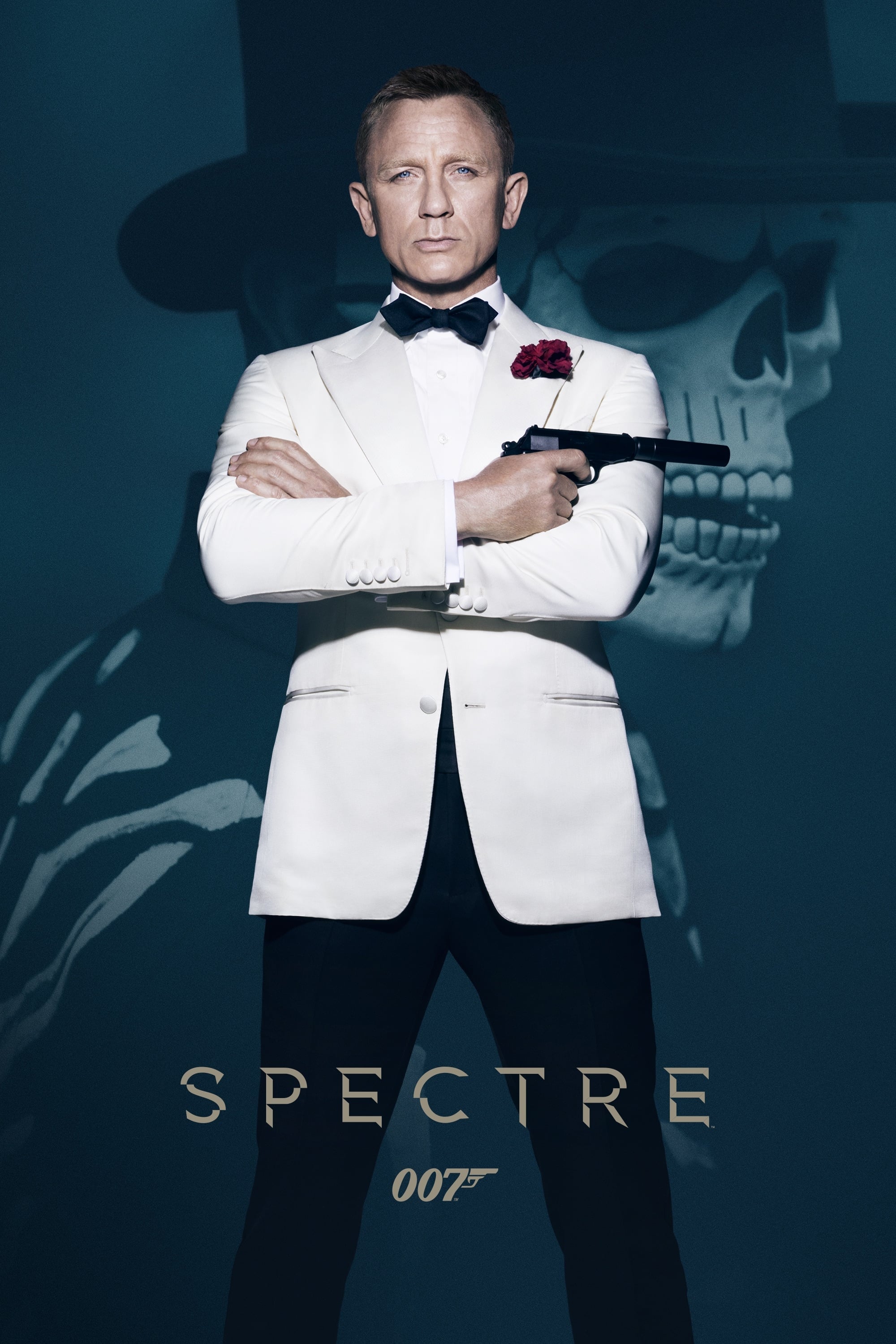
The new James Bond film opens with a thrilling sequence in Mexico City’s Day of the Dead parade. Bond makes his way through the crowds, enters a hotel, and then pursues his target across rooftops, culminating in a daring escape by helicopter. Director Sam Mendes wanted to put the audience right in the middle of the action with one continuous shot, making it feel incredibly immediate and intense. The scene features a huge cast of extras and incredibly complex stunts.
‘La La Land’ (2016)
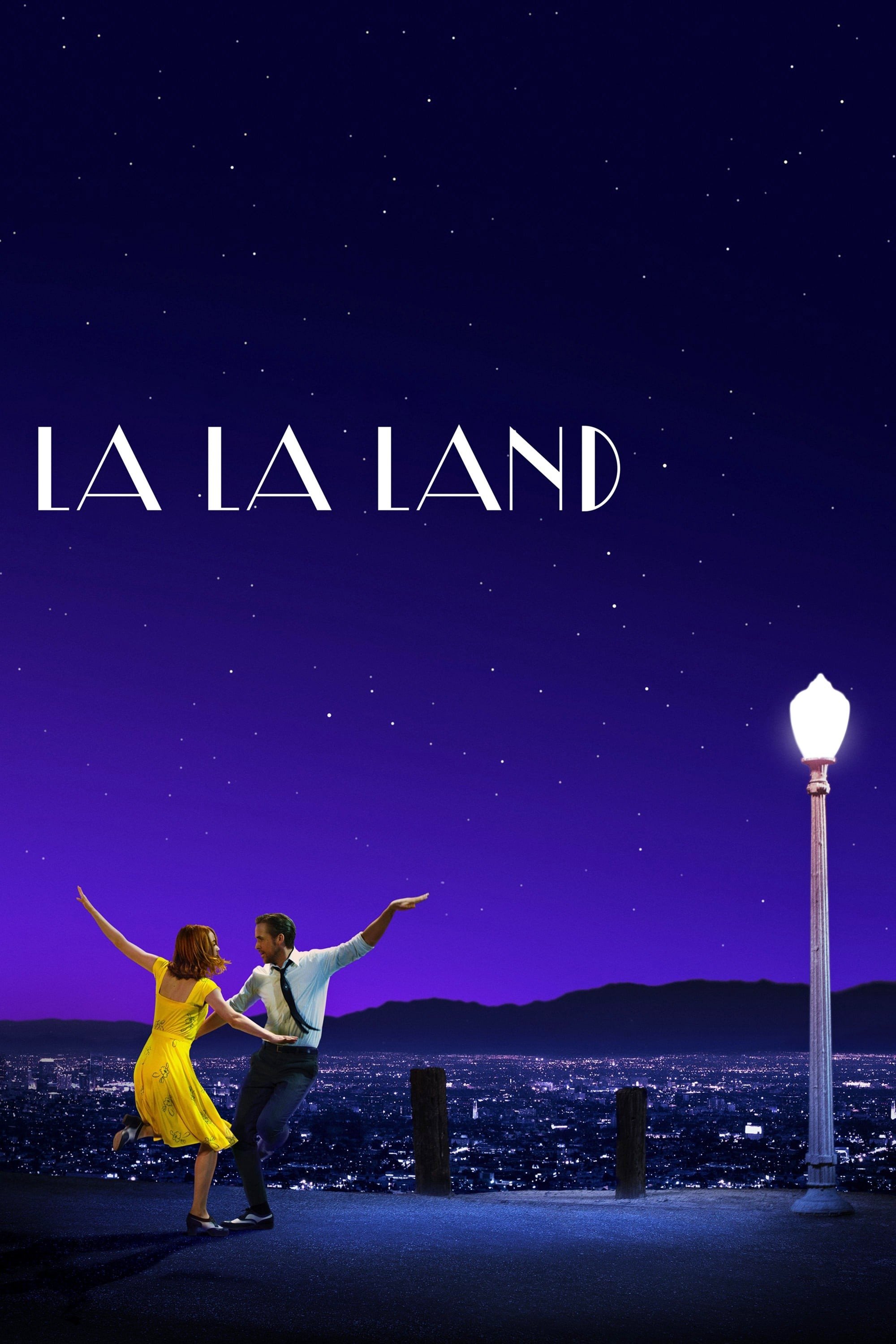
A huge traffic jam in Los Angeles unexpectedly bursts into a lively musical performance, with drivers and passengers all singing and dancing. The entire scene, set to the song ‘Another Day of Sun,’ is filmed as if it’s one continuous shot, with the camera moving through the cars and around the performers. Director Damien Chazelle carefully planned this elaborate number to create the film’s magical, musical atmosphere. As the traffic starts flowing again, the camera focuses on the main characters.
‘Halloween’ (1978)

The film opens with the camera showing us what a home invader sees as they watch and then enter a house. We experience the scene through the killer’s eyes, following them as they move around inside and grab a knife. The sequence builds to a surprising moment when the killer’s identity is revealed as they leave the house. Director John Carpenter intentionally used this perspective to make the audience feel uncomfortably connected to the villain.
‘Snake Eyes’ (1998)
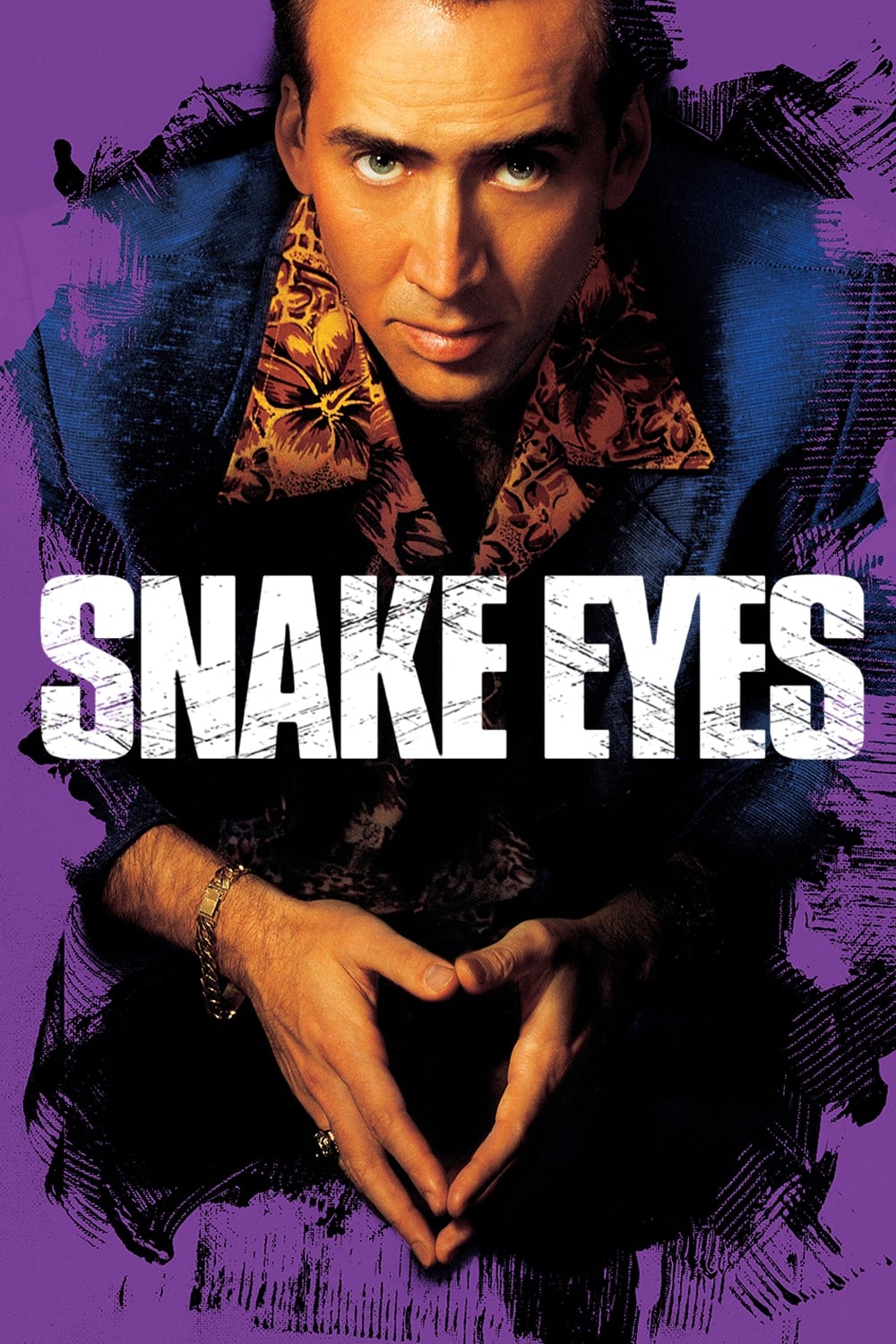
In a thrilling thirteen-minute sequence, Nicolas Cage portrays a dishonest detective navigating the bustling atmosphere of a boxing match in Atlantic City. The camera stays with him as he encounters different people and begins to unravel a hidden plot. Director Brian De Palma carefully crafted the scene to visually map out an assassination that takes place during the fight, using complex camera movements and positioning to emphasize the energy and confusion of the event.
‘Lord of War’ (2005)
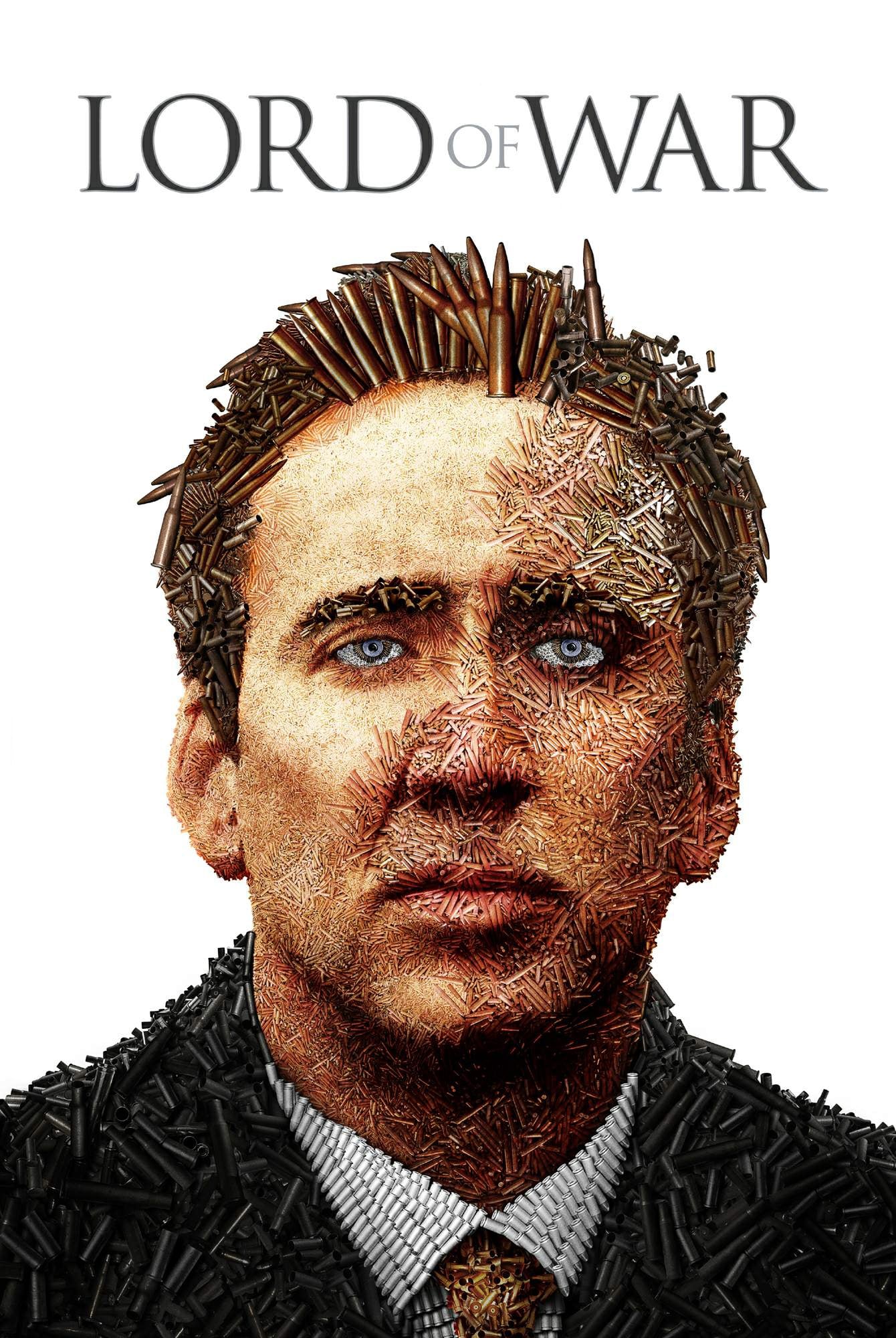
The film begins by tracing the path of a single bullet, from its creation in a factory to the moment it hits its target. We see it move along assembly lines, packed into shipping containers, and finally loaded into a gun in a war zone. The camera shows everything from the bullet’s point of view – its journey through the gun barrel and the impact it makes. This stark visual sequence powerfully highlights the film’s central theme: the worldwide arms trade.
‘Jackie Brown’ (1997)
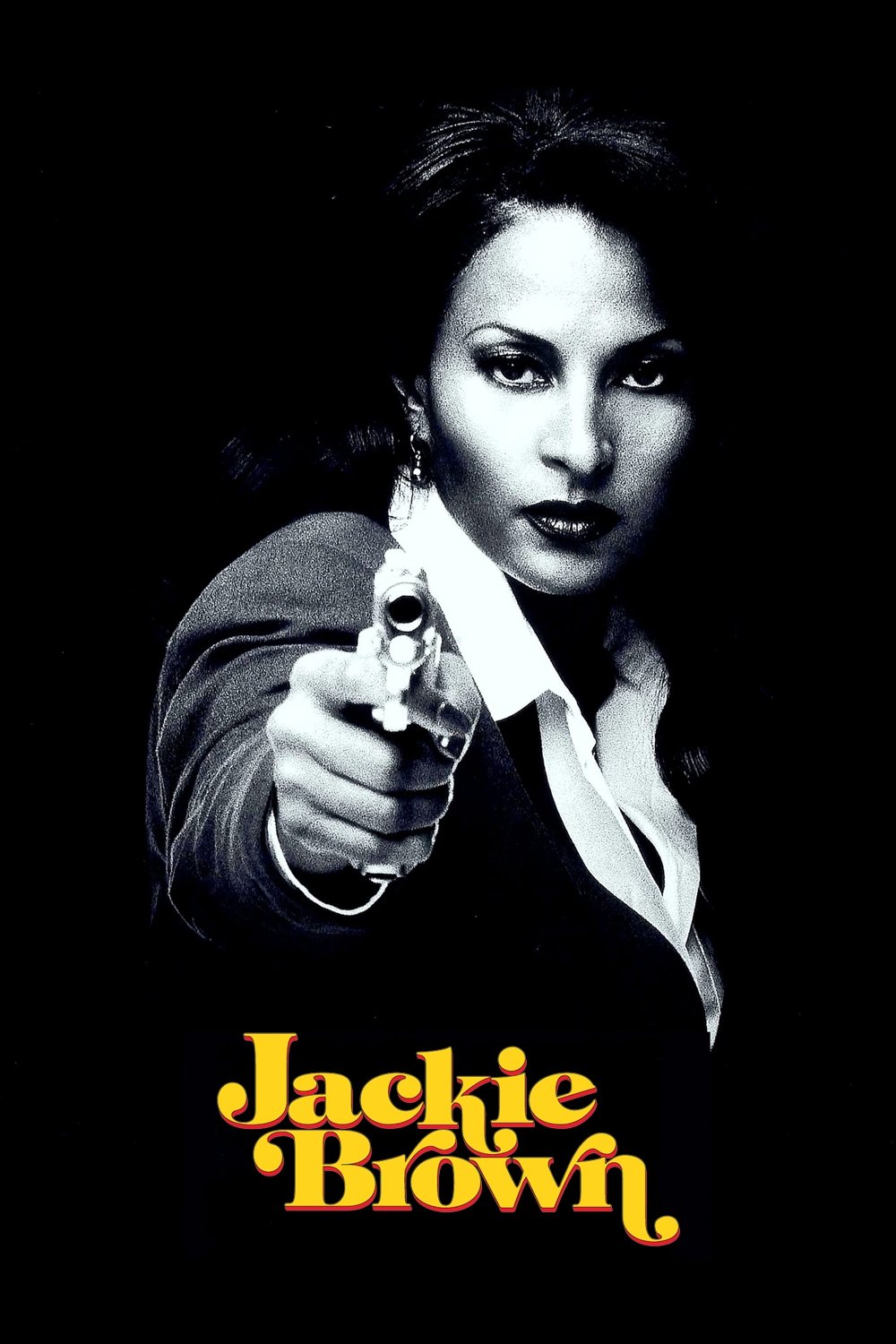
The opening scene features Pam Grier walking on a moving walkway in an airport, with the credits appearing alongside her. As she glides past a brightly colored wall to the sound of ‘Across 110th Street’, director Quentin Tarantino immediately acknowledges both the blaxploitation films of the past and Grier’s legendary presence. This shot perfectly introduces her character as cool, calm, and collected before the story even begins.
‘Forrest Gump’ (1994)
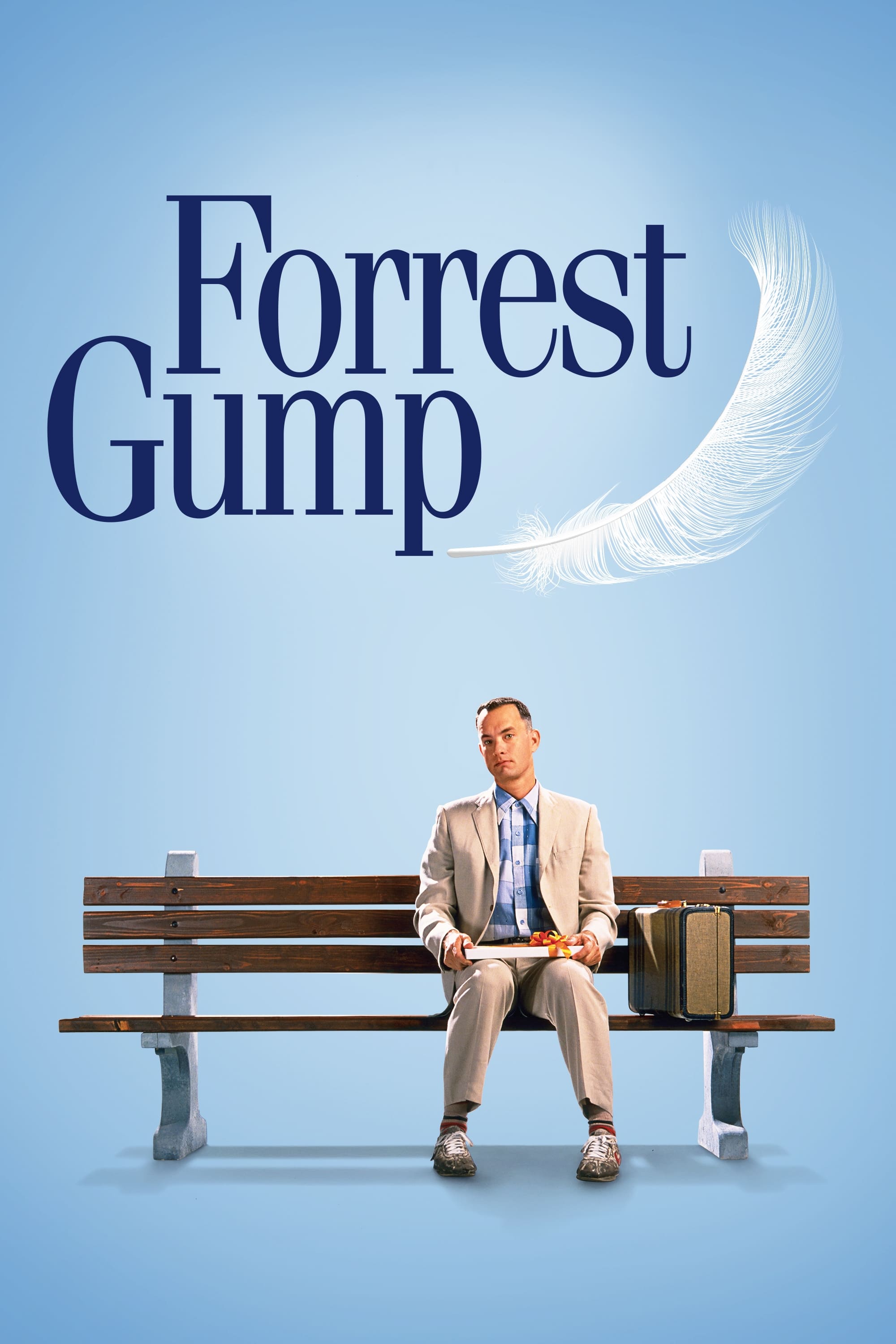
A single white feather gently falls from the sky, carried by the wind through the streets of Savannah, Georgia. The camera follows its journey, weaving past buildings and traffic, until it comes to rest at the feet of the main character. While waiting for a bus, Tom Hanks picks up the feather and carefully puts it in his suitcase. This visually striking, computer-created moment represents the idea that our lives are shaped by both fate and chance.
‘The Conversation’ (1974)
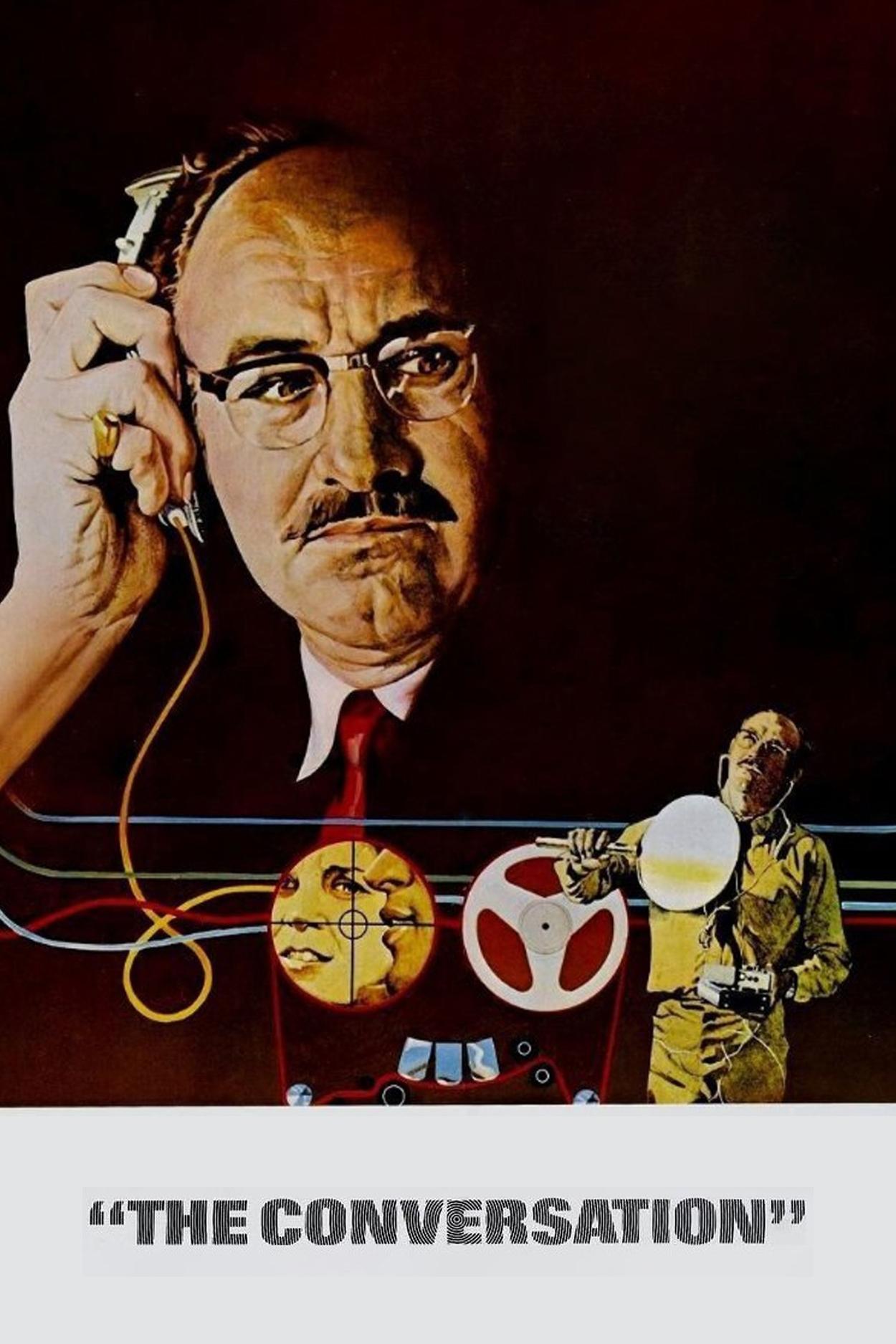
The film opens with a slow, overhead shot of Union Square in San Francisco, showing a mime artist interacting with people. As the camera focuses on a couple walking through the crowd, electronic glitches and strange sounds begin to play. Director Francis Ford Coppola uses this extended shot to introduce the ideas of being watched and secretly observing others, immediately making the audience feel like they’re trying to uncover a secret.
‘Panic Room’ (2002)
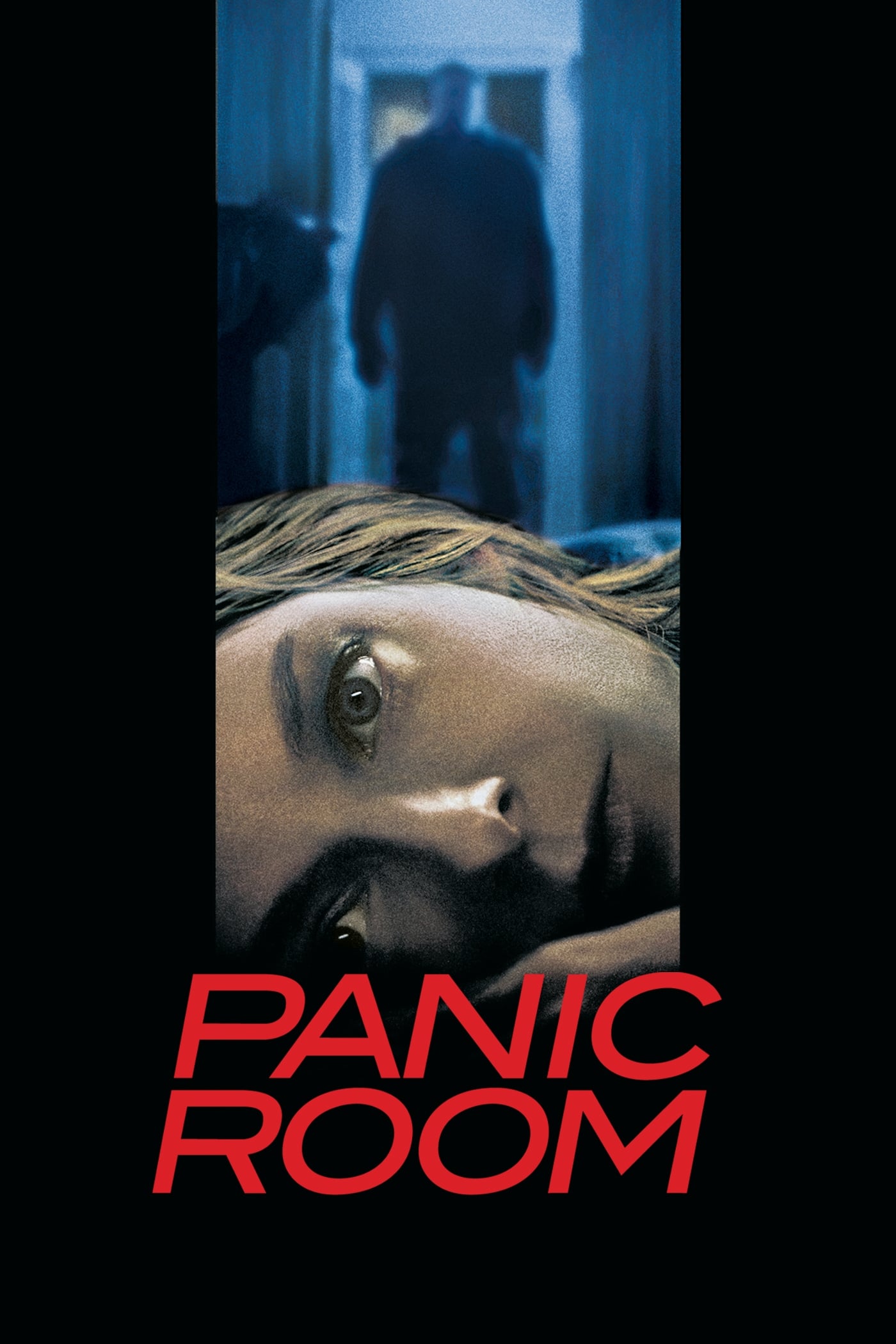
The opening scene features enormous, floating credit text drifting among New York City’s skyscrapers. The camera smoothly glides past buildings and down to street level, revealing the main characters. Director David Fincher used special effects to create a camera move that couldn’t be done with standard filming techniques. This sequence quickly establishes the city as the backdrop and hints at a feeling of unease and vulnerability.
‘Fight Club’ (1999)
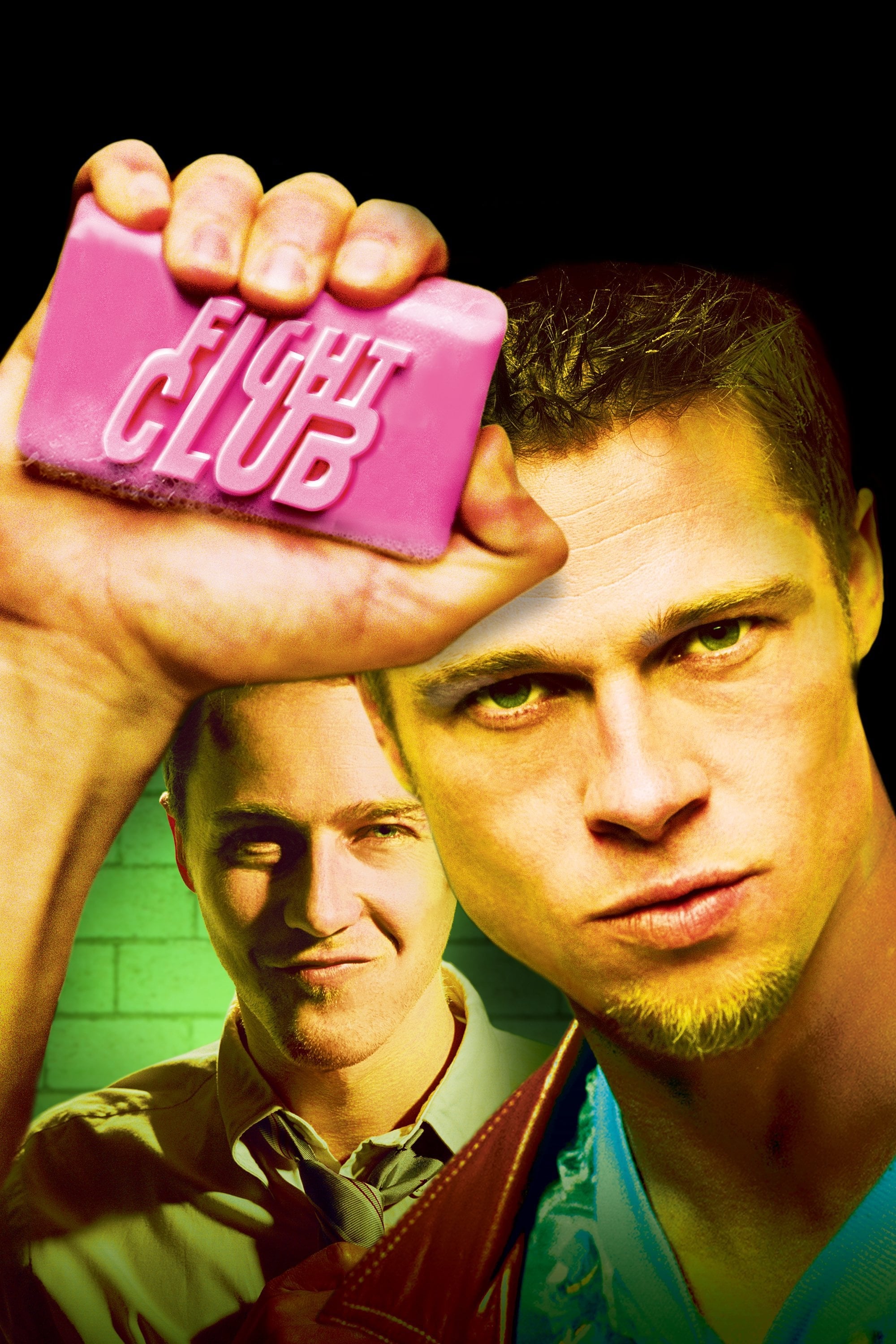
The film begins with an incredible visual sequence: the camera starts inside the brain, showing neurons firing, then rapidly moves outward – past skin pores and hair – to reveal the main character holding a gun to his head. This journey from the microscopic to the macroscopic brilliantly illustrates the inner turmoil and fear the narrator is experiencing. Director David Fincher immediately establishes the film’s dark and unsettling psychological atmosphere with this striking opening.
‘The Bonfire of the Vanities’ (1990)
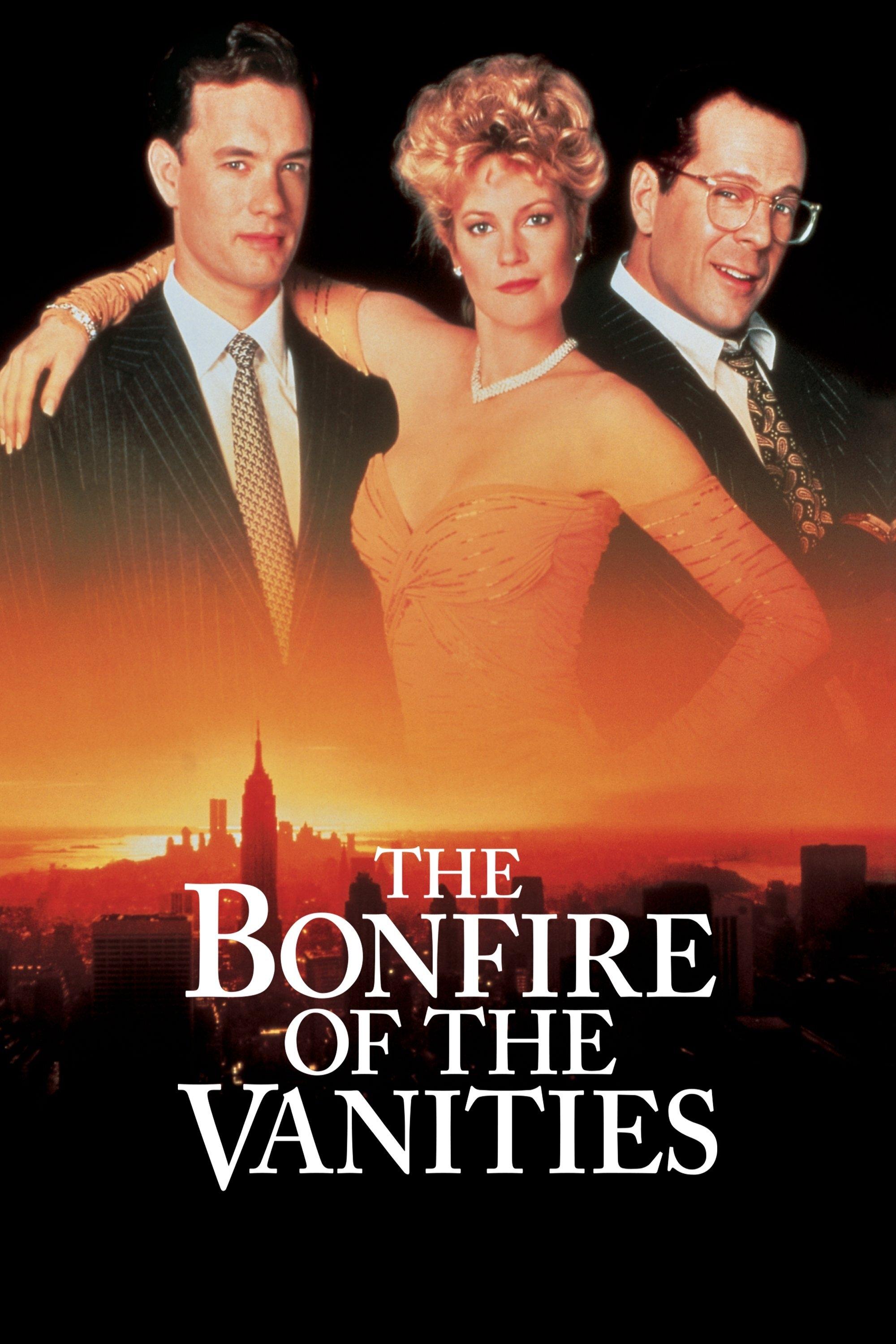
Bruce Willis portrays a journalist, clearly having had too much to drink, as he makes his way through the basement of a fancy building towards a crowded press conference. The camera work smoothly follows him through elevators and hallways, capturing the fast-paced and exciting atmosphere of New York’s high society. Director Brian De Palma intentionally created this long, unbroken shot to highlight the contrast between the gritty, mechanical underbelly of the building and the glamorous world upstairs. It’s a technically impressive shot that also hints at the story’s satirical tone.
‘Contact’ (1997)
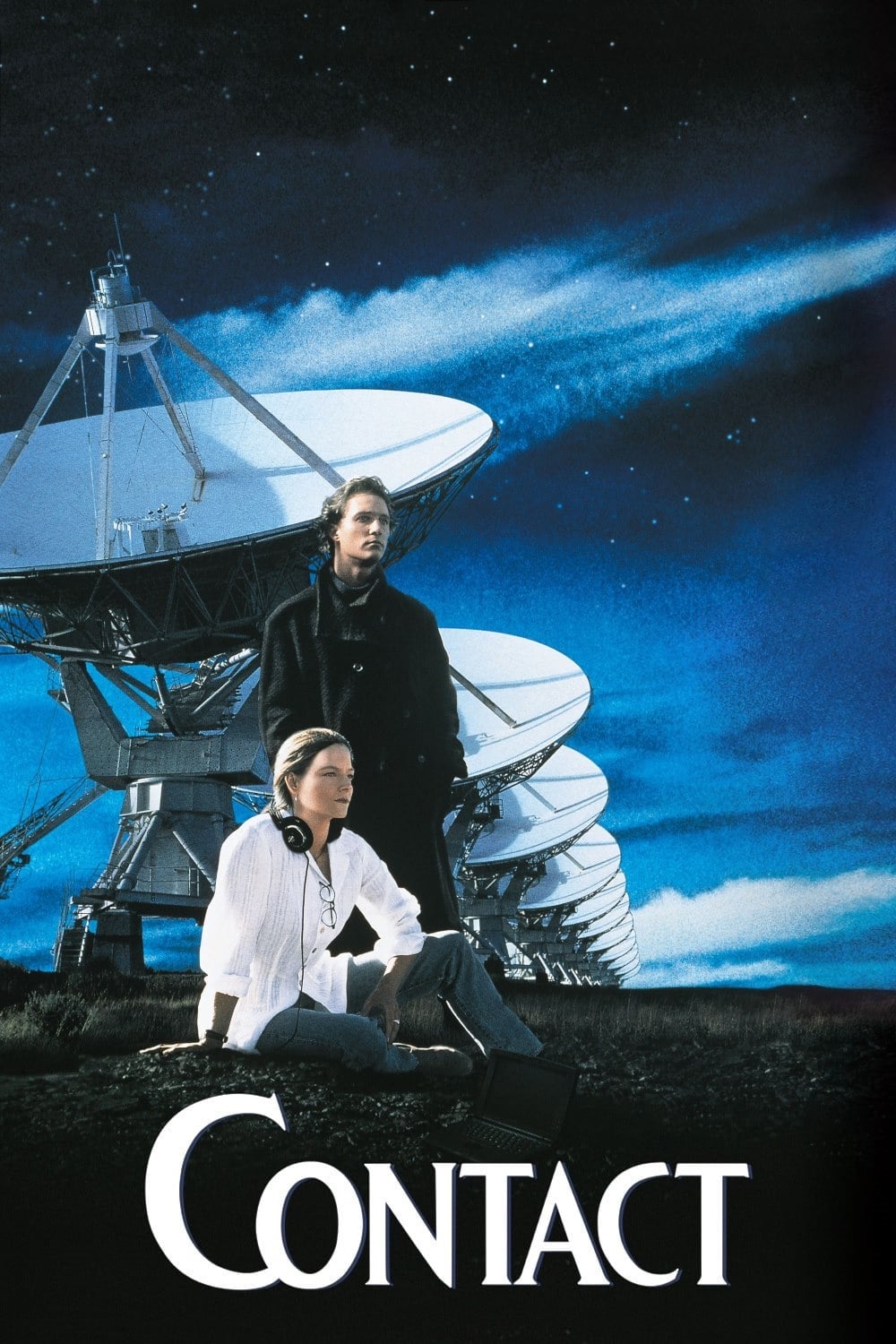
The film begins with a shot that moves away from Earth, showing our solar system and then the entire galaxy. Simultaneously, historical radio broadcasts play in reverse order, starting with recent transmissions and going back to the very first recorded sounds. This expansive visual journey ends by focusing on the reflection of space within the eye of a young girl listening to a ham radio. Director Robert Zemeckis uses this sequence to emphasize both the immense scale of the universe and humanity’s fundamental need to connect with others.
‘Baby Driver’ (2017)

The main character walks through Atlanta to get coffee, and the scene is cleverly synced to the music he’s listening to. As he moves, graffiti and street signs seem to move with the beat, perfectly matching the song’s lyrics. Director Edgar Wright carefully planned this sequence to show how connected the character is to the music and to foreshadow the film’s fast-paced, precisely timed action.
‘Funny Games’ (1997)
Okay, so the movie starts with this incredibly calm scene: a family driving to their vacation home, passing the time with a classical music guessing game. The camera is locked inside the car with them, really drawing you into this peaceful moment. Then, BAM! Haneke throws a curveball – the music switches to really harsh, aggressive heavy metal. It’s a brilliant, unsettling move. He’s deliberately messing with our expectations, and it’s a clear warning that something terrible is about to happen. The contrast between the idyllic drive and that jarring music instantly creates a feeling of dread and unease – you know things are about to go wrong.
‘It Follows’ (2014)
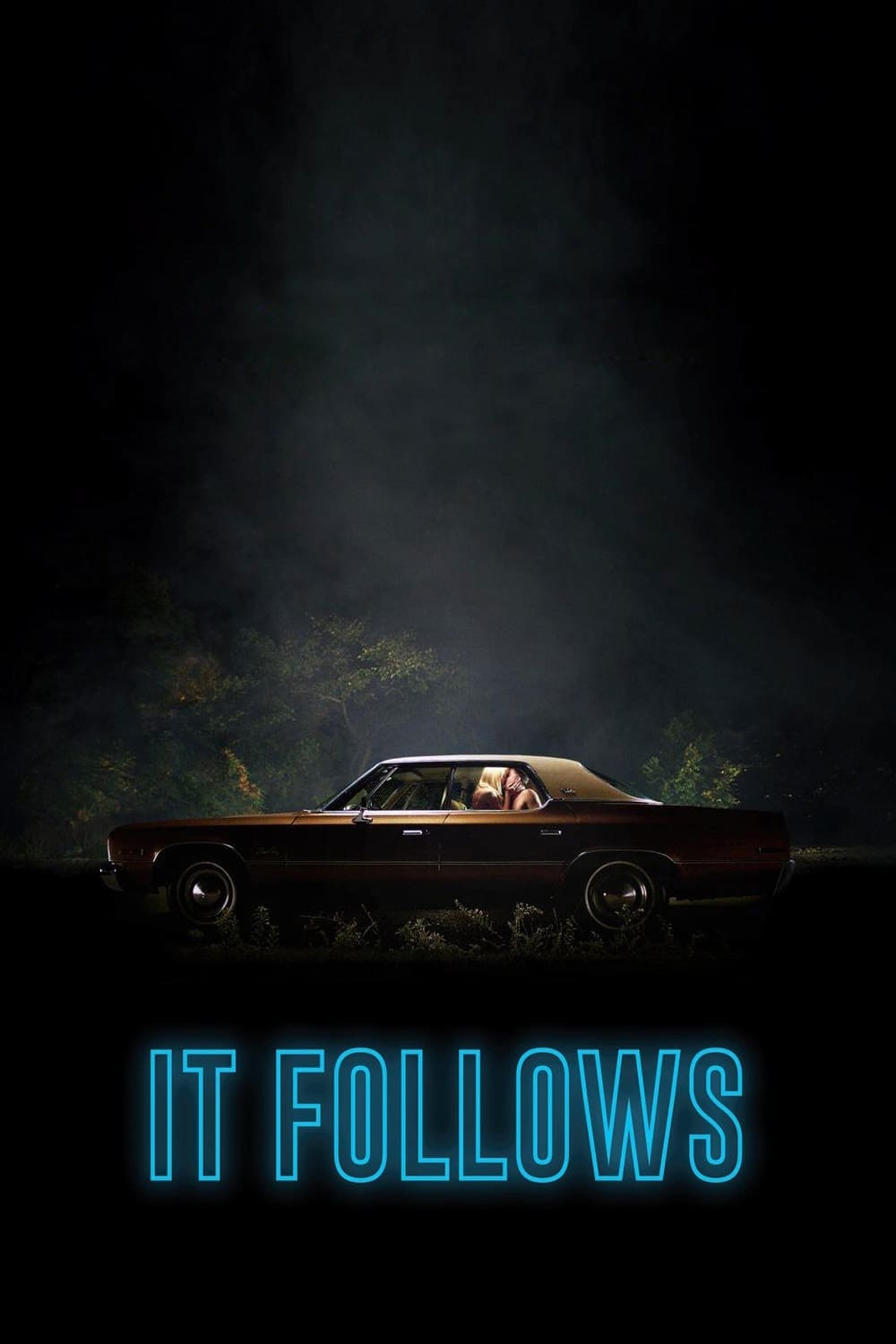
A young woman bursts out of her house and runs around the neighborhood, constantly looking over her shoulder as if something is chasing her. The camera sweeps across the peaceful suburban streets, highlighting the stark contrast between the calm setting and her intense fear. She finally drives to the beach, and the scene fades to night. Director David Robert Mitchell uses long shots and uninterrupted movement to create a feeling of paranoia and the sense that whatever is threatening her can’t be escaped.
‘Gravity’ (2013)
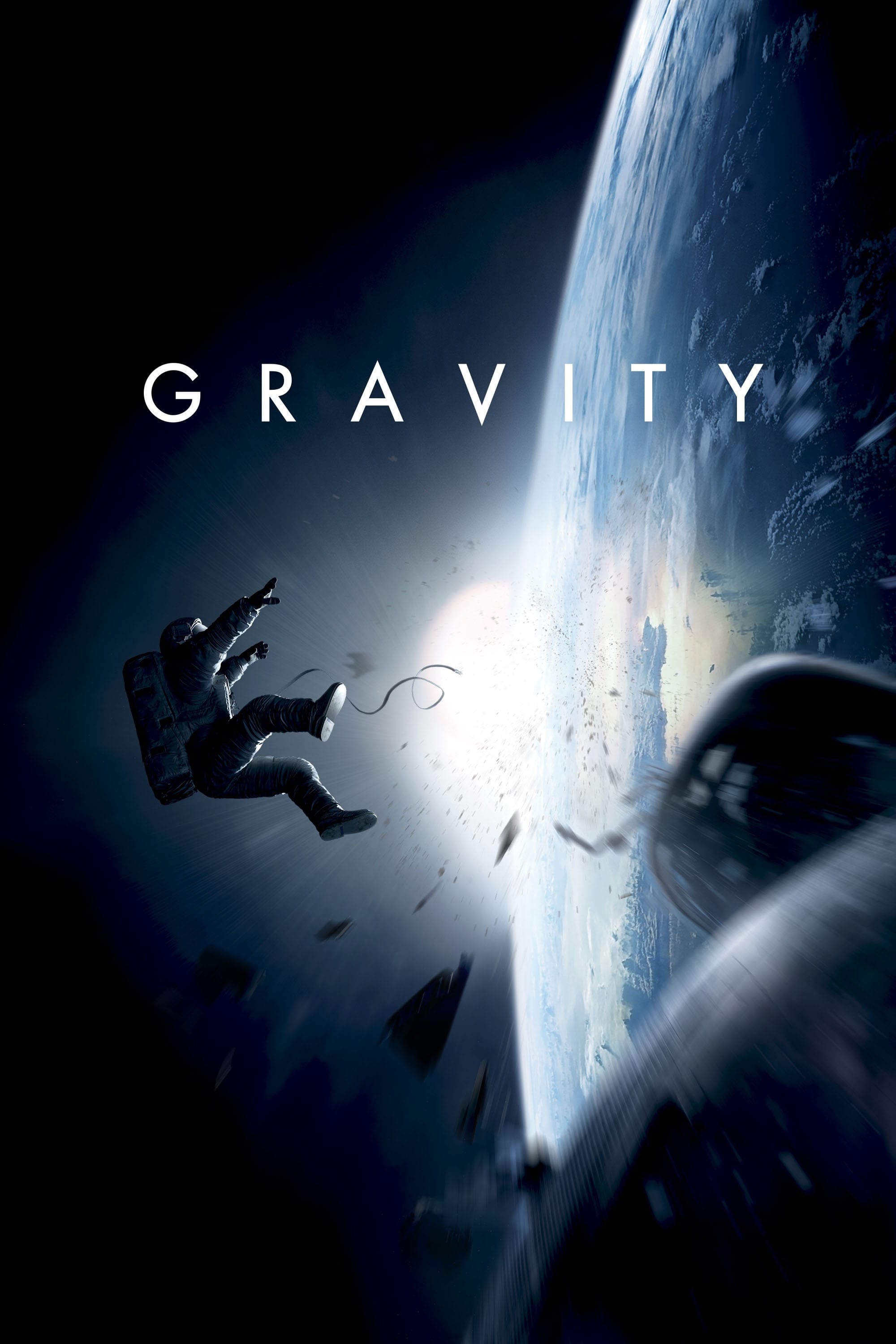
The film opens with a smooth camera movement through space, showing astronauts repairing the Hubble Space Telescope. For several uninterrupted minutes, we watch the mission unfold until debris starts damaging their spacecraft. Director Alfonso Cuarón designed this long, unbroken shot to put the audience in the astronauts’ shoes, experiencing the confusion and fear of being adrift in space. The continuous shot heightens the sense of isolation and makes the disaster feel immediate and real.
‘Day for Night’ (1973)
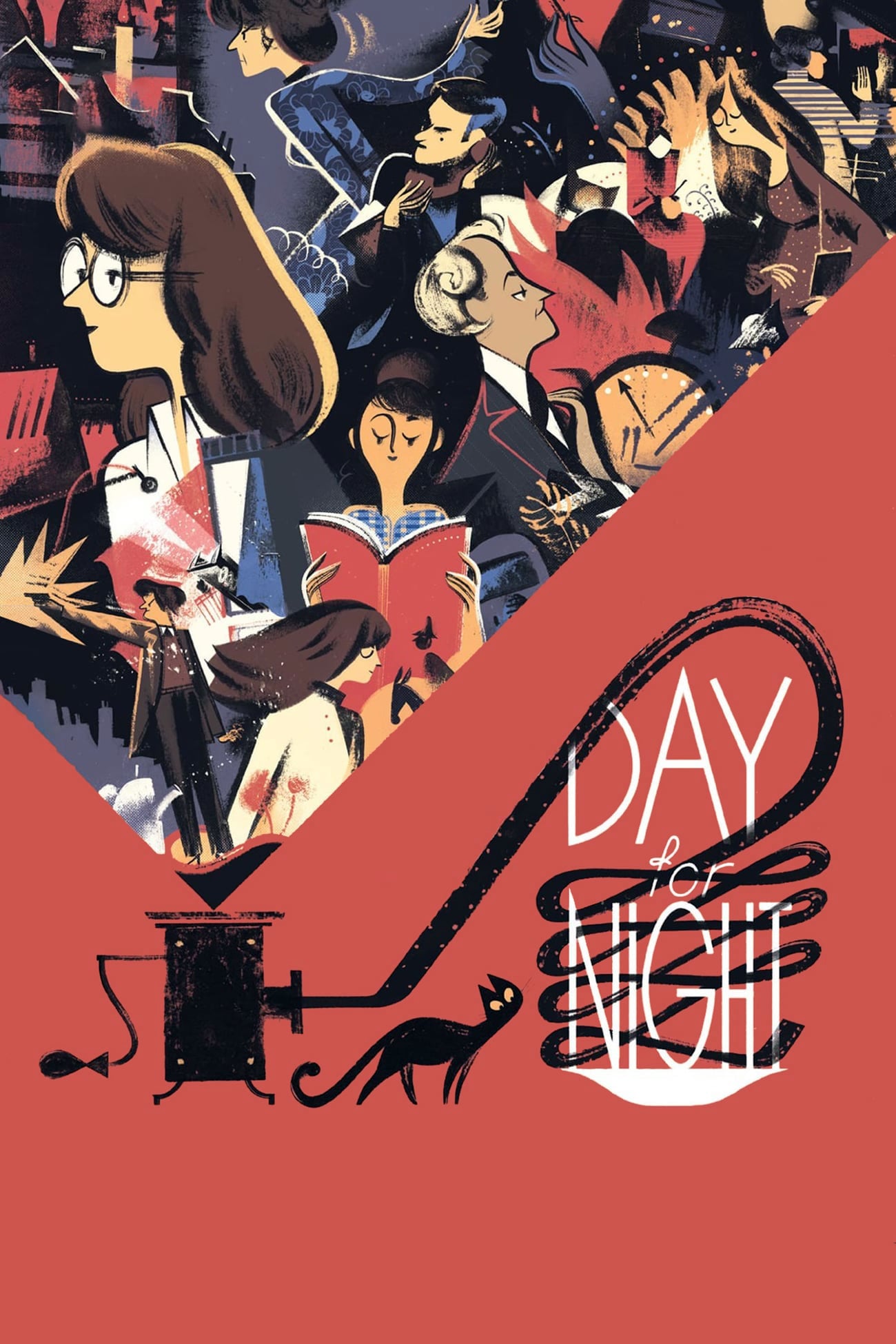
I was completely captivated by the opening scene! It starts with this incredible crane shot of a bustling street, and you’re immediately drawn into the story as an actor emerges from the subway and has a tense confrontation with his father. Then, just as the scene ends, the director – played by François Truffaut himself! – calls ‘cut,’ and suddenly the magic is gone. The camera pulls back, revealing the whole movie set, the crew, everything. It’s such a clever way to begin, really celebrating the process of filmmaking and letting you know right away that you’re watching a film within a film. It’s brilliant!
Please share your favorite film opening from this list in the comments.
Read More
- Invincible Season 4 Gender Swaps Tech Jacket As Fans Question Major Comic Change
- Gold Rate Forecast
- Silver Rate Forecast
- 20 Movies Where the Black Villain Was Secretly the Most Popular Character
- Building Agents That Learn and Improve Themselves
- 22 Films Where the White Protagonist Is Canonically the Sidekick to a Black Lead
- 15 Films That Were Shot Entirely on Phones
- Games That Faced Bans in Countries Over Political Themes
- Celebs Who Narrowly Escaped The 9/11 Attacks
- 20 Films Where Black Directors Subverted Hollywood’s White Savior Tropes
2025-12-02 14:46