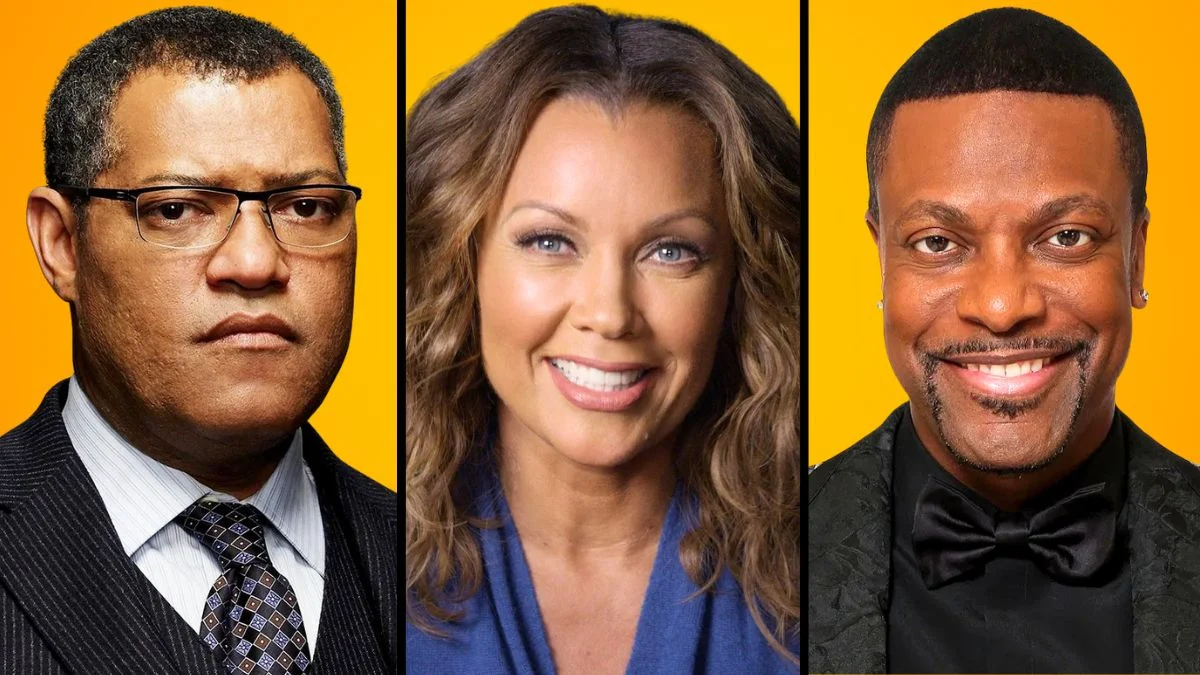
Black actors in Hollywood frequently face a tough choice: take well-paying roles that feel wrong, or stick to their principles. Many gifted performers have turned down large sums of money because the roles offered relied on damaging stereotypes or disrespected their culture. By doing so, they’ve helped push the entertainment industry towards more honest and respectful portrayals.
Dave Chappelle
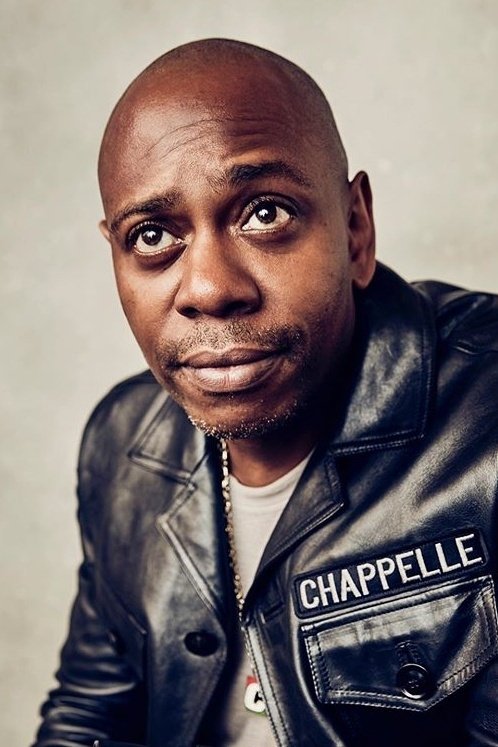
Dave Chappelle’s decision to leave ‘Chappelle’s Show’ is still remembered as a bold move in comedy. He turned down a $50 million deal from Comedy Central because he worried the show was becoming too similar to harmful, old-fashioned racial performances. Chappelle felt audiences were laughing at the stereotypes, not with the jokes, and that his work was unintentionally supporting the prejudice it aimed to challenge. His exit also shed light on the psychological strain of creating exaggerated characters for a large audience.
Chris Tucker
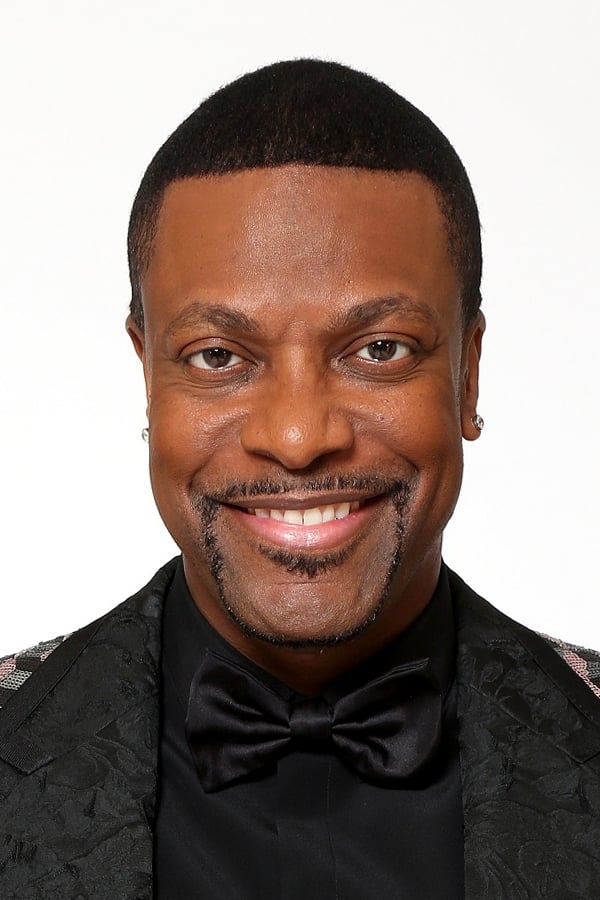
After becoming famous for his role as Smokey in the movie ‘Friday,’ Tucker made the surprising decision not to return for the sequels. He reportedly turned down between $10 and $12 million for ‘Next Friday’ because of his religious beliefs. Tucker explained he didn’t want to continue portraying a character who heavily used marijuana or used profanity. He was also concerned that being known only for this type of role would limit his career and send the wrong message to his younger fans. Ultimately, Tucker prioritized his personal values over a large sum of money and a guaranteed hit movie.
Will Smith
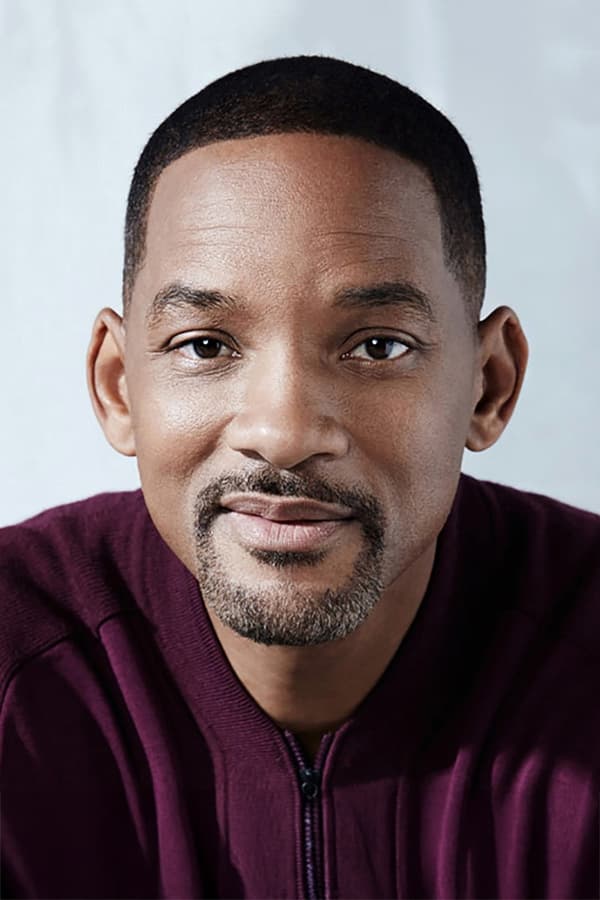
Quentin Tarantino initially wanted Will Smith to star as Django in ‘Django Unchained,’ but Smith declined the part. He believed Django wasn’t the central character, instead taking a backseat to the white bounty hunter. Smith felt it was important for the Black hero to be the one to defeat the villain and didn’t want to be in a story where he lacked complete control. He wanted to avoid the common movie trope of a Black character needing a white savior. This decision opened the door for Jamie Foxx to take the role, and Smith focused on projects where he could be the driving force of the story.
Angela Bassett
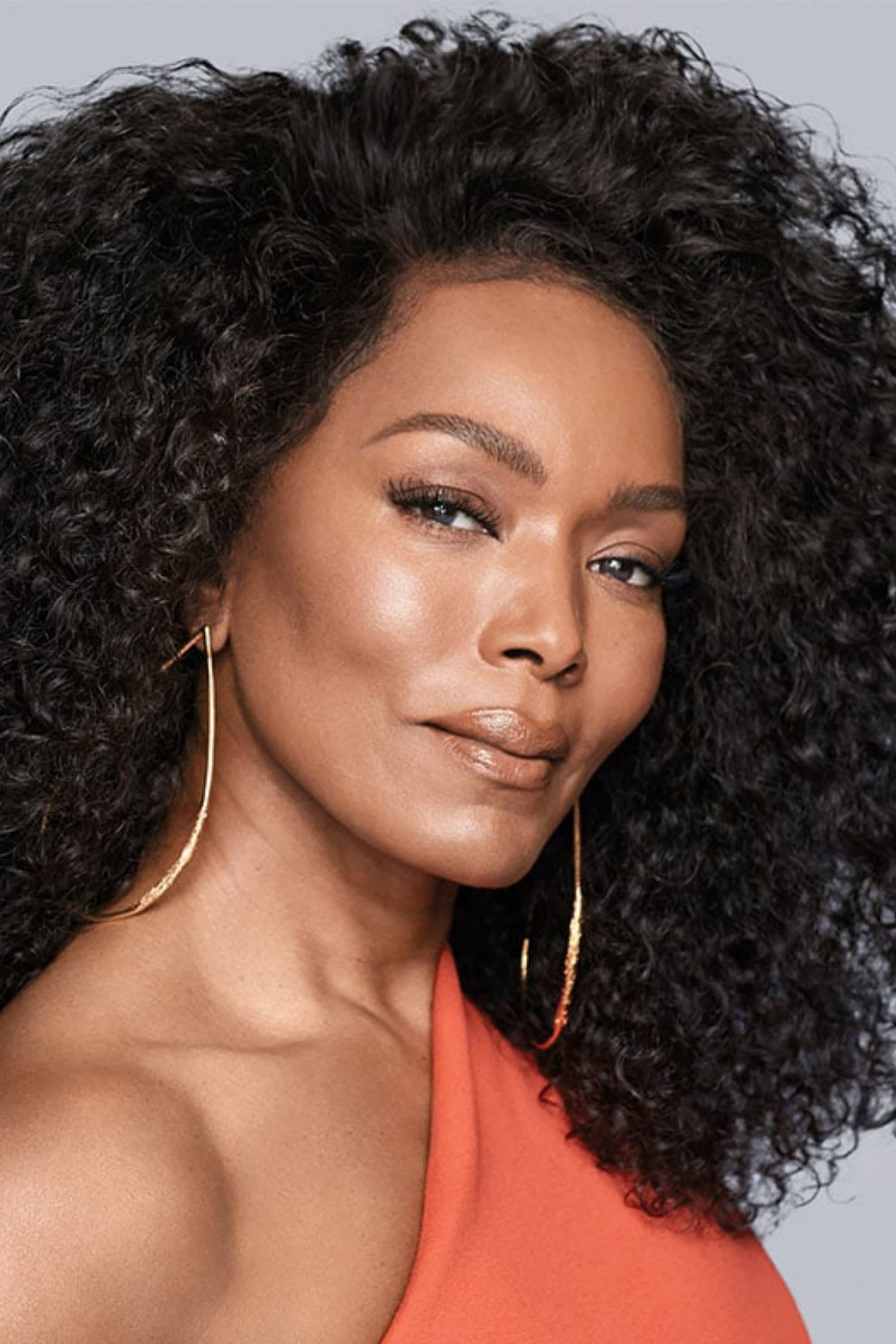
Angela Bassett turned down the lead role in ‘Monster’s Ball’ because of its graphic sexual content and how the character was portrayed. She didn’t want to play a role she felt perpetuated a harmful stereotype of Black women as prostitutes, and believed the part lacked the respect she deserved as an actress. While the film was expected to be an Oscar contender, Bassett chose to prioritize her principles over potential awards, which sparked a larger discussion about the kinds of performances Hollywood recognizes.
Laurence Fishburne
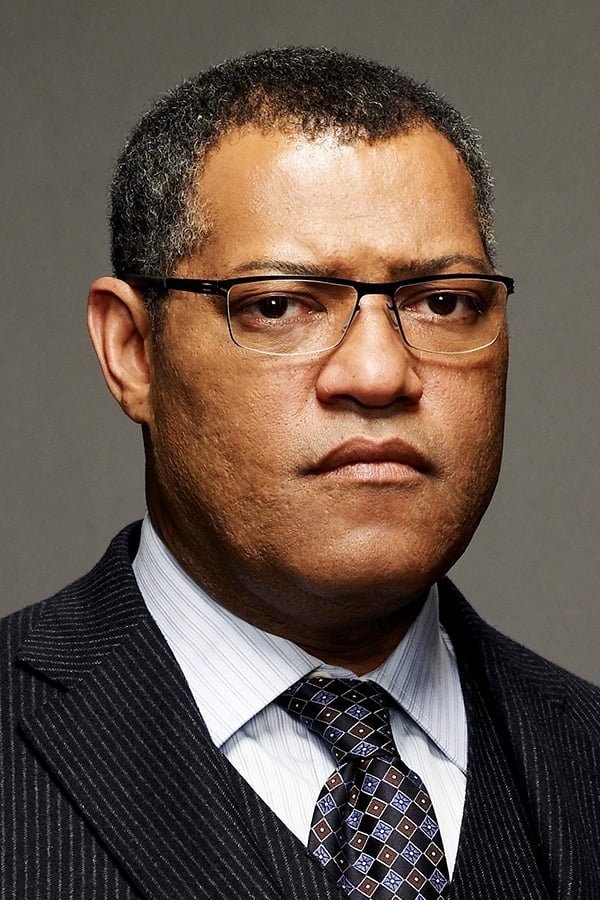
As a huge film buff, I always find it fascinating to learn about roles that almost happened. Apparently, Quentin Tarantino wrote the part of Jules Winnfield in ‘Pulp Fiction’ specifically for Laurence Fishburne! But Fishburne turned it down, and his reasons were really powerful. He was worried the film seemed to glamorize heroin use, and he didn’t want to contribute to that, especially considering the potential impact on the Black community. He felt the character lacked a strong moral compass and that the script just didn’t take the issue of drug abuse seriously enough. Of course, Samuel L. Jackson ended up playing Jules, and the rest is history – that role completely launched his career. It’s interesting to think how different things might have been!
Denzel Washington
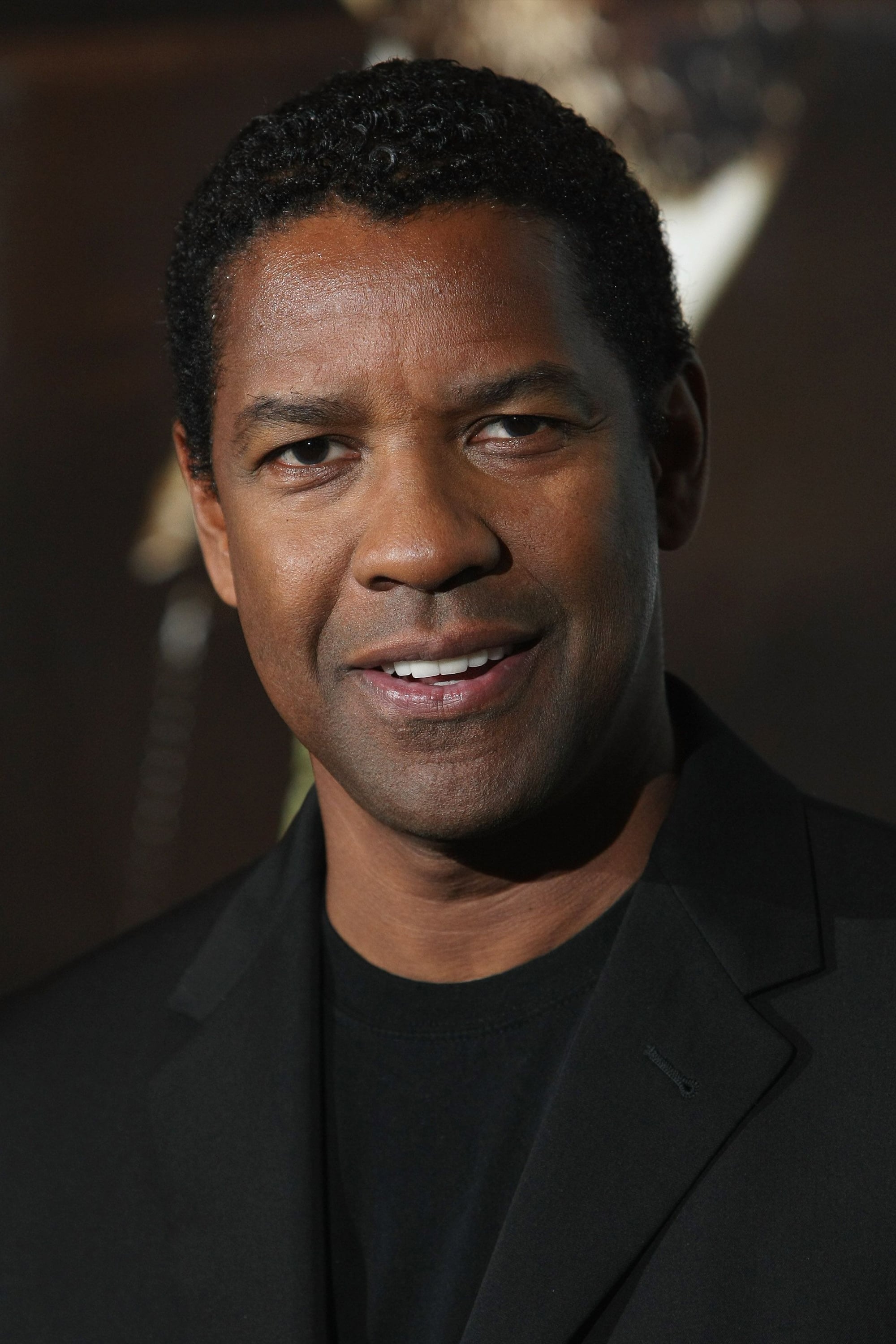
Denzel Washington has become known for playing strong, dignified characters, and he once turned down a role in Steven Spielberg’s ‘Amistad’ because he didn’t want to play a slave. Throughout his long career, he’s consistently avoided roles that focus on Black people being submissive or victims. Washington felt there were already enough stories about Black suffering and he preferred to portray characters with power and intelligence. This decision not only shaped his image as a leading man but also prompted filmmakers to find other actors for those types of roles.
Chadwick Boseman
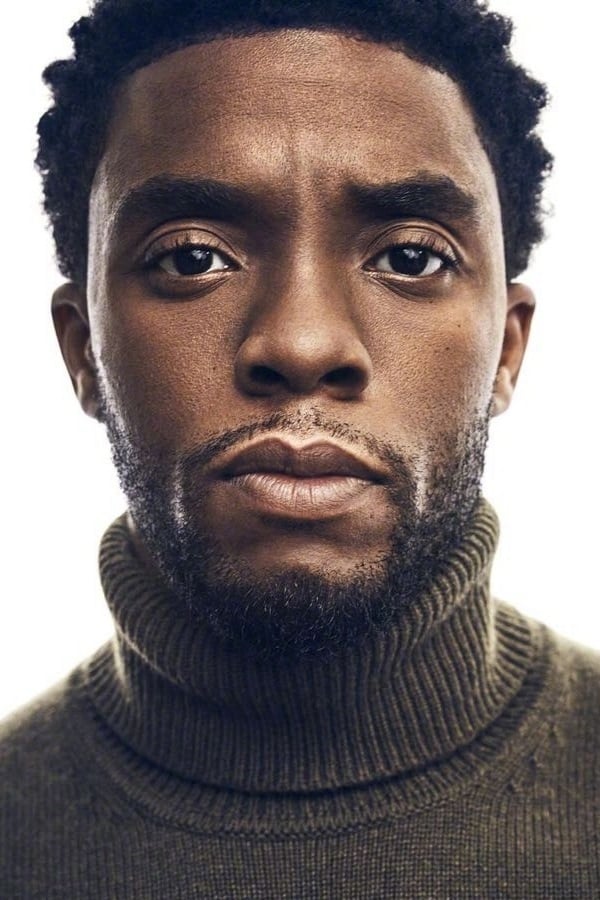
Before becoming famous as Black Panther, Chadwick Boseman had a brief role on the soap opera ‘All My Children’. He was let go after only a week because he protested that his character, Reggie Montgomery, relied on harmful racial stereotypes. Boseman believed the role – a young gang member with drug-addicted parents – was a lazy and offensive portrayal. He didn’t want to contribute to the negative stereotypes of Black youth on television, even if it meant losing the job. This early willingness to stand up for his principles hinted at his later dedication to playing meaningful and inspiring roles.
Kevin Hart
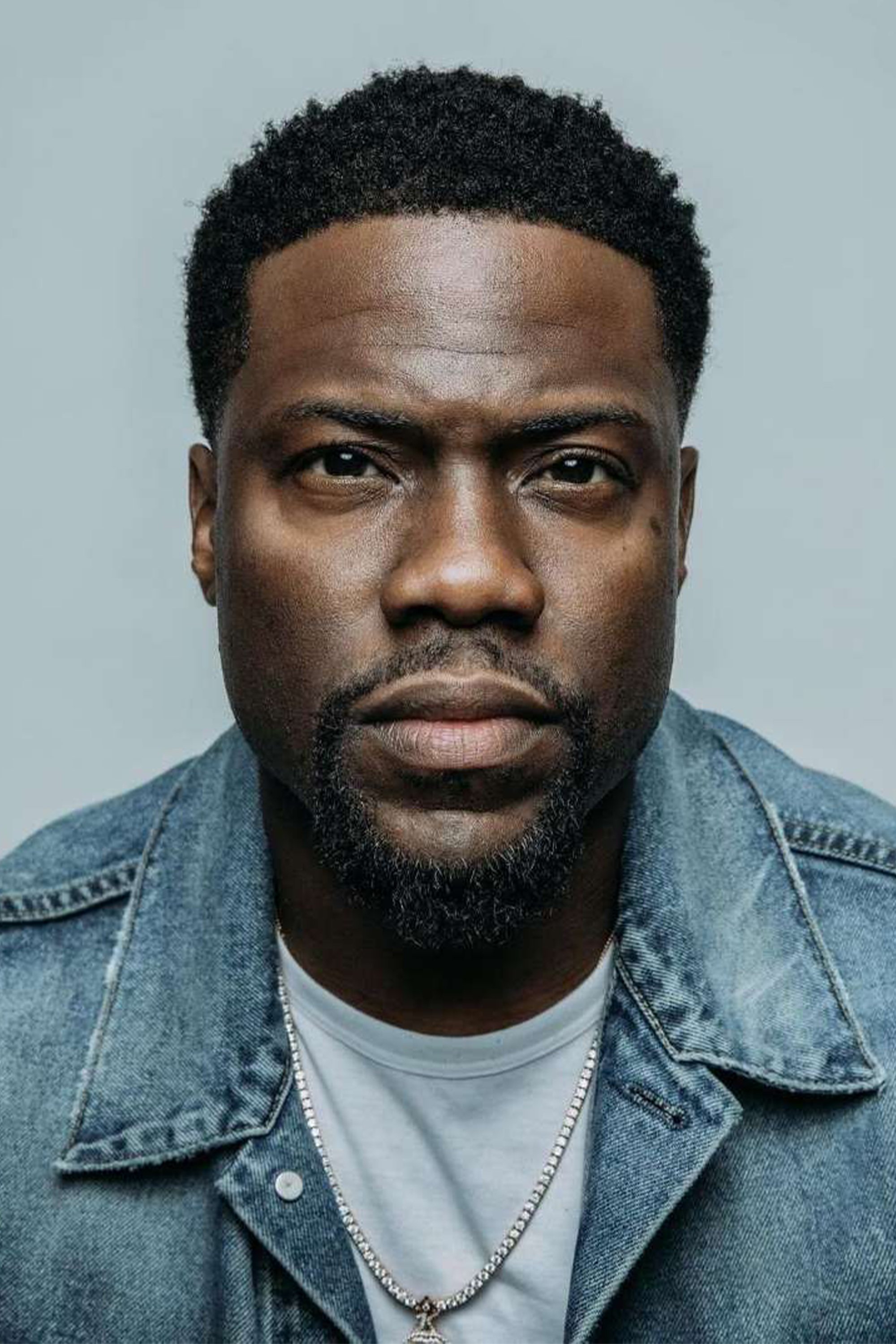
Kevin Hart was initially offered the part of Alpa Chino in the movie ‘Tropic Thunder,’ but he decided to decline it. After reading the script, Hart felt the character relied too heavily on offensive and outdated gay stereotypes, and he wasn’t willing to play it. He acknowledged his own concerns influenced his decision, but also believed the character simply lacked depth. Hart didn’t want to gain laughs by making fun of a vulnerable community. The role was later revised and ultimately played by Brandon T. Jackson.
Vanessa Williams
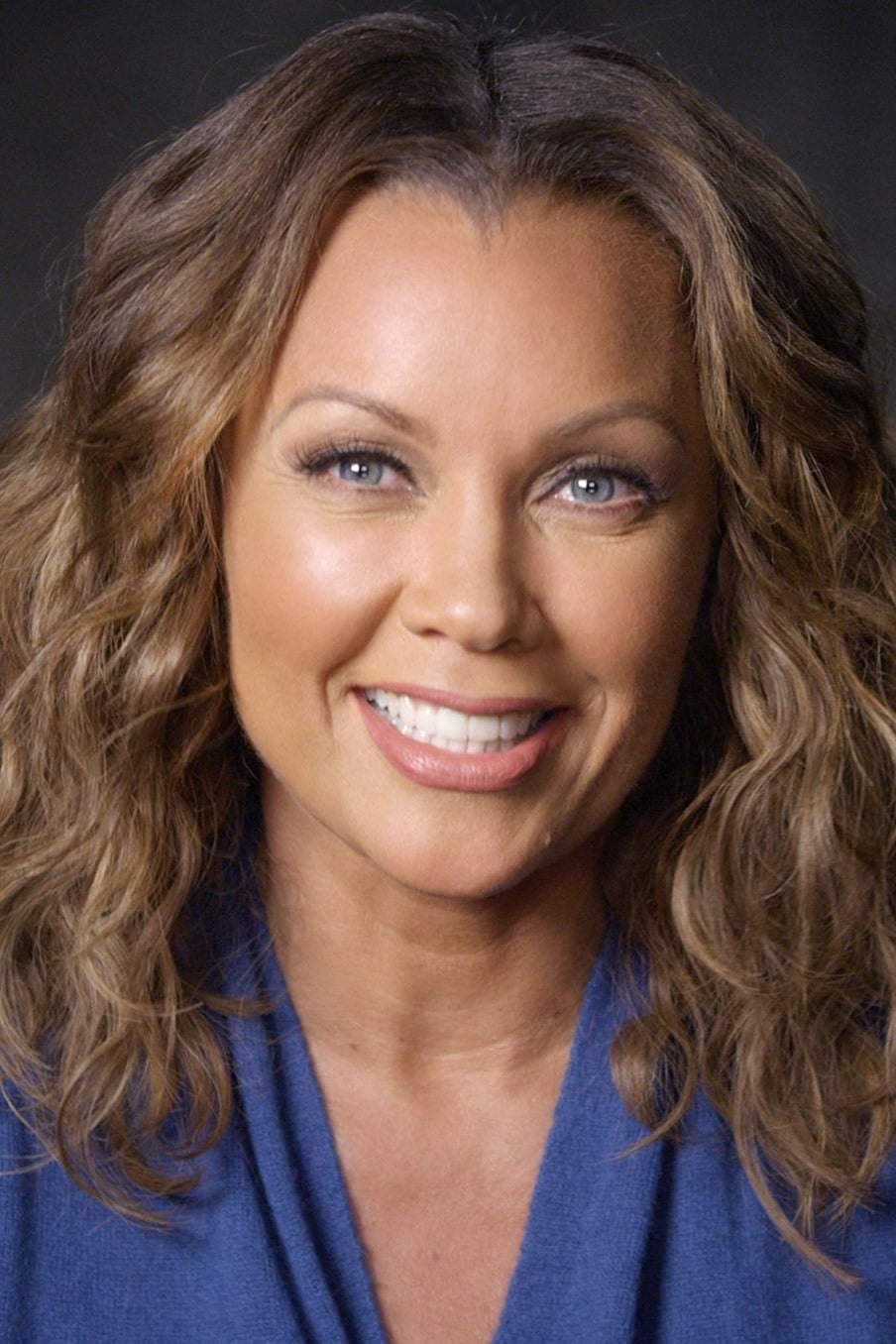
Similar to Angela Bassett, Halle Berry was offered the lead role in ‘Monster’s Ball’ but turned it down immediately. She believed the character, Leticia Musgrove, didn’t fit the carefully crafted image she’d built throughout her career. Berry specifically objected to the required nudity and the portrayal of a demeaning relationship with a racist prison guard, refusing to sacrifice her principles for award consideration. Her decision resonated with other Black actresses who felt the role unfairly exploited the trauma of Black women.
Harry Belafonte

Harry Belafonte, the famous activist and actor, turned down the lead role in the 1959 film version of ‘Porgy and Bess’ because he found the story racially offensive and full of harmful stereotypes. He felt the film portrayed Black characters as drug users and unintelligent, and he didn’t want to reinforce those negative images by being involved. This decision was a powerful act of protest during the Civil Rights Movement. Belafonte consistently spoke out and used his influence to advocate for respectful and positive portrayals of people of color.
John Amos
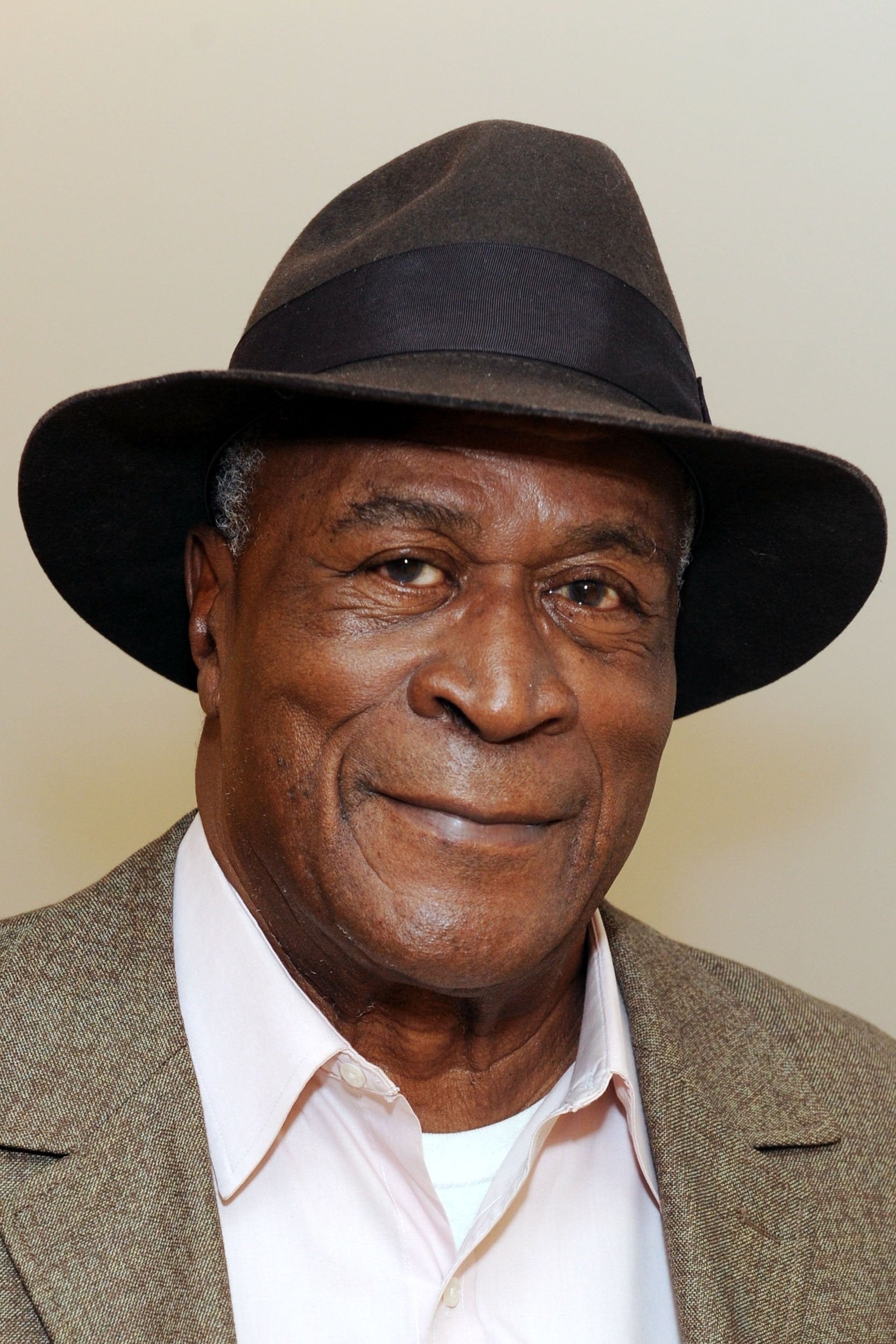
John Amos, famous for playing James Evans on the popular show ‘Good Times,’ became unhappy with how the series was developing. He publicly complained that the writers were emphasizing the silly antics of his son, J.J., and undermining the family’s values. Amos believed the show was turning into a harmful stereotype, making fun of the challenges faced by working-class Black families. Because he spoke out against these stereotypes, his character was written off the show and he was fired. Amos chose to risk his career and the security of a successful TV show to defend the respectful portrayal of Black fathers.
Esther Rolle
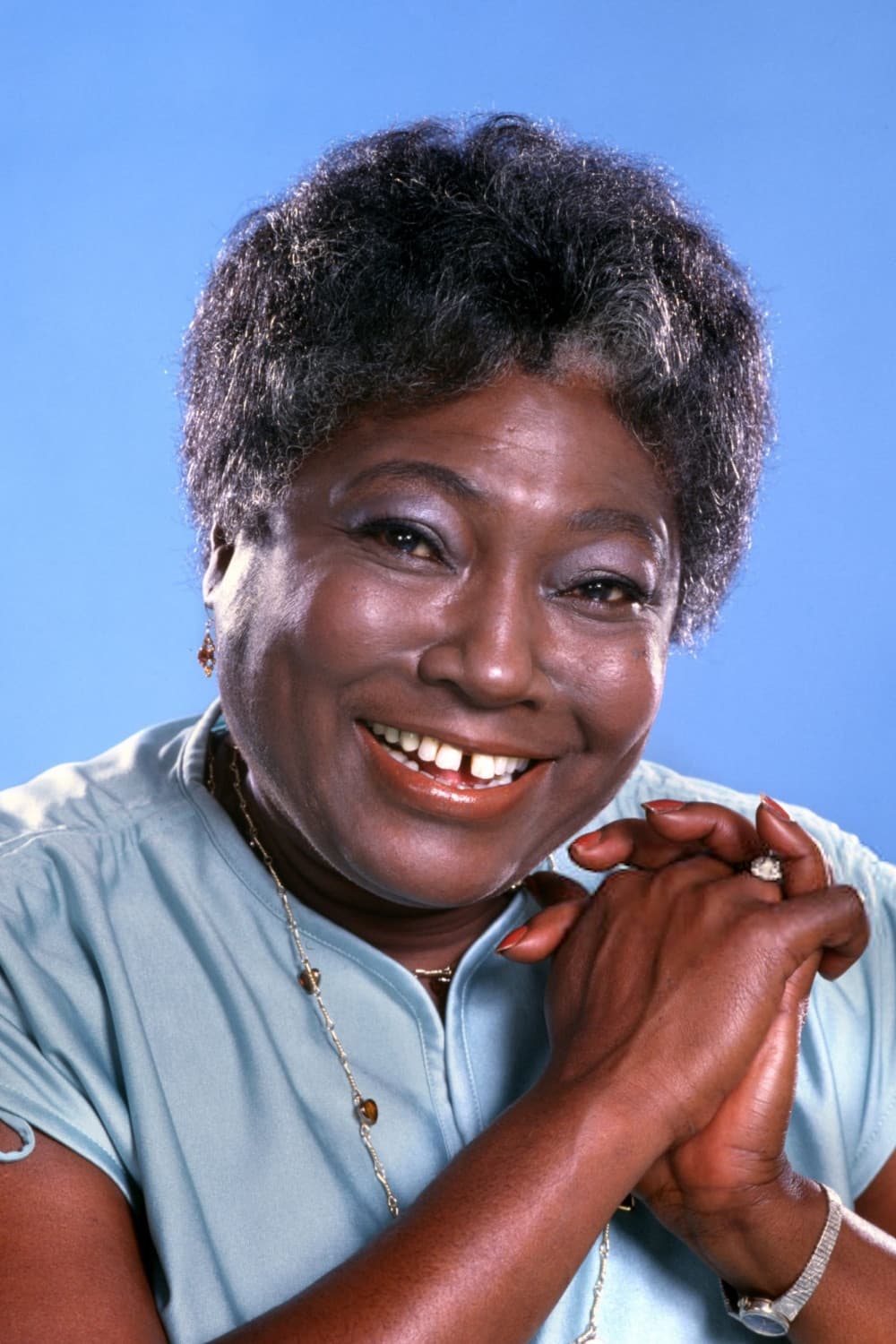
Esther Rolle, who famously played Florida Evans on ‘Good Times,’ agreed with her co-star John Amos that the show was losing its way. She ultimately left because she disliked the increasingly stereotypical and silly storylines the scripts had become. Rolle initially took the role with the understanding that the show would feature a strong father figure and tackle realistic problems. However, when ‘Good Times’ shifted towards exaggerated, slapstick humor focused on poverty, she ended her contract, despite the financial benefits. She later returned to the show, but only after securing promises of more meaningful character development.
Wesley Snipes
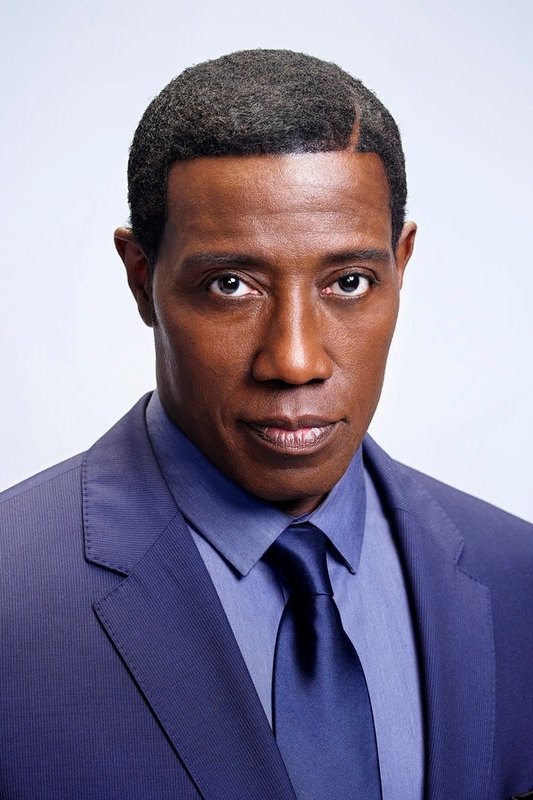
Wesley Snipes was offered the lead role in the 2000 remake of ‘Shaft,’ but he declined due to disagreements about the film’s direction. He felt the script was overly silly and didn’t honor the spirit of the original ‘Shaft’ film, a classic of Black cinema. Snipes believed the remake lacked sufficient cultural depth and relied too much on humor. He wanted to preserve the character’s strong and independent nature, rather than turning him into a joke. This decision opened the door for Samuel L. Jackson to take on the role, while Snipes pursued other action films.
Yaphet Kotto
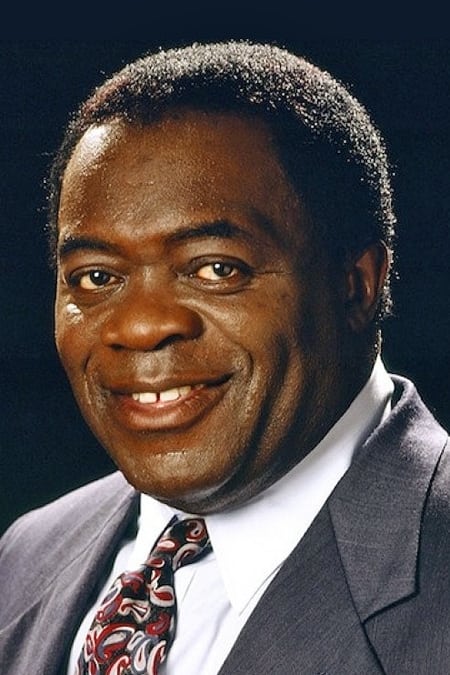
I was really surprised to learn that Yaphet Kotto turned down the chance to play Lando Calrissian in ‘The Empire Strikes Back’! He was worried that Lando would just be a Black character thrown in to tick a box, and that he’d end up being killed off like so many others in sci-fi movies. He didn’t want to be the ‘sacrificial Black sidekick’ in a story focused on white characters. He also feared being typecast, which is totally understandable – an actor wants to show their range! He did admit later he had some regrets, but he stood by his decision, saying he was looking for roles with real substance.
Cicely Tyson

Cicely Tyson was known for being very selective about the roles she chose during her successful acting career. She famously avoided the popular “Blaxploitation” films of the 1970s because she believed they presented a harmful image of Black women. She consistently turned down well-paid parts that portrayed Black women as one-dimensional characters – like drug users, sex workers, or simply maids. Throughout her life, she focused on playing strong, multifaceted Black women, aiming to offer a more accurate and empowering representation. This commitment to her principles resulted in a film career that continues to celebrate Black strength and pride.
Lena Horne
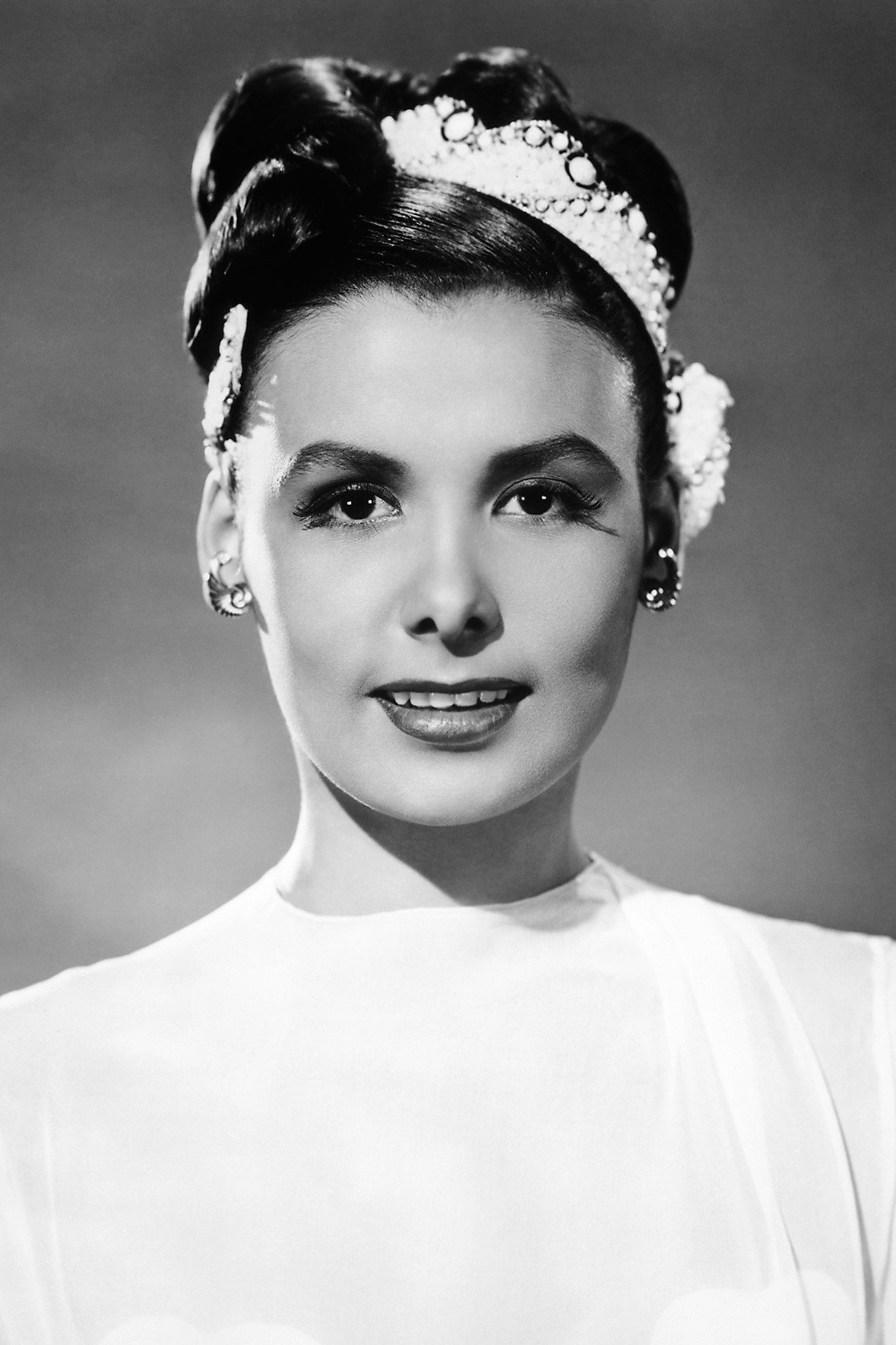
Lena Horne bravely challenged the narrow opportunities available to Black actresses in the 1940s and 50s. She became well-known for refusing roles as maids or servants – the typical parts offered to Black women at the time. MGM studios struggled to find roles for her because she wouldn’t accept stereotypical, submissive characters. This meant she missed out on money and screen time, but she insisted on being portrayed as glamorous and sophisticated. Her determination helped create a path for future actresses to demand more respectful roles.
Derek Luke
Luke has openly discussed his choice to avoid acting in roles depicting slavery. He explains that revisiting such painful history is personally damaging, and he doesn’t want to participate in projects focused on Black suffering. He feels Hollywood overemphasizes slavery while overlooking many other important stories about Black people. Prioritizing his mental and emotional health, Luke is now focusing on roles that highlight Black joy and showcase the full range of modern Black experiences.
Gina Torres
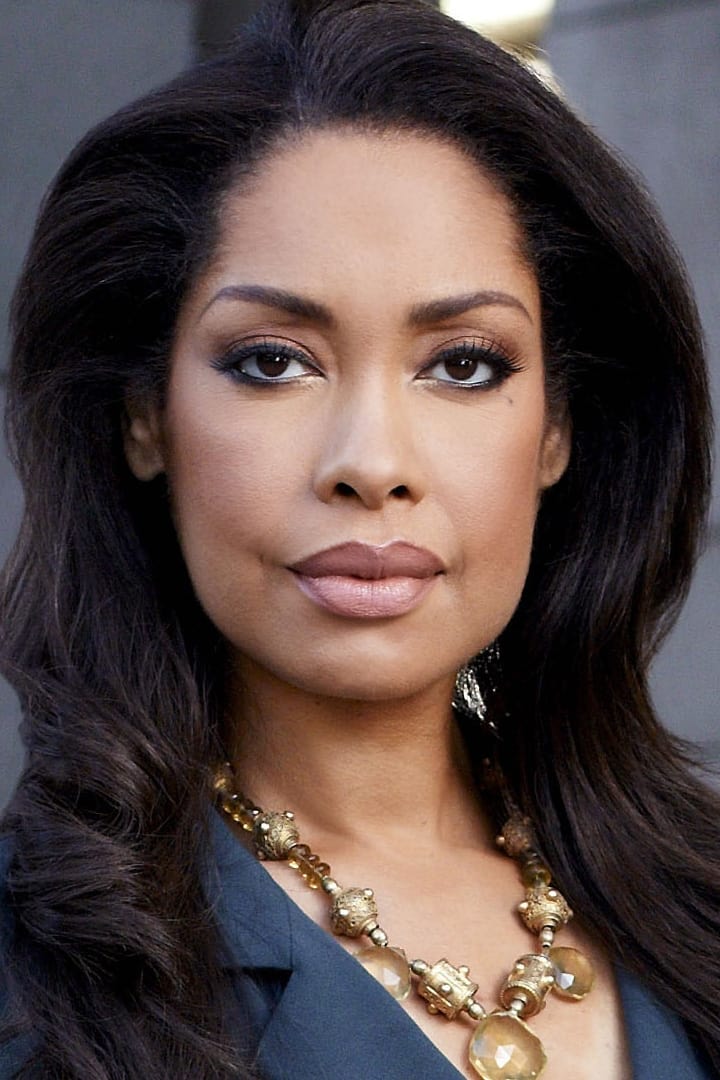
Early in her career, the actress known for ‘Suits’ made a deliberate choice to avoid roles that only depicted characters in slavery. She didn’t want to be limited to stories focused solely on suffering and victimhood. Instead, she looked for parts that would allow her to portray strong, intelligent, and commanding characters. By refusing typical historical roles offered to Black actresses, she found success in genres like science fiction and legal dramas, proving that Black actresses can take on a wide range of powerful and commanding roles.
Mekhi Phifer
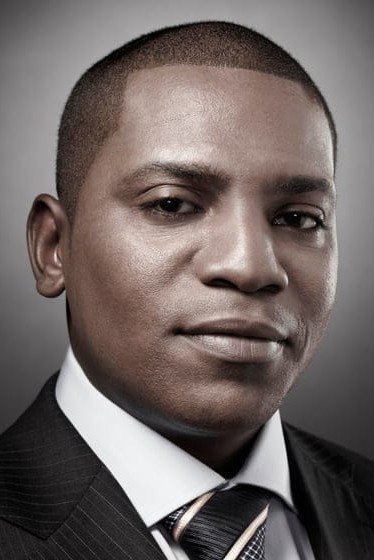
Phifer has decided to stop taking on roles that depict slavery, joining other actors who’ve made similar choices. He wants to avoid reinforcing harmful and narrow portrayals of Black people centered on suffering. Instead, he’s focusing on modern stories and historical roles that showcase strength, resilience, and community. He feels repeatedly depicting the trauma of slavery can be damaging to everyone involved, both performers and viewers. His work reflects a commitment to broadening how Black men are seen on screen.
John Boyega
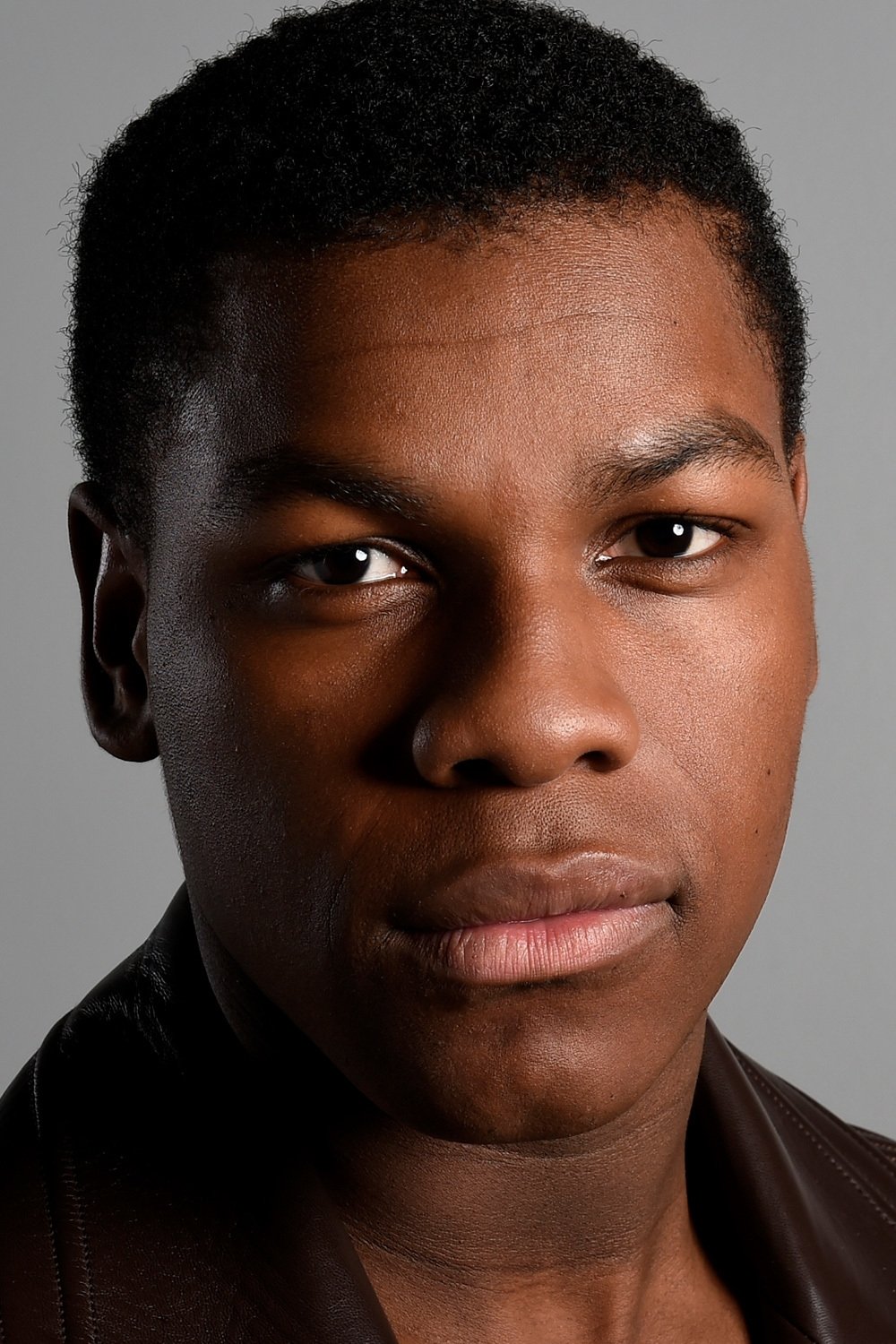
John Boyega has been vocal about the lack of diversity in popular franchises like ‘Game of Thrones,’ pointing out the underrepresentation of Black actors in significant roles. He’s rejected projects he felt reduced him to a stereotype or forced him to play a demeaning character. He famously criticized how his role was diminished in the later ‘Star Wars’ films. Now, he’s focused on producing and starring in projects where Black characters take center stage and have full control of their stories. Boyega is committed to shaping his own career and won’t settle for being a minor character in stories centered around others.
Read More
- Top 20 Dinosaur Movies, Ranked
- 20 Movies Where the Black Villain Was Secretly the Most Popular Character
- 22 Films Where the White Protagonist Is Canonically the Sidekick to a Black Lead
- 25 “Woke” Films That Used Black Trauma to Humanize White Leads
- Silver Rate Forecast
- Can AI Lie with a Picture? Detecting Deception in Multimodal Models
- Top 10 Coolest Things About Invincible (Mark Grayson)
- When AI Teams Cheat: Lessons from Human Collusion
- From Bids to Best Policies: Smarter Auto-Bidding with Generative AI
- Unmasking falsehoods: A New Approach to AI Truthfulness
2025-12-07 15:20