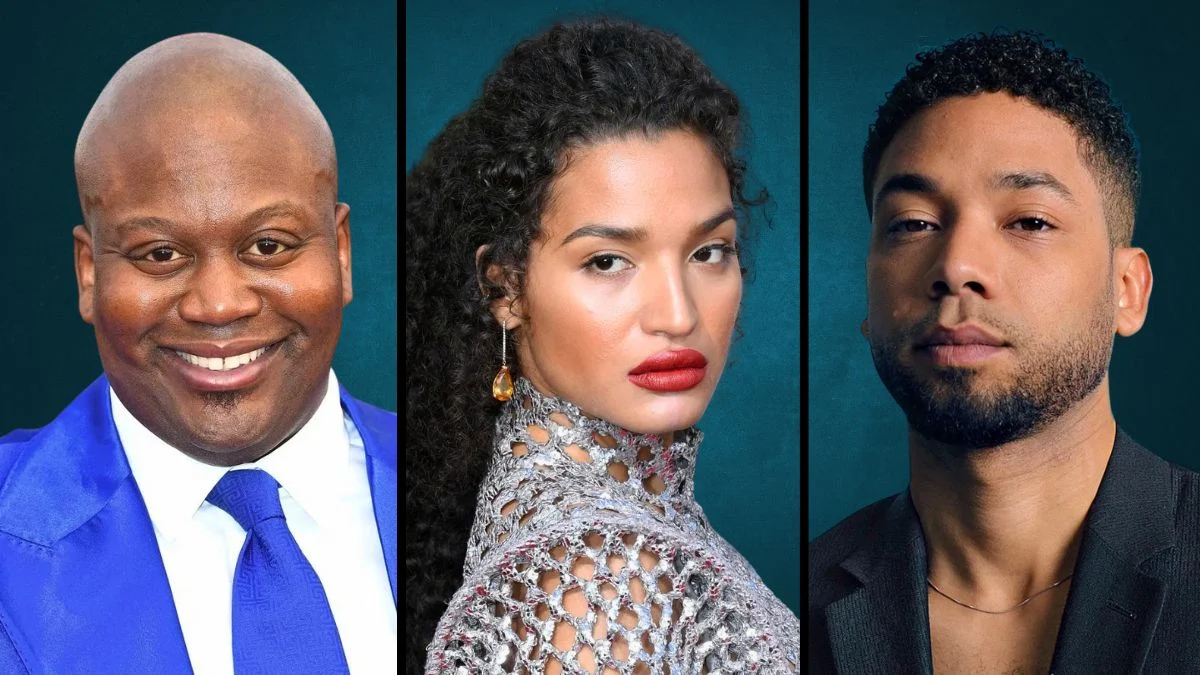
While Hollywood has made some progress with representation, many Black LGBTQ+ actors say they’re still rarely cast in meaningful queer roles. They’ve expressed disappointment that complex gay characters often go to straight actors to attract a wider audience, while queer actors are either stuck playing stereotypical parts or aren’t cast at all. This practice of casting straight actors in Black gay roles – often in critically acclaimed projects – continues to be a major issue for talented actors who identify as both Black and gay. Here are 20 Black actors who have shared their experiences with these challenges and limitations.
Billy Porter
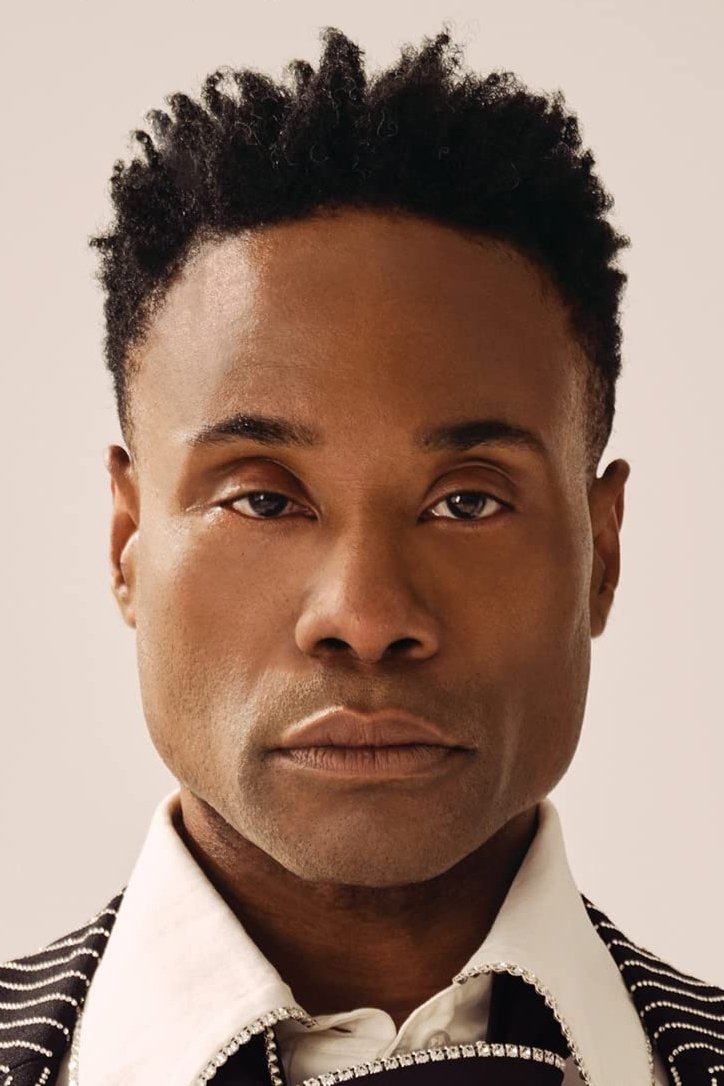
Billy Porter has consistently spoken out against how Hollywood casts actors in LGBTQ+ roles. He’s pointed out that straight actors often get praised for playing gay characters, while actors from the LGBTQ+ community are overlooked. Porter himself faced years of rejection – he was told he was too flamboyant for leading roles, yet not ‘straight enough’ for other parts. He believes he had to wait for society to become more accepting of who he is before he could finally land a main role. Porter remains a strong advocate for giving LGBTQ+ actors the primary opportunity to portray their own experiences.
Colman Domingo
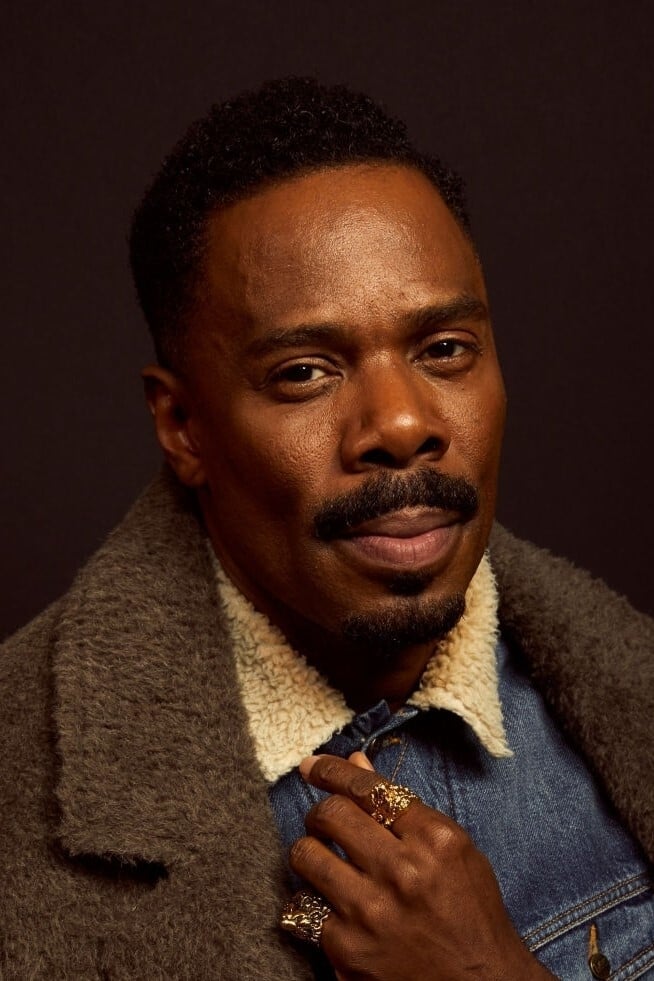
Before landing celebrated roles in ‘Rustin’ and ‘Euphoria,’ actor Colman Domingo worked for years as a character actor, taking on various parts. He’s spoken about how Hollywood had difficulty casting him because he didn’t conform to stereotypical expectations for Black gay characters. He’s often pointed out that the industry often favors tragic stories over positive ones for Black LGBTQ+ individuals. His current success demonstrates that audiences are eager to see complex characters that go beyond what casting directors traditionally envision. Domingo continues to champion more diverse and authentic roles for openly gay Black men.
RuPaul
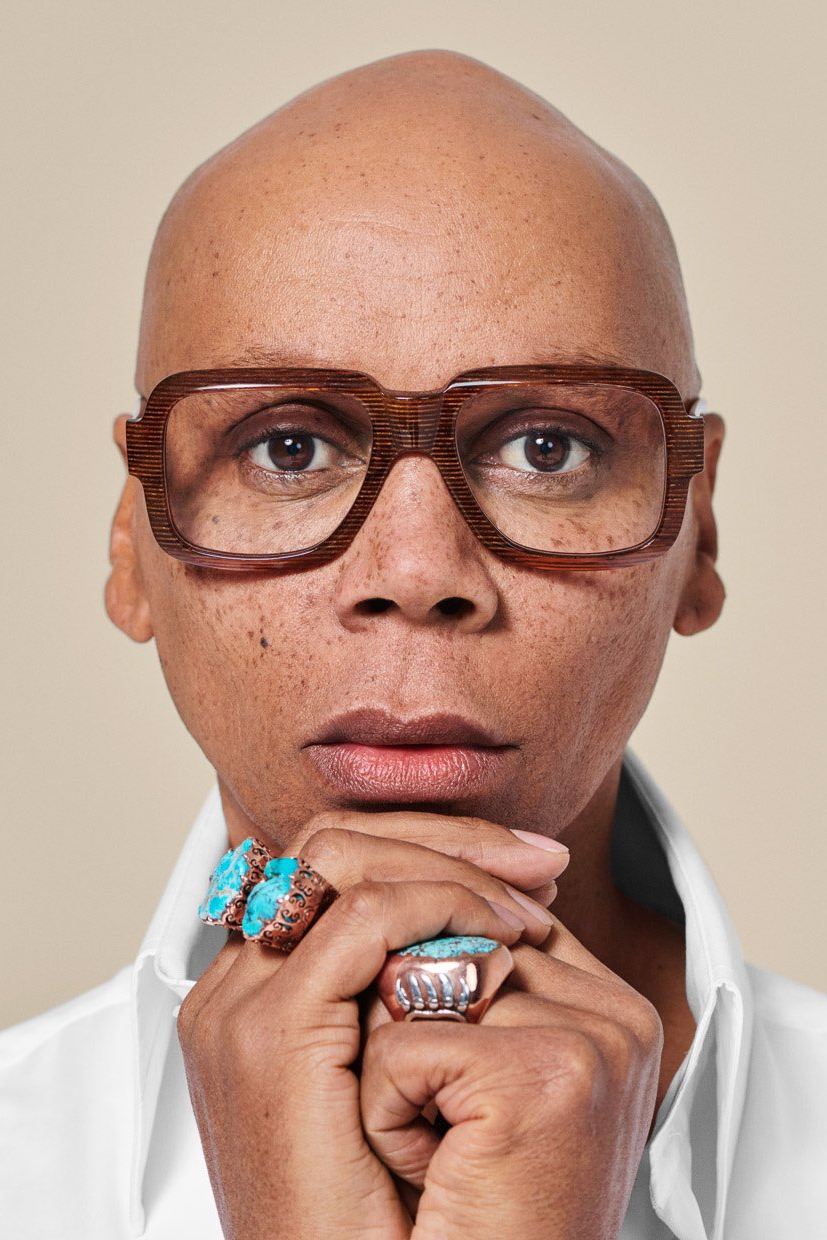
RuPaul, a hugely popular drag queen, has often pointed out that Hollywood tends to keep drag and queer culture separate from its most respected projects. While the entertainment industry enjoys the visual excitement of drag, it rarely gives drag performers substantial acting roles, often limiting them to brief appearances or comedic relief. This frustration led RuPaul to create ‘RuPaul’s Drag Race’ because he doubted a major network would ever approve a show so dedicated to celebrating queer culture independently. He feels a barrier still exists, preventing genuine LGBTQ+ performers from fully joining Hollywood’s elite acting scene.
Tituss Burgess
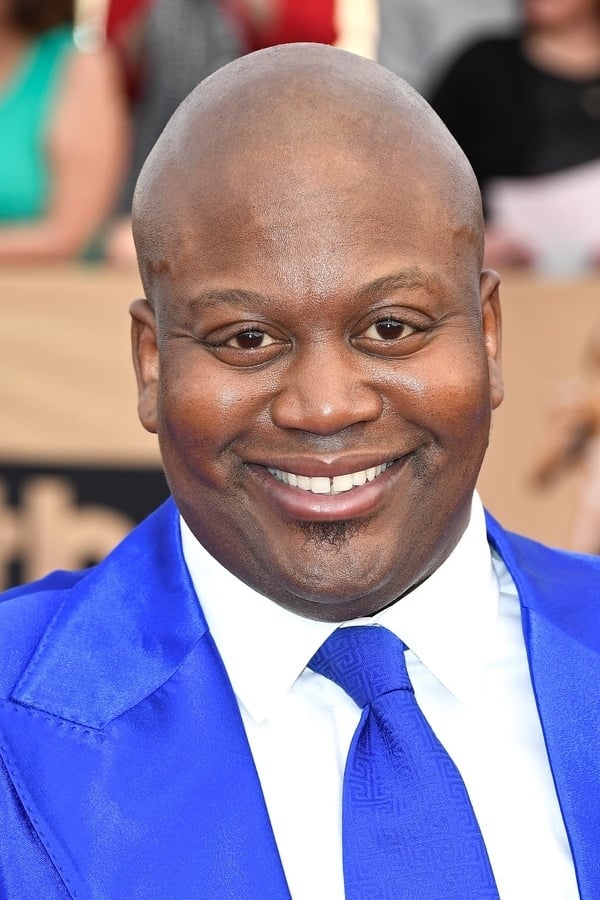
Tituss Burgess, famous for his work on ‘Unbreakable Kimmy Schmidt’, has discussed the challenges of being seen as only the ‘sassy gay best friend’ in Hollywood. He’s frustrated that he’s rarely considered for leading romantic roles or more serious, complex characters. Burgess feels the industry is comfortable with gay Black men being funny, but reluctant to portray them as fully developed people. He actively seeks out roles that let him demonstrate his versatility, going beyond the exaggerated, flamboyant characters he’s often asked to play, and wants to be cast for his talent, not just his sexuality.
Wanda Sykes
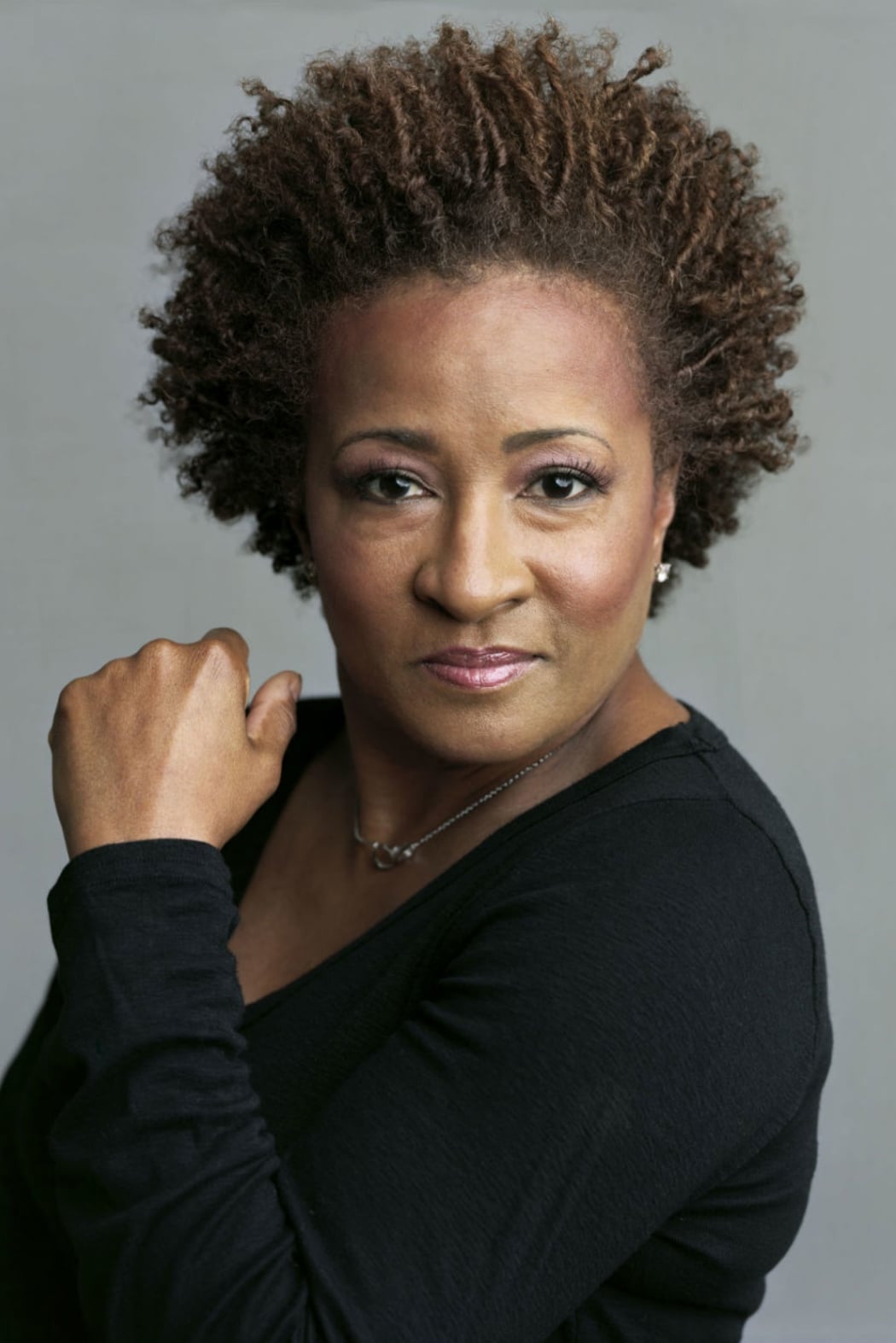
As a lifelong movie lover, I’ve been following Wanda Sykes for years, and she’s so right about the lack of genuine lesbian representation on screen. She often jokes – but it’s a serious point – that Hollywood just doesn’t know what to do with a Black lesbian who isn’t easily categorized as either butch or femme. It’s frustrating because, like so many other actresses, she’s had to practically create her own opportunities. Standard casting calls just didn’t offer roles that felt real to her. She’s pointed out that so often, lesbian characters are written to appeal to a male fantasy, instead of being authentic stories told for us. Now, thankfully, she’s using her position as a producer to create the kinds of roles she never had access to early on, and that’s amazing.
Jussie Smollett
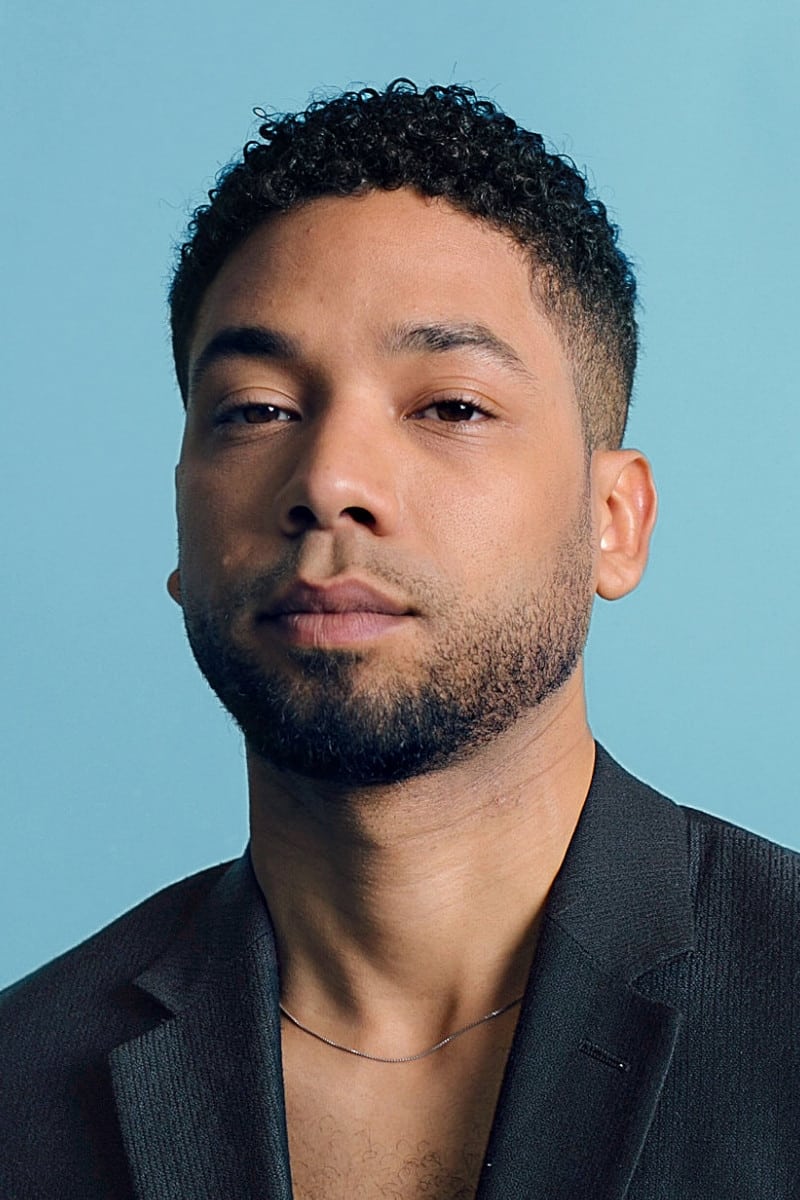
Before facing legal troubles, Jussie Smollett was a pioneer as a Black gay father on the popular show ‘Empire’. He often discussed the weight of being one of the few examples of that identity on mainstream television. Smollett pointed out that Hollywood lacked a model for a strong, Black gay male character who was also a music star. He regularly encouraged writers to explore his character’s romantic relationships with the same depth as those of straight characters. His work as an advocate emphasized how uncommon it was to see Black gay love as a central theme in a prime-time television series.
Niecy Nash-Betts
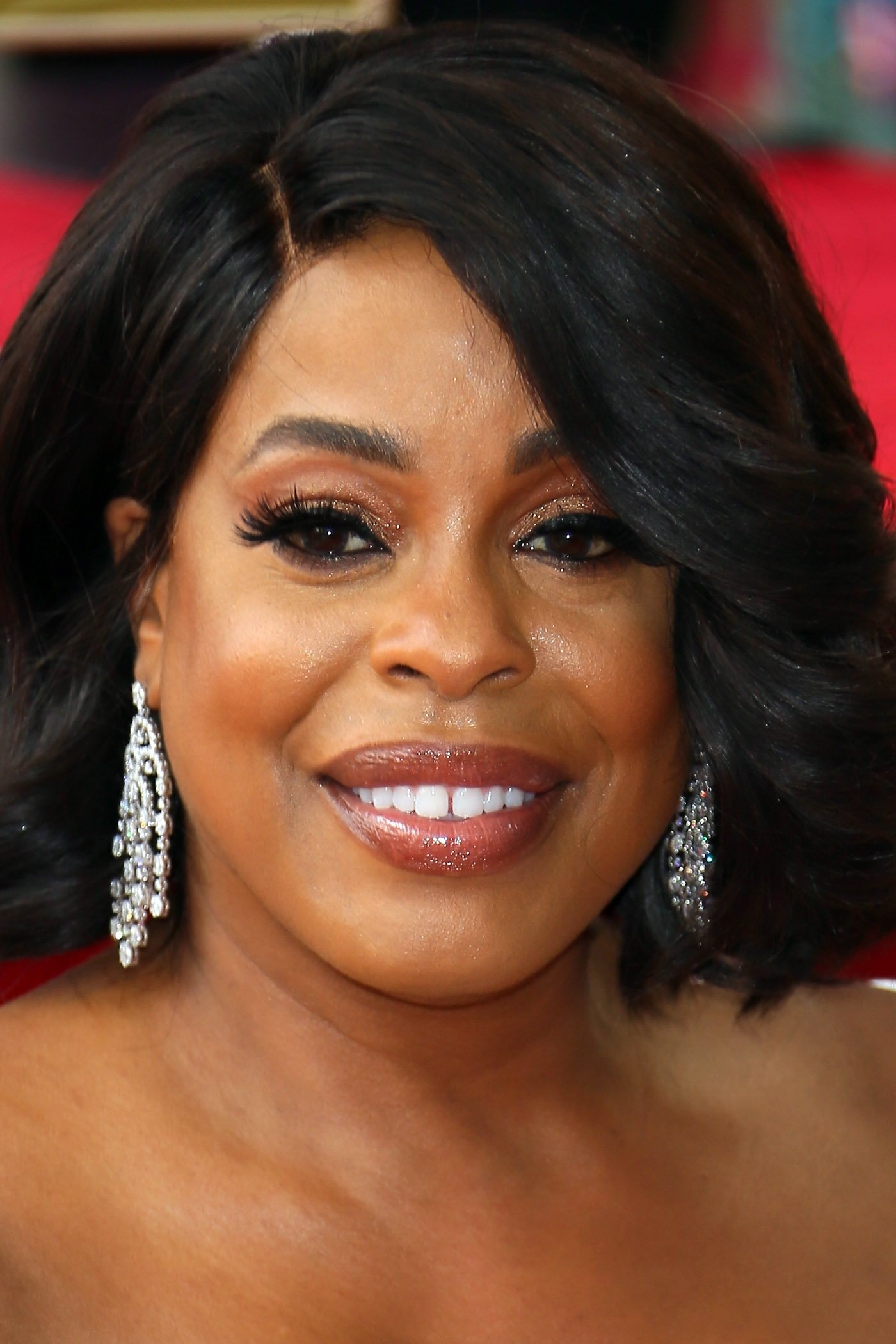
Niecy Nash turned heads in Hollywood when she married her wife, Jessica Betts, and openly discussed her evolving understanding of her sexuality. She’s spoken about how the entertainment industry often tries to categorize actors based on past roles and public image. Nash, known for her work in ‘Claws’ and ‘Dahmer,’ is determined not to let these expectations define who she loves or the roles she takes on. She’s pushing back against the idea that coming out later in life should restrict an actress’s career options. By living authentically and openly, Nash continues to be a powerful voice for visibility.
Jeremy Pope
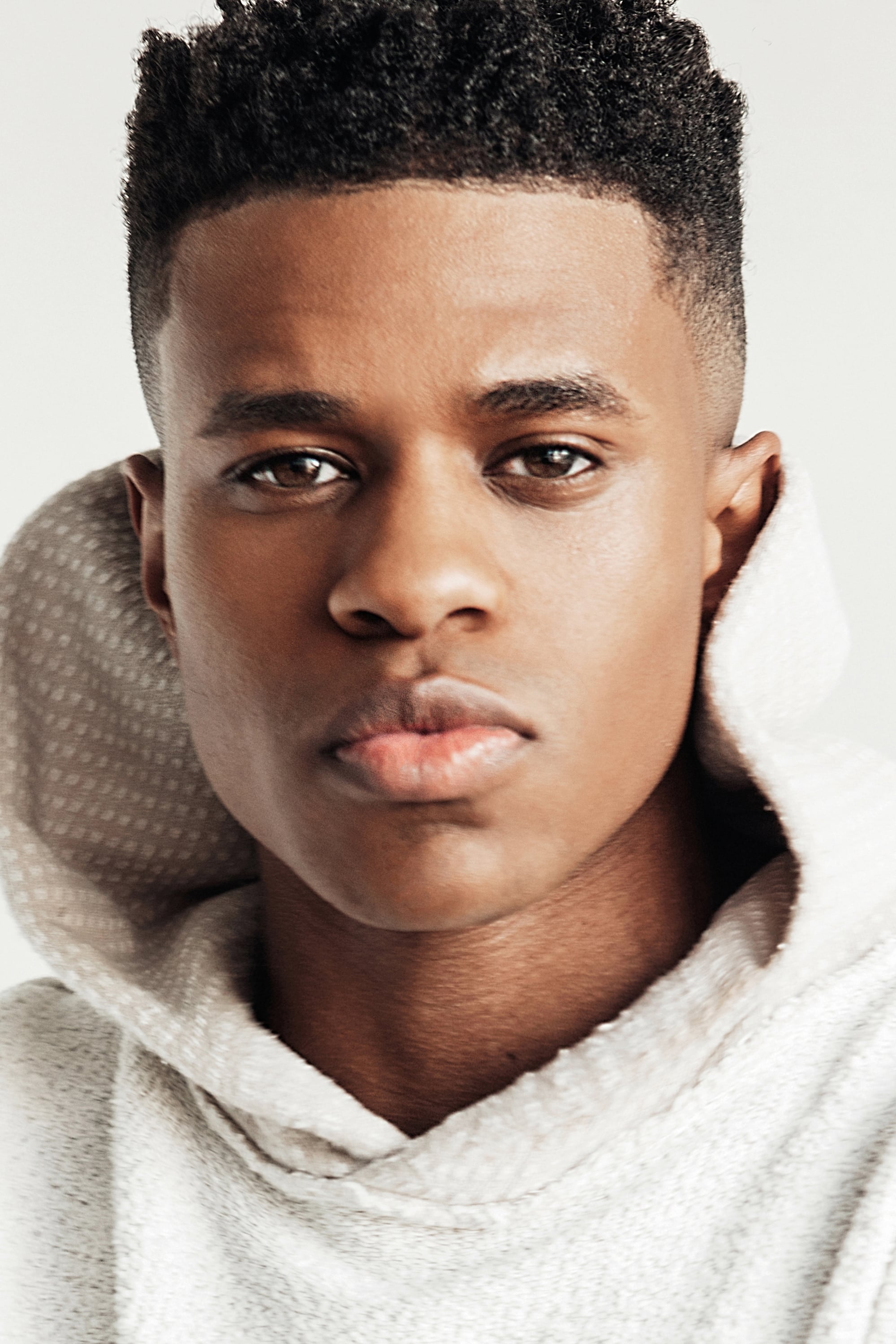
Jeremy Pope received praise for his performance in ‘The Inspection,’ a film based on the director’s personal experiences as a Black gay man serving in the Marines. Pope has spoken about how uncommon it is to find scripts that portray Black queer men with respect and depth. He’s noted that many roles for gay characters in Hollywood focus on suffering rather than showing them as complete people. Pope actively looks for projects that allow Black men to show vulnerability without being depicted as victims. He’s part of a new wave of actors who are demanding better and more authentic representation than Hollywood traditionally offered.
Michaela Jaé Rodriguez
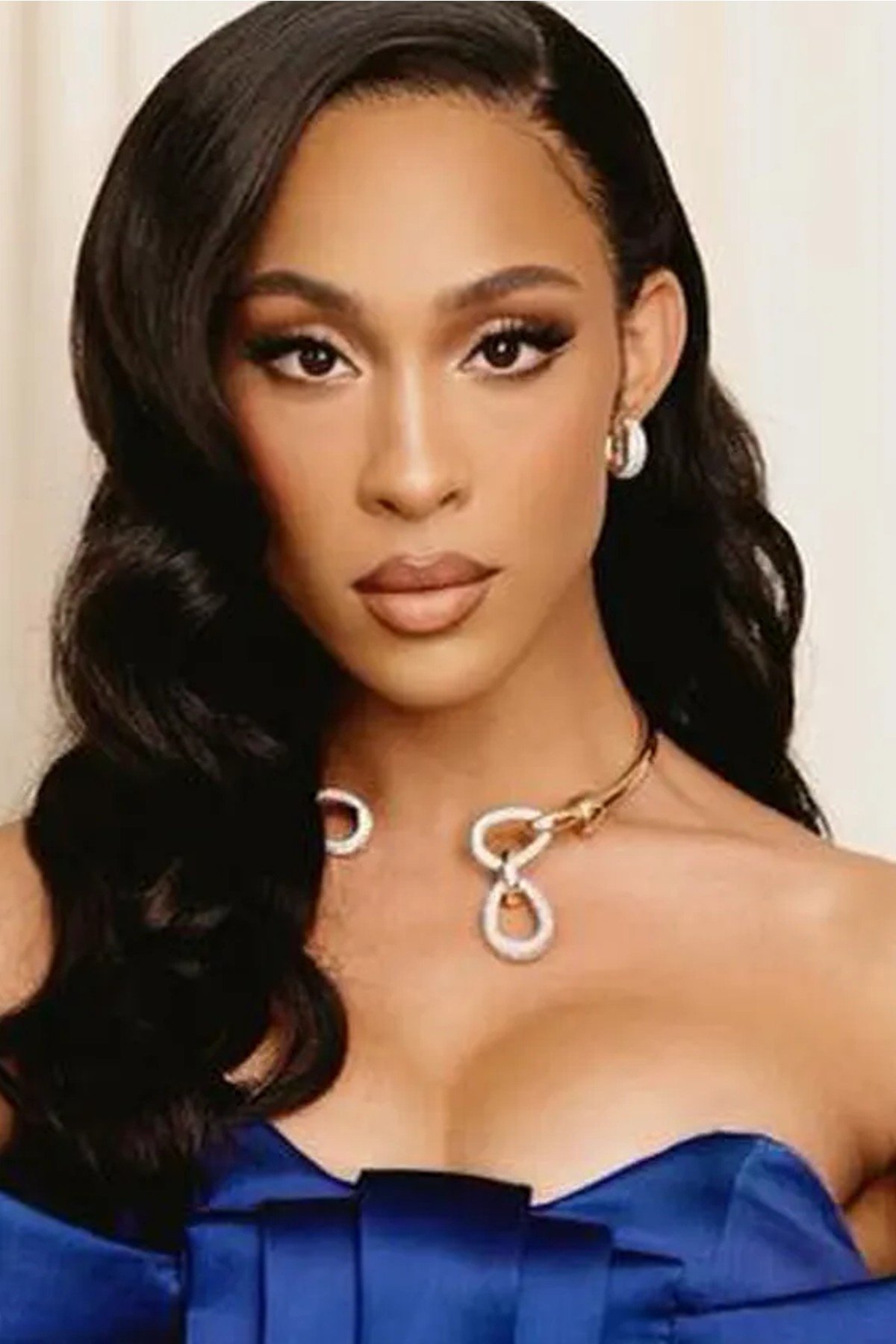
As a lifelong movie fan, I was so thrilled to see Jamie Ann Rodriguez make history as the first trans performer to win a Golden Globe! It’s amazing, but also frustrating that she’s had to fight so hard to be seen as just an actress – someone who can play any role, not just characters defined by their trans identity or past trauma. Hollywood has this tendency to box trans women into roles focused solely on their transition or suffering, and she’s rightfully speaking out about it. She believes, and I completely agree, that her talent should be enough to let her play any character a script calls for. She’s really pushing for a future where trans actresses are simply seen as actresses, period, and I’m here for it.
Indya Moore
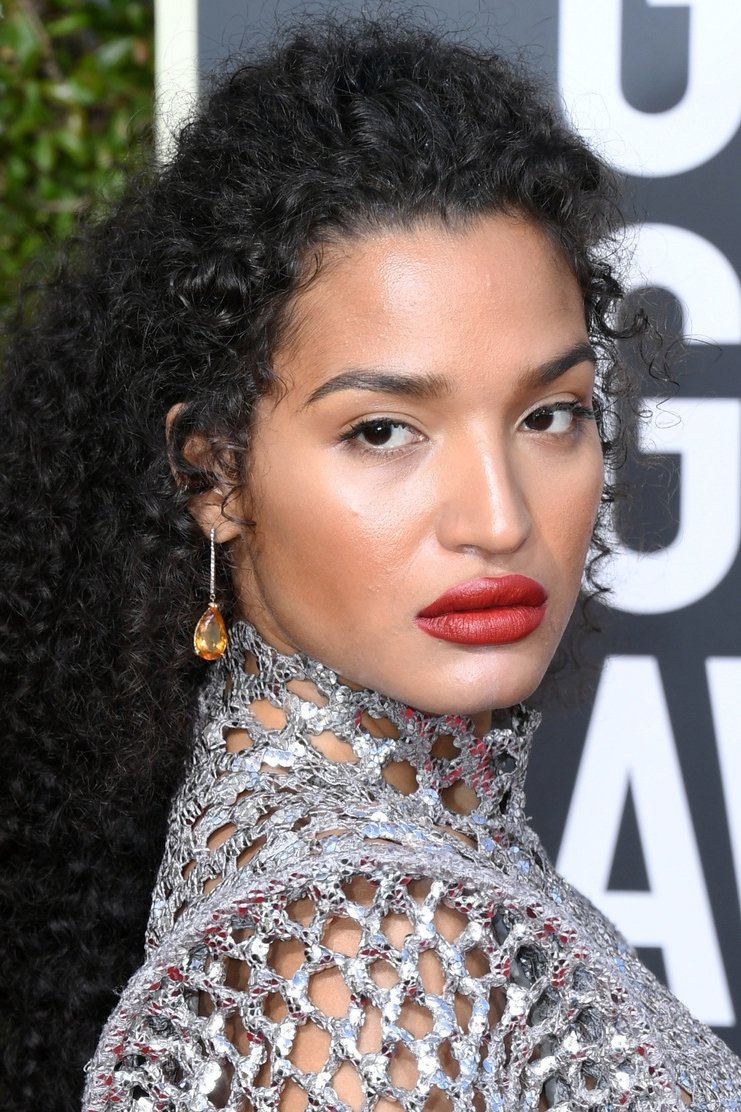
Mj Rodriguez is a strong voice for greater visibility and acceptance of non-binary and transgender people, not just in fashion but across all areas of entertainment. They’ve spoken out against the practice of casting cisgender actors in transgender roles when talented trans actors are often overlooked. Rodriguez points out that Hollywood often celebrates LGBTQ+ culture superficially without truly supporting the people within it. They believe meaningful representation means having transgender people involved in all aspects of production, from writing to directing. Their work draws attention to the gap between Hollywood’s public support for the LGBTQ+ community and its actual commitment to inclusive hiring.
Raven-Symoné
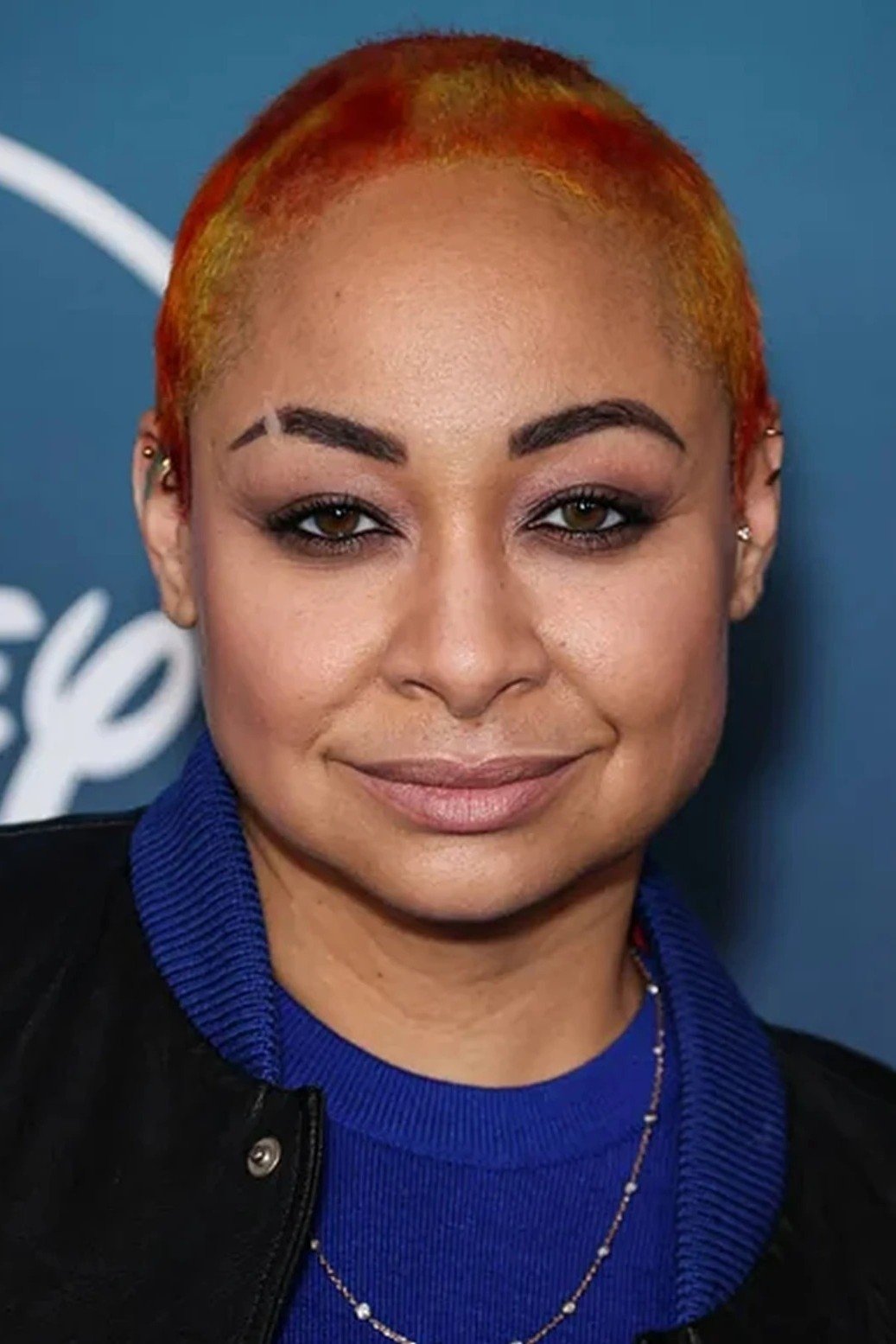
Growing up in the spotlight for decades has put a lot of pressure on the former child star to maintain a perfect image. She’s spoken openly about the challenges of exploring her identity in an industry that felt like it controlled her public persona from a young age. While Raven prefers not to be defined by labels, she recognizes that being a Black, openly queer woman in Hollywood presents unique obstacles. She’s worked hard to move beyond being known as a “Disney kid” and establish herself as an authentic adult actress. Her experiences highlight a long-standing pattern of suppressing LGBTQ+ representation in family-focused entertainment.
Dominique Jackson

Mj Rodriguez powerfully portrayed the ballroom scene in ‘Pose,’ but she’s also spoken out about the lack of opportunities for trans women of color in Hollywood. She points out that the industry often treats trans actors as a fleeting trend instead of recognizing their lasting talent. Rodriguez explains that casting directors still have prejudices that prevent trans women from being seen as suitable for typical roles as mothers, professionals, or other established characters. She believes her work is a form of activism, challenging an industry that has historically ignored her community, and she insists on honoring the history and importance of ballroom culture.
Brian Tyree Henry
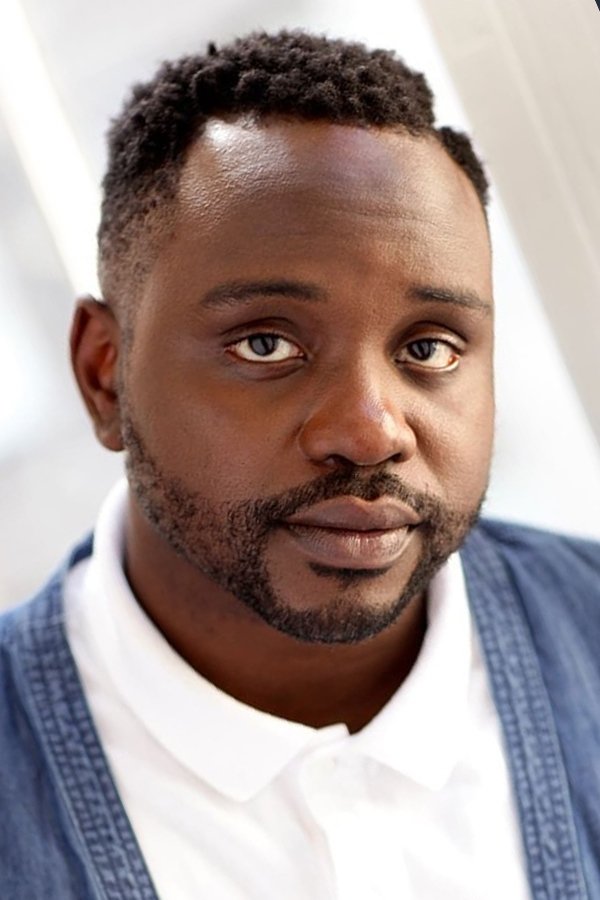
Henry achieved a milestone by becoming the first openly gay superhero in the Marvel movie ‘Eternals’. He’s spoken about how important it was to portray a strong, joyful Black gay man, instead of one defined by hardship. He points out that Black queer happiness and stable families are rarely seen in Hollywood, and he intentionally seeks roles that break stereotypes about Black men in film. His performance pushed back against the typical reluctance of the global film industry to embrace LGBTQ+ heroes.
Angelica Ross
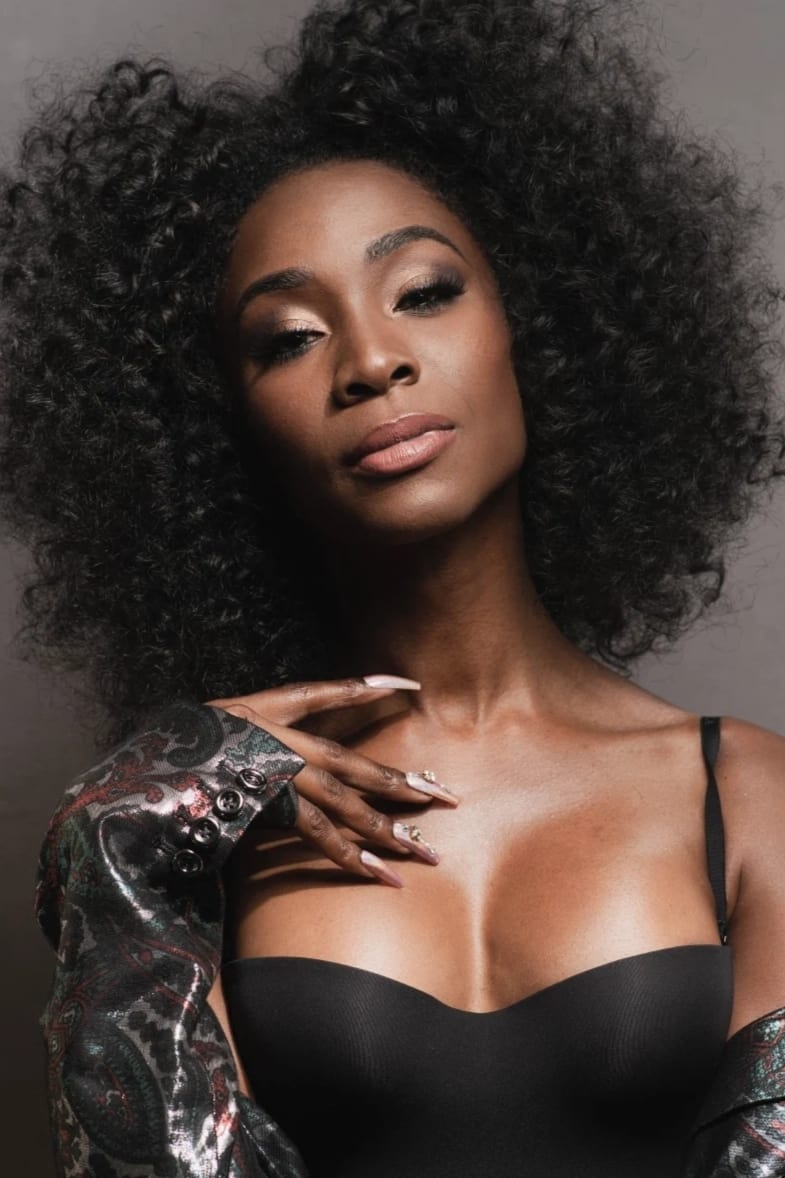
Jamie Ross has consistently spoken out about the unfair treatment of Black trans women in the entertainment industry, even after they become well-known. She’s particularly critical of Hollywood’s systemic problems, which leave trans actors exposed and earning less than their cisgender peers. Ross argues that simply being visible isn’t enough – trans actors also deserve protection and fair pay, otherwise it’s just taking advantage of them. Due to these ongoing issues, she’s sometimes taken breaks from acting to focus on technology and advocacy work, refusing to support a system that doesn’t fully respect her and others like her.
Uzo Aduba
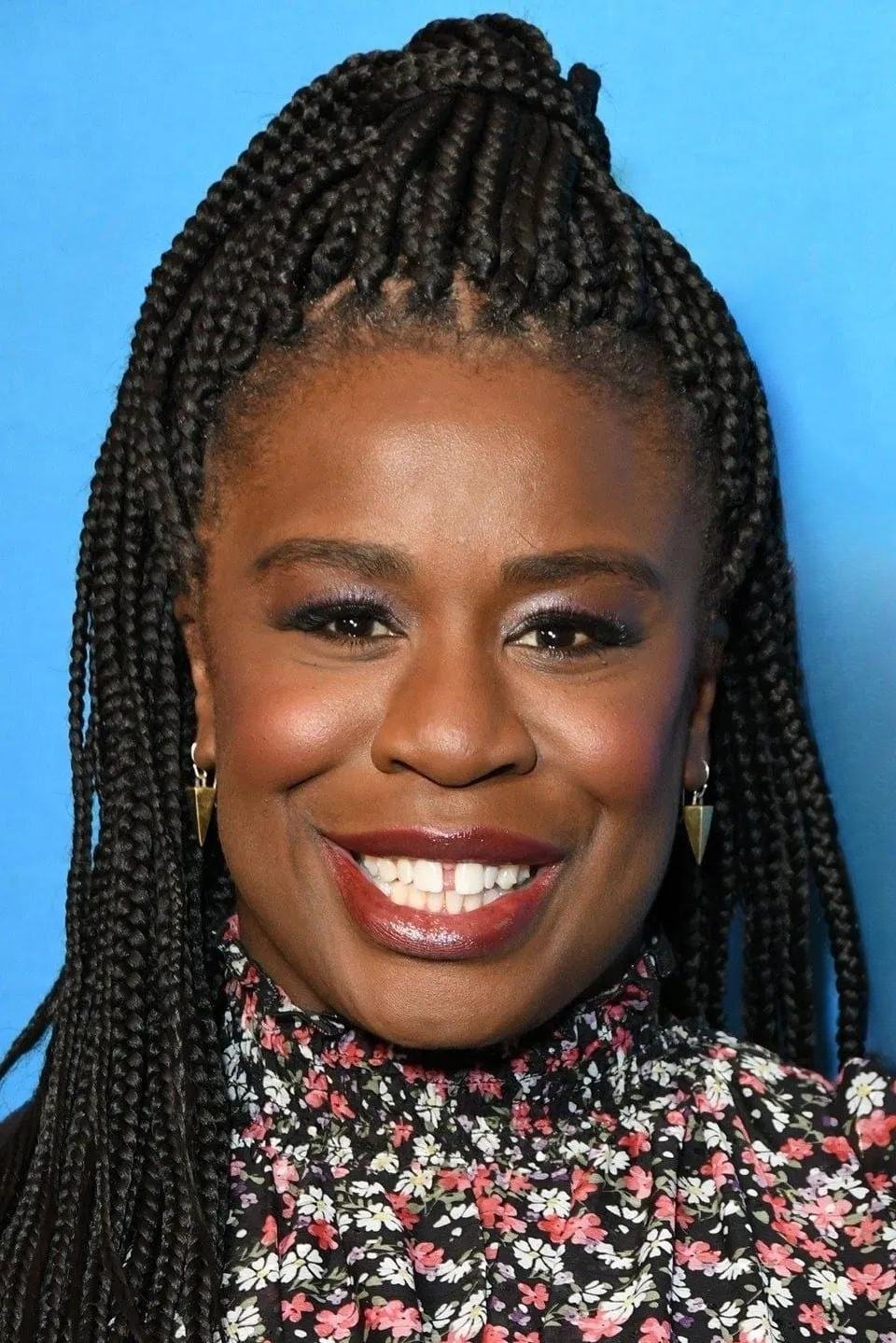
I’ve always been captivated by Uzo Aduba. She absolutely killed it as “Crazy Eyes” on ‘Orange Is the New Black,’ but that role was a far cry from your typical leading lady. What’s really struck me is how she’s had to fight against an industry that often overlooks Black women who don’t fit a very narrow, Eurocentric beauty standard. She’s a passionate advocate for seeing the full range of Black womanhood on screen – including queer stories – and she’s consistently proven she can handle any role. Even with all that talent, she still finds herself battling the industry’s frustrating tendency to box Black actresses in. Ultimately, she’s determined to find and portray characters who are allowed to be vulnerable, soft, and, frankly, loved.
Samira Wiley
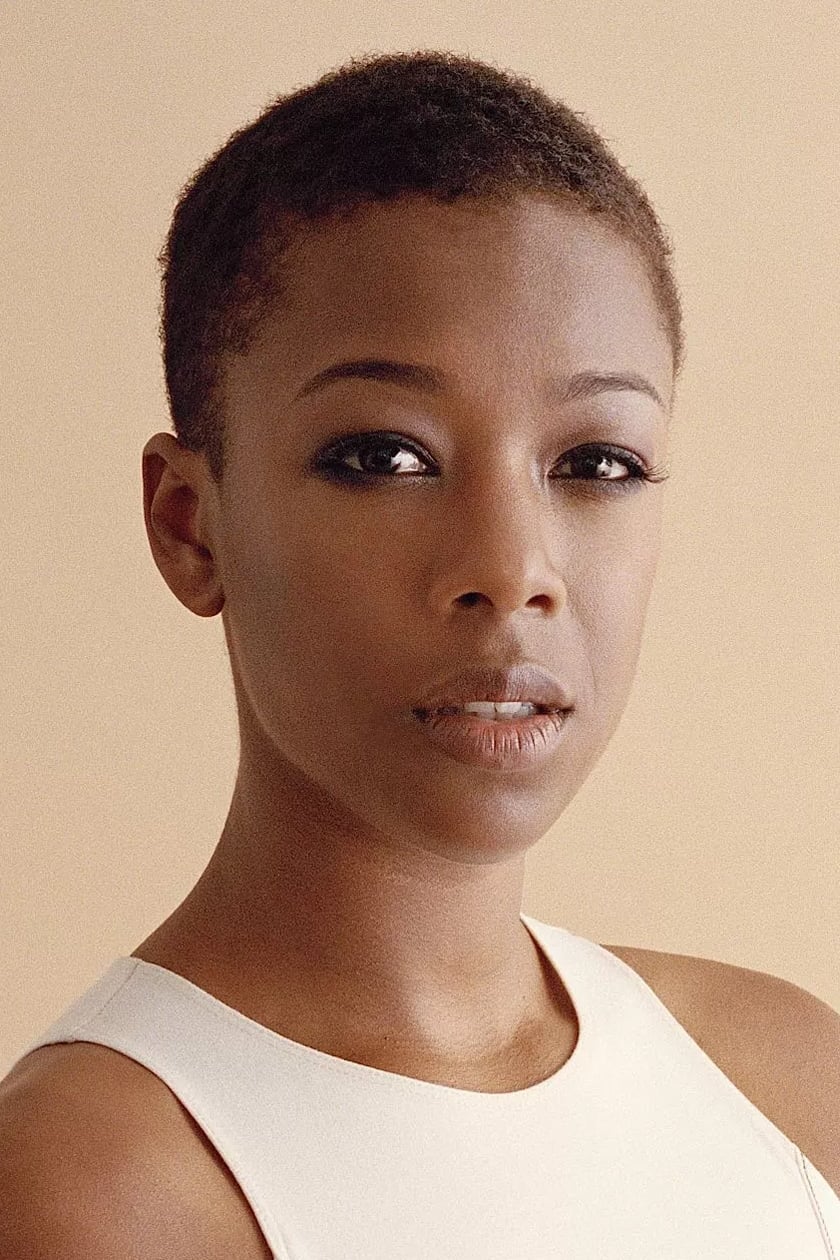
Samira Wiley gained popularity for her role as Poussey Washington and later appeared in ‘The Handmaid’s Tale.’ She’s talked about how freeing it is to play openly gay characters, allowing her to be fully herself in her work. However, she also points out that there aren’t enough of these roles for Black actresses compared to white actresses. Wiley believes Hollywood should create more lesbian stories that aren’t always focused on sadness and hardship, emphasizing the importance of showing positive and everyday Black queer relationships on screen.
Nicco Annan
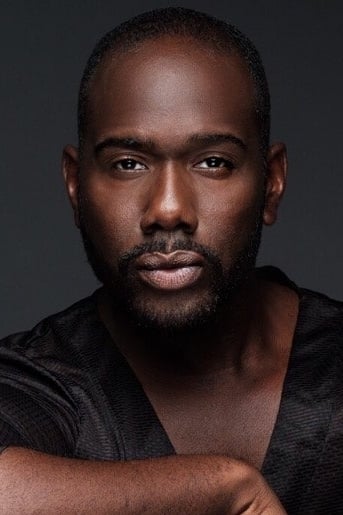
J. Alphonse Gillard made history with his role as Uncle Clifford in ‘P-Valley,’ a character who doesn’t fit traditional gender roles and breaks Hollywood norms. He’s noted that the entertainment industry often shies away from characters who freely express both masculine and feminine traits. Gillard points out that there are many people like Uncle Clifford in the real world who haven’t seen themselves reflected on screen. He feels the popularity of his character shows that viewers are more accepting than studio leaders often believe, and he’s pushing back against Hollywood’s tendency to force characters into strict gender categories.
Nathan Stewart-Jarrett
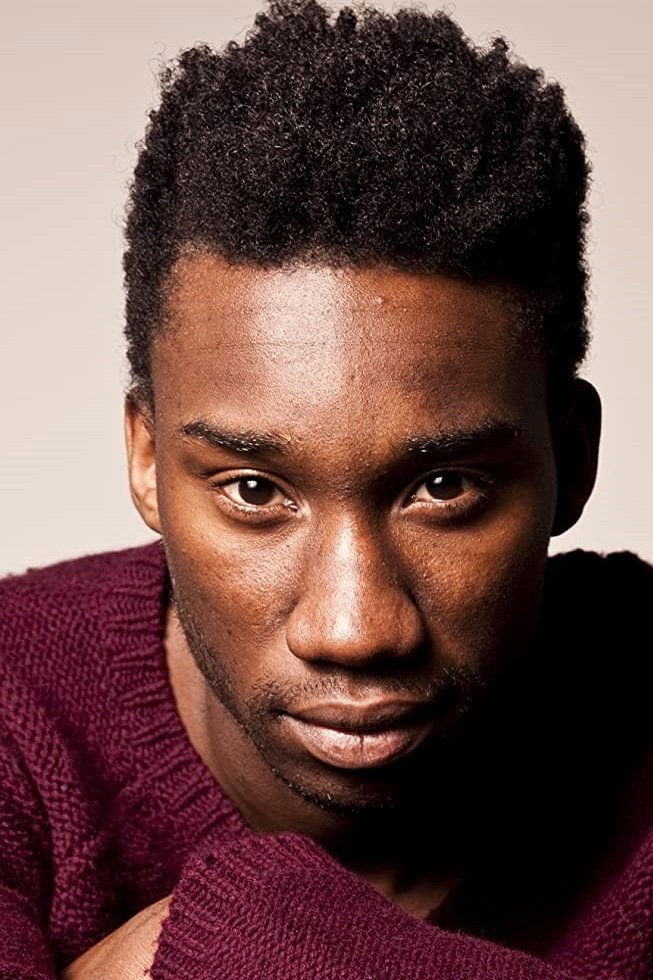
This British actor has worked in film and television in both the UK and the US, and he’s observed how differently Black LGBTQ+ people are perceived in each country. He frequently talks about how difficult it is to find roles that go beyond stereotypical depictions, like ‘the gay best friend’ or someone solely defined by experiencing hate. To avoid being typecast in serious, realistic roles, Stewart-Jarrett actively pursues work in genres like horror and science fiction, believing Black queer characters deserve to be seen in fantastical settings as much as in dramas. He deliberately chooses roles that he hopes will encourage casting directors to think more creatively.
Dyllón Burnside
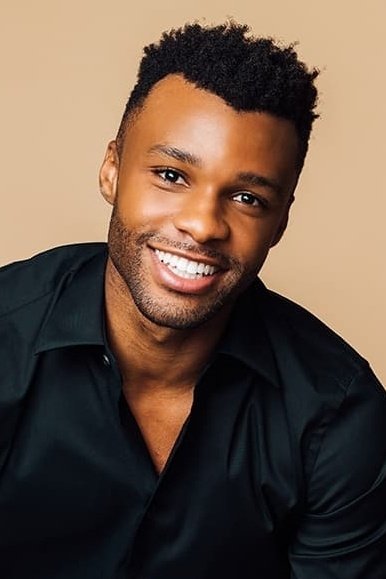
Jerome Burnside, known for his role in ‘Pose,’ has highlighted the lack of diverse portrayals of Black gay men in media. He’s observed that Hollywood frequently presents Black men as tough or inflexible, rarely showing vulnerability. Burnside champions stories that delve into the complexities of being Black, gay, and religious, and feels the entertainment industry should demonstrate to young Black boys that masculinity isn’t limited to one definition. He consistently uses his voice to push back against narrow stereotypes of Black men.
J. Harrison Ghee
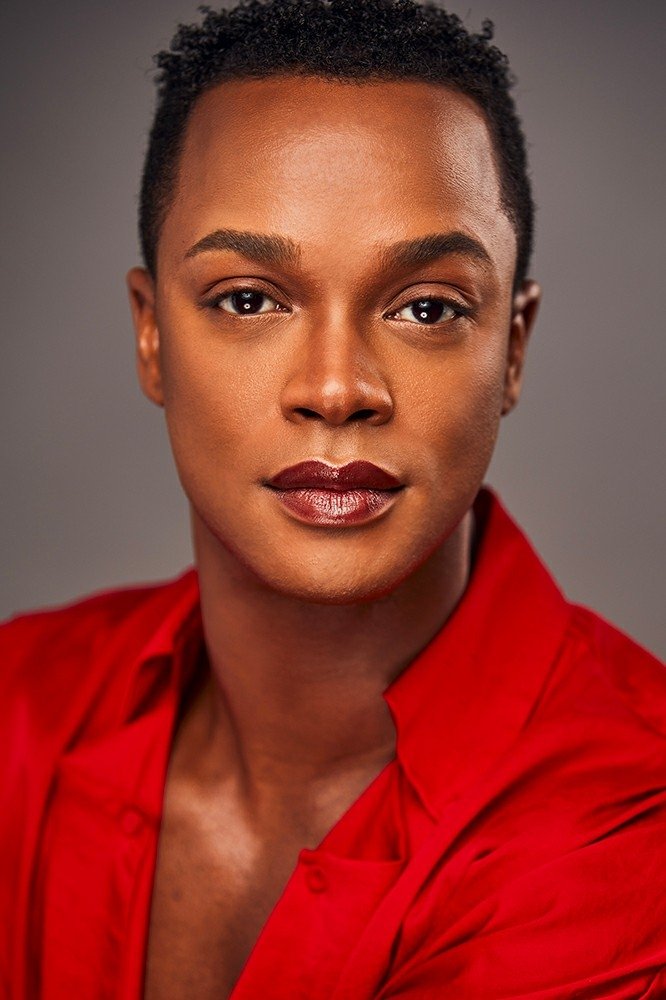
Ghee recently achieved a historic milestone, becoming one of the first non-binary performers to win a Tony Award, highlighting Broadway’s progress compared to Hollywood. They’ve spoken about the liberating experience of playing characters that challenge traditional gender roles, but noted that the film and television industries are lagging behind. Ghee believes the industry should focus on understanding a character’s core qualities rather than fixating on gender. Their success points to a changing landscape, and suggests that Hollywood is beginning to recognize the need to cast based on talent and essence, not just gender identity.
Share your thoughts on these actors and the state of representation in the comments.
Read More
- 20 Movies Where the Black Villain Was Secretly the Most Popular Character
- Celebs Who Narrowly Escaped The 9/11 Attacks
- Top 20 Dinosaur Movies, Ranked
- 25 “Woke” Films That Used Black Trauma to Humanize White Leads
- Transformers Under the Microscope: What Graph Neural Networks Reveal
- The 10 Most Underrated Jim Carrey Movies, Ranked (From Least to Most Underrated)
- 22 Films Where the White Protagonist Is Canonically the Sidekick to a Black Lead
- Gold Rate Forecast
- Trading on Thin Air: AI Agents Conquer Crypto Volatility
- The Best Directors of 2025
2025-12-09 00:17