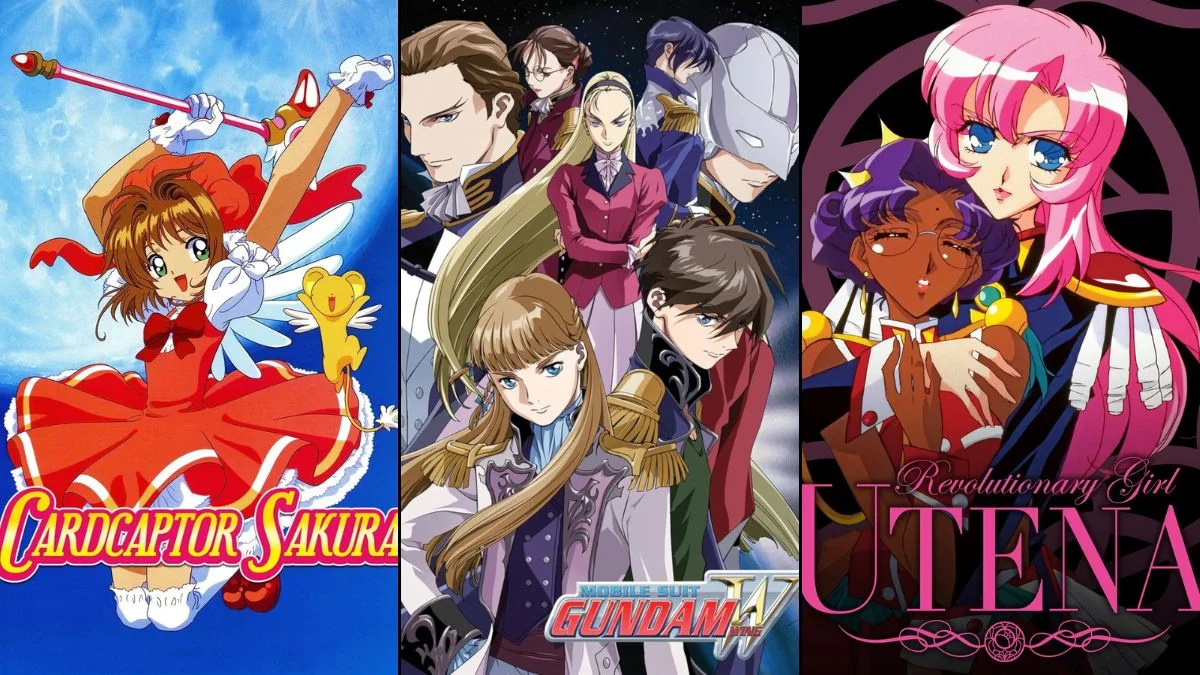
As a longtime anime fan, I’ve always felt the 90s were a special time, and looking back, it’s clear creators were really starting to experiment. They began challenging traditional ideas about love and relationships, and a lot of series featured same-sex pairings – though sometimes they had to be a little subtle to get past censors. What I loved was that even with those limitations, these shows delivered incredibly moving stories about love, loyalty, and characters supporting each other, whether they were facing personal struggles or literally saving the world. These weren’t always explicitly romantic relationships, sometimes they were deep friendships, but they definitely struck a chord with viewers globally.
‘Sailor Moon’ (1992–1997)
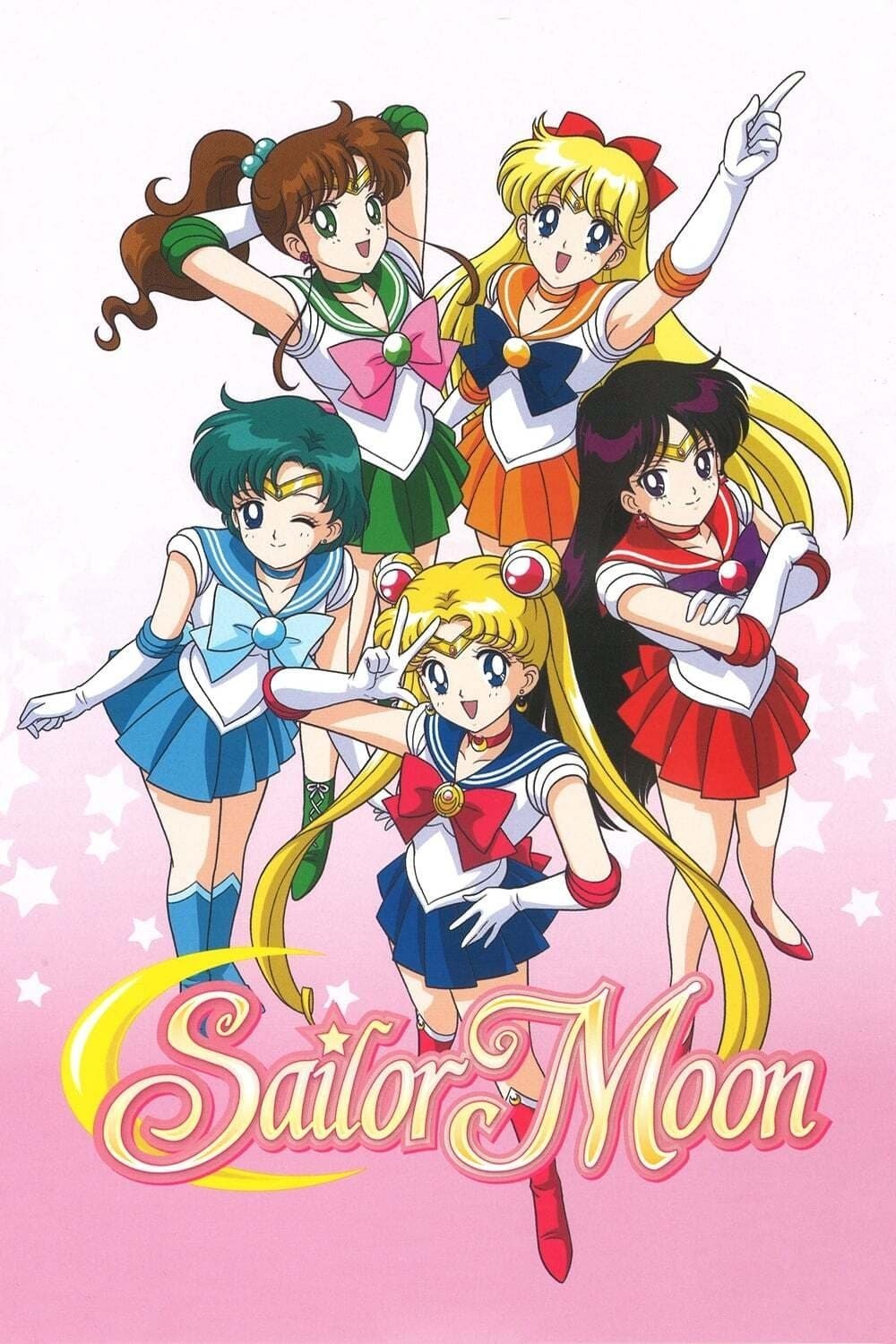
Haruka Tenoh and Michiru Kaio are widely considered one of the most memorable same-sex couples in anime from the 1990s. While some international versions were altered, the original Japanese portrayal clearly shows a romantic connection between these two Sailor Guardians. They fight seamlessly together and often display playful affection when they’re not in costume. Their relationship is a strong, mature partnership built on both their dedication to their mission and their deep love for each other, and they later become caring protectors for Sailor Saturn.
‘Cardcaptor Sakura’ (1998–2000)
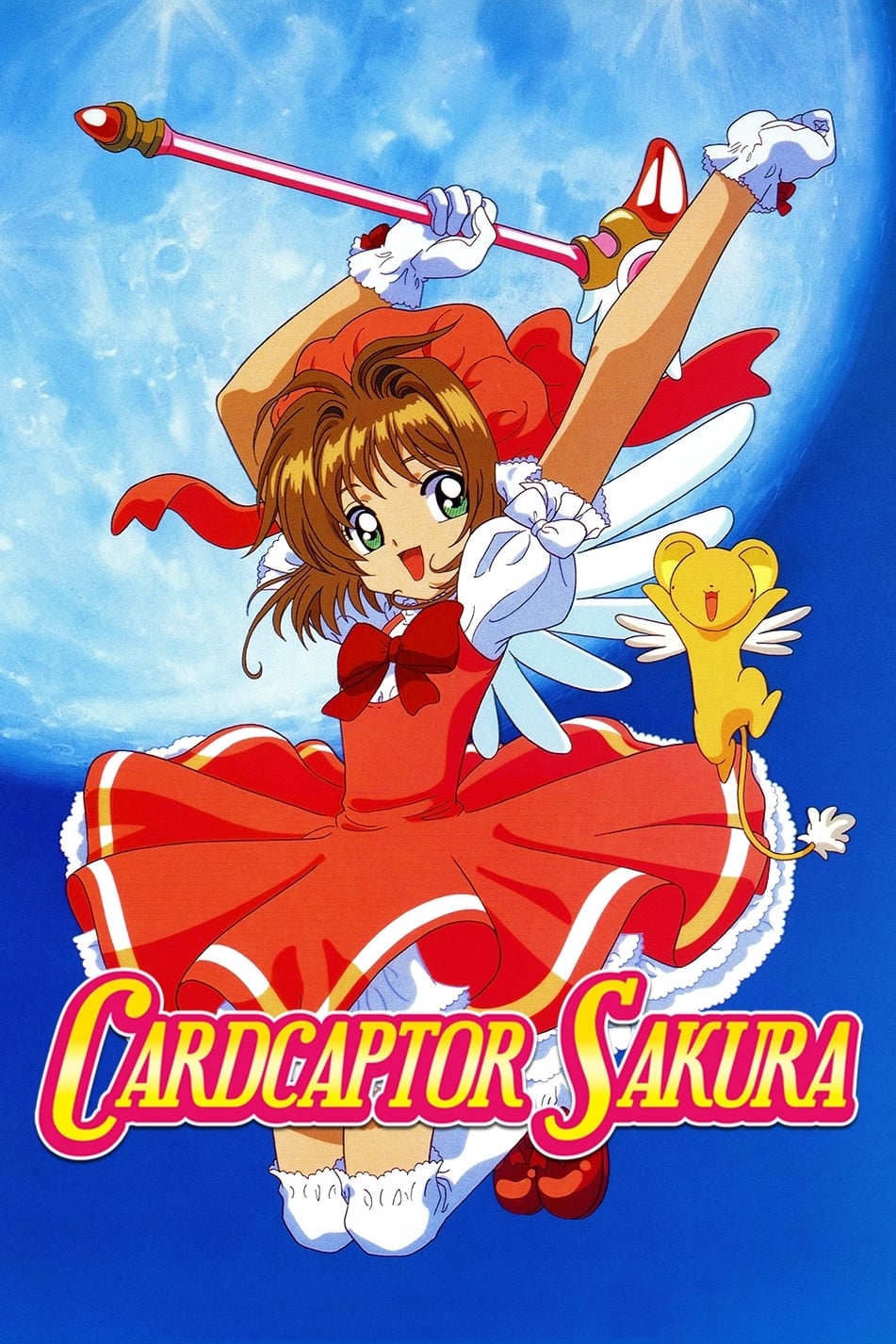
Touya and Yukito have a deeply supportive relationship that’s central to the story. Touya consistently cares for and protects Yukito, even going so far as to give up his magic to save him. The story clearly shows how important Yukito is to Touya, without ever having to state it directly. Viewers quickly understand that Yukito is the person Touya loves most. Their connection is often praised as a wonderful example of tender and caring affection between men in anime.
‘Revolutionary Girl Utena’ (1997)
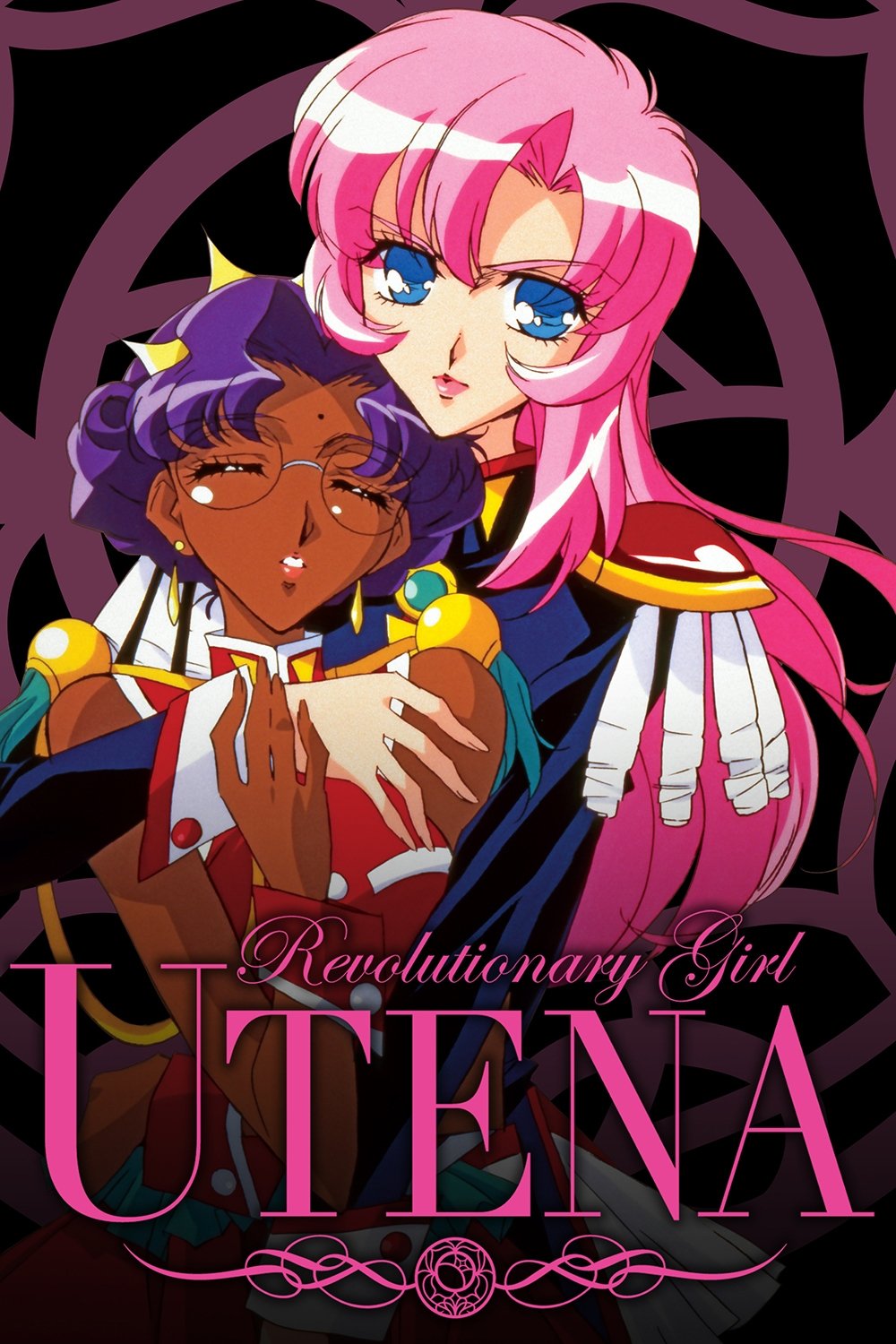
Utena Tenjou and Anthy Himemiya share a complicated relationship that challenges classic fairy tale ideas. Utena tries to become a prince to shield Anthy from the harmful duels at Ohtori Academy. As they connect, their relationship grows beyond a simple rescue, becoming a deep understanding of each other’s past pain and a journey toward freedom. The series ends with them strengthening their bond and changing their world for the better. It’s a groundbreaking story that explores themes of queer identity and the power of women.
‘Neon Genesis Evangelion’ (1995–1996)
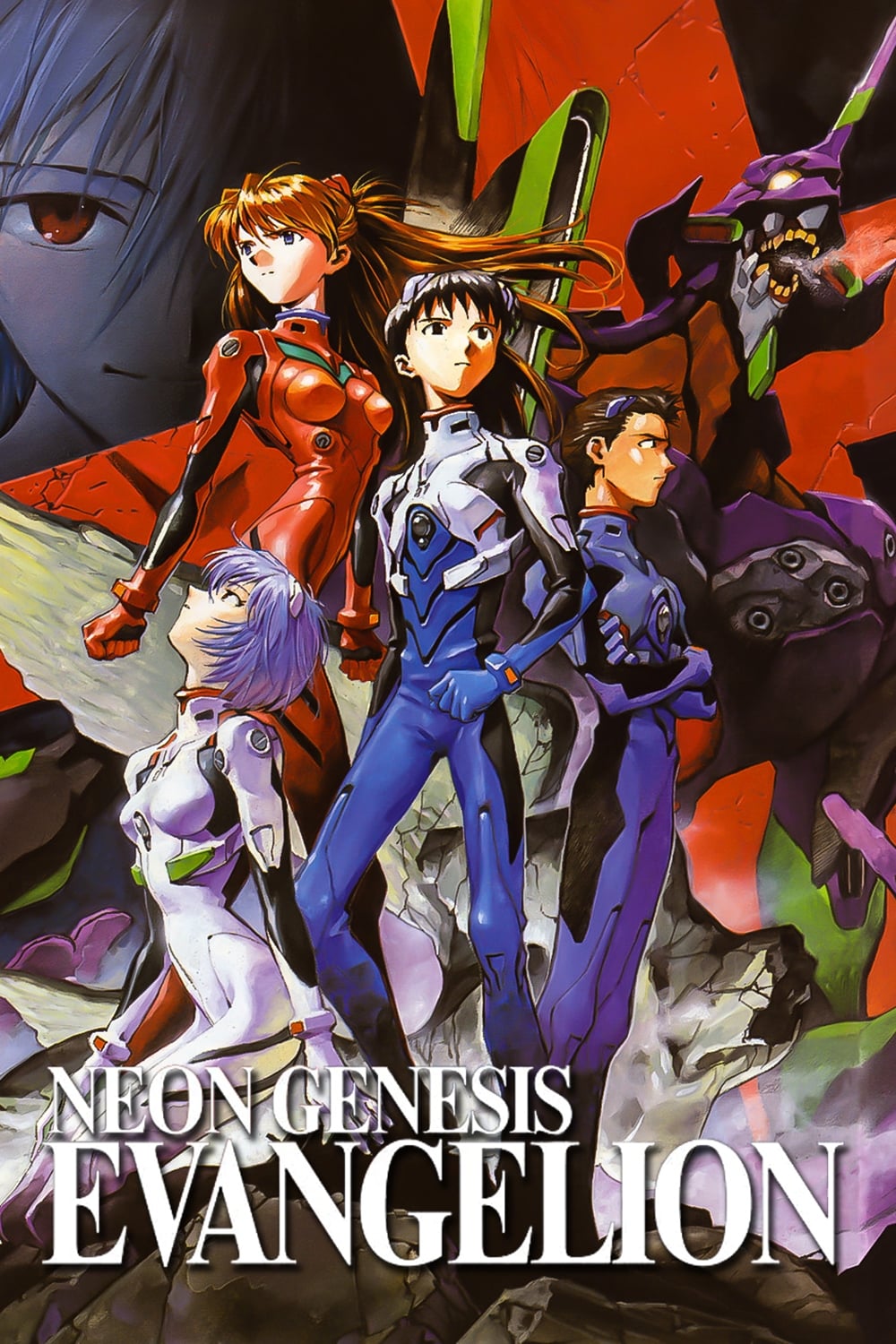
Kaworu Nagisa arrives in Shinji Ikari’s life when Shinji is feeling incredibly lonely and emotionally troubled. Kaworu offers Shinji the genuine affection and closeness he’s been longing for. Through intimate moments, like sharing a bath and sleeping near each other, Shinji begins to let his guard down. Kaworu openly expresses his feelings and shows Shinji a level of kindness he hasn’t experienced before. Though their connection is short-lived, it deeply affects both Shinji and those watching his story.
‘Mobile Suit Gundam Wing’ (1995–1996)
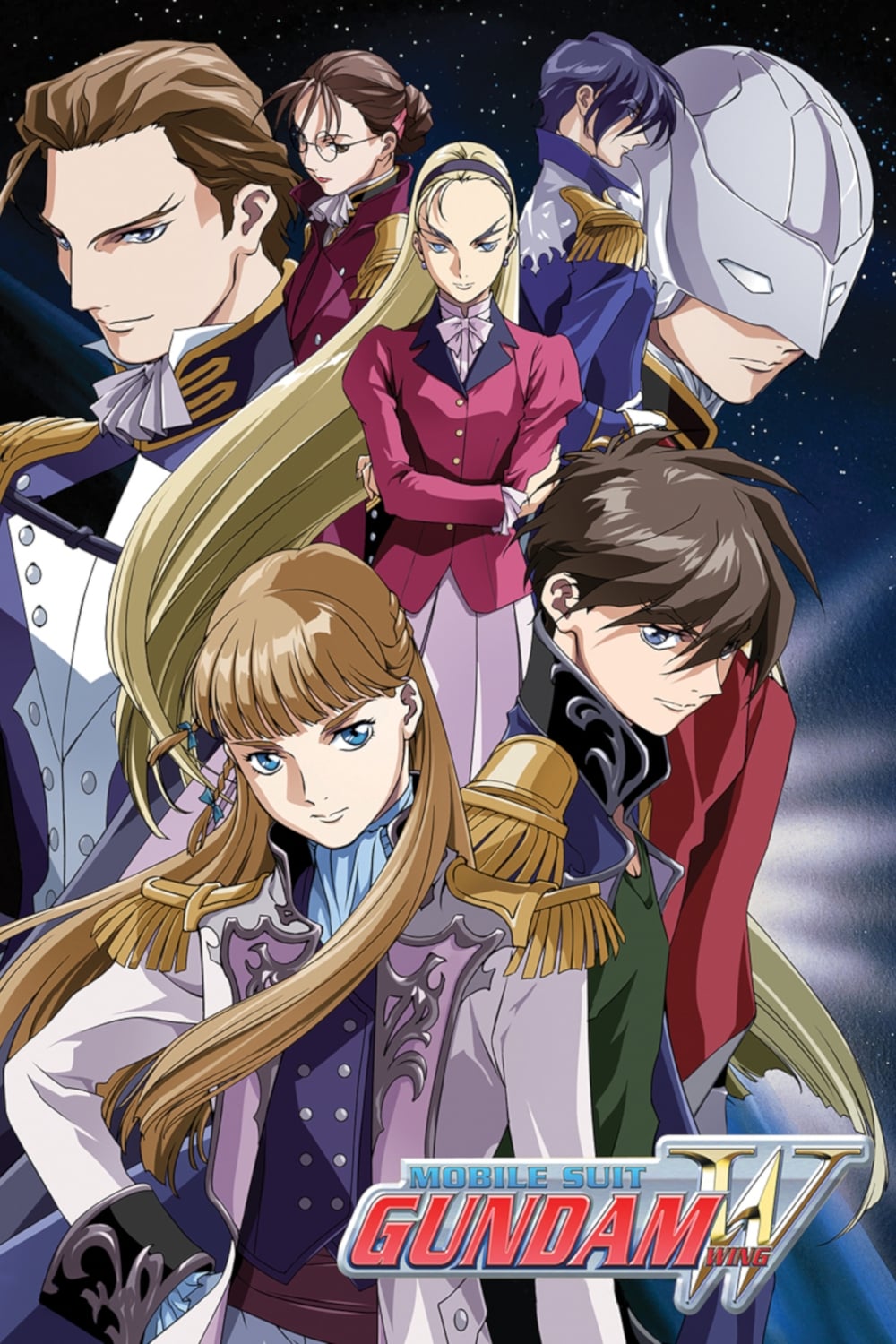
Amidst the turmoil of war, Quatre Raberba and Trowa Barton share a deep and meaningful connection. Quatre uniquely understands Trowa’s quiet nature, and Trowa consistently prioritizes Quatre’s safety and well-being, helping him through difficult times. Their moments together are powerfully emotional, going beyond the usual bonds between soldiers. The story emphasizes that their empathy is a source of strength, not a vulnerability, in battle.
‘YuYu Hakusho’ (1992–1994)

Itsuki and Shinobu Sensui are villains with a strong and devoted bond. For years, Itsuki was Sensui’s only friend and source of support as his mental health deteriorated. The story shows Itsuki as the only one who truly understood and accepted all seven of Sensui’s different personalities. Their relationship is heartbreaking, but they remain committed to each other until the end. This connection made the villains more complex by revealing a loving foundation for their actions.
‘You’re Under Arrest’ (1994–1995)
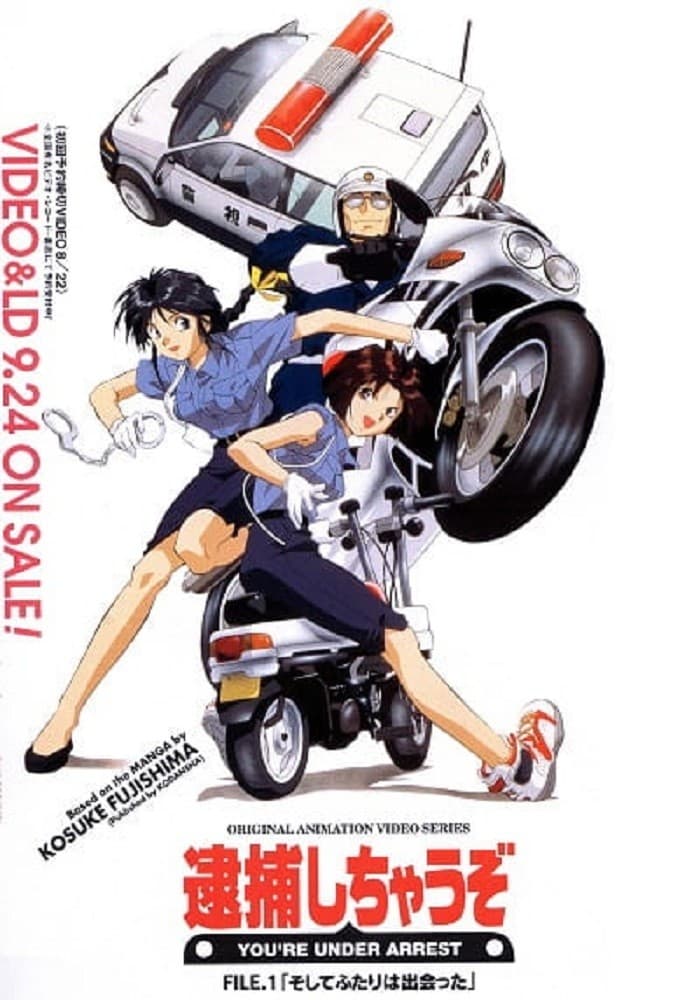
Miyuki and Natsumi are police officers and roommates who are incredibly close, sharing all parts of their lives. The show highlights their deep connection – it’s often unclear if they’re just best friends or something more. They support each other emotionally and practically, both at work and in their personal lives, and are clearly stronger together. This created a compelling sense of a loving home life that many viewers really enjoyed.
‘Battle Athletes Victory’ (1997)
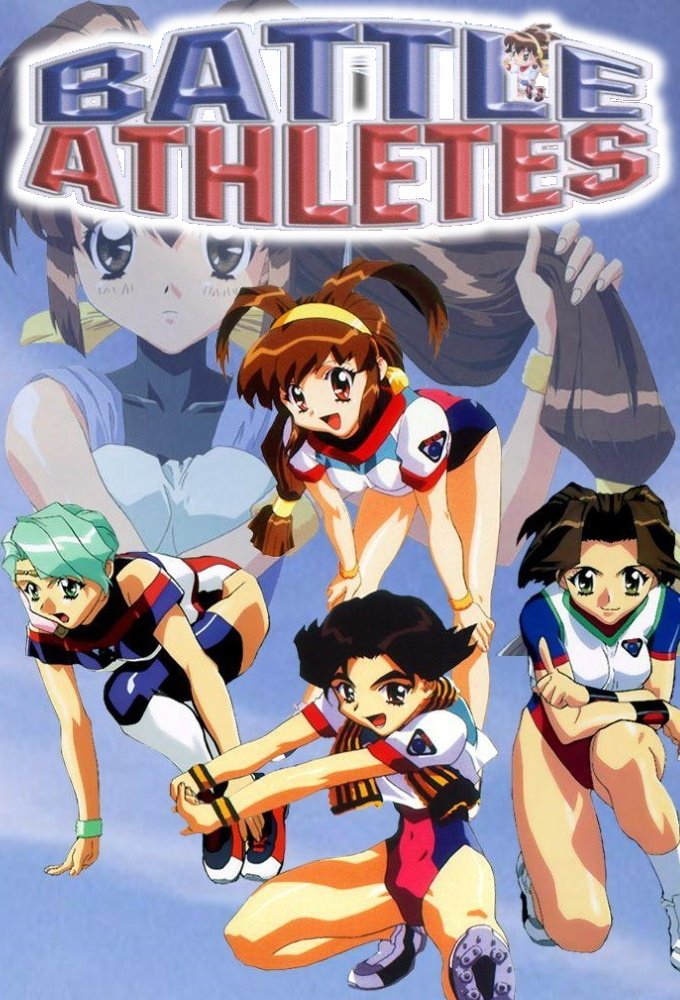
Akari Kanzaki and Kris Christopher develop a deep connection that goes beyond just being rivals. Kris often shows Akari affection and isn’t afraid to get close to her, which makes Akari blush. Their relationship helps them both perform better in the challenging cosmic competition. They eventually kiss, which feels like a meaningful connection on a spiritual and emotional level. The story portrays their love as a powerful and positive force that helps them overcome their fears.
‘Magic Knight Rayearth’ (1994–1995)
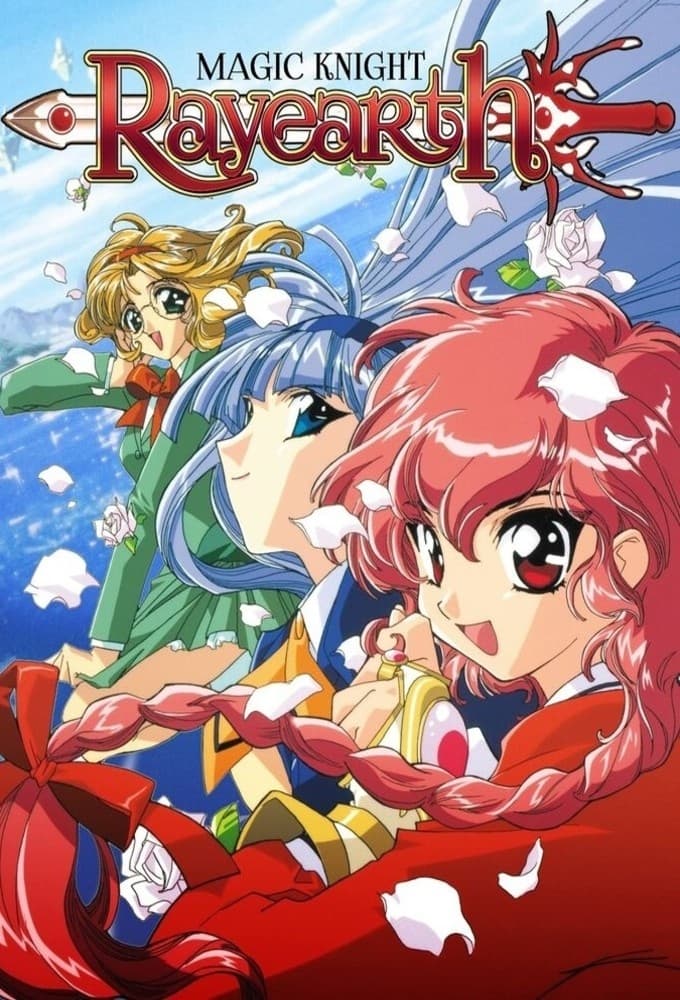
Eagle Vision and Lantis have a shared past and a strong connection that impacts the politics of their world. Eagle Vision is determined to save Cephiro, but his reasons are closely linked to his relationship with Lantis. While the anime version tones down some aspects of the original manga, it still emphasizes the deep emotional bond between them. Their scenes together are filled with unspoken understanding and respect, offering a more mature dynamic compared to the other romantic relationships in the story.
‘Legend of the Galactic Heroes’ (1988–1997)
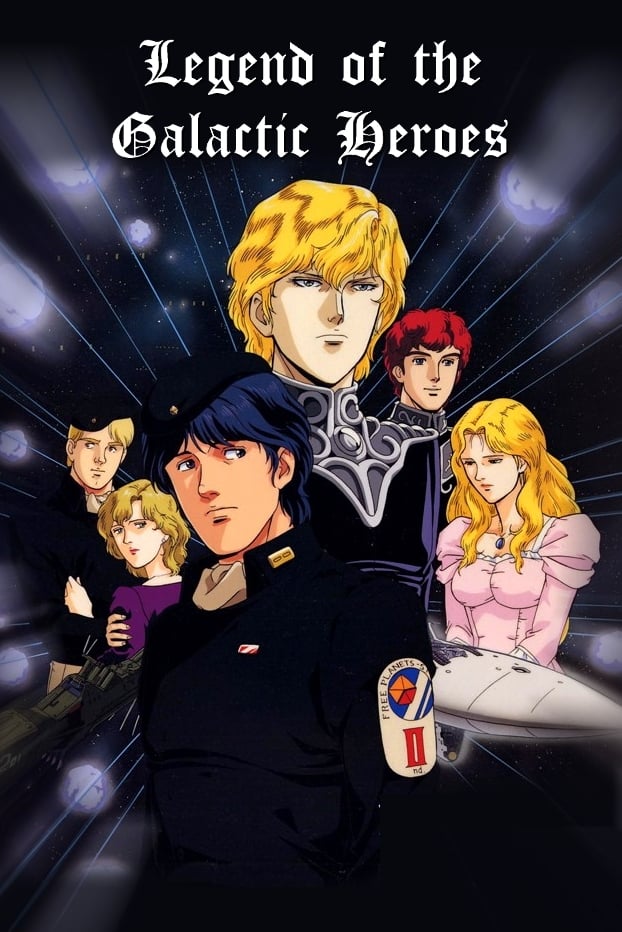
Reinhard von Lohengramm and Siegfried Kircheis have a deep, almost spiritual connection that dramatically influences galactic events. Kircheis is the only person Reinhard allows himself to be truly open with, acting as his conscience and guiding force. Reinhard prizes his relationship with Kircheis even more than his own empire, and is devastated when they’re apart. The story strongly suggests that their love for each other fuels many of their military campaigns, making their story a sweeping, romantic epic – even if it’s not explicitly labeled as one.
‘Serial Experiments Lain’ (1998)
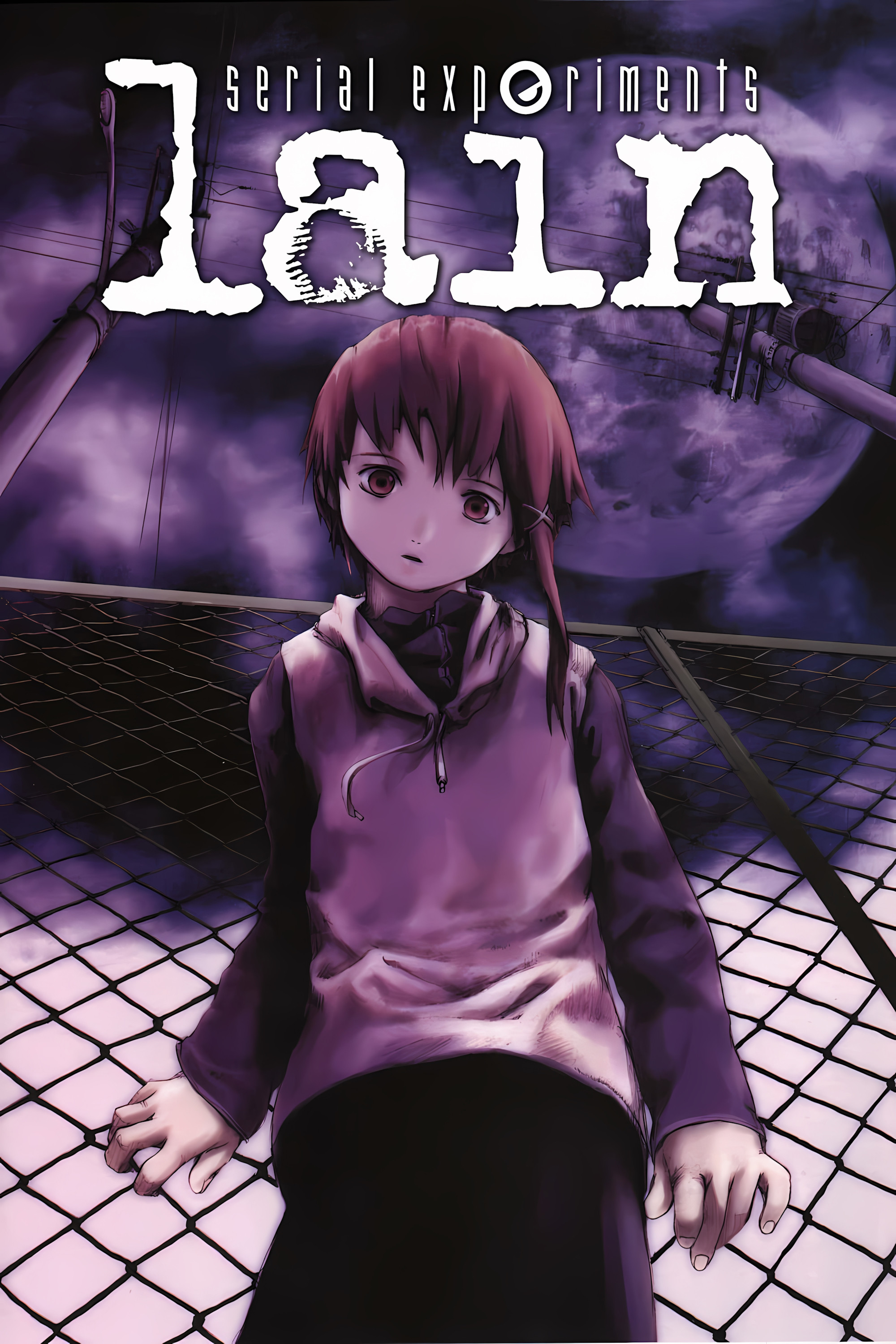
Alice Mizuki is Lain’s vital link to the real world. As Lain becomes increasingly disconnected from reality and other people, Alice is the only one who continues to love and accept her without question. Alice bravely tries to reach Lain, even at personal risk, when everyone else gives up. Their friendship ultimately prevents Lain from completely losing herself and demonstrates the importance of human connection. The series suggests that Alice’s love is the only genuine thing in a world that’s becoming increasingly virtual.
‘Weiss Kreuz’ (1998)

Yohji Kudo and Ken Hidaka have a strong connection that sets them apart from their teammates. They often work together and are very protective of each other, with the show repeatedly putting them in situations where they rescue each other. This close bond and constant reliance on one another led fans to speculate about a romantic relationship, creating a playful “married couple” vibe within the assassin team.
‘Dear Brother’ (1991)
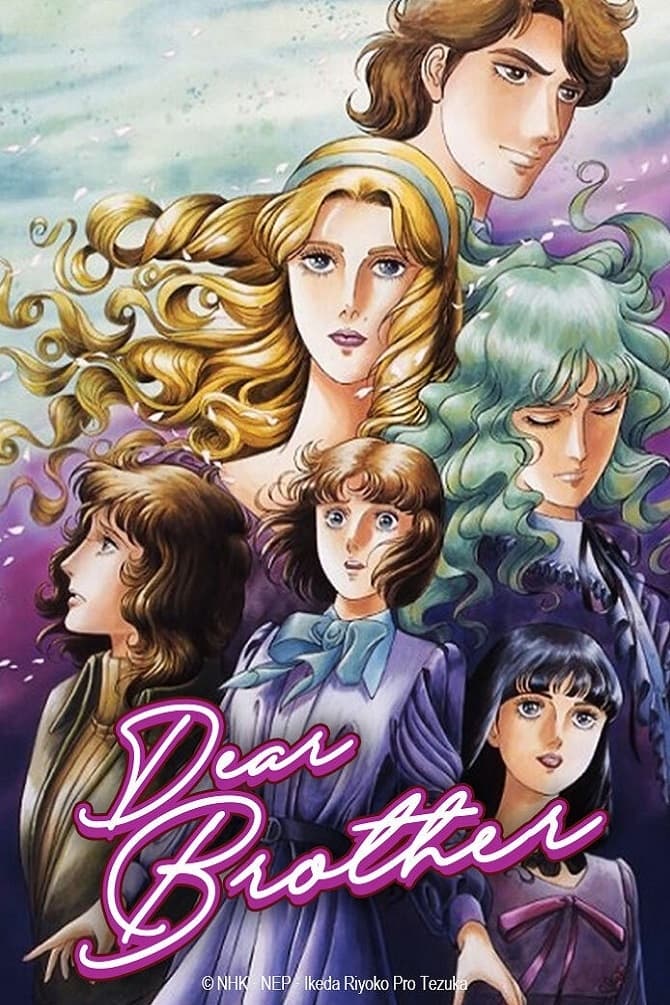
This show delves into the complex and emotionally charged relationships between girls at an exclusive boarding school. Nanako Misono develops strong connections with her classmates, where feelings of affection turn into something more. The series portrays these female friendships with the same depth and intensity typically seen in traditional love stories. Though often heartbreaking, it celebrates the power of female attraction and the pain of unrequited love, and is considered a landmark achievement in the shoujo-ai genre.
‘Tokyo Babylon’ (1992–1994)
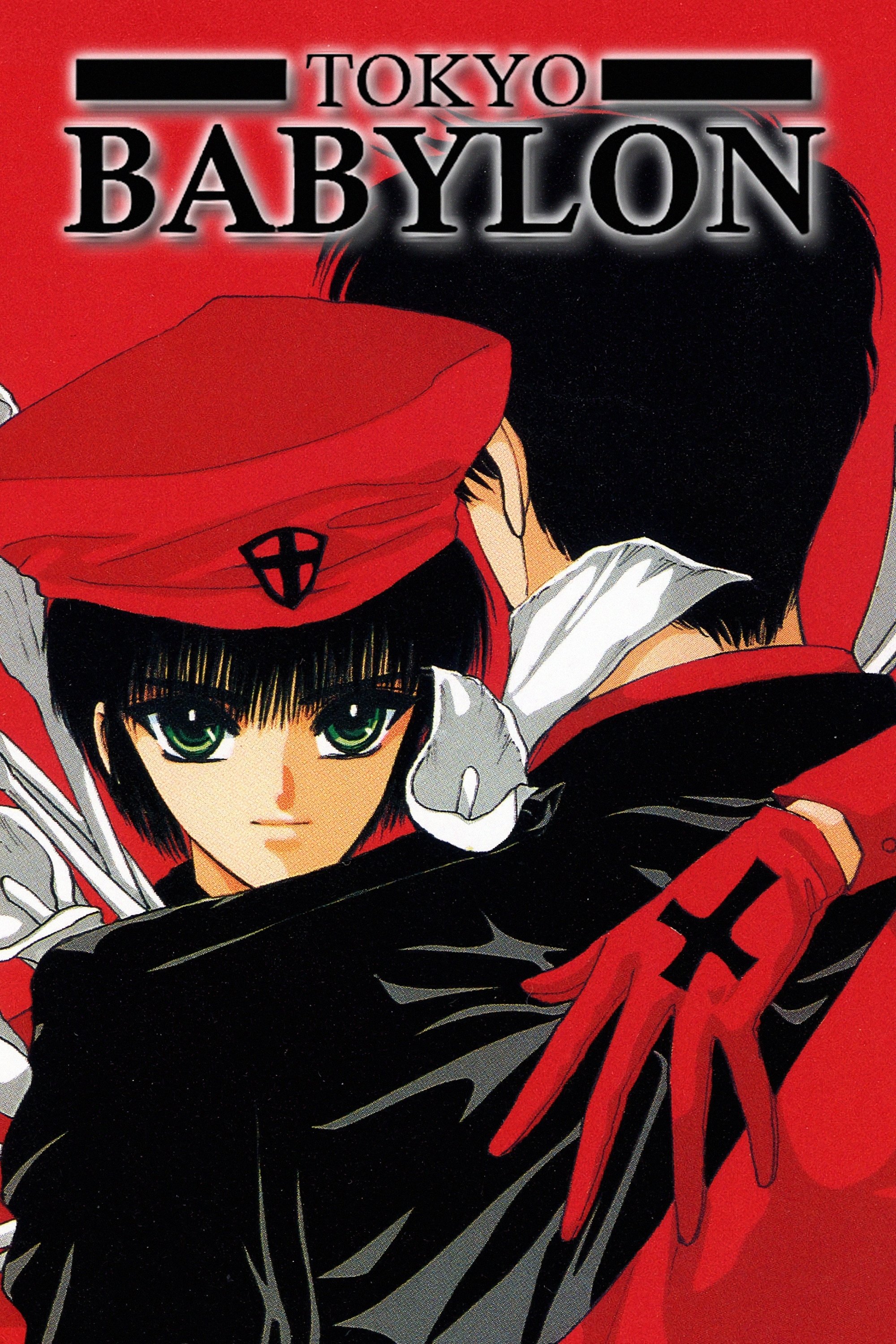
Subaru Sumeragi and Seishiro Sakurazuka have a playful but caring relationship, with Seishiro often teasingly confessing his love for Subaru, hinting at deeper feelings. The original animated series focuses on their time working together as detectives. Their connection pushes Subaru to grow up and understand his own emotions. It’s a beautiful and captivating portrayal of the complex connection between two powerful individuals.
‘Gravitation: Lyrics of Love’ (1999)
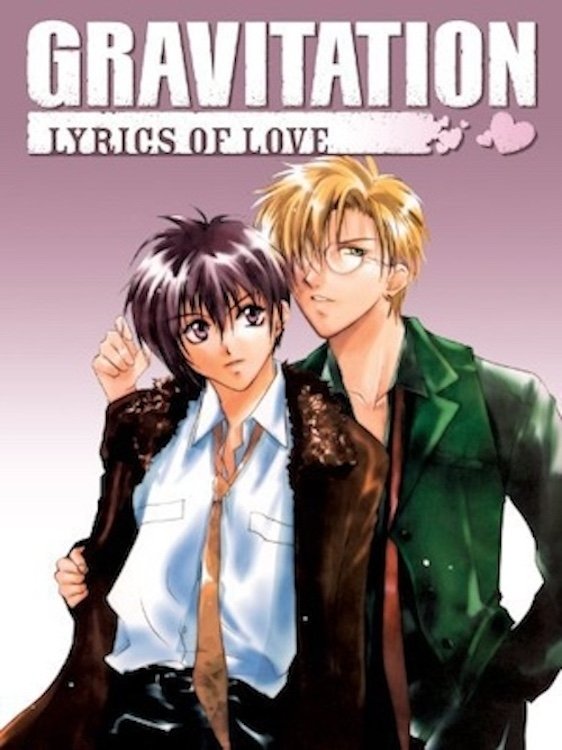
The original 1999 animated version of this story centers on the complicated relationship between Shuichi, an up-and-coming musician, and Eiri, a successful novelist. Shuichi persistently pursues Eiri, even though Eiri initially appears distant and reserved. The story explores how Shuichi’s sincere feelings gradually help Eiri overcome his emotional barriers. Their romance tackles issues like dealing with celebrity and recovering from past hurts. It was a groundbreaking work for its time, bringing a realistic male-male romance to a wider audience.
‘Fushigi Yûgi: The Mysterious Play’ (1995–1996)
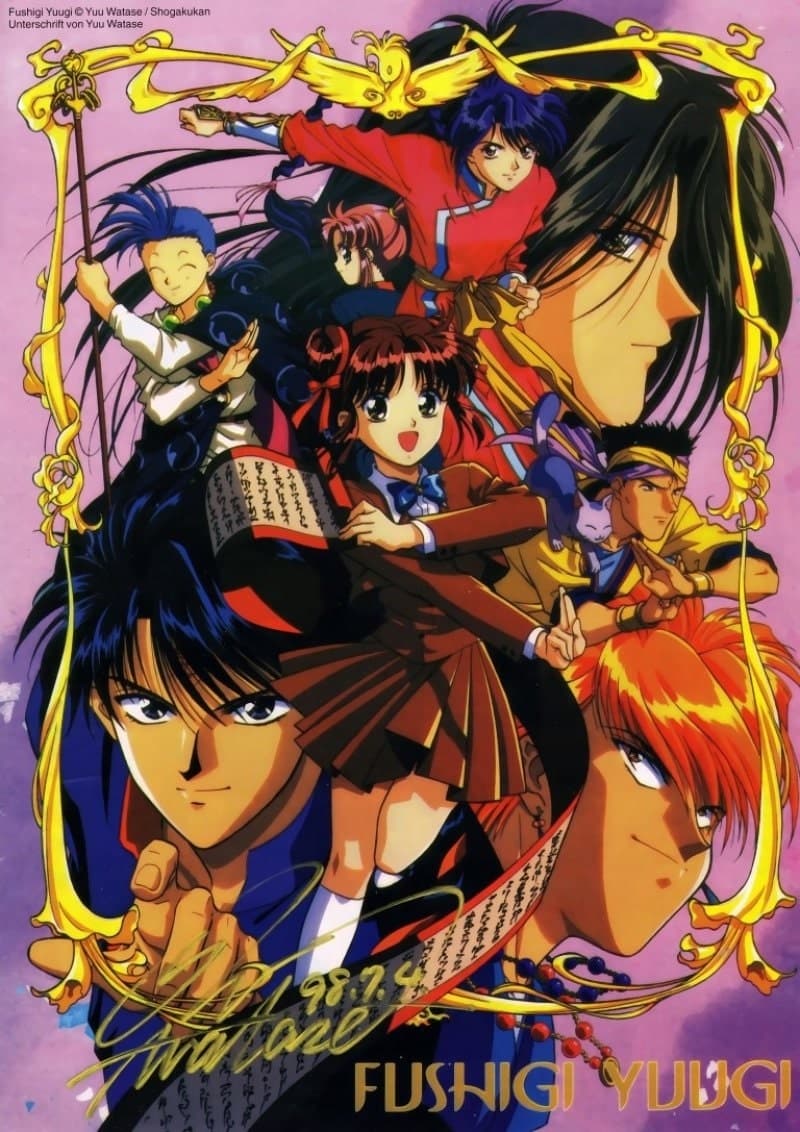
Nuriko is a powerful warrior who identifies as a woman and is deeply in love with the Emperor Hotohori. Though assigned a different physical body, Nuriko’s identity is ultimately respected by those around her. Her love for Hotohori is portrayed as both heartbreaking and beautiful, and the story treats this unrequited love with sensitivity. Nuriko’s strength comes from her deep feelings, allowing her to be a heroic figure.
‘Earthian’ (1989–1996)
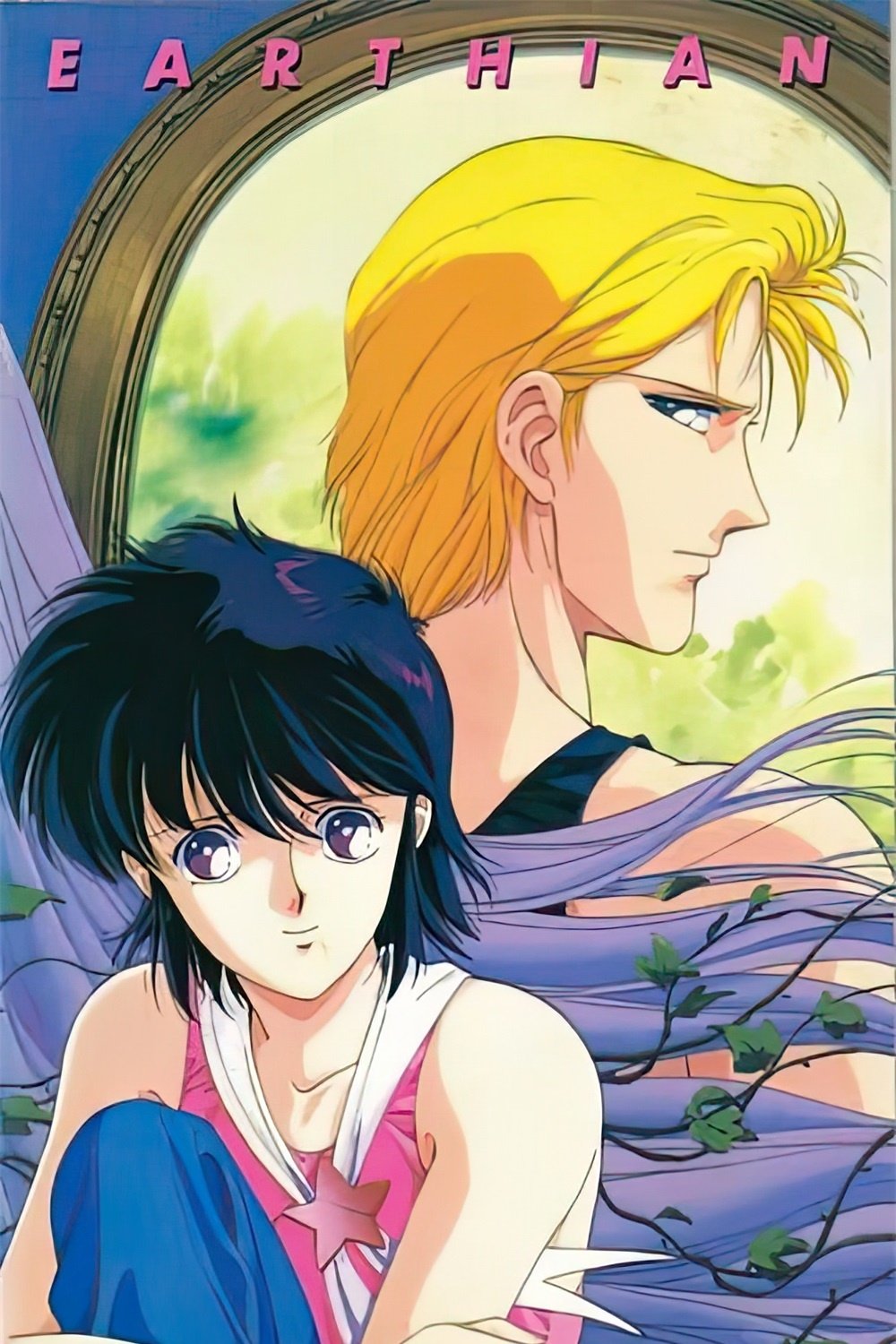
Chihaya and Kagetsuya are angels tasked with observing humanity and determining its fate. As partners with contrasting personalities, they depend on each other while experiencing the human world. The story follows their deepening connection as they begin to doubt their mission and the orders from above. Their strong bond is the emotional heart of the series, protecting them from negativity. Many viewers, particularly those in the LGBTQ+ community, have connected with the story’s theme of two partners facing the world together.
‘Miyuki-chan in Wonderland’ (1995)
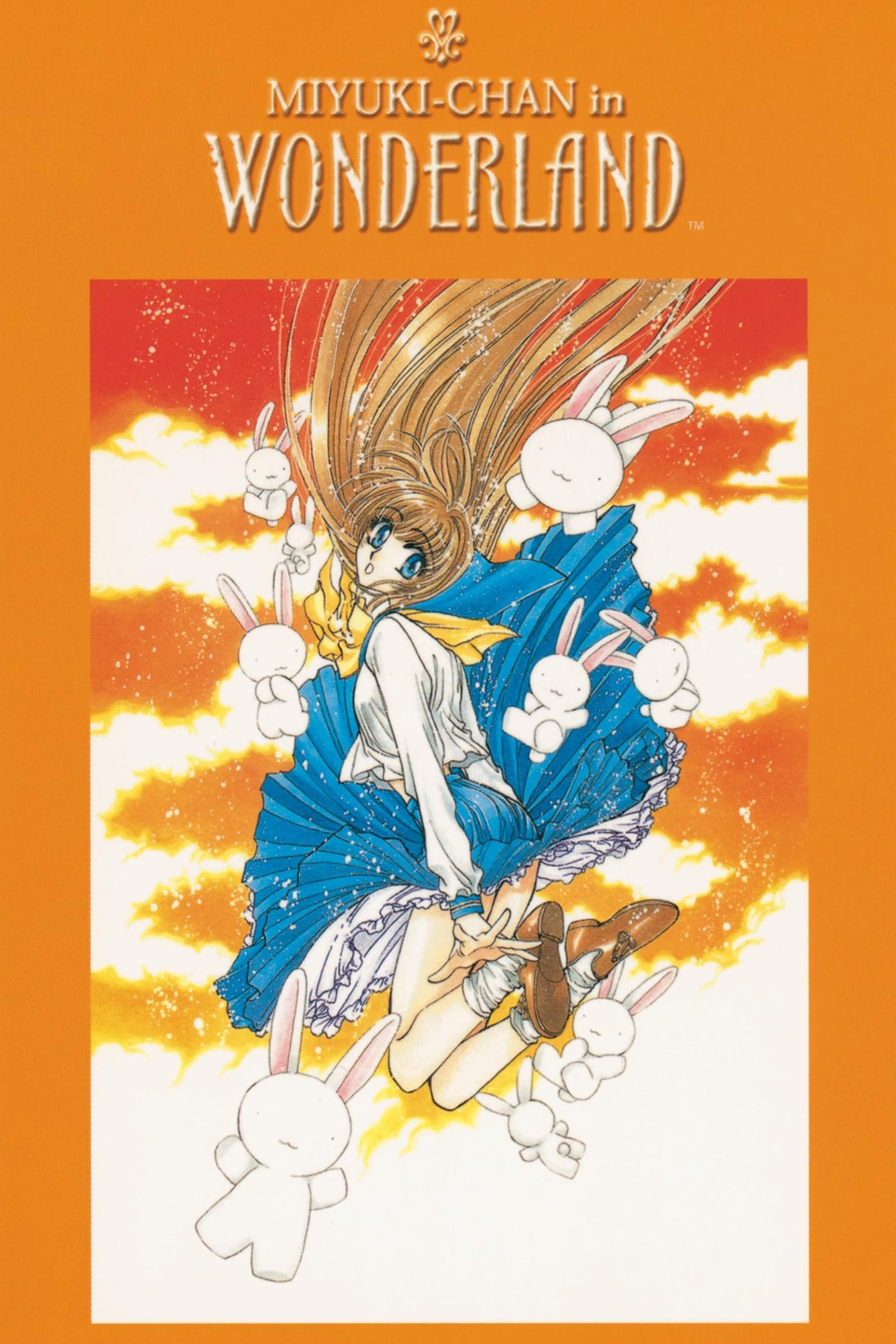
This unusual animated short centers around Miyuki, who finds herself in a world where all the women are attracted to her. Though it’s funny, the show builds a world where loving someone of the same sex is completely normal. Miyuki is pursued by a variety of women, and because there are no male characters, the story focuses on the desire between women. Ultimately, it’s a cheerful and positive portrayal of women loving women.
‘Fake’ (1998)
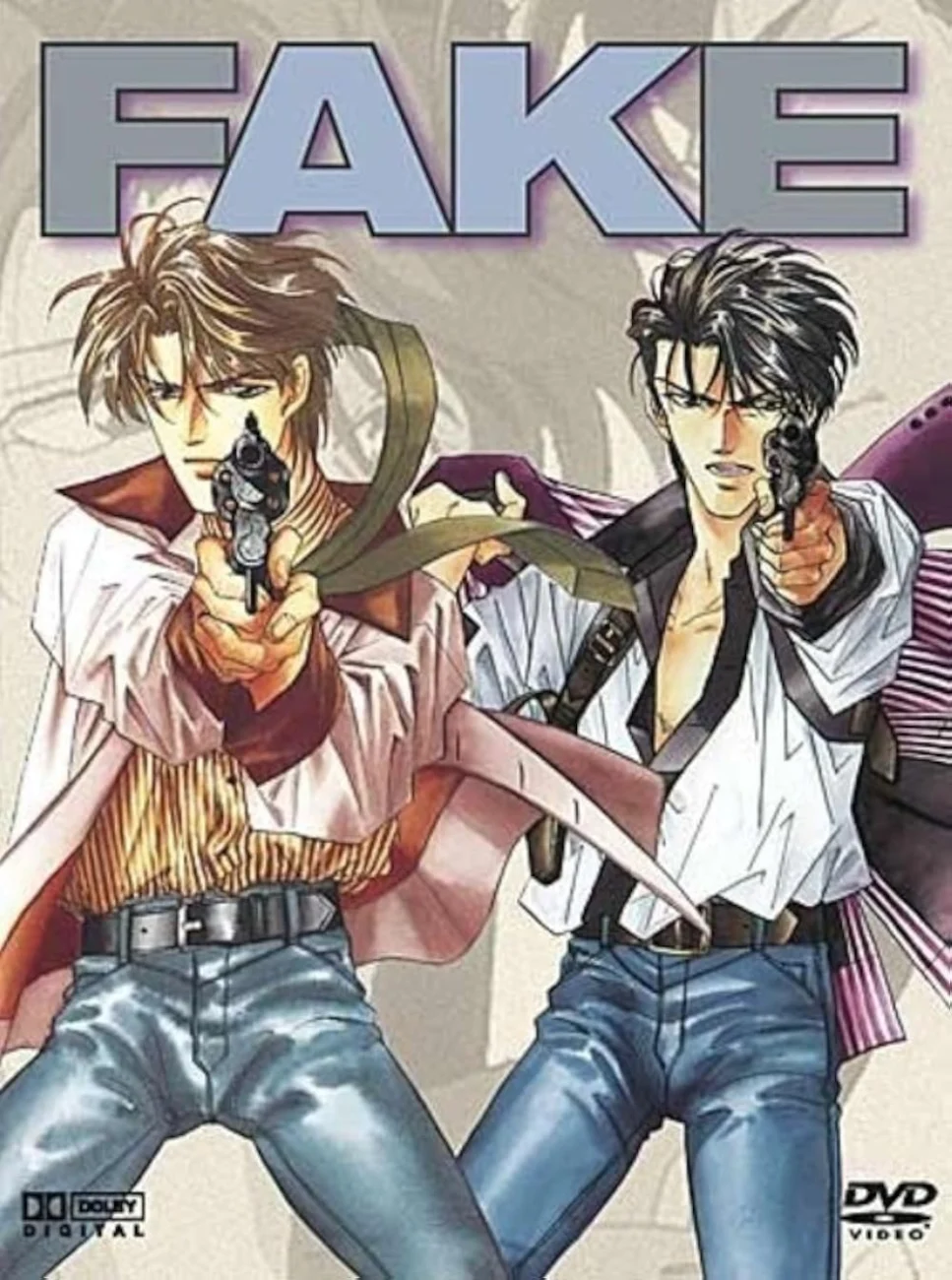
As a total movie and TV buff, I recently stumbled upon this series about Dee Laytner and Ryo Maclean, and I was immediately hooked. They’re NYC detectives, but what’s really interesting is their relationship – they’re partners at work and trying to navigate things romantically. Dee is pretty upfront about his feelings for Ryo, but Ryo’s a little more hesitant because of stuff he’s been through. What I loved is that it doesn’t just focus on the crime-solving; it really shows their life together, how they function as a family even with all the danger, and how their connection actually helps them crack cases. It’s a really well-balanced show – plenty of action, but with a romance that feels incredibly real and earned.
‘Seraphim Call’ (1999)
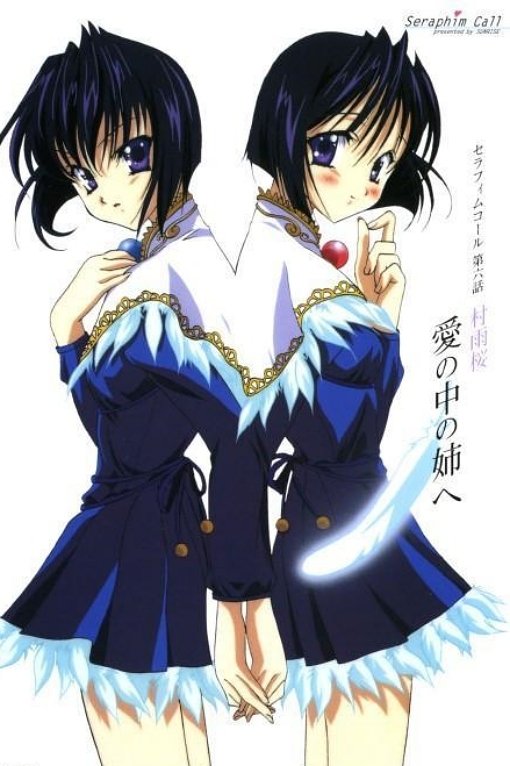
This show features standalone stories, each focusing on a different girl. One episode beautifully portrays the developing romance between Murasame and Yukina. It honestly explores the experience of falling for a friend, and the anxiety that comes with risking the friendship by sharing those feelings. The story is handled with care and emphasizes the bravery it takes to be truthful, offering a gentle and positive representation of young, queer love.
Share your favorite 90s anime ships and moments in the comments!
Read More
- Games That Faced Bans in Countries Over Political Themes
- Gold Rate Forecast
- Unveiling the Schwab U.S. Dividend Equity ETF: A Portent of Financial Growth
- Silver Rate Forecast
- Superman Flops Financially: $350M Budget, Still No Profit (Scoop Confirmed)
- 22 Films Where the White Protagonist Is Canonically the Sidekick to a Black Lead
- 20 Movies Where the Black Villain Was Secretly the Most Popular Character
- 14 Movies Where the Black Character Refuses to Save the White Protagonist
- The Best Directors of 2025
- The Best Former NFL Players Turned Actors, Ranked
2025-12-07 19:17