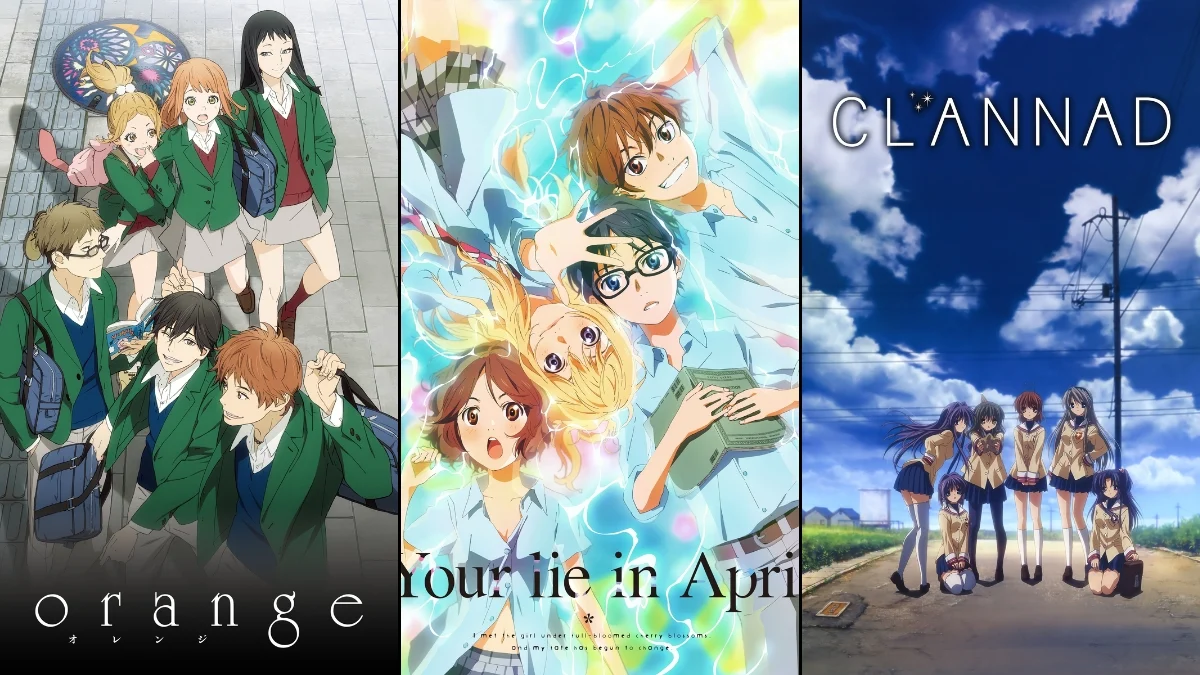
As a big anime fan, I’ve noticed something really interesting: sometimes a show makes it super obvious that two characters are meant for each other, and you can practically feel the other guy realizing he’s just orbiting their connection. I’m talking about those moments where a male character clearly sees a stronger bond forming between two others and gracefully steps back, or at least offers his support from the sidelines. The shows I’m thinking of don’t just hint at this—they have specific scenes, like confessions or big decisions, where that realization really hits. I’ve put together a little rundown of these shows, highlighting who’s involved and what exactly makes that ‘third wheel’ situation so clear.
‘Your Lie in April’ (2014–2015)

Kaori pretends to be dating Watari, but she clearly prioritizes Kousei and his music, revealing her true feelings. Watari realizes this and gracefully steps back, allowing Kousei and Kaori to grow closer through their music and shared experiences, like visiting each other in the hospital. The story’s focus, particularly during concerts, revolves around Kousei dealing with Kaori’s impact on him, intentionally excluding Watari from their emotional connection. Events like Valentine’s Day and the recital performances ultimately prove where Kaori’s heart truly lies.
‘Horimiya’ (2021–2023)
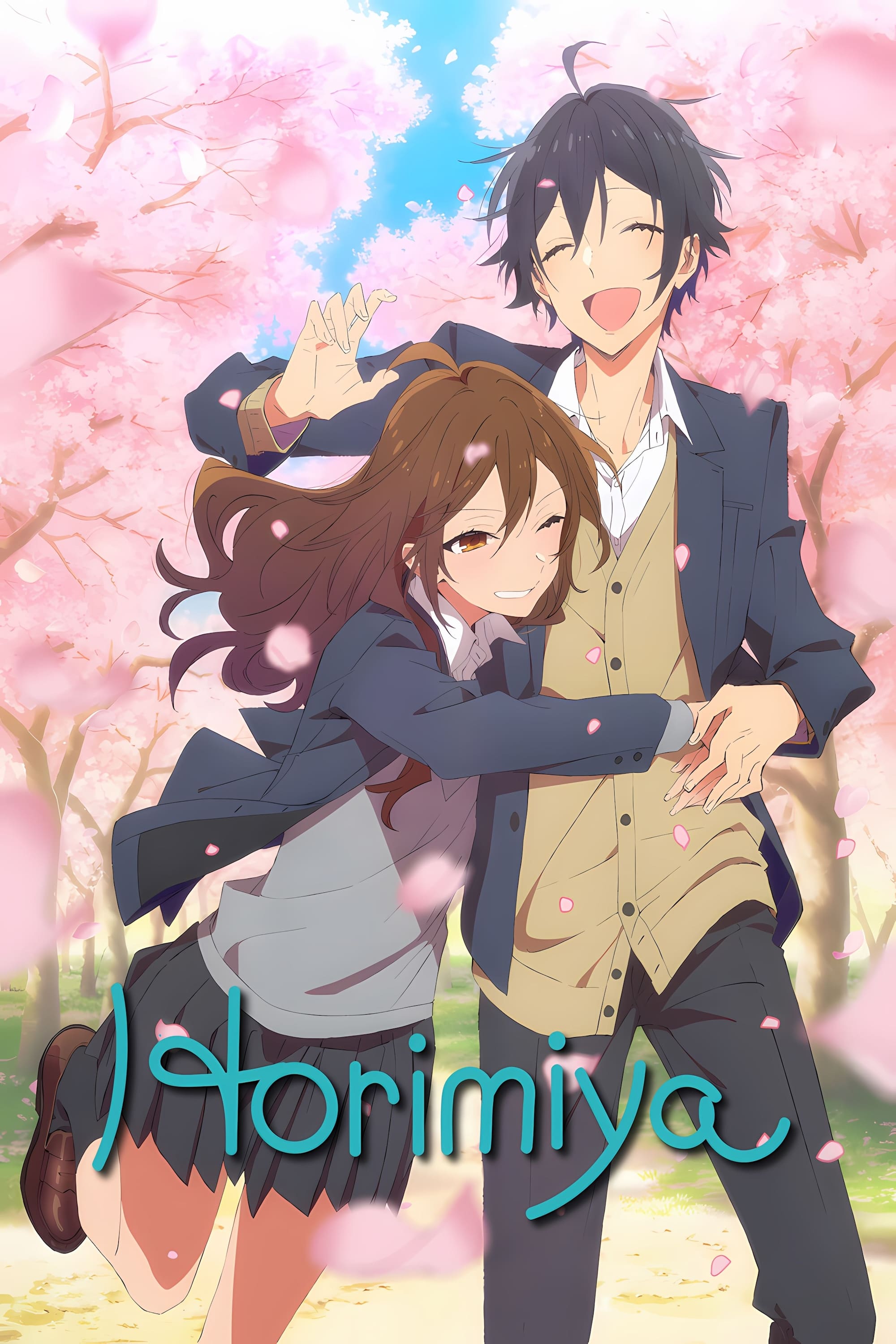
Toru first tried to win Hori’s affection, but it became clear that she and Miyamura were developing a close connection, especially as he spent more time with her and met her family. Toru quickly realized they had feelings for each other and happily stepped back to become a supportive friend. School events and activities further solidified their relationship as a couple. Eventually, Toru moved on and began his own relationships, accepting that Hori and Miyamura were meant to be together.
‘From Me to You: Kimi ni Todoke’ (2009–2011)

Kento Miura joining the class creates some tension, but Sawako and Kazehaya grow closer as they work on the school festival and talk more openly. Miura notices how Sawako reacts to things and how Kazehaya always seems to protect her, especially when people misunderstand things about her. Eventually, Sawako and Kazehaya confess their feelings for each other, making it clear they’re a couple, and Miura is left on the sidelines. Even after that, Miura remains friendly, but he’s kept at a distance from their relationship.
‘Orange’ (2016)
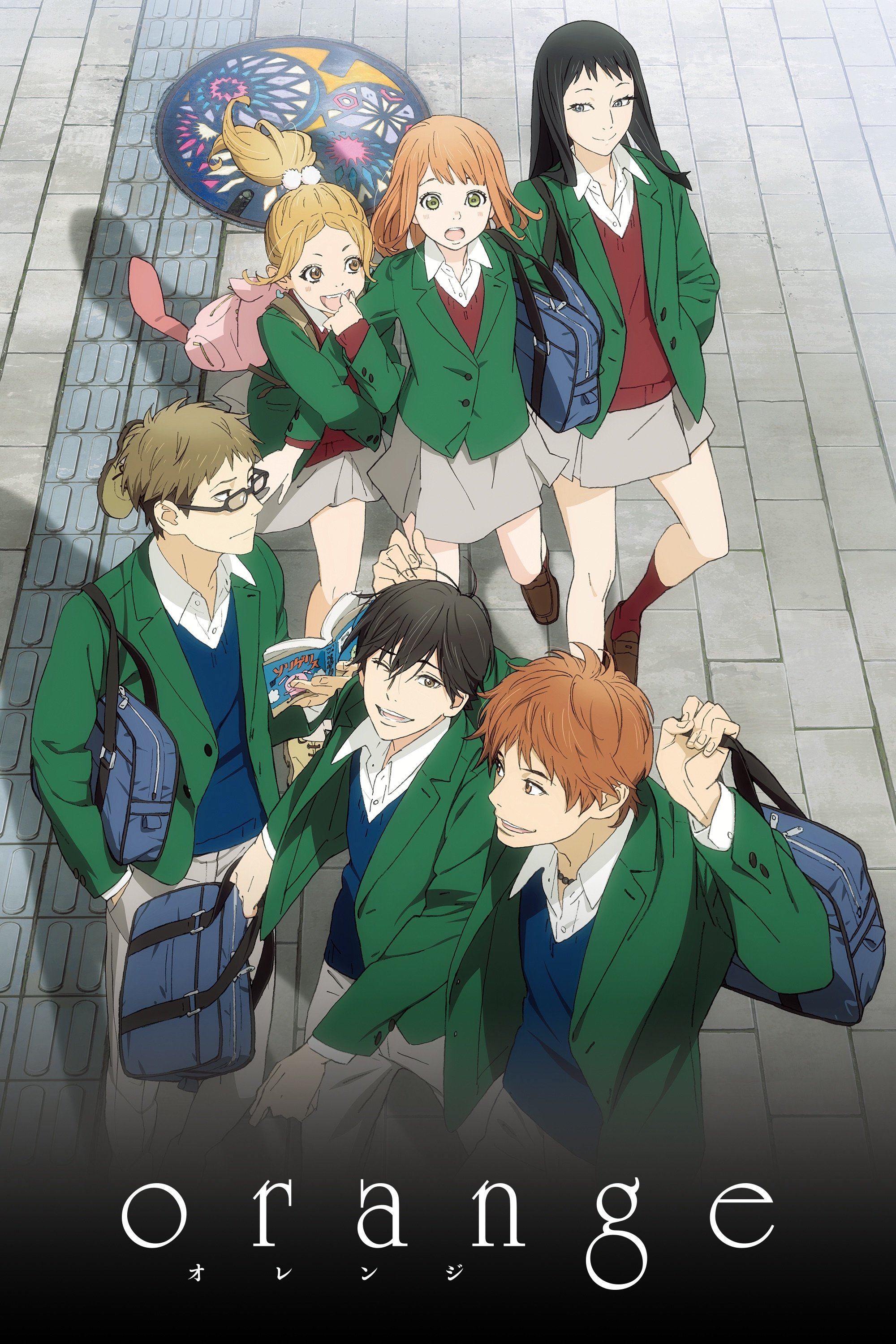
Within this alternate reality, Suwa realizes Naho still has feelings for Kakeru after reading her letters. He then deliberately creates opportunities for them to connect, such as group activities and school events. Seeing Kakeru’s needs become clear through memories and New Year’s celebrations, Suwa decides to focus on supporting his friend’s happiness, even if it means accepting that he’ll always be an observer in their relationship, regardless of the timeline.
‘Snow White with the Red Hair’ (2015–2016)
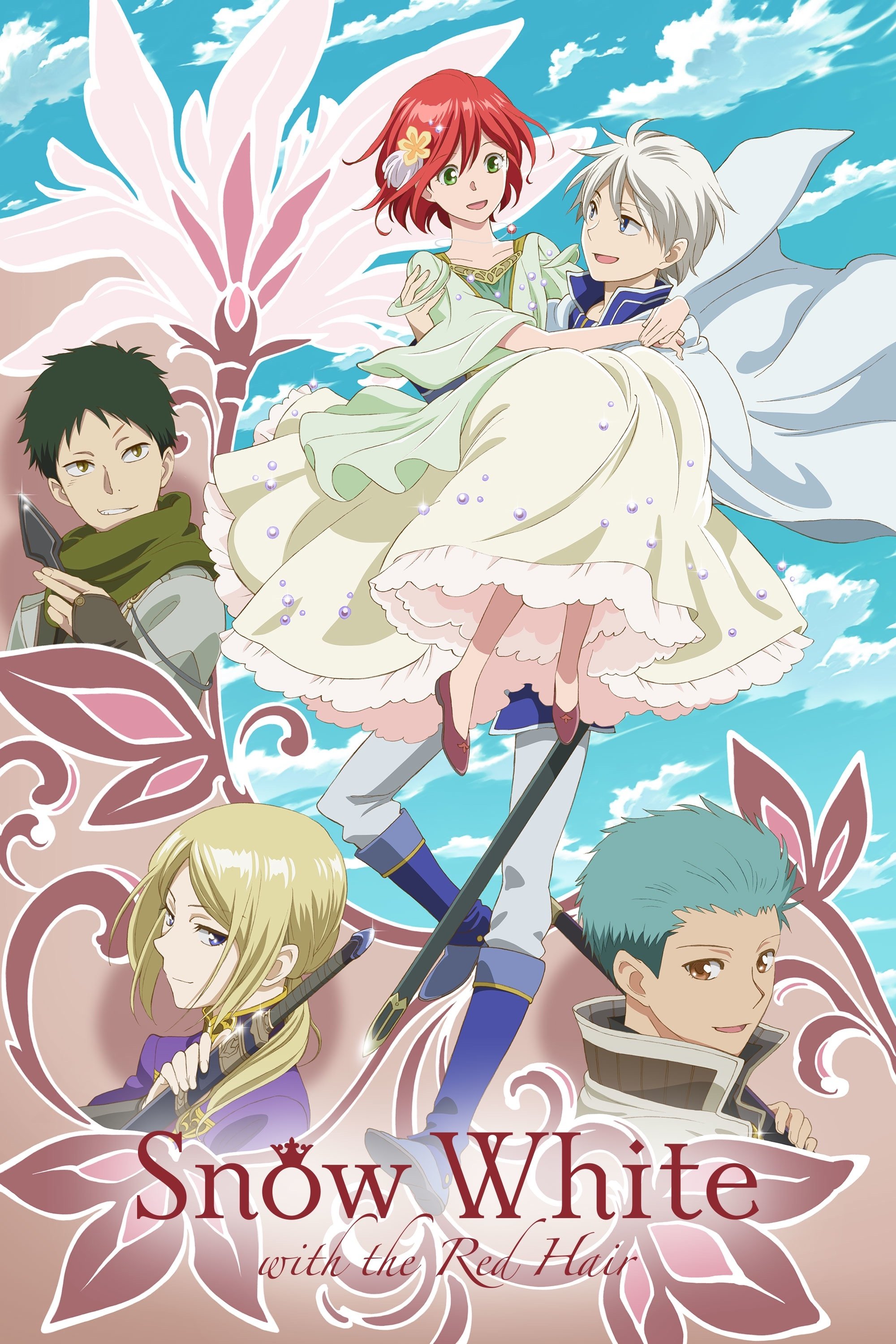
Obi spends a lot of time near Shirayuki, and through their work together – like missions, daily life in the castle, and official events – he sees how much she and Zen care for each other. Because of their positions and duties, Zen and Shirayuki are often together privately, hinting at a growing official connection. Obi understands this and willingly takes on the role of protector and helper, rather than trying to compete with Zen. Open communication helps him fully grasp the boundaries of their relationship.
‘Blue Spring Ride’ (2014)
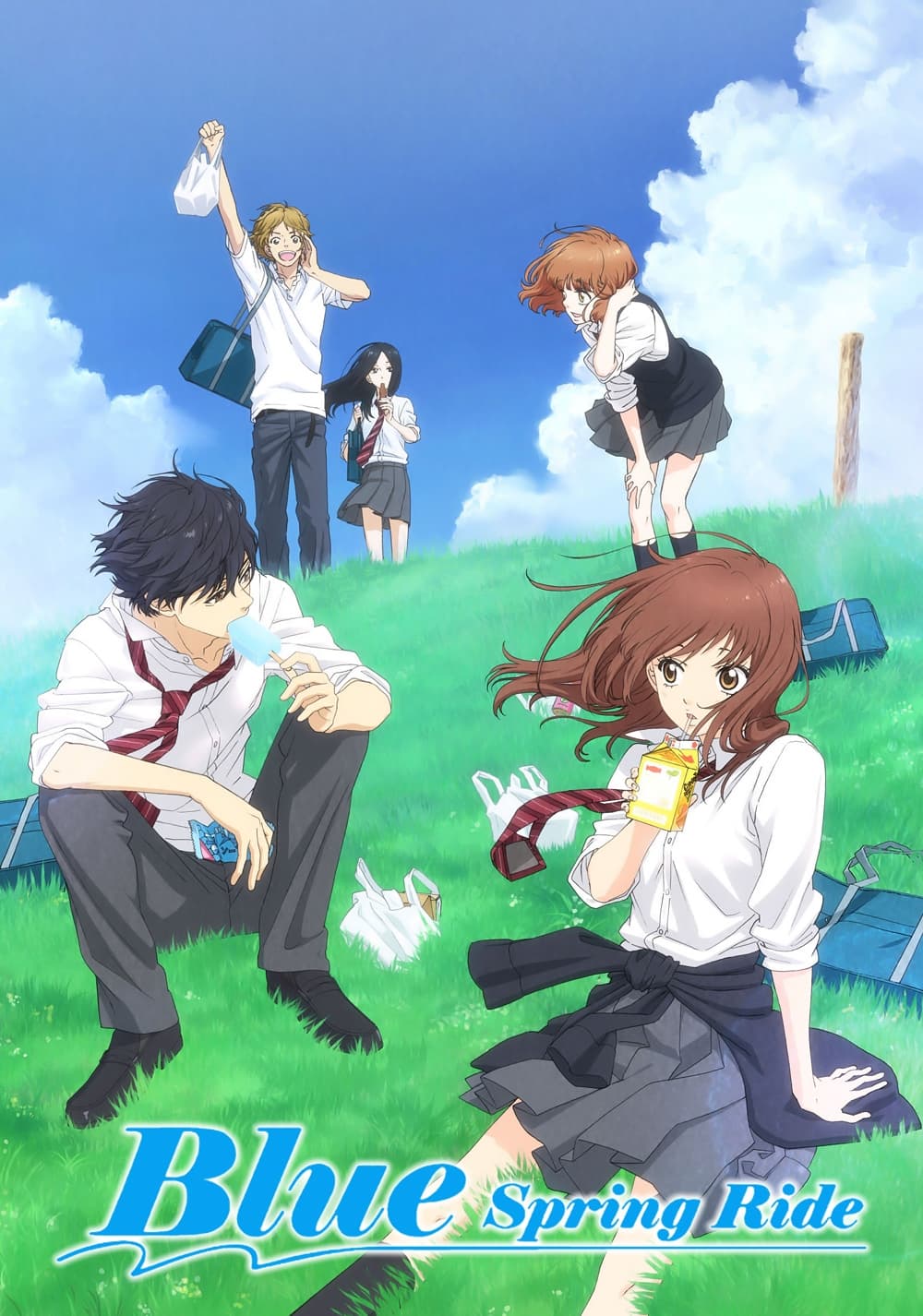
Touma notices Futaba is drawn to Kou, and this happens while Touma himself is also trying to connect with her. Through shared activities like studying and attending the festival, and even in tense encounters, Futaba consistently shows Kou her attention. Touma observes how differently she reacts to Kou compared to others, especially during moments when she’s opening up. He ultimately realizes that Kou holds a special place in Futaba’s heart.
‘A Lull in the Sea’ (2013–2014)
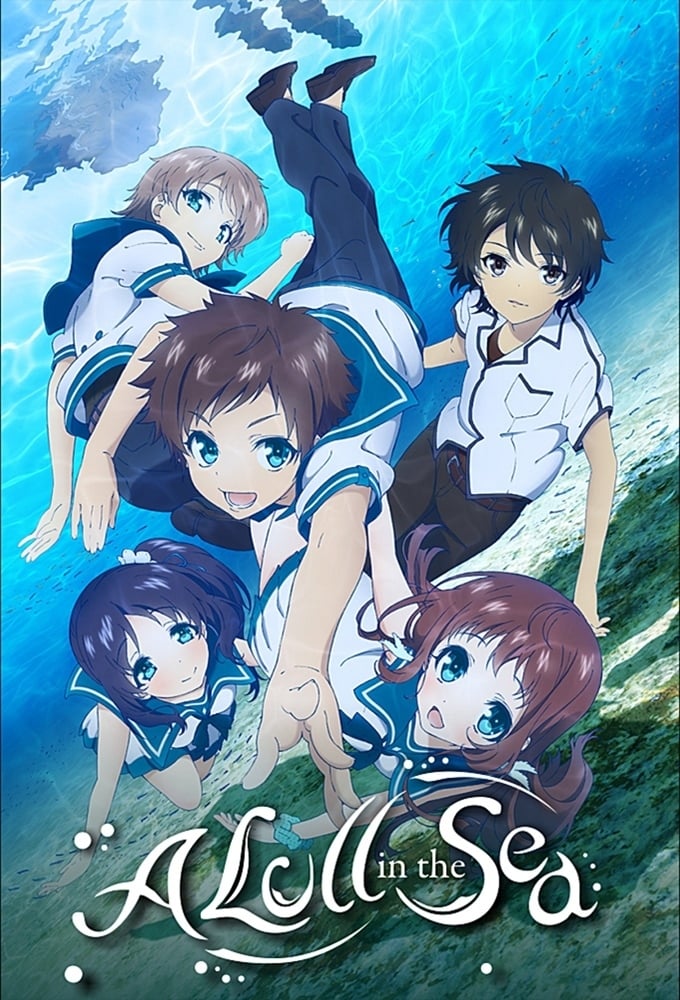
Kaname finds his feelings for Chisaki complicated by the passage of time and his deepening connection with Tsumugu. Sharing daily life – from chores and healthcare to fixing things around the coast – brings Chisaki and Tsumugu closer. Kaname notices their natural connection and adjusts to the changing dynamic. As the community finds its footing, the story shows Kaname coming to terms with the situation.
‘Waiting in the Summer’ (2012)
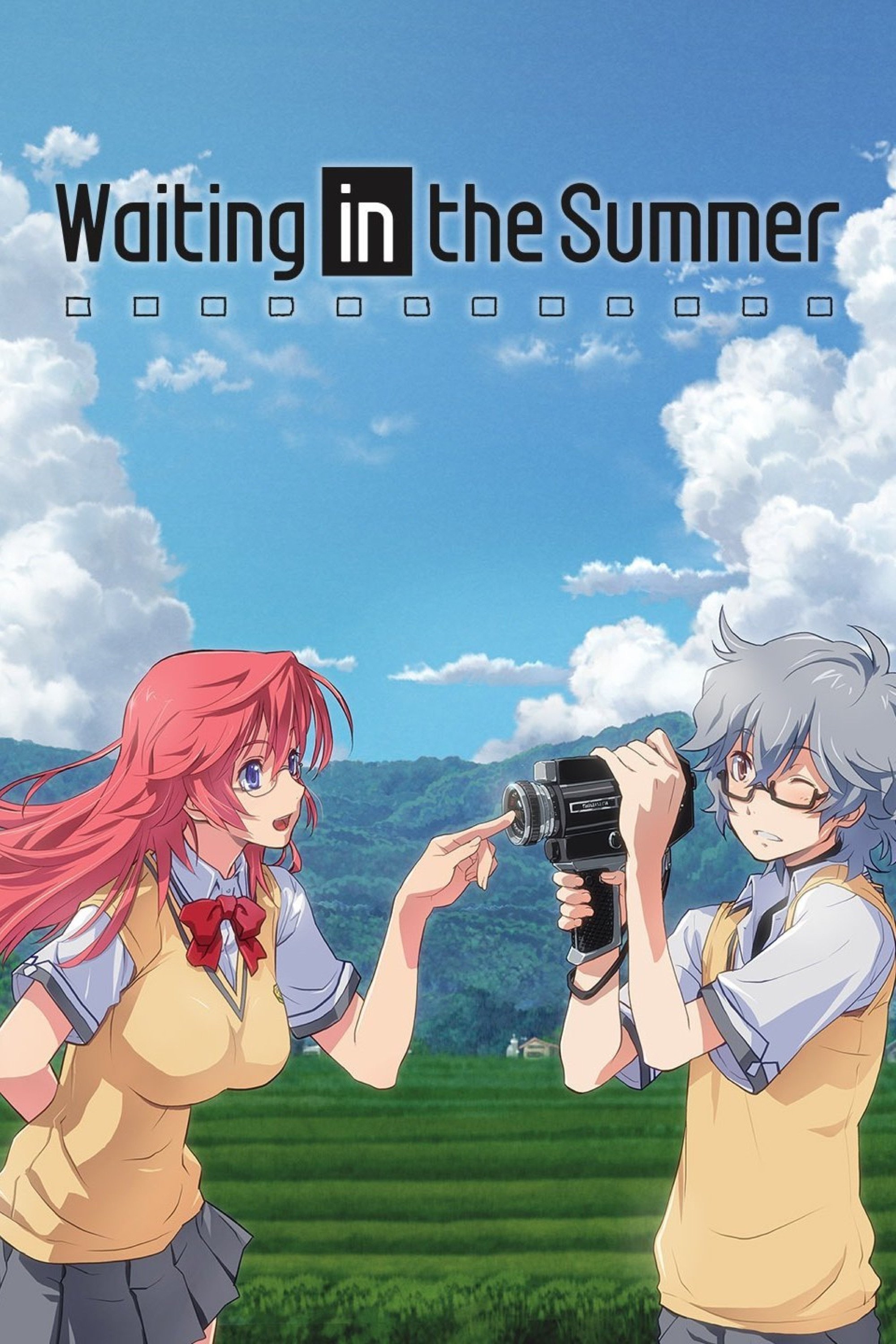
Tetsurou’s feelings for Kanna develop separately from the growing connection between Ichika and Kaito. Scenes of them working on film projects, searching for locations, and their summer trip clearly show Ichika and Kaito becoming closer. Tetsurou understands where everyone’s feelings are headed, especially as confessions are shared during late-night conversations. Instead of trying to compete, he chooses to support their relationship, acknowledging that Ichika and Kaito are meant to be together.
‘School Rumble’ (2004–2006)
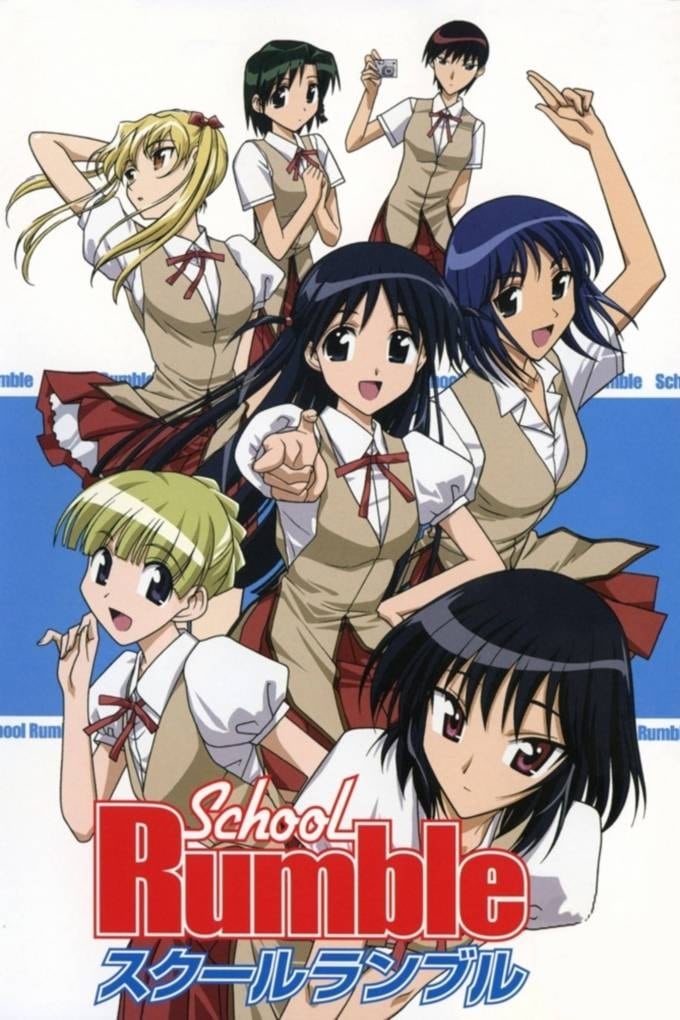
Harima has a crush on Tenma, but Tenma is completely focused on Karasuma. Throughout school – during classes, funny mishaps, and events – Tenma and Karasuma are always together. Harima keeps seeing how much Tenma likes Karasuma, no matter how hard he tries to get Tenma’s attention. As time goes on, Tenma and Karasuma stay close, and Harima remains on the outside of their connection.
‘Kaguya-sama: Love Is War’ (2019–2022)

Ishigami often finds himself witnessing the developing relationships around him, especially the ongoing, almost-acknowledged tension between Shirogane and Kaguya. Through school events, committee work, and performances, the student council president and vice president frequently share moments that suggest a romantic connection. Ishigami observes all of this while dealing with his own personal issues, and the school culture festival arc makes it clear that Shirogane and Kaguya are the couple, leaving no doubt for anyone watching.
‘Hyouka’ (2012)
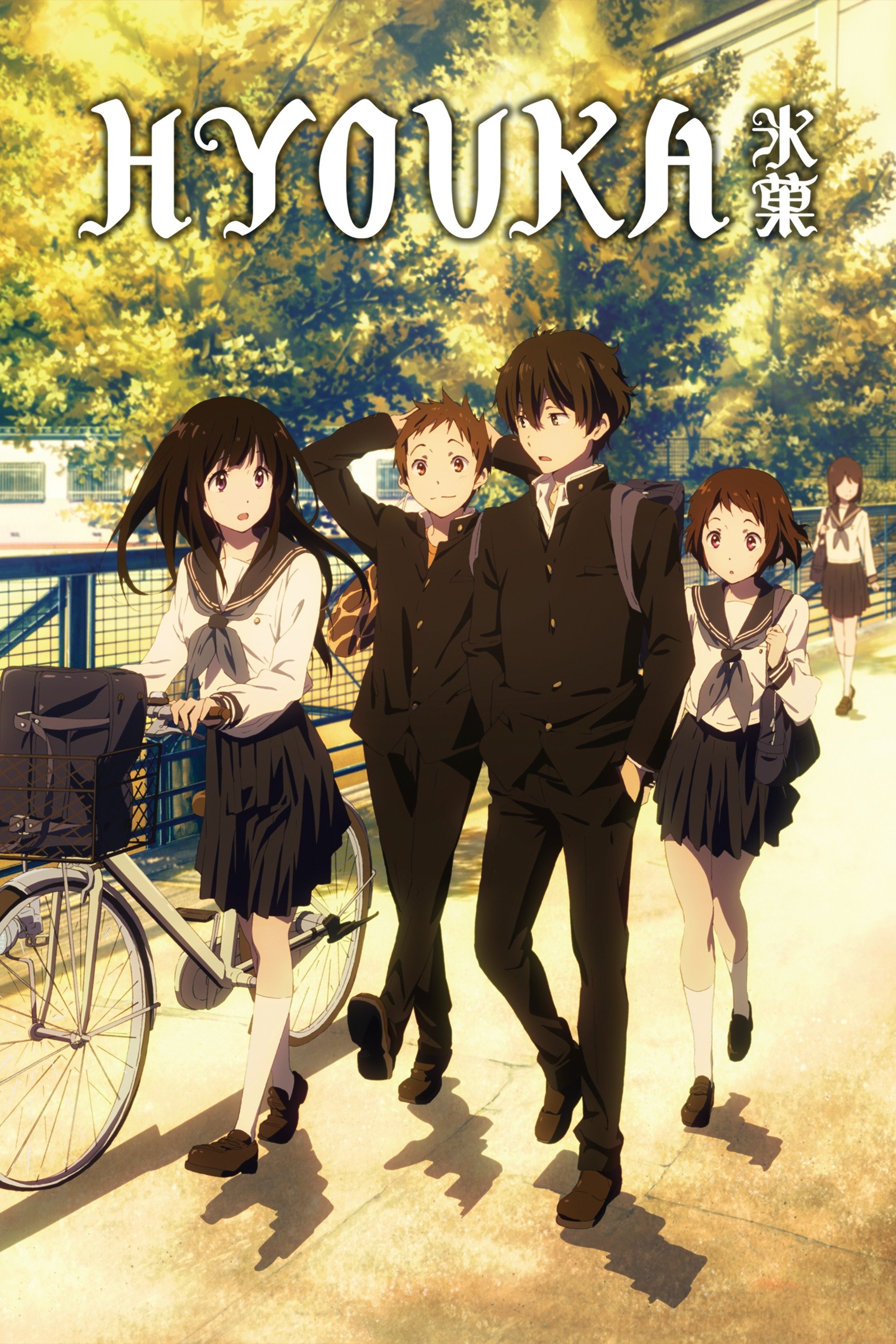
As a fan, I’ve noticed how Satoshi really picks up on the special connection growing between Oreki and Chitanda, especially while they’re working on club mysteries and getting everything ready for the school festival. It’s so clear that Chitanda increasingly depends on Oreki when she’s trying to solve things, and they share these little private moments that just set them apart from everyone else. Satoshi seems to understand what’s happening, and he reflects on it – he gets it. What I love is that he supports their dynamic and the whole Classics Club, but he doesn’t try to push himself into their relationship. He just lets them be, which is perfect!
‘Clannad’ (2007–2008)

Sunohara often joins Tomoya and Nagisa as they work on club activities, attend family gatherings, and go to the hospital. However, the story consistently focuses on the developing relationship between Tomoya and Nagisa in a way that excludes Sunohara. Events like festivals and episodes about graduation further highlight Tomoya and Nagisa as the central couple. While Sunohara provides comic relief and stays involved, he remains separate from their romantic path.
‘Golden Time’ (2013–2014)
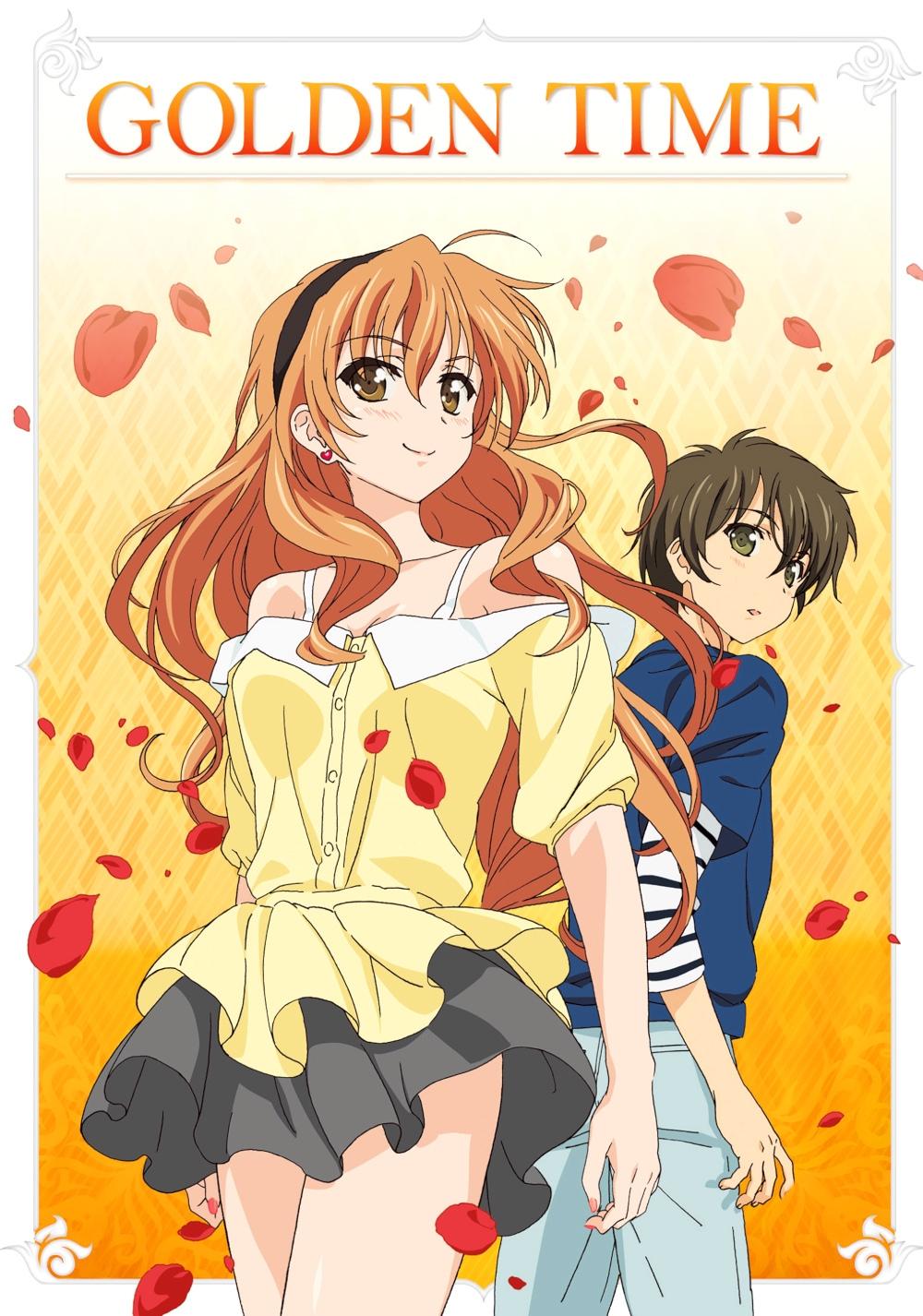
Mitsuo’s connection with Koko fades as Koko and Banri grow closer, bonding over shared pasts and difficult memories. They become a recognized couple through everyday activities like classes, club events, and dates. Mitsuo notices Koko clearly choosing Banri and accepts this, ultimately ending the romantic tension between the three of them. Later episodes confirm this shift is permanent.
‘My Love Story!!’ (2015)
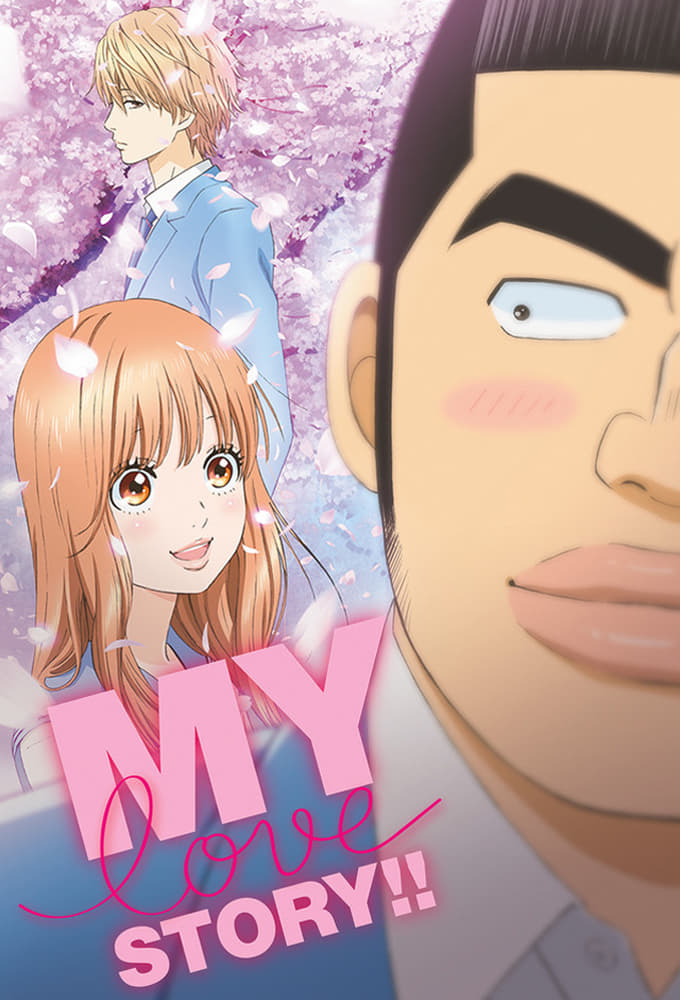
Suna’s friendship with Takeo puts him in a key position as Takeo and Yamato begin their relationship. He helps them spend time together by arranging study sessions, suggesting cafes, and even making holiday plans. Suna quickly sees how much they care for each other and quietly makes things easier for them. Throughout the story, he remains a supportive friend, but it’s clear he’s not part of their romantic connection.
‘Tsukigakirei (2017)
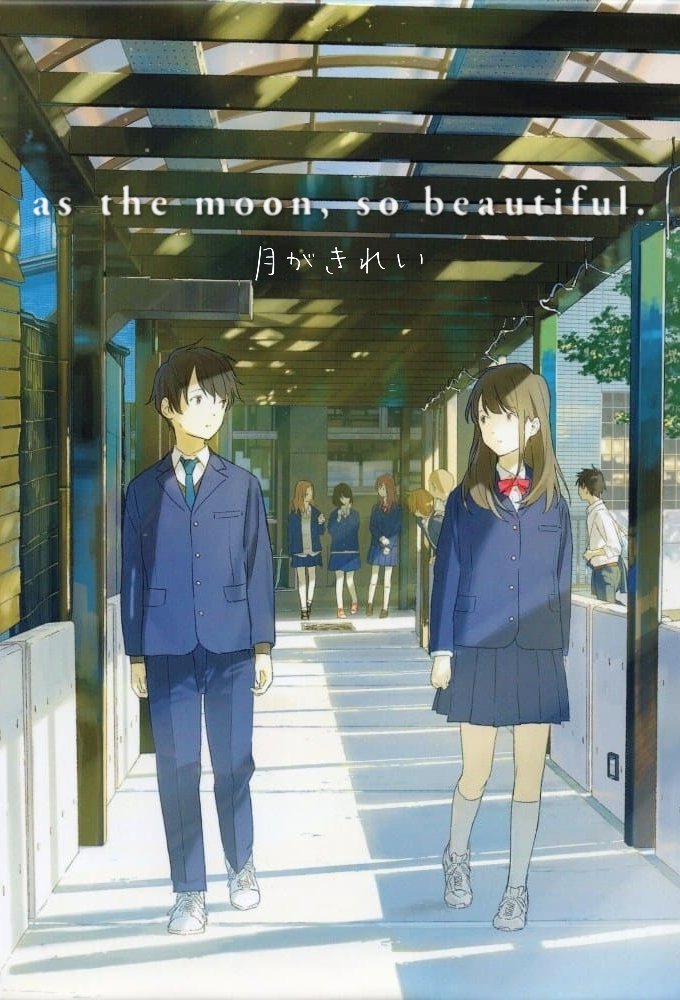
I’ve been following this story, and it’s fascinating how Akane’s connections develop. At first, I noticed Hira being drawn to her during school activities – track, walking between classes, that sort of thing. But it quickly became clear Akane and Kotaro had something deeper, building a connection through texts and little secret meetings. What really cemented their story, for me, were the scenes around the festival, how their families interacted, and even the struggles they faced trying to get published. You could really see Akane’s priorities, and Hira seemed to pick up on them too, reading between the lines of her messages and how available she was. It’s a little sad, but honestly, it felt realistic when Hira gracefully stepped back once things became official and their relationship settled into a more defined structure.
‘Kamisama Kiss’ (2012–2016)
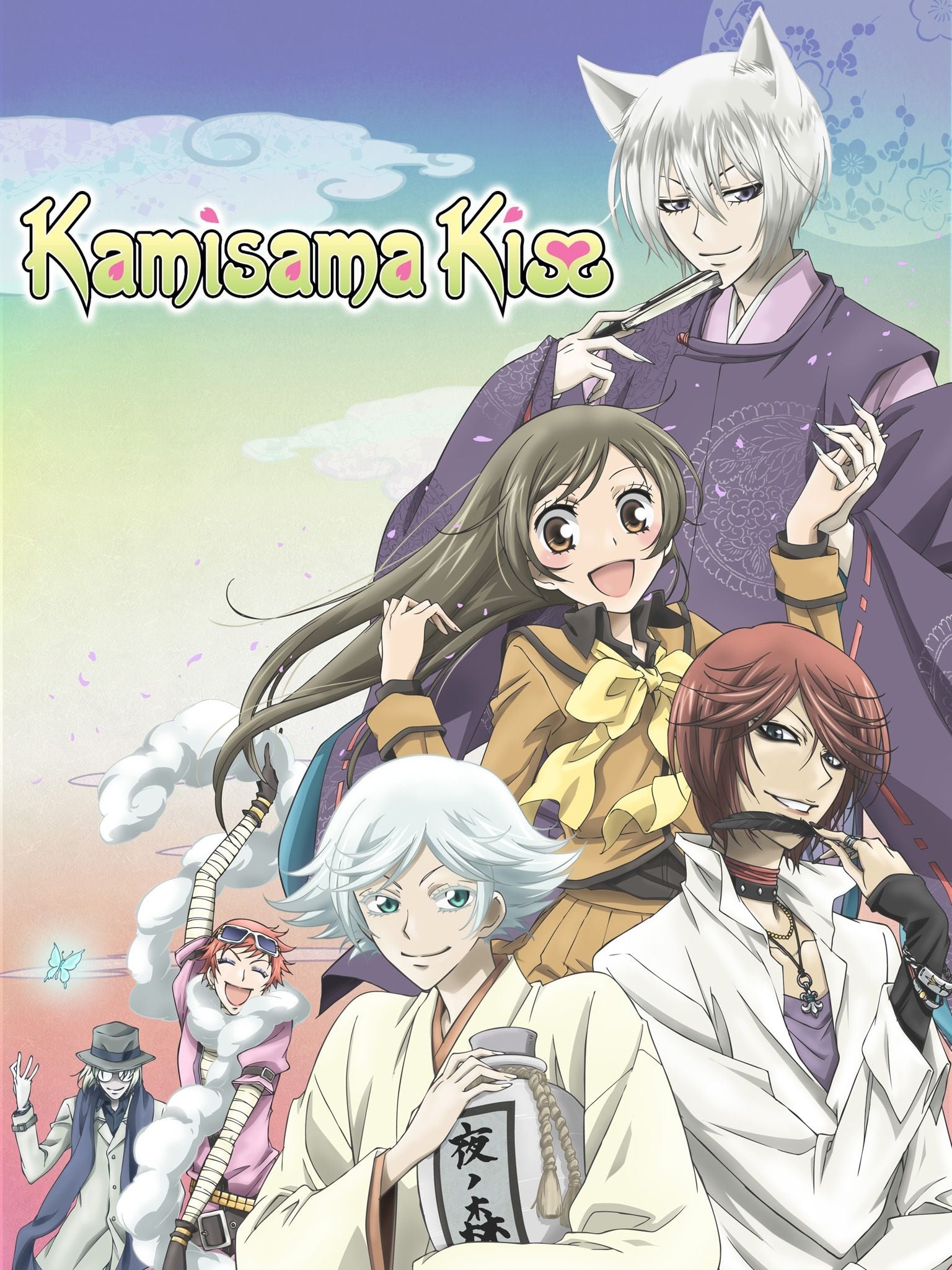
Despite Kurama’s attempts to win Nanami’s affection, she remains deeply connected to Tomoe through their shared life at the shrine. Challenges like exorcisms, dealing with other supernatural creatures, and trips to the palace consistently bring Nanami and Tomoe closer, allowing their relationship to deepen. Kurama observes these intimate moments – heartfelt confessions and protective gestures – which make it clear how strong their bond is. He remains a friendly figure, but consciously steps back, recognizing he’s not part of their central love story.
‘Nisekoi’ (2014–2015)
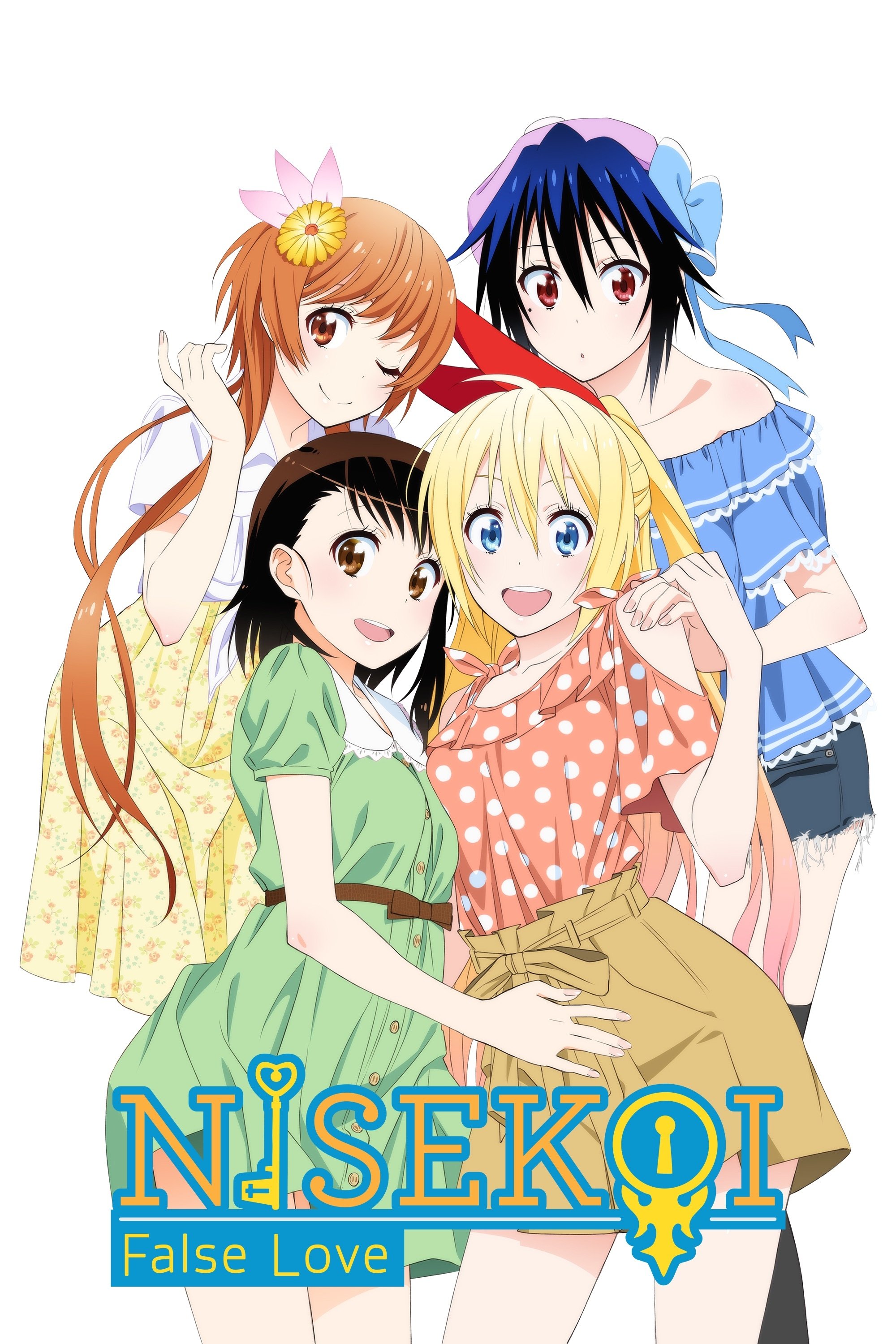
Shu Maiko closely follows the developing relationship between Raku and Chitoge, realizing they have a strong connection as they work together to solve mysteries and experience events like holidays. He notes that other potential partners seem to be falling behind as Raku and Chitoge learn more about each other’s pasts and families, which brings them closer. Shu and their classmates even recognize these patterns while working on school events. By the later parts of the story, Shu sees Raku and Chitoge as a couple destined to be together, rather than competitors in a game.
‘Nana’ (2006–2007)
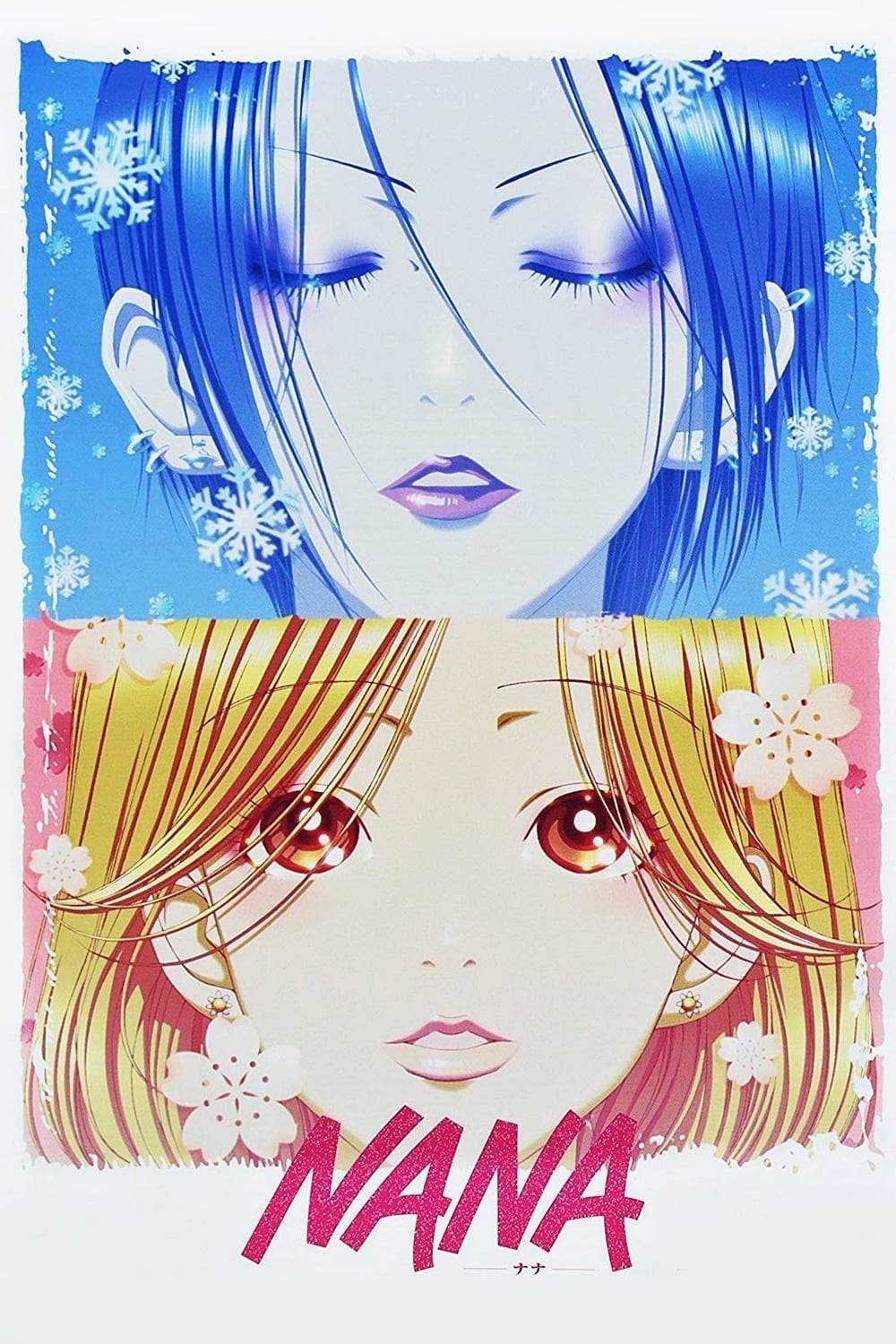
Nobu’s connection with Hachi starts to intersect with Takumi’s busy career and commitments. Hachi gets drawn into Takumi’s world through work schedules, media appearances, and finding a place to live. Nobu witnesses these changes happening, both through conversations and Hachi’s own choices. Later on, the story portrays Nobu as an observer as Hachi and Takumi become partners.
‘Skip Beat!’ (2008–2009)

Kyoko’s growing connection with Ren, through acting work and professional guidance, is overshadowing her past relationship with Sho. Sho consistently sees evidence on set and through industry updates that he’s losing Kyoko’s attention, and it’s clear her priorities—both professionally and personally—are now centered on Ren.
‘The Vision of Escaflowne’ (1996)
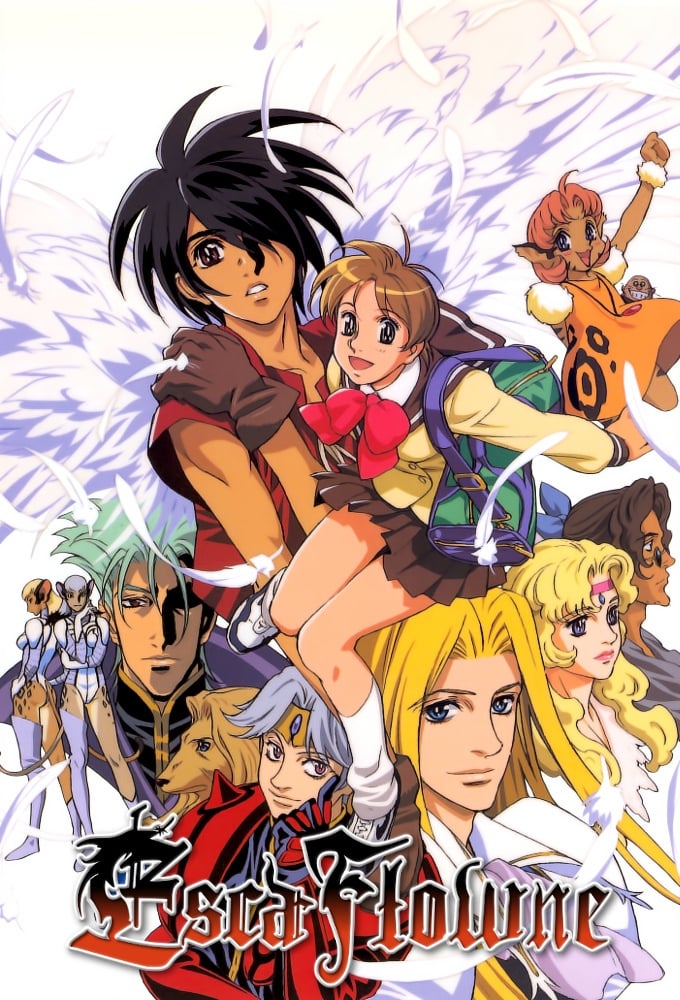
Hitomi’s initial bond with Amano fades as she forms a stronger connection with Van through shared struggles, mystical experiences, and journeys to other worlds. Facing danger together, spending time in the cockpit, and attending royal events all contribute to Hitomi and Van becoming increasingly dependent on each other. Hitomi realizes her feelings are changing when they talk about Earth or say goodbye. Meanwhile, Van’s focus on the political situations involving Fanelia and Zaibach keeps him somewhat separate from Hitomi’s personal journey.
Share the ones you’d add to this list in the comments—who else had to accept being the third wheel?
Read More
- Games That Faced Bans in Countries Over Political Themes
- Gold Rate Forecast
- Unveiling the Schwab U.S. Dividend Equity ETF: A Portent of Financial Growth
- Silver Rate Forecast
- Superman Flops Financially: $350M Budget, Still No Profit (Scoop Confirmed)
- 22 Films Where the White Protagonist Is Canonically the Sidekick to a Black Lead
- 20 Movies Where the Black Villain Was Secretly the Most Popular Character
- 14 Movies Where the Black Character Refuses to Save the White Protagonist
- The Best Directors of 2025
- The Best Former NFL Players Turned Actors, Ranked
2025-12-08 05:47