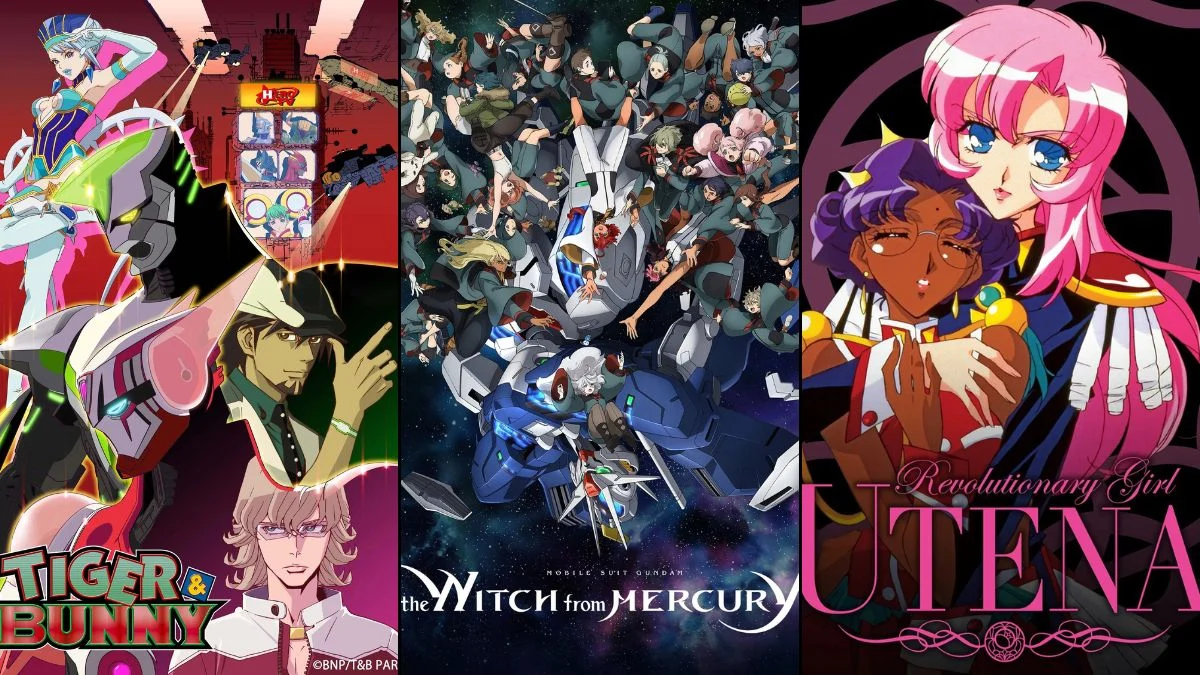
Japanese anime frequently tackles difficult topics like prejudice and finding one’s place in the world by using imaginative worlds – often based on fantasy or history. Several series do this particularly well, thoughtfully incorporating themes of racial inequality and the challenges faced by LGBTQ+ individuals directly into their stories. These shows encourage viewers to think about their own biases through relatable characters and well-developed settings.
‘One Piece’ (1999–Present)
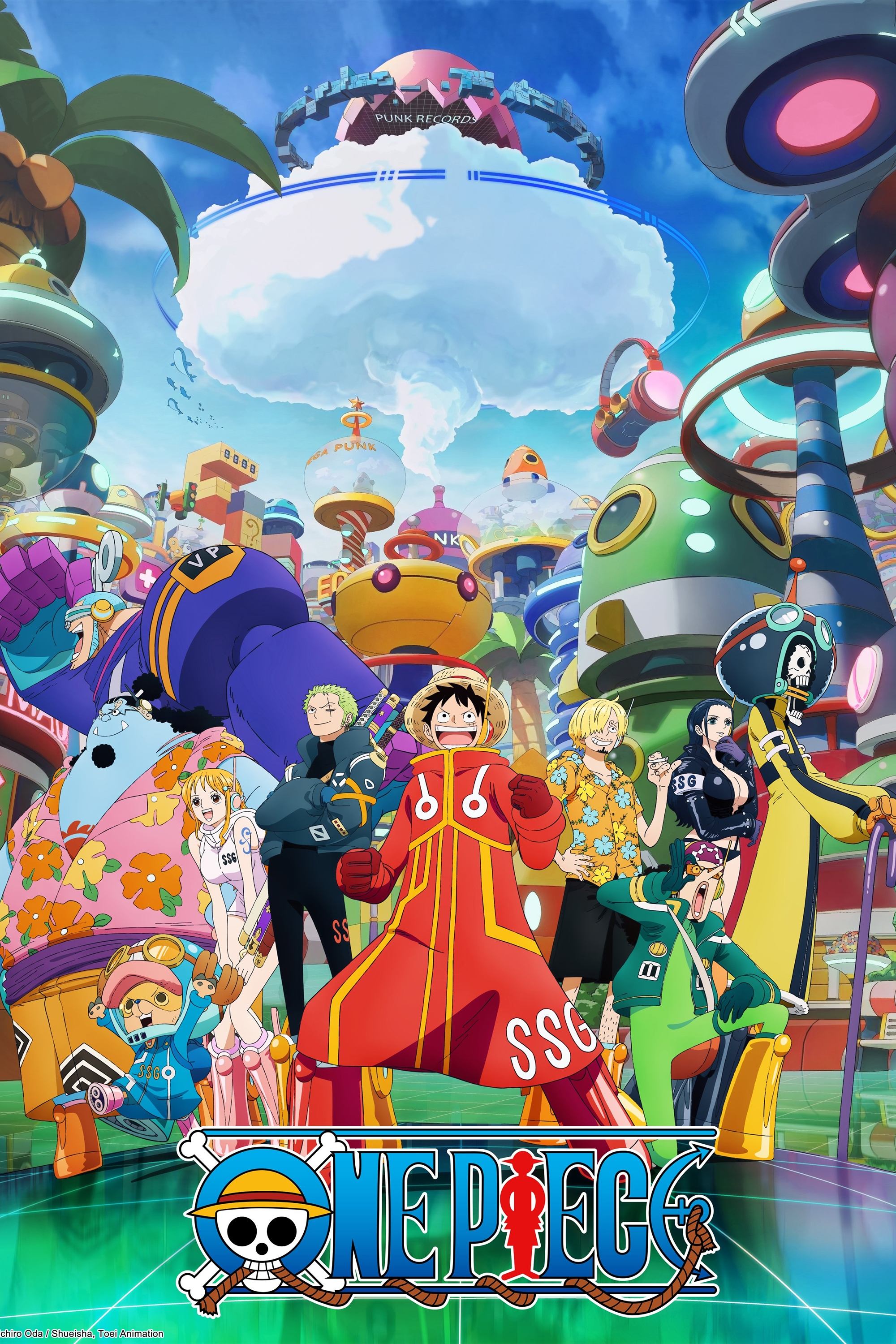
This ongoing story explores deep-rooted prejudice through the experiences of the Fish-Men, who are oppressed by humans. It also includes LGBTQ+ characters and storylines, like those within the Kamabakka Kingdom and with characters like Bon Clay and Okiku, who break traditional gender roles. Throughout their adventures, Luffy and his crew consistently fight against these unfair systems by valuing everyone equally, no matter who they are. The story powerfully shows how prejudice is often learned, not something people are born with.
‘Mobile Suit Gundam: The Witch from Mercury’ (2022–2023)
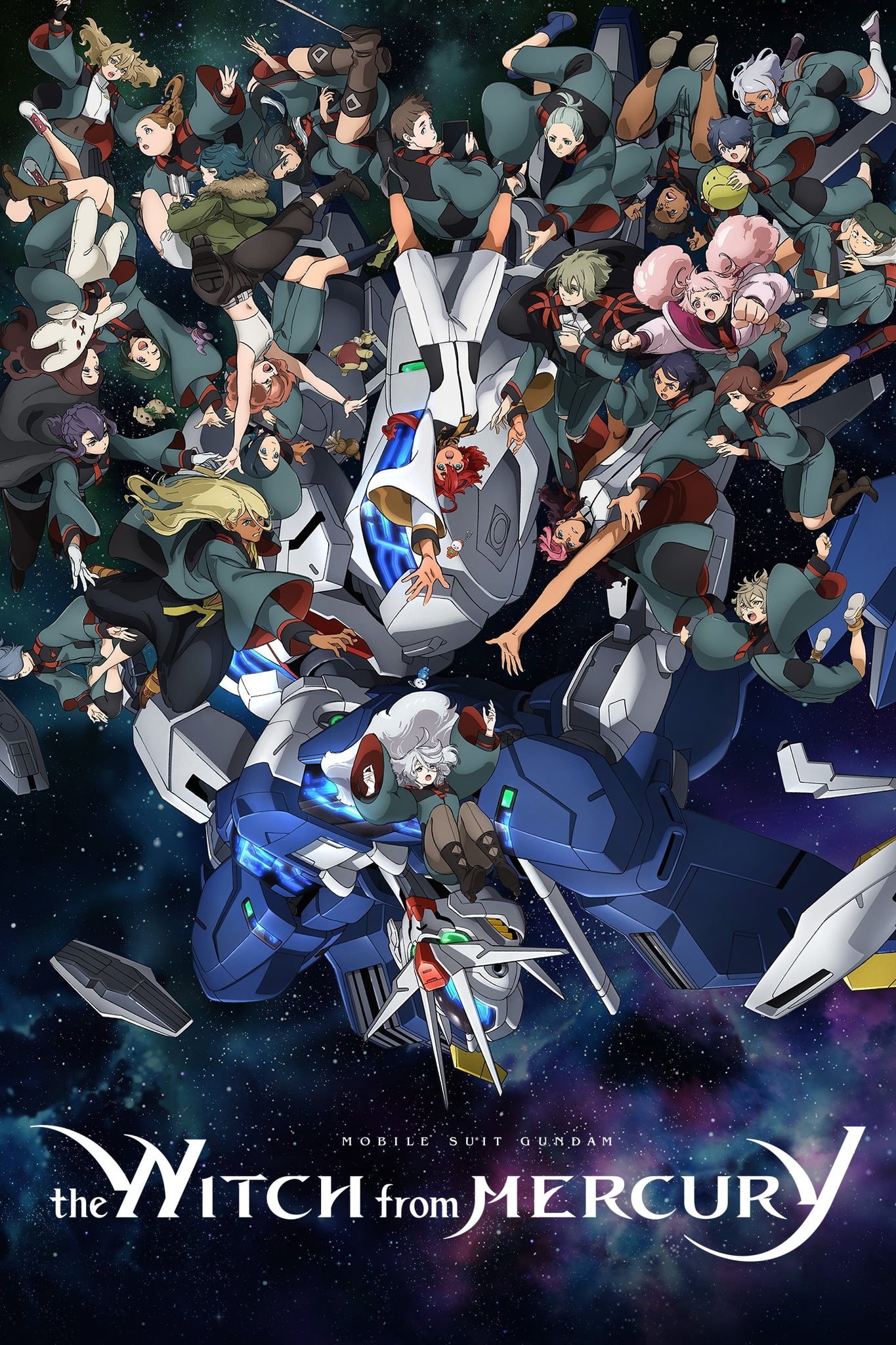
The story revolves around a conflict between people from Earth and those from space, where Earthians are seen as inferior. Suletta Mercury finds herself caught in this tense political situation while also falling in love with Miorine Rembran. Their relationship, symbolized by an engagement, challenges the strict, old-fashioned beliefs of those in power. The anime uses giant robot battles to examine themes of social inequality and the fight for individual liberty.
‘Attack on Titan’ (2013–2023)
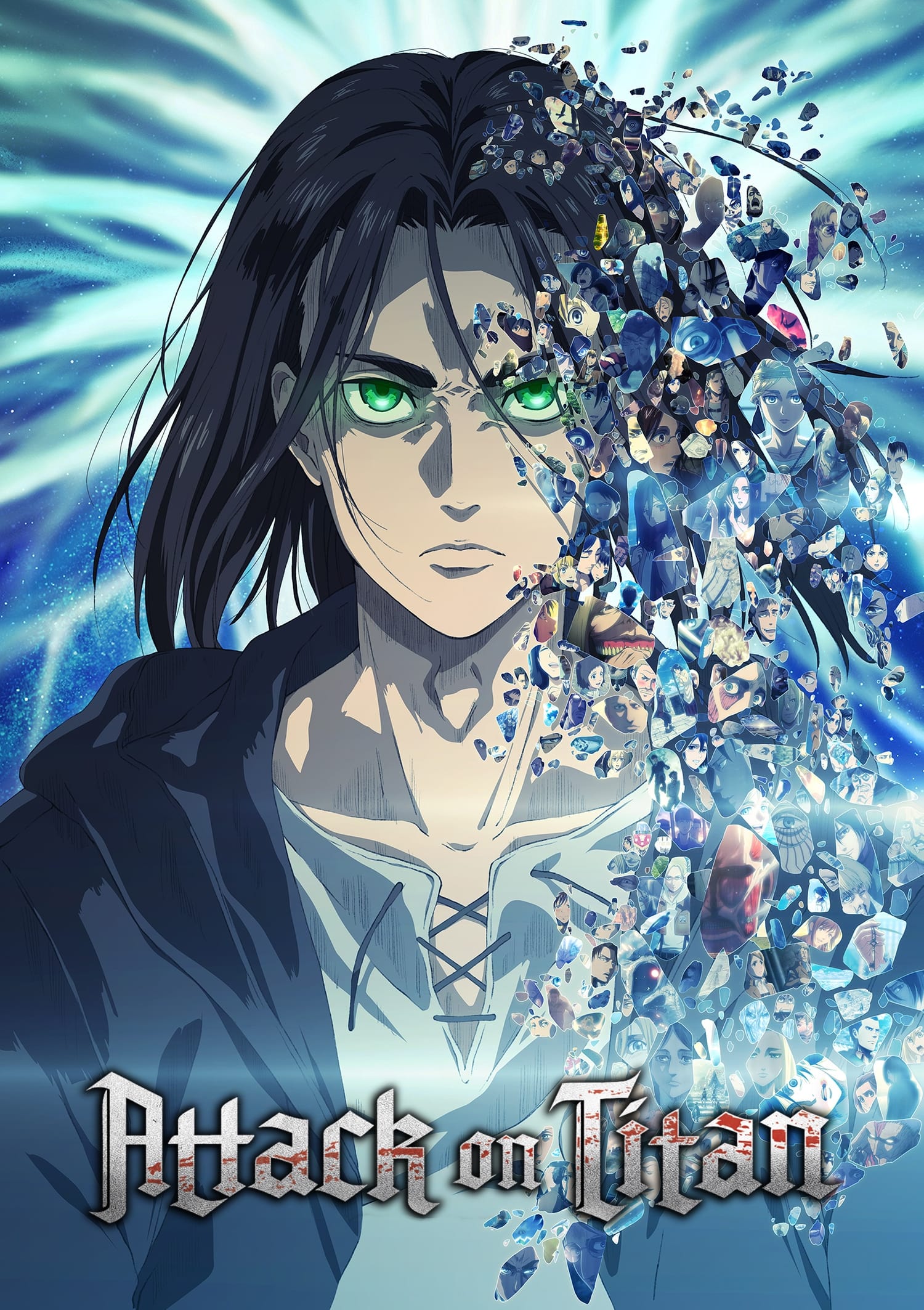
People of Eldian descent are harshly persecuted and separated from others because of their heritage and the power to turn into Titans. The story delves into how ongoing hatred is rooted in past conflicts and how this fuels present-day prejudice. Throughout the war, the connection between Ymir and Historia provides a strong emotional center, emphasizing the longing to live life on one’s own terms in a world that often pressures people to conform and make sacrifices.
‘From the New World’ (2012–2013)
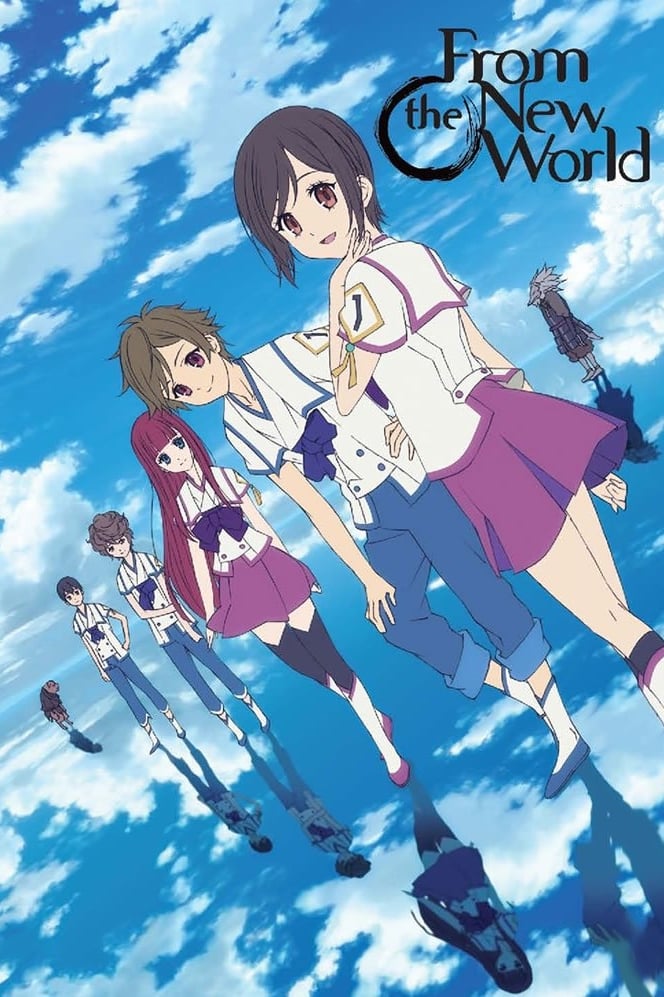
In this future world, people use the power of the mind, but a group called the Queerats are treated as inferior and face oppression. The story uncovers disturbing secrets about the Queerats’ beginnings, which is a powerful representation of how people can be stripped of their humanity. Same-sex relationships are depicted as normal and accepted among young people. The narrative also explores how those in power rewrite history to stay in control and silence opposition.
‘No. 6’ (2011)
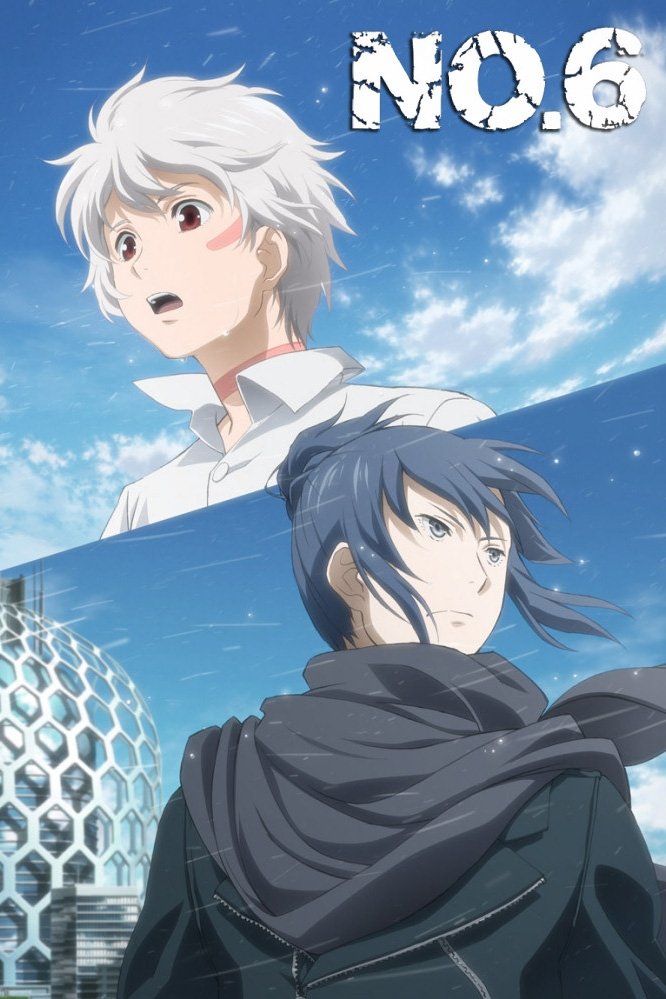
No. 6 appears to be a perfect society, but it secretly operates with a harsh class system – the wealthy live comfortably, while others struggle to survive in harsh conditions. Shion and Nezumi develop a strong bond despite coming from very different backgrounds and being different genders. As they navigate this world, they uncover the government’s corruption and the barriers that keep social classes apart. The anime blends a futuristic, dystopian setting with a touching love story that questions the established order.
‘Banana Fish’ (2018)
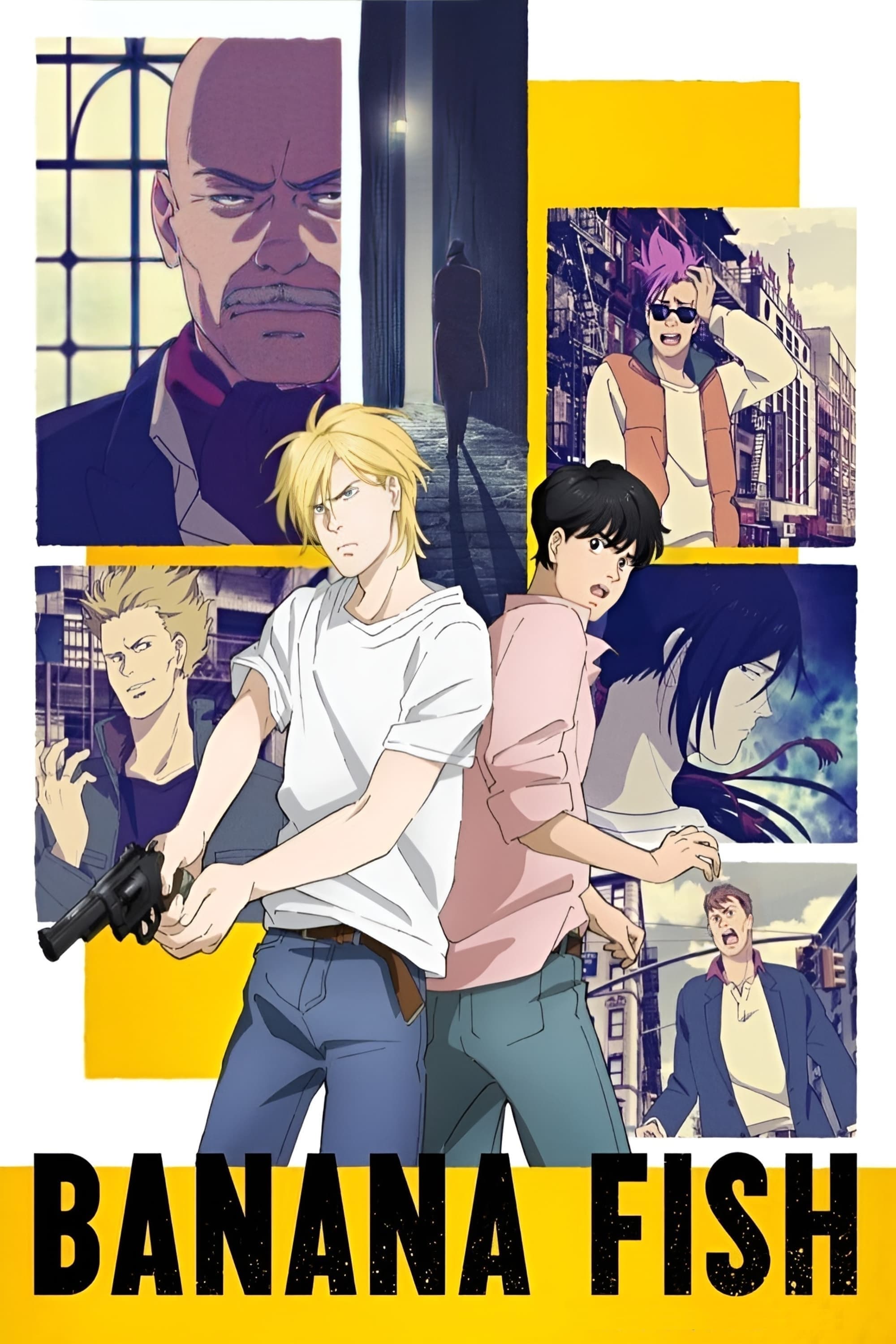
Okay, so I just finished watching this series, and wow, it’s intense. It follows Ash, a young man trying to survive in a really brutal New York City, where gang warfare and racial tensions are always bubbling under the surface. What struck me most was the complex relationship he has with Eiji – it’s a real haven for Ash, especially considering the awful abuse and exploitation he’s dealing with. This isn’t a show that shies away from tough subjects; it really dives into the horrific world of human trafficking and the lasting damage it does, particularly to young people. It’s a bleak, unflinching look at how power imbalances can completely wreck lives, and it doesn’t pull any punches about how those dynamics play out across different cultures. It’s not easy viewing, but it’s powerfully done.
‘Wonder Egg Priority’ (2021)
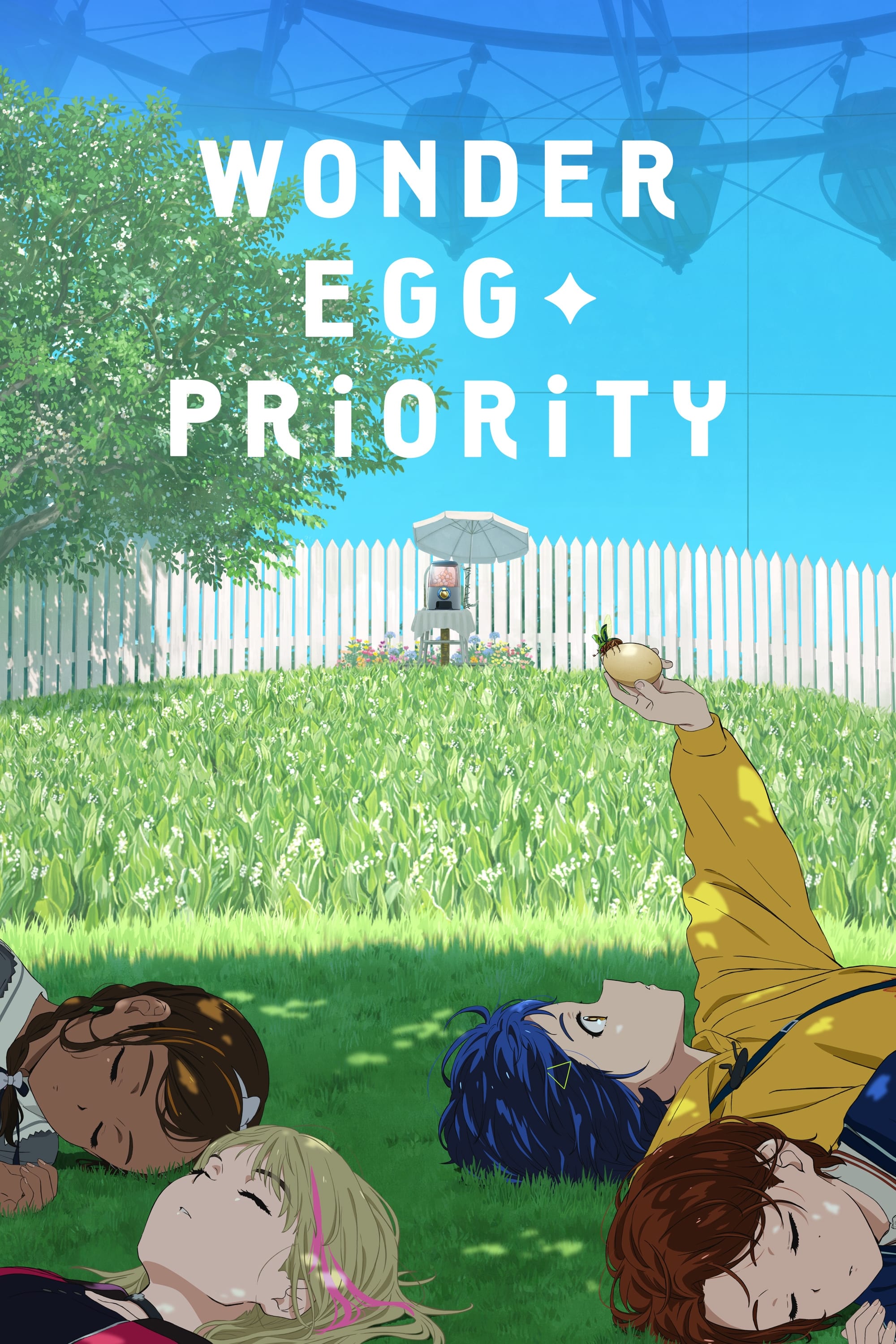
Momoe Sawaki grapples with questions about her identity and how others perceive her. The story explores difficult themes like suicide and the pressures young girls face in society. Characters deal with their personal struggles and the larger problems that led to their friends’ pain. It uses dreamlike visuals to address sensitive topics such as discrimination and the challenges of gender identity.
‘Tiger & Bunny’ (2011)
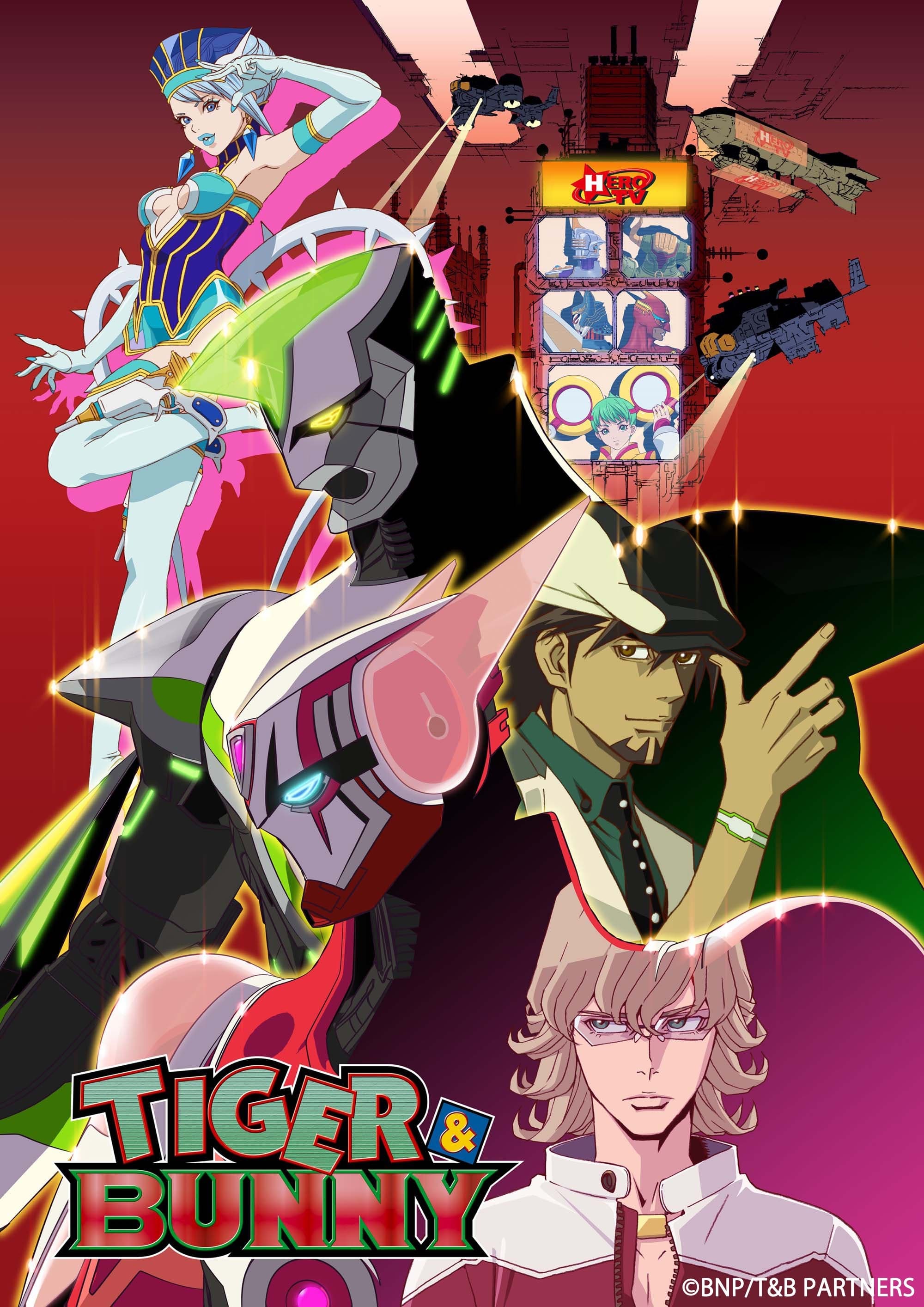
As a film buff, I’ve been really fascinated by this show. It centers around these incredible people – they call them NEXTs – who have superpowers, but instead of being celebrated, they’re often feared and misunderstood. One character, Fire Emblem, really stands out; they’re queer and grappling with a lot of pain from their past, specifically around who they are. But it’s more than just a superhero story; the show does a brilliant job of calling out how corporations often exploit people who are different, turning their struggles into entertainment. The show’s ‘Hero TV’ aspect is particularly clever – it’s like we’re watching all this unfold through a media lens, and it really highlights how these marginalized heroes are being used and taken advantage of.
‘Cross Ange: Rondo of Angel and Dragon’ (2014–2015)
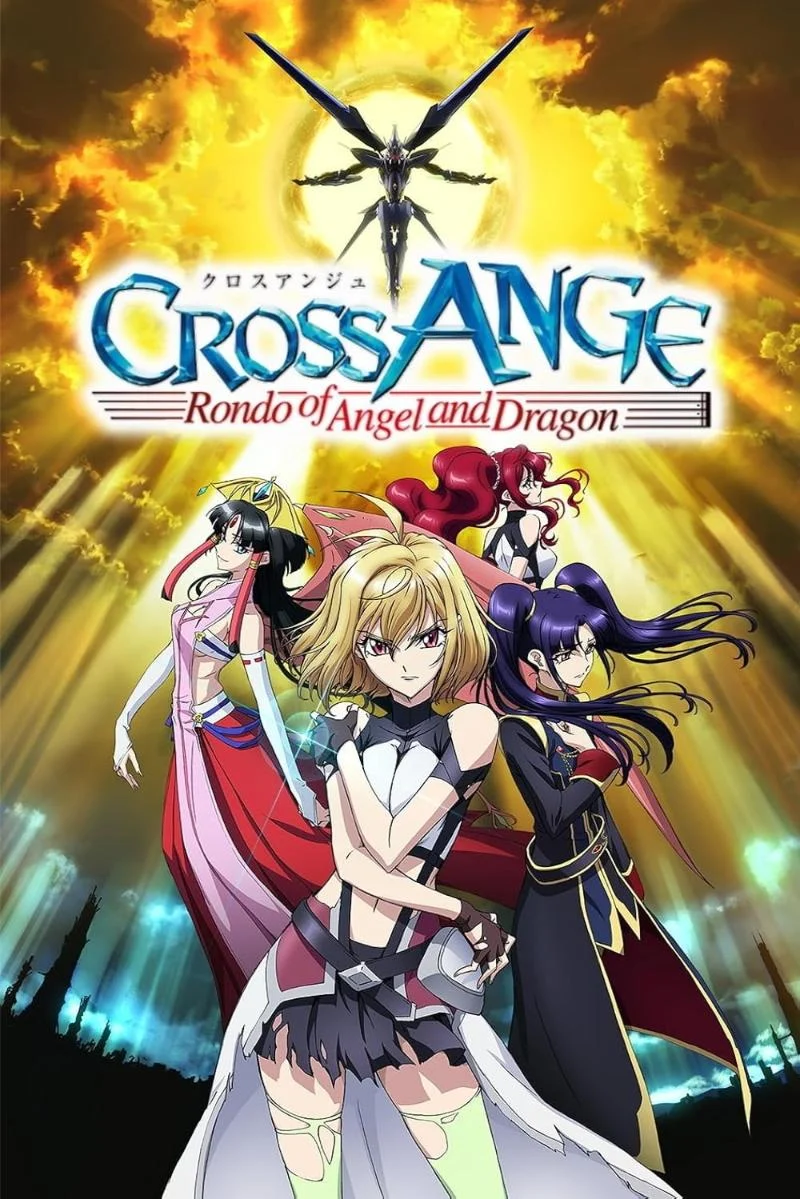
Princess Angelise is banished from her kingdom because she’s a Norma – someone born without magical abilities, unlike the elite. Facing prejudice and hardship, she connects with other marginalized women. The story centers on their relationships and features prominent lesbian themes, all set within the confines of a penal colony. It’s a tale of how those who have been oppressed must come together to challenge and ultimately dismantle the system that caused their suffering.
‘Sarazanmai’ (2019)
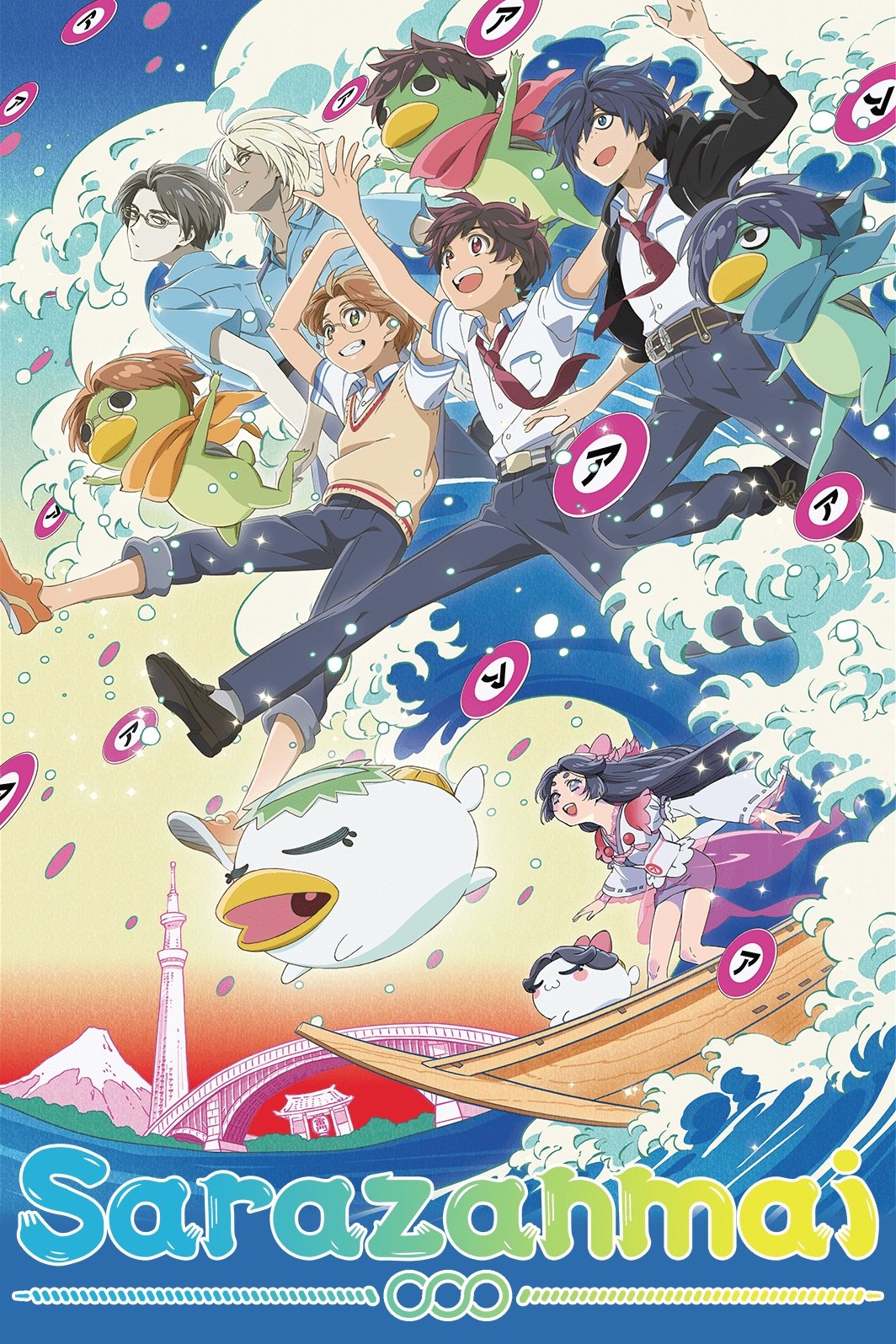
I’m really hooked on this anime about three students who accidentally become kappas – those mischievous water spirits! It’s not just a fun fantasy, though. The way they become ‘invisible’ feels like a really clever way to show how people feel when they’re excluded or hiding things. There are these two characters, Reo and Mabu, who are constantly at odds, and it turns out they have a really complicated past relationship that fuels a lot of the drama. Honestly, the whole story feels like a beautiful, sad look at what we want and how scared we are of not being accepted.
‘Carole & Tuesday’ (2019)
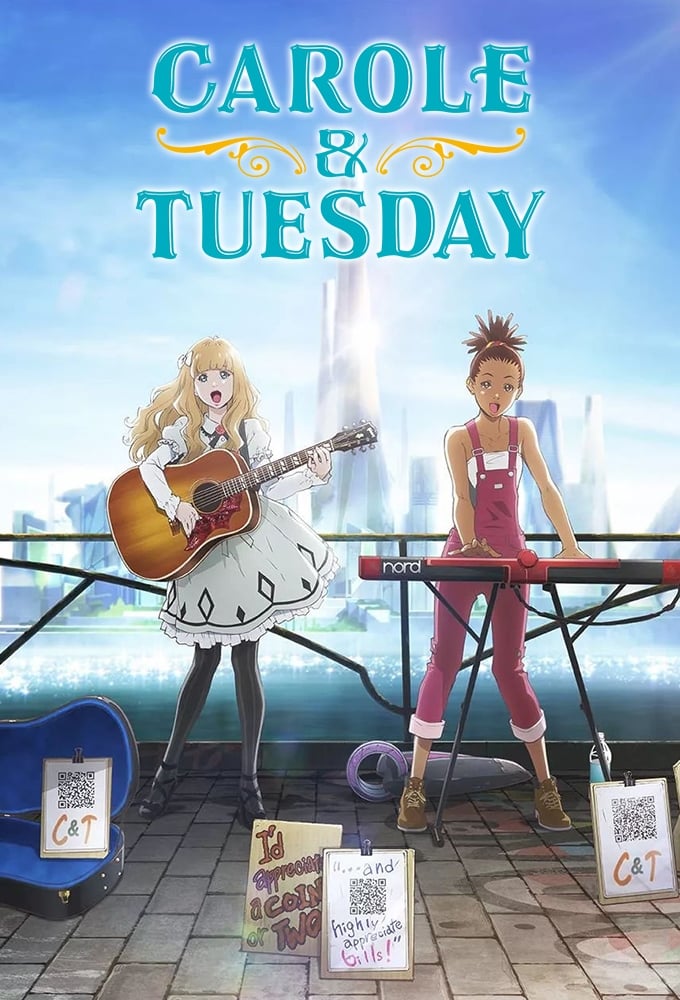
On a future Mars, two musicians from very different walks of life team up to make music. Their world is a melting pot of cultures and explores the challenges faced by people who have had to leave their homes and start new lives. One of the artists, Desmond, is breaking boundaries as a non-binary performer who resists being labeled. This anime highlights how art can bring people together in a society divided by politics and technology.
‘Revolutionary Girl Utena’ (1997)
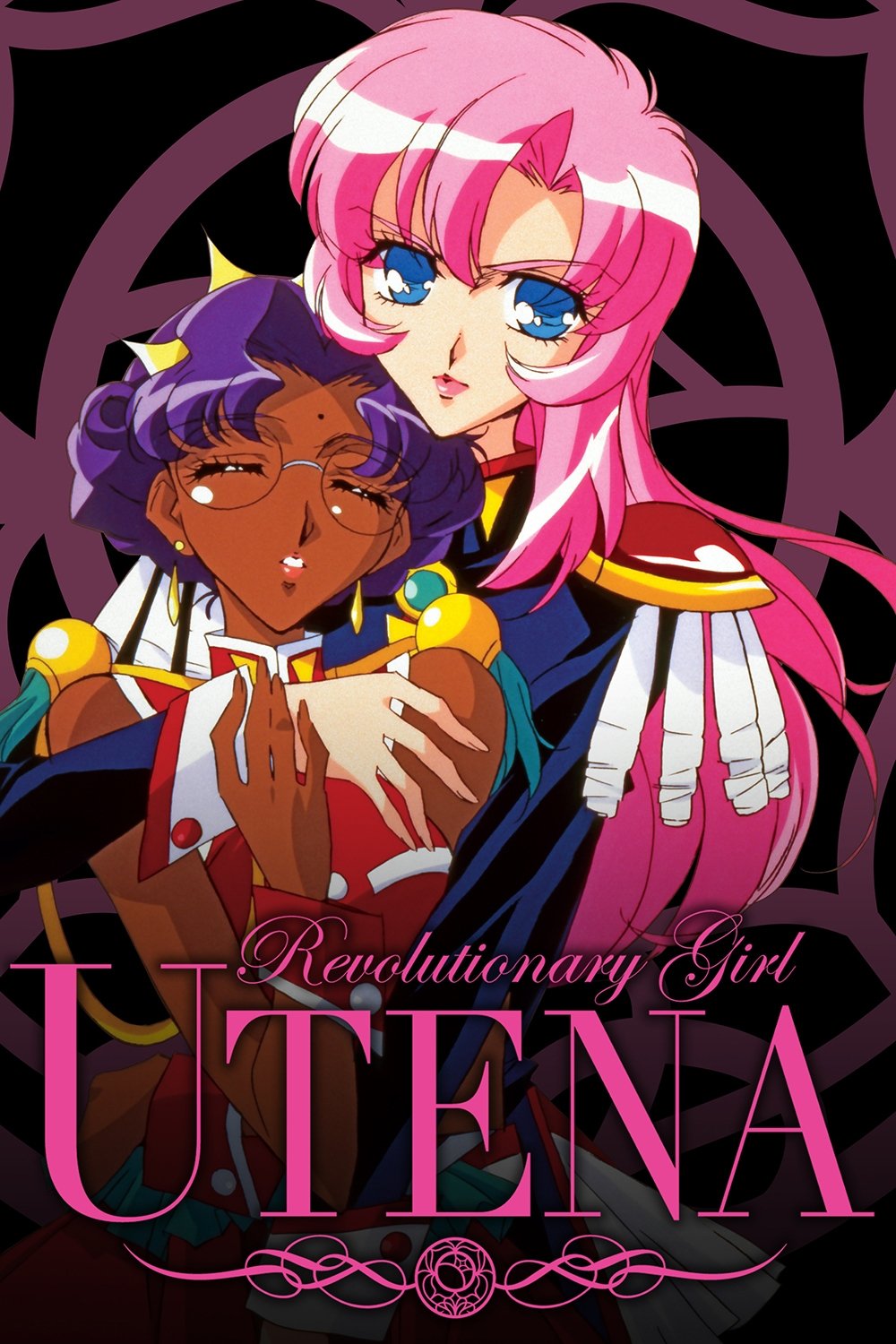
Utena Tenjou defies traditional expectations by wanting to be a prince instead of a princess. Anthy Himemiya experiences mistreatment and isolation, which many see as a representation of racial discrimination. The characters battle for the power to change the world and escape fixed fates. The story’s dreamlike quality breaks down classic fairy tale tropes and reveals the harmful effects of a male-dominated society.
‘JoJo’s Bizarre Adventure: Stone Ocean’ (2021–2022)
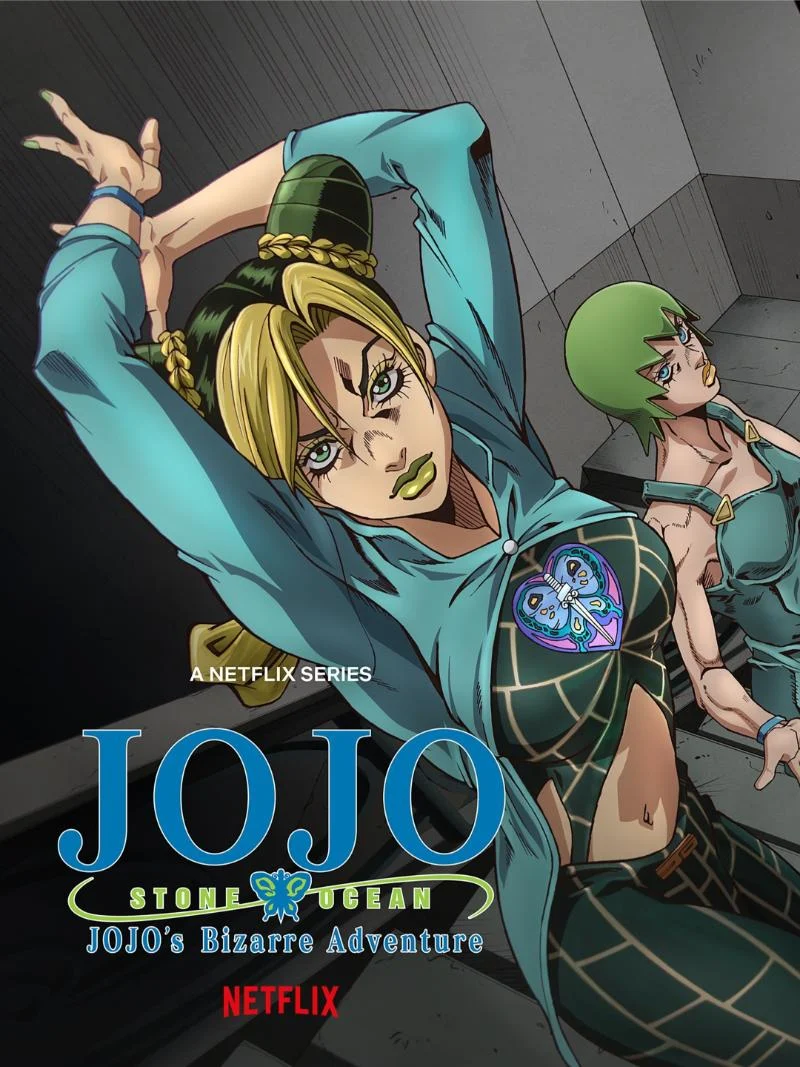
As a huge fan of the series, I was really struck by the setting of the latest installment – a Florida prison absolutely brimming with racial tension and corruption. It’s a dark backdrop, and the story doesn’t shy away from it. We learn about the villain, Pucci, and a really difficult past involving his brother and the KKK, which adds layers to his motivations. What I also found fascinating was how the series explores queer themes, not just in the characters but also through its incredibly bold and stylish visuals. But beyond the action, the core of the story, for me, is this intense struggle of wills. It’s about the Joestar family fighting against a destiny that’s trying to control and ultimately wipe them out.
‘My Hero Academia’ (2016–Present)
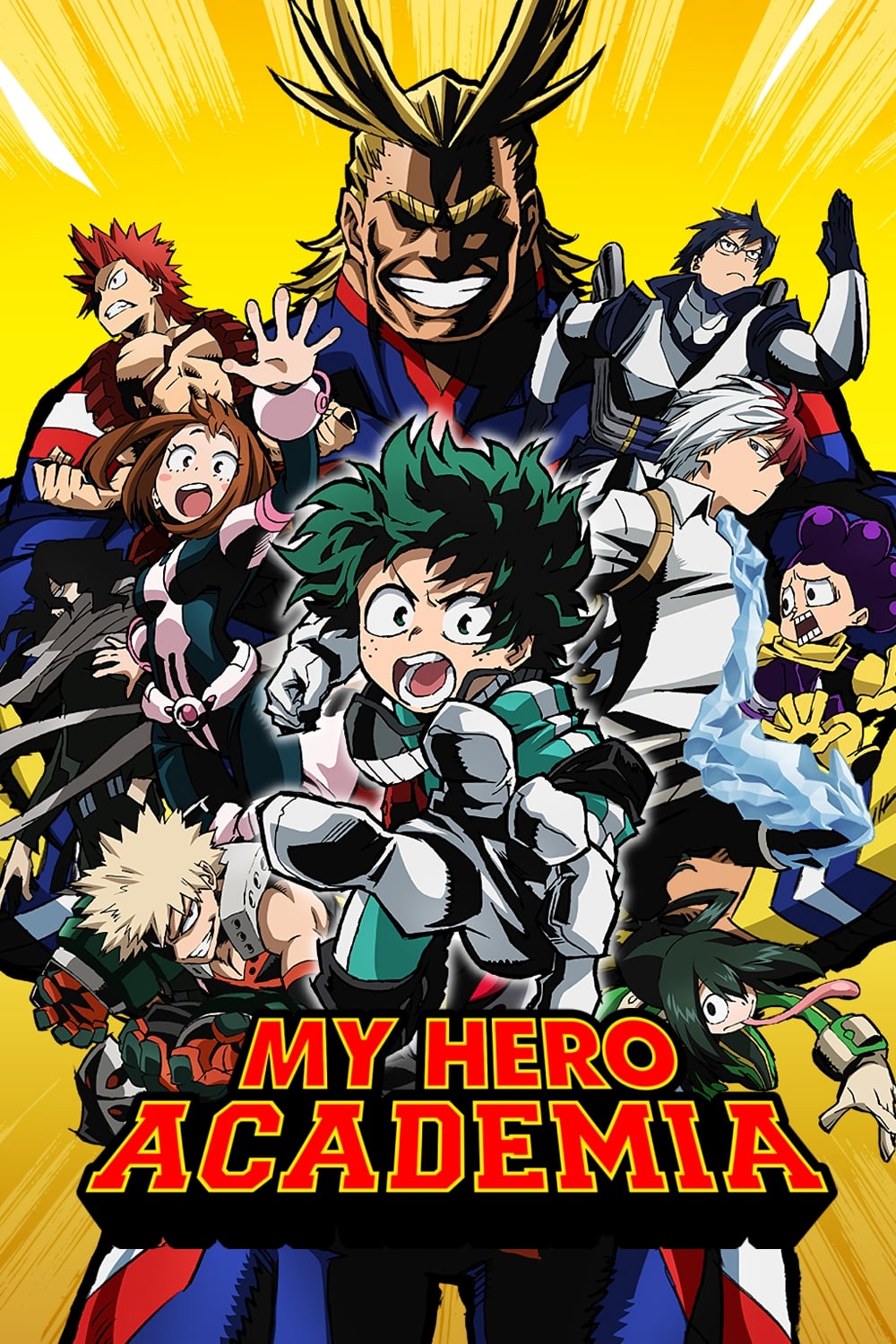
As a movie lover, I’m really drawn to how this story explores the villains’ motivations. Characters like Spinner aren’t just evil for the sake of it; they’re fighting back against the prejudice people with unusual appearances face. It’s fascinating to see how the League of Villains, with members like Magne and Toga, offers a sense of belonging to those rejected by society. It really makes you think – the heroes have to realize that society itself can create villains through its own biases. Ultimately, it poses a tough question: what does it truly mean to be a hero, and can you be a hero to everyone?
‘Promare’ (2019)
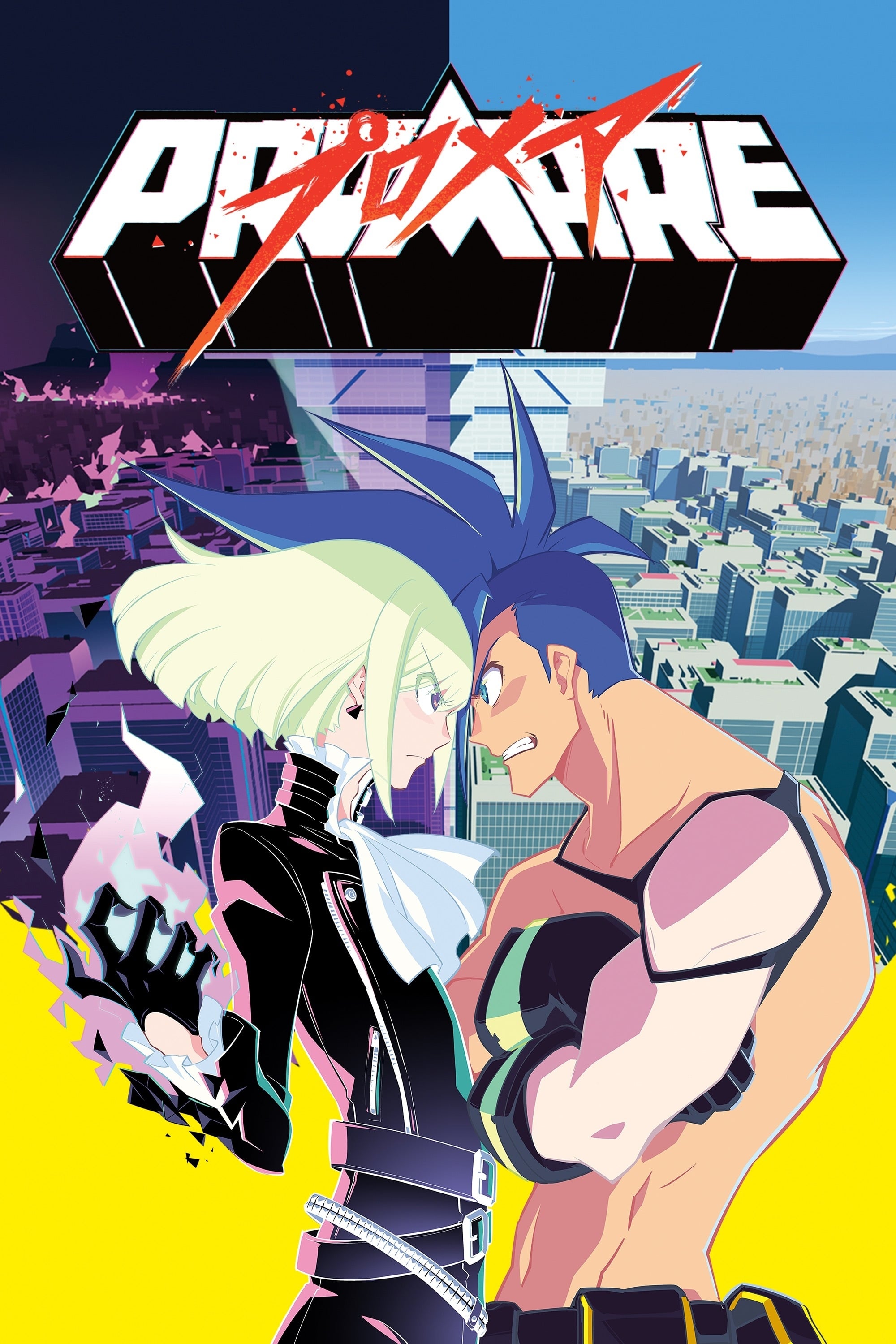
The Burnish are people with the power to control fire who are unfairly targeted and locked up by the government. Galo Thymos begins to question his unwavering support for the authorities when he meets Lio Fotia, the leader of the Burnish. Their relationship represents the importance of looking beyond what you’re told to truly understand those who are different. The show’s striking visuals emphasize the powerful bond between them and the passionate fight for change.
‘Beastars’ (2019–2021)
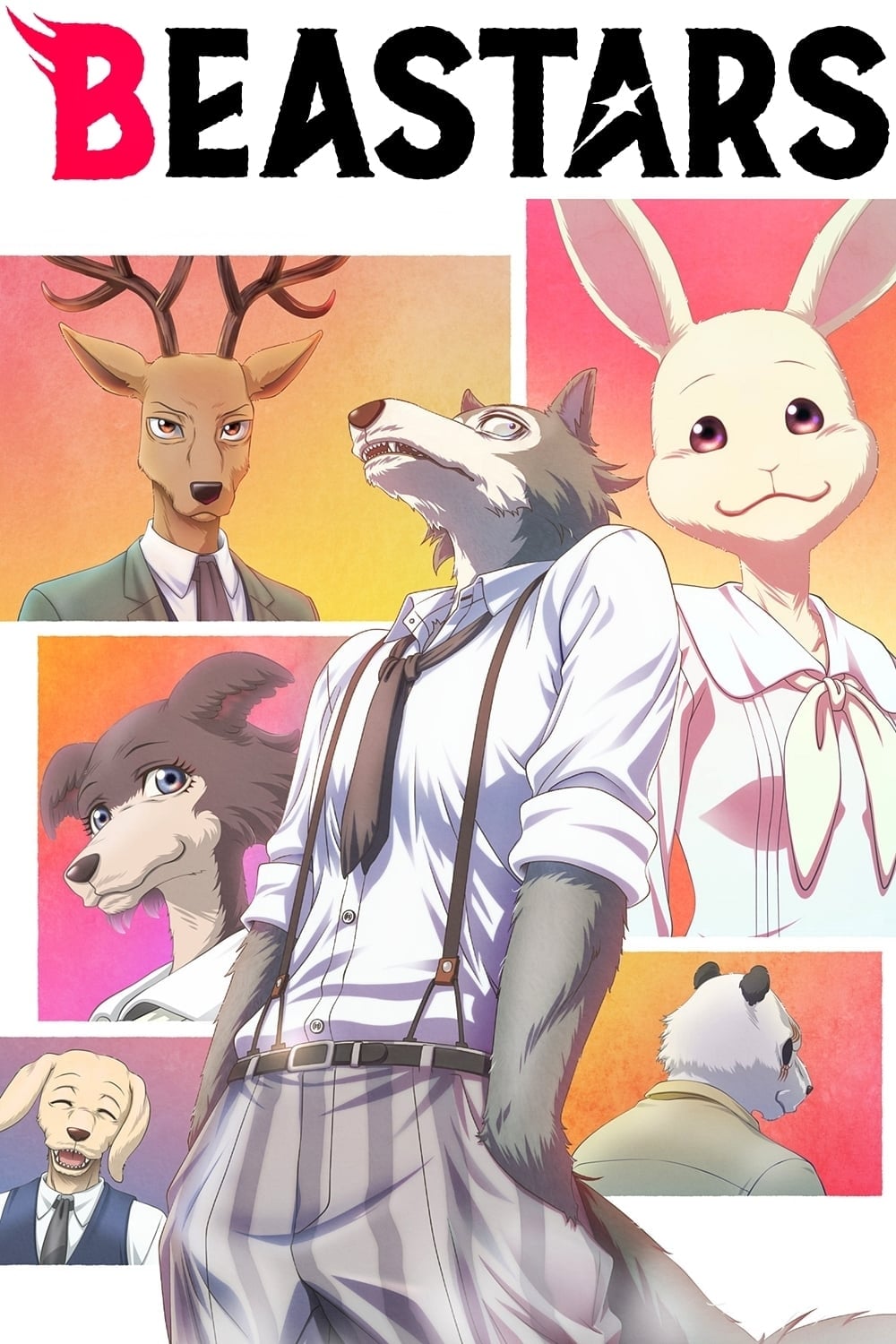
The world of the series balances a delicate peace between meat-eaters and plant-eaters, requiring everyone to control their natural instincts. The main character, Legoshi, is a carnivore who finds himself attracted to Haru, a dwarf rabbit, creating internal conflict. The story uses the natural world of animals to represent issues of prejudice and fear towards those who are different. It delves into the difficulties and societal pressures surrounding relationships between different species, which are often considered forbidden.
‘Hunter x Hunter’ (2011–2014)
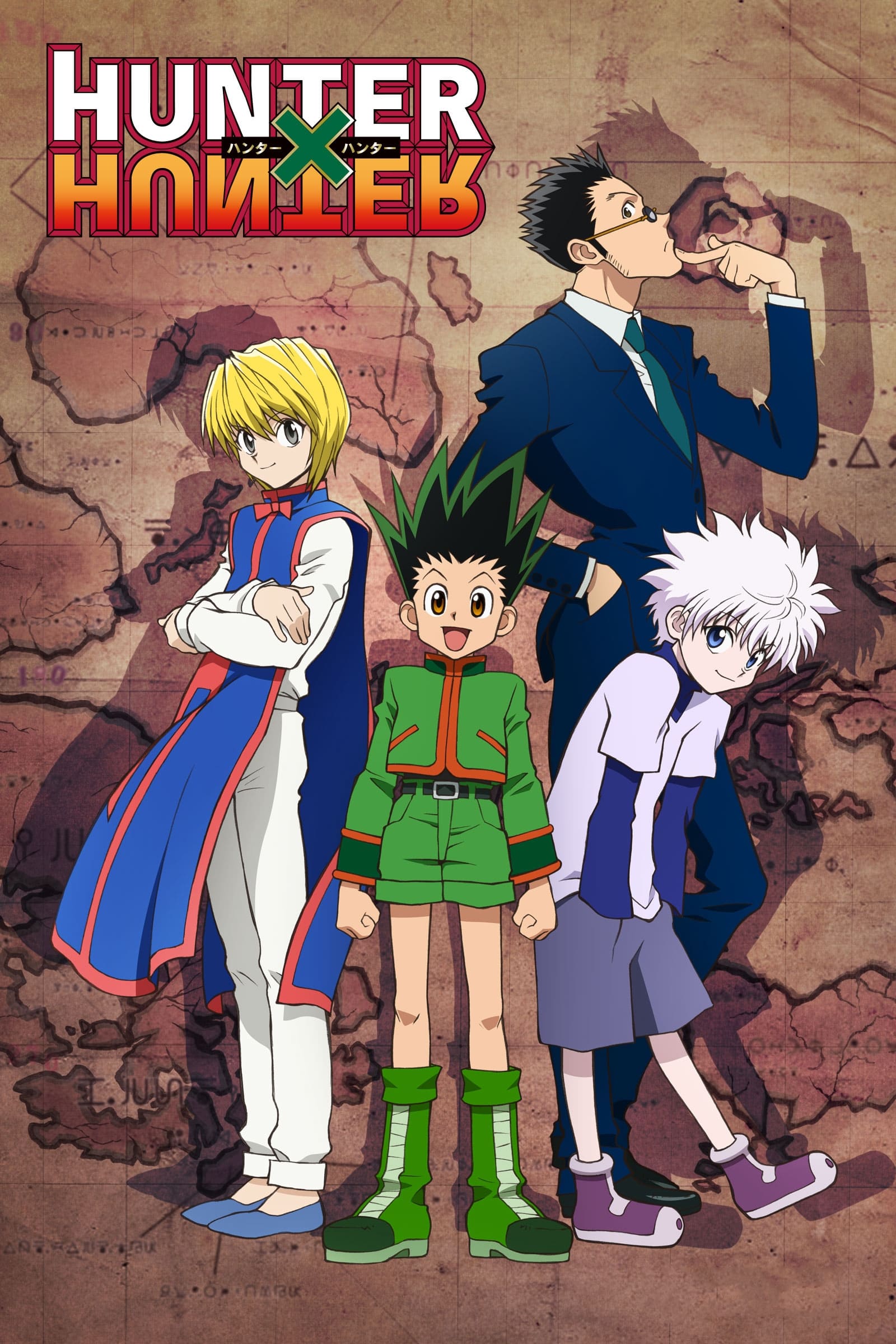
The Chimera Ant storyline features ants who see humans as simply animals to be used, making humanity question its own history of power. Meanwhile, the character Alluka Zoldyck’s identity is accepted by her brother, Killua, but not by the rest of her family. The story explores how fear of things people don’t understand can lead to violence and mistreatment. Killua is determined to safeguard Alluka from those who only see her as a weapon.
‘Michiko & Hatchin’ (2008–2009)

Michiko Malandro breaks out of prison to save her daughter, Hatchin, from a harmful foster home. The story is deeply rooted in Brazilian culture and explores the challenges of poverty and racism faced by its characters. Though not a love story, it powerfully portrays the unconventional but strong connection between a mother and daughter, and offers a stark depiction of how difficult it is to survive when the system doesn’t offer protection.
‘Vampire in the Garden’ (2022)
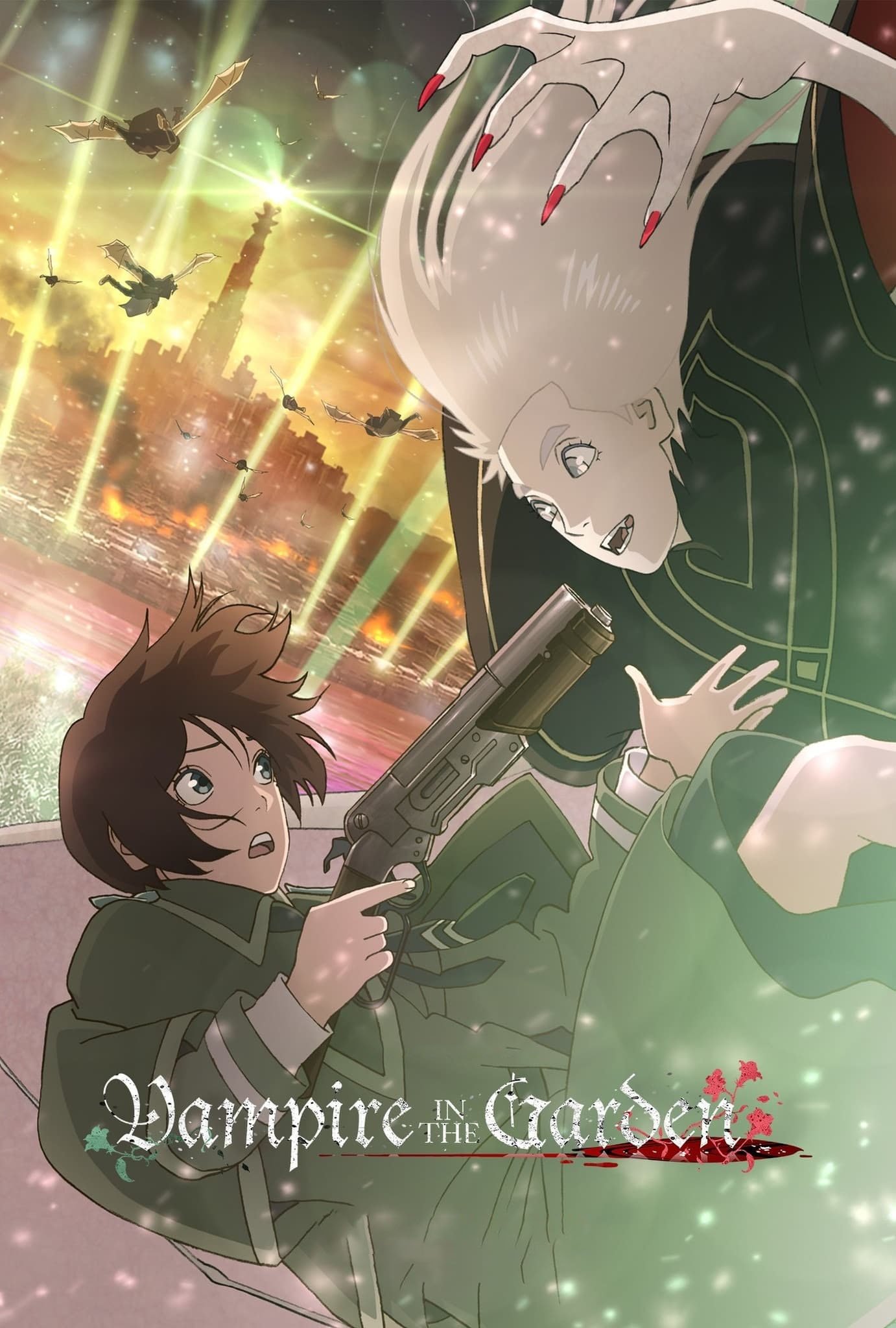
A bitter war rages between humans and vampires, and a peaceful future seems out of reach. But Momo and Fine, the vampire queen, refuse to accept the hatred around them and embark on a quest to find a legendary paradise called Eden. Their love story is filled with heartbreak and shows how pointless the conflict truly is. The anime demonstrates that even a single, powerful love can stand against the deep-rooted prejudice dividing these two species.
‘Appare-Ranman!’ (2020)

An unlikely pair – a shy engineer and a samurai – get stuck in Los Angeles around the 1800s. They end up in a race across the country, meeting people from all walks of life, including Native Americans and Chinese racers. One of the drivers, Xialian, faces both sexism and racism as she fights to prove her skills. The show is a celebration of different cultures coming together and overcoming obstacles through the excitement of the race.
Share your favorite examples of social commentary in anime in the comments.
Read More
- Gold Rate Forecast
- 22 Films Where the White Protagonist Is Canonically the Sidekick to a Black Lead
- Games That Faced Bans in Countries Over Political Themes
- Silver Rate Forecast
- Celebs Who Narrowly Escaped The 9/11 Attacks
- Brent Oil Forecast
- Unveiling the Schwab U.S. Dividend Equity ETF: A Portent of Financial Growth
- How to Do Sculptor Without a Future in KCD2 – Get 3 Sculptor’s Things
- Superman Flops Financially: $350M Budget, Still No Profit (Scoop Confirmed)
- 14 Movies Where the Black Character Refuses to Save the White Protagonist
2025-12-09 12:18