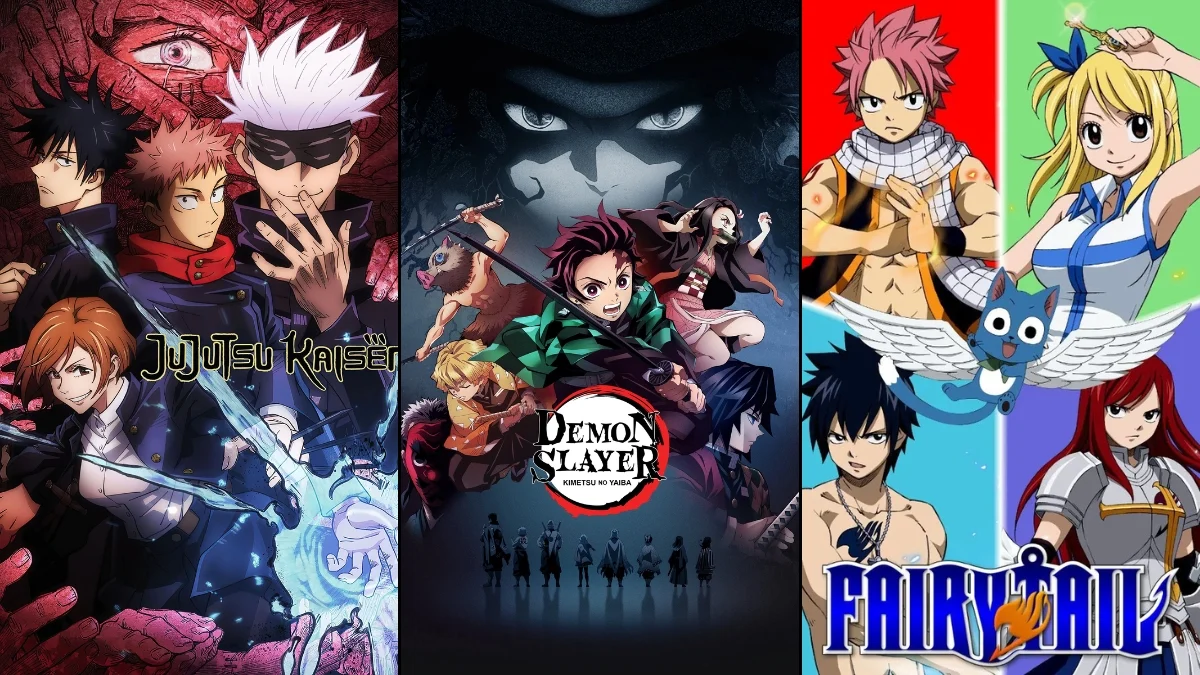
Many anime series adapted from manga don’t clearly state when events happen, jumping between story arcs without specific dates. However, the manga itself often contains clues – like calendars in the background, character ages, school schedules, newspapers, or even gravestones and phone screens – that allow fans to figure out the timeline. Dedicated fans and official wikis then use these details to create complete story timelines. The anime series listed below all have manga sources that subtly reveal the dates and timing of events.
‘Attack on Titan’ (2013–2023)
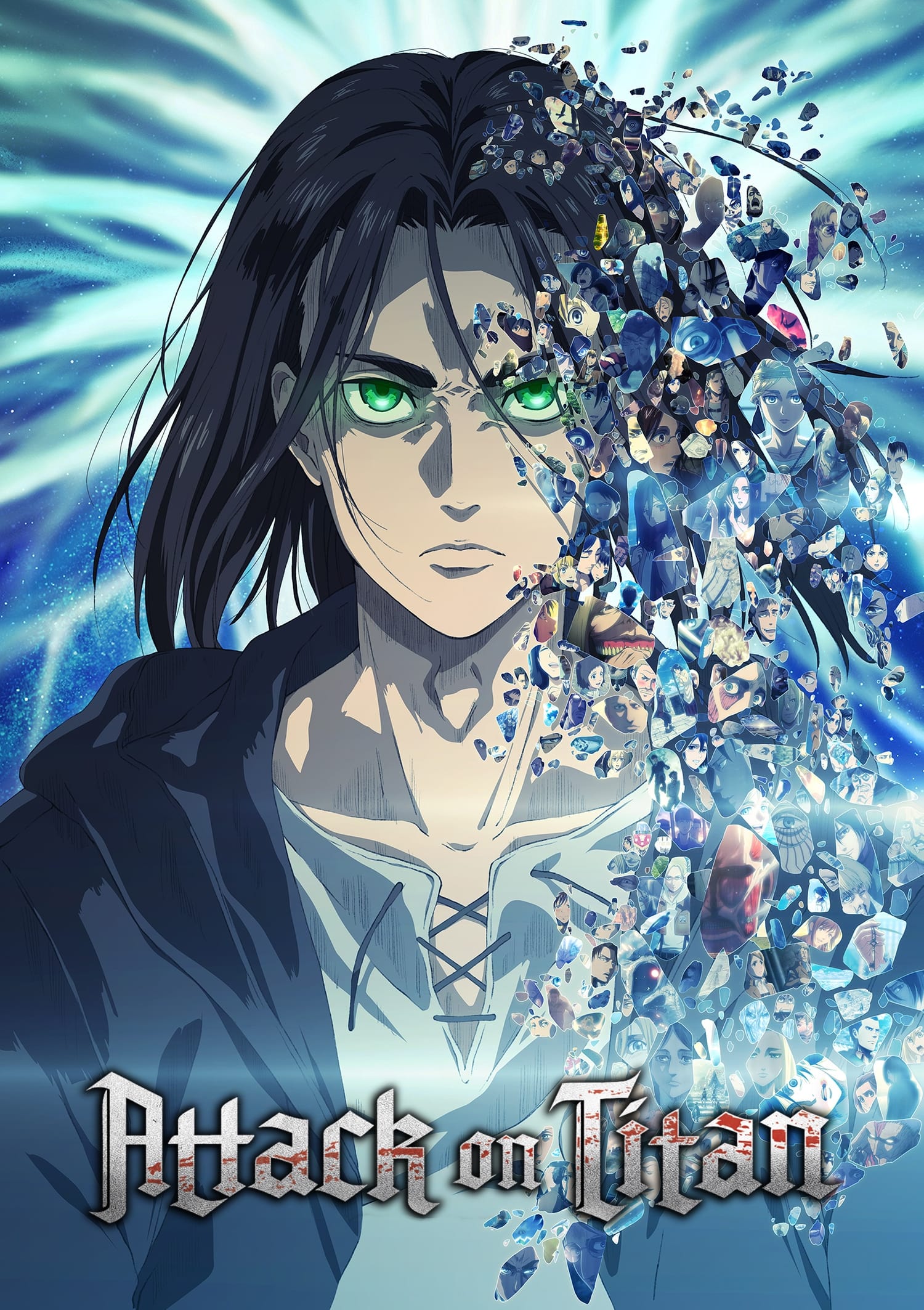
The ‘Attack on Titan’ manga has its own timeline, counting years from a specific starting point within the story. Important historical events are labeled with dates and designations like ‘B1’ to indicate how far back in time they occurred. Official timelines, flashbacks, and character ages all help to piece together the story’s history, showing both past wars and current battles. Details found in things like gravestones, military documents, and historical notes further pinpoint key events, such as when the walls fell or major expeditions took place. By combining all of these clues, fans can create a detailed timeline of the story, from ancient conflicts to the final battles.
‘My Hero Academia’ (2016– )
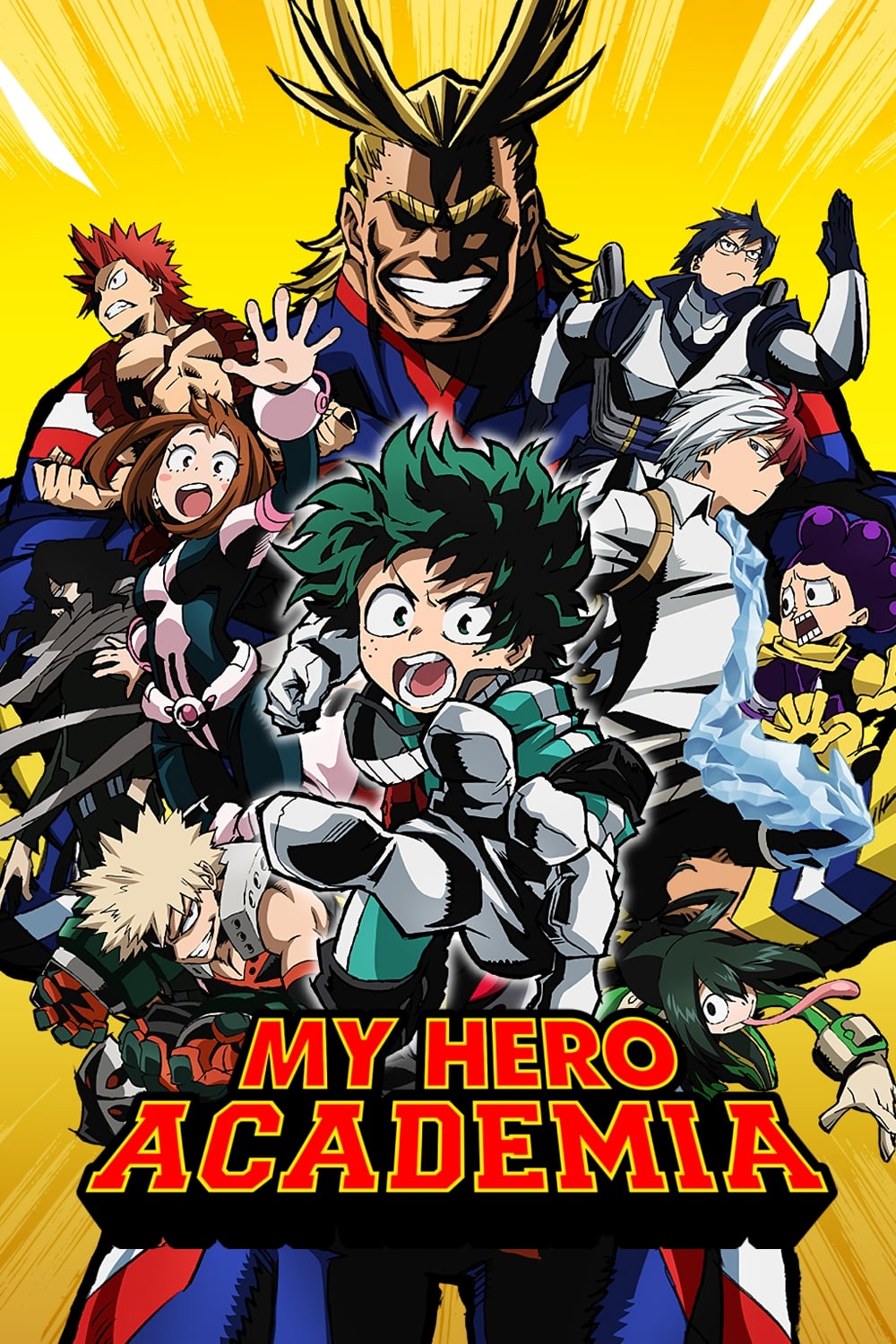
The story of ‘My Hero Academia’ follows a clear timeline built around key school events like entrance exams, sports festivals, internships, and licensing tests. Details outside the main story – such as character birthdays and ages found in supplementary materials – help pinpoint when events happen. Subtle clues like dates on TV screens or posters also show how quickly the story progresses. Dedicated fans have compiled all these details, along with chapter numbers, to create a comprehensive timeline of the series, stretching from the origins of Quirks to the major conflicts we see today.
‘One Piece’ (1999– )
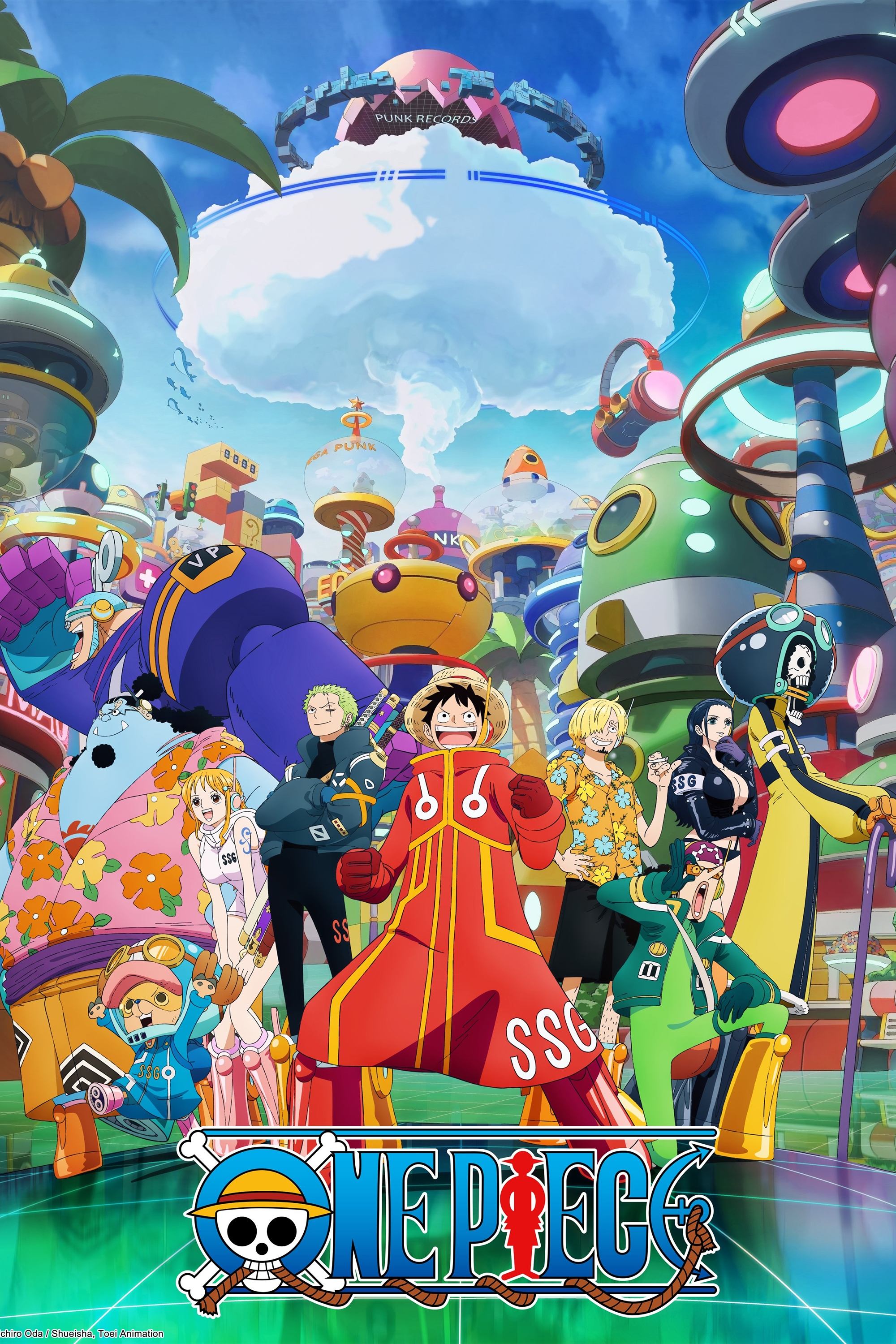
The manga ‘One Piece’ cleverly hides a complex timeline within its adventurous story. It does this through frequent flashbacks set ‘x years ago,’ charts showing character ages, and a detailed history of a past century. Important events – like takeovers, pirate punishments, and sad moments – are carefully placed in specific points of time before the present day. Official resources, such as the series’ wiki, even provide a ‘World Timeline’ that links these events to specific chapters and pages, often referencing details found in background text or brief narrations. This allows fans to create a complete, shared calendar of everything happening in the story, from current events to past flashbacks and historical occurrences.
‘Naruto’ (2002–2007)
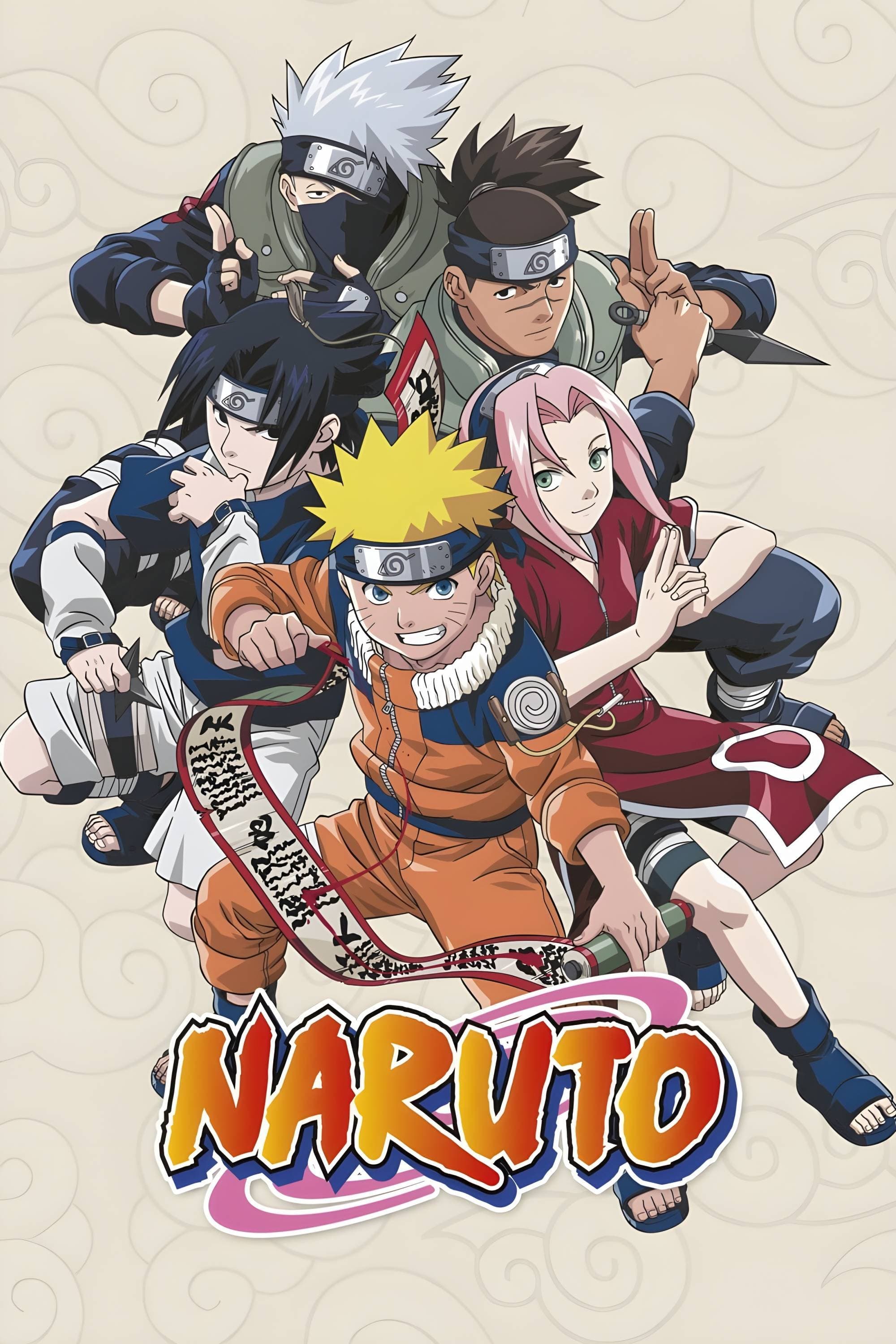
The ‘Naruto’ manga establishes a timeline through key events like ninja graduation, training durations, and the periods between major wars. Official databooks and notes from the author provide specific birthdates and ages, allowing fans to piece together a detailed chronology, even for scenes showing flashbacks or early academy life. Dedicated fans have created comprehensive timelines by combining these official details with events from each chapter, using clues like time skips indicated in panel captions (“several years ago,” “x months later”). This effort results in a clear understanding of character progression and the time frame between the original ‘Naruto’ series and its sequels.
‘Bleach’ (2004–2012)
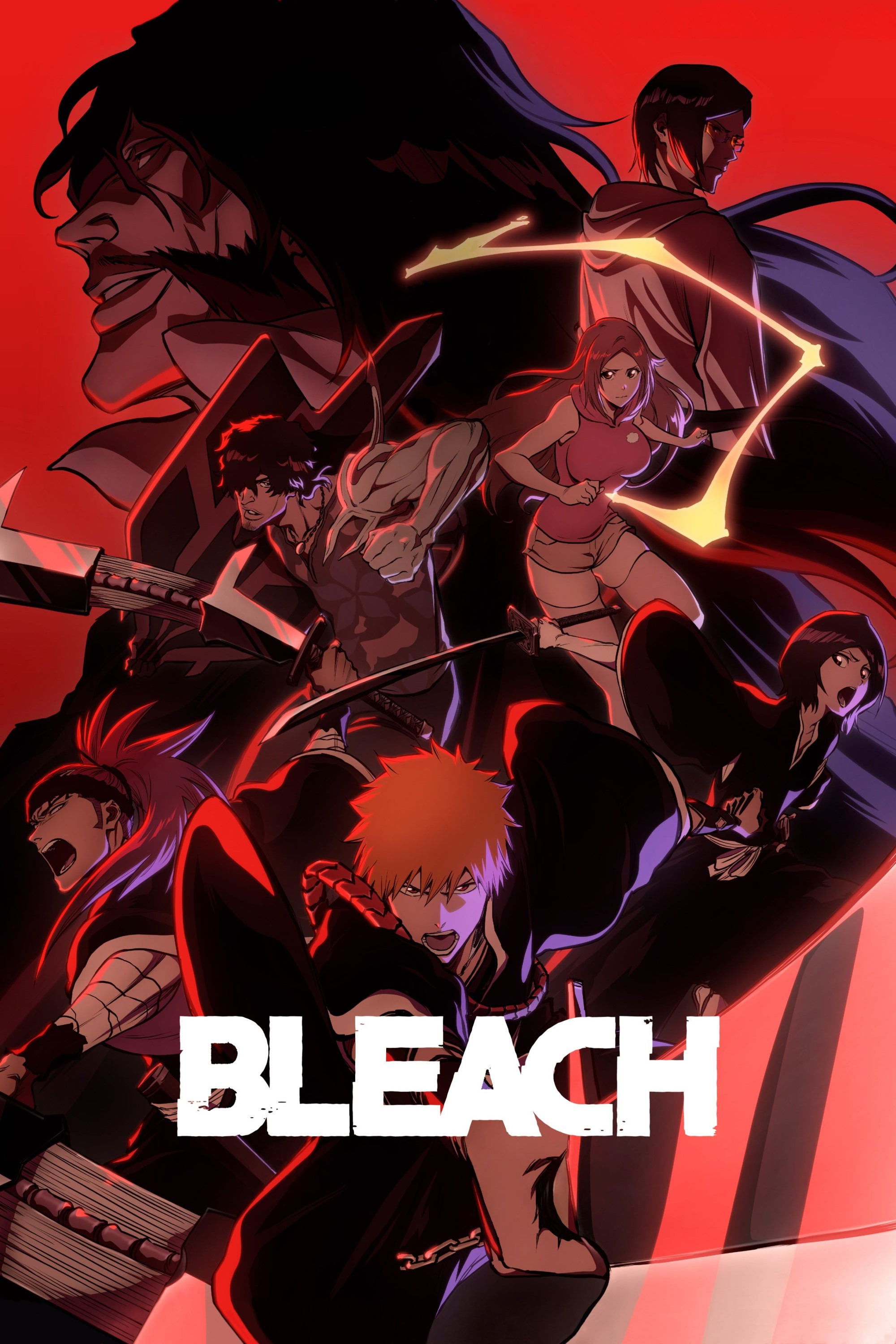
Bleach’s story jumps across hundreds of years of history in the Soul Society, while focusing on a much shorter time in the human world. The series frequently references events from the distant past – things like a character’s former position, punishments, invasions, or banishments – using phrases like ‘hundreds of years ago.’ Fans have put all these scattered details together to create a detailed timeline, organizing the story into historical periods and numbered sections. More recent events, like school activities and festivals in Karakura Town, help pinpoint exactly when these parts of the story take place within just a few years.
‘Demon Slayer: Kimetsu no Yaiba’ (2019– )
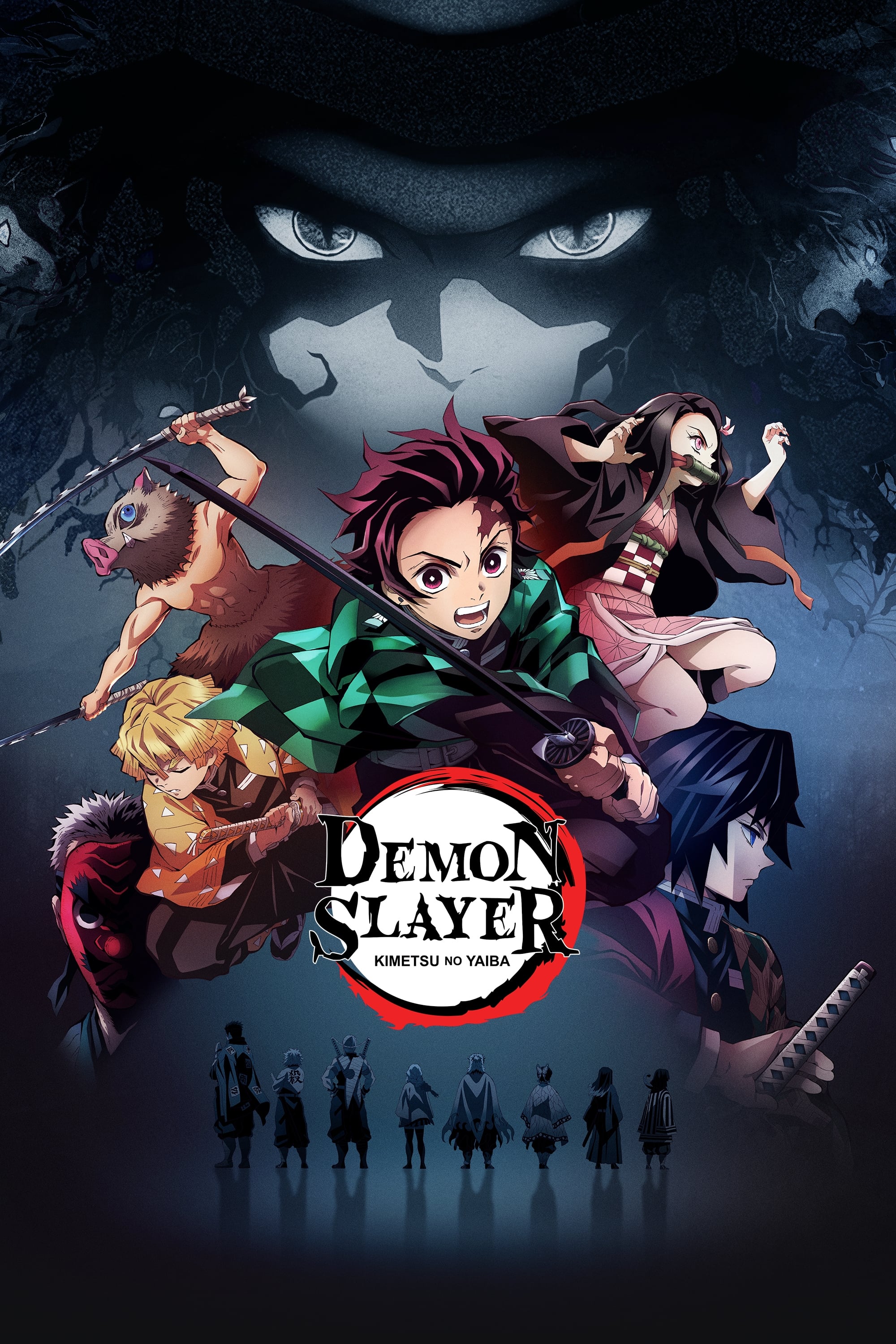
The manga ‘Demon Slayer: Kimetsu no Yaiba’ is set during Japan’s Taishō era, though the specific years aren’t directly stated. Instead, the story provides clues – like newspapers, fashion, and historical details – and character ages, allowing fans to piece together a timeline. Using these hints, fans have created guides that place important events, such as the family’s tragedy and the demon slayer exam, in chronological order within the Taishō period. This allows them to estimate how long the Demon Slayer Corps has existed and when older characters first emerged.
‘Fullmetal Alchemist: Brotherhood’ (2009–2010)
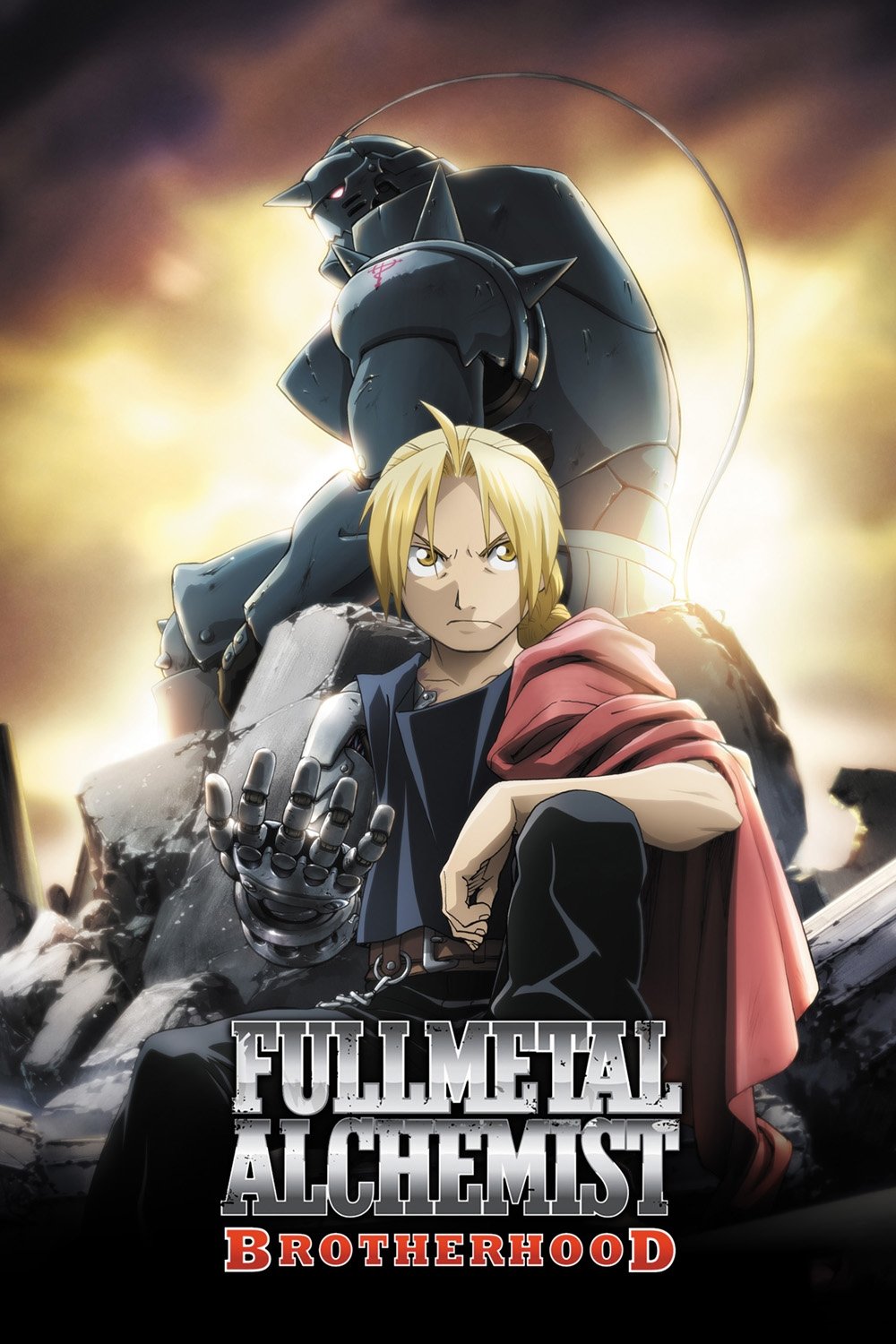
The ‘Fullmetal Alchemist: Brotherhood’ manga carefully establishes a specific timeline using Western-style years for important events like wars, exams, and battles. A timeline within the manga details these dates – such as 1910 and 1913 – and where they appear in the story. Character ages and birthdays are also provided, allowing readers to pinpoint exactly when childhood scenes happen in relation to the main plot. This consistent calendar creates a rich political history and reveals a decade-long conspiracy unfolding throughout the series.
‘Tokyo Ghoul’ (2014–2018)
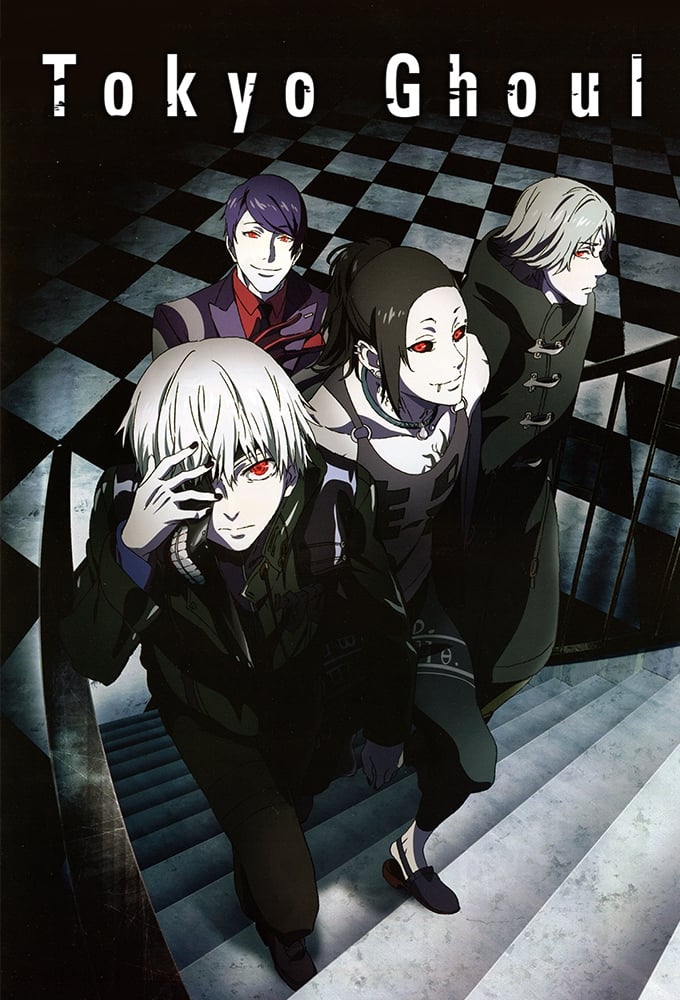
The manga ‘Tokyo Ghoul’ features a detailed calendar system that’s subtly integrated throughout the series – dates appear on things like documents and phones in many panels. Fans have compiled these dates into a timeline on the ‘Tokyo Ghoul’ wiki, filling in missing information by considering the order of events and seasonal hints. This allows readers to follow the story’s relationships, investigations, and conflicts day by day, rather than just by story arcs. This same calendar system continues in ‘Tokyo Ghoul:re’, helping to maintain consistency even with time jumps and new cases.
‘Jujutsu Kaisen’ (2020– )
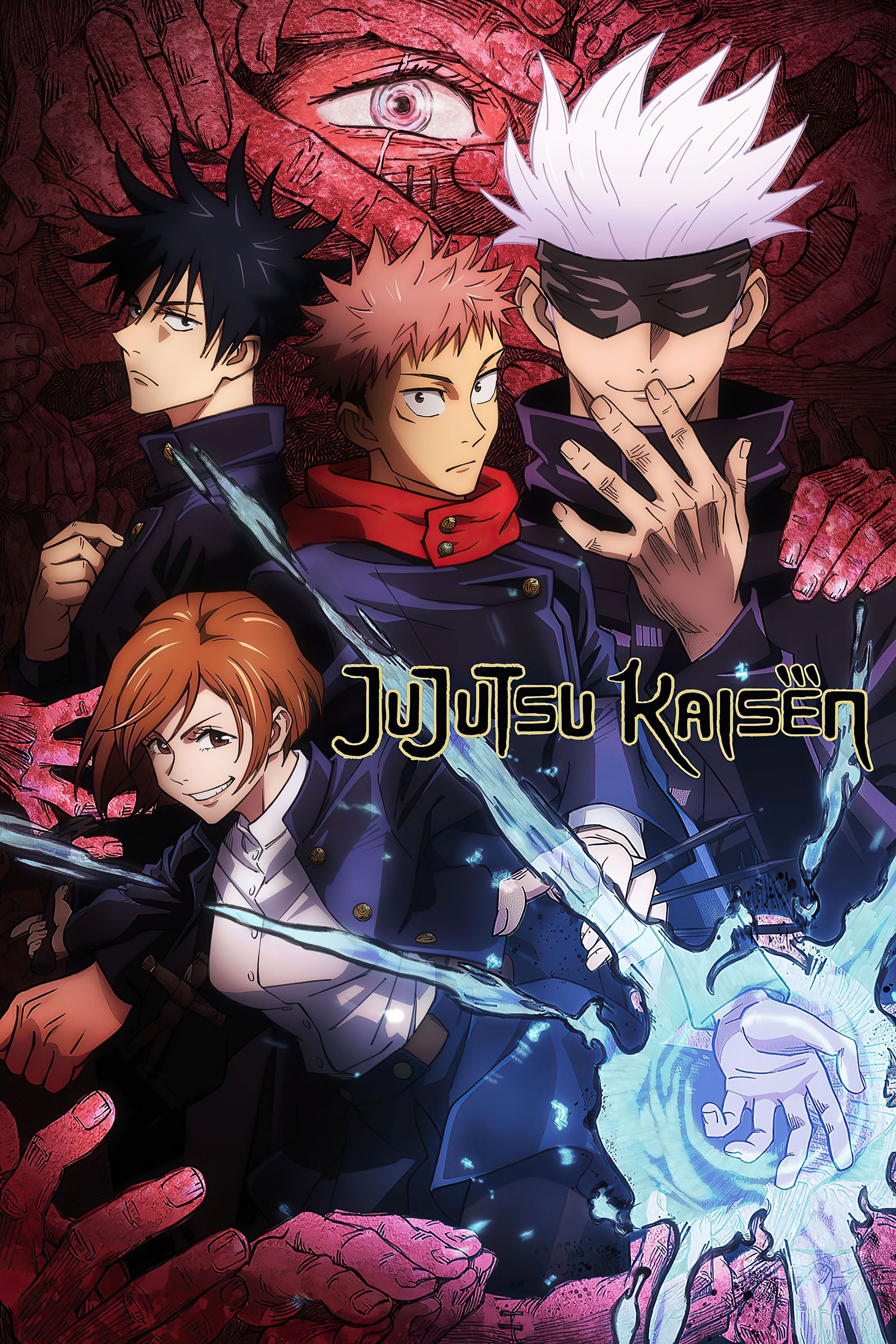
The ‘Jujutsu Kaisen’ manga frequently shows flashbacks and uses narration to indicate how much time has passed between important events like training, missions, or disasters. Fans have created a detailed timeline on the series’ wiki, pinpointing these time references in specific chapters and pages. They’ve then organized everything in relation to the current school year, even including events from the prequel volume based on clues within the story. This allows readers to easily follow the order of events, understand when characters first met, track the appearance of curses, and grasp the time gaps between major battles.
‘Chainsaw Man’ (2022– )
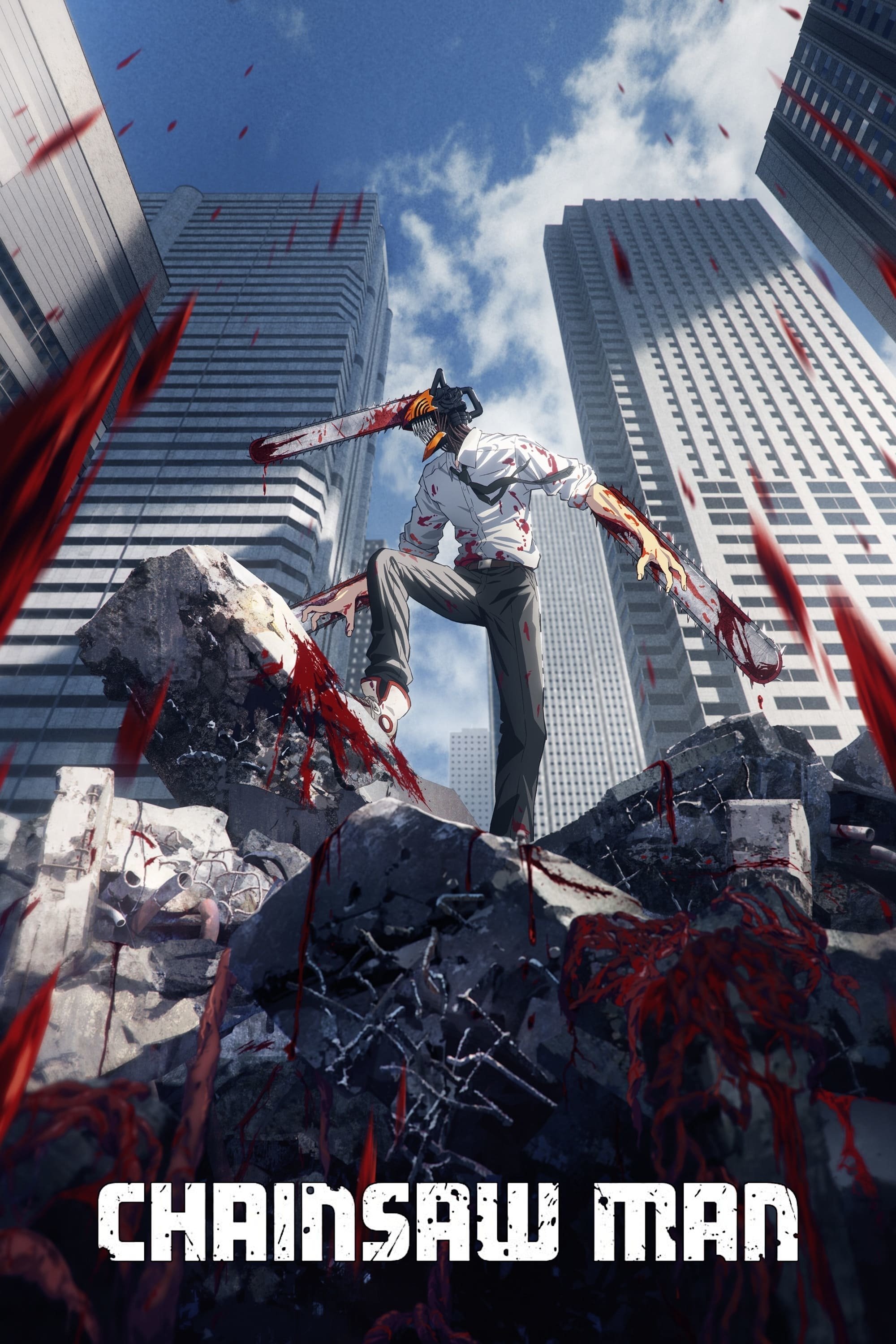
The manga ‘Chainsaw Man’ is set within a specific period in the late 1990s, with the story taking place over just a few years. Official sources, including the series’ wiki, pinpoint the main events between 1997 and 1999, a timeframe supported by references to real-world events that, within the story, didn’t actually happen. Details like school years, holidays, and small time jumps between story arcs help solidify this timeline, allowing fans to create a detailed and accurate sequence of events for both parts of the series – the public safety arc and the later academy storyline.
‘Dr. Stone’ (2019–2023)
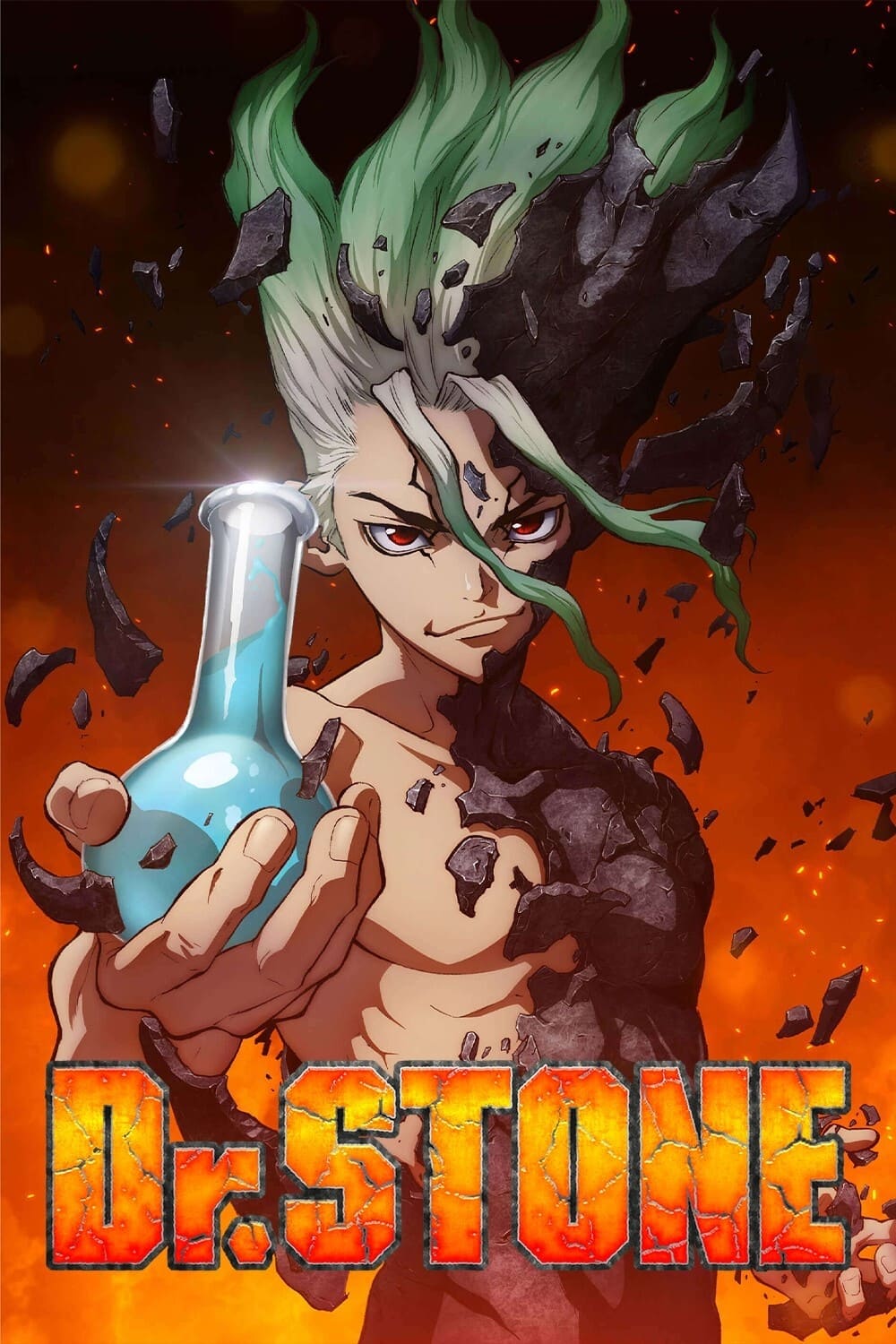
Instead of using regular dates, ‘Dr. Stone’ tracks time by counting the seconds since everyone turned to stone. The story often displays these second counts, and supplemental material translates them into years, letting viewers understand when characters wake up and how long it takes to develop new technologies. A detailed timeline page shows exactly how these calculations are made, referencing specific chapters, second counts, and flashbacks. This system allows readers to follow the story’s progression, from the distant past, through the disaster that petrified humanity, and into the era of scientific recovery, with a clear sense of how much time has passed.
‘Hunter x Hunter’ (2011–2014)
Although ‘Hunter x Hunter’ doesn’t use specific dates, it keeps track of time carefully within important events like exams, journeys, and missions. Story arcs, such as the Hunter Exam and Chimera Ant arcs, often mention how many days are left, letting fans figure out how long each part of the story lasts. Details like character ages and birthdays, found in supplementary materials, help connect past events and future meetings in a consistent way. When combined with how long travel takes and countdowns shown in the manga panels, this creates a surprisingly detailed timeline for a series that doesn’t usually focus on specific dates.
‘JoJo’s Bizarre Adventure’ (2012– )
As a longtime fan of ‘JoJo’s Bizarre Adventure,’ I’ve always been fascinated by how deeply rooted each story is in a specific decade. Araki-sensei really commits to the time period, filling the panels with details from the fashion, technology, and even historical events of those years. He’s even given us official start dates for most parts, and cleverly hides clues within the art itself – like calendars and news headlines – to pinpoint exactly when things are happening. It’s amazing how the fanbase has pieced everything together to create detailed timelines, showing how the story spans generations and over a century of battles and family connections. It really helps you appreciate the scope of the saga and how everything is connected.
‘Fruits Basket’ (2019–2021)

The manga ‘Fruits Basket’ is carefully structured around the Japanese school year, with story arcs built around events like exams, summer break, and New Year’s. The characters have specific birthdays and ages, which allows fans to create detailed timelines of the story. These timelines track when characters meet the main character and when important secrets are revealed. Even the extra stories and the revised ending add to the timeline, showing what happens to the characters after their high school years.
‘Blue Exorcist’ (2011–2024)
‘Blue Exorcist’ structures its story around the school year at True Cross Academy, but also includes flashbacks to give a broader sense of history. The series’ timeline is fleshed out with details about when different exorcist groups were created and when important events happened. Both the anime and manga arcs follow this timeline, and later seasons often refer back to past battles, even naming them and giving approximate dates. By combining these references with additional background information, the series allows viewers and readers to follow the characters’ development and the history of the exorcist organization over a long period of time.
‘Black Clover’ (2017–2021)

As a fan, I’ve noticed ‘Black Clover’ cleverly keeps track of time through the missions, tournaments, and big battles the Magic Knights are always facing. The story often tells us how much time has passed since the last fight, and we see characters grow, get promoted, and change ranks – these details help us understand flashbacks and what’s coming up next. Dedicated fans have actually put together a full timeline using these clues, starting from Asta and Yuno’s childhood at the church and going all the way to the huge conflicts happening later in the story. It’s a really well-hidden structure that makes the story’s fast pace feel consistent, even though it doesn’t use specific dates.
‘Haikyu!!’ (2014–2020)

The manga ‘Haikyu!!’ is a great example of a sports story that carefully tracks time. Official sources, like timelines and magazine extras, reveal that most of the high school action happens within about a year. The story specifically notes months for tournaments and training, and even includes dates for matches and birthdays. Fans have used this information to create detailed timelines, showing how quickly Karasuno’s season progresses and how little time passes between important games.
‘Mob Psycho 100’ (2016–2022)
The story of ‘Mob Psycho 100’ follows the main character as he goes through middle school, showing how his school life and the groups he’s part of change over time. The manga uses details like school banners, seasonal art, and short time jumps in the narration to show how much time passes between different story arcs. Official materials and interviews establish that the story takes place in modern times, but don’t specify exact years. By combining these details with yearly events, readers can piece together a timeline of the psychic battles and important moments in the protagonist’s life, from his first day of school to graduation.
‘Spy x Family’ (2022– )
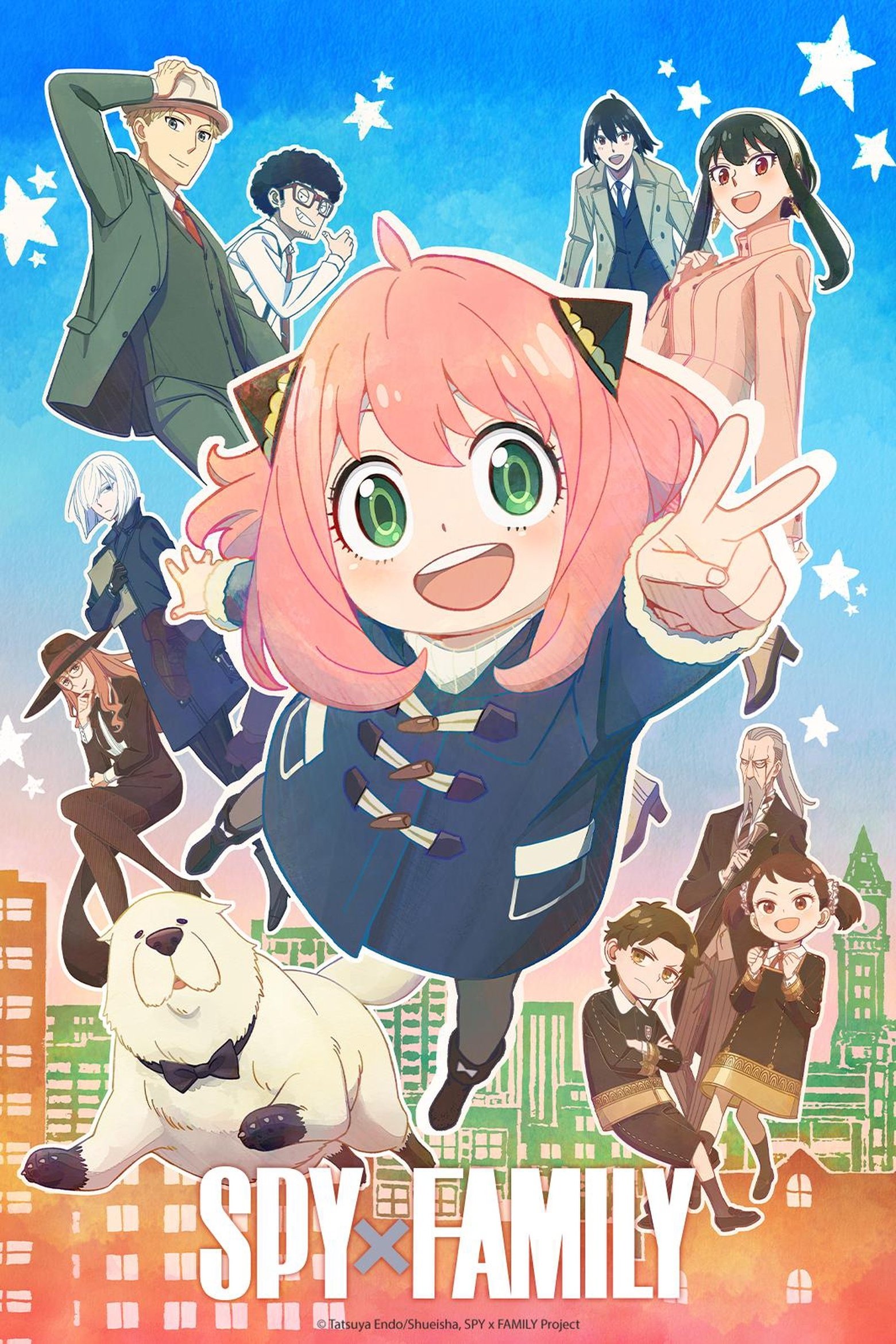
The manga ‘Spy x Family’ intentionally avoids specifying the exact year it takes place, mixing visuals reminiscent of the Cold War with more contemporary details. Clues within the panels, like mentions of a wall being torn down ten years prior and memories of wartime, allow fans to guess the time period. A fan-created timeline on the series’ wiki organizes explicitly stated dates from the manga, mapping out missions, school schedules, and political happenings. This careful construction gives the story a believable, yet adaptable, historical feel while still ensuring everything within the story follows a consistent timeline.
‘Fairy Tail’ (2009–2019)
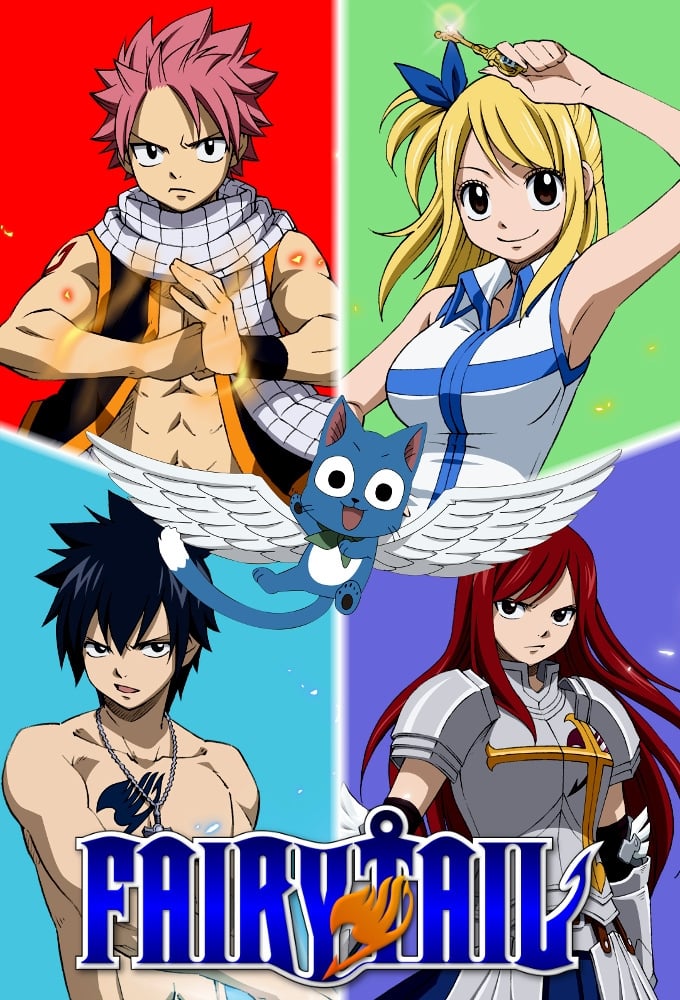
The ‘Fairy Tail’ manga has its own unique timeline, marked by years like X784, which aren’t immediately obvious but become important as the story progresses. These years appear on things like mission postings and event announcements within the panels. An official timeline on the series’ wiki organizes key events – promotions, wars, and guild trials – and connects them to these in-panel dates. This helps readers understand how long the guild has existed and how much time passes between major battles.
If you’ve noticed hidden dates or timestamps in a manga you love, tell us about it and share any theories you have in the comments!
Read More
- Trading on Thin Air: AI Agents Conquer Crypto Volatility
- 20 Movies Where the Black Villain Was Secretly the Most Popular Character
- Invincible Season 4 Gender Swaps Tech Jacket As Fans Question Major Comic Change
- Silver Rate Forecast
- 22 Films Where the White Protagonist Is Canonically the Sidekick to a Black Lead
- 15 Films That Were Shot Entirely on Phones
- Gold Rate Forecast
- Celebs Who Narrowly Escaped The 9/11 Attacks
- Trading Smarter: AI-Powered Execution Schedules
- Smarter Order Execution: How AI is Outperforming Wall Street’s Playbook
2025-12-15 12:17