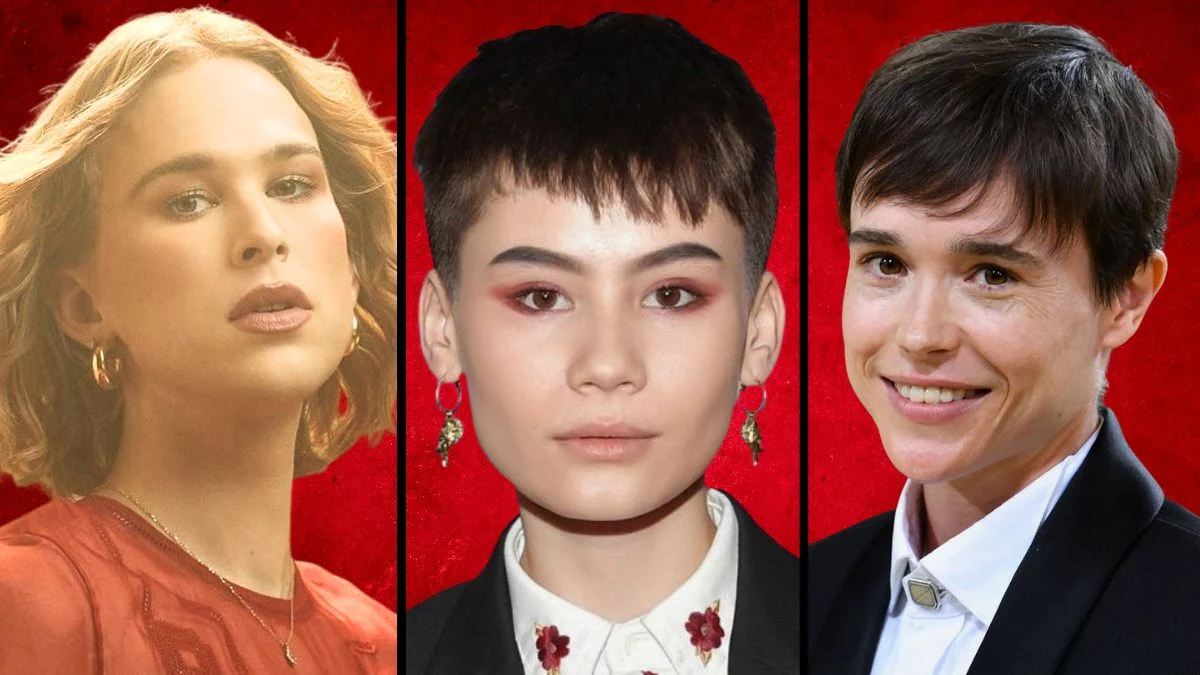
Hollywood has often been drawn to making biographical movies about transgender people, but these films frequently focus on hardship or the details of medical transition to gain sympathy from viewers who are not transgender. Increasingly, transgender actors and public figures are speaking out against these limited storylines. They believe these stories often use their personal experiences for entertainment without providing genuine or nuanced representation. As a result, many are now choosing to focus on more complex fictional characters or projects that tell authentic stories, rather than traditional, stereotypical biopics.
Hunter Schafer
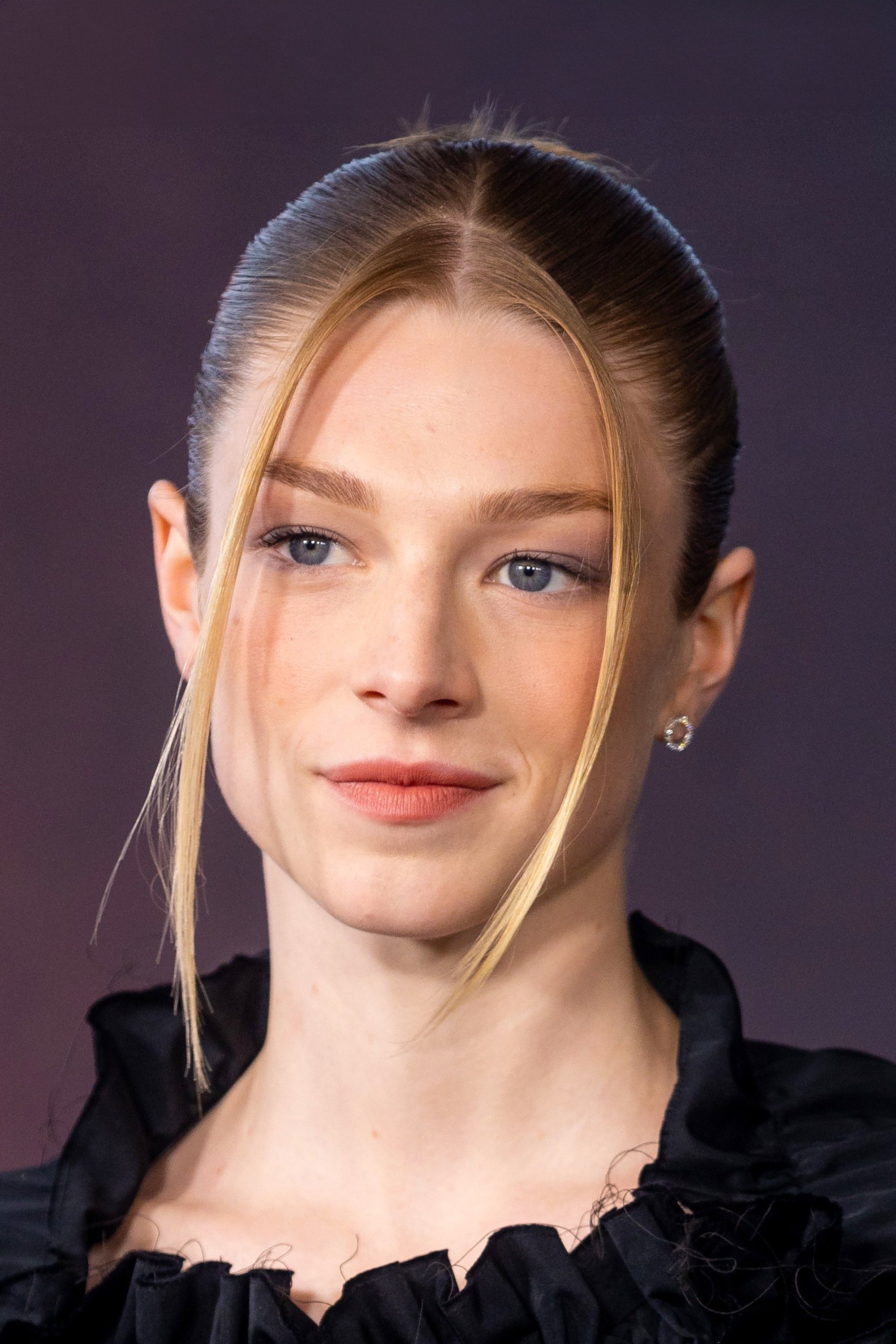
Hunter Schafer has deliberately chosen roles that aren’t solely focused on her identity as a transgender woman. She’s explained that she often declines scripts that make being transgender the central theme, wanting to avoid being typecast and letting that define her career. Schafer wants to play characters simply as people – in her case, a girl – without the added pressure of having to educate audiences about transgender issues. She feels this freedom will allow her to develop more fully as an actress.
Elliot Page
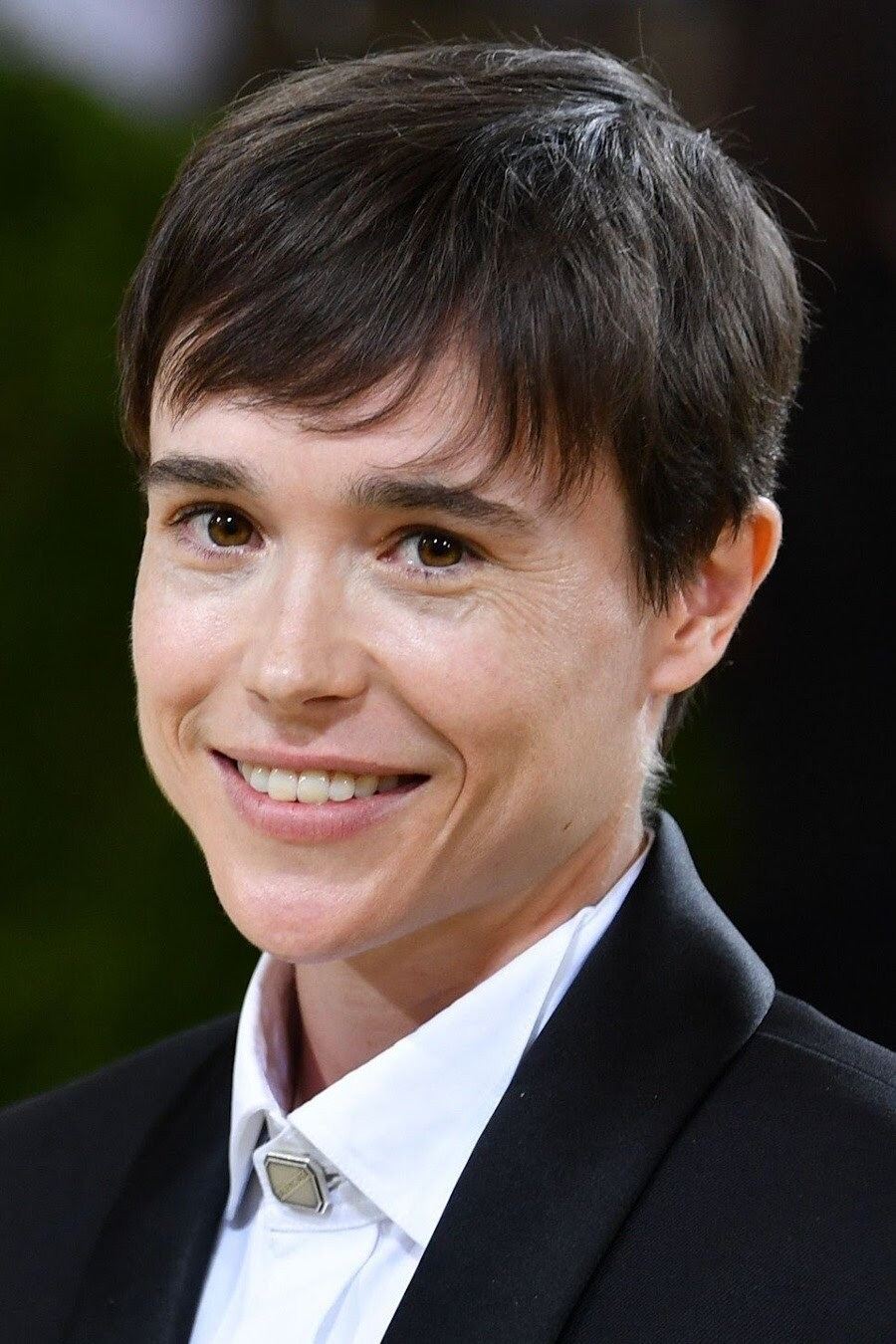
Elliot Page is now prioritizing roles that feature characters who are comfortable with who they are, moving away from playing people struggling with internal conflict. He’s not interested in projects that exploit the details of transgender journeys for entertainment value. Instead, Page wants to see more authentic and varied portrayals of trans men in all types of films and TV shows. He’s also using his production company to support stories that aren’t the typical Hollywood biographical dramas.
Laverne Cox
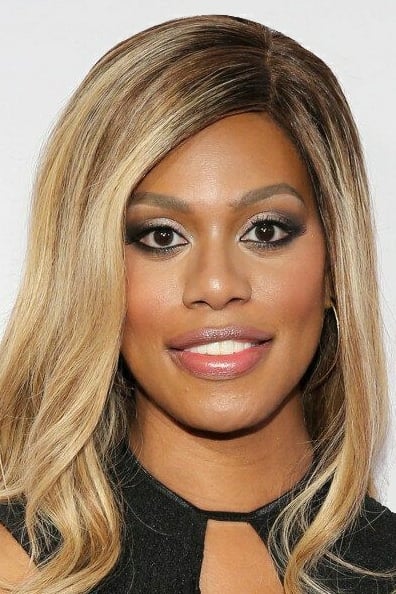
Laverne Cox has often spoken out against the entertainment industry’s focus on stories about transgender people that seem designed to satisfy cisgender audiences. She often turns down roles that portray a trans woman’s life as simply a sequence of medical procedures or hardships. Cox champions stories where trans characters are complex individuals with full lives, happiness, and the ability to make their own choices. She wants to move beyond the type of storytelling where trans characters only appear in one-off, issue-focused episodes, a pattern she encountered early in her career.
Indya Moore
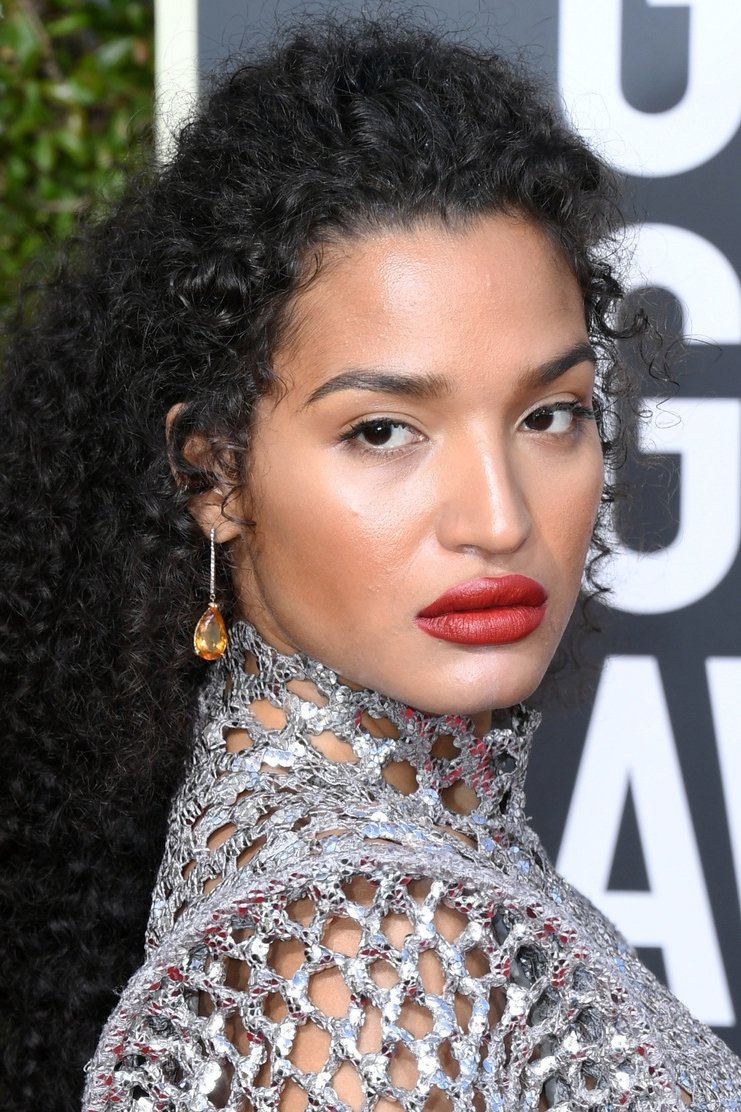
Indya Moore has criticized the film industry’s tendency to use transgender pain to win awards. They intentionally choose roles that don’t focus on their personal struggles as a source of inspiration, preferring instead to explore genres like fantasy, science fiction, and strong dramatic roles that avoid typical biographical storytelling. Moore’s work consistently aims to show that transgender people are more than just their suffering, and deserve representation beyond that limited scope.
Hari Nef
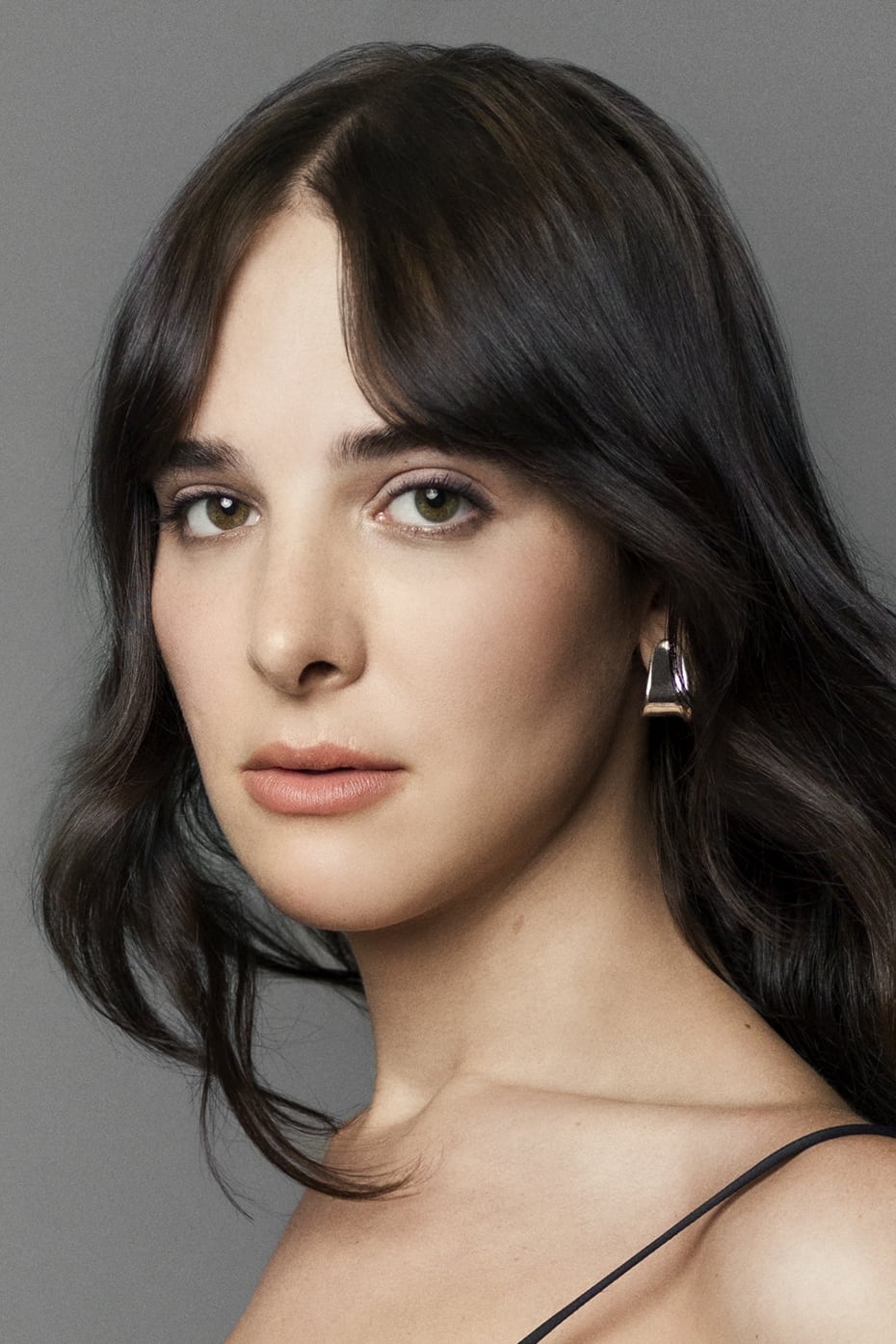
Hari Nef is deliberately choosing acting roles that aren’t solely focused on her identity as a transgender woman. She prefers projects like ‘Barbie,’ where she can simply be an actress, rather than being cast to represent or educate about trans issues. Nef has turned down roles that would require her to constantly explain her experiences, and instead seeks out directors who see her talent first and her identity second.
Brian Michael Smith
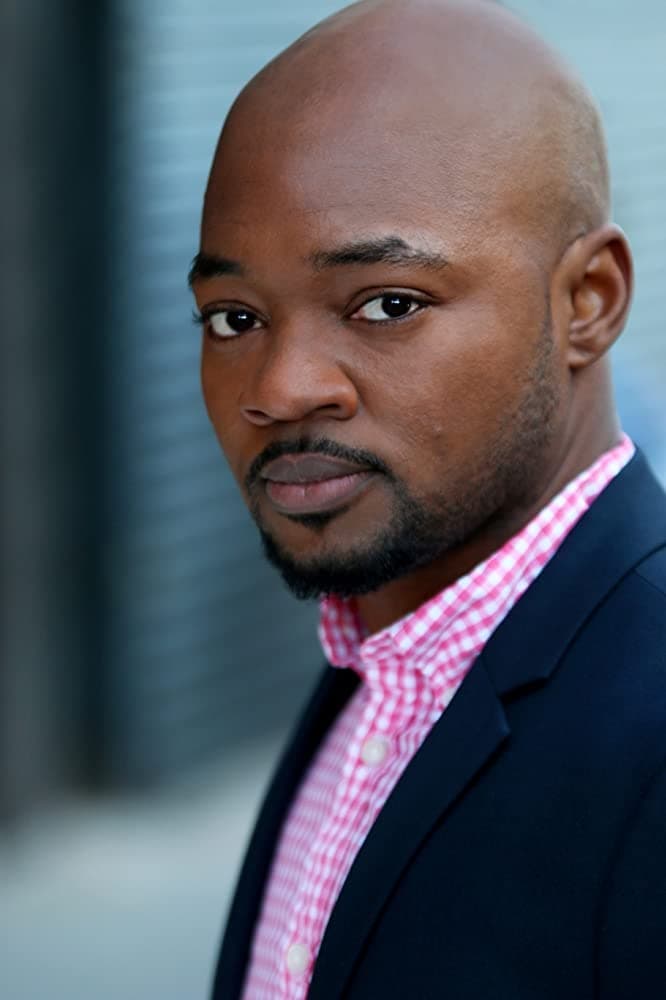
Brian Michael Smith intentionally chose acting roles that highlighted strength and positivity, rather than focusing on hardship. He avoids projects that center on a trans man’s journey of transition, preferring to show trans people living full lives. His role on ‘9-1-1: Lone Star’ was groundbreaking because his character’s story focused on his work and relationships, proving that simply portraying trans people in everyday jobs is more impactful than a traditional, inspirational life story.
Angelica Ross
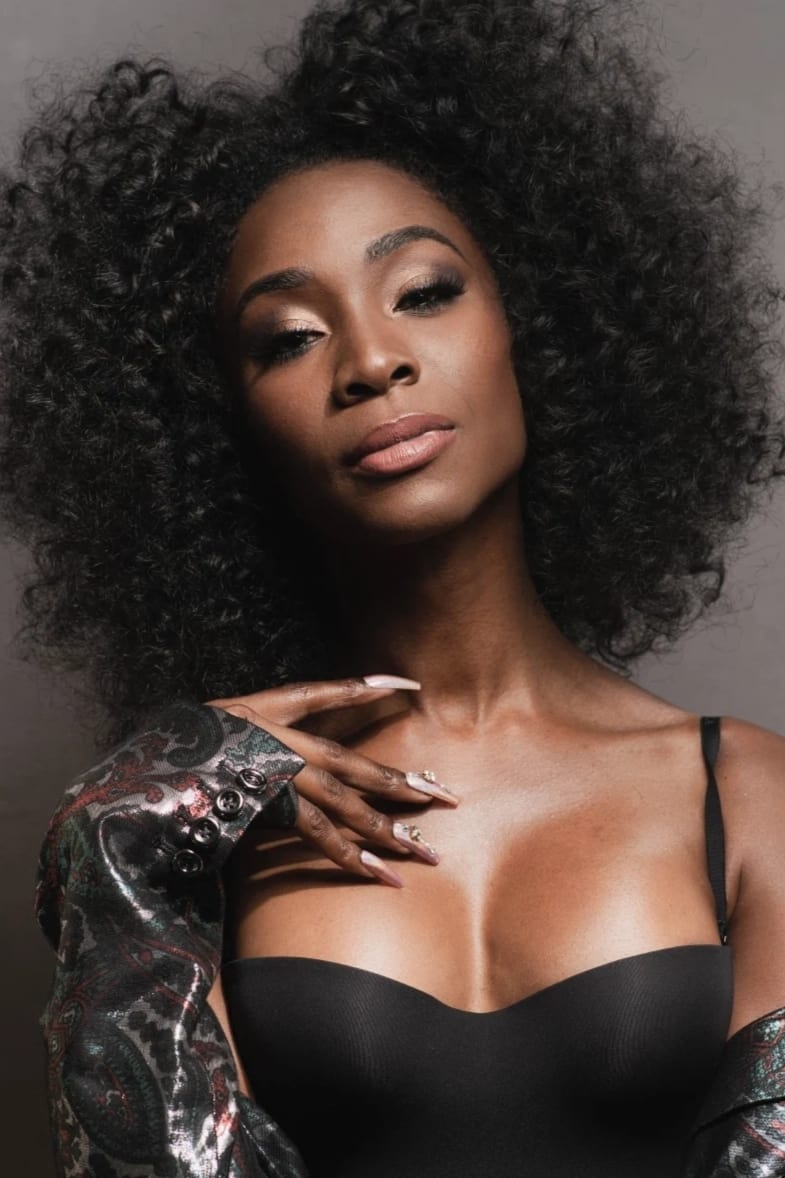
Angelica Ross decided to move away from Hollywood because she was frustrated with the types of roles available to her. She often pointed out that the industry tended to portray Black transgender people only as victims. She rejected roles that felt like they were taking advantage of her story or didn’t offer fair compensation to transgender actors. Now, she’s focusing on tech and advocacy, where she has full control over how her story is told.
Jamie Clayton
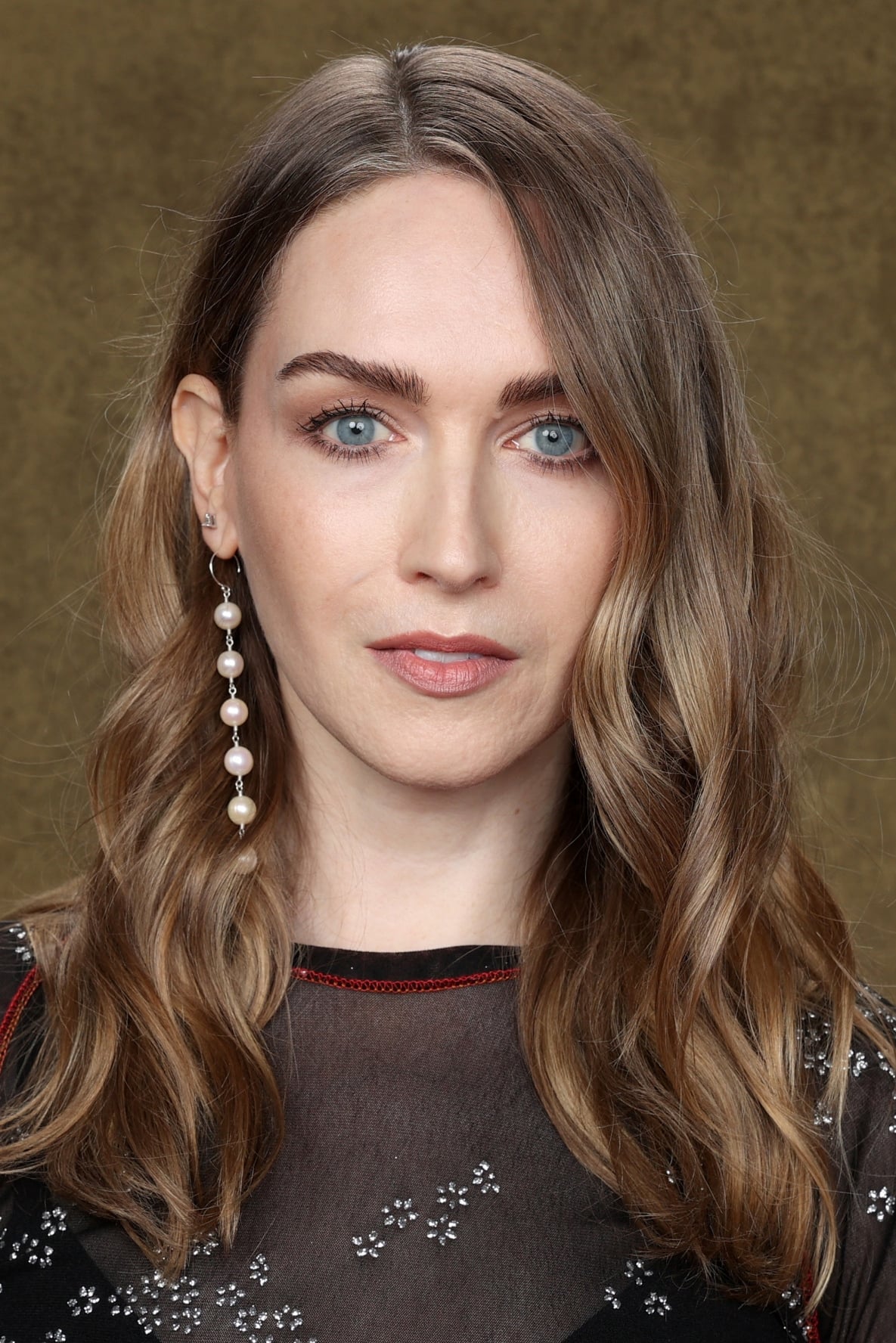
Jamie Clayton consistently selects roles where her characters’ gender identity isn’t a central focus of the story. She deliberately avoids the common and often limiting portrayal of transgender women as solely defined by hardship, a trope frequently seen in biographical films. Her performance in ‘Hellraiser’ showed her interest in playing challenging and morally ambiguous characters. Clayton believes that genuine representation means being able to portray characters whose stories aren’t centered around their gender transition.
Jen Richards
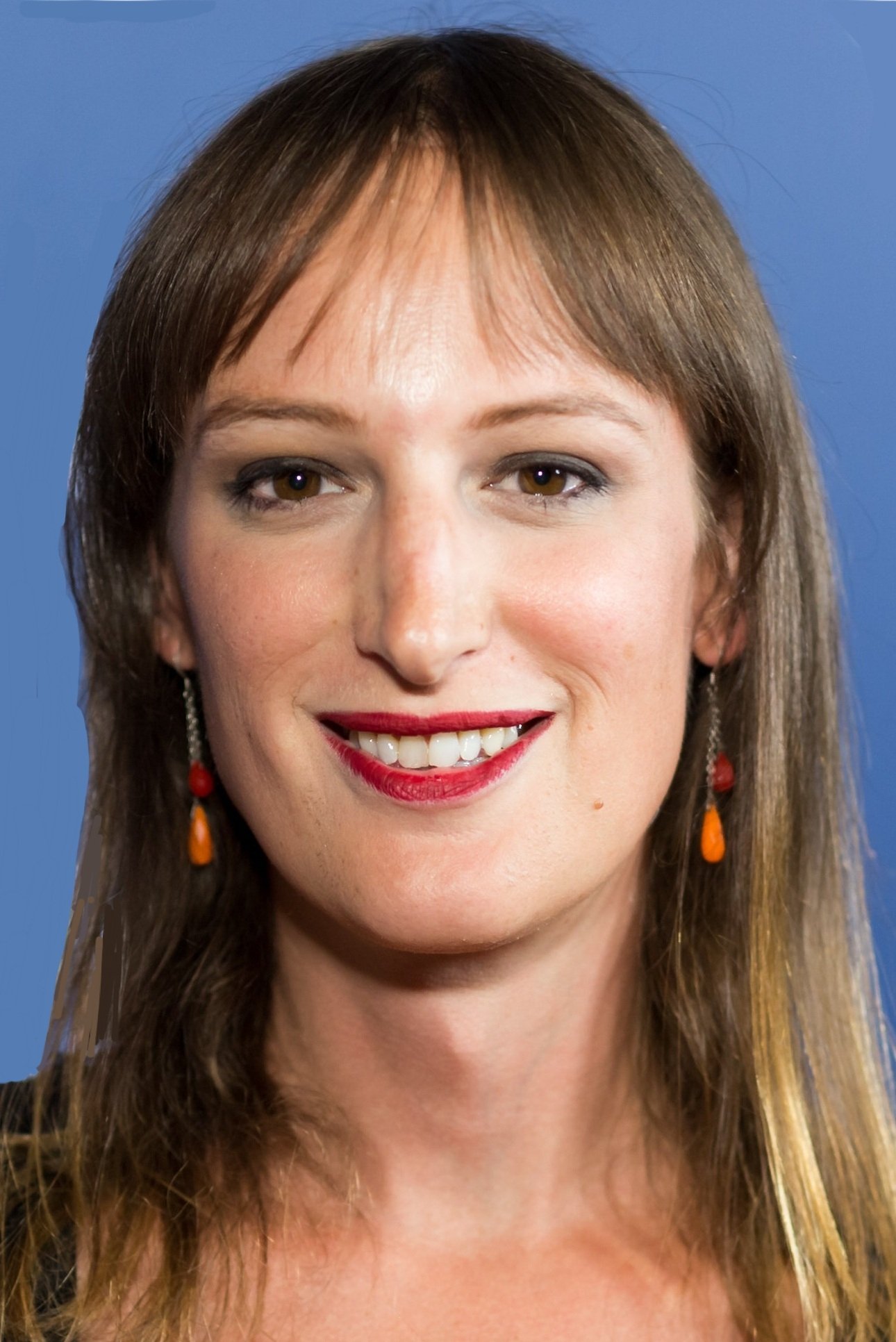
Jen Richards frequently writes about the issues with cisgender actors playing transgender characters in biopics. She believes these films aren’t worthwhile unless transgender people are involved in making them. Richards refuses to audition for projects that exploit hardship within the transgender experience, calling them exploitative. Instead, she champions stories – like comedies and romances – that portray trans women experiencing love and joy, rather than focusing solely on their struggles.
Ts Madison
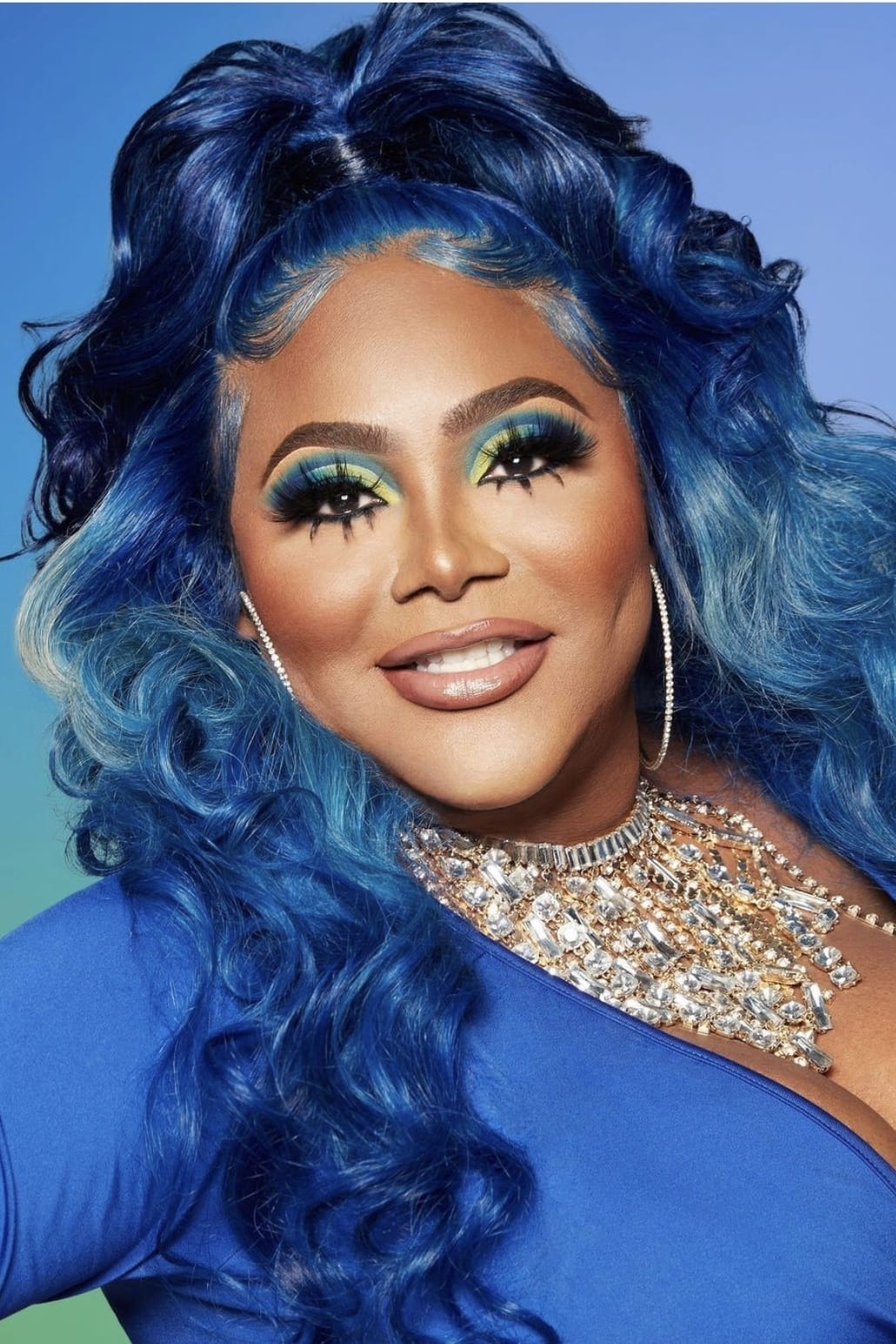
Ts Madison has become known for being genuinely herself and doesn’t feel the need to change who she is to appeal to a wider audience. She’s critical of the way trans stories are often told in serious, award-seeking films, preferring the directness of reality TV and comedy. She feels that openly living her life and connecting directly with people is more impactful than having her story dramatized in a scripted movie.
Trace Lysette
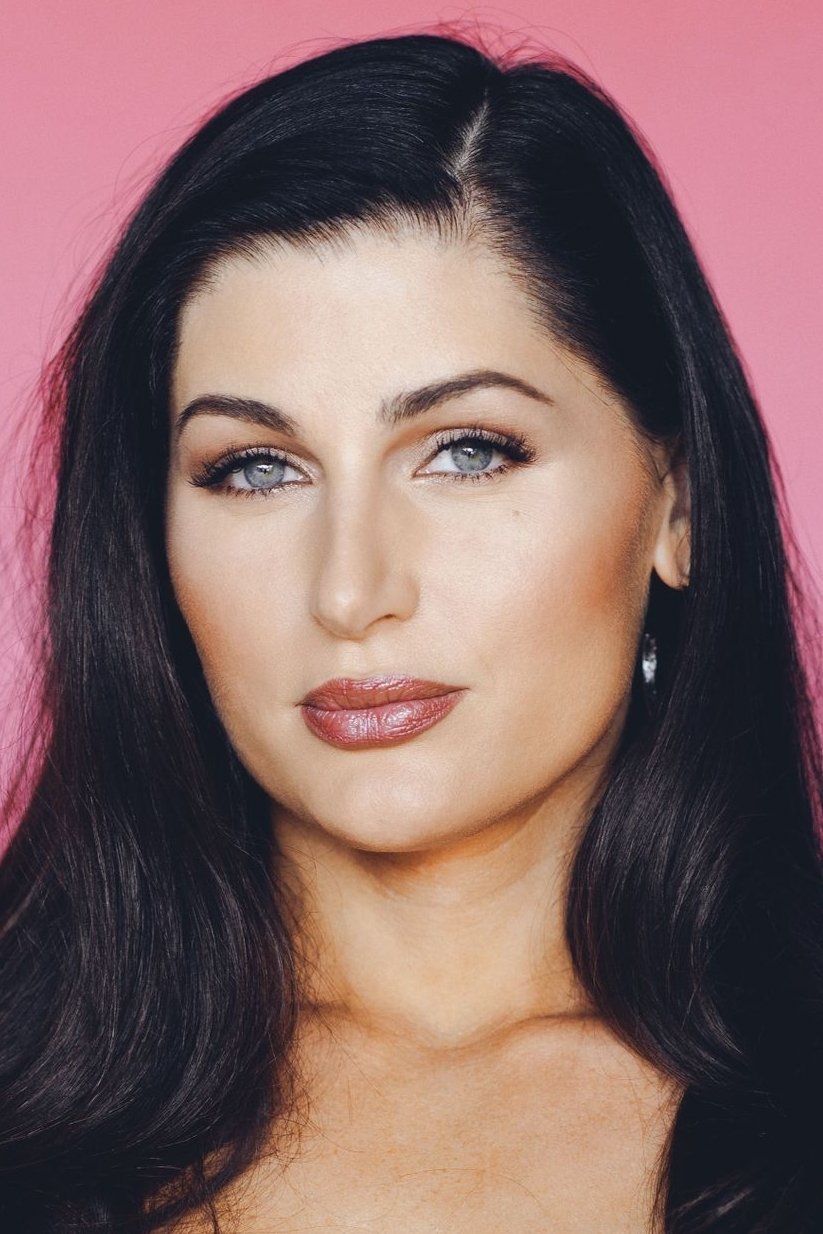
Trace Lysette made and acted in ‘Monica’ to offer a different story about trans women than what’s usually seen in Hollywood. She chose to focus on a film about family and forgiveness, rejecting roles that were simply supporting characters or centered on hardship. Lysette feels the film industry fixates too much on conversations about medical transitions, and instead wanted to highlight moments of quiet connection, closeness, and the shared human desire to belong.
Theo Germaine
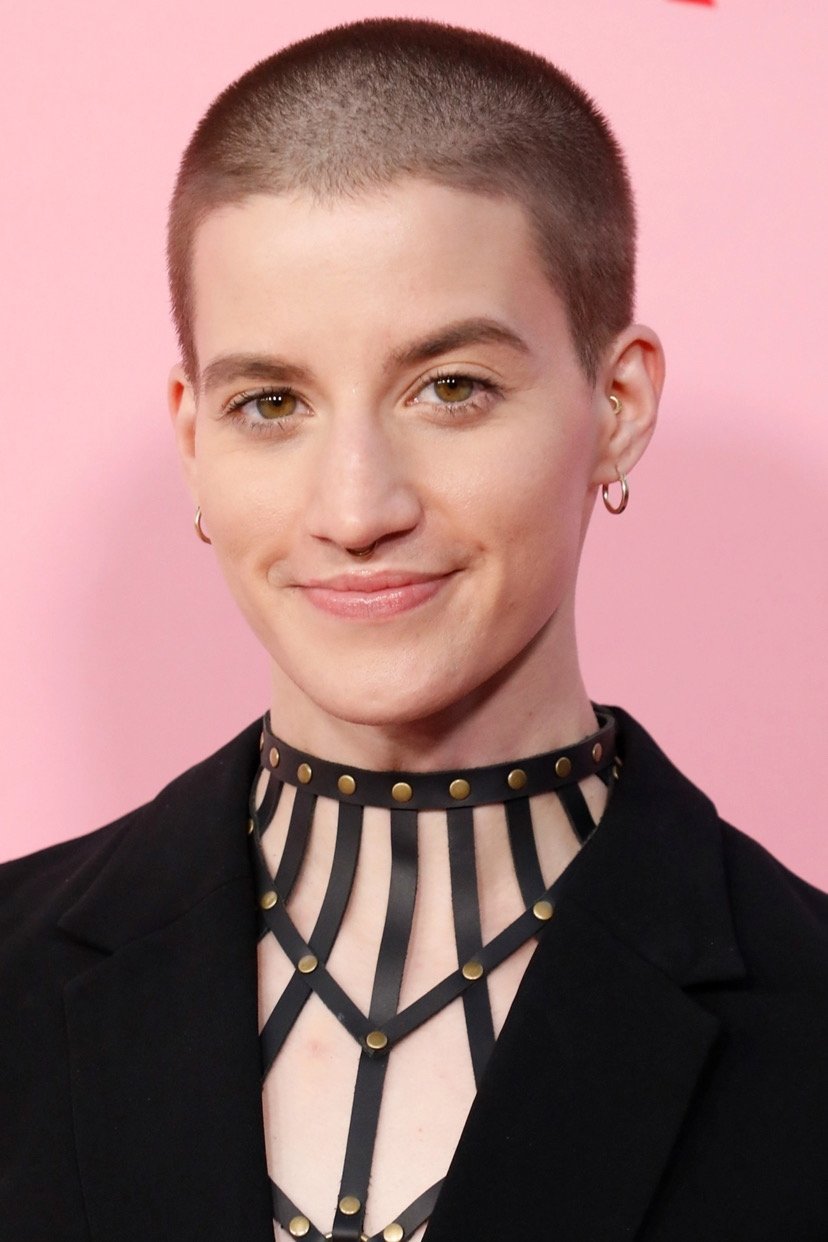
Theo Germaine intentionally chooses roles in historical dramas and horror movies to avoid being typecast in typical biographical films. They don’t want to play characters defined by confusion or a need for acceptance simply because they are non-binary. Germaine advocates for casting that doesn’t limit actors based on gender, and they feel that genre films, like horror and period pieces, offer more creative freedom than the often-formulaic inspirational drama.
Asia Kate Dillon

Asia Kate Dillon gained recognition on ‘Billions’ and consistently selects roles that thoughtfully explore gender beyond traditional categories. They specifically avoid projects that portray non-binary identity as a problem needing a fix, instead seeking characters who are skilled and admired in their professions. Through these choices, Dillon is actively changing the common Hollywood stereotype of gender non-conforming characters as being defined by hardship and suffering.
Alexandra Billings
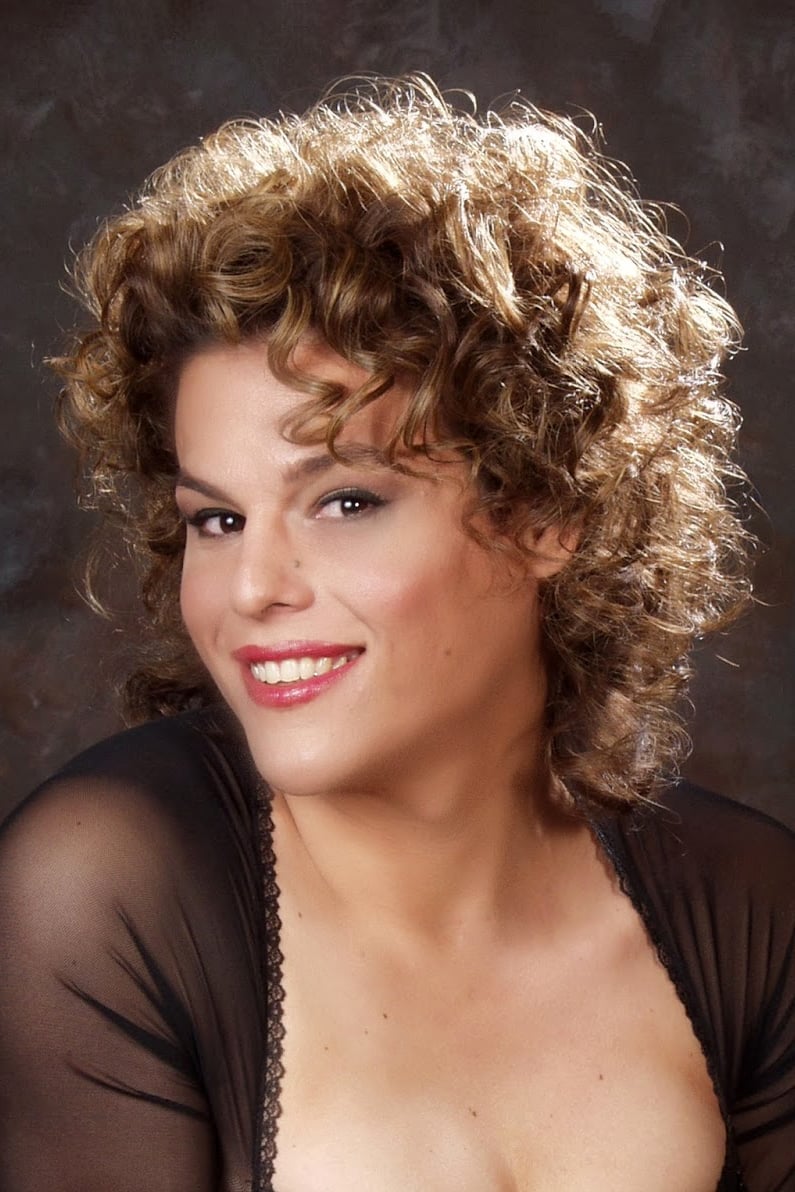
Alexandra Billings guides and supports emerging actors, encouraging them to steer clear of roles that negatively portray the trans community. She’s declined projects where trans characters are killed off simply to advance the stories of non-trans characters. Billings also speaks out against the common and harmful trope of the “magical trans person” often seen in feel-good movies. Instead, she advocates for theater and television that respectfully portrays trans history, without sensationalizing it.
Ian Alexander
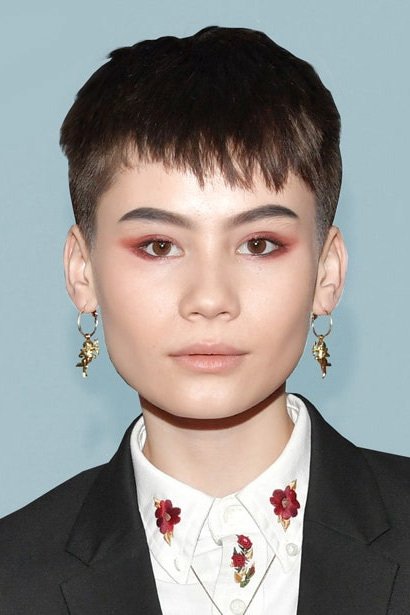
Ian Alexander intentionally seeks out roles in sci-fi shows like ‘Star Trek’ because he’s more interested in imagining what’s to come than revisiting stories about the past. He specifically avoids projects that focus heavily on the difficulties of transitioning or being rejected by family. Instead, he looks for characters who are valued for their abilities and contributions as part of a team, not just their identity. Through his work, Alexander hints at a future where transgender people are simply accepted as part of everyday life, without needing to make a statement about it.
Tommy Dorfman
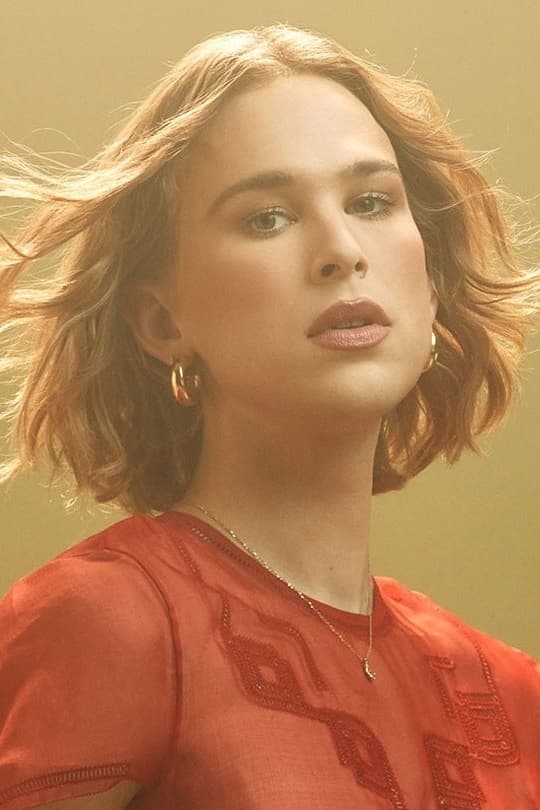
Tommy Dorfman recently re-introduced herself to the world, choosing to define her own narrative and rejecting the idea of needing to explain her life through a movie. She intentionally avoids acting roles that would ask her to portray a fictionalized version of her transition. Instead, Dorfman focuses on writing and directing stories that capture the complexities of her experiences. She feels that public interest in the details of a “trans journey” can sometimes overshadow the actual creative work.
Leo Sheng
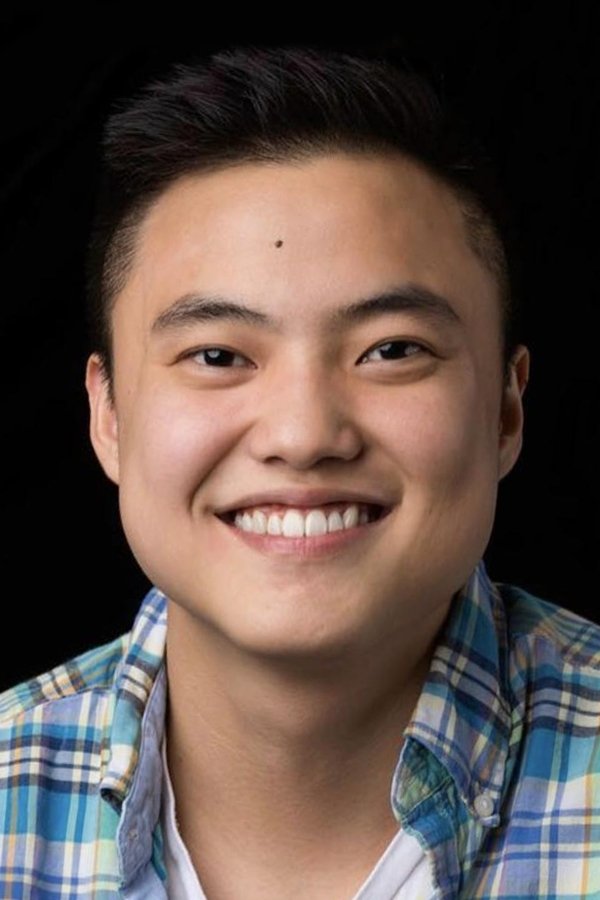
I’m a big fan of Leo Sheng and the choices he makes with his acting roles. He really focuses on showing trans men as fully realized people – with both loves and careers. What I admire most is that he doesn’t want to play characters just defined by their struggles with gender; he wants to portray their whole lives. Seeing him on ‘The L Word: Generation Q’ was great because his character wasn’t perfect – he had a complicated dating life, and that felt so much more relatable and human. Leo believes, and I agree, that it’s more powerful to see trans men being flawed and making mistakes – it makes them feel like people we can connect with, not just idealized figures.
Chella Man
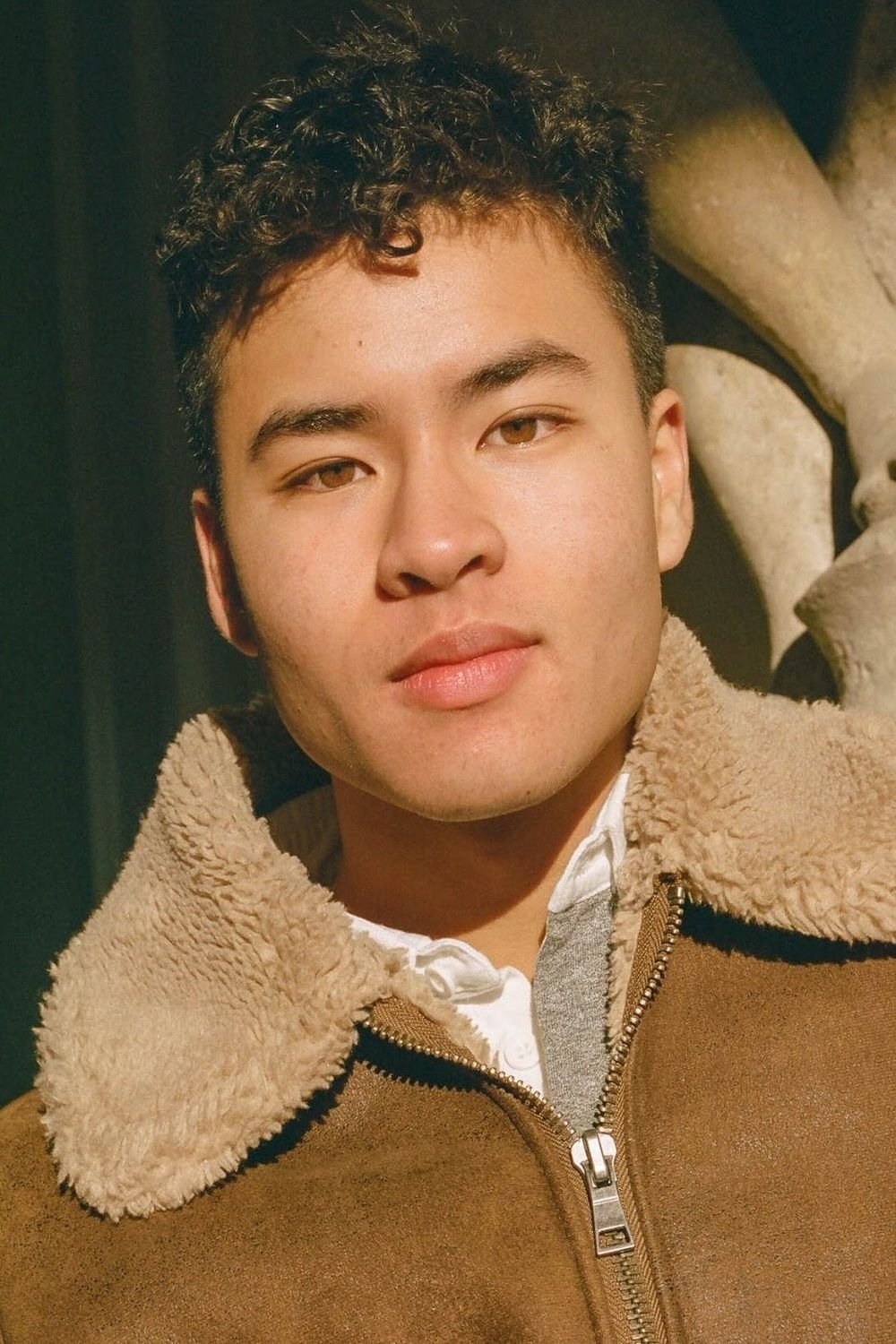
Chella Man is an artist and actor who shares stories about disability and gender identity. He doesn’t follow the typical format of biographical movies, which usually have a clear start and finish to a person’s journey. Instead, he focuses on the ever-changing nature of the body and creates art that asks viewers to think beyond simple, feel-good narratives.
Isis King
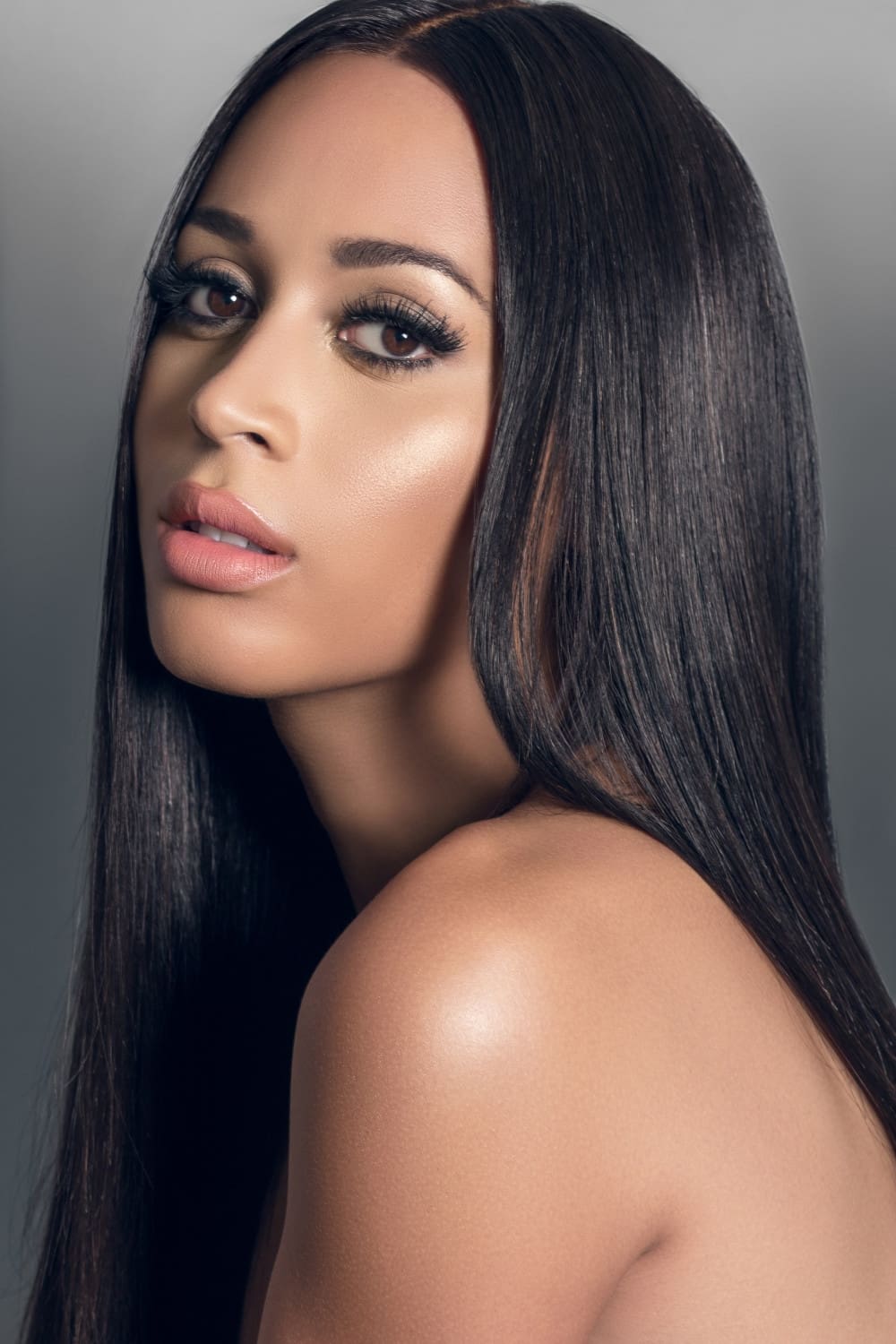
Isis King is transitioning from reality TV to acting roles that highlight strength and elegance. She intentionally avoids roles portraying vulnerable or exploited characters, such as sex workers or crime victims. Instead, she focuses on romantic and complex characters that allow her to demonstrate her acting abilities. King feels that showing trans women as loved and admired is the most powerful message Hollywood could send.
Share your thoughts on these actors and their career choices in the comments.
Read More
- 20 Movies Where the Black Villain Was Secretly the Most Popular Character
- Top 20 Dinosaur Movies, Ranked
- 25 “Woke” Films That Used Black Trauma to Humanize White Leads
- Silver Rate Forecast
- 22 Films Where the White Protagonist Is Canonically the Sidekick to a Black Lead
- Gold Rate Forecast
- Top 10 Coolest Things About Invincible (Mark Grayson)
- Can AI Lie with a Picture? Detecting Deception in Multimodal Models
- Celebs Who Narrowly Escaped The 9/11 Attacks
- When AI Teams Cheat: Lessons from Human Collusion
2025-12-10 00:46