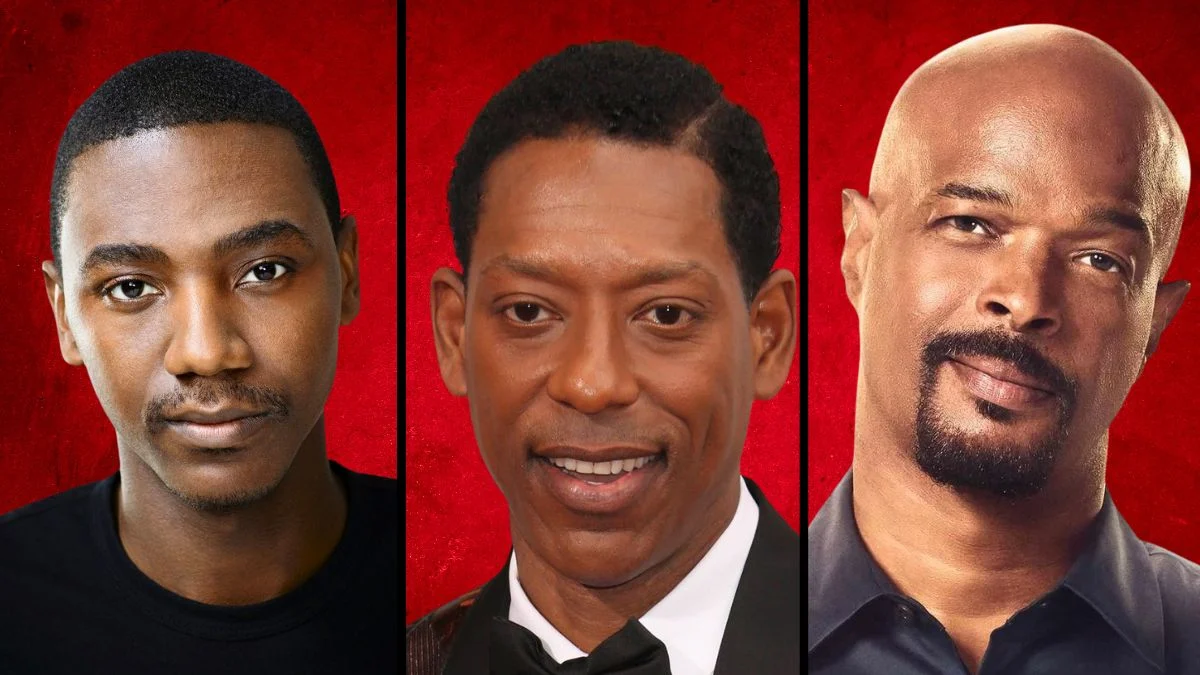
As a movie reviewer, I’ve always been struck by the quiet courage of Black actors who’ve consistently fought for better treatment in Hollywood. For years, they’ve faced everything from subtle slights and being typecast into limiting roles, to outright discrimination. What really impresses me is that these performers weren’t afraid to stand up for themselves, even if it meant walking away from big paychecks or famous roles. They chose their self-respect, and I want to highlight a few men who made headlines by refusing to compromise their integrity for the sake of a Hollywood career.
Ray Fisher
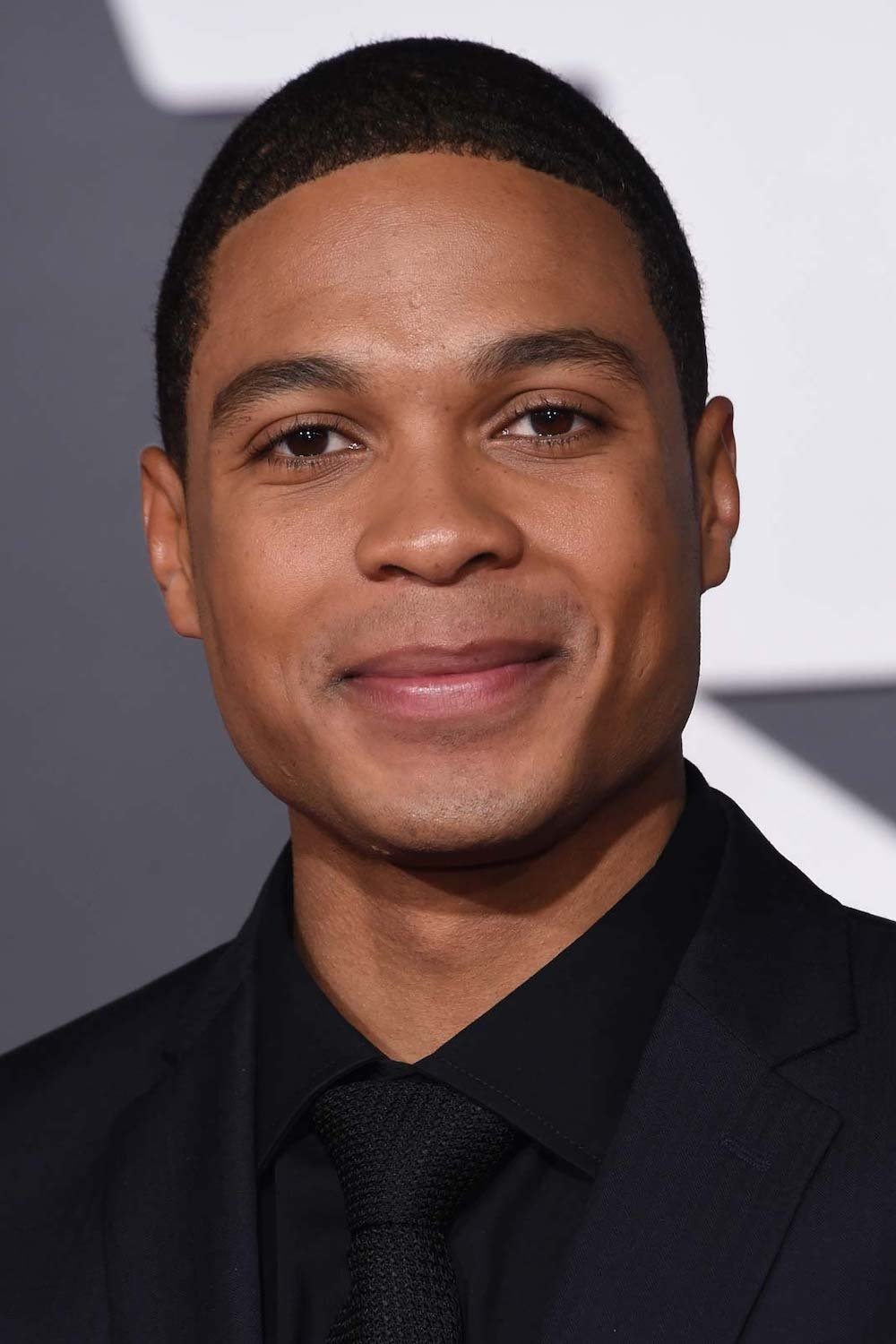
Ray Fisher publicly criticized the difficult and harmful work environment during the reshoots of ‘Justice League.’ He described mistreatment by director Joss Whedon and claimed studio leaders allowed a racist atmosphere to exist. Fisher said those in charge discussed concerns about the film’s main character being a Black man who expressed anger. Because of this, he decided not to participate in any future DC films led by Walter Hamada. His complaints led to an official investigation into how the studio treated actors of color.
Orlando Jones
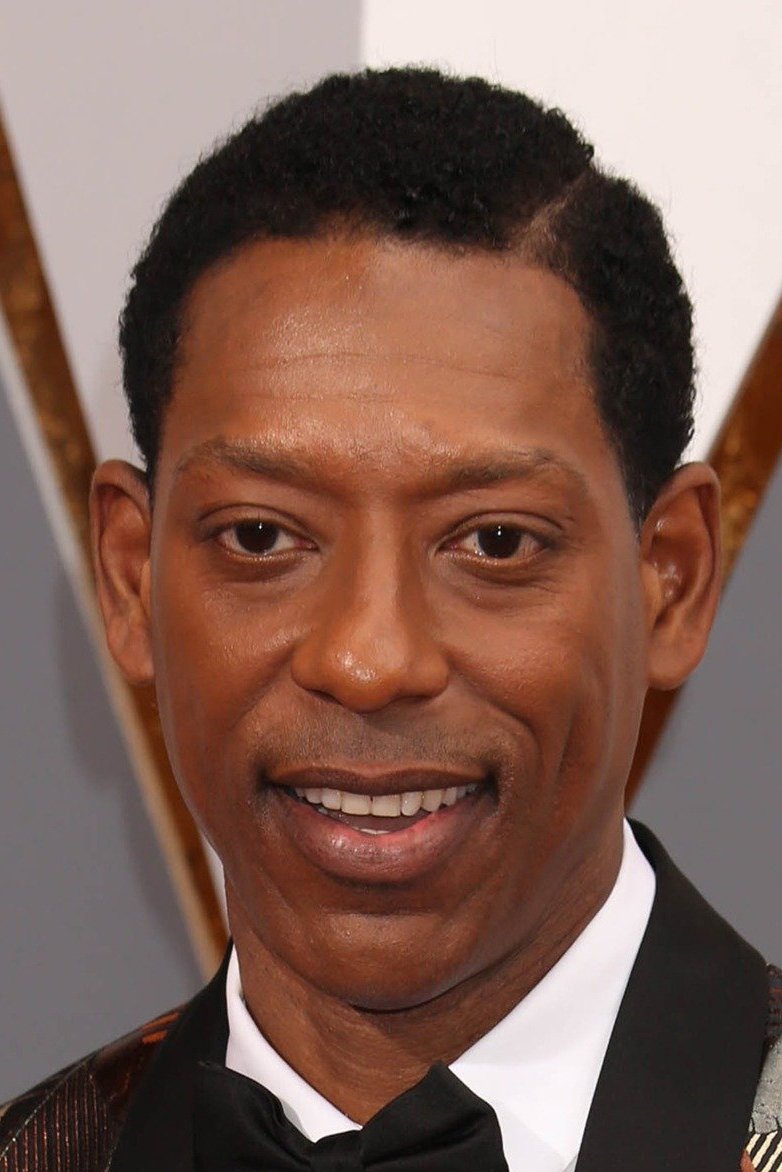
Orlando Jones was let go from ‘American Gods’ after he spoke up about how his character, Mr. Nancy, was being portrayed. He explained that the new showrunner felt the character’s storyline didn’t align with a positive message for Black audiences. Jones strongly disagreed with this decision, calling it a racially motivated attempt to suppress a strong Black voice and stating he was treated unfairly by the production company. His exit from the show brought attention to the challenges Black actors often face when they try to influence creative choices made by white showrunners.
Dave Chappelle
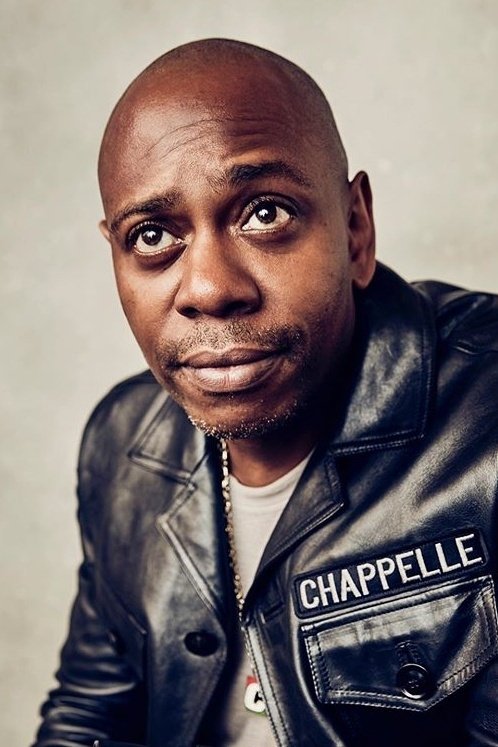
Dave Chappelle famously walked away from a $50 million deal and stopped making ‘Chappelle’s Show’ mid-way through its third season. He was troubled by a sketch featuring a character in blackface, believing it unintentionally reinforced harmful stereotypes instead of challenging them. He realized the joke wasn’t landing as intended when he noticed a crew member laughing at him, not with him. Disturbed by this and the overall atmosphere, he left the show and went to South Africa. His decision is now widely seen as a powerful example of an artist choosing their well-being over financial gain.
John Amos
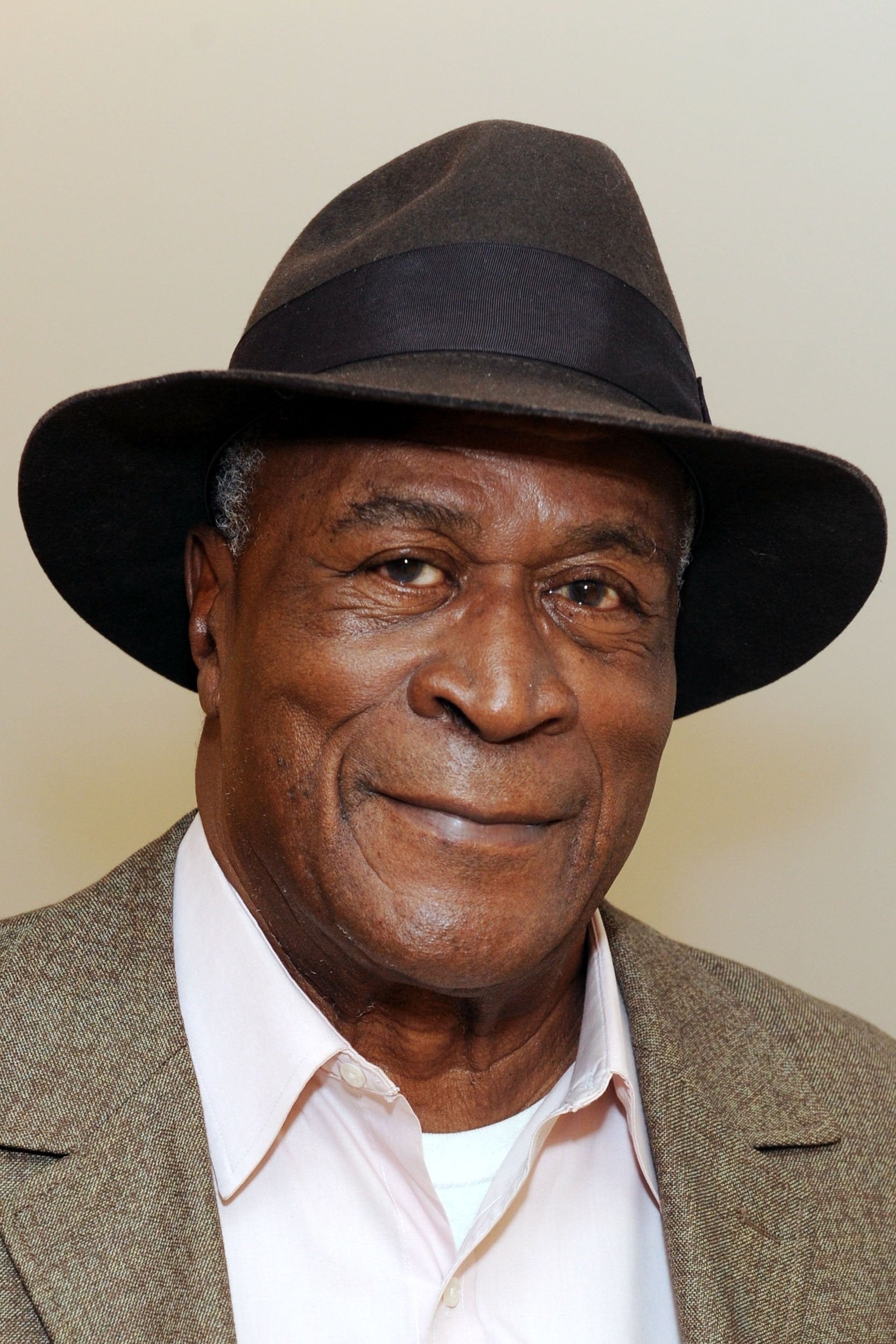
John Amos, who played James Evans on ‘Good Times,’ became unhappy with how the show was developing. He disagreed with the writers about his son J.J.’s character, believing it relied too much on exaggerated, stereotypical humor and undermined positive portrayals of Black families. Ultimately, Amos was fired and his character was written off the show because he spoke out about these concerns and asked for more respectful representation.
Harold Perrineau
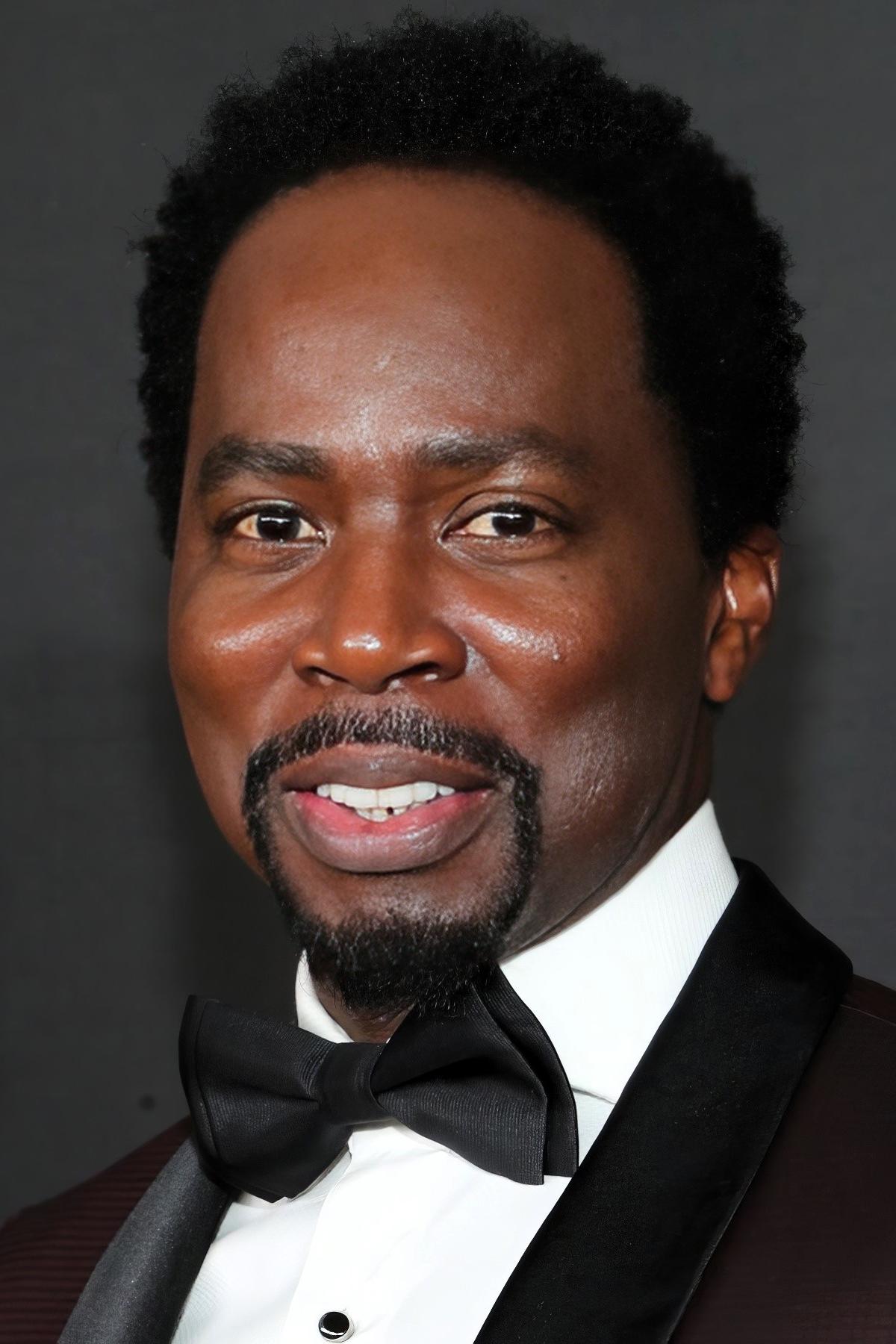
Harold Perrineau, who played Michael Dawson on the popular show ‘Lost,’ felt his character wasn’t given enough development. He was frustrated that the show’s writers focused on the stories of white characters, leaving Michael with a shallow storyline. Perrineau also noted that it appeared his character didn’t prioritize finding his son, Walt, which he felt had racial implications. After bringing these issues to the show’s creators, his character was removed from the series. Since then, Perrineau has publicly discussed the racial bias he experienced while working on ‘Lost’.
Richard Pryor
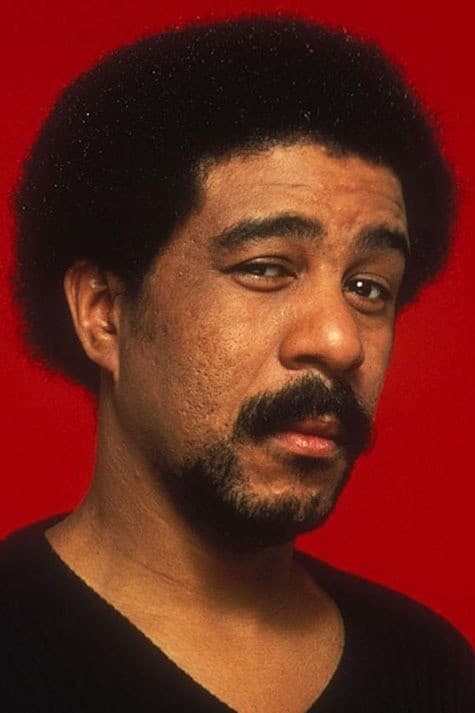
While filming ‘Stir Crazy,’ Richard Pryor was deliberately disrespected by a crew member who threw a piece of watermelon at his feet. Upset by this act, Pryor immediately left the set and wouldn’t continue working until the person responsible was fired. The film’s production was put on hold because of his demand, demonstrating that he wouldn’t accept racist behavior, even as a famous actor.
Jamie Foxx
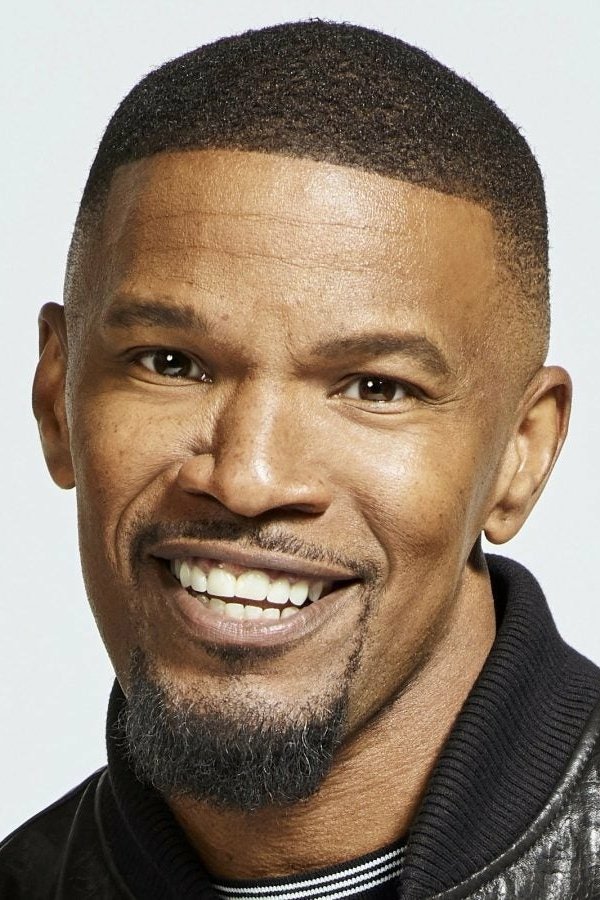
While filming ‘Miami Vice,’ Jamie Foxx witnessed a deeply disturbing incident involving his stand-in. A crew member reportedly threatened the stand-in with a noose, making a joke about lynching. Foxx was understandably outraged and immediately demanded the production company address the situation and fire the individual responsible. He refused to continue filming until they did, stating he wouldn’t work in a place where such hateful acts were treated as humor. The crew members involved were then fired, allowing filming to continue.
Leonard Roberts
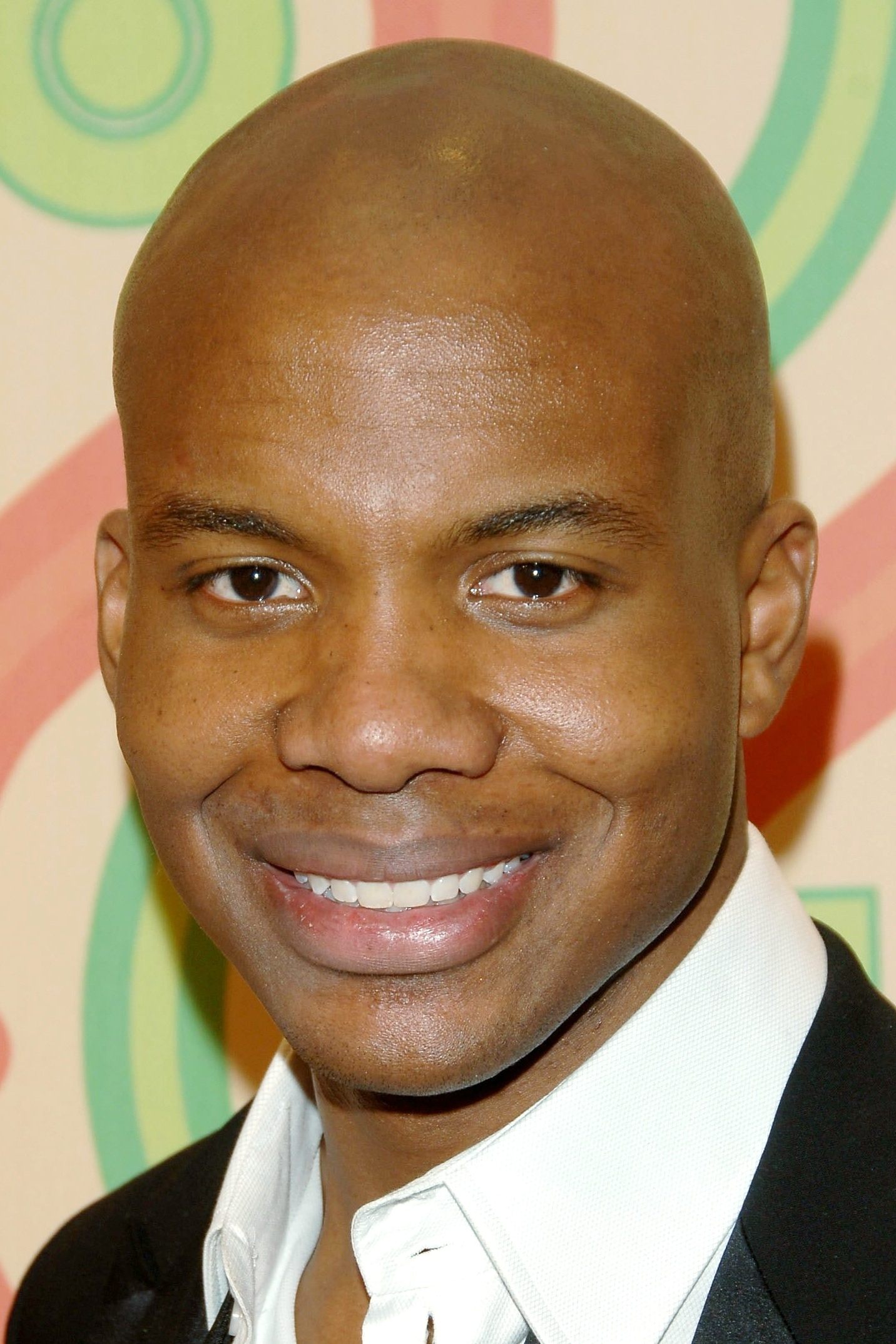
Actor Robert Riley played D.L. Hawkins on the show ‘Heroes,’ but he had a difficult working relationship with his co-star, Ali Larter. Riley described the set as unwelcoming, saying he was treated unfairly compared to white actors. He was later written off the show, and told it was because he and Larter didn’t have believable chemistry. Riley believed this was actually a result of systemic racism, with him losing his job while Larter’s position was secure.
Damon Wayans
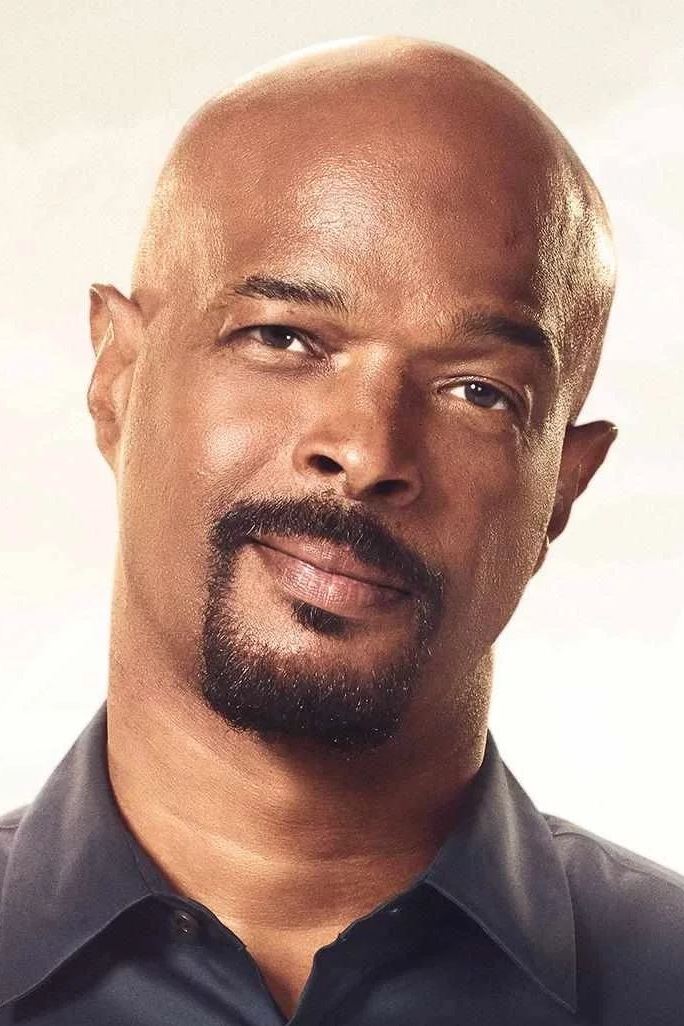
Damon Wayans was a performer on ‘Saturday Night Live,’ but he became unhappy with the narrow and predictable roles he was assigned. In an act of defiance, he intentionally subverted a live sketch where he was meant to play a typical police officer, instead portraying the character as flamboyantly gay. This was a deliberate attempt to challenge the show’s creative limitations, and it resulted in his immediate firing by creator Lorne Michaels. Wayans later explained that he actually wanted to be fired, as he didn’t want to perform material he considered demeaning.
Keenen Ivory Wayans
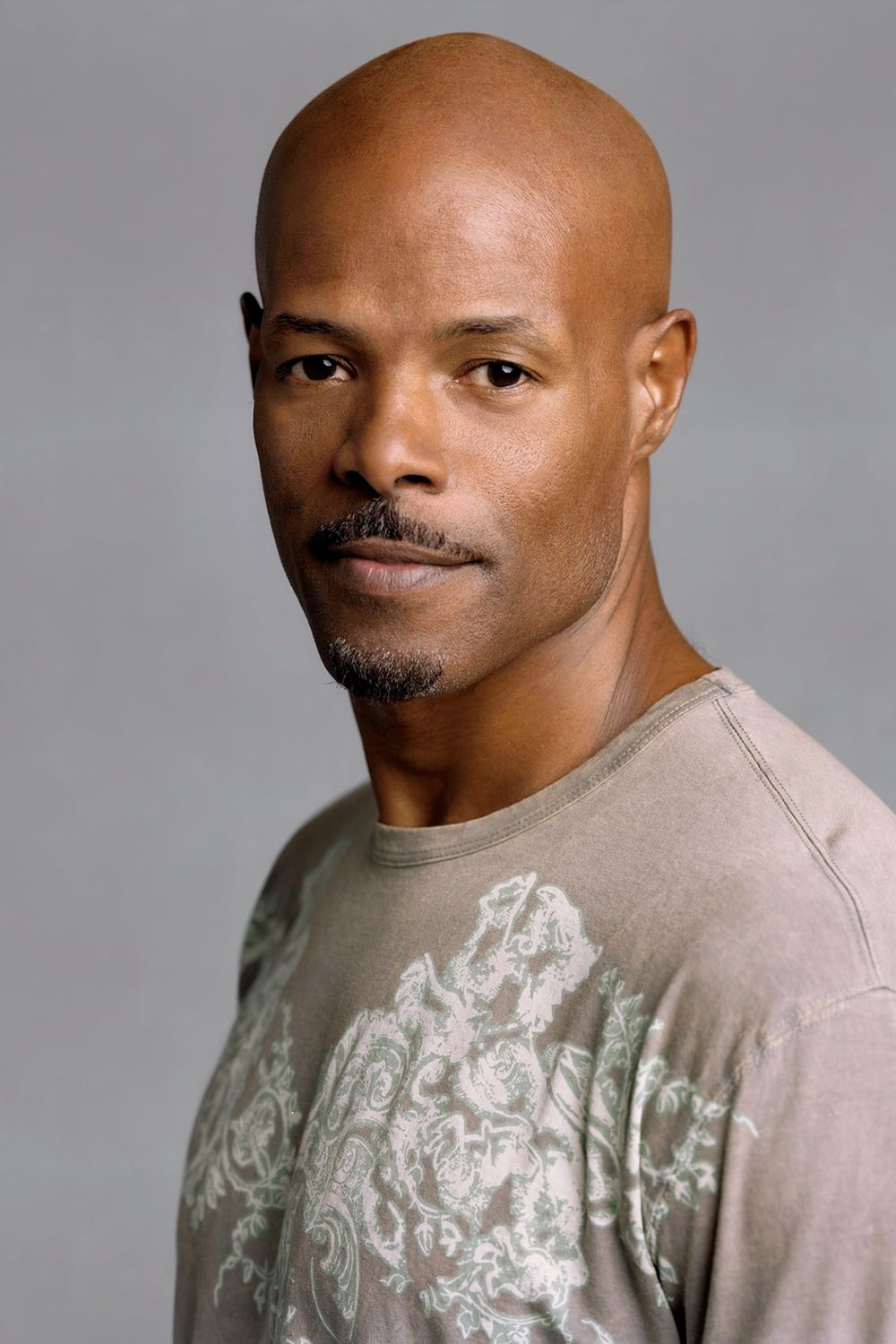
I’ve always been so impressed by Keenen’s vision with ‘In Living Color.’ It was truly revolutionary! But it broke my heart to learn he had to leave his own show. Apparently, he clashed with the network over their attempts to control the content – they wanted to rerun episodes without his approval and, he felt, were watering down the show’s important cultural voice and suppressing its bold Black comedy just to make more money. He made the difficult decision to step away to protect his artistic integrity, and honestly, I think that departure really marked the beginning of the end for such an iconic series. It’s a shame, but I respect him immensely for standing his ground.
Marlon Wayans
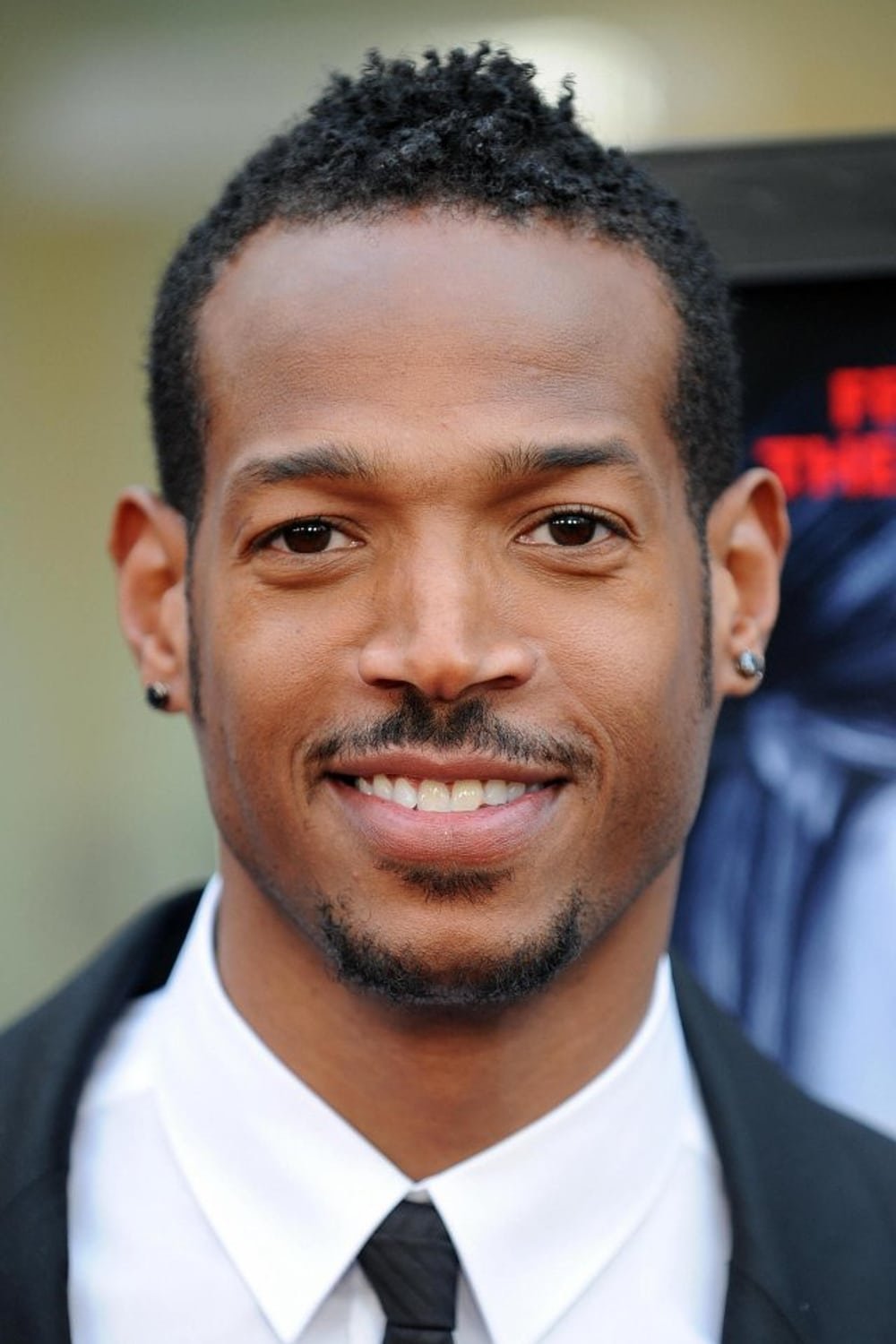
Marlon Wayans was on ‘In Living Color’ with his siblings, but he left when his brother, Keenen, departed. He decided to leave in support of Keenen and their shared ideas for the show. The family believed the network wasn’t appreciating their talent and wasn’t respecting their creative control. Marlon didn’t want to work for a company that didn’t value its creators. His decision highlighted the strong family loyalty of the Wayans family and their resistance to being taken advantage of in the entertainment industry.
Nick Cannon
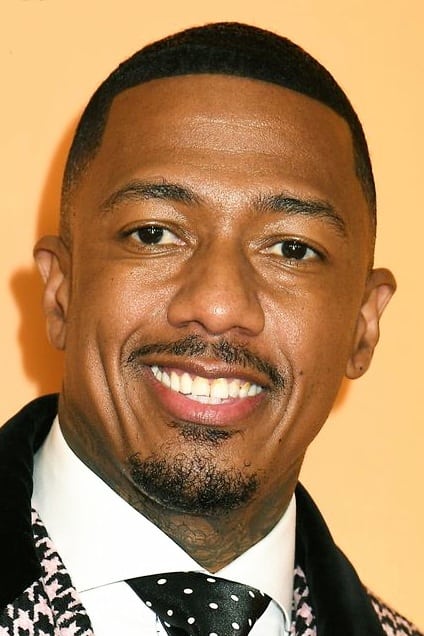
Look, I was really proud of Nick Cannon when he stood up for himself. He left ‘America’s Got Talent’ because the network tried to control him after a joke in his stand-up. He was talking about cultural differences, and they wanted to punish him for being Black, basically. He wouldn’t let them silence him or buy his voice, even though it meant giving up a really good job. It was a powerful statement, and I admired him for sticking to his principles. Thankfully, things changed at the network later on, and he was able to go back, but he proved his point – you can’t compromise your integrity.
Montel Williams
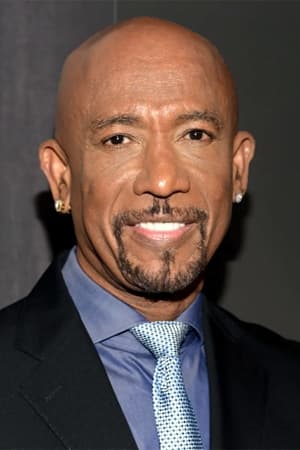
During a radio interview on ‘The Opie & Anthony Show,’ Williams walked off air after the hosts made racist and hurtful remarks. They repeatedly made disrespectful jokes targeting his race and family, prompting Williams to leave rather than tolerate their behavior. He took off his headphones and exited the studio while they continued to make fun of him. The situation drew attention to the prevalence of casual racism within the world of shock jock radio.
Sidney Poitier
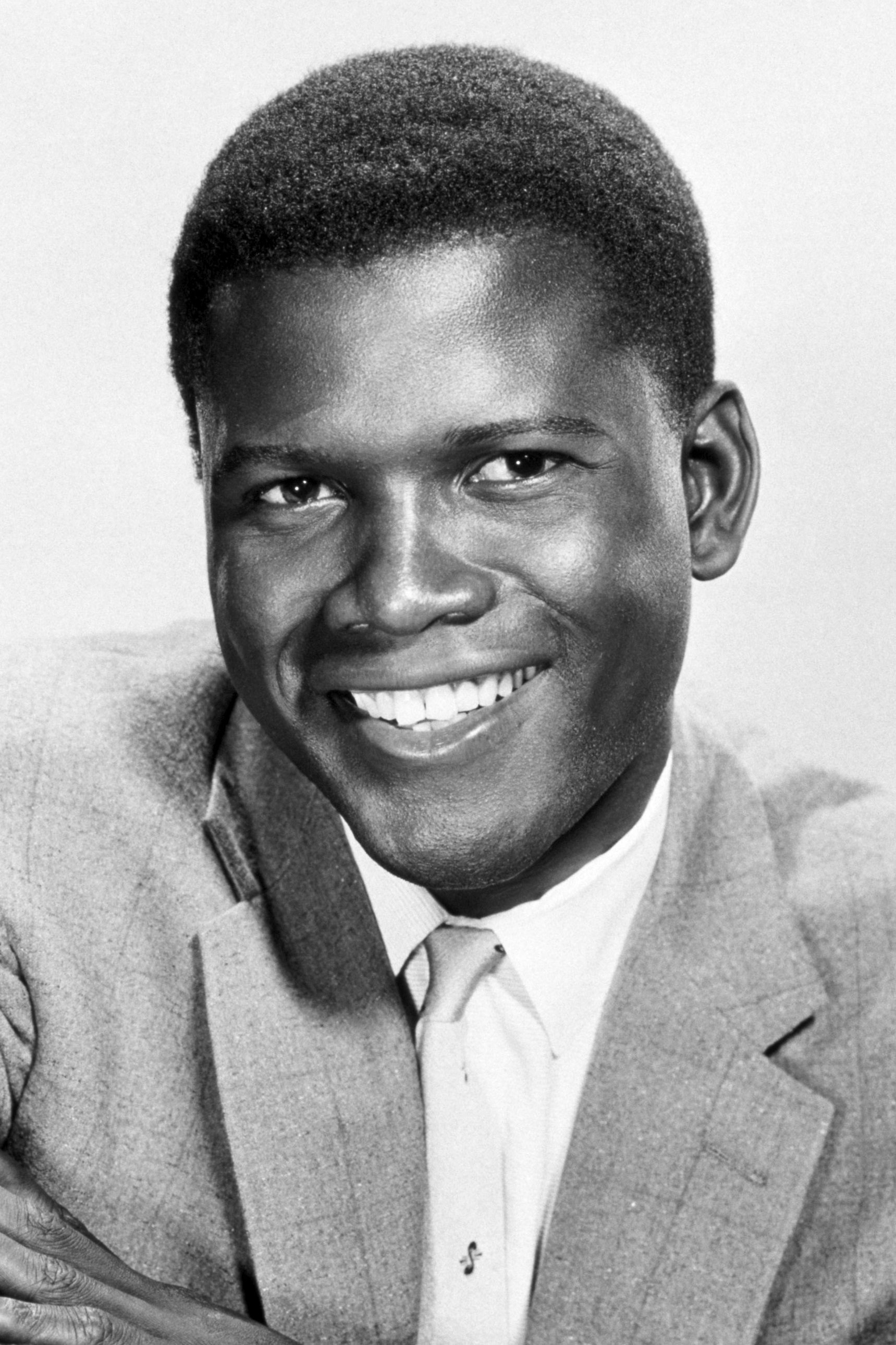
Sidney Poitier famously fought for a change in the script of ‘In the Heat of the Night’. Initially, the scene called for his character to be slapped by a racist white man without responding. Poitier refused to film it that way, insisting his character slap the man back, and threatened to leave the movie if they didn’t agree. He also refused to film the scene in the South, fearing for his safety and due to racial bias. Because he stood firm, the scene became a truly impactful moment in film history.
Sammy Davis Jr.
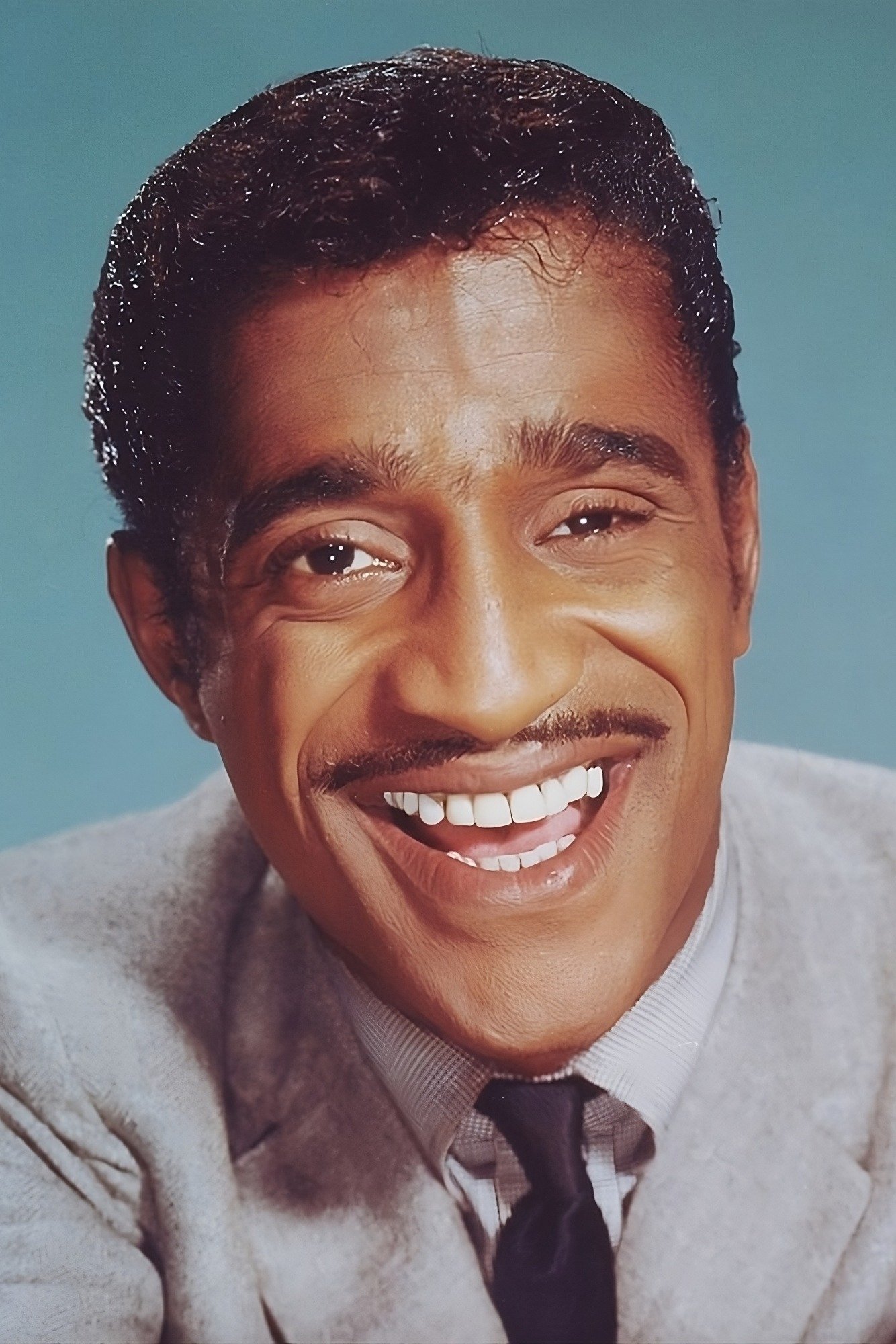
Sammy Davis Jr. was a major star in Las Vegas, but he consistently refused to perform at places that were segregated. He’d turn down high-paying gigs if hotels didn’t allow him equal accommodations, refusing to stay in separate rooms from white guests. Davis leveraged his fame to push clubs to integrate, both their audiences and facilities, making it known he wouldn’t perform for those who didn’t treat him with respect. His courageous actions were instrumental in dismantling racial segregation on the Las Vegas Strip.
Adewale Akinnuoye-Agbaje
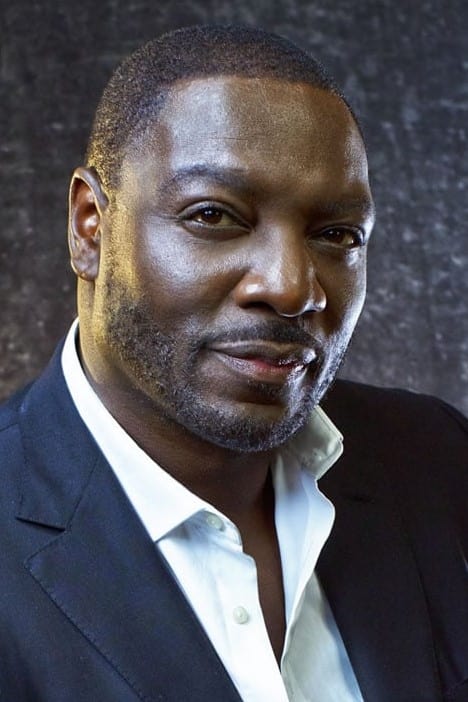
Adewale Akinnuoye-Agbaje, who played Mr. Eko on ‘Lost’, requested to leave the show before his character’s storyline was finished. He wasn’t happy with life in Hawaii and didn’t like that his character was reverting to a life of crime. He felt the role was becoming a cliché and didn’t want to play another drug lord, especially after his character had found peace as a priest. Akinnuoye-Agbaje successfully negotiated his exit from the show to focus on directing and other opportunities. This unexpected departure forced the show’s writers to significantly change their planned story arc for the series.
Redd Foxx
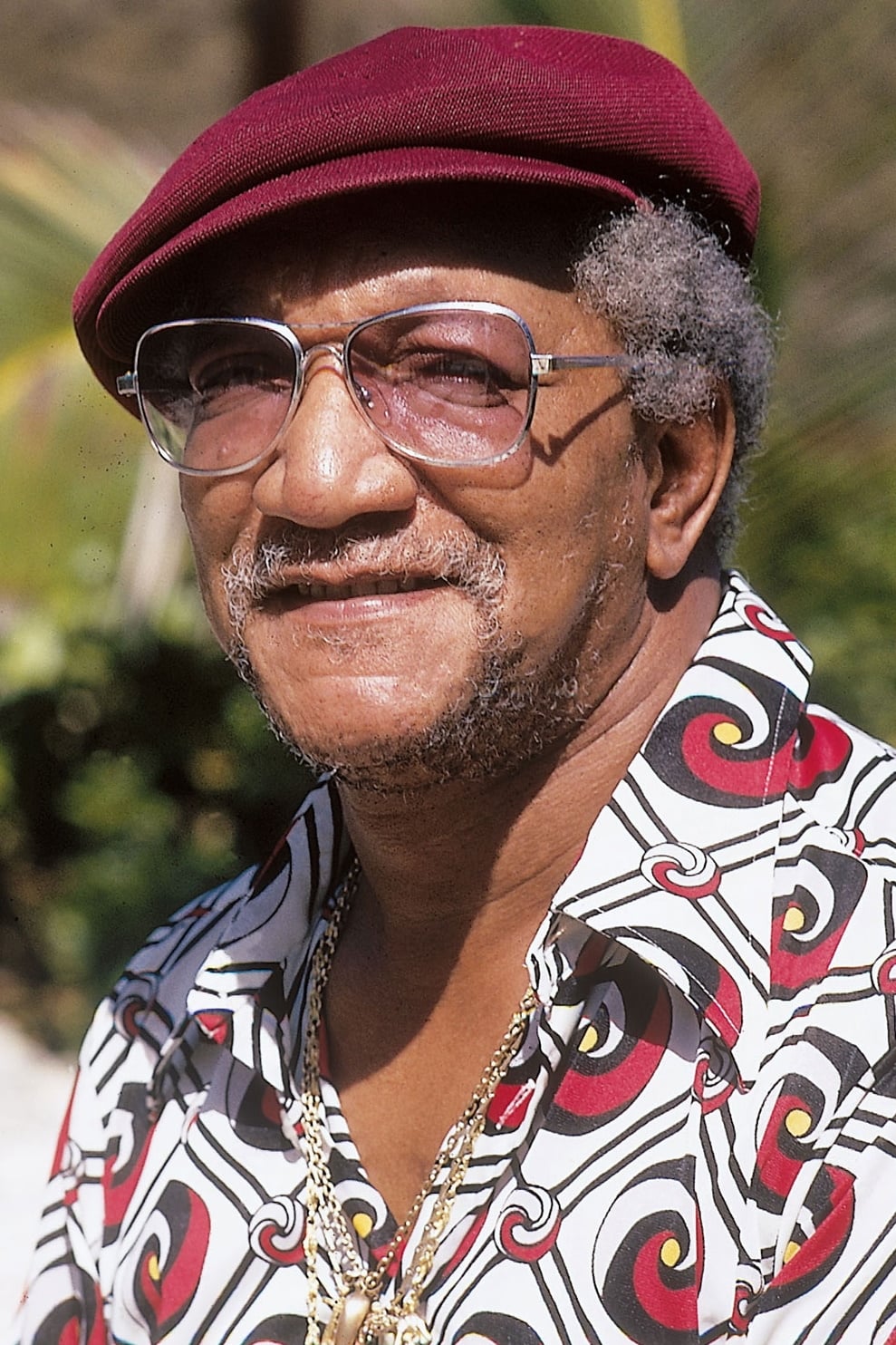
During the run of ‘Sanford and Son,’ Redd Foxx frequently walked off the set because of disagreements about his salary and how he was treated. He wanted the same comfortable working conditions as white television stars, specifically requesting a dressing room with a window. Despite the show’s huge popularity, Foxx felt disrespected by the studio and refused to film episodes until they agreed to treat him with dignity and pay him fairly. His stand ultimately helped improve conditions for Black actors starring in sitcoms.
John Boyega
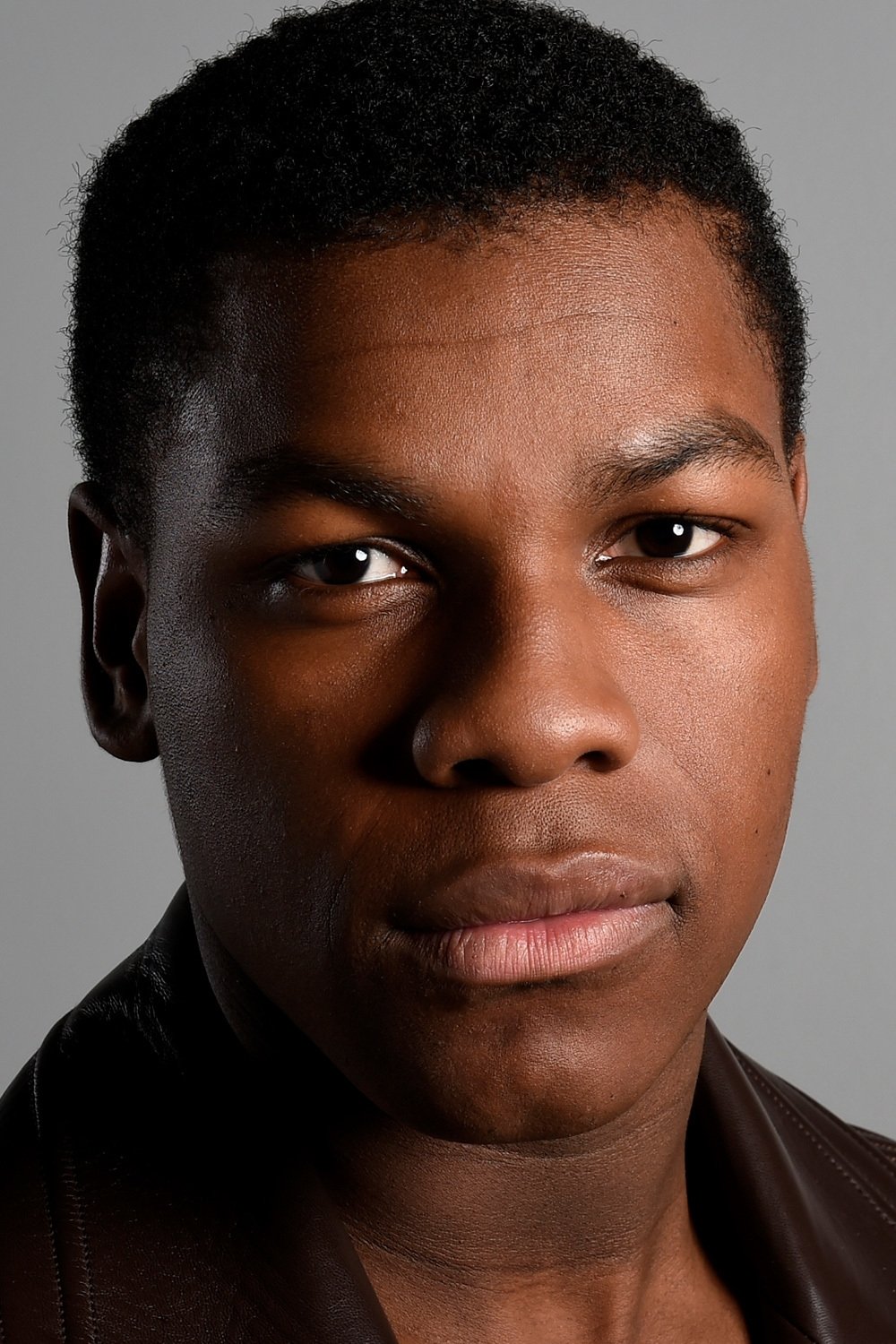
John Boyega unexpectedly left the Netflix movie ‘Rebel Ridge’ while it was still being filmed. Although the official reason given was a family matter, sources say he was dissatisfied with the script and how he was being treated. Boyega has often spoken out about racism in Hollywood and the lack of strong roles for Black actors. His abrupt exit stopped filming and the studio had to find someone else to play the main character. Boyega is now carefully choosing projects that value him as a Black actor.
Jerrod Carmichael
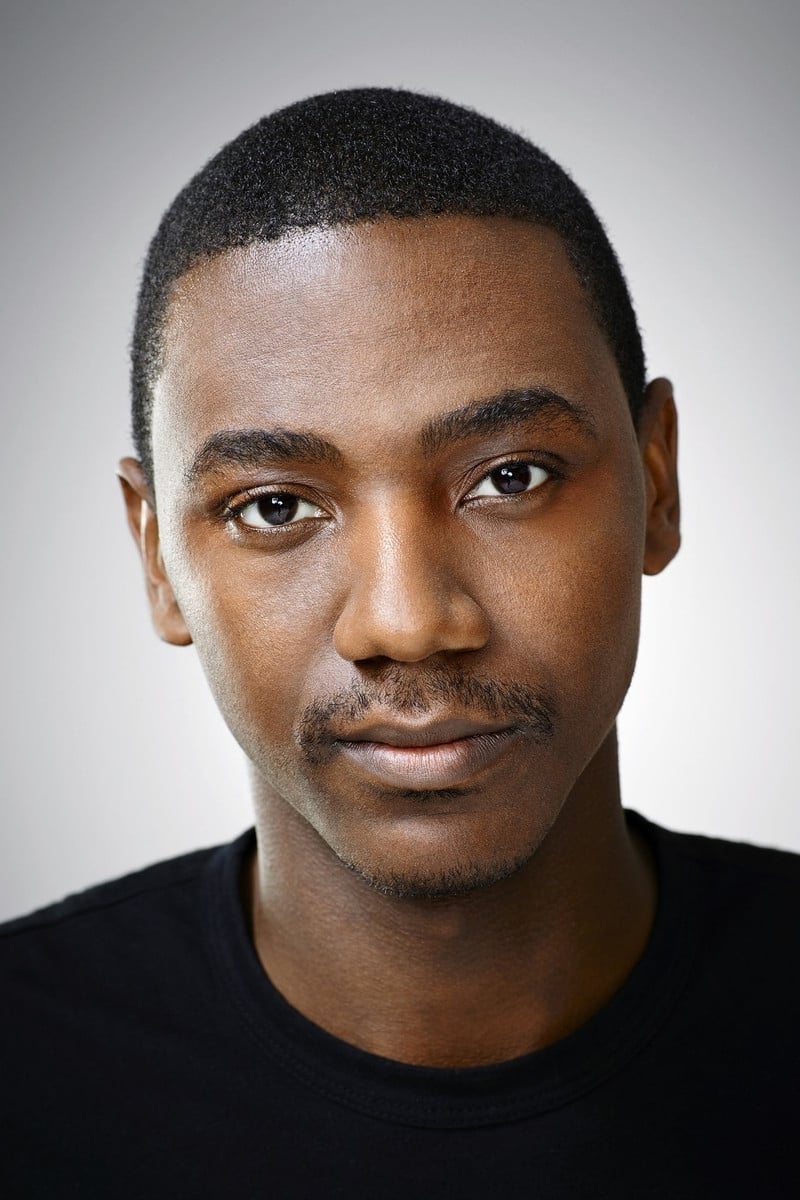
Comedian Jerrod Carmichael decided to end his popular show, ‘The Carmichael Show,’ after three seasons because he clashed with the network over creative freedom. He wanted to tackle tough topics about race and society, but the network was worried about airing those kinds of conversations. Carmichael felt limited by television standards and preferred to pursue projects where he had complete control over the content. He later made headlines for his outspoken criticism of the Golden Globes’ lack of diversity.
Share your thoughts on these brave stances in the comments.
Read More
- Invincible Season 4 Gender Swaps Tech Jacket As Fans Question Major Comic Change
- Gold Rate Forecast
- 22 Films Where the White Protagonist Is Canonically the Sidekick to a Black Lead
- Unveiling the Schwab U.S. Dividend Equity ETF: A Portent of Financial Growth
- Why Won’t It Just *Do* What You Ask? Unpacking the Quirks of AI Language
- Superman Flops Financially: $350M Budget, Still No Profit (Scoop Confirmed)
- The Best Former NFL Players Turned Actors, Ranked
- Silver Rate Forecast
- 14 Movies Where the Black Character Refuses to Save the White Protagonist
- New HELLRAISER Video Game Brings Back Clive Barker and Original Pinhead, Doug Bradley
2025-12-04 02:18