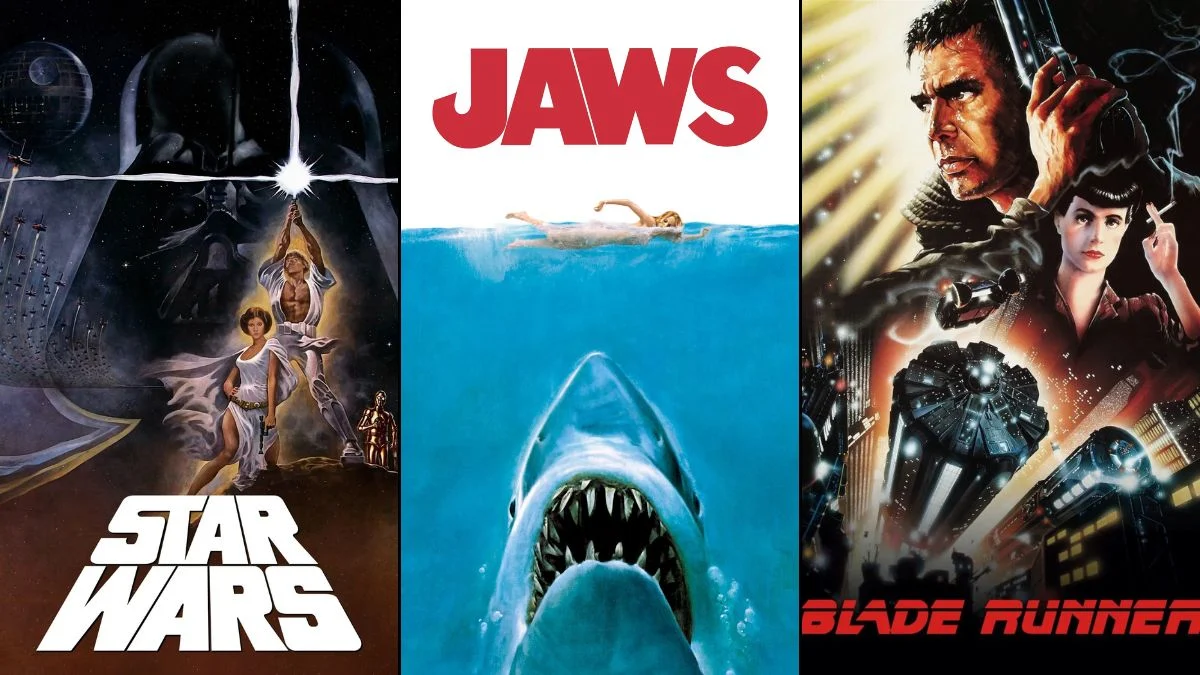
Film editing is like the final stage of storytelling, where the movie really finds its shape. Editors don’t just assemble footage; they rearrange scenes and play with time to create deeper meaning, sometimes even adding layers that weren’t in the original script. A talented editor can rescue a flawed film or transform an ordinary scene into something truly powerful. The following movies show how editing can create entirely new storylines and unforgettable moments.
‘Star Wars’ (1977)
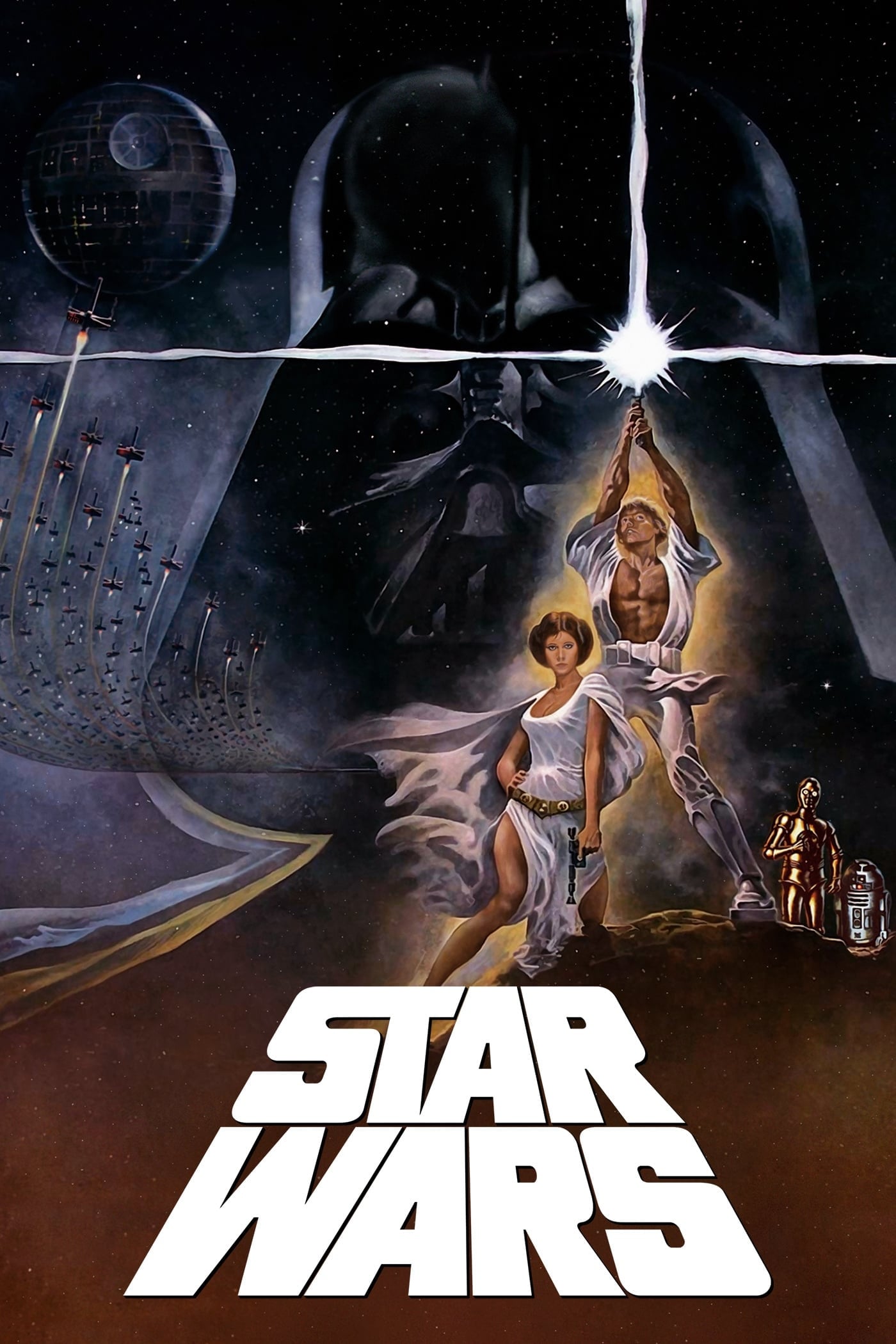
Marcia Lucas was key in changing the ending of this famous sci-fi film. Initially, the Death Star didn’t seem close enough to destroy the Rebel base. The editors cleverly added a countdown using graphics and quick shots of worried Rebel leaders to create a sense of urgency. This made the scene much more intense by adding a real threat of immediate destruction. What was once a typical space battle became a frantic, desperate attempt to beat the clock.
‘Annie Hall’ (1977)
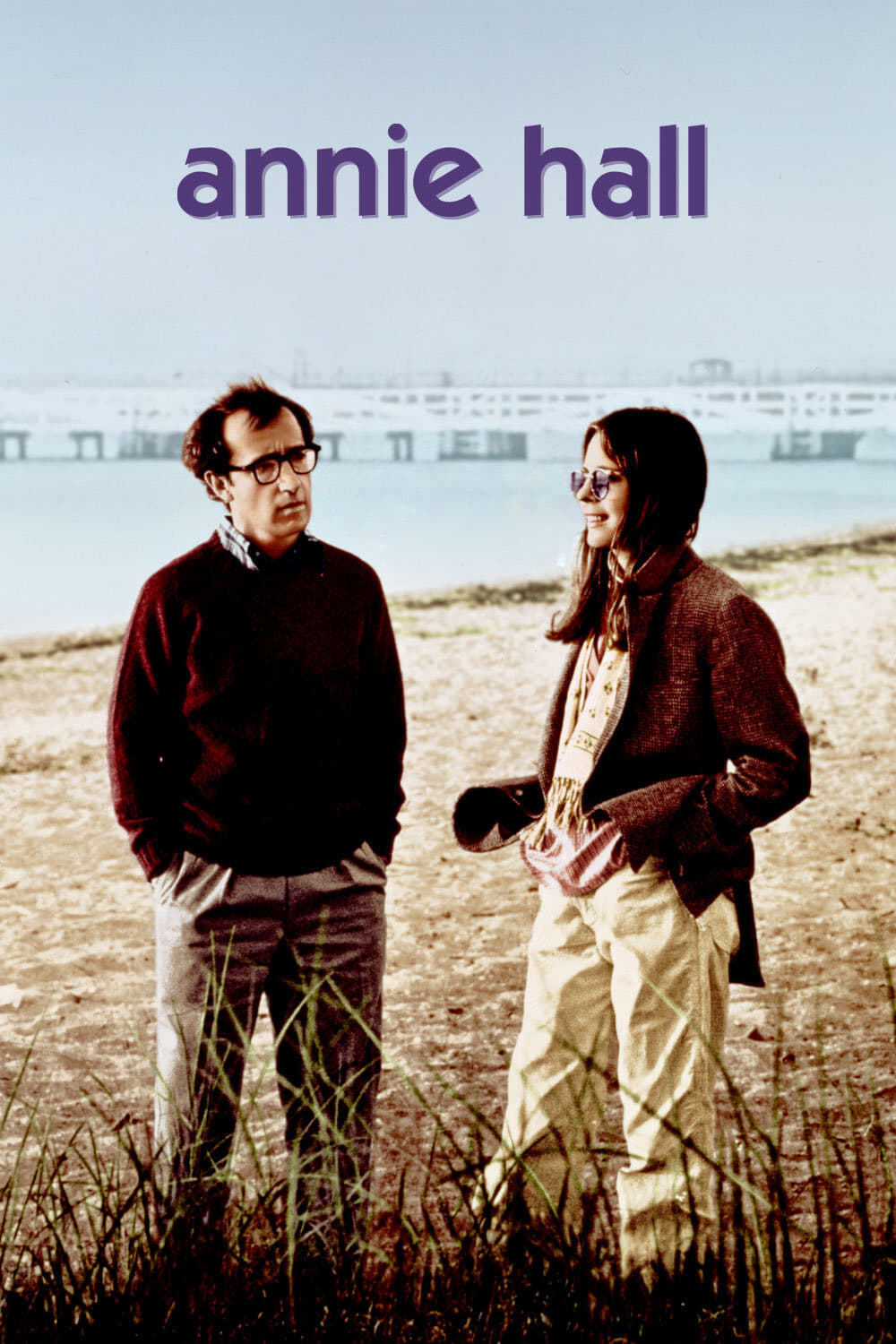
Woody Allen’s first cut of the film was much longer and wandered into a murder mystery and strange side stories. However, editor Ralph Rosenblum recognized that the most compelling parts were about the connection between Alvy and Annie. He and Allen drastically trimmed the unnecessary plots and rearranged the scenes to build a clear and emotional love story. This editing transformed a rambling, unfocused film into a classic romantic drama, ultimately centering on the complete journey of Alvy and Annie’s relationship – from its beginning to its end.
‘Blade Runner’ (1982)
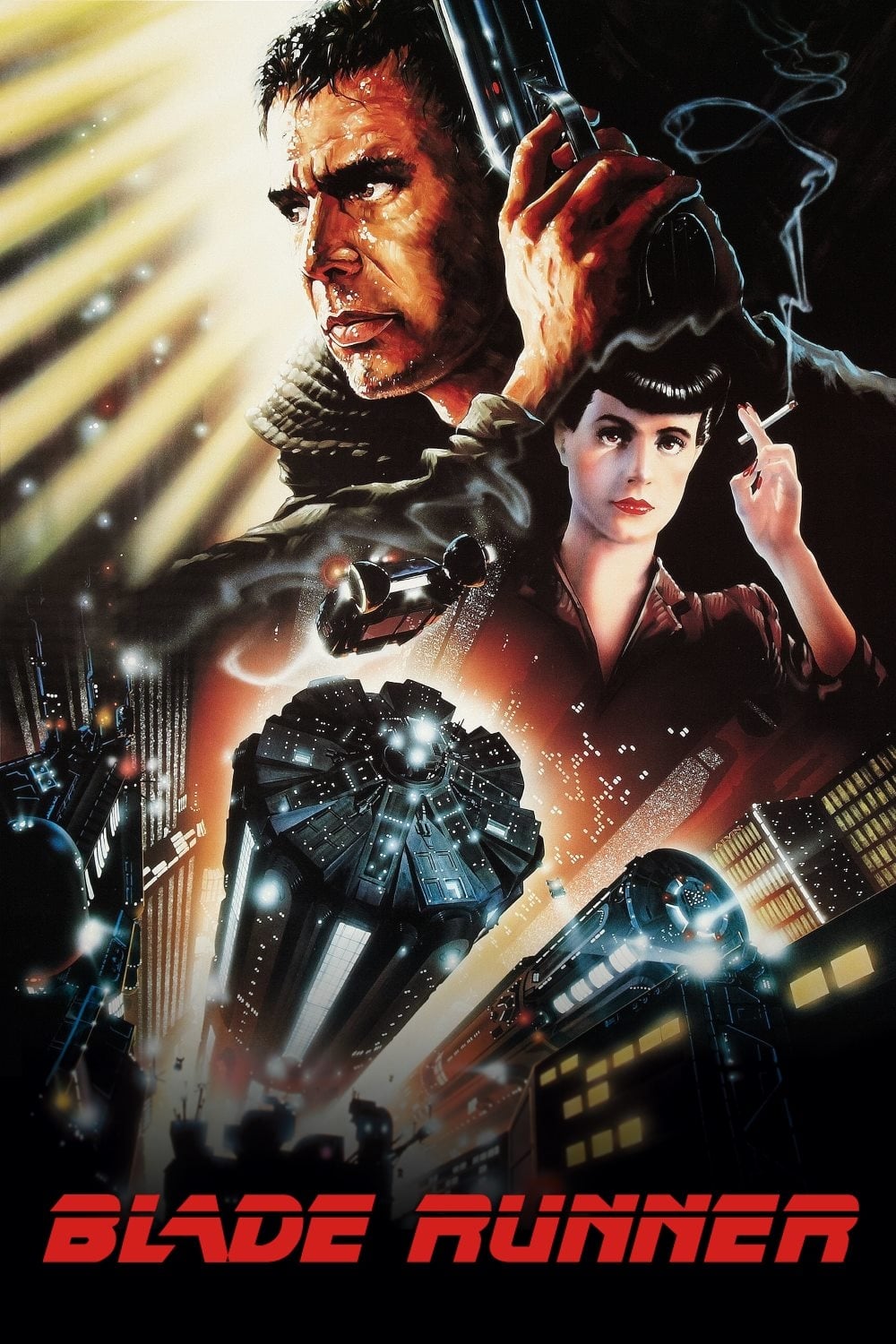
Ridley Scott added a dream sequence featuring a unicorn, which dramatically changed how viewers understand the main character. This scene suggests Deckard might actually be an android with false memories. The original movie version was different; it had a narrator explaining everything. Later, the narration was removed and the unicorn dream was put back in, letting the audience decide for themselves what it all means. This change created a complex layer to the story, making viewers question what it truly means to be human.
‘Easy Rider’ (1969)
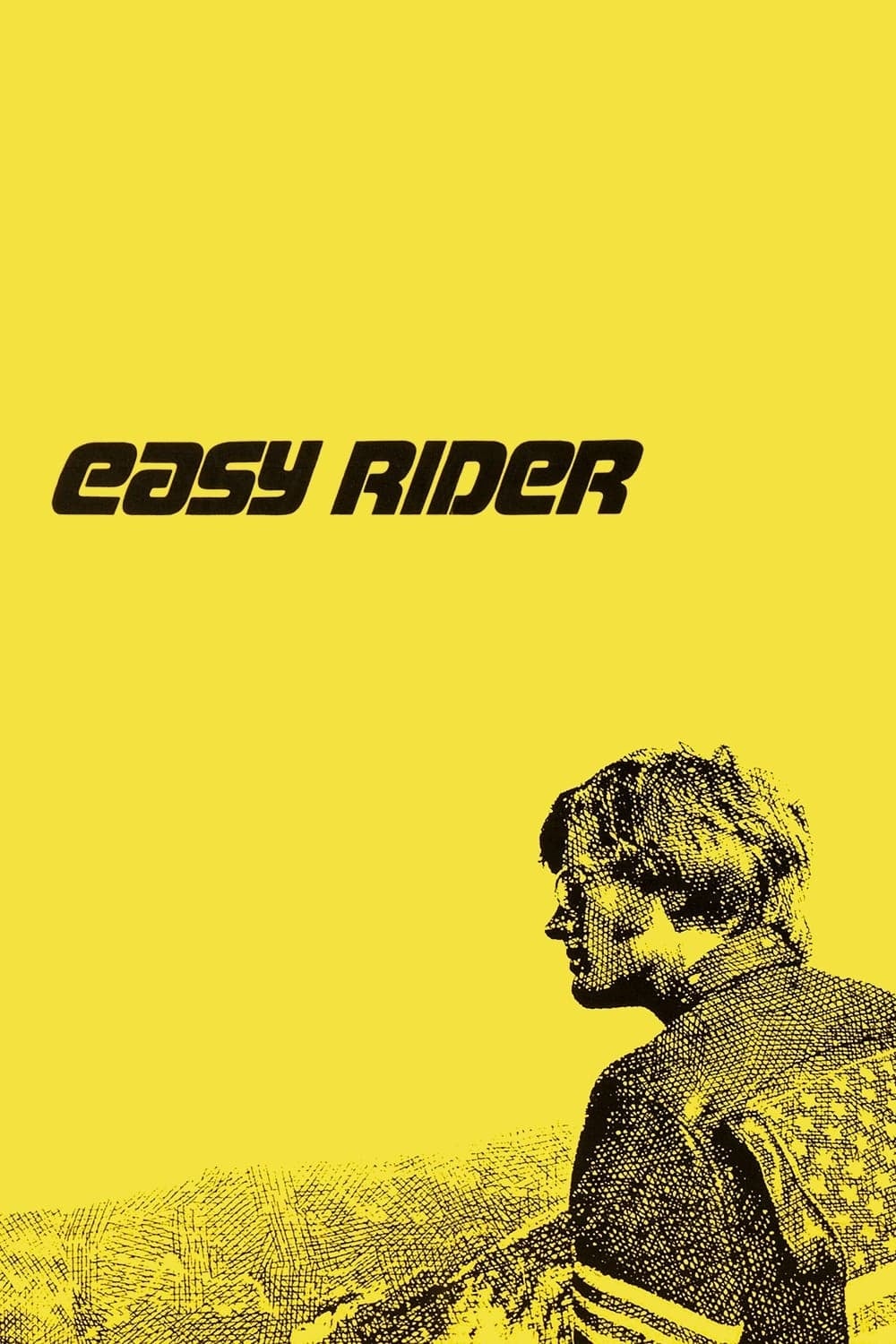
Editor Donn Cambern created a unique editing style using quick flashes forward to upcoming scenes. He originally developed this technique to cover up problems with sound and visuals when transitioning between shots. However, these brief previews of the future subtly hinted at the characters’ fate and created a feeling of impending doom. This disjointed timeline mirrored the characters’ own disorienting experiences, and the editing rhythm reinforced the idea that their tragic end was unavoidable.
‘Jaws’ (1975)
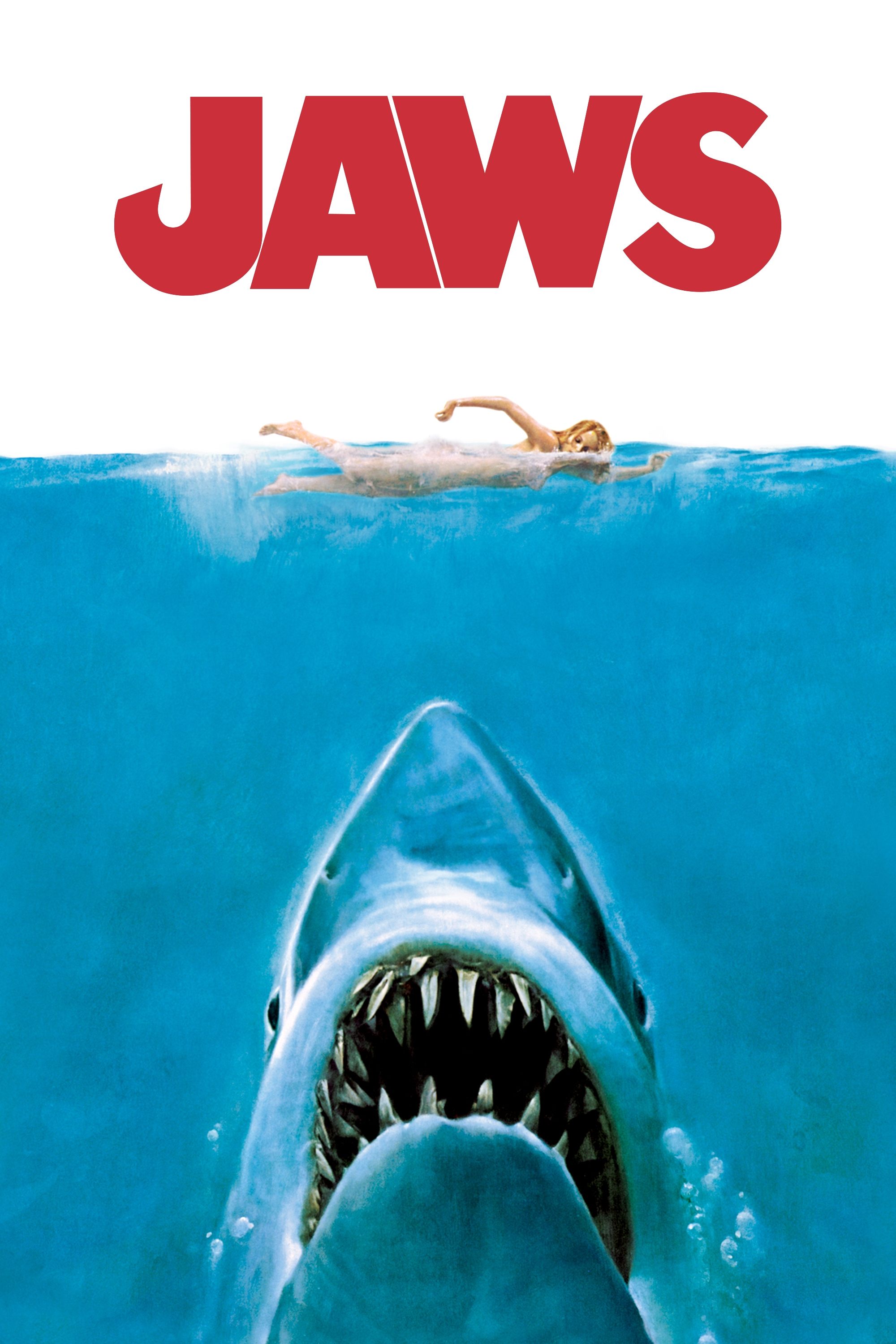
Verna Fields won an Oscar for her editing on this thrilling film by expertly creating suspense, even though the mechanical shark often didn’t work. Because of these malfunctions, the filmmakers had to find creative ways to shoot scenes without showing the shark. Fields used techniques like filming from the shark’s perspective and focusing on how characters reacted to suggest its presence. This actually made the movie more effective, turning the fear of what you don’t see into something scarier than the shark itself. For most of the film, the shark stays hidden, which builds even more tension.
‘Arrival’ (2016)
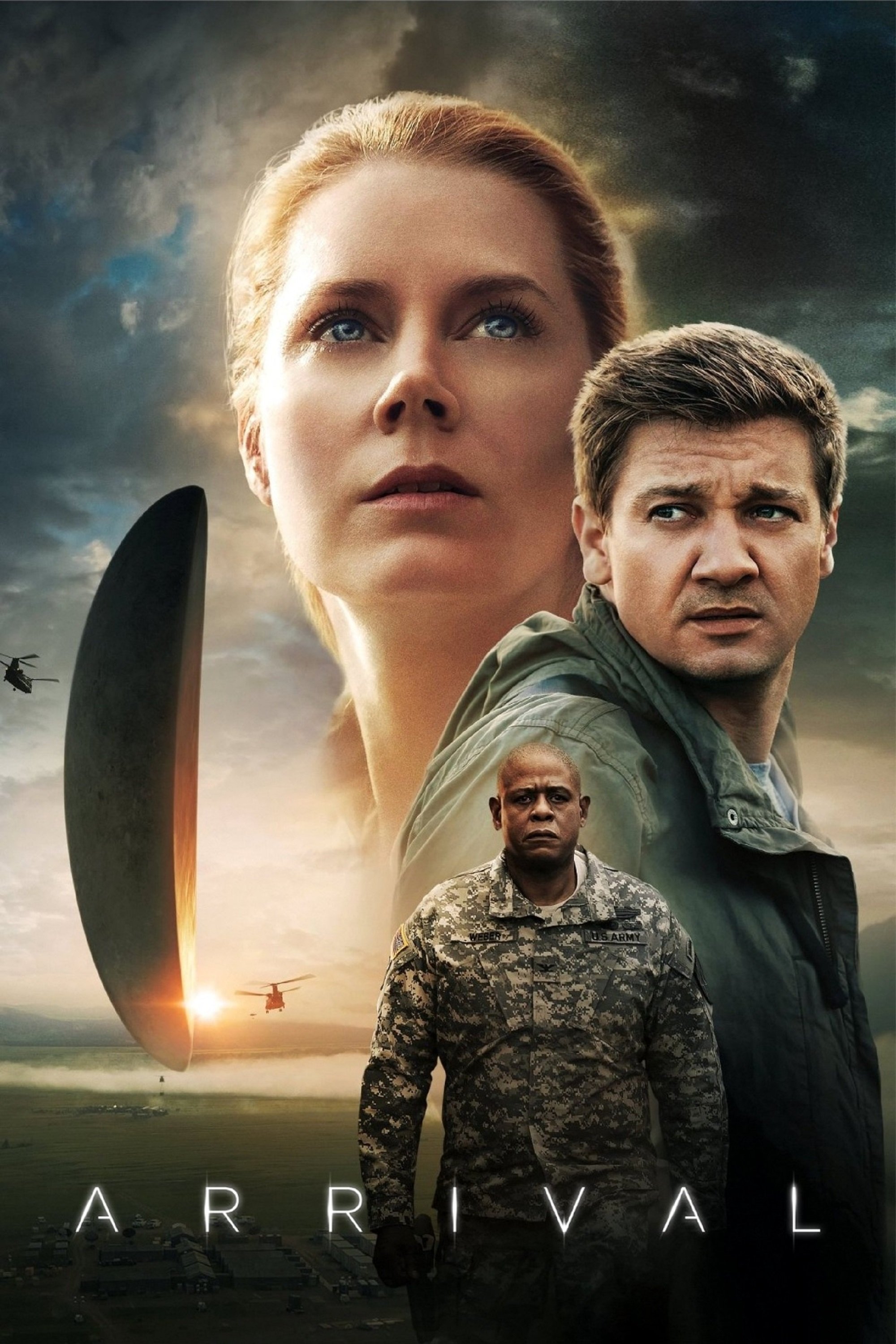
Editor Joe Walker cleverly used the Kuleshov effect to play with the audience’s sense of time. Scenes initially presented as flashbacks revealing the protagonist’s daughter’s past are later revealed to be flash-forwards triggered by an alien language. This editing technique creates a secondary storyline about how we perceive time and memory, and the film’s emotional impact depends entirely on this carefully constructed arrangement of scenes.
‘Mad Max: Fury Road’ (2015)
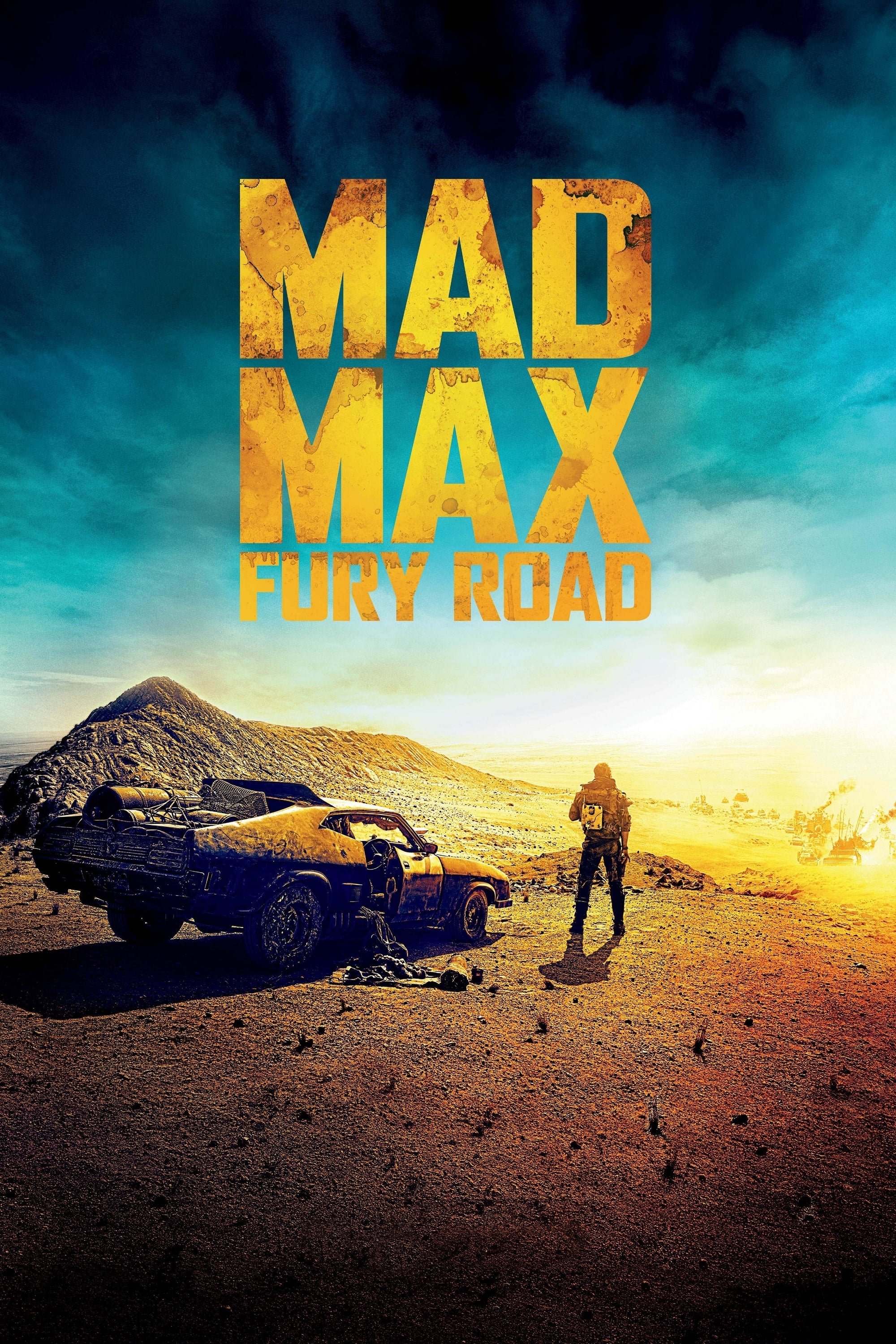
Editor Margaret Sixel crafted the action in this film by carefully reviewing massive amounts of stunt footage. She used a technique called eye-trace editing to make sure the fast-paced action remained clear and easy to follow. Because the film has minimal dialogue, the editing does much of the work in developing the characters and their relationships. Small looks and quick cuts show how Furiosa and Max begin to trust each other, all without needing any explanations. This style of visual storytelling created a story of redemption that unfolds entirely through the action itself.
‘The Social Network’ (2010)
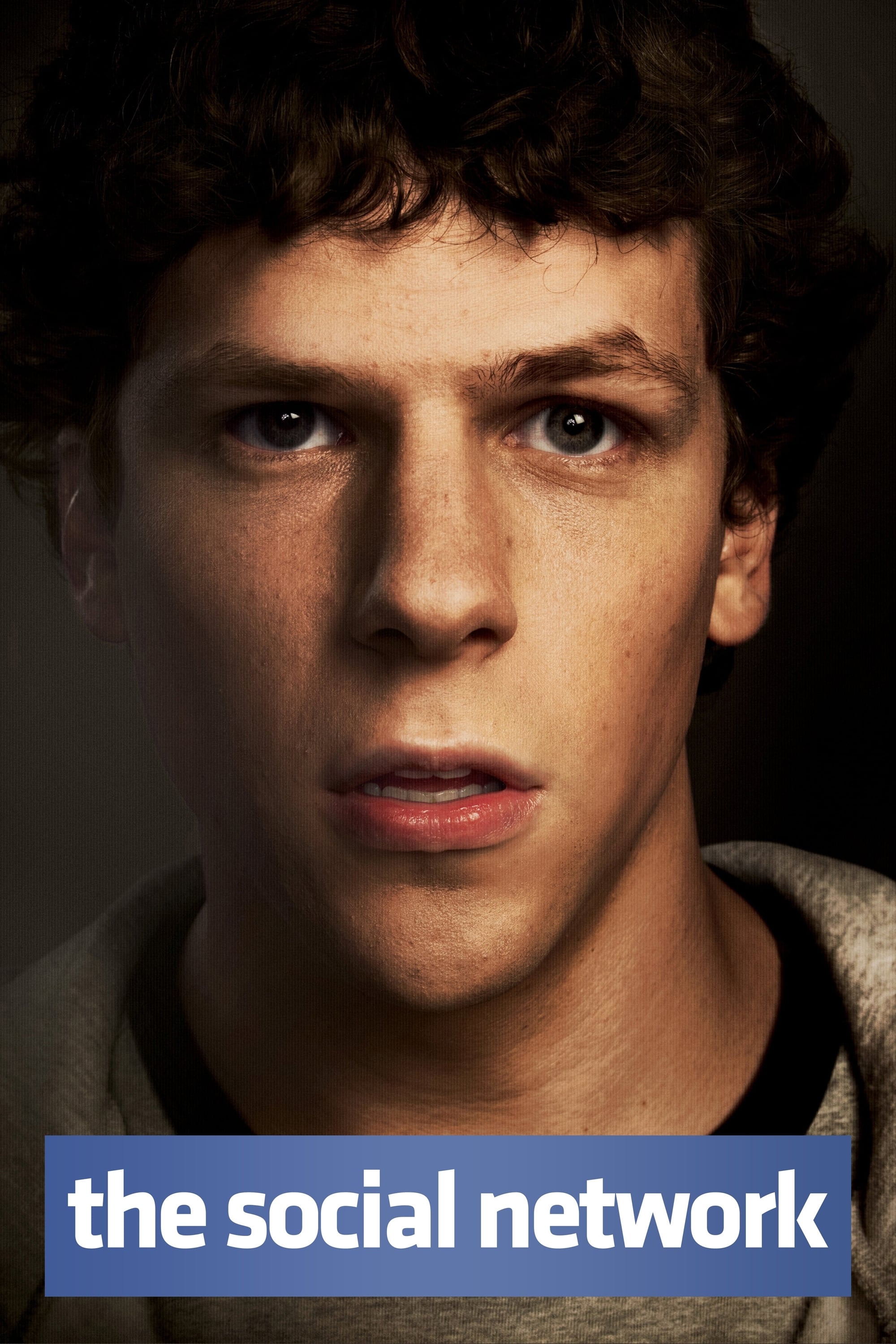
The film tells the story of Facebook’s beginnings through two different court testimonies. Skilled editing weaves these future legal conflicts with the story of how the company was created, building a parallel narrative of betrayal and its consequences. This back-and-forth highlights the stark difference between the founders’ early friendship and the lawsuits that followed, ultimately turning what could have been a simple business story into a tragic tale of broken relationships.
‘Memento’ (2000)
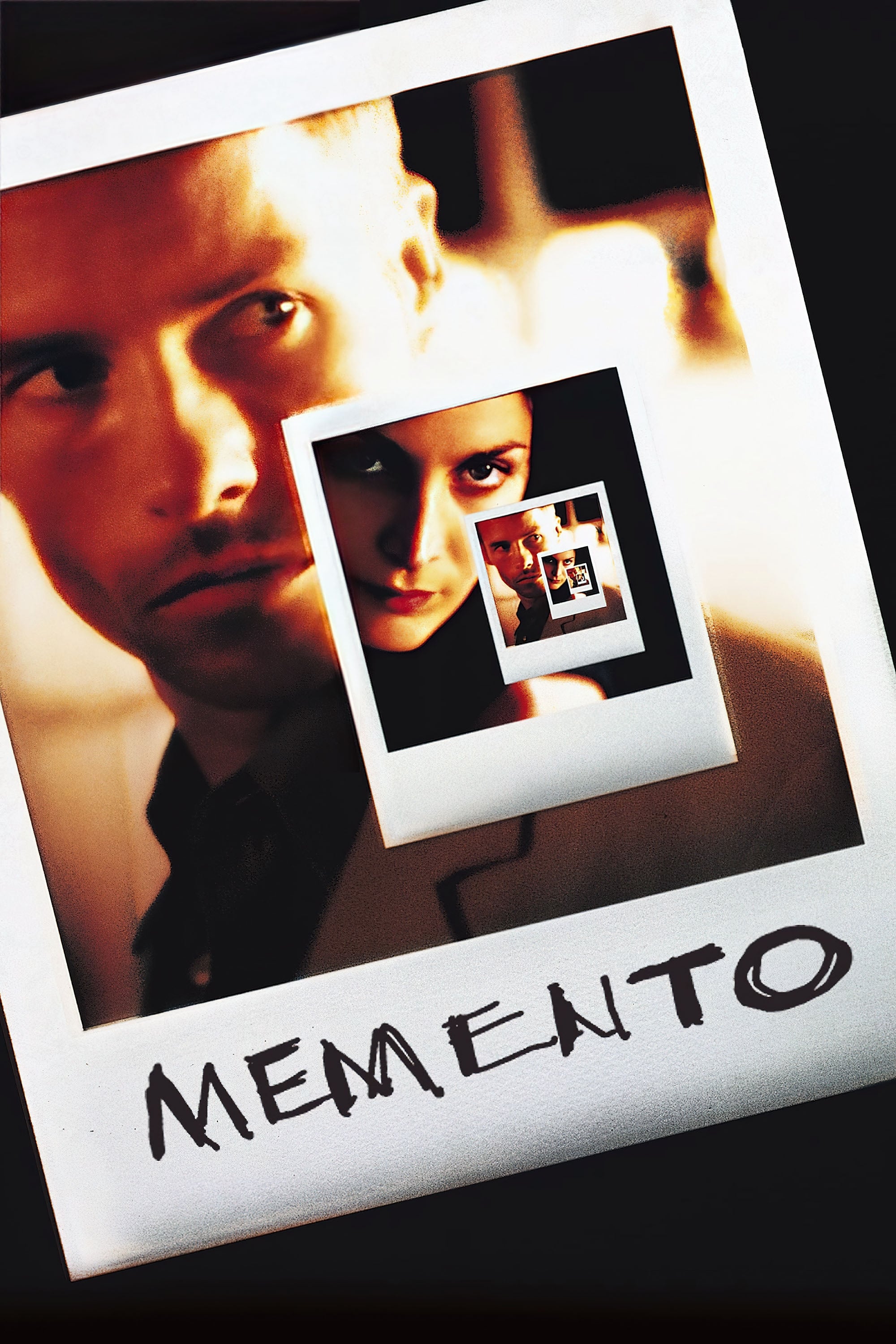
Dody Dorn’s editing choice presents the film’s color scenes in reverse order, mirroring the protagonist’s memory loss and immersing the viewer in their experience. This creates a compelling mystery, as the meaning of events isn’t clear until after they happen. A straightforward, chronological edit would eliminate this tension and confusion, but the current structure forces the audience to uncover the story’s truth alongside the main character.
‘Apocalypse Now’ (1979)
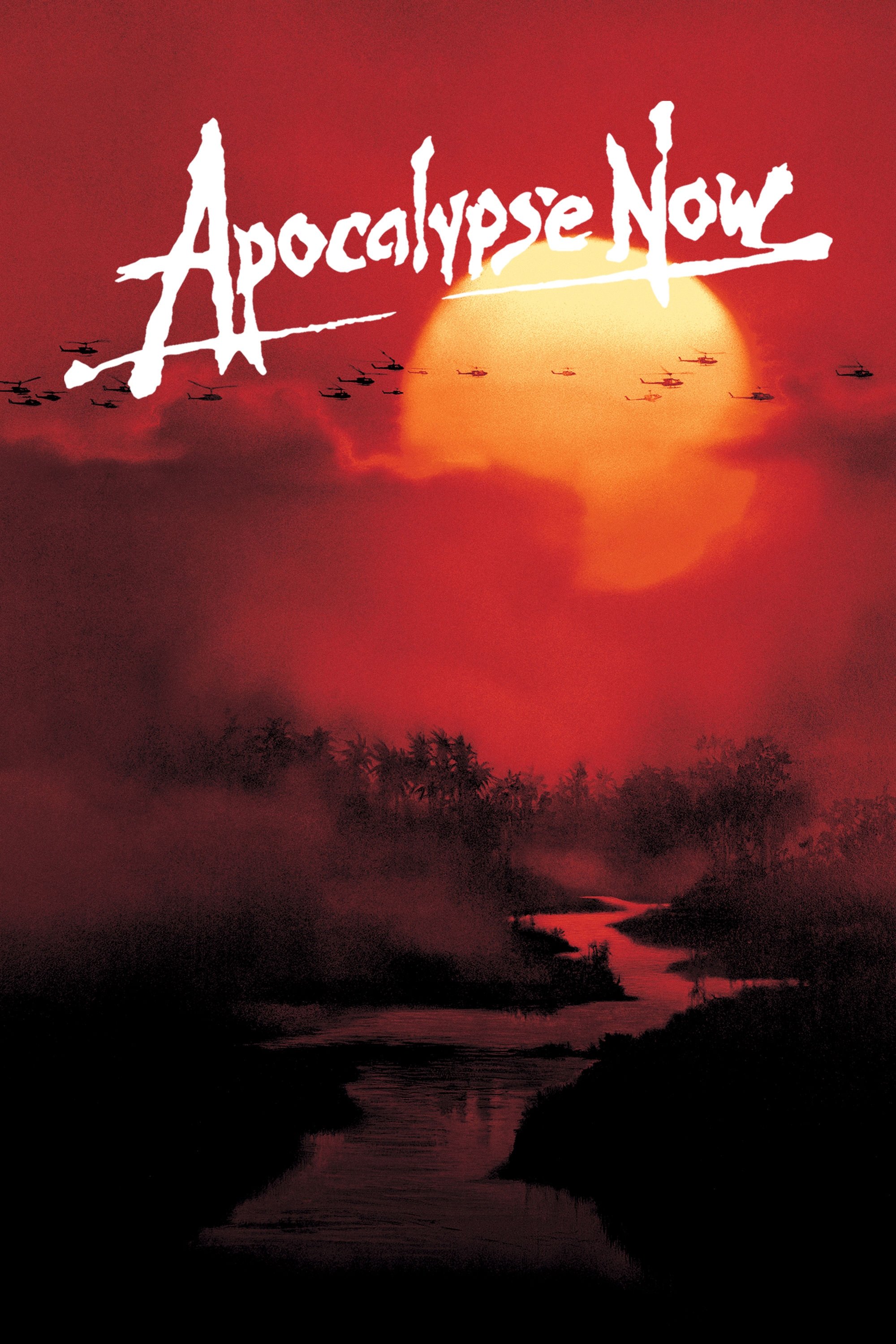
Making this war movie was famously disorganized, and the filmmakers ended up with a massive amount of footage – over a million feet! Editor Walter Murch spent years assembling it, adding a voiceover to help connect the different parts of the story. This voiceover also hinted at the inner turmoil of the character Captain Willard. Instead of focusing on a clear storyline, the editing creates a strange, dreamlike atmosphere that captures the psychological impact of war. These choices in post-production give the final film a disorienting, almost hallucinatory quality.
‘Mulholland Drive’ (2001)
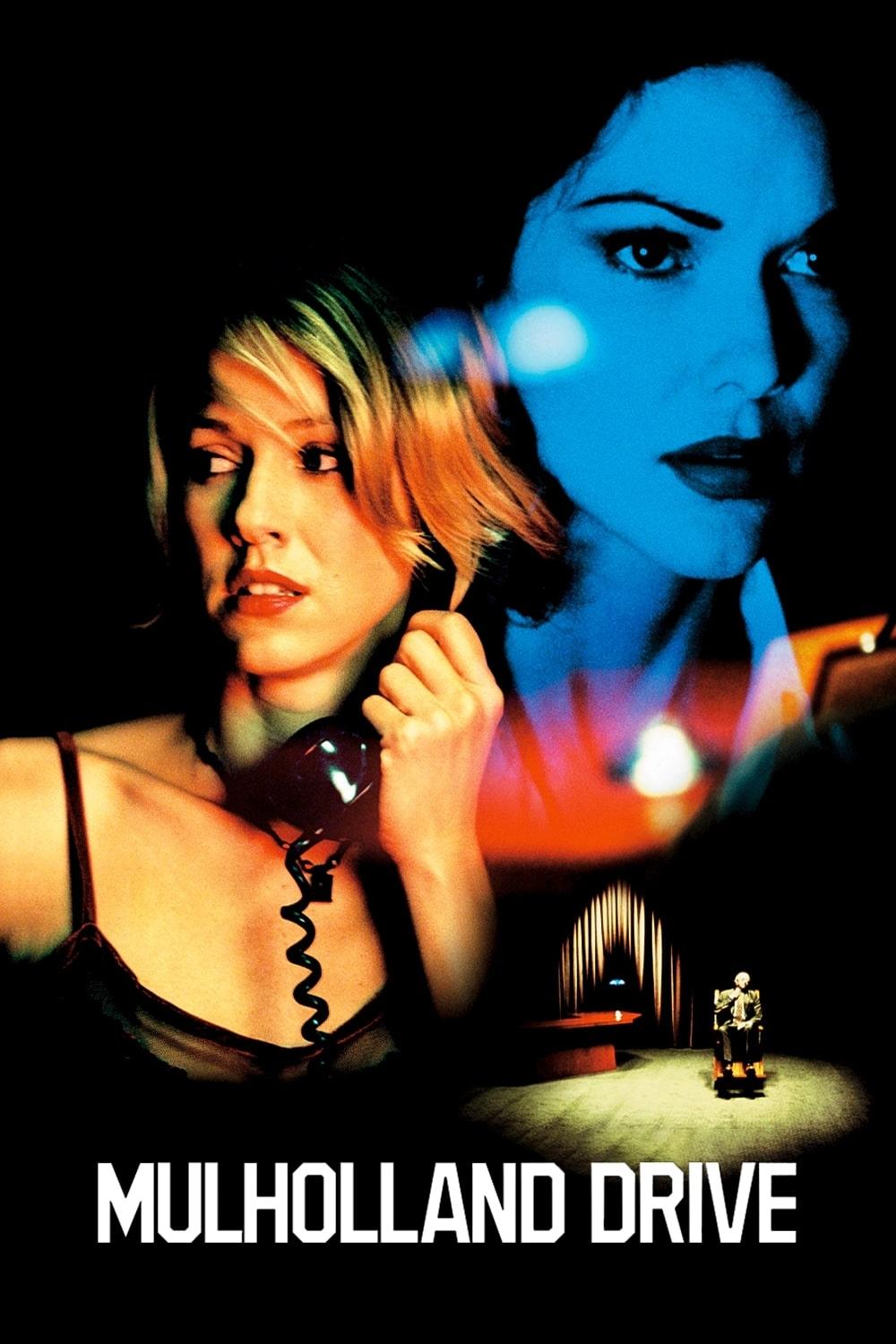
David Lynch first created this as a TV pilot, but it wasn’t picked up. He then filmed a different ending and, with editor Mary Sweeney, reshaped the separate episodes into a movie. The editing deliberately mixes dreams and reality, creating a confusing, non-linear mystery. Characters aren’t always who they seem, and storylines fade into a dreamlike state without neat conclusions. In the process of rebuilding the story, a hidden, darker side of Hollywood’s dream factory emerged.
‘Traffic’ (2000)
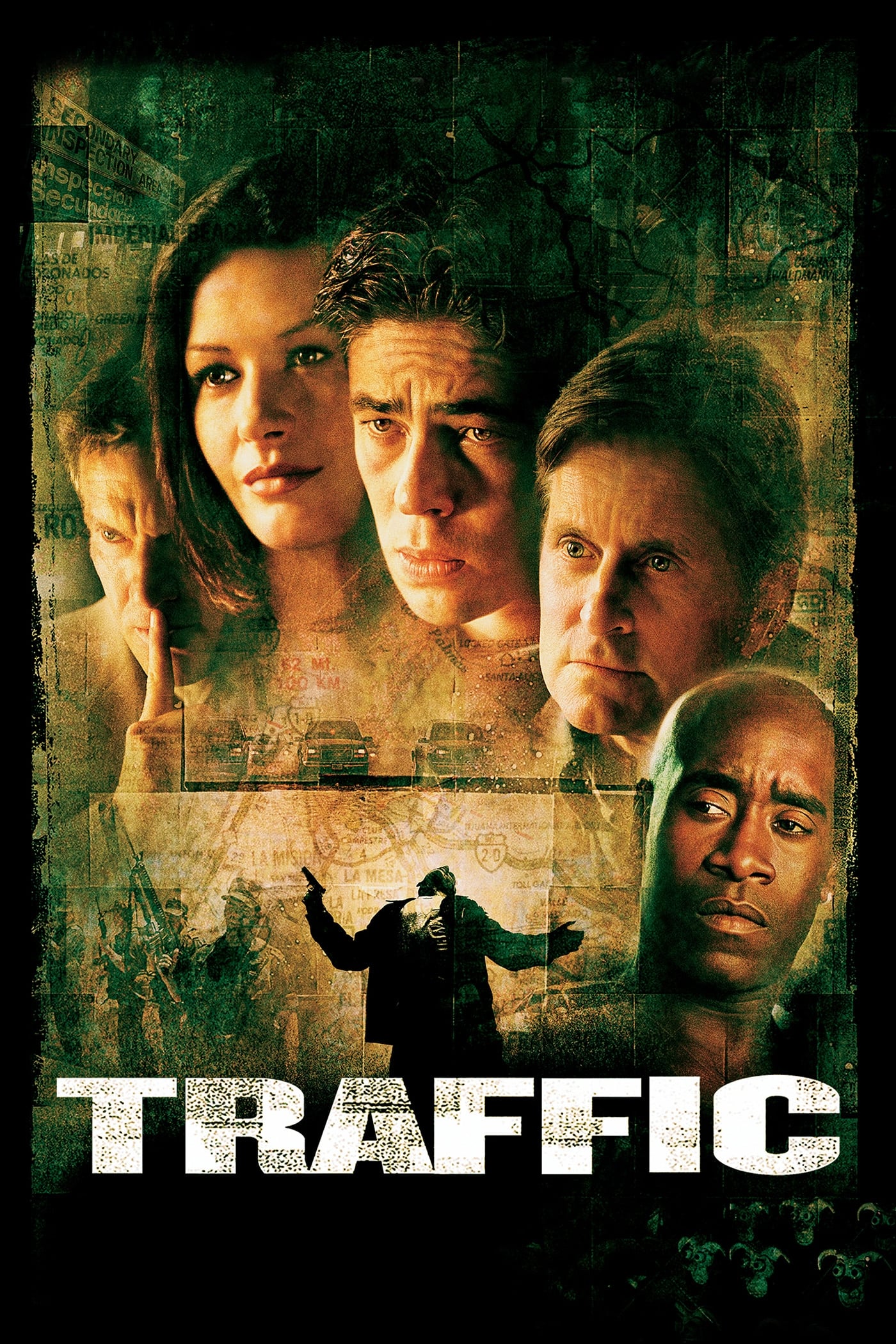
Stephen Mirrione used different visual styles and color choices to clearly distinguish between the film’s three storylines. Scenes set in Mexico have a grainy, yellow look, while those in Ohio appear cold and blue. This helps viewers immediately understand where and what they’re watching without needing explanations. The editing skillfully connects these separate stories, demonstrating how the drug trade affects people around the world. This technique also subtly highlights the connection between addiction and the policies meant to address it.
‘City of God’ (2002)
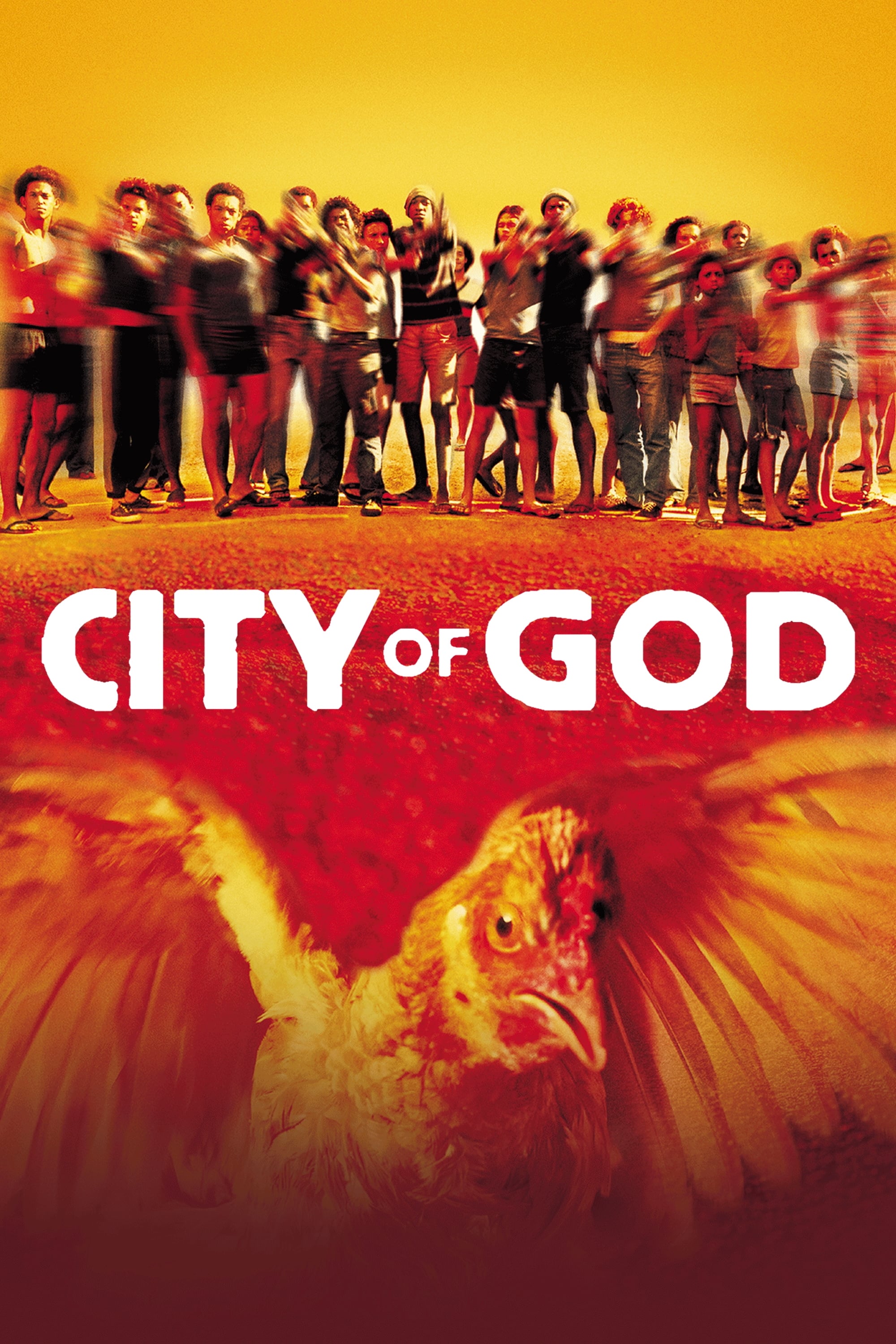
Editor Daniel Rezende’s fast-paced editing style captures the intense and chaotic atmosphere of the favelas. The film uses quick cuts and frozen images to introduce characters and reveal their pasts. This approach makes the setting feel like a character itself, with its own story of violence. The film’s speed changes deliberately to show time passing and the growing conflict between gangs. Ultimately, the editing creates a visual flow that feels like the pulse of the city.
‘Picnic at Hanging Rock’ (1975)
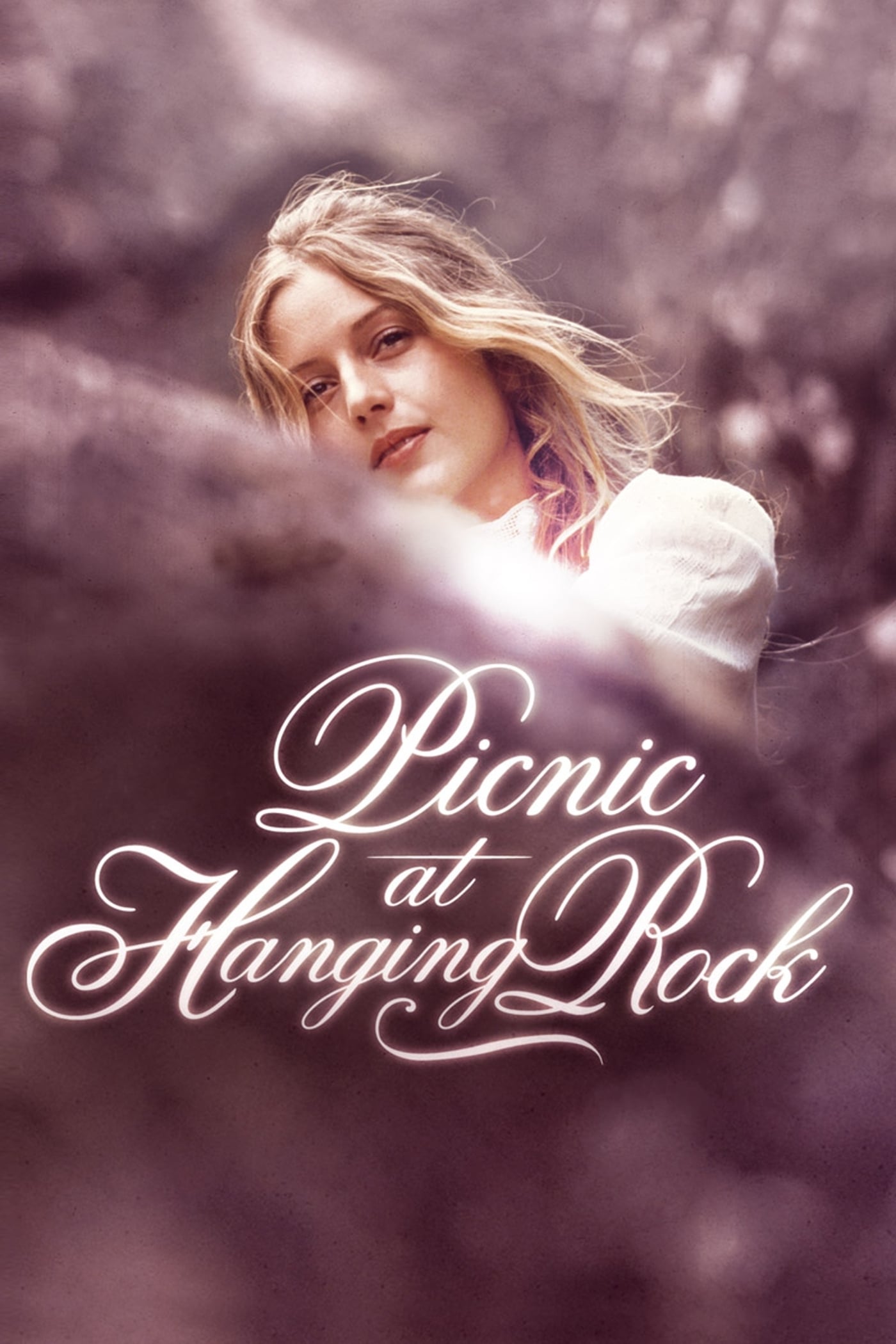
You know, as a film fan, I always appreciate a movie that trusts its audience. With this film, the director and editor made a bold choice – they actually removed the scenes that would have neatly explained what happened to the missing girls. It totally shifted the feel from a standard ‘who done it’ to something much more atmospheric and unsettling, almost like a modern myth. Instead of giving us all the answers, they left things open-ended, which really made you think about how powerful and unpredictable nature can be. It’s less about solving a mystery and more about feeling something, and the editing was key to building that mood. It’s a film that stays with you long after the credits roll because of what’s not explained.
‘Walk the Line’ (2005)
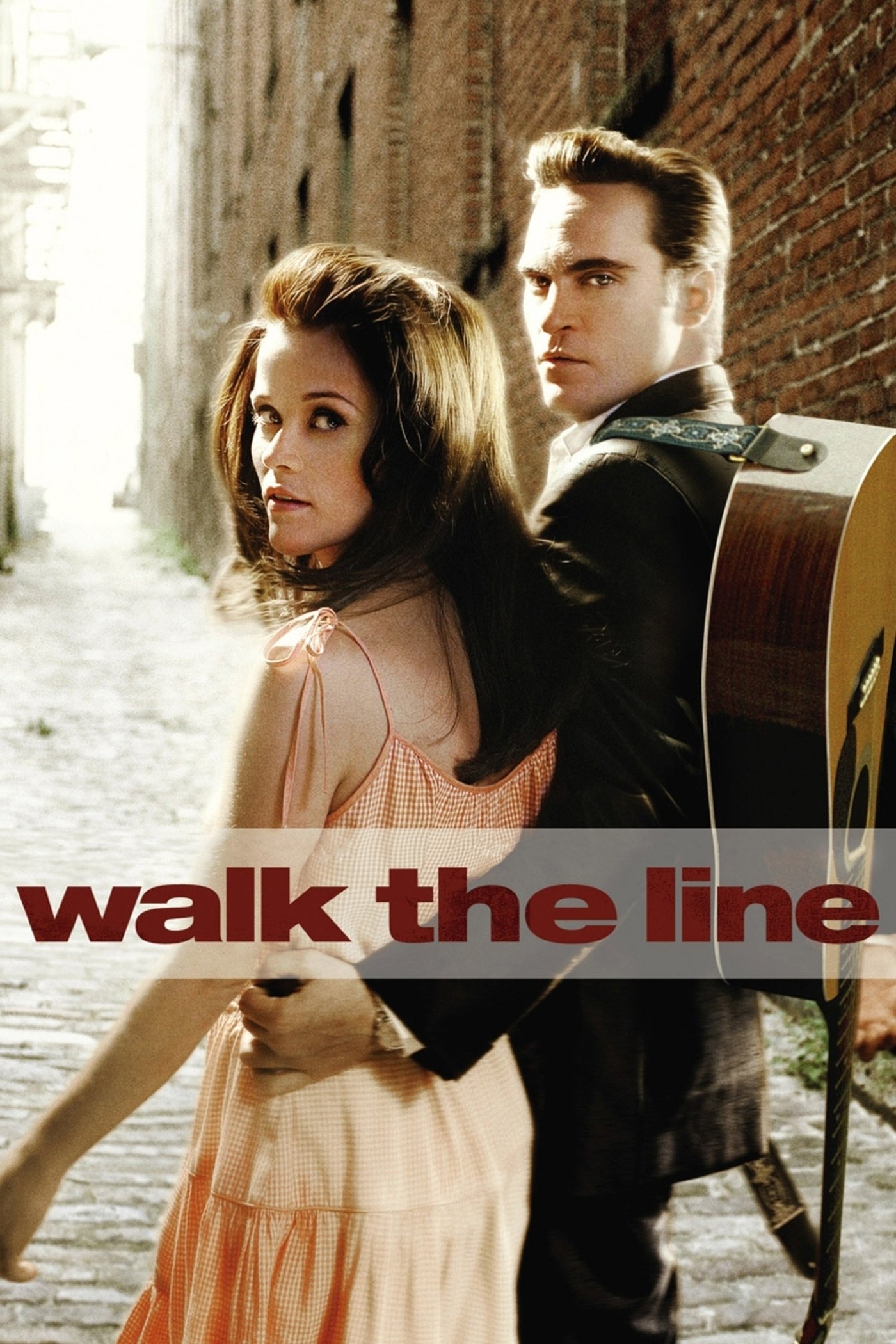
By starting the film with footage of Johnny Cash’s concert at Folsom Prison, the editors cleverly shaped how we view his life story. This immediately hints at his eventual success and personal turnaround, creating a sense of anticipation throughout the film. Knowing where his life ultimately leads, the audience watches his childhood and climb to fame with a different perspective, and the film feels anchored by that powerful performance.
‘The Limey’ (1999)
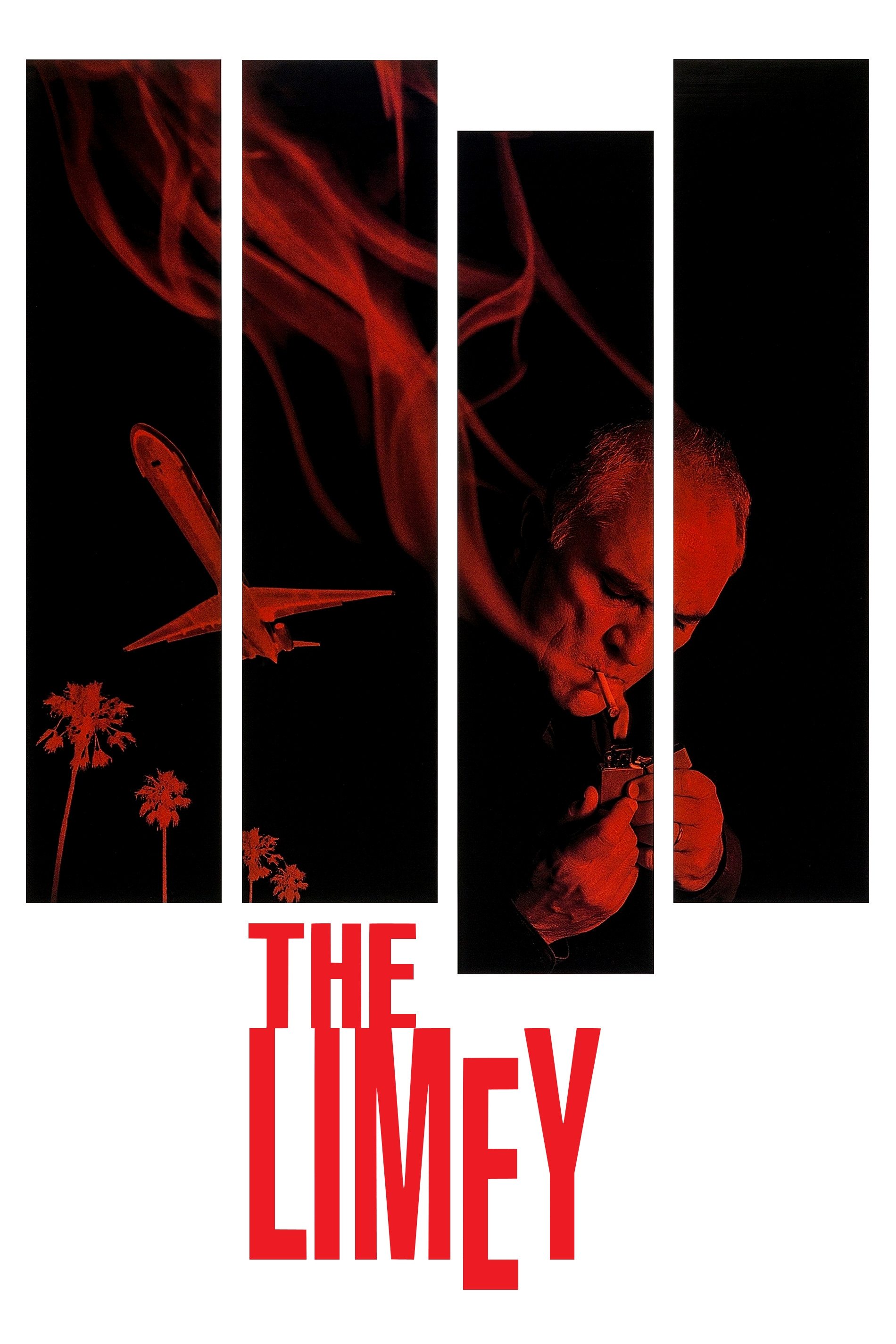
As a film lover, I was really struck by the editing in this movie. The editor, Sarah Flack, did something fascinating with sound and visuals to show us how the main character was remembering things. She’d often layer dialogue from one scene over completely different images – like flashbacks that weren’t quite straightforward. It wasn’t just a stylistic choice, though; it actually built a whole secondary story about how fragmented memory and grief can be. It felt like the characters were having conversations that jumped around in time, not unfolding in a normal way. Honestly, what started as a pretty typical revenge thriller ended up being a really thoughtful exploration of loss, and the editing was key to making that happen.
‘Highlander’ (1986)
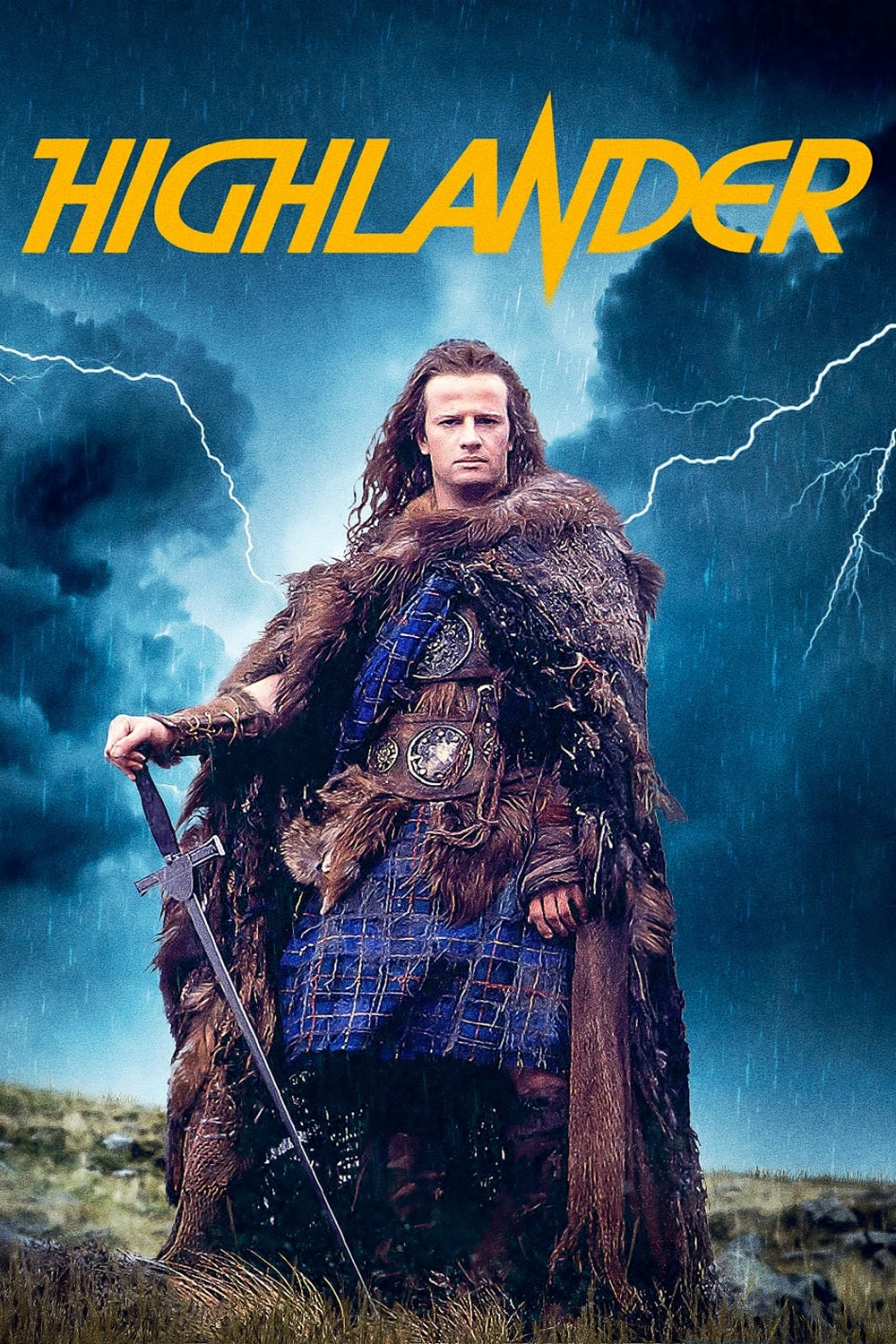
As a film lover, I was initially a bit lost with the early drafts of this fantasy movie – the story kept jumping around in time and it was hard to follow. But the editors really saved it! They cleverly wove the flashbacks into the present, making them happen whenever the main character stumbled across something that triggered a memory. This made the whole concept of immortality, and the rules of the world, so much clearer. It wasn’t just about showing the past, though; the transitions between time periods actually became a way to highlight how the character’s past love contrasted with their present loneliness. Honestly, the film lives and breathes through these perfectly timed cuts – they’re what really give it emotional weight.
‘Eternal Sunshine of the Spotless Mind’ (2004)
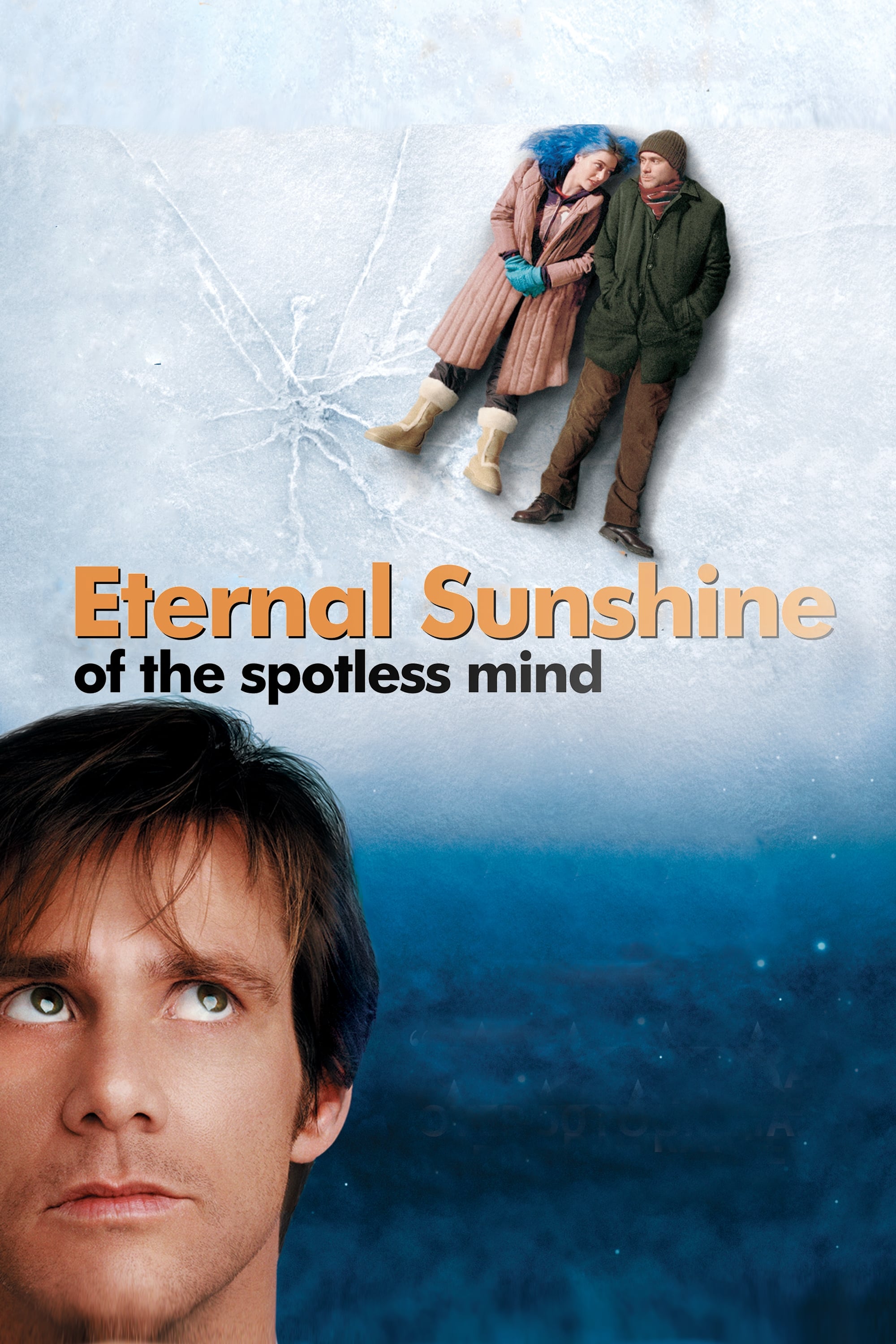
Valdís Óskarsdóttir’s editing skillfully shows the protagonist’s memories falling apart. The story unfolds in reverse, revealing the relationship as memories disappear. This creates a hidden layer where the character desperately tries to protect his lover within his own mind. As the memory-erasing process continues, the editing becomes dreamlike and strange. This non-traditional structure is key to understanding the story’s emotional impact.
Tell us which movie edit surprised you the most in the comments.
Read More
- 20 Movies Where the Black Villain Was Secretly the Most Popular Character
- Top 20 Dinosaur Movies, Ranked
- 25 “Woke” Films That Used Black Trauma to Humanize White Leads
- Gold Rate Forecast
- Silver Rate Forecast
- Spotting the Loops in Autonomous Systems
- 22 Films Where the White Protagonist Is Canonically the Sidekick to a Black Lead
- Celebs Who Narrowly Escaped The 9/11 Attacks
- Top 10 Coolest Things About Invincible (Mark Grayson)
- Can AI Lie with a Picture? Detecting Deception in Multimodal Models
2025-12-11 12:16