
Filmmakers always search for the best lighting to create mood and feeling in their movies. A particularly beautiful, but difficult, technique is filming night scenes during dawn or dusk – often called the ‘magic hour.’ This time of day produces a deep blue color and natural brightness that’s hard to achieve with artificial lights. It takes a lot of planning and patience to film during the magic hour because the light changes so quickly. Several films have brilliantly used this short window of natural light to create unforgettable nighttime scenes.
‘Days of Heaven’ (1978)
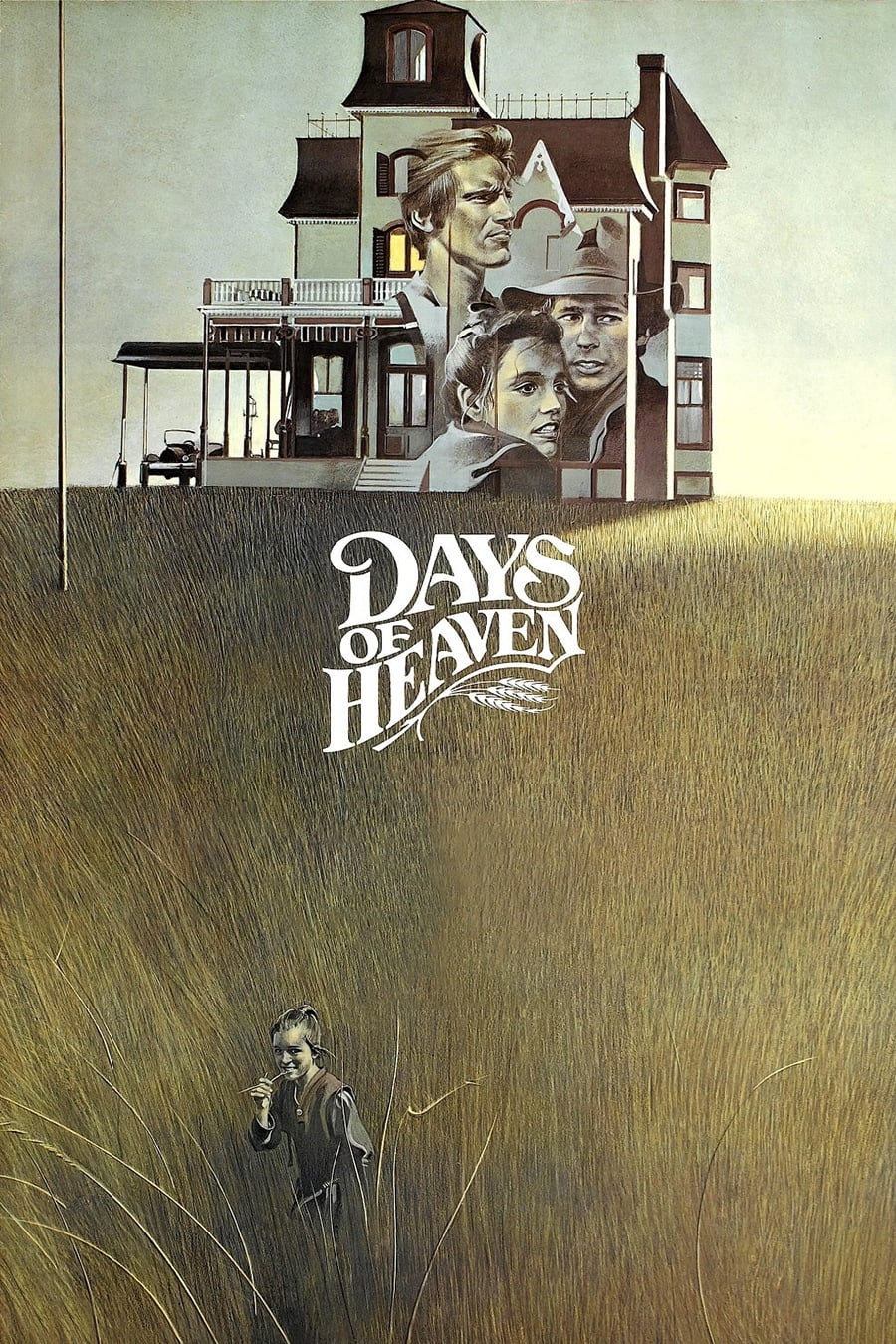
Terrence Malick, the director, and Néstor Almendros, the cinematographer, famously filmed almost everything during the brief period just after sunrise and before sunset—what photographers call the ‘magic hour.’ This was done to create a beautiful, painting-like quality. Because they relied on this natural light, they could only film for about twenty minutes each day. This challenging process resulted in a soft, gentle look, avoiding strong shadows and giving the characters a warm, golden or cool, blue light. Even the nighttime scenes don’t feel completely dark, but instead have a light, dreamlike quality. The film is still considered a major influence on visual storytelling because of its dedication to using natural light.
‘The Revenant’ (2015)
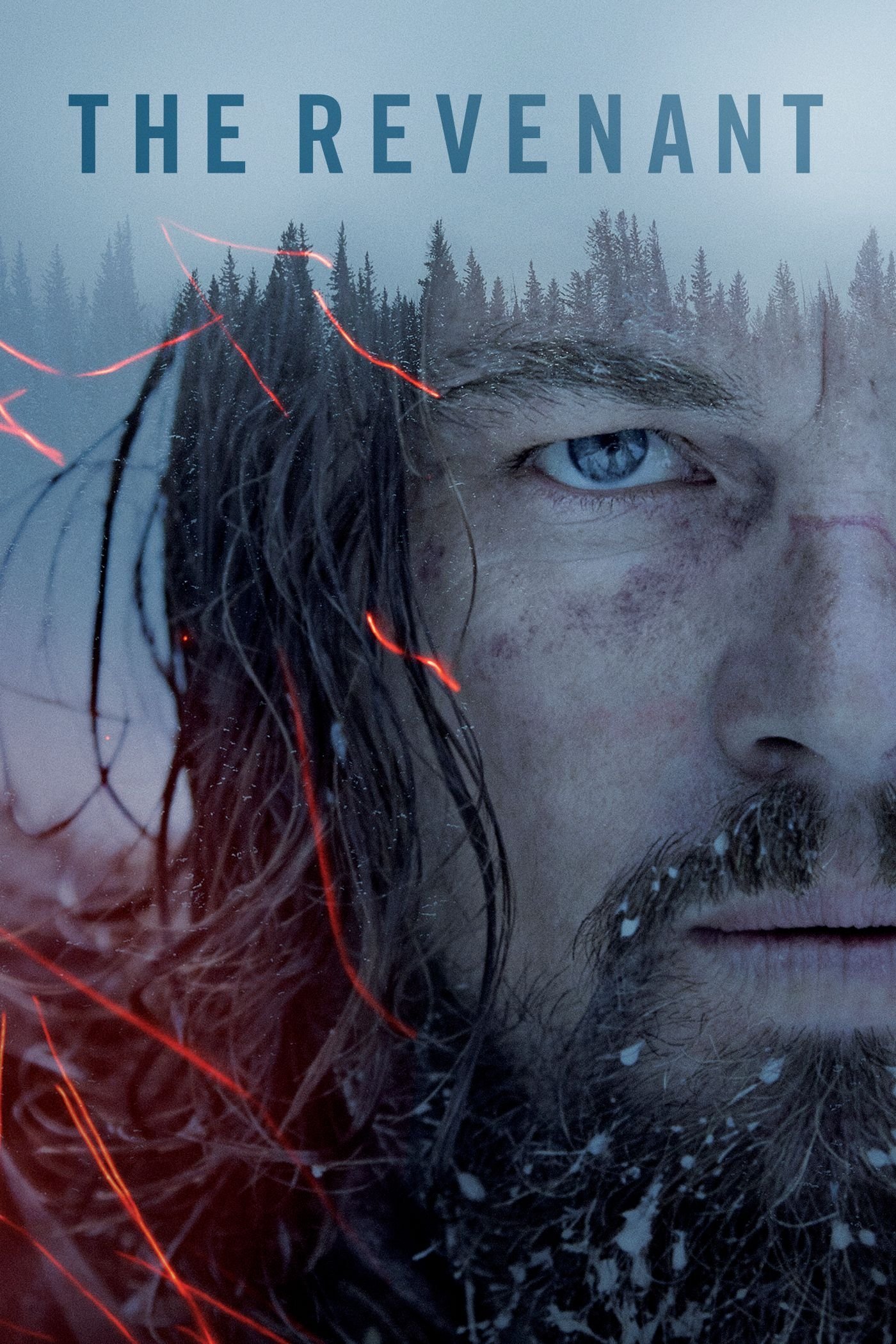
In this intense survival story, director Alejandro G. Iñárritu and cinematographer Emmanuel Lubezki revolutionized how natural light was used in filmmaking. They filmed the movie in order, using almost entirely sunlight and firelight. Night scenes were often shot during the twilight before dawn, emphasizing the harsh, lonely feeling of the wilderness. This meant the actors truly endured freezing temperatures and dim lighting, adding incredible realism. The final effect is a powerfully immersive experience, where the darkness feels both overwhelming and richly detailed with cool, blue hues.
‘The New World’ (2005)
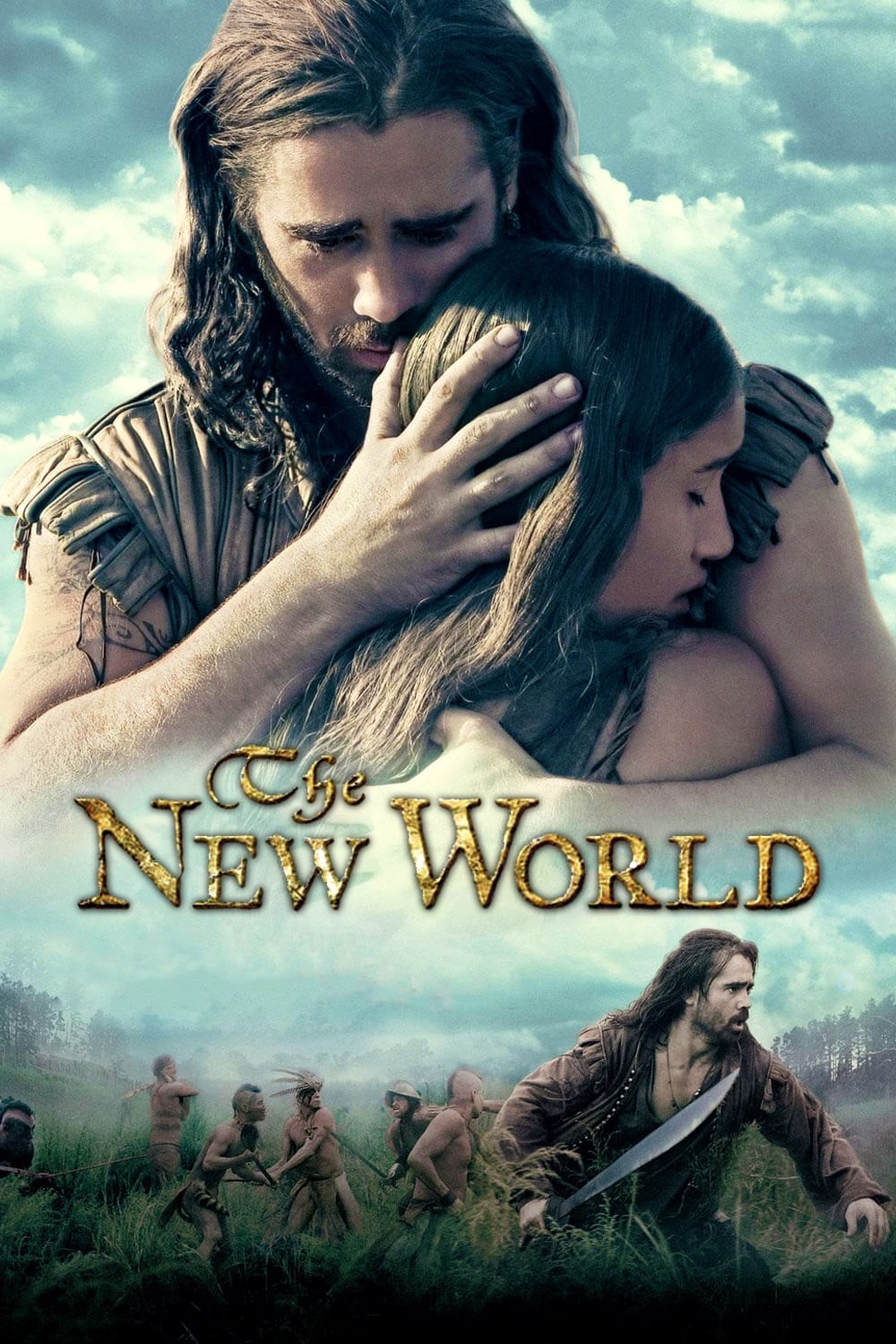
Emmanuel Lubezki, the cinematographer, and director Terrence Malick worked together to create a visually stunning film that felt natural and timeless, as if it hadn’t been made with today’s technology. Instead of using artificial lights, they filmed the nighttime scenes using the gentle light of sunrise and sunset, which made the historical story feel more realistic and true to the period. The shadows in the film aren’t harsh or completely dark; they’re full of detail and color. This approach meant everyone on set had to be prepared to film quickly whenever the perfect light appeared.
‘La La Land’ (2016)
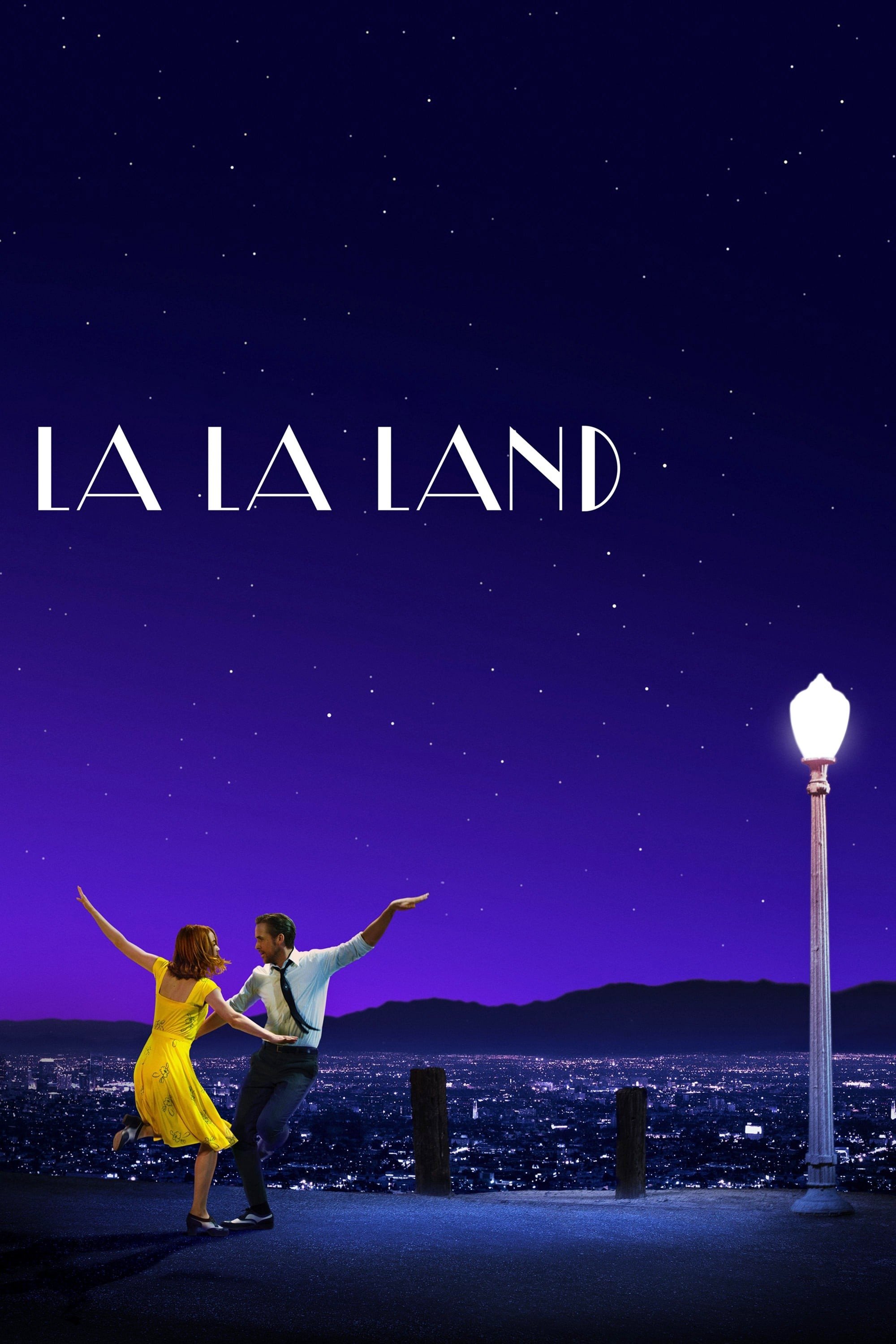
The memorable dance scene in “A Lovely Night” took two days to film, carefully timed during twilight to achieve a beautiful purple and blue sky. Director Damien Chazelle and cinematographer Linus Sandgren aimed for a look reminiscent of classic Technicolor films, avoiding digital effects. The actors performed the lengthy, unbroken shot many times as the crew worked quickly to utilize the last light of the setting sun. Capturing the precise moment when the sky’s colors blended with the streetlights created a dreamy and romantic mood. This commitment to filming everything in-camera – without relying on special effects – gave the sequence a unique blend of realism and fantasy.
‘Dune’ (2021)

As a critic, I have to say the visuals in this film were stunning, and a lot of that comes down to the cinematography. Greig Fraser used this incredibly clever technique he calls ‘dusk for night’ to film the desert planet. Basically, they shot what would normally be night scenes during that beautiful blue hour just after sunset. This meant they could actually see everything – the massive dunes, the actors – without having to artificially light things up like you often see in sci-fi. It gave the shadows a really natural, soft look and, crucially, kept the sense of scale. If they’d gone full dark, a lot of that impressive landscape would have been lost. Then, in post-production, they subtly adjusted the colors to make it look like a moonlit night, but all the detail captured during that twilight hour remained. It’s a fantastic trick that really helped make this futuristic world feel gritty, real, and…well, dusty!
‘Moonlight’ (2016)
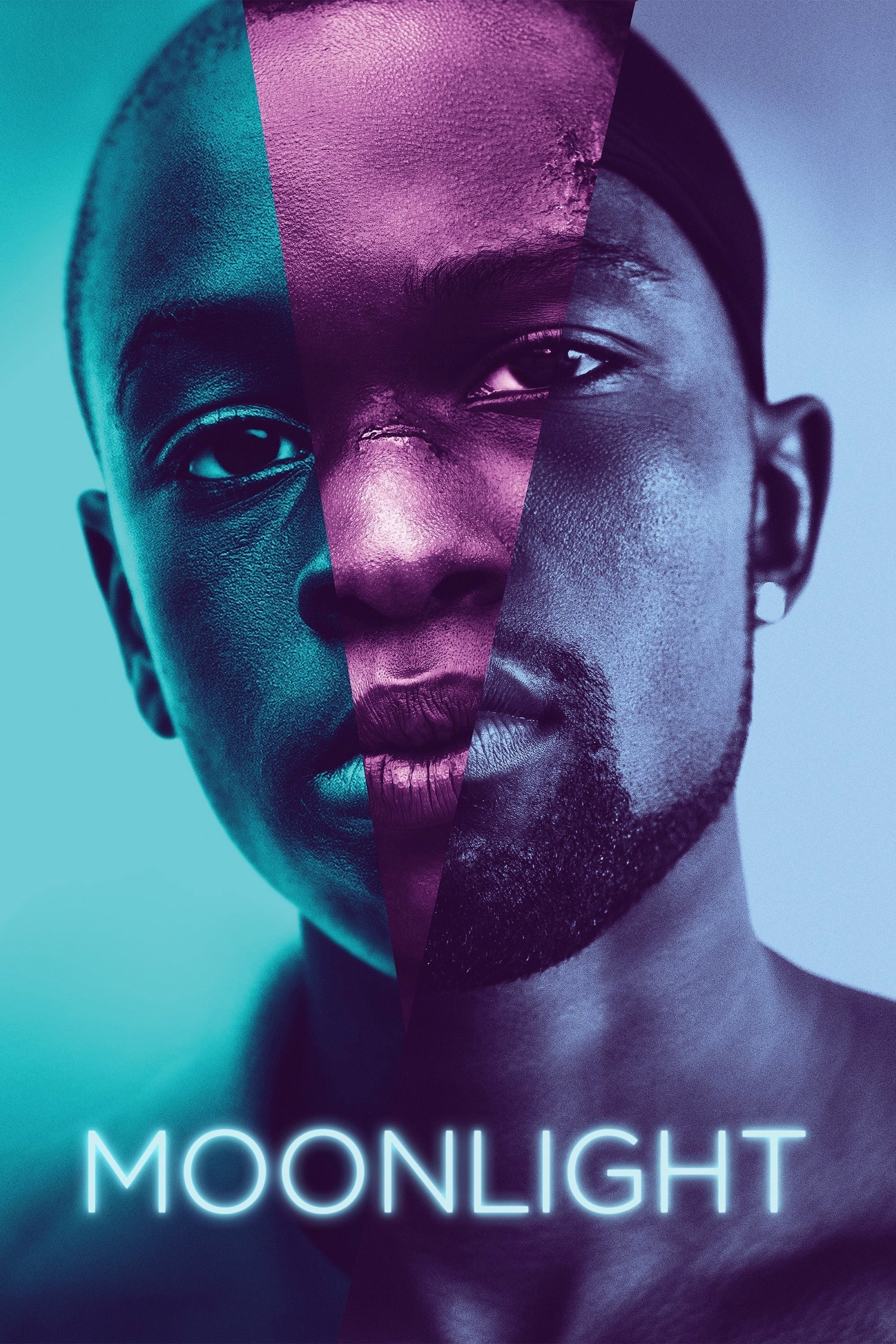
Director Barry Jenkins and cinematographer James Laxton skillfully used the soft, blue light of dawn and dusk to highlight the actors’ skin tones and capture the humid feel of Miami. They filmed beach scenes during twilight to create a distinct visual style and color scheme that mirrored the protagonist’s emotions. This natural light gave the film a gentle quality that’s hard to replicate with artificial lighting. The blue tones of these settings also emphasized the story’s themes of vulnerability and closeness. The film demonstrates that even in low light, scenes can be rich with color and life, rather than simply appearing dark.
‘Barry Lyndon’ (1975)
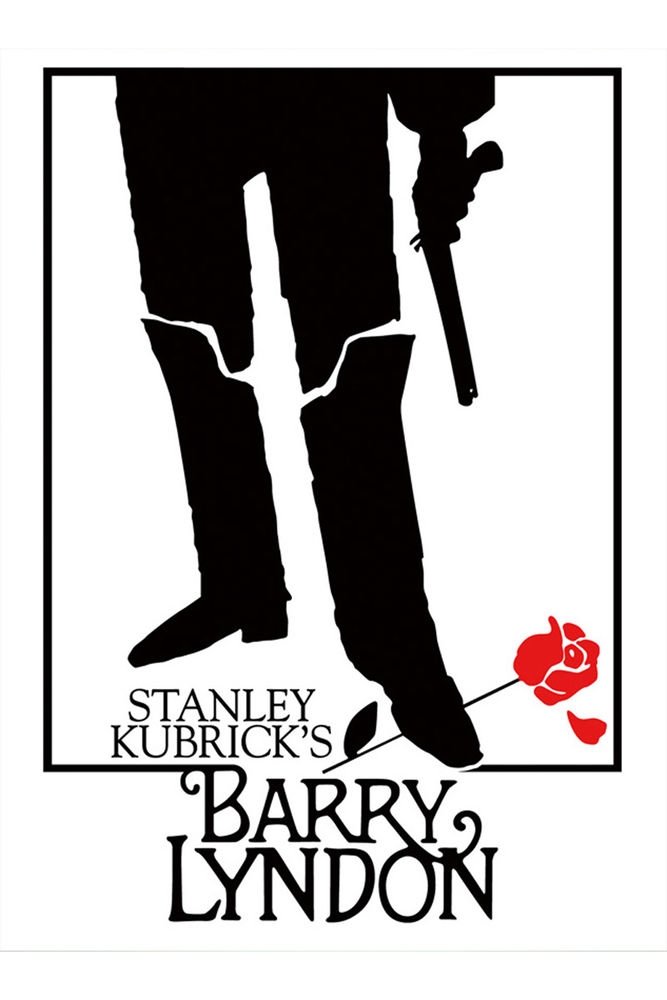
Stanley Kubrick was famous for being a perfectionist and for always trying to film using natural light. He even used special lenses originally created for NASA to capture scenes lit only by candles or the soft light of sunrise. Night scenes outside were filmed using twilight, giving them the look of paintings from the 1700s. This makes the film feel incredibly realistic and puts you in a time before electric lights. By avoiding typical studio lighting, Kubrick created a visual style that feels natural and authentic.
‘Skyfall’ (2012)
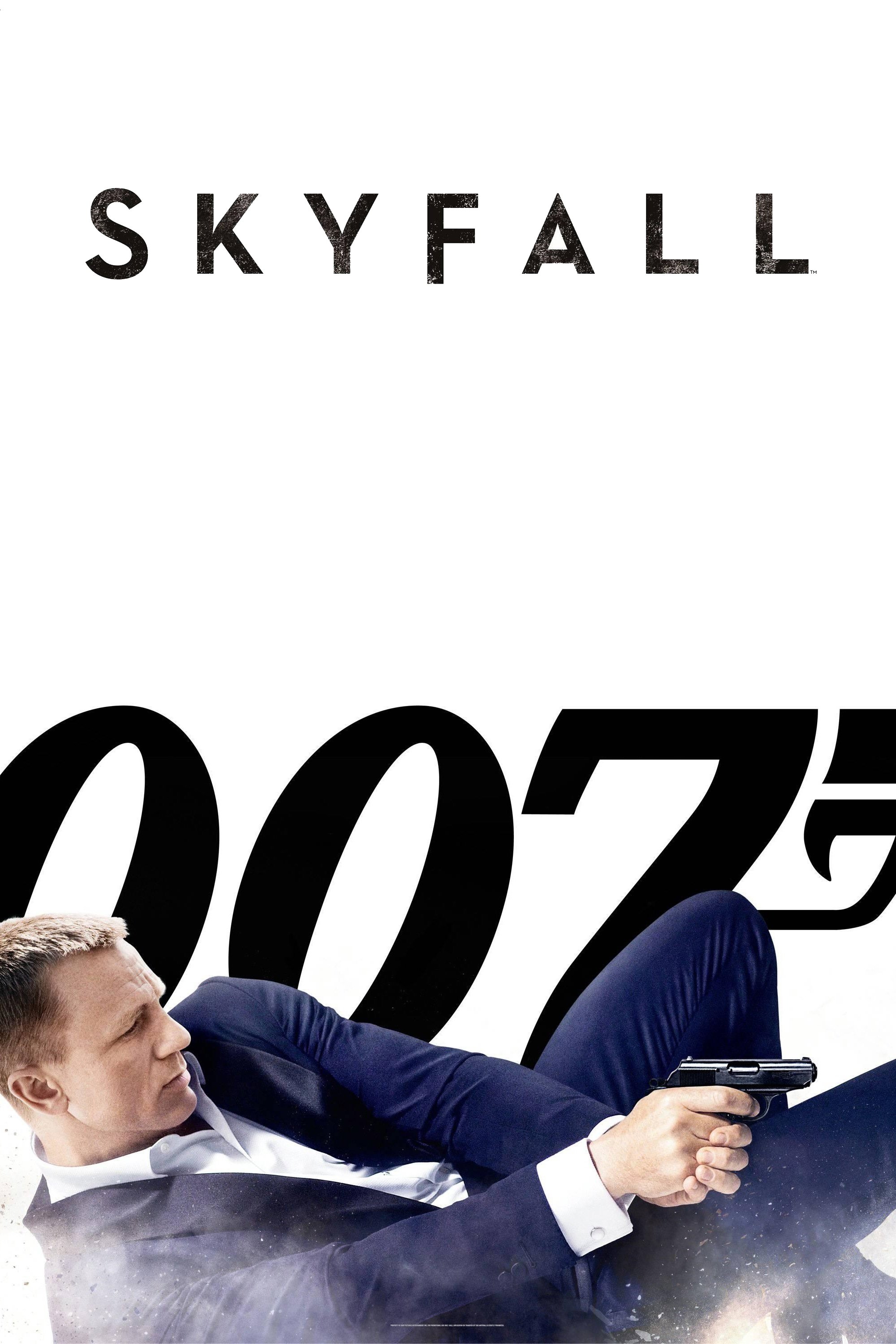
Roger Deakins expertly uses the “blue hour” – the time just before sunrise – to set the mood in films, and the climax of this Bond movie is a perfect illustration. During the siege of the Scottish manor, the scene shifts from night into a foggy dawn. Deakins leveraged the dim natural light to create strong silhouettes and deep shadows, which amplified the tension. The cool, bluish tones of the early morning light dramatically contrasted with the warm colors of the explosions and fire, transforming a typical action scene into a visually striking and atmospheric finale.
‘Sicario’ (2015)
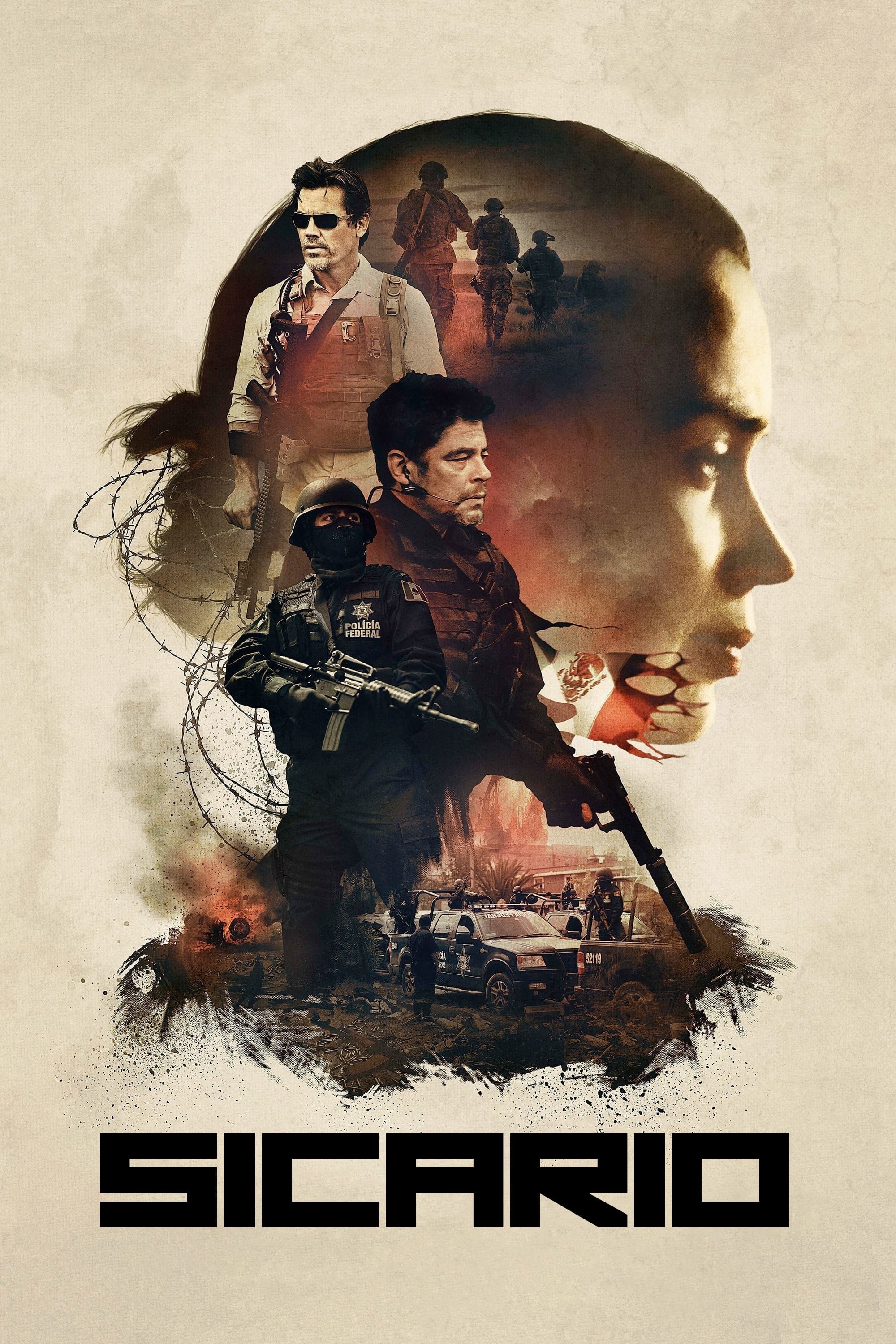
Roger Deakins’ masterful use of lighting is crucial to the suspense in scenes like the border crossing and the night raid. He filmed during twilight, capturing the landscape as it faded into darkness, which allowed viewers to see the environment before the characters relied on night vision. This gradual shift from light to dark subtly reflects the characters’ increasing moral ambiguity. The beautiful blue-toned shots create a feeling of unease and ground the film’s thriller aspects in reality. The darkness feels genuinely threatening and vast thanks to Deakins’ skill with natural light and the deep shadows it creates.
‘1917’ (2019)
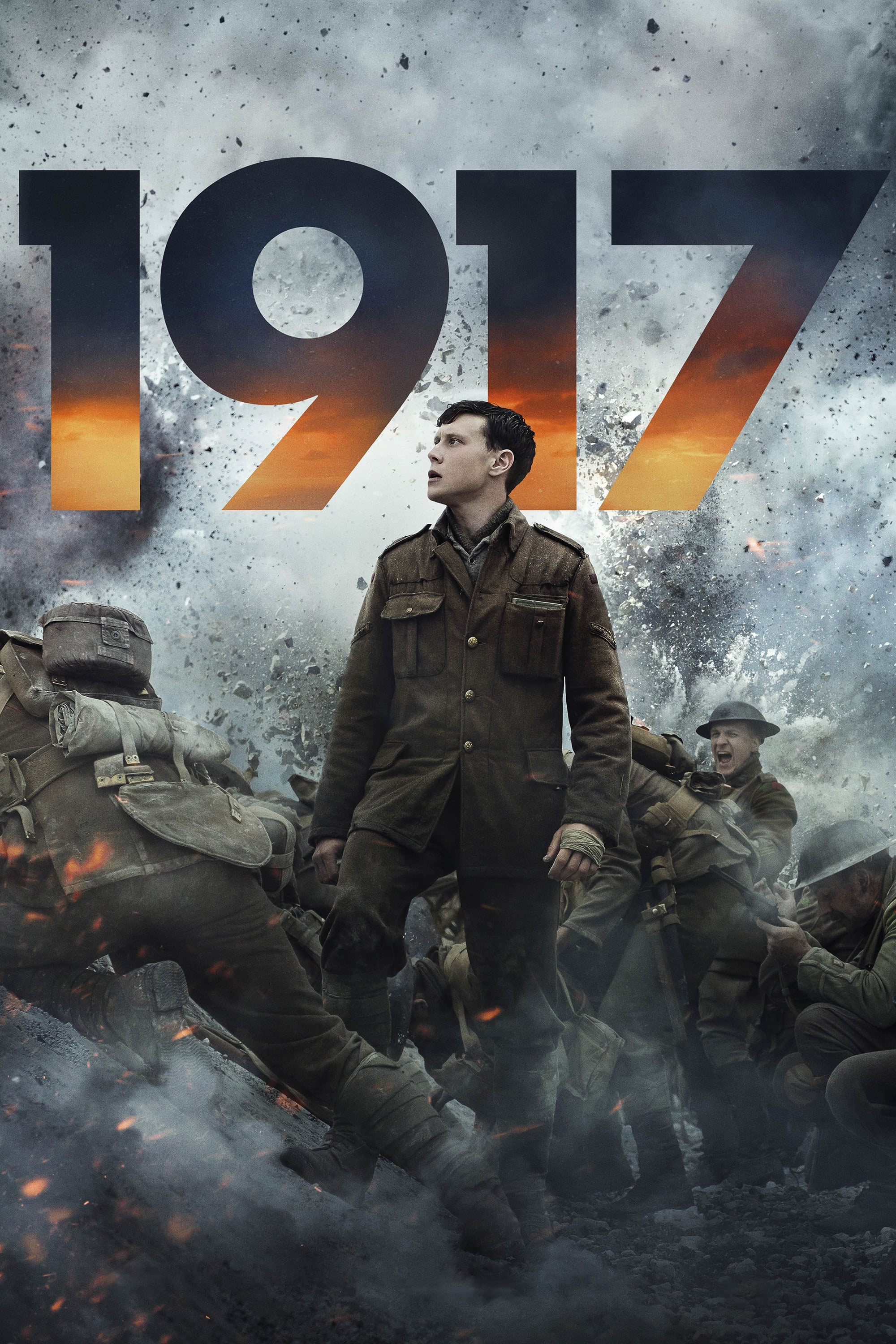
The scene in the burning city of Écoust was filmed to appear as one unbroken shot, gliding through the night amidst flares and fires. Cinematographer Roger Deakins used the ‘blue hour’ – the time just before sunrise – to blend the light from the flares with the natural environment, creating a consistent look. The final running sequence was shot at dawn to symbolize hope and the characters’ survival after a long, difficult night. Because the lighting needed to match perfectly between shots, the scene demanded incredibly precise timing and choreography. The end result is a smooth, immersive experience that feels like witnessing the harrowing night firsthand.
‘The Batman’ (2022)
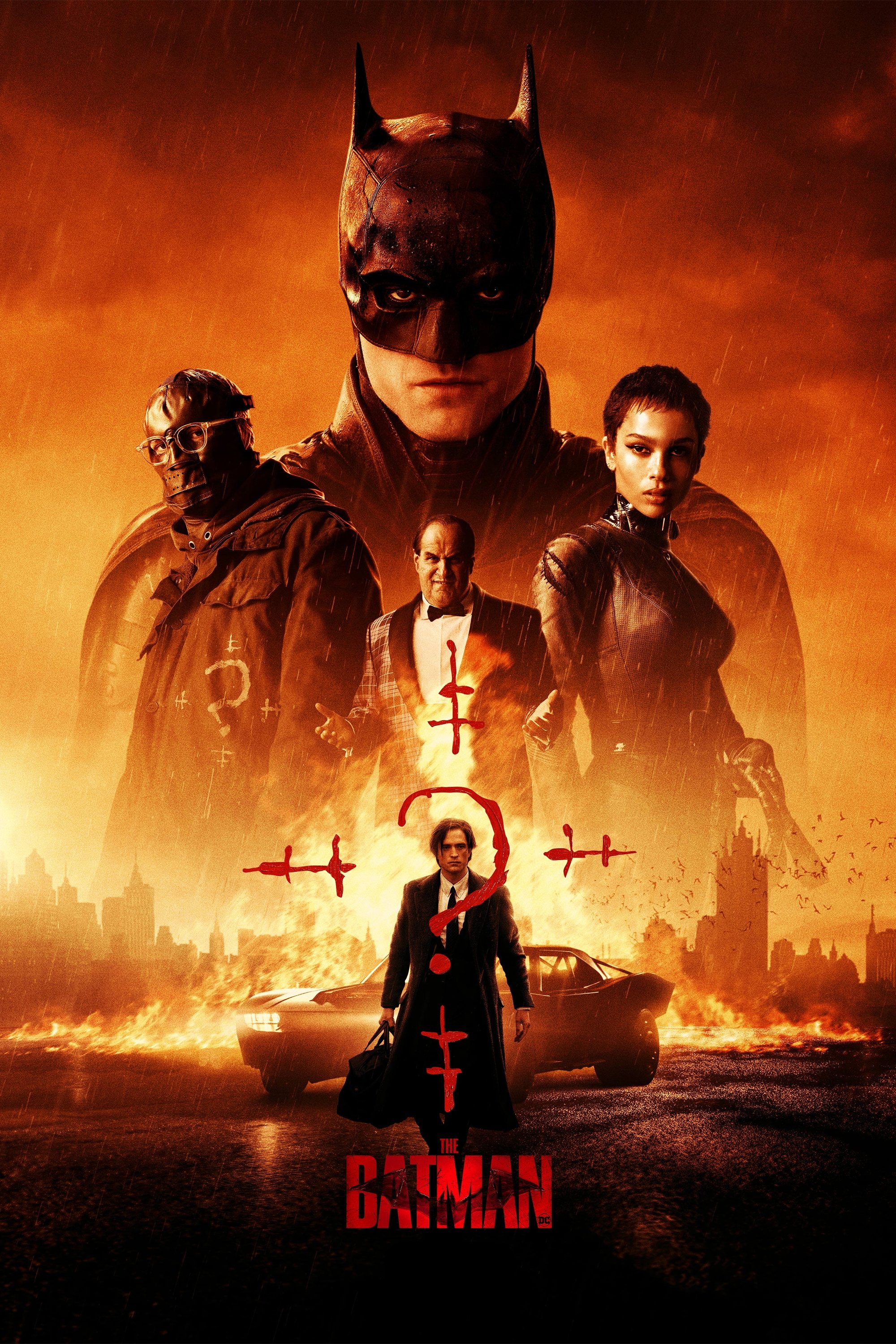
Greig Fraser used a special lighting style – shooting during the brief period between daylight and darkness – to create Gotham’s dark and rainy look. They filmed outdoor scenes during the “blue hour” to make sure Batman’s black suit stood out against the city. This lighting gave the film a moody, noir feel, different from most superhero movies. By using natural light, the filmmakers captured realistic reflections on the wet streets, adding detail and depth. The result was a Gotham that felt constantly gloomy and realistic, rather than a brightly colored comic book version.
‘Nomadland’ (2020)
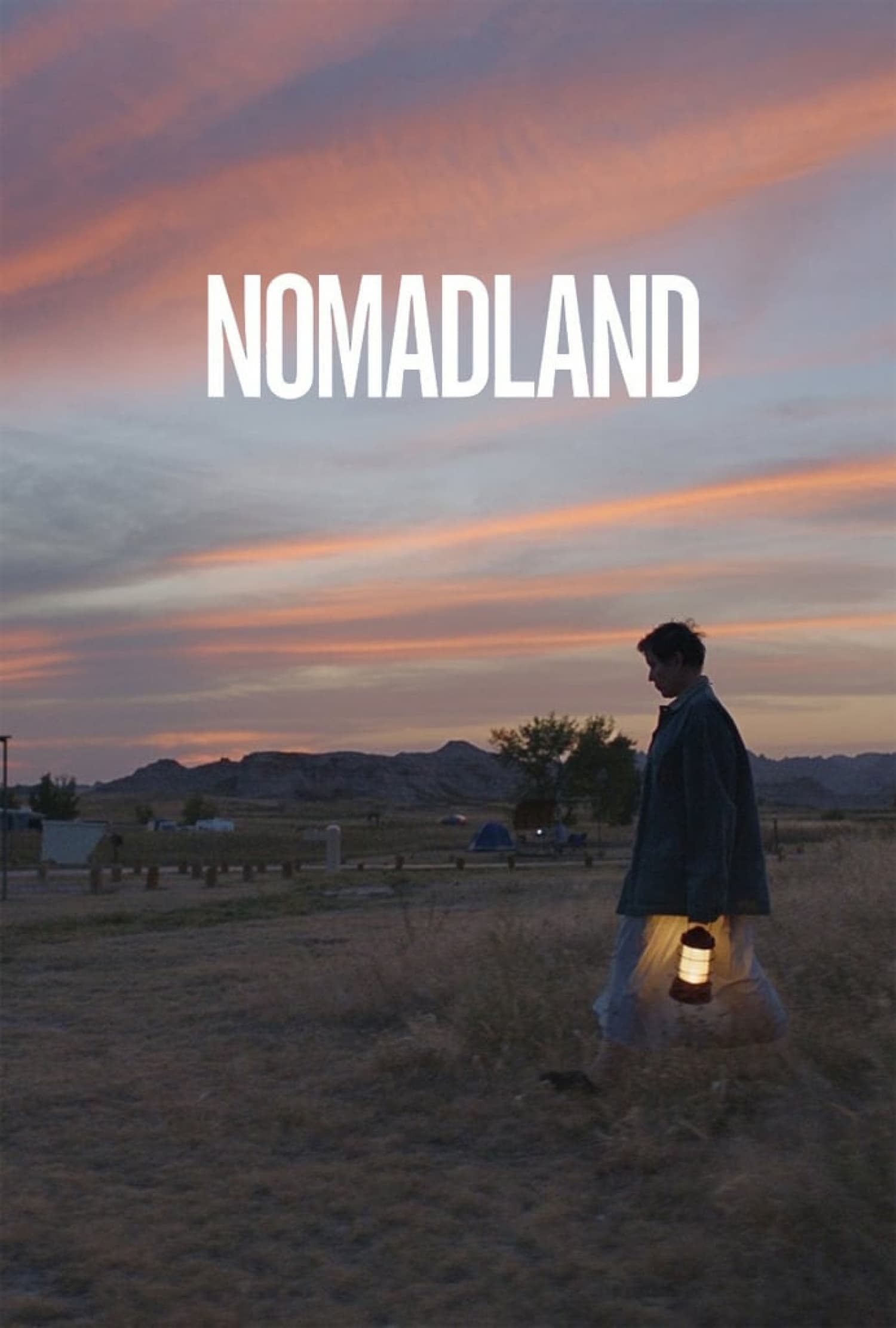
Chloé Zhao and Joshua James Richards filmed in the American West with a small team, prioritizing genuine natural light. They primarily shot during dawn and dusk – the ‘magic hour’ – to enhance the beauty of the often-difficult landscapes and the characters’ lives. These scenes highlight the loneliness and wonder of the characters’ wandering existence. Because they relied on natural light, the crew had to be flexible and work fast, adjusting to the weather and locations. This approach visually links the characters to nature, creating a sense of spirituality and authenticity.
‘The Tree of Life’ (2011)
Terrence Malick beautifully used natural light in this film, shooting scenes during dawn and dusk to create a dreamy, nostalgic feel. The camera gently moves through ordinary neighborhoods and fields, and the soft light transforms simple childhood experiences into something deeply meaningful and reminiscent of memories. By avoiding artificial lights at night, the film maintains a sense of wonder and mystery, mirroring how we often remember the past – not as clear events, but as feelings and impressions.
‘Blade Runner 2049’ (2017)
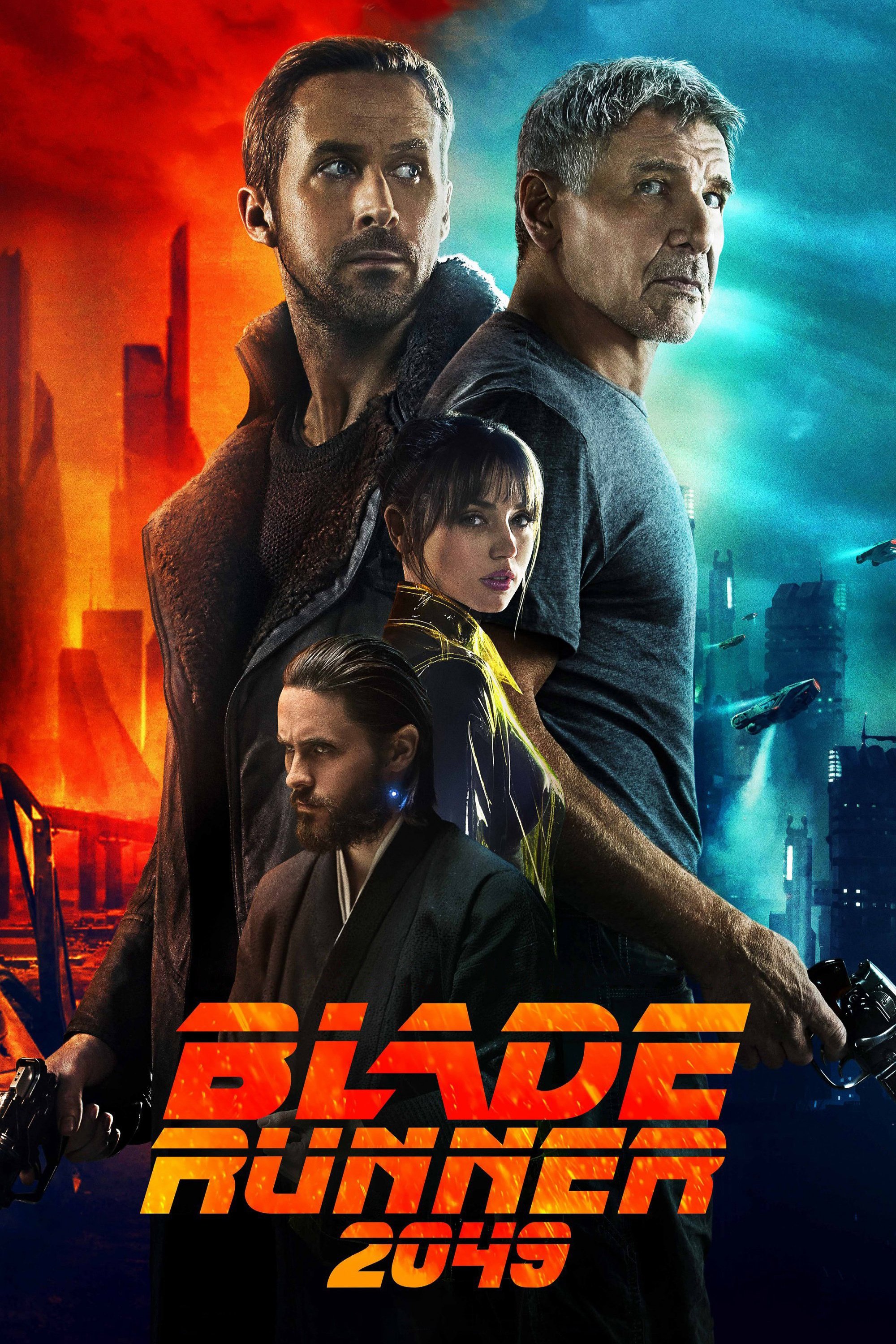
The film’s look and feel are built around striking lighting and carefully chosen colors. Cinematographer Roger Deakins relied on the soft light of sunrise and sunset to make the futuristic settings feel real and grounded. Whether it’s a snowy wasteland or rain-soaked city streets, this natural light creates a sense of vastness and depth. This technique helps the special effects blend seamlessly with the live action, preventing them from looking fake. The use of twilight colors also reinforces the film’s themes of sadness and loneliness.
‘The Assassination of Jesse James by the Coward Robert Ford’ (2007)
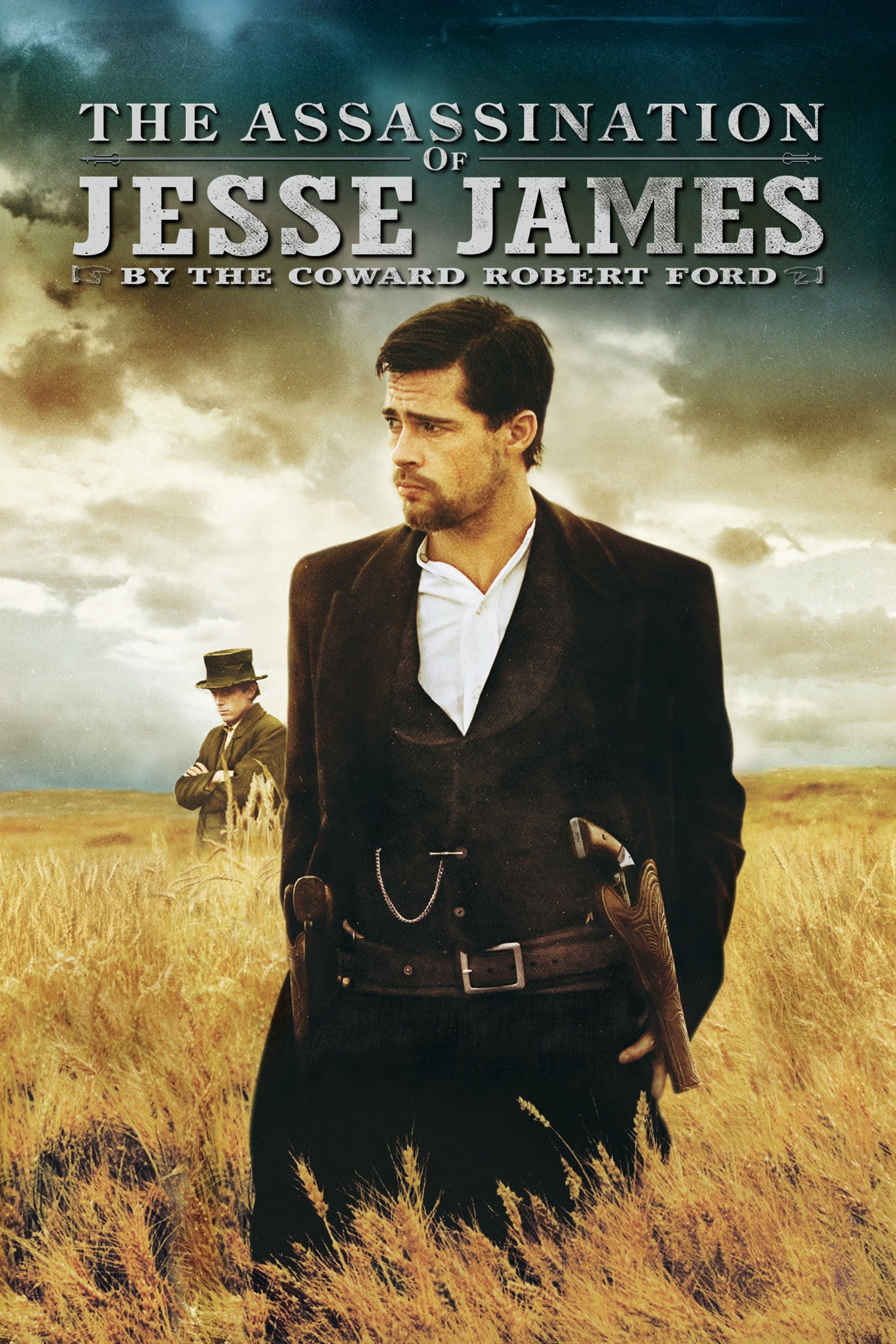
Cinematographer Roger Deakins gave this western its unique look by skillfully using both the soft glow of lanterns and the natural light of the ‘blue hour’ – the time shortly after sunset or before sunrise. During the train robbery, the fading light creates dramatic silhouettes of the bandits against the steam and the darkening sky. This lighting choice gives the film a legendary, almost mythical feel, making the characters seem larger than life. The scenes filmed at dawn feature deep shadows and gentle highlights, mirroring the film’s serious and introspective mood. Overall, the film is a stunning example of how using natural light can powerfully enhance a historical story.
‘Y Tu Mamá También’ (2001)
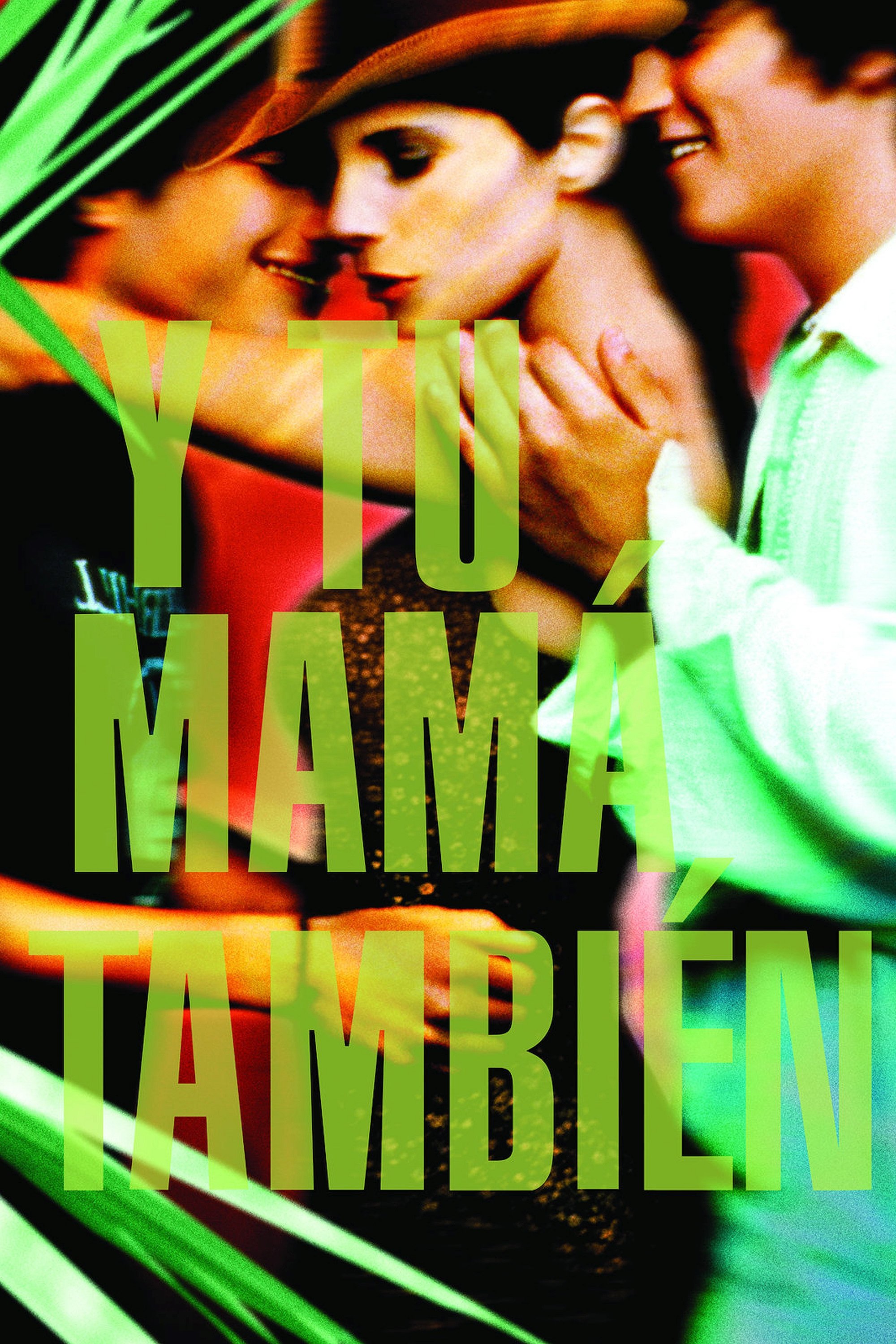
As a fan, I was really struck by how Emmanuel Lubezki’s cinematography made the whole road trip feel so alive and free. He used natural light beautifully, and those night scenes on the beach were incredible – he shot during that ‘blue hour’ so you could still see everything without needing bright lights. It gave the film this really intimate, almost like you were secretly watching them, which made those moments feel so real. And honestly, the way the light changed throughout the day wasn’t just pretty to look at, it really mirrored what the characters were going through. Especially those sunrise shots – they perfectly captured the feeling that this time in their lives was special and wouldn’t last forever.
‘Roma’ (2018)

As a huge fan, I was really struck by how Alfonso Cuarón personally handled the cinematography. He wanted to show his memories of Mexico City in black and white, and he did it beautifully. He filmed a lot at dawn, capturing the city gently waking up, and because there was no color, the lighting had to be perfect to give everything depth and texture. Even the night scenes, filmed during twilight, were full of shades of gray – it wasn’t flat or dull at all. Honestly, all that attention to natural light gives the film a really timeless and personal feel – it’s like looking directly into his memories.
Share your favorite visually stunning movie moments in the comments.
Read More
- Top 20 Dinosaur Movies, Ranked
- 20 Movies Where the Black Villain Was Secretly the Most Popular Character
- 25 “Woke” Films That Used Black Trauma to Humanize White Leads
- Celebs Who Narrowly Escaped The 9/11 Attacks
- Silver Rate Forecast
- Gold Rate Forecast
- Spotting the Loops in Autonomous Systems
- From Bids to Best Policies: Smarter Auto-Bidding with Generative AI
- 22 Films Where the White Protagonist Is Canonically the Sidekick to a Black Lead
- Can AI Lie with a Picture? Detecting Deception in Multimodal Models
2025-12-10 22:20