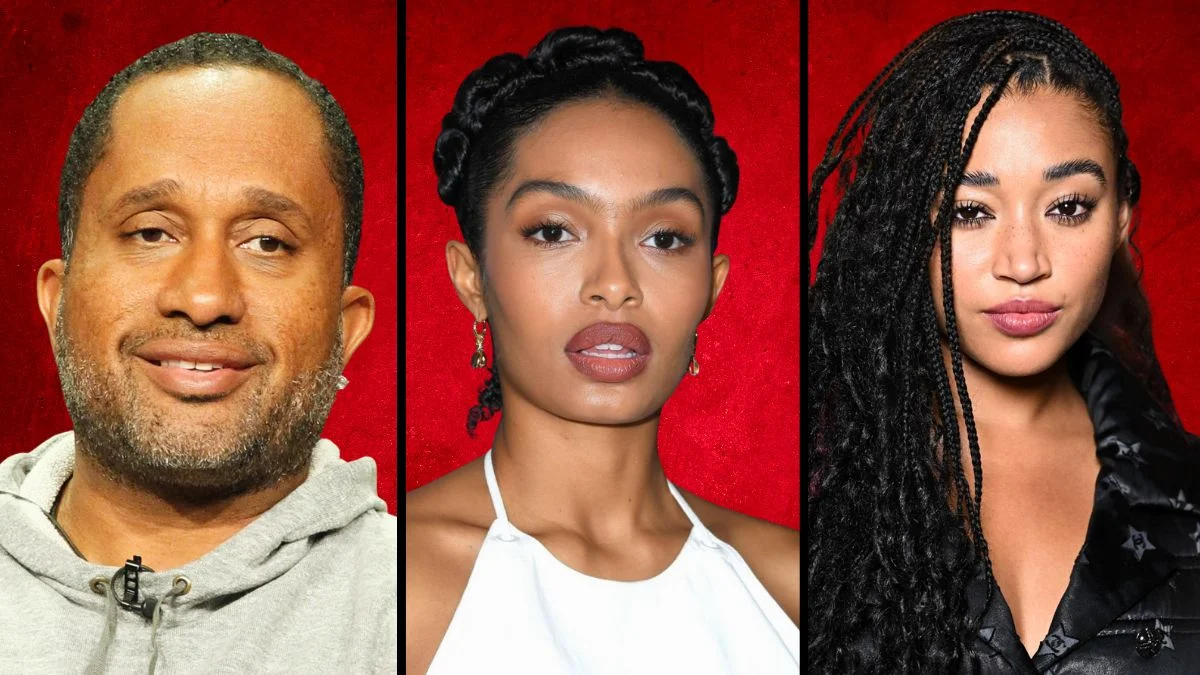
Colorism – favoring lighter skin tones – is a major and ongoing problem in the entertainment industry. Discussions about why lighter-skinned actors are often cast instead of darker-skinned actors have raised questions about how casting decisions and projects are made. Several celebrities have been publicly criticized for appearing in projects that some believe reinforce this bias.
Zoe Saldaña
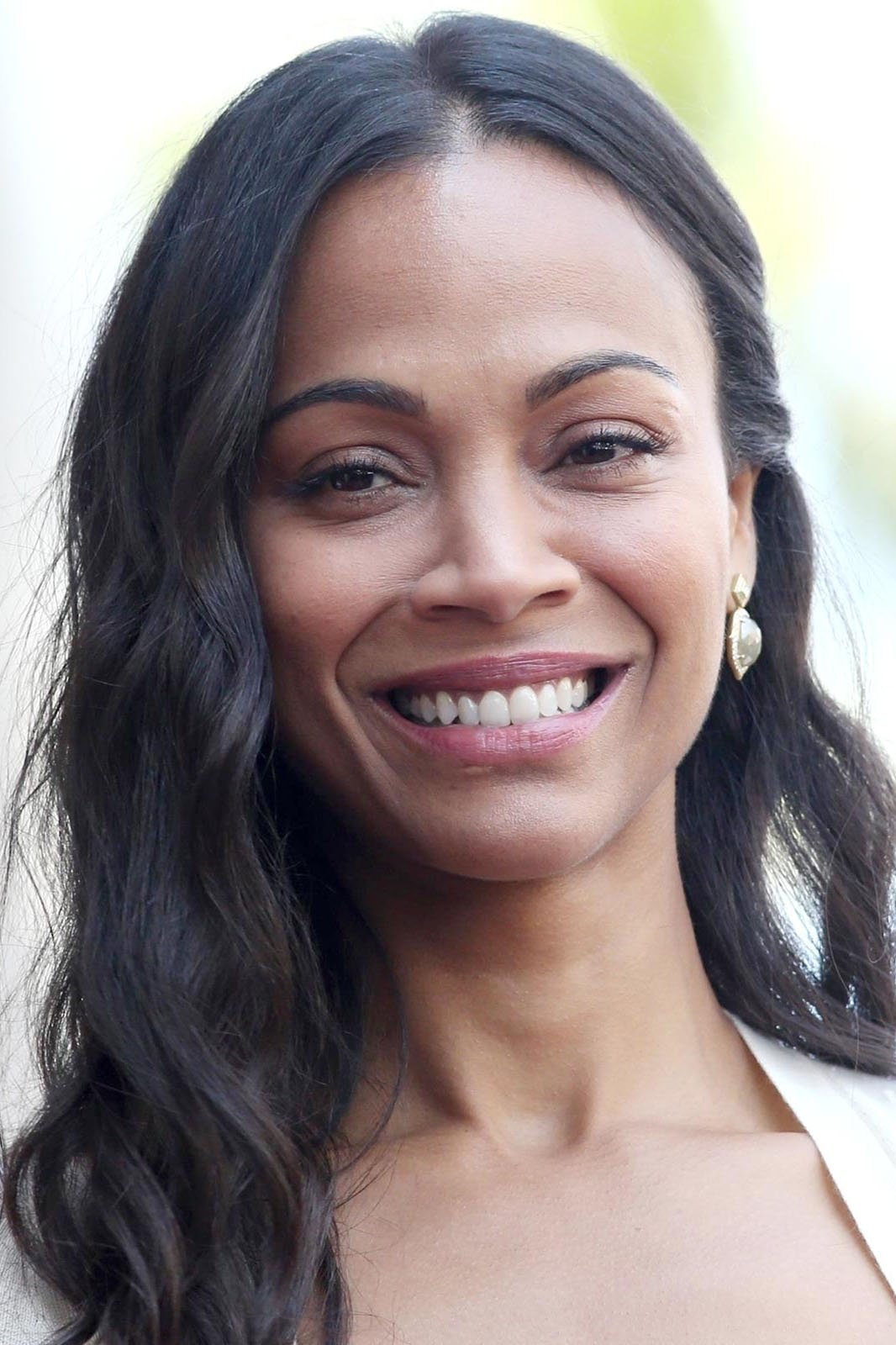
Zoe Saldana received strong criticism after being chosen to play singer Nina Simone in the 2016 film ‘Nina.’ Many felt Saldana was much lighter-skinned than Simone and that the film’s use of makeup and prosthetics to change her appearance was problematic. While Saldana initially stood by her casting, she later publicly apologized with visible emotion for being involved in the movie. Critics and viewers alike argued that the casting overlooked the challenges Simone faced as a dark-skinned Black woman.
Kenya Barris
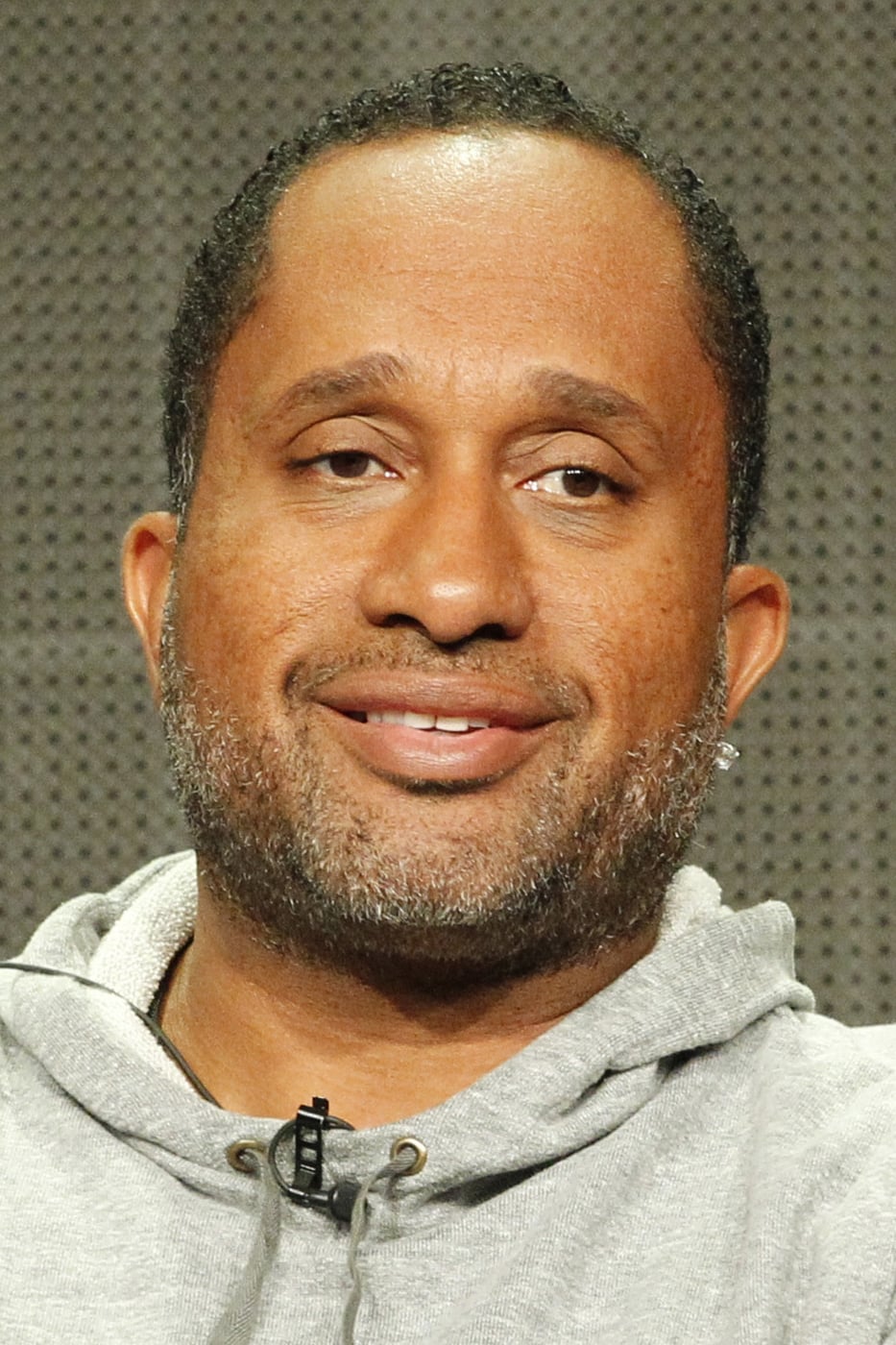
Kenya Barris, the creator of shows like ‘#blackAF’ and ‘Black-ish’, has often faced criticism for the actors he chooses. People on social media have noticed that the main families in his shows usually feature actors with lighter skin tones. Barris explained that these casting decisions were based on his own family and personal experiences. This discussion brought up a larger conversation about the need for more representation of dark-skinned actors in popular family sitcoms.
Alexandra Shipp
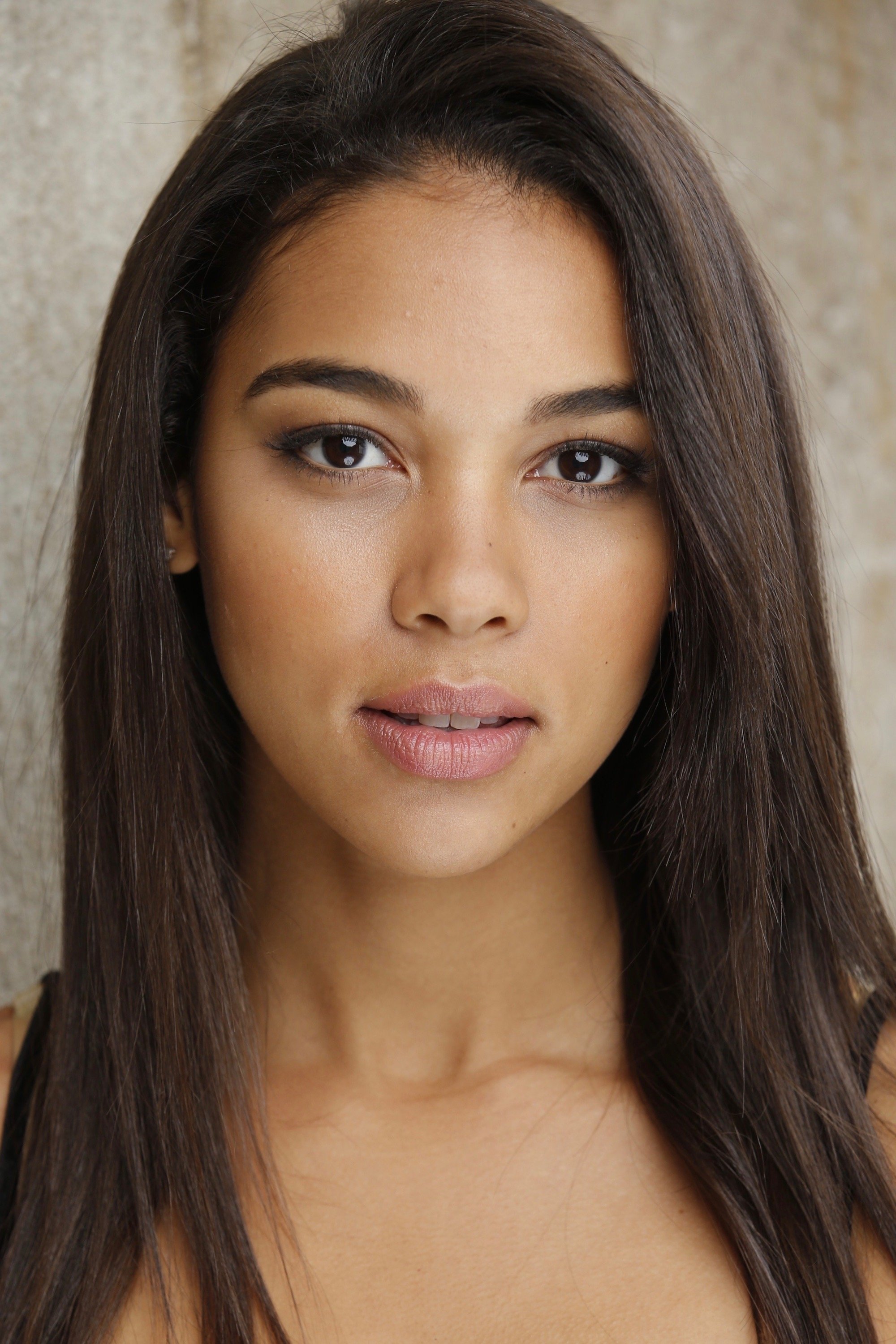
Alexandra Shipp played Storm in the ‘X-Men’ films ‘Apocalypse’ (2016) and ‘Dark Phoenix’ (2019). Some comic book fans were unhappy with her casting, as the character Storm is traditionally portrayed as a dark-skinned Kenyan woman with white hair. Shipp responded by defending her role and comparing her skin tone to a Crayola crayon color, which led to a lot of discussion about the lack of representation for dark-skinned women in big superhero movies.
Zazie Beetz
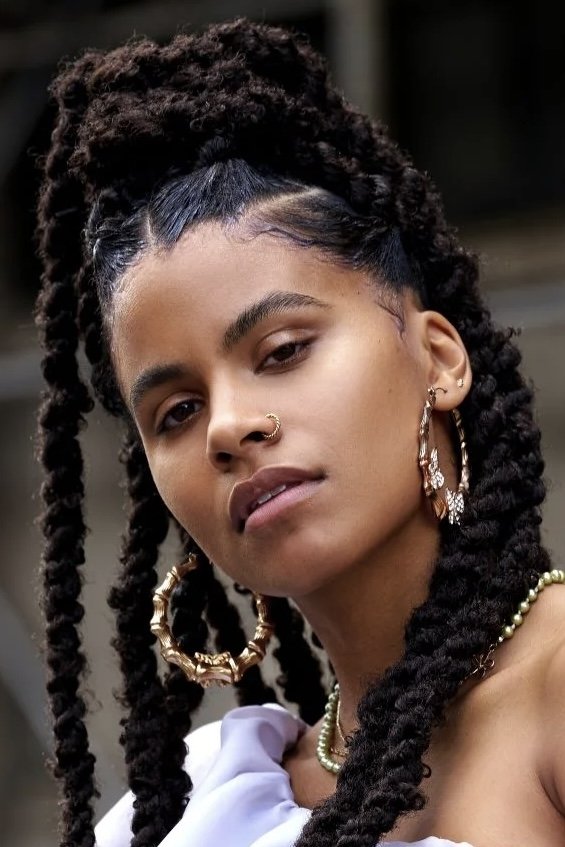
Zazie Beetz played Stagecoach Mary in the 2021 Netflix film ‘The Harder They Fall’. Many historians and critics pointed out that Beetz, a lighter-skinned actress, didn’t physically resemble the real Mary Fields, who was a darker-skinned, larger woman. Beetz addressed the criticism about colorism surrounding her casting, but chose to proceed with the role as a tribute to Mary Fields’ personality and legacy. The casting choice brought attention to a common issue in Hollywood: the tendency to cast lighter-skinned actors in roles portraying darker-skinned historical figures.
Amandla Stenberg
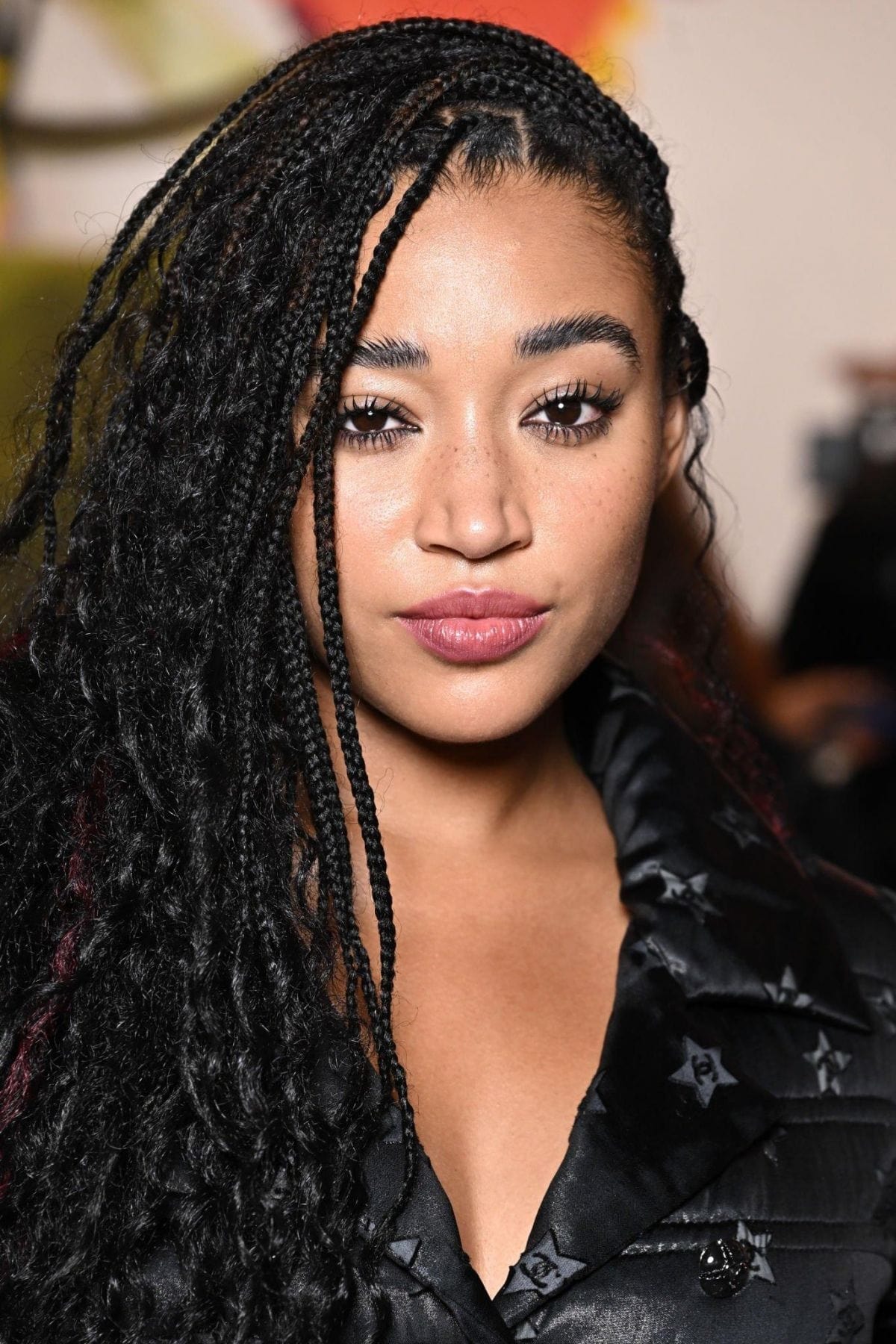
Amandla Stenberg starred as Starr Carter in the 2018 movie ‘The Hate U Give’. Some fans of the original book were upset because the book cover showed Starr with darker skin. Stenberg acknowledged she benefits from having lighter skin and felt the role might have been better suited for a darker-skinned actress. While she received positive reviews for her acting, the situation sparked a larger conversation about how casting decisions are made in the film industry.
Thandiwe Newton

I have to say, Thandiwe Newton really sparked a conversation while promoting her film ‘God’s Country.’ She publicly apologized to actresses with darker skin tones, admitting she felt guilt over landing roles that perhaps should have gone to them. It was a really raw moment – she actually cried while explaining that her lighter complexion has given her advantages in Hollywood that others haven’t had. It definitely opened up a debate about whether actors have a responsibility to decline roles if they feel someone else is more deserving, and honestly, it’s a really complex issue.
Zendaya

As a fan, it’s always been interesting to hear Zendaya talk about what it’s like being a Black actress in Hollywood. She’s pointed out that because she has lighter skin, she’s often seen as the ‘acceptable’ face for roles, and honestly, it’s frustrating to see how often that seems to be true. People have definitely noticed she gets a lot of big roles, and it feels like the industry just prefers actresses who look more ‘European.’ What’s really cool is that she actually asks her agents to consider her for roles originally written for white women, hoping to open up opportunities for other Black actresses with different skin tones. But even with her doing that, she still gets a lot of attention in conversations about how hard it is for darker-skinned actresses to find work, which is just a sad reality.
Tyler Perry
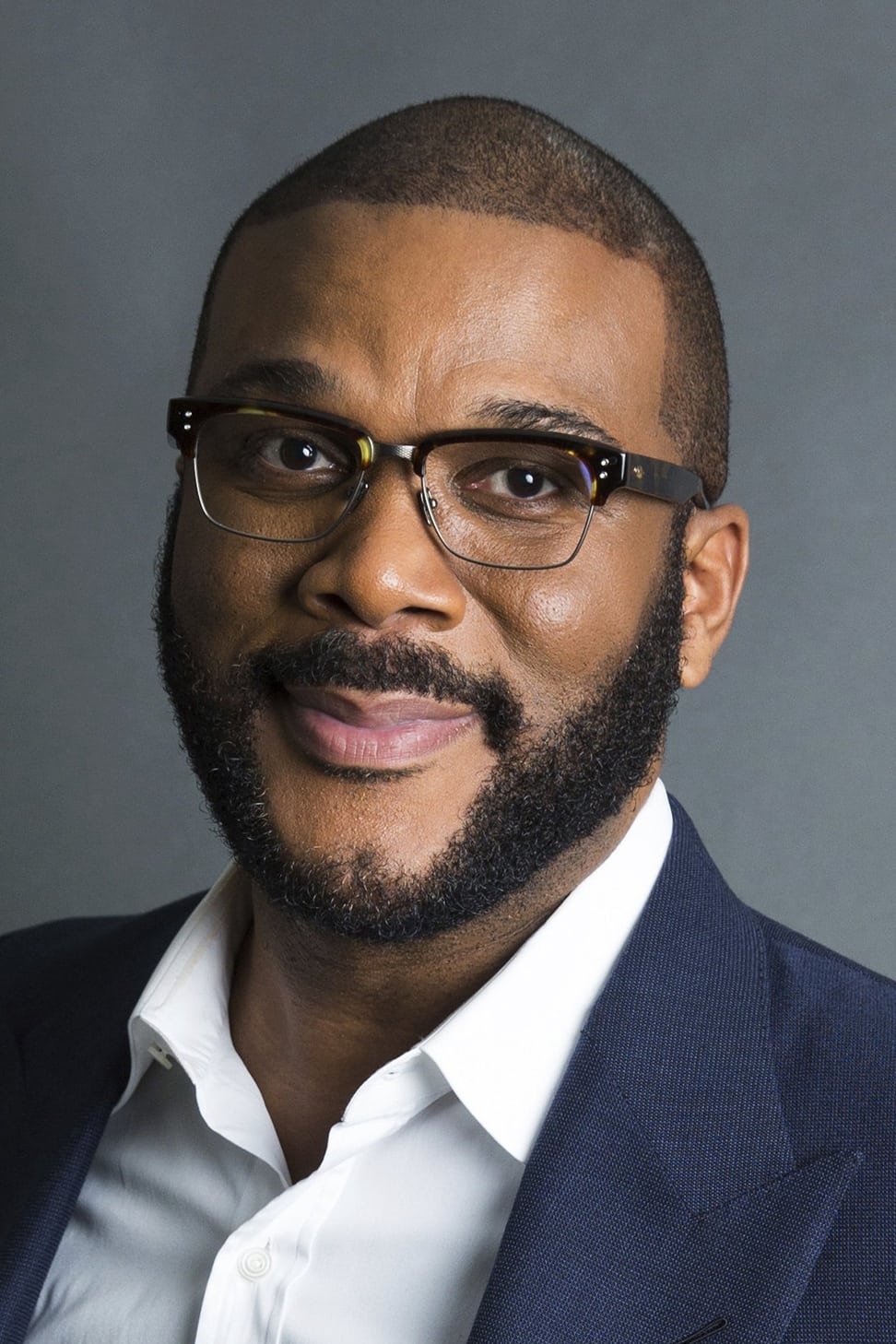
Tyler Perry has long been criticized for how he casts actors in his movies and TV shows. Some argue he frequently features lighter-skinned women as the heroes, while darker-skinned actresses are often cast as villains or in stereotypical roles. This pattern has sparked discussions about whether his work unintentionally promotes harmful stereotypes within the Black community. Perry has typically responded by defending his casting choices and continuing to create content as he sees fit.
50 Cent
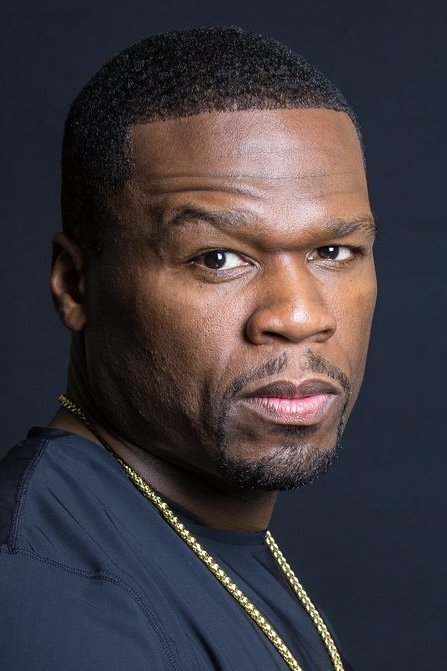
50 Cent, the rapper and producer, is facing criticism for comments he made about Black women and the types of actresses he chooses for his shows, particularly within the ‘Power’ franchise. He expressed a preference for women he considers ‘exotic,’ which many see as a preference against darker-skinned Black women. Critics argue his social media posts frequently exhibit misogynoir – a specific form of prejudice against Black women – and this has sparked debate about how women are portrayed in his productions.
Beyoncé
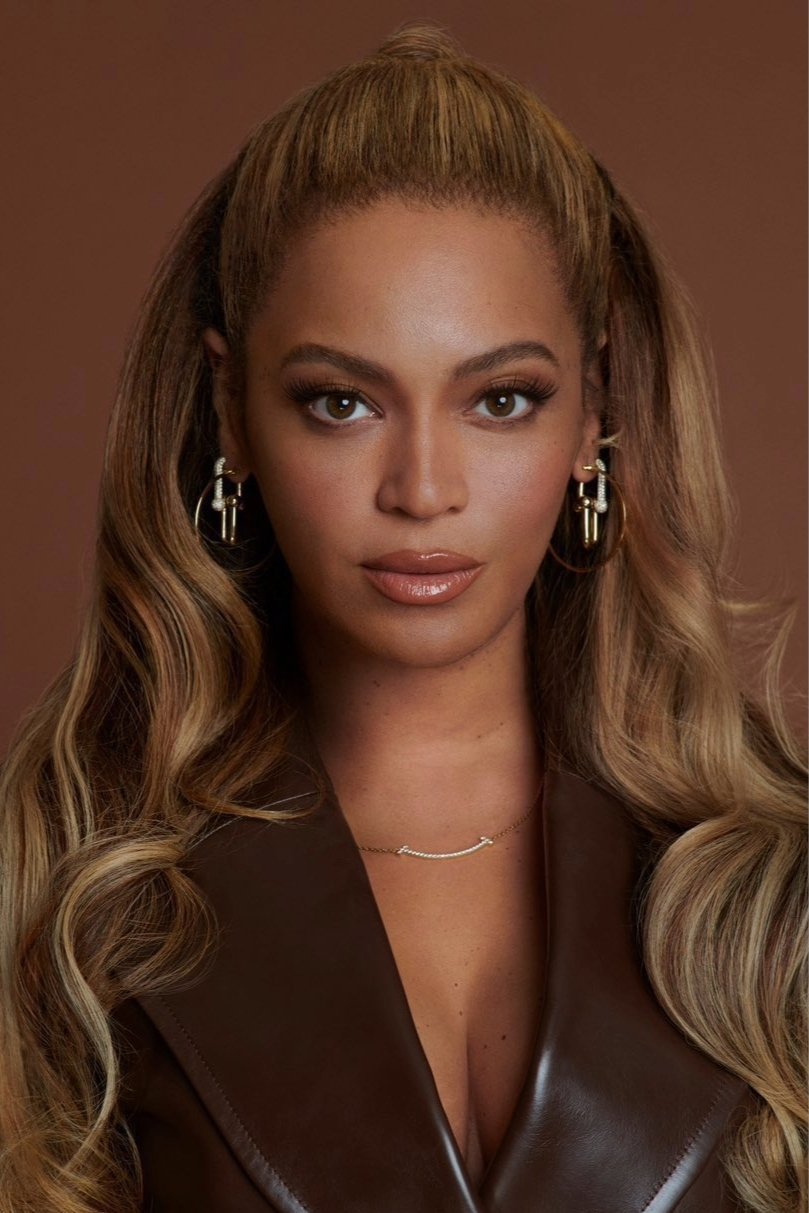
Beyoncé’s 2020 visual album, ‘Black Is King,’ was highly praised by critics, but also sparked discussion about who she chose for the main roles. Some pointed out that while the dancers were diverse, the actors playing romantic leads or royal characters were often lighter-skinned. This led to a debate about whether the album unintentionally promoted a preference for lighter skin tones, despite its overall celebration of Black culture. Supporters countered that Beyoncé did include prominent dark-skinned actresses like Lupita Nyong’o and Kelly Rowland.
Tessa Thompson
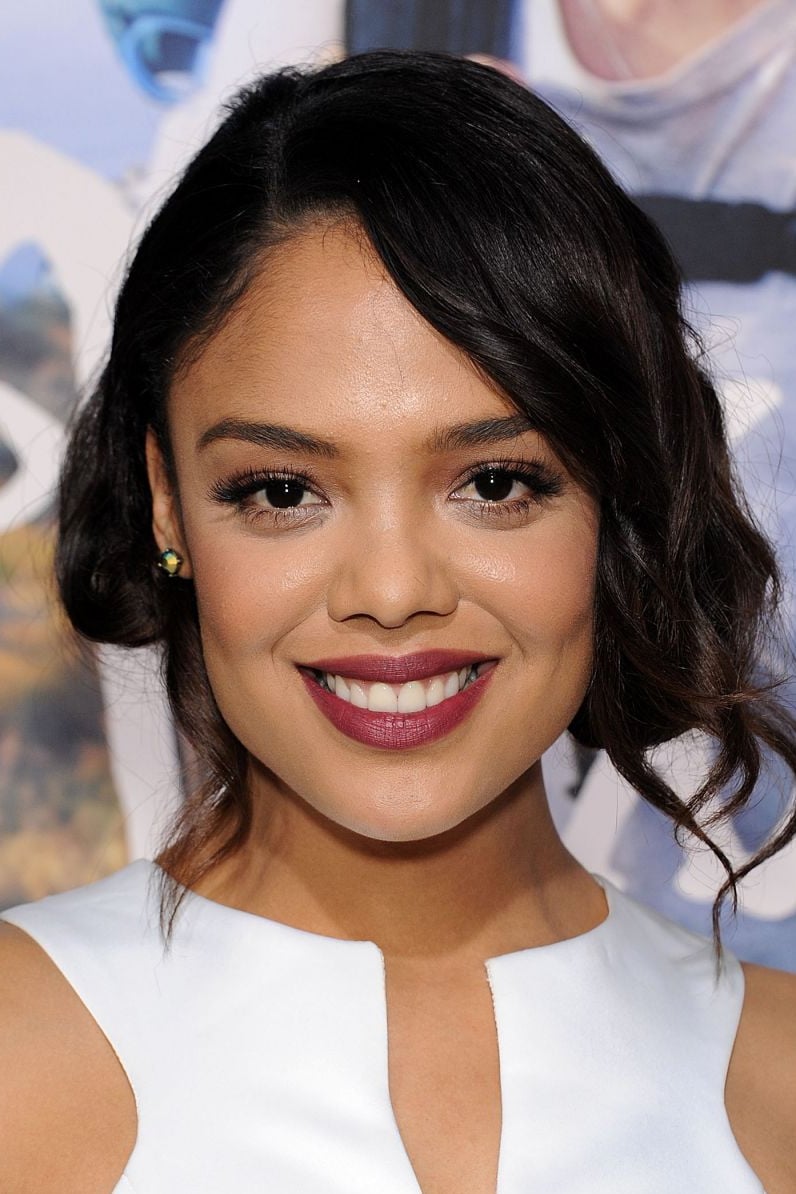
Tessa Thompson has openly discussed the issue of colorism – bias based on skin tone – but sometimes receives criticism for accepting roles that could have gone to actresses with darker complexions. While her film ‘Passing’ (2021) directly addressed these themes, her casting in other projects often raises questions about why lighter-skinned women are so frequently chosen for roles in science fiction and fantasy. Thompson has admitted the film industry sometimes casts her to meet diversity goals in a way that appeals to white viewers. She continues to push for more inclusive representation while also making choices about her own career.
Yara Shahidi
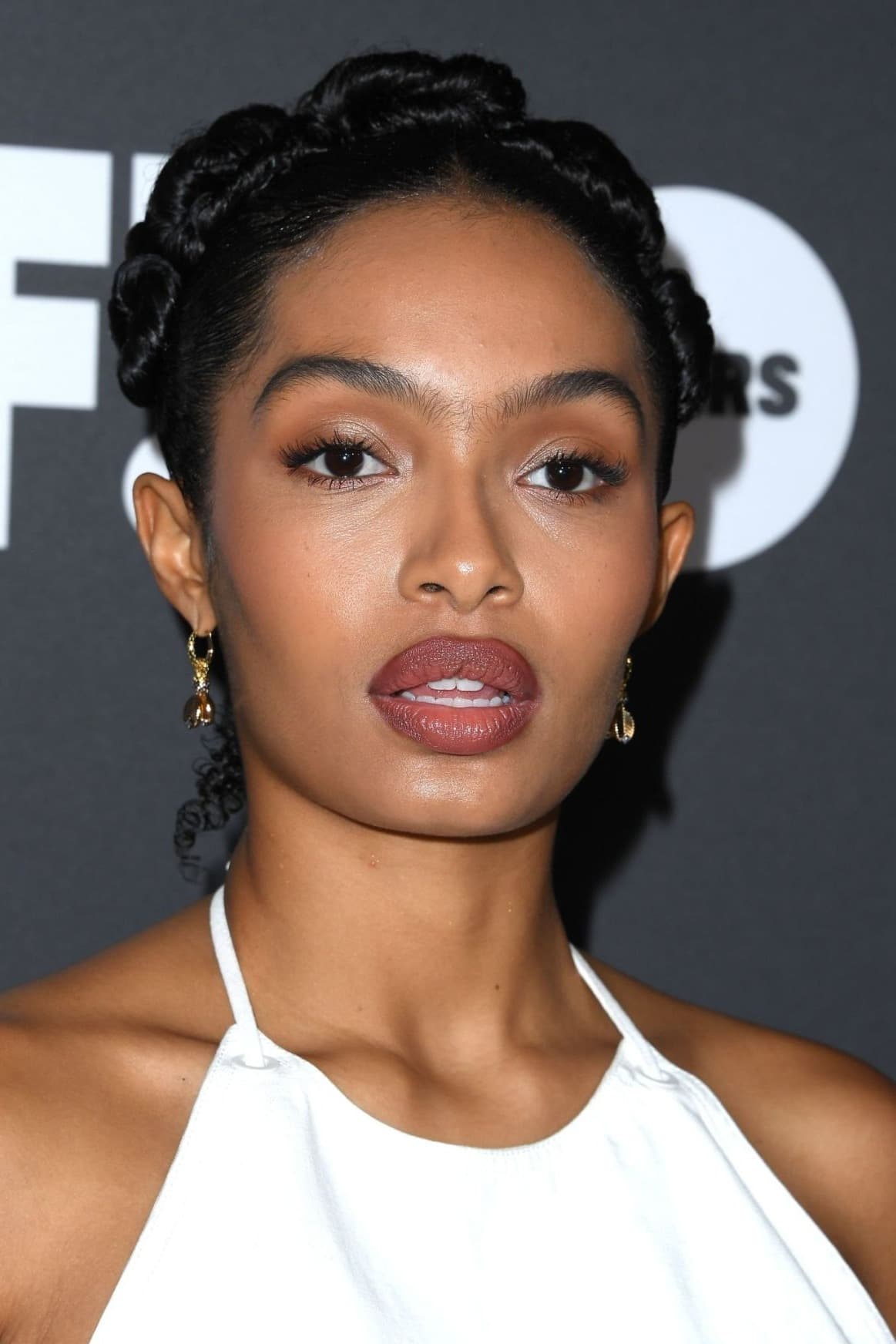
When Yara Shahidi was chosen to play Tinkerbell in the 2023 live-action ‘Peter Pan & Wendy,’ it sparked a debate about representation and casting choices. While many celebrated the move as a step towards diversity, some critics pointed out a pattern of Hollywood casting light-skinned Black actresses in roles originally written for white characters. Shahidi is frequently part of conversations with Zendaya and Amandla Stenberg about the limited and often stereotypical roles available for young Black women in the industry. She actively uses her voice to address these issues, even while acknowledging that she still benefits from certain biases within the system.
Jay-Z

Jay-Z helped produce the 2021 western ‘The Harder They Fall,’ which sparked controversy over its casting choices. Critics pointed out that the actress chosen to play Stagecoach Mary, Zazie Beetz, was much lighter-skinned than the historical figure actually was. Many felt this was a missed chance to accurately portray a pioneering Black woman, and the situation raised questions about the duty of Black producers to prioritize authentic representation in films set in the past.
Drake
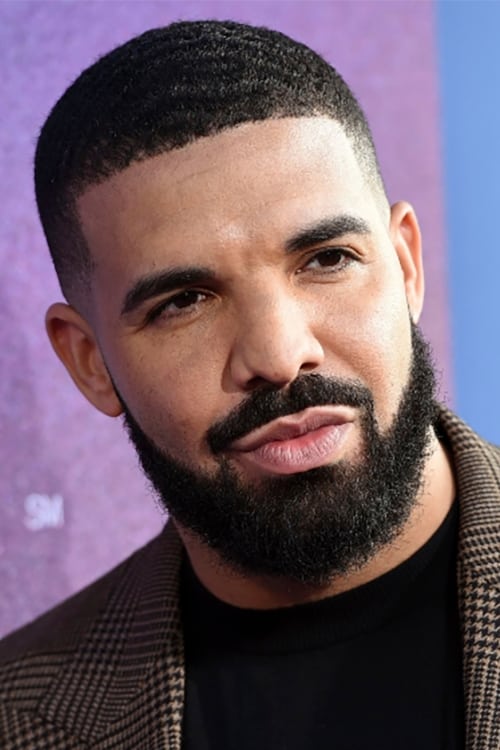
Drake has been repeatedly criticized for seemingly favoring lighter-skinned women in his music videos. Many viewers have observed that his videos consistently feature models with light complexions or mixed racial backgrounds, leading to discussions about whether darker-skinned women are being excluded. Despite years of online conversation about this pattern, Drake has rarely responded to these criticisms, and this preference has impacted beauty standards within hip-hop.
Will Smith
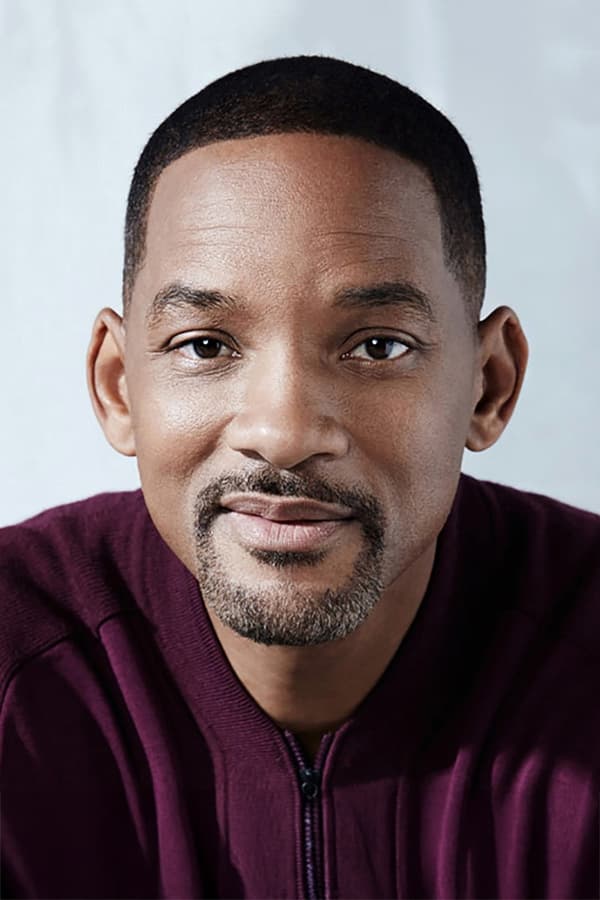
Will Smith won an Academy Award for his role as Richard Williams in the 2021 film ‘King Richard’. However, some people questioned whether he was the right choice for the part, noting that he has a lighter skin tone than the real Richard Williams. The discussion centered on whether an actor with darker skin should have had the opportunity to play the role. Some felt Smith was cast because he was considered a familiar and appealing choice for a wider audience.
Rashida Jones
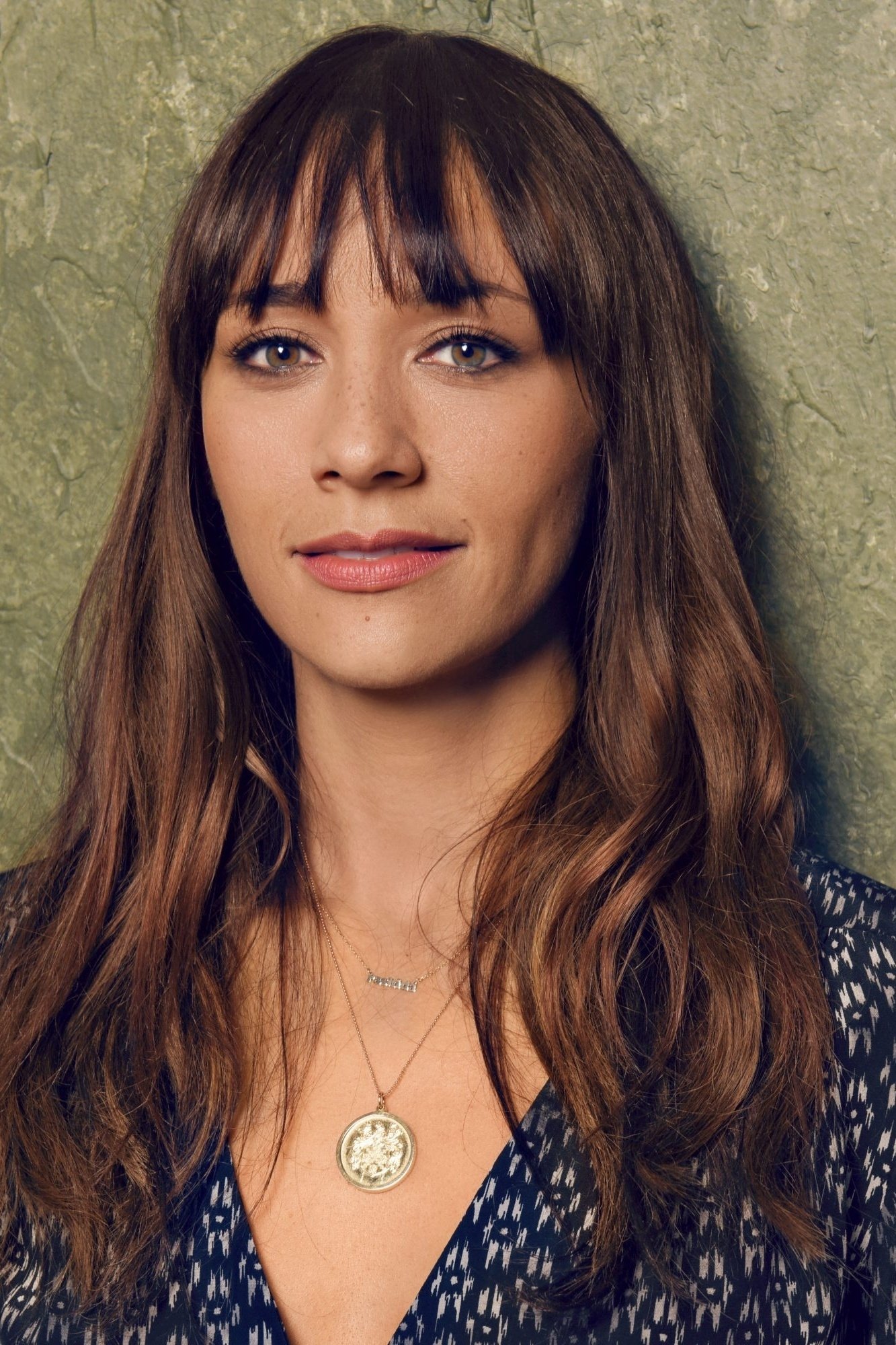
Rashida Jones co-created and starred in the series ‘#blackAF’ with Kenya Barris. The show quickly received criticism for primarily casting light-skinned actors to portray a wealthy Black family. Some critics argued that this choice suggested light skin was the standard for achievement and distanced the show from viewers with darker skin tones. Jones responded by explaining that the show was inspired by her personal experiences as a biracial woman.
Dwayne Johnson
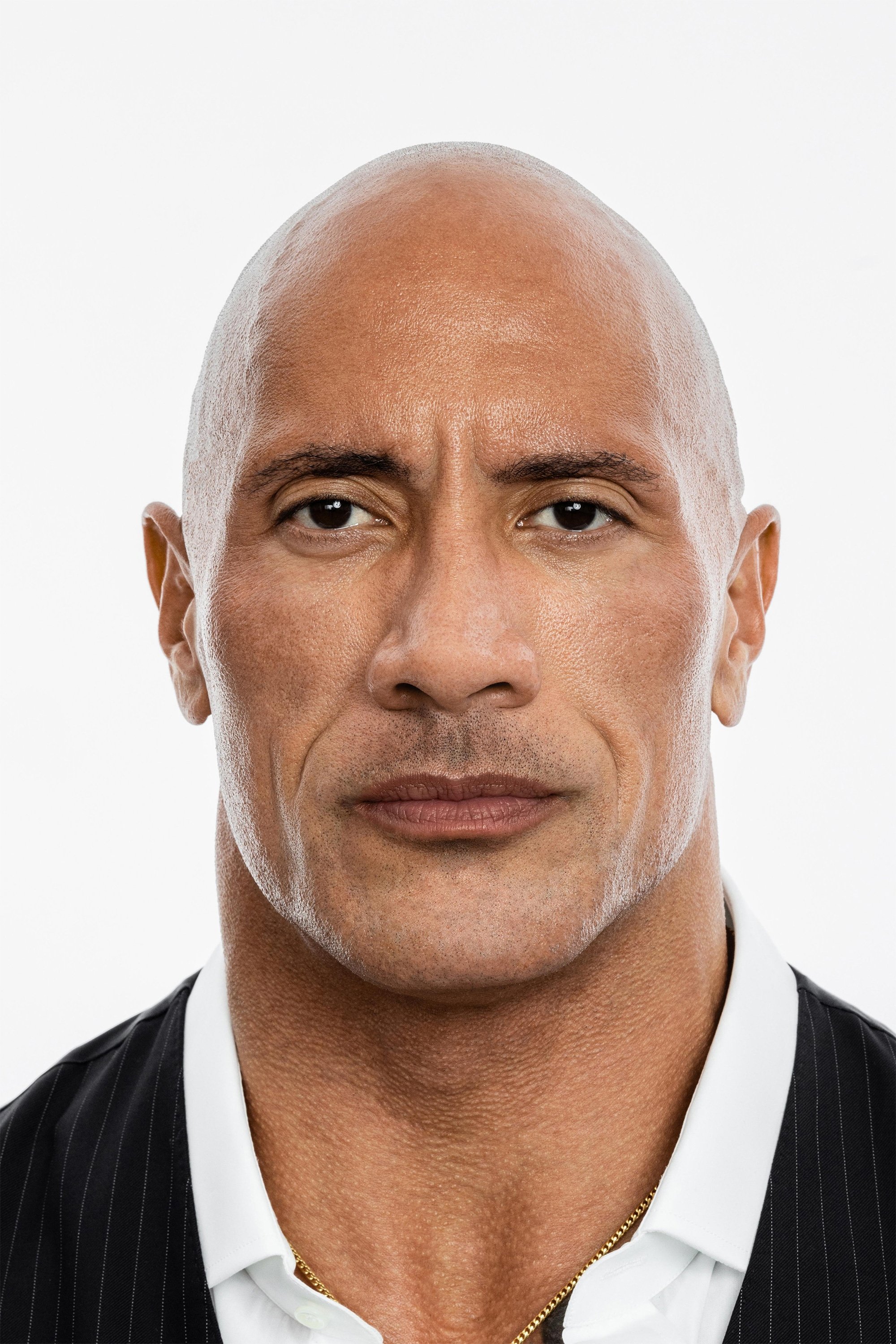
Dwayne Johnson has sometimes been criticized for taking on roles meant for Black actors, particularly those rooted in Black stories and traditions. While Johnson identifies as both Black and Samoan, some argue that his success in action movies often means opportunities are taken away from darker-skinned actors. The debate centers on how his mixed heritage and broadly appealing appearance allow him to attract international audiences, but also potentially sidestep stories that are specifically about the Black experience.
Read More
- Invincible Season 4 Gender Swaps Tech Jacket As Fans Question Major Comic Change
- Gold Rate Forecast
- 14 Movies Where the Black Character Refuses to Save the White Protagonist
- Why Won’t It Just *Do* What You Ask? Unpacking the Quirks of AI Language
- Superman Flops Financially: $350M Budget, Still No Profit (Scoop Confirmed)
- Unveiling the Schwab U.S. Dividend Equity ETF: A Portent of Financial Growth
- The Best Former NFL Players Turned Actors, Ranked
- Silver Rate Forecast
- 22 Films Where the White Protagonist Is Canonically the Sidekick to a Black Lead
- 20 TV Series That Killed Their Best Character and Survived
2025-12-04 13:16