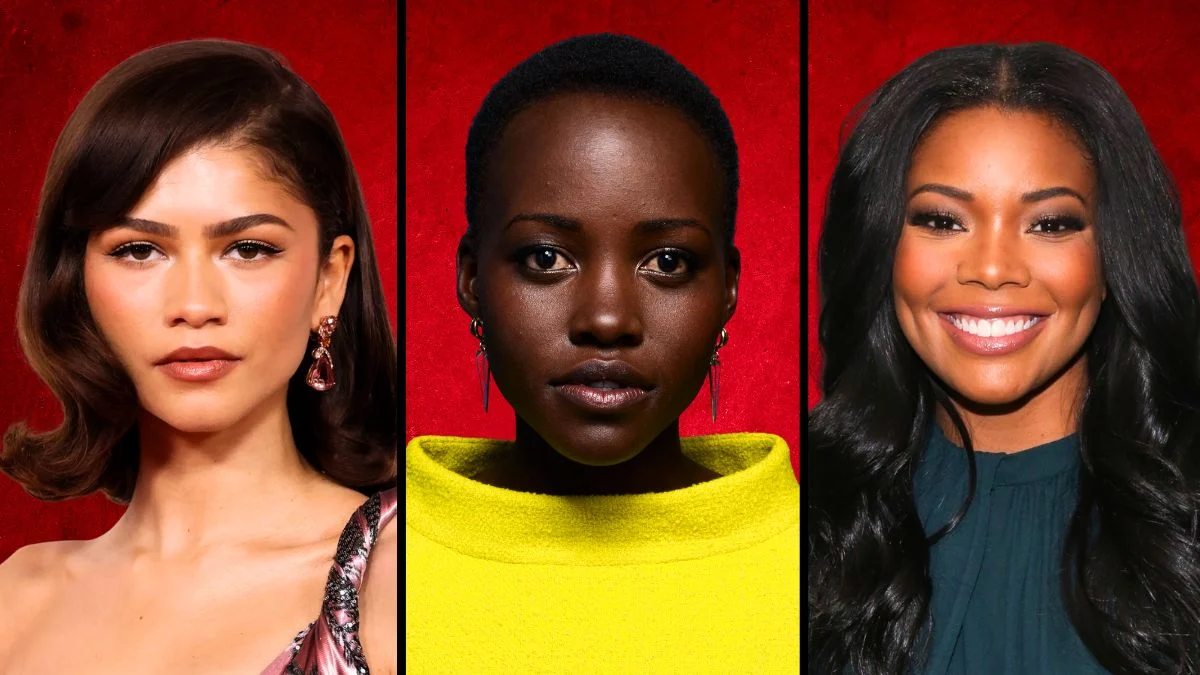
For a long time, Black actresses haven’t had many choices in the roles offered to them, often being typecast as stereotypical characters like the funny sidekick or the supportive best friend. These parts usually only served to help the white lead’s story and didn’t give the actresses much chance to show their full talent or develop complex characters. However, many talented Black actresses have actively pushed back against these limited roles, asking for better scripts and bringing depth to their characters. By challenging the entertainment industry, they’ve worked to create more realistic and meaningful representation on screen.
Gabrielle Union
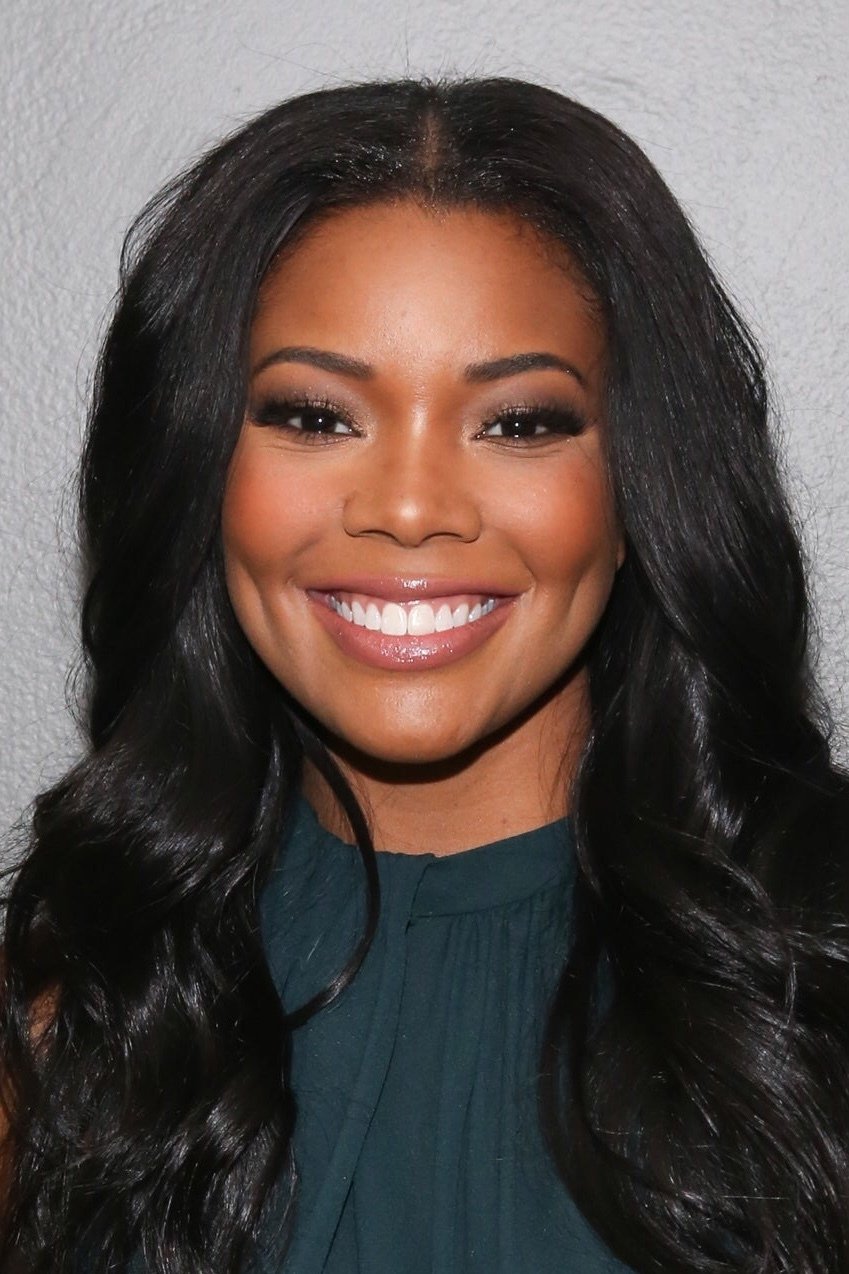
Gabrielle Union famously fought against the initial script for the movie ‘Bring It On’ (2000) because it portrayed the East Compton Clovers in a stereotypical way. She collaborated with the director and cast to revise the dialogue, eliminating exaggerated slang and phrases like “meow.” Union wanted her character, Isis, to be a strong and respected leader who earned recognition for her achievements, not a one-dimensional villain. Thanks to her efforts, the character became one of the most memorable and well-regarded antagonists in teen films of that time.
Dominique Fishback
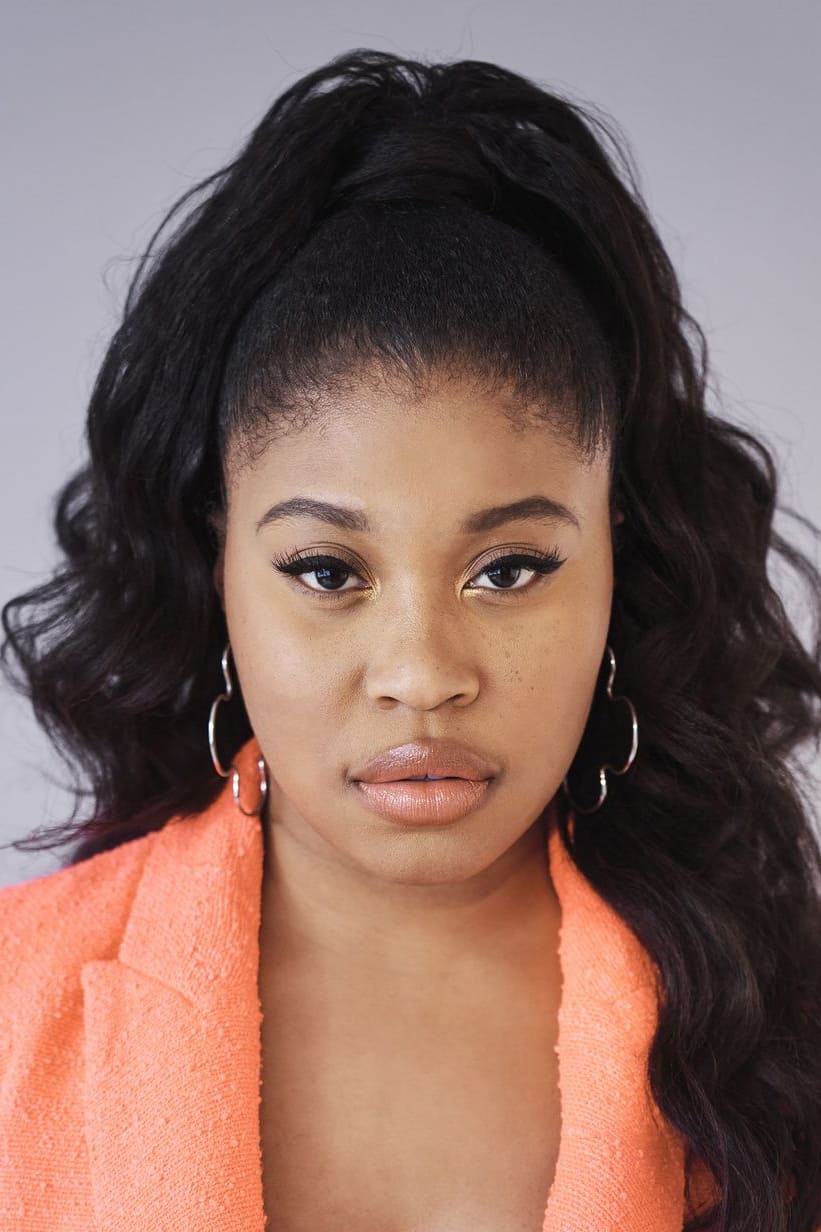
While making the movie ‘Project Power’ (2020), Dominique Fishback noticed her character’s lines didn’t sound like a young rapper from Brooklyn. She worked with the filmmakers to rewrite the rhymes, making sure they felt real and used authentic language. Fishback also spoke up about a line of dialogue that used a hurtful, gendered insult, explaining that it would oversimplify her character. Her commitment to detail helped create a believable character and avoid relying on stereotypes.
Viola Davis
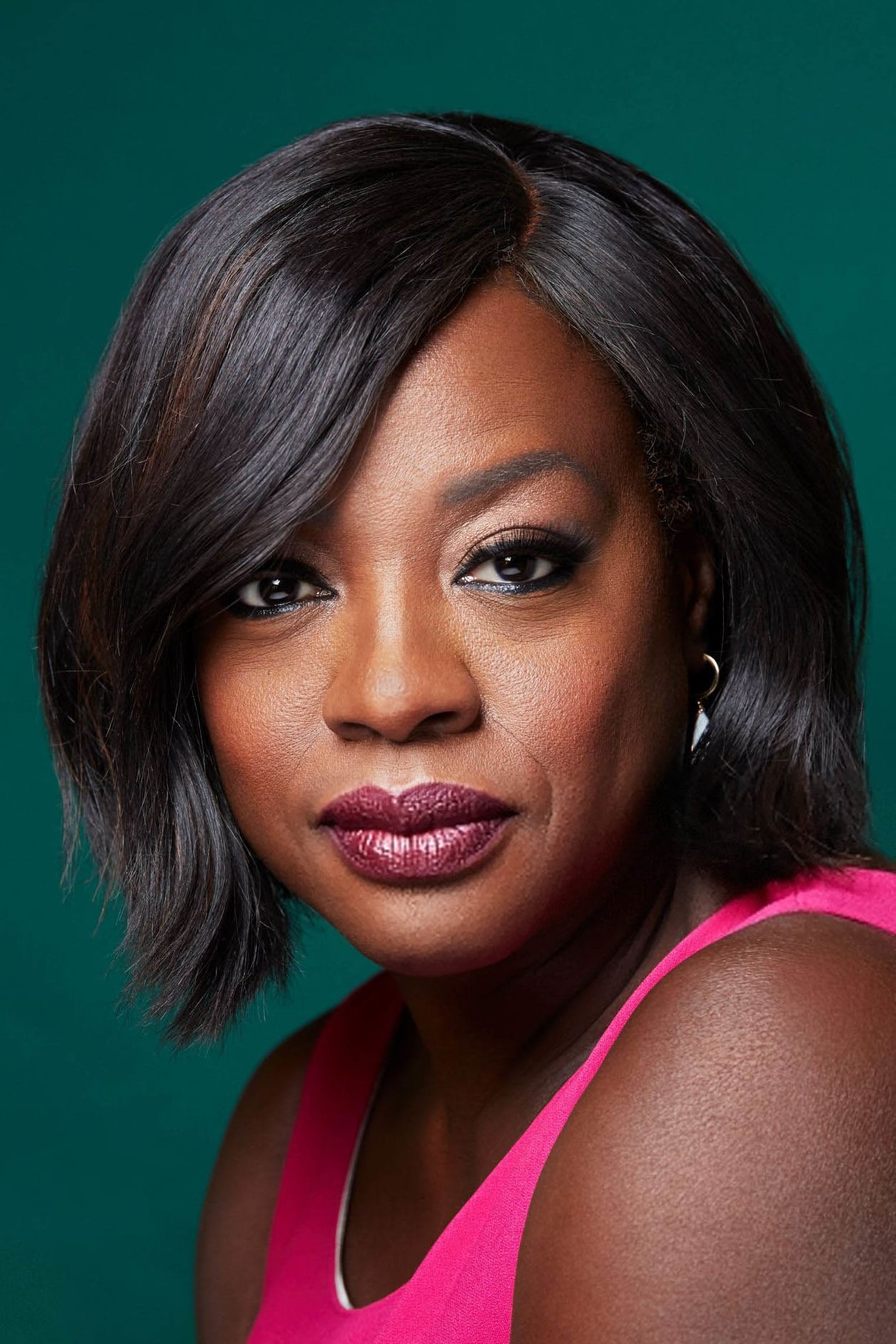
While playing Annalise Keating in ‘How to Get Away with Murder’ (2014–2020), Viola Davis believed her character needed depth beyond being a powerful, intimidating lawyer. She suggested the now-famous scene where Annalise takes off her wig and makeup, exposing a more vulnerable side. Davis felt constantly portraying a perfect exterior would reinforce the stereotype of the ‘strong Black woman’ and prevent audiences from connecting with her character’s humanity. This scene became a pivotal moment in the show and influenced how leading women were depicted on TV.
Susan Kelechi Watson
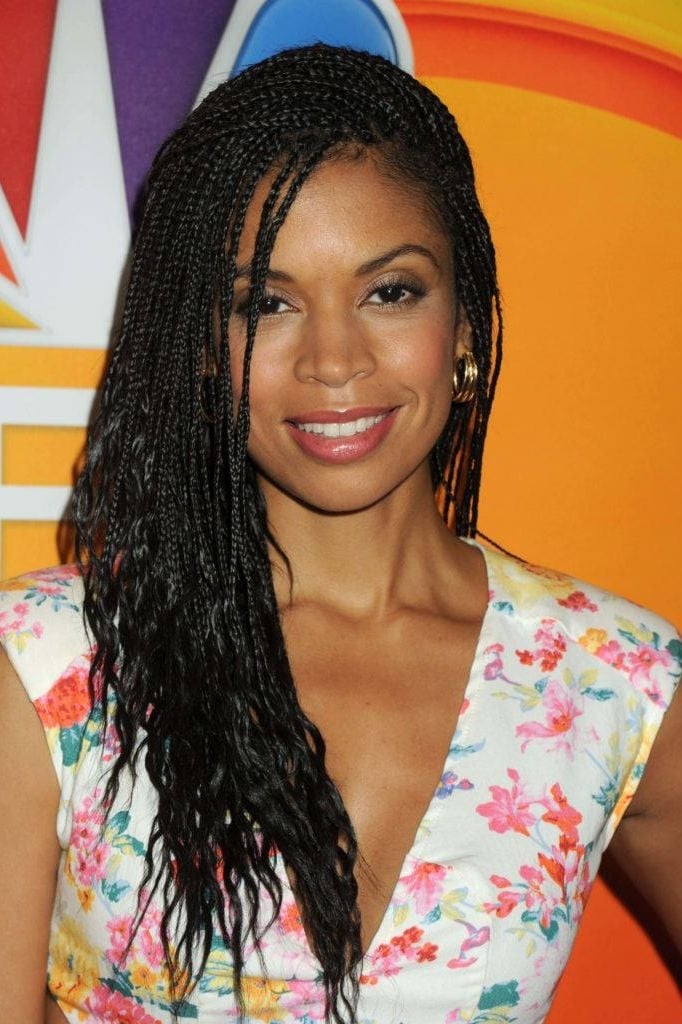
Susan Kelechi Watson’s portrayal of Beth Pearson in the TV series ‘This Is Us’ (2016–2022) went beyond typical supporting roles. While Beth could have easily been written as simply a wife who constantly complains or a lively side character, Watson worked with the show’s writers to give Beth her own distinct life, including a career, personal struggles, and quiet vulnerabilities. Watson also brought her dance background to the role, adding a physical elegance and backstory that wasn’t originally planned. This collaborative effort resulted in Beth becoming a fan favorite and a deeply developed character.
Zendaya

For the 2017 film ‘Spider-Man: Homecoming,’ the filmmakers wanted a fresh take on the character of MJ, who was historically portrayed as a white redhead. Zendaya’s portrayal brought a quiet, observant, and somewhat awkward quality to the role, defying typical expectations for a teen movie love interest or sidekick. She presented MJ as a thoughtful and introverted character, moving away from common stereotypes often placed on women of color in these types of films. This unique interpretation made MJ a truly memorable and distinct character within the Marvel Cinematic Universe.
Cynthia Erivo
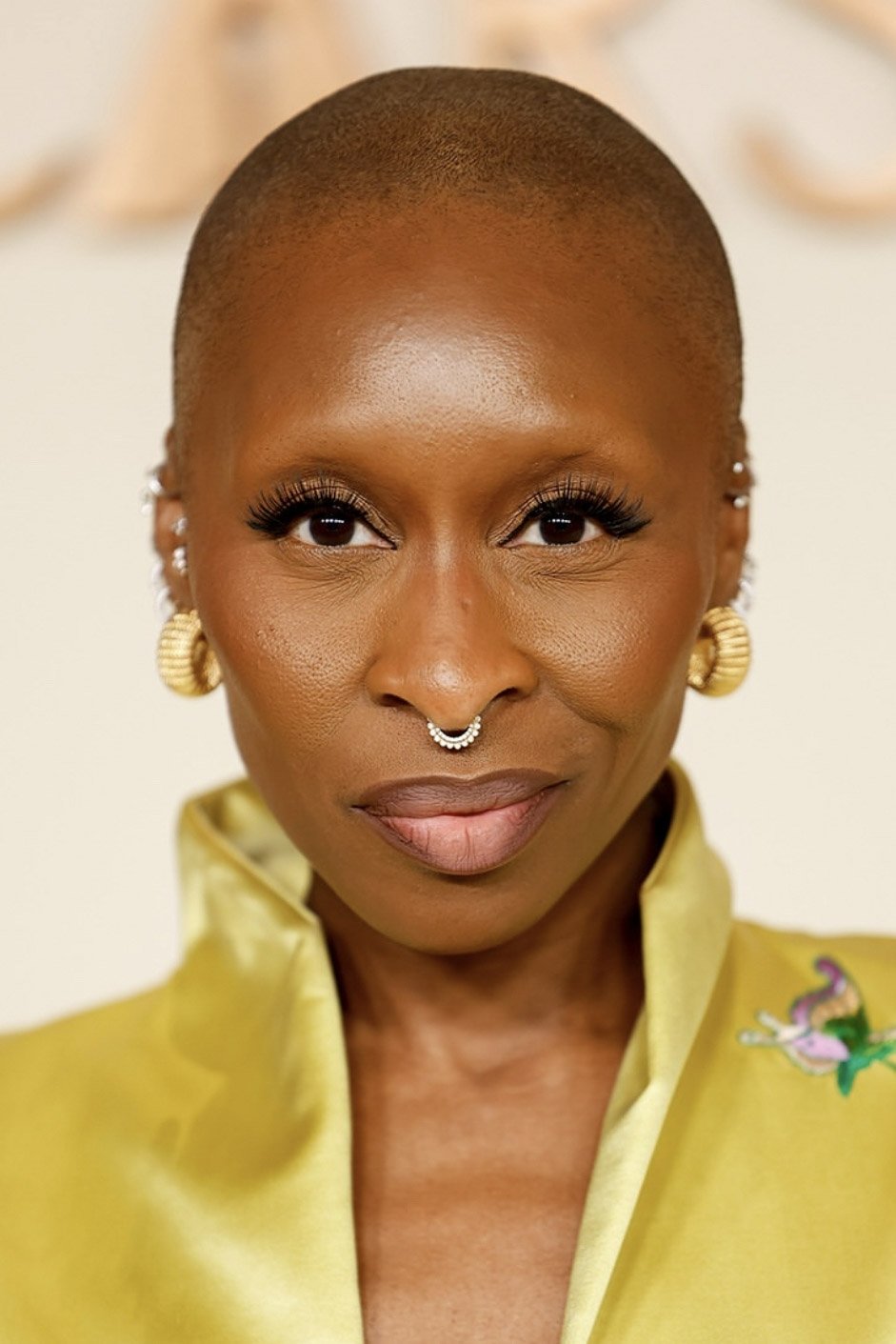
When Cynthia Erivo was first cast in Steve McQueen’s 2018 film ‘Widows,’ her character was written as a beautician. Erivo advocated for Belle to have a more active job, one that would explain her physical endurance during the heist. The character was then rewritten as a hair salon worker who also runs regularly, giving her more physical strength and a determined personality. This change moved Belle beyond being simply a mother struggling to make ends meet and showcased her athleticism and resilience.
Anna Diop
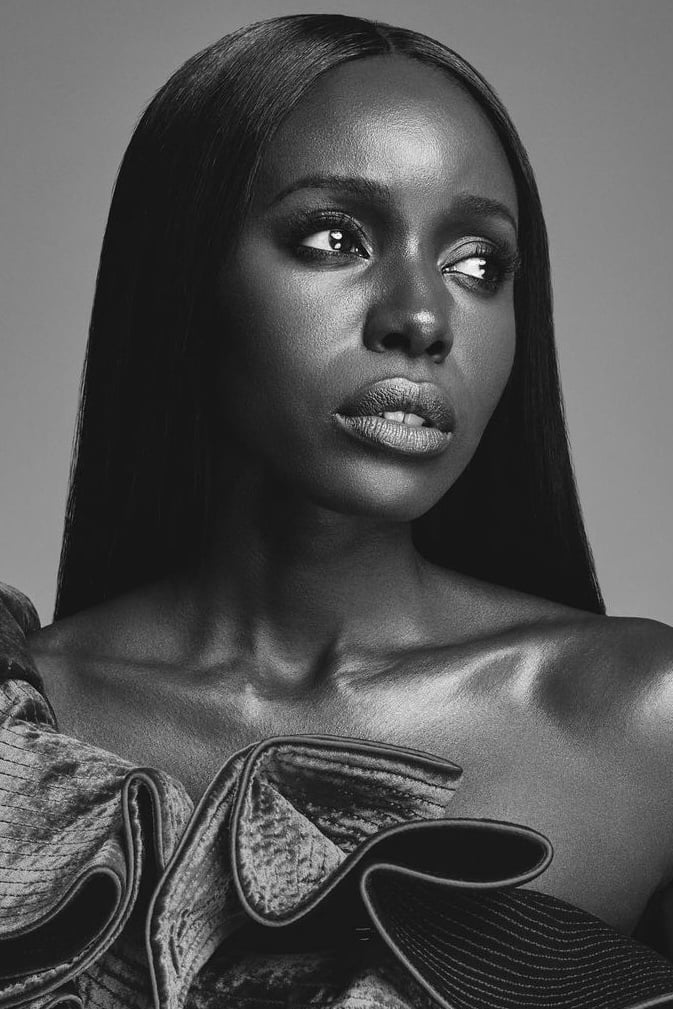
Starfire, a character known for being cheerful and innocent in previous animated versions, was reimagined by Anna Diop in the ‘Titans’ series. Diop played the alien princess as someone struggling with memory loss and possessing a tougher, more realistic personality, which suited the show’s overall darker style. Instead of falling into common tropes for alien characters played by Black actresses – like being overly ‘exotic’ or ‘sassy’ – Diop portrayed Starfire as lost and powerful, allowing for a more complex and dramatic storyline beyond just providing comic relief.
Lupita Nyong’o
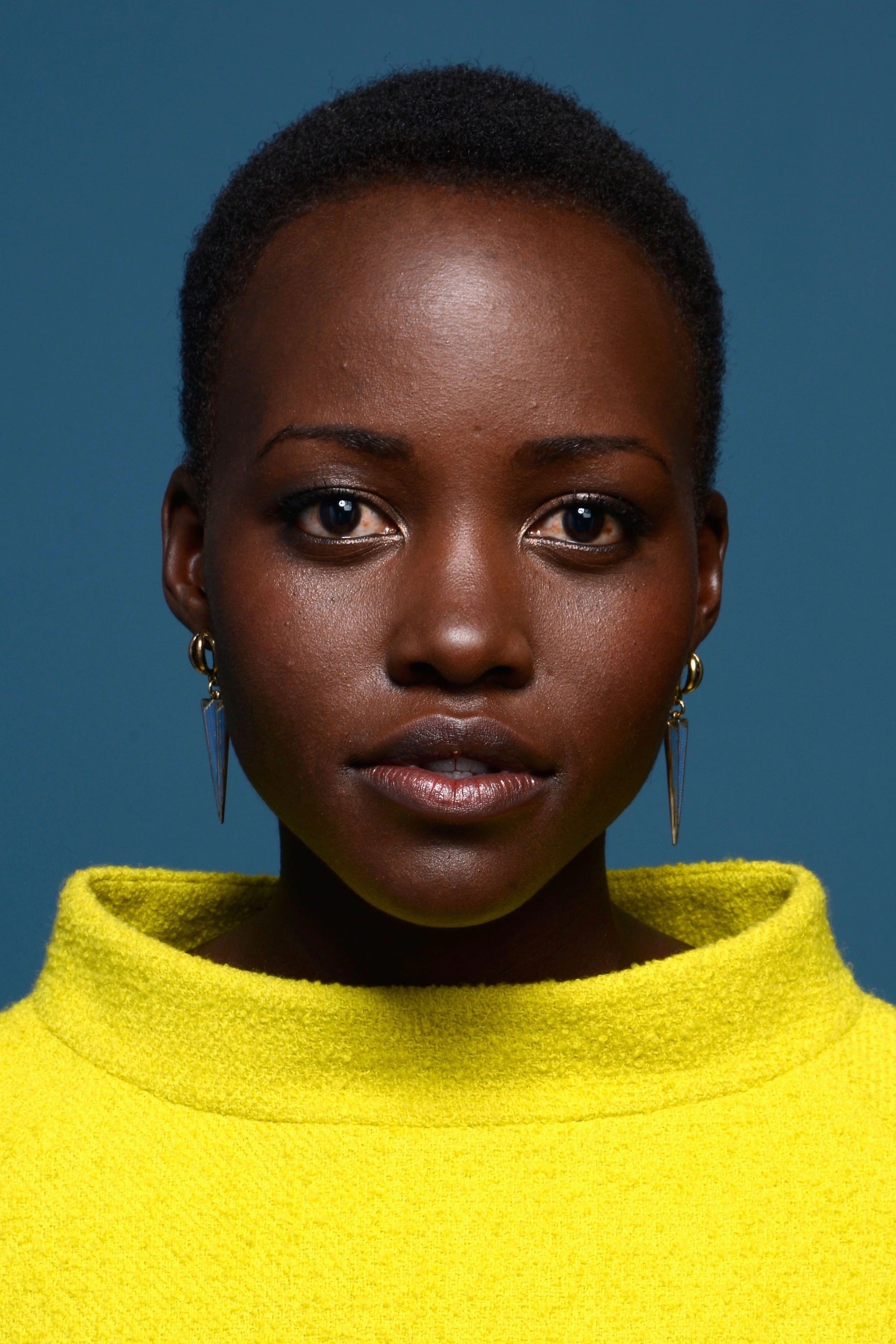
Originally, the comic book version of Nakia in ‘Black Panther’ (2018) was often portrayed as either jealous of others or simply as a romantic interest. However, Lupita Nyong’o collaborated with director Ryan Coogler to create a much more empowered version for the film. They developed Nakia as a skilled spy – a ‘War Dog’ – with her own strong beliefs and the ability to act independently. In the movie, Nakia focuses on Wakanda’s duty to help people around the world, even if it means prioritizing that over her relationship with the main character. This change made her an intellectual partner to the hero, instead of just someone who offered support from the sidelines.
Taraji P. Henson
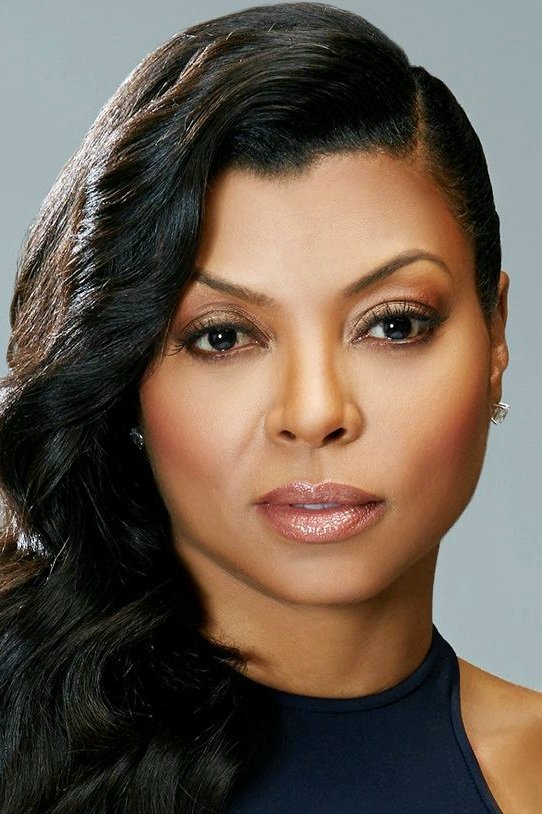
Throughout her career, Taraji P. Henson has actively worked to avoid being typecast as simply a ‘sassy’ character, most famously with her complex portrayal of Cookie Lyon in ‘Empire.’ In ‘Hidden Figures,’ she went beyond the script, adding her own moments of frustration and insight to fully capture the humanity of Katherine Johnson. She specifically requested that scenes depicting the hardships of segregation, like the constant need to find a bathroom, be played with a sense of weariness rather than just defiance. This ensured that the character was remembered for her intelligence and strength, not just her wit.
Queen Latifah
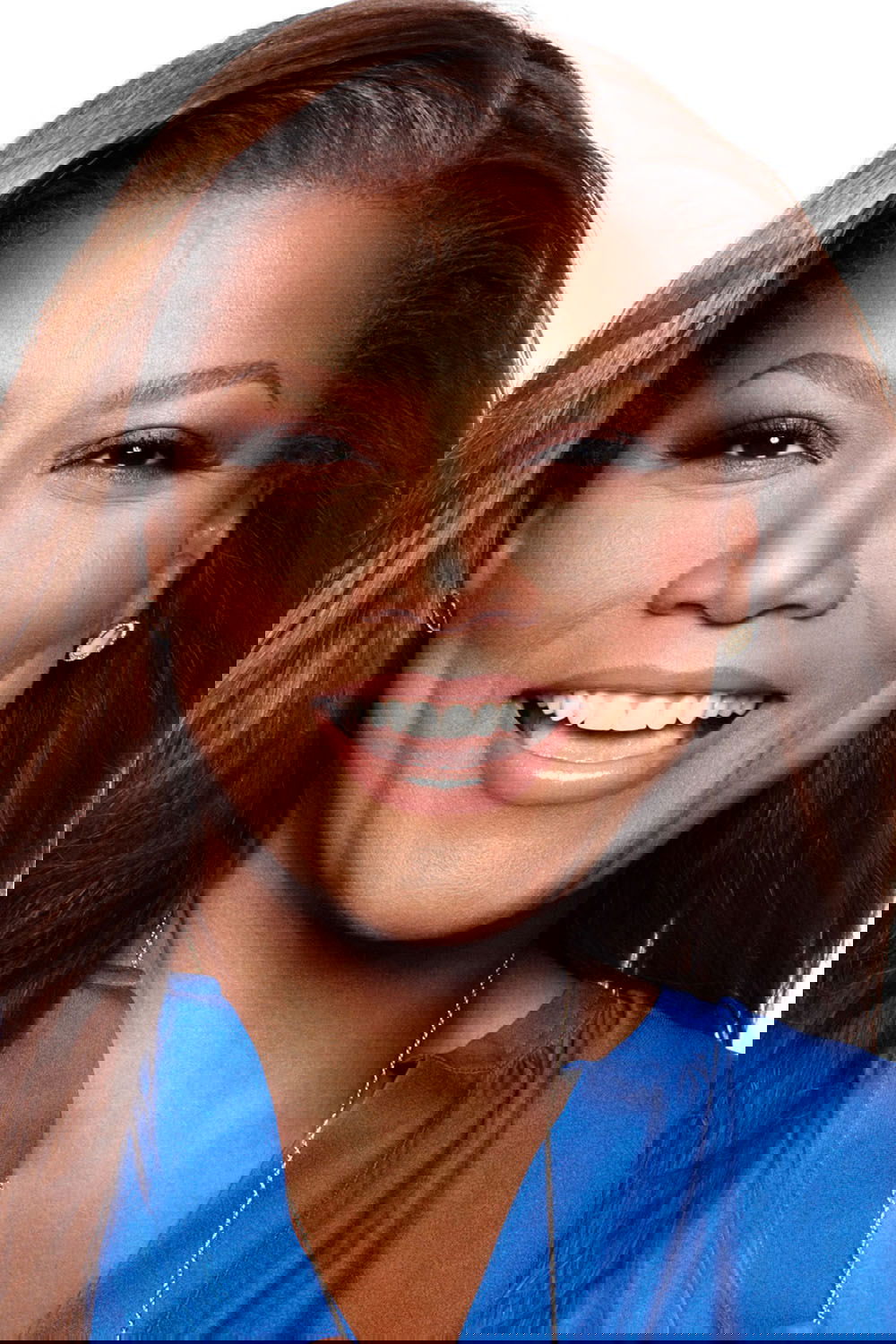
Queen Latifah, who was also an executive producer of the 2003 film ‘Bringing Down the House,’ had a strong say in how her character, Charlene, was portrayed. The original script leaned on common and potentially offensive racial stereotypes, but Latifah made sure Charlene was a relatable and well-motivated person. She added heartfelt moments to balance the comedy, preventing the character from becoming a simple, one-dimensional stereotype of someone with a criminal past. Because of her influence, the film was a commercial success while avoiding some of the script’s more problematic and stereotypical elements.
Danai Gurira
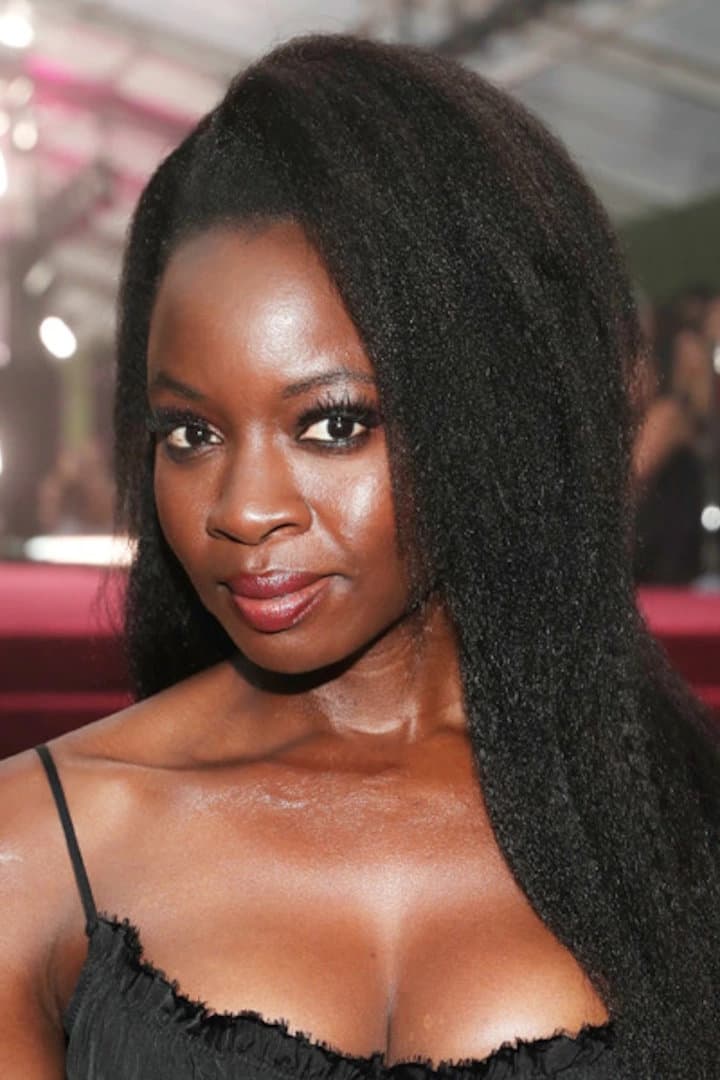
As a huge movie fan, I’ve always appreciated when actors truly understand character building, and Danai Gurira is a perfect example. It’s no surprise she brought such depth to Okoye in ‘Black Panther’ – she’s a playwright herself, so storytelling is in her blood! What I loved most was how she fought to make the Dora Milaje feel like real people, not just background figures. They weren’t just bodyguards; they were warriors with their own lives and beliefs. She really focused on Okoye’s unwavering dedication to her kingdom, even above personal feelings, which gave the character this incredible, almost traditionally ‘masculine’ strength and complexity. It was so refreshing to see a female action hero defined by duty and honor, instead of falling into the usual ‘sassy sidekick’ stereotype.
Issa Rae
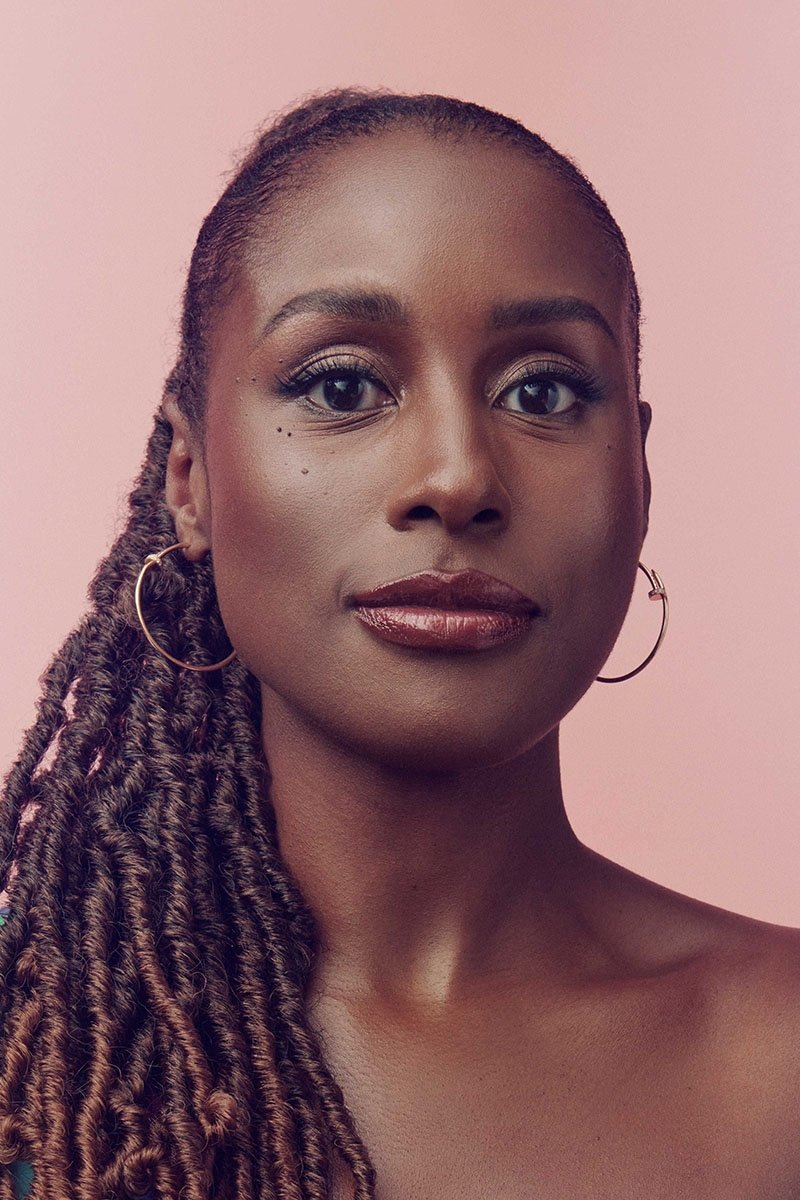
Issa Rae became frustrated with the limited and stereotypical roles available for Black women in television. So, she took matters into her own hands, first with her web series, ‘The Misadventures of Awkward Black Girl,’ and then with the acclaimed HBO series ‘Insecure’ (2016–2021). By writing her own scripts, she was able to create characters who were realistically flawed, complex, and allowed to be vulnerable. Rae intentionally moved away from the common tropes of the ‘strong Black woman’ and the ‘sassy best friend,’ instead portraying characters simply navigating the challenges of life. Her work ultimately pushed the entertainment industry to acknowledge that Black women could be leads in shows centered around everyday experiences and honest emotions.
Michaela Coel
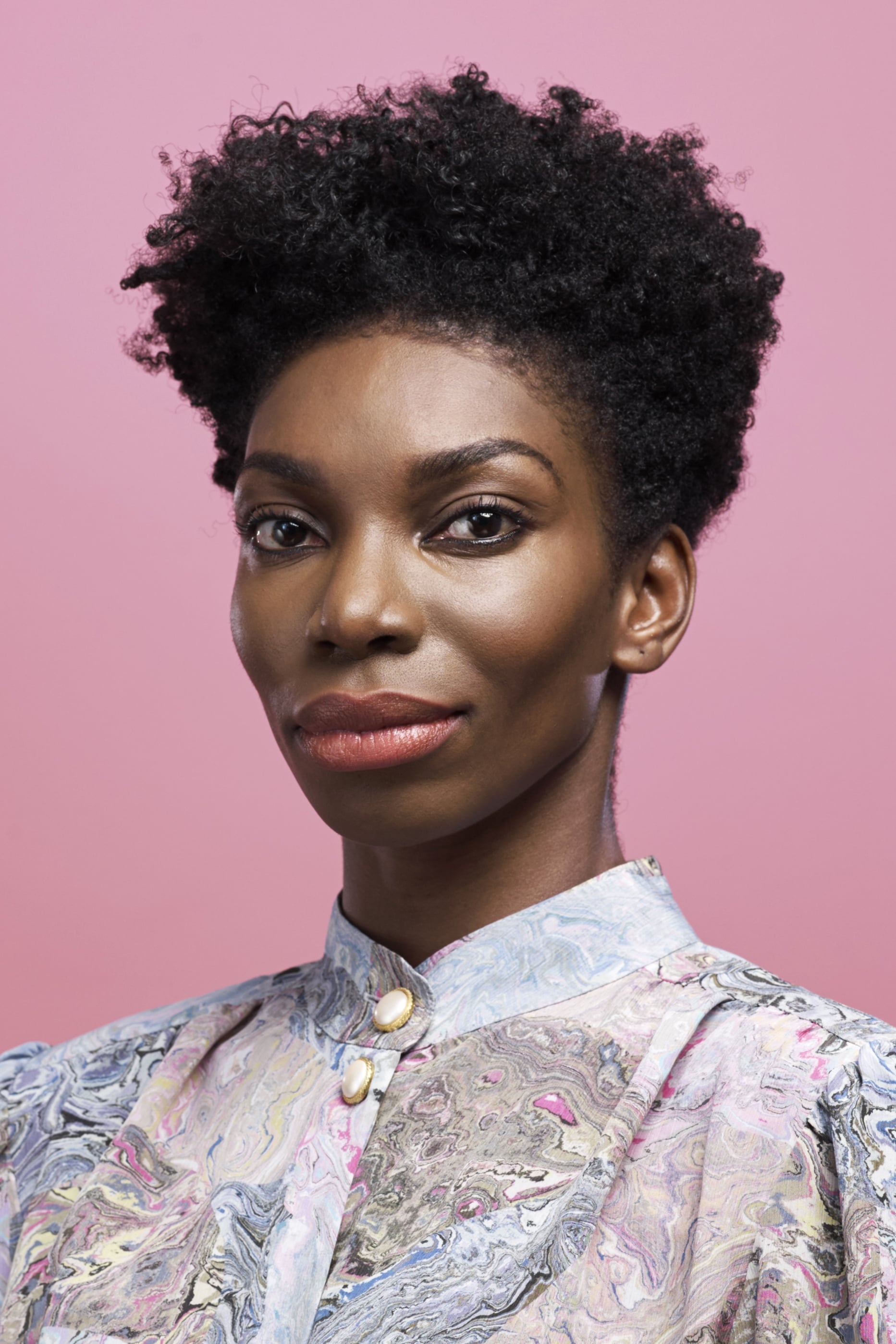
Michaela Coel made headlines when she rejected a $1 million offer from Netflix for her acclaimed series ‘I May Destroy You’ (2020). She did so because Netflix wouldn’t let her keep ownership of her work. By insisting on creative control, Coel was able to create a show that broke the mold for how Black women are depicted when dealing with trauma. Her character, Arabella, was realistically complex – flawed, accomplished, and deeply relatable – and her story of sexual assault avoided common, oversimplified portrayals of victims or heroes. Coel’s commitment to her vision resulted in a script that felt genuine and free from typical studio expectations.
Zoë Kravitz

Zoë Kravitz actively avoids roles where she’s simply the funny or outspoken sidekick to a white actor. In the 2020 remake of ‘High Fidelity,’ she took the lead role – originally played by a man – and created a nuanced character, a cynical music lover, without relying on common stereotypes. She brought a thoughtful, understated humor to the part, a type of portrayal rarely seen for Black women in romantic comedies. By carefully choosing her roles, Kravitz has pushed casting directors to see her as a leading lady, not just a supporting character.
Yvonne Orji
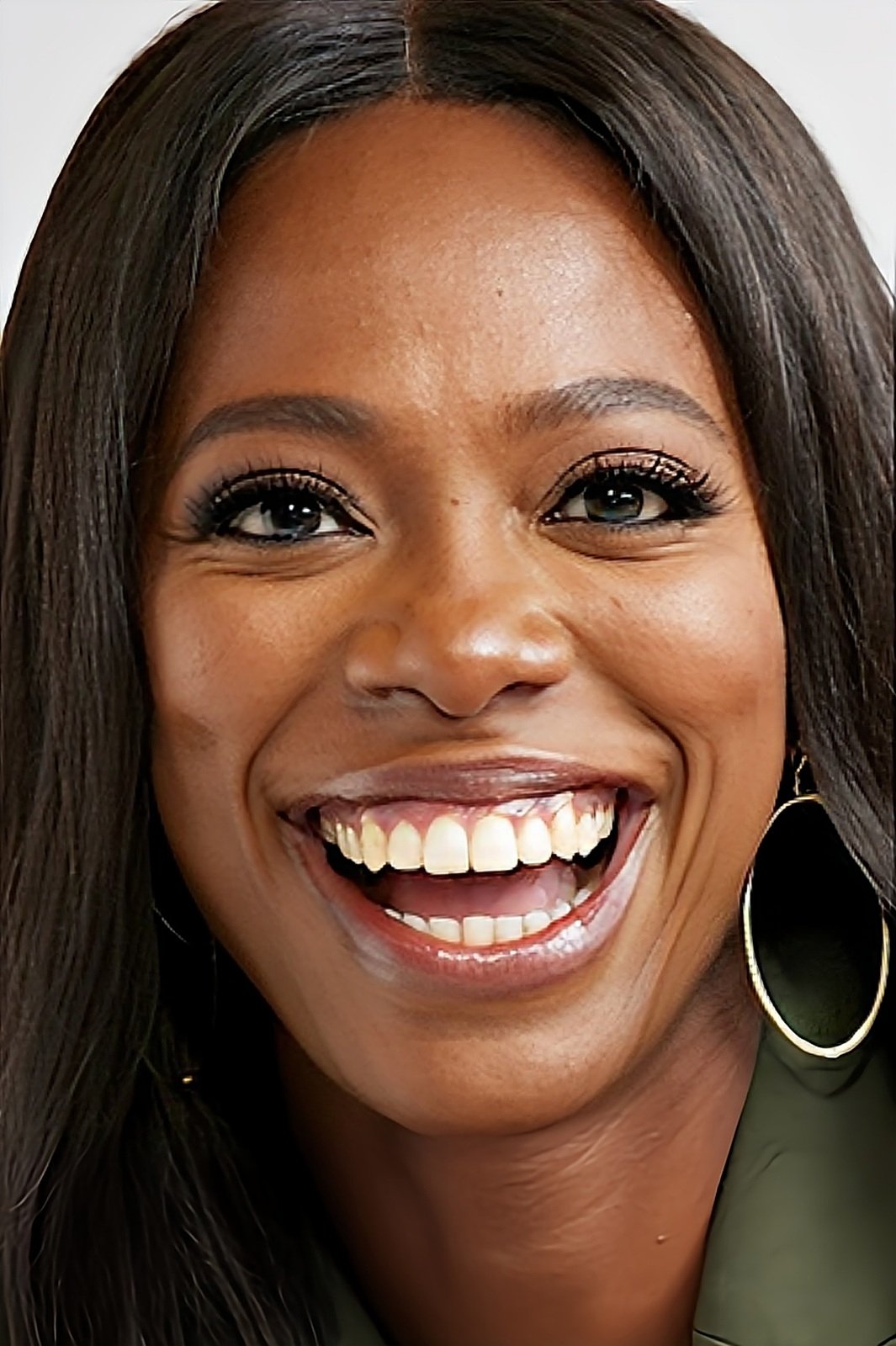
Yvonne Orji’s portrayal of Molly in ‘Insecure’ (2016–2021) went beyond the typical ‘successful but unhappy friend’ role. Orji collaborated with the show’s writers to create a character who was as important and multifaceted as the main character, with a developed career and love life. Molly was allowed to be flawed, make mistakes, and even seek help through therapy, adding depth rarely seen in supporting characters. Orji’s performance established Molly as a true co-lead with her own compelling storyline.
Regina King
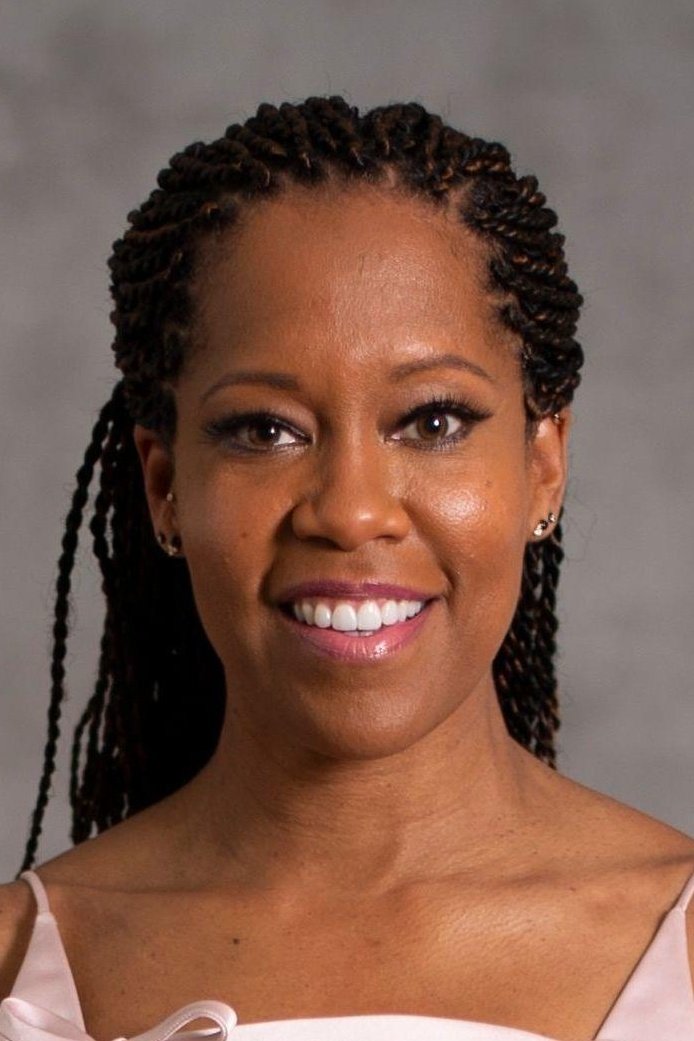
Regina King consistently chooses roles that allow her to portray complex characters, as seen in her performance as Angela Abar in ‘Watchmen’ (2019). Angela was a layered character – a detective, a mother, and a woman with a hidden past – and King delivered a performance that skillfully balanced strength with vulnerability. She brought a realistic intensity to the role, making the show’s more fantastical elements believable. Importantly, King avoided common stereotypes of tough female law enforcement, instead focusing on Angela’s inner life, trauma, and family history, making audiences connect with her on a deeper level than just through action.
Lashana Lynch

When Lashana Lynch joined the cast of ‘Captain Marvel’ (2019) as Maria Rambeau, the character was initially seen as a close friend to the main hero. However, Lynch portrayed Maria with a sense of warmth and strength, highlighting her skills as a pilot and a loving mother, making her much more than just a supporting character. She brought a quiet power and emotional depth to the role, essentially becoming the film’s voice of reason. This approach allowed Maria to be remembered for her abilities and compassion, instead of simply being there to help the hero.
Read More
- Gold Rate Forecast
- 22 Films Where the White Protagonist Is Canonically the Sidekick to a Black Lead
- Games That Faced Bans in Countries Over Political Themes
- Silver Rate Forecast
- Brent Oil Forecast
- Unveiling the Schwab U.S. Dividend Equity ETF: A Portent of Financial Growth
- How to Do Sculptor Without a Future in KCD2 – Get 3 Sculptor’s Things
- Celebs Who Narrowly Escaped The 9/11 Attacks
- Superman Flops Financially: $350M Budget, Still No Profit (Scoop Confirmed)
- 14 Movies Where the Black Character Refuses to Save the White Protagonist
2025-12-09 10:16