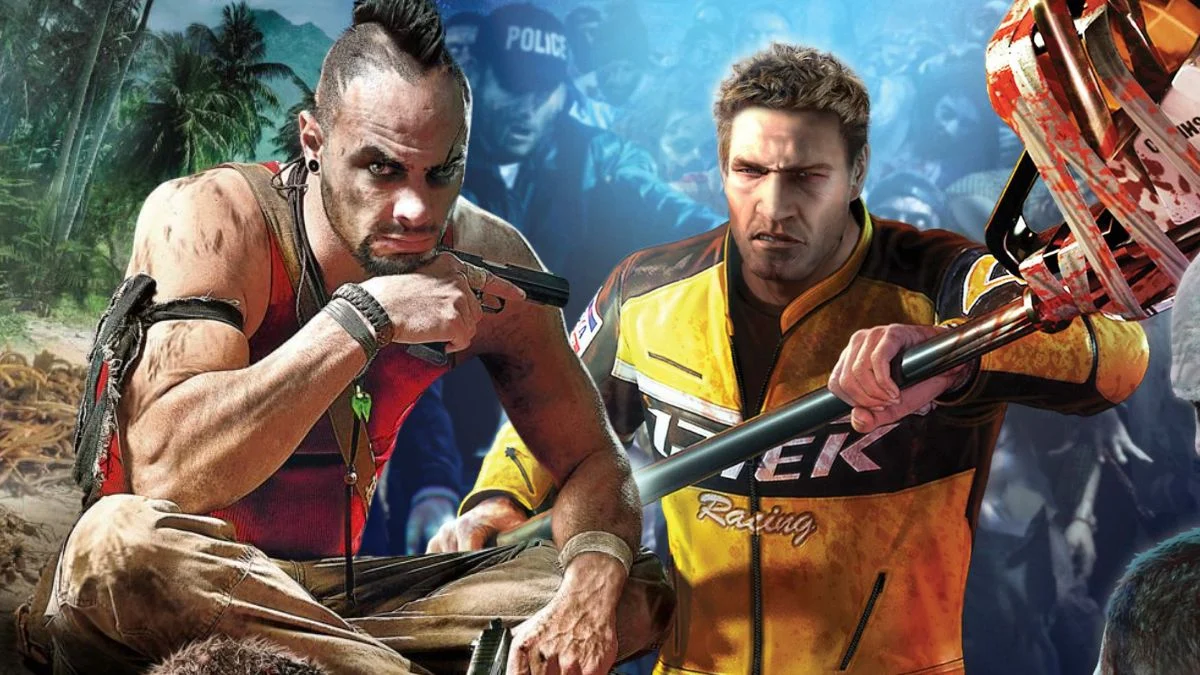
For a long time, video games have relied on subtle hints – often negative stereotypes – to portray villains as different from heroes, particularly regarding their sexuality or gender expression. This frequently led to the harmful trope of the ‘depraved homosexual,’ where a character’s LGBTQ+ identity was used to mark them as evil or unstable. Sadly, in many older games, these villainous characters were the only representation of LGBTQ+ people. The following list showcases games where the antagonist was the sole LGBTQ+ character, and their identity was often tied to their villainous actions.
‘Resident Evil: Code: Veronica’ (2000)
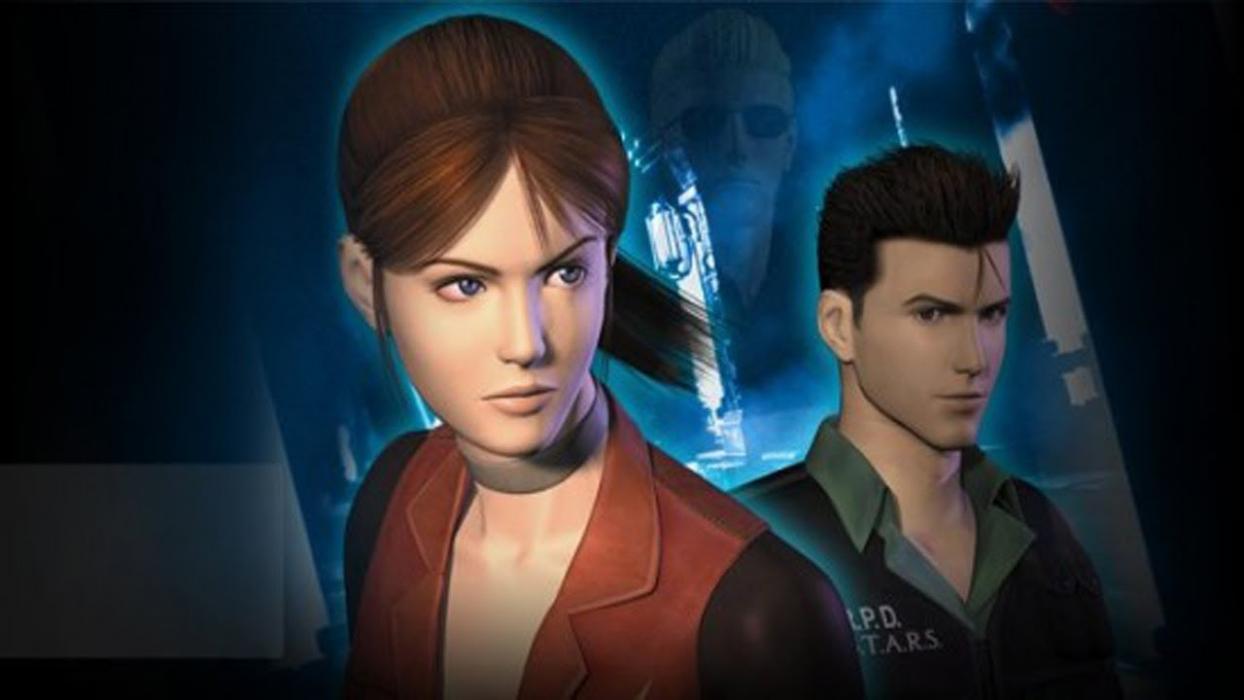
Alfred Ashford is a major villain who embodies a common horror trope: the mentally unstable character who cross-dresses. He copes with extreme loneliness by developing a second personality, essentially becoming his twin sister, Alexia. The game portrays his dressing as a woman not as a true part of who he is, but as a sign of his insanity. His exaggerated laugh and dramatic behavior are meant to disturb players and stand out against the game’s more reserved protagonists.
‘The Legend of Zelda: Skyward Sword’ (2011)
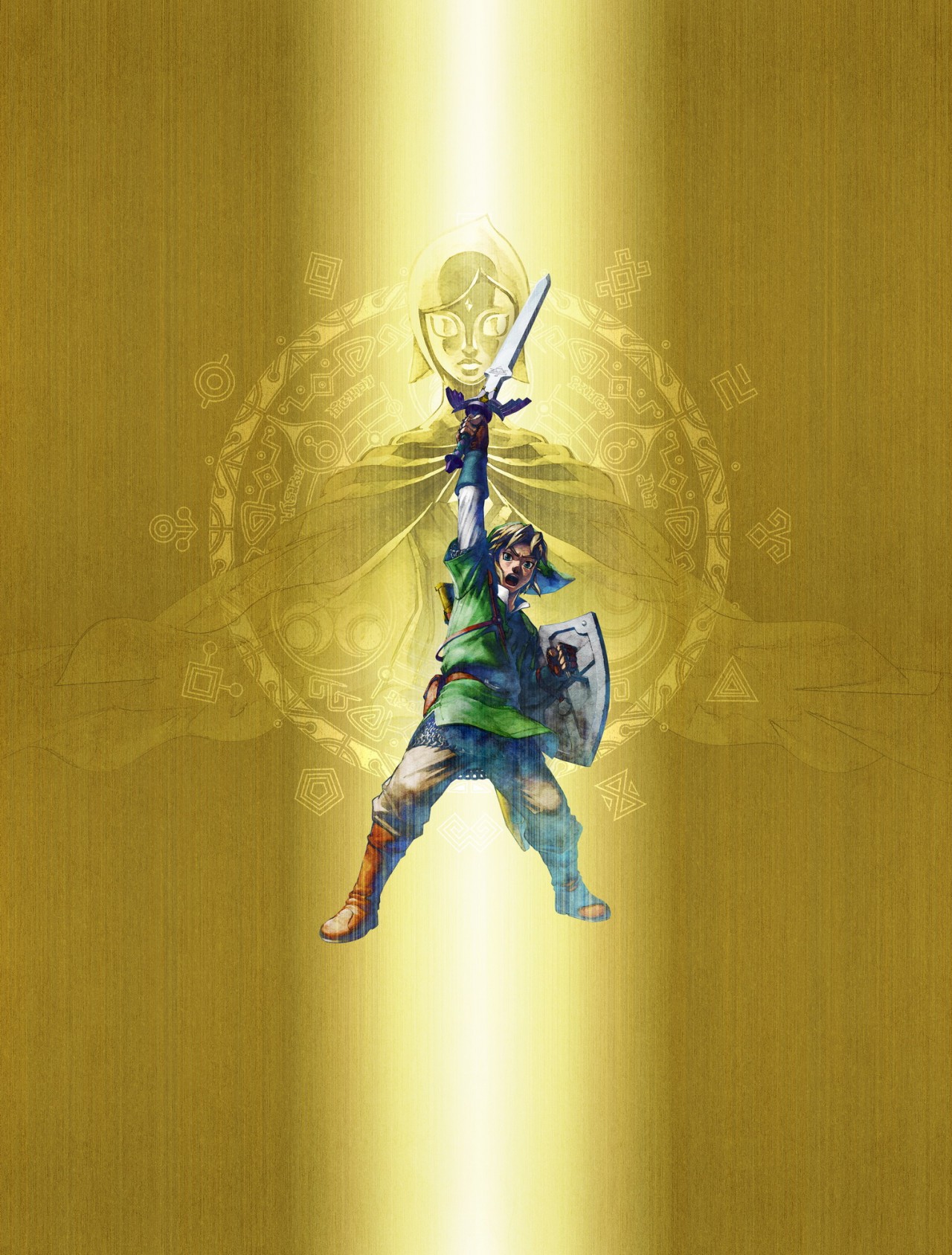
Ghirahim, the Demon Lord, is known for his dramatic personality and habit of getting uncomfortably close to Link. His speech is full of suggestive remarks, and he often makes gestures with his tongue that portray him as a predator. Unlike the powerful, straightforward Ganondorf, Ghirahim embodies a more sophisticated and delicate form of evil, with mannerisms that hint at queerness and contribute to his unsettling, otherworldly presence. He’s unique in the game as the only character who displays these traits.
‘Far Cry 3’ (2012)
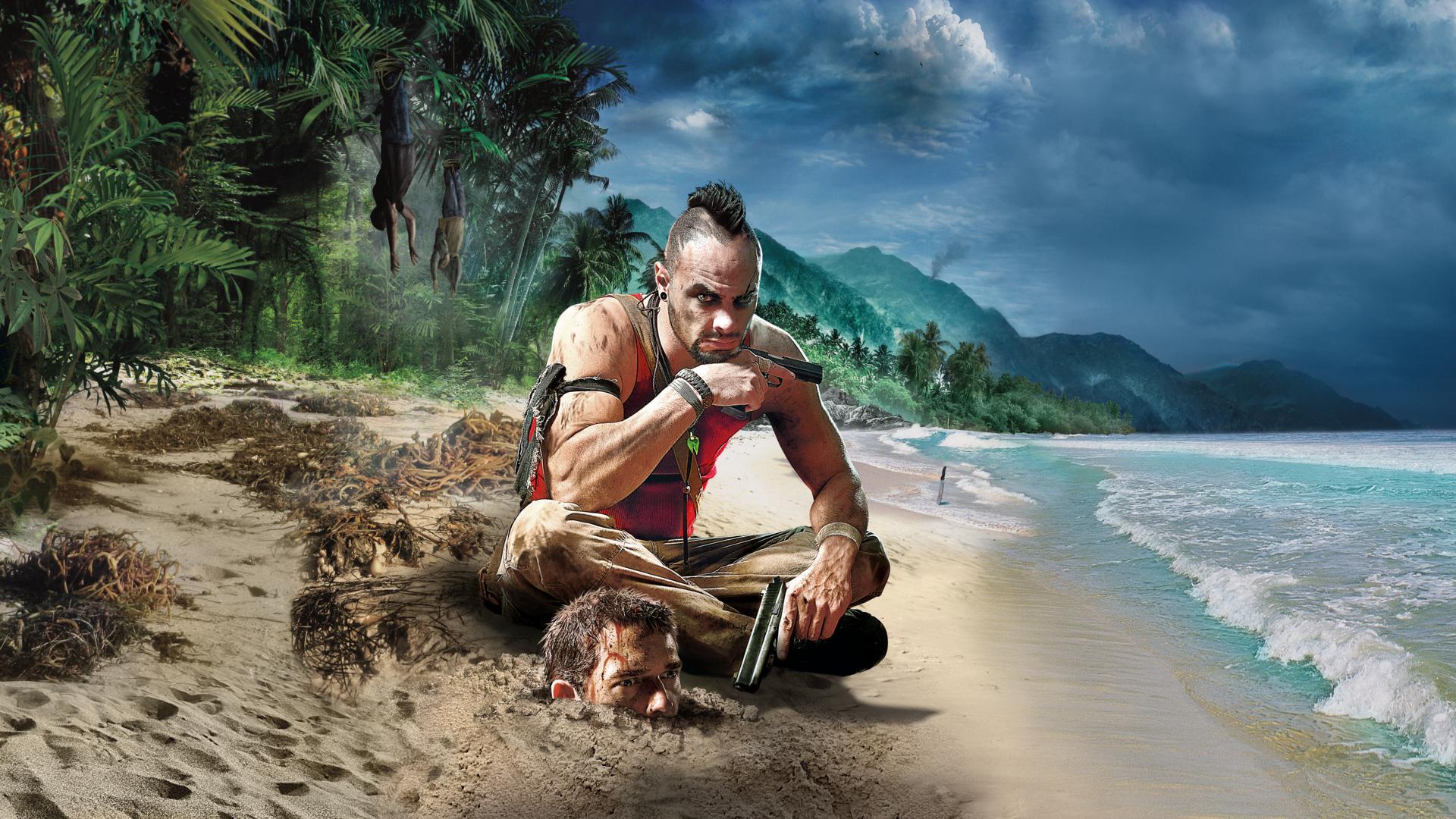
Buck Hughes is a villain in the game, portrayed as a ruthless Australian mercenary. He’s particularly disturbing because the game depicts him as a sexual predator who enslaves another character, Keith. Unlike other villains who are simply violent, Buck’s evil is specifically tied to his predatory sexual behavior, making him seem even more monstrous.
‘Metal Gear Solid 3: Snake Eater’ (2004)
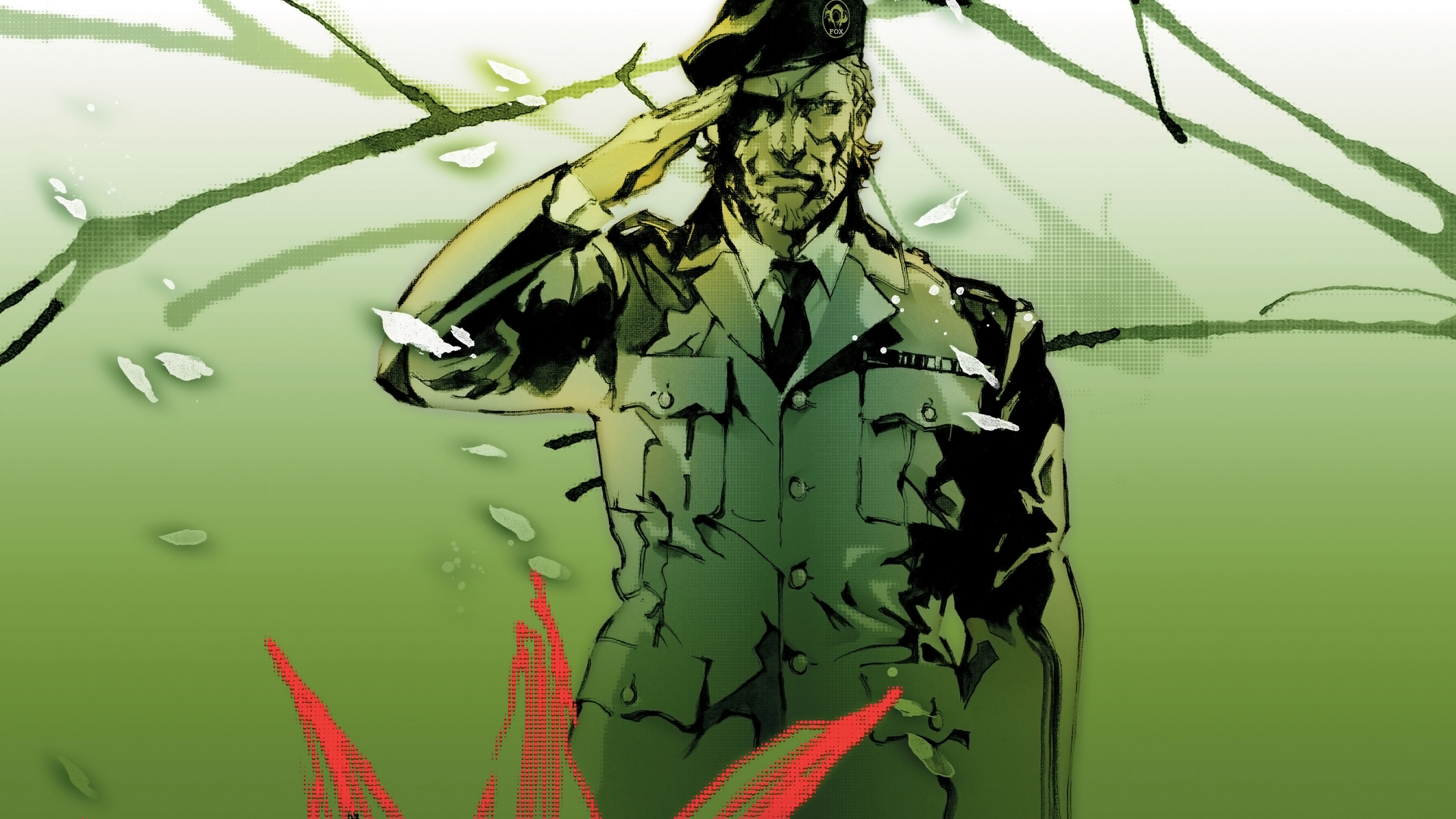
Colonel Volgin is a cruel and sadistic man who enjoys inflicting pain and controlling others, both physically and through dominance. The game portrays him as bisexual, and he has a relationship with Major Raikov. This aspect of his character is used to highlight his overwhelming ambition and need to control everyone around him. While Raikov is present, he feels like a tool for Volgin’s evil plans, ultimately positioning the Colonel as the main queer character in the story.
‘Streets of Rage 3’ (1994)
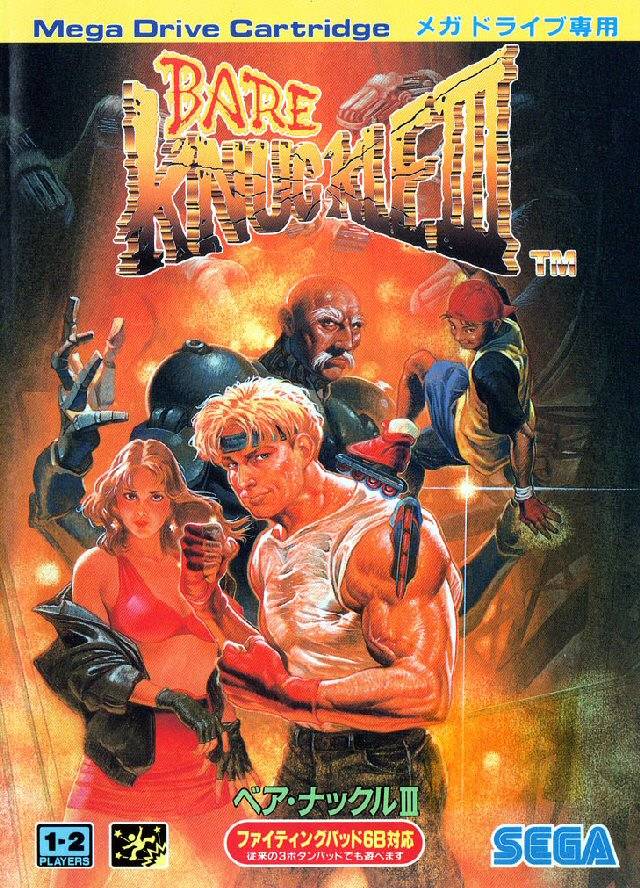
Ash was a minor boss in the original Japanese version of the game, but he was cut from versions released in Western countries because of complaints. He was designed as a stereotypical and exaggerated portrayal of a gay man, with a leather outfit and effeminate movements. His attacks included flamboyant gestures and mocking laughter, intended to poke fun at traditional ideas of masculinity. The developers created him as a comedic character for the player to defeat.
‘Super Mario Bros. 2’ (1988)
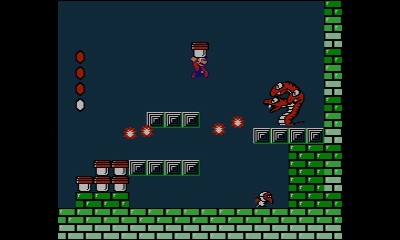
Birdo first showed up as a boss enemy at the end of levels in early games. The original game manual actually said Birdo was a male character who believed he was female and liked to be called Birdetta. This was presented as a funny characteristic of a weird creature, not as a deep issue of identity. Though Birdo eventually became a regular teammate in sports titles, she initially appeared only as a puzzling opponent.
‘Chrono Trigger’ (1995)
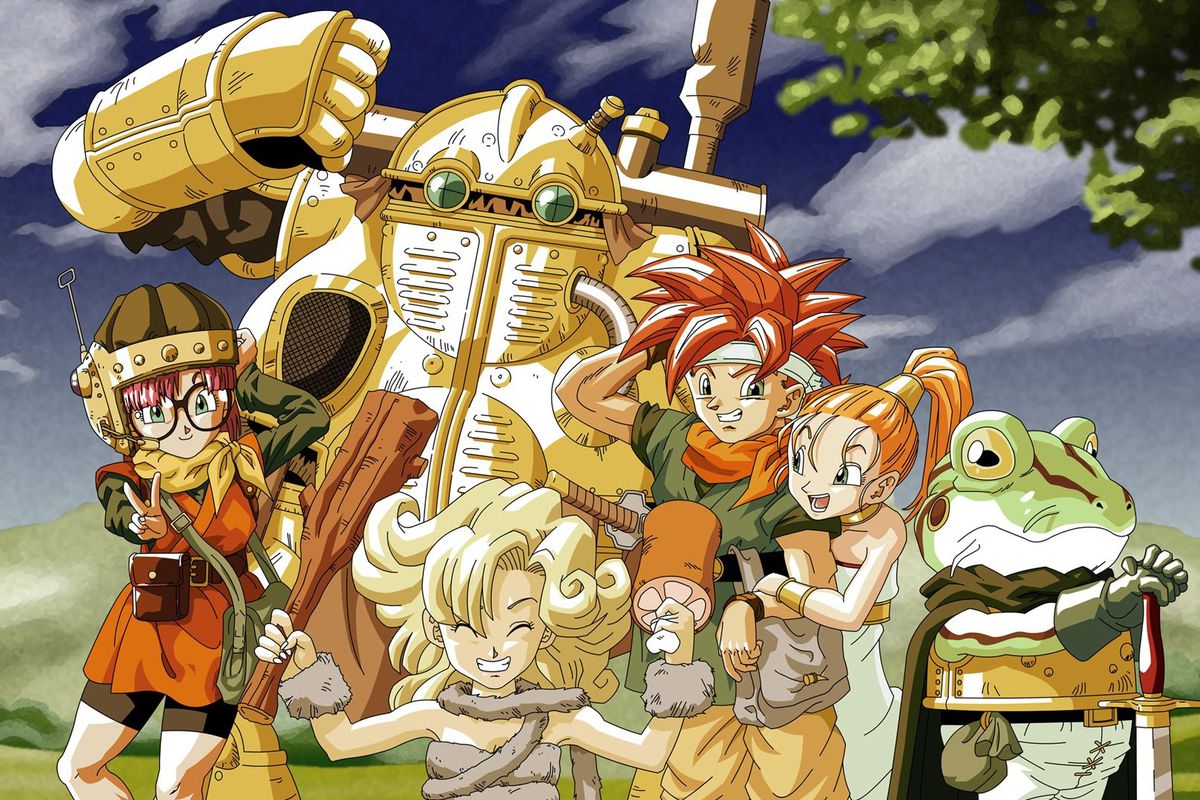
Okay, so there’s this really interesting character in the game, Flea! He’s a magician who works for the bad guy, Magus, and he’s… complex. When my heroes first met him, they were honestly thrown off because he looks feminine, but he actually identifies as male. It’s not just a quirk, though – Flea uses that confusion to mess with people. He basically says that power is power, no matter how it presents, which is a really cool line. He definitely makes you question things, but at the end of the day, he’s still one of the villains we have to take down to save the world. It’s a really thought-provoking design, honestly!
‘Final Fight’ (1989)
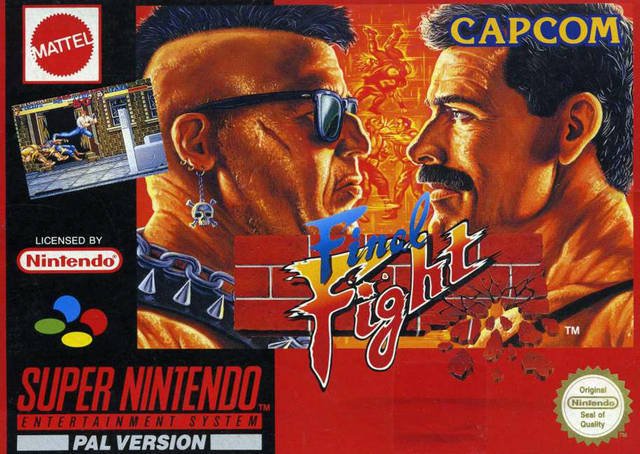
Poison is a well-known example of a video game character whose gender was changed when the game was translated for different regions. Initially created as a female character, the developers later stated she was a transgender woman, seemingly to avoid criticism about the game’s heroes physically attacking a woman. This explanation unfortunately framed her identity as a justification for violence against her. She is the only LGBTQ+ character in the original arcade fighting game’s lineup.
‘Metal Gear Solid 2: Sons of Liberty’ (2001)
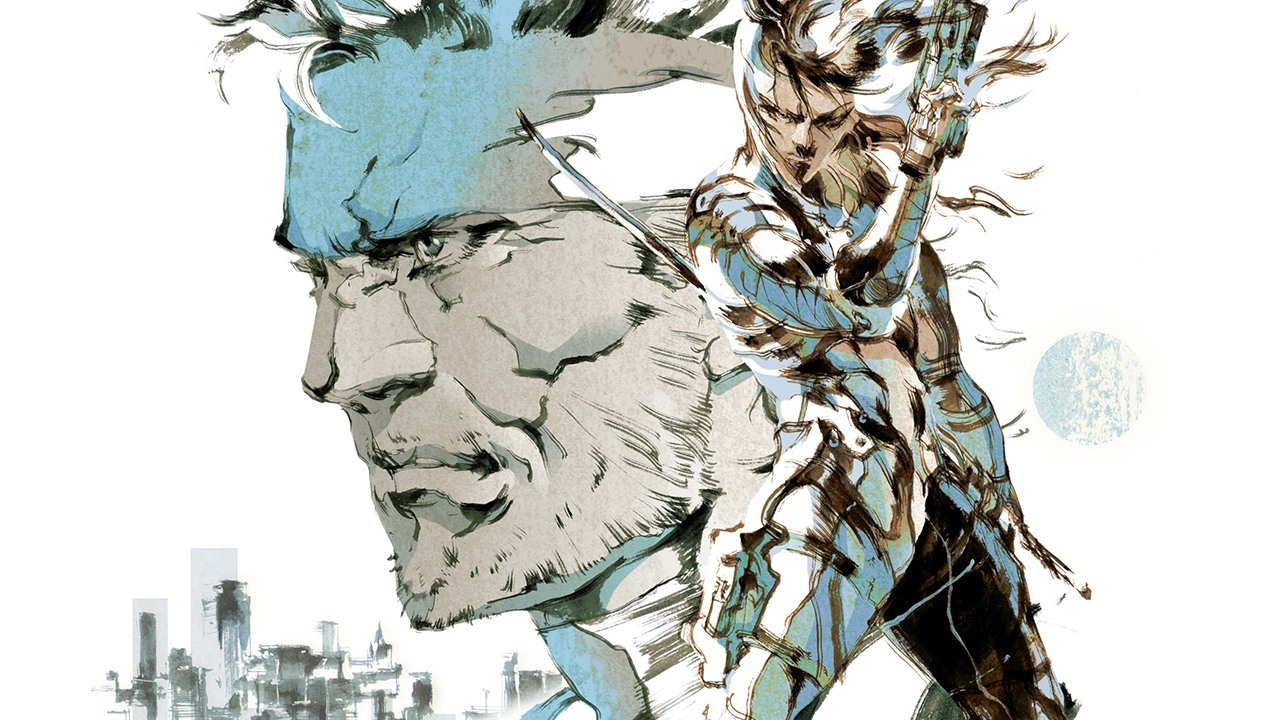
Vamp is a character from Dead Cell with supernatural powers and the ability to live forever. His name is a playful reference to both his need to drink blood and his bisexuality. He openly flirts with Raiden, the main character, and has a sad past involving a romantic relationship with a man. The game presents his sexuality as part of what makes him mysterious and threatening, contrasting him with the more conventional, straight soldiers he battles.
‘Deadly Premonition’ (2010)
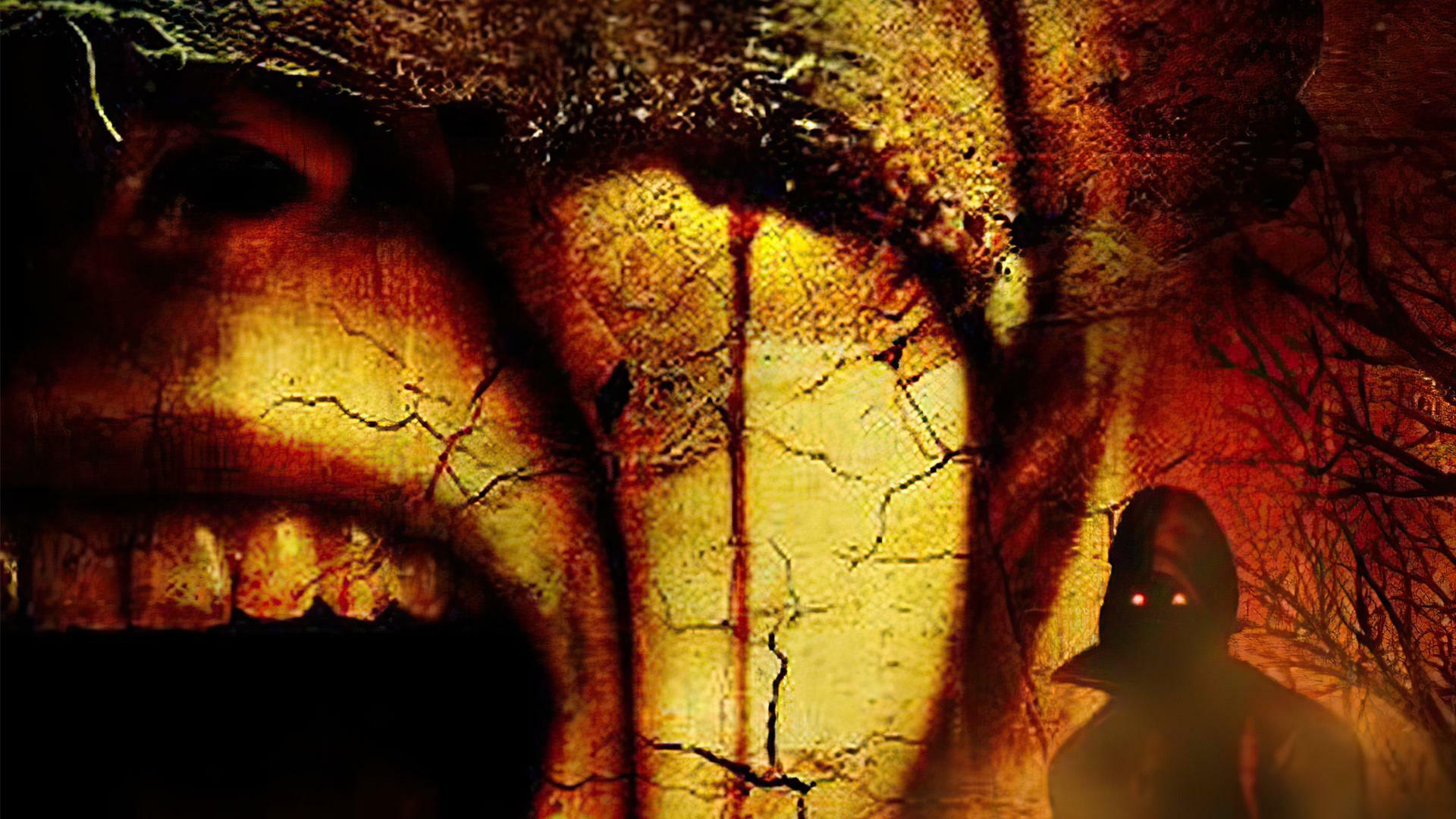
Thomas MacLaine appears as a shy and unassuming deputy, but is later discovered to be the Raincoat Killer. He secretly battles with his identity and uses cross-dressing as a way to express and manage his violent impulses. The game connects his internal struggle with his identity to the trauma and mental instability that fuel his crimes. This makes him the sole LGBTQ+ character in a town otherwise populated by unusual, but heterosexual, individuals.
‘BioShock’ (2007)
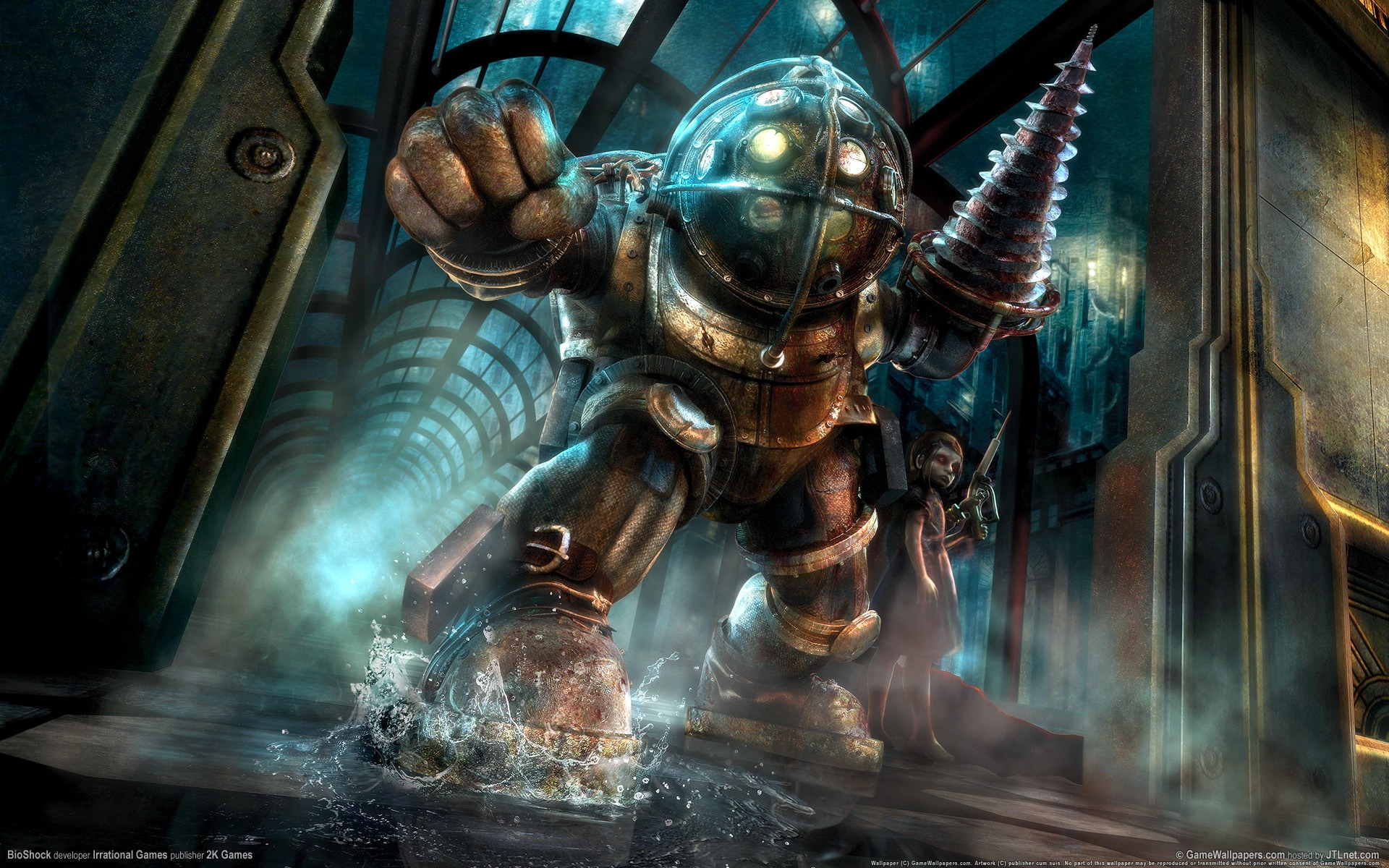
Okay, so Sander Cohen in BioShock… man, that guy is creepy. He’s basically this totally unhinged artist who runs Fort Frolic, and it’s clear he’s gay – it’s not subtle, with how he acts and who he’s obsessed with. He’s the classic ‘artist who’s lost it’ type, caring way more about making things look good than about people actually living. And honestly, in Rapture, where everything’s gone to hell, his… eccentricities and madness just seem tied to how much he loves himself. It’s messed up, but it fits the whole broken-down city vibe.
‘Final Fantasy IX’ (2000)
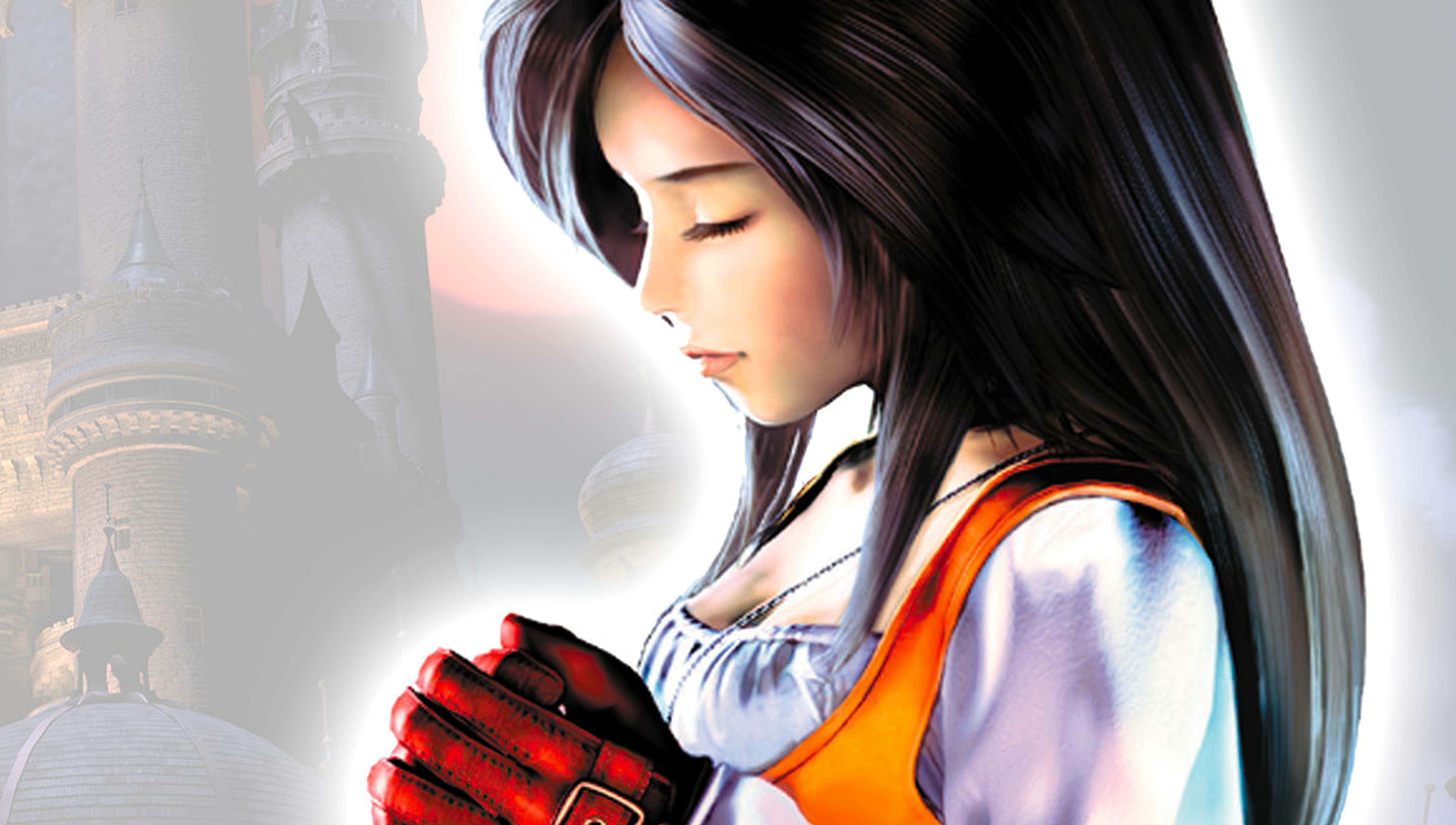
Kuja is the primary villain, and his character design deliberately embraces an exaggeratedly beautiful, almost androgynous style. This stands in stark contrast to the more traditionally masculine looks of the game’s heroes. He’s incredibly vain and theatrical, embodying a narcissistic personality with a goal of world destruction. He exemplifies the trope of the ‘sissy villain,’ where traditionally feminine traits are linked to dangerous magical abilities.
‘Police Quest: Open Season’ (1993)
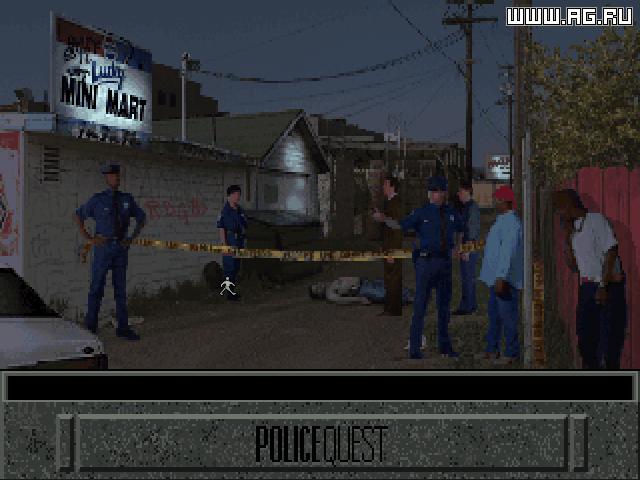
The main villain in this police drama is a serial killer named Mitchell Thurman. He kidnaps people and makes suits out of their skin, a plot strongly influenced by the movie ‘The Silence of the Lambs’. The detective learns the killer enjoys dressing as a woman, which provides a key insight into his disturbed mind and criminal behavior. The game ultimately reveals this gender expression as a shocking element of his evil nature.
‘The Beast Within: A Gabriel Knight Mystery’ (1995)
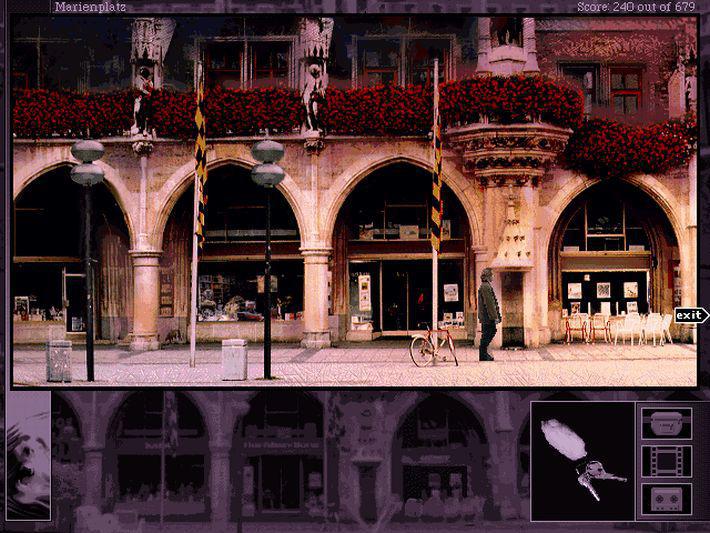
Baron Von Glower leads a hunting club that secretly consists of werewolves. This is a story where being a werewolf is used to represent the experience of being gay and struggling with hidden desires. Von Glower attempts to draw the main character, Gabriel, into this hidden world, and their interactions are filled with suggestive undertones. He embodies the alluring but potentially dangerous nature of someone who challenges traditional ideas about sexuality.
‘Dead Rising 2’ (2010)
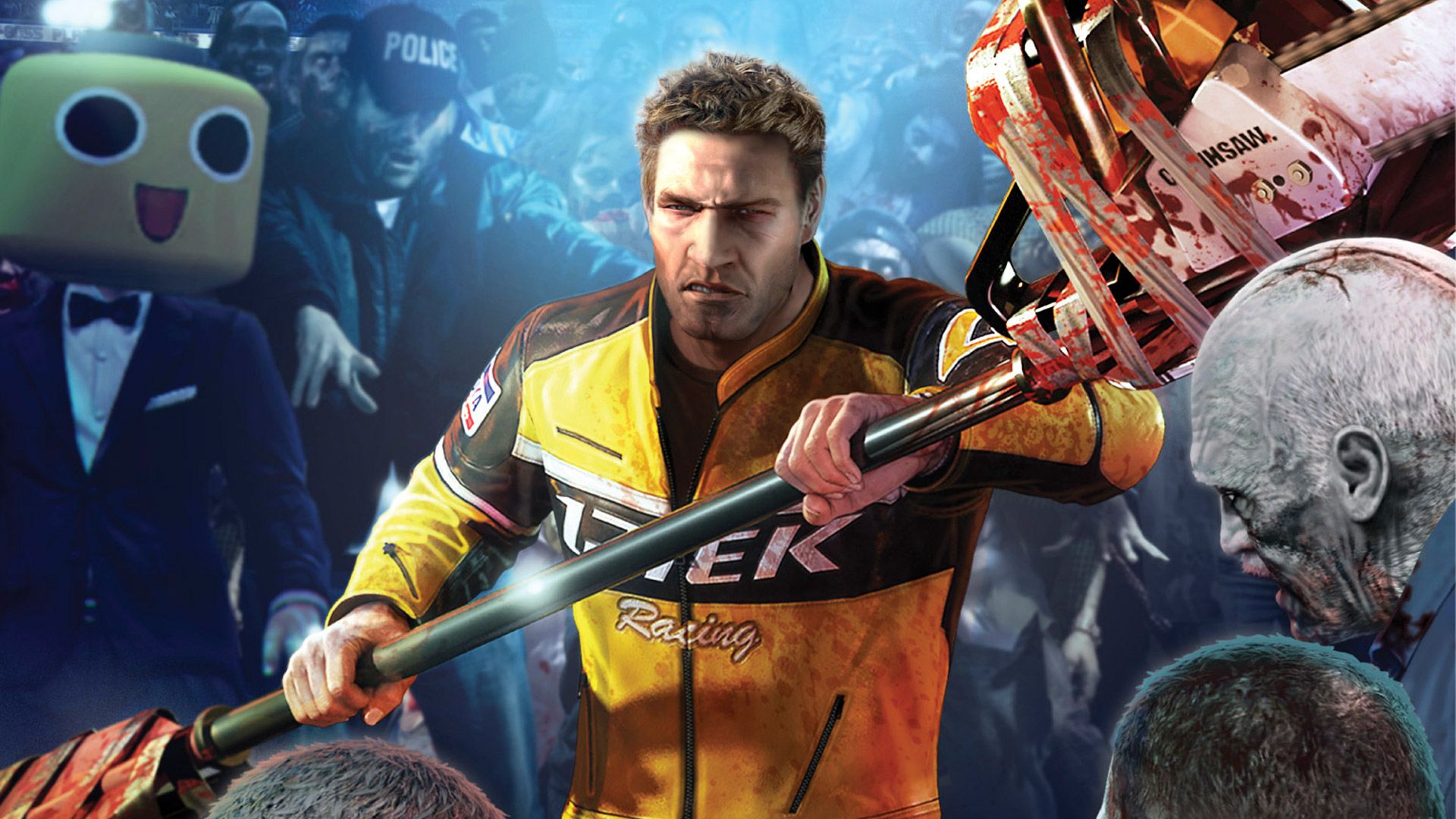
Chef Antoine is a deranged and unsettling character, a flamboyant villain who’s gone mad amidst a zombie apocalypse. He’s a caricature, speaking lovingly to his food (using French terms) and fixating on unusual flavors. His over-the-top behavior is darkly humorous, especially as he attempts to feed people to the player. He’s a particularly striking character because the game otherwise centers on a more traditional, masculine hero trying to rescue his daughter.
‘The Legend of Zelda: A Link Between Worlds’ (2013)
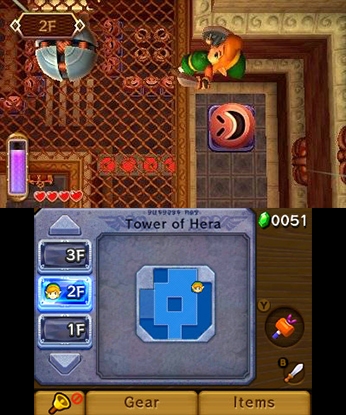
Yuga is a magician from the land of Lorule with a deep love for beauty and art. Like another villain, Ghirahim, he’s known for dramatic makeup and a lively, expressive personality – a stark contrast to the serious Ganon. Yuga has a peculiar habit of transforming people into paintings, believing it’s a way to capture and preserve their beauty eternally. His focus on appearance and somewhat delicate mannerisms set him apart from the typical heroes of Hyrule, marking him as an unusual and distinct figure.
Tell us which of these villains you found the most memorable or problematic in the comments.
Read More
- Gold Rate Forecast
- 22 Films Where the White Protagonist Is Canonically the Sidekick to a Black Lead
- Games That Faced Bans in Countries Over Political Themes
- Silver Rate Forecast
- Unveiling the Schwab U.S. Dividend Equity ETF: A Portent of Financial Growth
- Celebs Who Narrowly Escaped The 9/11 Attacks
- Brent Oil Forecast
- How to Do Sculptor Without a Future in KCD2 – Get 3 Sculptor’s Things
- Superman Flops Financially: $350M Budget, Still No Profit (Scoop Confirmed)
- 14 Movies Where the Black Character Refuses to Save the White Protagonist
2025-12-09 12:49