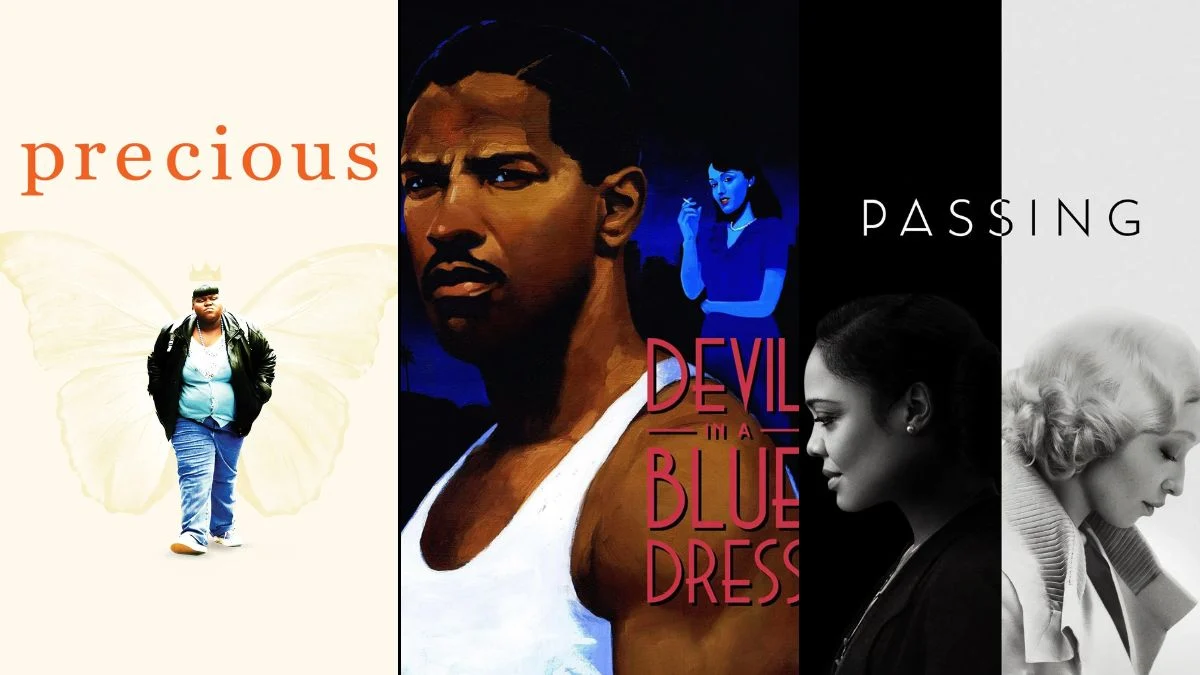
Movies frequently reflect the complicated issue of prejudice, and colorism – discrimination based on skin tone within the same ethnic group – is a particularly widespread and delicate subject. Filmmakers often use stories to reveal how Eurocentric ideas of beauty and ingrained biases create divisions. The films discussed below demonstrate how prejudice based on skin color can act as a key source of conflict and significantly impact characters’ journeys.
‘School Daze’ (1988)

Spike Lee’s film offers a humorous but critical look at divisions within a Black college during homecoming. Students separate into groups – the ‘Wannabes’ and the ‘Jigaboos’ – based on hair and skin tone. This leads to conflict, shown in a musical scene where women trade harsh comments about each other’s appearance. The film directly addresses how deeply rooted racism can cause unnecessary conflict and separation among people.
‘Imitation of Life’ (1959)
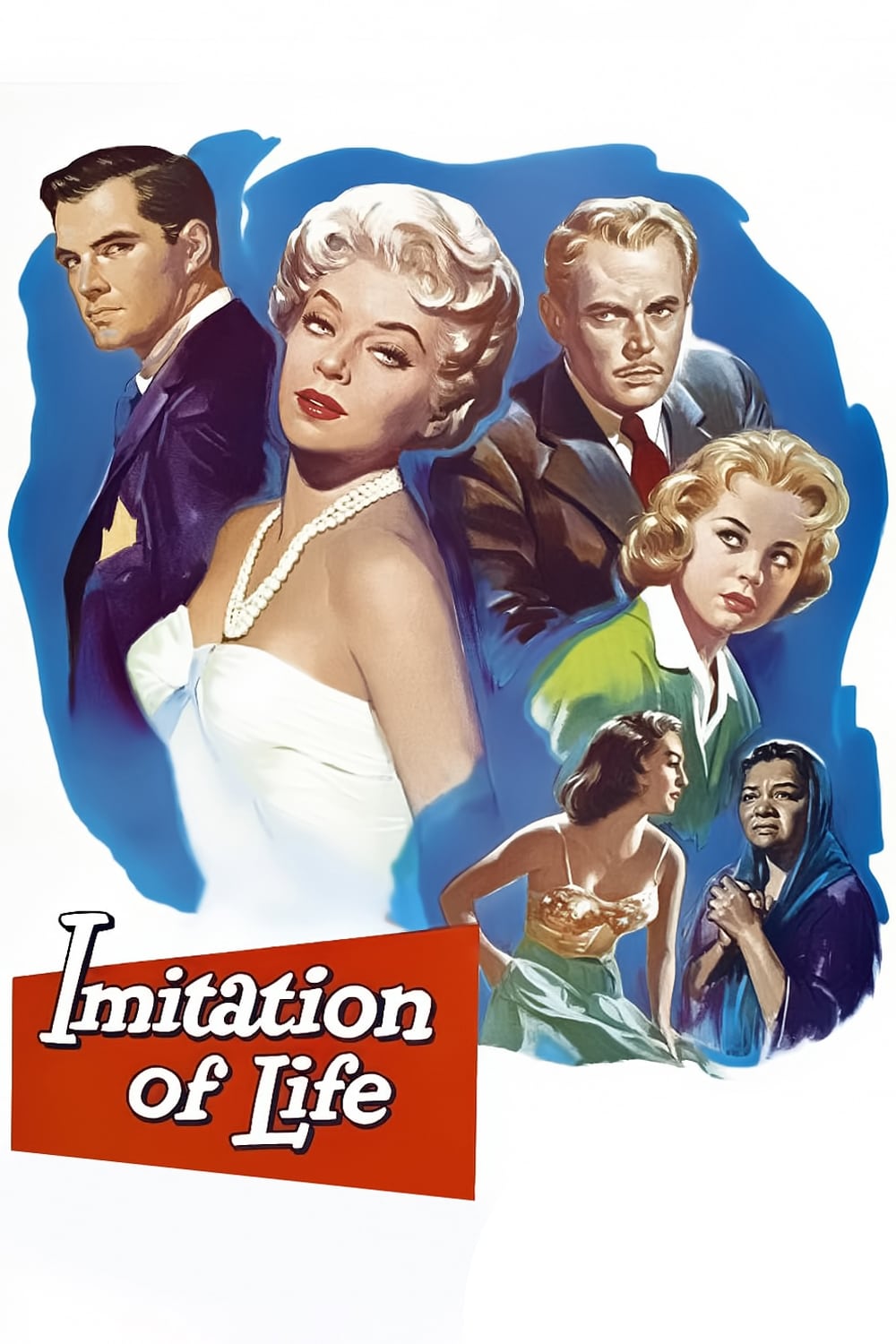
This moving story centers on Sarah Jane, a young woman who tries to live as white and distance herself from her Black family. Driven by a need to be accepted by society, she is unkind to her mother, who has darker skin. The film powerfully shows how the desire to fit in with white culture can break apart families, and Sarah Jane’s struggle with who she truly is leads to heartbreaking consequences.
‘The Color Purple’ (1985)
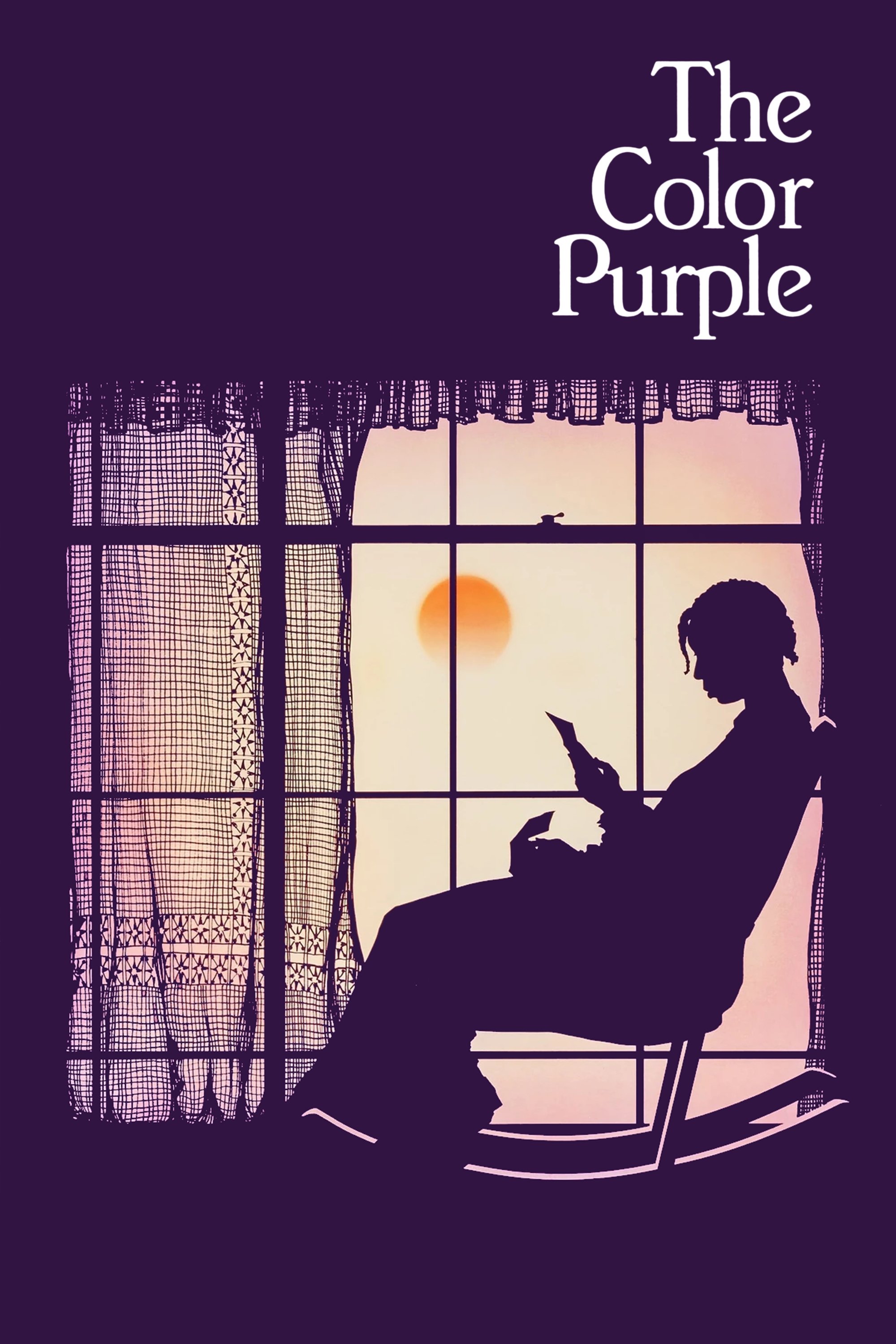
Celie experiences mistreatment from many people, including her husband, Mister, who frequently criticizes her looks and specifically demeans her dark skin. This constant negativity deeply affects her self-worth and makes her feel unimportant throughout the story. The film demonstrates how prejudice based on skin color is used to control and silence women who are already vulnerable.
‘A Soldier’s Story’ (1984)
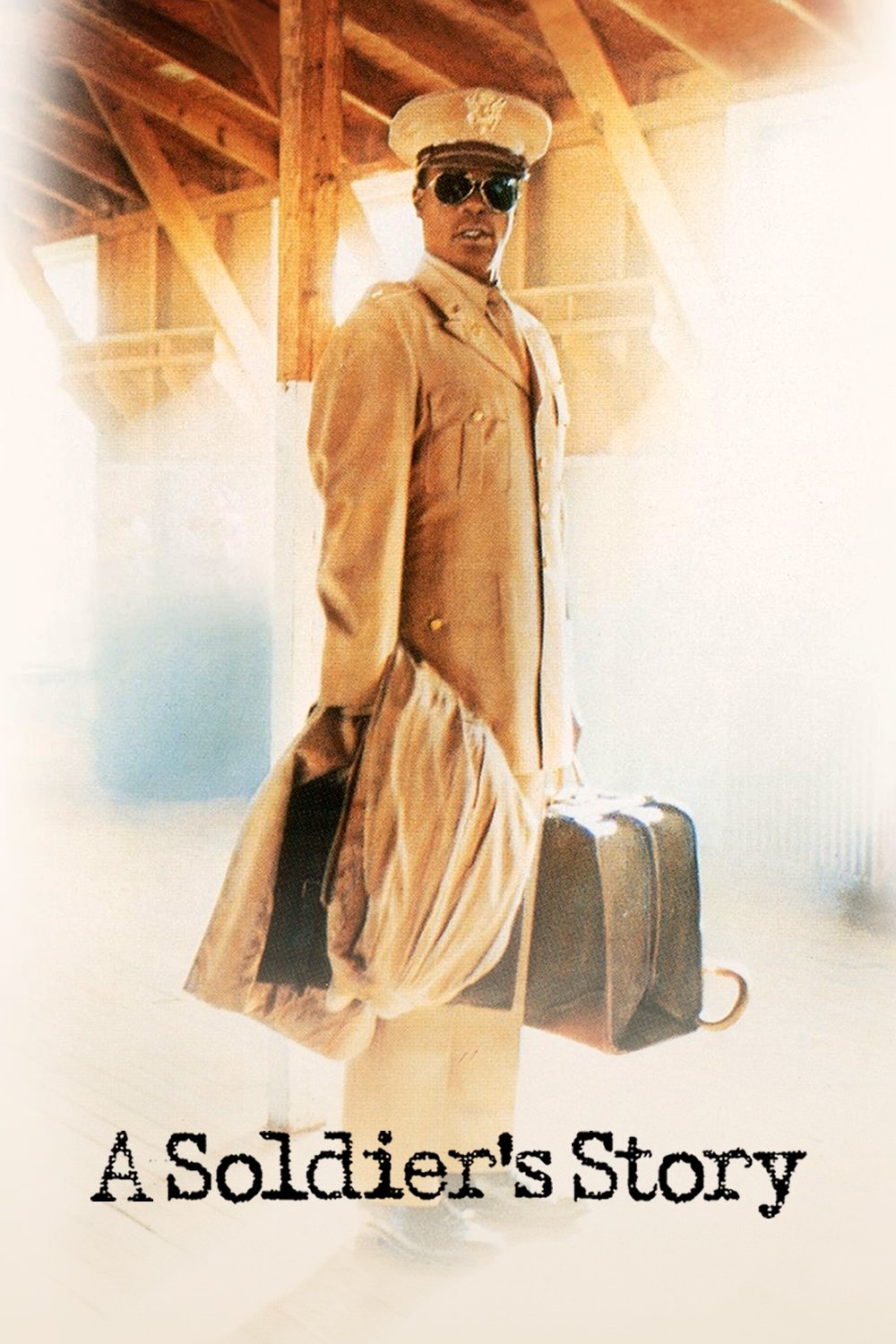
Set near the end of World War II, the film follows a Black military officer as he investigates the murder of a sergeant stationed at an army base in Louisiana. The investigation uncovers a disturbing truth: Sergeant Waters intensely disliked Black men in the South who seemed to fit negative racial stereotypes. He specifically targeted a soldier named C.J. Memphis, a dark-skinned man, because of his own prejudices. Ultimately, the film reveals that the sergeant’s real motive wasn’t just murder, but a desire to suppress and eliminate unique aspects of Black culture.
‘Passing’ (2021)
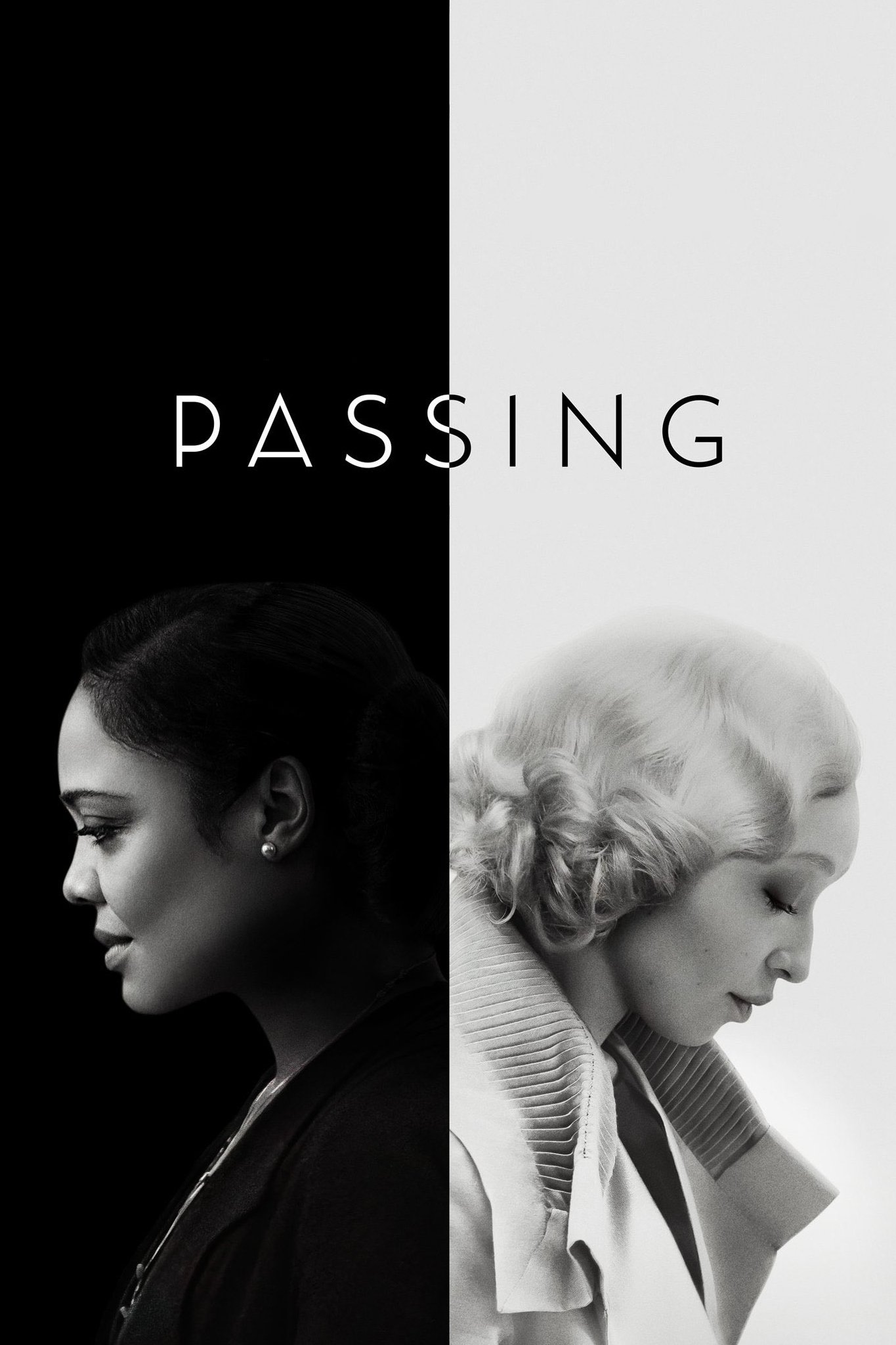
In 1920s New York City, two childhood friends reconnect, but they’ve taken very different paths when it comes to race. Clare Kendry decides to live as a white woman, keeping her true identity a secret from her prejudiced husband. Irene Redfield stays within the Black community, yet she’s both drawn to and disturbed by Clare’s risky choice. The strain of Clare pretending to be someone she’s not creates a major conflict, ultimately leading to a tragic outcome.
‘Pinky’ (1949)
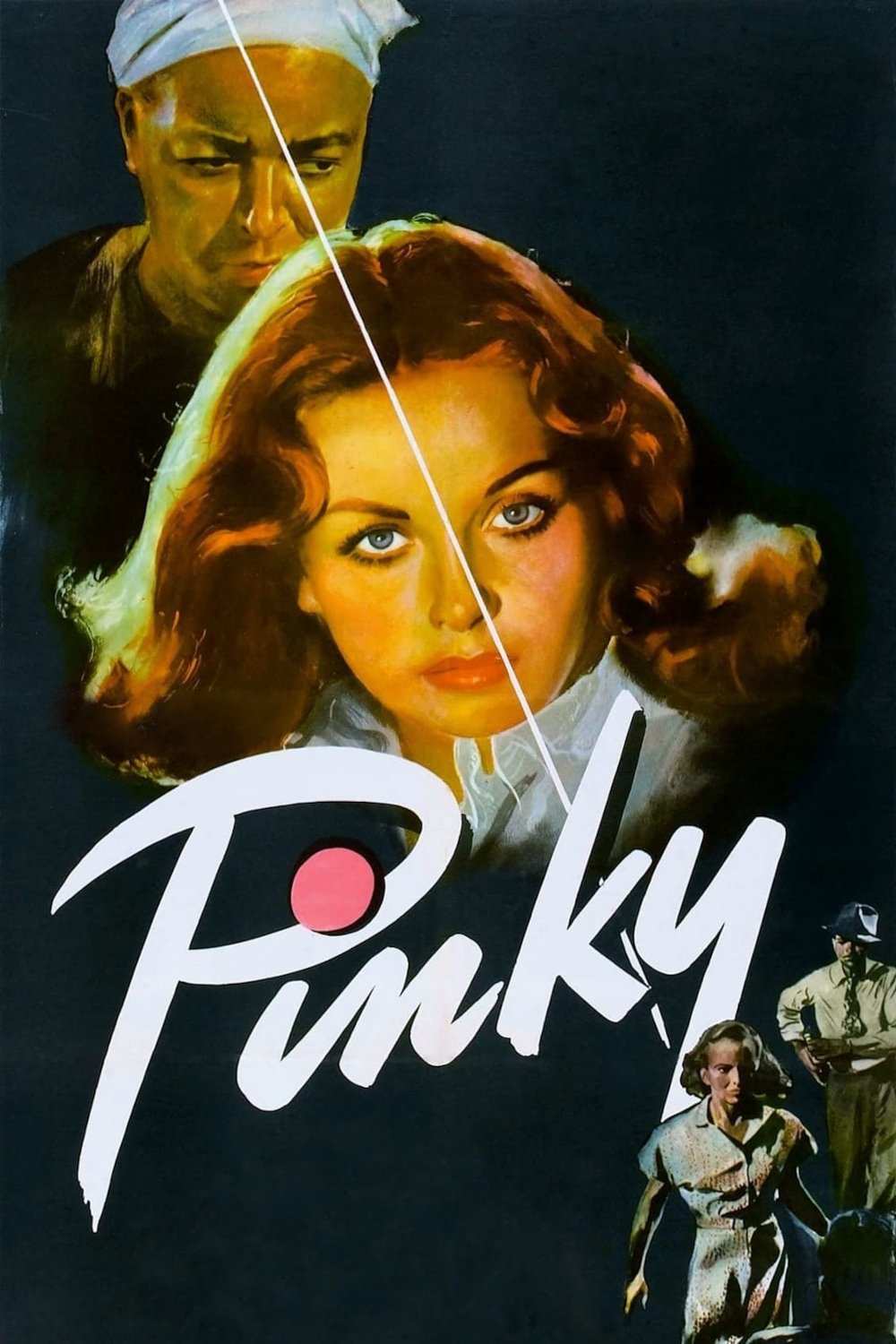
I recently watched this incredibly powerful movie about a light-skinned Black woman who comes back home to the South after living as white up North. It really digs into the struggle she faces trying to figure out who she is, especially with the harsh racism of her hometown all around her. A big part of the story is a court case over an inheritance, and it’s brutal how they try to tear her down by focusing on the fact that she’d been passing as white. It’s a really thought-provoking look at what it meant to cross the color line in the segregated South and the consequences that came with it – both legally and socially.
‘Skin’ (2008)
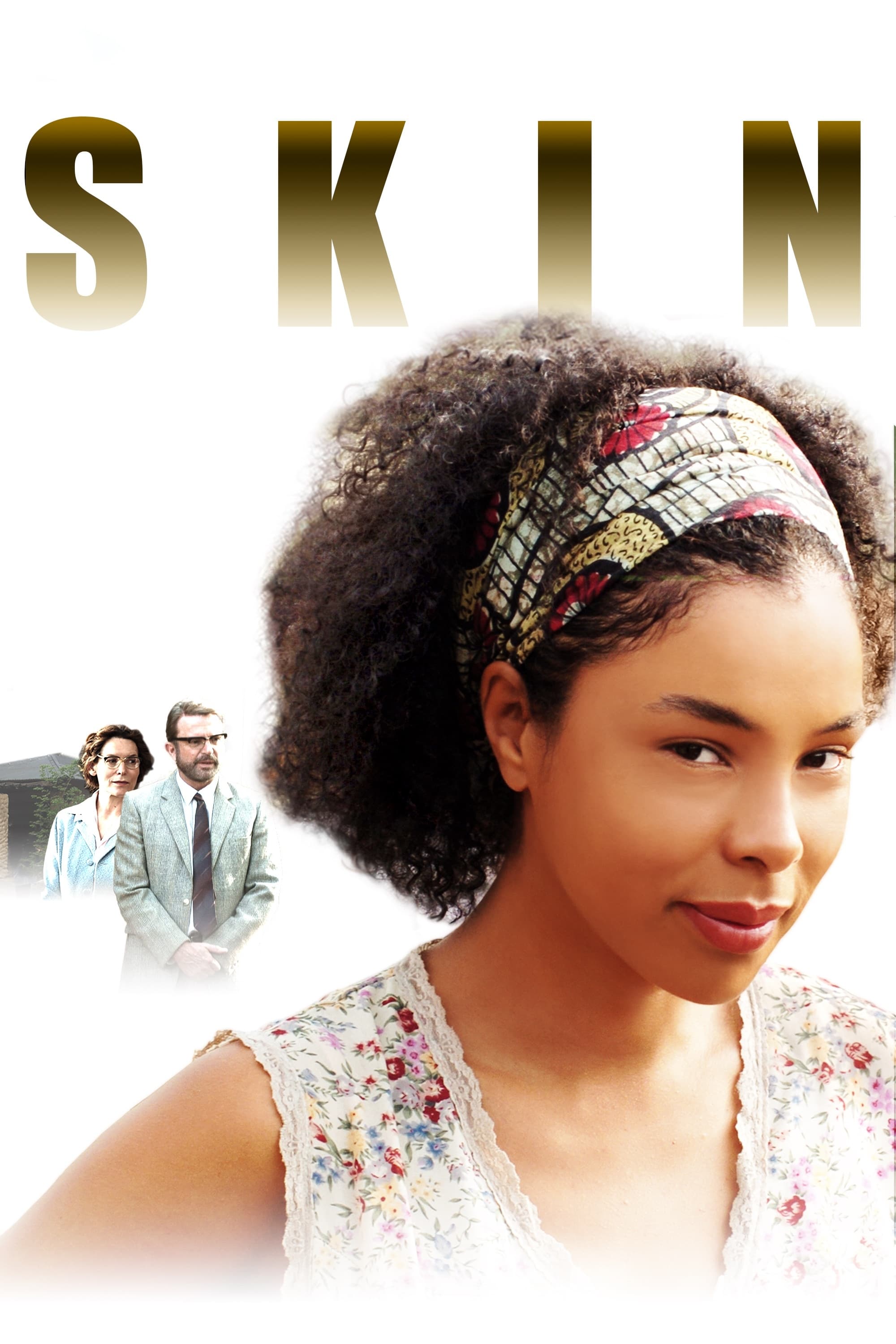
I was deeply moved by this film, which tells the true story of Sandra Laing, a woman born to white parents in South Africa during the time of Apartheid. Because of a rare genetic quirk, Sandra appeared to be Black, and the government shockingly decided to classify her as such. It’s heartbreaking to watch her parents desperately fight against this decision, a system determined to tear their family apart. The film really highlights how cruel and damaging the Apartheid-era racial classifications were, completely ruining Sandra’s childhood and creating a painful distance between her and her father. It’s a powerful story about identity and family.
‘The Human Stain’ (2003)
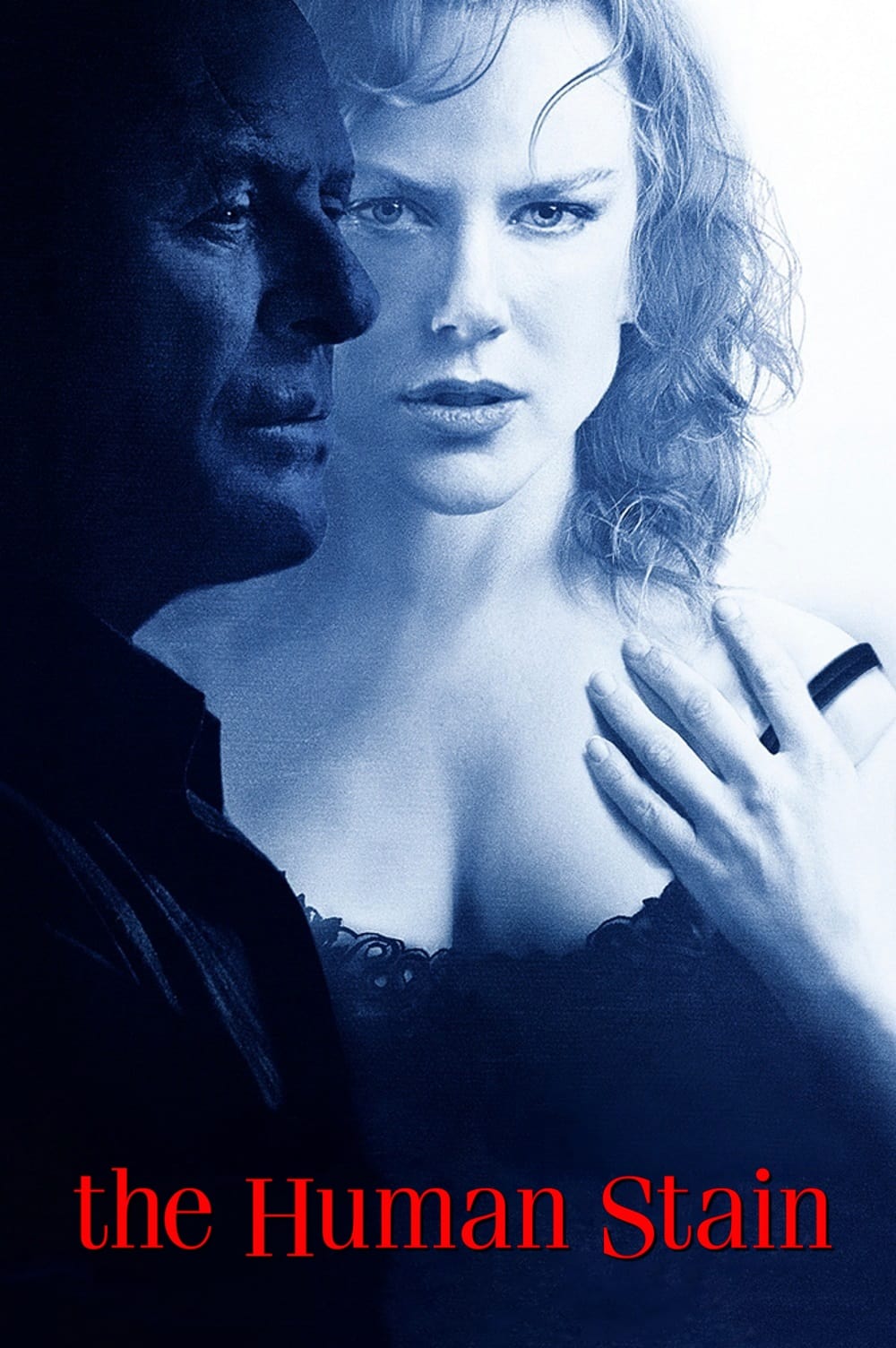
A respected college professor loses his job after a remark is wrongly taken as racist. What makes the situation ironic is that the professor is actually a light-skinned African American who has been living as Jewish. He spent his adult life concealing his heritage, fearing the disadvantages he would face as a Black man. Ultimately, his secret and the web of lies he created lead to his downfall.
‘Devil in a Blue Dress’ (1995)
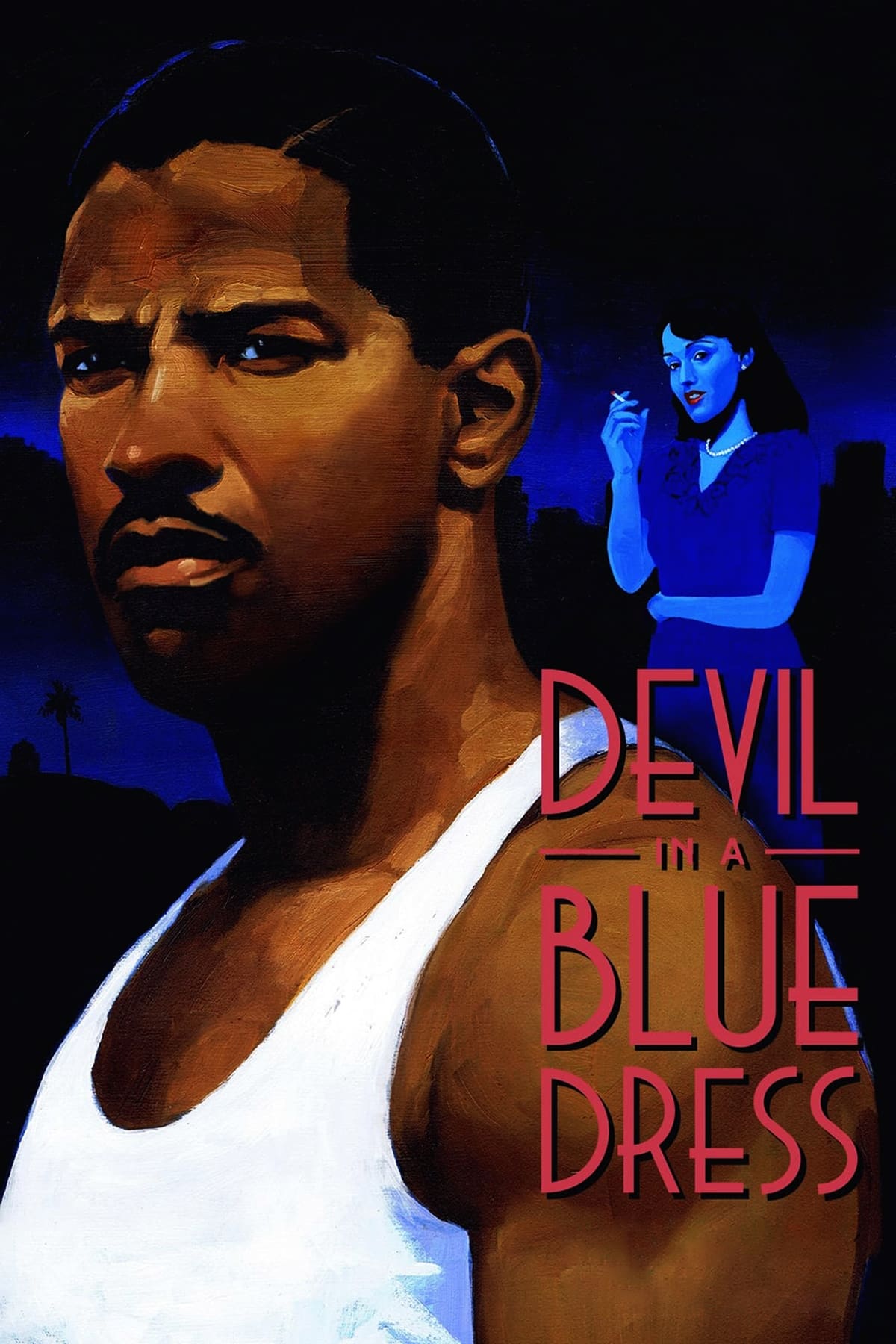
Private detective Easy Rawlins is hired to locate Daphne Monet, a woman often seen at Black jazz clubs. The search reveals Daphne is biracial and has been secretly living as white to maintain a relationship with a powerful, wealthy politician. This hidden past is used to blackmail her, and ultimately leads to murder in 1940s Los Angeles. Daphne’s danger stems entirely from society’s refusal to accept her true racial identity.
‘Shadows’ (1959)
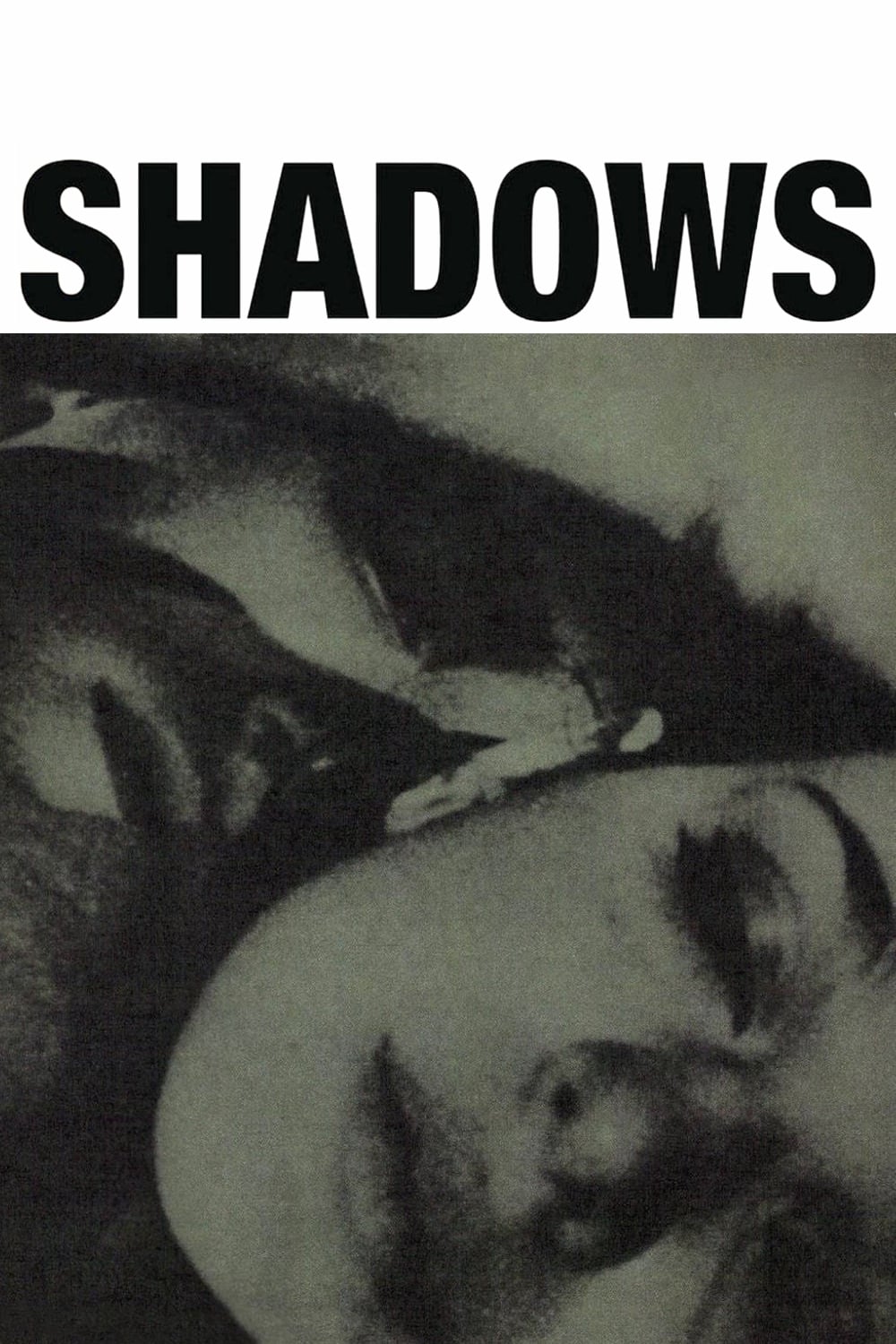
John Cassavetes’ film explores the lives of three siblings in Manhattan, relying heavily on improvisation. The brothers are Black, while their sister, Lelia, is light-skinned enough to be seen as white. When Lelia’s white boyfriend learns about her brothers’ race, she experiences immediate rejection and embarrassment. The film powerfully portrays the harsh realities of colorism and how it affects relationships and opportunities.
‘Show Boat’ (1951)
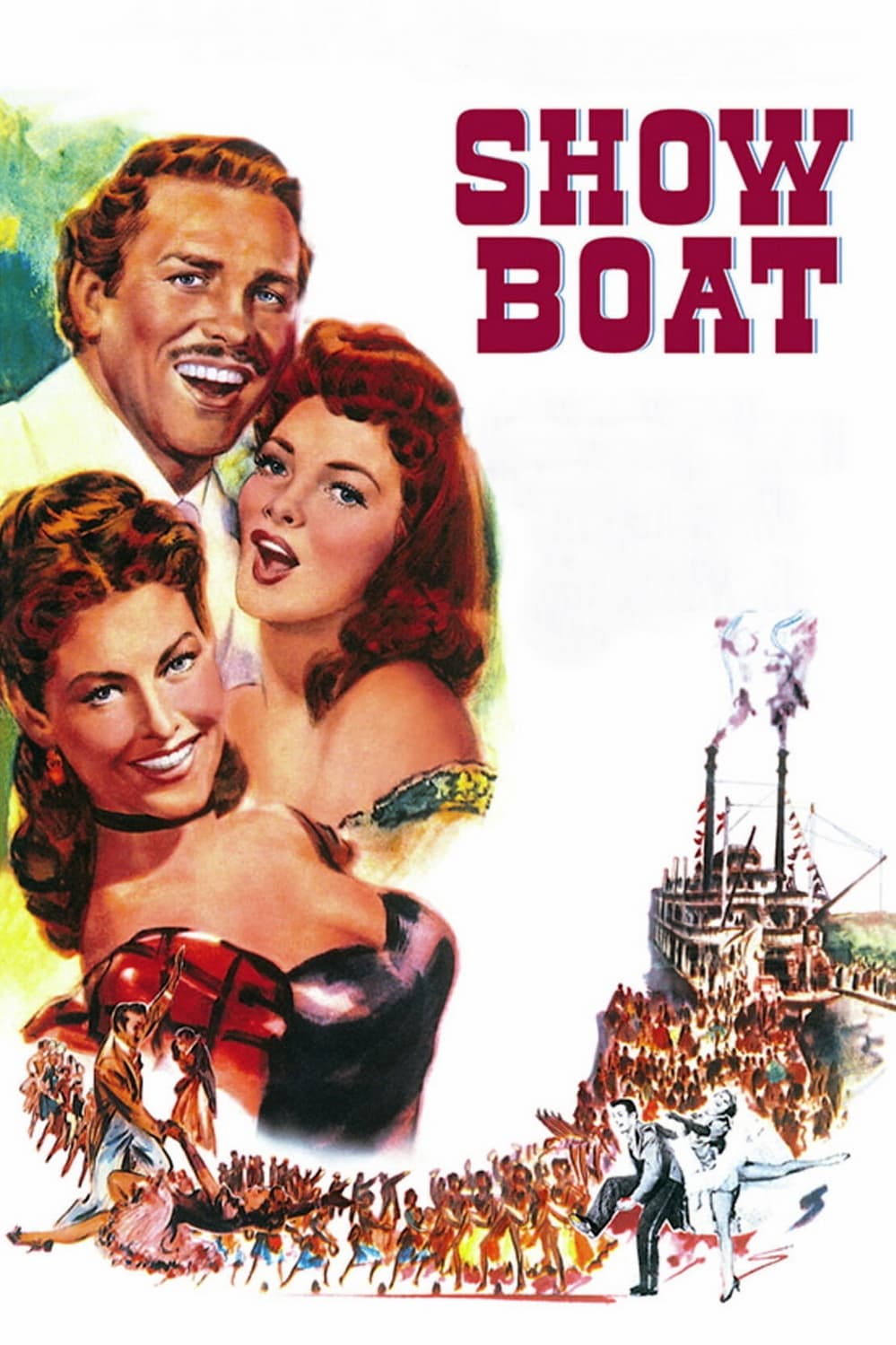
I was really struck by the tragic story of Julie LaVerne, a talented performer whose life completely unraveled after her mixed heritage was revealed. She was a star on a riverboat, but when it came out she was biracial, she and her husband were forced to leave the show – all because of those awful miscegenation laws. What’s truly heartbreaking is how quickly she fell into poverty and battled alcoholism, a direct consequence of these prejudiced rules. The film powerfully shows how simply having ‘black blood,’ as they called it, was enough to shatter a thriving career and, ultimately, a life. It’s a devastating portrayal of the real cost of racial discrimination.
‘Precious’ (2009)

Claireece Precious Jones endures terrible abuse from her mother, Mary, who constantly criticizes her looks and makes her feel worthless because of her skin color and weight. The film shows how prejudice based on skin tone contributes to the pattern of abuse, damaging Precious’s sense of self-worth. Precious must fight against these deeply rooted negative beliefs to achieve her own freedom and independence.
‘Dear White People’ (2014)
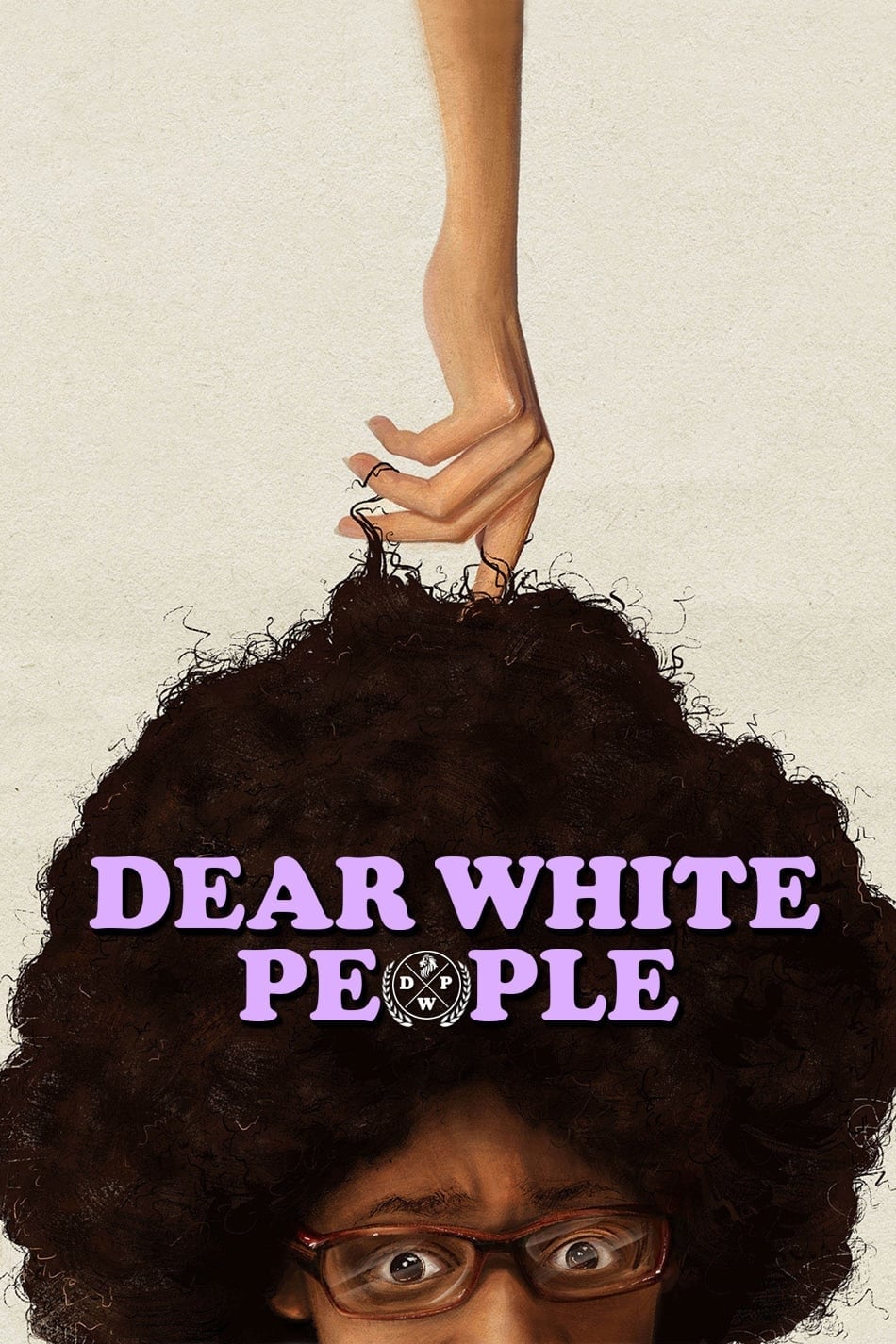
Coco Conners tries to fit in at an elite Ivy League school by consciously avoiding traits commonly associated with Black culture. She changes her appearance – sporting a sleek, straight hairstyle – and modifies her behavior to align with what she believes are white standards of beauty and conduct. This creates tension with other Black students, showcasing the struggle between embracing one’s heritage and trying to assimilate. The film humorously critiques how far some people will go to gain the advantages that come with being seen as close to whiteness.
‘Belle’ (2013)

Dido Elizabeth Belle, the biracial daughter of a naval admiral, was raised by her wealthy great-uncle in 1700s England. Because of her race, she wasn’t allowed to eat meals with her family when guests were present, despite her noble status. This left her in a difficult position – considered too good to be a servant, but not considered acceptable to marry into a good family. The strict rules of society were the biggest challenge to her finding happiness and independence.
‘Farming’ (2018)
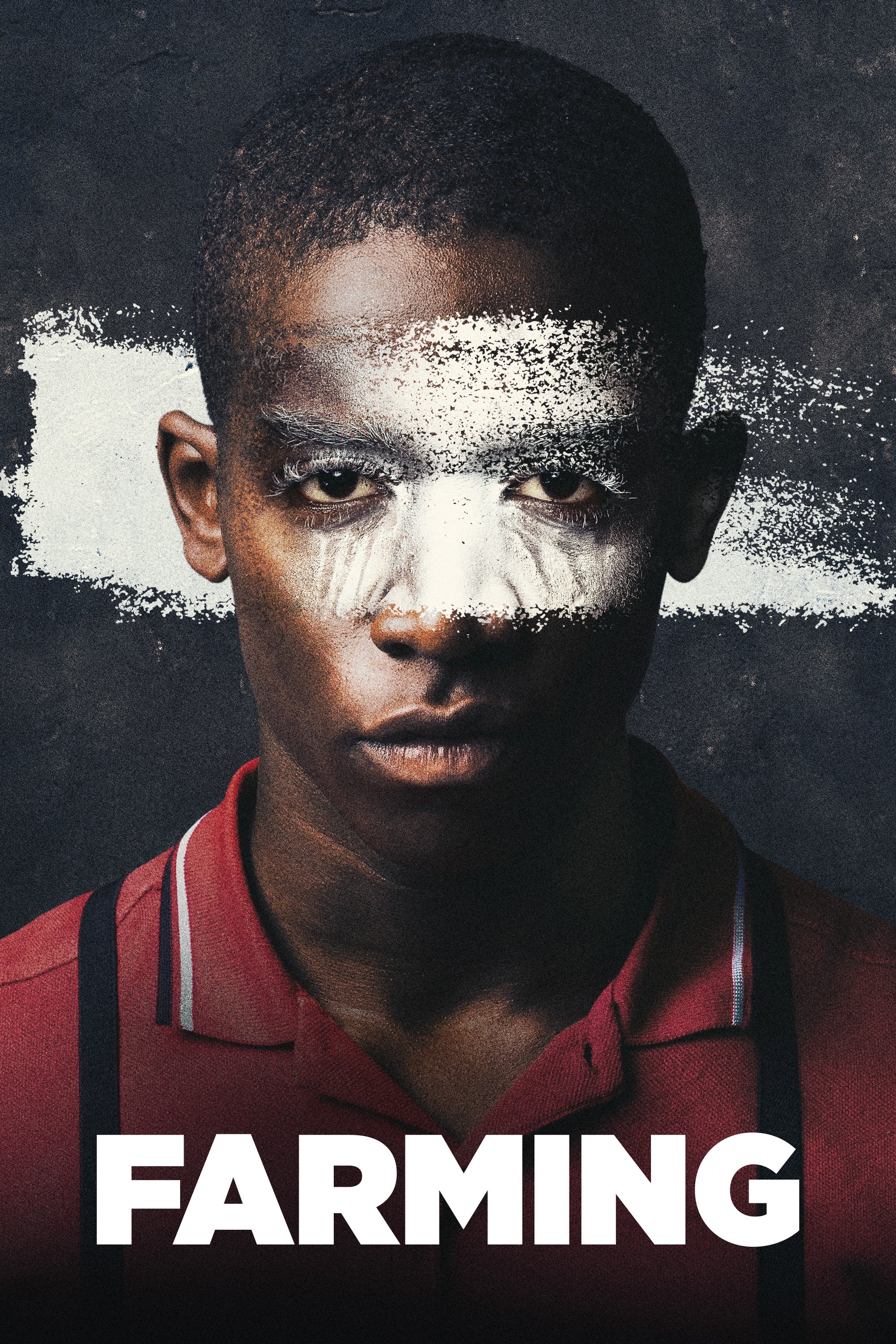
This story follows a young Nigerian boy raised by a white, working-class family in Britain. He faces prejudice and, seeking acceptance, falls in with a white skinhead gang, ultimately turning against his own community. The film is a harsh look at how a difficult upbringing and a hostile environment can lead to internalized racism, self-hatred, and a distorted sense of identity, transforming the protagonist into the antagonist of his own life.
‘For Colored Girls’ (2010)
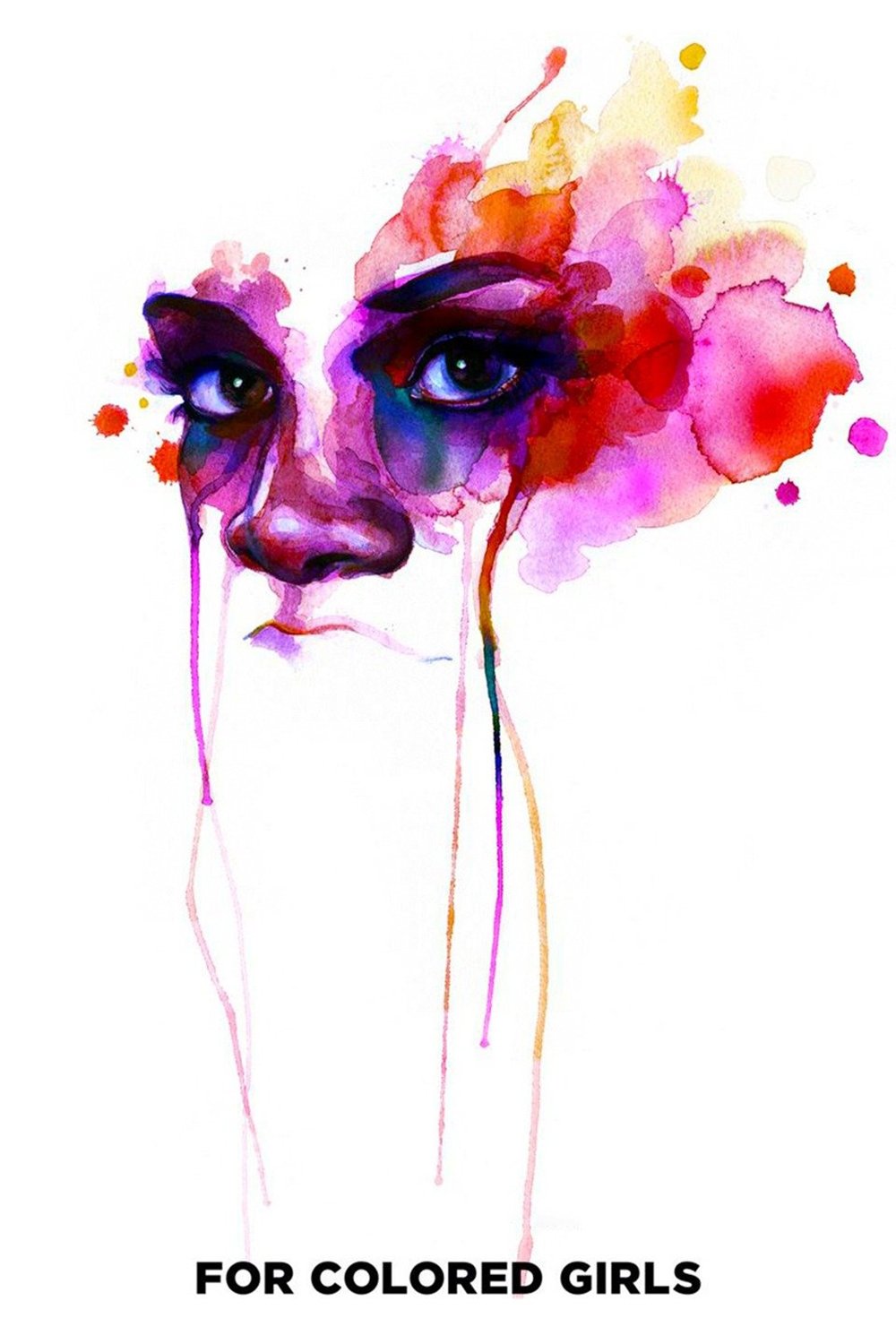
This film is based on Ntozake Shange’s work and tells the interconnected stories of women coping with difficult experiences. It focuses on a character named Yasmine, whose struggles with mistreatment and violence reflect the larger issue of how Black women are often overlooked and unprotected. The film powerfully examines how societal standards of beauty and value can make dark-skinned women especially vulnerable to abuse, and it offers a critical look at the ways society lets them down.
Share which of these films you think handled the subject most effectively in the comments.
Read More
- Gold Rate Forecast
- Games That Faced Bans in Countries Over Political Themes
- Silver Rate Forecast
- Unveiling the Schwab U.S. Dividend Equity ETF: A Portent of Financial Growth
- 15 Films That Were Shot Entirely on Phones
- 20 Movies Where the Black Villain Was Secretly the Most Popular Character
- The Best Directors of 2025
- Brent Oil Forecast
- New HELLRAISER Video Game Brings Back Clive Barker and Original Pinhead, Doug Bradley
- Superman Flops Financially: $350M Budget, Still No Profit (Scoop Confirmed)
2025-12-06 08:46