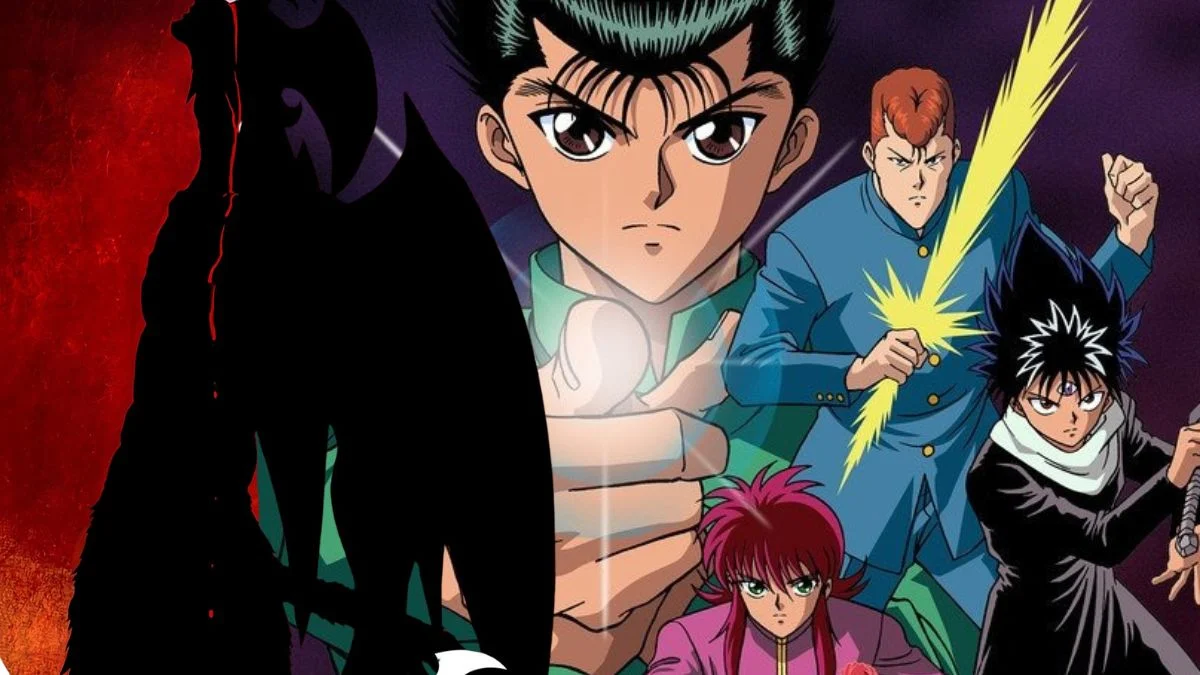
The “Queer-Coded Villain” is a common storytelling technique where villains are given characteristics often associated with LGBTQ+ people, setting them apart from the typical, straight heroes. This often means these characters are the only LGBTQ+ representation in the entire story. Traditionally, creators would use exaggerated mannerisms or appearances that didn’t fit traditional gender roles to mark these characters as different or evil. While anime today is becoming more inclusive, many older and still-popular shows continue to use this trope. The following list highlights villains who are the main, and sometimes only, LGBTQ+ characters in their respective stories.
‘Science Ninja Team Gatchaman’ (1972–1974)

Berg Katse is the main villain in the series, leading the evil organization Galactor. Created by an advanced alien race, Katse has the unique ability to change between male and female forms. The show portrays this shapeshifting as a core part of their deceitful nature and villainy. The Science Ninja Team battles Katse to save Earth from destruction.
‘Dragon Ball’ (1986–1989)
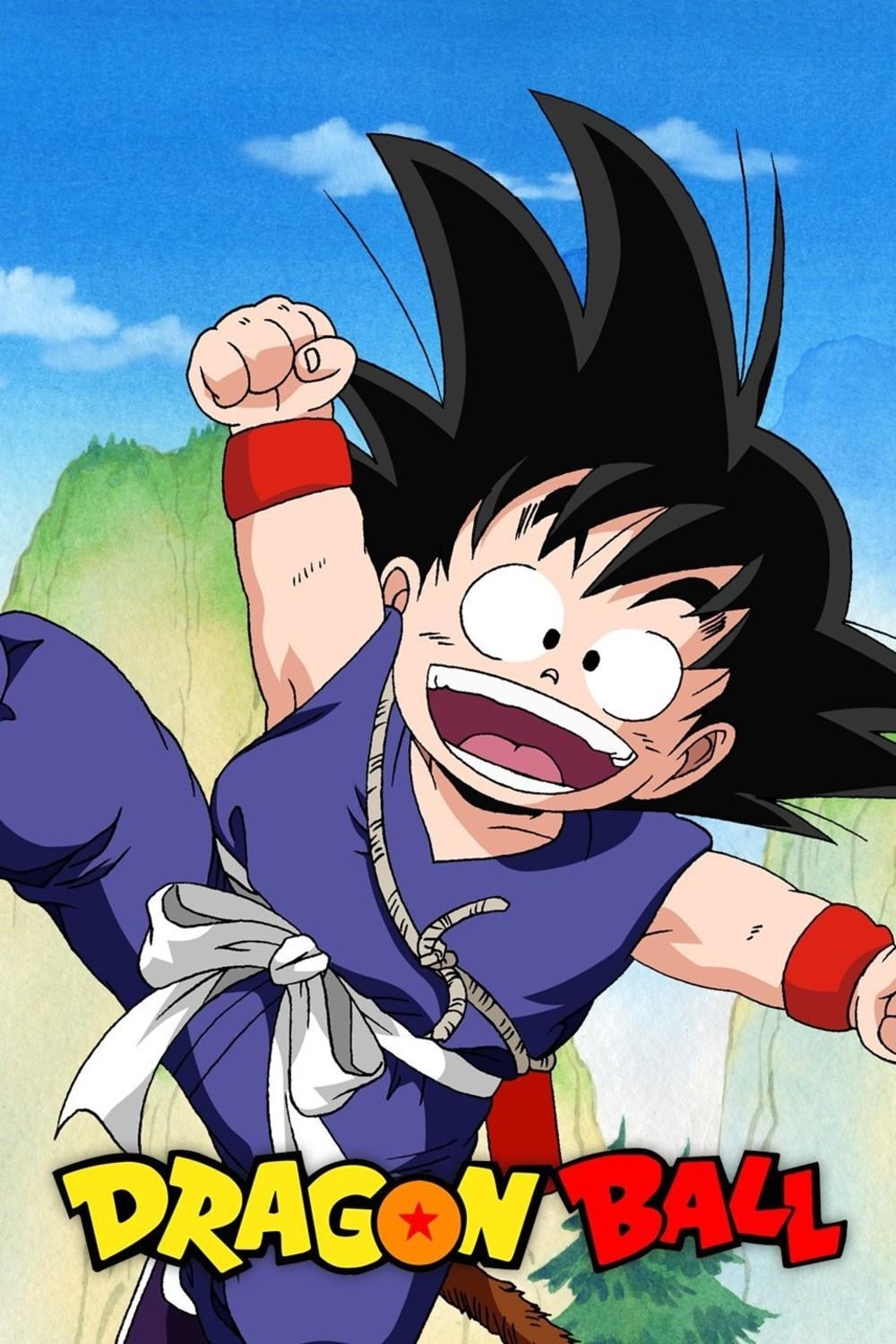
General Blue is a powerful enemy in the Red Ribbon Army who fights against Goku. The series portrays him using common stereotypes often associated with gay men, like a fear of mice and a strong focus on his looks. He’s a strong psychic opponent who can freeze people just by looking at them. His character is built on the idea of a villain who is presented as overly feminine, creating a contrast with the series’ more traditionally masculine heroes.
‘The Vision of Escaflowne’ (1996)
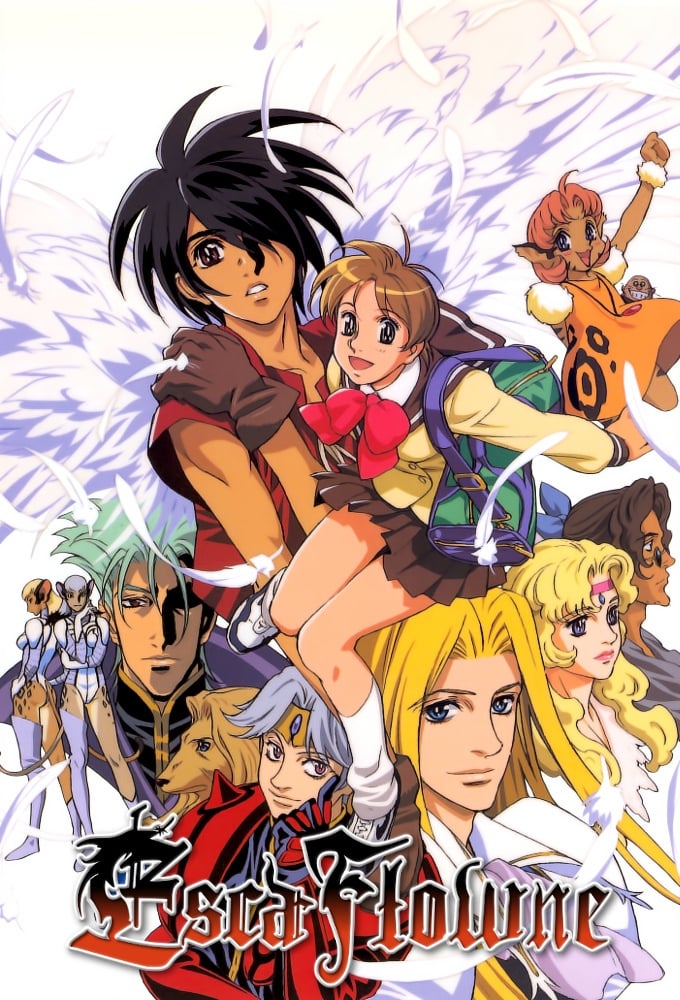
Dilandau Albatau, the leader of the Dragon Slayers, is a persistent and dangerous enemy who pursues the main characters throughout the story. He’s emotionally unpredictable and has a dramatic fascination with both beauty and causing destruction. It’s revealed that he was created through magical experiments that drastically changed his body. His wild behavior and excessive pride sharply contrast with the calm and reserved nature of the hero, Van Fanel.
‘Inuyasha’ (2000–2004)

I’ve been watching this series, and Jakotsu is a really interesting character. He’s one of the Band of Seven, brought back to life to take down Inuyasha and his crew. What stands out is that he’s openly attracted to men, and he actually flirts during his fights – it’s a really unique dynamic! He’s definitely a dangerous villain, enjoying the thrill of battle and, well, appreciating handsome guys. Honestly, he’s the only character in the whole show who’s openly queer, which is a little sad considering everyone else seems to be focused on straight relationships.
‘Rurouni Kenshin’ (1996–1998)
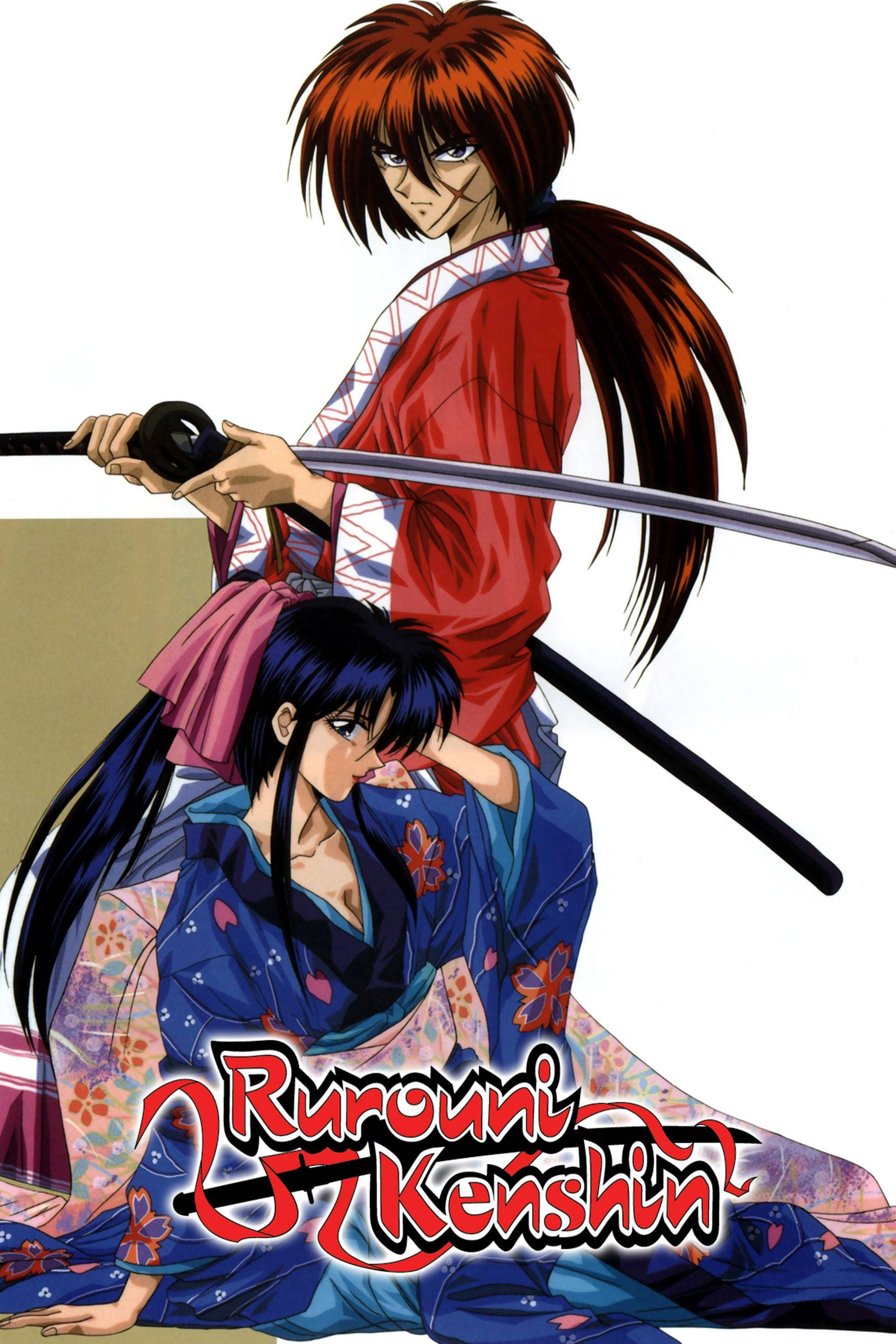
Kamatari Honjo is a skilled fighter who works for the villain Shishio Makoto, using a scythe in battle. He feels like a woman inside and is passionately in love with Shishio, but believes his love will never be fully reciprocated, making his devotion a sad situation. Despite his strong loyalty, Kenshin and his friends must fight and defeat him during the events in Kyoto.
‘Yu Yu Hakusho’ (1992–1994)
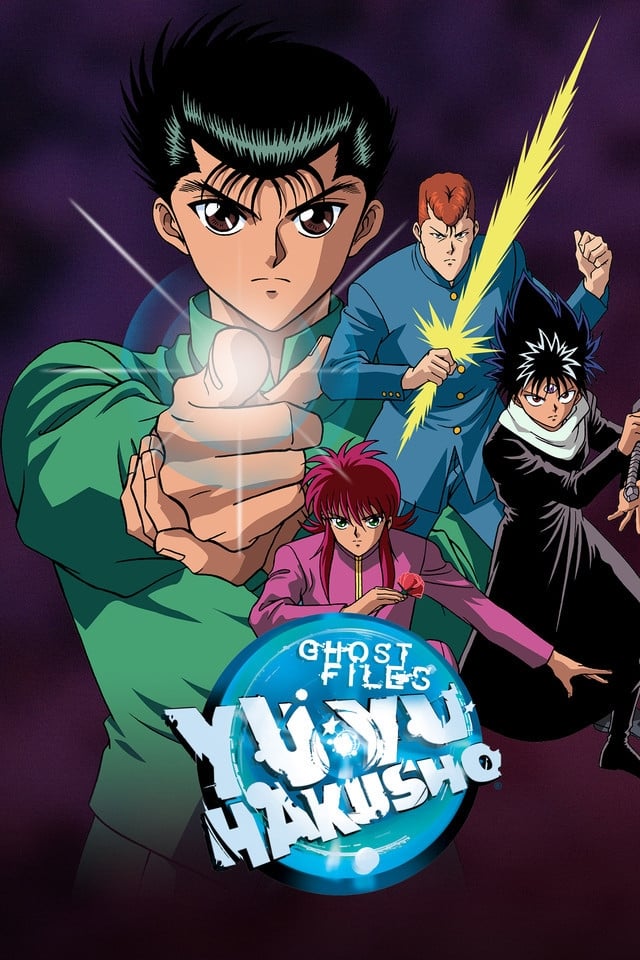
Shinobu Sensui and Itsuki are the main villains in the Chapter Black Saga. Itsuki is a demon deeply in love with Sensui, who has fallen from grace. Their strong relationship drives their goal of opening a gateway to the Demon World. The heroes must defeat them to prevent the destruction of humanity.
‘Berserk’ (1997–1998)
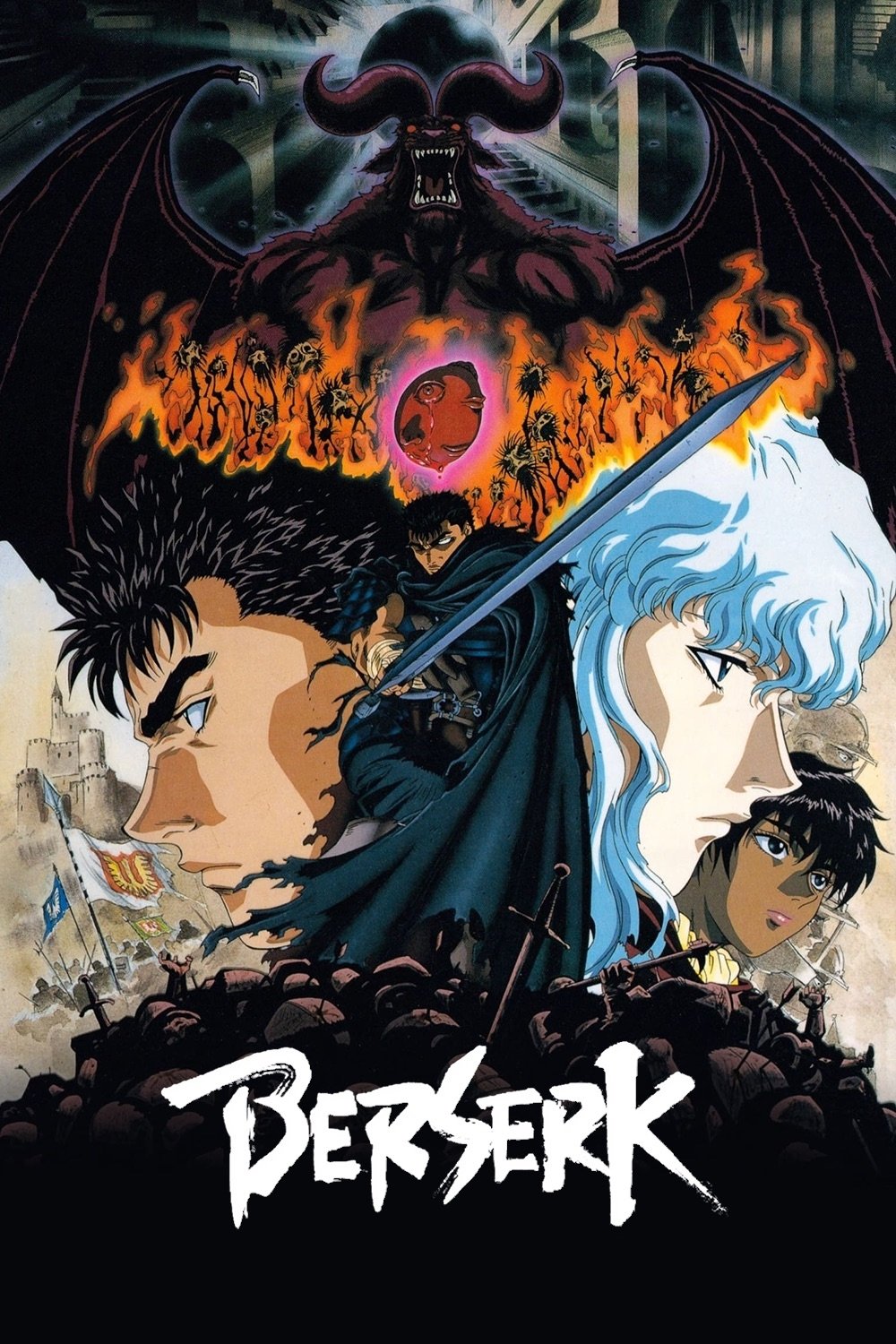
Griffith starts as the captivating leader of the Band of the Hawk, but his overwhelming ambition eventually leads him to make terrible choices. He skillfully uses his good looks and charm to control others, particularly Guts. His feelings for Guts become unhealthy, going beyond friendship and turning into a strong, controlling desire. The eclipse ritual completes his change, turning him into a god-like being who has lost all sense of right and wrong.
‘Naruto’ (2002–2007)
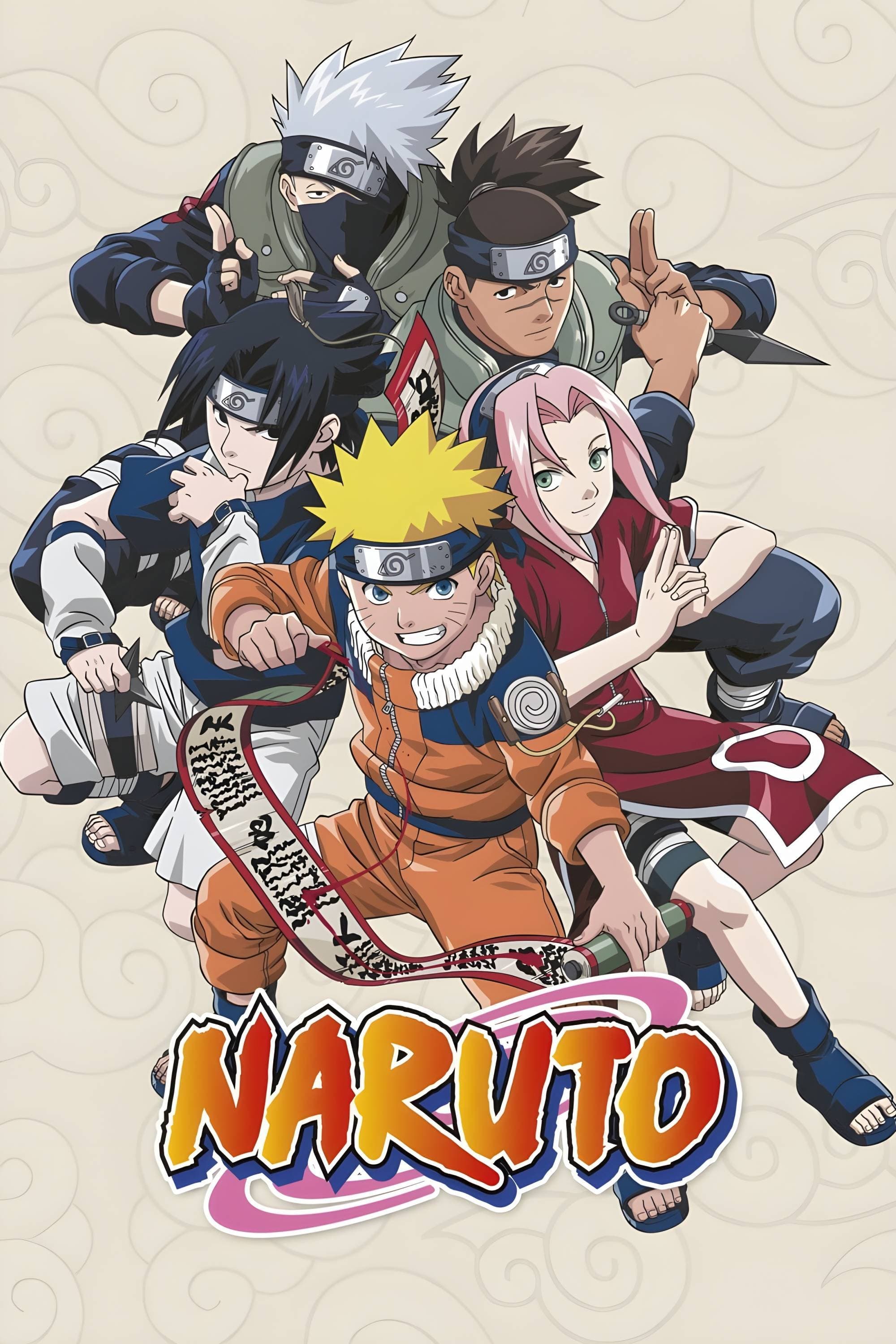
Orochimaru is driven by a desire to live forever and has the unique ability to transfer his consciousness into different bodies, even changing genders in the process. He’s a major villain who targets young ninja, using them as hosts for his spirit. His unconventional behavior and disregard for traditional gender roles set him apart from the ninja of Konoha. The story portrays his constant body-switching and pursuit of eternal youth as unnatural and disturbing.
‘Soul Eater’ (2008–2009)
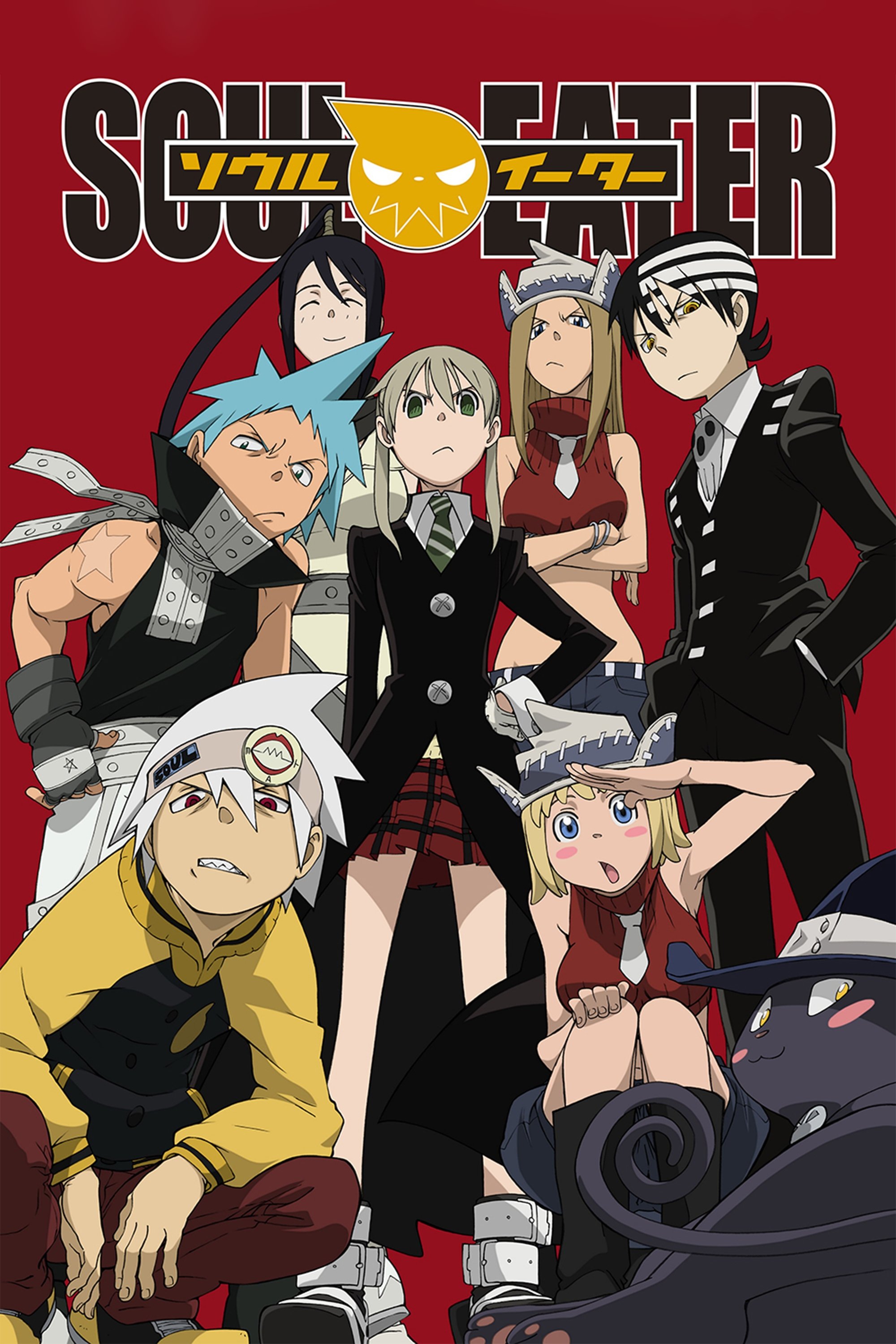
Crona is the child of the witch Medusa and was raised with the purpose of causing destruction. They struggle with anxiety and mental instability, and their gender is unclear. Throughout the story, Crona is a sympathetic villain forced to battle students at the Death Weapon Meister Academy. Ultimately, the heroes attempt to rescue Crona from Medusa’s harmful control.
‘Fullmetal Alchemist’ (2003–2004)
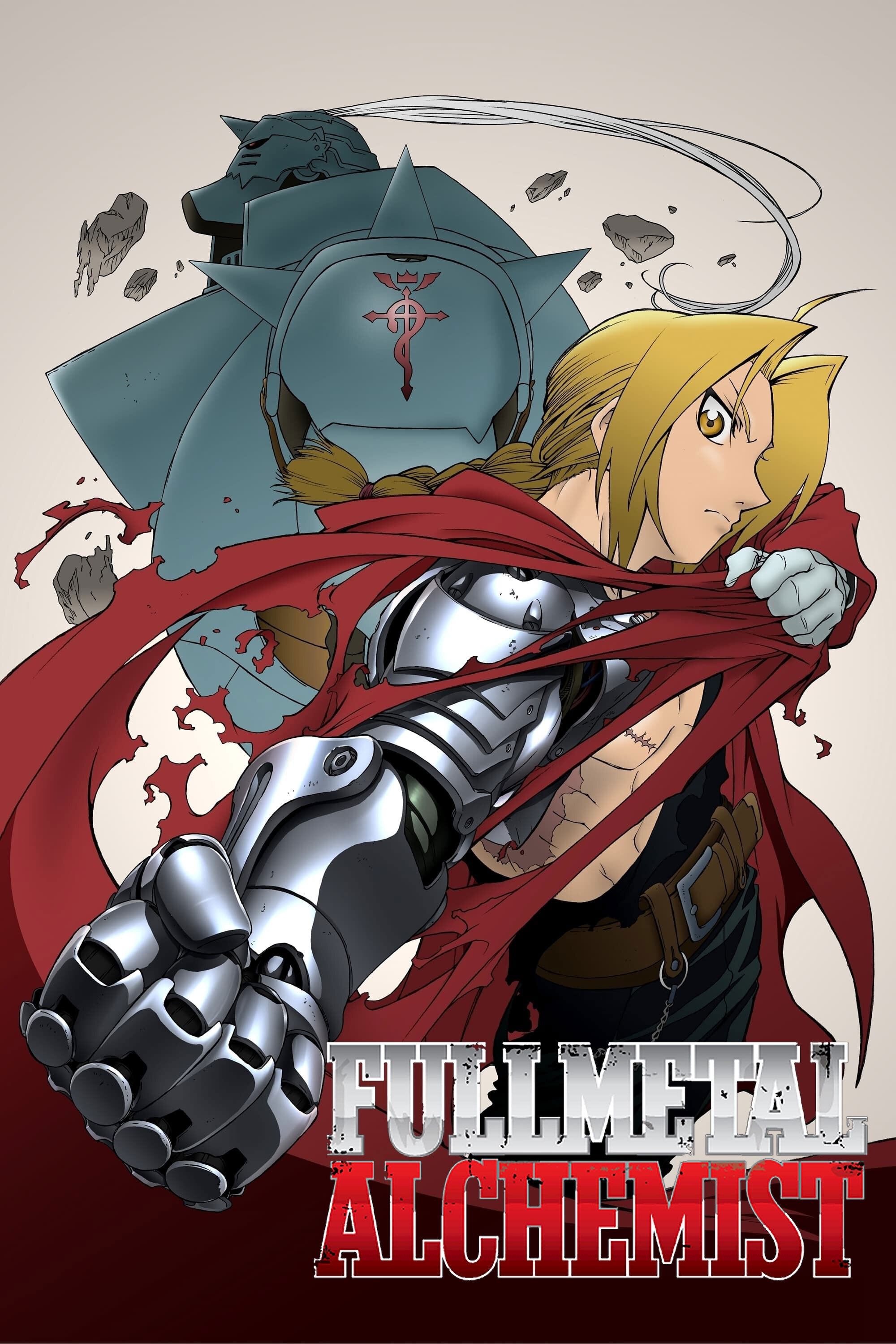
Envy is a shapeshifting creature who can perfectly imitate anyone or anything. They deeply dislike humans and frequently taunt them, often appearing with a deliberately unclear gender. The 2003 anime series especially emphasizes this ambiguous appearance as a key part of Envy’s ability to deceive. Edward and Alphonse Elric need to learn the truth about Envy and the other Homunculi if they want to protect their homeland.
‘Pokémon’ (1997–Present)
James, from Team Rocket, is a famous villain in the world of anime. He’s known for dressing as a woman and behaving in ways that suggest he’s gay. He cares more about his teammates, Jessie and Meowth, than about being a truly bad guy. And, in almost every episode of the show, Ash Ketchum and his friends send him flying through the air!
‘Powerpuff Girls Z’ (2006–2007)

Him is a very powerful demon and the main villain faced by the magical girl trio. He deliberately uses makeup, feminine clothing, and a high-pitched voice to disturb and frighten his enemies. The show portrays his unconventional appearance as a reflection of his evil and alien origins. Ultimately, the Powerpuff Girls must combine their powers of light to overcome his darkness.
‘Devilman Crybaby’ (2018)
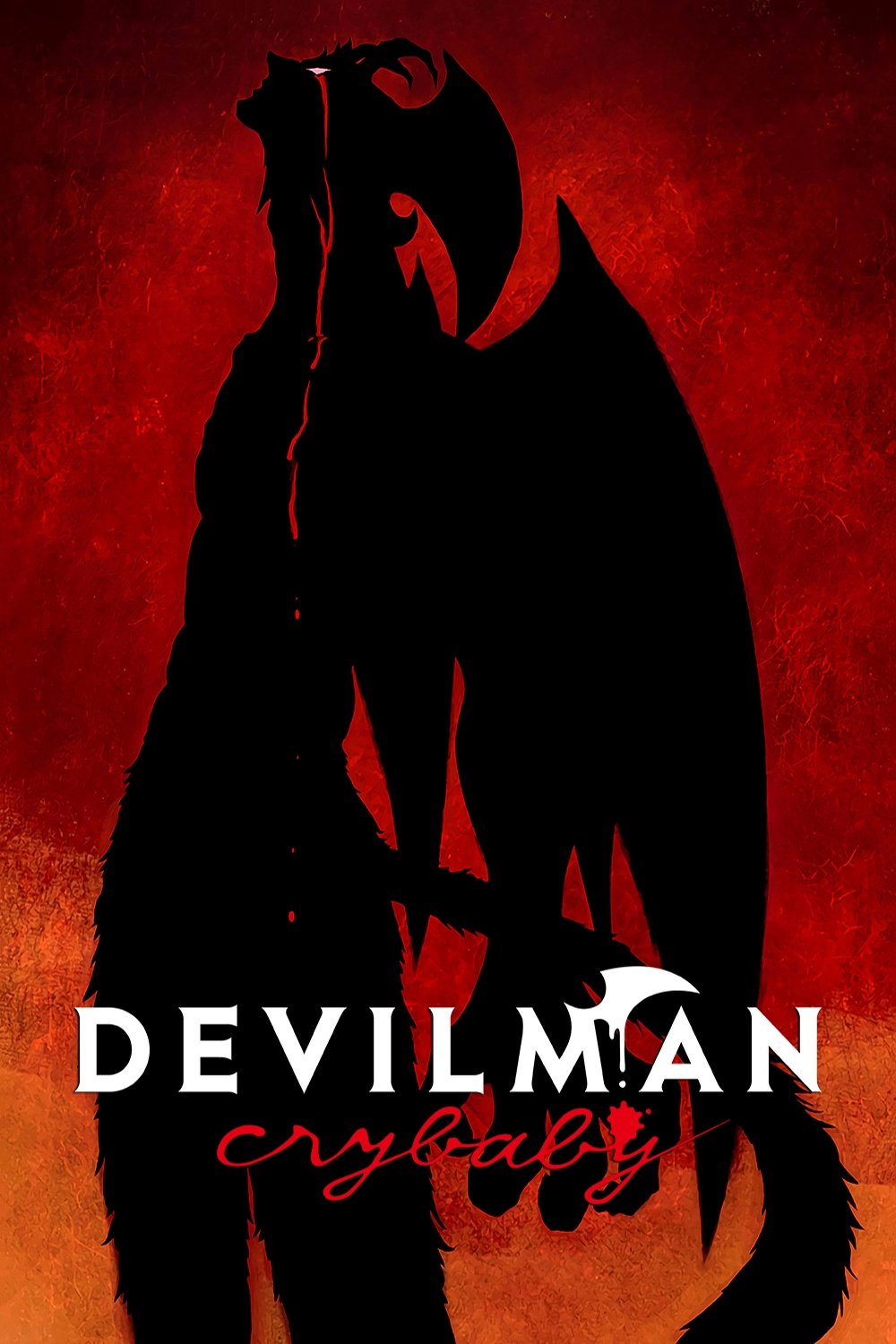
Ryo Asuka is Akira’s closest friend, but he’s hiding a big secret. He’s deeply in love with Akira, and this love causes a lot of the major conflicts in the story. Ryo’s true form is neither fully male nor female, embodying a unique and otherworldly beauty. Ultimately, the story concludes with a heartbreaking showdown between the two, ending their friendship in tragedy.
‘Digimon Frontier’ (2002–2003)
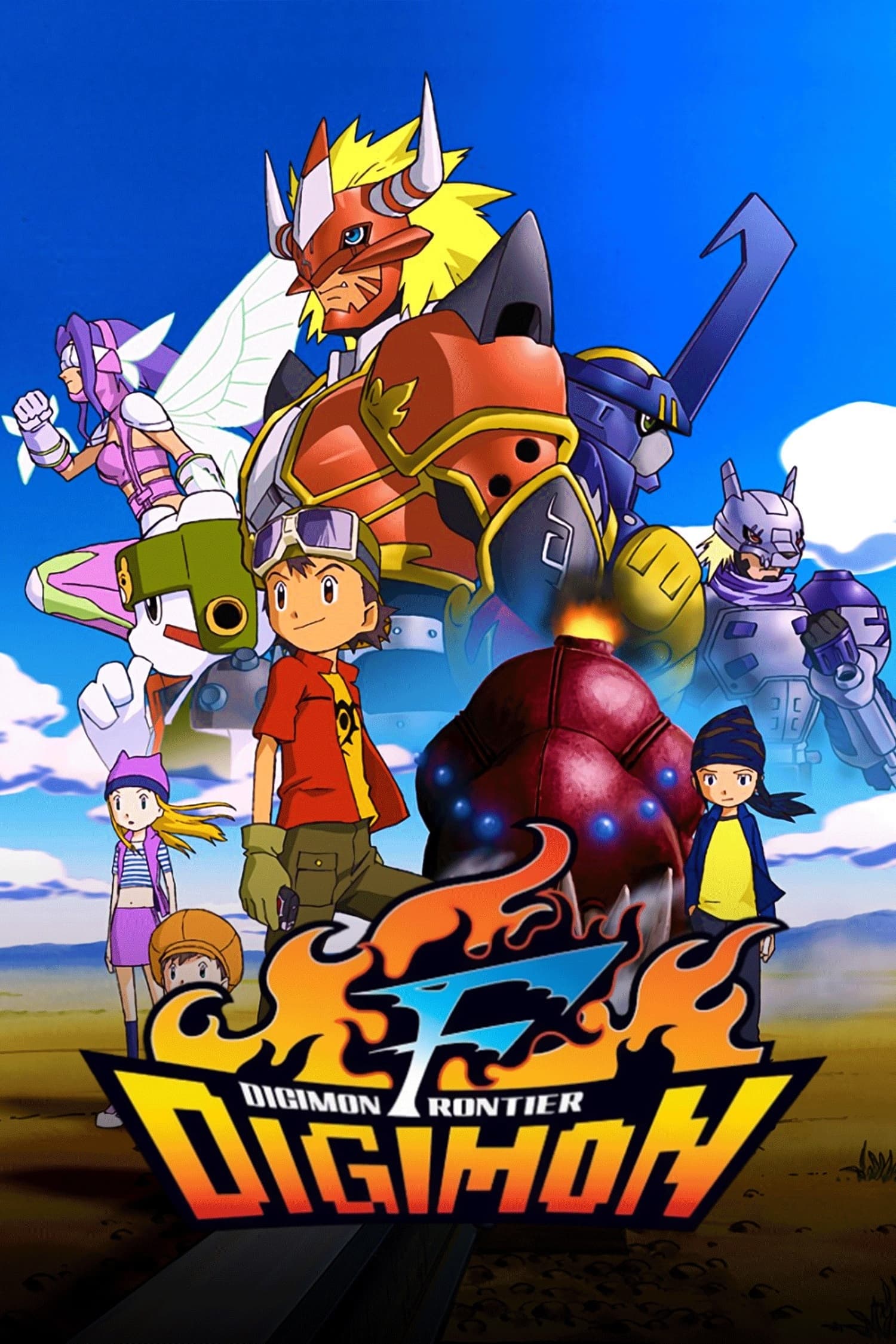
Crusadermon is a powerful enemy and one of the Royal Knights, determined to wipe out the Digital World. Despite being male, he’s obsessed with beauty and has a surprisingly delicate personality. The heroes find it incredibly difficult to defeat him, as he’s both incredibly strong and completely committed to his destructive goal. He contrasts sharply with the heroes, who rely on their courage and willpower.
‘Black Butler’ (2008–2010)
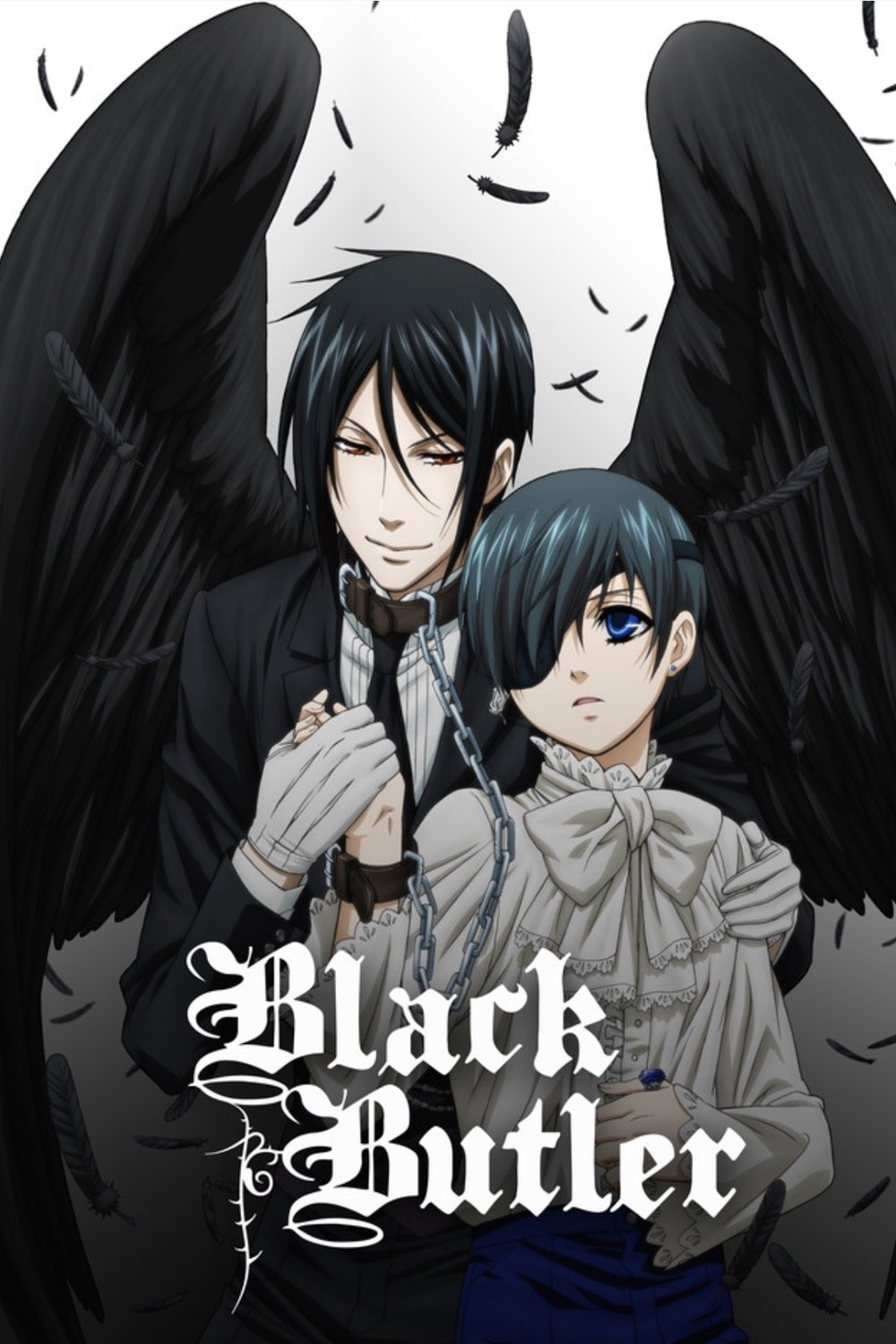
Grell Sutcliff is a Grim Reaper who pretends to be a bumbling butler, but is actually a ruthless killer. She identifies as female and has a strong romantic interest in the demon Sebastian Michaelis. As a villain, Grell collects souls using a specially-made scythe. The show uses her over-the-top personality to create a striking contrast with the otherwise dark and serious Victorian atmosphere.
‘Akame ga Kill!’ (2014)

Dr. Stylish is a scientist working for the Empire, known for conducting cruel experiments on people. He’s openly gay and has a strange obsession with making his dangerous biological weapons look aesthetically pleasing. The series portrays him as a self-absorbed villain who sees people only as ingredients for his twisted creations. Night Raid is tasked with stopping him and his horrifying work.
Share your thoughts on these anime villains in the comments.
Read More
- Gold Rate Forecast
- 22 Films Where the White Protagonist Is Canonically the Sidekick to a Black Lead
- How to Do Sculptor Without a Future in KCD2 – Get 3 Sculptor’s Things
- Unveiling the Schwab U.S. Dividend Equity ETF: A Portent of Financial Growth
- 15 Films That Were Shot Entirely on Phones
- Silver Rate Forecast
- Superman Flops Financially: $350M Budget, Still No Profit (Scoop Confirmed)
- Black Actors Fans Say Hollywood Only Casts as Criminals
- New HELLRAISER Video Game Brings Back Clive Barker and Original Pinhead, Doug Bradley
- 14 Movies Where the Black Character Refuses to Save the White Protagonist
2025-12-06 18:16