
Title sequences became increasingly elaborate in the 2010s as TV shows had bigger budgets and aimed to stand out. Studios started creating opening credits as artistic pieces, designed to establish the mood and central ideas of each episode. These sequences went beyond just listing actors, incorporating detailed animation, meaningful imagery, and striking music. The shows featured below are examples of series that used their opening minutes to immediately grab viewers’ attention.
‘Game of Thrones’ (2011–2019)
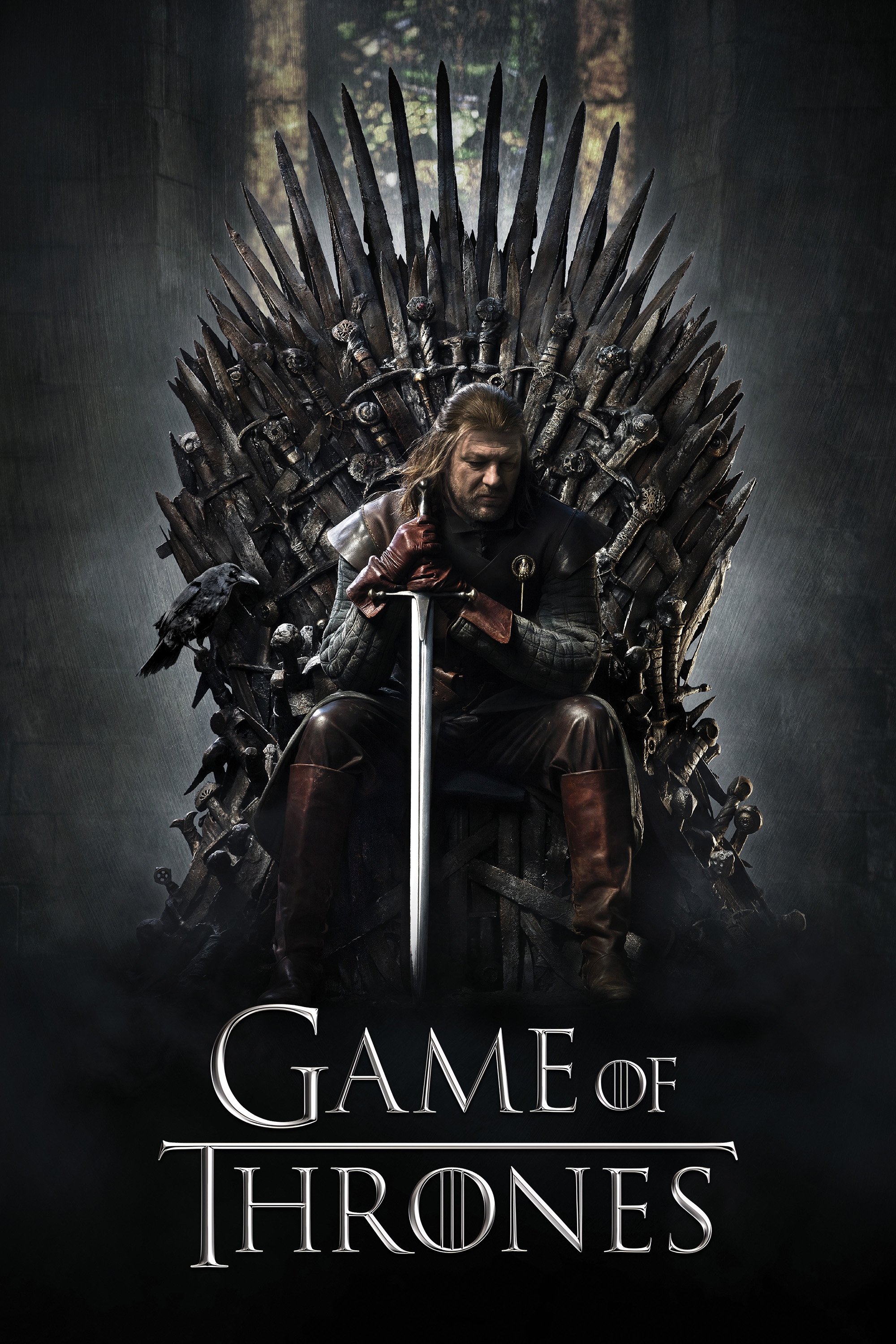
The show opens with a stunning mechanical map of the lands of Westeros and Essos. As the story unfolds each episode, the map changes to highlight the key locations. Intricate gears move to reveal castles and cities, visually representing the complex political games being played. A powerful cello theme, composed by Ramin Djawadi, swells as the camera pans across this fictional world. This opening sequence is essential for helping viewers understand the vast setting and how power shifts throughout the series.
‘Westworld’ (2016–2022)
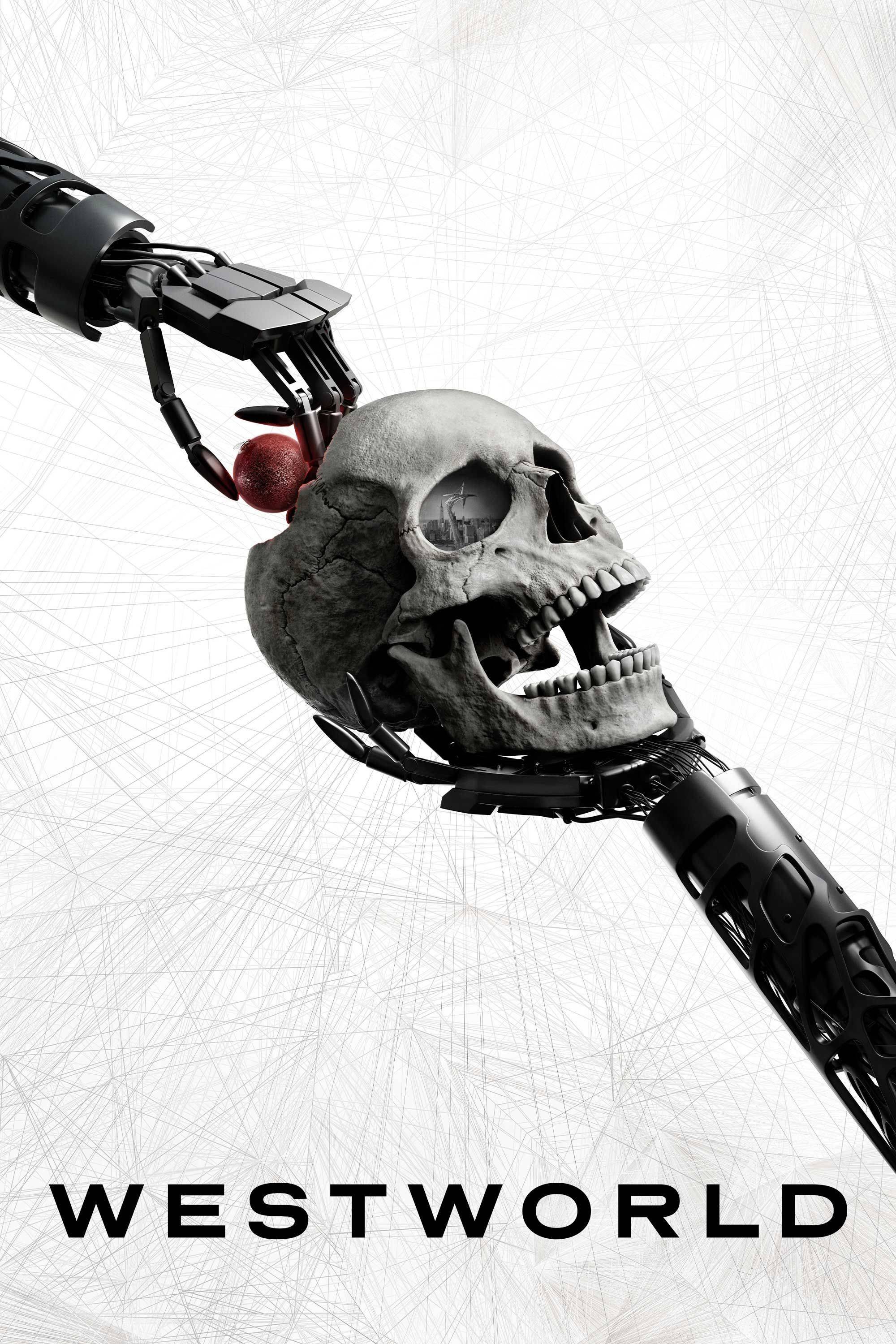
A flowing, white liquid represents the creation of artificial life, moving across images of muscles and bones. We see a piano being played seemingly on its own, as the pianist’s hands lift away, highlighting the idea of automation. This imagery contrasts the wonder of creation with the stark, mechanical process of building these artificial beings. Ramin Djawadi’s music adds to the feeling of sadness and the repeating, tragic pattern of the androids’ lives.
‘True Detective’ (2014–Present)
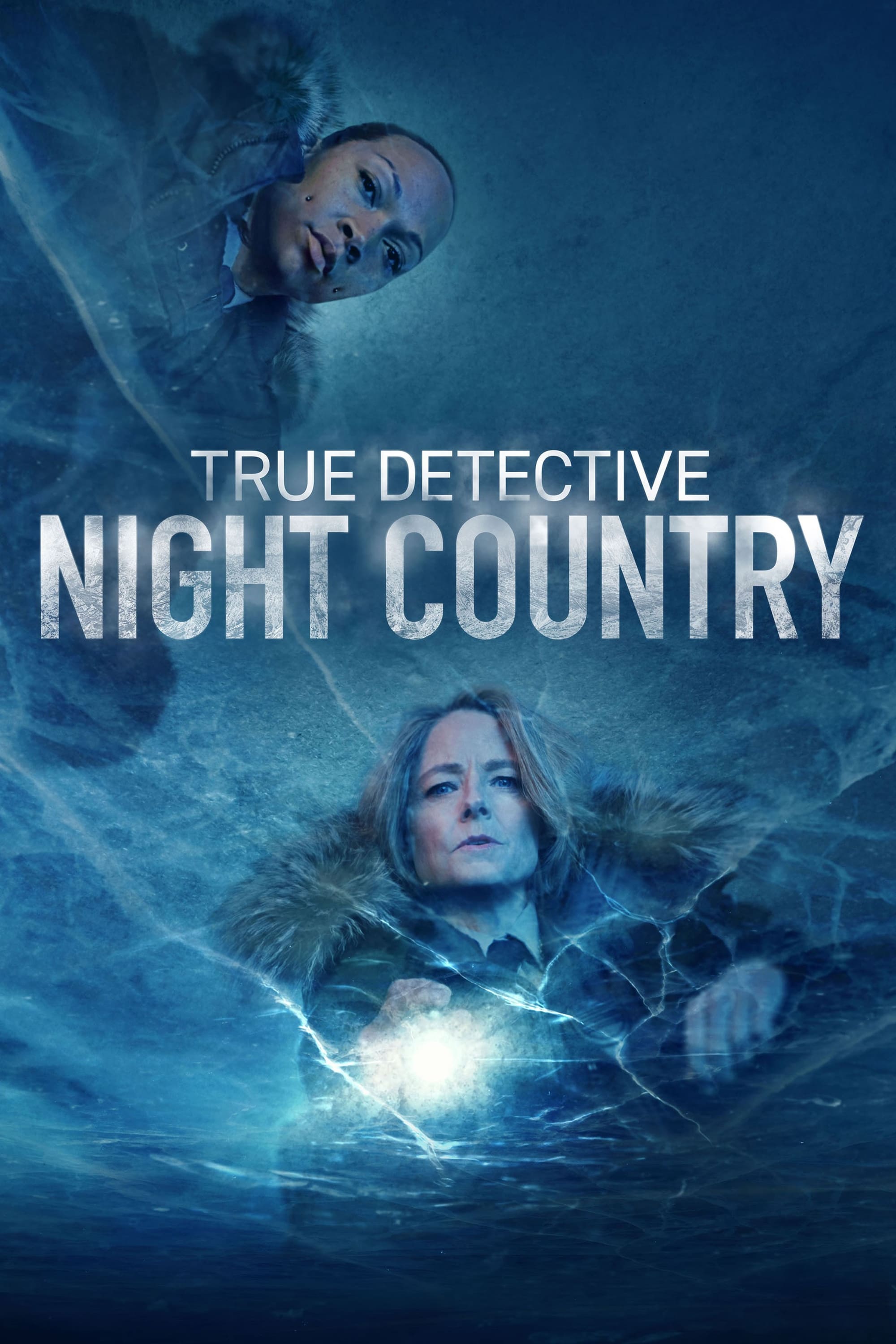
The first season uses a striking visual technique, blending images of Louisiana’s landscapes with close-ups of the characters. This is done by layering scenes of industrial areas and damaged land over the faces of the actors, hinting at a harmful connection between the people and their environment. This raw, textured look enhances the dark and mysterious mood of the story. The show’s creator, T Bone Burnett, also chose a melancholic folk song that perfectly captures the drama’s gloomy and thoughtful tone.
‘Stranger Things’ (2016–Present)
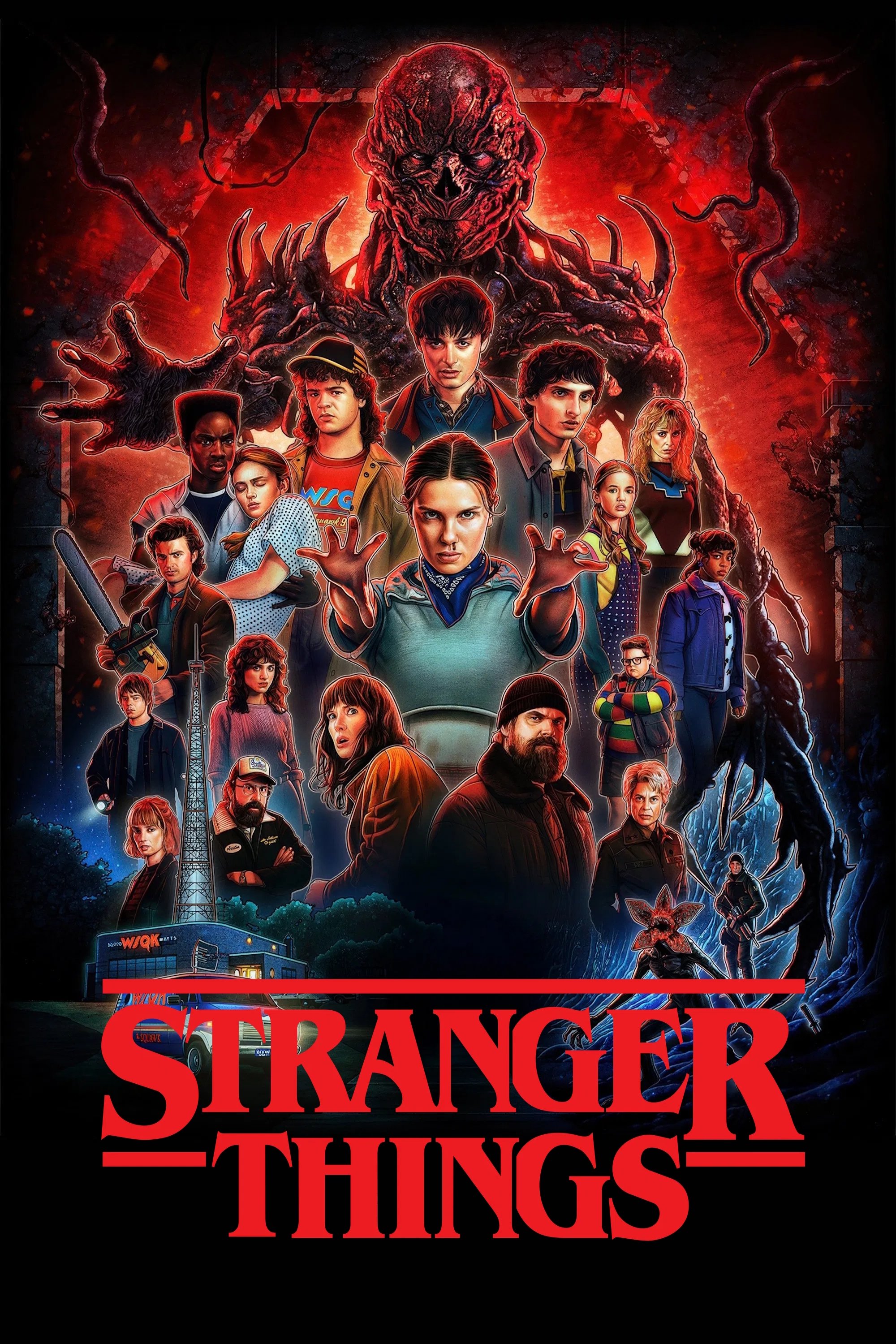
Large, glowing red letters gradually assemble on a textured black screen, reminiscent of classic Stephen King book covers. The visuals and pulsing synthesizer music are intentionally styled after 1980s movie titles and scores – particularly those by John Carpenter – to create a strong sense of nostalgia. This simple, effective style instantly takes viewers back to that era without relying on elaborate effects or characters.
‘Marvel’s Daredevil’ (2015–2018)
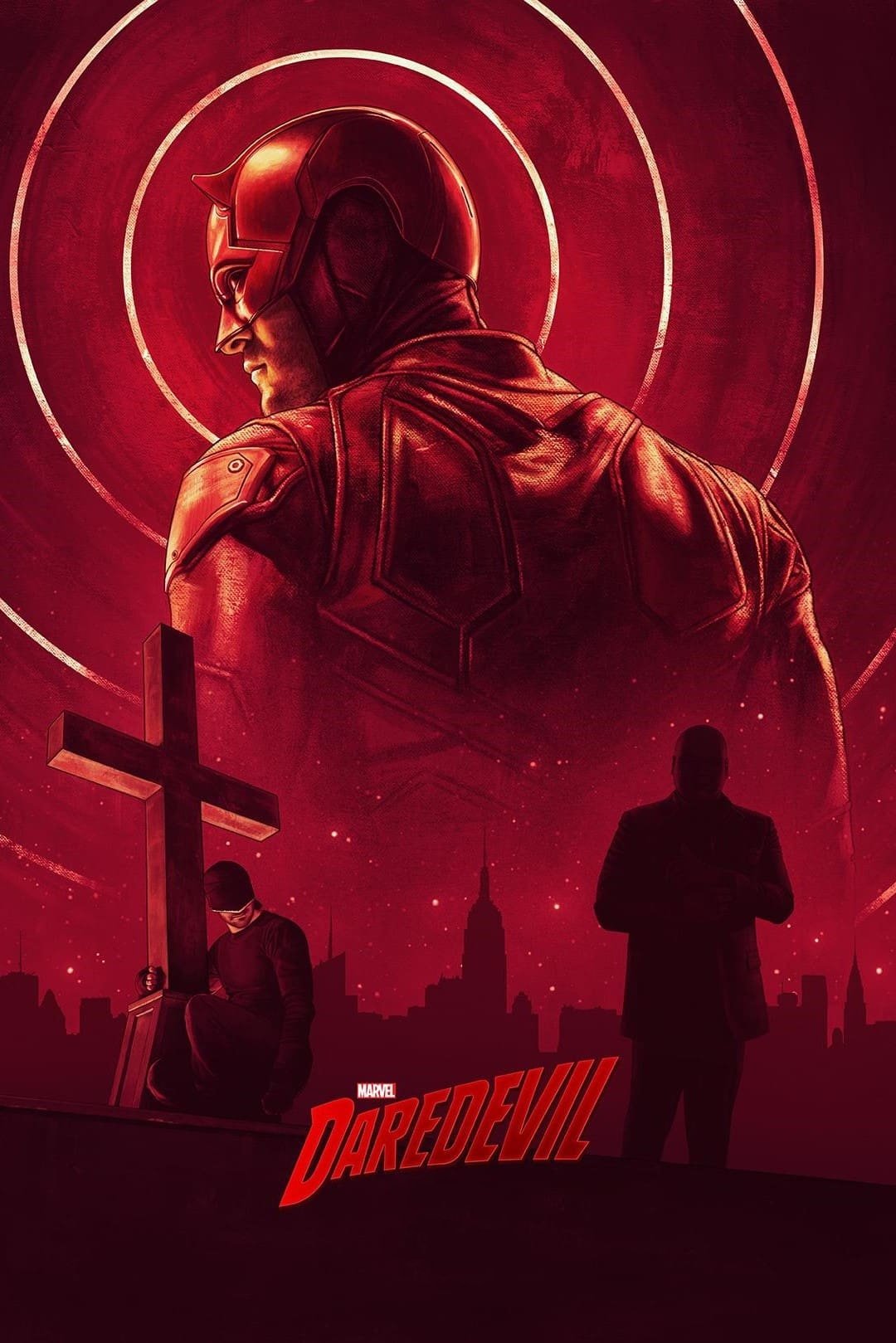
A thick, red liquid slowly flows down unseen shapes, gradually revealing the landscape of New York City and its famous buildings. Looking like both blood and melted wax, the liquid forms the outlines of a sightless main character and the statue of Lady Justice. This imagery powerfully represents the show’s central themes of violence and blurred moral lines. The scene creates a distinctive, dark, and almost tangible visual style, setting it apart from typical superhero shows.
‘American Gods’ (2017–2021)
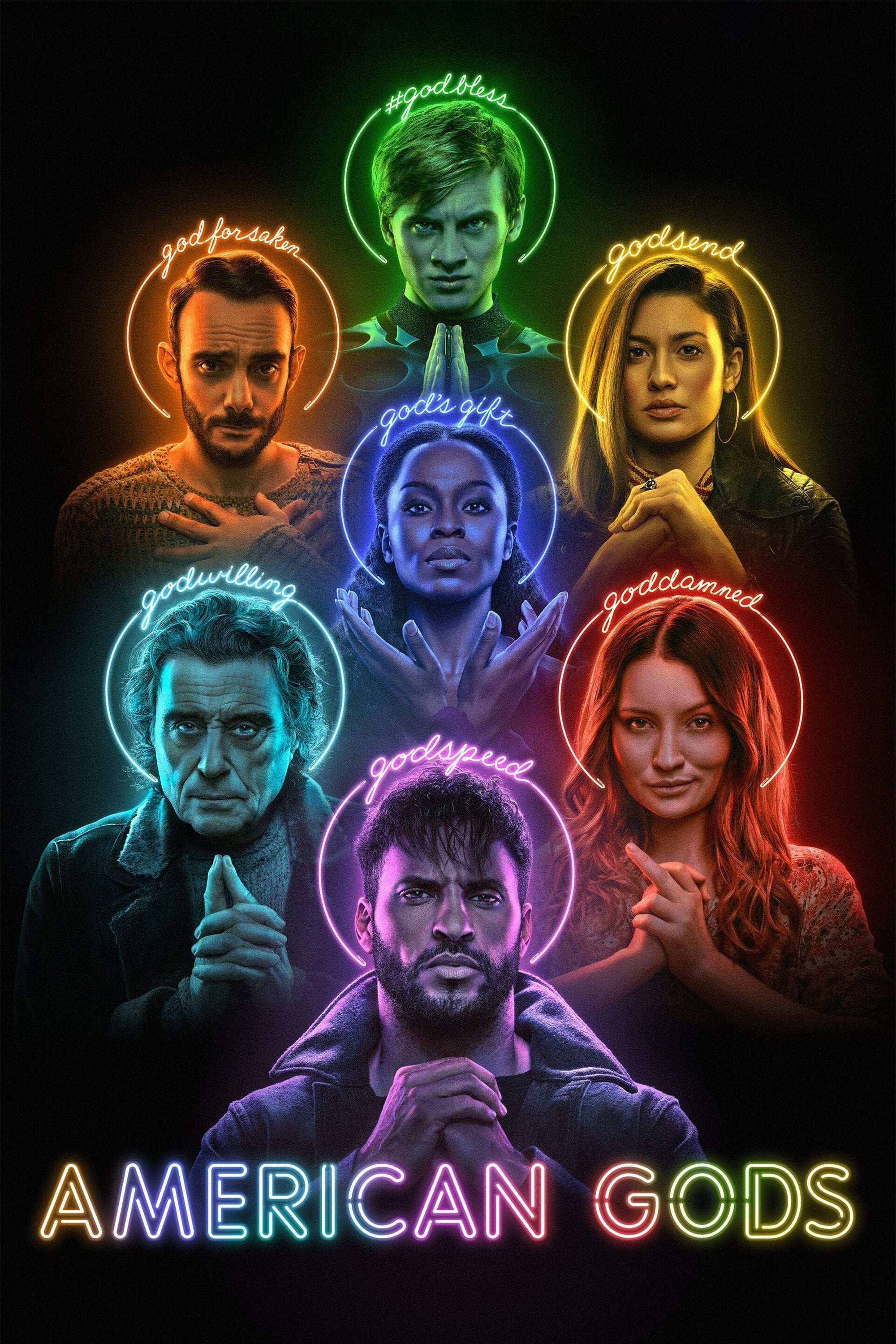
In a dreamlike, brightly colored world, a towering structure made of both old and new objects rises up. It mixes religious symbols with images of technology and shopping, suggesting a conflict between traditional and modern beliefs. As the camera moves up the pole, we see shocking scenes – astronauts on crosses and centaurs using drugs – creating a disturbing and unusual atmosphere. These powerful images set the stage for the weird and mind-bending story, which is based on Neil Gaiman’s novel.
‘The Crown’ (2016–2023)
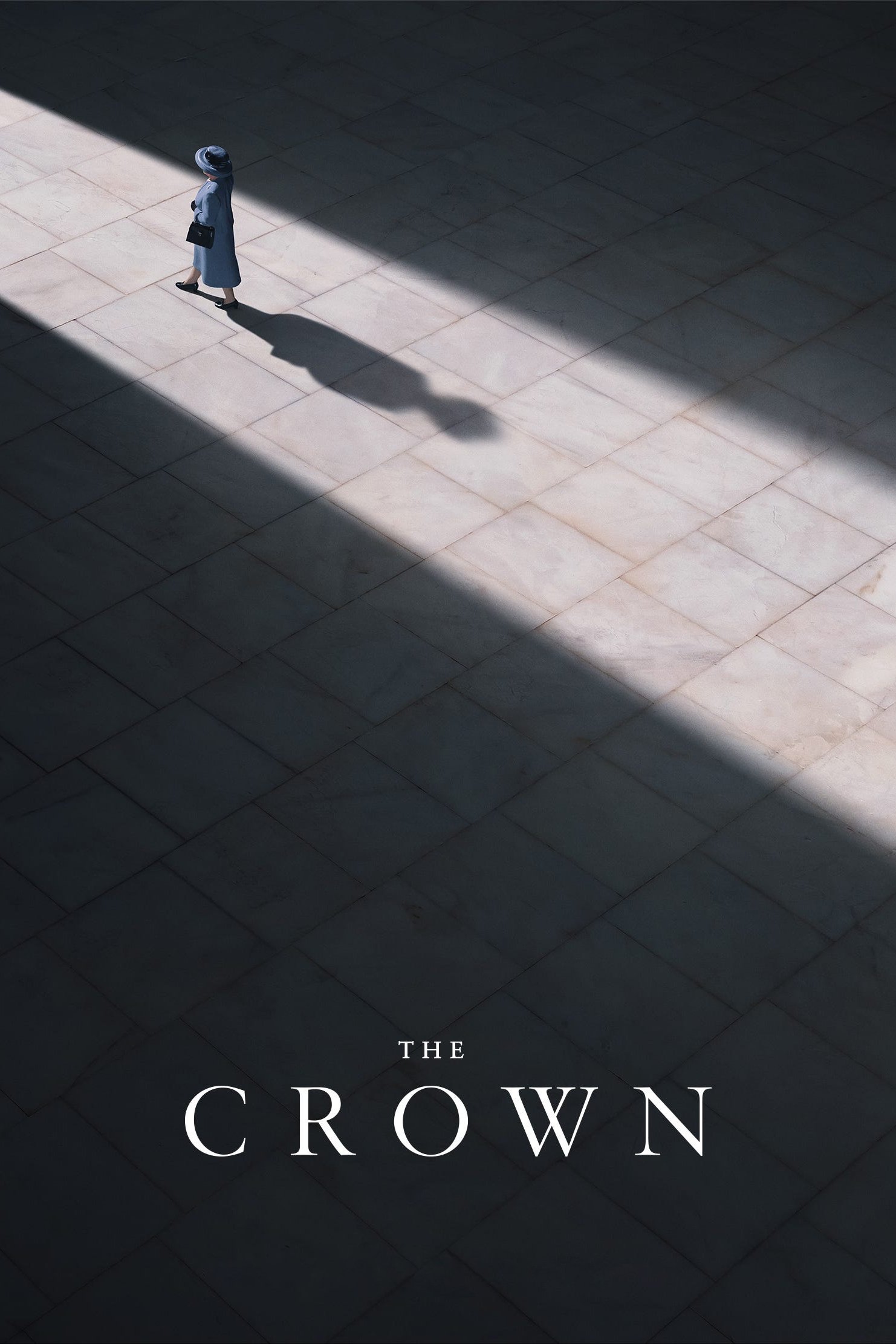
Liquid gold is carefully poured into detailed molds to create the pieces of the British royal crown. Close-up photography highlights the intense heat and force needed for this process, which mirrors the significant responsibilities Queen Elizabeth II faced when becoming monarch. The series’ powerful and majestic music was composed by Hans Zimmer, emphasizing its historical importance and scale.
‘Dark’ (2017–2020)
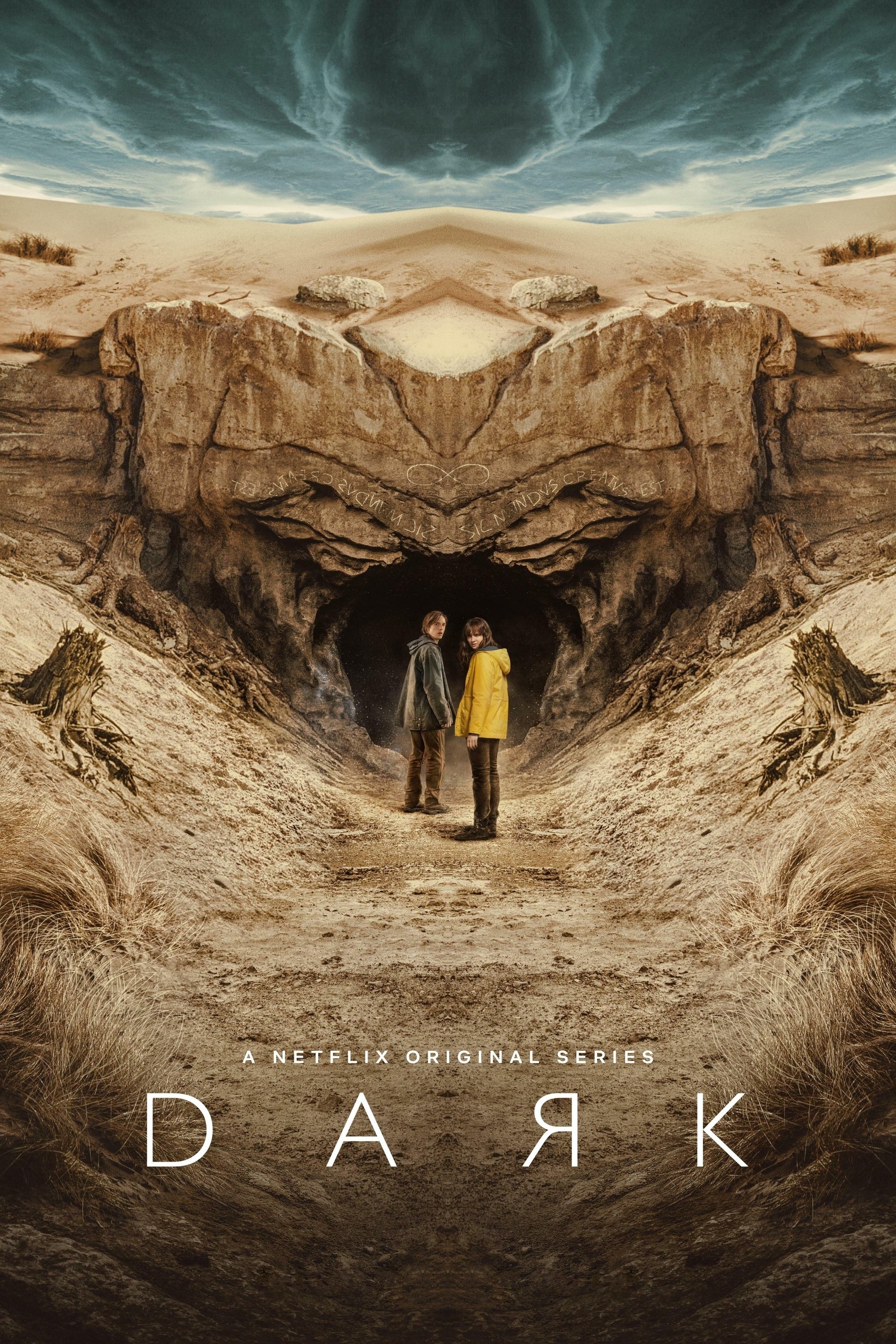
The show uses mirrored, kaleidoscope-like visuals to reflect the characters and the looping roads of Winden, subtly suggesting the themes of doubles and time travel that drive the story’s central mystery. Images of old charts and clock mechanisms appear on screen, highlighting how deeply connected the past and future are. This is all underscored by the sad and haunting song ‘Goodbye’ by Apparat, which emphasizes the tragic fate awaiting the families at the heart of this multi-generational story.
‘Succession’ (2018–2023)
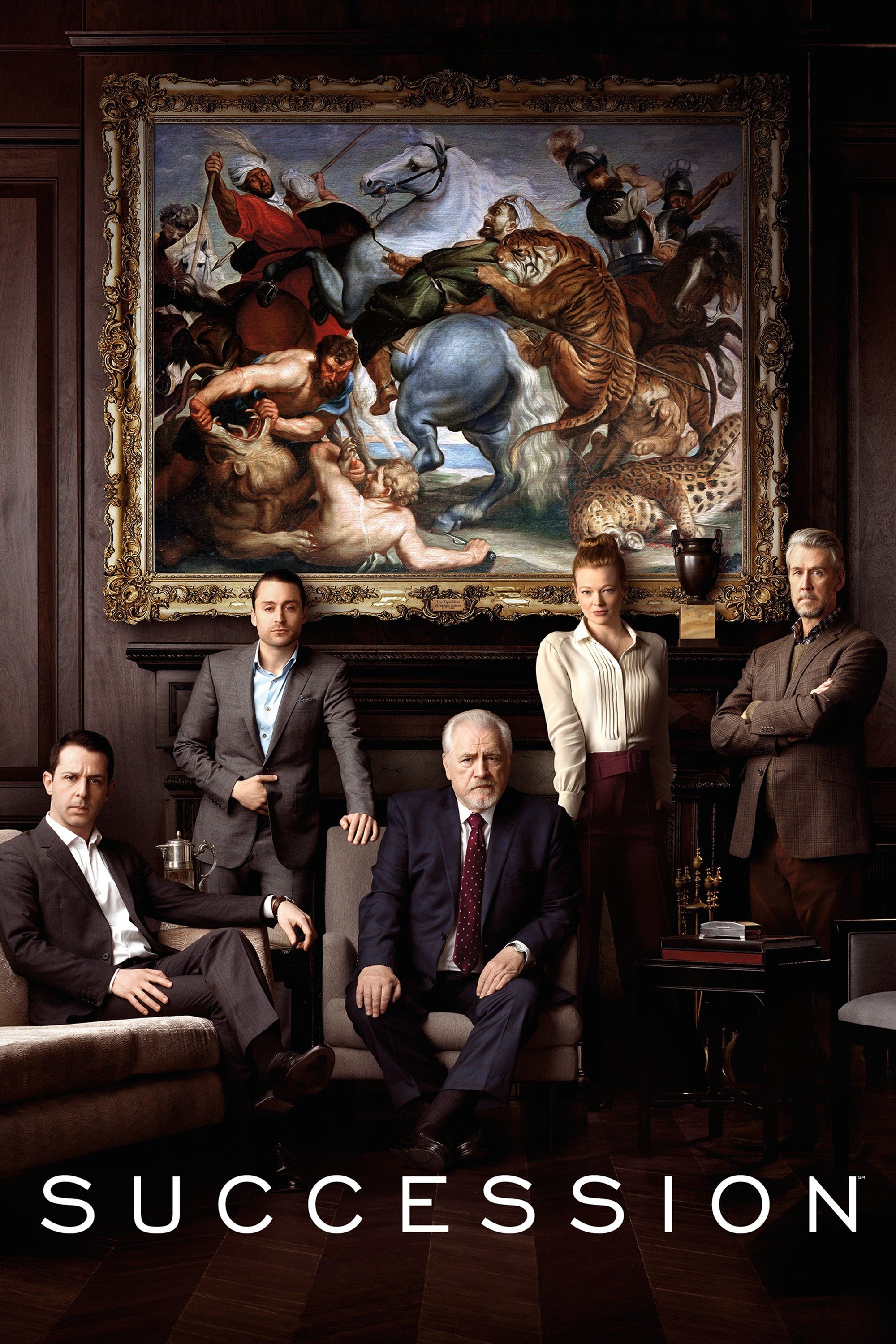
The show opens with shaky, old home movies showing a rich family, hinting at a lonely but luxurious upbringing. These warm memories are quickly cut against stark images of today’s New York City – towering skyscrapers and busy printing presses. The music, composed by Nicholas Britell, blends elegant piano with modern hip-hop, mirroring the tension between the family’s old wealth and their current, cutthroat world. This opening sequence powerfully introduces the core themes of family power struggles and emotional disconnection within the Roy family.
‘BoJack Horseman’ (2014–2020)
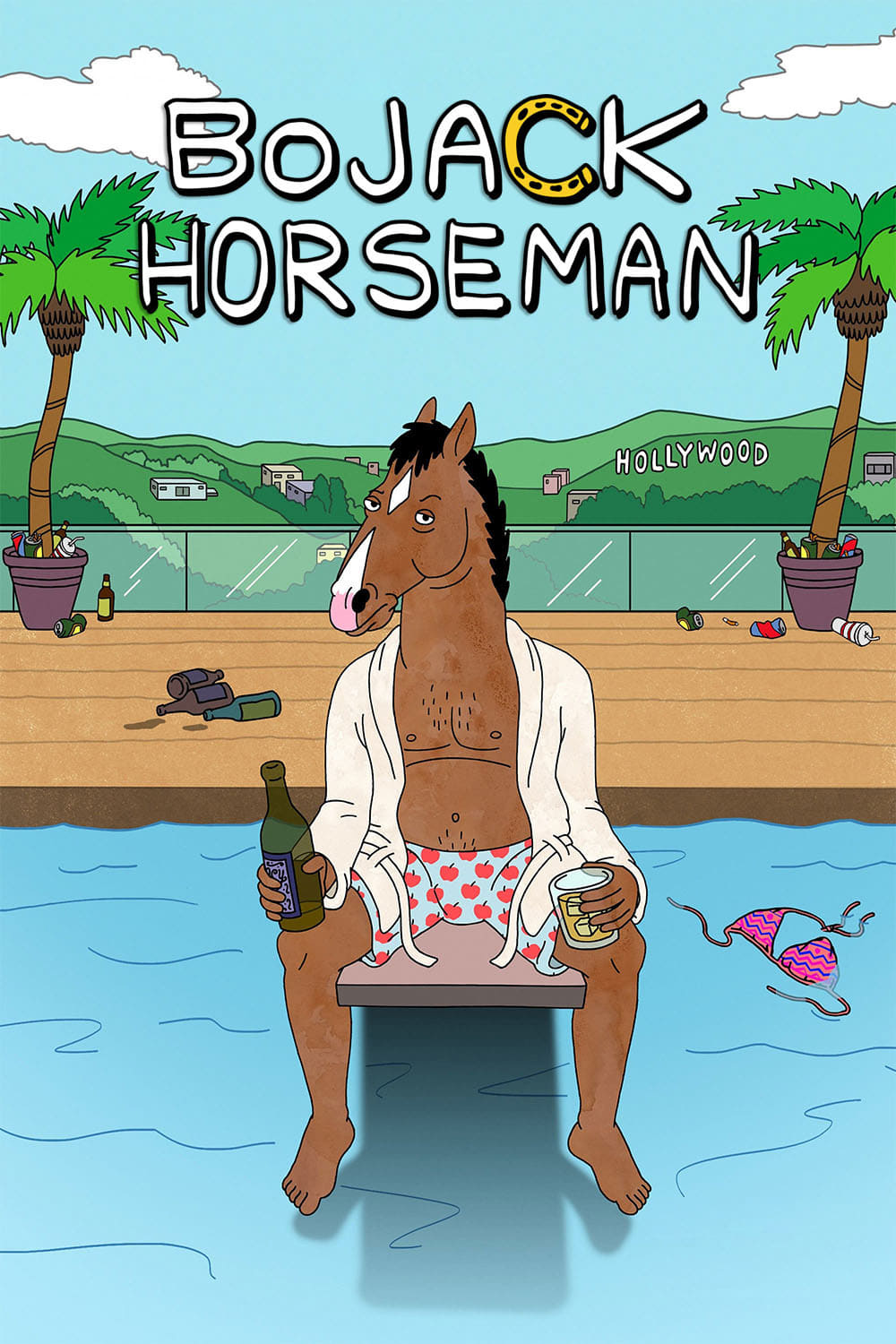
The main character goes through his days feeling detached and lost, while everything around him is constantly in motion. He watches life – friends, parties – happen around him, remaining strangely still amidst the vibrant chaos. This visual style highlights the emptiness often found in Hollywood fame and the character’s own sense of isolation. The animation is set to a cool, slightly off-kilter soundtrack by Patrick Carney, creating a unique mood for this dramatic comedy.
‘American Horror Story’ (2011–Present)
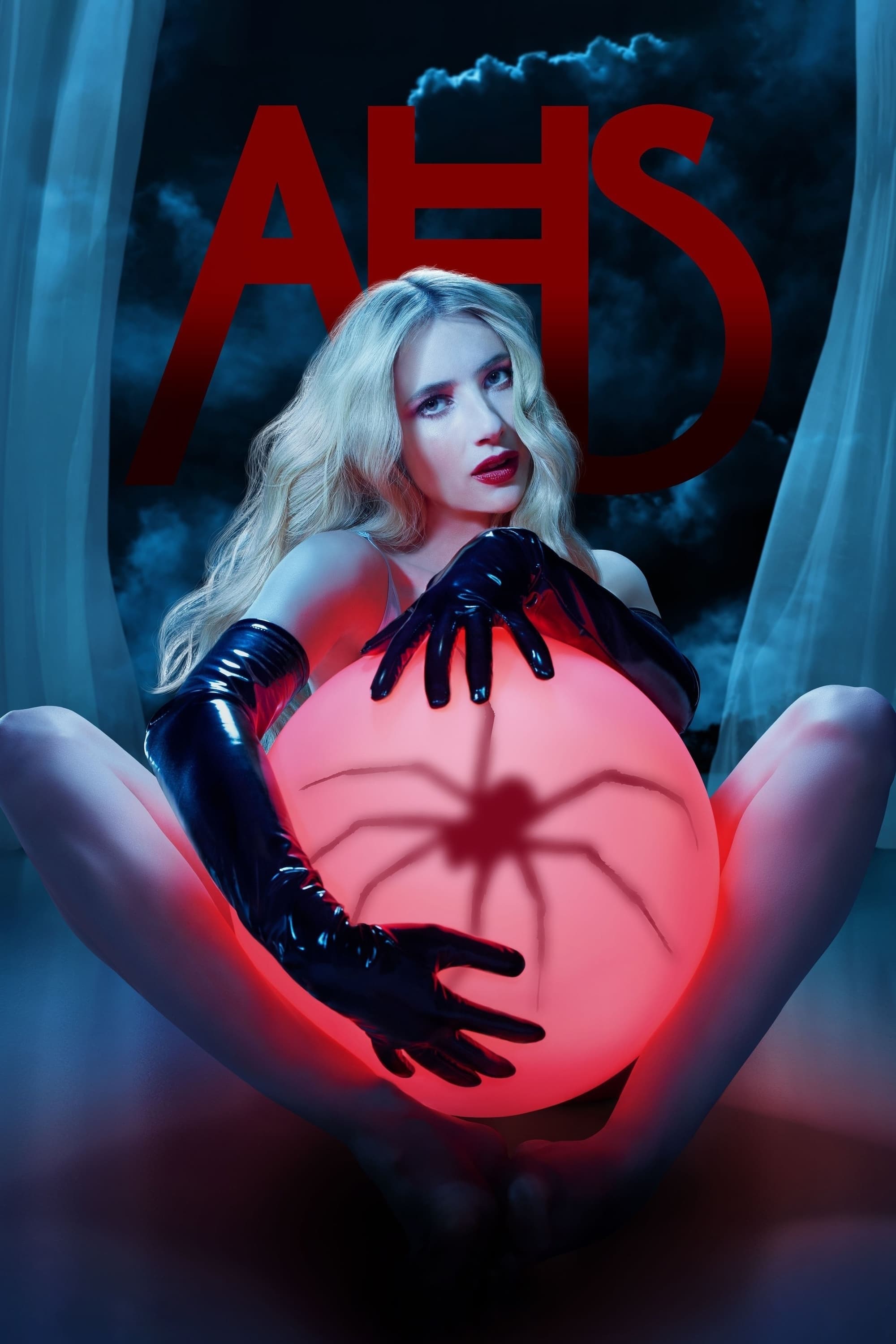
As a huge fan, one of the things I really appreciate about this show is how much thought goes into each season’s opening. They don’t just reuse stuff – every season gets a completely new title sequence tailored to the specific type of horror they’re going for. It instantly sets the mood with disturbing images – think unsettling medical tools or creepy, broken dolls flashing on the screen. And the sound design is brilliant! They use harsh, grating noises and a really unsettling theme song that stays with you, even as the visuals change. It’s not just spooky for the sake of it, though; these openings actually hint at the big twists and really establish the unique world of each story.
‘Halt and Catch Fire’ (2014–2017)

Okay, so visually, this piece is striking. It’s like watching the inside of a computer come alive – you see these digital signals zipping around, illustrating how information moves. The artist made a bold choice with the color scheme – lots of reds and pinks, which really convey the energy and almost the heat of technological progress. What’s really interesting is how the characters’ faces appear as these glitchy, pixelated images within the data streams – it’s a clever way of showing how completely absorbed they are by technology. And the music! Trentemøller’s electronic score is perfect – it’s driving, synth-heavy, and really captures the feeling of being at the forefront of the personal computer revolution. It all works together to create a really immersive and impactful experience.
‘The Man in the High Castle’ (2015–2019)
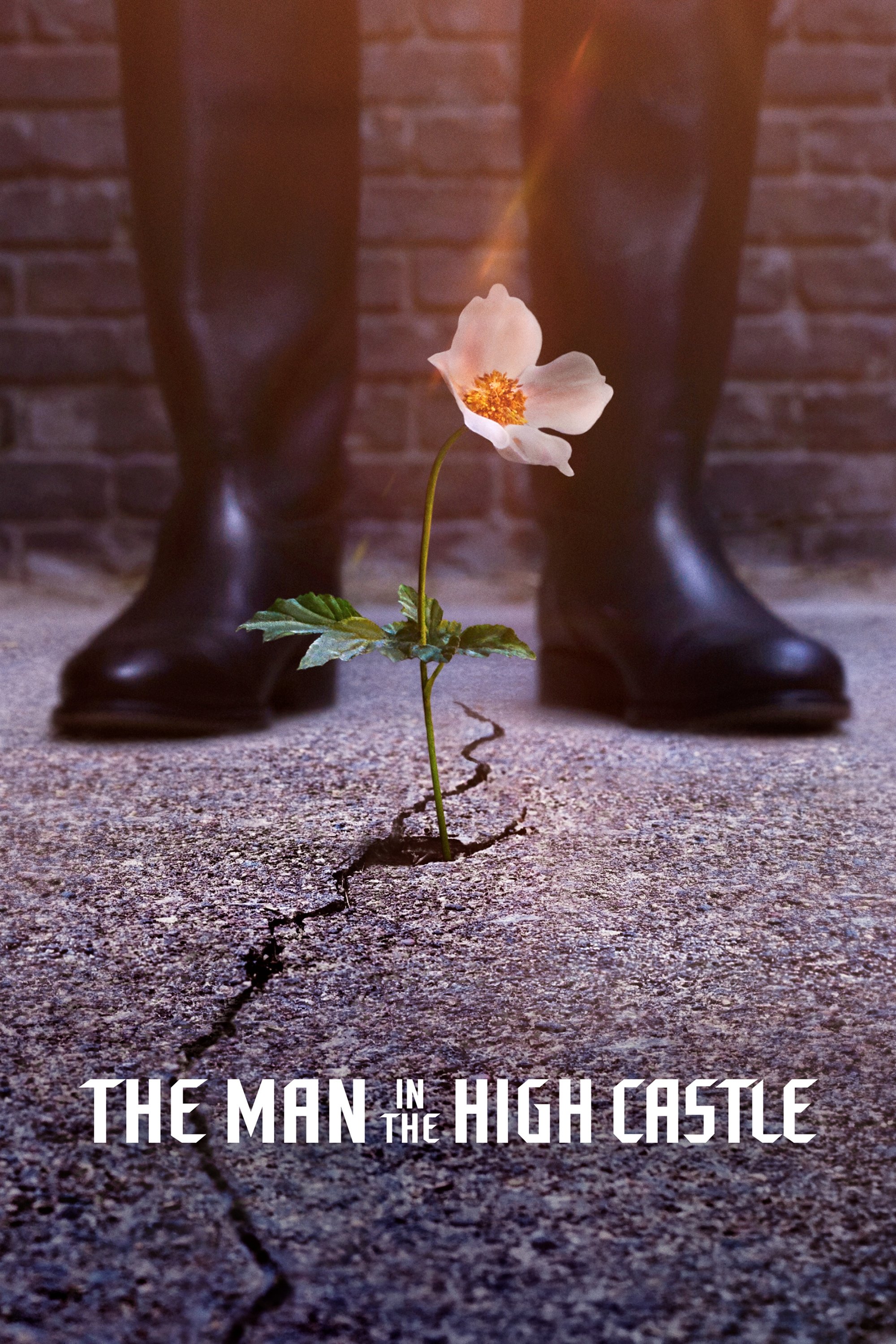
Historical films are projected onto statues and monuments linked to the Axis powers. The visuals show a frightening scenario: paratroopers attacking the Statue of Liberty. A quiet, melancholic version of “Edelweiss” plays during this sequence, creating a stark contrast with the disturbing images. Together, these elements quickly establish a world where the Allied forces lost World War II.
‘Sherlock’ (2010–2017)
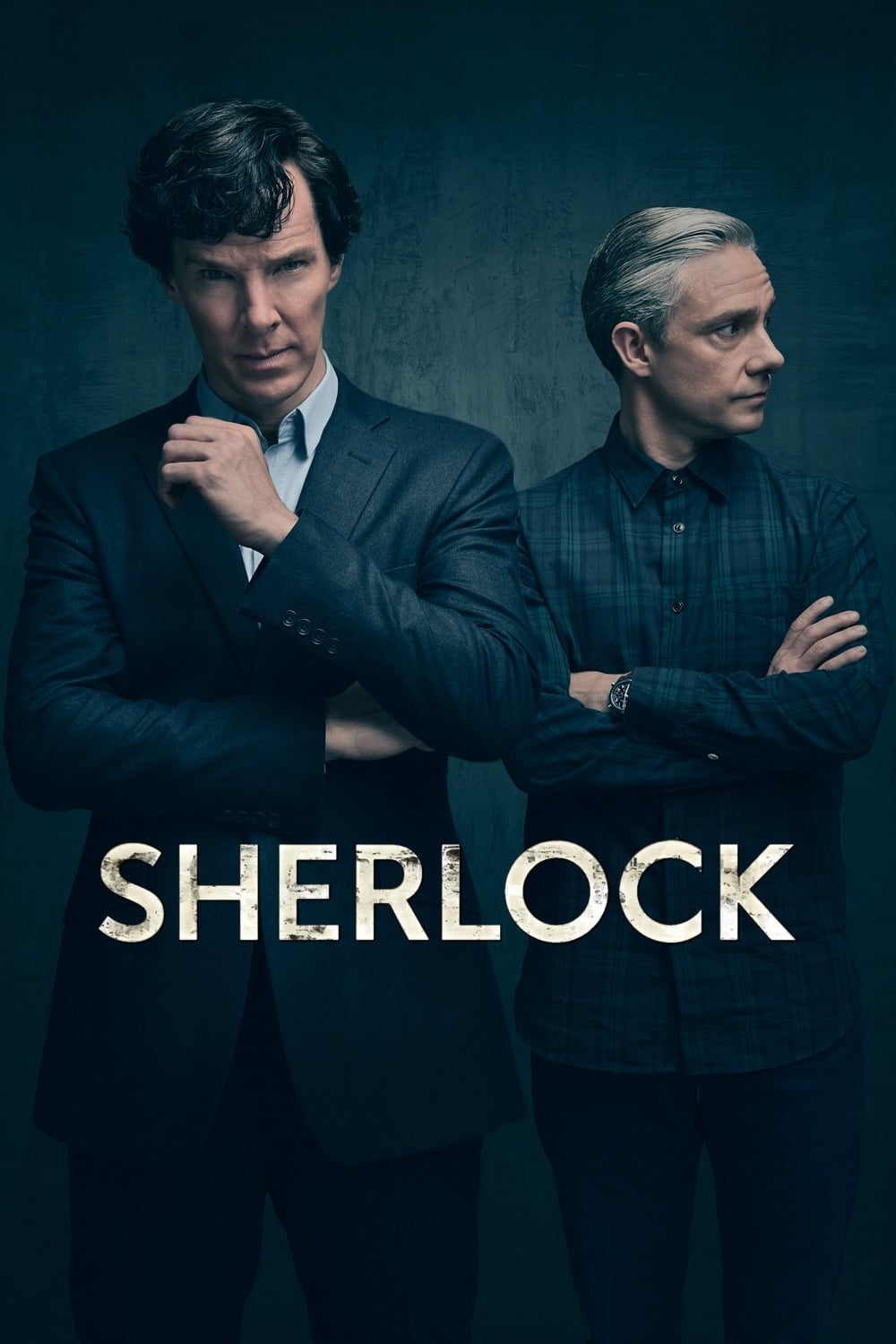
Tilt-shift photography gives modern London the appearance of a tiny model city, mirroring the way Sherlock Holmes carefully examines everything. The camera quickly moves through the streets, highlighting small details most people wouldn’t notice. The actors’ names are cleverly woven into the city landscape, blending with the surroundings. Fast-paced string music emphasizes the quick, energetic thinking Sherlock uses to solve mysteries.
‘Orange Is the New Black’ (2013–2019)

The series uses intimate close-ups of the eyes and mouths of formerly incarcerated women, not actresses, to highlight their individual stories and bring a sense of humanity to the prison environment. Regina Spektor’s song ‘You’ve Got Time’ accompanies these images, reinforcing the ideas of being trapped and the passage of time while in confinement. This direct and honest approach sets the stage for the show’s mix of comedic and dramatic elements.
Share your favorite TV show intro from the last decade in the comments.
Read More
- Invincible Season 4 Gender Swaps Tech Jacket As Fans Question Major Comic Change
- Building Agents That Learn and Improve Themselves
- Gold Rate Forecast
- Games That Faced Bans in Countries Over Political Themes
- Superman Flops Financially: $350M Budget, Still No Profit (Scoop Confirmed)
- Silver Rate Forecast
- Trading Crypto with AI: A New Approach to Portfolio Management
- 15 Films That Were Shot Entirely on Phones
- Unveiling the Schwab U.S. Dividend Equity ETF: A Portent of Financial Growth
- 14 Movies Where the Black Character Refuses to Save the White Protagonist
2025-12-04 20:48