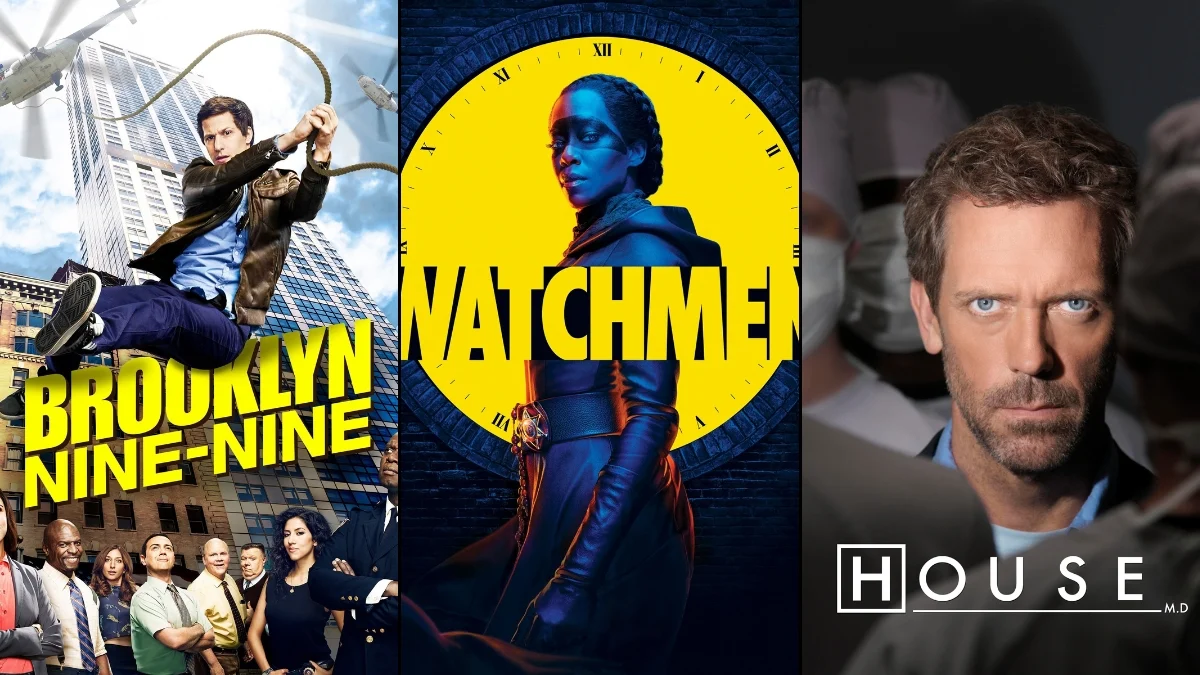
For a long time, Black characters on TV were often defined by their strong religious faith. Now, we’re seeing more shows that allow Black characters to be atheists, agnostics, or simply non-religious without being portrayed negatively. These shows showcase Black professionals – thinkers, scientists, and leaders – who make decisions based on logic and reason, not faith. Here are some series that feature Black characters with these beliefs, and treat those beliefs with respect and nuance.
‘House’ (2004–2012)
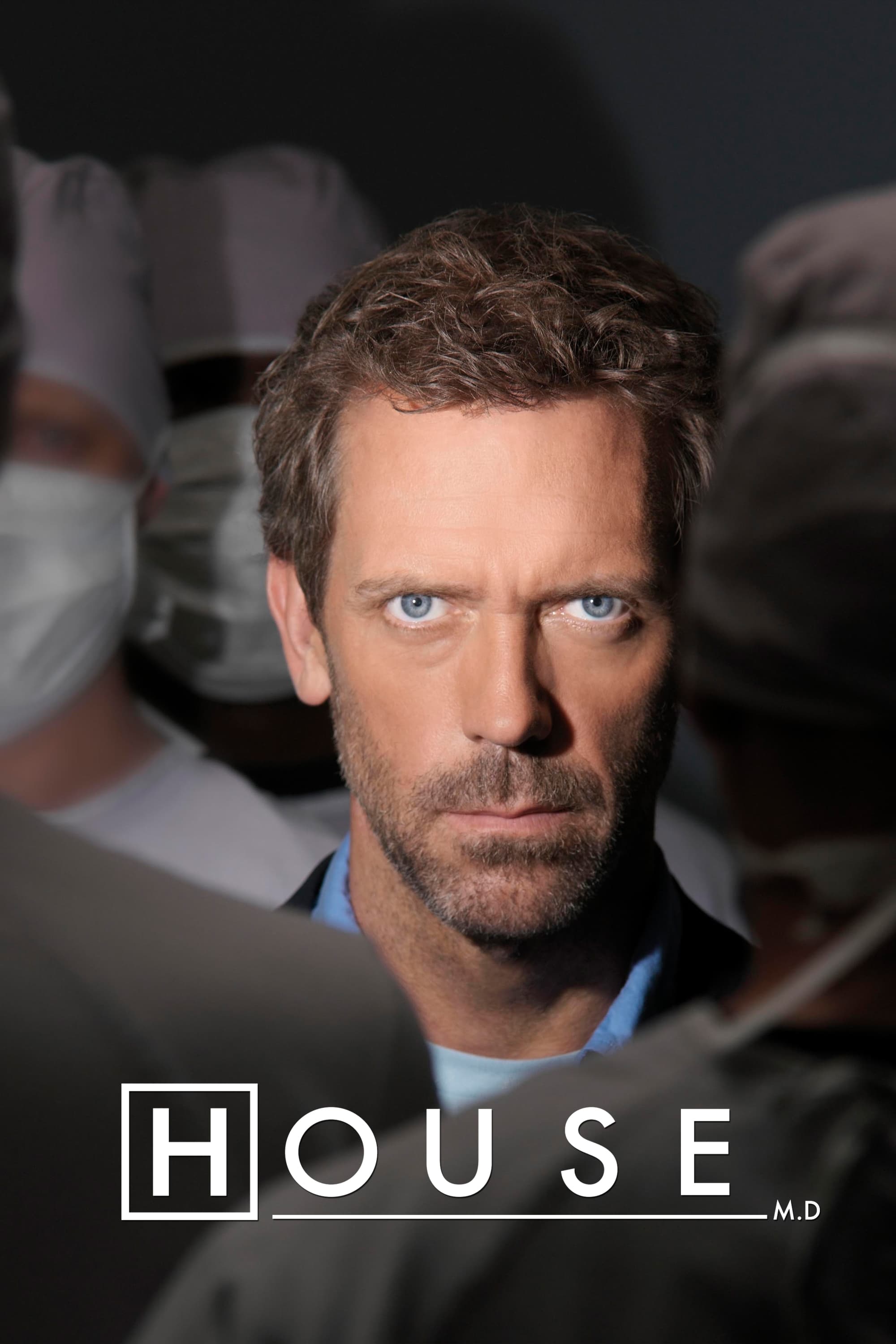
Dr. Eric Foreman frequently reflects Dr. Gregory House’s approach to medicine, sharing his skepticism and commitment to scientific proof. Though Foreman occasionally questions House’s ethics, he almost never uses religion as a basis for his moral judgments. Throughout the series, Foreman consistently trusts medical evidence and established procedures over faith or beliefs. The show presents his practical and logical way of seeing the world as a strength, demonstrating his intelligence and skill rather than a weakness.
‘Brooklyn Nine-Nine’ (2013–2021)

Captain Raymond Holt is a very logical and rule-oriented person. He’s known for being stoic and doesn’t openly express religious beliefs or practices. Instead, he finds purpose in improving his police precinct and guiding his detectives. The show respectfully acknowledges his non-religious views without suggesting he needs faith to be complete.
‘Stargate SG-1’ (1997–2007)
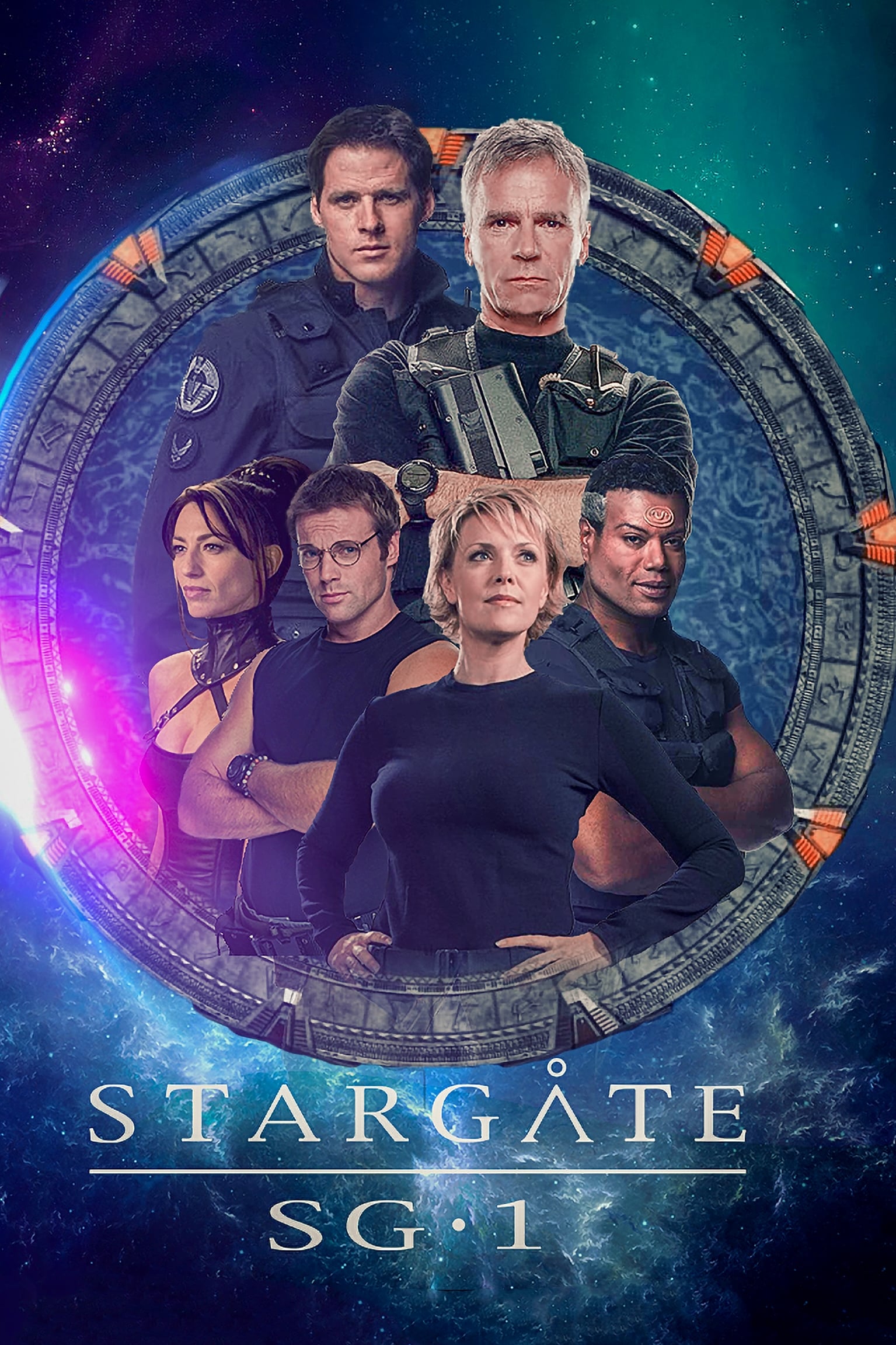
Teal’c’s story starts with him turning away from the false gods he used to worship. Throughout the series, he fights to free his people, relying on his strength and smart tactics. He learns to trust in freedom and the actions of his SG-1 teammates, rather than blind faith. The show proves he’s right to be skeptical as he works to destroy oppressive, religiously-based empires throughout the galaxy.
‘The Good Place’ (2016–2020)

Chidi Anagonye is a man constantly seeking what is right and wrong, but he looks to philosophy, not religion, for answers. Even though he’s in the afterlife with supernatural beings, he examines morality through the ideas of thinkers like Kant. The show honors his commitment to careful ethical reasoning without requiring him to adopt any particular faith. Chidi proves that you can strive to be a good person simply because it’s the right thing to do, not because a god tells you to.
‘Star Trek: Voyager’ (1995–2001)

Tuvok, a Vulcan, uses strict logic to deal with the difficulties of being in the Delta Quadrant. He avoids emotions and gut feelings, preferring to base his decisions on solid facts and careful calculations. This isn’t a weakness, but a strength rooted in his culture, making him a dependable tactical officer. The show portrays his logical approach as crucial to the crew’s survival.
‘Star Trek: The Next Generation’ (1987–1994)
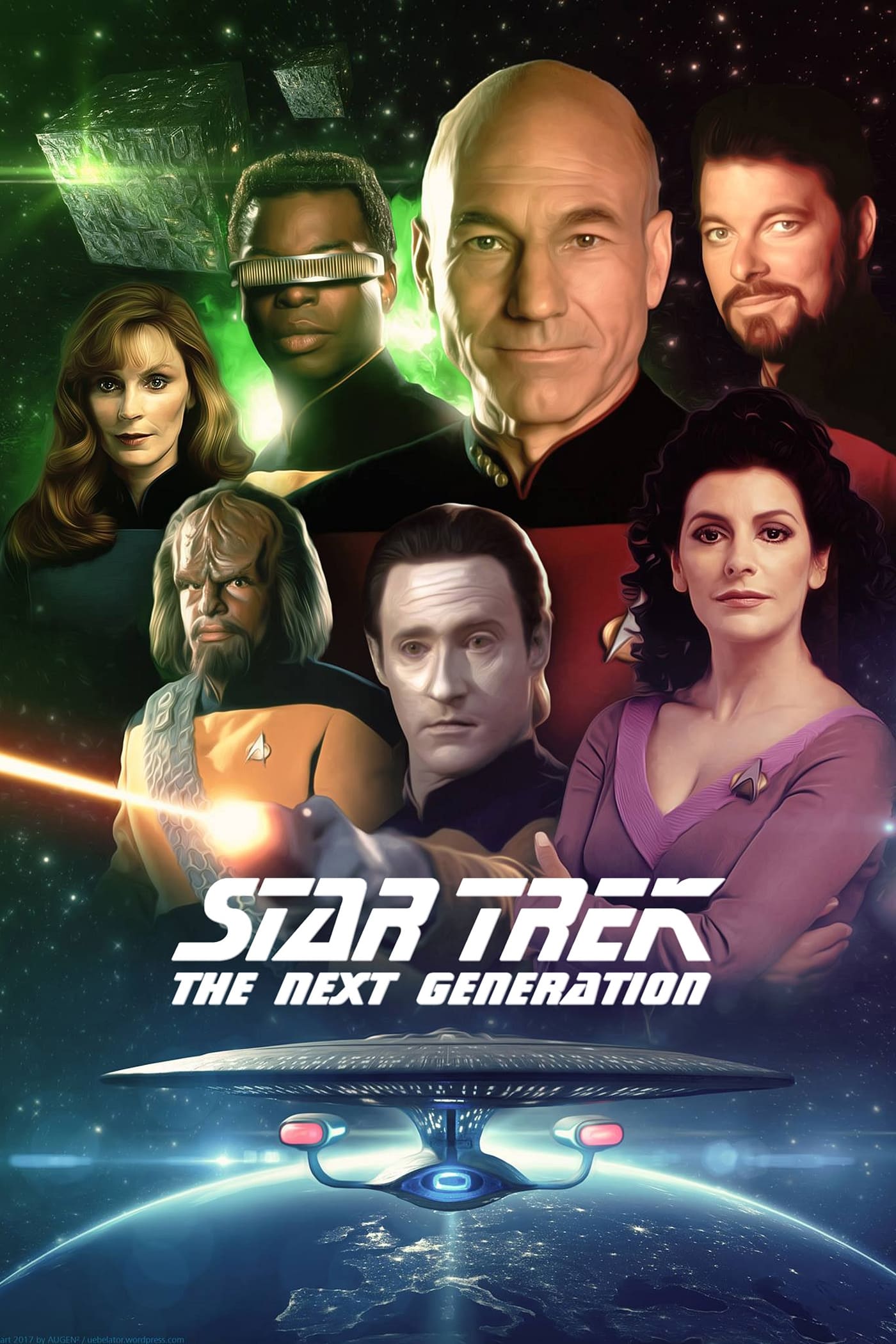
Geordi La Forge embodies the optimistic, rational worldview at the heart of the show’s vision. He consistently relies on science and technology to overcome challenges, portraying a future where humanity has moved beyond superstition. Instead of seeking supernatural answers, Geordi finds beauty and amazement in understanding how things actually work.
‘Westworld’ (2016–2022)
Bernard Lowe struggles to understand what it means to be human and what defines consciousness. He lives in a world built on artificial intelligence, created not by gods, but by imperfect people. Instead of turning to faith, he looks inward, examining his own memories and thoughts to find answers. Ultimately, the story confirms his search for independence and self-determination in a world without a higher power.
‘The Wire’ (2002–2008)
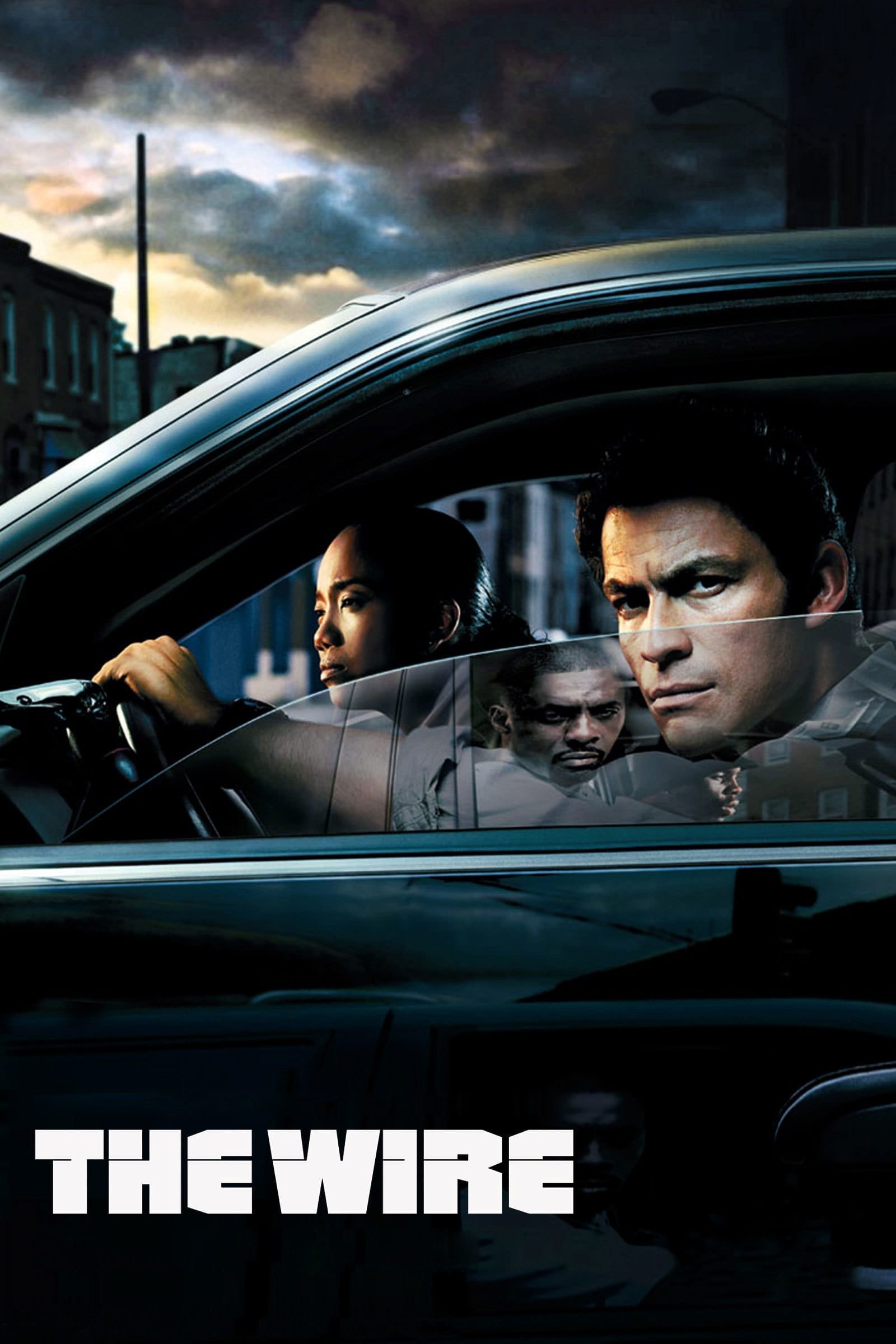
Lester Freamon is a detective who meticulously builds cases through wiretaps and careful investigation. He’s driven by a strong, personal sense of right and wrong, and focuses on exposing corruption with solid evidence. He’s portrayed as someone who finds satisfaction in the work itself, rather than seeking recognition or relying on luck. Ultimately, Freamon is a character who finds meaning in both concrete outcomes and the intellectual challenge of solving a case.
‘Luther’ (2010–2019)
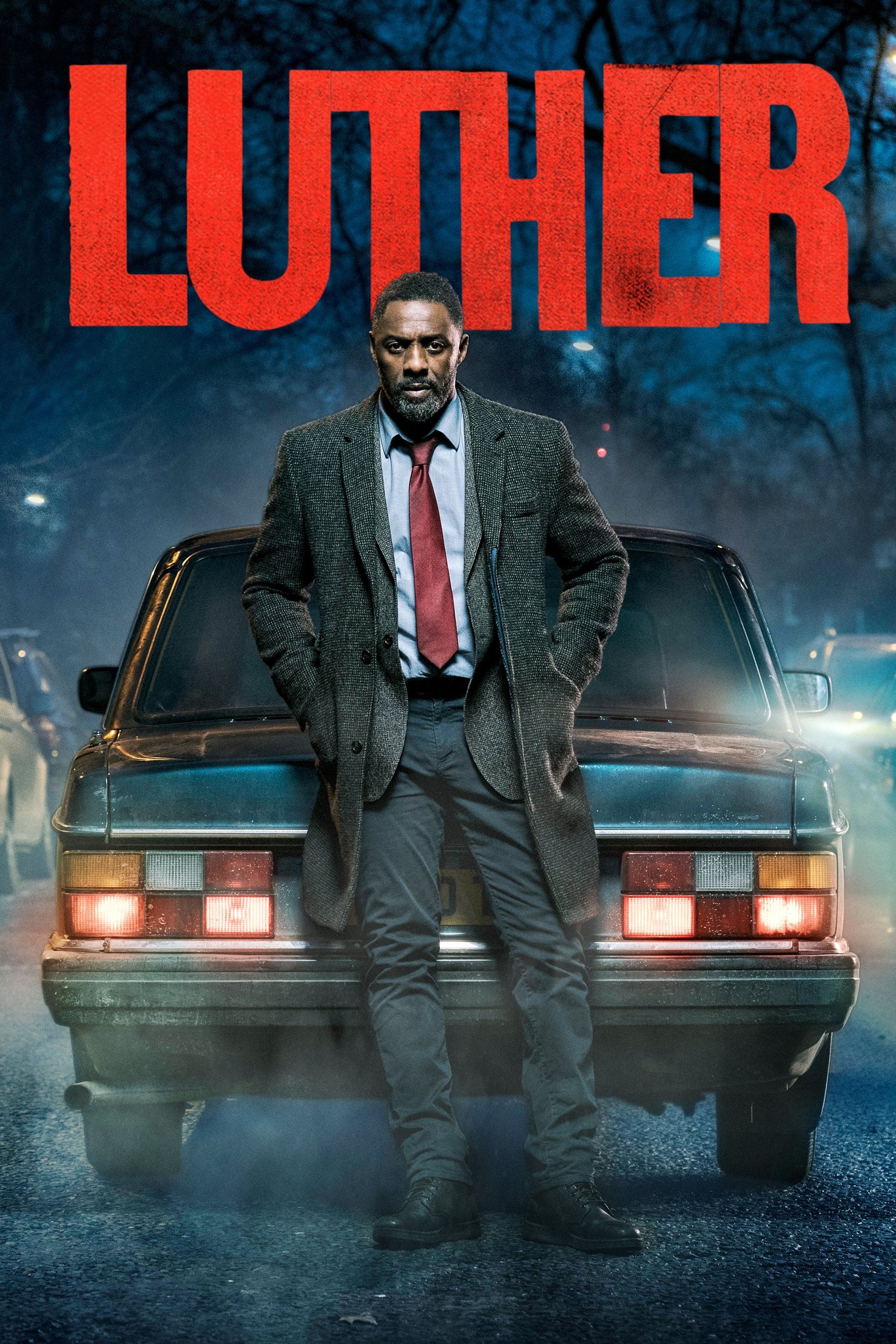
John Luther navigates a bleak and disturbing world, constantly dealing with the worst of humanity. He solves crimes by trusting his gut and intelligence, rather than seeking help from religion or any higher power. The show emphasizes his loneliness and the heavy emotional toll his work takes on him, but never suggests faith as a solution. Luther battles his inner struggles with a fierce, down-to-earth resolve to bring justice and order.
‘Firefly’ (2002)

Zoe Washburne is a dedicated soldier whose trust lies with her captain and her husband. While respectful of her crewmates’ beliefs, she doesn’t personally practice religion. Zoe is defined by her unwavering loyalty and skill in combat, and serves as a practical, steady influence on the more unconventional members of the ship.
‘Doctor Who’ (2005–Present)
Martha Jones travels with the Doctor, using her medical expertise to explore time and space. Instead of seeing aliens as creatures of legend, she approaches them as living beings she can study and understand. Her adventures strengthen her belief in the power of discovery and learning. Ultimately, Martha demonstrates that human skill and intelligence are enough to make a difference – and even save the world.
‘Better Off Ted’ (2009–2010)
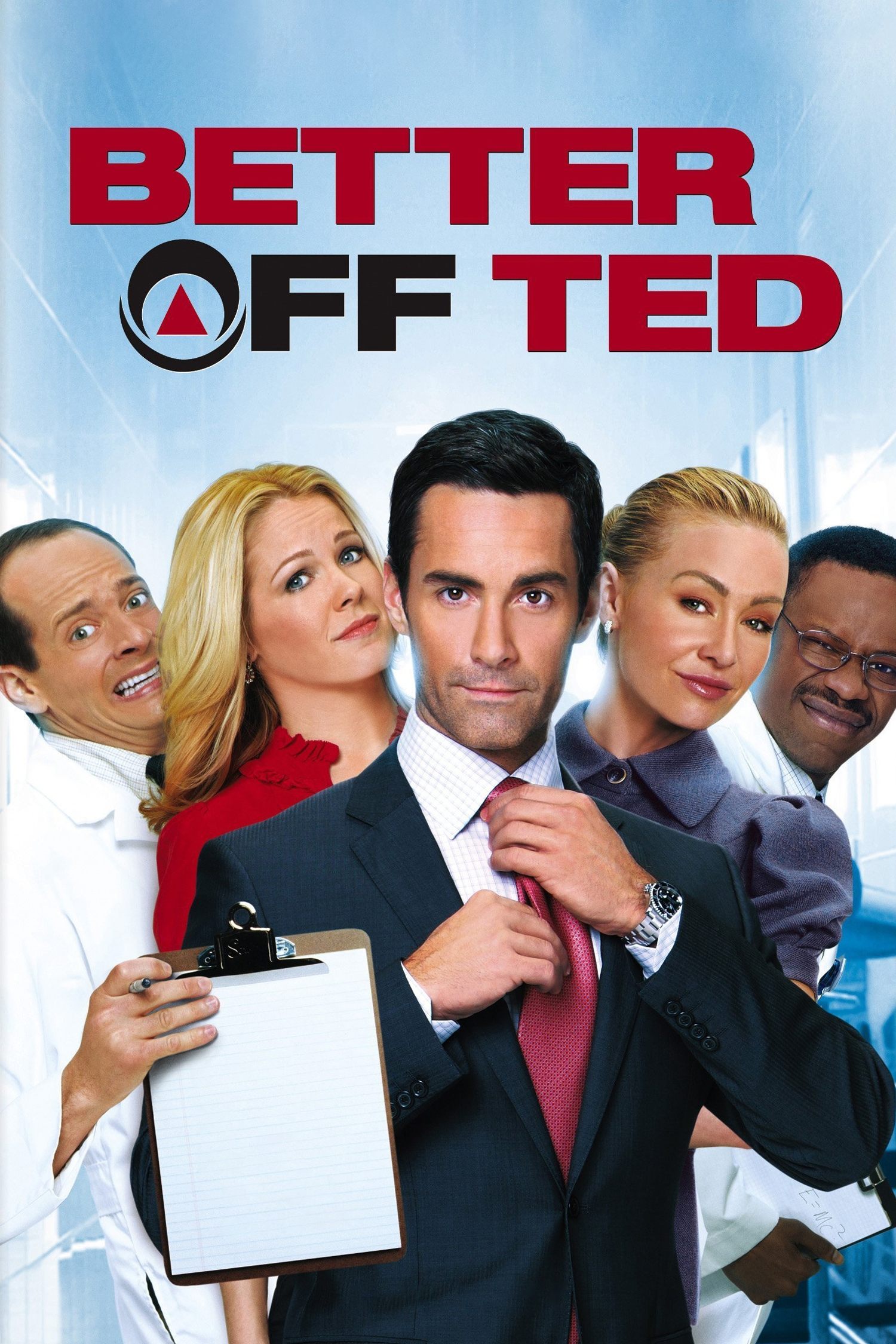
Lem Hewitt is a dedicated scientist constantly working on new research and development. He carefully considers the difficult ethical issues at his company, using both reason and caution. The show uses Lem to poke fun at typical corporate environments, but his actions are driven by practical concerns, not religion. He depends on his friend Phil and his own scientific knowledge to navigate the craziness of his job.
‘ER’ (1994–2009)
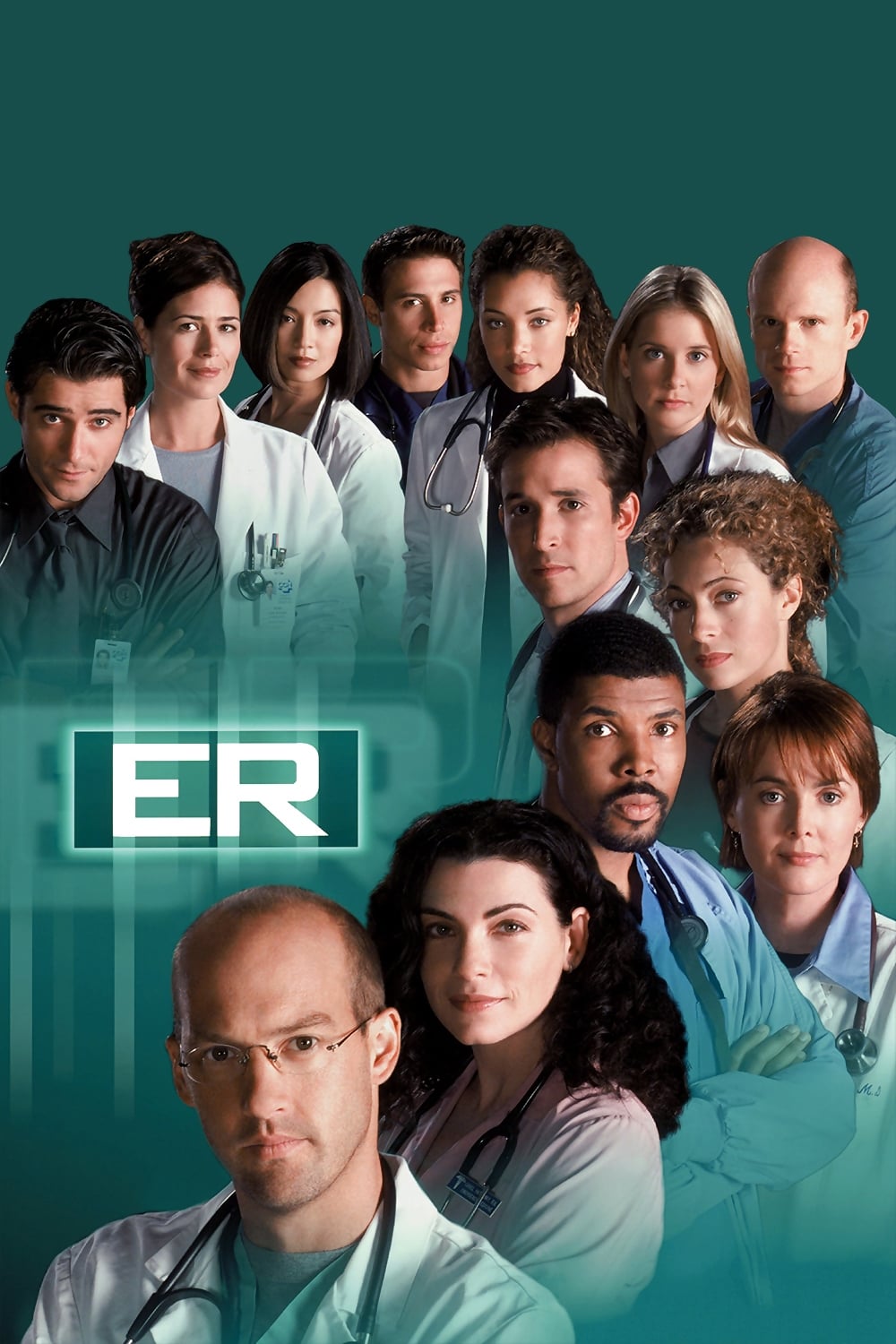
Dr. Peter Benton is a highly skilled surgeon known for his insistence on accuracy and perfection during operations. He often disagrees with coworkers who let personal feelings or beliefs affect their medical decisions. The show emphasizes his unwavering commitment to surgery as his top priority. Benton’s success comes from his confidence in his abilities and a focus on scientific, evidence-based medicine.
‘Watchmen’ (2019)
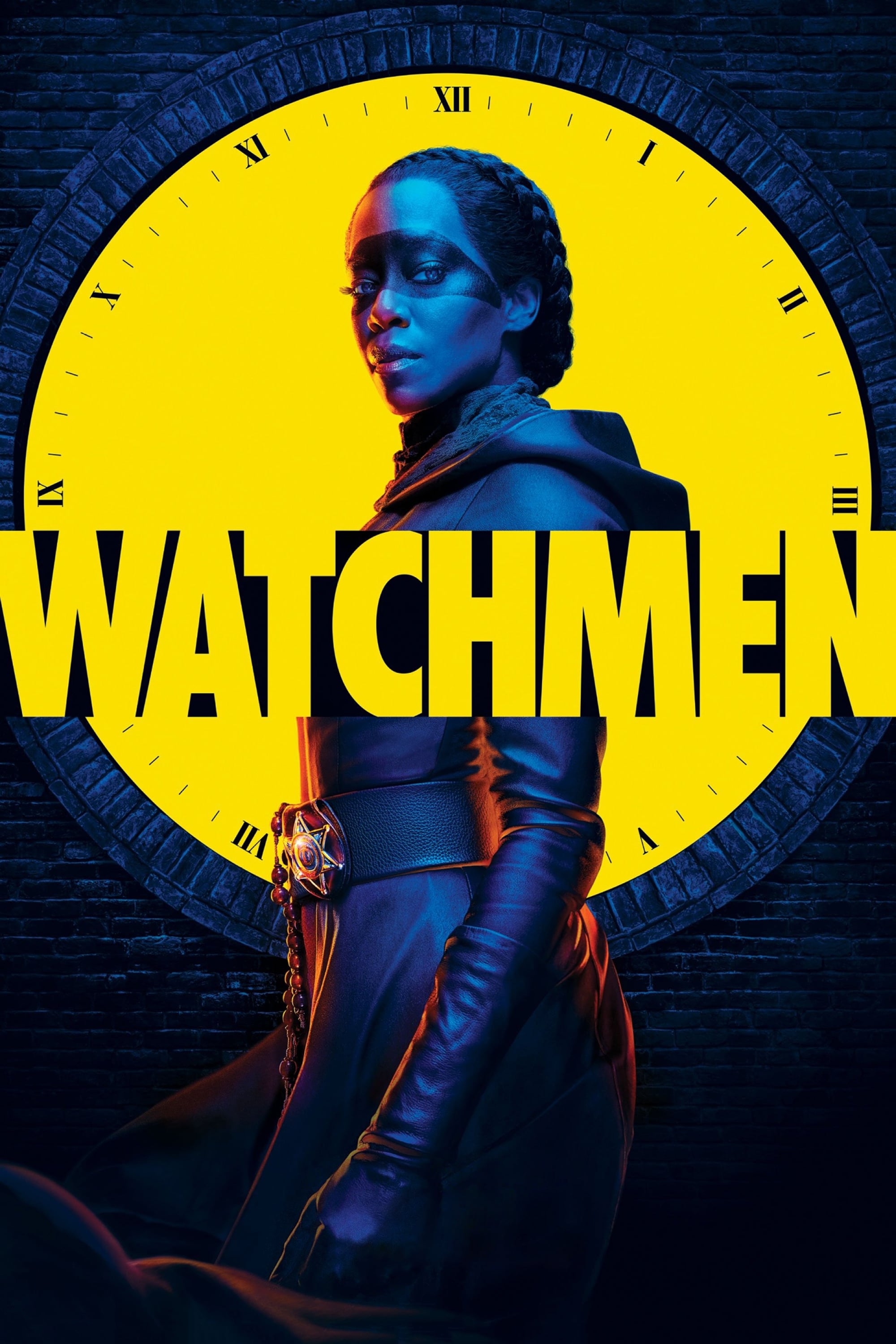
Angela Abar operates in a dangerous world filled with masked heroes and the lasting effects of racial injustice, all while fighting for what’s right. She solves mysteries and takes action through investigation and physical combat, not through supernatural means. The story explores how the past – and even inherited trauma – shapes her journey, portraying her strength as something she earns through her own choices and willpower.
‘True Detective’ (2014–Present)
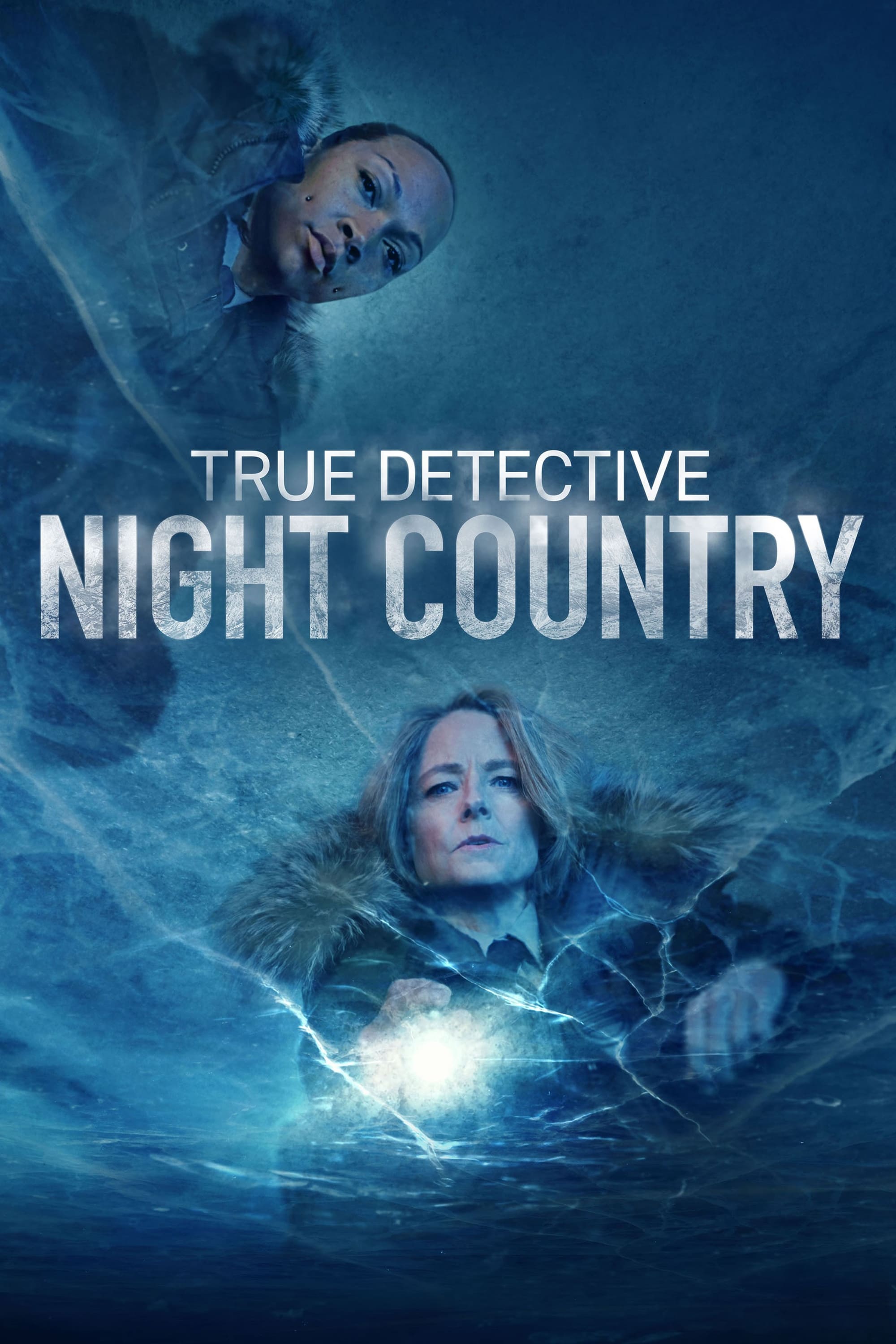
Wayne Hays is a detective haunted by a case he can’t let go of, one that follows him throughout his life. He believes in solid evidence and his own recollections, but his memory starts to fail him. The story delves into his internal struggles and the grim details of the crime. Hays relentlessly pursues the truth and answers through investigation, finding no solace in faith or religion.
Read More
- 20 Movies Where the Black Villain Was Secretly the Most Popular Character
- Top 20 Dinosaur Movies, Ranked
- 25 “Woke” Films That Used Black Trauma to Humanize White Leads
- Gold Rate Forecast
- Silver Rate Forecast
- 22 Films Where the White Protagonist Is Canonically the Sidekick to a Black Lead
- Top 10 Coolest Things About Invincible (Mark Grayson)
- Can AI Lie with a Picture? Detecting Deception in Multimodal Models
- Celebs Who Narrowly Escaped The 9/11 Attacks
- From Bids to Best Policies: Smarter Auto-Bidding with Generative AI
2025-12-10 11:15