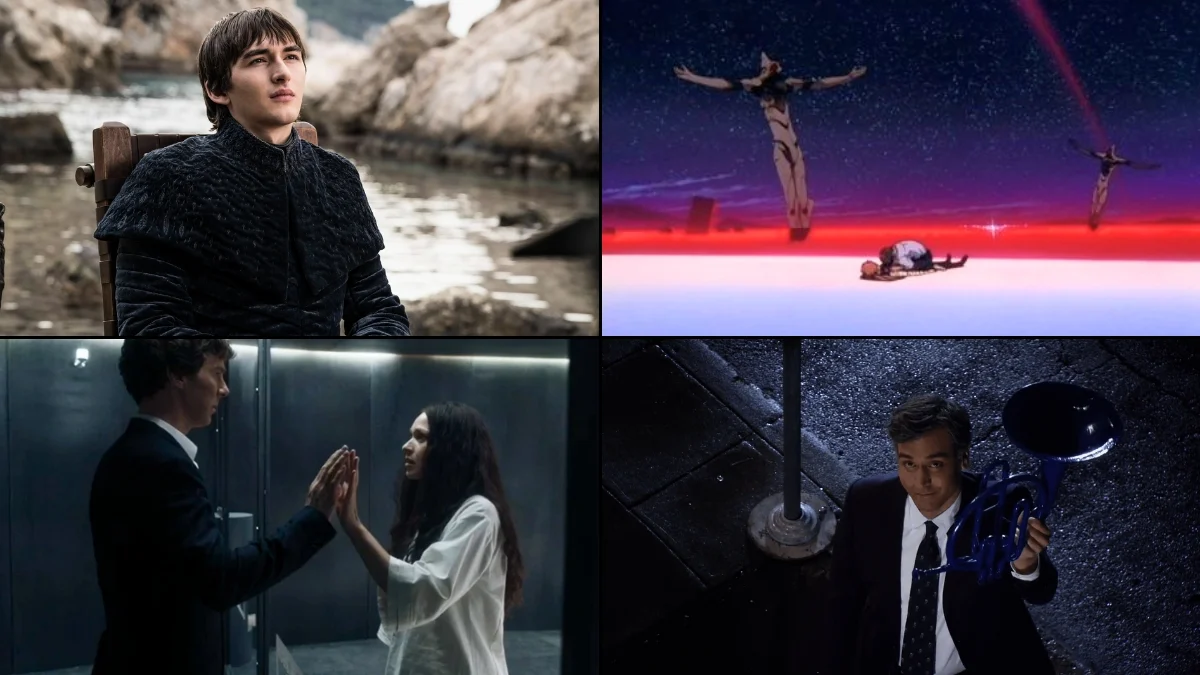
It’s common for TV shows to receive criticism, but sometimes the negative reaction to a final episode goes too far. When fans become deeply invested in a series, they can feel incredibly let down by how it ends. Unfortunately, this disappointment sometimes turns into harmful online harassment and even death threats directed at the show’s creators. Here are fifteen examples of times when creative choices sparked intense anger and threats.
‘Game of Thrones’ (2011–2019)
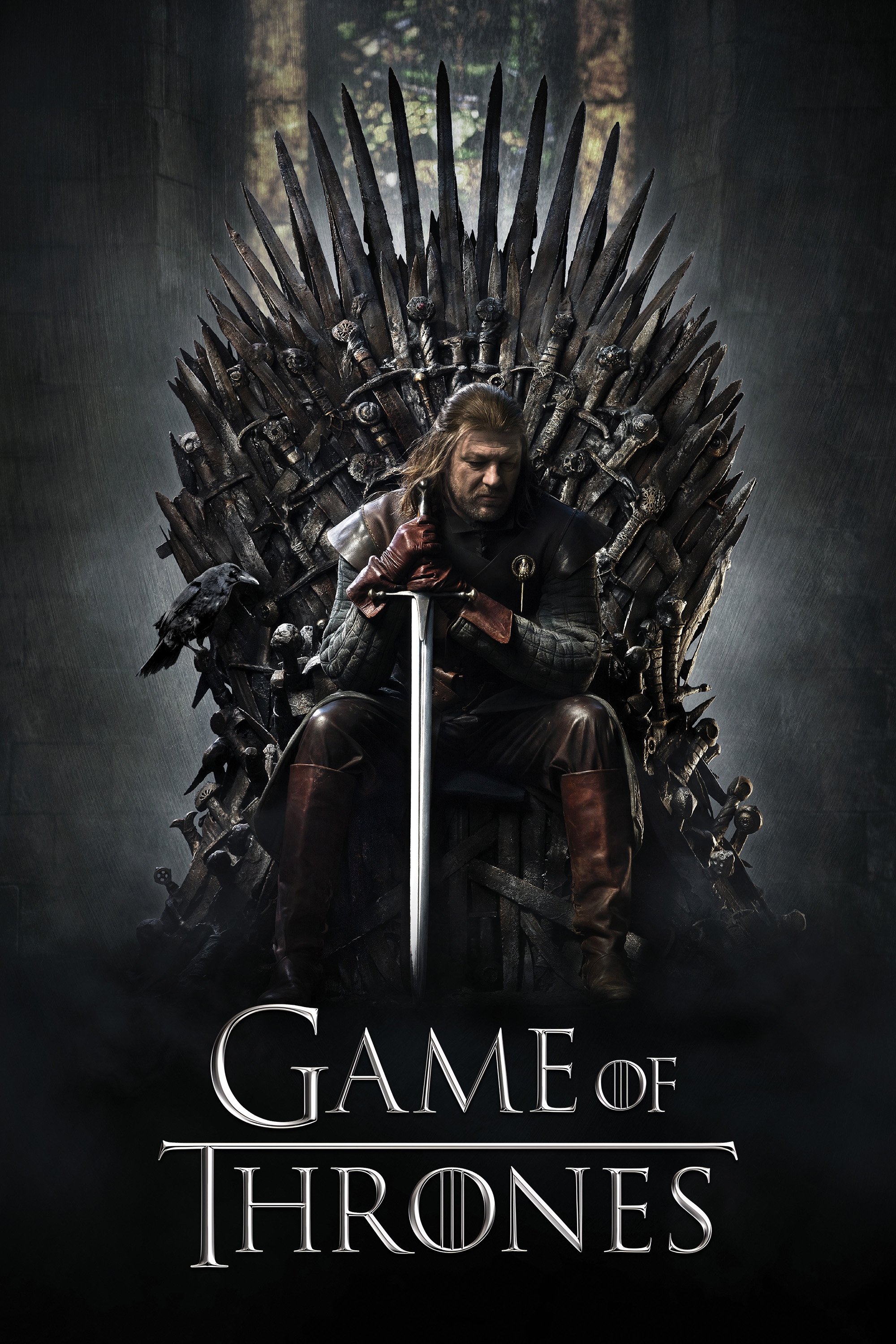
After the final season aired, showrunners David Benioff and D.B. Weiss were met with intense criticism. Many fans felt the show ended too quickly, with characters behaving inconsistently and the plot making little sense. The backlash online became so severe that the creators received serious threats and needed increased security. This dramatic response demonstrated just how popular the fantasy series had become and how passionately its audience felt.
‘Lost’ (2004–2010)
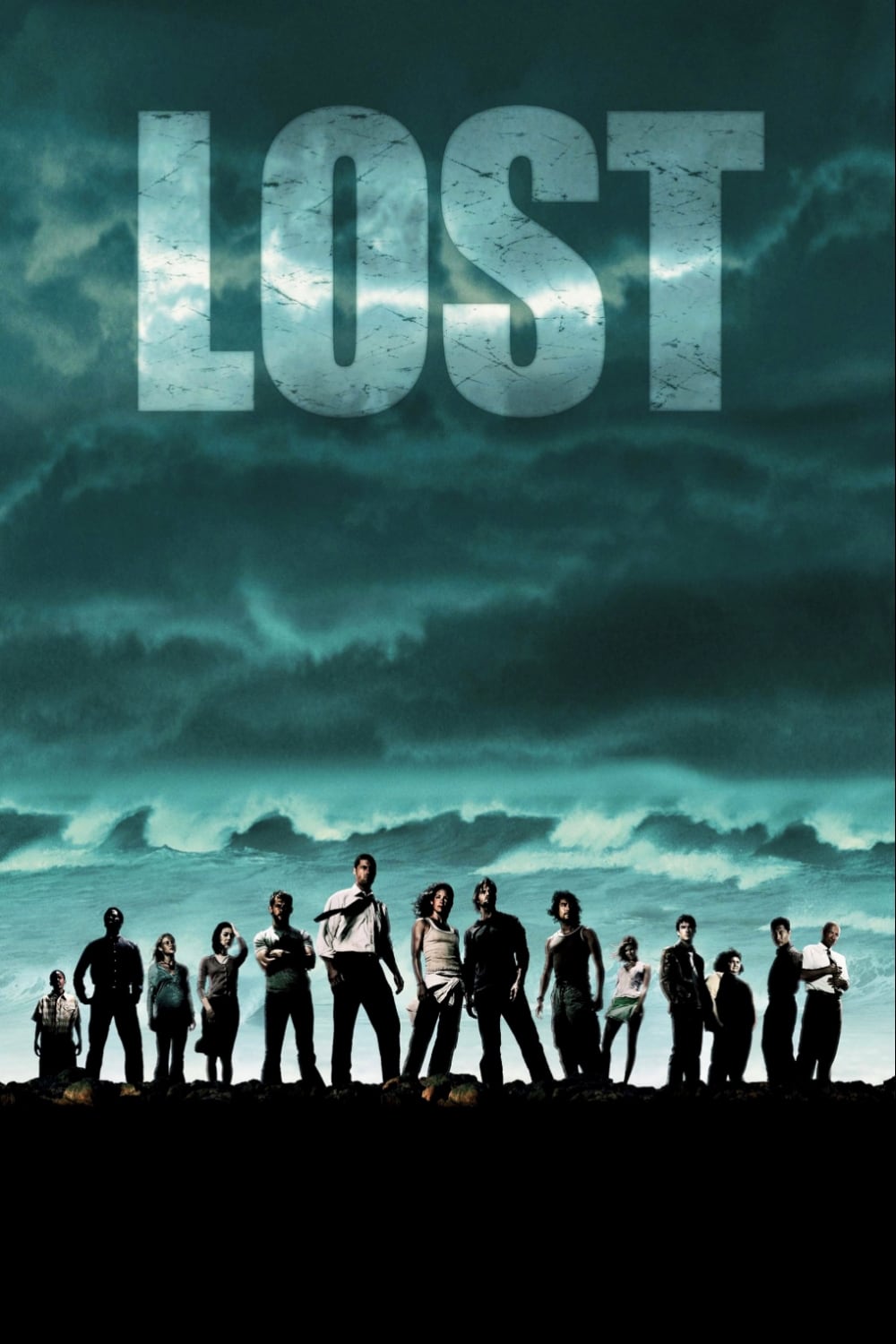
After the series ended with a focus on themes and symbolism rather than clear, scientific explanations, Damon Lindelof faced intense online harassment. Many fans felt disappointed, believing the years they spent trying to solve the island’s mysteries hadn’t led to satisfying answers. The negativity, including threats and personal attacks, led Lindelof to leave social media. Even now, the controversial finale continues to be a point of discussion and affects how people view his later work.
‘How I Met Your Mother’ (2005–2014)
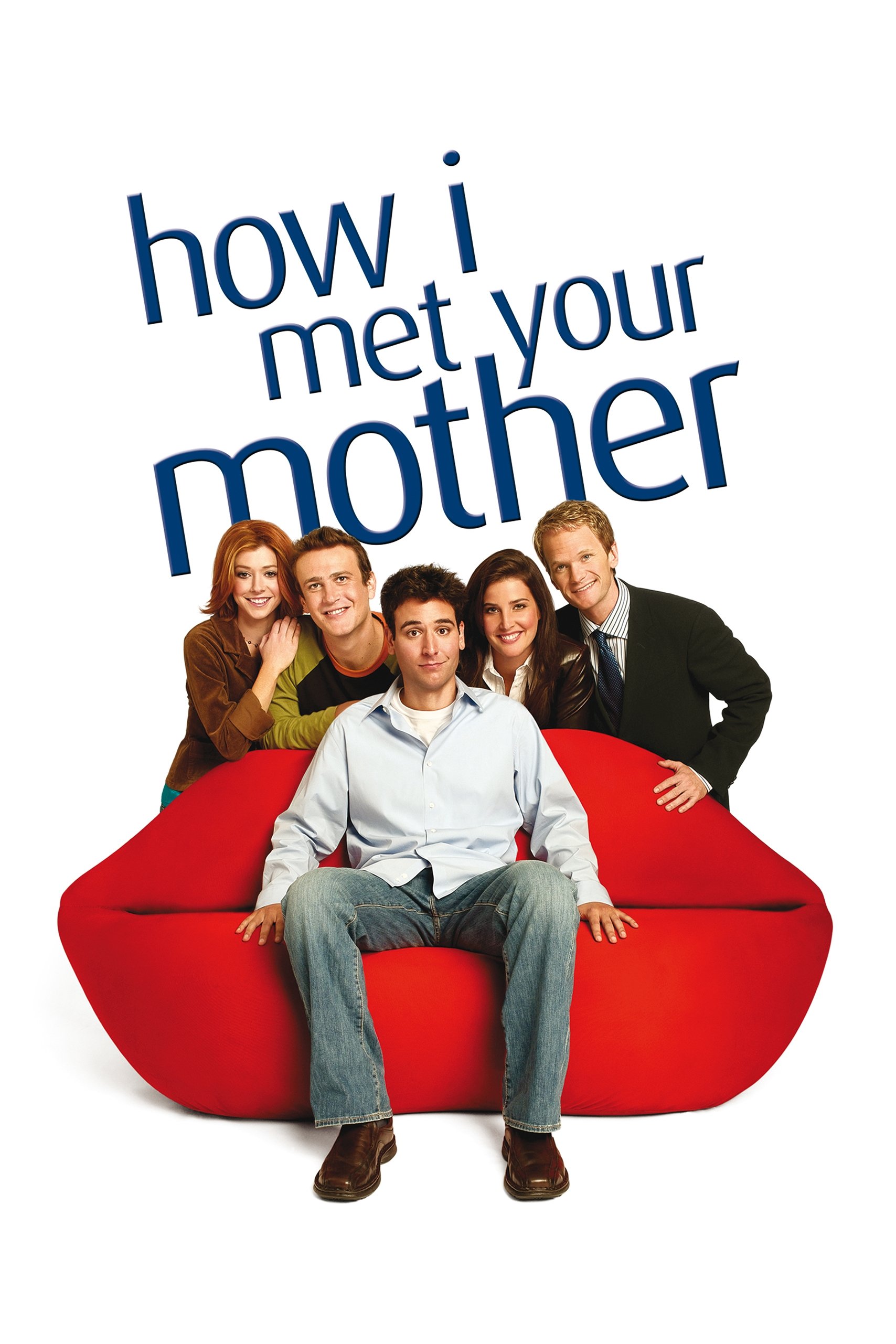
The creators of the show, Carter Bays and Craig Thomas, received a lot of angry reactions to the series finale, which contradicted the show’s central idea. Fans were especially frustrated that an entire season focused on a wedding, only for the marriage to end right at the very end. The writers were bombarded with harsh messages and even threats on Twitter from viewers who felt the characters’ journeys had been disregarded. The negative response was so strong that a different ending was added to the DVD release.
‘Dexter’ (2006–2013)
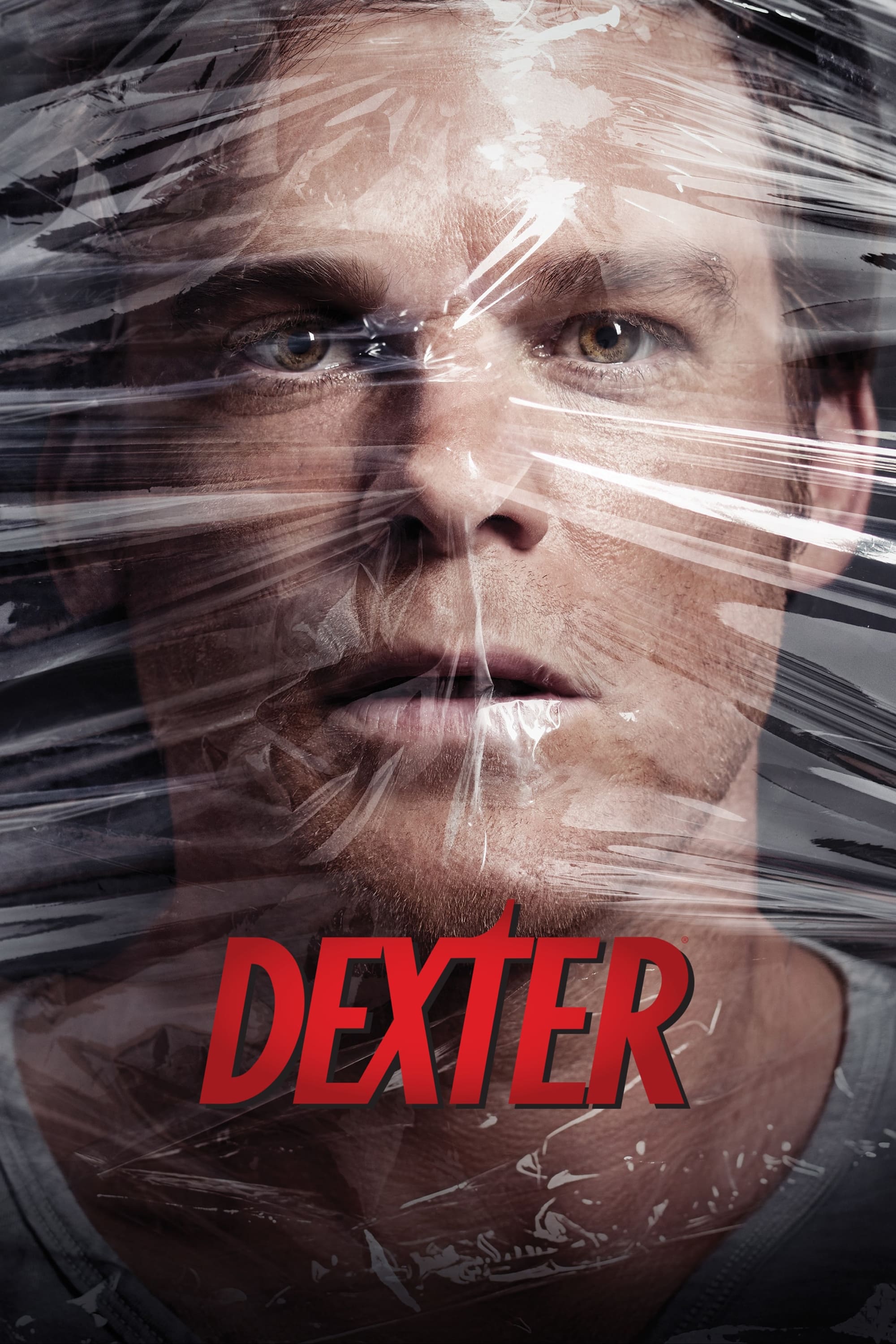
I remember when the show ended with that hurricane and Dexter suddenly becoming a lumberjack – it was a really controversial finale! Fans, myself included, were incredibly upset and let the showrunner, Scott Buck, know it – some people even sent him abusive messages. Honestly, it felt like they didn’t do justice to such a complex character. That negativity really stuck with everyone involved for almost ten years, until they finally decided to revisit the story with a new series. We all thought the lumberjack thing was such a strange turn, especially compared to how clever the writing had been in the earlier seasons.
‘The 100’ (2014–2020)
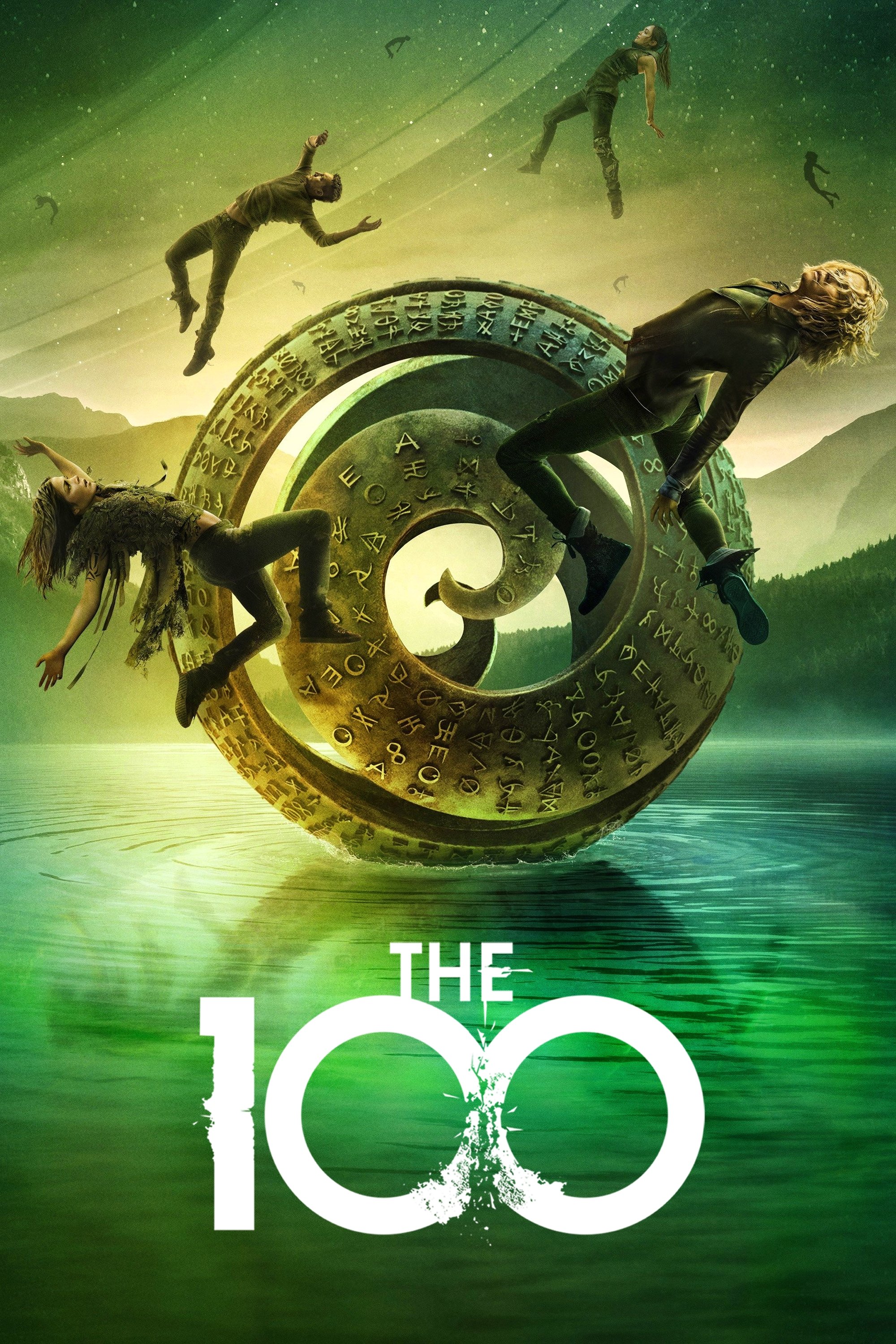
Jason Rothenberg, the creator of the show, received a lot of backlash after some unpopular character deaths and a finale that many longtime viewers didn’t like. The anger started building after a beloved character died earlier in the series, and it continued through to the end. Both the writers and Rothenberg himself were subjected to threats and harassment online. The intense reaction from fans became a well-known example of how showrunners and online communities can clash.
‘Pretty Little Liars’ (2010–2017)
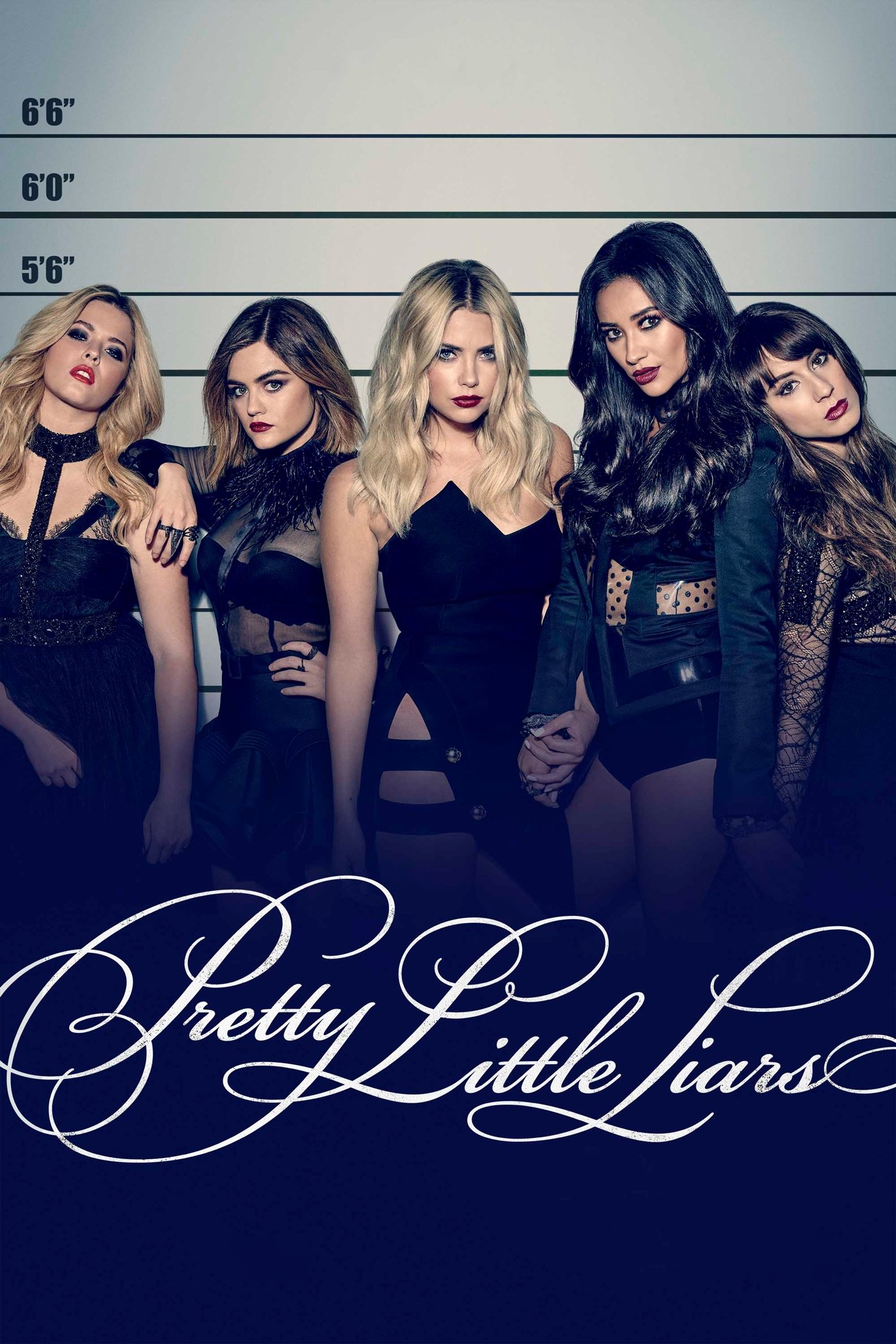
After the show revealed its main villain, A.D., Marlene King, the showrunner, received a lot of angry and threatening messages online. Fans were disappointed with the villain’s identity, finding it didn’t make sense and relied on a predictable storyline that didn’t fit with what they’d seen before. The strong negative reaction led King to discuss the issue in interviews after the finale. Many viewers were upset that seven seasons of build-up ended with a confusing explanation involving a twin sister.
‘Seinfeld’ (1989–1998)
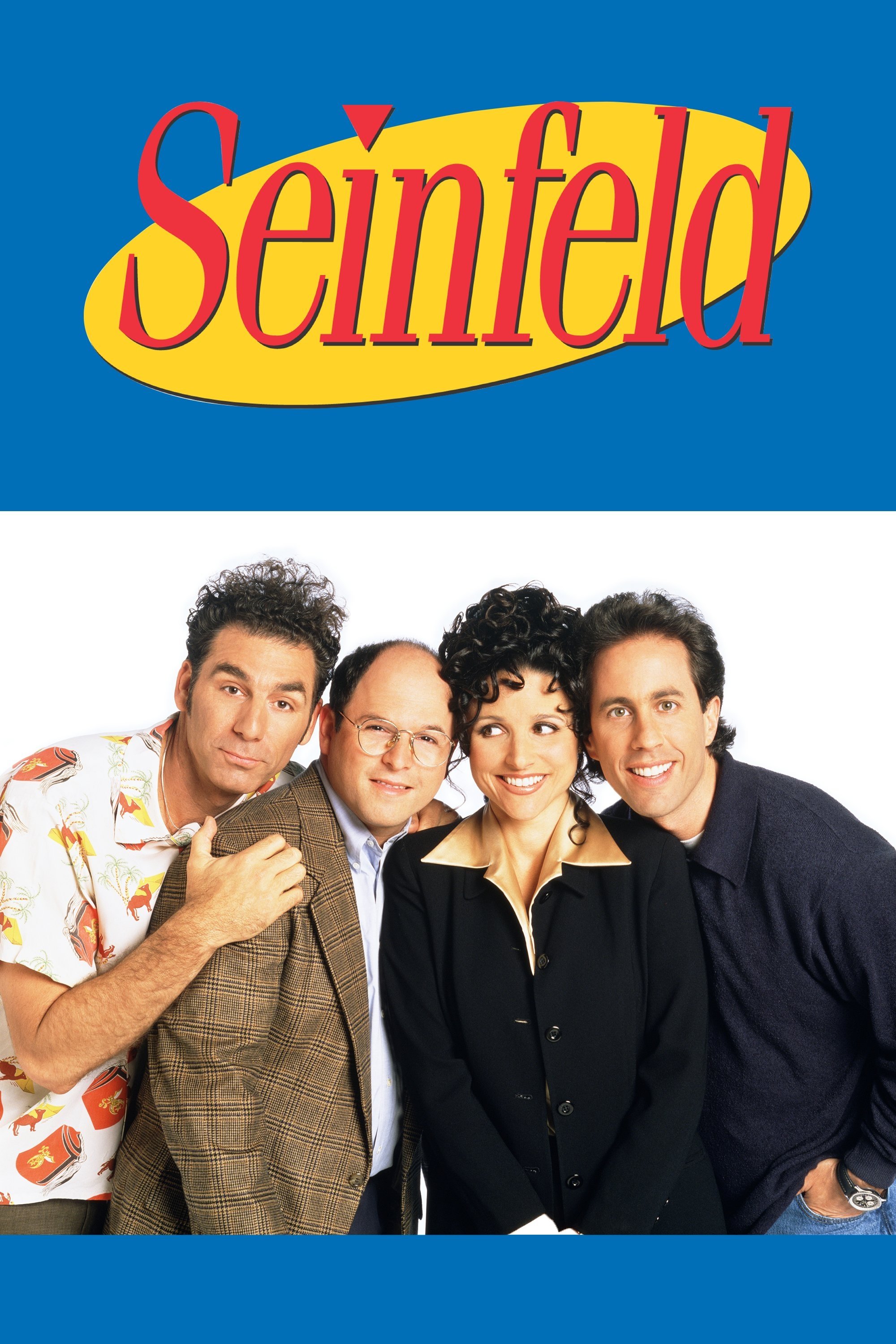
Larry David wrote the final episode of the show, which ended with the main characters in jail as a consequence of their self-centered behavior. However, the episode received a lot of criticism, with many viewers finding it overly negative and preachy for a comedy. David later revealed he received angry responses and even threats from fans who had hoped for a more cheerful ending. While the finale attracted a large audience, it ultimately tarnished the show’s reputation.
‘The Sopranos’ (1999–2007)
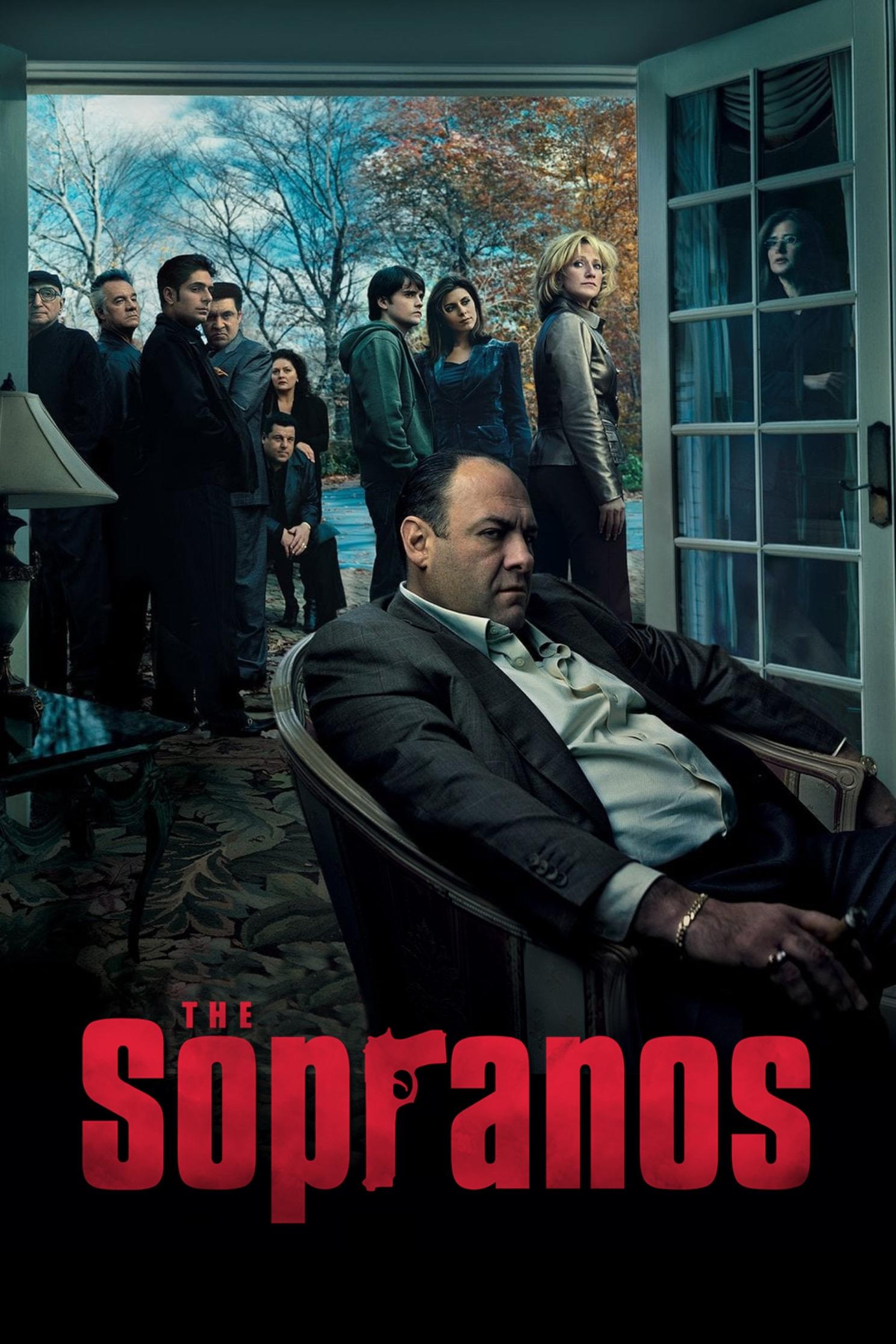
David Chase, the creator of the show, intentionally ended the series with a sudden cut to black, leaving many viewers thinking their TV had malfunctioned. This sparked immediate anger and even threats from fans who wanted a clear resolution to Tony Soprano’s story. Chase reportedly withdrew from public life for a while to escape the backlash. Even now, years later, the ending remains a source of intense debate and scrutiny.
‘Neon Genesis Evangelion’ (1995–1996)
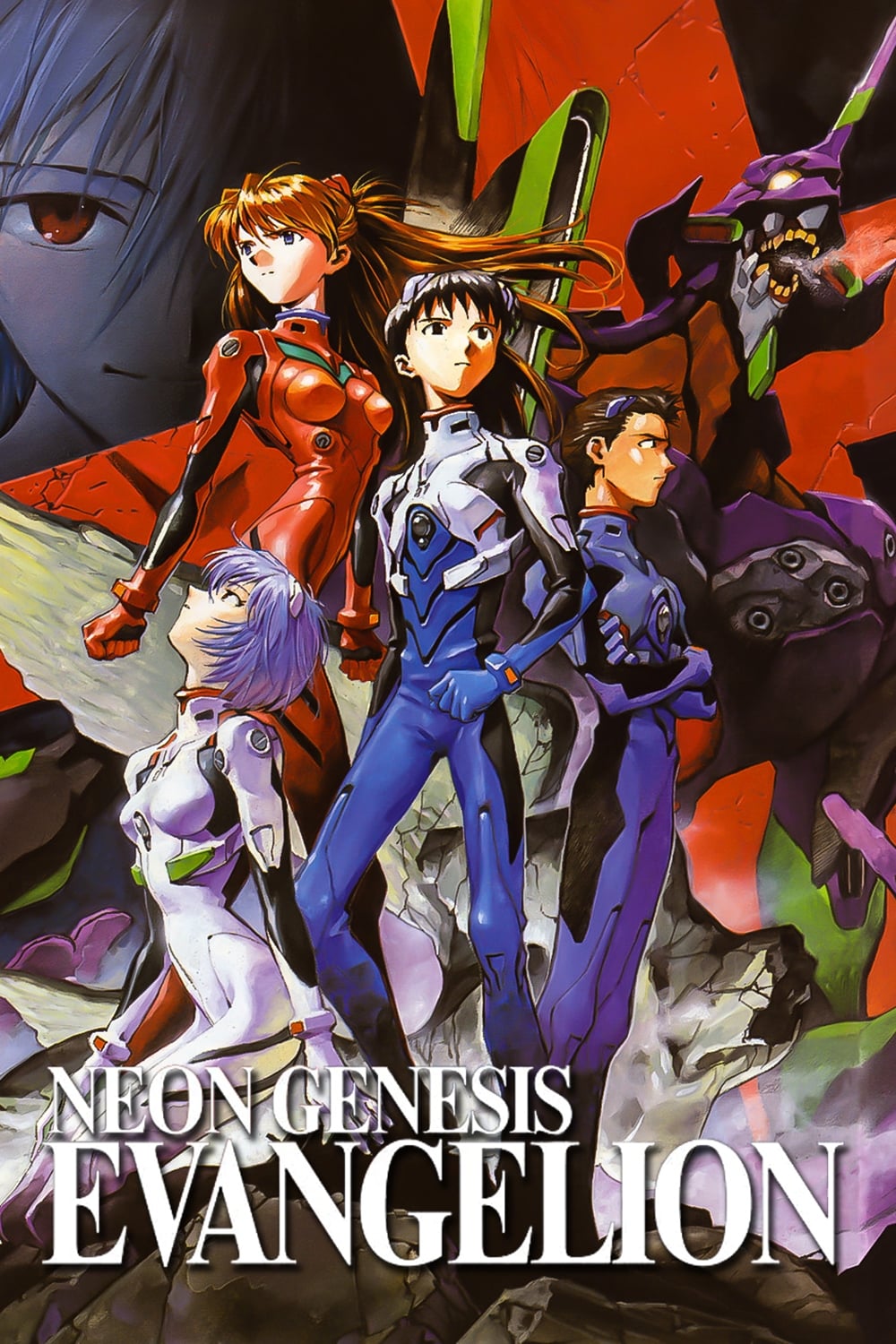
After the series ended with a thought-provoking, rather than action-packed, finale, director Hideaki Anno faced intense criticism, including death threats and vandalism at his studio. Viewers had anticipated a typical robot fight, but the psychological ending sparked a strong negative reaction. This backlash ultimately led to the creation of a follow-up movie offering an alternate conclusion. The film even referenced the threats directly, serving as a critique of the sometimes-toxic side of fandom.
‘Line of Duty’ (2012–2021)
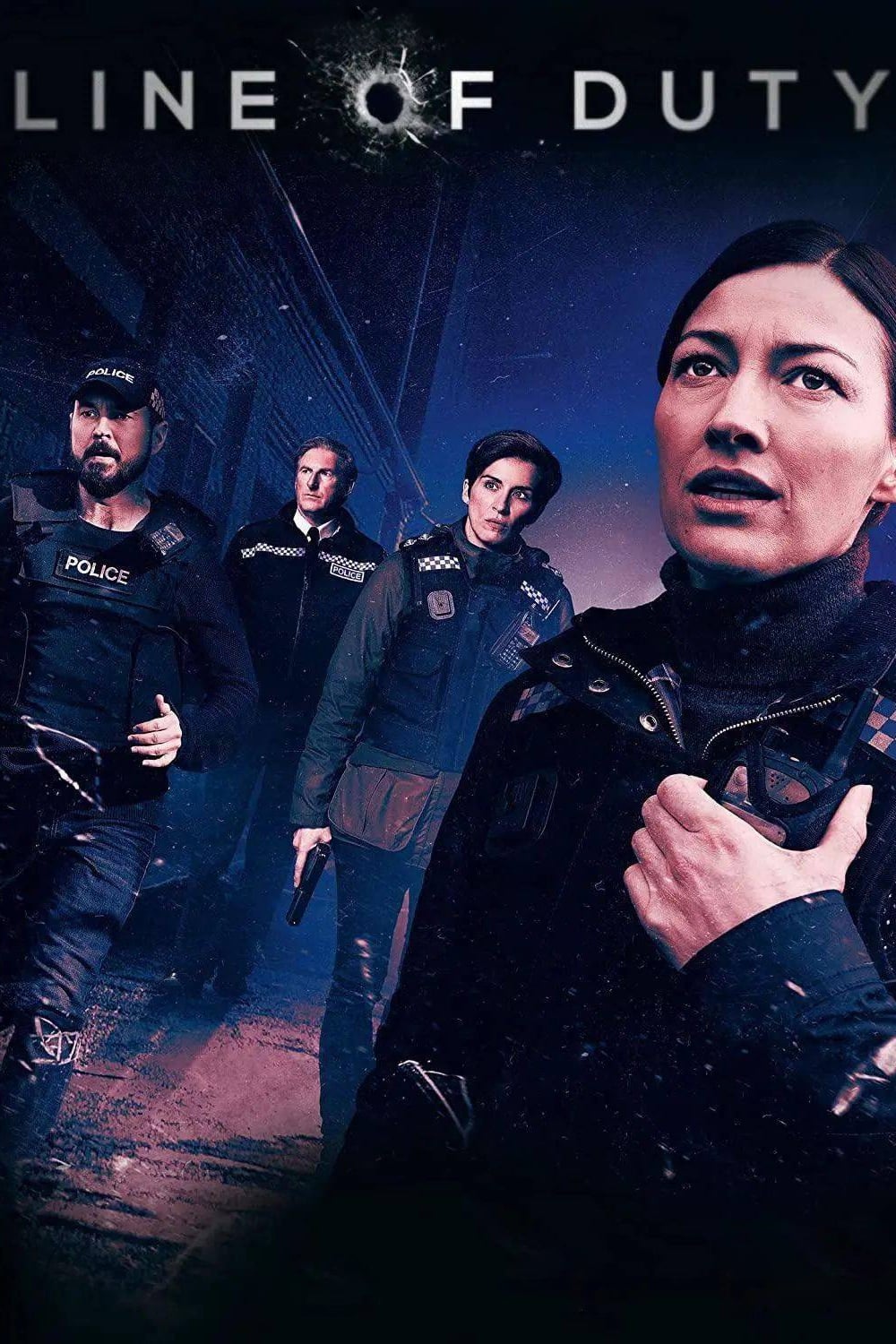
Look, I get why some viewers were frustrated with the reveal of ‘H’ in Line of Duty. It wasn’t the explosive, cinematic moment a lot of us were expecting – it was deliberately low-key. I saw a lot of anger directed at writer Jed Mercurio online, and honestly, some of it was pretty nasty – he even mentioned the disturbing level of abuse the whole team was getting. But despite the mixed reviews, the finale was a massive hit, breaking viewing records here in the UK. It proves that even a controversial ending can’t keep people from tuning in!
‘Voltron: Legendary Defender’ (2016–2018)
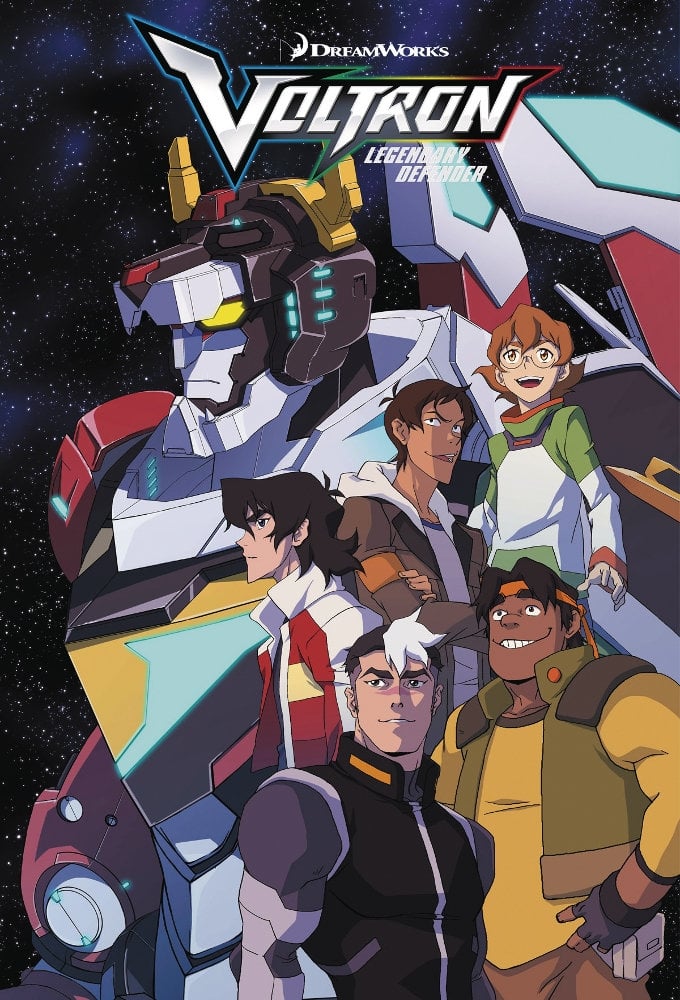
The final season of the show led to a wave of harassment directed at showrunners Joaquim Dos Santos and Lauren Montgomery. Intense disagreements between fans over romantic pairings, combined with concerns about how LGBTQ+ characters were portrayed, sparked hateful and threatening messages. The creators even received death threats, which led them to step away from interacting with fans and using social media. As a result, security was reportedly tightened at fan conventions.
‘The Vampire Diaries’ (2009–2017)
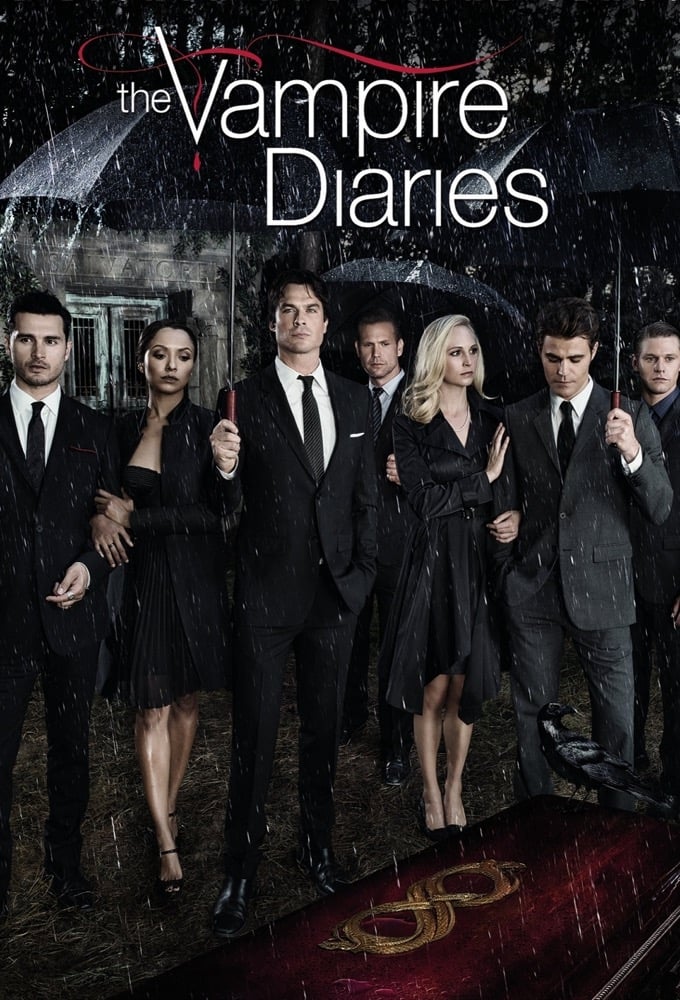
Julie Plec, the writer of the popular teen drama, has often talked about the death threats she received because of how the show’s love stories ended. When fans didn’t get the romantic pairings they wanted, they sent Plec a lot of angry and hateful messages. The passionate fanbase sometimes struggled to separate the show from real life. Plec continues to be a vocal advocate against online harassment in fan communities.
‘Killing Eve’ (2018–2022)
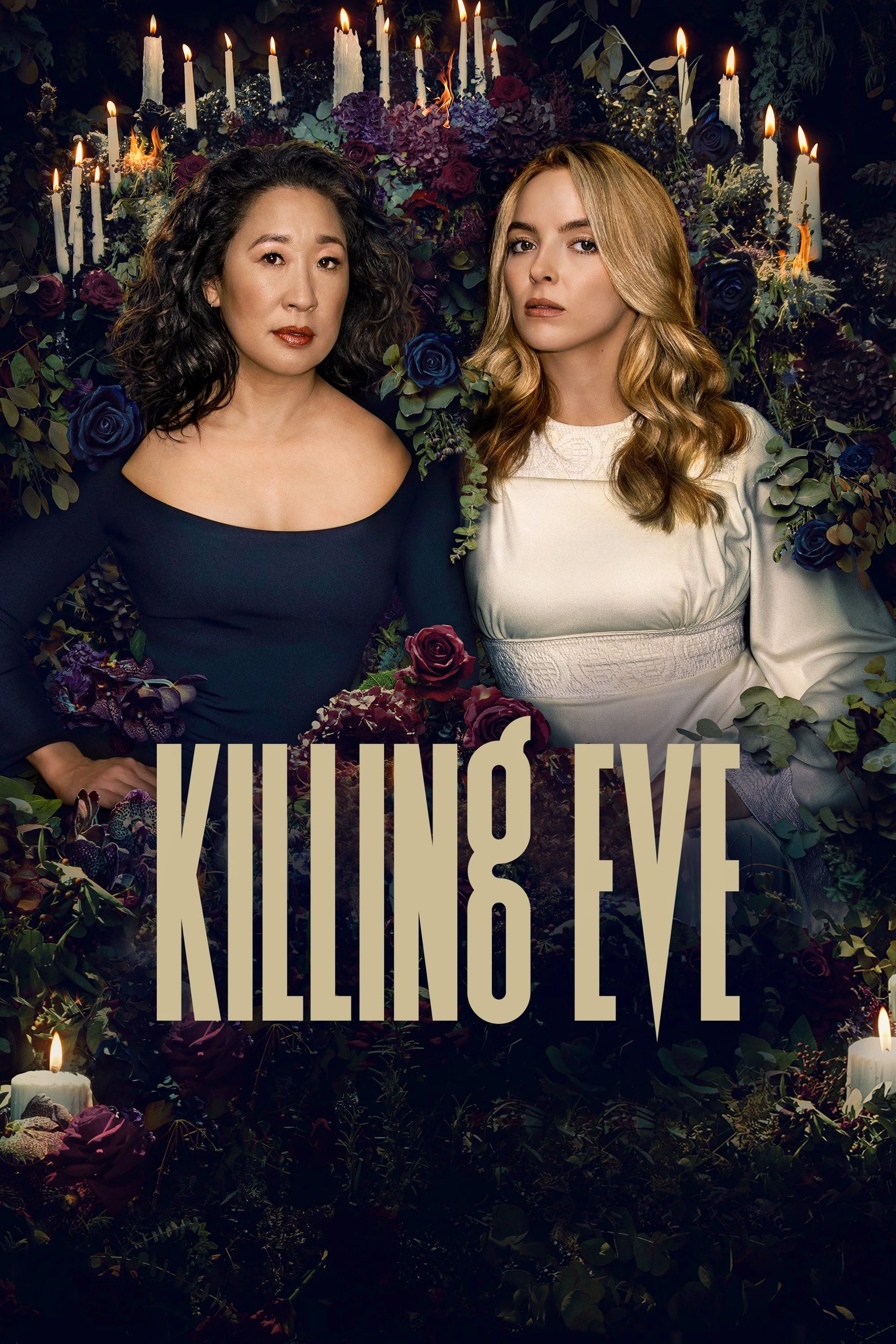
I was absolutely shocked and heartbroken by the finale! Seeing Villanelle killed off so abruptly felt really unfair, and I know I wasn’t the only one who felt that way. It seemed like a cruel and unnecessary end, and a lot of fans were really upset with the author and writers. Sadly, that frustration turned into some awful online abuse directed at the people who worked on the final season, which is never okay. Beyond that, so many of us felt the ending reinforced harmful stereotypes about queer characters, and it just left a really bad taste in everyone’s mouth.
‘Veronica Mars’ (2004–2019)
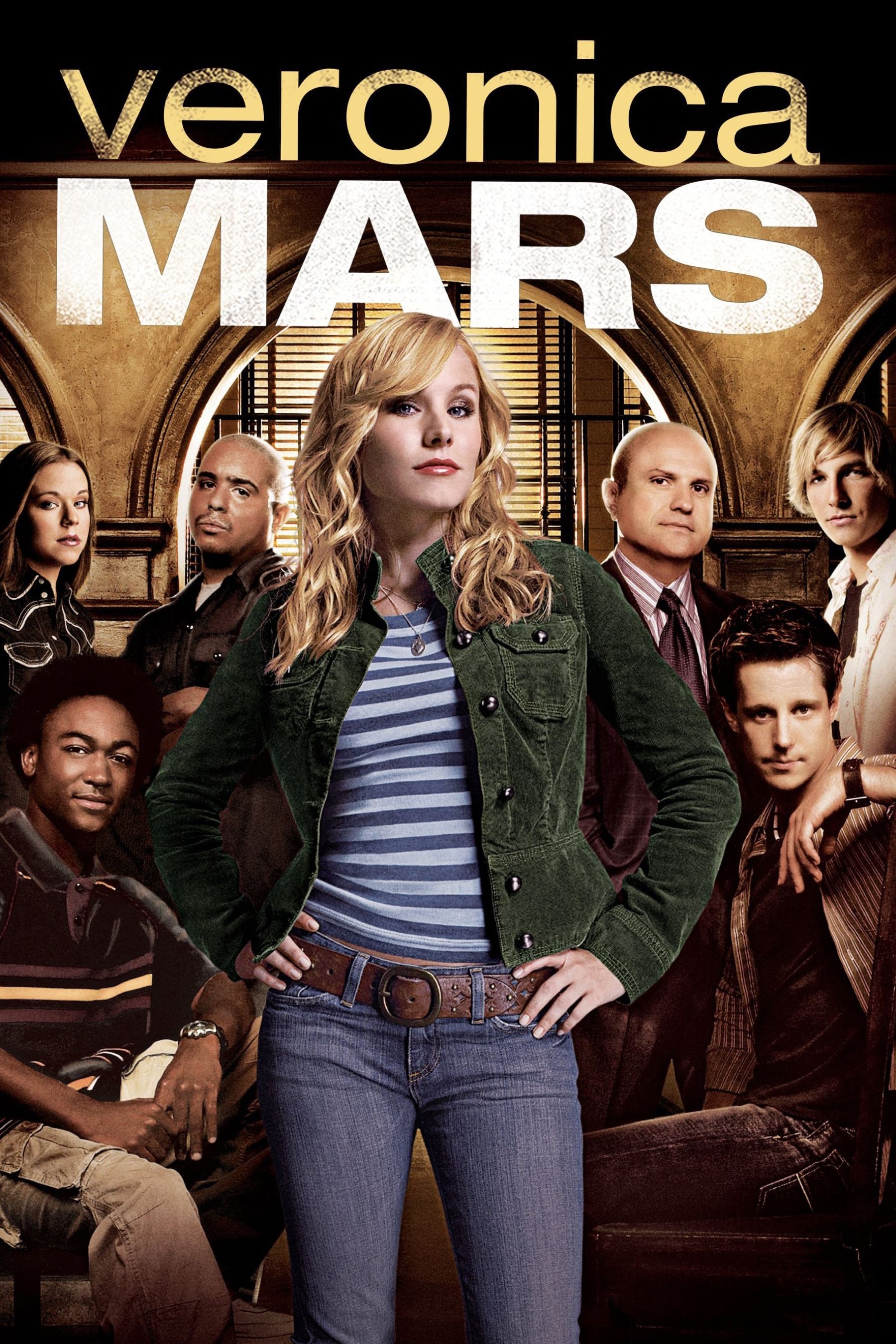
After the show’s creator, Rob Thomas, killed off a popular character in the revived season’s final episode, he received death threats from upset fans. These fans had actively worked to bring the show back by funding a movie, and felt deeply betrayed by the unexpected plot twist. While Thomas hoped the decision would allow for new storylines, it instead caused a permanent rift with the show’s most loyal viewers. He stood by his creative choice, but admitted he was disturbed by the intense negativity he faced.
‘Sherlock’ (2010–2017)
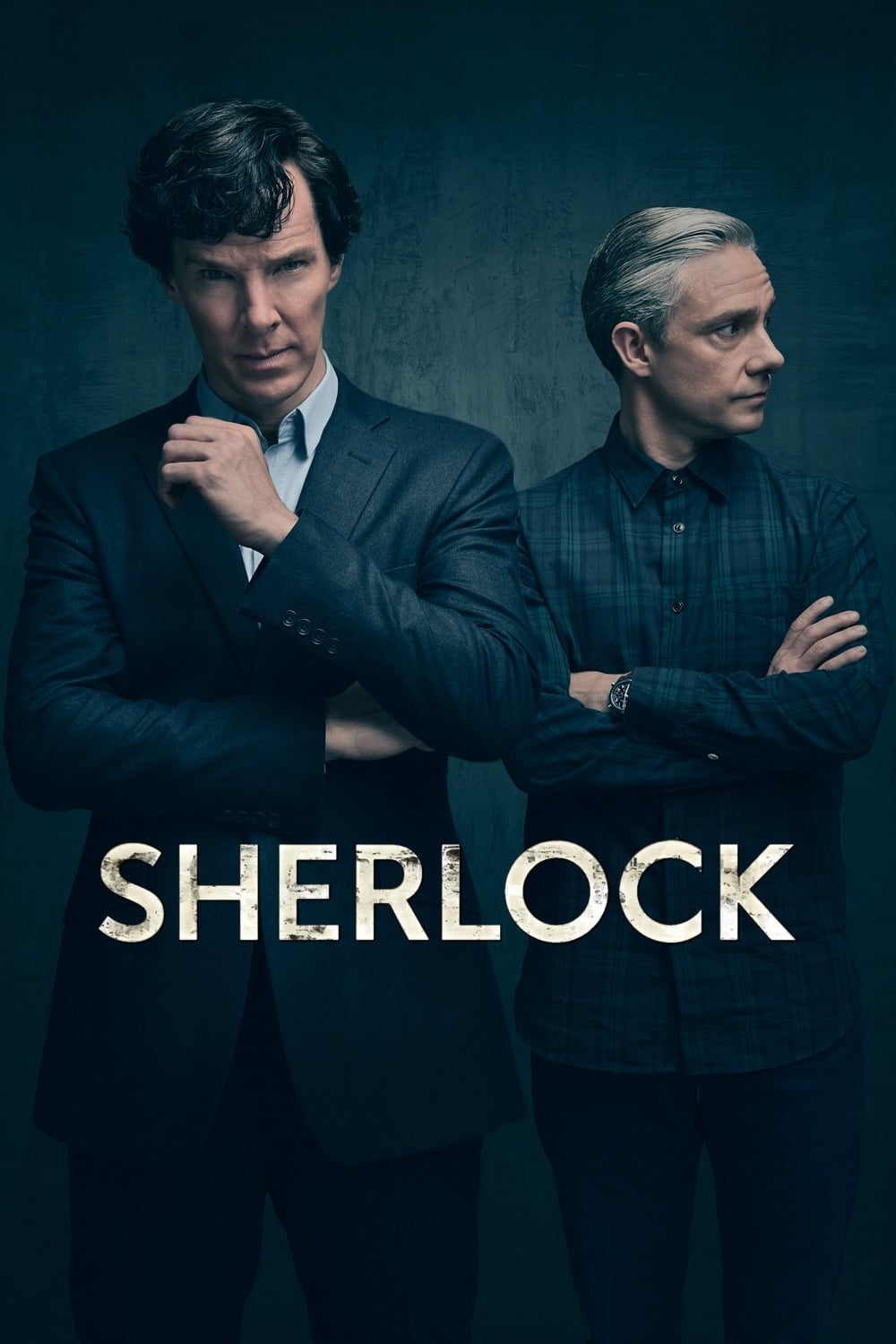
Steven Moffat and Mark Gatiss faced backlash from dedicated fans who were unhappy with how the series ended. When the actual finale didn’t confirm popular fan theories – including speculation about a hidden fourth episode – it sparked anger. The creators received threats and harassment from viewers who felt the show had been deceptive about character connections. This negative reaction became a major concern for the series’ future.
Share your thoughts on these controversial finales in the comments.
Read More
- Gold Rate Forecast
- Invincible Season 4 Gender Swaps Tech Jacket As Fans Question Major Comic Change
- 22 Films Where the White Protagonist Is Canonically the Sidekick to a Black Lead
- Silver Rate Forecast
- Superman Flops Financially: $350M Budget, Still No Profit (Scoop Confirmed)
- Why Won’t It Just *Do* What You Ask? Unpacking the Quirks of AI Language
- 14 Movies Where the Black Character Refuses to Save the White Protagonist
- The Best Former NFL Players Turned Actors, Ranked
- Unveiling the Schwab U.S. Dividend Equity ETF: A Portent of Financial Growth
- Black Actors Fans Say Hollywood Only Casts as Criminals
2025-12-05 00:16